
Are we, the west in 2017, are we “Rome”?
Yes! Yes and no. It depends on how you view Ancient Rome and how you view the west now. There is no easy answer.
Here, I believe, in the church, and in certain rituals, and beliefs… are where the living tradition of ancient Rome is carried on today…
After this course I can understand more and more why a pagan would adapt this religion to aid his war success, and to be a unifier of an already somewhat fractured people.
Tom Holland recently wrote about returning to the church after realizing in writing about the ancient Roman era for years, and about the Medieval, and the Renaissance periods, he saw more and more how Christian thought shaped much of our ‘modern’ form of humanism.
Discovering remnants and fragments and sometimes entire pieces or histories of dug up Greco Roman art and philosophy in the Middle Ages and the Renaissance was an intellectual and spiritual goldmine for learned men, often monks, and eventually for wealthy woman patroness like Isabella d’Este or Lucrezia Borgia or Caterina Sforza or female artists like Sofonisba Anguissola, Lavinia Fontana or Artemisia Gentileschi.
A great patron and nearly empirical statesman of Firenze, the infamous Cosimo de’Medici, installed the first “open” humanist library in a monastery for Florentine scholars and students, commissioning prints of works from classical antiquity, contemporary Humanist Catholic writers, and artworks with religious and classical themes. It was the first library not exclusively for ascetics or royalty in Europe in 1,000 years.
When open minded scholars and artists (who were artisans as much as they were artists)… when they married classical thought with the higher moral teachings found in the broadening church interpretations, the commissioned theological (and later classical and allegorical works;) mostly paintings and sculptures, were ordered by the wealthy citizen patrons; first by the church, then the aristocrats, and finally by the growing mercantile class…
The Ancient Romans in the late western empire and in the eastern empire, had to adapt to a new increasingly popular religion to survive, to become yet another new “old” Rome in an eternal city which had always extended itself to the farthest reaches of the earth, with a distinctive calling card, and yet was nevertheless as mutable as the water coursing through the aqueducts… Ancient Rome had to keep something from the past alive, and also they had to grow along with it and the times in order to still thrive in this rapidly flowing world.
As far as why Rome “fell”, it also appears to me to be for a variety of reasons, and yet Christianity, I don’t think, is one of its downfalls.
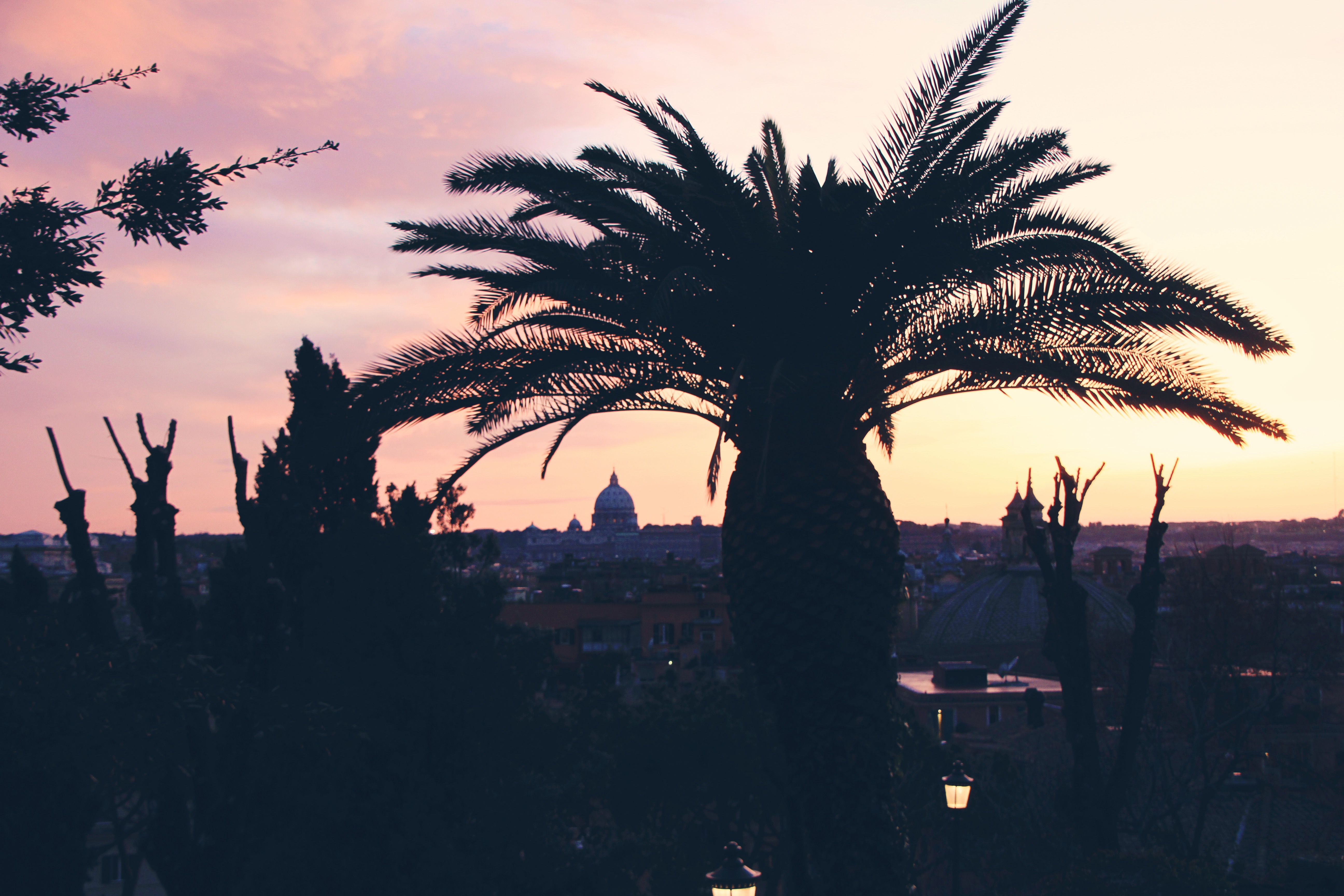
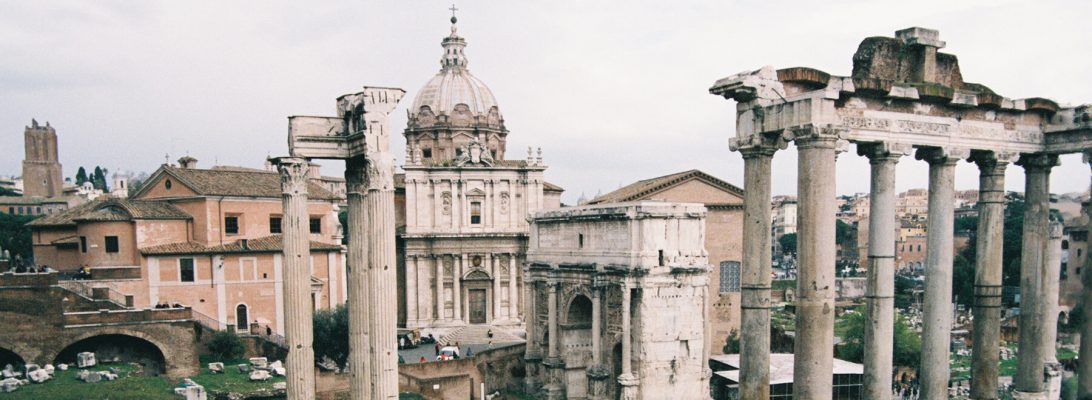
In darker moments I think we are the new Rome, then I remember Rome didn’t necessarily fall the way I thought before this class, that I can still walk among the ruins in the eternal city today, I can see the rituals, and even hear pieces of the language in an old church, and I can even see faces which remind me of a 2000 year old fresco… in the cafes.
For every doom and gloom scenario for Europe or the US, and other parts of the west, there is a twist and turn, an adaptation or rejection, a battle or a war, and I think we are a long way off from either a surrender or a fall.
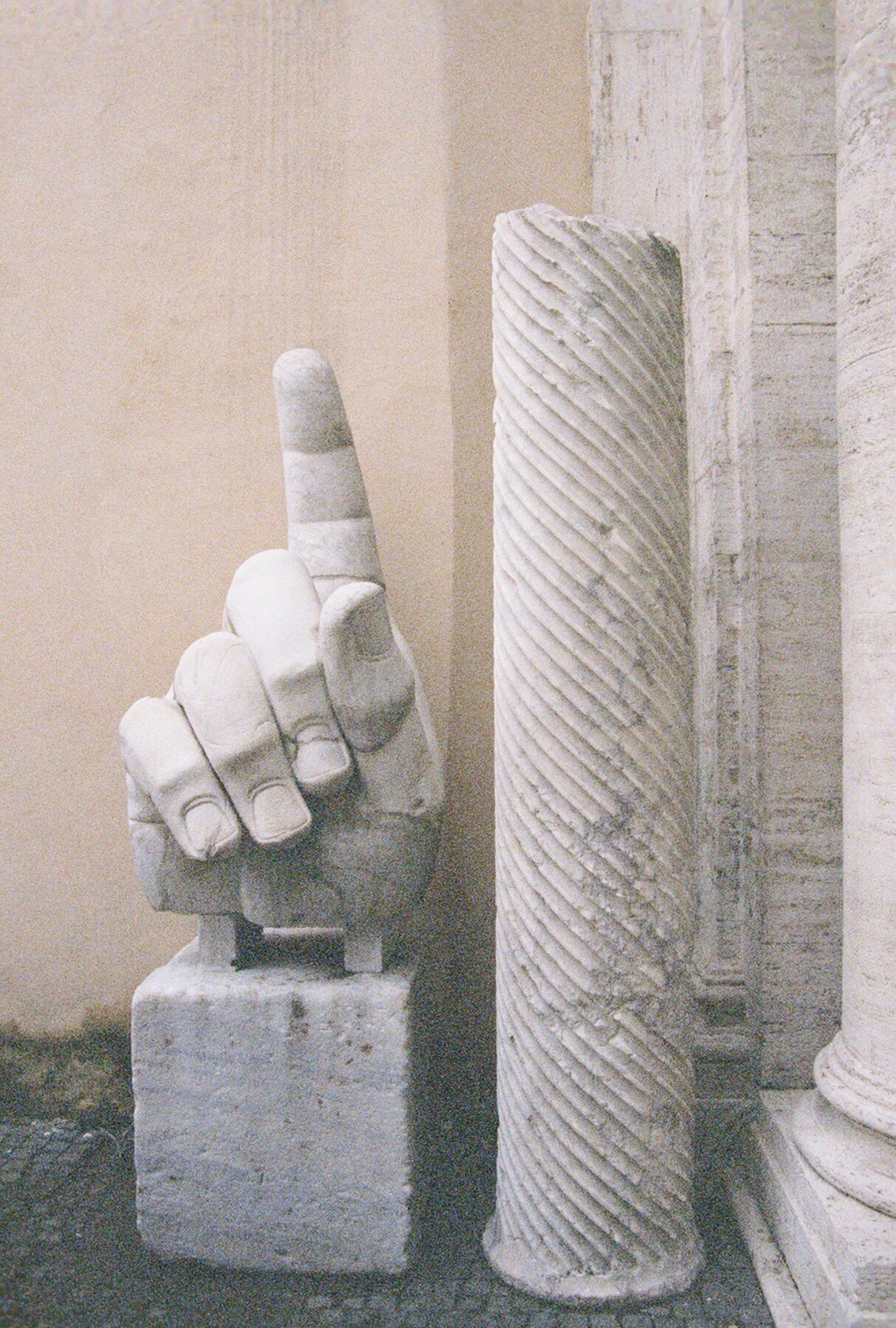

When I think of the Piazza Navona in Rome I think of you now.
Last time I was there I was walking around, and every coffee I had, or wine I sipped, or smile I gave to a passing man, or Bernini fountains I stopped and stood at for the hundredth time pondering with fresh eyes, or place I wandered into… gazing at everything in Saint Agnese, or in the museums near by; I thought about you there in the piazza before me, and after me, off in your own reverie, not thinking of me except when I asked for an image of you once, standing before a marble goddess. You sent it to your part-time Aphrodite on Hérmes’ winged feet, and I treasured it, and buried it, like Crassus’ riches.
You have captured my imagination against my will, and that’s kind of lovely.
This strange, exciting, impossible idea of you sprung from the wells of imagination.
My eyes shine at you; the color of dreams and the sea.
Your eyes burn at me; the color of will and life and earth.
And time itself is a secret nod between us.


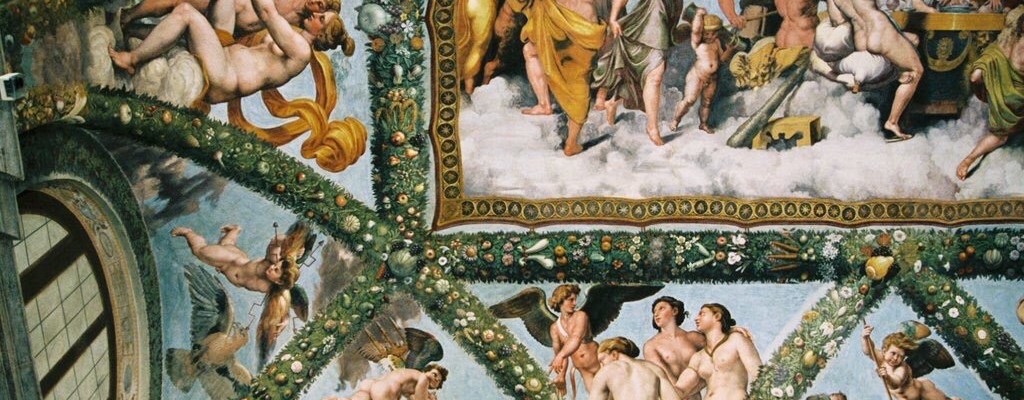
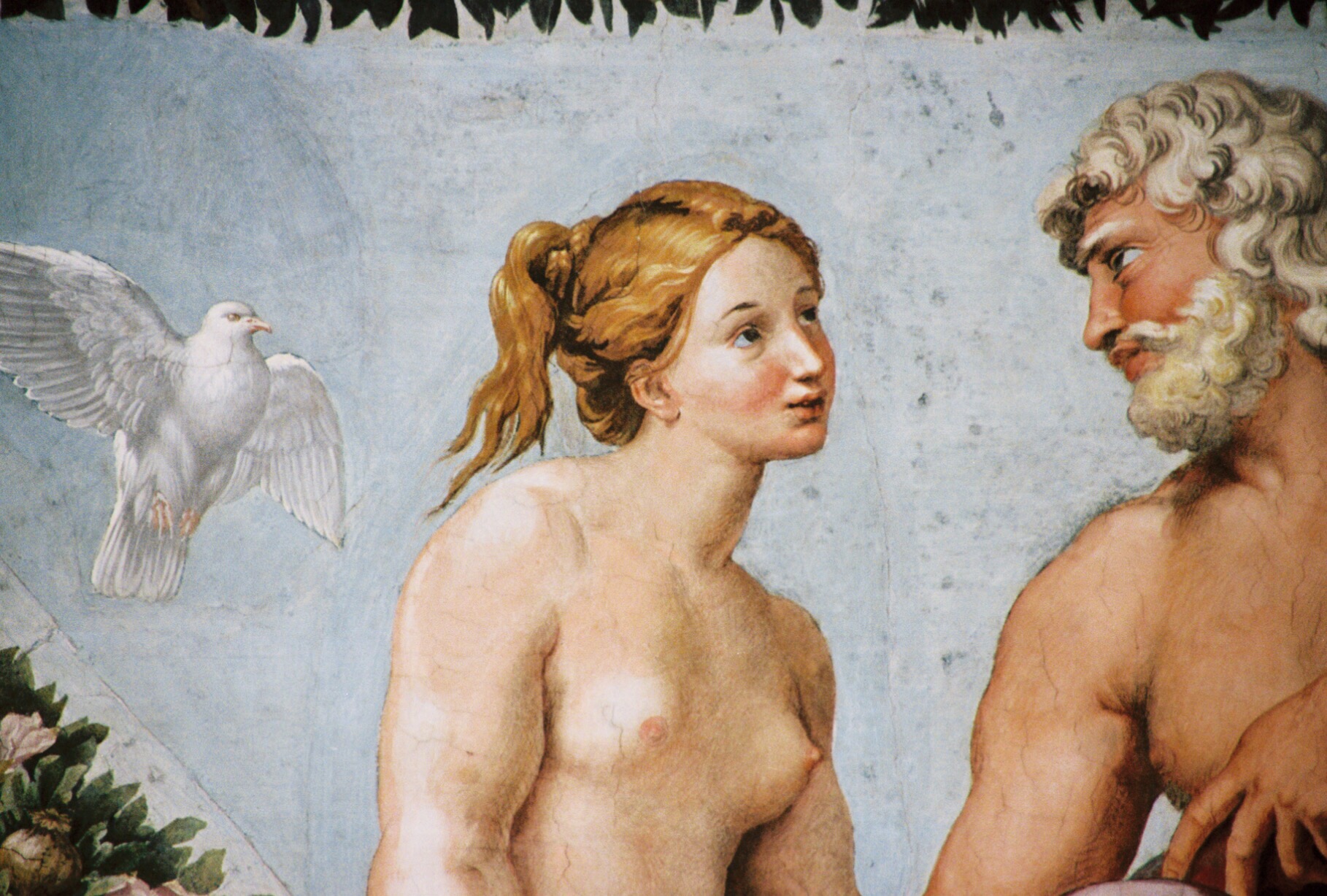
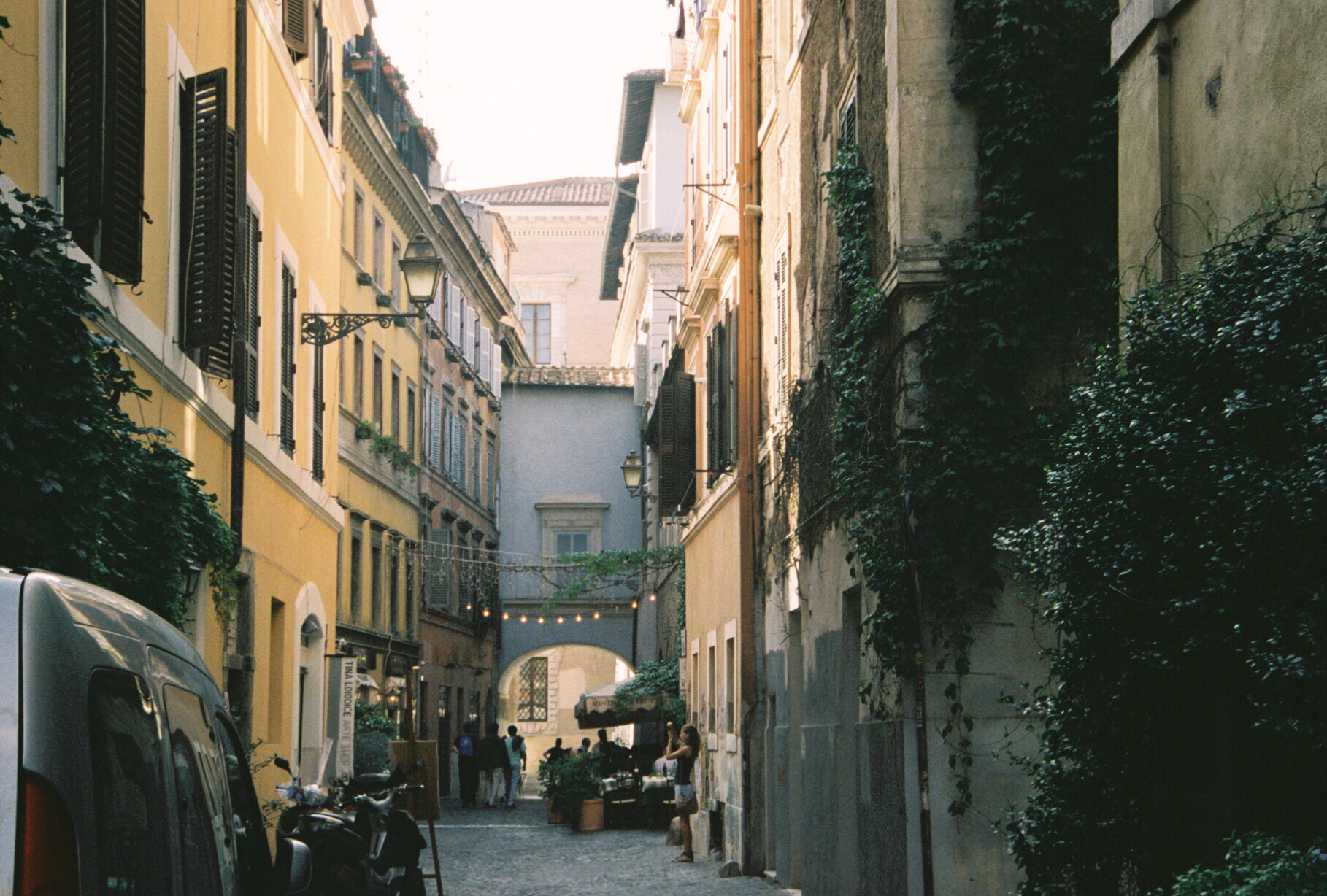
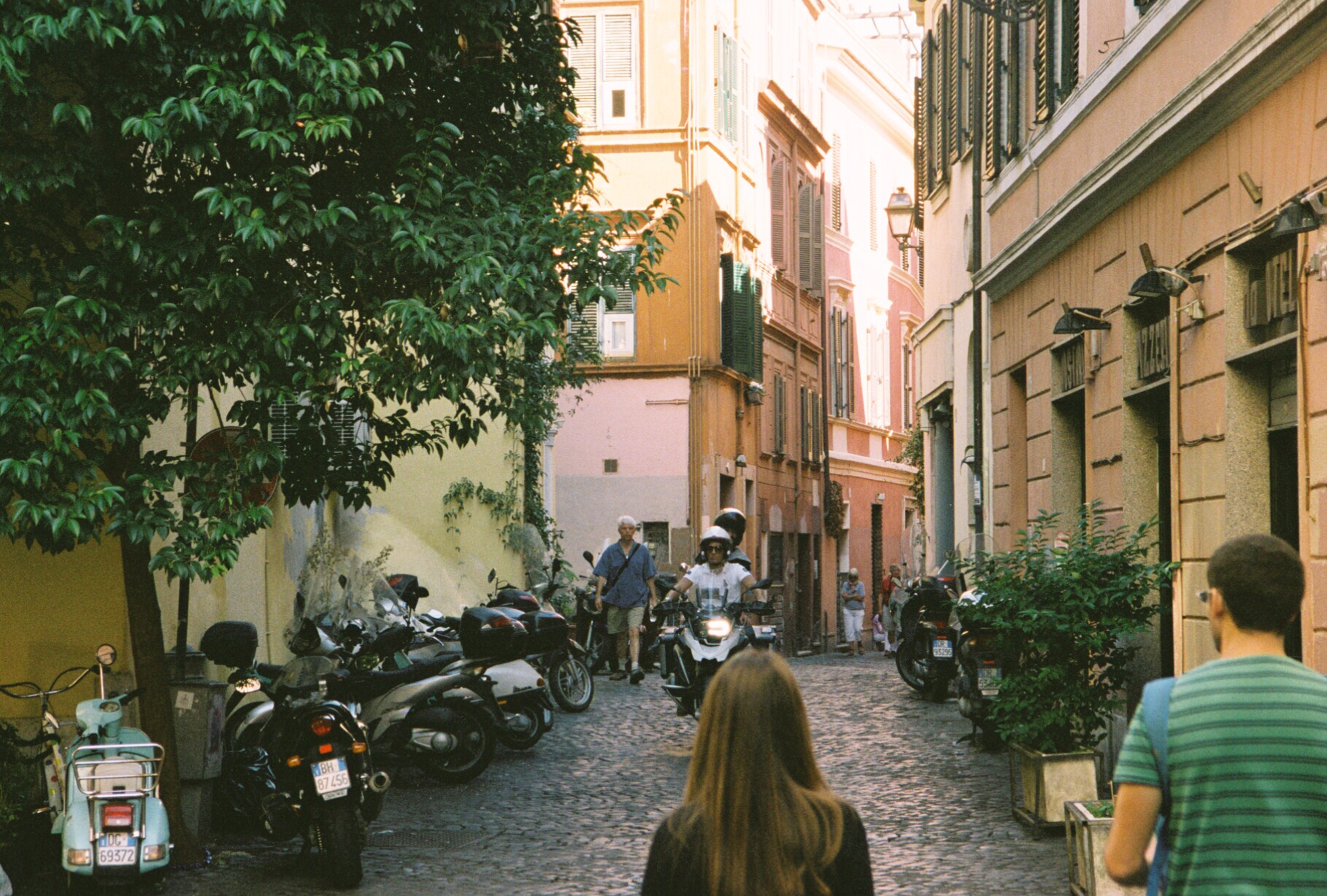
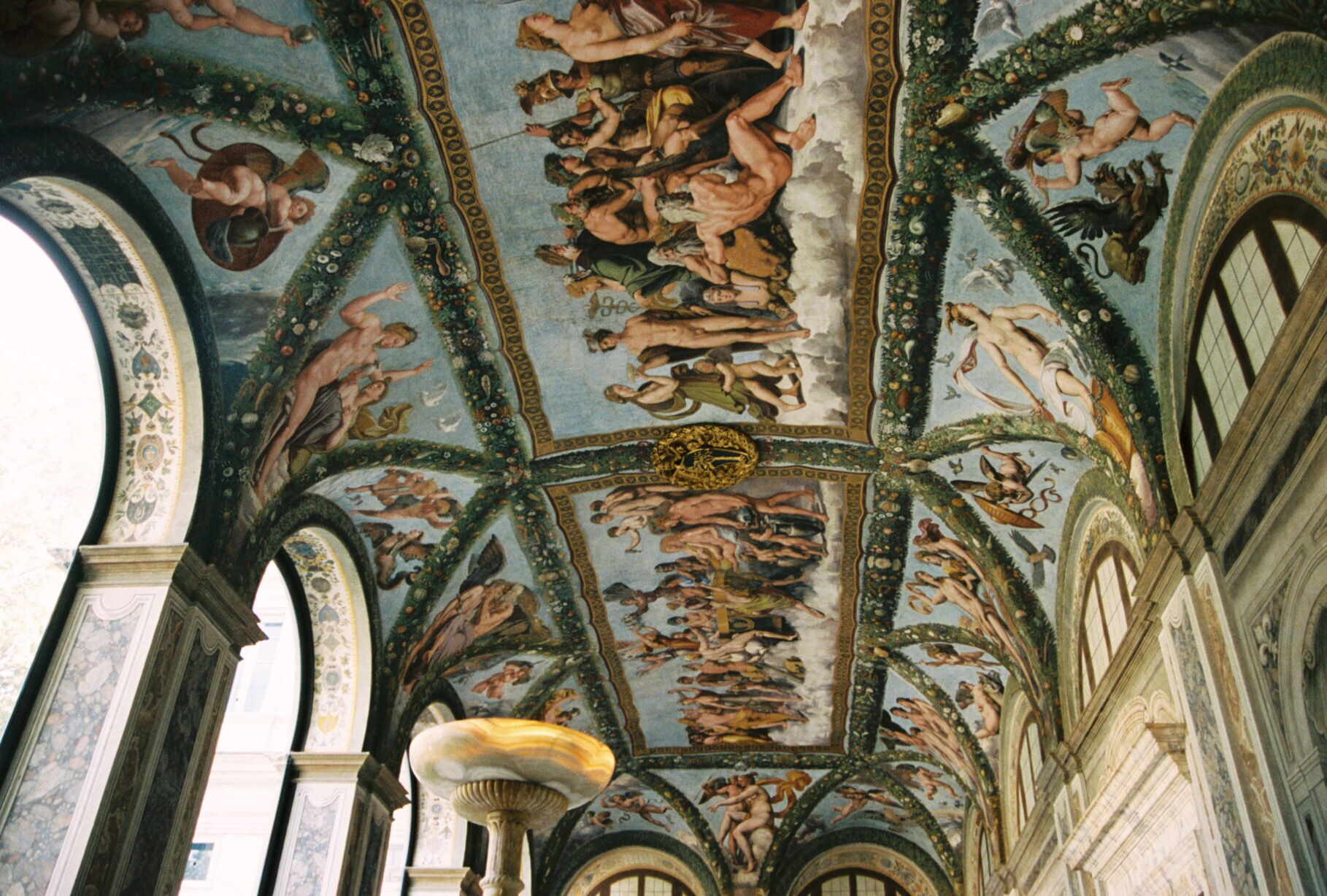 Trastevere is a lovely residential neighborhood of Rome just across the Tiber from the centrale storico (historic city center)… a taxi or bus ride away or a rather lengthy but enjoyable walk on a sunny spring or autumn day.
It is a must see for an authentic side of the city with wonderful local restaurants and little shops and cafes and bars and a piazza which boasts one of the oldest and most beautiful (and Byzantine!) churches in the city.
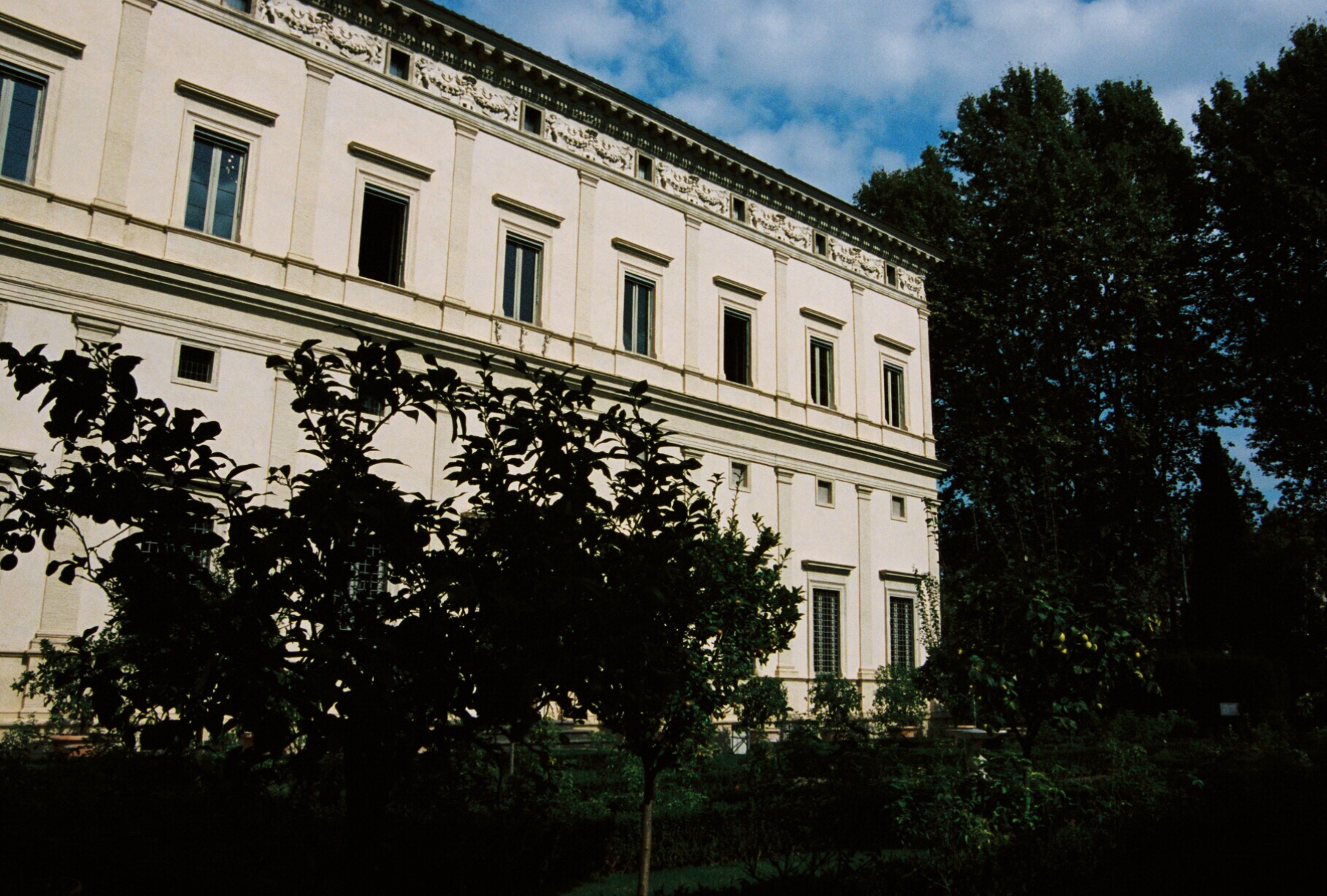
It is my favorite place in the Eternal city to people watch and to get out of the crowded tourist spots. The Almost Corner Bookshop is there and sells books in English, too, and Trastevere has an ancient portico and a sumptuous small villa museum built in the sixteenth century, the Villa Farnese, owned by a Sienese banker named Agostino Chigi, who commissioned the architect Baldassarre Peruzzi to build him a splendid little palazzo.
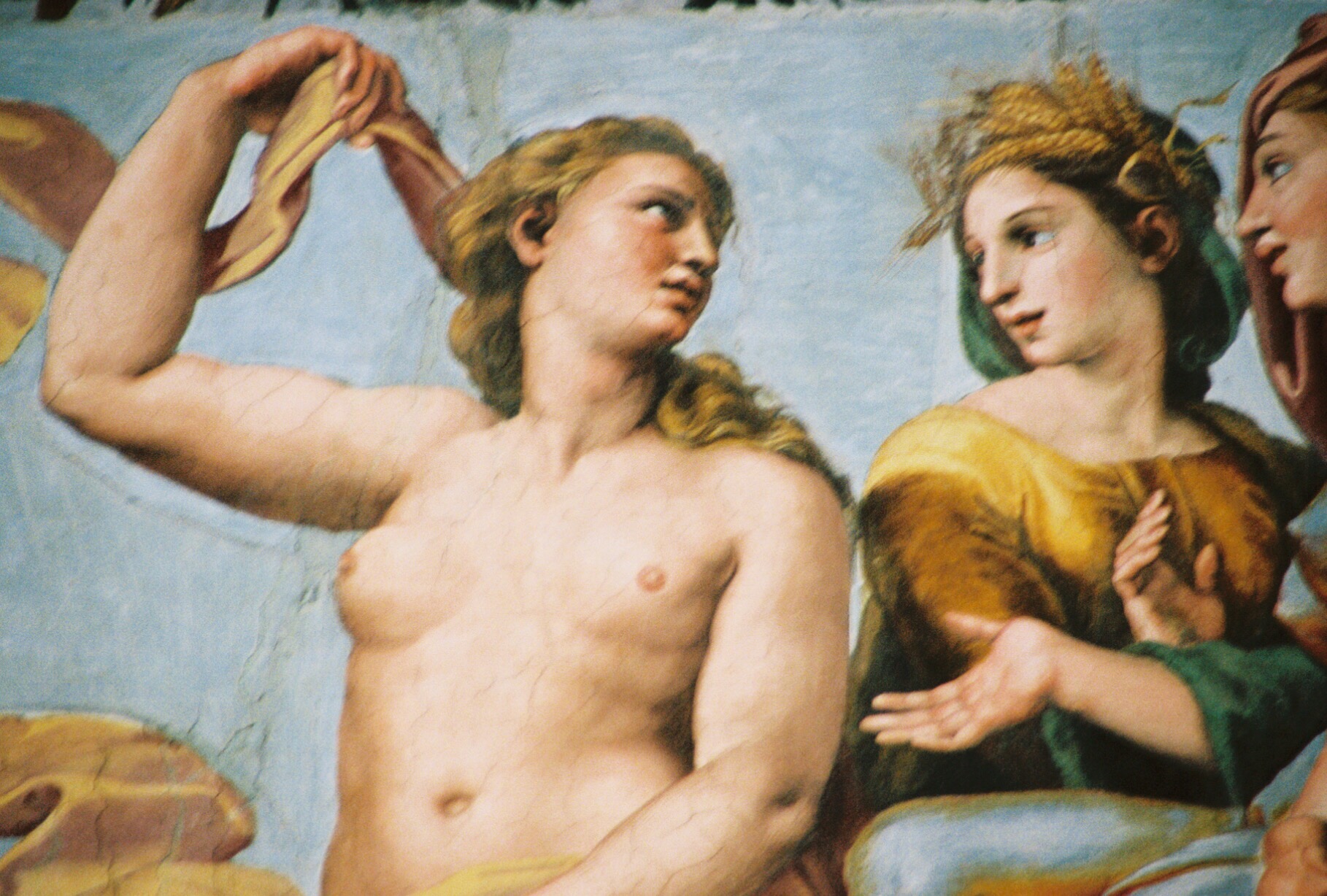
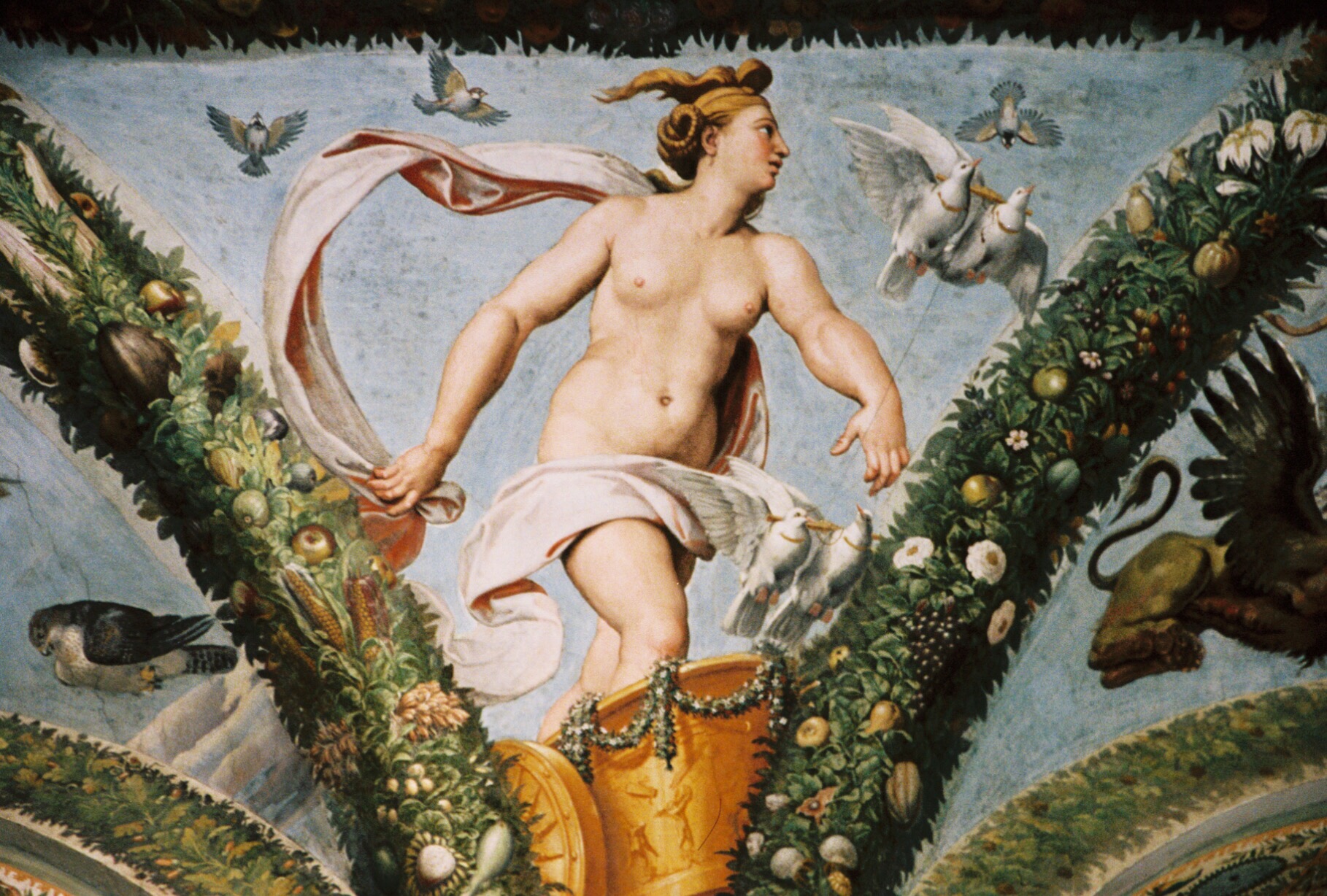
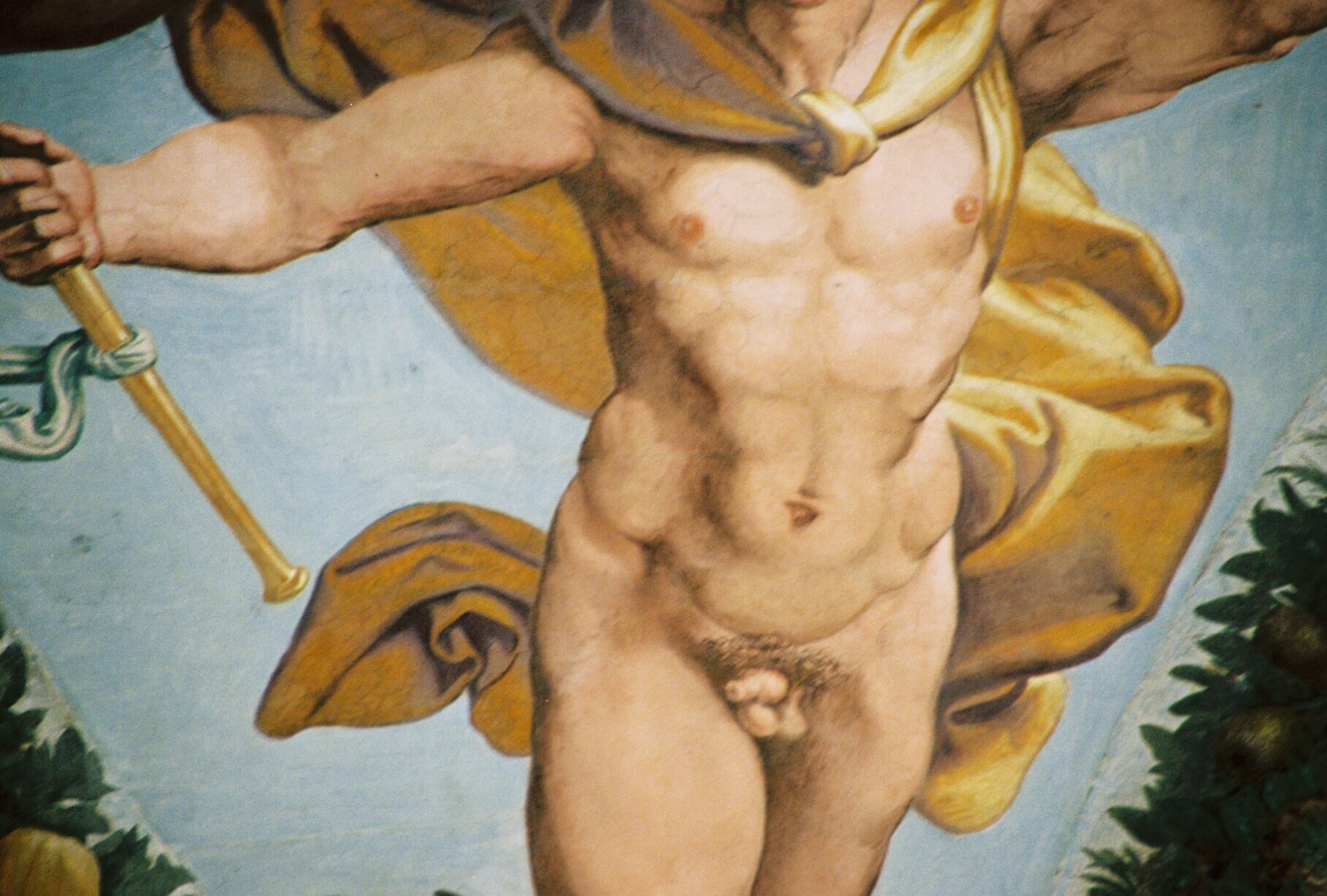
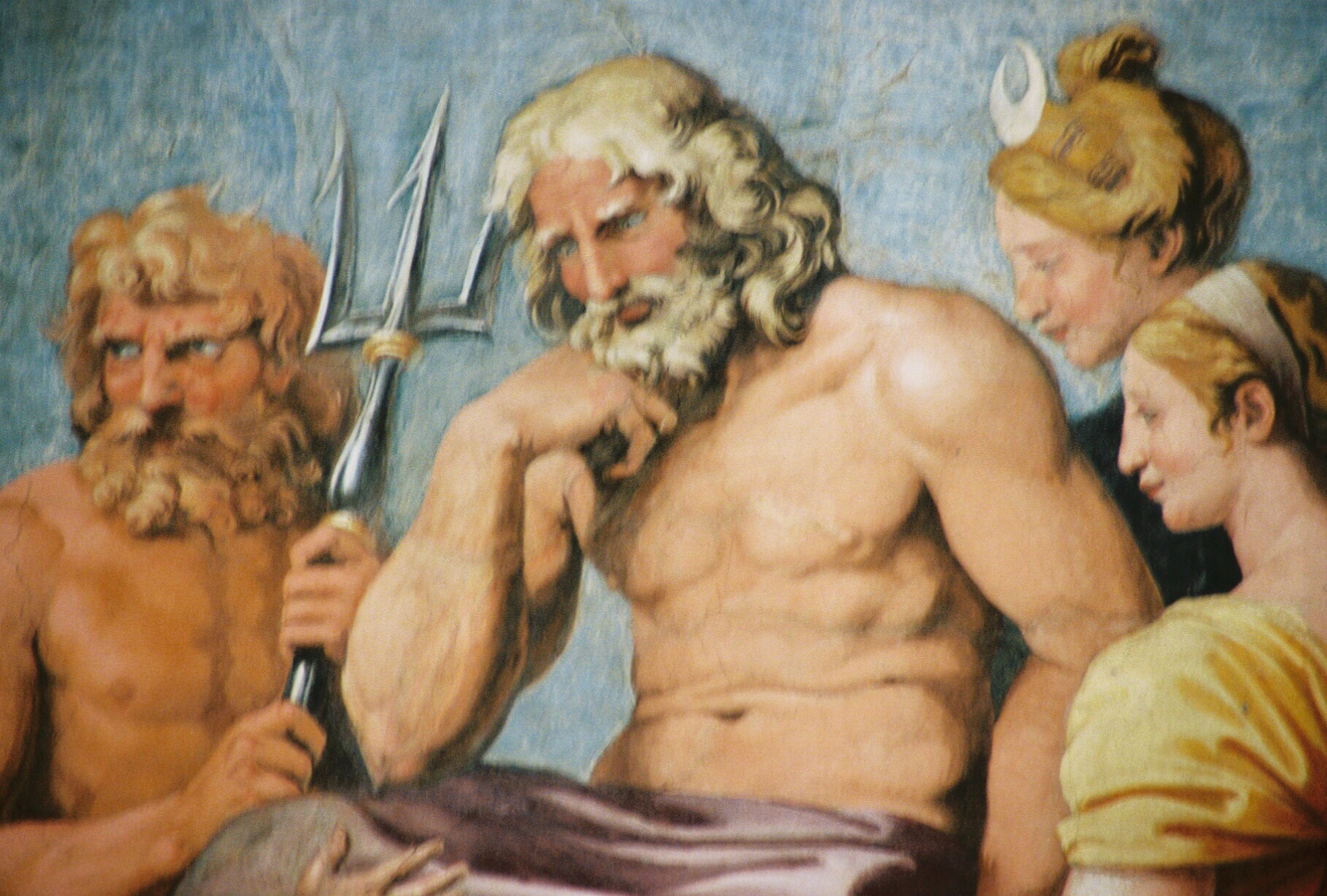
The interior of the Villa Farnese is decorated with frescoes by Raphäel Sanzio, Sebastiano del Piombo, Giovanni da Udine, Giovanni Bazzi (known as il Sodoma), Giulio Romano, Giovanni Francesco Penni, and Baldassarre Peruzzi himself… among their studio artisans and apprentices, as well.
At the end of the sixteenth century this Villa was purchased by the famous Cardinal Alessandro Farnese from whom it takes its name “Farnesina” to distinguish it from the Palazzo Farnese on the other side of the Tiber (which I will be writing about in detail soon).
The Villa was also used by the Accademia Nazionale dei Lincei, and is used for other important Roman events and groups today.
It is a “boutique museum” so its intimate setting is a perfect place to wander around and soak up the atmosphere of what it was like to live in a Renaissance villa, and to imagine the Farneses wandering the halls or Raphäel painting the walls…

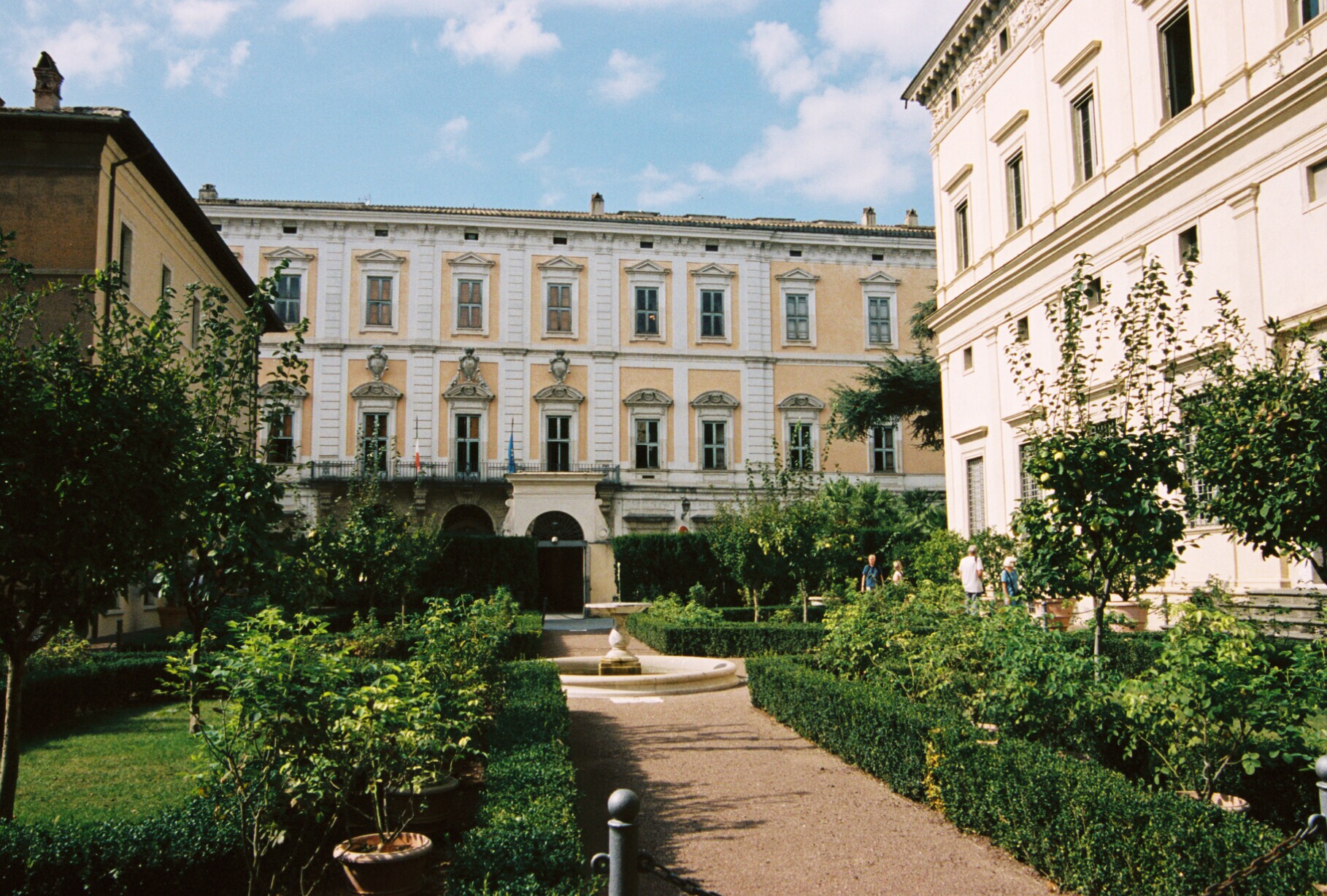
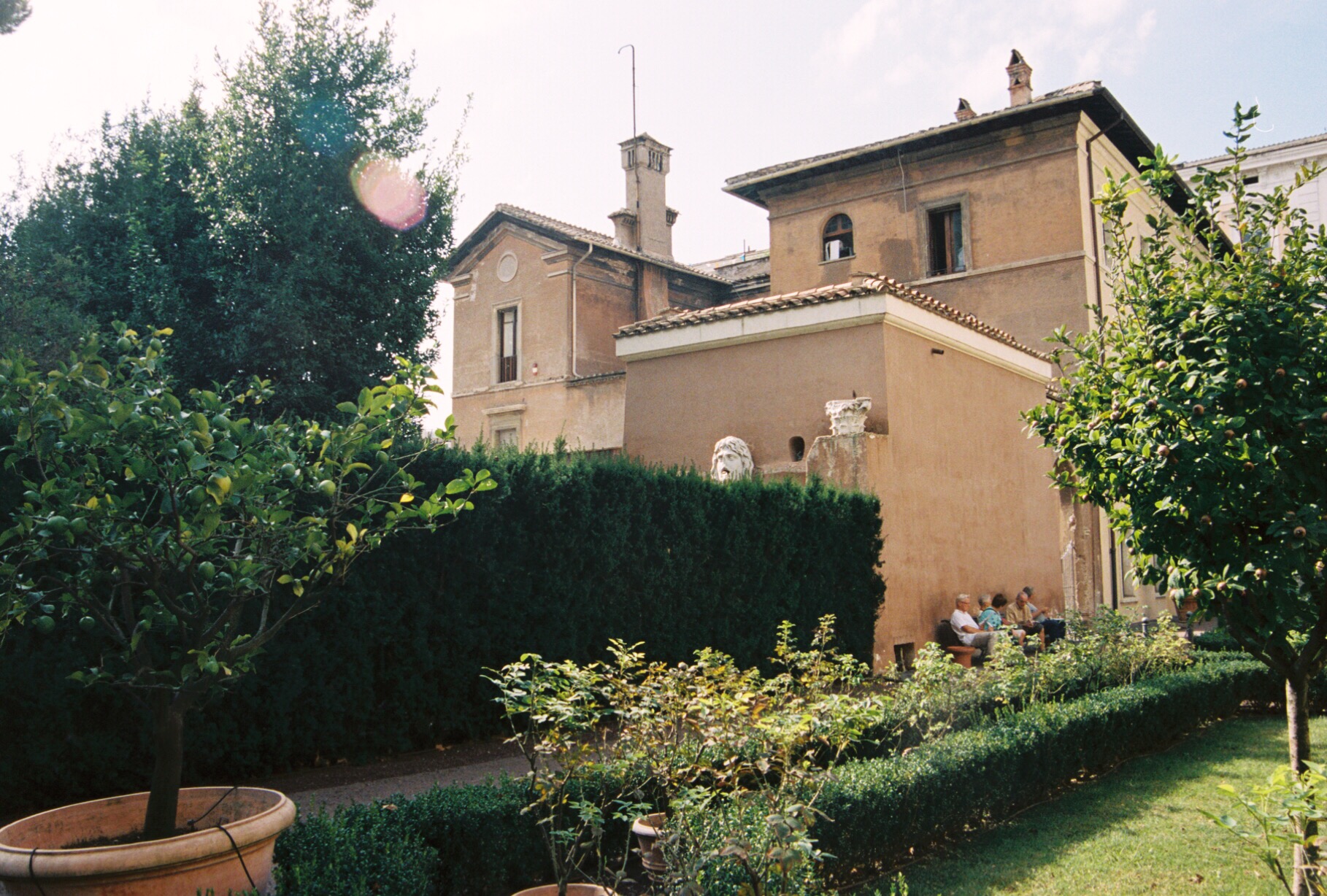
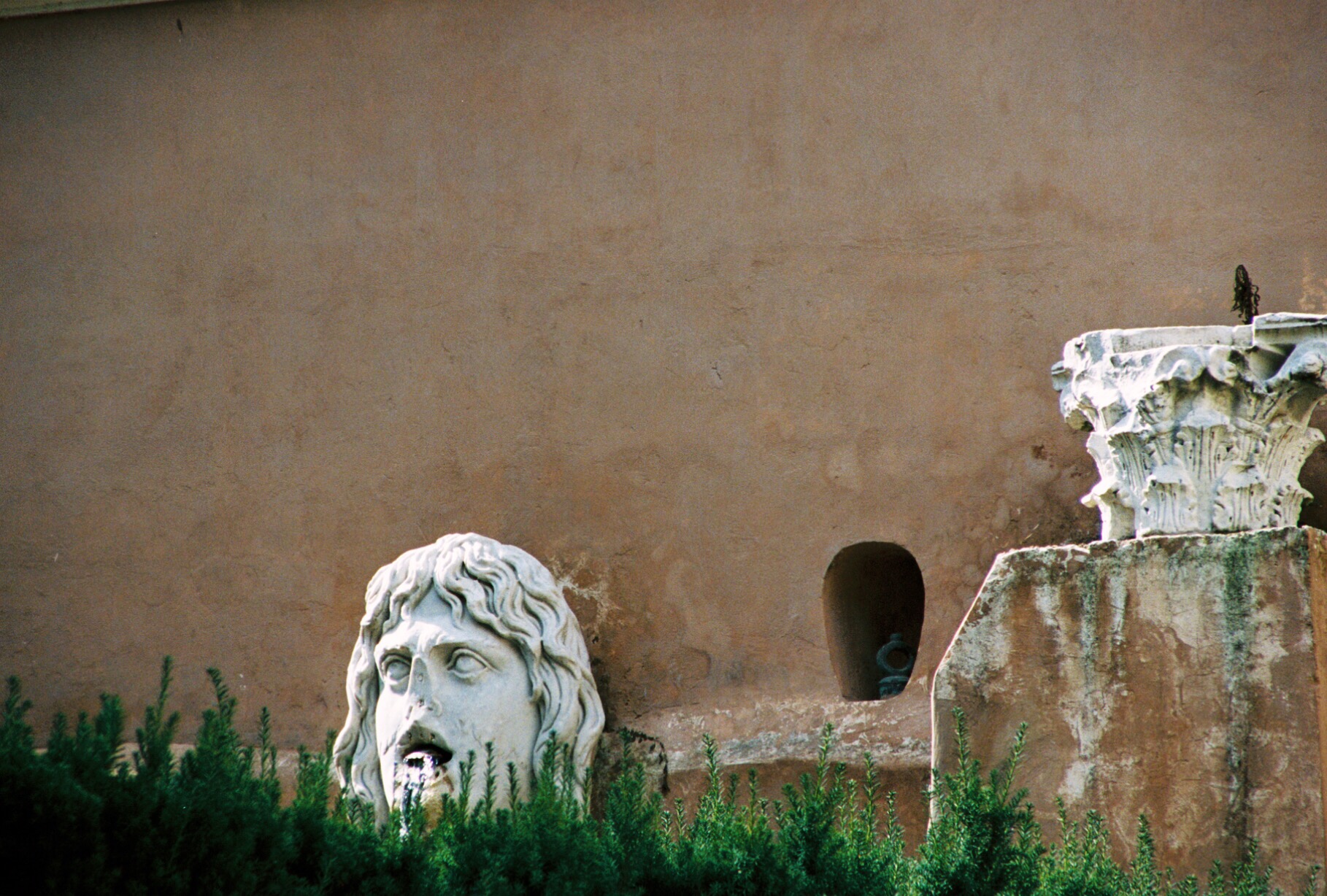
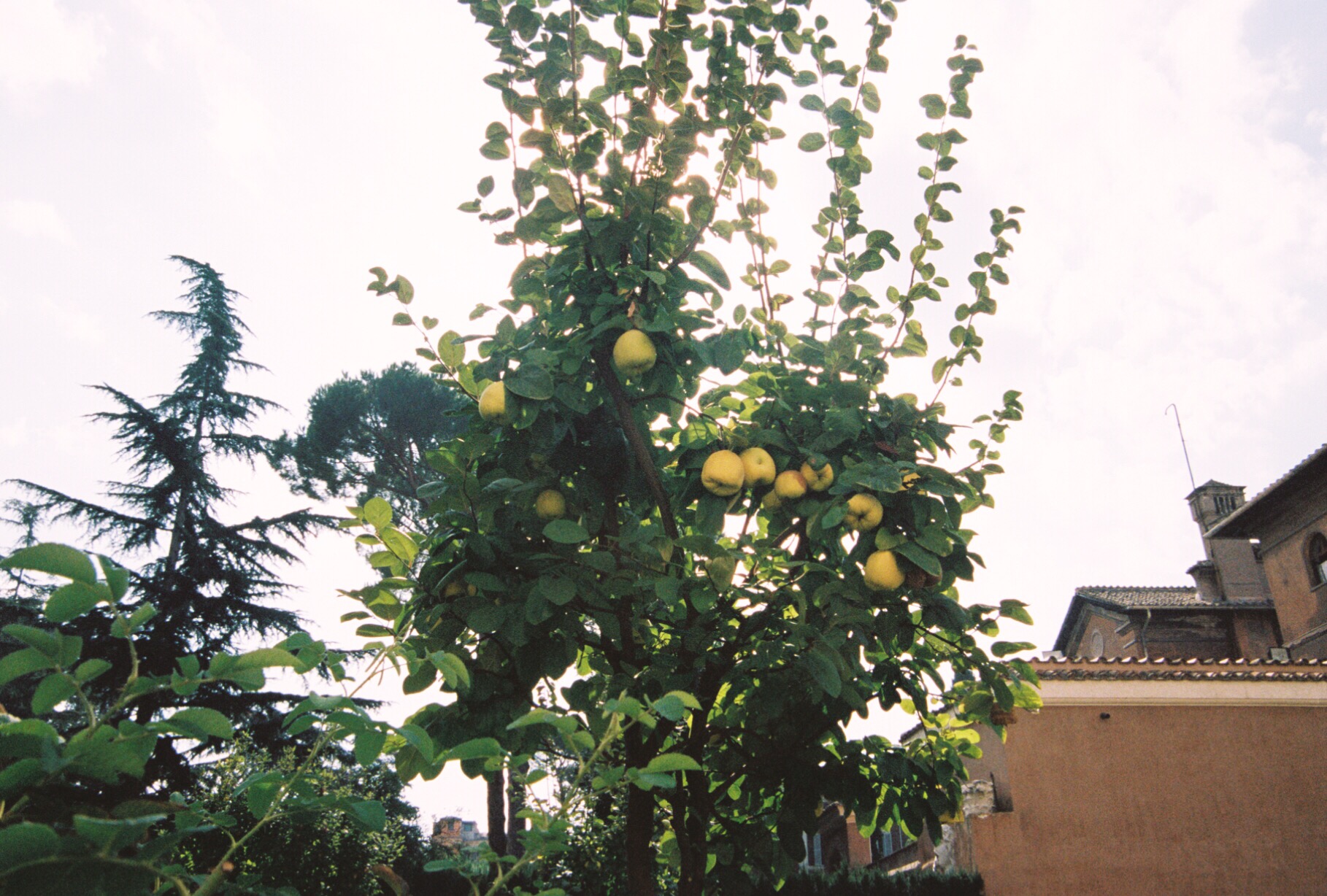
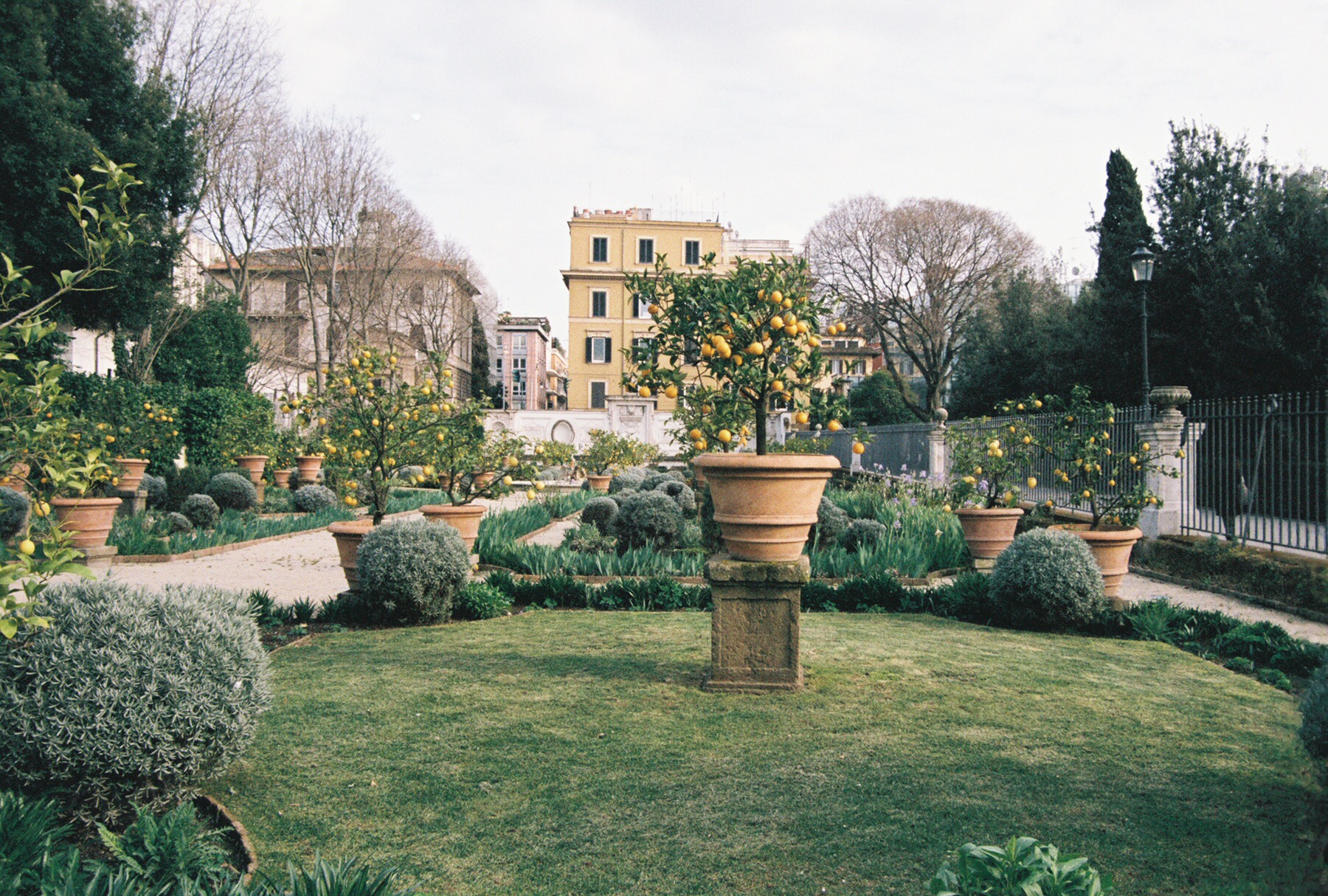
The garden is small and lovely to view, with architectural details and lush trees and other hidden gardens among the grounds you can peek at through gates. It’s one of Roma’s many green spaces and respites from the crowds.
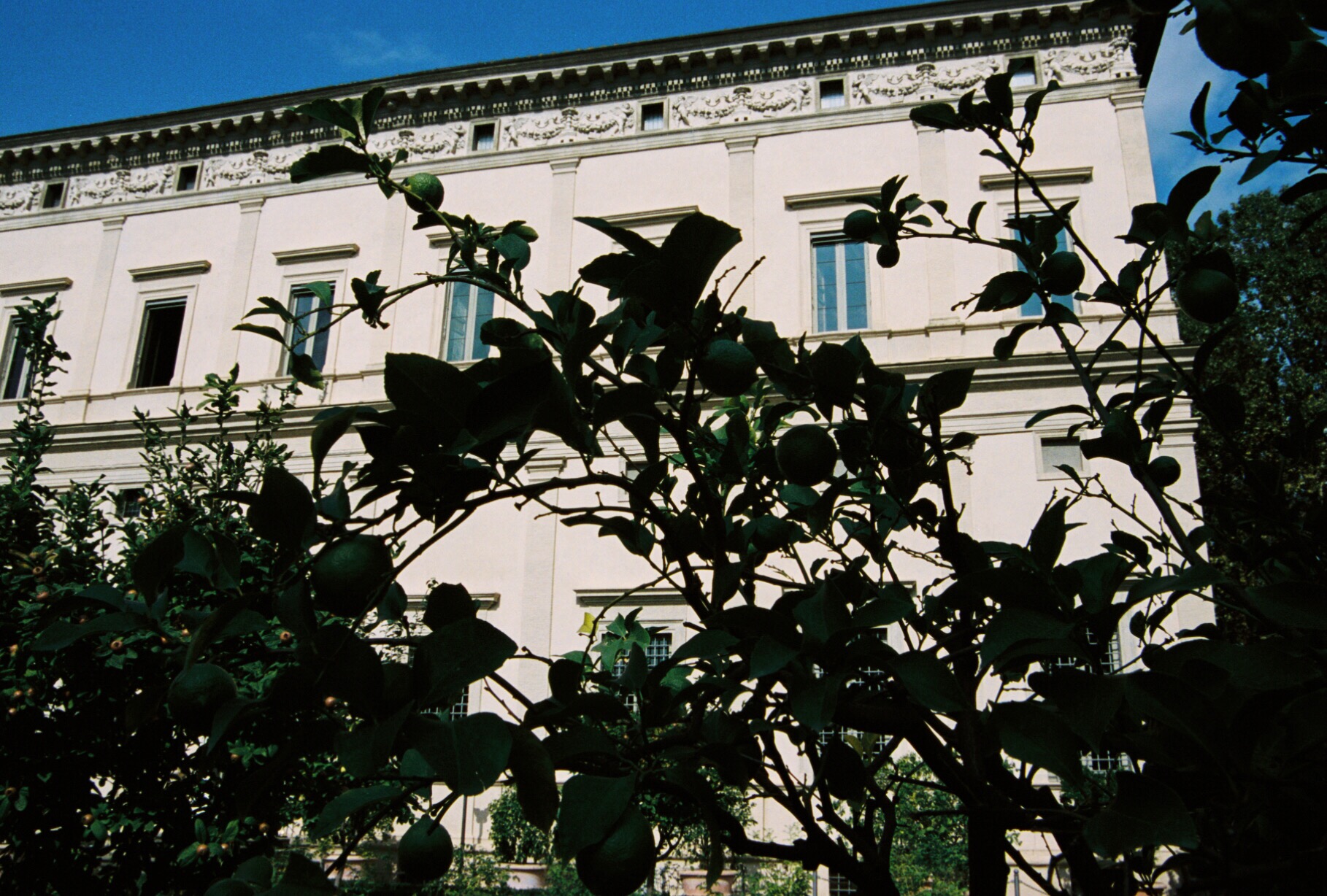
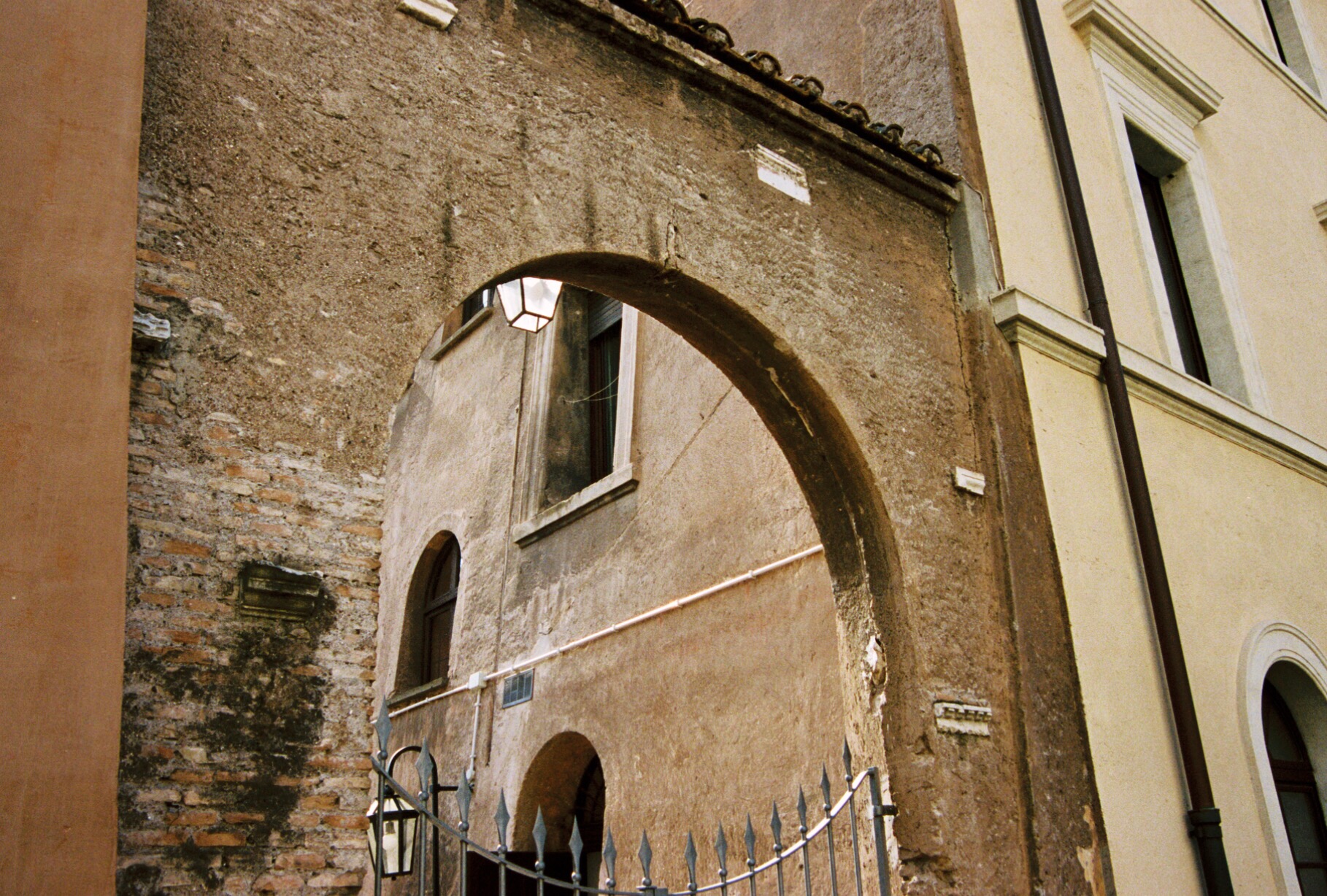
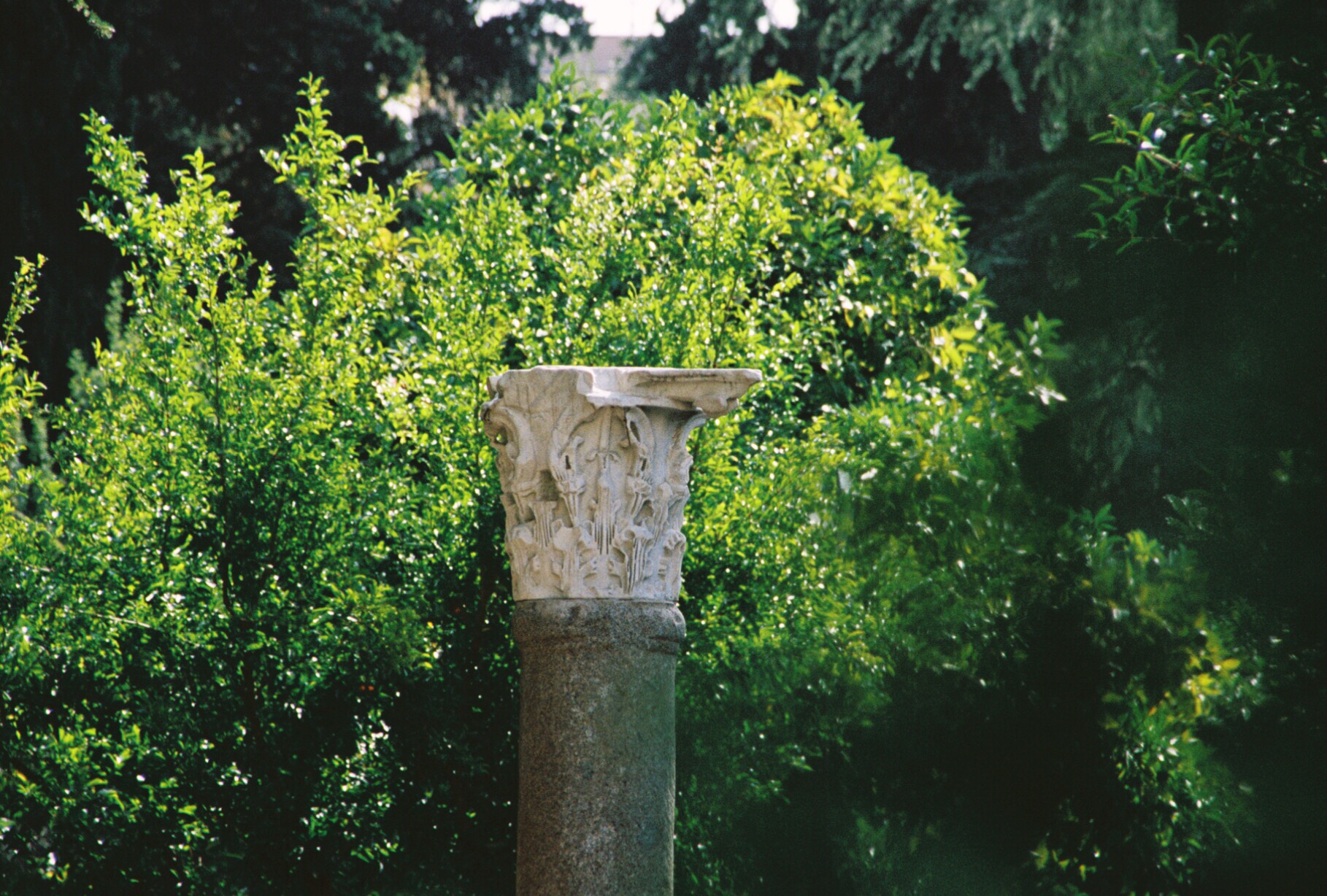
From the official website:
OPENING HOURS
Villa Farnesina is open from Monday to Saturday from 9 am to 2 pm, closed on Sunday and holiday.
Visitors who present their admission ticket to the Vatican Museums (within 7 days from the date of visit to the Vatican Museum) will be entitled to a reduced entrance fee to the Villa Farnesina
GUIDED TOURS
On Saturday at 10 am (english), at 12.30 (italian)
Audio guides are available to visitors (italian, english and french)
SPECIAL OPENINGS
The Villa will be open the second sunday of each month. Info: +39 06 68027268; farnesina@lincei.it
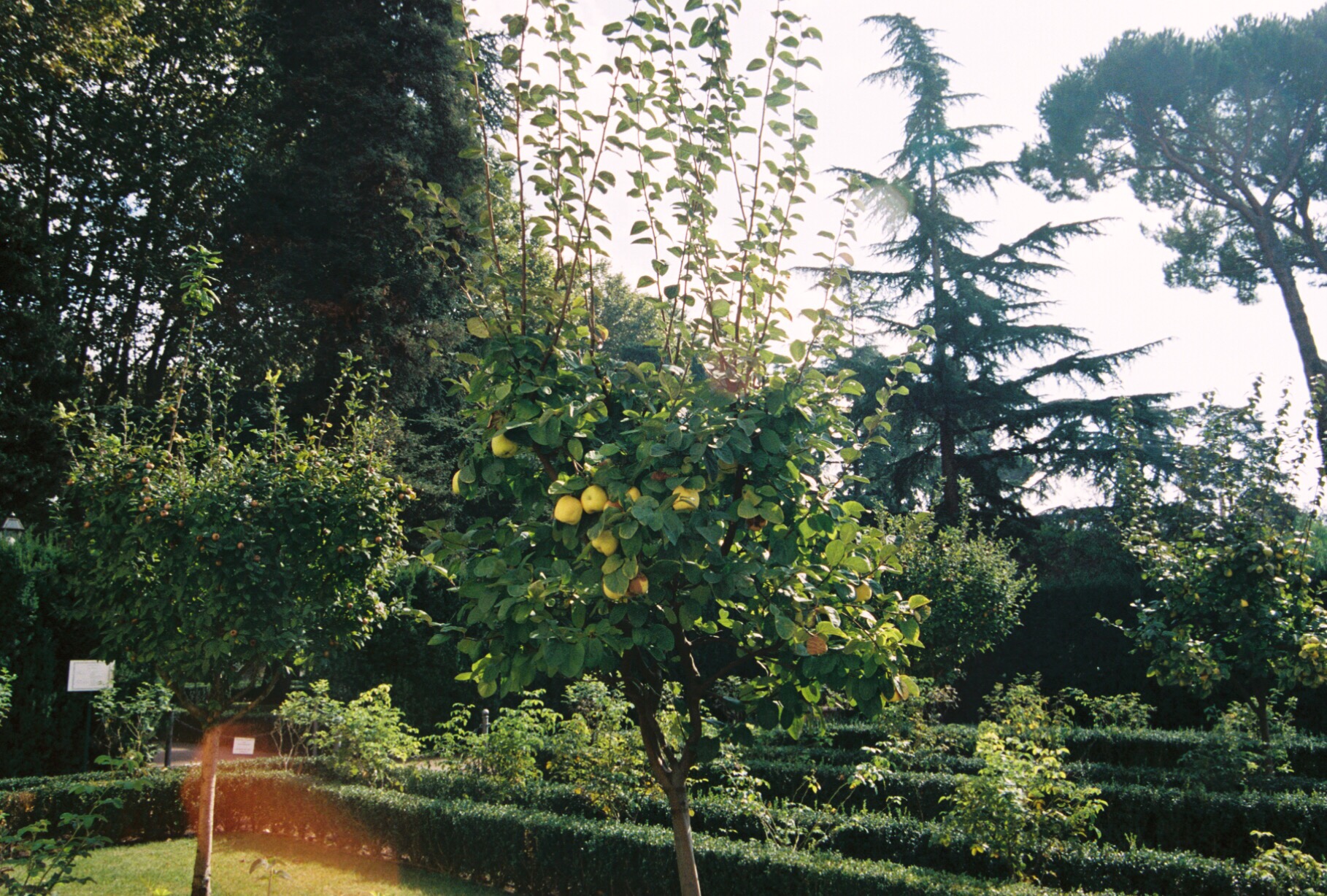
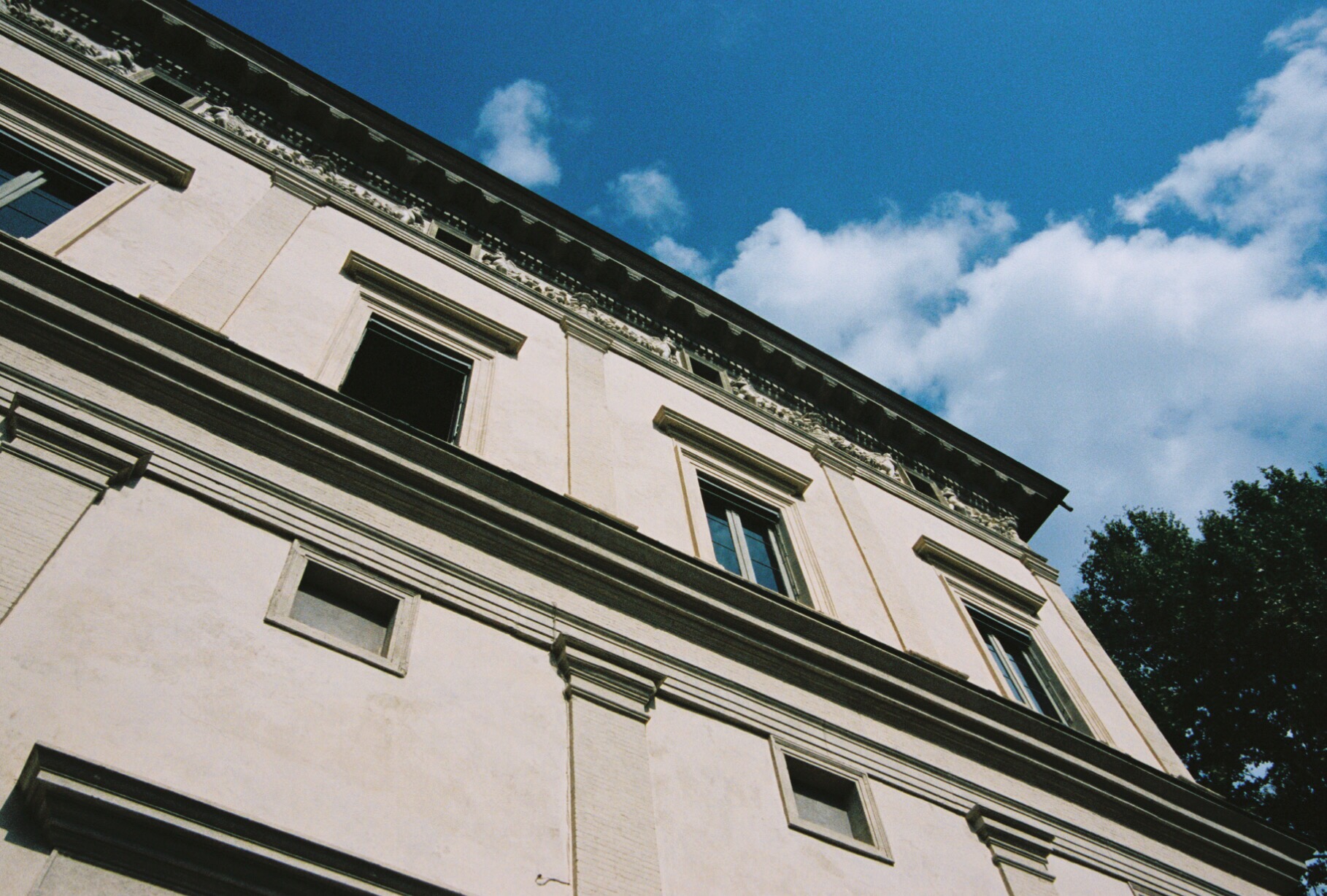
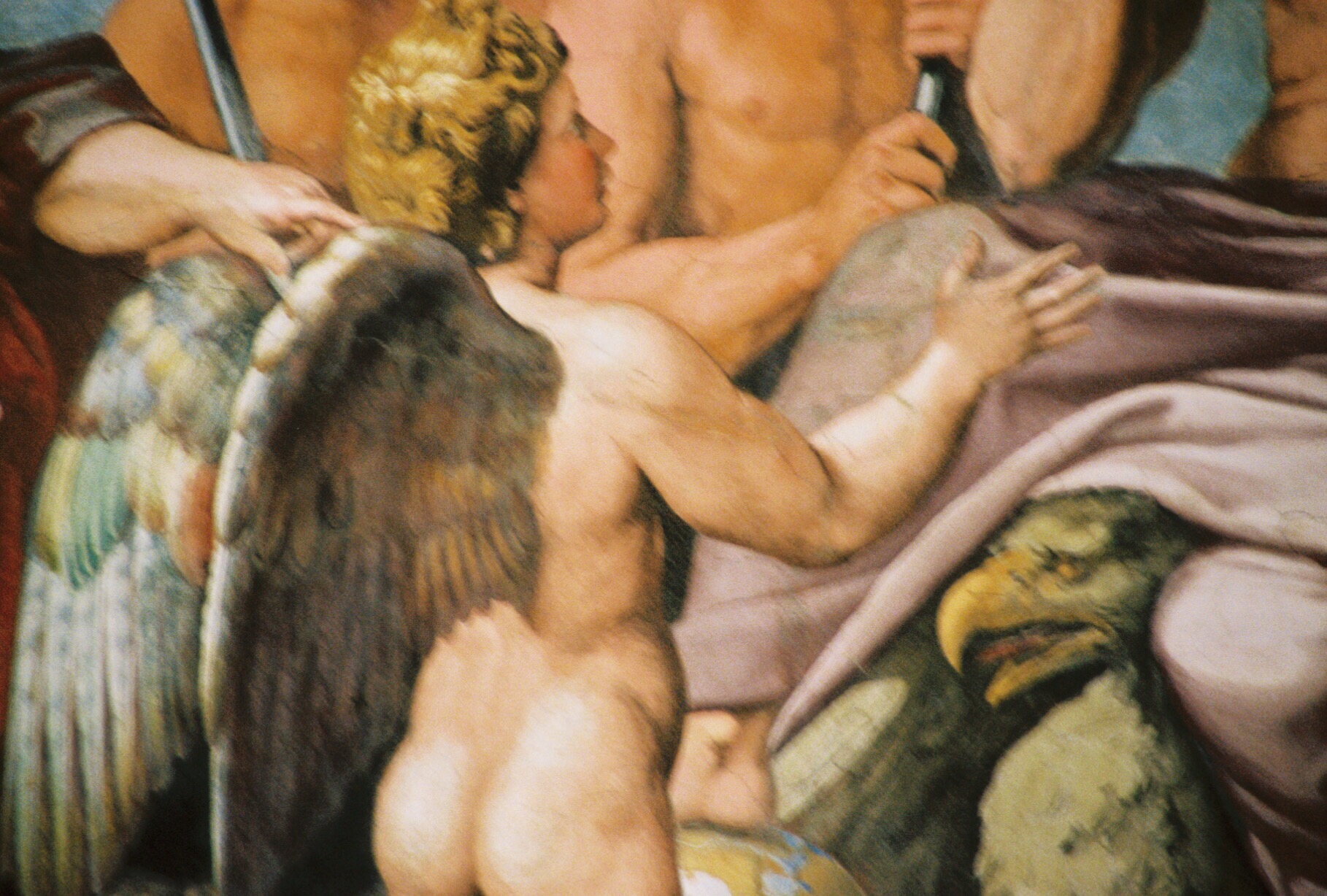
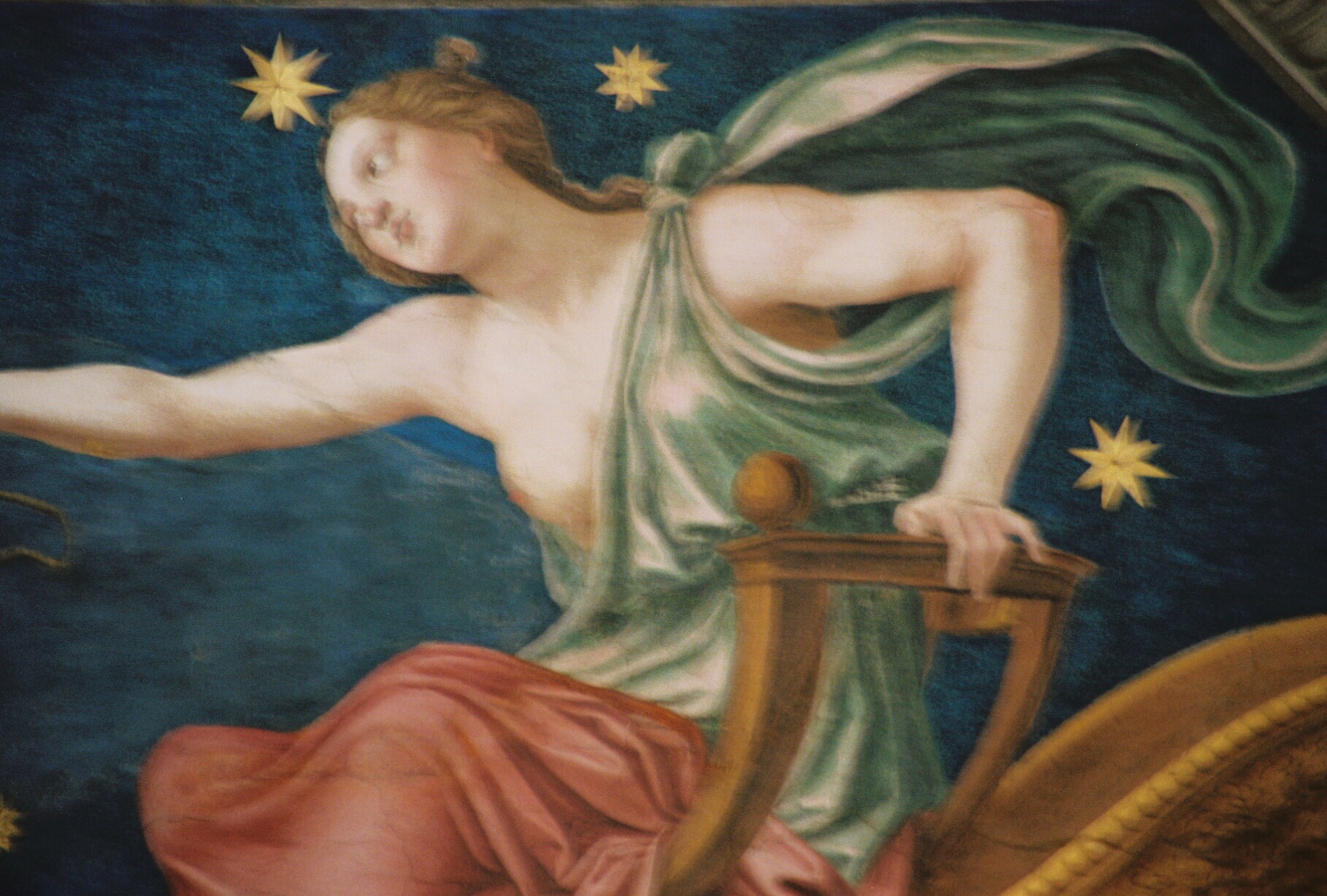
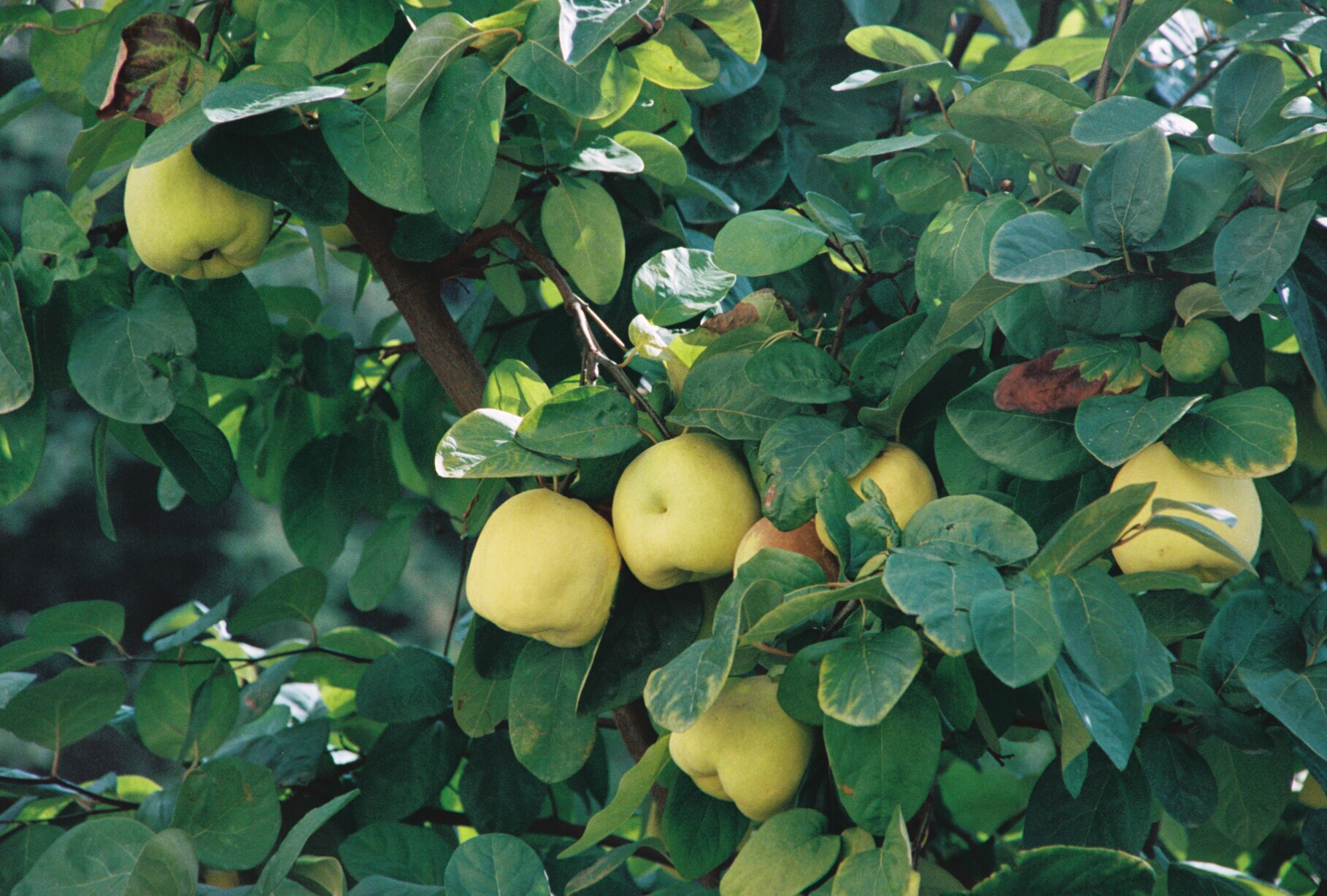
The website is villafarnesina.it
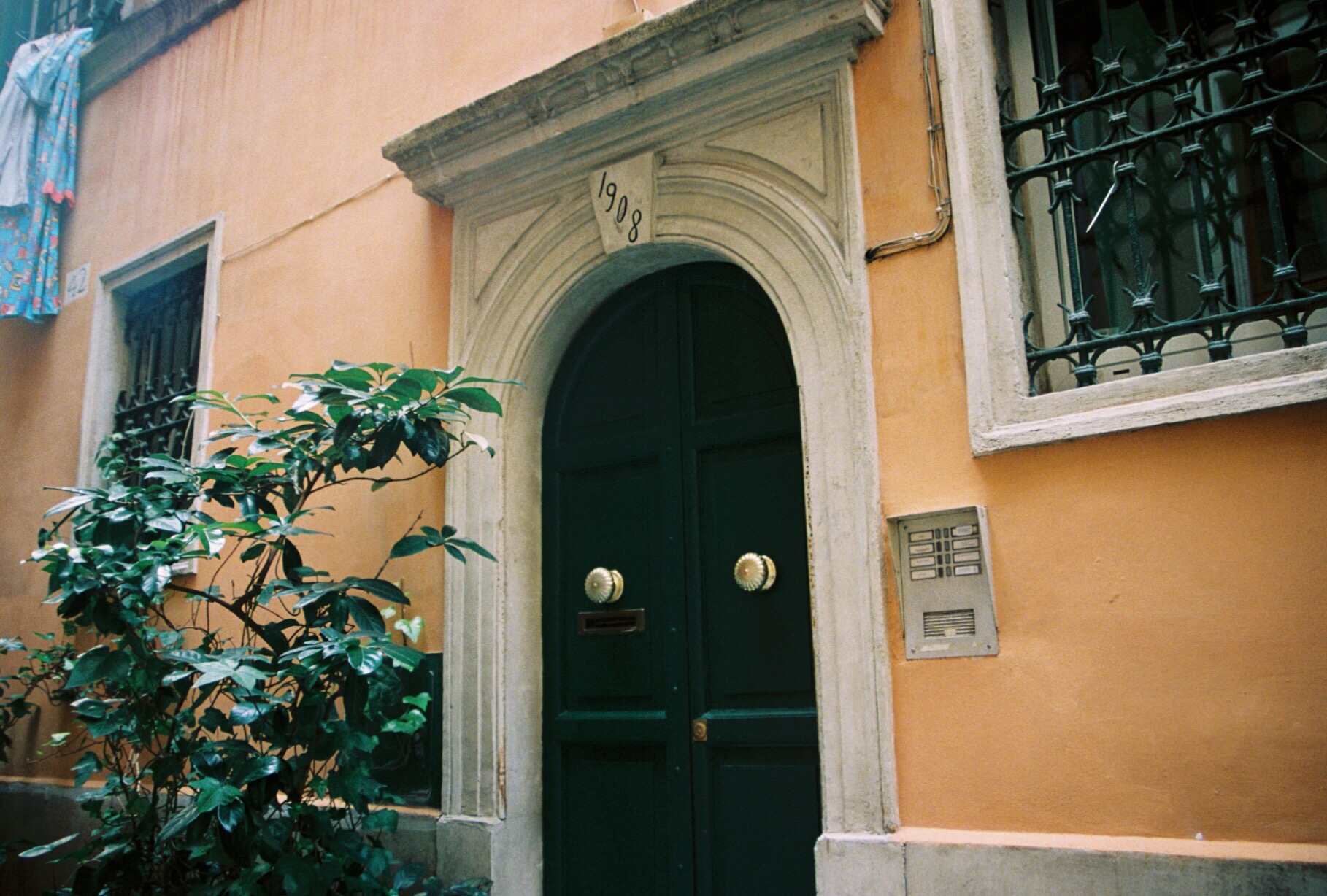
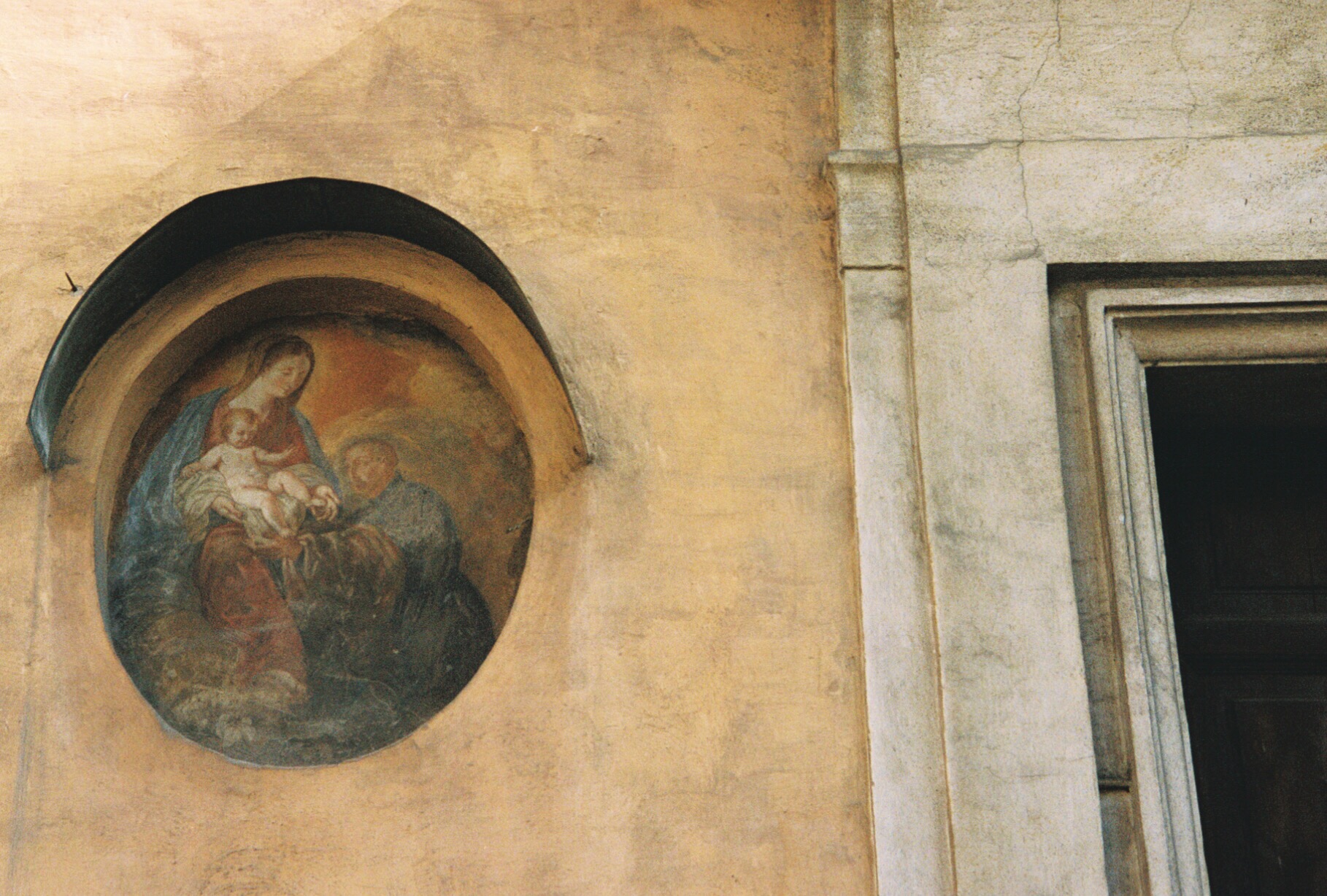
All photographs are by me, Rebecca Butler, shot on analog film in spring 2008, for alovelettertorome.com
I have some interesting stories I picked up about the Villa Farnesina I will post next time. This will be included in my FARNESE family chapter in my book. There is a fascinating Borgia and Medici connection to the Farnese and I’ve spent a lot of time in their amazing Roman and Neapolitan villas (now museums). Alessandro Farnese eventually became pope.
Listening to classical music while flying through the air is something I do when traveling overseas. Here are a couple things I wrote, and the pieces of music I listened to while composing them.
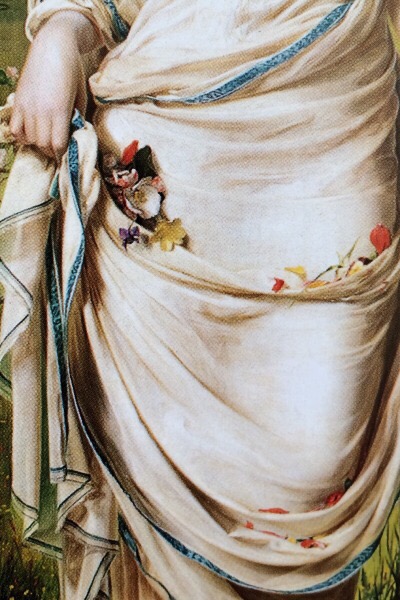
detail Gentle Spring, c.1865, Frederick Sandys
My advice is to give your heart away — even though it may return to you in a different state. For then your heart has been in some subtle way changed each time you give it to someone or something.
And does it matter so much if someone else wants your heart?
The beauty of your openness is a sweetness which extends throughout an entire human life when there is so much bitter to the taste of the world. Loving is a kind of reverence to the best few moments we each have on earth. Loving, even without being loved in return, is the choice to chase beauty no matter where you are, as we did when we were youths on the cusp of experiencing all things new, strange, and wonderful. For us we taste the freshness of life anew each time we love for the sake of it, for the sake of others. And we are renewed for these acts where it counts the most, in our interior worlds which rule us more than we’d like to admit.
Love with the hope of growing from it but not being saved by it or saved by anyone is found in the recollection of oneself, in the time it takes to know this new self again in a selfless act …that is all about the self … beyond merely ourselves alone.
Lubomyr Melnyk “Illirion” piano
“cloud No. 81”
Detail of John William Godward’s Contemplation (1903)
Discover something new which moves you everyday, be like Goethe, find a little verse or literature, a little classical or opera or traditional folk music of some sort, see a little art, read a philosophy or theological quote, and put yourself out in nature near something green or foresty or near water… get under open sky, winter or summer, spring or autumn… in a city park or in pure nature. Move and stretch. Breathe. Drink water. Drink life. Taste the chance of a new encounter, a new idea, a new friend, a new emotion even, some subtle change which alters the fabric of being even as it hints to the past like fleeting clues in a dream half remembered upon waking up and going out into the day.
Je Veulx Laysser Melancolie de Ricaforte by Luis de Narváez
Il primo libro d’Intavolatura di Liuto: Corrente by Michelangelo Galilei
Les Cantiques de Salomon: I. Sinfonia Grave by Salamone de Rossi Ebreo
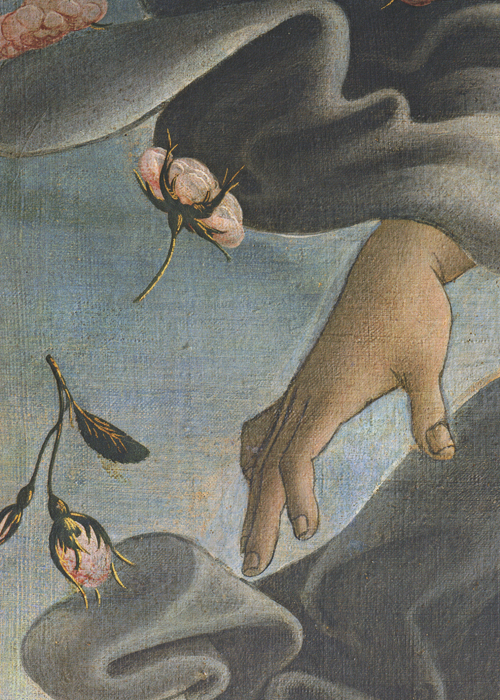
Nascita di Venere (detail),
Sandro Botticelli, ca. 1486
I miss the sweetness I assigned to you.
I miss the laughter I put into your mouth, the twinkle I applied to your eyes, the desire I affixed to your grin.
I miss picturing the heart of you, a creature solely of imagination. I miss creating in you an image I longed to see in myself, like two threads occasionally meeting at intervals of time and space.
I miss the secrets behind your eyes and the smile I dreamt was profound and beautiful.
I miss the hope of you, which was really the longing for a life of beauty and understanding.
I miss pretending I knew you and you knew me. I miss your bright spots in my dark days … I miss shining onto you my dearest wish for your happiness.
To reveal myself I am no longer a figure of desire, but to not reveal myself I am not truly myself, I am a shadow of a monster on my worst day, I’m a ghost haunting my body, not a soul seen through a plaintive word or smile or gesture. And I am at my best not in my cup nor quip, but l’esprit d’escalier… the wit on the staircase, comebacks better left for my notebooks or to renewed silence set serenely behind a mysterious smile.
Too much light, too many open doors and windows, too many candles glowing too brightly, burning twice as fast, illuminating darkness all around me, always looking for that hint of color, that fresher air, that rain storm and later sun to make the clouds and the sea more terrible and more beautiful. To feel and see it all more intensely. That’s what life is for, isn’t it? That’s what makes the pain more bearable?
The returned love which dies, and the love returned without reply? That’s what makes the grim and the grey take on luminous shades against the backdrop of the sea inside, the waves and crests, the pull back, the crashing over, and the light always lit, whether we draw the curtains or fling them open again after a long slumber.
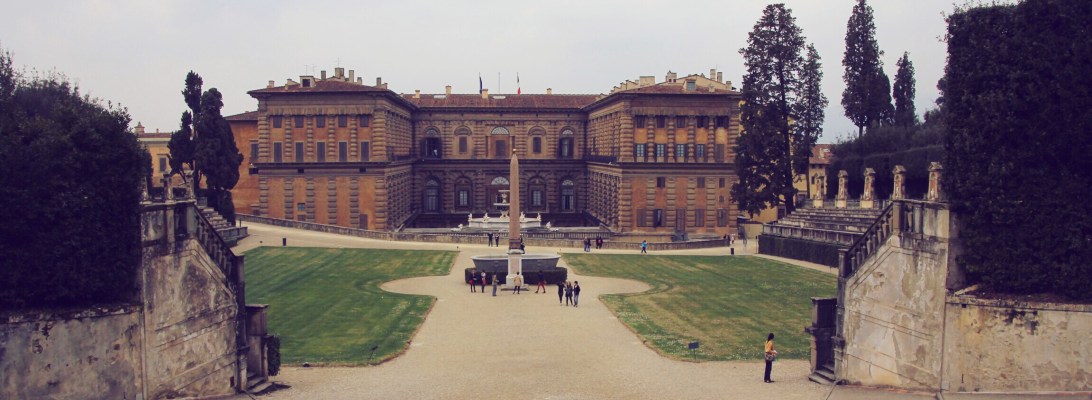
The Palazzo Pitti is a large villa museum built in 1458 for a Florentine banker near the river Arno, in the heart of Florence, Tuscany, Italy, and is sumptuously laid out with antique furnishings and priceless works of Italian paintings and sculptures. It contains nearly 500 Renaissance and baroque frescoes and masterpieces by Artemisia Gentileschi, Raphael, Titian, Tintoretto, Veronese, Fillipo Lippi, Perugino, Correggio, Peter Paul Rubens, Andrea del Sarto, Fra Bartolomeo, il Rosso, Canova, Verrochio, and Pietro da Cortona, among many many others. I am writing a piece about these incredible collections, accompanied by photographs, and the background of some of the most important and beautiful works to see if you can visit. It’s highly recommended for serious art or palazzo fans. Surveying the grand grounds and estate from a distance as visitors have admired the beauty and harmony of the Boboli Gardens for centuries. The house and land were bought by the de’Medici’s in 1549 and they filled it with their incomparable art collection, second only to their nearby famed Uffizi Gallery and residence. Napoléon even used this as his main living headquarters in Italy in the late 18th century.
 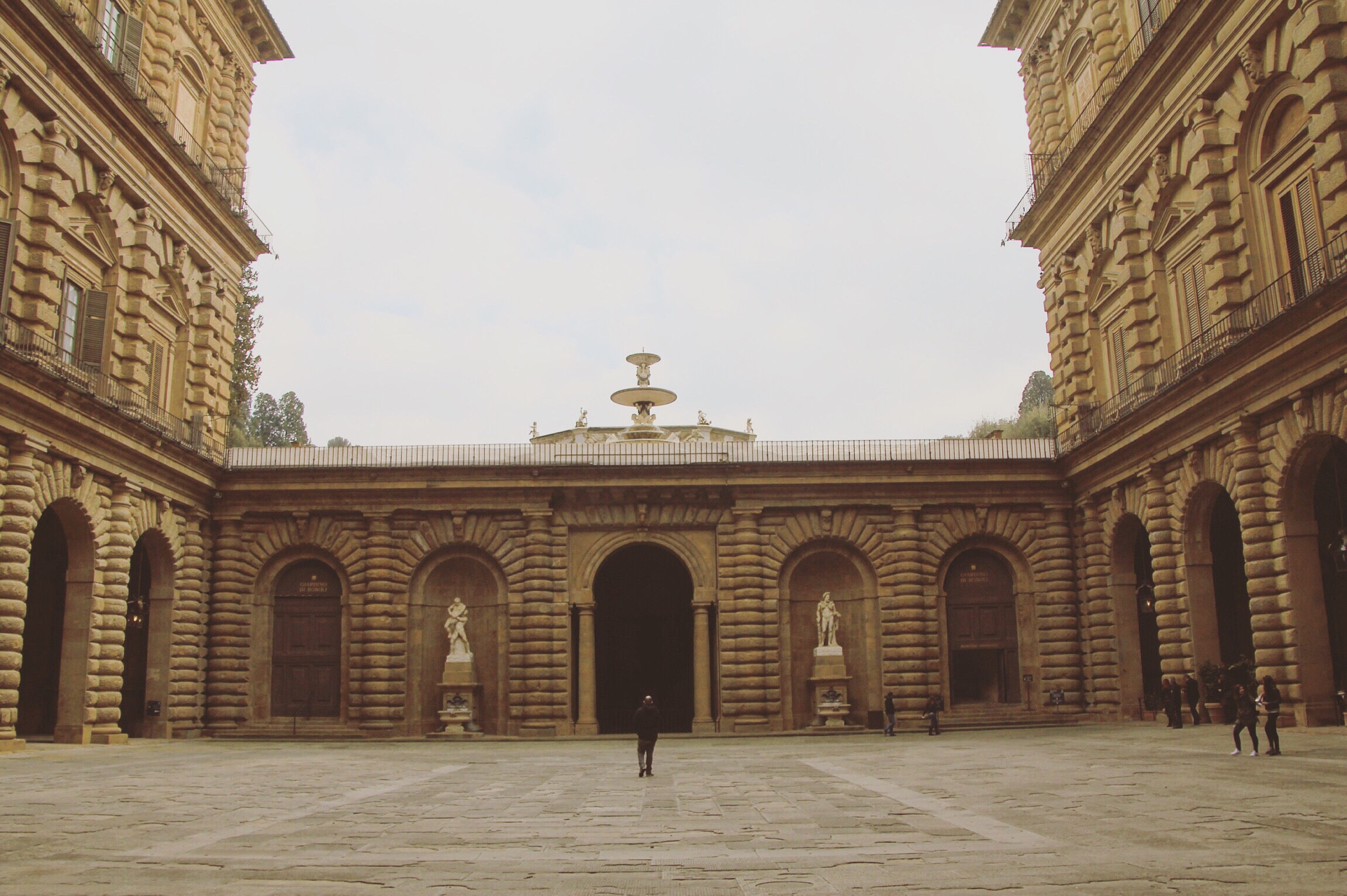 The exterior courtyard where horses and carriages would draw up.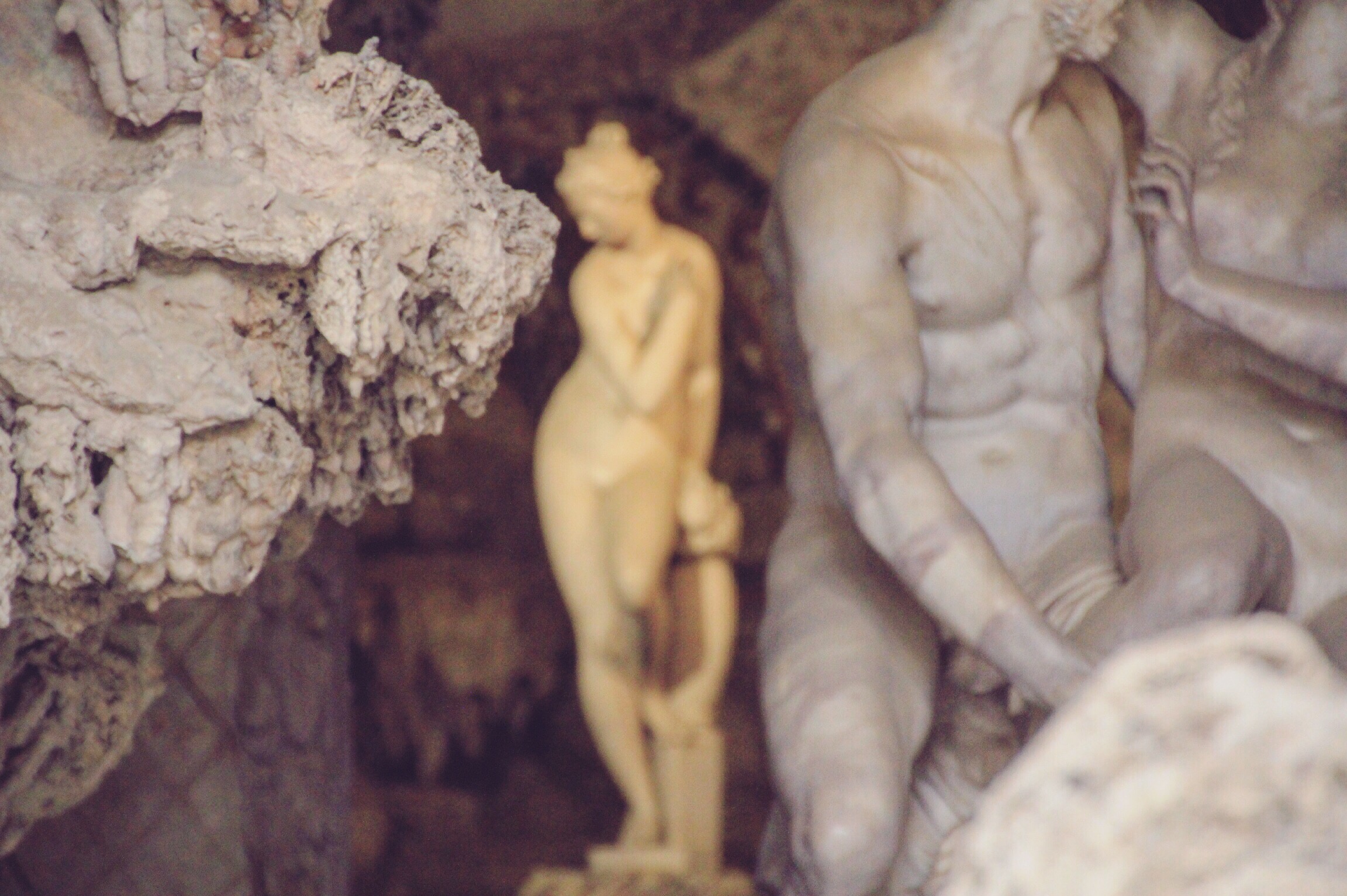
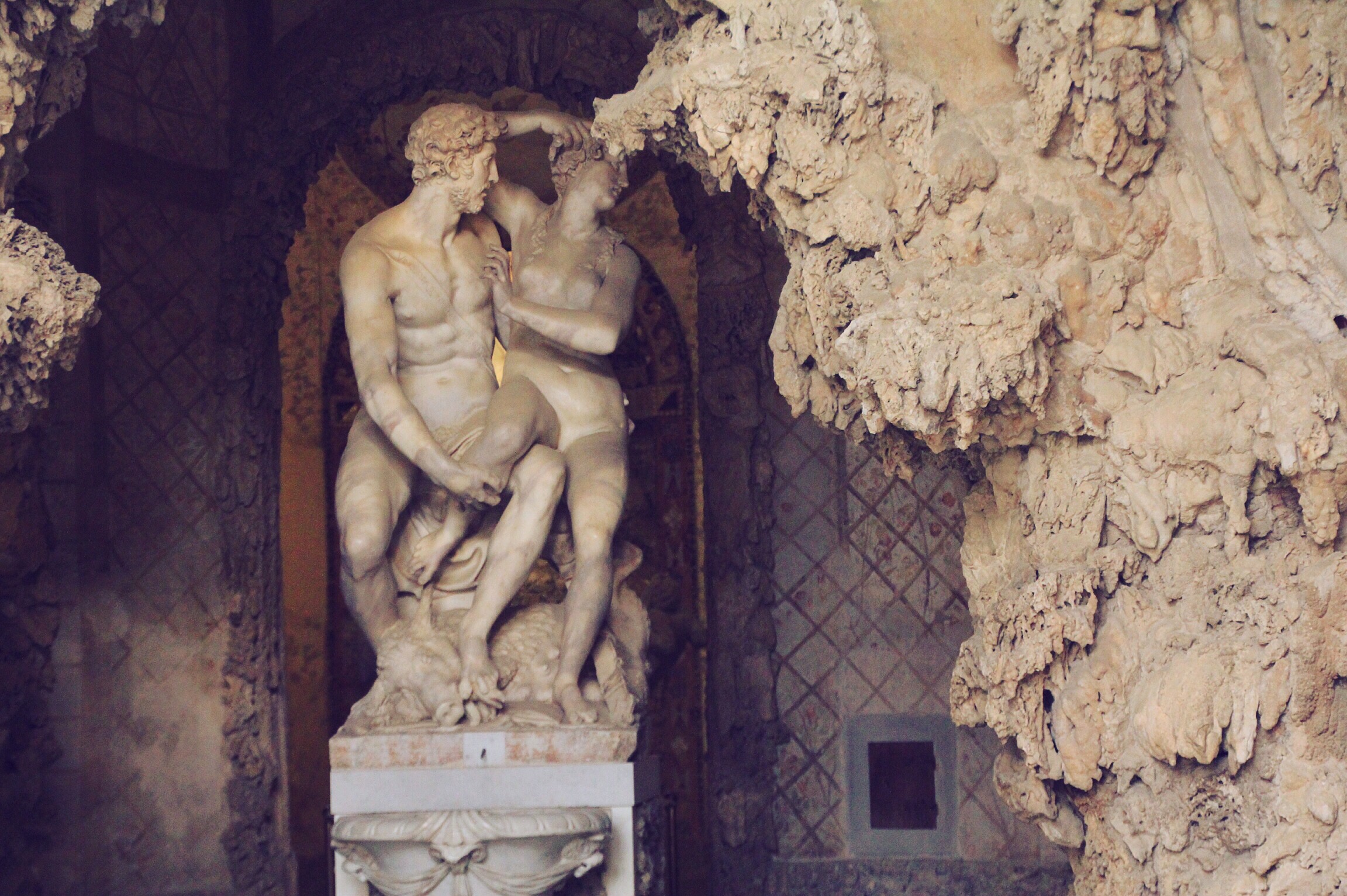 Paris and Helen of Troy.
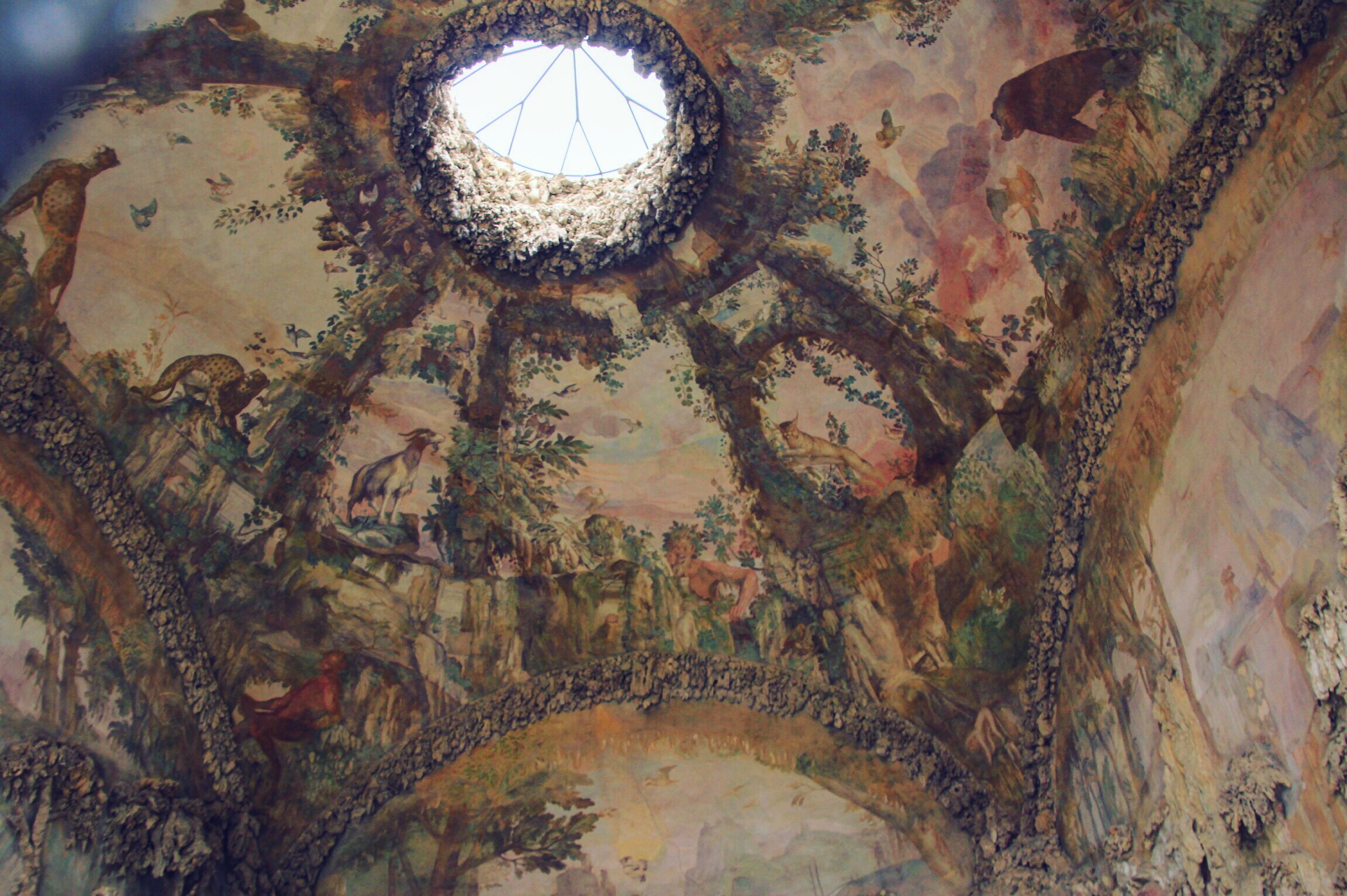 Themes of alchemy and the occult mingled with myths of classical antiquity in the natural caverns decorated to enhance an atmosphere of enchantment.
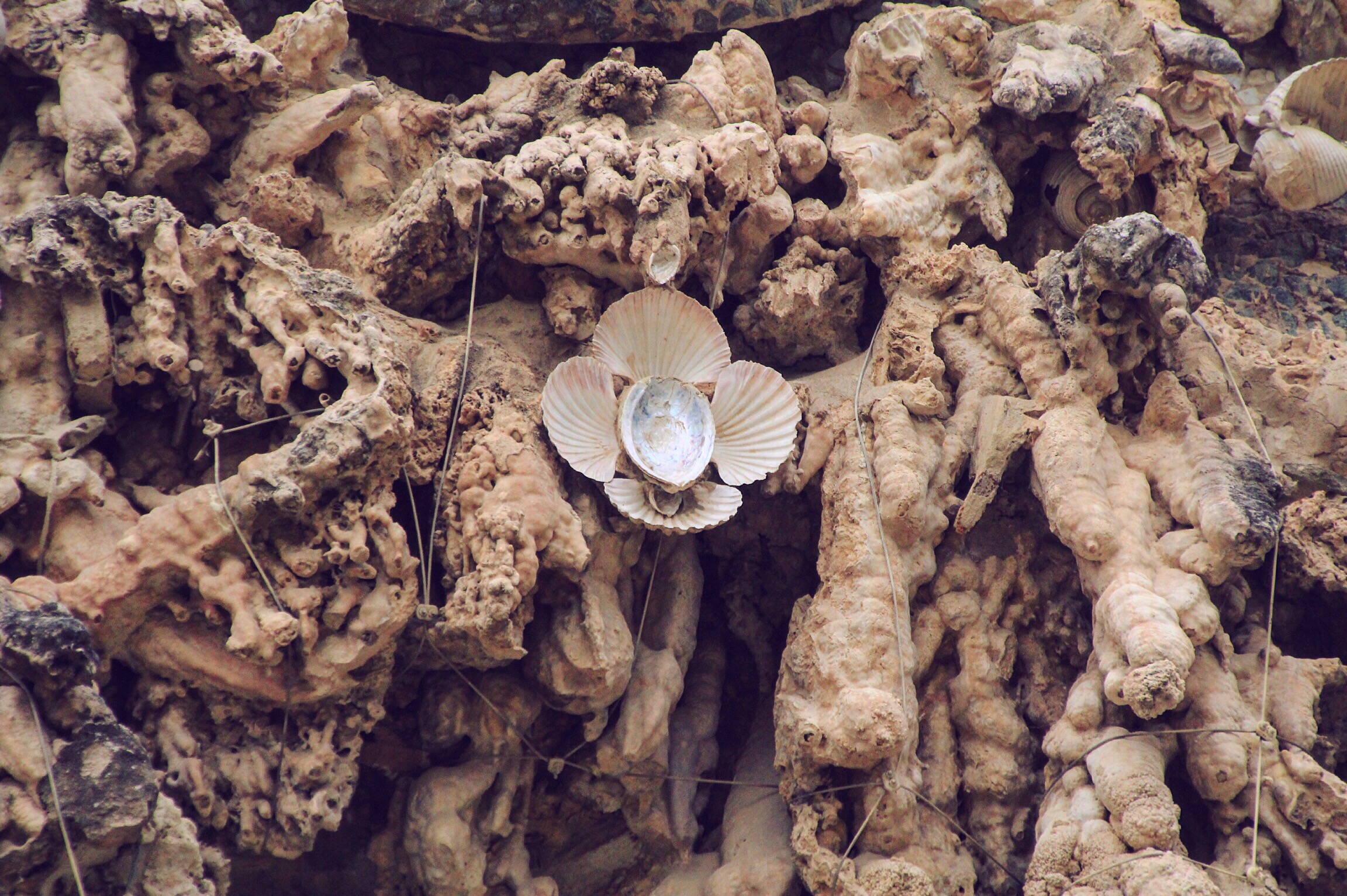 Far away seashells and coral encrusted on water formed stalactites.
 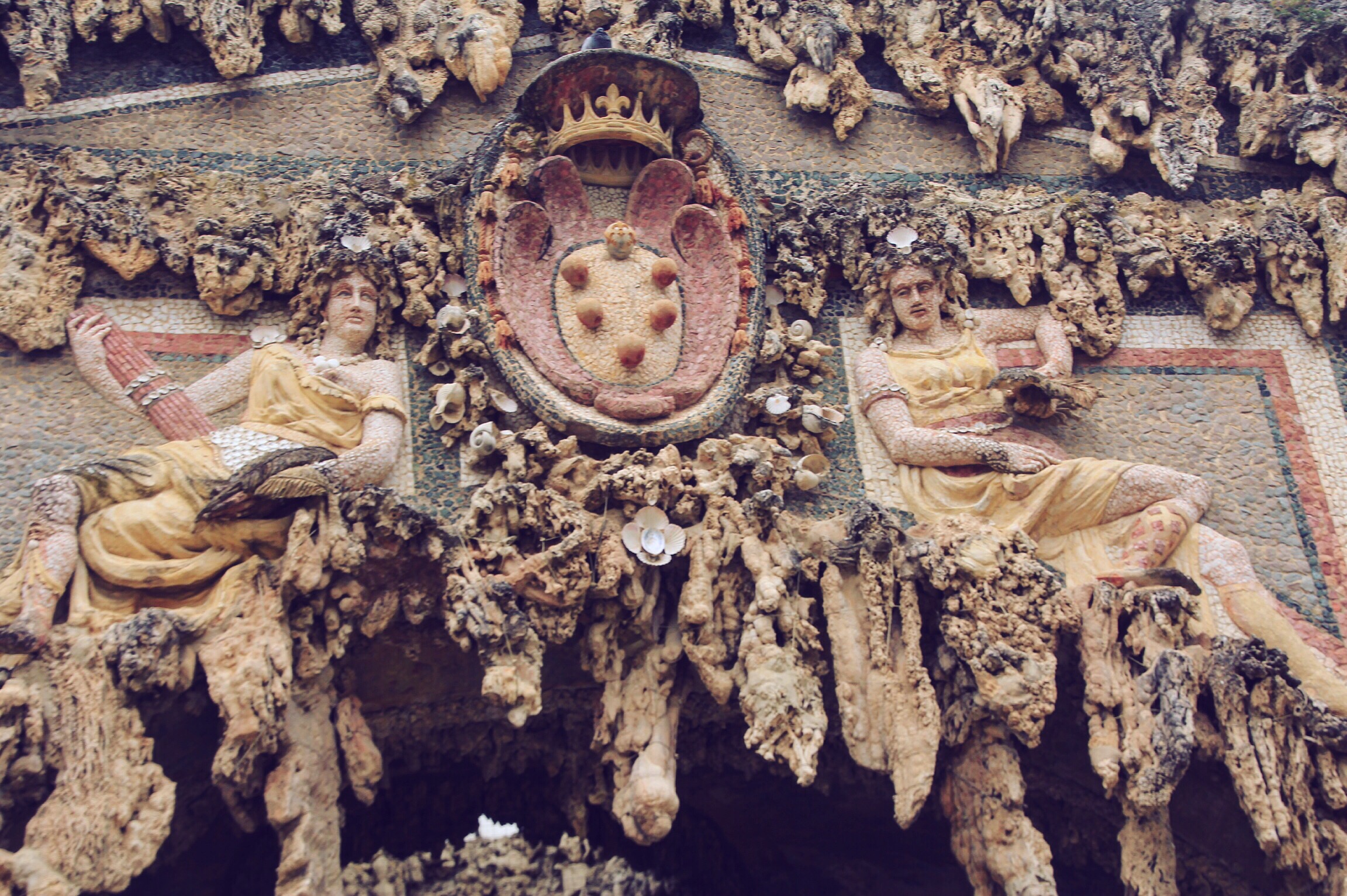 Sea nymphs and faeries and aristocratic crests.
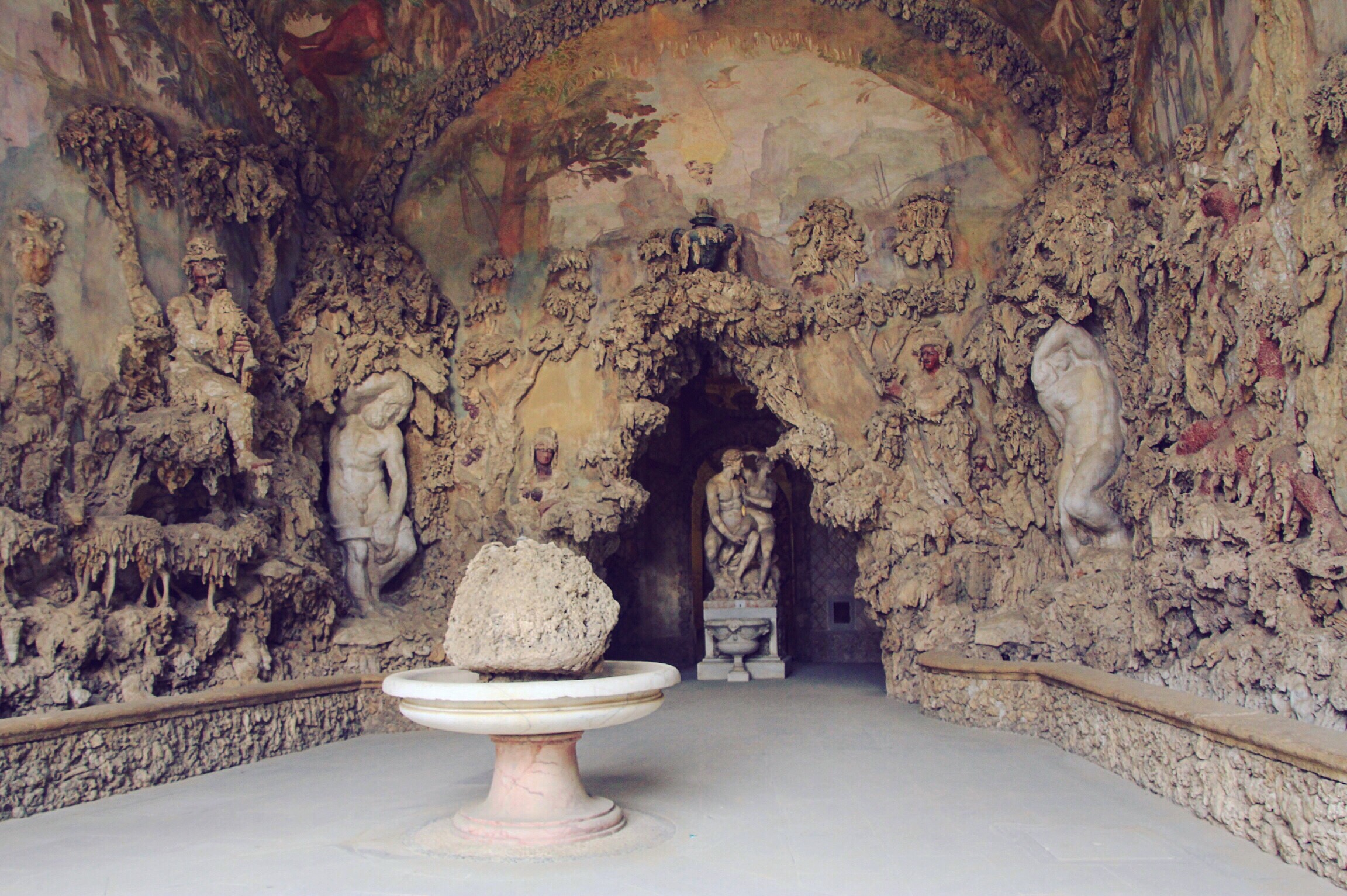 The prisoners in Ovid’s Metamorphoses.
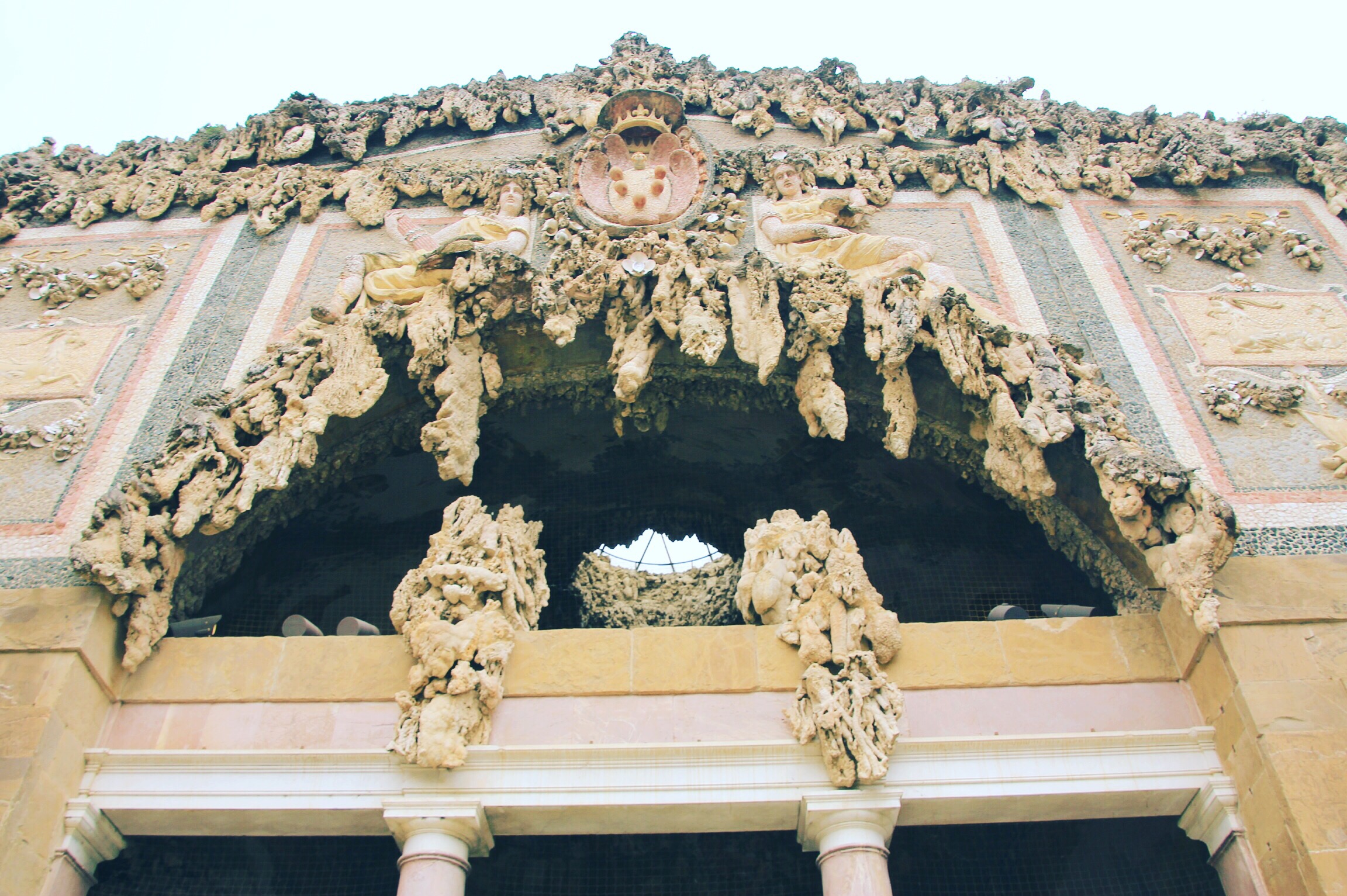 The fascinatingly carved and decorators part natural, part artificial cavern the Buontalenti Grotto in the Boboli Gardens is a fascinating place, is encrusted with seashells and stalactites, housing mythical, fantastic, and allegorical elements, as well as symbols referring to esoteric subjects. The Grotta di Buontalenti (also known as Grotta Grande or the Big Grotto) was built by Bernardo Buontalenti between 1583 and 1593, and commissioned by Francesco I de’ Medici.
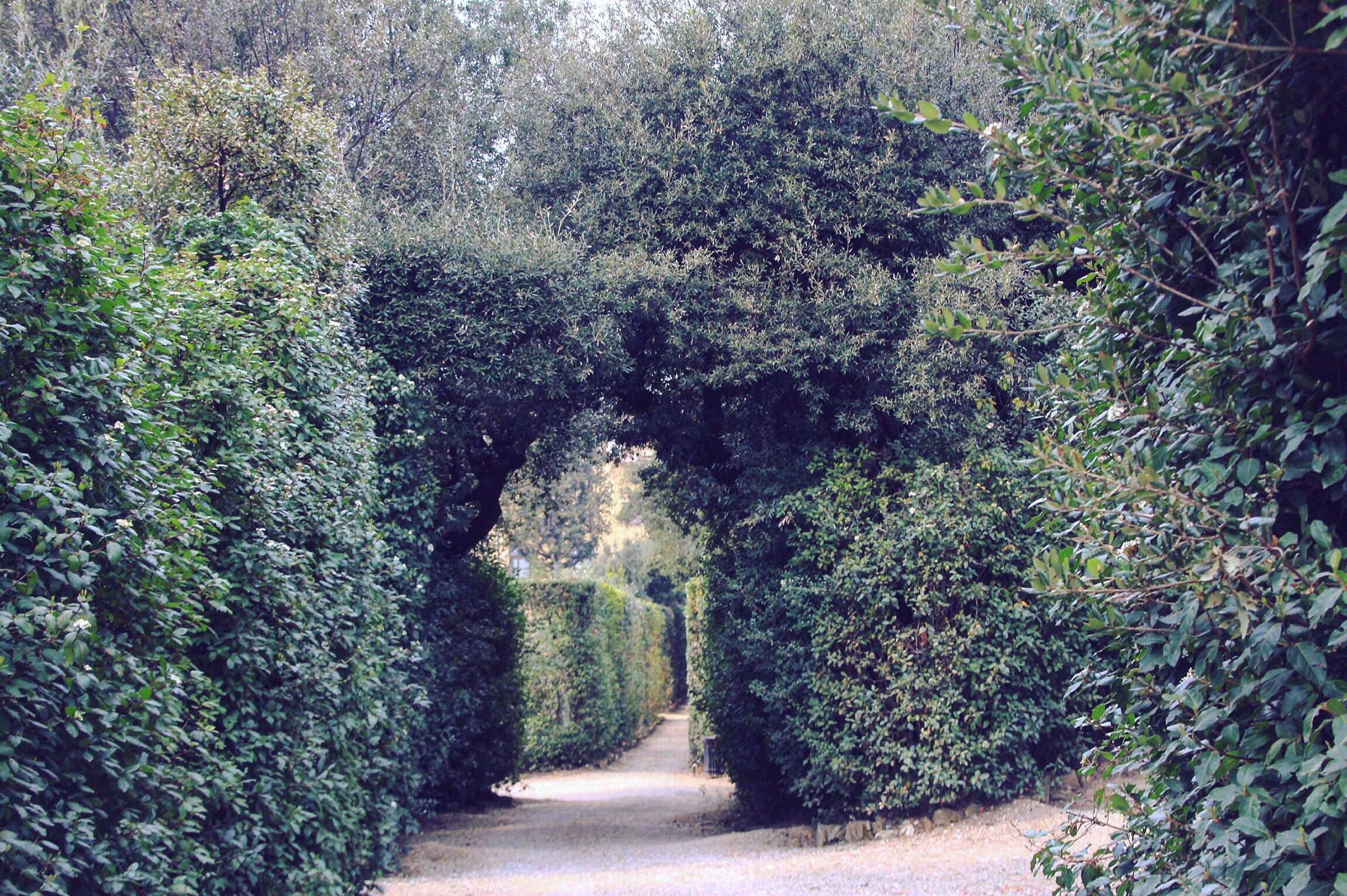 Winding labyrinthine hedge walkways to get lost in or sneak into for a stolen kiss.
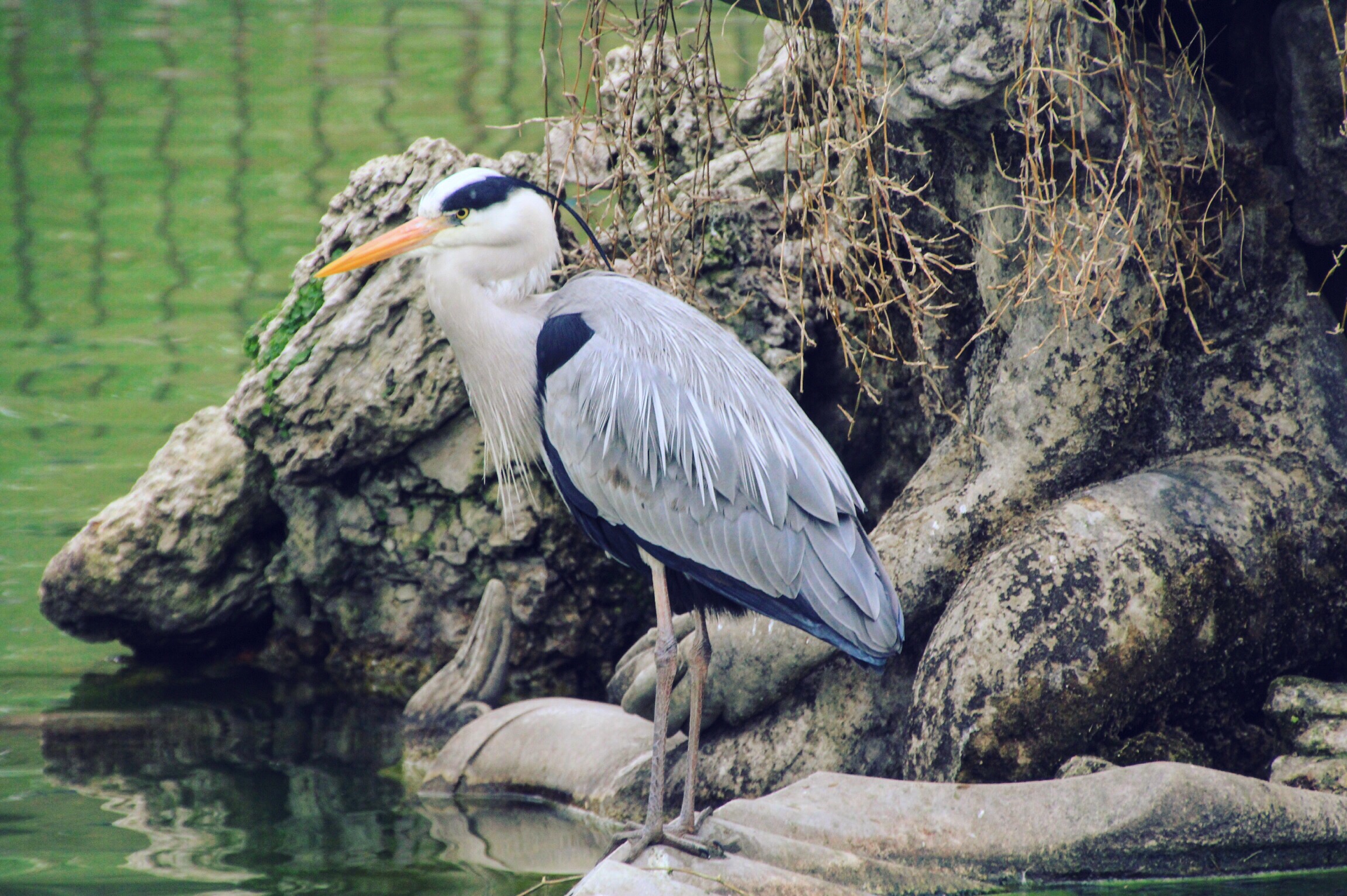
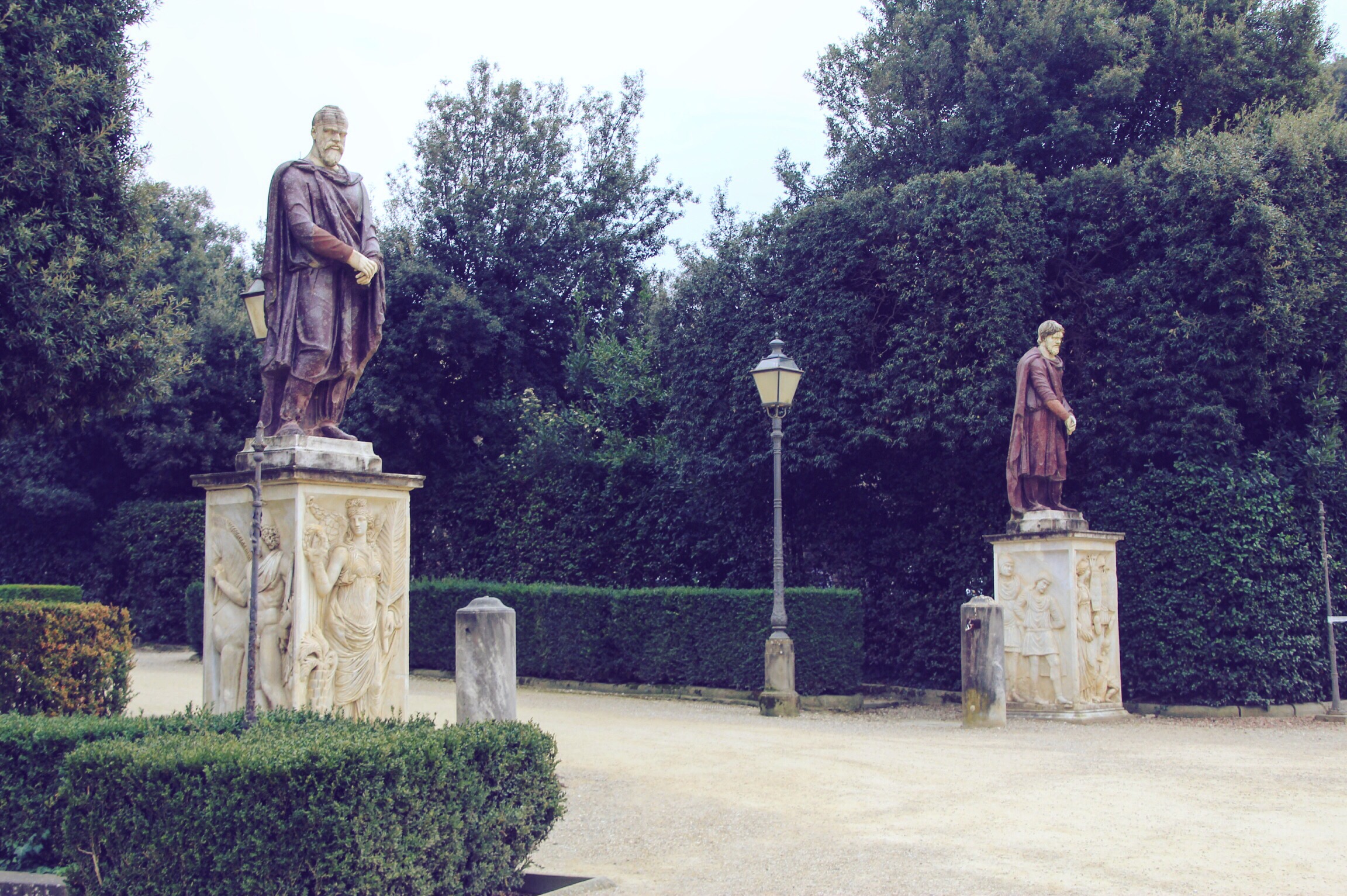 A brilliant blue heron rests in an artificial lake.
  Naked trees promise a boast of riches at the first bloom.
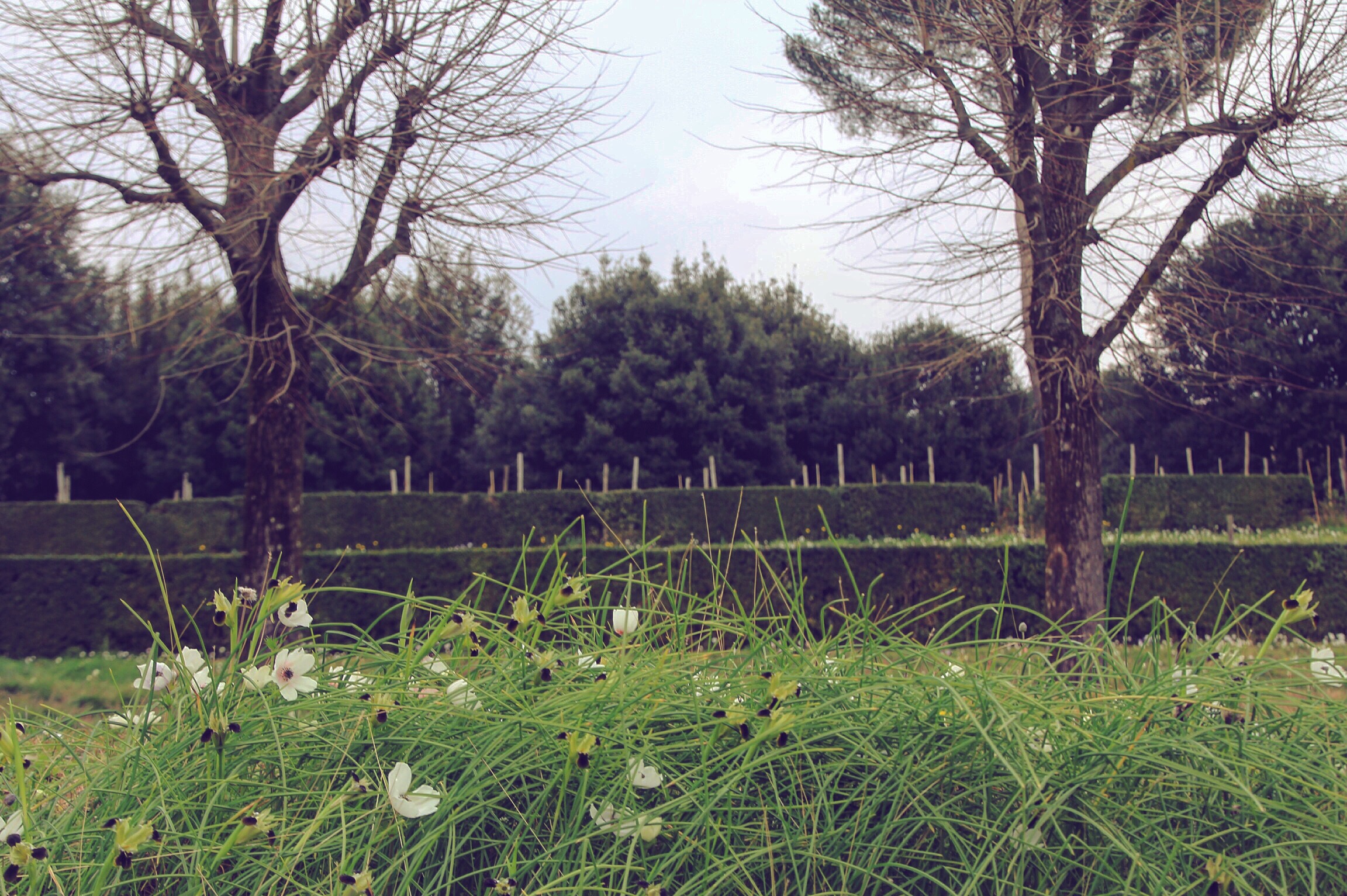 Wild iris and flowers of delicate violet and pale lavender dotted among tall wild grasses of rolling meadows.
 Oranges a reminder of the beautiful year round climate of most of Italy.
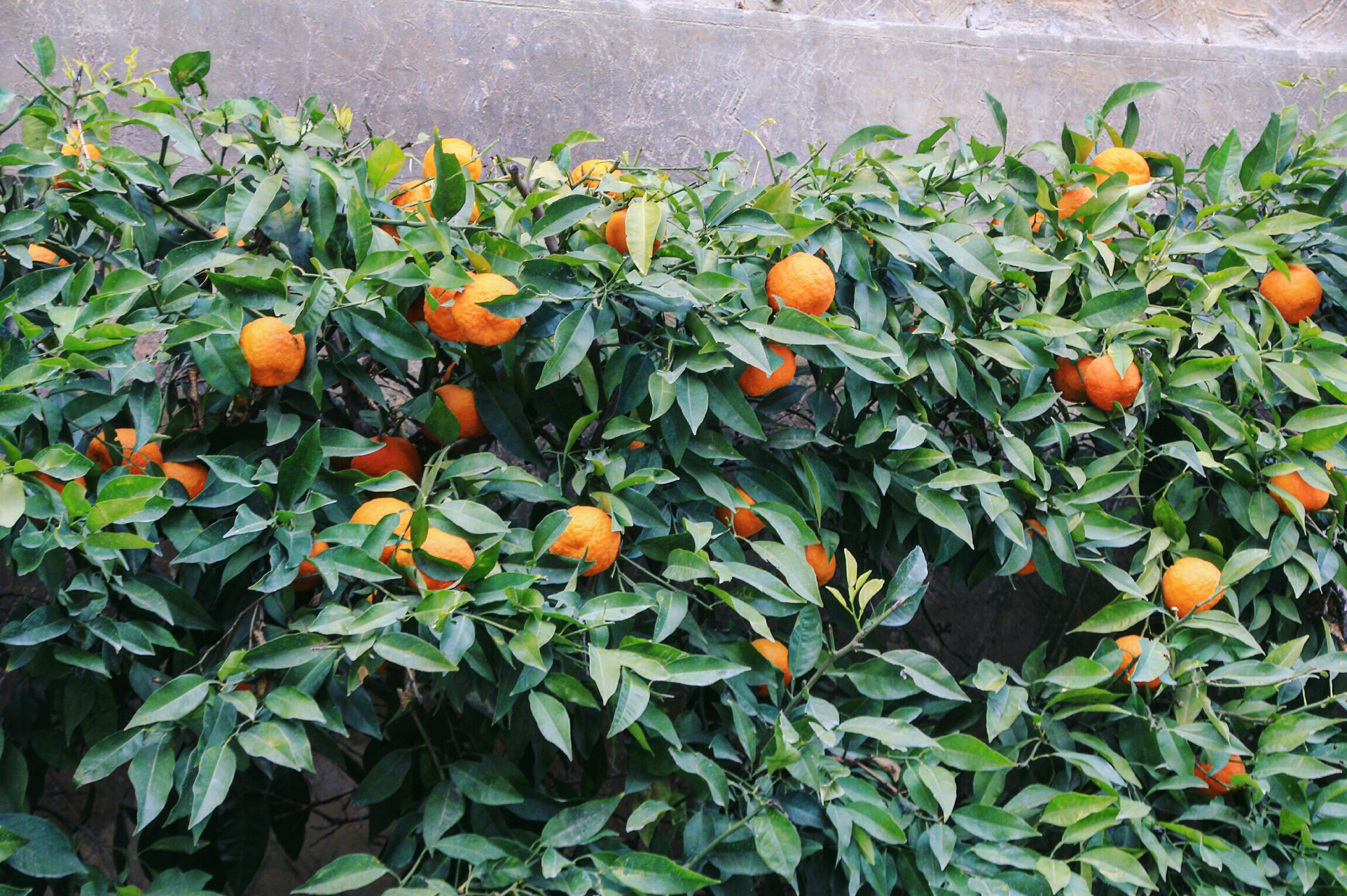 I was there on an overcast early spring day before the beauty of the garden really bloomed but shall return their in autumn to take photographs of the richer, fuller gardens. The little wildflower meadows and orange trees and statutes were lovely against the grey sky and ornate fountains (turned off in the cold) but I long to see this place teeming with color and fullness after the long hot summer, as autumn turns the leaves Amber and gold. I get that chance this early October.
Watch this highly interesting and gorgeous historical and visual tour of the Boboli Gardens by Brit and garden expert, Monty Don. Boboli Garden — Tour of Italy – Florence


 a love letter to rome