musings on rome written to a new friend

20140208-173753.jpg

I feel, in Rome, as if I am fully entered into the ancient-ness of the place.
I feel the history in my blood.
I feel almost Italian (with a mix of invading barbarian).

But I tread lightly in Italy.

I try to penetrate the history, the stories, but I tread lightly.
I don’t leave any trace.

I only steal moments.
I steal away people’s feelings in a one second snapshot.

I take more lingering pictures with my eyes.

I really don’t want to be the center of attention, I would rather fade into the background, and let people live around me.

I am greedy for their life spilling out.
Still as much a thief as I was as a child, after all.

This is why I love Naples.

I dread it a little, too.
I want to slap it around occasionally.
I want to remind it of its grit (as if it needs my reminder).
I want to shake it awake to its beauty and history and art.
I want it to not lose its charm, ever.

I don’t even care about the trash that much.
I love the darkest alleys.
I love that life is lived on the streets.
I love that the windows are always open.

I love listening to the strains of a language I cannot decipher because it always sounds like music to me that way.

That’s how I linger in churches so long…
I can’t understand the sermons so I can spend time looking at the art and thinking about pagans all day as if in a dream.

In Italy I am living in the dream and I don’t wake up again until I’m back home in the cold north.

I return to Italy like a lover who cannot stand the separation a moment longer. I want to feel the curves of familiar streets. I want to taste the crushed fruit of summer wine and feel that sun so different from mine. I want to see the stars again against the faint glow of the ruins.

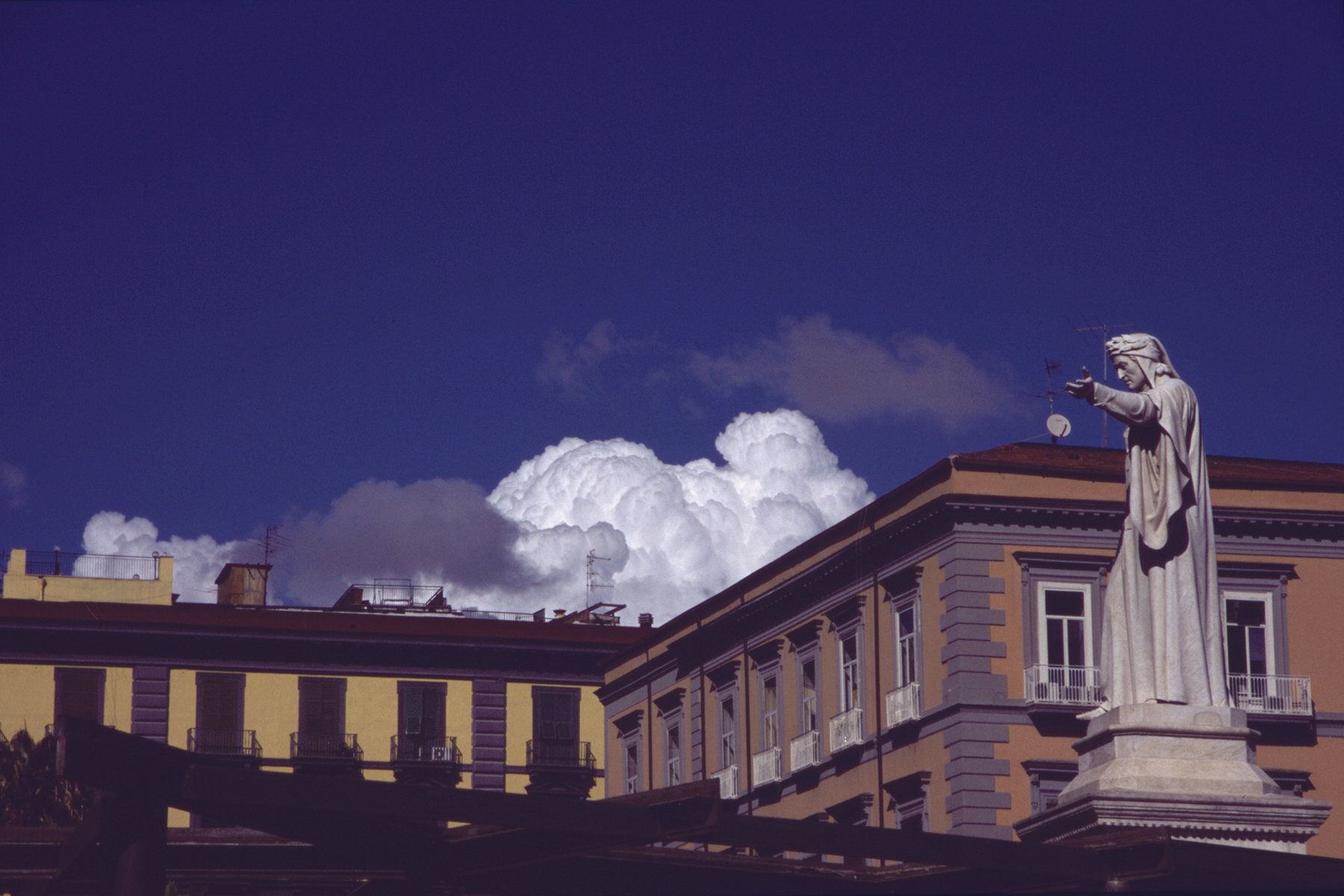
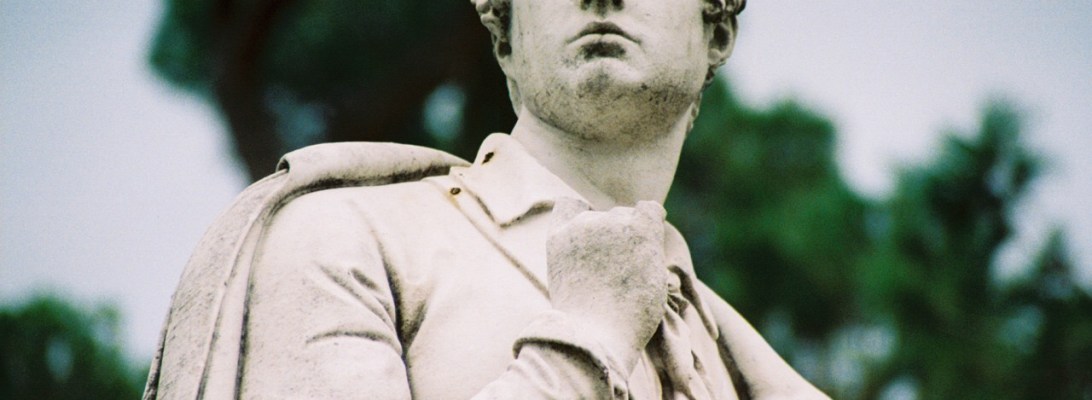
Dante, Virgil and Augustus and the clouds of Naples

slide1

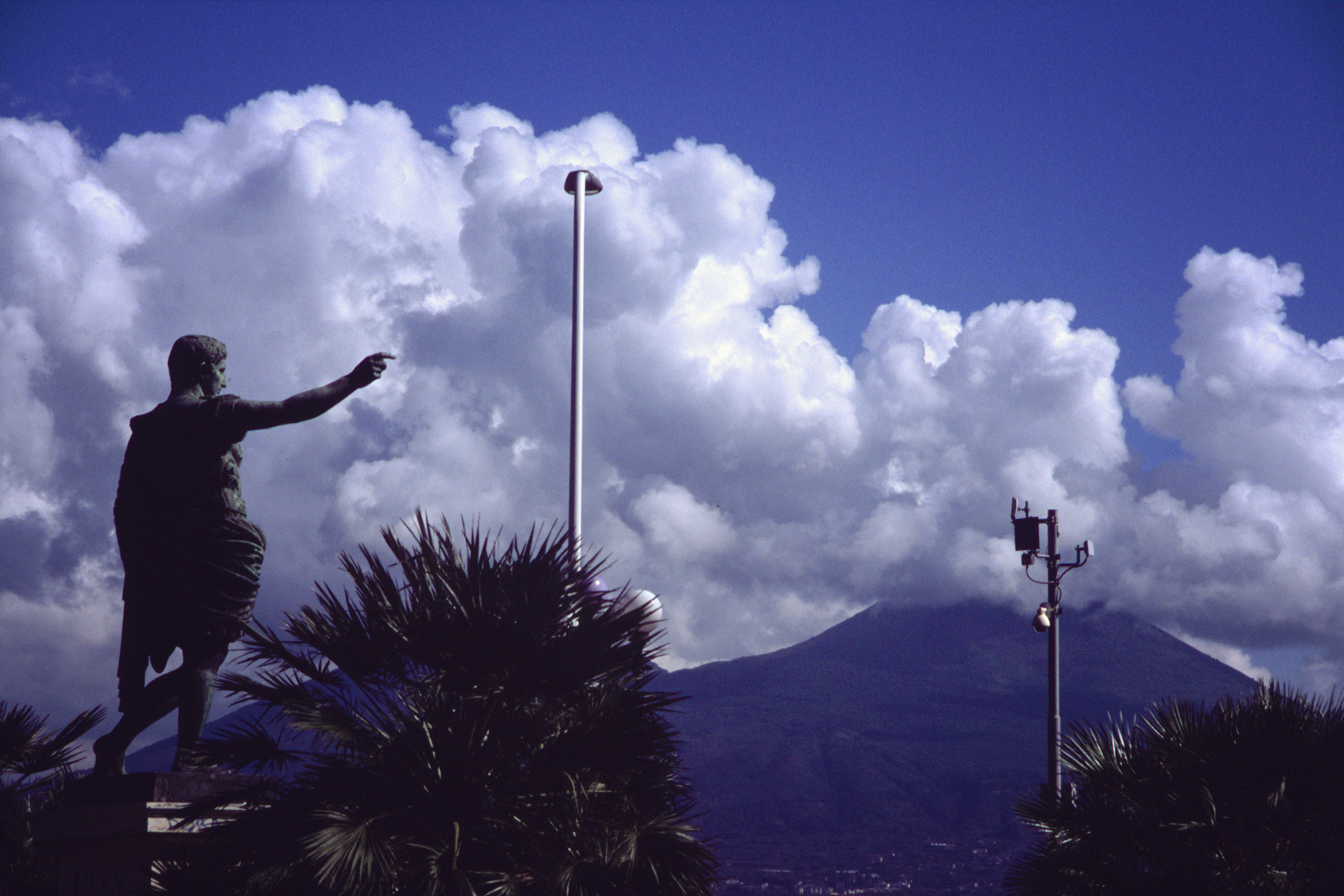
Augustus, in Naples, looks out at Vesuvius, the volcano that covered Pompeii and Herculaneum in lava and ash thousands of years ago. Clouds puff out around Vesuvio like plumes of smoke. Virgil, a great Roman poet of the Augustan era, is entombed not far away. His Aeneid, inspired by Homer‘s Odyssey and Iliad. Tuscan poet Dante Alighieri, in 14th century Italy, wrote Virgil into his Divine Comedy as a sage pagan guide through hell and purgatory.

slide2

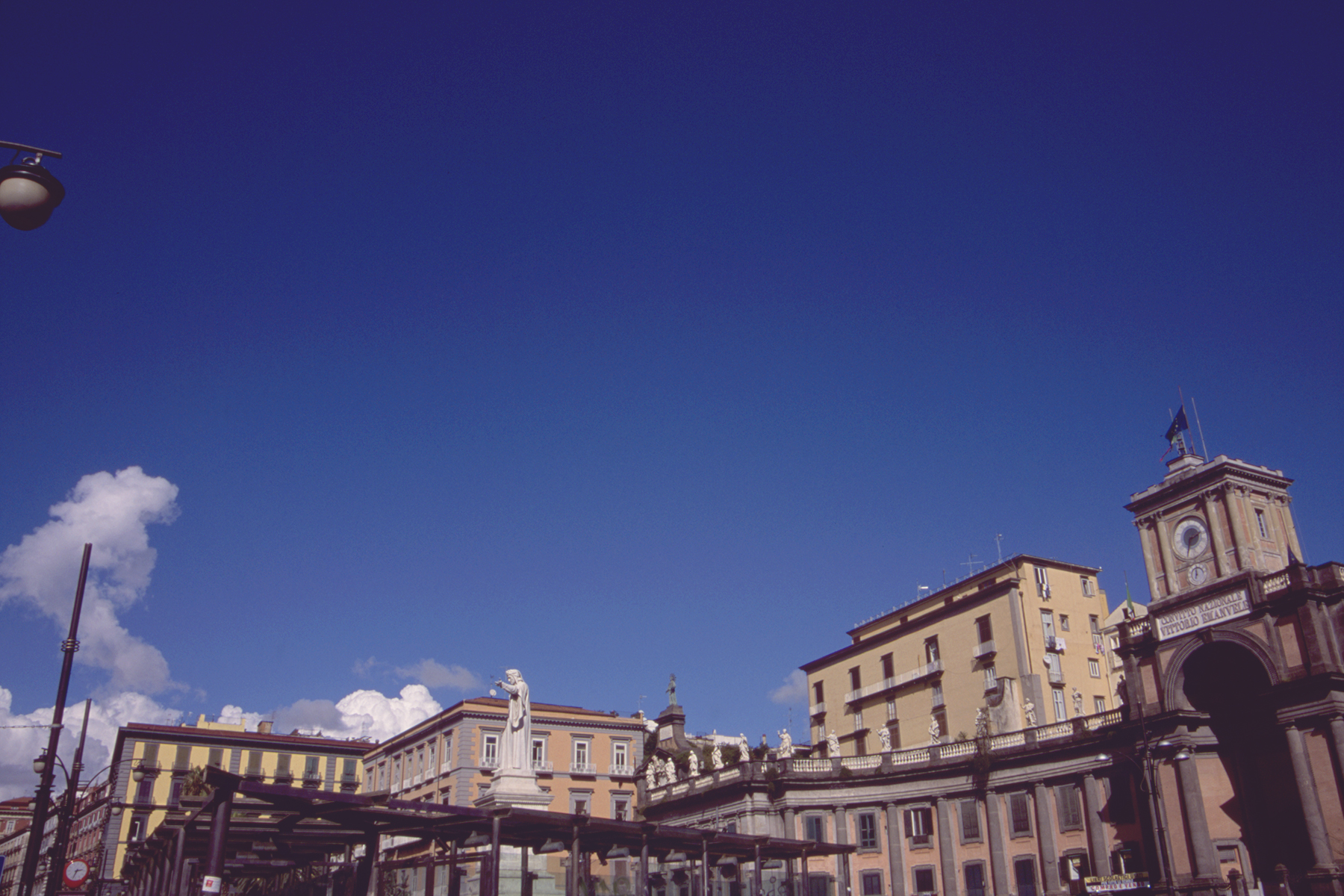
Dante Alighieri commands the clouds, overlooking the passersby in the Piazza Dante off Via Toledo. The day before it had stormed on nearby Capri and the clouds were thick and dramatic against the bright blue sky of central Napoli.

slide3

I wept not, so to stone within I grew. – Dante

slide4Dante is host to one of Naple’s most popular “outdoor living rooms” where Neapolitans meet in the evenings for conversation, snacks, flirting and delicious coffee.

“With the color that paints the morning and evening clouds that face the sun I saw then the whole heaven suffused.” – Dante

All photographs shot on velvia film slides by Rebecca Price Butler, alovelettertorome.com

How to have a beautiful time {in off the beaten path} Rome; the short list.

20131112-162458.jpg


Swing by the Villa Sciarra park in the residential Monteverde neighborhood. 

If you are going to visit the very off the beaten path Monteverde area, you may as well start at the Giancolo (Janiculum Hill) for the panorama view, which is nice, and the interesting area around it.

Then walk down the hill to the Monteverde neighborhood. It’s a long walk. Via Dandolo area.

You can hit Trastevere after the Villa Sciarra park.
{It’s an even longer walk.
Buses run all over too. And taxis.}


Trastevere is a Rome experience no-one should miss, even on a day trip to the eternal city.

Trastevere is a historical, rustic neighborhood with cafés, great restaurants, beautiful churches church, la Renelle bakery, hand made chocolate and soap shops, the Almost Corner Bookshop with English books, graffiti, hanging ivy and wisteria and lots of great people watching.

The Aventine. (See the Knights of Malta keyhole for the worlds, most unique view of the Vatican through a lemon grove)!

Testaccio (the Protestant Cemetery!!)
Why a cemetery? It’s peaceful, away from it all, gorgeous, John Keats is buried there, Shelley has ashes interned under stone, all the greats have visited, and I am utterly in love with this spot. There’s also the draw of “Mount Testaccio” and the ancient Egyptian pyramid of Cestius.

Villa Aldobrandini (I have managed to miss this every time but the book Quiet Corners of Rome has breathtaking shots of it and it’s been recommended to me by travelers online so I am going to visit it next visit! It’s in the great Monti area (quiet, off the busy coliseum section of the city, at Via Mazzarino 11.

Take a romantic renaissance walk on Via Giulia in the heart of Rome.


Visit the boutique villa art museums; Spada, Doria Pamphlij, Galleria Borghese, Villa Farnesina, etc!

Have lunch and shop at outdoor market shopping at Campo dei Fiori!

See the Roman Forum, the Coliseum and the ruins in the daytime AND by moonlight when the world looks ancient and is silent.

Picnic on Palatine Hill.

Climb the steps to Capitoline Hill, designed by Michaelangelo!!!

Walk on Sunday on the Appian Way and pass through the ancient portico by the Aurelian Wall!!!

Have a coffee by the Pantheon at night.

Stroll through the Piazza Navona.

Fountain hop several piazzas every night!!!

Have a drink at five different cafe bars on the same evening.

Try something local, in season and daring!

Get a little lost.

Cross the bridge of angels at sunset or even better, sunrise to get to the Vatican along side the Tiber.

Watch the sun set on the Pincio, overlooking the piazza del popolo!


Rome in the morning, Rome in the afternoon, Rome at sunset, Rome in the evening – are almost like different cities.


Have dinner one place, a spumante somewhere else, an espresso some where else, a gelato somewhere else.


Enjoy the stroll, see the Caravaggios, embrace the green parks, look for the views, get lost and go for a ramble.

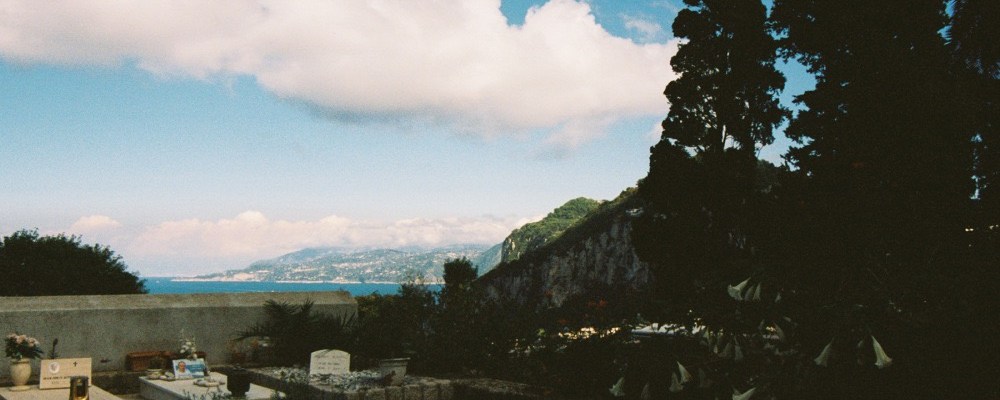
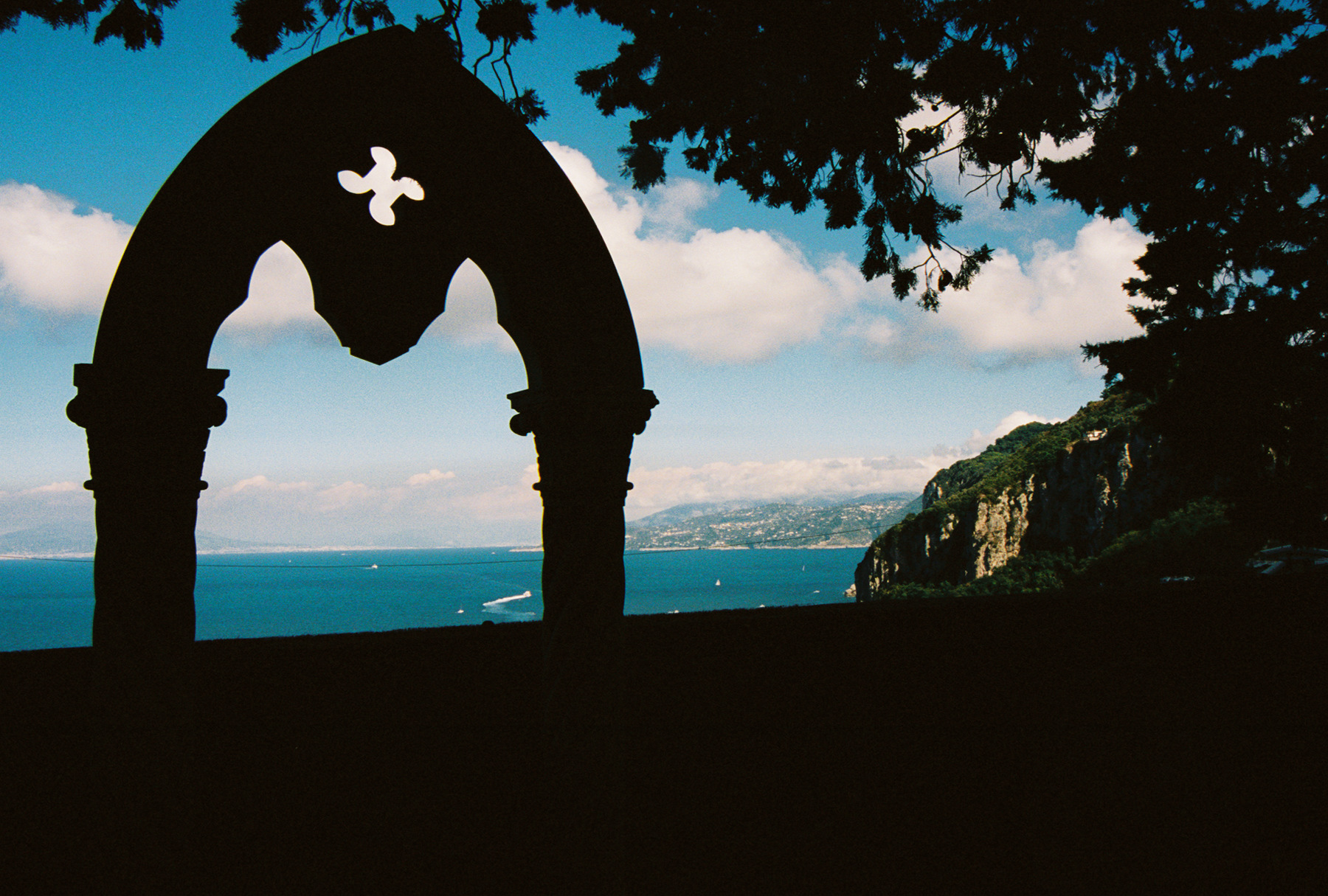
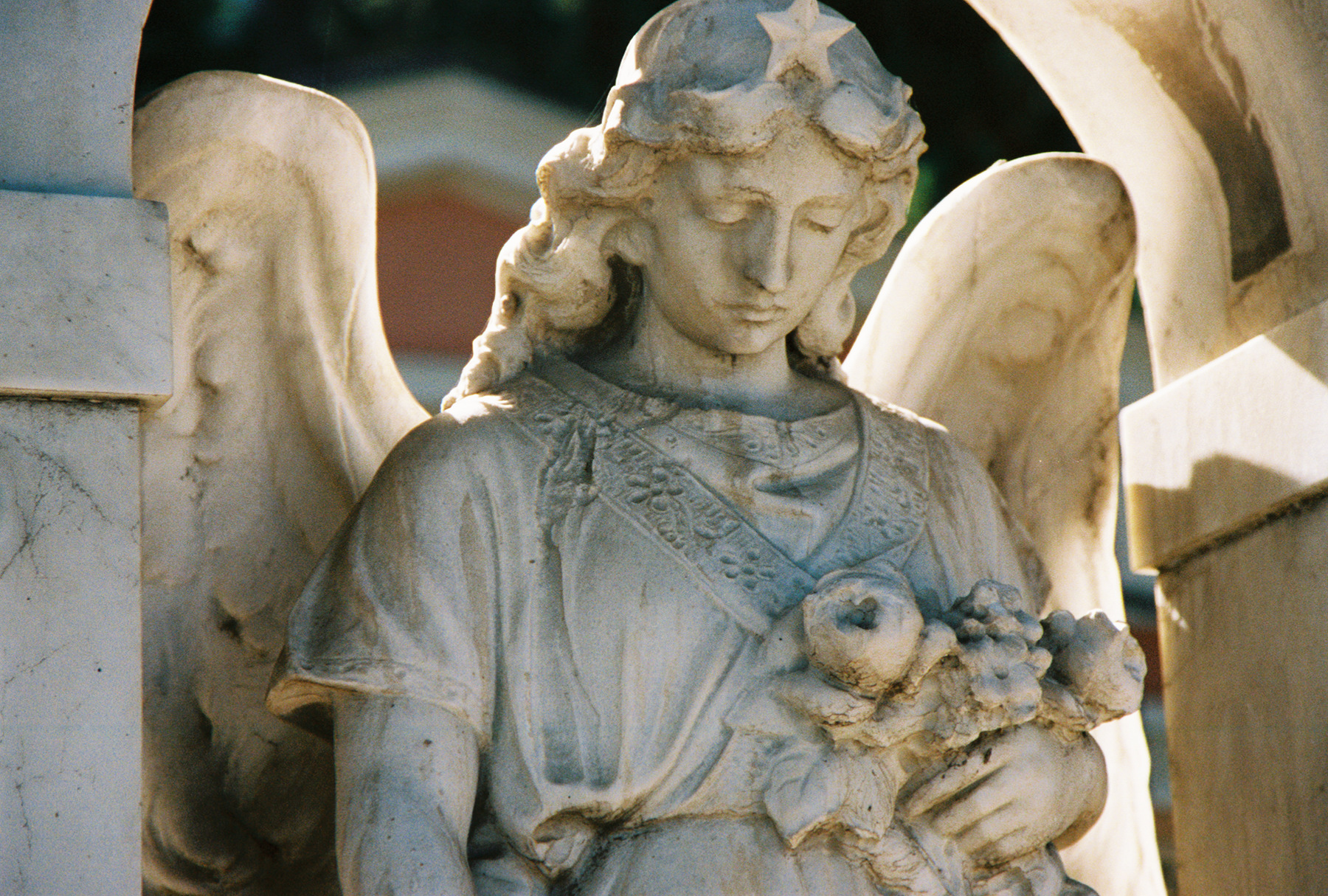
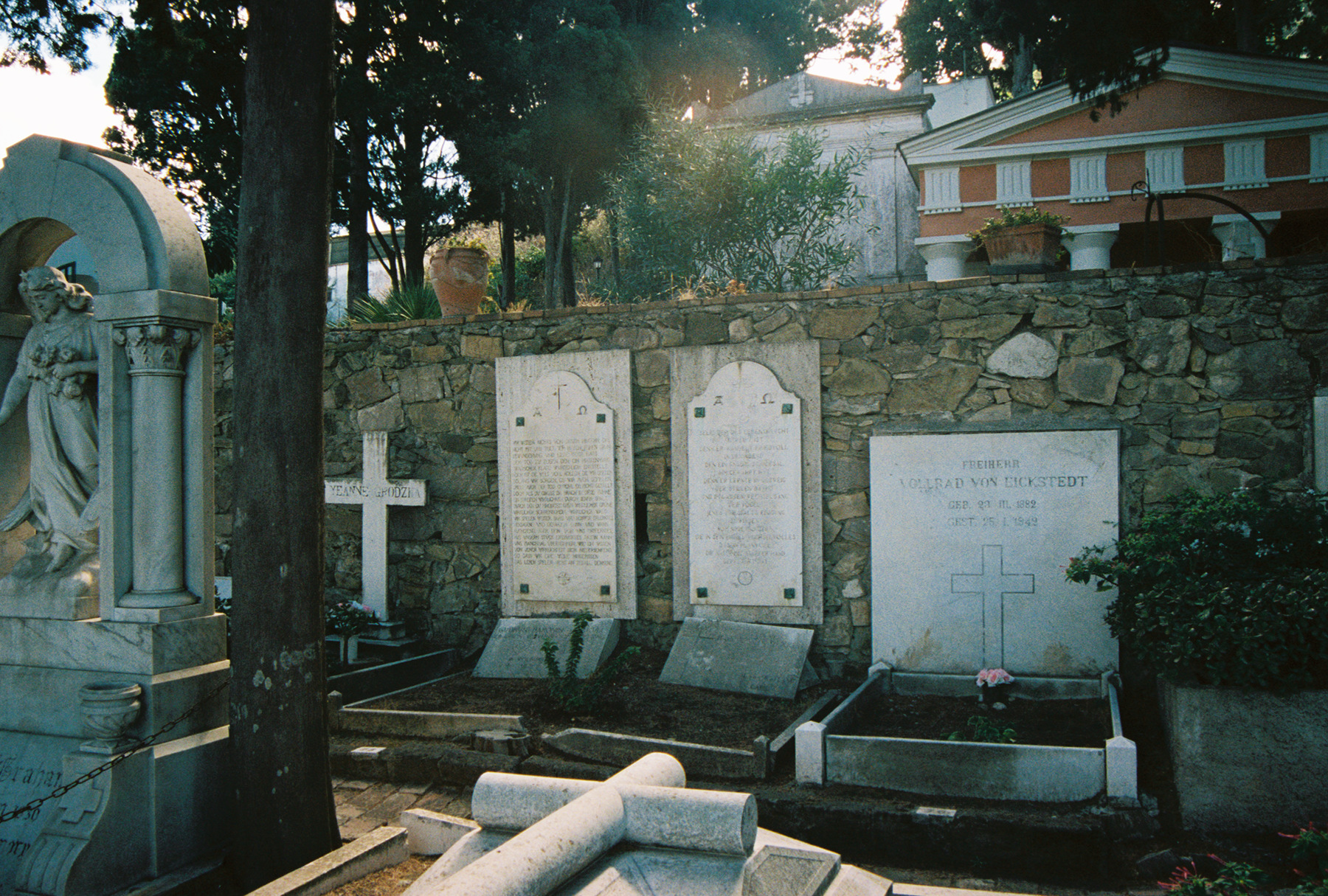
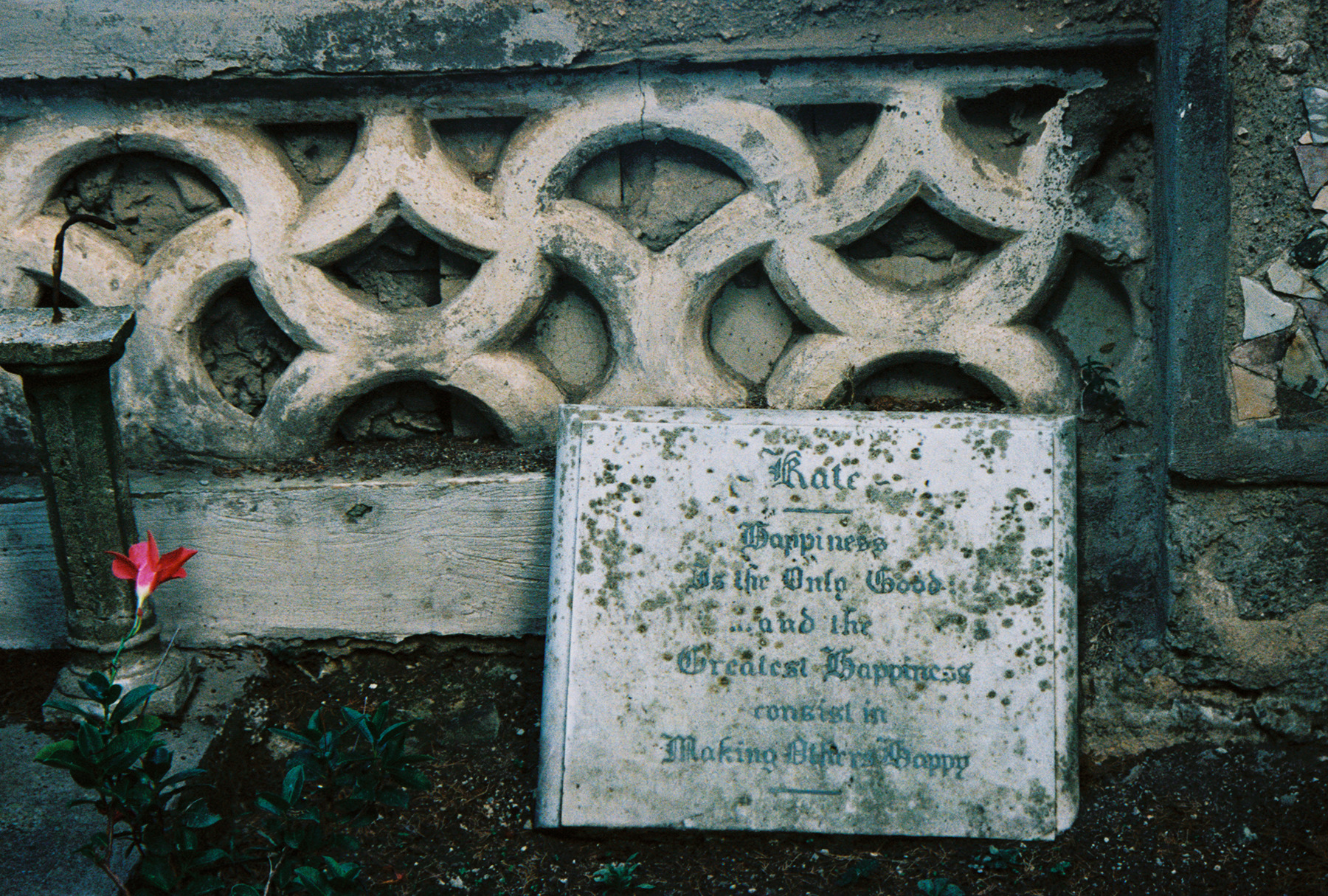
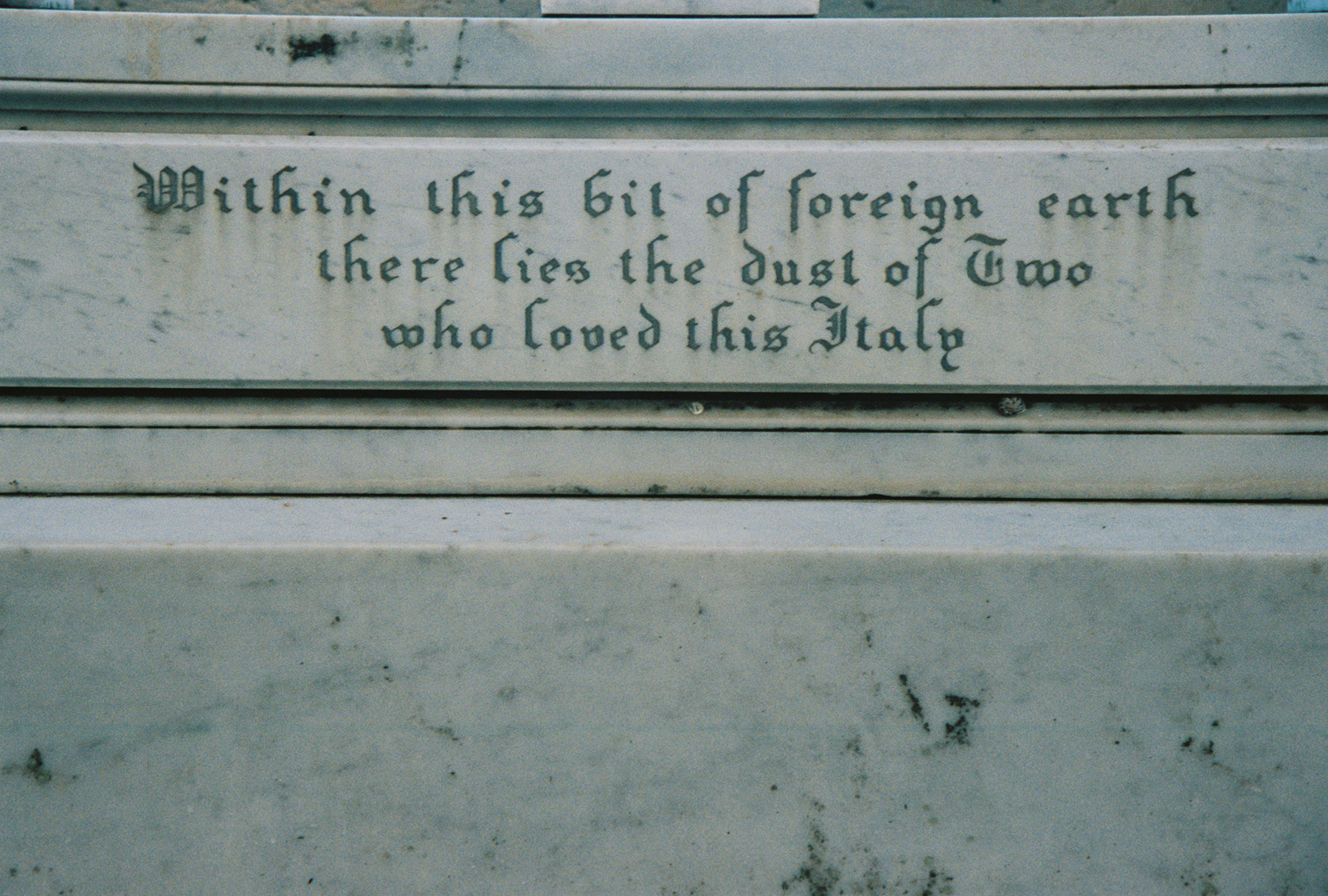
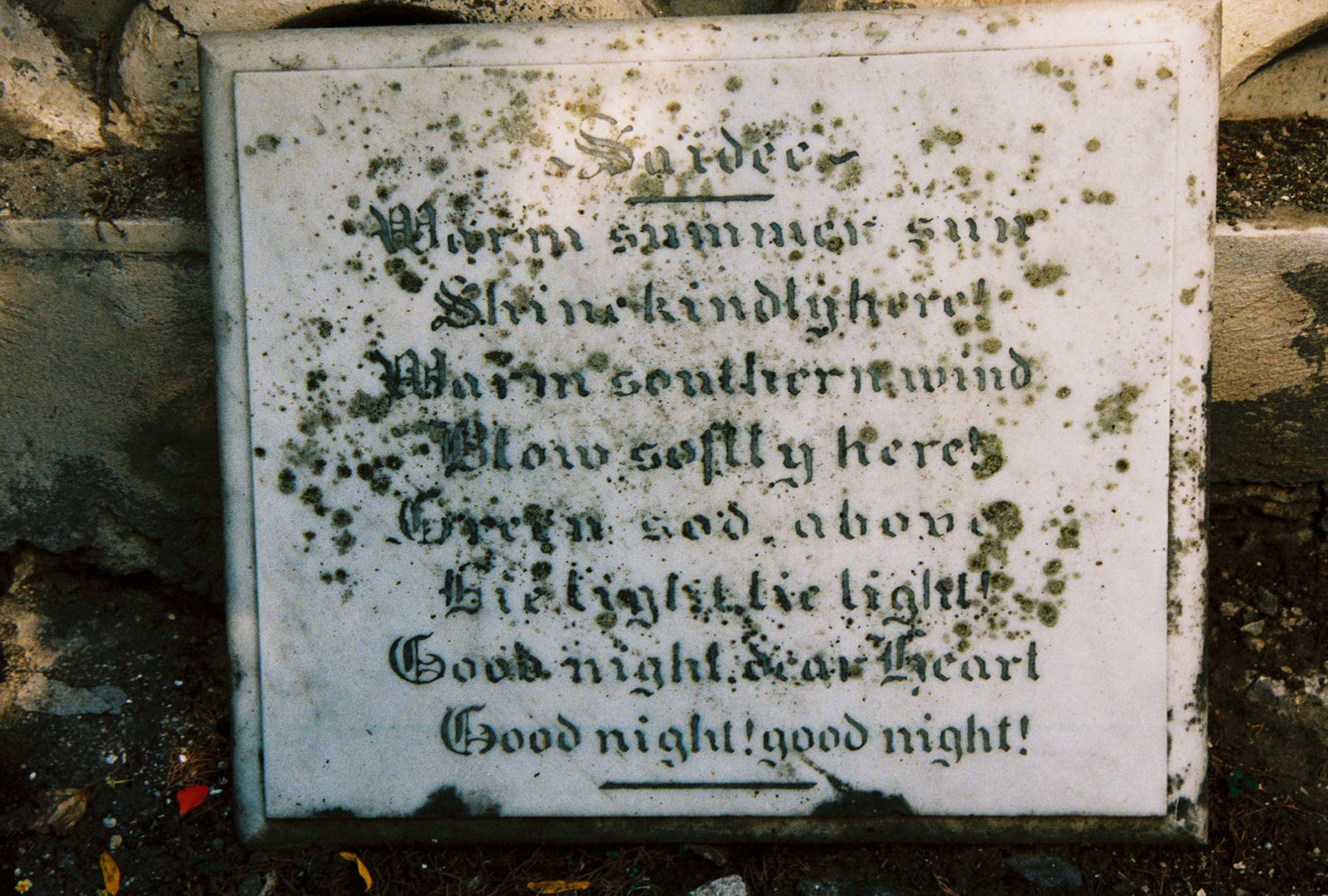
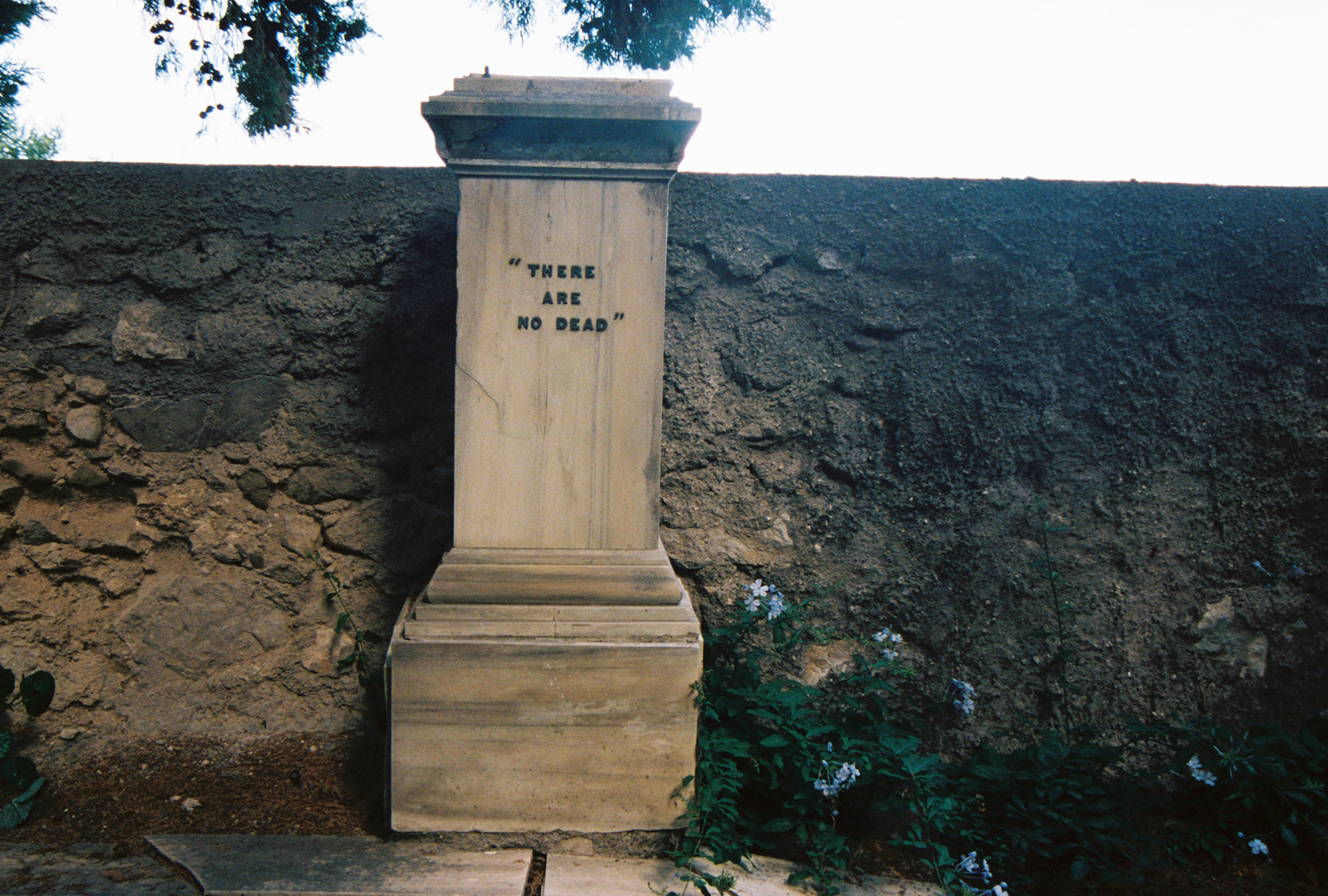
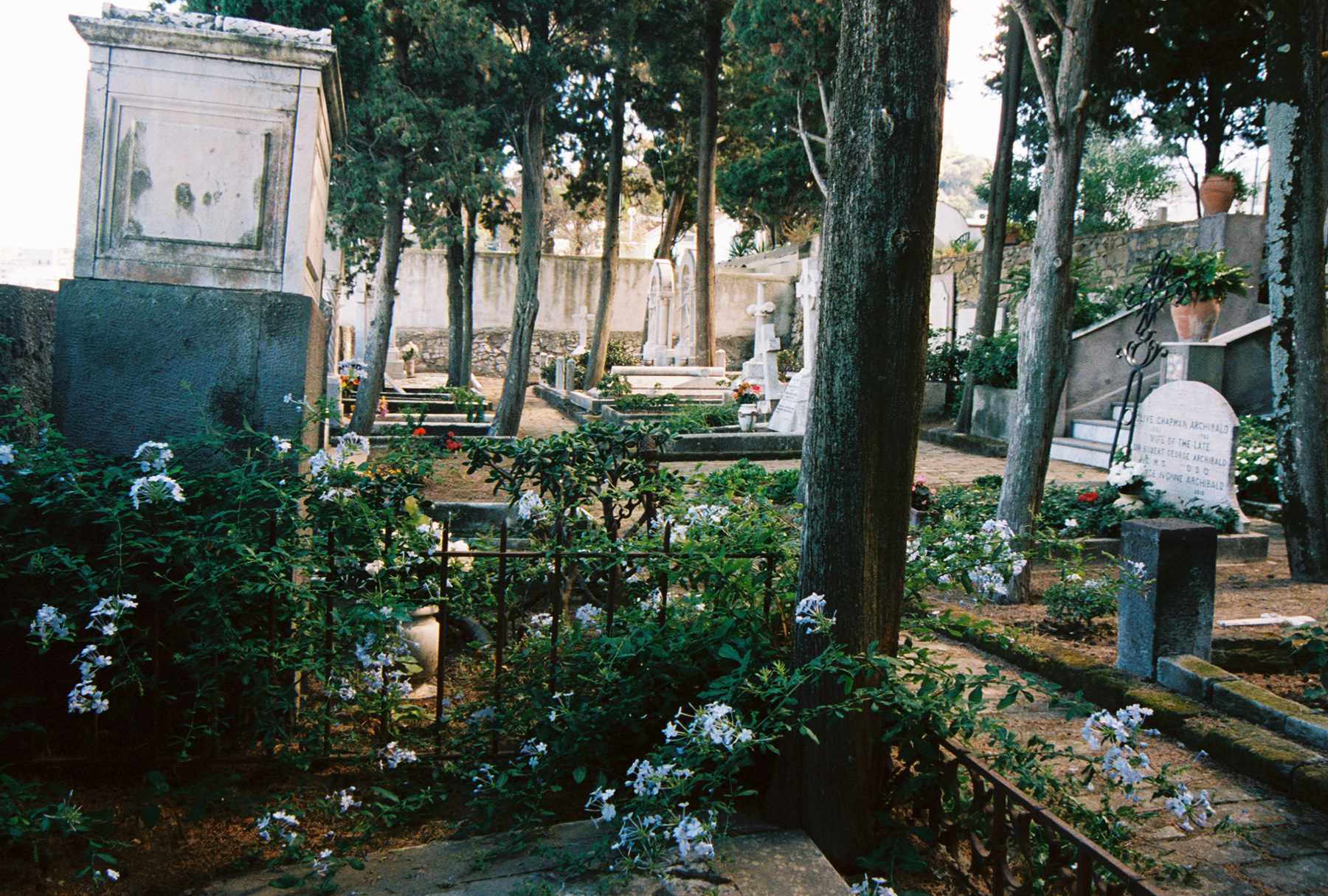
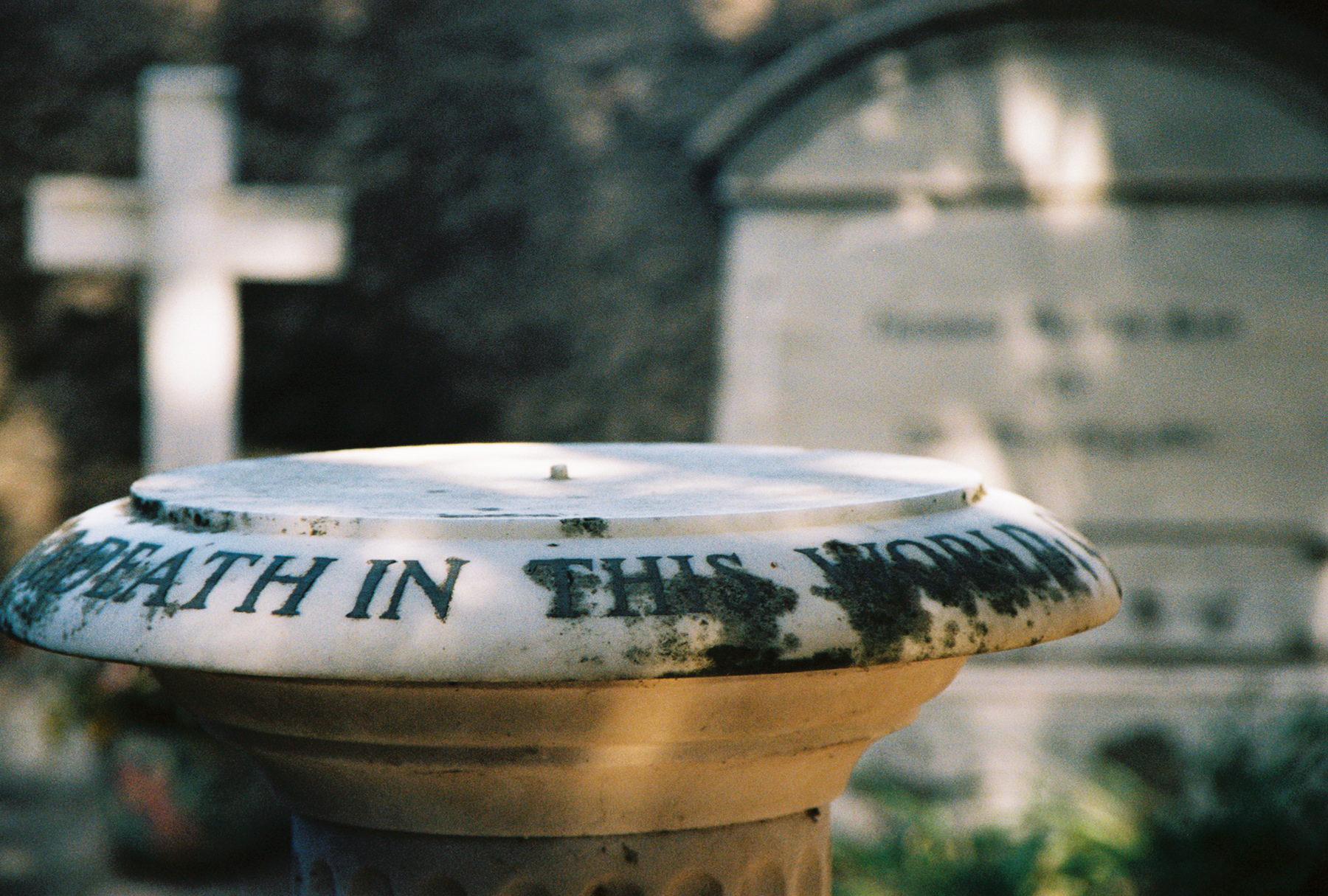
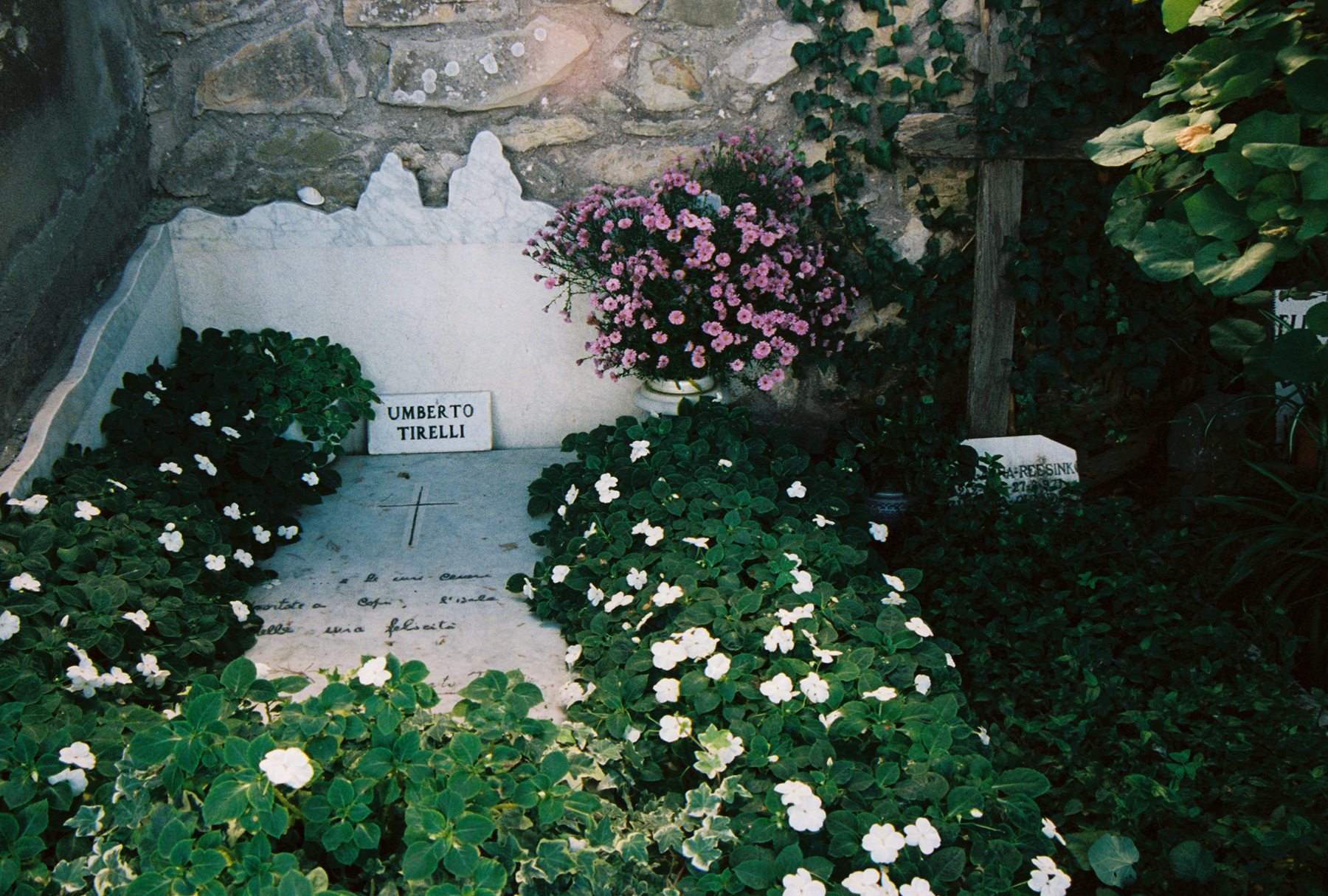
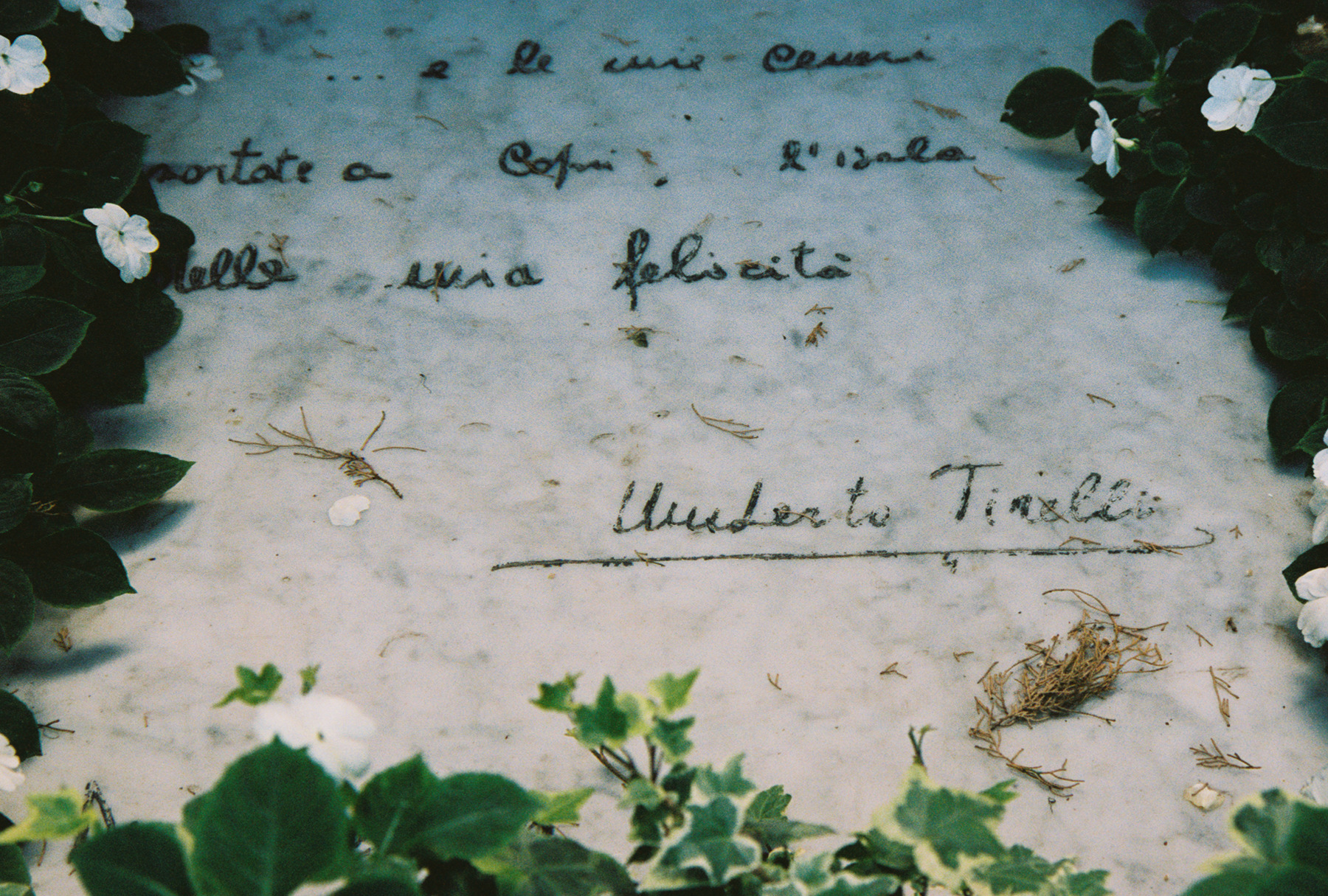
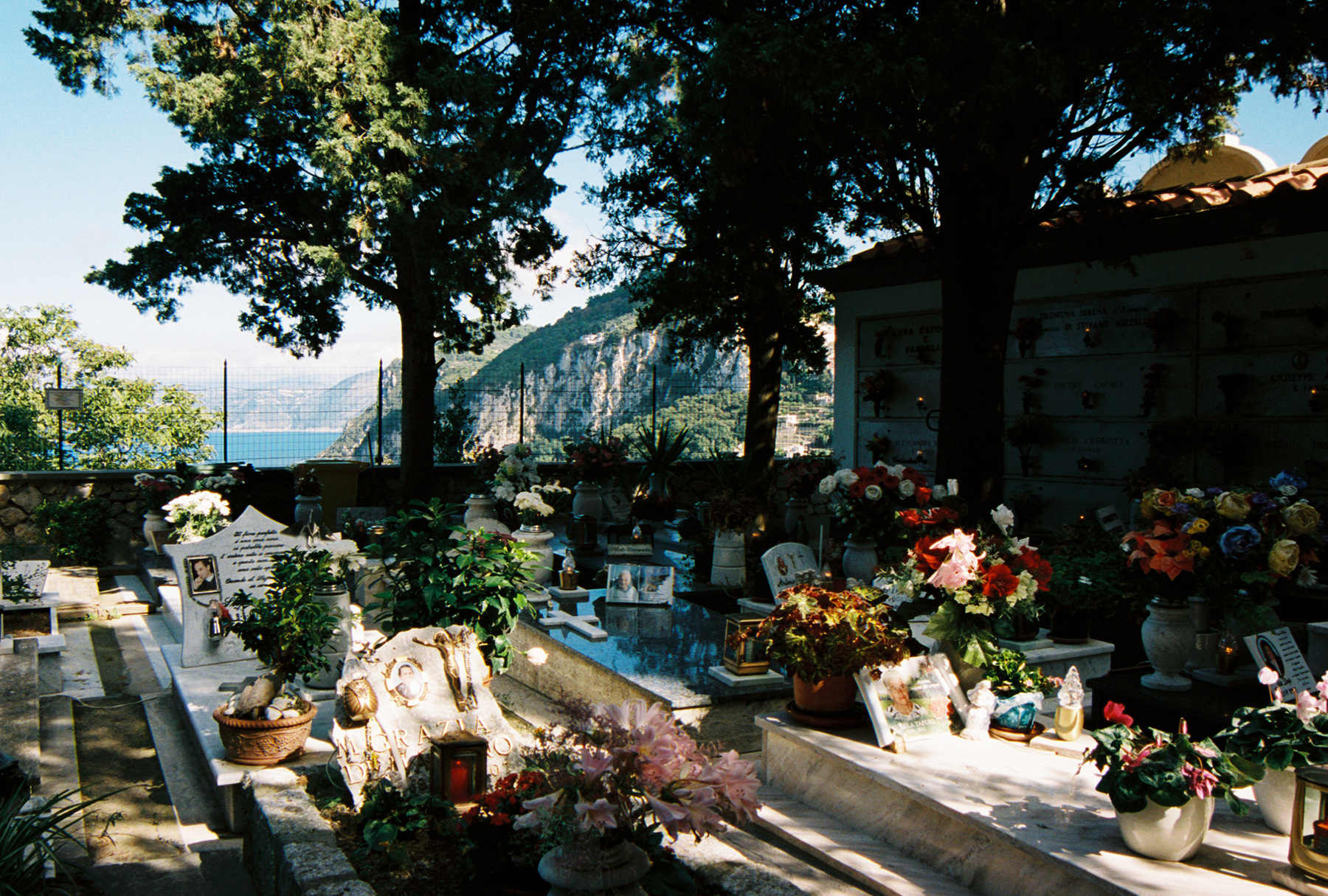
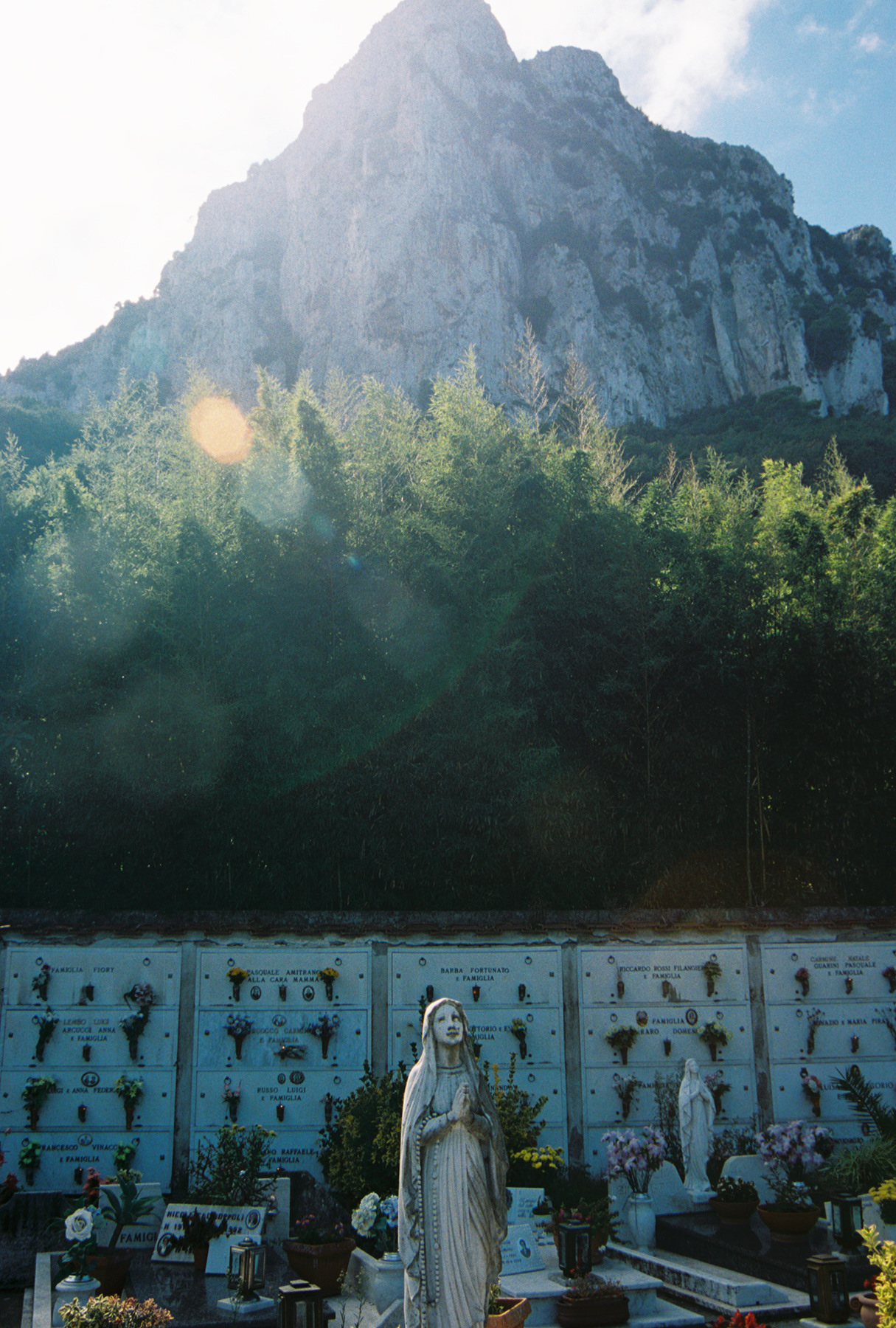
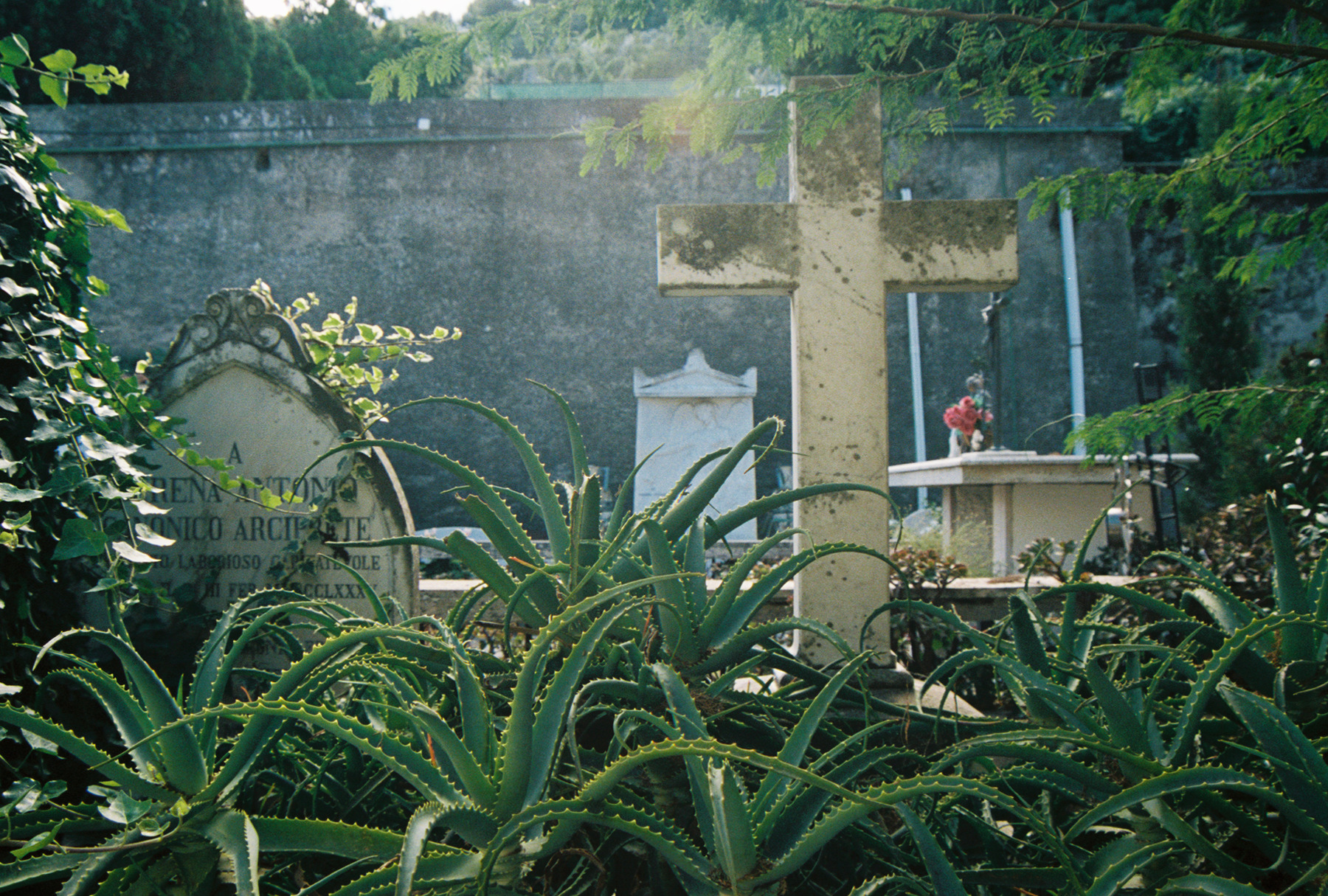
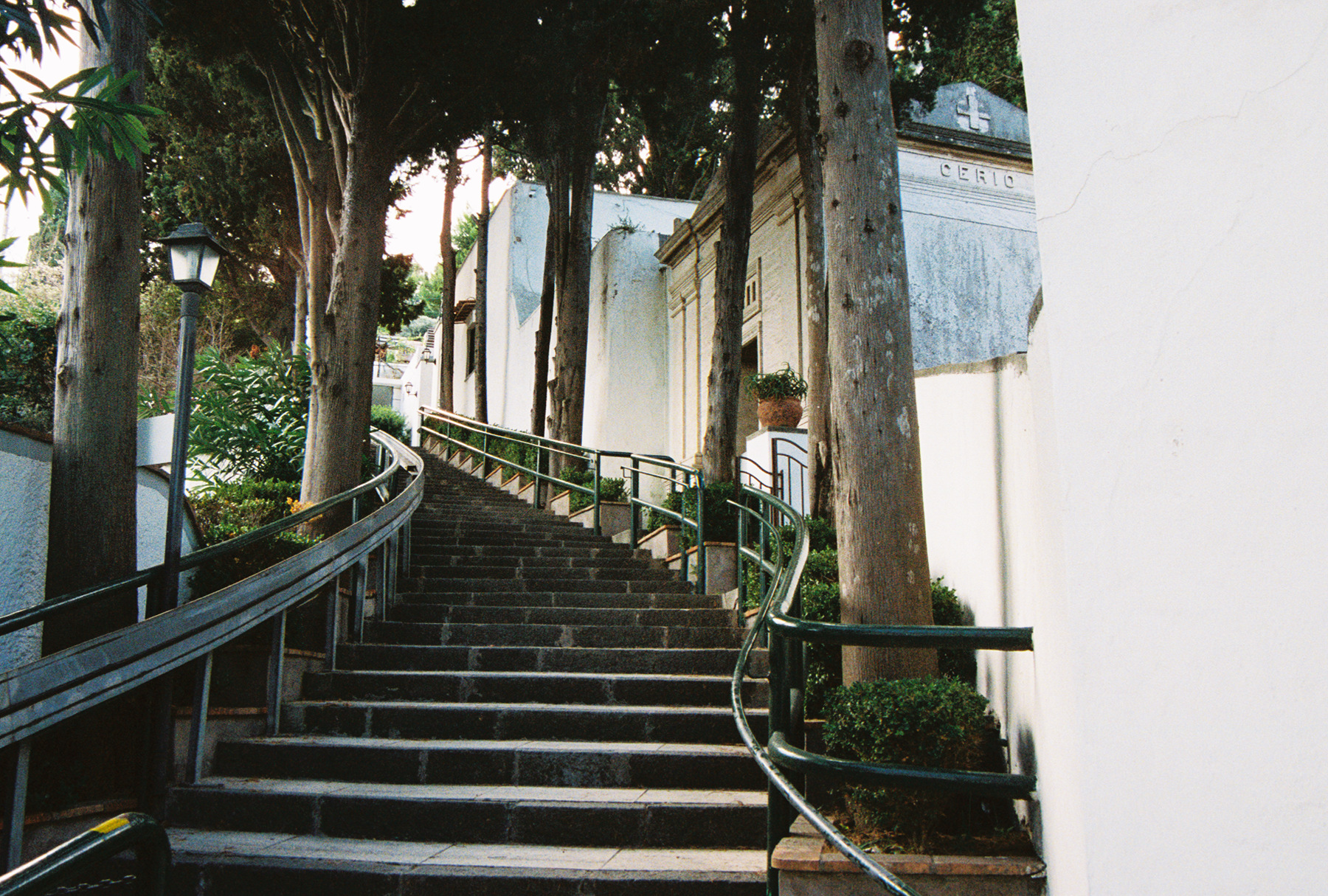
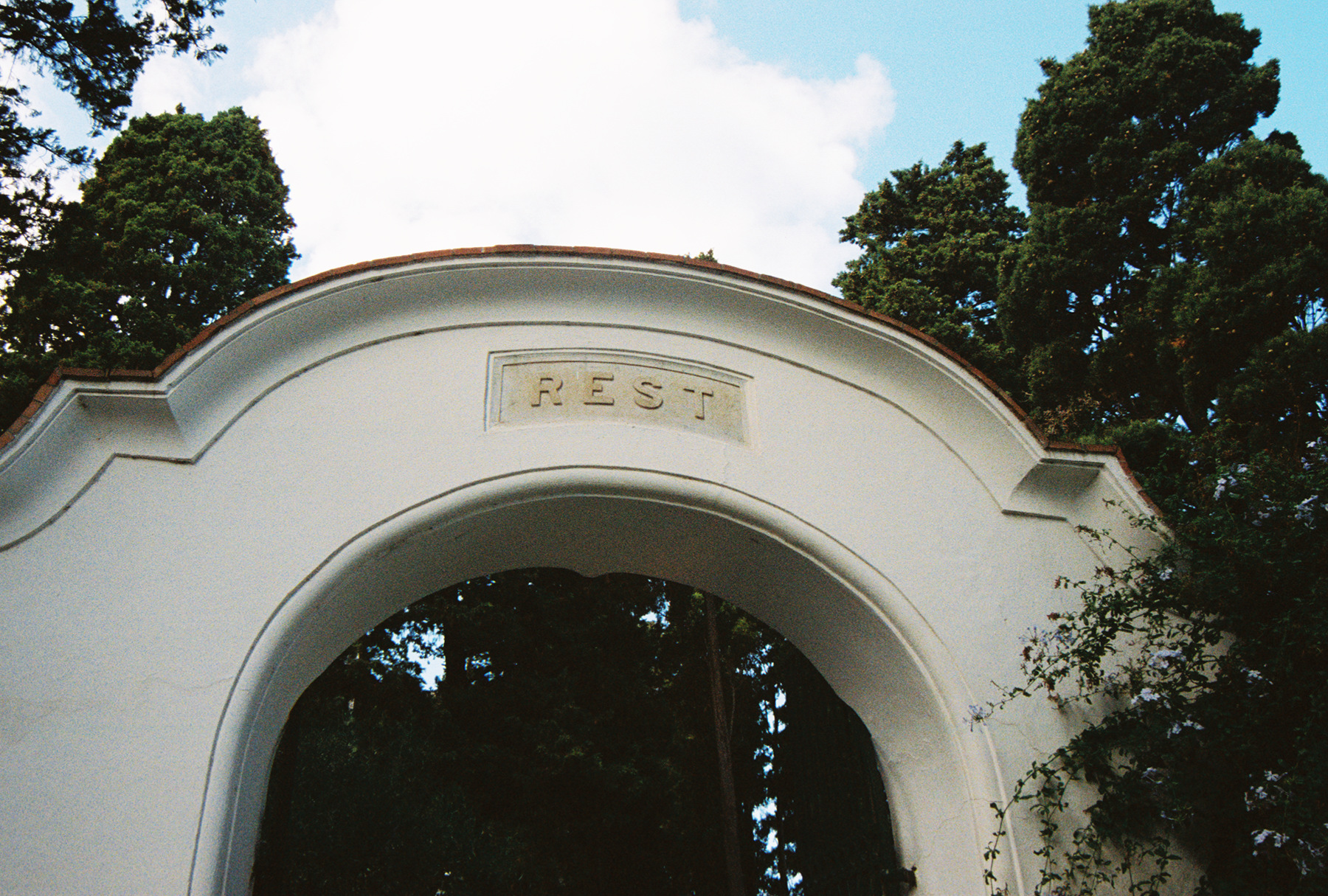
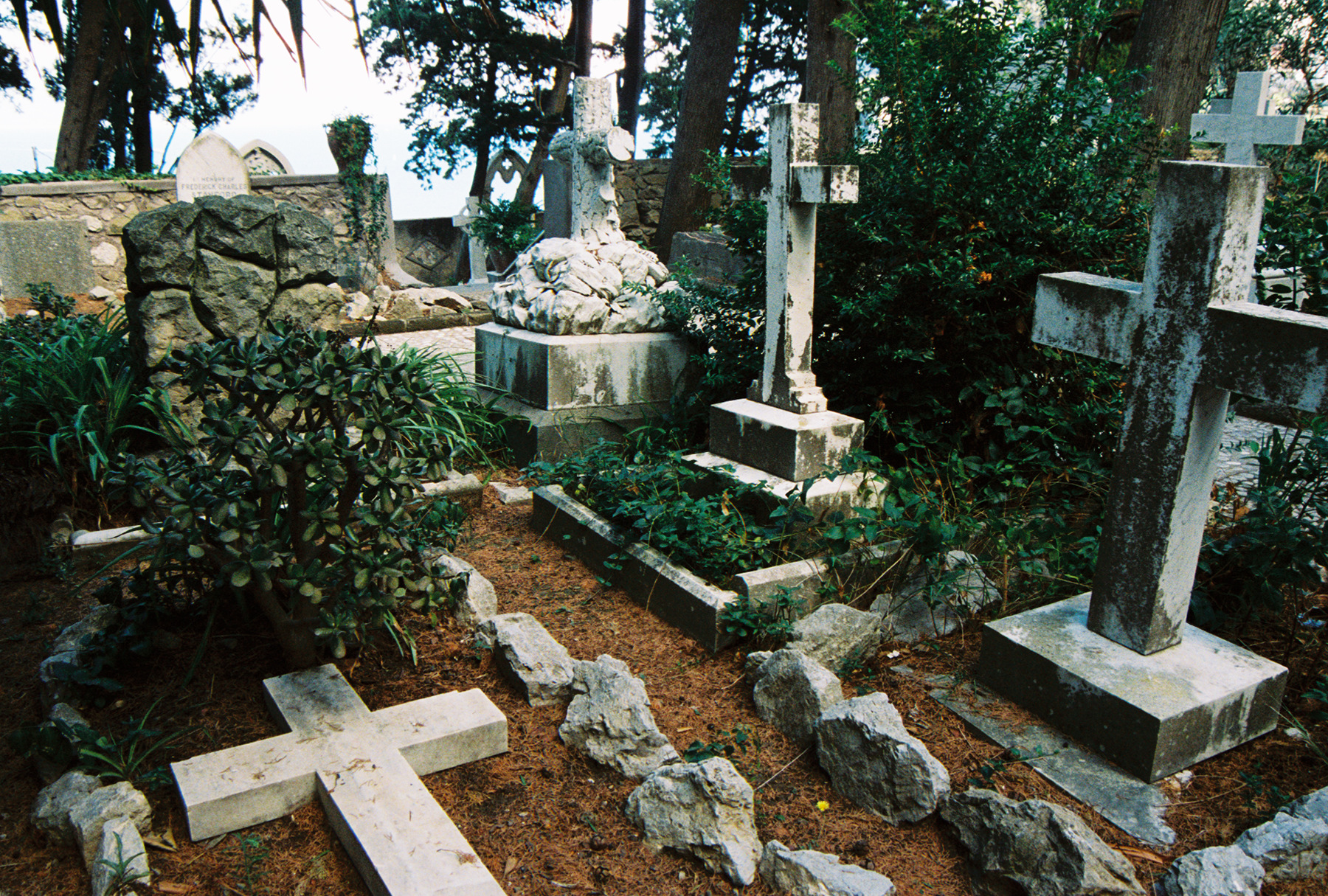
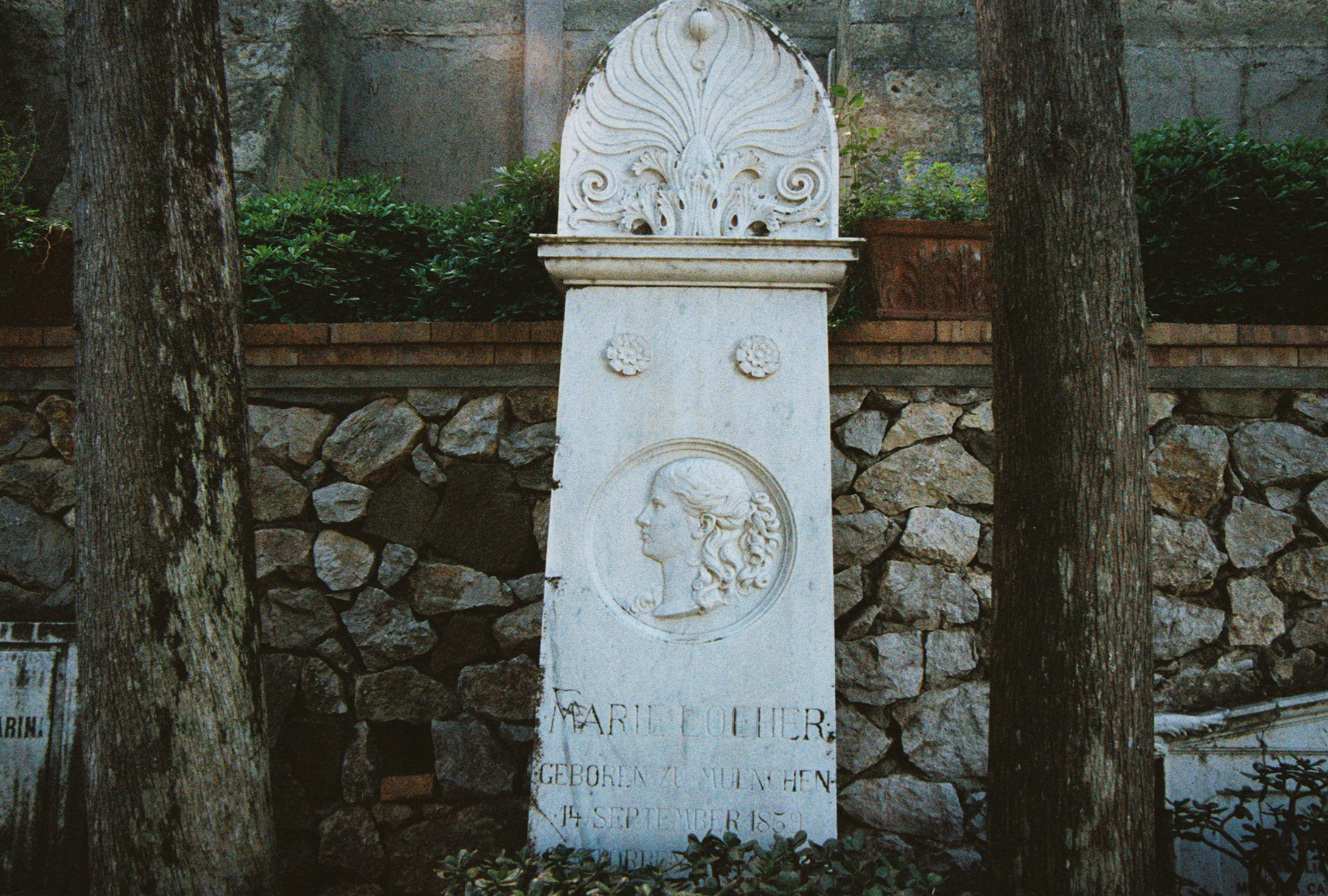
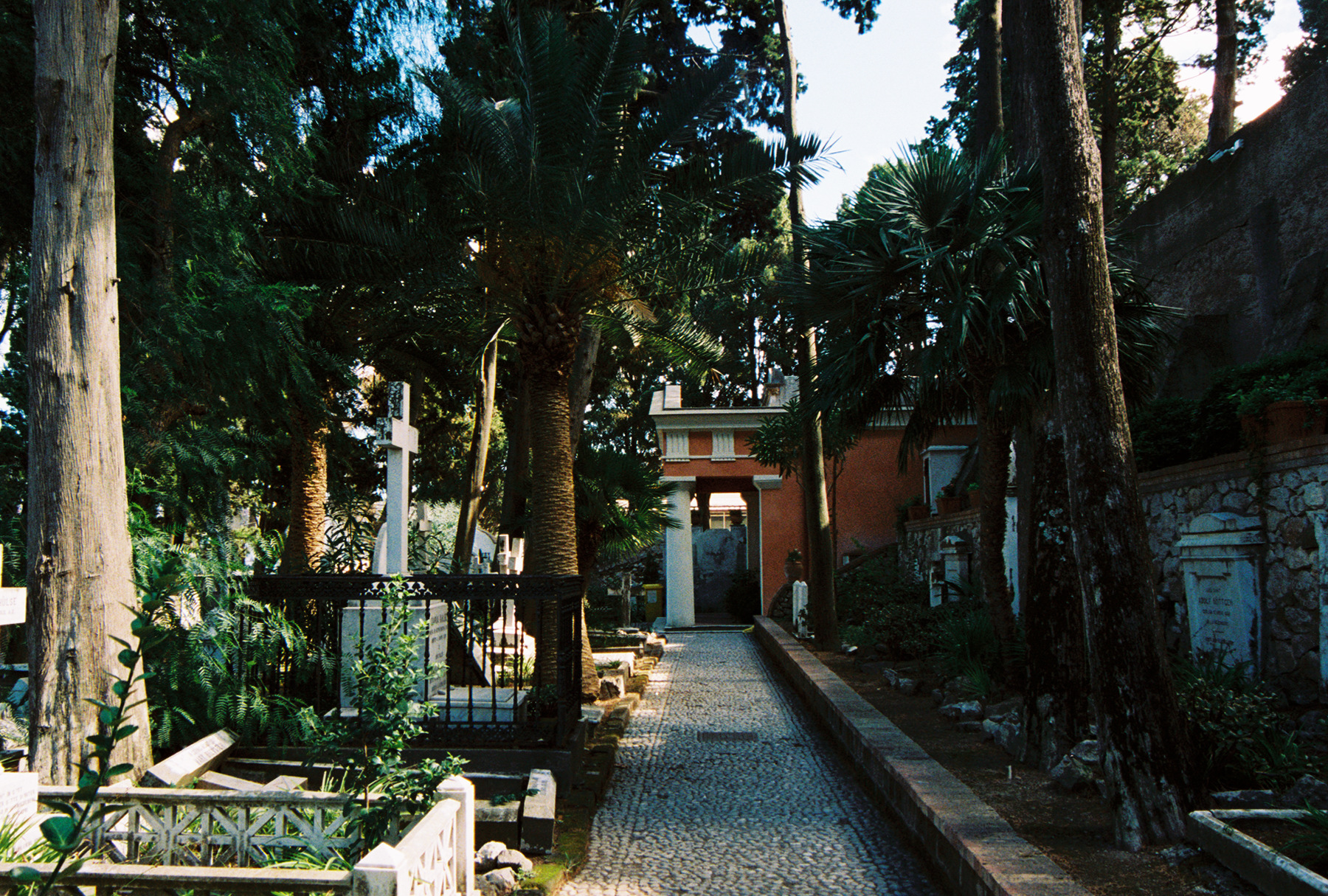
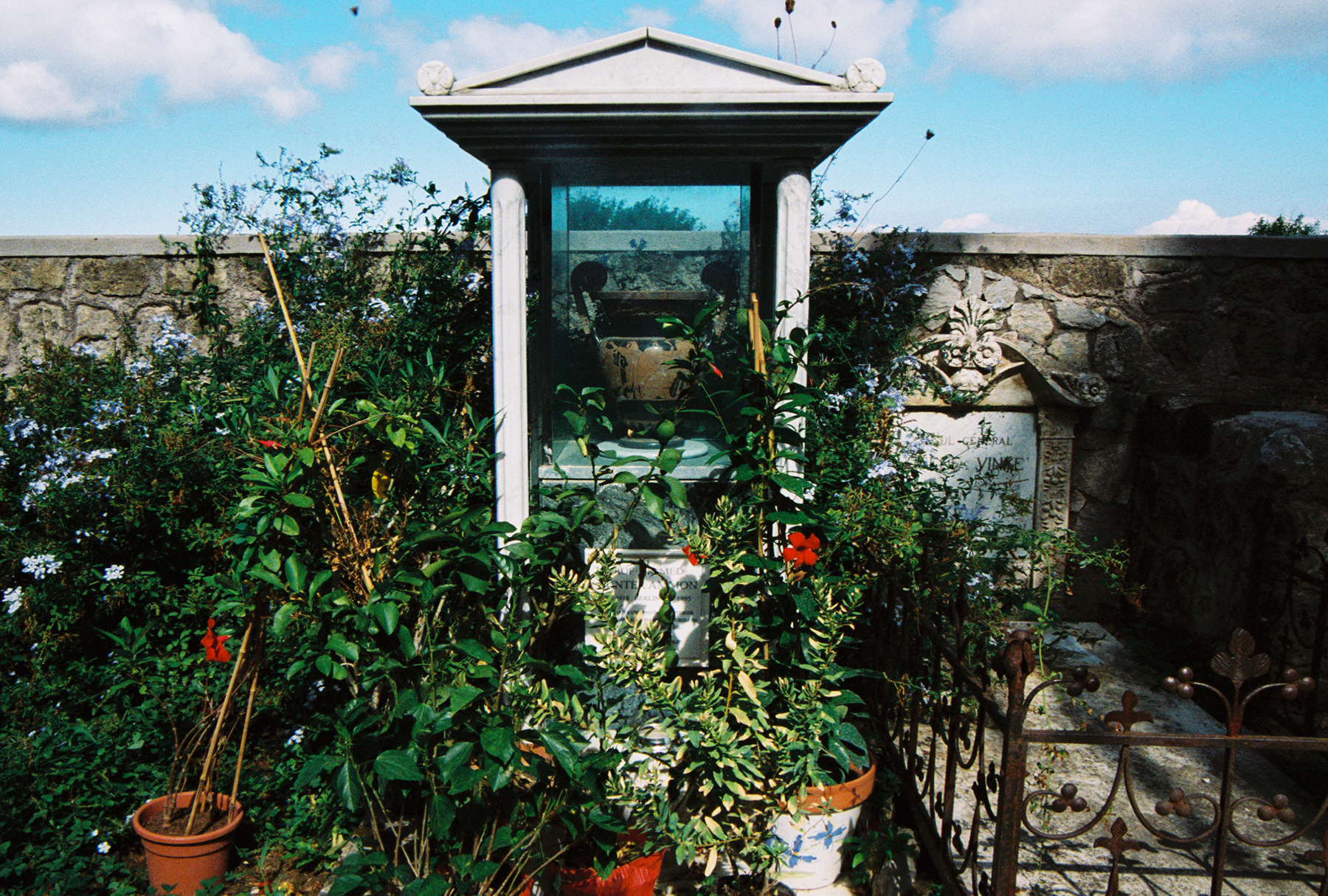
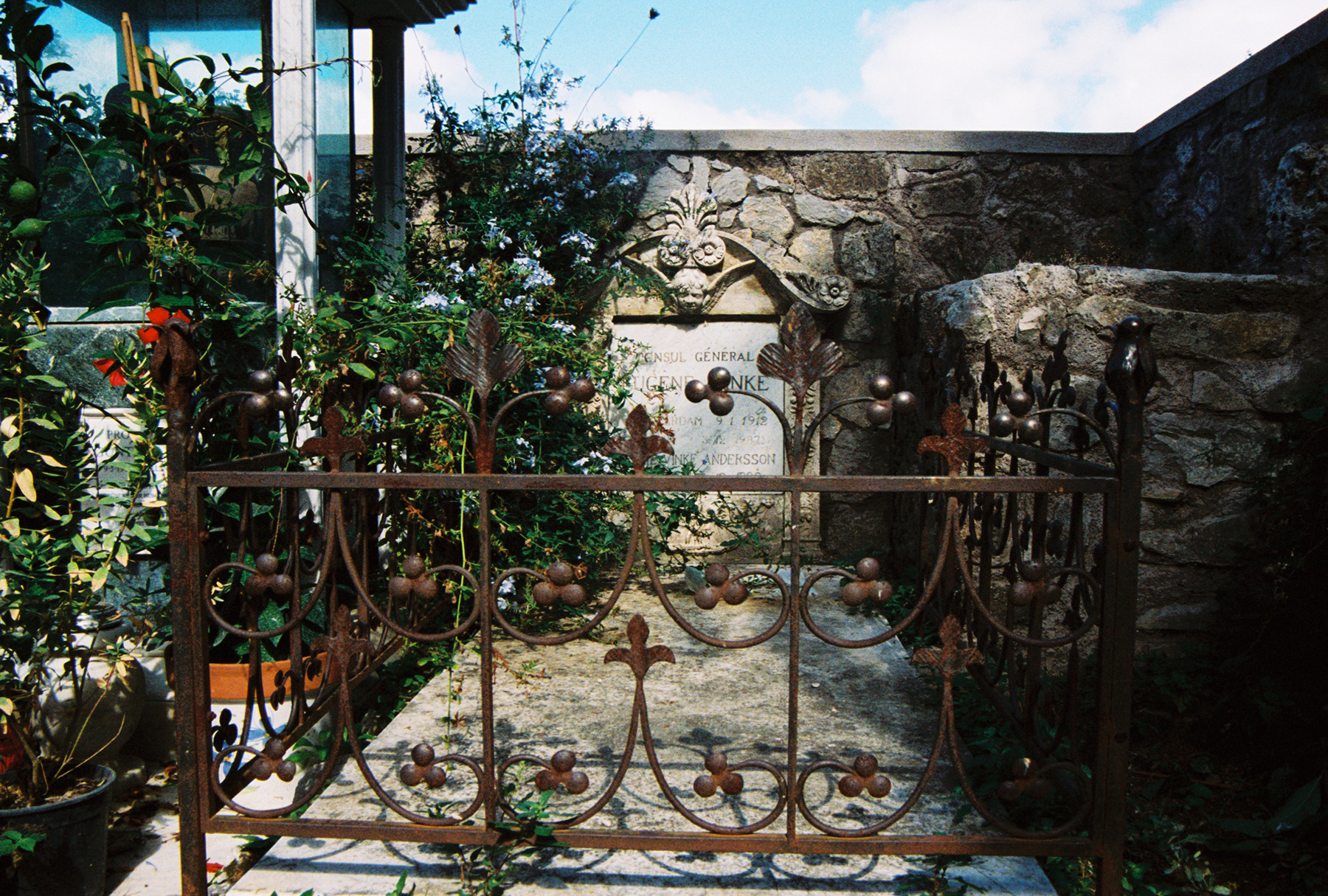
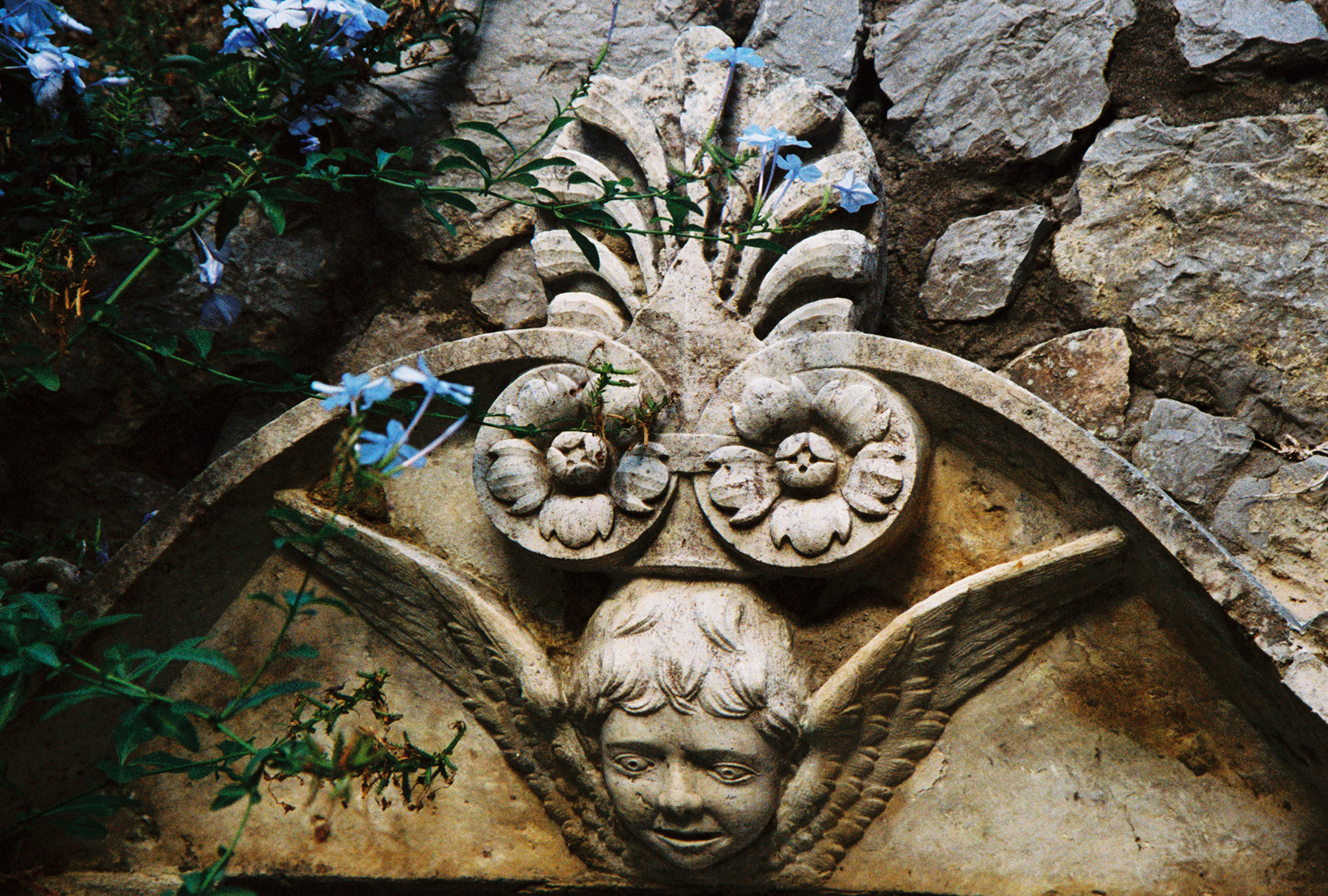
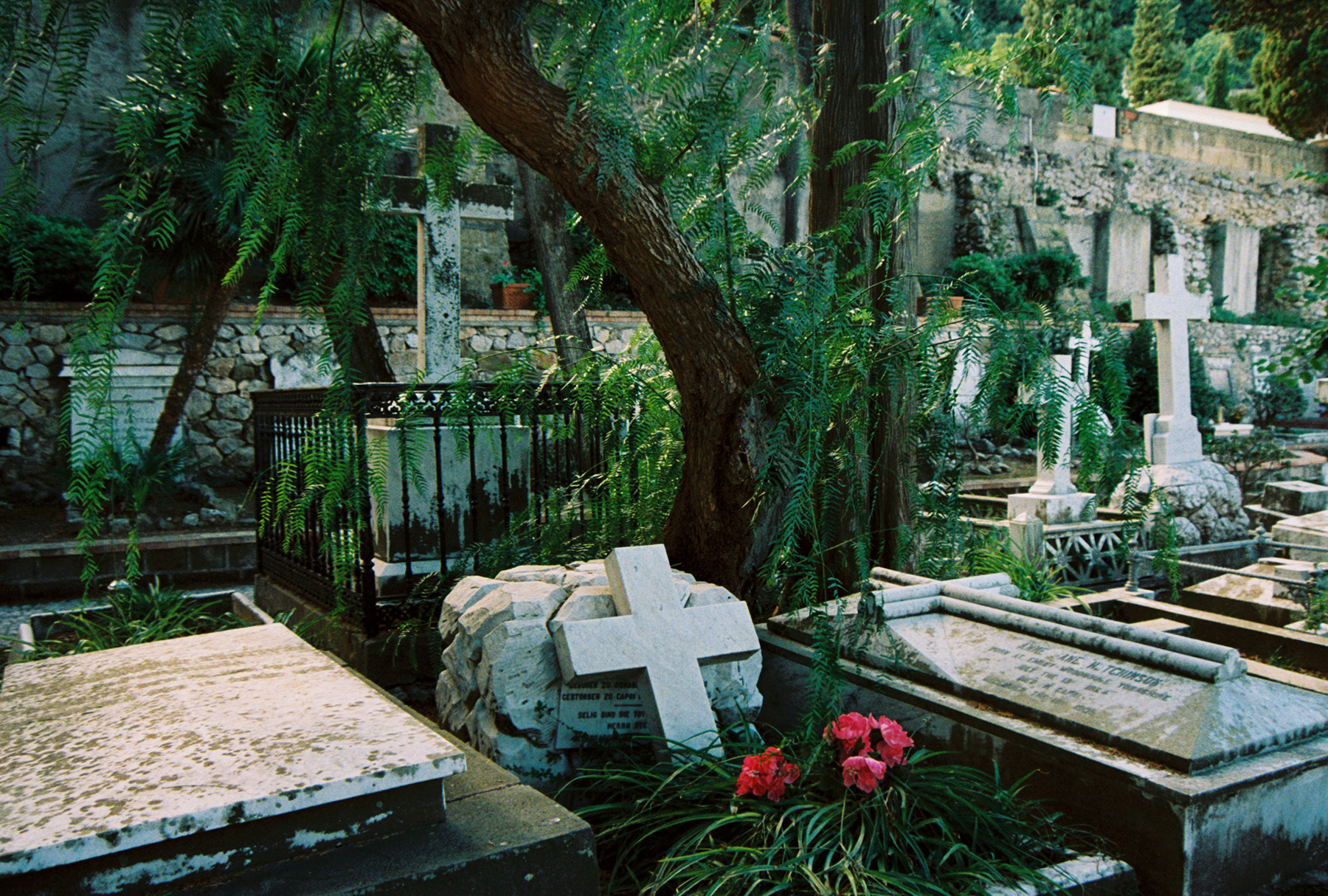
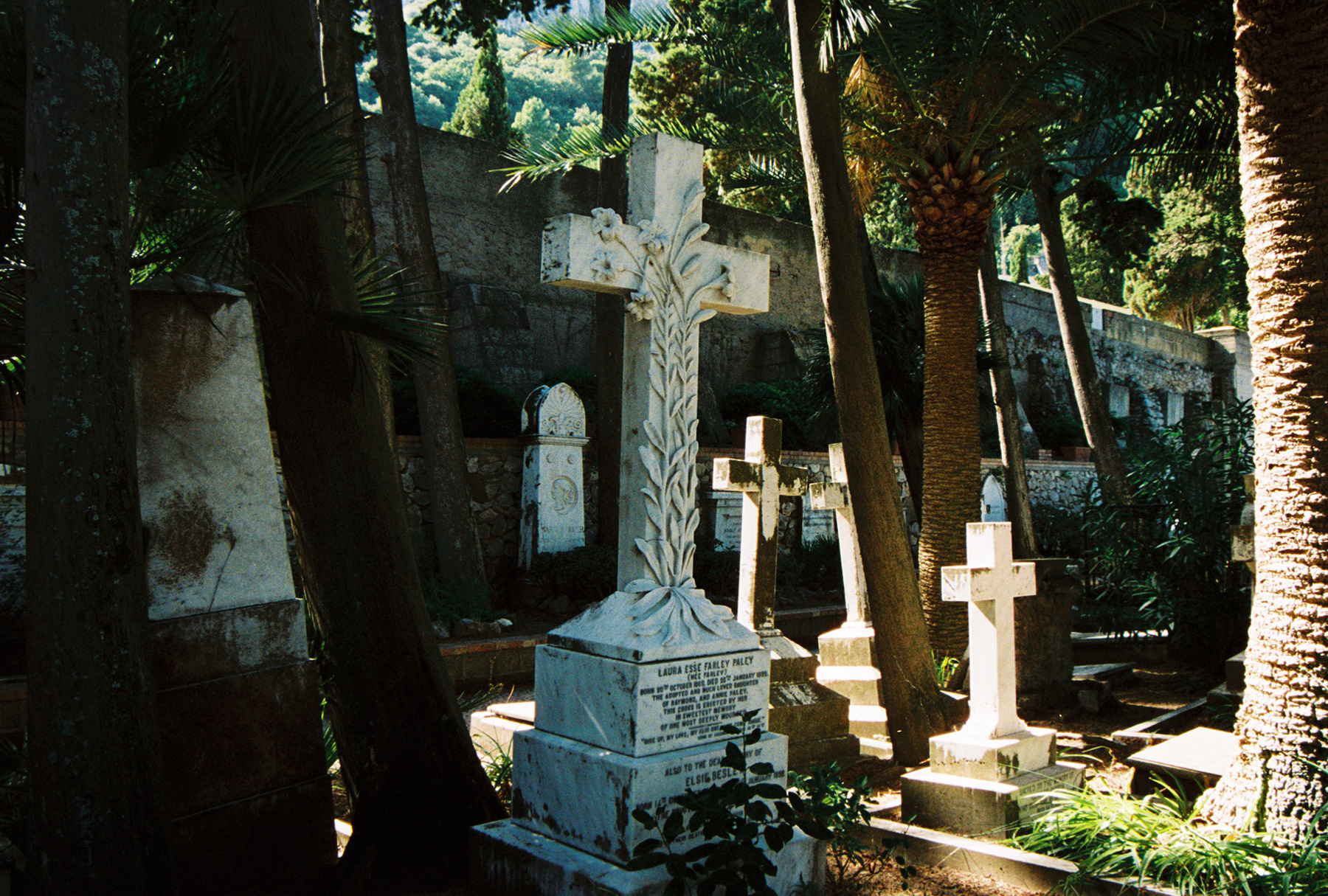
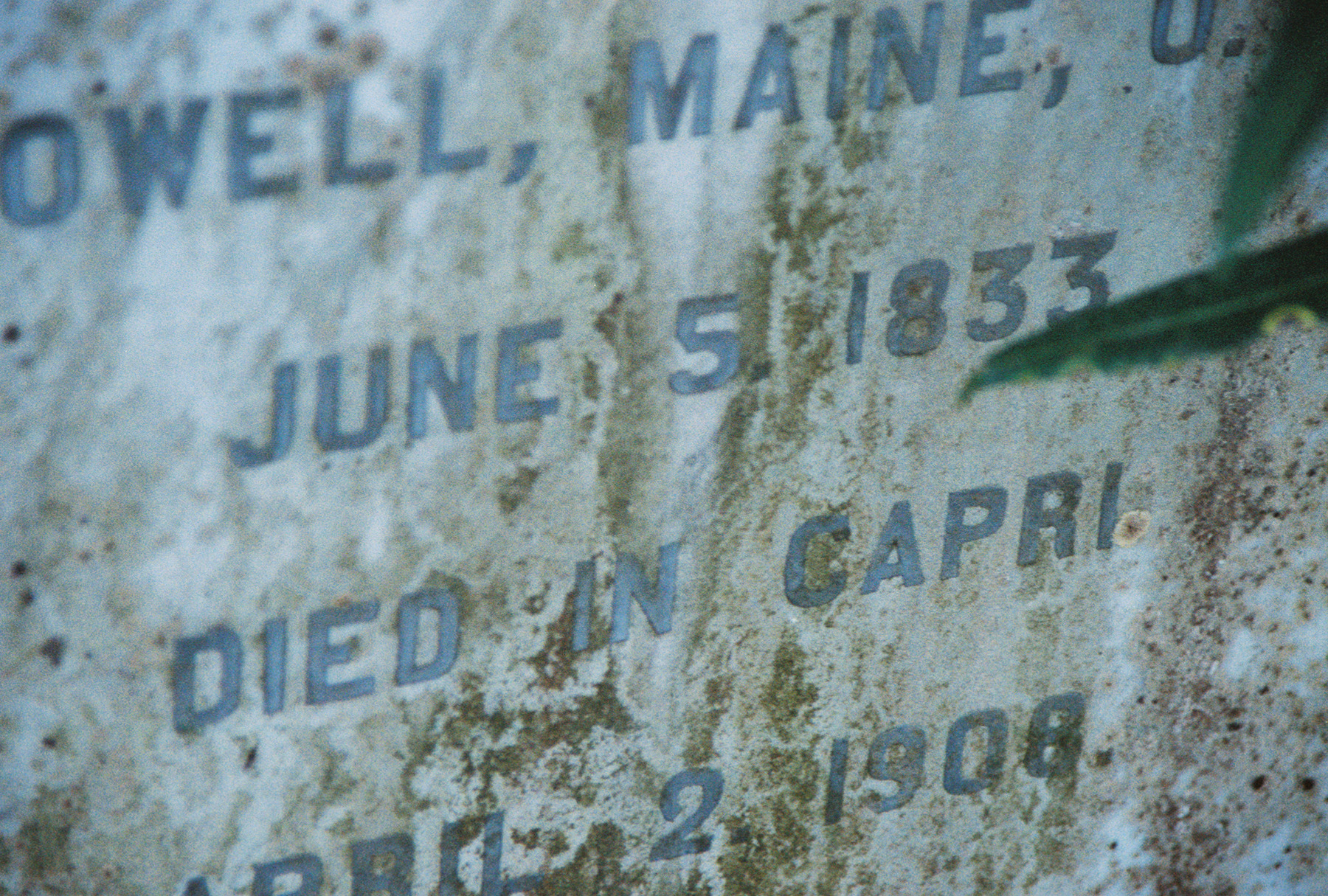
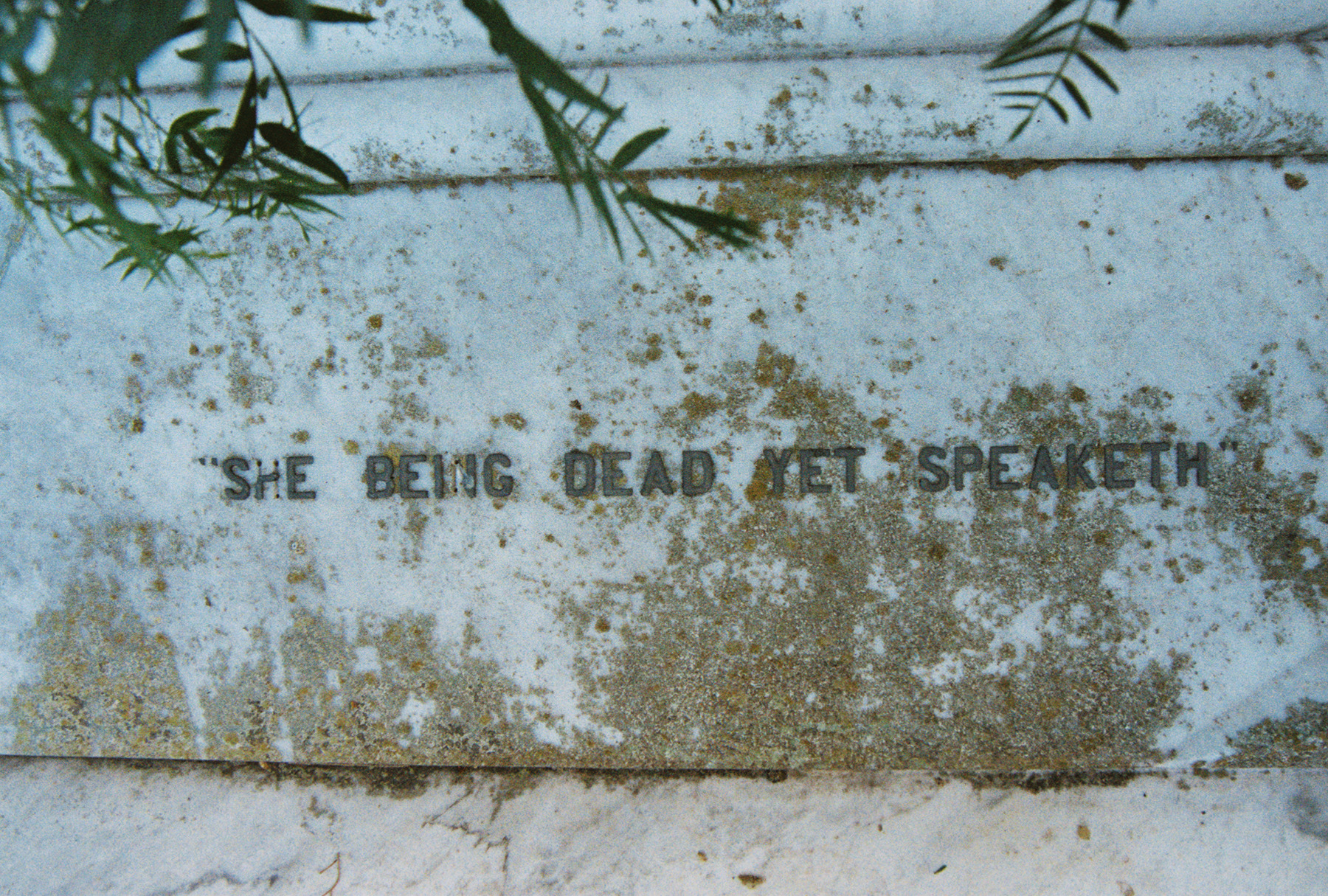
beautiful photos of an old capri cemetery

Capri is a world famous resort, the playground for jet setters. It’s an ancient Roman island in Southern Italy still peppered with the villas of Emperors. I’ve heard it called the Beverly Hills of Italy because of its luxury boutiques and grand dame hotels.

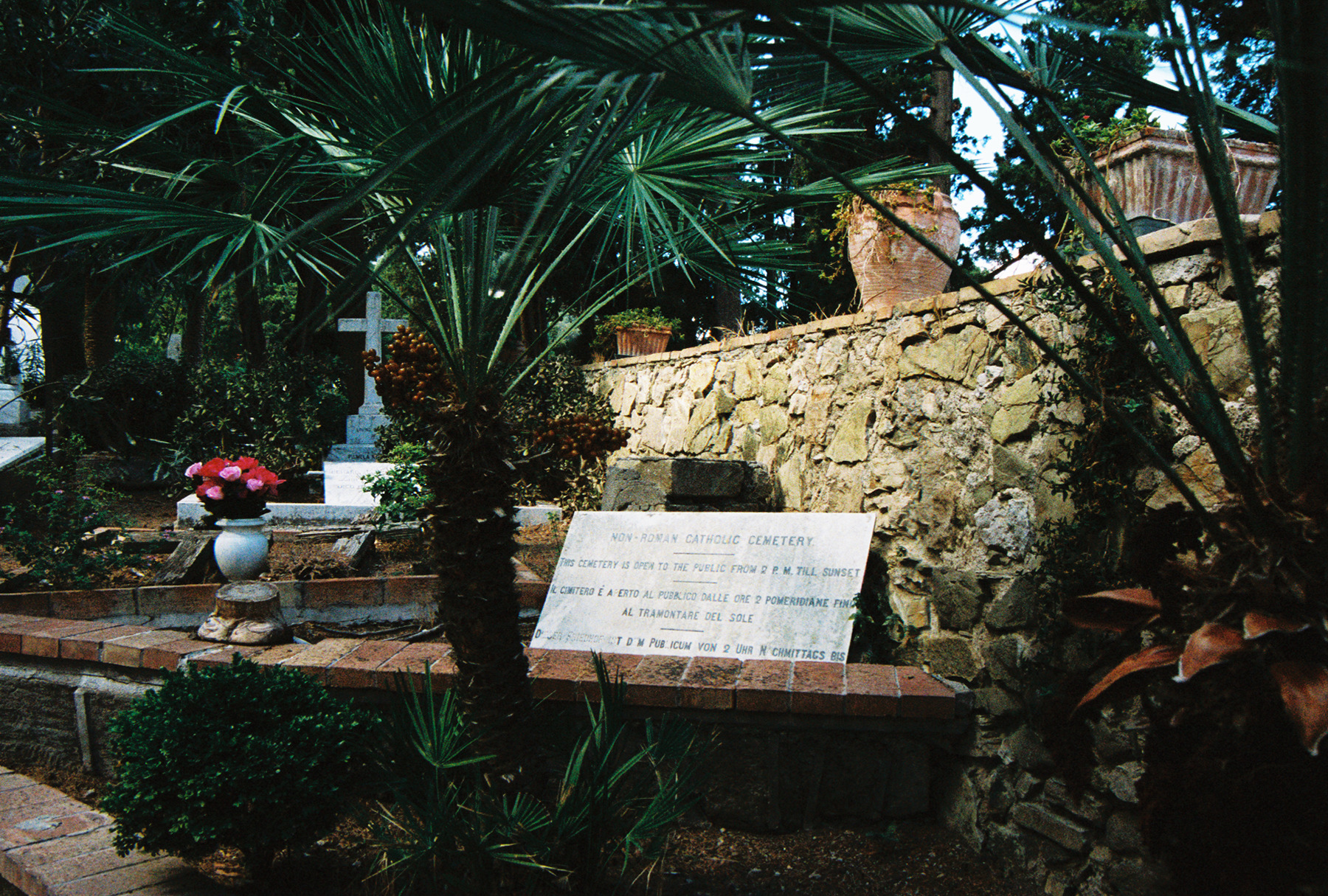
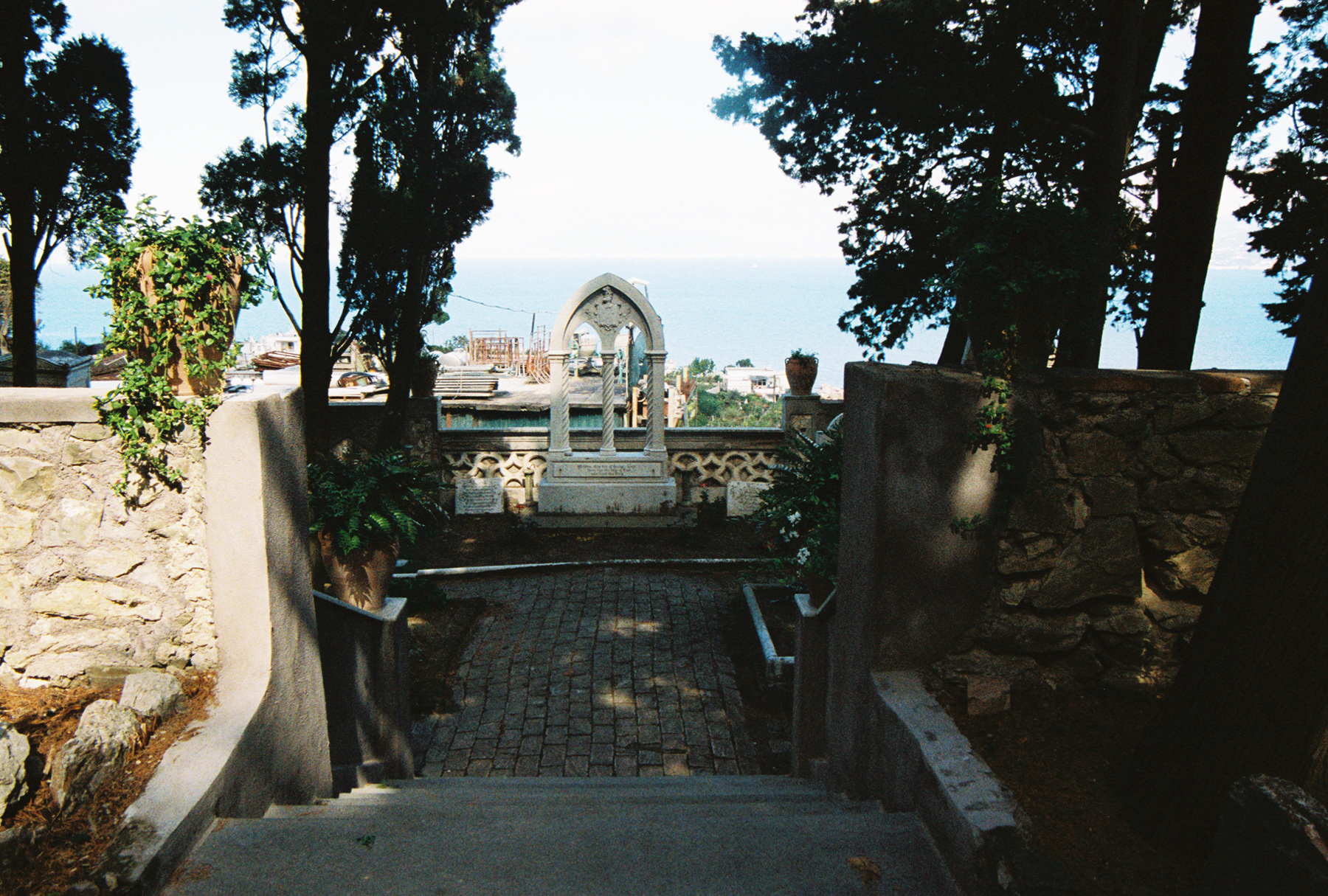
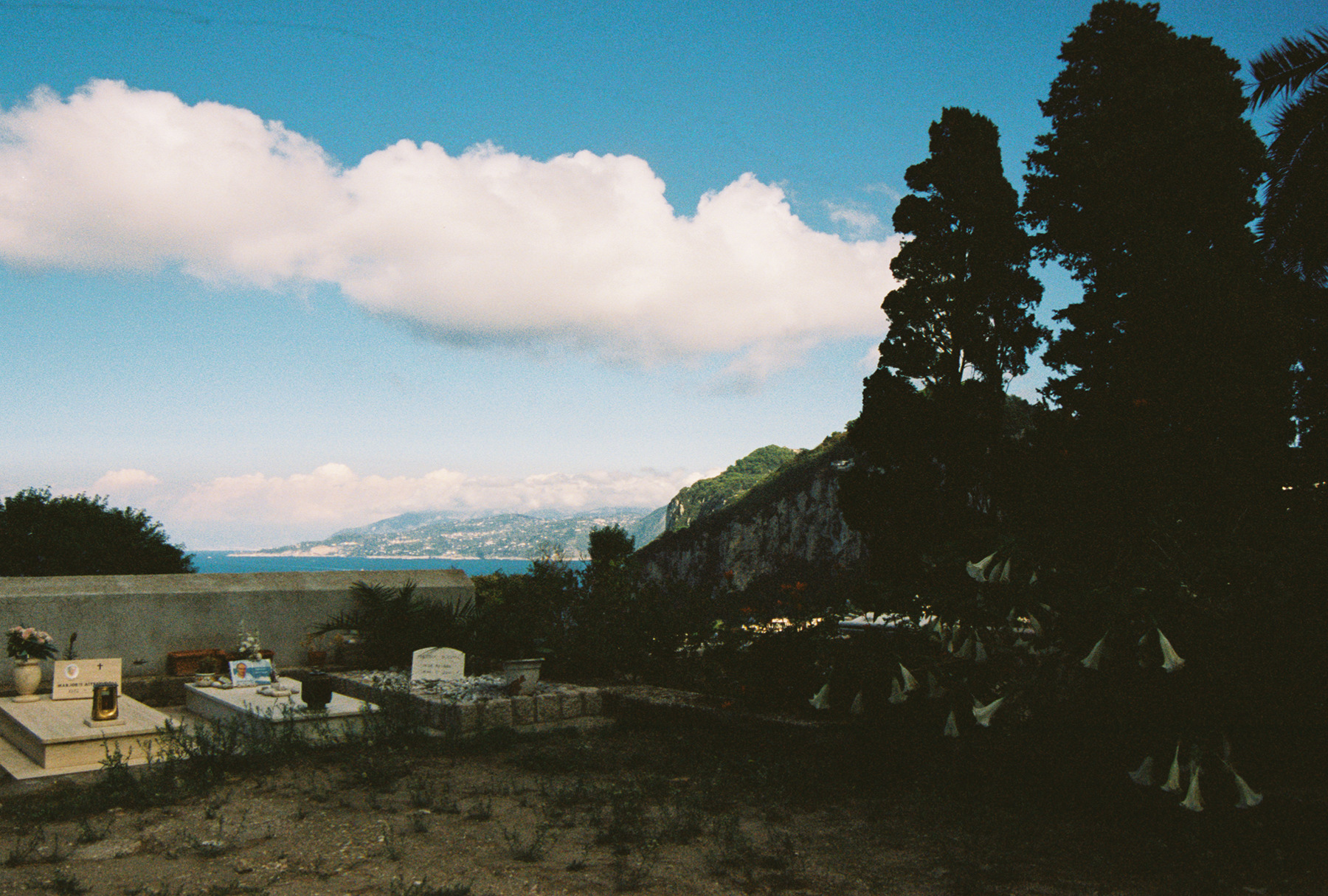
To me, Capri is about the quiet moments, the local back streets, the flora and fauna and places like the beautiful, very off the beaten path 19th century non-catholic cemetery. The cemetery is in a residential, slightly run down section between Capri town and the Marina Grande but it overlooks the sea and is incredibly charming. Artists, writers, Anglo Saxons, Nordics and French in love with Capri are all buried here. There are Jewish graves and non-religious tombs and plenty of Madonna statues. And in modern Capri, plenty of Catholic Italians choose this idyllic spot with a sweeping view of the Tyrrhenian Sea for their final resting places.

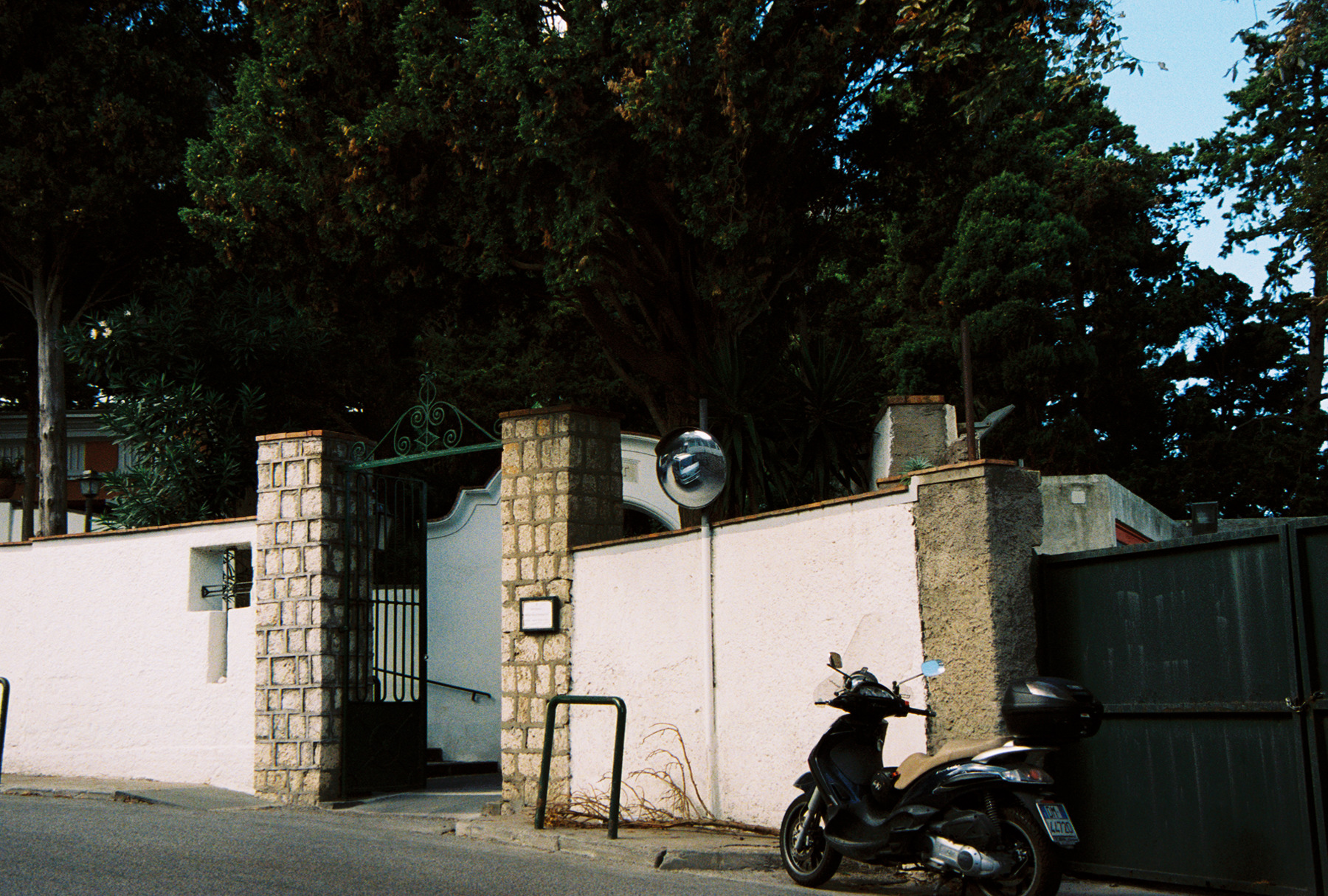
I walked to the cemetery on the rather harrowing, not very pedestrian “old road down to Marina Grande” and found the graveyard after a ten minute “stroll” sidestepping uncomfortably close vespas, cars and buses like a veteran Italian. When in Rome, eh? You may want to take a taxi from the bus station in Capri Town.

Ask for the Cimitero acattolico di Capri. On Capri – not the pretty, much smaller catholic cemetery on Ana Capri – though that is also lovely. This is the spot with character and history and angels.

FH020010

FH020005


FH020007

FH020011

FH020014

FH020015

FH020018

FH020019

FH020022

FH020026

FH020027

FH040004

FH040012

FH040019

FH040021

FH070010

FH070011

FH070012

FH070013

FH070014

FH070019

FH070020

FH070022

FH070024

FH070025

FH070026

FH070028

FH070030

FH070031

FH070033

FH070034

FH020031

all photographs were shot on portra 400 and 800 – 35mm film and are copyright rebecca price butleralovelettertorome.com – retrofocus@mac.com

I took a lot of shots in this magical spot and will be posting more soon!

heart-stealing baroque napoli

FH030003

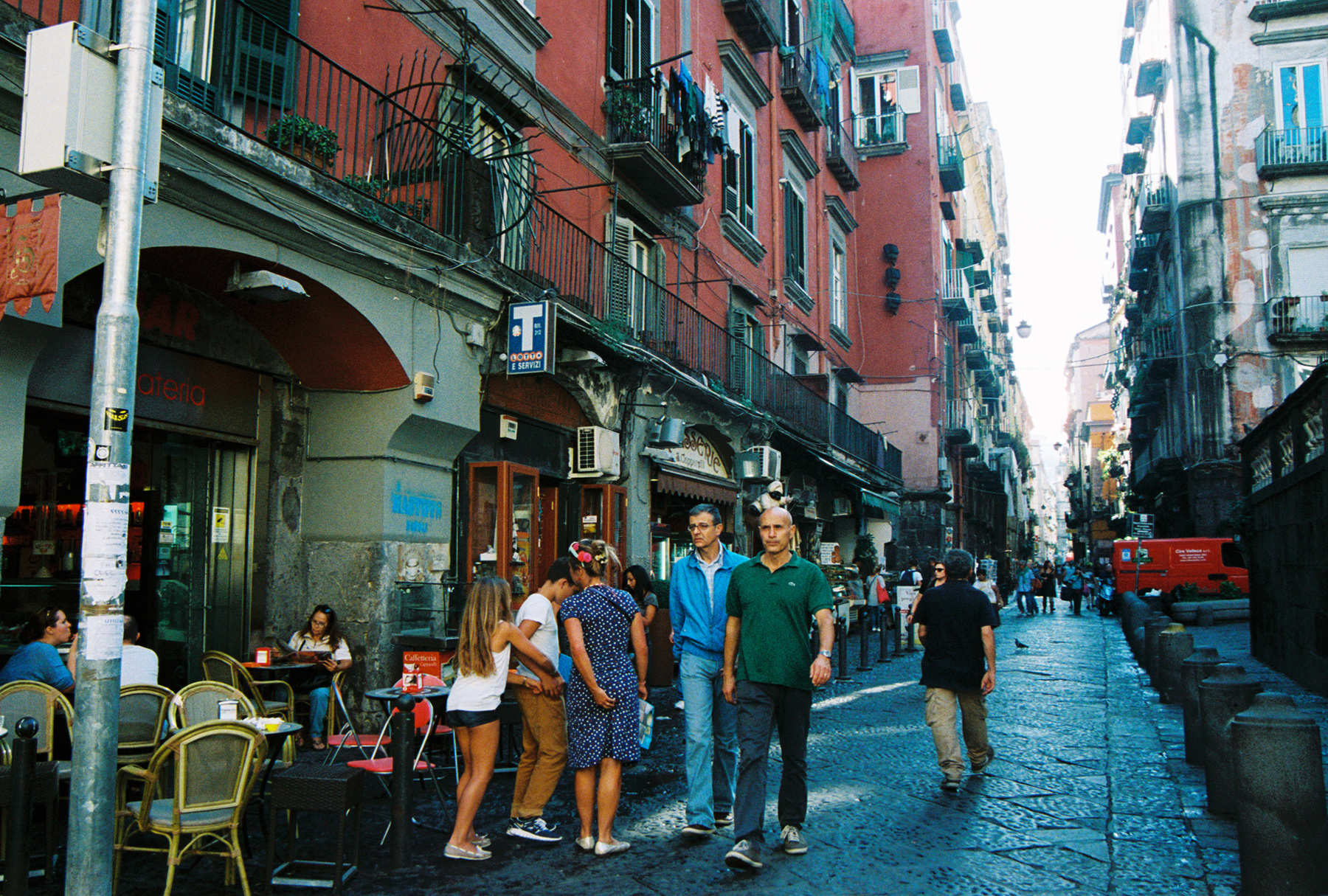
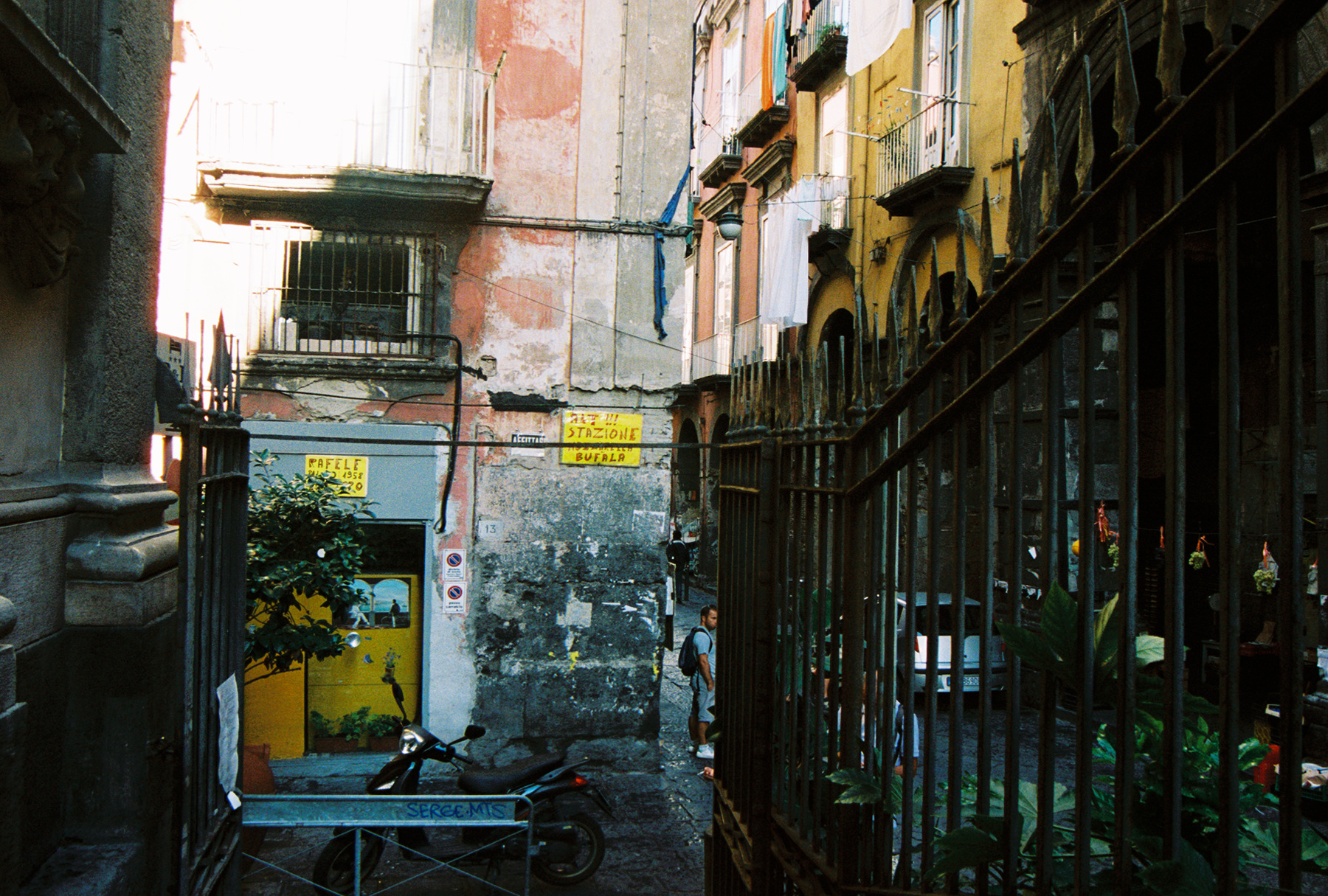
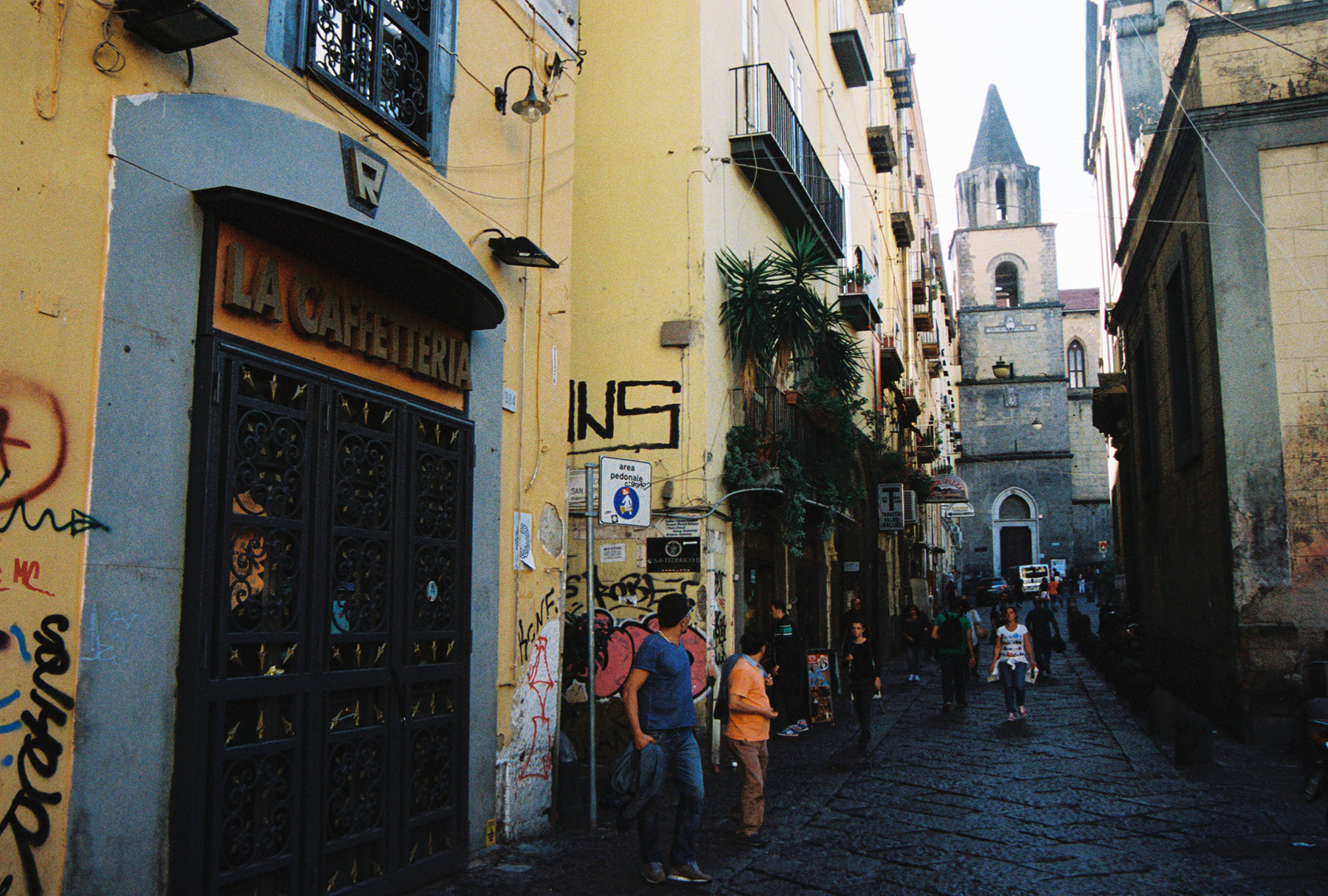
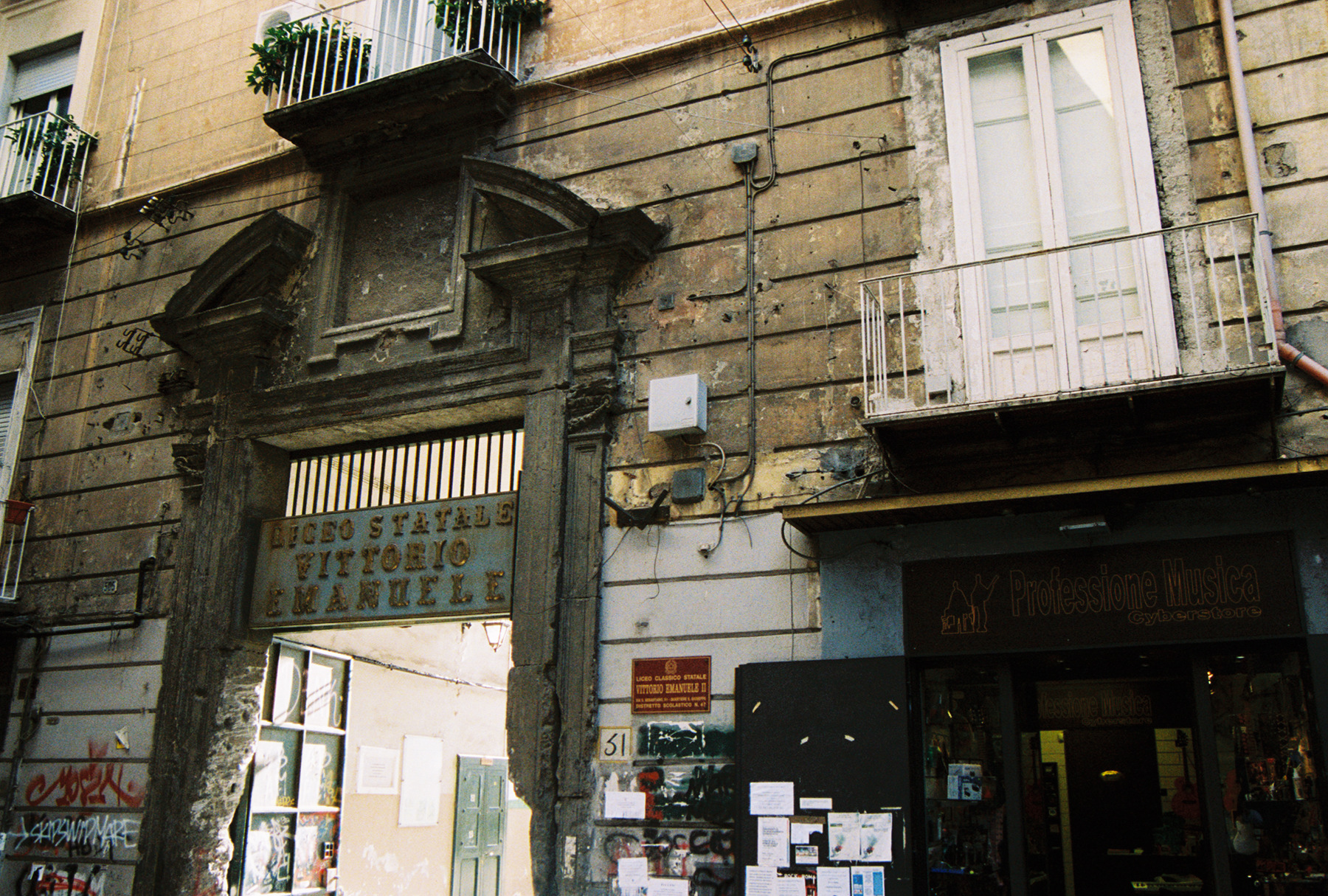
The old Greek section of Napoli, Italy is a recurring fascination of mine.

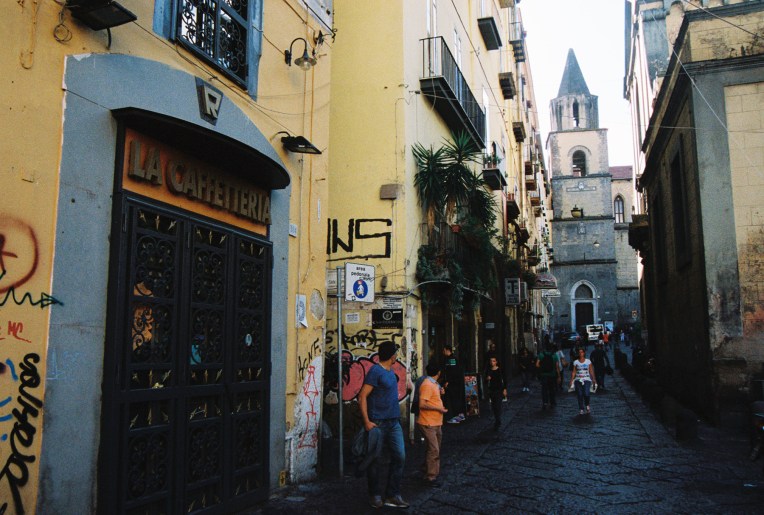
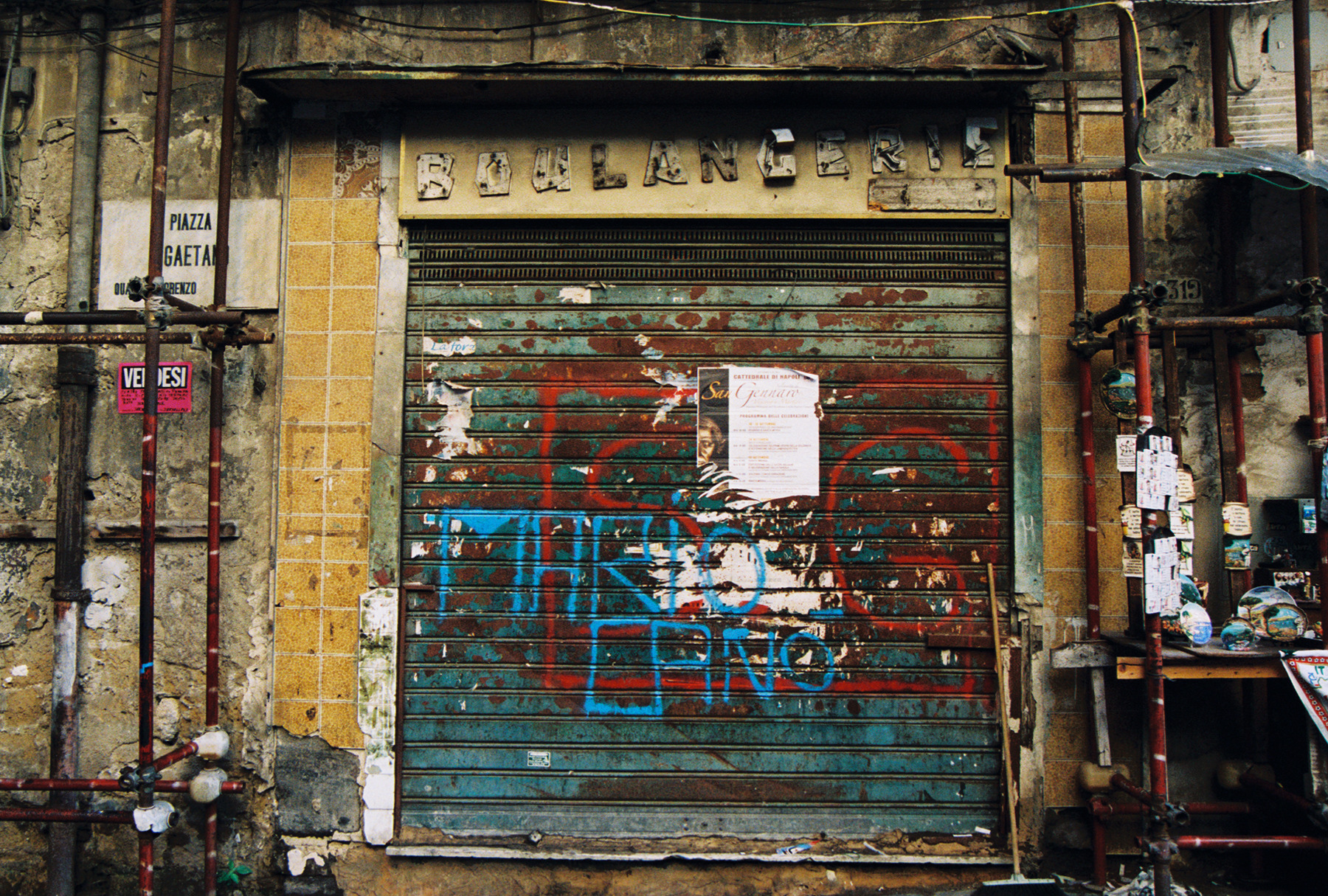
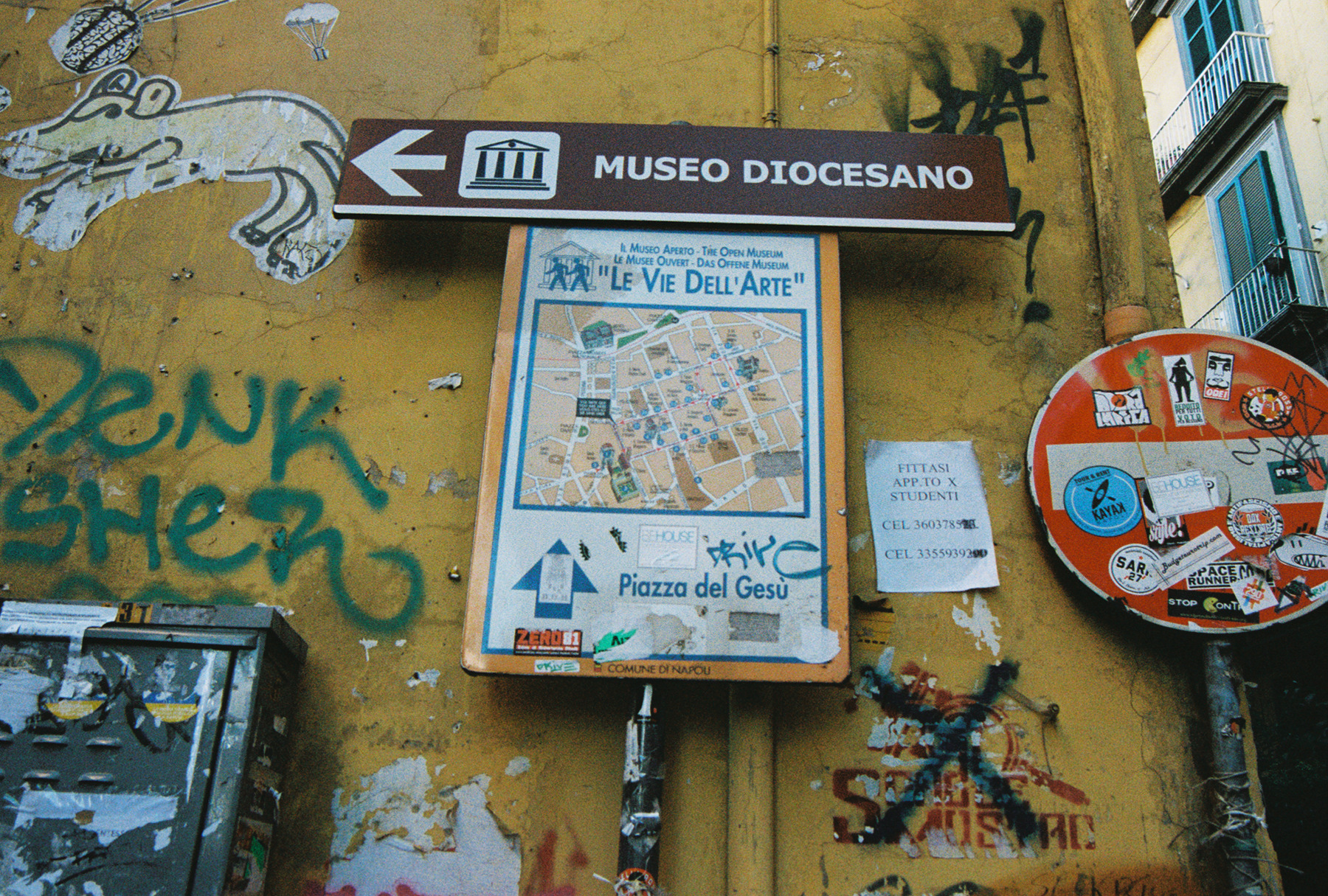
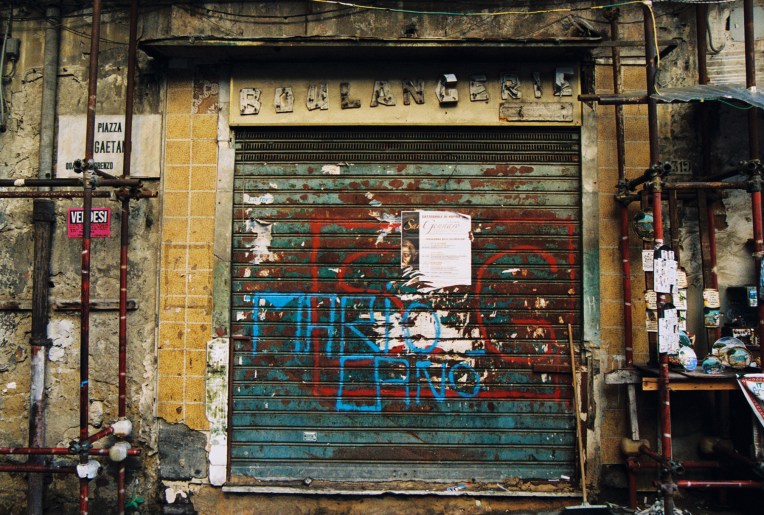
A closed boulangerie with a broom leaning against the store front. Painted pastoral scenes on plates. Rusted piping and peeling posters. Grafitti in bright colors.  
FH030004

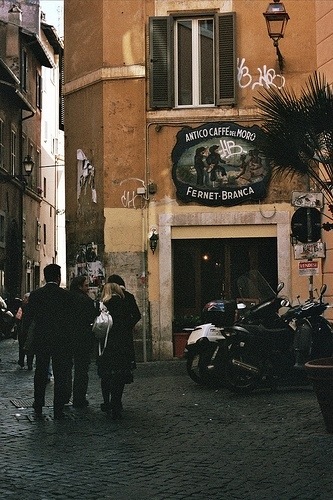
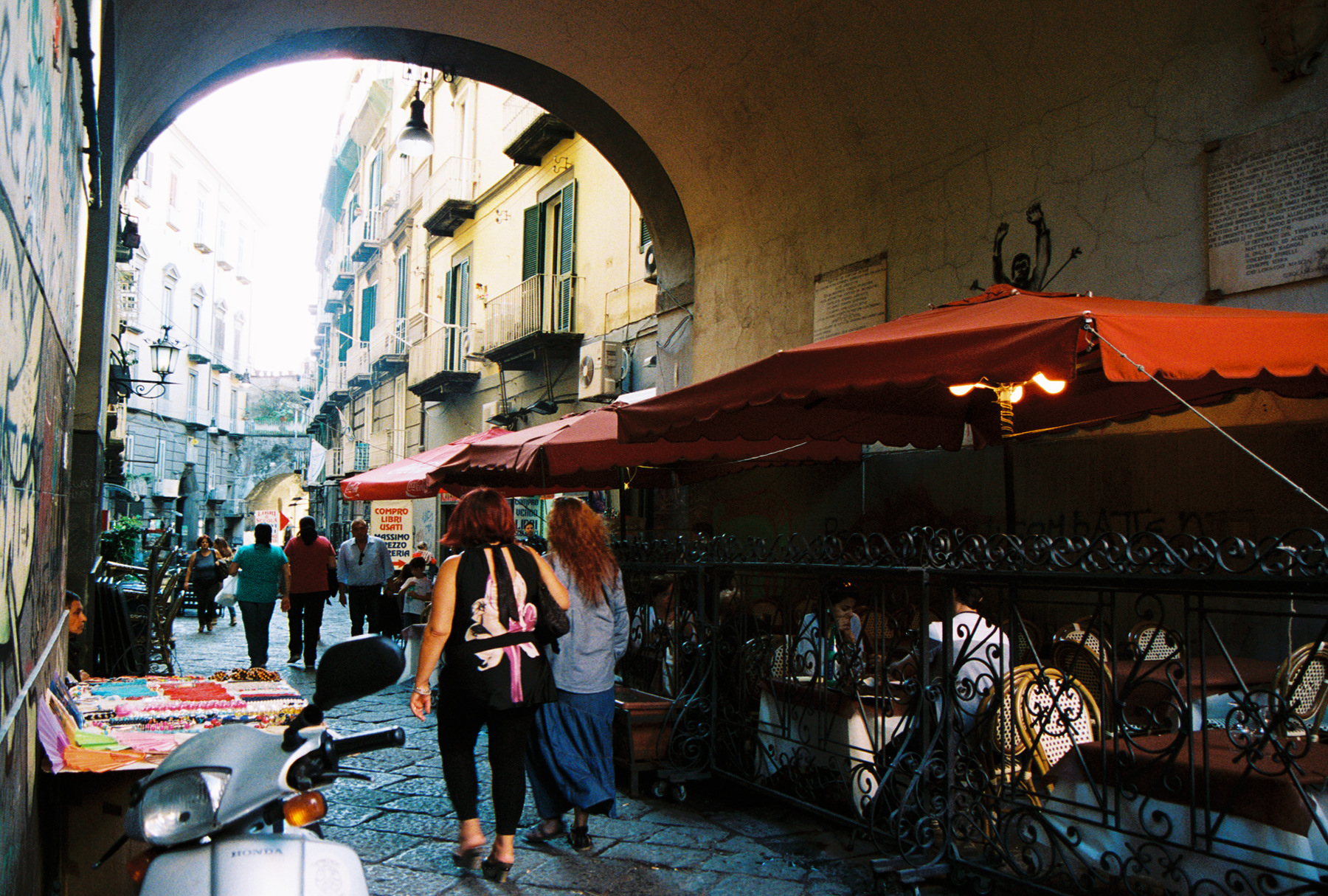
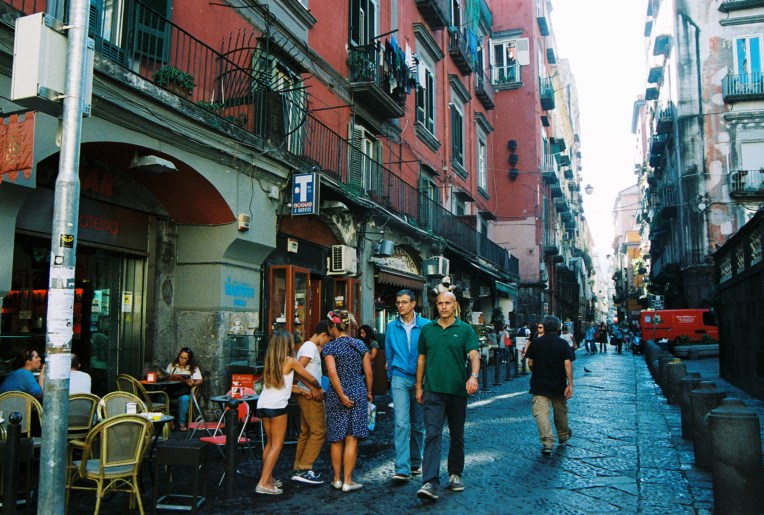
Caffe chairs sprinkled throughout the back streets of Spaccanapoli. 
FH030005

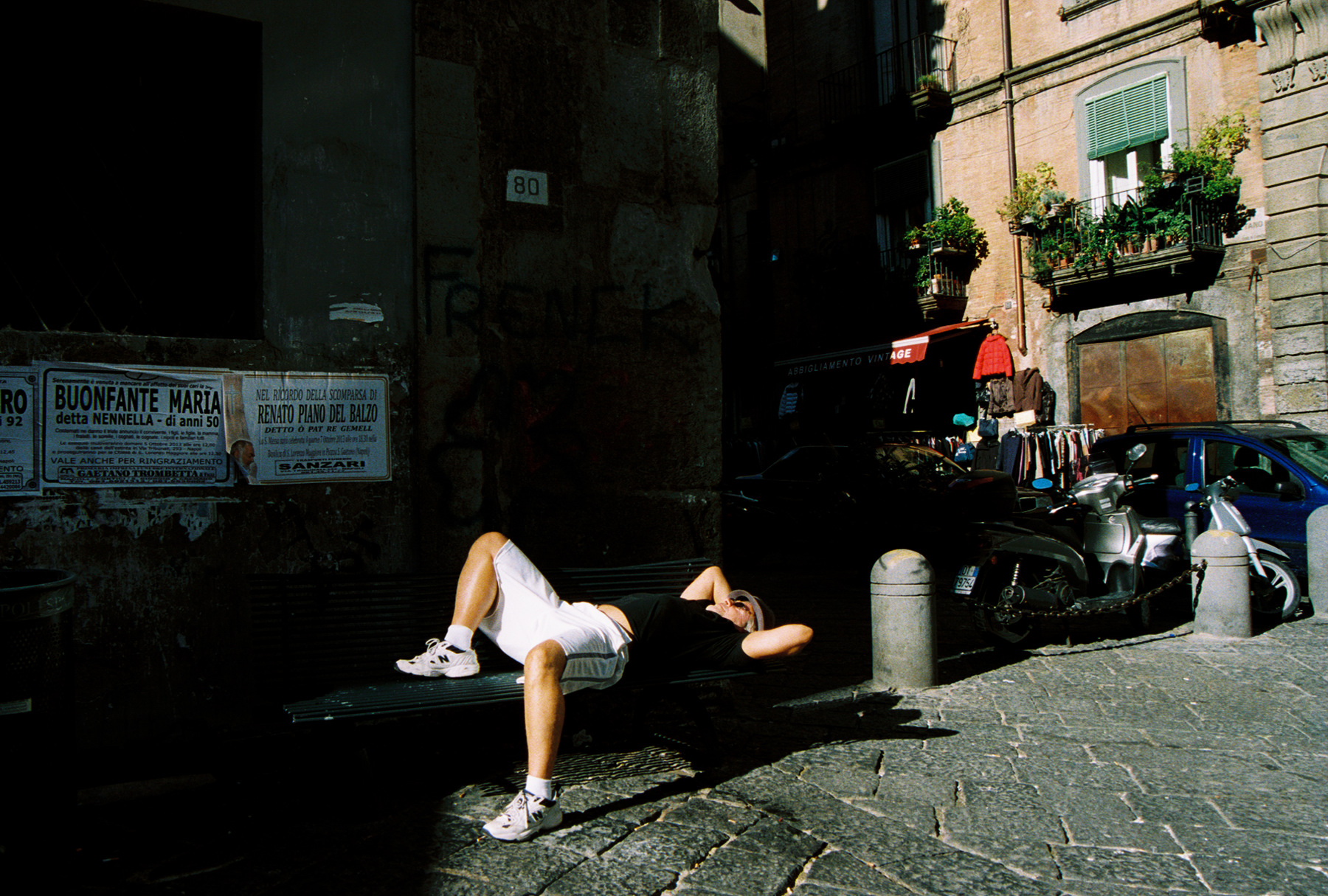
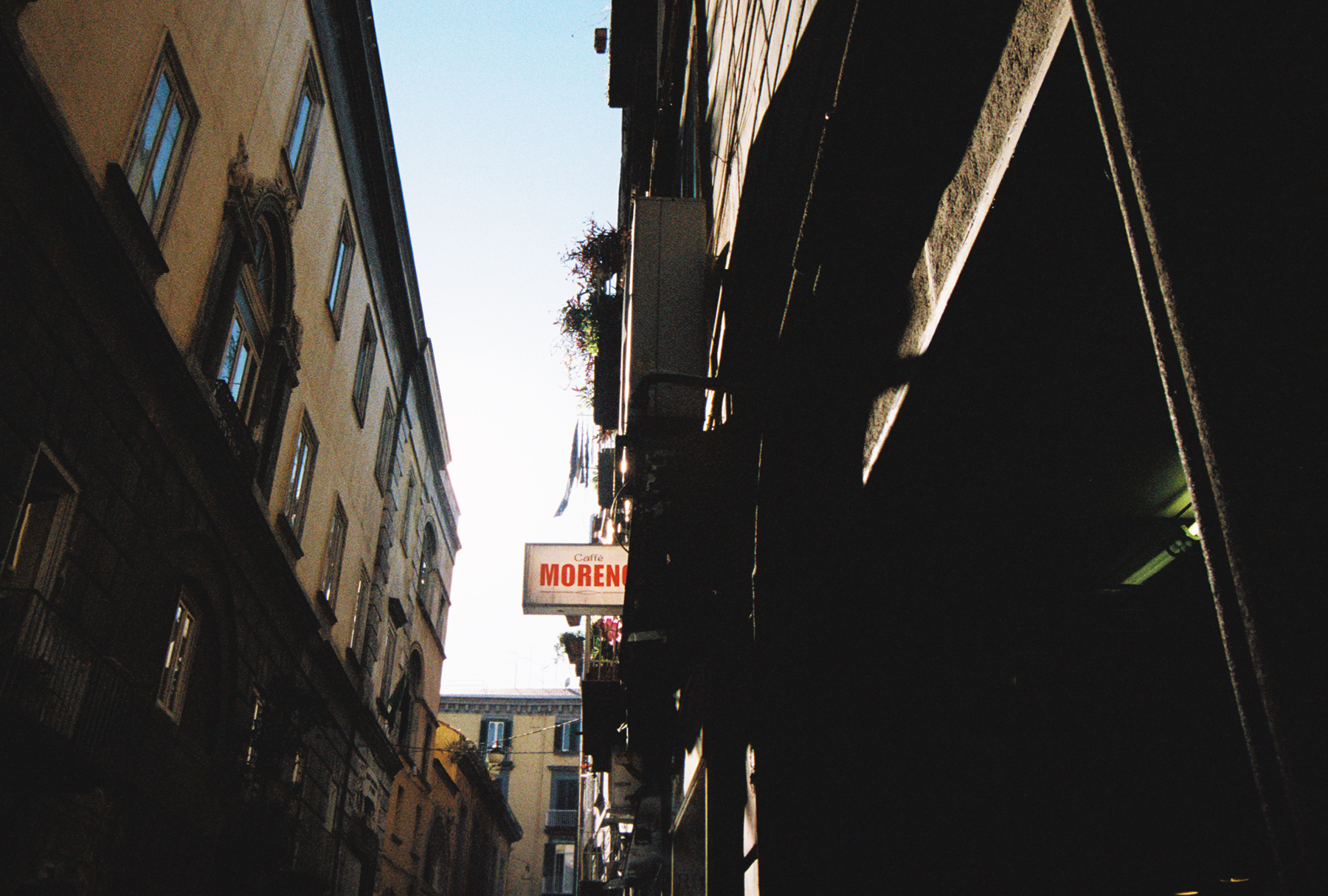
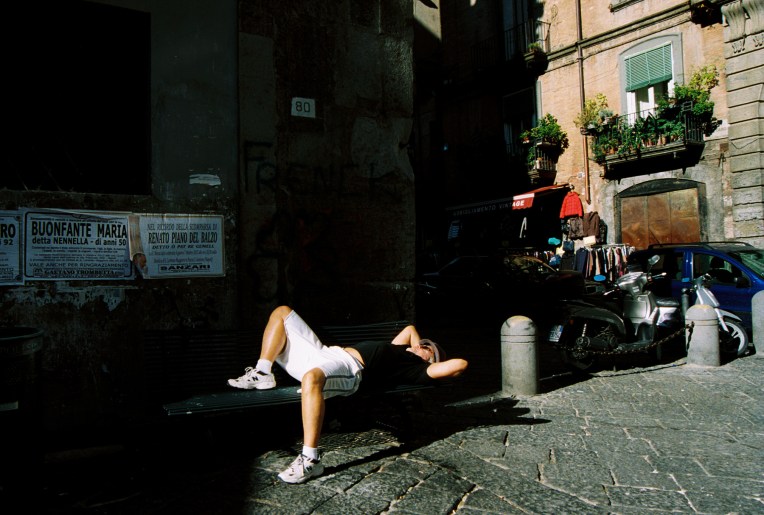
The sun finds it way though the velvet black shadows. Posters advertise operas I won’t get to see. Padre Pio forever in the background, his face found in taxi cabs, on walls, in churches, in caffes.
FH030007

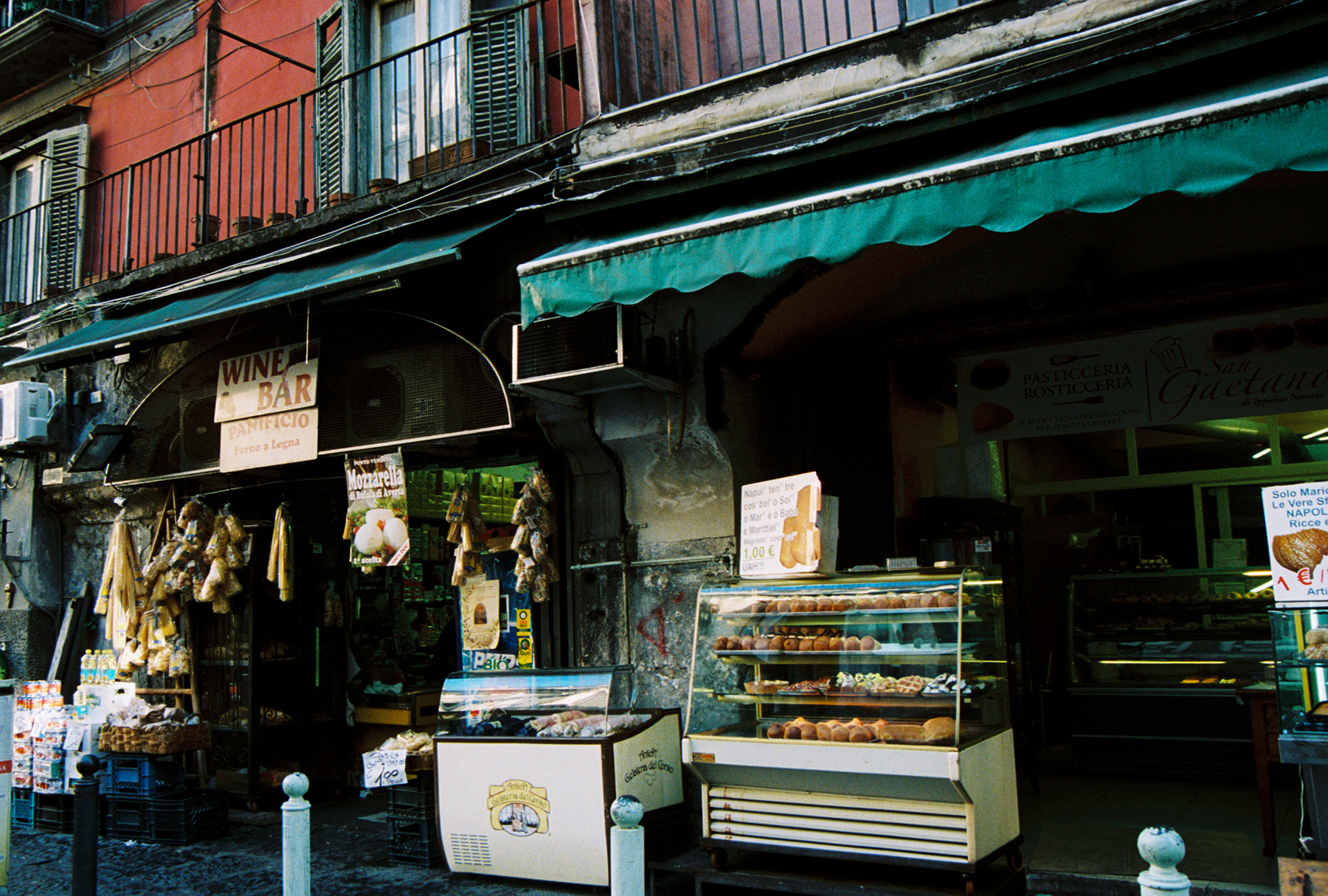
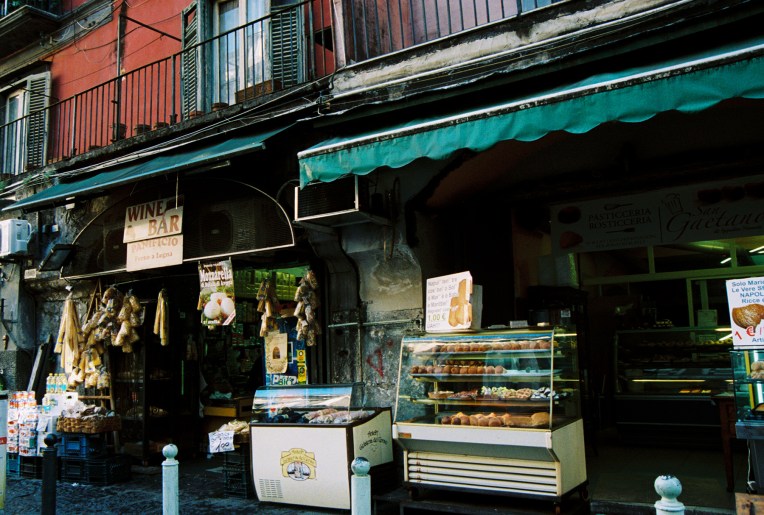
Hanging bronze dyed pasta, bufalo mozzarella from campania, rows of inviting rum-soaked baba cakes filled with rummy yellow cream, tiny wild strawberries, Sfogliatelle.
FH030009

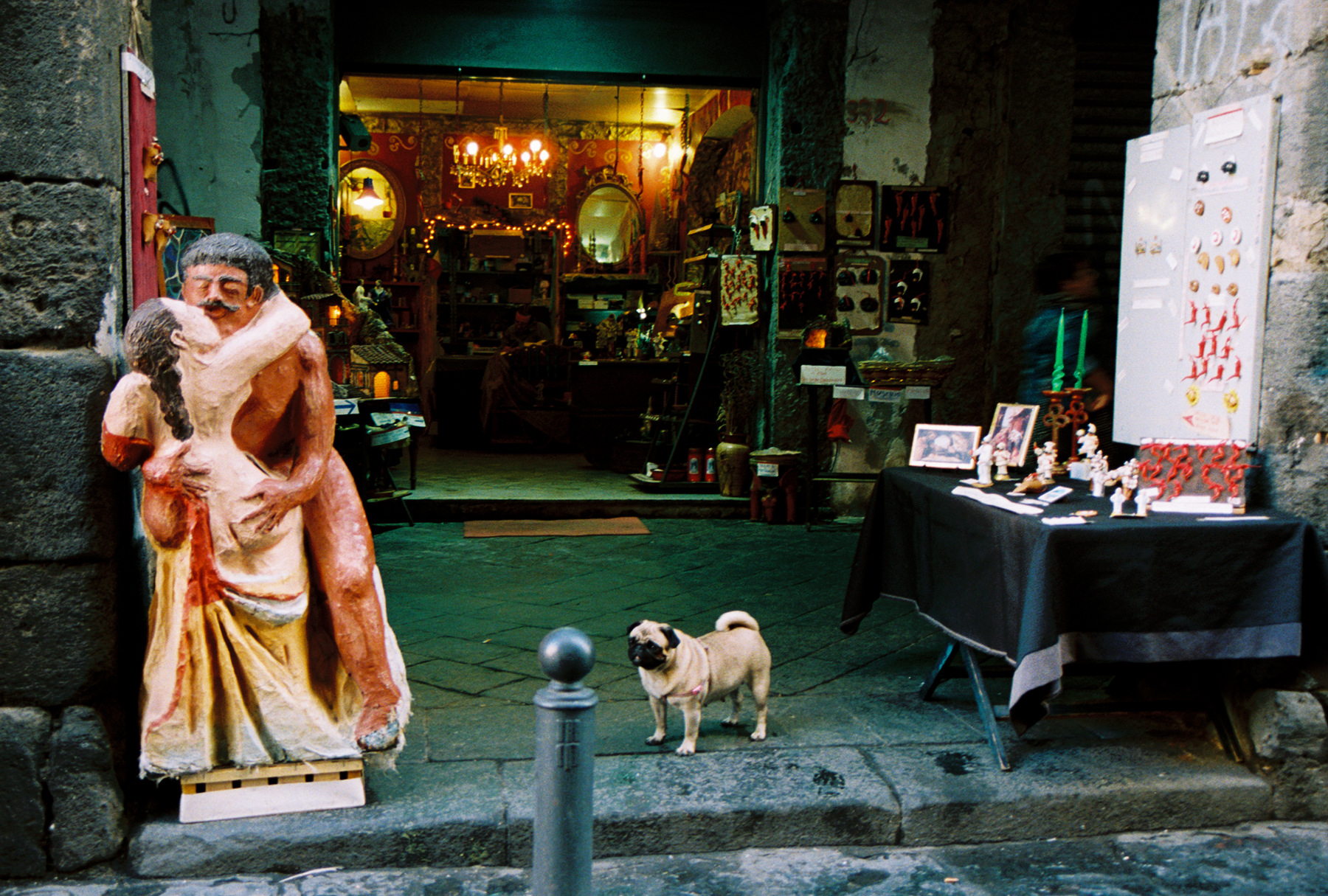
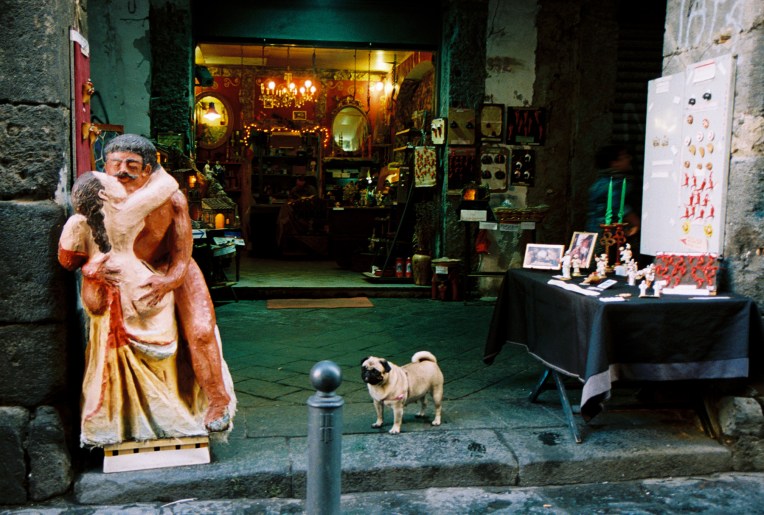
Two “lovers” embracing in front of an iconic “second hand shop” full of Neapolitan treasures overseen by a curious little dog.
FH030010

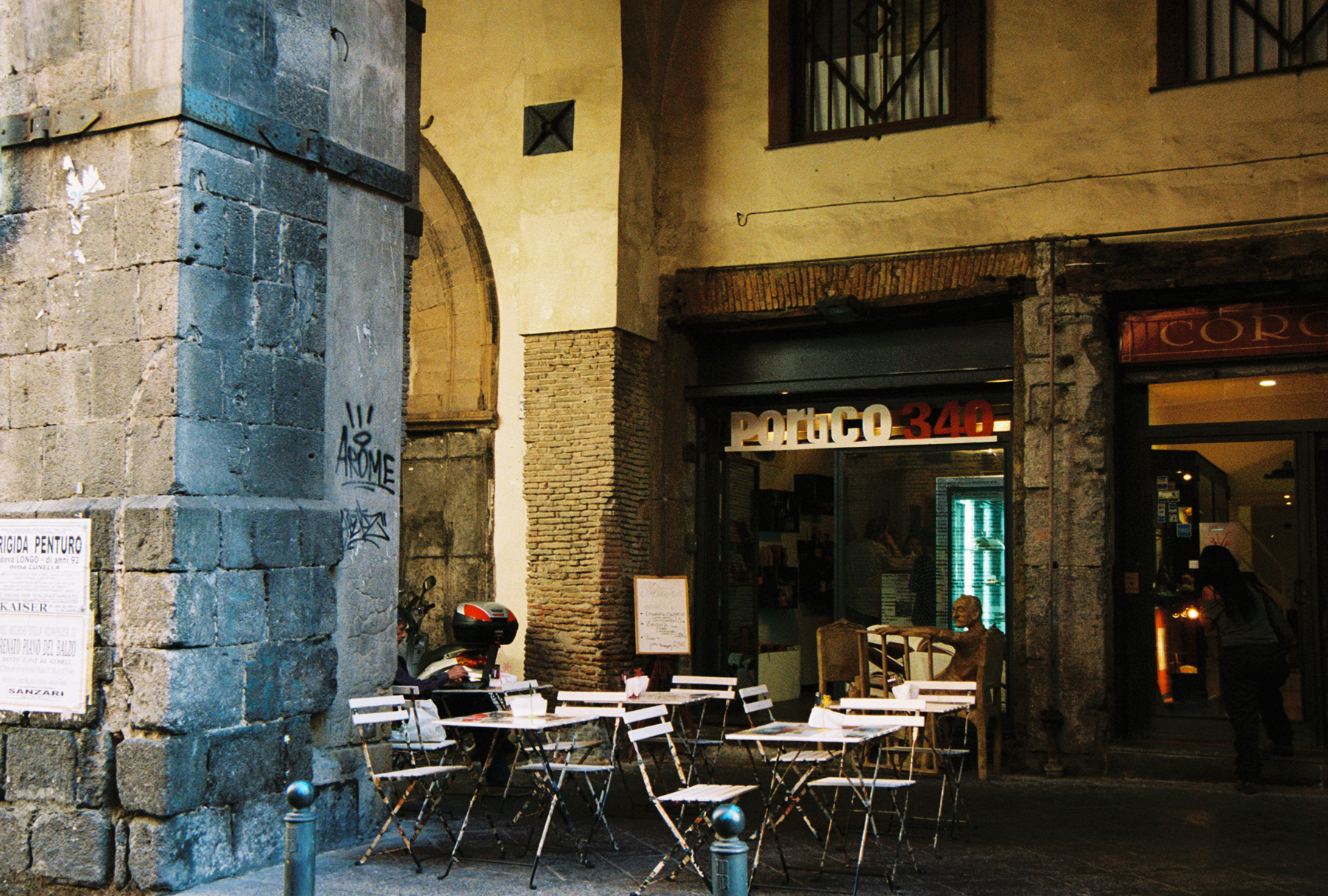
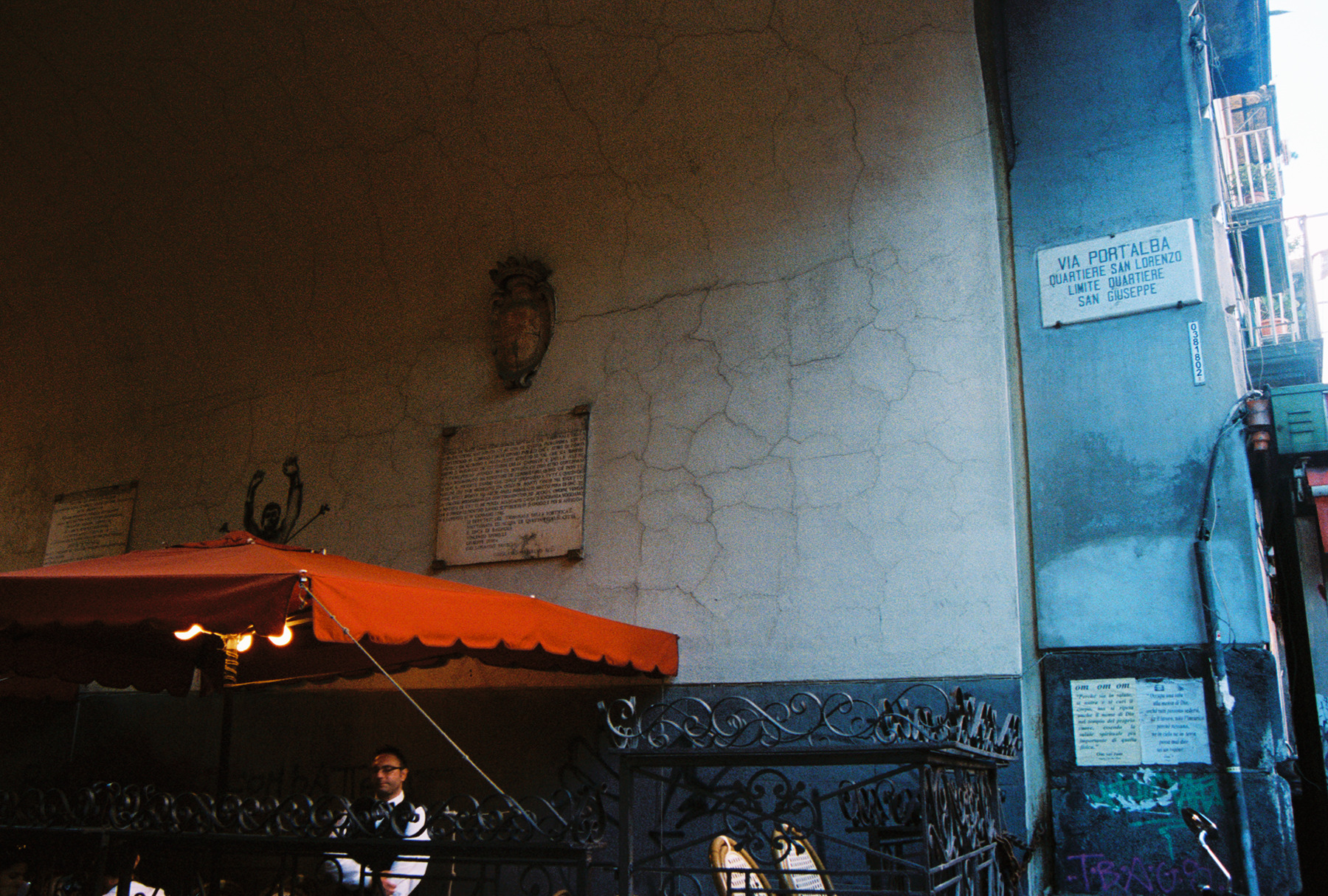
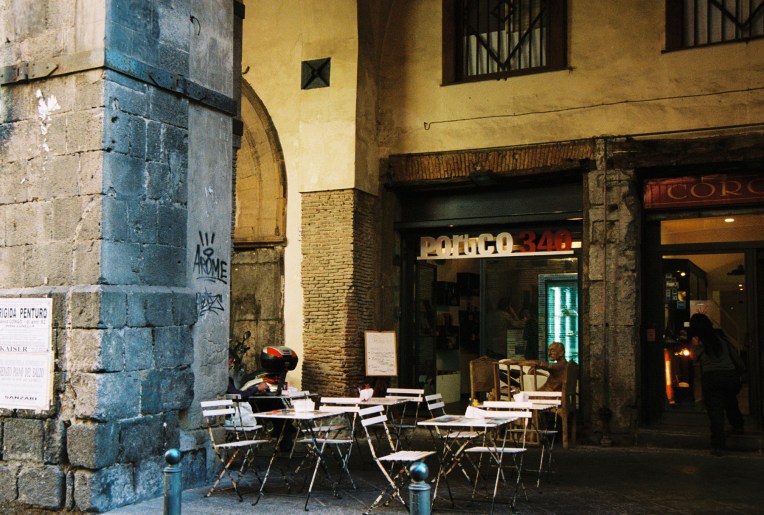
The simple cafe tables and chairs in front of artisan shops and caffes with a sculpture of an old man in the background. 
FH030011

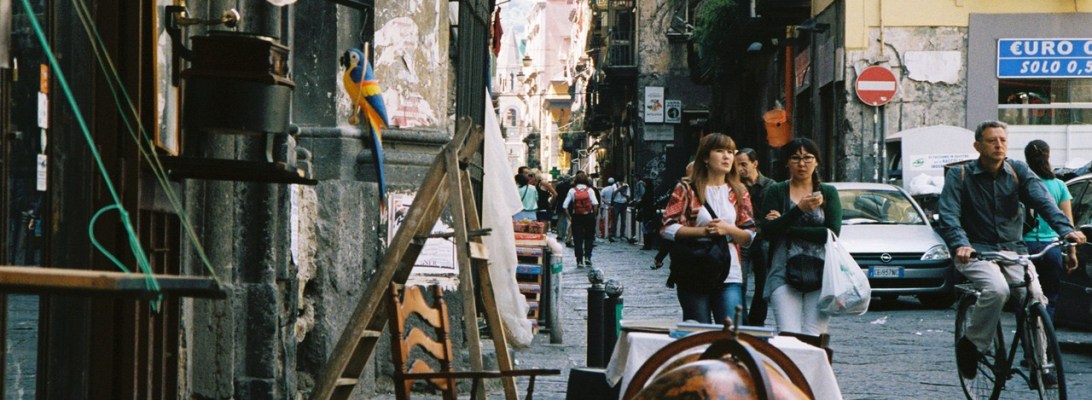
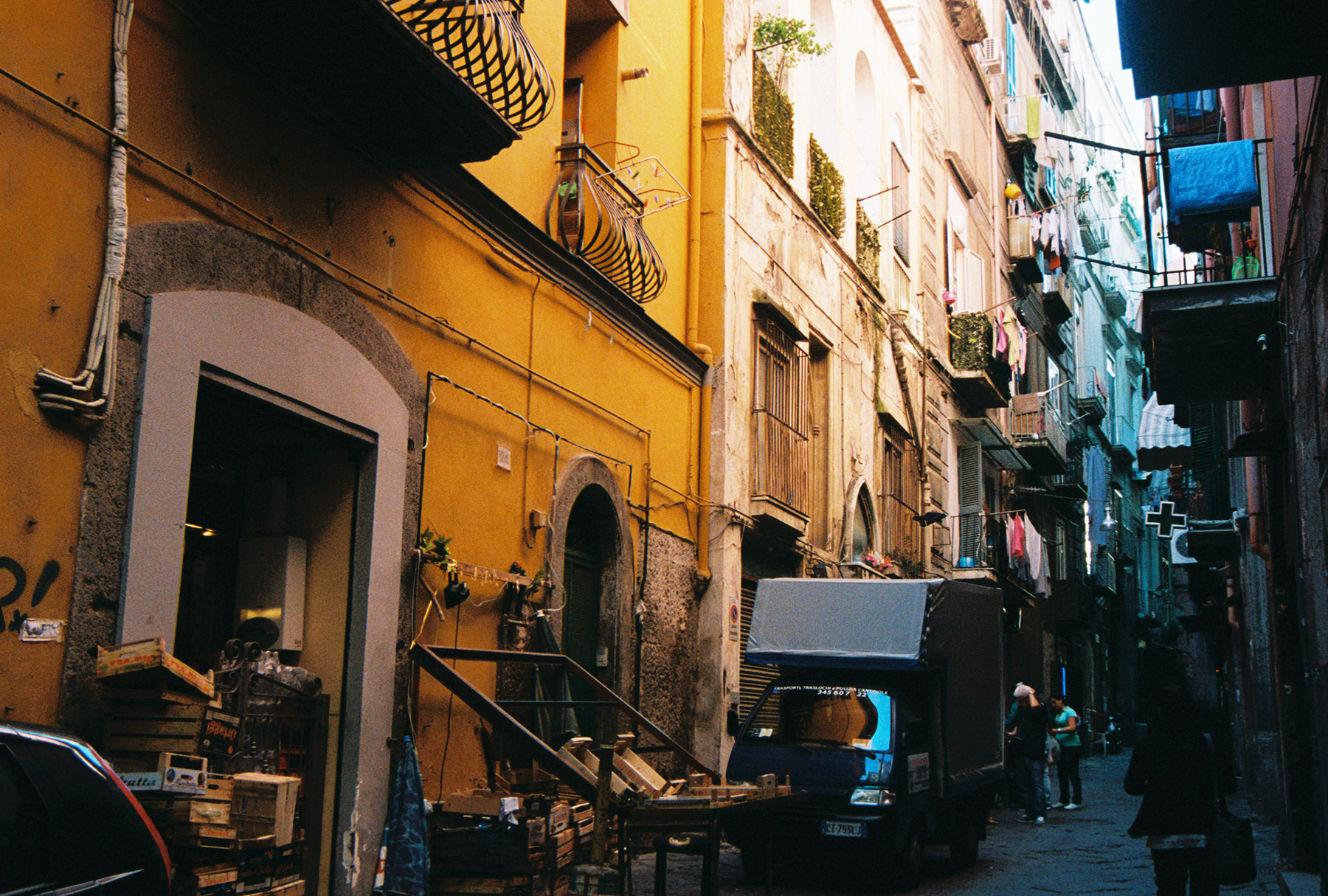
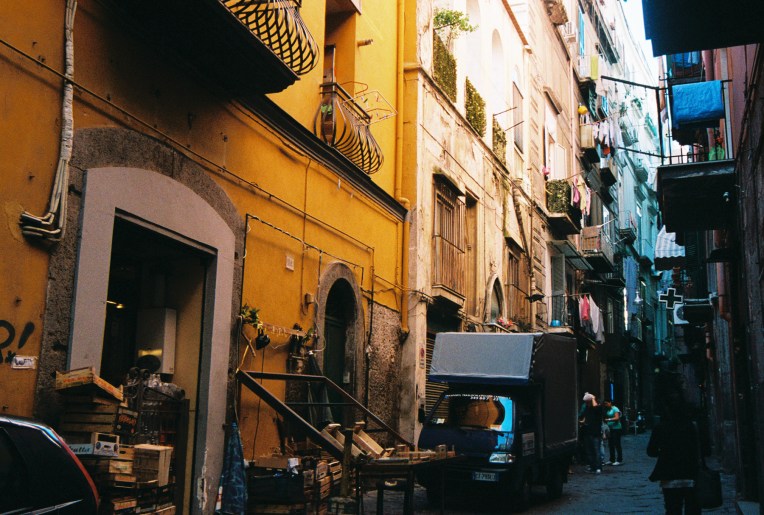
Every day life in an alleyway; people, a truck delivering goods, empty vegetable and fruit crates, the golden mustard apartments and hanging laundry.
FH030012

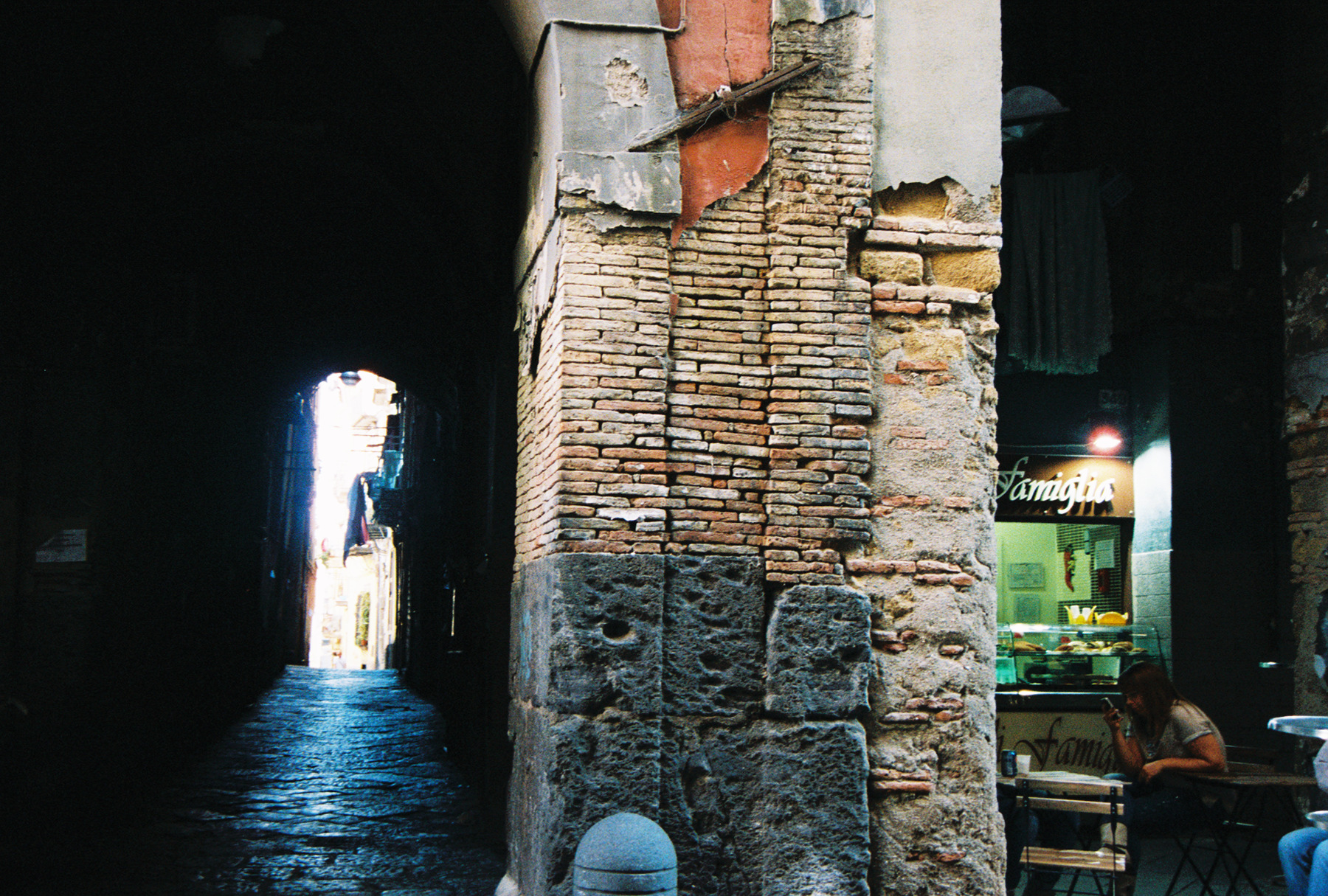
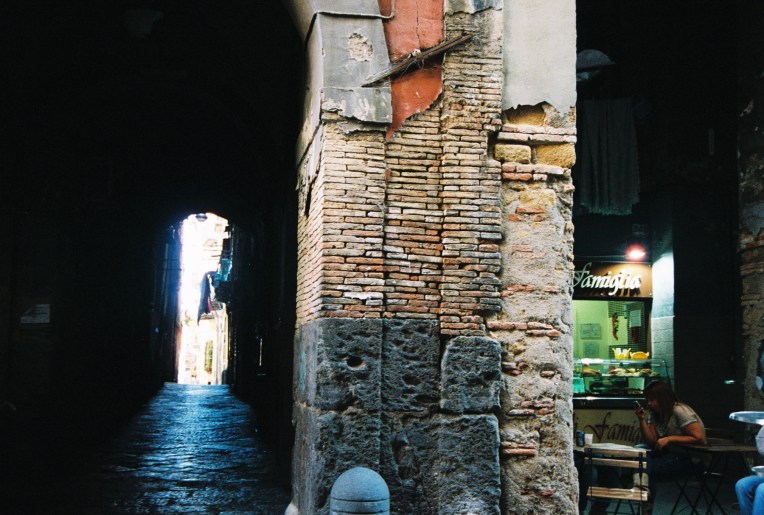
A baroque awning, layers of brick from different centuries, buildings and façades built on top of each other, a neapolitan girl on her mobile, another caffe beckoning the passersby.
FH030013

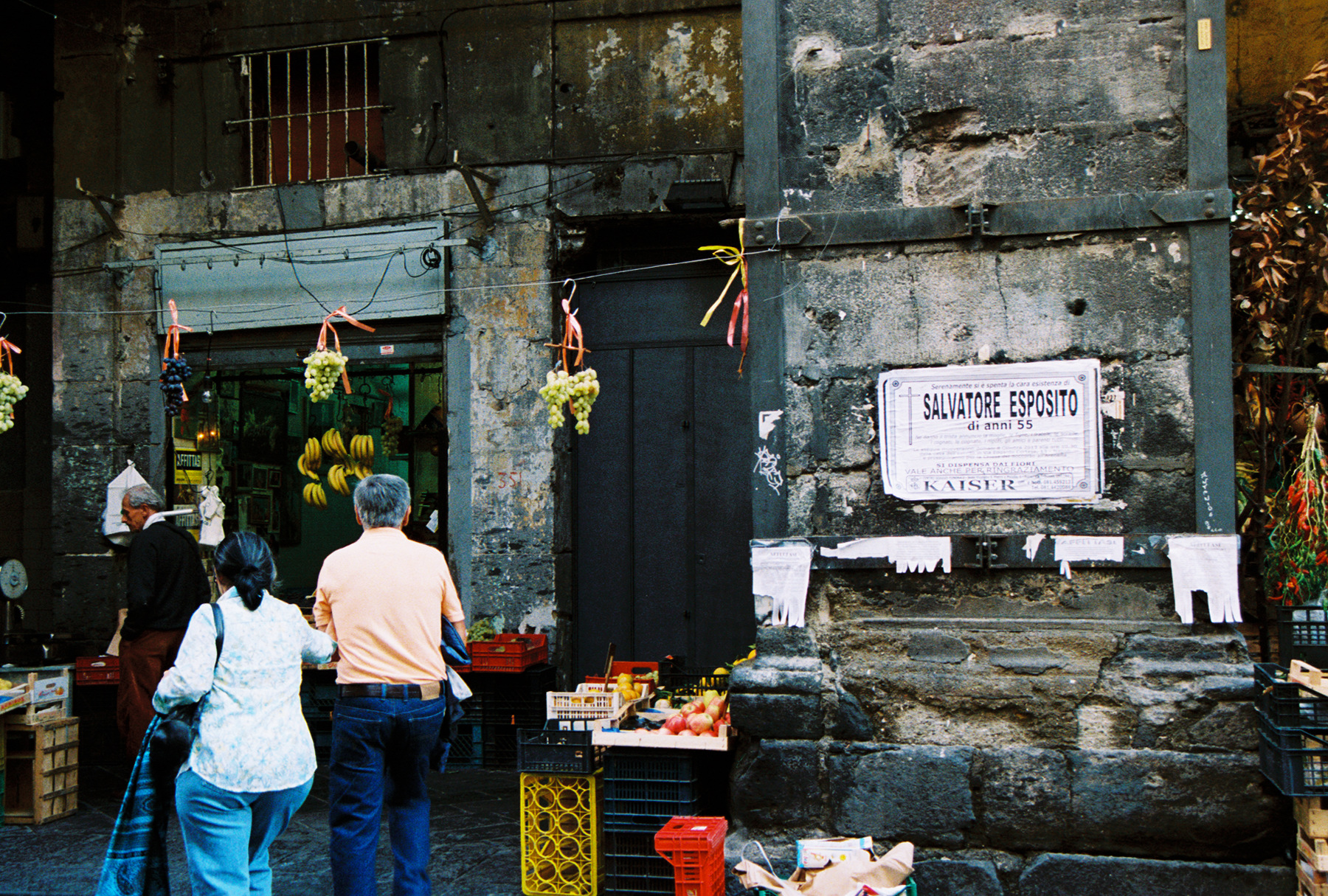
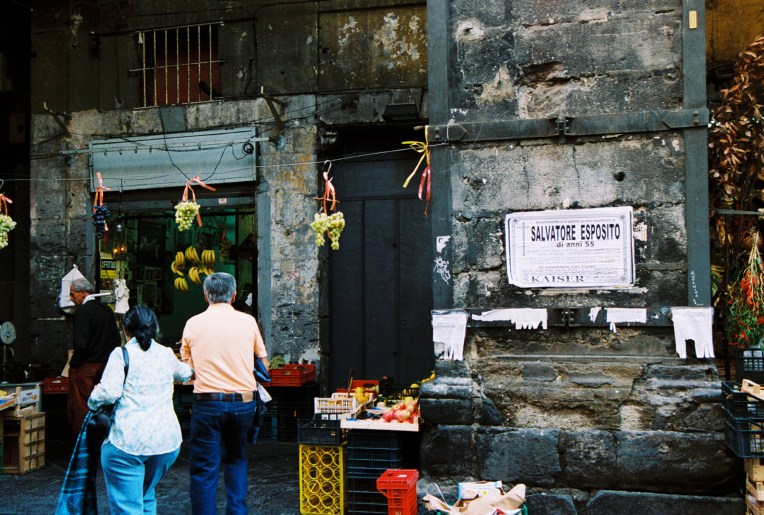
Hanging fruit and ripe red campania tomatoes and an early pasieggetta.
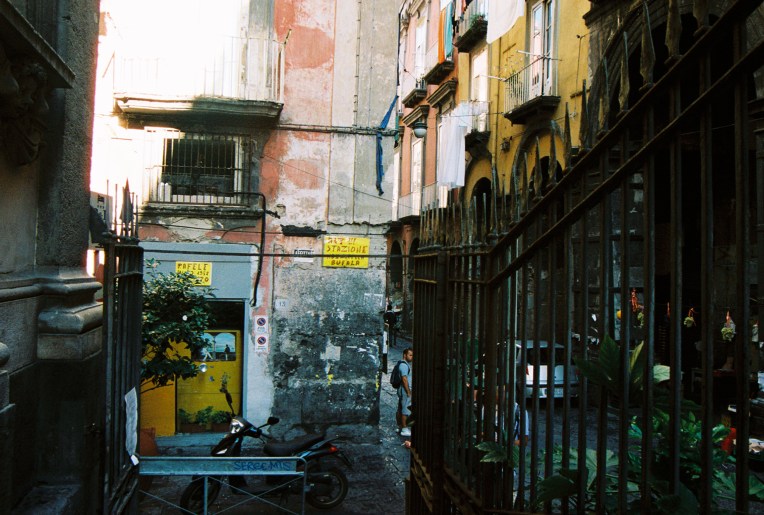
 

FH030015

I love the corners and crevices and surprising bursts of yellow in between the rust.
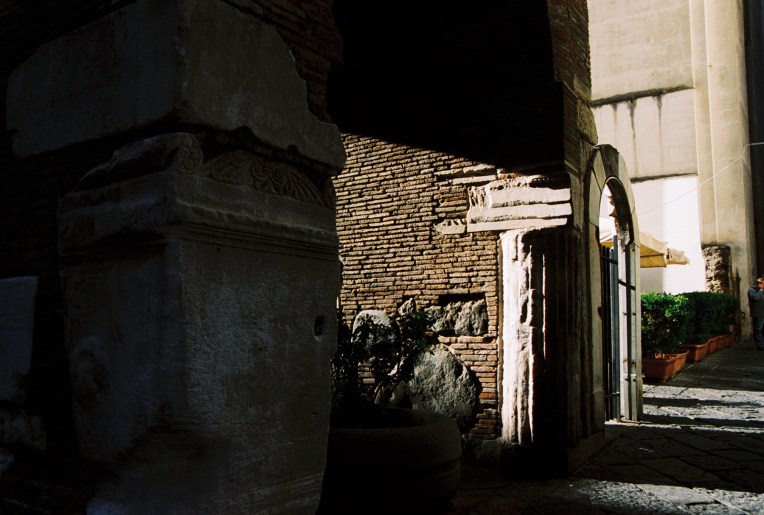
FH030016

Ancient pillars in residential neighborhoods, forming millennia old foundations.
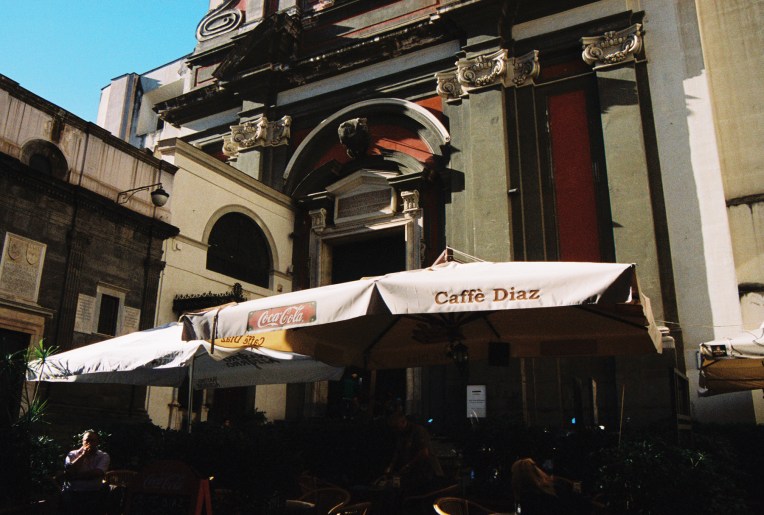
FH030017

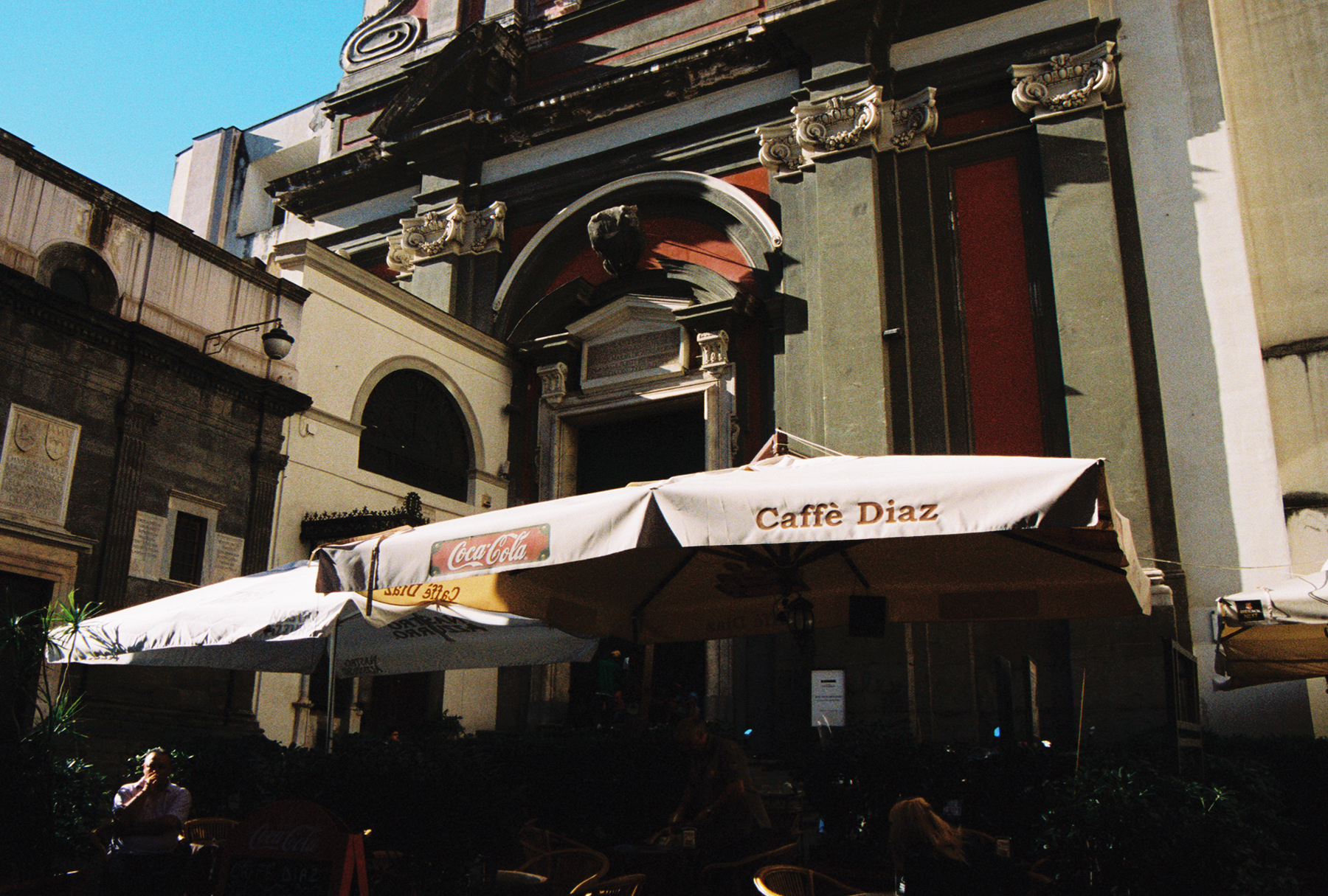
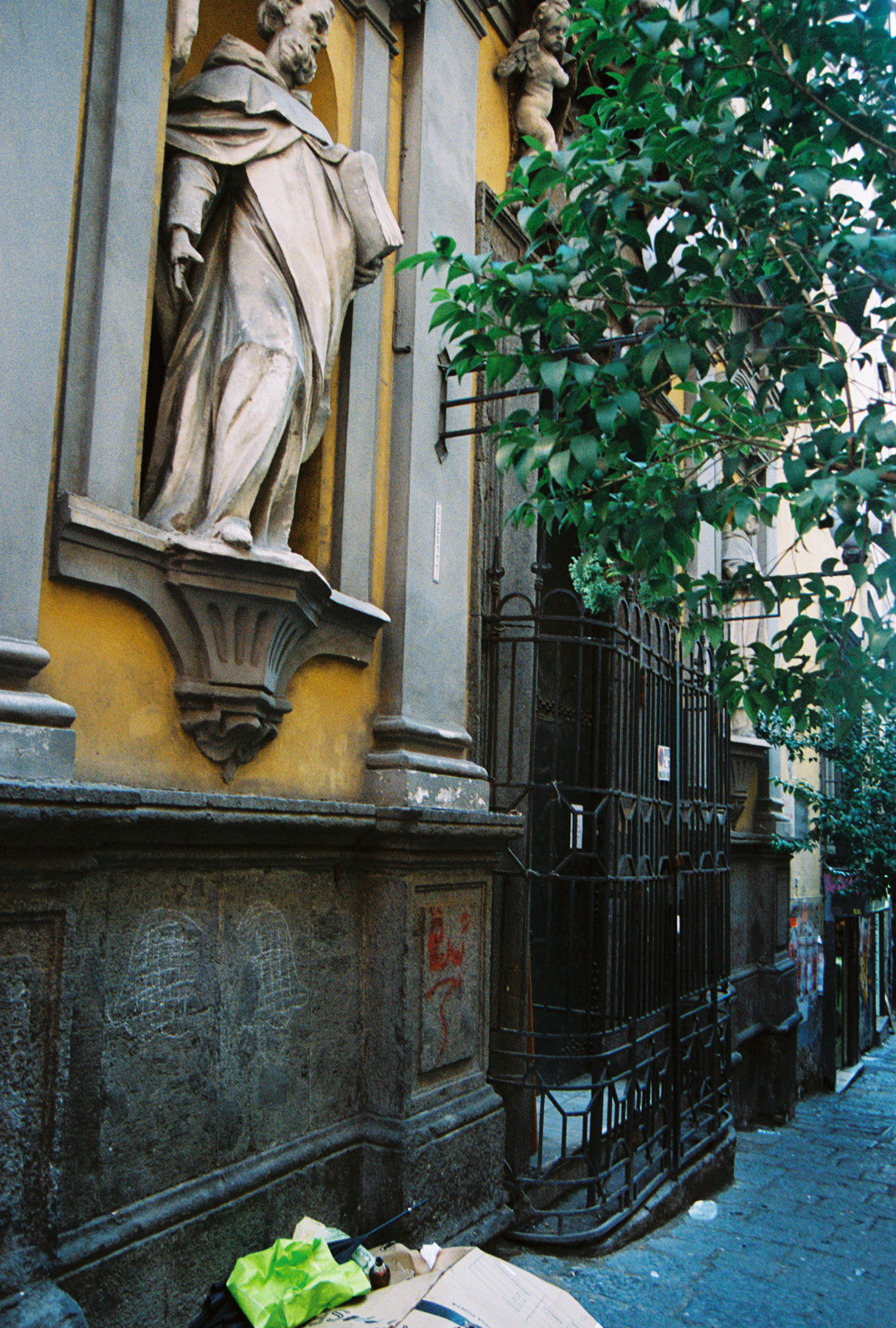
Another beautiful church front and a charming caffe.
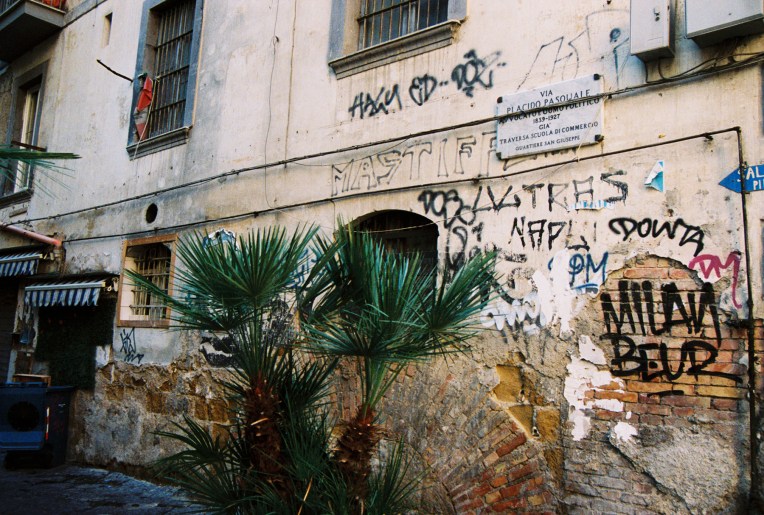
FH030018

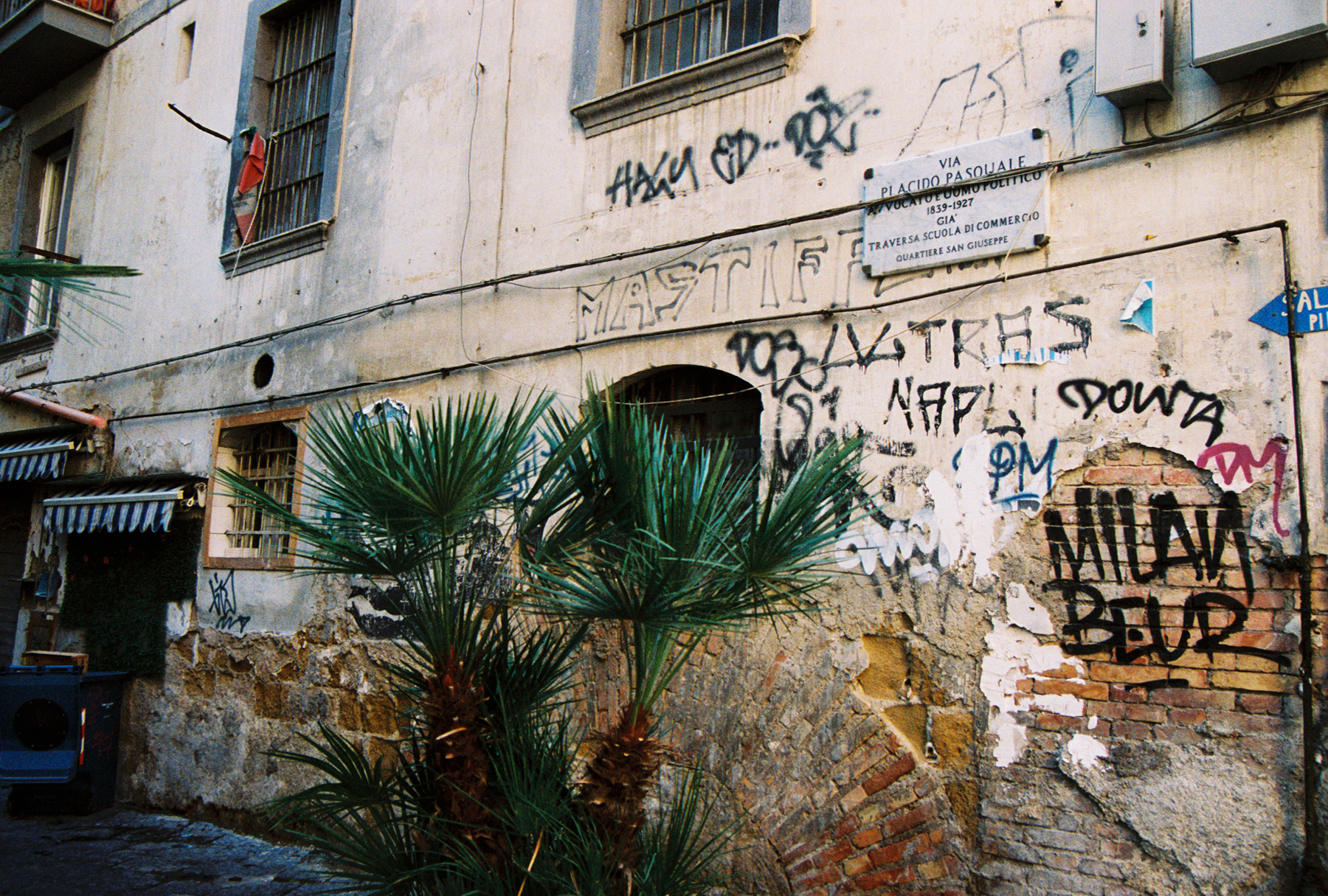
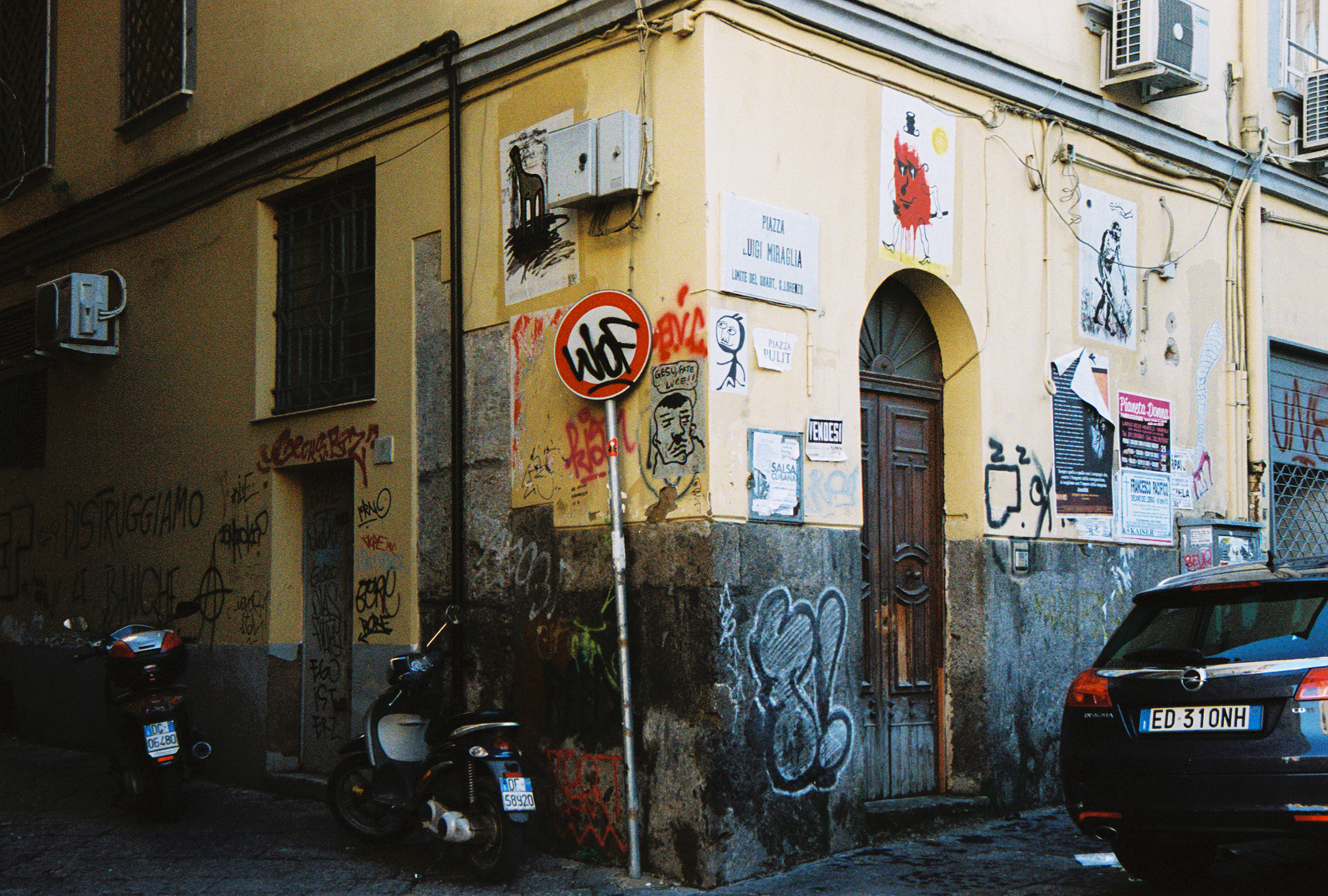
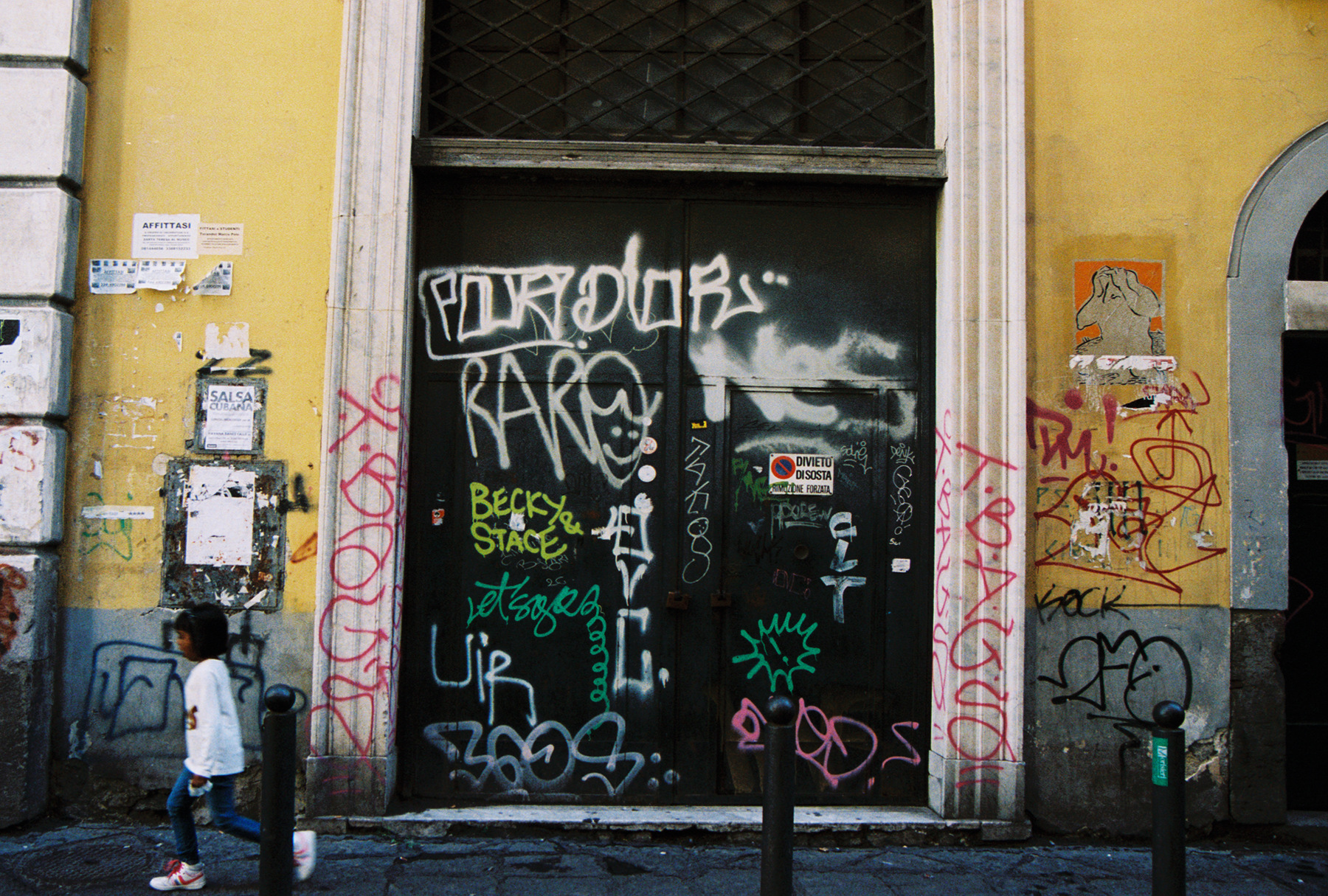
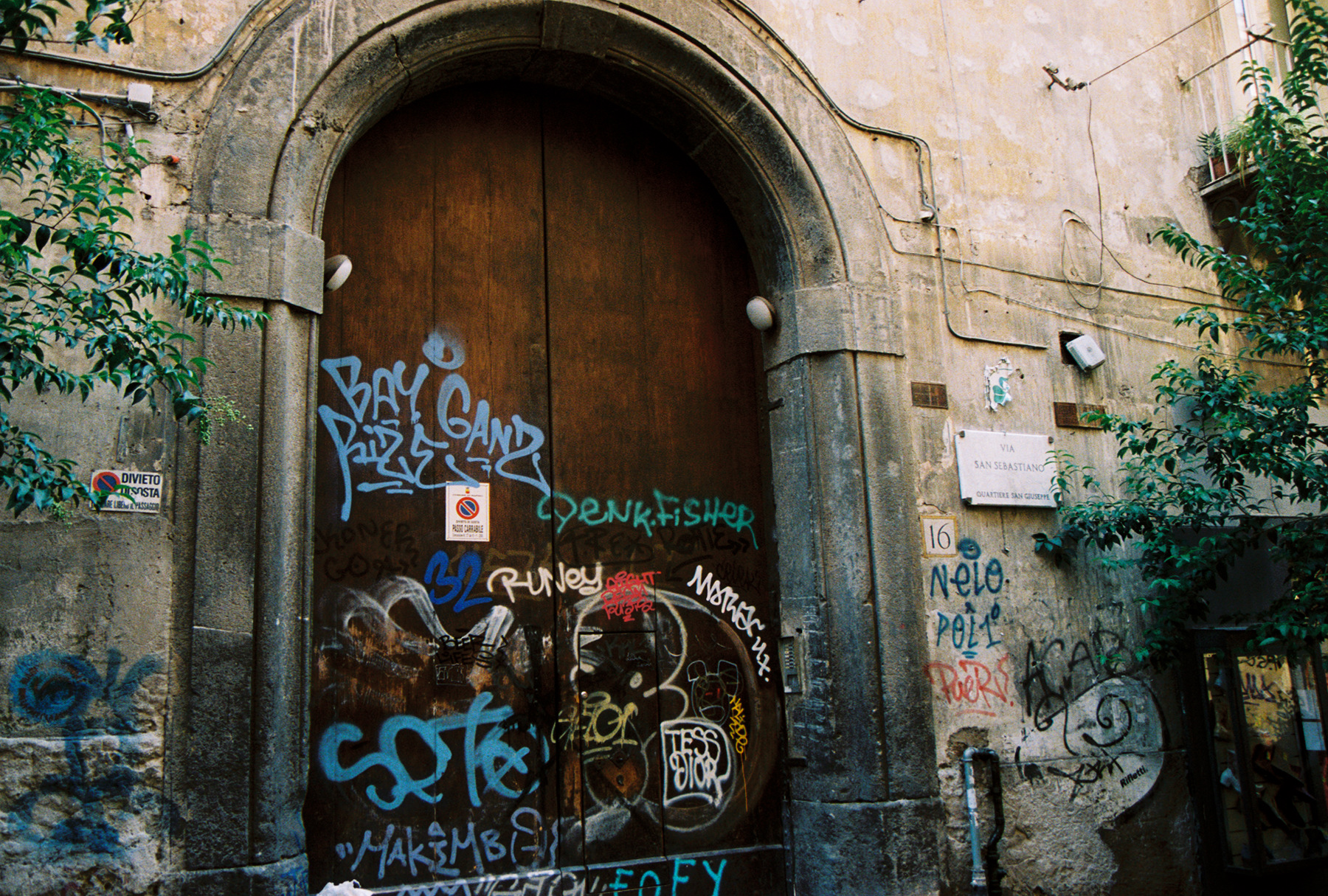
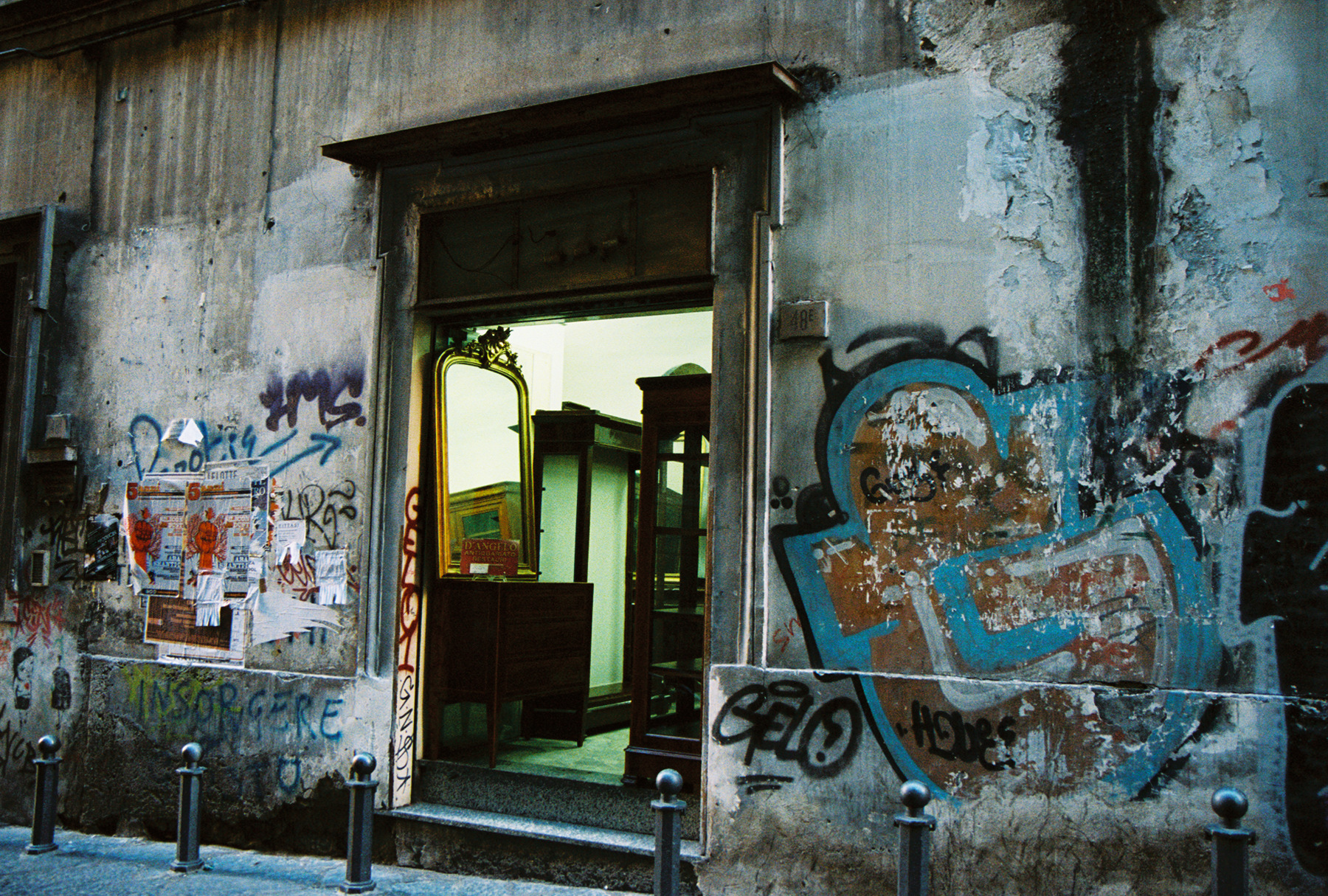
The quintessential graffiti of Naples, as ancient as the tags and scribblings on Pompeiian walls.
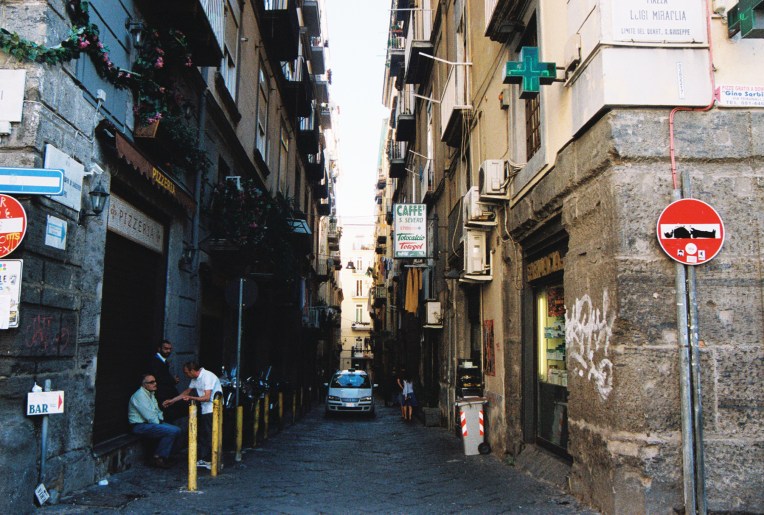
FH030019

The old guard and the ‘new art’.

FH030020

Bursts of color and brightness and the scent of glorious coffee floating in the air at every turn.
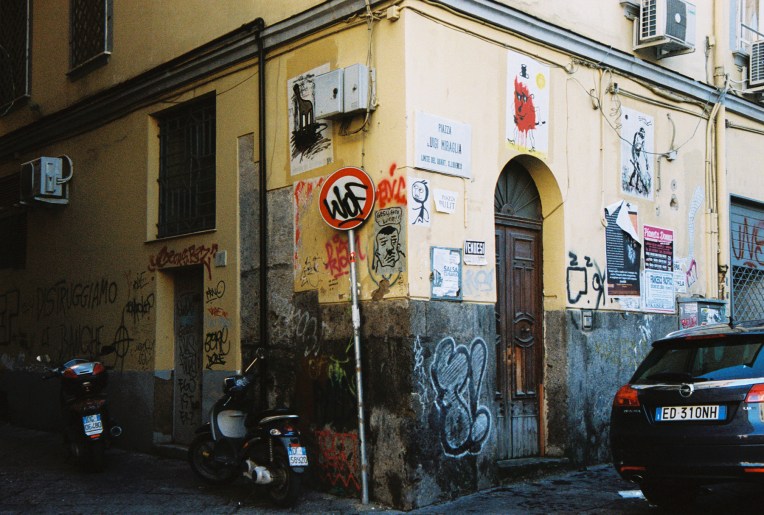
FH030021

More graffiti, and the vespas and cars and Neapolitans seem all the more nonchalant about it.
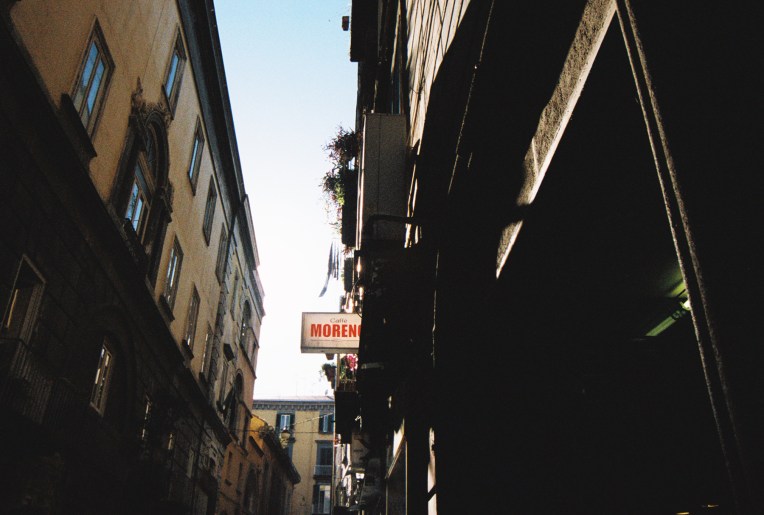
FH030022

I always seem to find the caffes… I always feel like I’m on some unspoken mission to drink the best coffee.
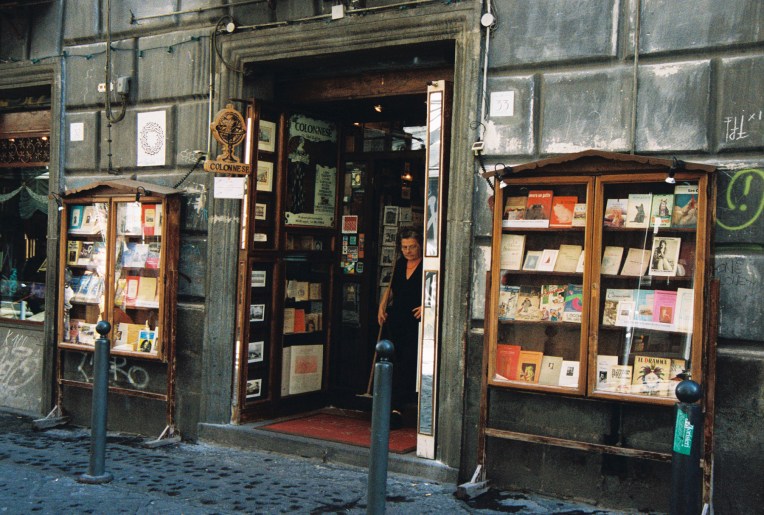
FH030023

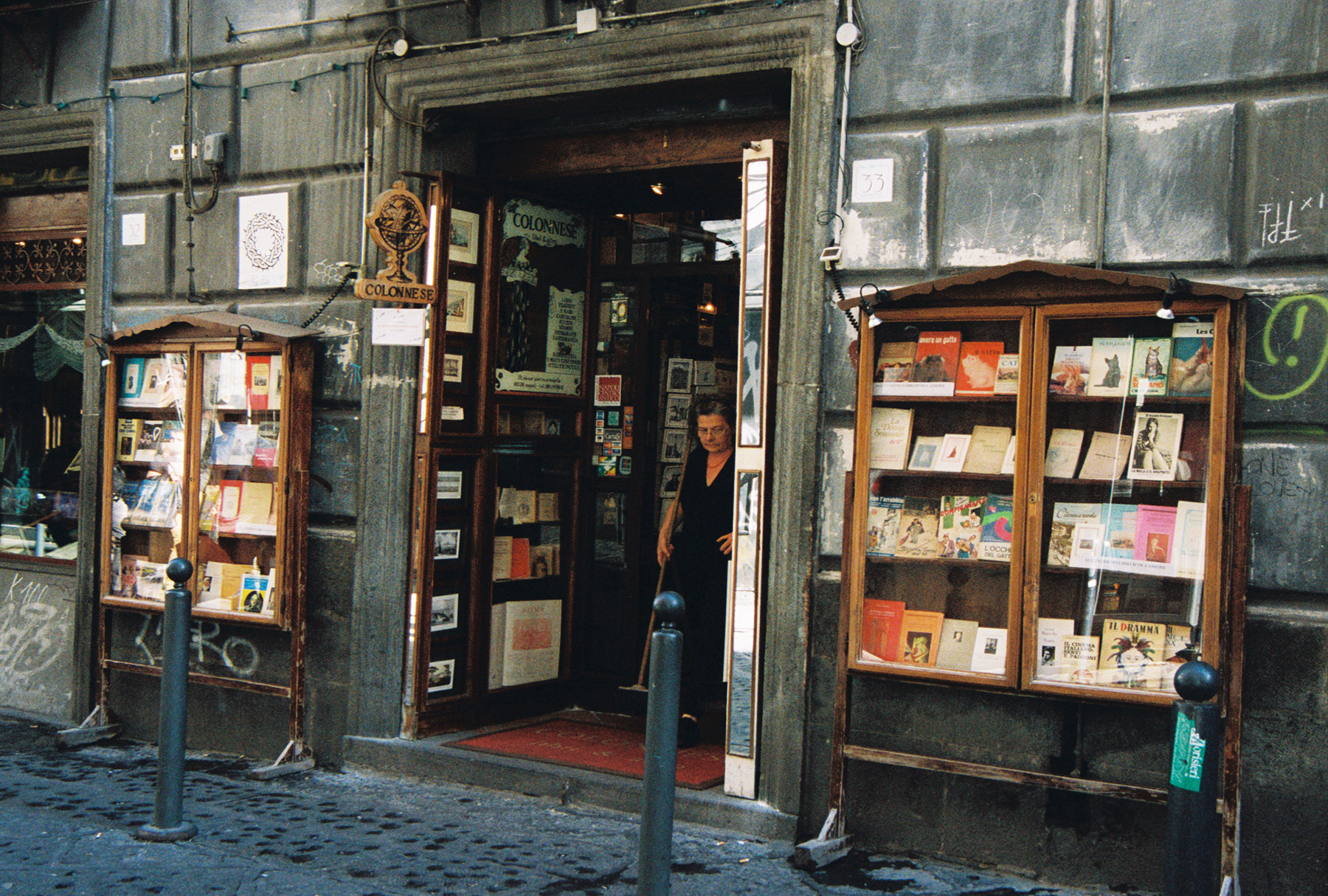
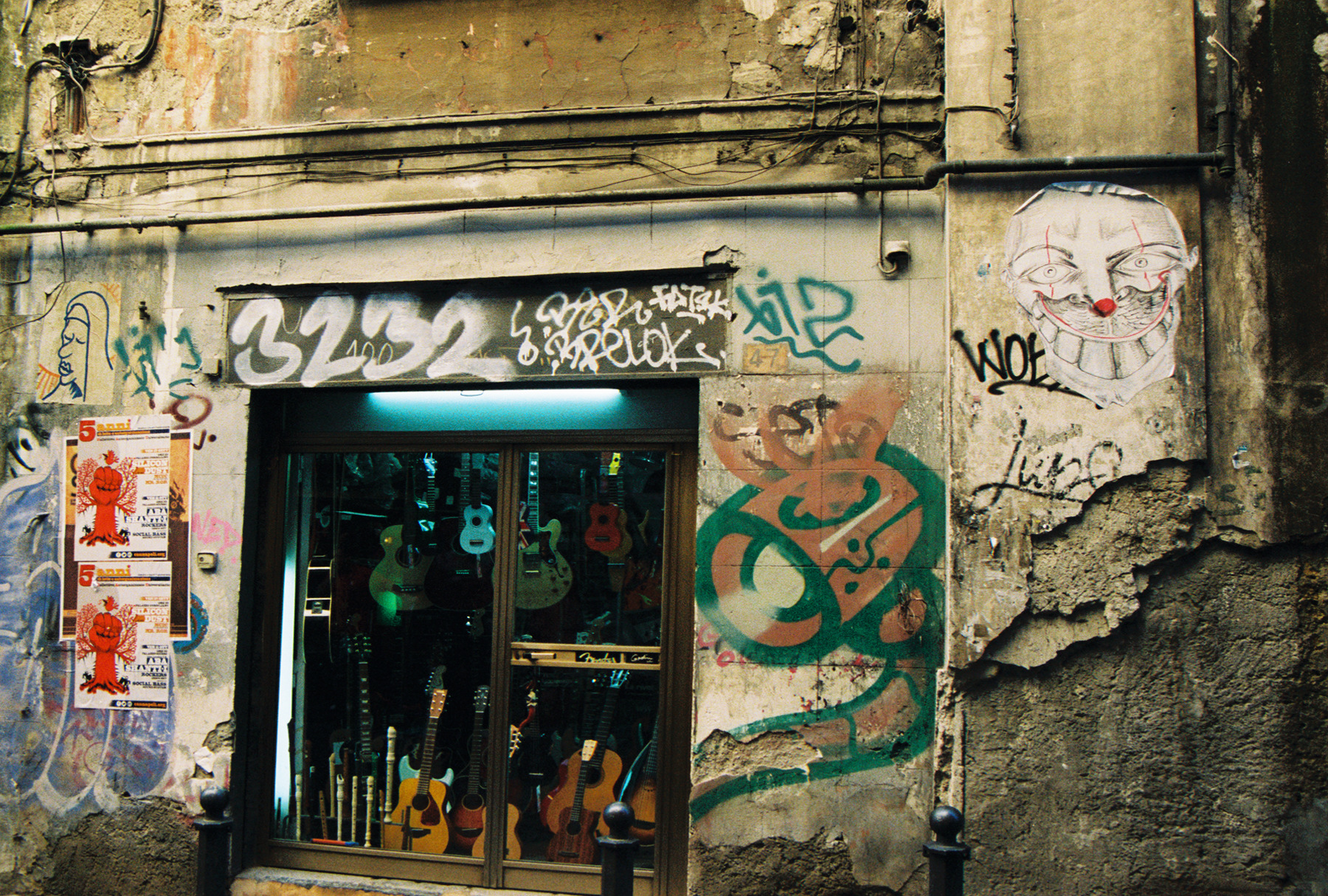
A whole street filled with beautiful second hand and rare book shops and musical instruments and conservatories. I never wanted to leave. 
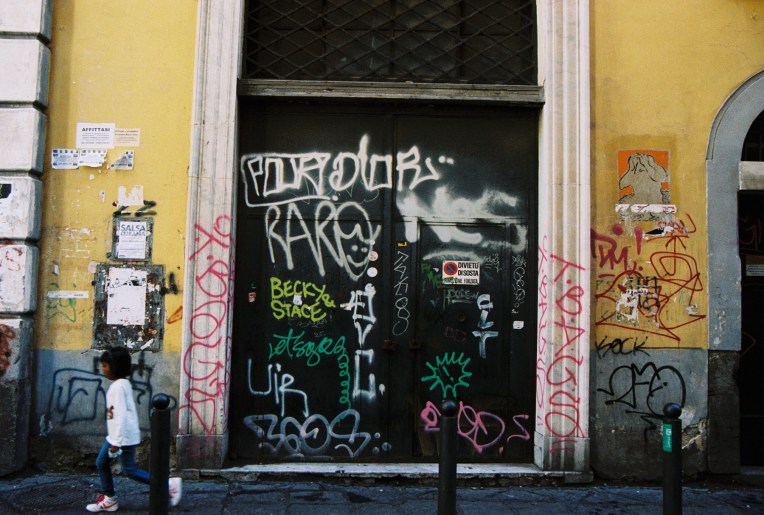
FH030024

When the little girl walked by I knew I had to capture her in that moment of contrasts and colors.
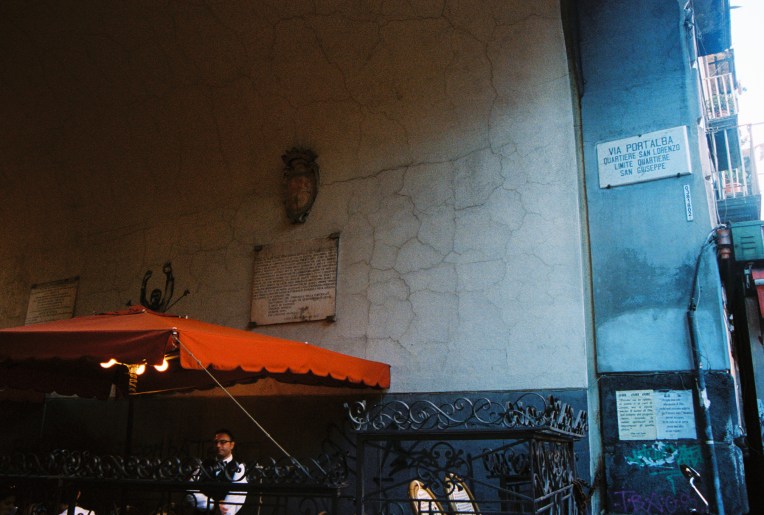
FH030025

A gorgeously appointed restaurant, intimate, and romantic in a baroque neapolitan way. I could have lingered for hours with a glass of nero d’avola and flirted but I had less than a day to shoot Naples because of all the rain prior to this day.
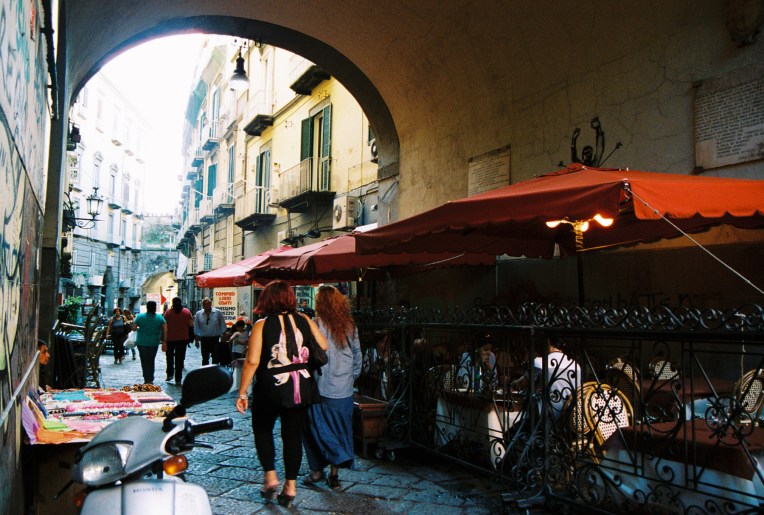
FH030026

This is a wider shot of the restaurant. It looks like an opening to another, older world. I told you it was beautiful.
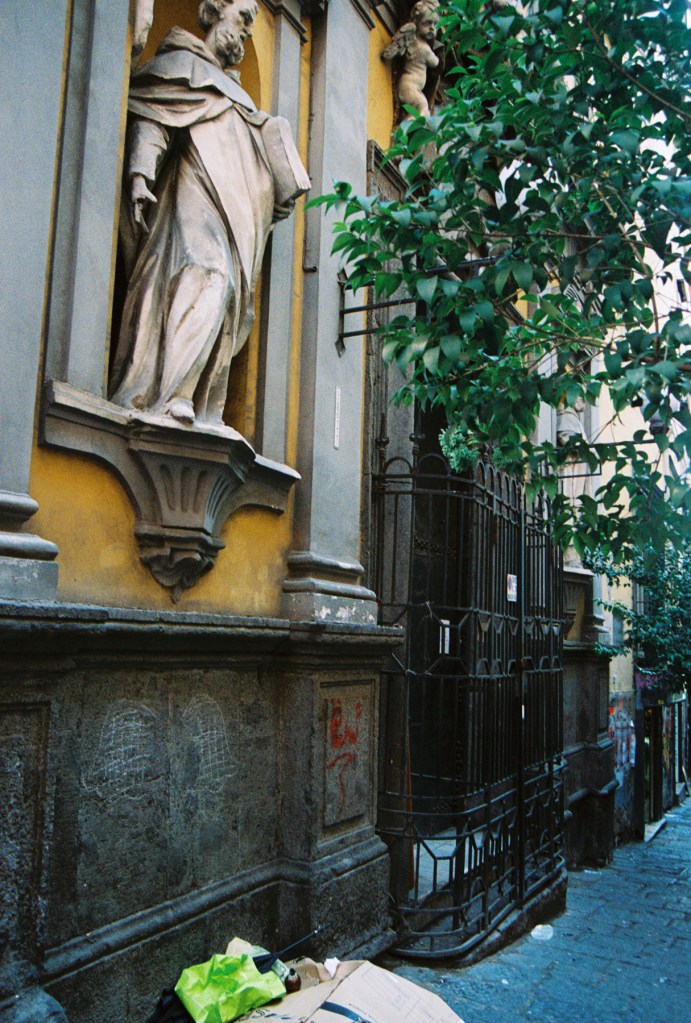
FH030027

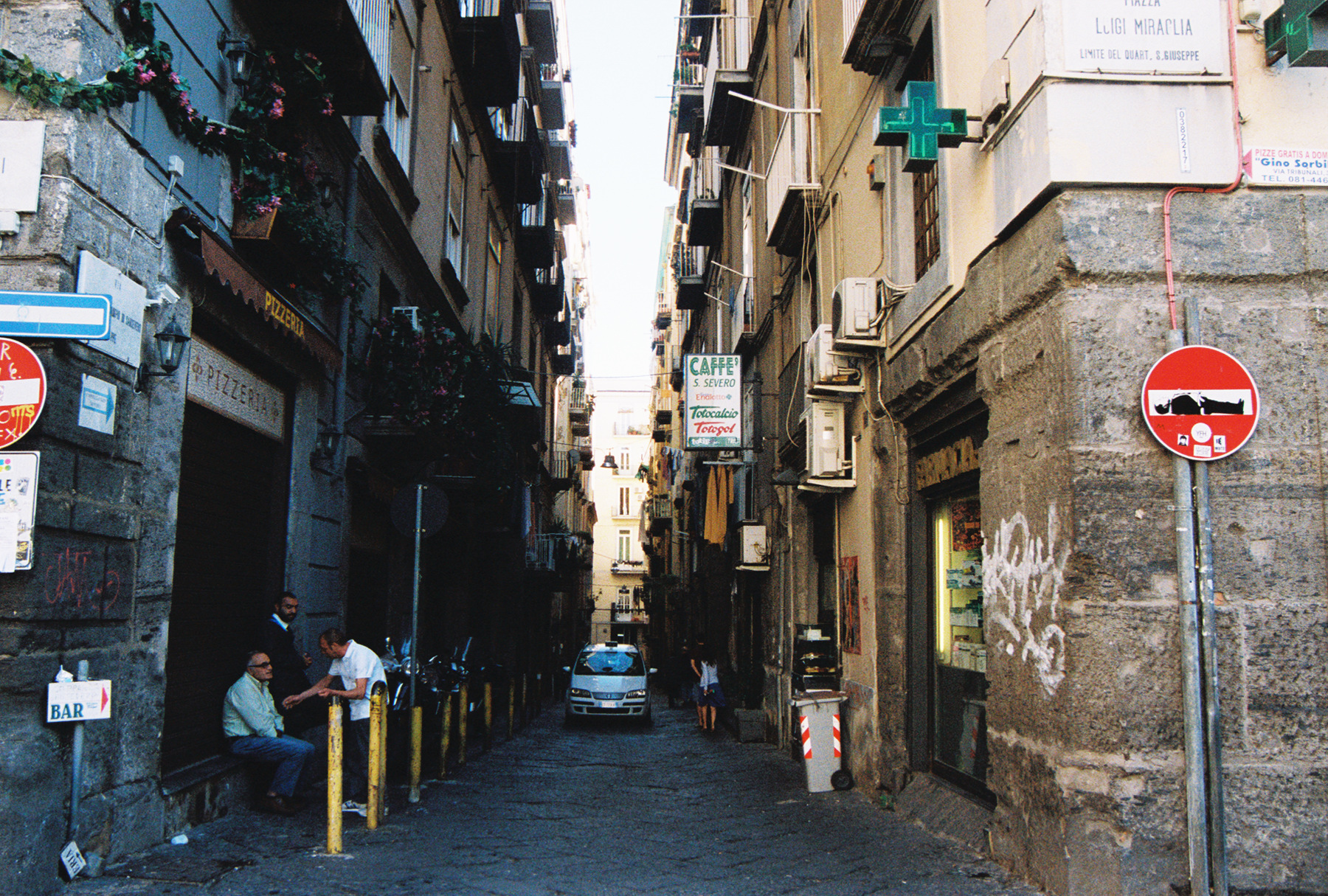
Stunning churches, colorful architecture, dark and ancient looking alleyways filled with street theatre and trash on the street… the extremes of modern Napoli.
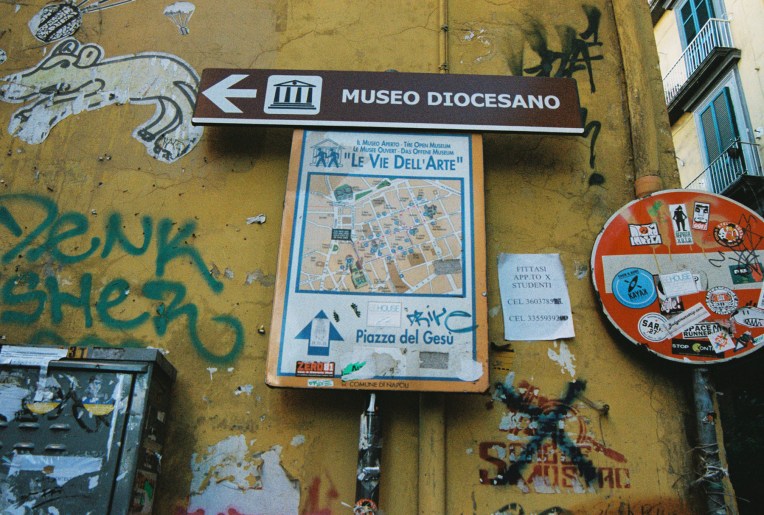
FH030029

There is so much to see, just to read on the walls.
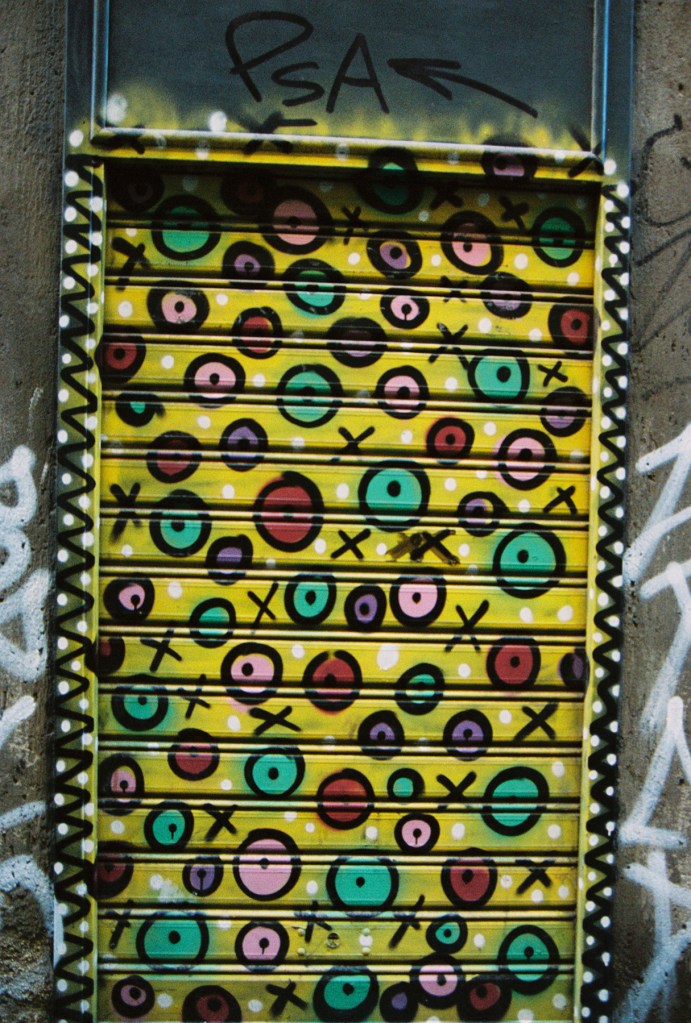
FH030030

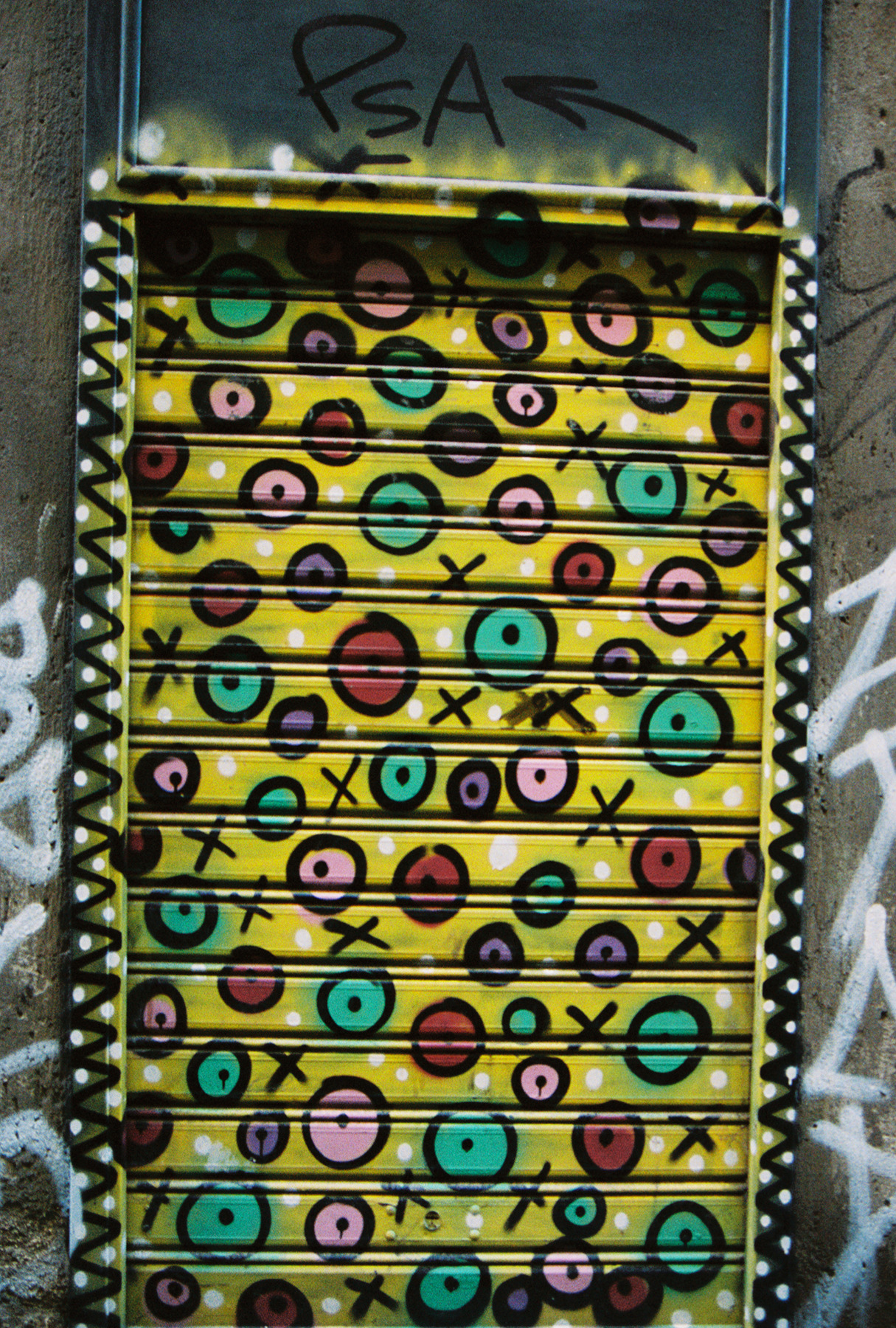
I like when the grafitti becomes art.
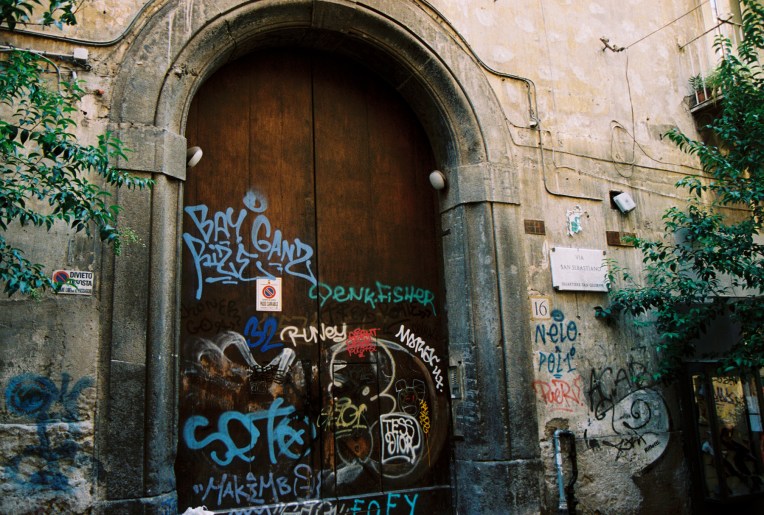
FH030031

Even the scribbles are a crying out and bleed every color onto wood and stone and brick.
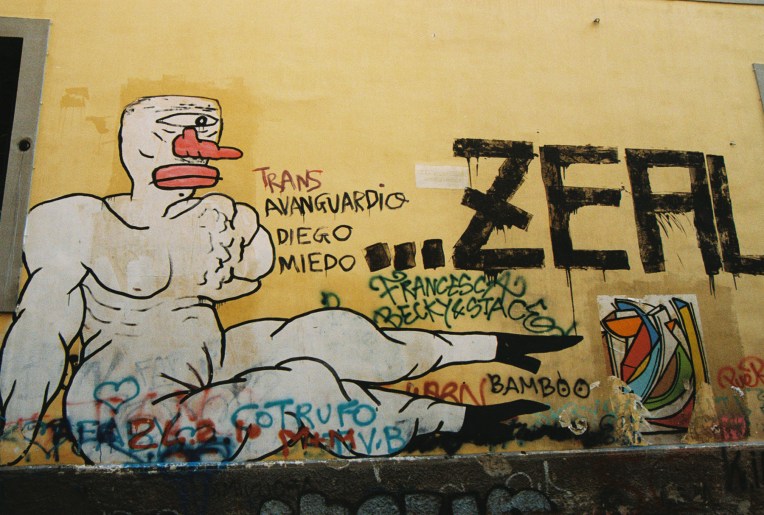
FH030032

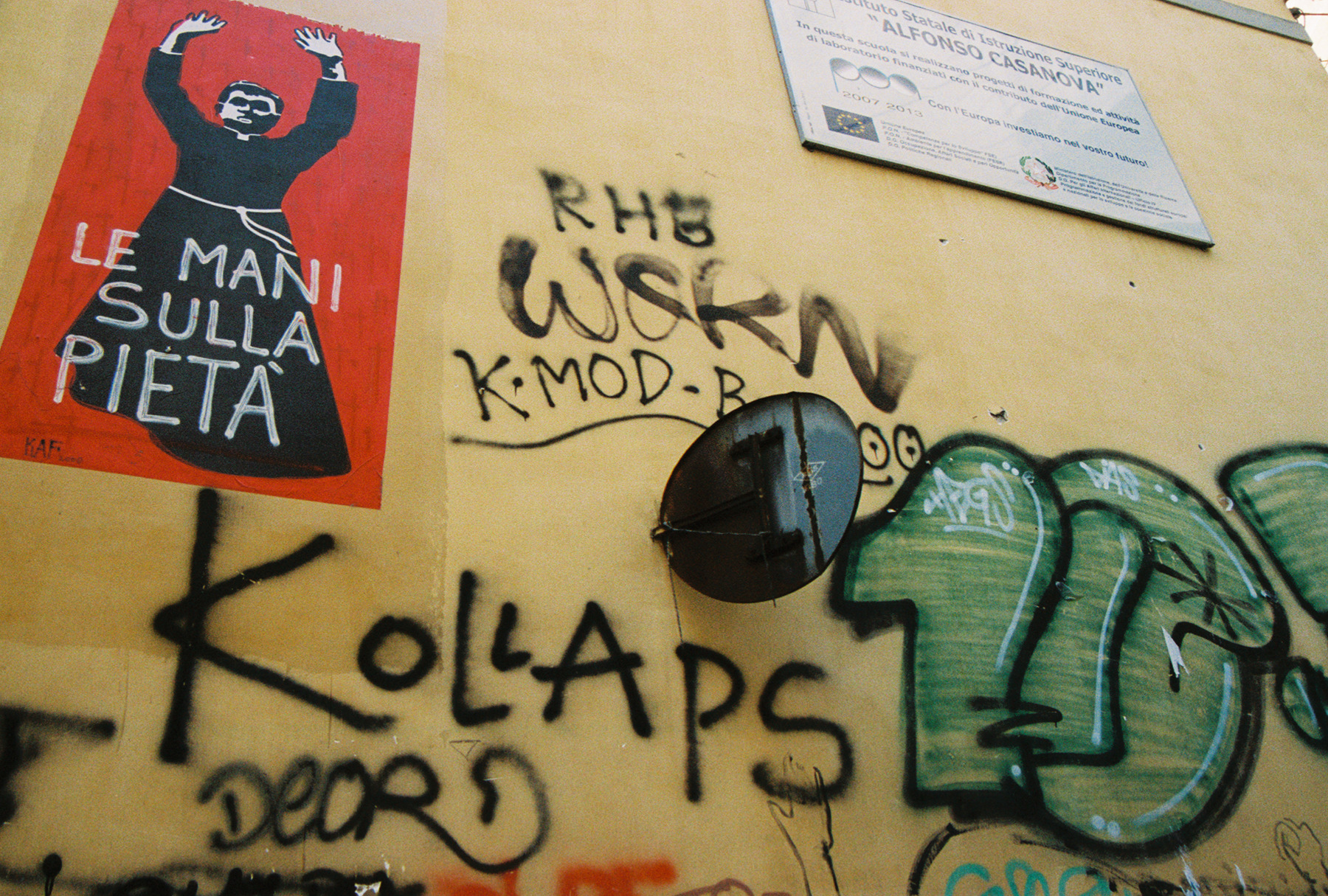
Back to this fellow. I remember his likeness on other walls on other visits to Naples.
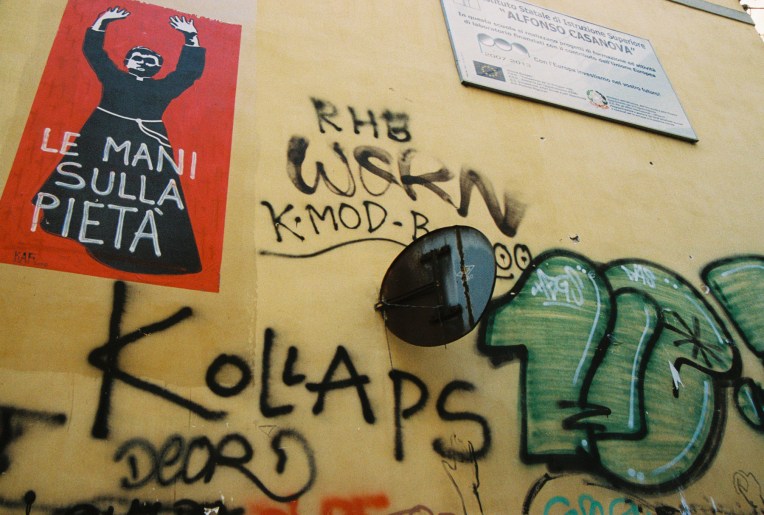
FH030033

The priest or monk, grafitti iconography and protest.
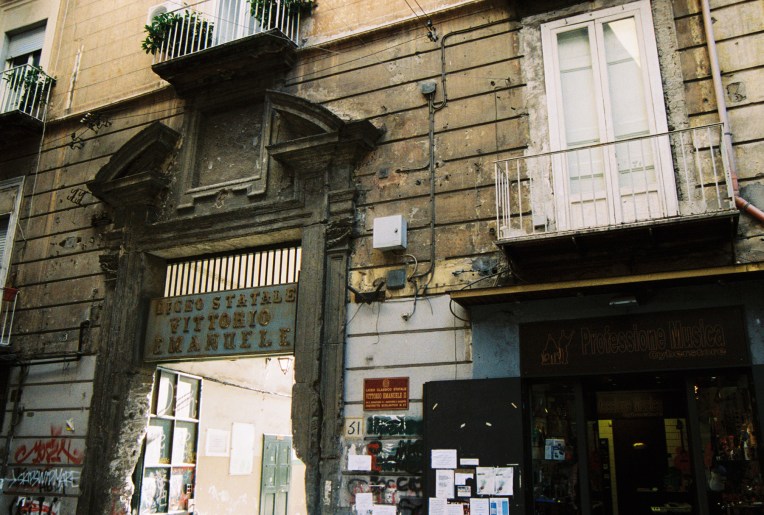
FH030034

I found this hollowed out frame and the lettering (name of the one time King) very delicate and beautiful looking.
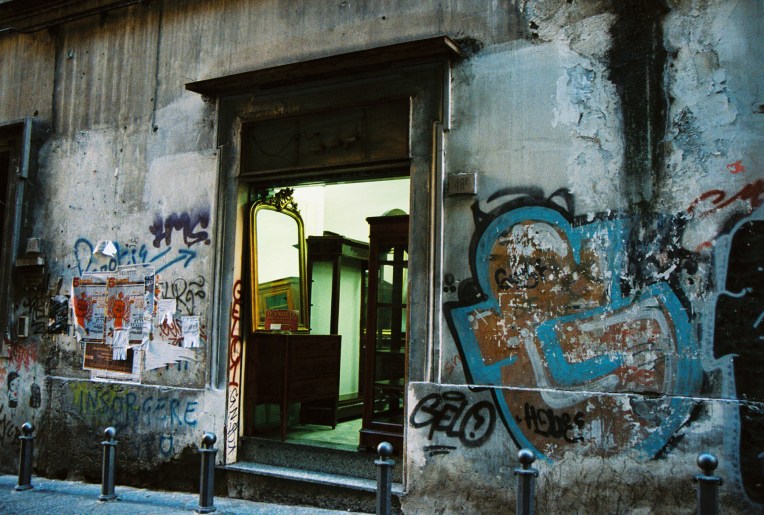
FH030035

Mirrors and antiques and the scrawlings every where.
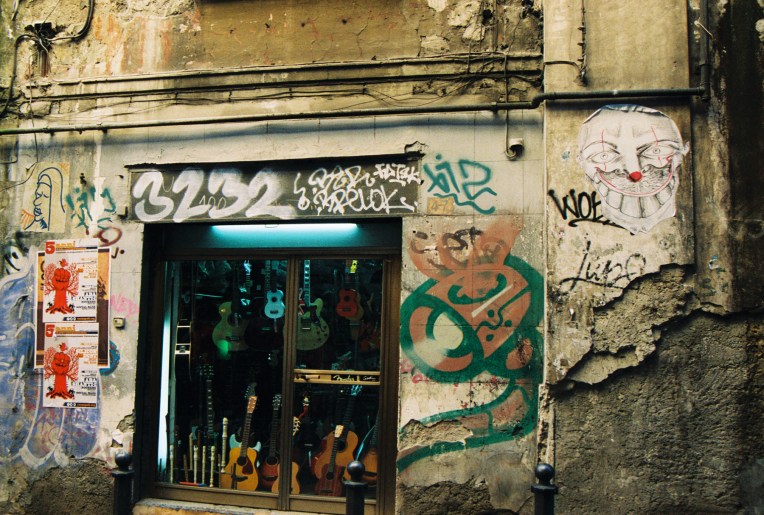
FH030036

A delightful music shop.

I know Napoli isn’t for everyone. I know street grafitti on historical buildings can be a bit of a shock. But once you visit Naples a few times and fall into the rhythm of the city and of its people, the fright wears off and you begin to see the color is all the more bright in contrast to the shadows. If you are like me and find beauty in decaying things and centuries of history piled up on top of each other, you may just find yourself falling in love with the heart stealer of baroque Napoli.


All photographs shot on portra 400 and 800 – 35mm film.
if you find yourself in naples…

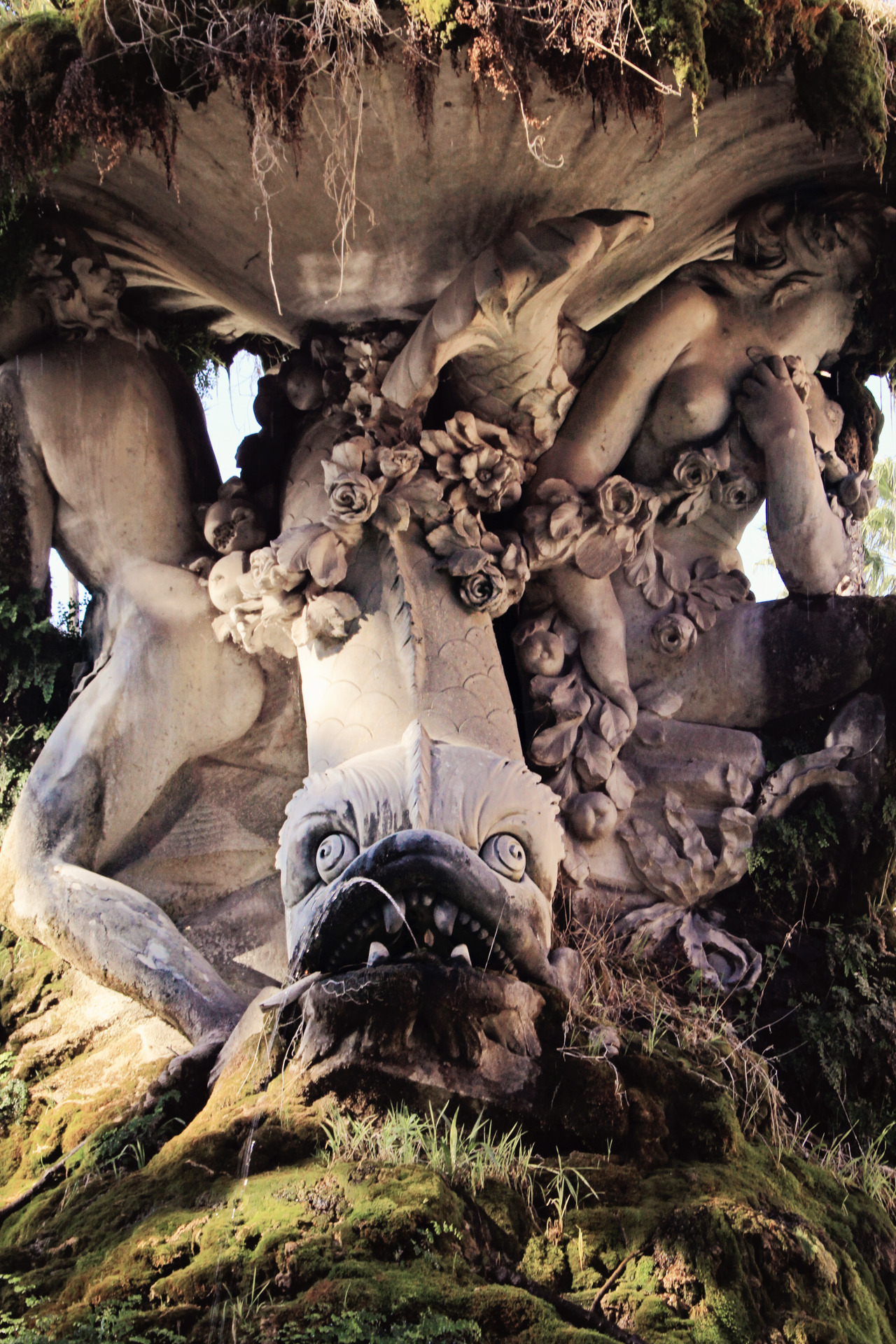
When you go to Naples, go to the top of a beautiful hill and enter the serene parco Capidimonte and stroll through large hedgerow pathways. You’ll find a glorious fountain covered in thick hanging moss and mariner figures. There is a lovely view of the hills of Naples nearby. The fountain is decaying, partly buried under the thick growth of moss and greenery. I couldn’t possibly love it more. After you wander around and linger on the grounds, go into the museum. See wonderful pantings and sculpture. Go to the second floor for the three Artemisia Gentileschis currently available for public viewing. Dream of returning before you’ve even left. Fall in love with beauty all over again.
tumblr_md75gpjlzt1qznevxo1_1280

Charles III of Bourbon era fountain detail, Capidimonte Park, Napoli, Italy, autumn 2012 (digital)

snapshots of posthumous john keats in rome

tumblr_m5aw8n9fLW1qznevxo1_1280

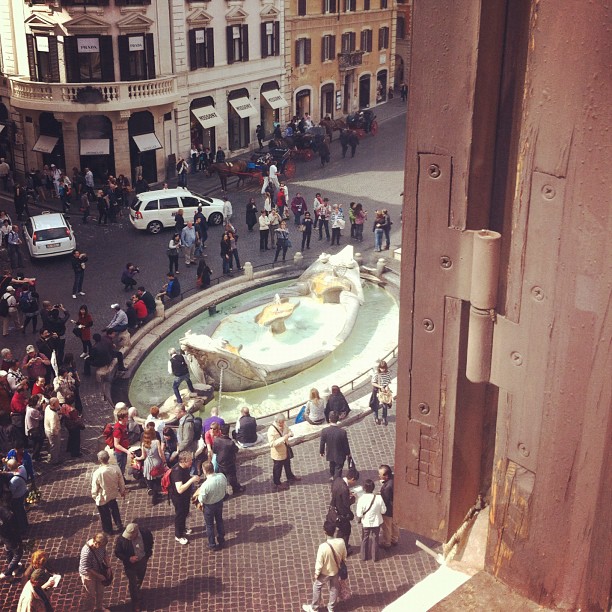
This is the view John Keats had of the world for the last months of his life. Once he was too sick to climb the Spanish Steps to the Pincian Hill view of the sunset over the piazza delle popolo and take in the sweeping view of the renaissance rooftops of cupolas, churches, houses and hotels of Rome – he had one final view, the Bernini fountain outside his room, at the end of his deathbed. He could hear the passersby and the fruit sellers. He could hear the horses hooves and the coaches. He could hear the rushing water of the fountain and smell the scent of the sweetest water in Rome. Sometimes he could drink it, a few shallow sips in a brief moment of respite.

I stood and looked out his window and took this shot with my phone. I stood there for ages alone and stared out the window and looked for John Keat’s ghost or a shadow of his memory, an imprint of him somewhere. I think I found him in the golden glow of dusk which touched everything in Rome for the last hour before sunset and made everything so pretty it hurt to lose it each night.

tumblr_m71sw5V5R31qznevxo1_1280

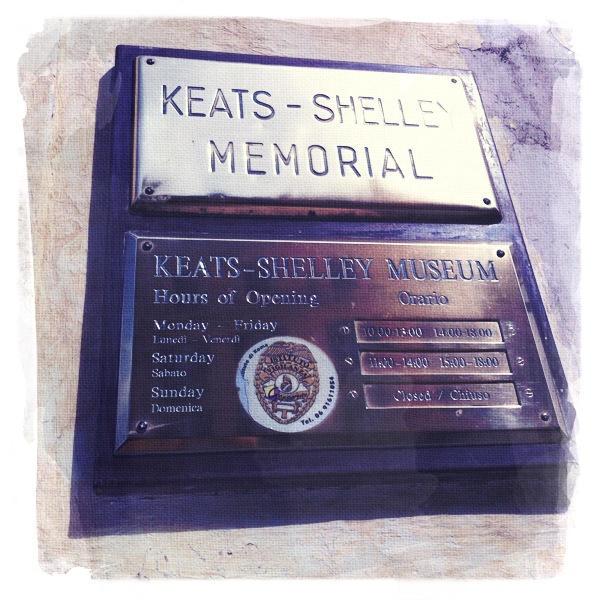
Keats’ Rome house is located at the Spanish Steps by the Bernini fountain.

tumblr_mcff4uOZI41qznevxo1_1280

A white rose I brought for John Keats’ Plaque near his grave on the wall to the left of the garden in the Testaccio neighborhood of Rome in the Non-Catholic Cemetery near the Pyramid of Cestius.

tumblr_mcf2svRslL1qznevxo1_1280

The annual/ bi-annual pilgrimage to the Protestant Cemetery never fails to give me chills when I read the epithet Keats intended for himself; Here lies One Whose Name Was Writ In Water.

tumblr_mcf2knZpFI1qznevxo1_1280

“Forlorn! the very word is like a bell. To toll me back from thee to my sole self! Adieu!”

tumblr_mcf2iixRfU1qznevxo1_1280

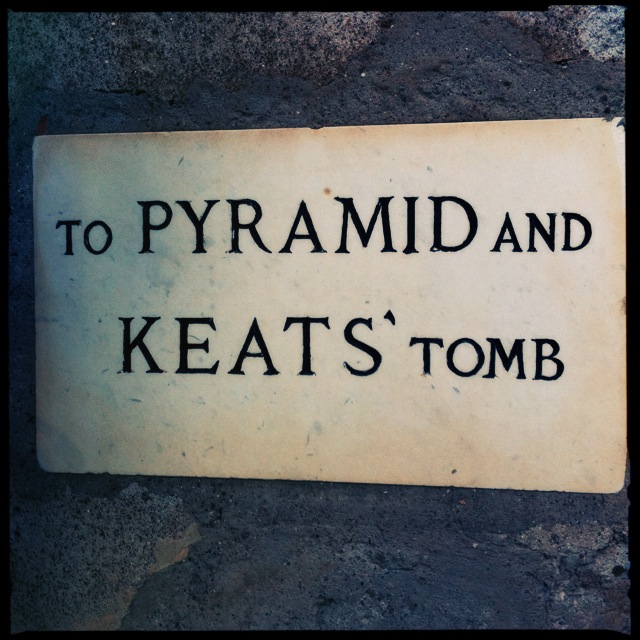
Each time I follow that sign it still feels like a mystery unfolding. No matter how many times I retrace my steps to the back garden, to the memory of him, it feels new again.

tumblr_mcbid7kncF1qznevxo1_1280

Really delicious prosecco at Caffe Greco, Rome, Italy, Oct 2012 (iPhone).

From the bar napkin I penned this:

Tonight I looked for Keats’ ghost.

Spotted Byron in the Borghese and heard Shelley was somewhere around the Villa Medici. Caught a glimmer of him.

Goethe kept a respectful distance when I passed him on the pincio. 
Keats silently joined me somewhere on Via delle Magnolie. He slipped out from the shadows and fell into step with me. I felt him quietly by my side for the rest of the night.

at the enchanting villa san michele’s gardens on anacapri

FH060032

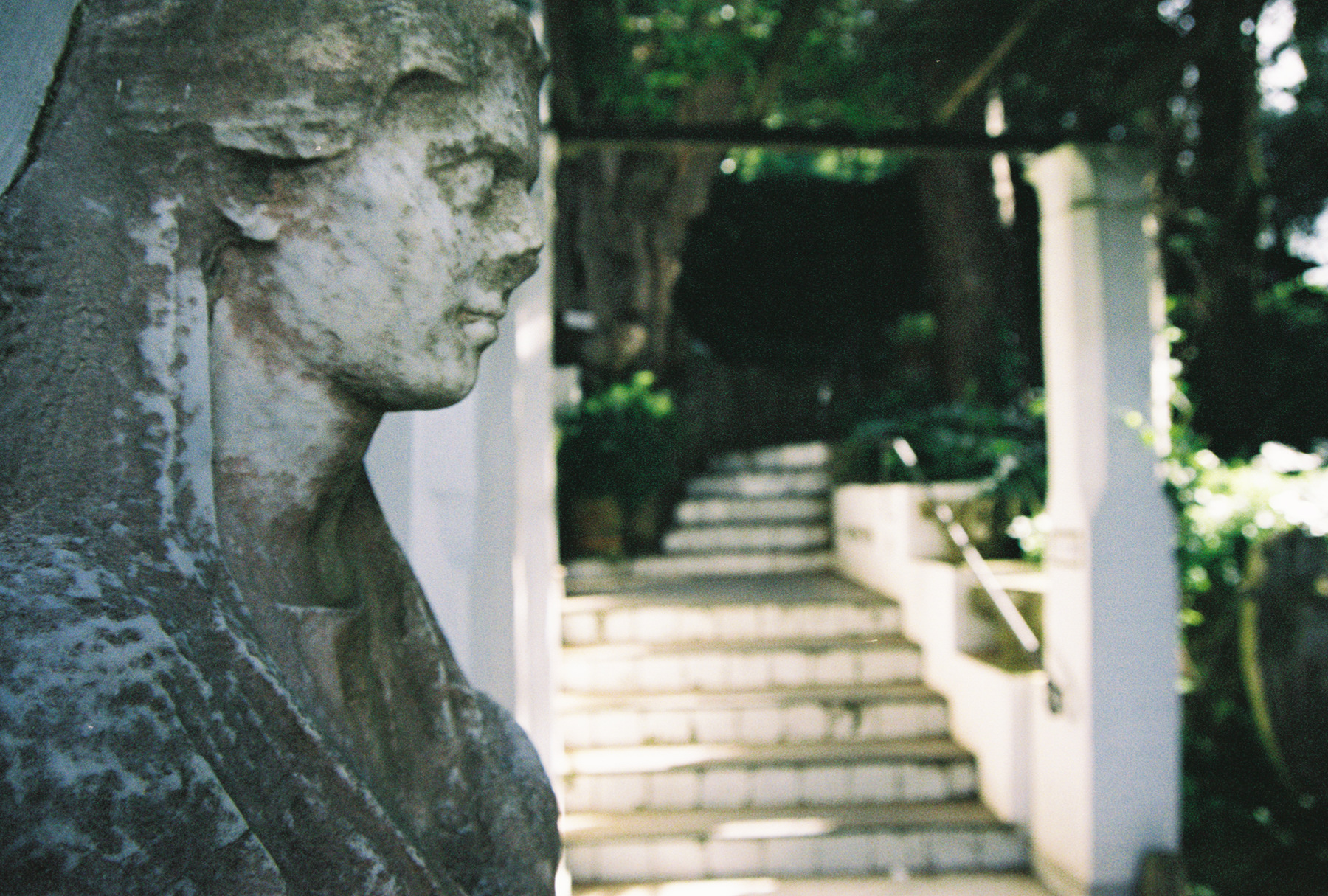
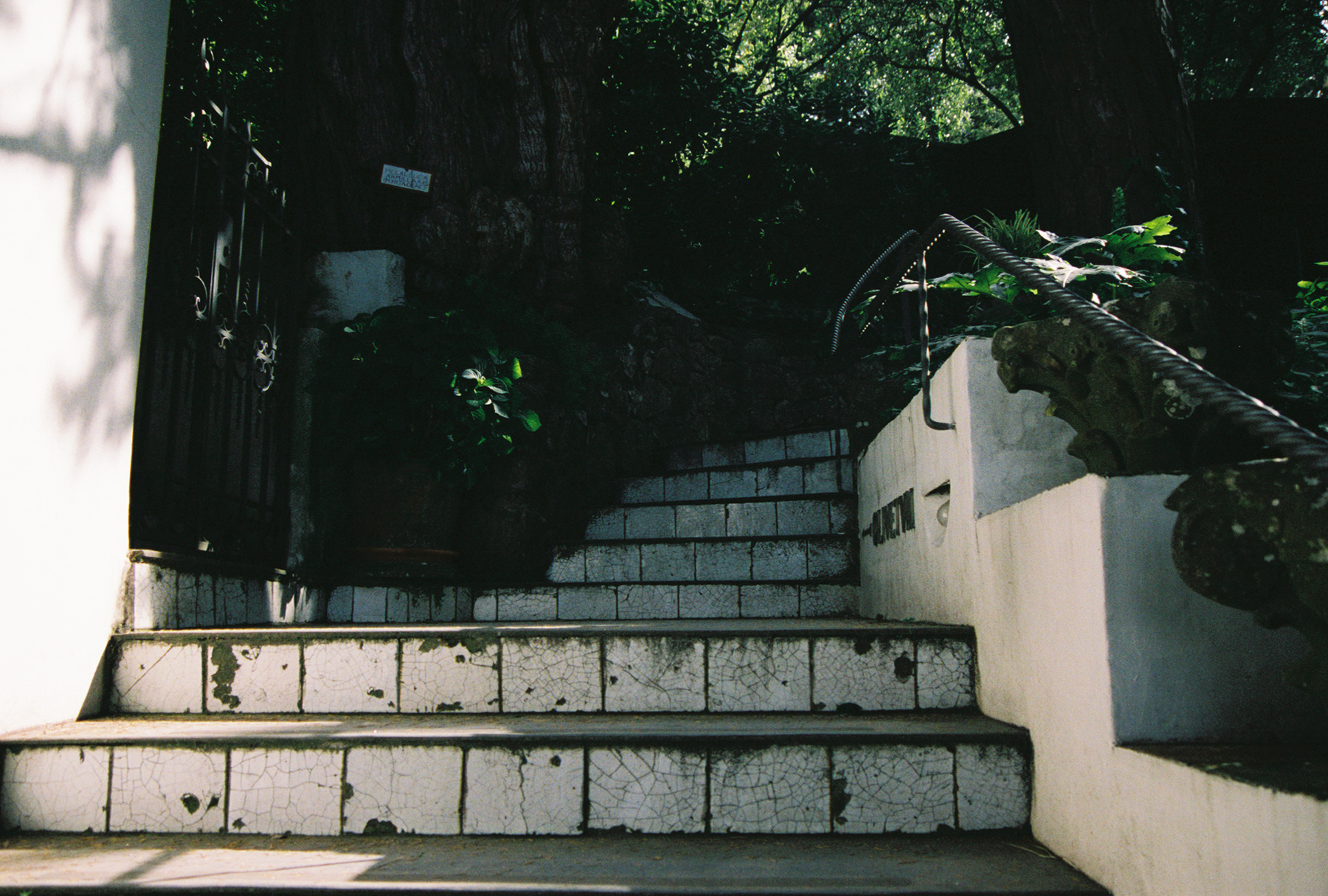
A Greco Roman bust outside the chapel in the Italiani Giardini. The white tile stairs lead up to the former bird conservatory.

FH060010

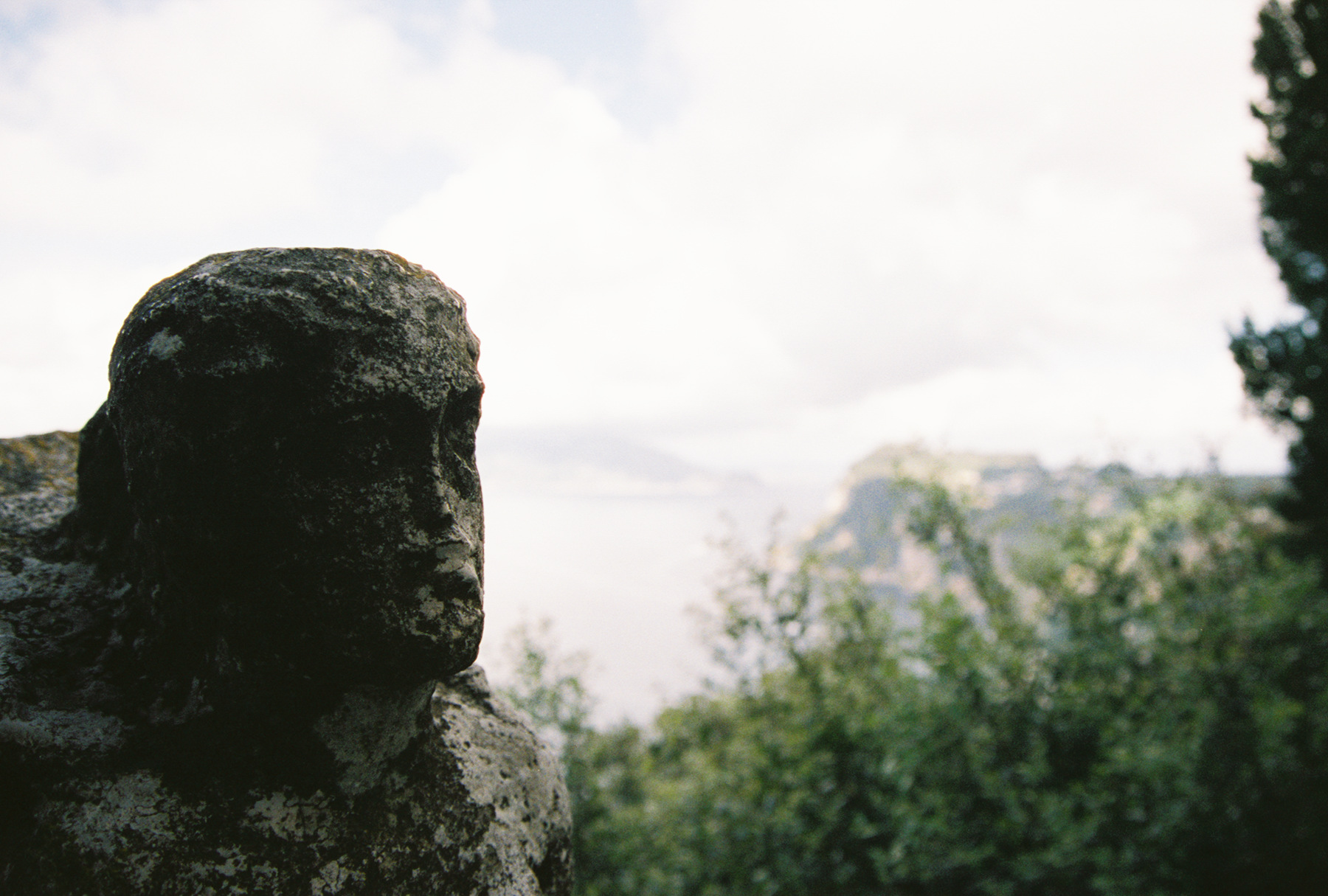
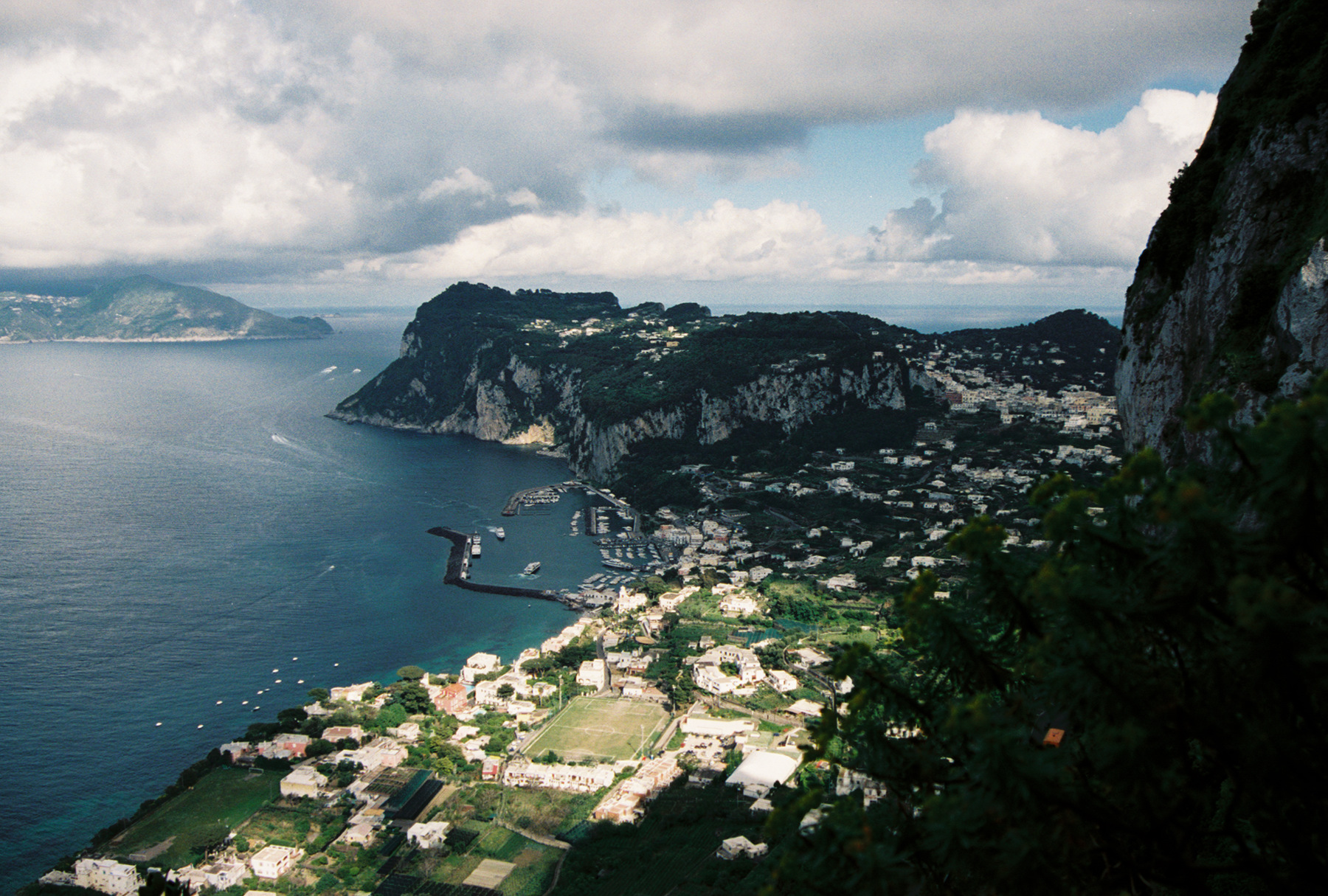
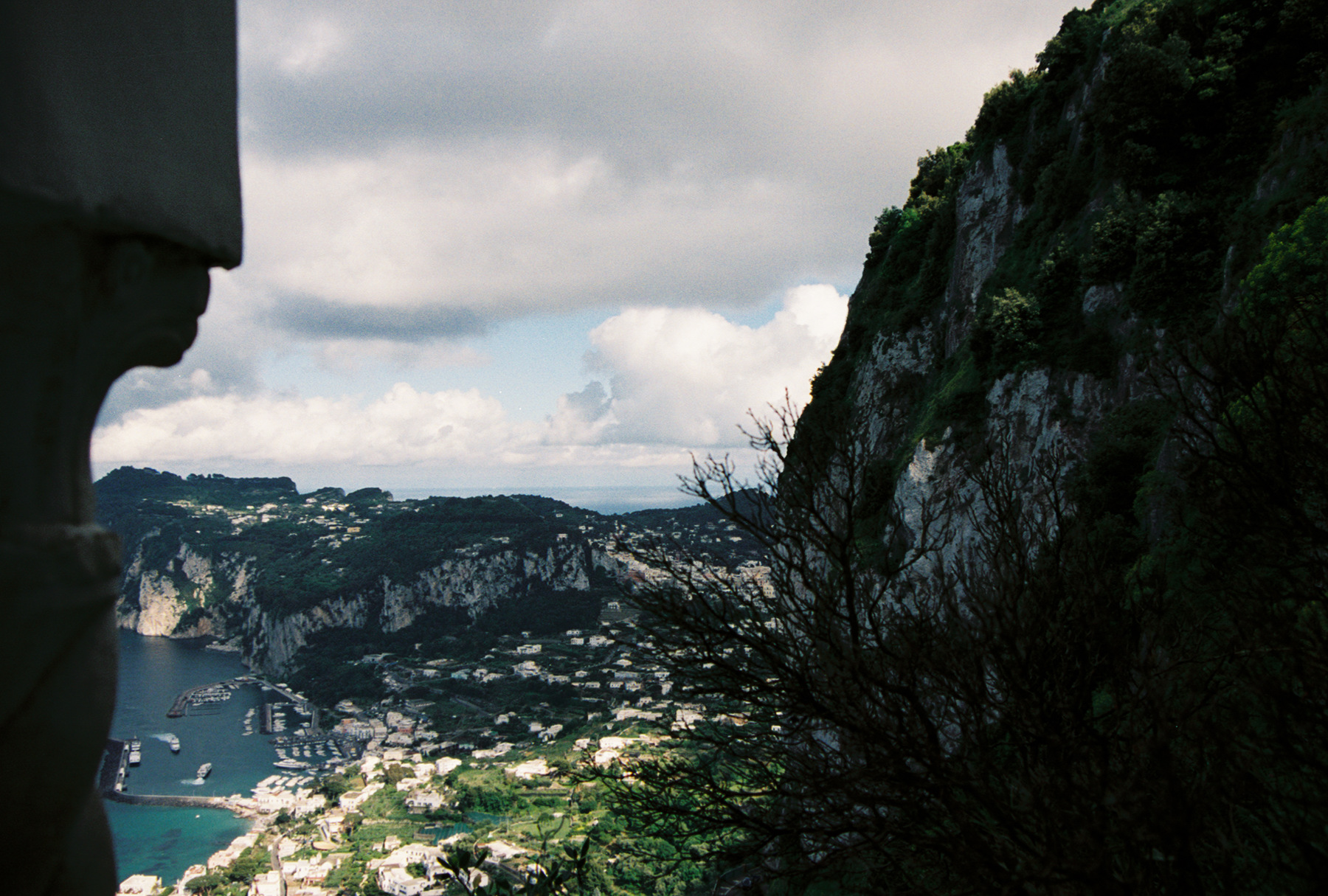
The winged Egyptian bust overlooking the Marina Grande with Ischia faintly shimmering in the background through the low clouds.

FH060028

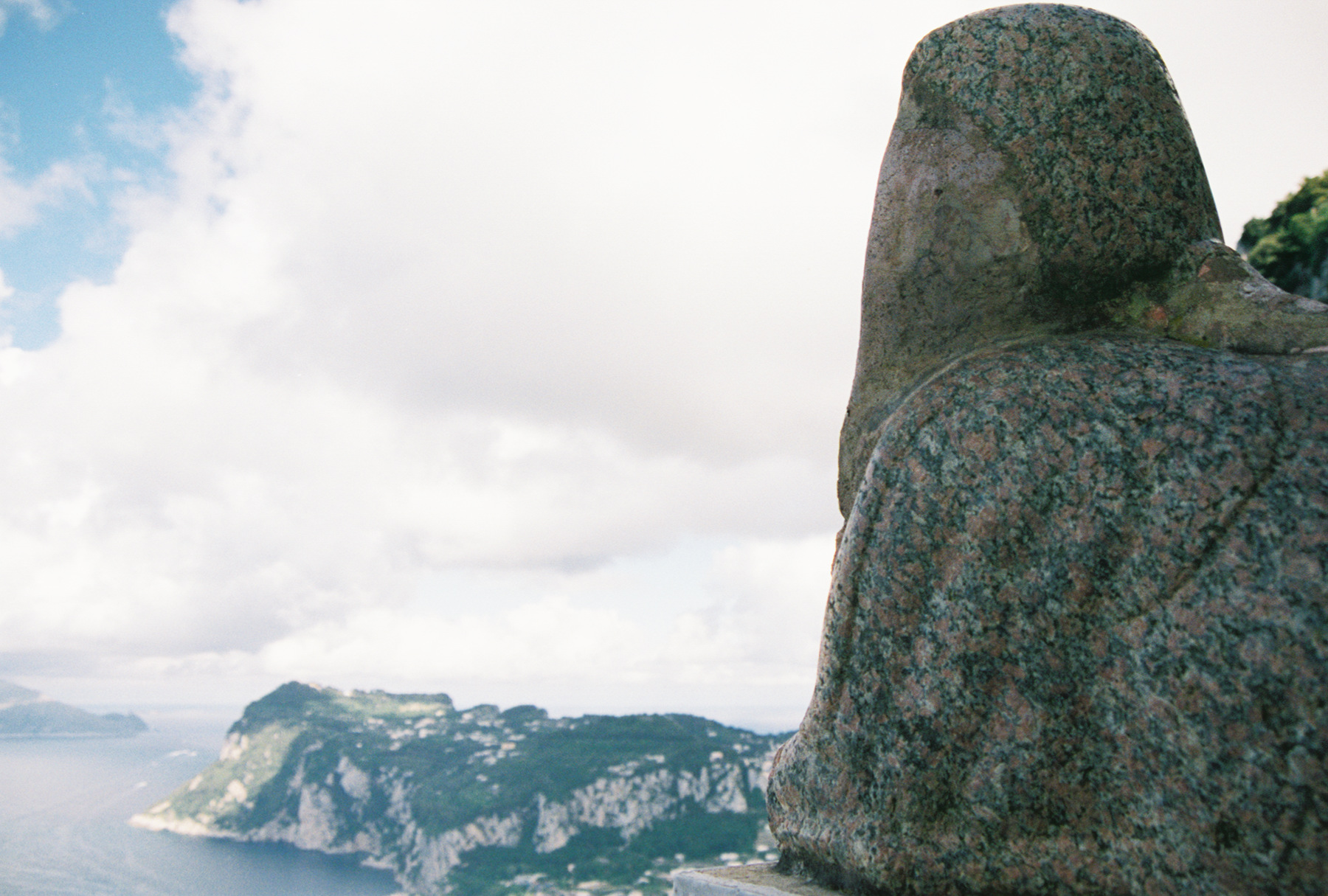
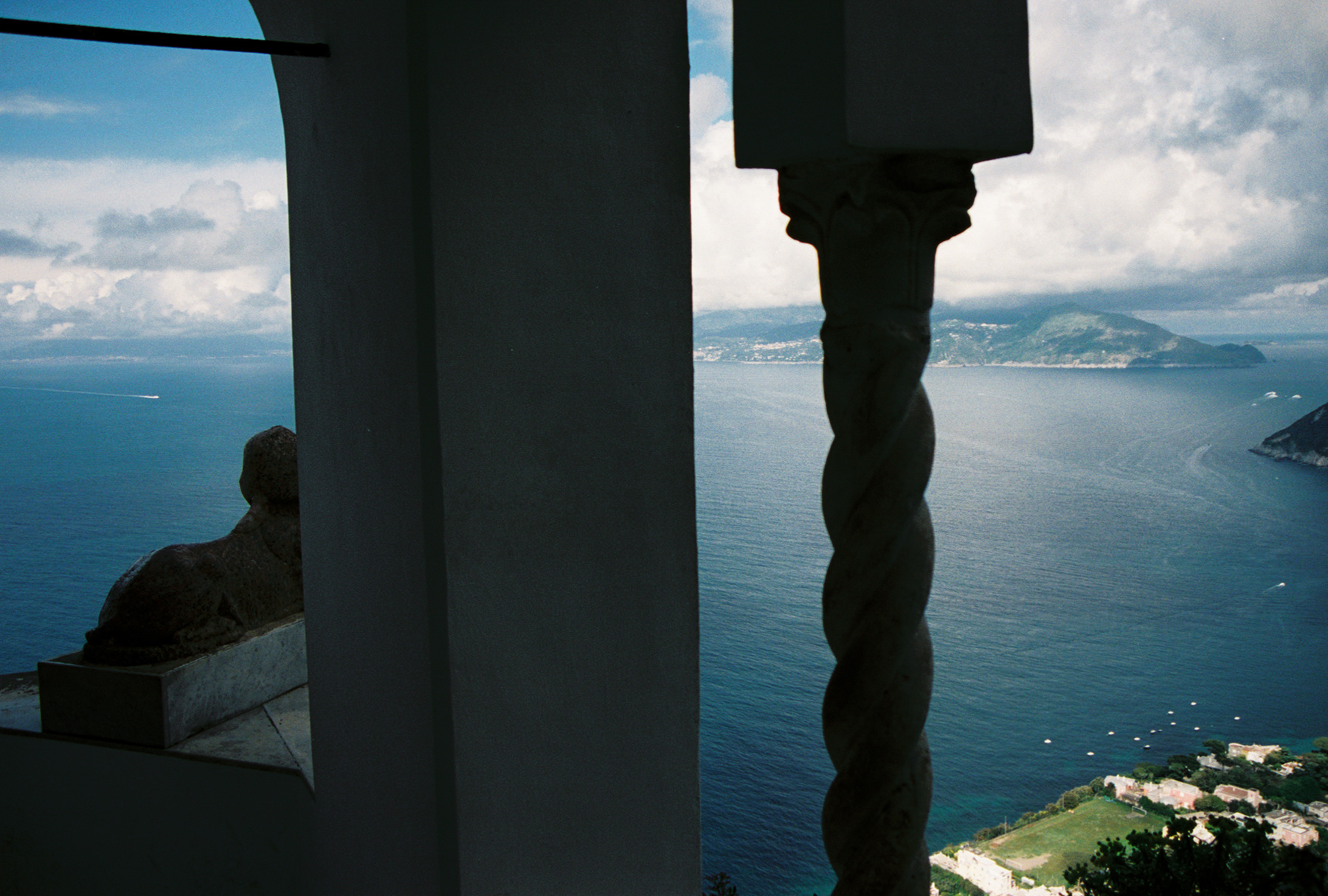
The sphinx watching over the sea, an ancient siren calling wanderlust to travelers.

FH060027

The bird’s eye view.

FH060017

The beautiful sweeping coastline of Capri.

FH060005

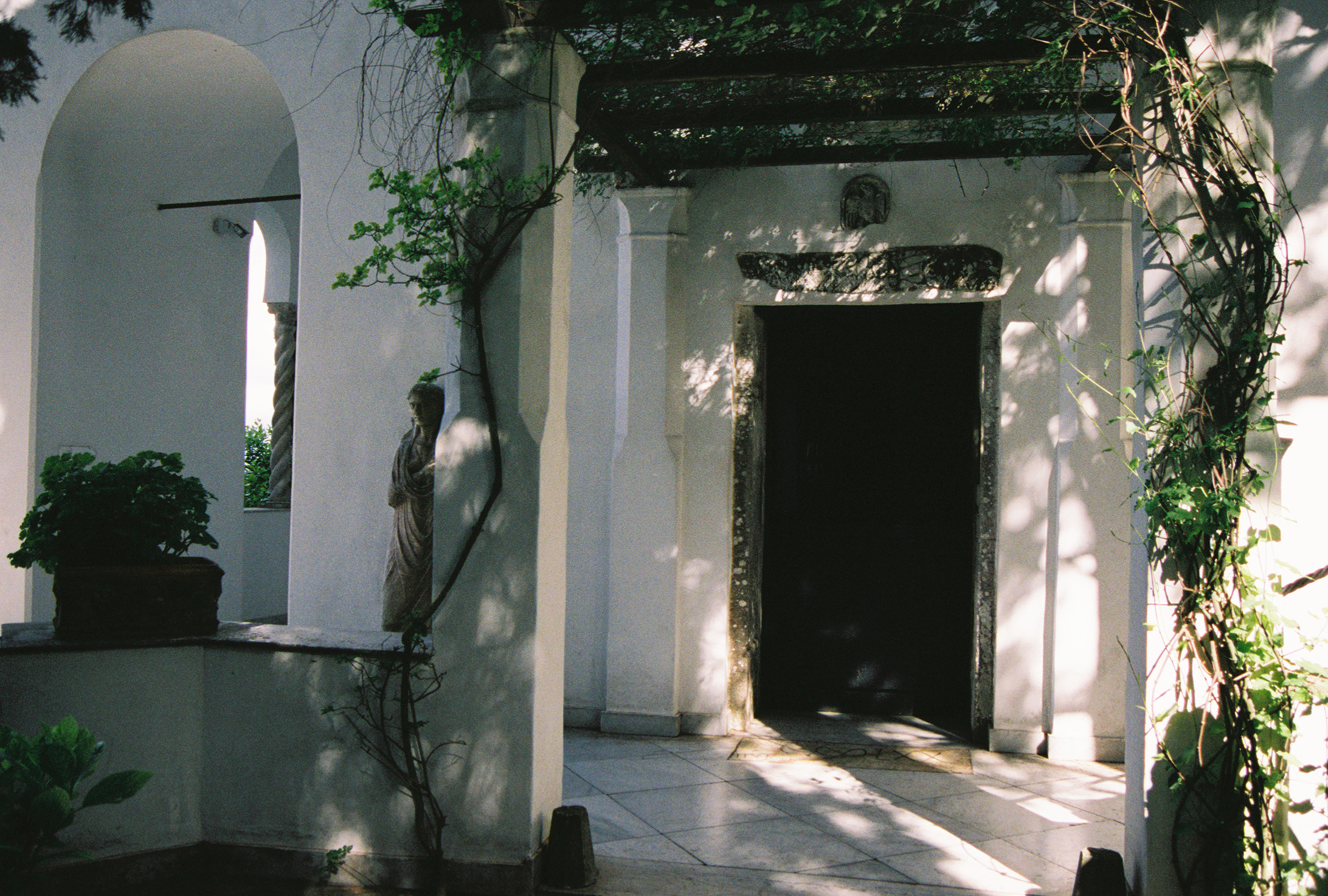
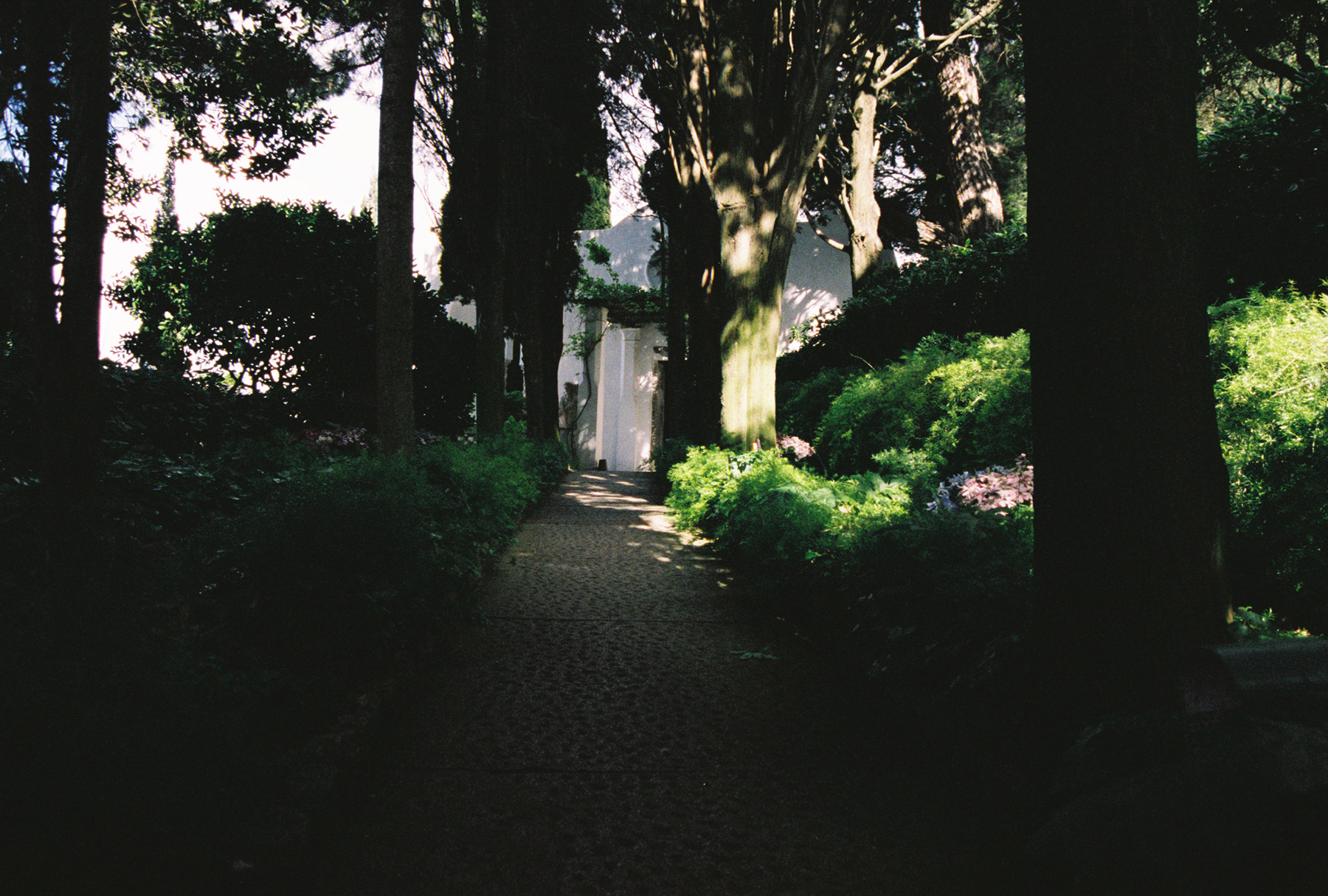
The tiny chapel in the garden.

FH060029

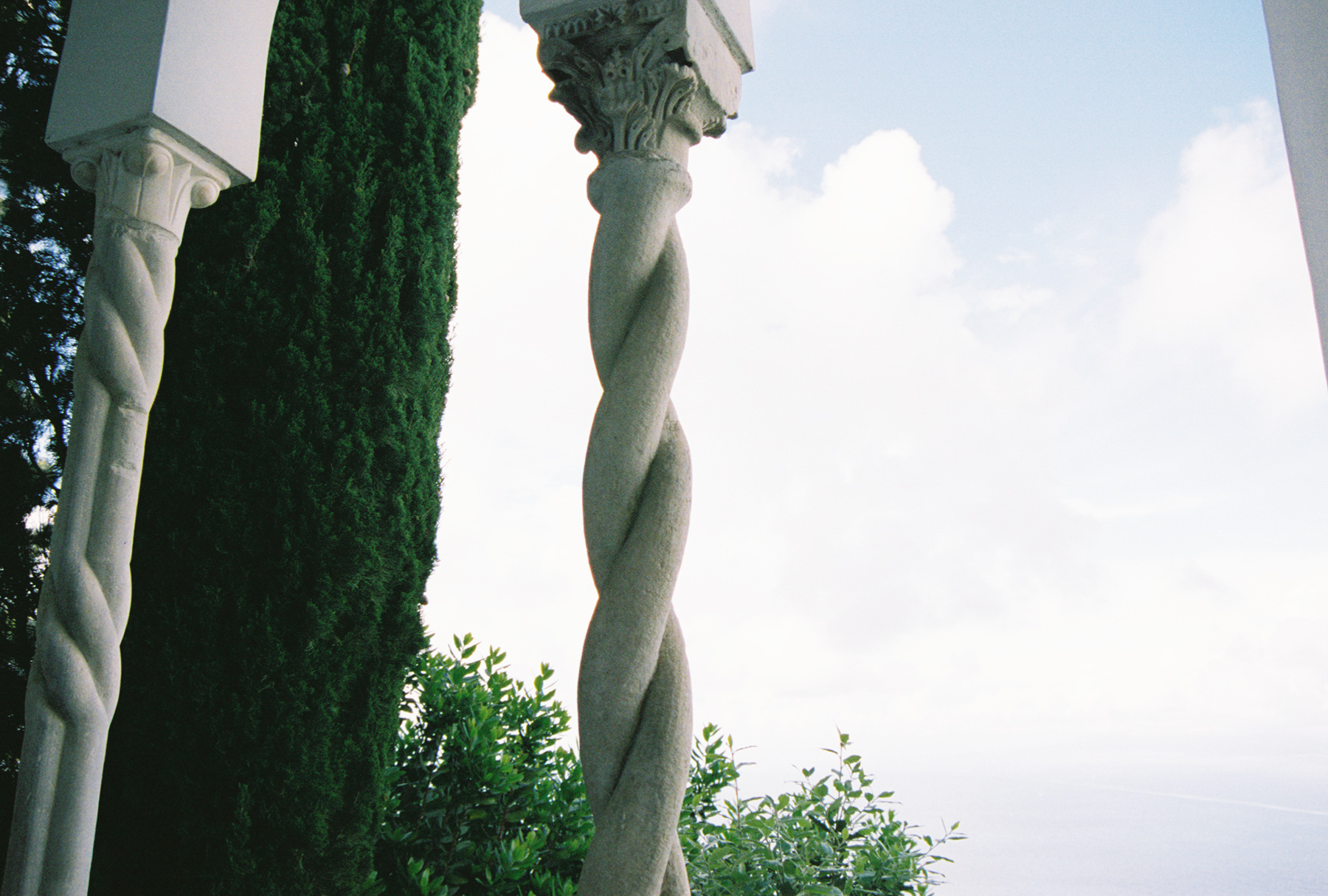
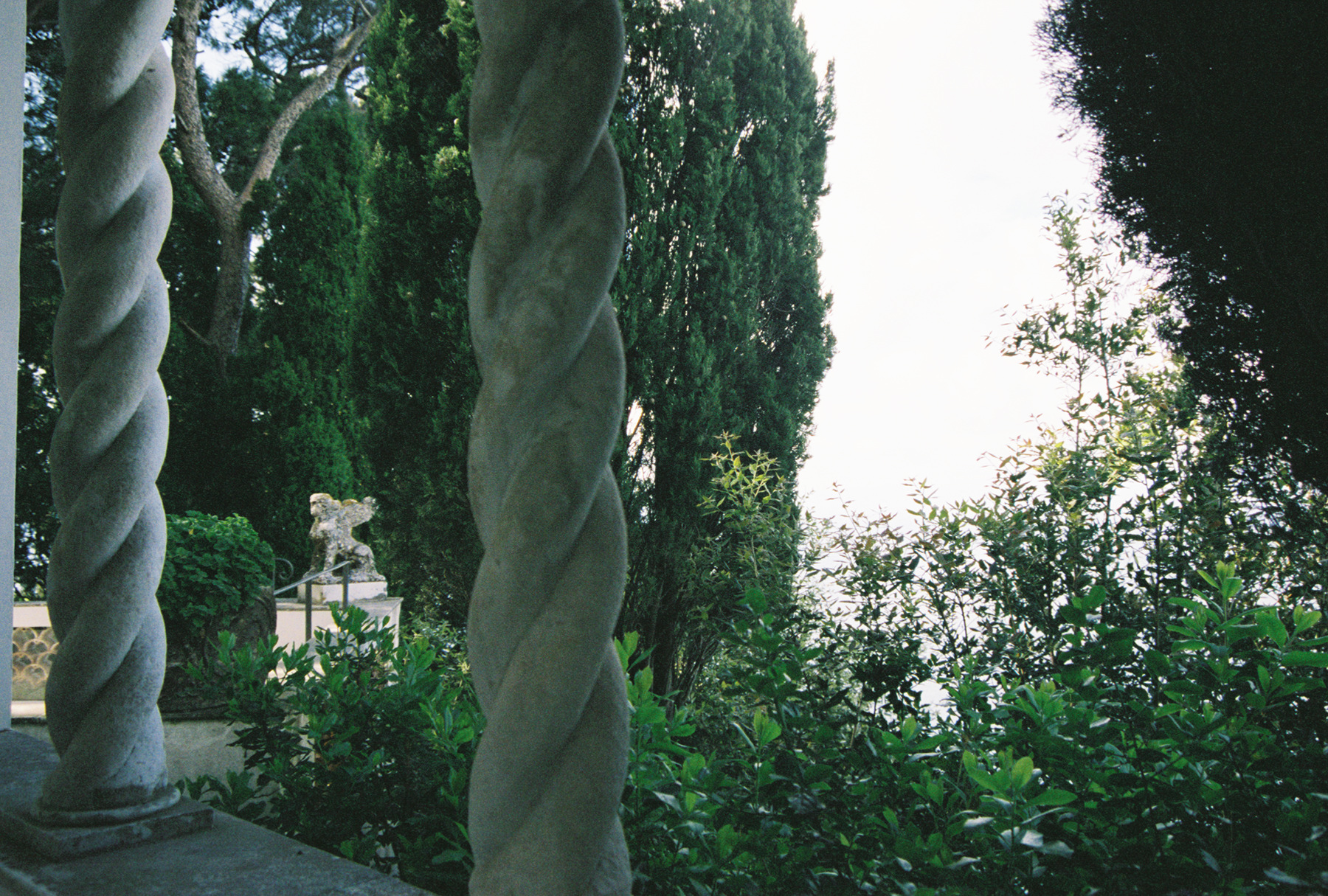
Cypress trees and gorgeous pillars on the terrace overlooking the sea.

FH060007

There are a series of stairs leading to sumptuous turns of the garden and pathways further up the hill.

FH060020

Although the villa is high up on Anacapri, there are soaring rocky cliffs surrounding the grounds. One rock was the the fort overtaken by the pirate Redbeard, which was later owned by Axel Munthe and donated back to the island (but owned by) his Swedish foundation.

FH060031

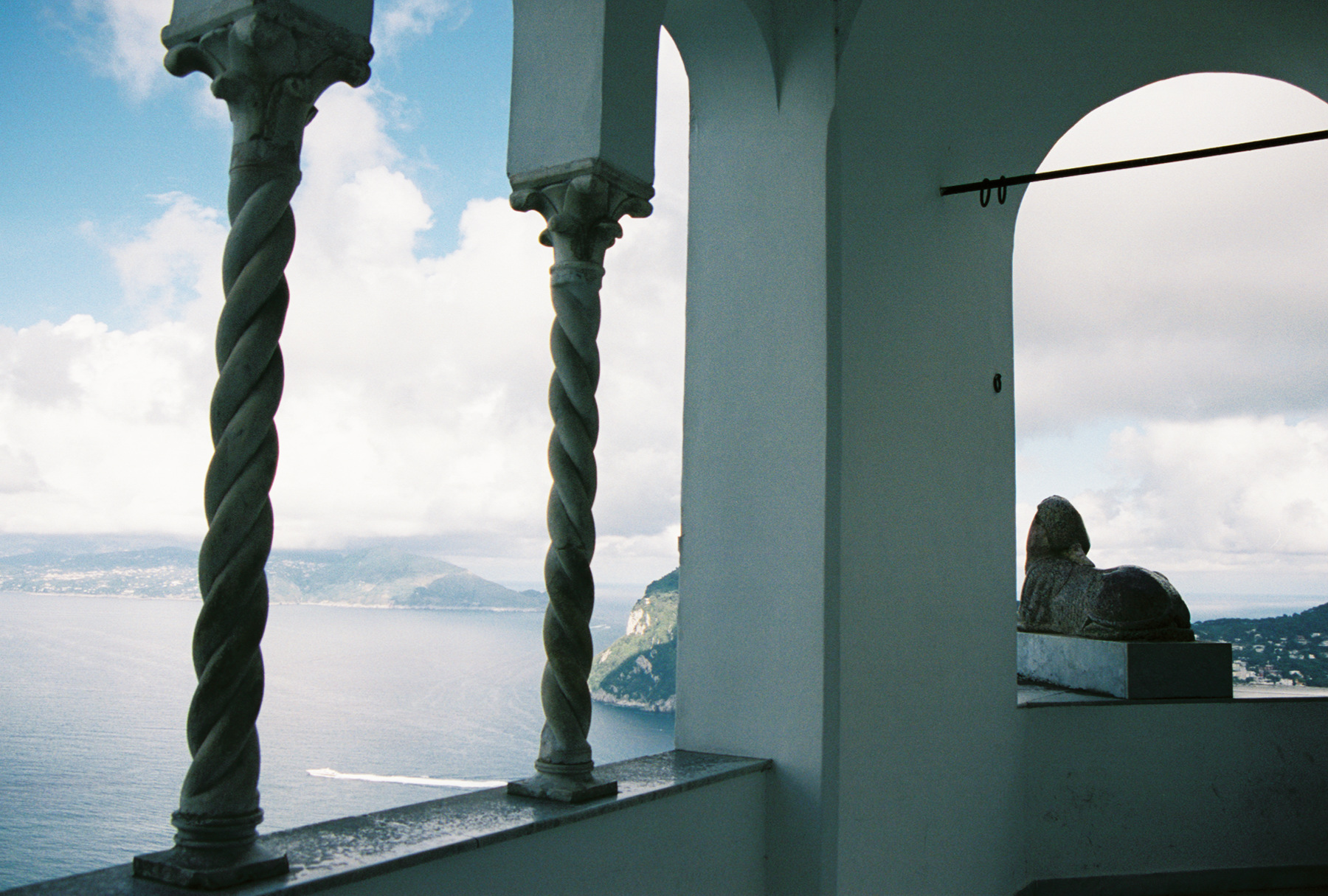
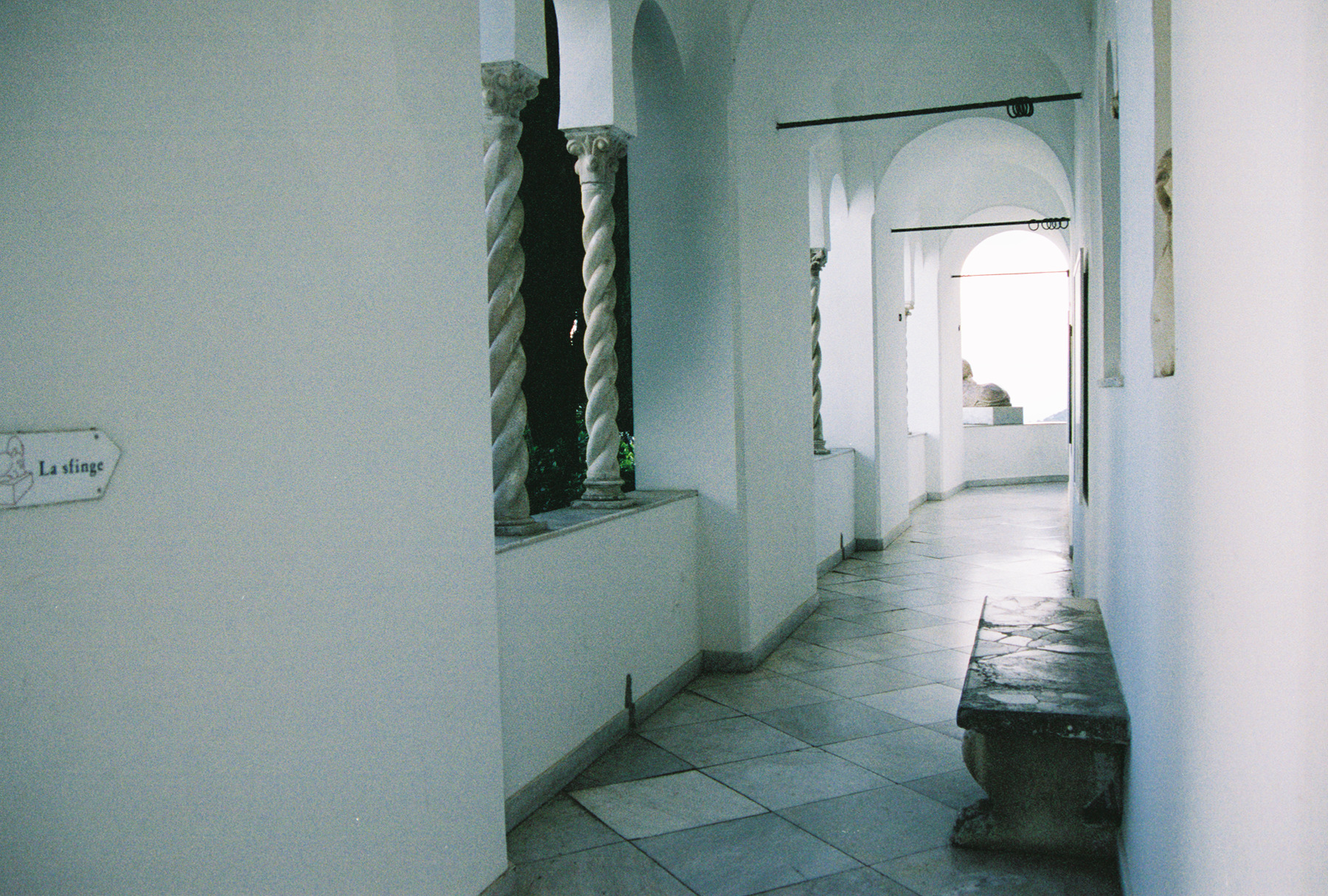
The veranda, home to the sphinx, is inviting in white tile and stone, with benches to rest on and views everywhere you look.

FH060008

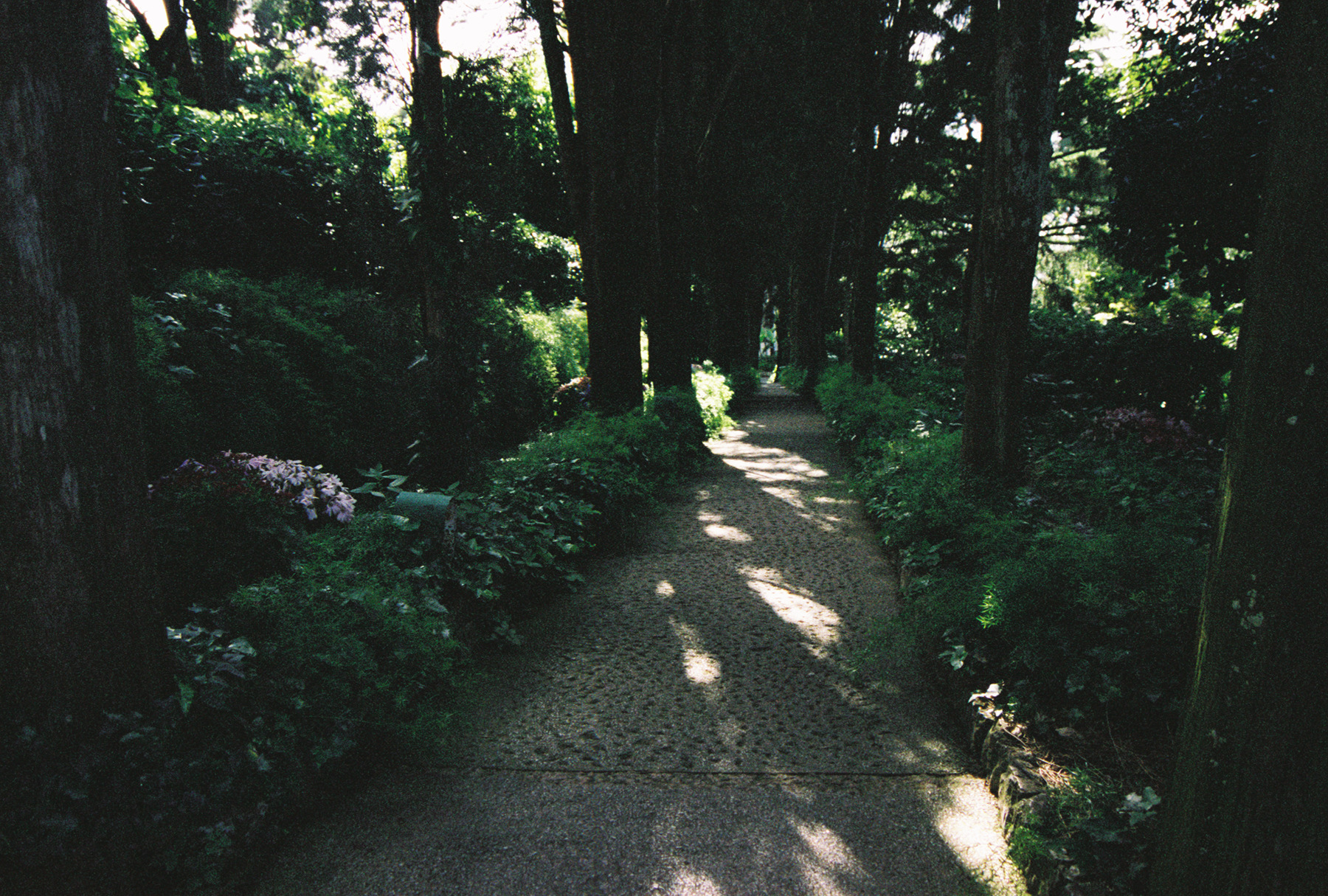
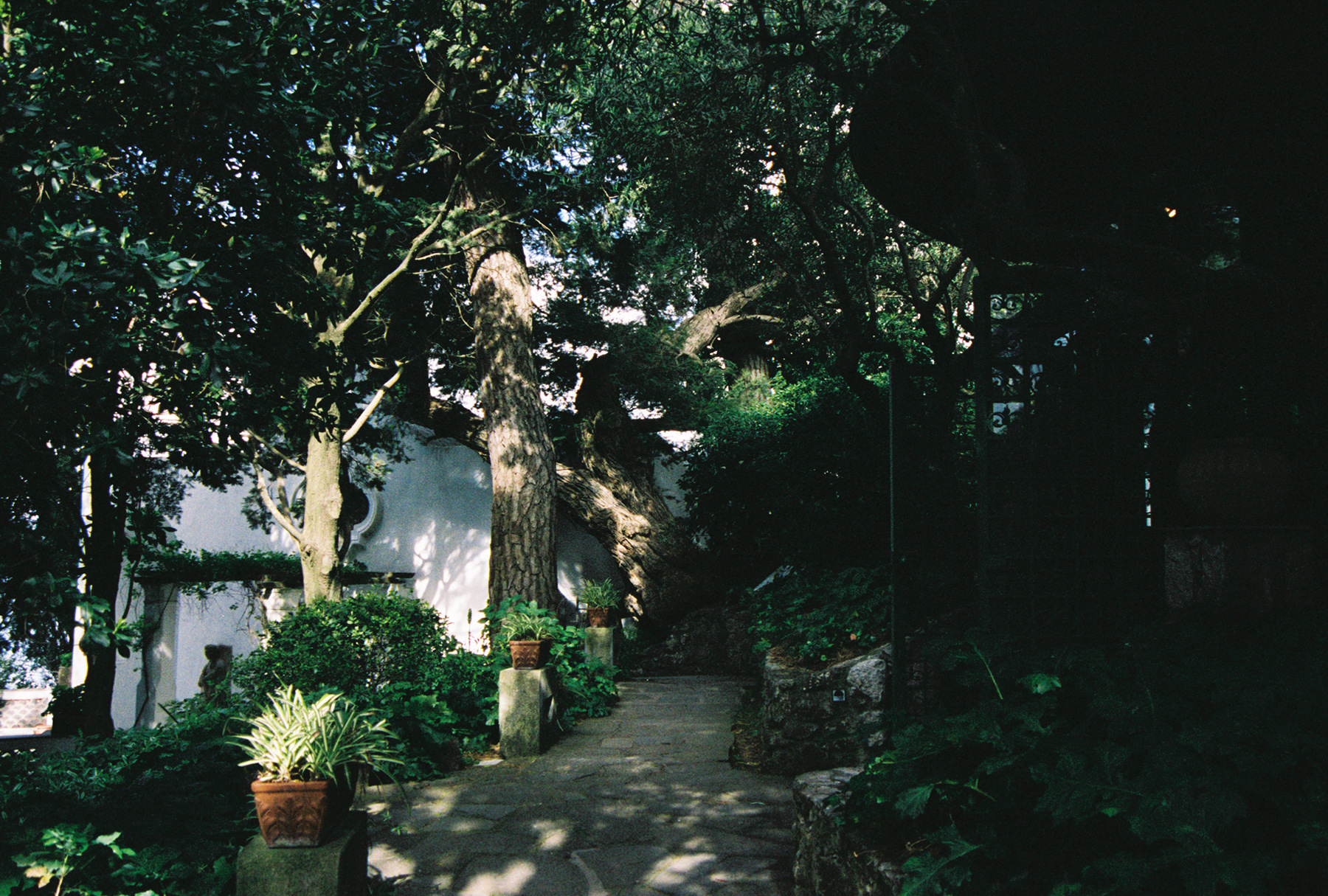
The charming path way walks are lined with greenery, flowers and fountains.

FH060002

Every turn on the grounds is more and more enchanting. I cannot recommend enough an hour’s visit to the Villa for it’s peacefulness and beauty. On hot days it’s a cool and shady refuge.

FH060004

Olive jars, more cypresses and Roman Umbrella pines!

FH060030

A side view of the Egyptian winged pegasus-like female sphinx.

FH060011

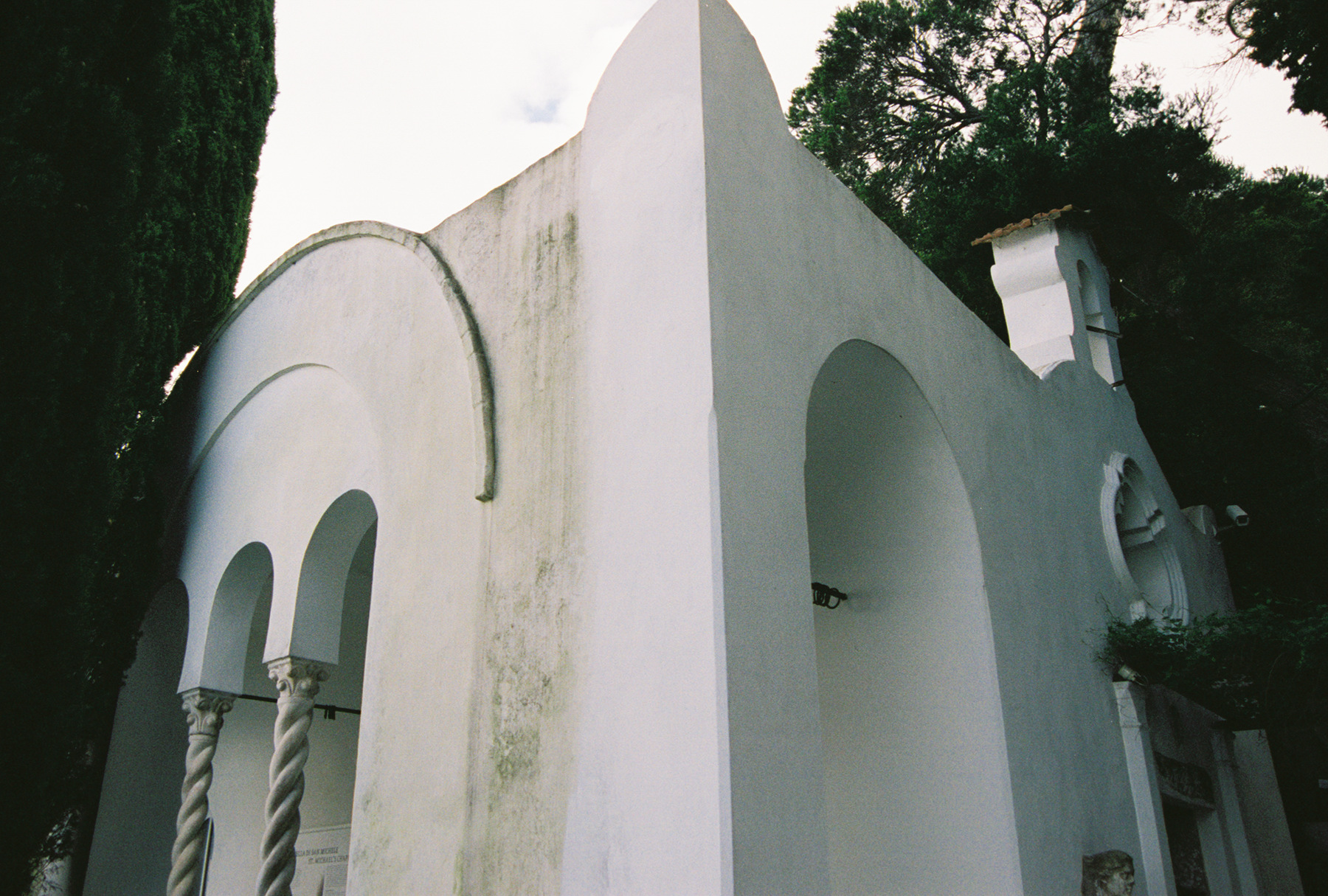
The exterior of Axel Munthe’s chapel.

FH060034

Potted urns along the walk.

FH060035

Herbal garden, leaves and trees.

FH060033

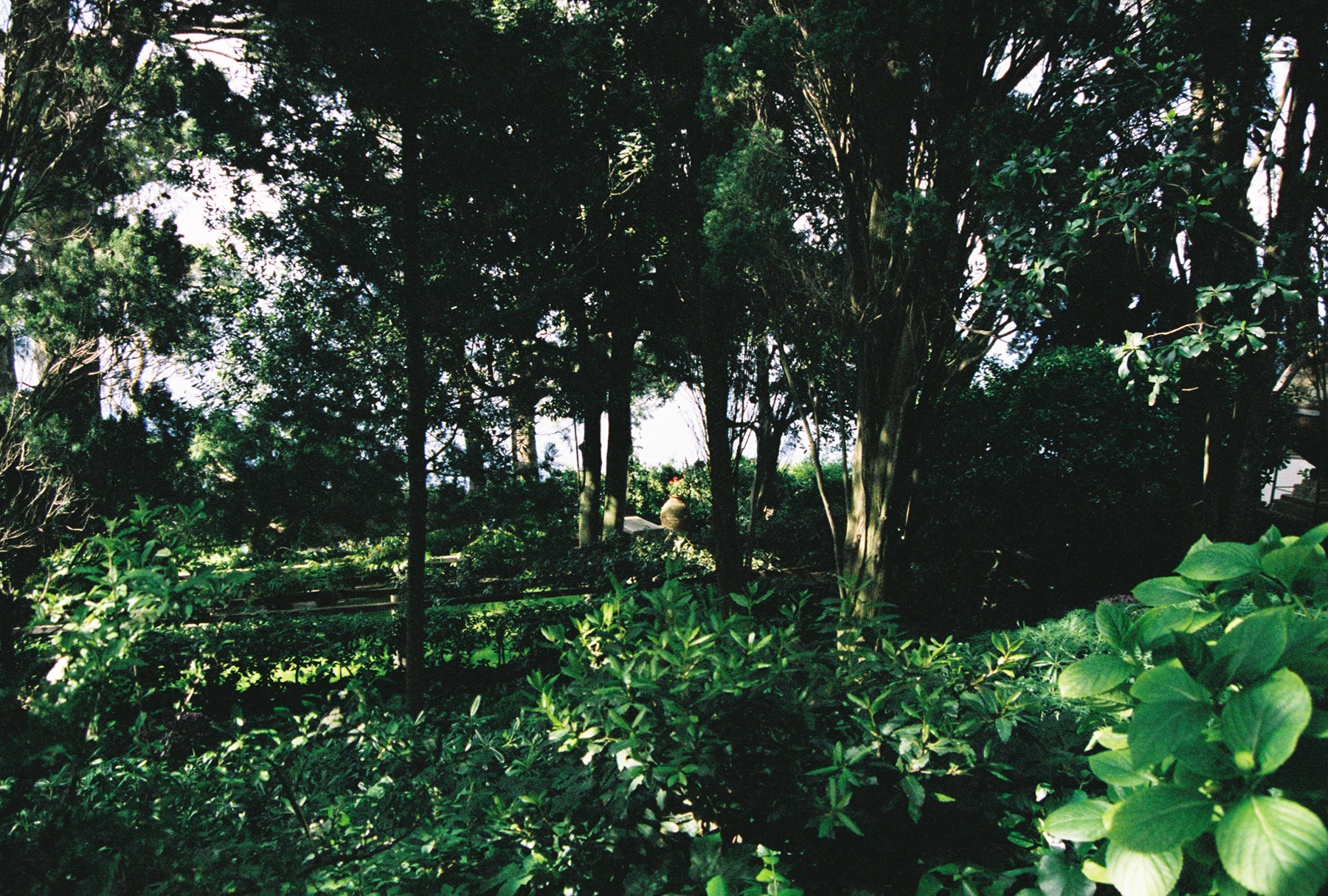
Hedges and shrubbery grown over decades forming fences.

FH060022

Another angle of the sphinx’s view.

FH060026

A tiny boat leaving the shore.

FH060025

The clouds and mist find each other.

FH060024

Because of Axel Munthe’s tireless advocation for the exotic array of birds who migrate to the island each year, Capri is now one giant bird sanctuary. Bird hunting is outlawed. The beautiful song of many different birds can be heard from morning to night, when the nightingales come out. It is then when I can feel Keats poem, Ode To A Nightingale, alive in the air.FH060023

I worry some of the pictures are a bit repetitious but they were all beautiful reminders of being there. Even a subtle angle change is reminiscent of walking through the grounds and seeing the beauty unfold a step at a time. And believe it or not I am actually restraining myself.

FH060016

A semi hidden niche at the end of Villa San Michele’s labyrinthine gardens and loggias.

This was part one of the Villa San Michele series shot on portra 35mm film, velvia film slides and vintage kodak. The history of San Michele, more garden rambles, the cafe and interior of the villa, the flora and fauna of the grounds and excerpts from Axel Munthe’s book on his Villa to come in following posts. For visitor information visit: villasanmichele.eu . If you find yourself on Capri, even for a day, you must take a convertible taxi or the bus up to Anacapri (because it’s less crowded, lovely and full of hand painted tile, jewelry and sandal artisans) and it is the home of the Villa San Michele! You won’t regret it!

More to follow! These photographs and travel essays are copyright Rebecca Price Butler, alovelettertorome.com

That thou, light-winged Dryad of the trees
In some melodious plot
Of beechen green, and shadows numberless,
Singest of summer in full-throated ease.

the gods’ eyed view of rome

20130227-141124.jpg
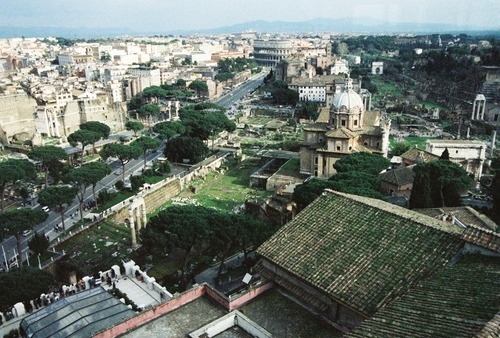
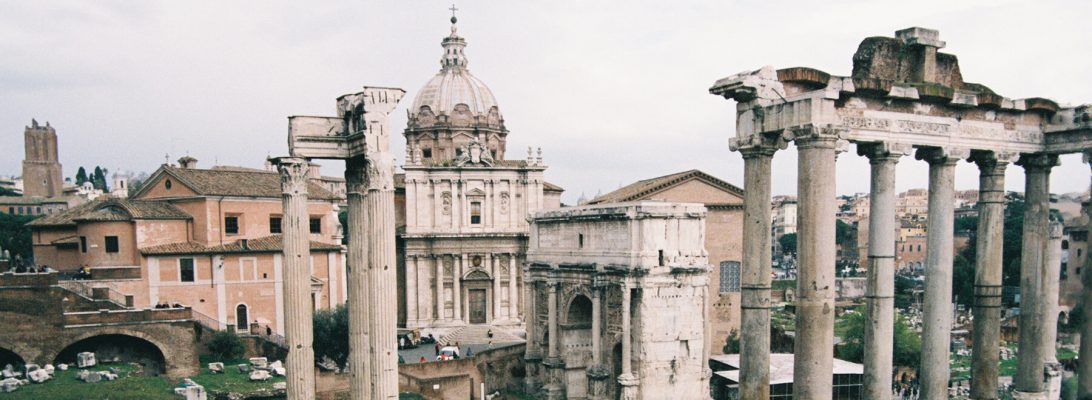
A few years ago I stood on the roof of the “wedding cake”, aka “Altare della Patria” (Altar of the Motherland) or “Il Vittoriano“, to spy, for the first time, a bird’s eye view of Rome, a city I had only seen from the vantage point of a mere mortal.

There is something about the view from the top of the layers of ruins, buildings, trees, cars, vespas and people one can’t capture quite like standing where the gods would have been watching in Caesar’s time.

It is really a beautiful experience. And down the elevator, rife with enviable views of the ruins from a closer perspective, is a cafe, selling delicious sandwiches and antipasti, wine and espressos. If you ever find yourself in Rome, it’s an experience you cannot miss.