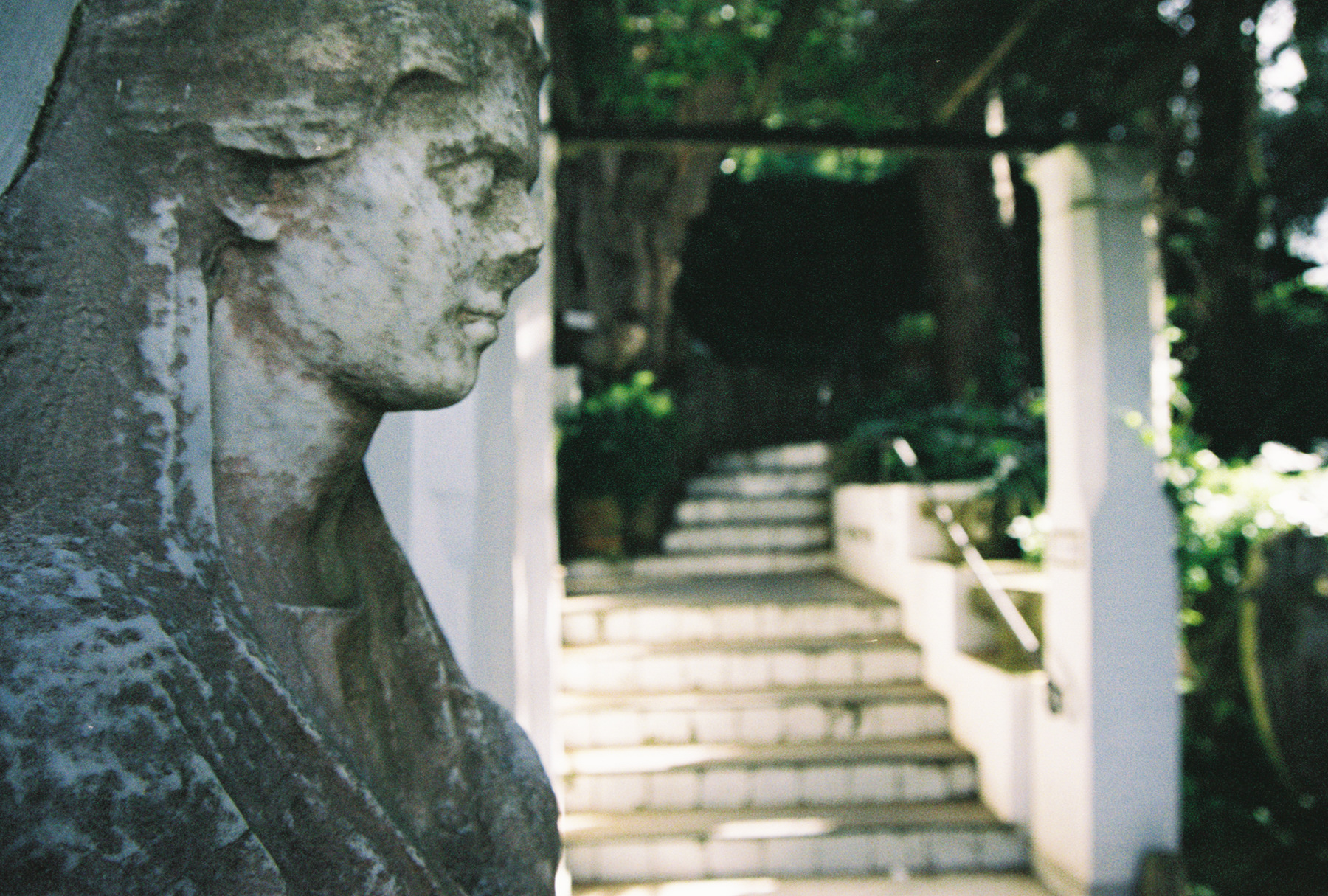
at the enchanting villa san michele’s gardens on anacapri

FH060032

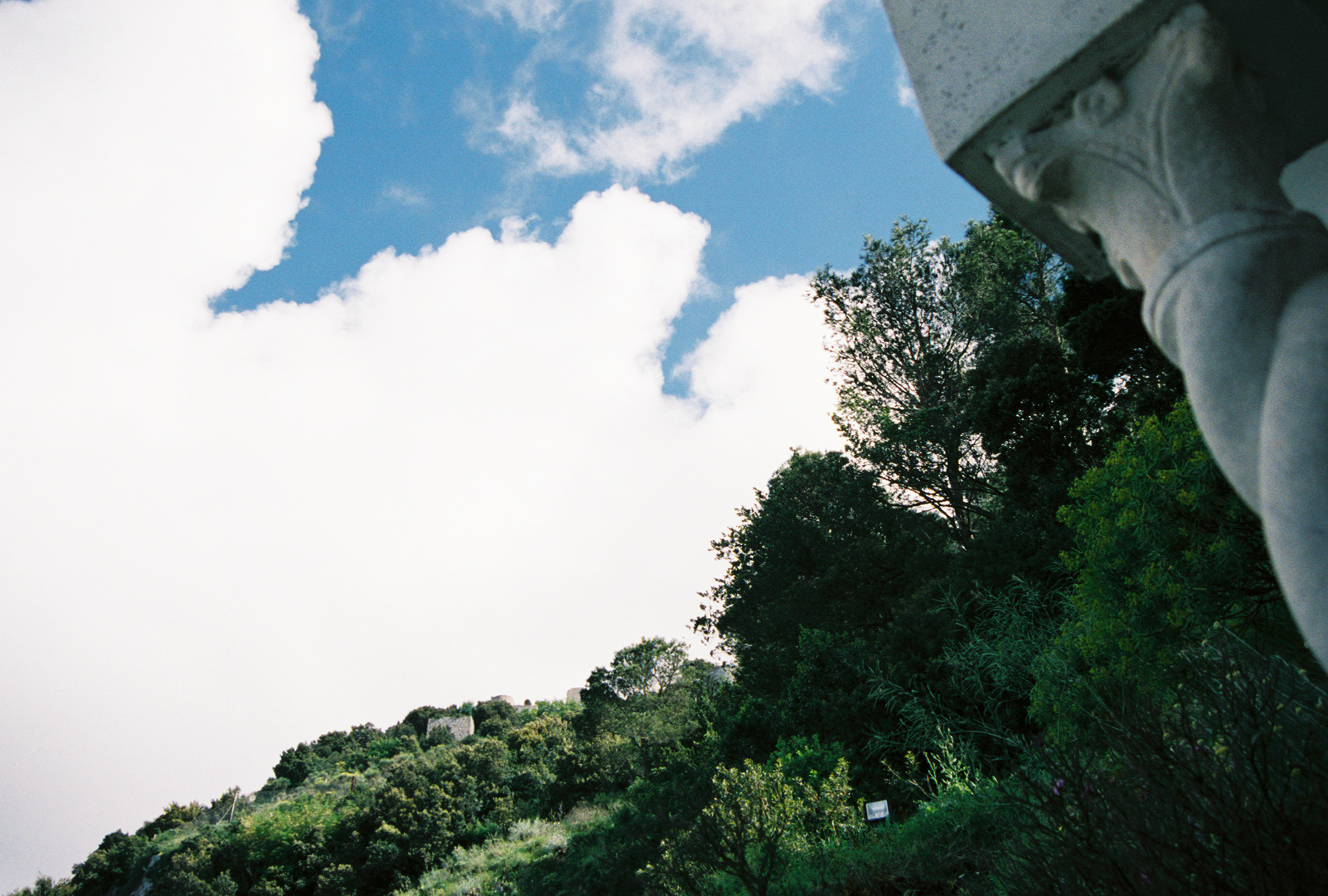
A Greco Roman bust outside the chapel in the Italiani Giardini. The white tile stairs lead up to the former bird conservatory.
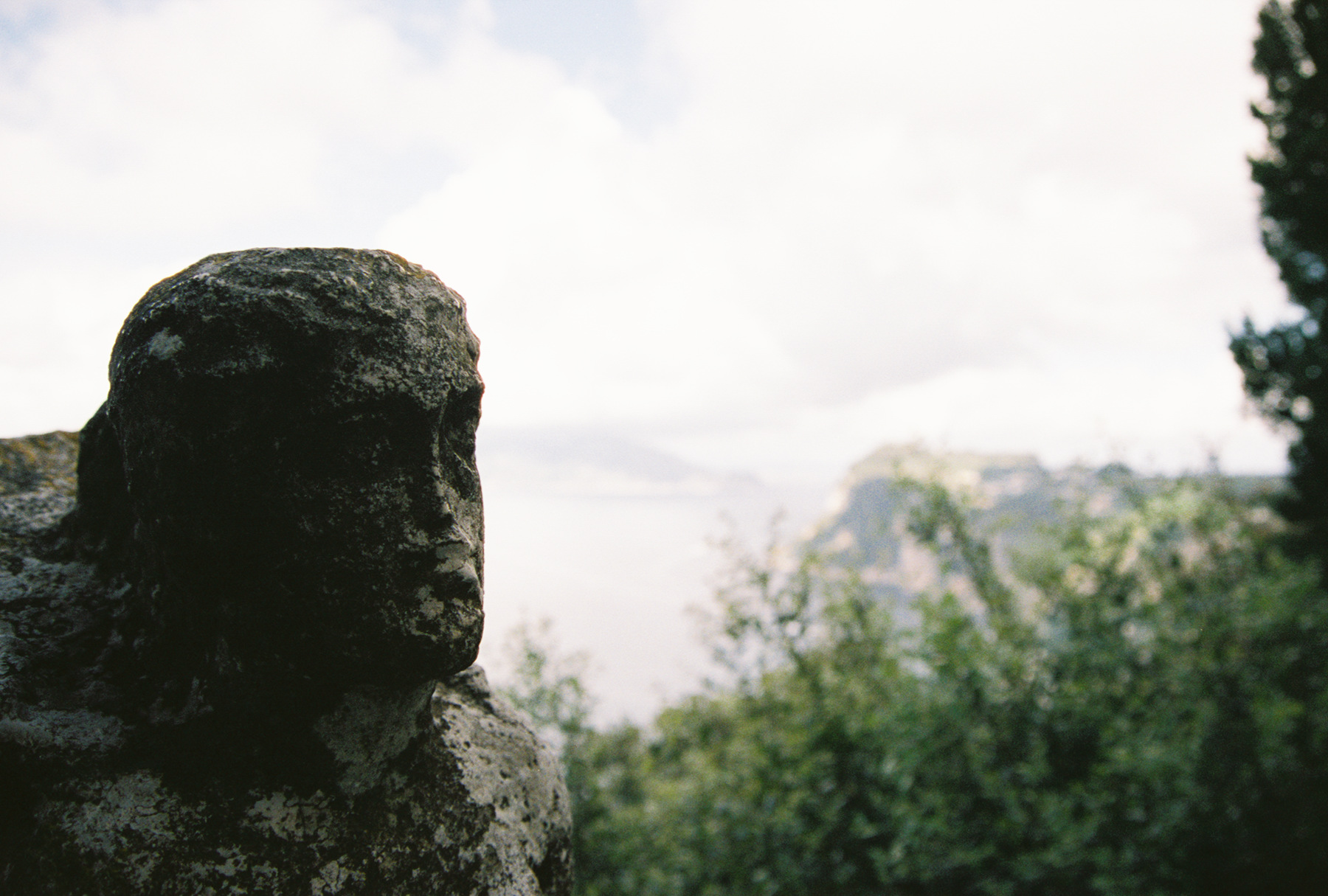
FH060010

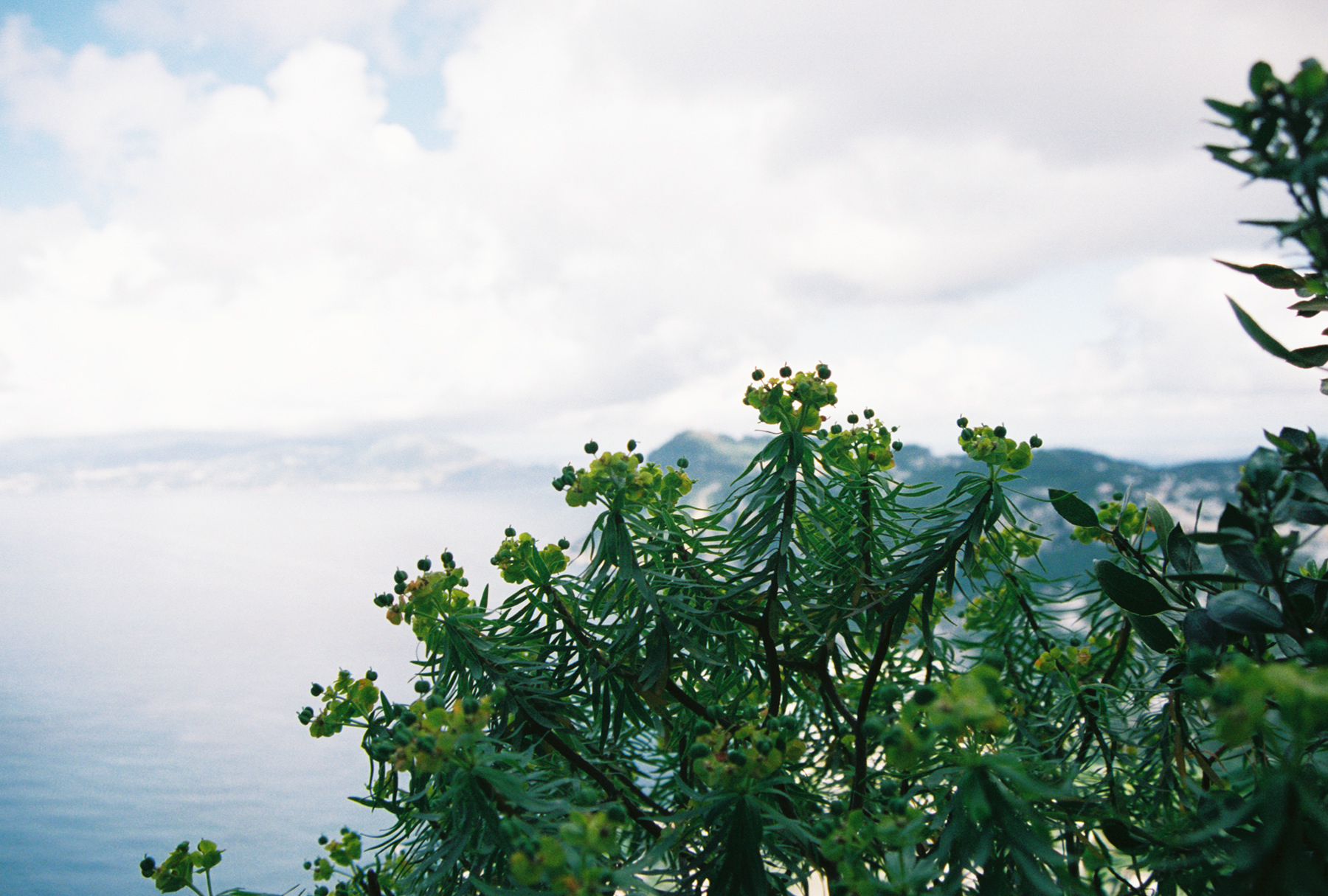
The winged Egyptian bust overlooking the Marina Grande with Ischia faintly shimmering in the background through the low clouds.
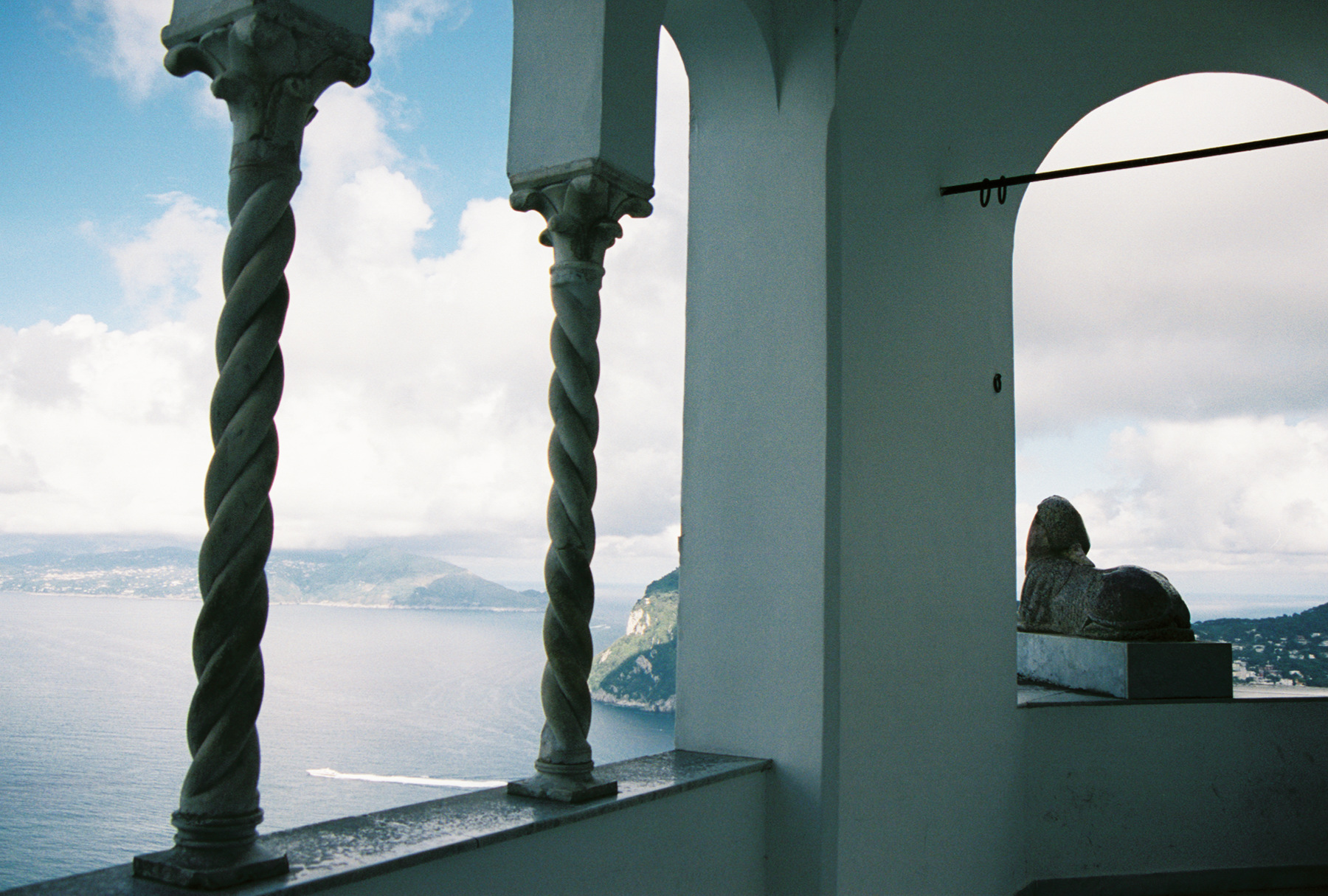
FH060028

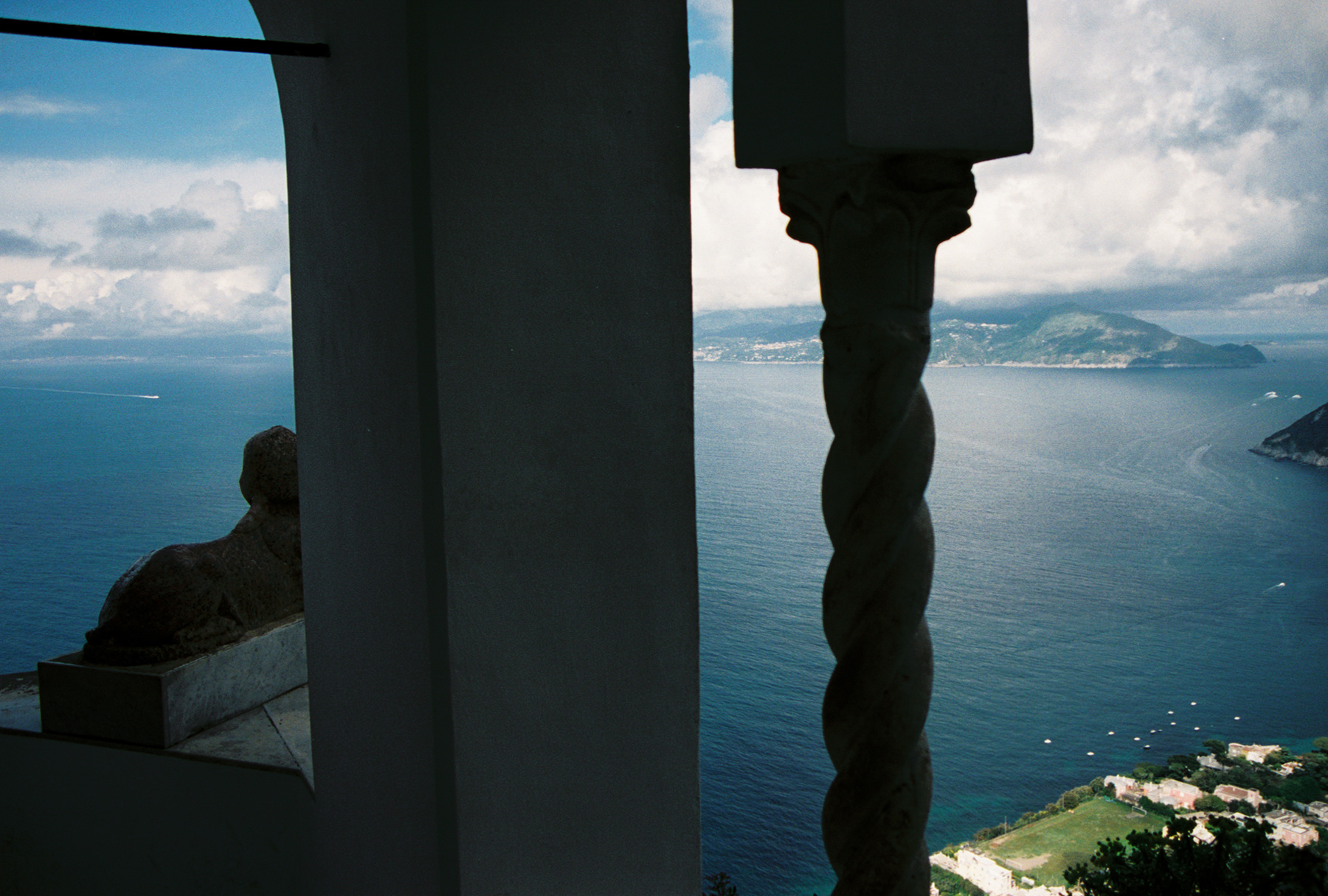
The sphinx watching over the sea, an ancient siren calling wanderlust to travelers.
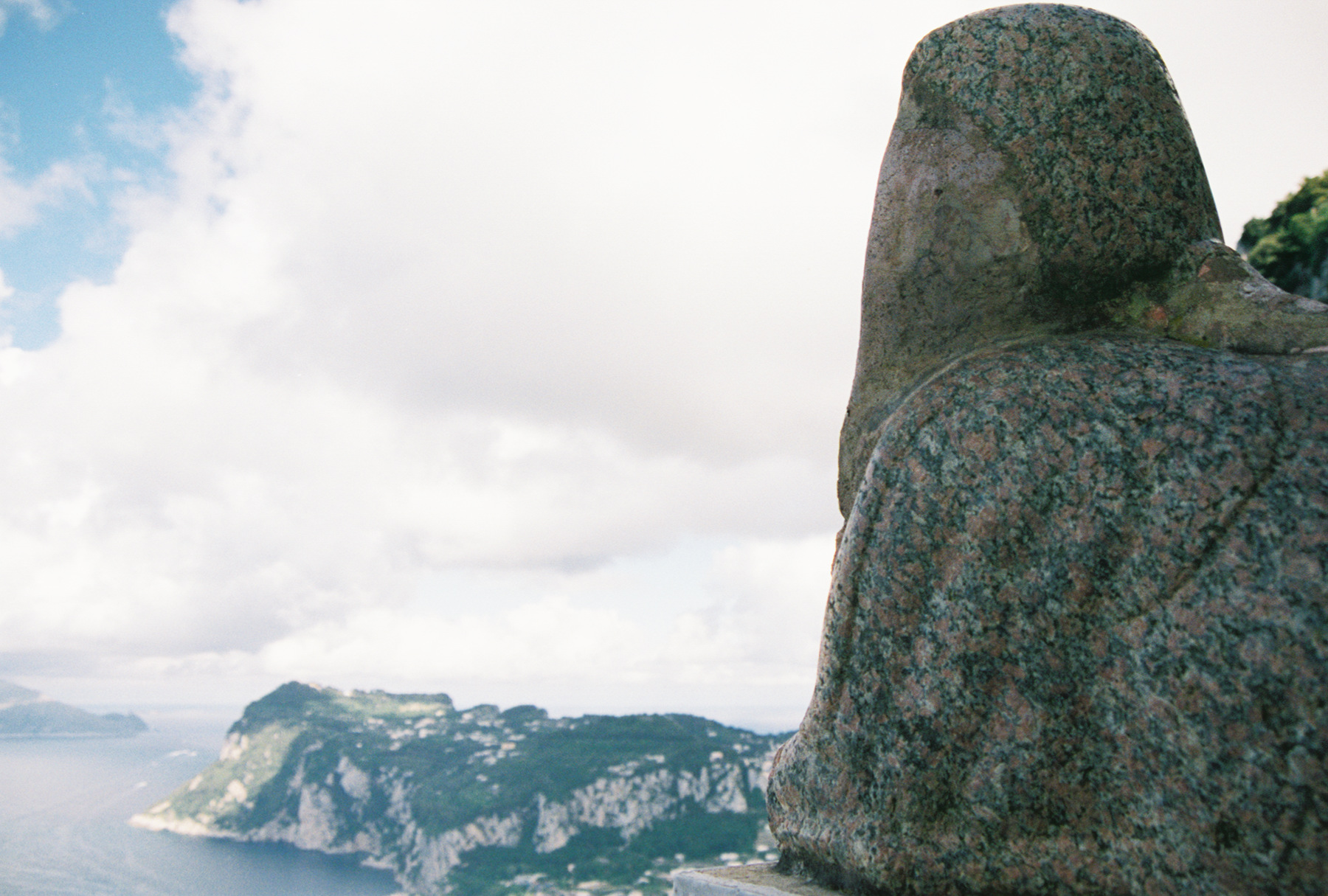
FH060027

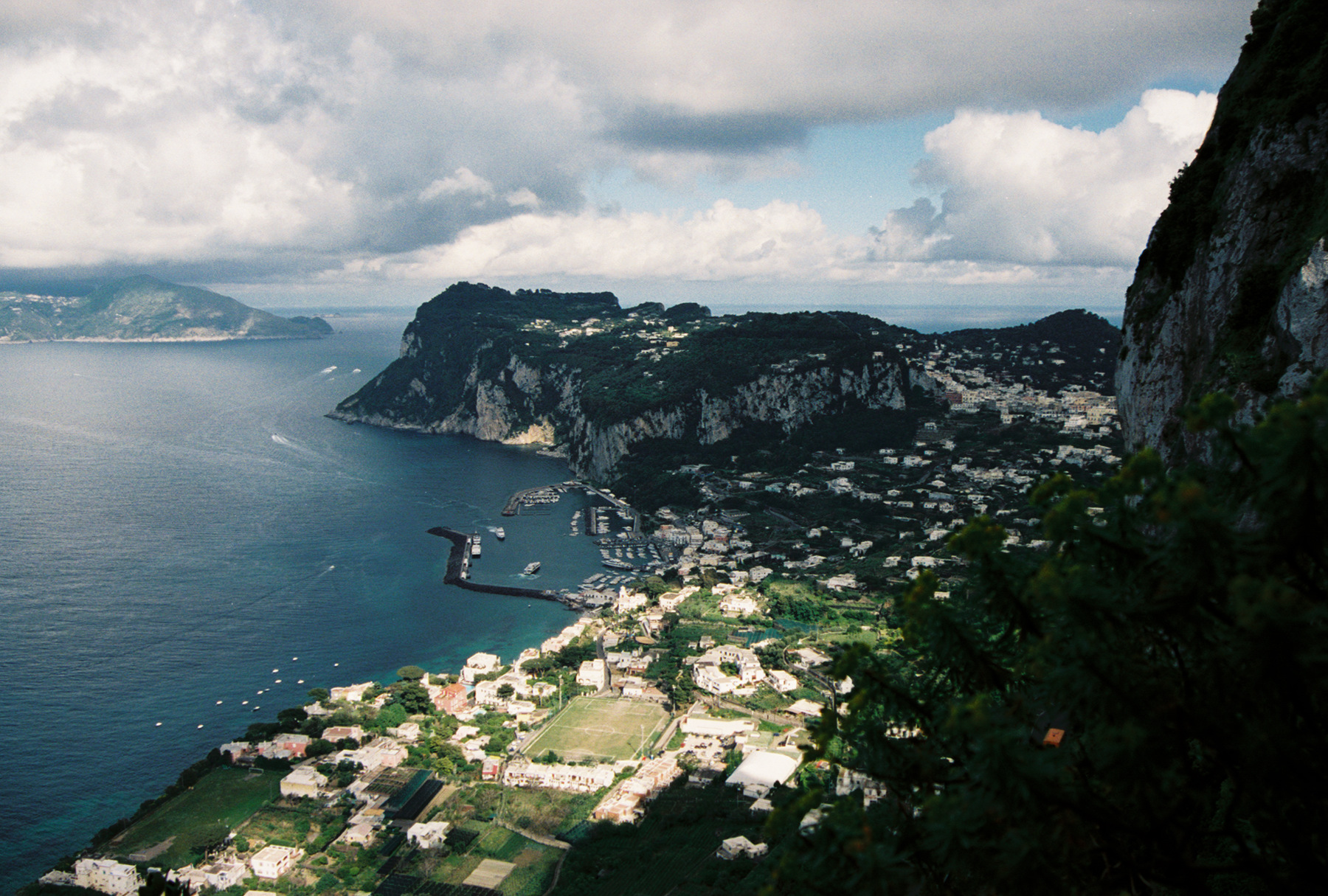
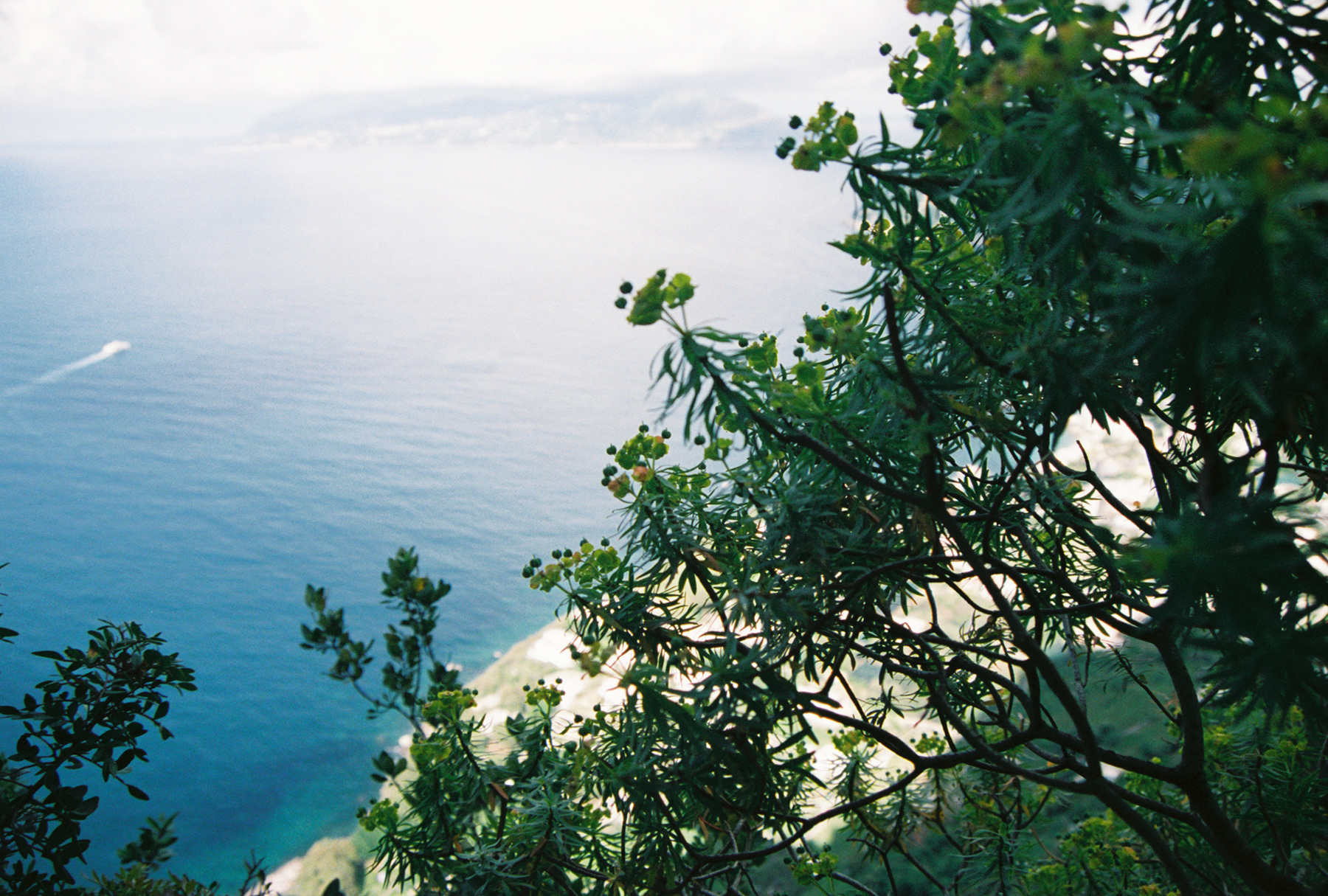
The bird’s eye view.

FH060017

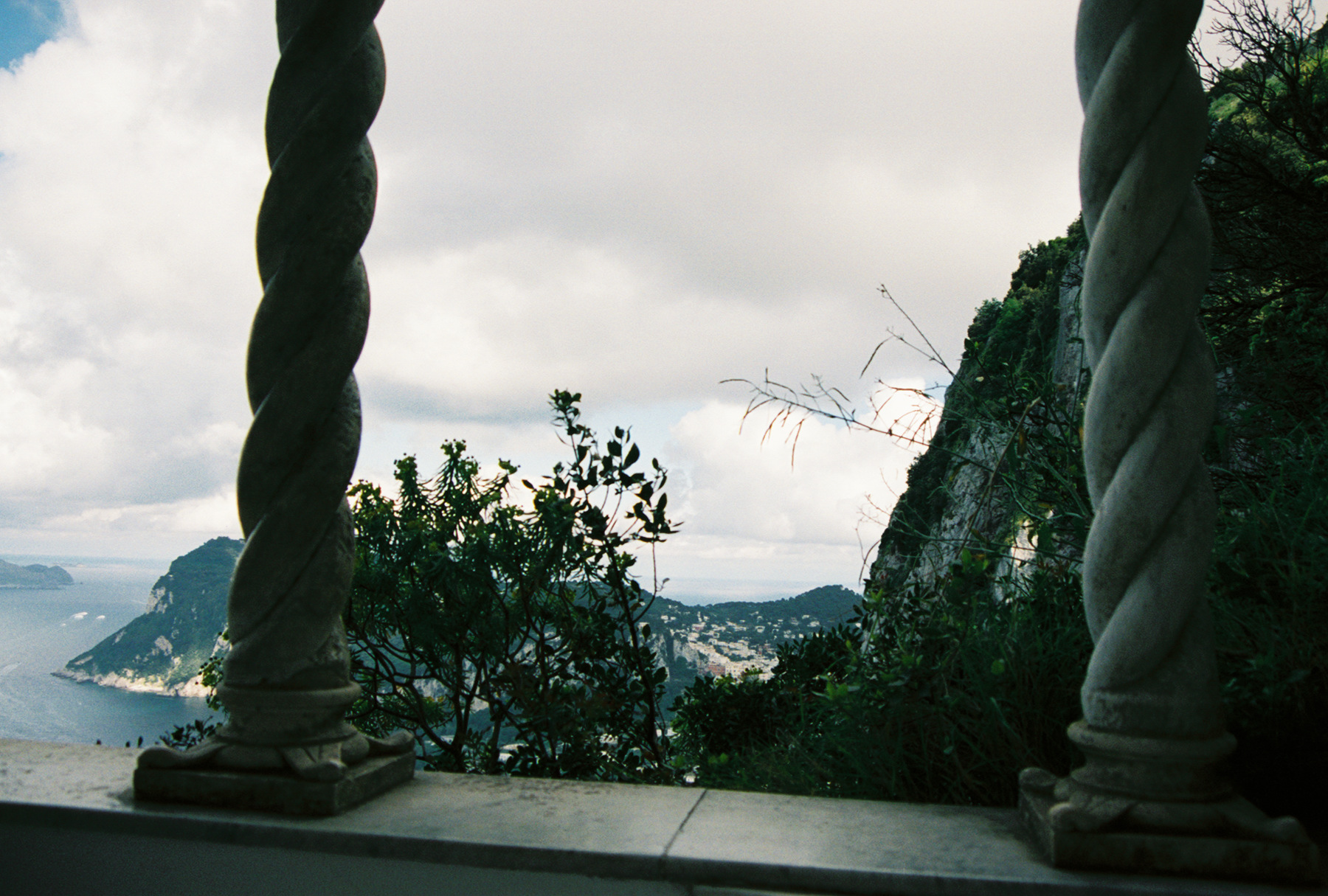
The beautiful sweeping coastline of Capri.
FH060005

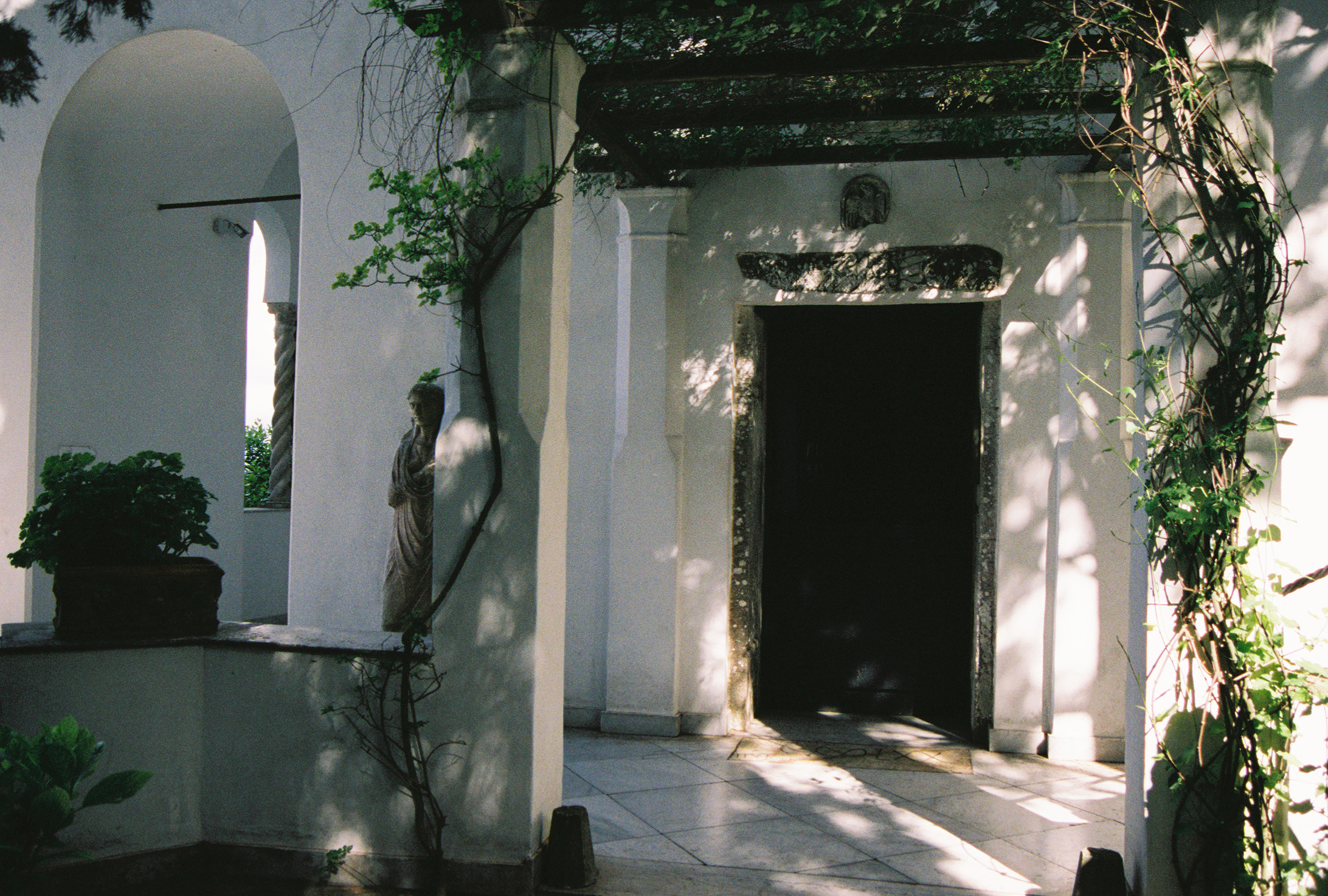
The tiny chapel in the garden.

FH060029

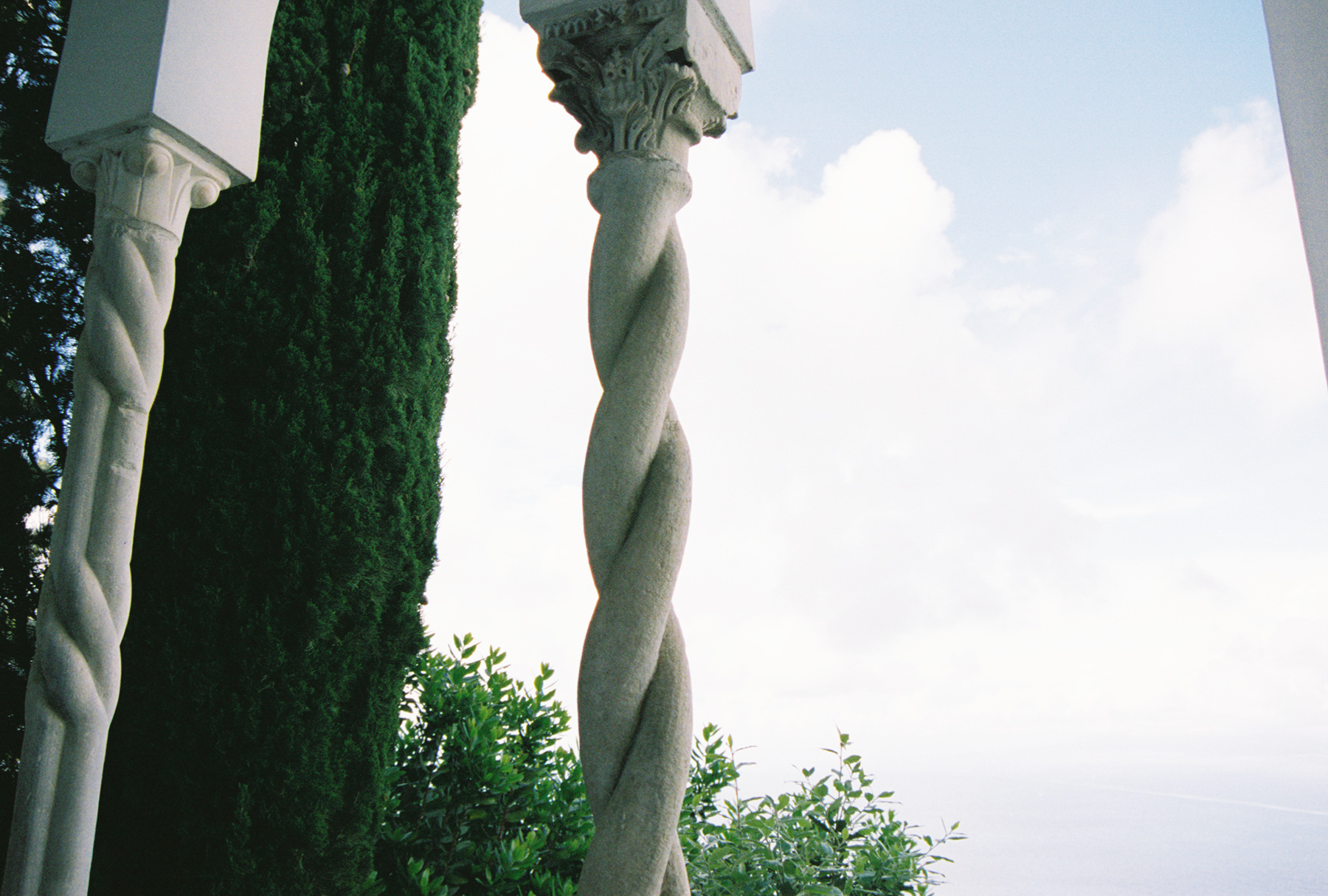
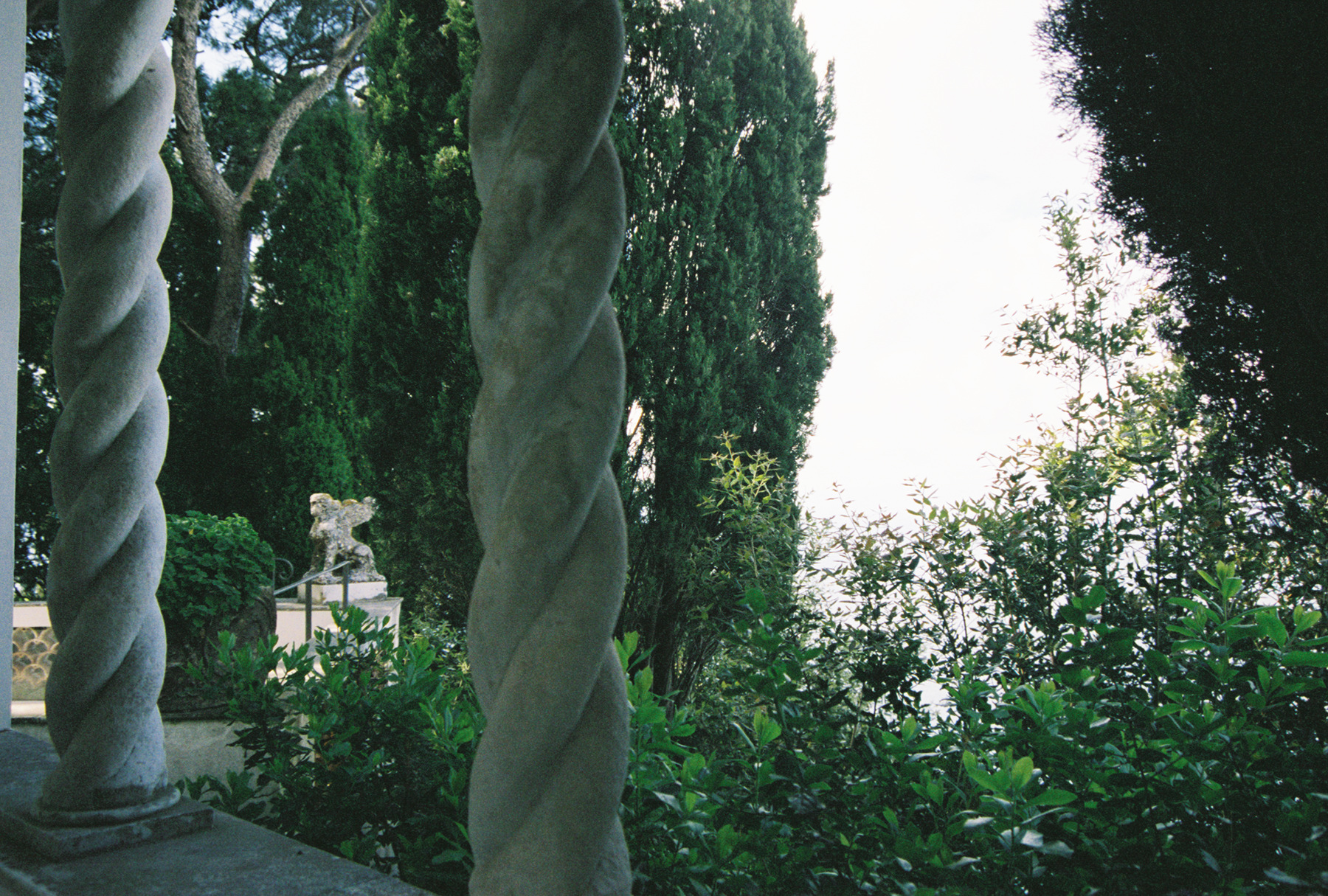
Cypress trees and gorgeous pillars on the terrace overlooking the sea.
FH060007

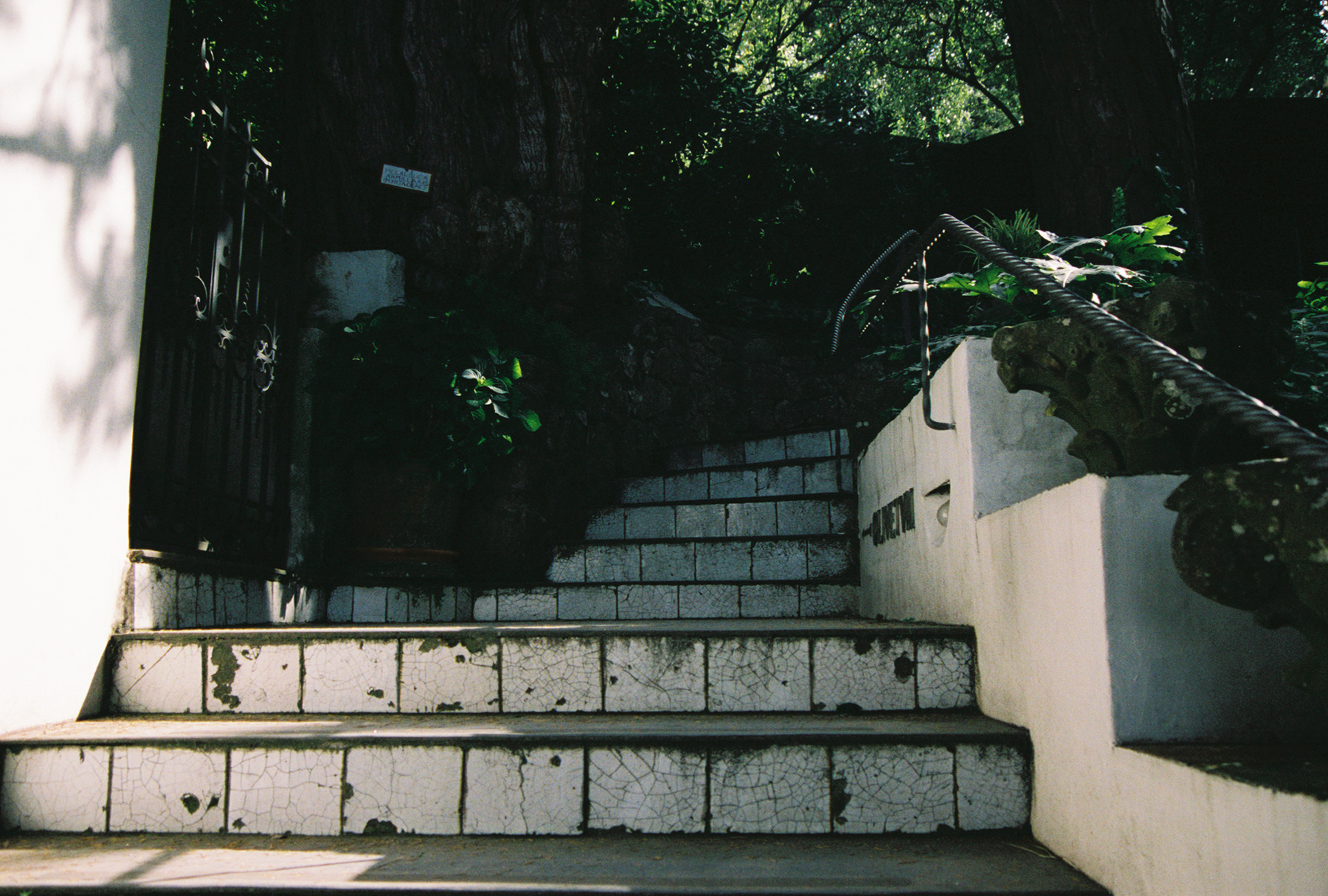
There are a series of stairs leading to sumptuous turns of the garden and pathways further up the hill.
FH060020

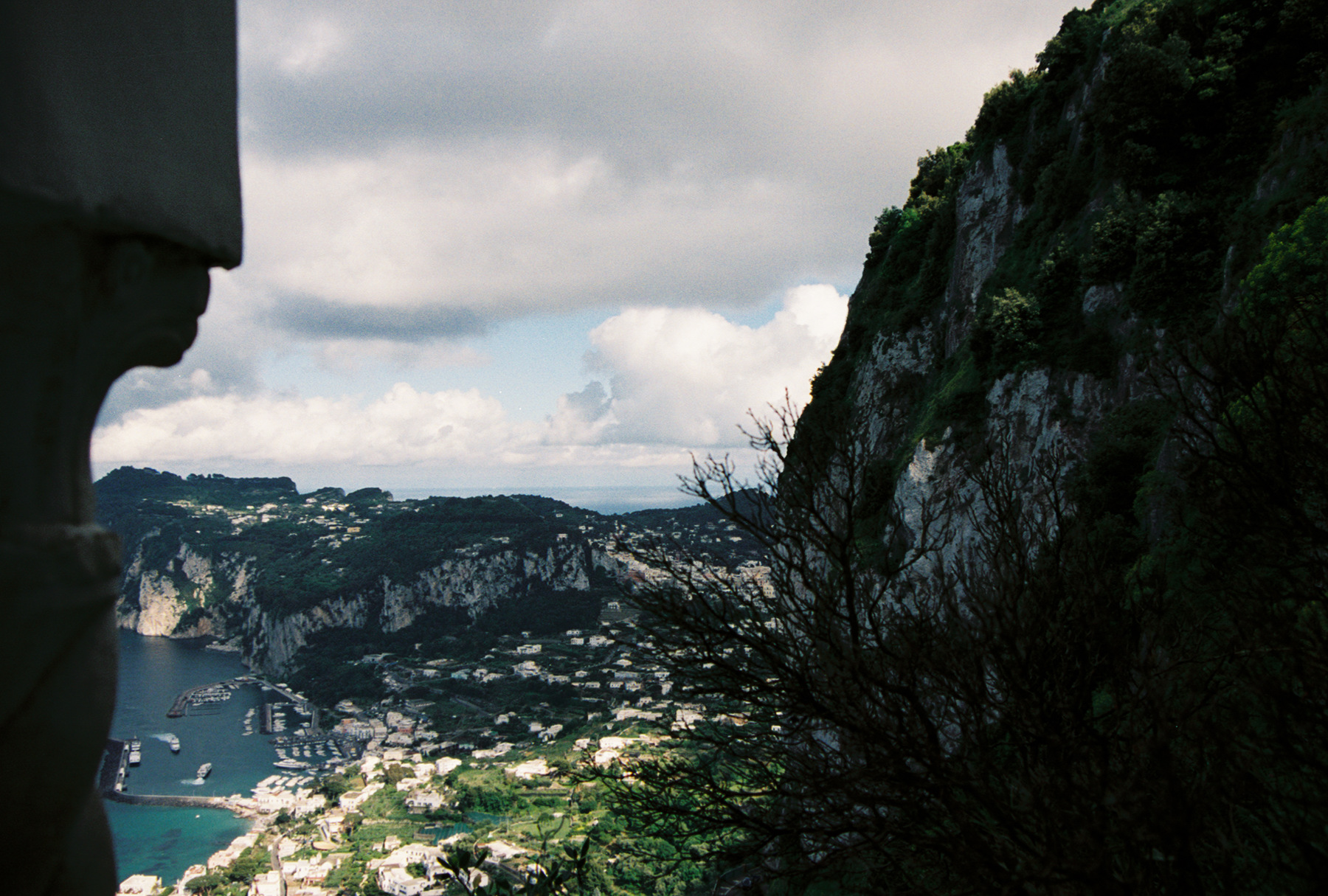
Although the villa is high up on Anacapri, there are soaring rocky cliffs surrounding the grounds. One rock was the the fort overtaken by the pirate Redbeard, which was later owned by Axel Munthe and donated back to the island (but owned by) his Swedish foundation.
FH060031

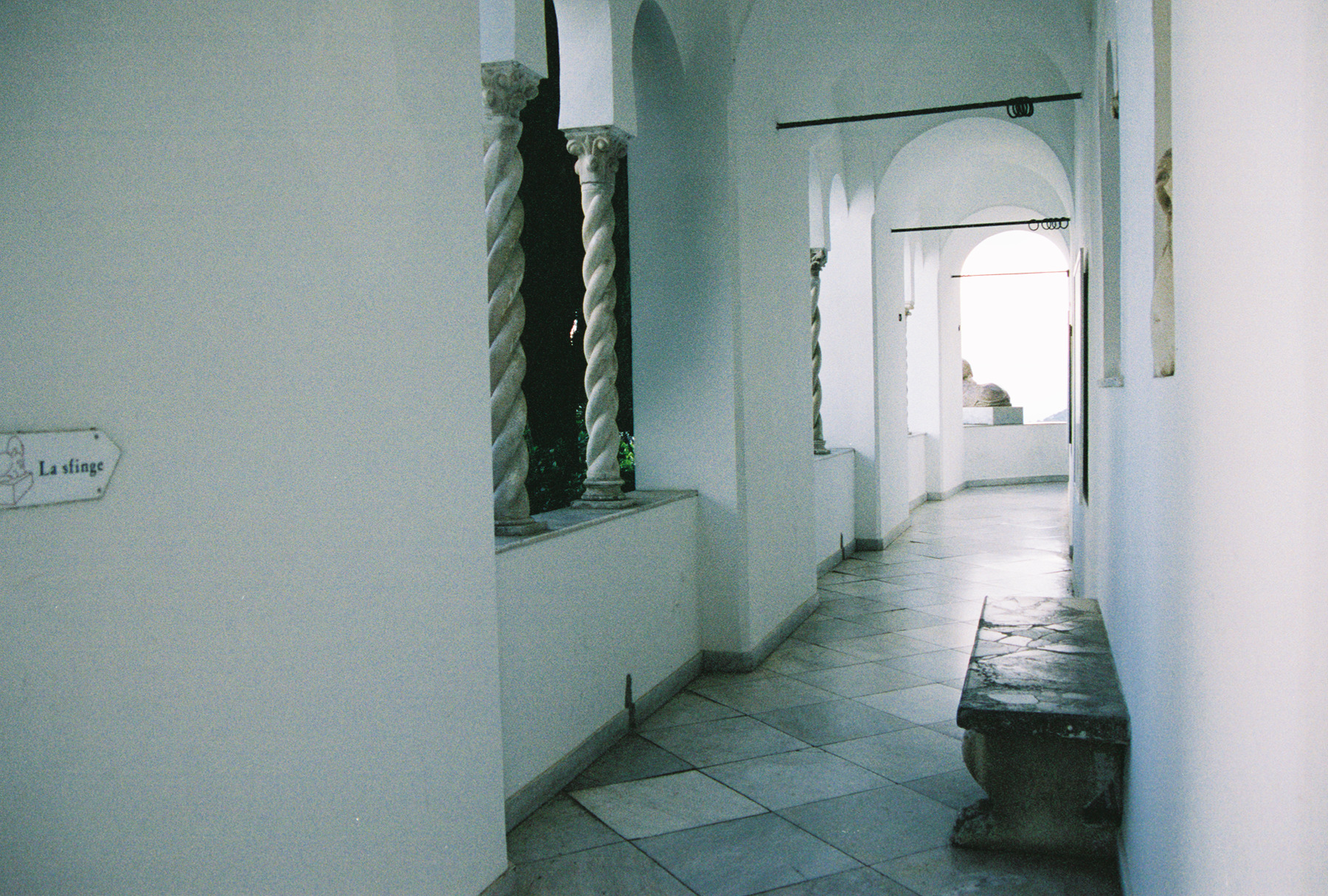
The veranda, home to the sphinx, is inviting in white tile and stone, with benches to rest on and views everywhere you look.
FH060008

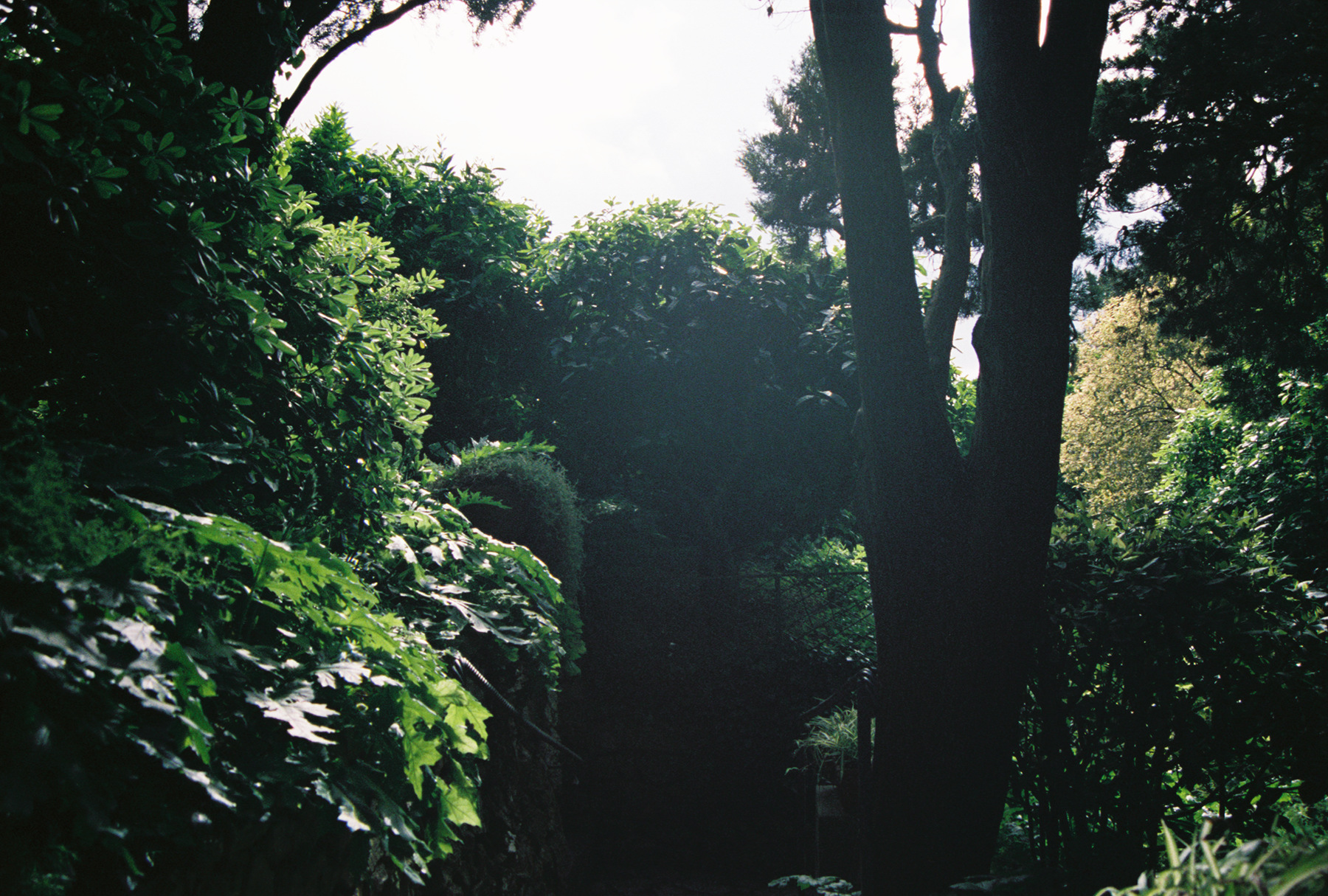
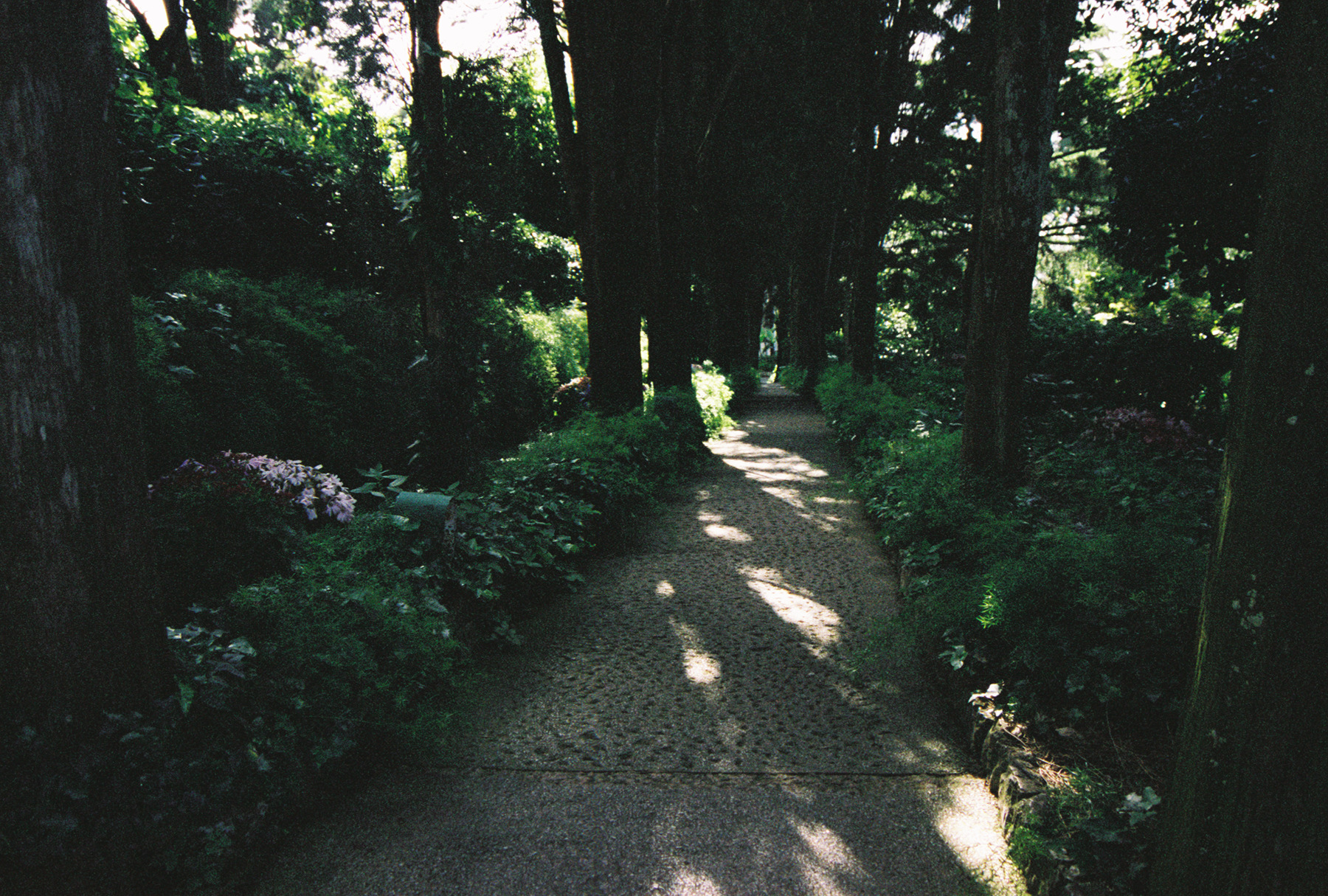
The charming path way walks are lined with greenery, flowers and fountains.
FH060002

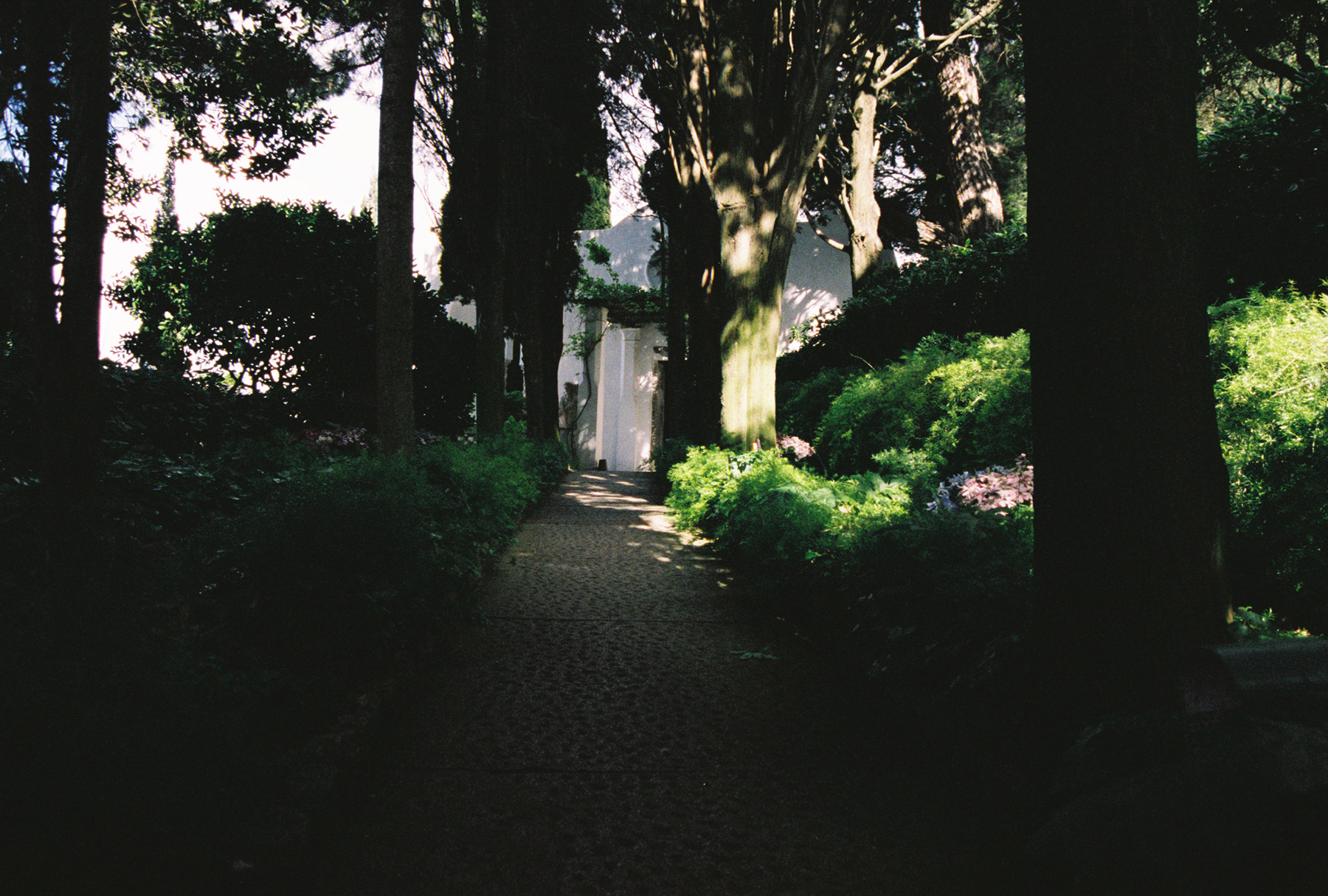
Every turn on the grounds is more and more enchanting. I cannot recommend enough an hour’s visit to the Villa for it’s peacefulness and beauty. On hot days it’s a cool and shady refuge.

FH060004

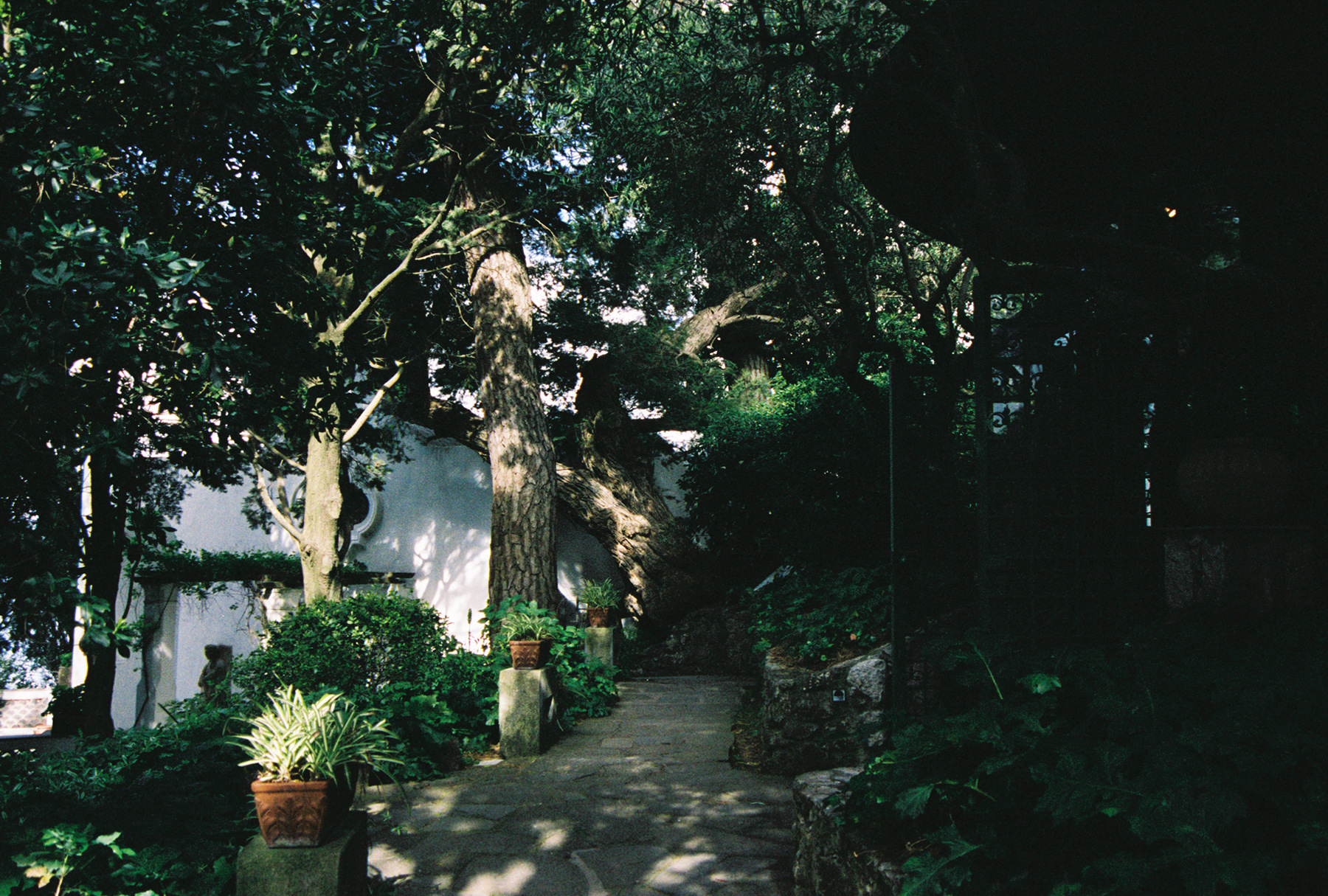
Olive jars, more cypresses and Roman Umbrella pines!
FH060030

A side view of the Egyptian winged pegasus-like female sphinx.
FH060011

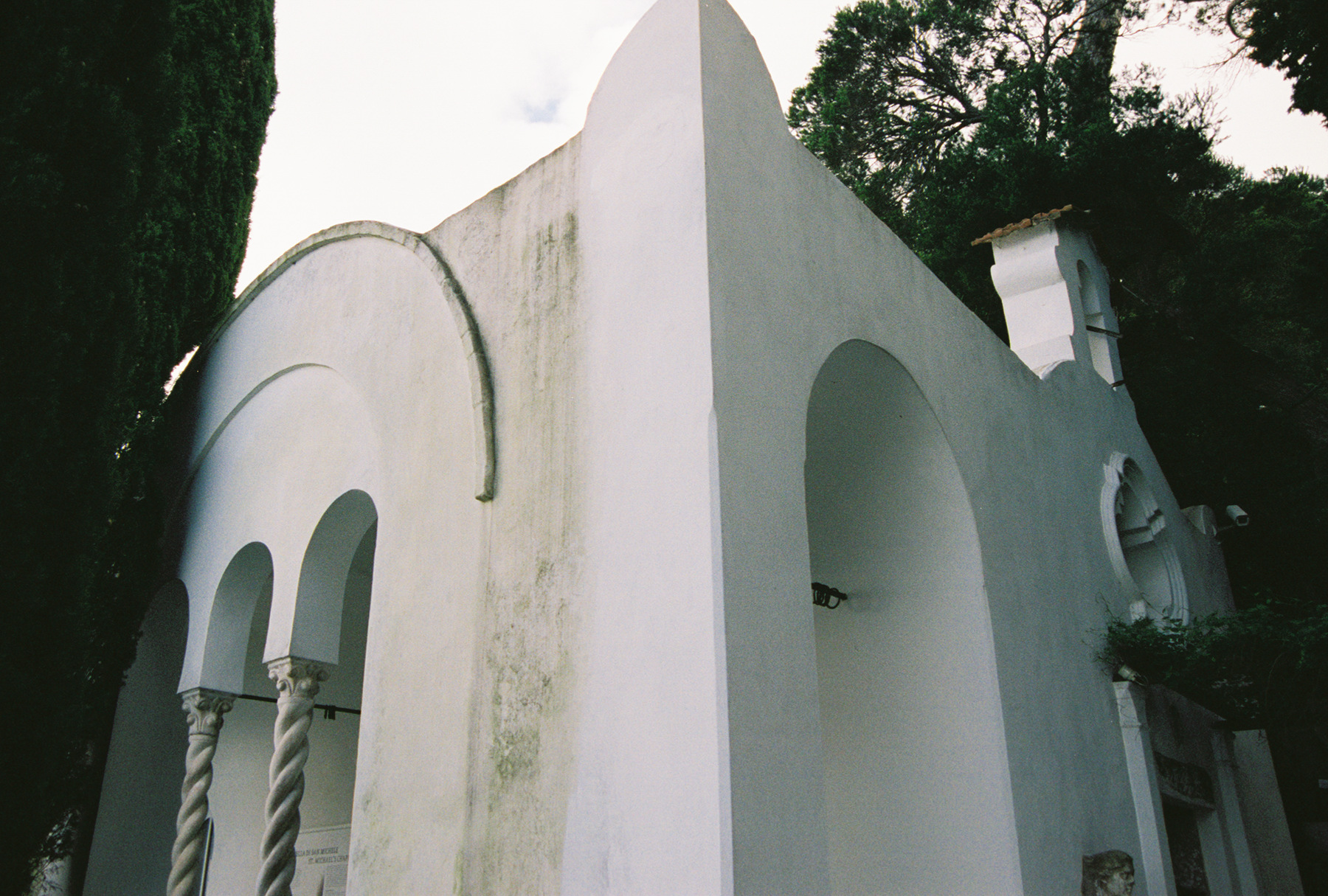
The exterior of Axel Munthe’s chapel.
FH060034

Potted urns along the walk.

FH060035

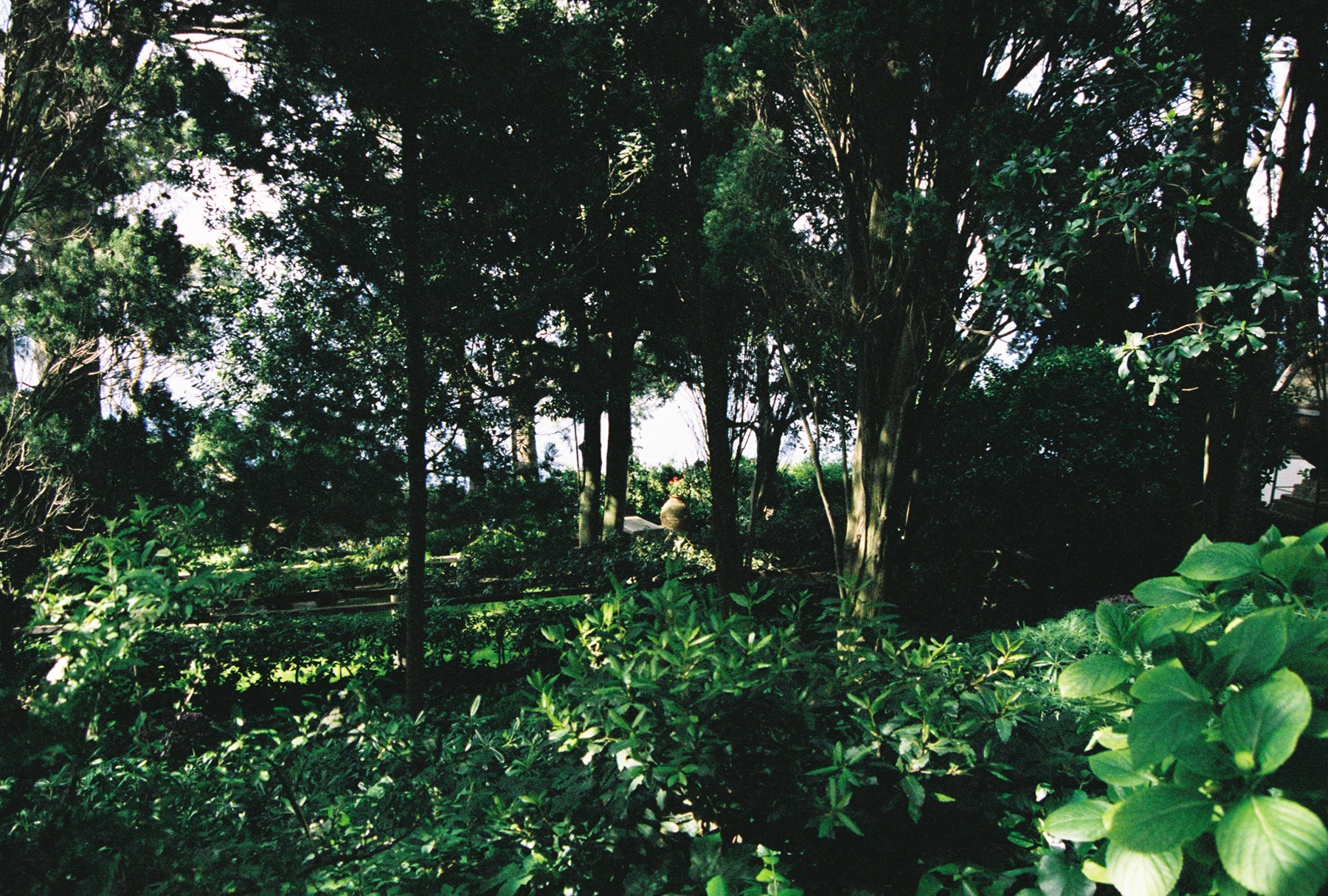
Herbal garden, leaves and trees.

FH060033

Hedges and shrubbery grown over decades forming fences.
FH060022

Another angle of the sphinx’s view.

FH060026

A tiny boat leaving the shore.

FH060025

The clouds and mist find each other.

FH060024

Because of Axel Munthe’s tireless advocation for the exotic array of birds who migrate to the island each year, Capri is now one giant bird sanctuary. Bird hunting is outlawed. The beautiful song of many different birds can be heard from morning to night, when the nightingales come out. It is then when I can feel Keats poem, Ode To A Nightingale, alive in the air.FH060023
I worry some of the pictures are a bit repetitious but they were all beautiful reminders of being there. Even a subtle angle change is reminiscent of walking through the grounds and seeing the beauty unfold a step at a time. And believe it or not I am actually restraining myself.
FH060016

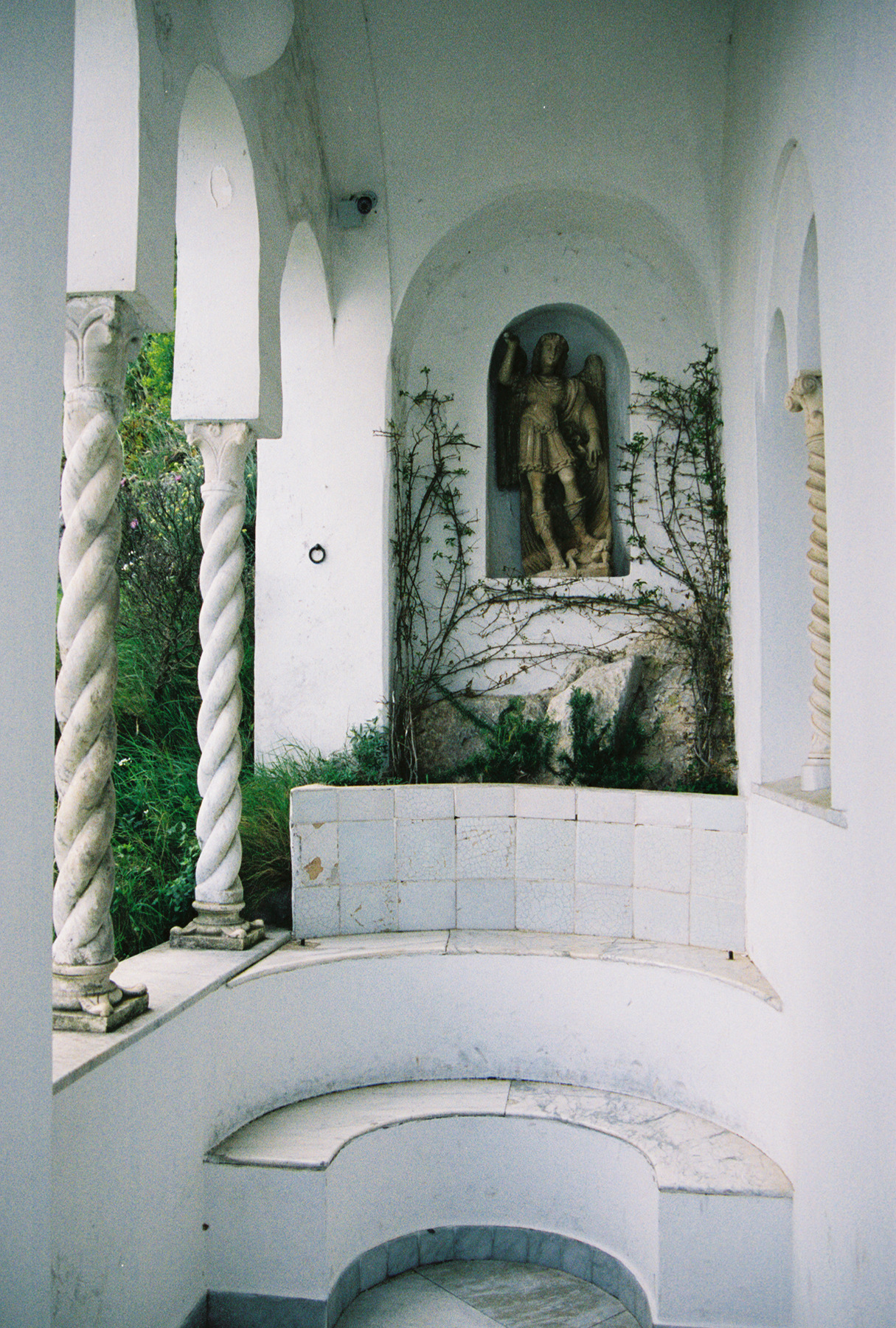
A semi hidden niche at the end of Villa San Michele’s labyrinthine gardens and loggias.

This was part one of the Villa San Michele series shot on portra 35mm film, velvia film slides and vintage kodak. The history of San Michele, more garden rambles, the cafe and interior of the villa, the flora and fauna of the grounds and excerpts from Axel Munthe’s book on his Villa to come in following posts. For visitor information visit: villasanmichele.eu . If you find yourself on Capri, even for a day, you must take a convertible taxi or the bus up to Anacapri (because it’s less crowded, lovely and full of hand painted tile, jewelry and sandal artisans) and it is the home of the Villa San Michele! You won’t regret it!

More to follow! These photographs and travel essays are copyright Rebecca Price Butler, alovelettertorome.com

That thou, light-winged Dryad of the trees
In some melodious plot
Of beechen green, and shadows numberless,
Singest of summer in full-throated ease.

italian journey

  • Rome is a Fellini movie. It is the annual barbarian invasion. It is a lack of catalytic converters. It is hundreds of vespas whirring and beeping through roundabouts. It is a hypnotic siren screaming through the city.
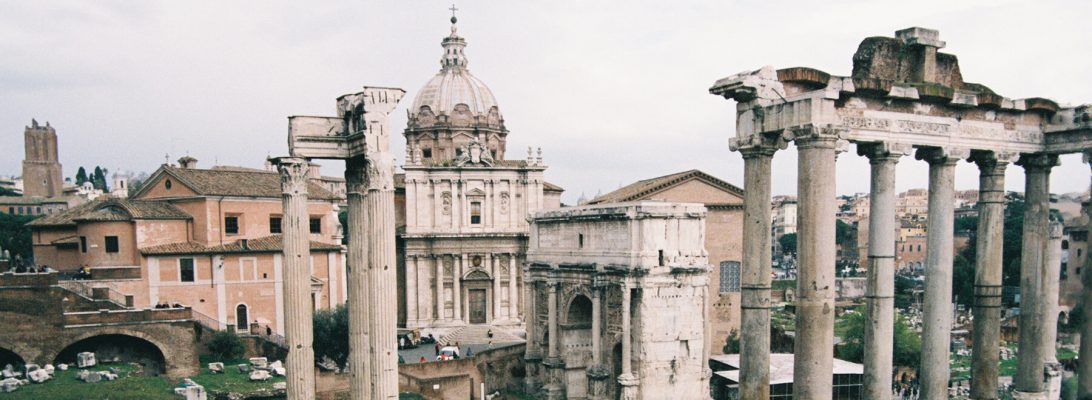
  • Rome is an open-aired art museum, a feast for all the senses. It is packed with all that I want out of life, footsteps away from the next breathtaking view or taste. It is life and death in some delicate balance, in a dance on the edge of something imperceptible. It is the footsteps of Artemisia Gentileschi, it is the footsteps of the Caesars. It is 6,000 year old Egyptian obelisks, it is 1800 year old Aurelian walls, it is the Grand Old Tour still walkable. It is the burial grounds of the English Romantic Poets. It is a dream. It is the eternal city. All roads still lead to it.
  • Venezia is a Grimm fairytale come to life, a place of winding, labyrinthine bridges and walkways. A place for spies and mercenaries. A city of corners and gondola rides at night, when no-one else is on the water and the gondolier sings old songs out into the dark while you float past the Rialto Bridge and the apartments of Casanova. Venice is the 1700s. Venice is a child’s dream, or nightmare; a place to wander to hear the echoes of your footsteps over endless stone. To move in and out of chocolate shops, each window more and more decadent in their display, until your pockets are overflowing with Venus’ Nipples and confectionaries. Venice is candy and wine, canals and shuttered windows with a latch missing so you can listen to a record playing Billie Holiday songs, her voice finding nowhere to rest, because Venice is not made of earth it is made of bones. Venice is gnocchi and gorgonzola. It is carnival masks and orchestras. It is the smell of water and decay. It is a memory.
  • Firenze is for the maestros. Florence is sweet shops and pignolis and bridges. Florence is theRenaissance. It is inventions and giants and towers. It is candied almonds and hot chocolate and olive trees. It is truffled pesto. It is chestnuts and hazelnut cream. Florence is old bookshops and new students among a sea of young faces and young lovers’ bodies. It is rolling hills and gardens. It is palazzos and art museums and intrigues. It is Dante’s inferno. It is Savonarola’s funeral pyre. It is the last gasp of the Medicis.
  • Milano is birds and textiles and modern life teeming with the future. It is fashion. It is elegant and impersonal. It is brief. It is closed for renovation so you don’t get to see Da Vinci’s Last Supper, which is the reason you went there in the first place. It is Occidental, it is larger than life, it is dry white wines and prosecco. It is always moving.
  • Capri is Tiberius’ playground, it is the Blue Grotto, it is a private boat around the island, it is climbing jagged rocks and everything painted Santorini like; blue and white, yellow and gold. It isAna Capri, it is postcard pretty, boutique hotels, it is capreses and spumante for breakfast. It is the blue-green sea and sailboats glittering among the Bay of Naples. It is the jet-setters and the day-trippers. It is one little piazza and two cafes. It is the Madonna of the rocks. It is the Villa San Michele. It is the bird’s eye view of everything. It is the sparkle of sun on the water.
  • Sorrento is a bustling city-village. It is on the edge of the Bay of Naples, the connector to sights and sounds of the Amalfi coast. Sorrento is orange and lemon scented. It is orange and lemon groves and tomatoes on the vine, ripening to a deep red. It is gigantic, fleshy lemons used for white fish and sweet delicate lemons for limoncello. It is capers and shellfish and bufalo mozzarella from Campania.
  • Napoli is the street, it is life in the streets. Naples is long, narrow alleyways, with tiny rows of iron balconies draped neatly with laundry. It the smell of the sea. It is the best view of Vesuvius. Naples is a garbage problem. It is 30% unemployment thirty years running. Naples is beautiful between the shadows.
  • Naples is a sprawling, glittering, wild animal of a city, it is the pulse and growl of a wild thing. It is a faded kingdom, a half empty castle, a city on a hill. It is the Spaccanapoli, it is the best coffee in the world, the best bread, the best pizza. It is the tarnished jewel of the south, it is, as oneMilanese said to me recently, the North’s shame. It is proud.
  • Naples is a living, breathing chiaroscuro. It is Caravaggios getaway. It is fishing boats. It is theMuseo Archeoligico, the Capidimonte, the cloistered gardens filled with painted Spanish tiles. Naples is the house for the spoils of Pompeii. It is an opera, played out in the living room of the town square, it is the family pasiegetta. It is Januarius’ blood, it is the outstretched wings of aswallow, it is the solemn hum of machinery. It is ecstasy and despair. It is a crying out.

    It is see Naples and die.

  • – – – – – – – – – – – – – – – – – – – – – – – – – – – – – – – – – – – – – – –

  • * an extra note on rome:

    Roma was my first European city.

    It was my first glimpse of the things I find most beautiful in the world.

    There were ruins, Renaissance architecture, 600 year old fountains and marble floors. 

    There were Greco-Roman mosaics, pagan temples, frescoes, umbrella pines and cypress trees in manicured gardens.

    And ancient aqueducts to wander around in.

    There was hot espresso and spicy wine to drink and penne all’arrabbiata, a classic Roman dish, to taste.

    Rome had decayed beauty balanced out by its bright earthy colors against the perfect sunsets.

    There were fat clouds against azure skies. 

    When in Rome that oft used but true cliché – that la dolce vita – the sweet life, is alive and well in the eternal city.

    There were a thousand church bells ringing throughout the city on afternoon walks, from the very churches packed with masterpieces.

    There were elegant villa museums full of Italian art and baroque curves and decorated with ancient statuary. Rome was everything all at once.