Italy and England







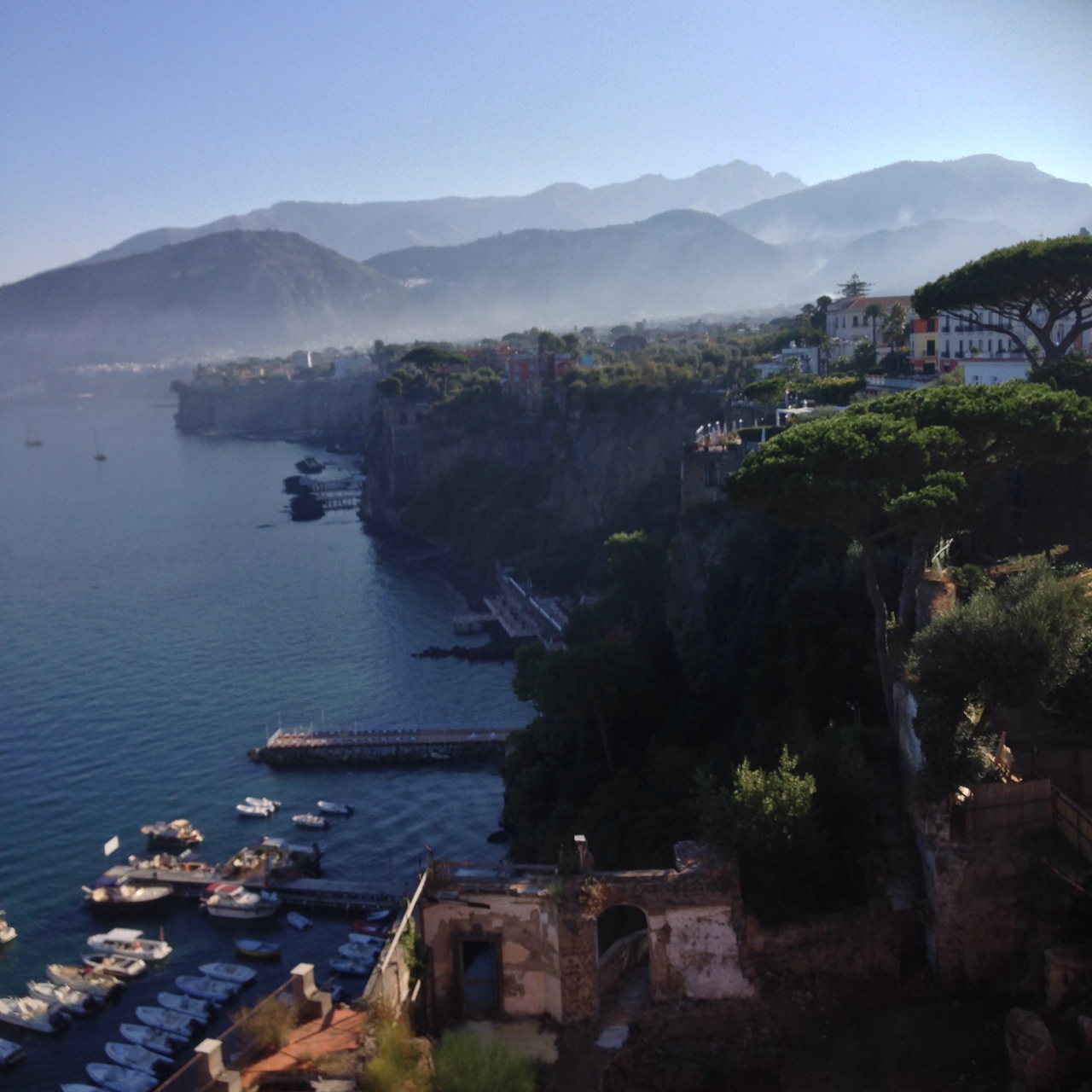


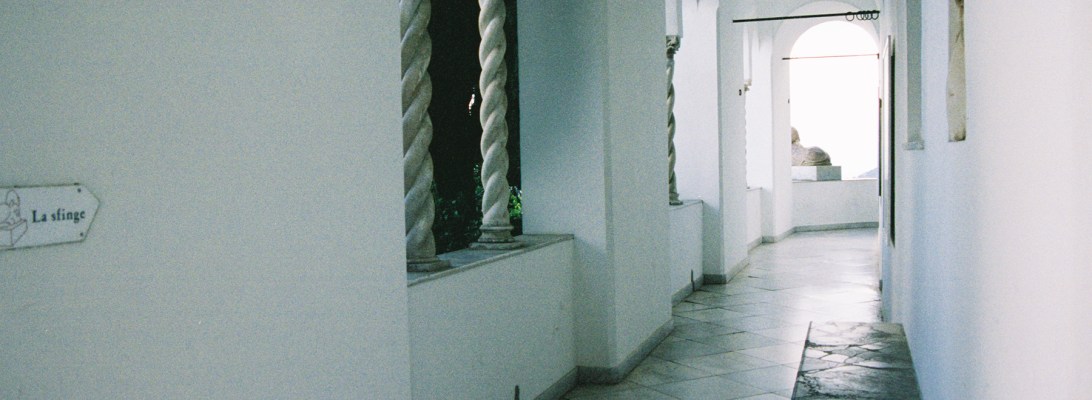
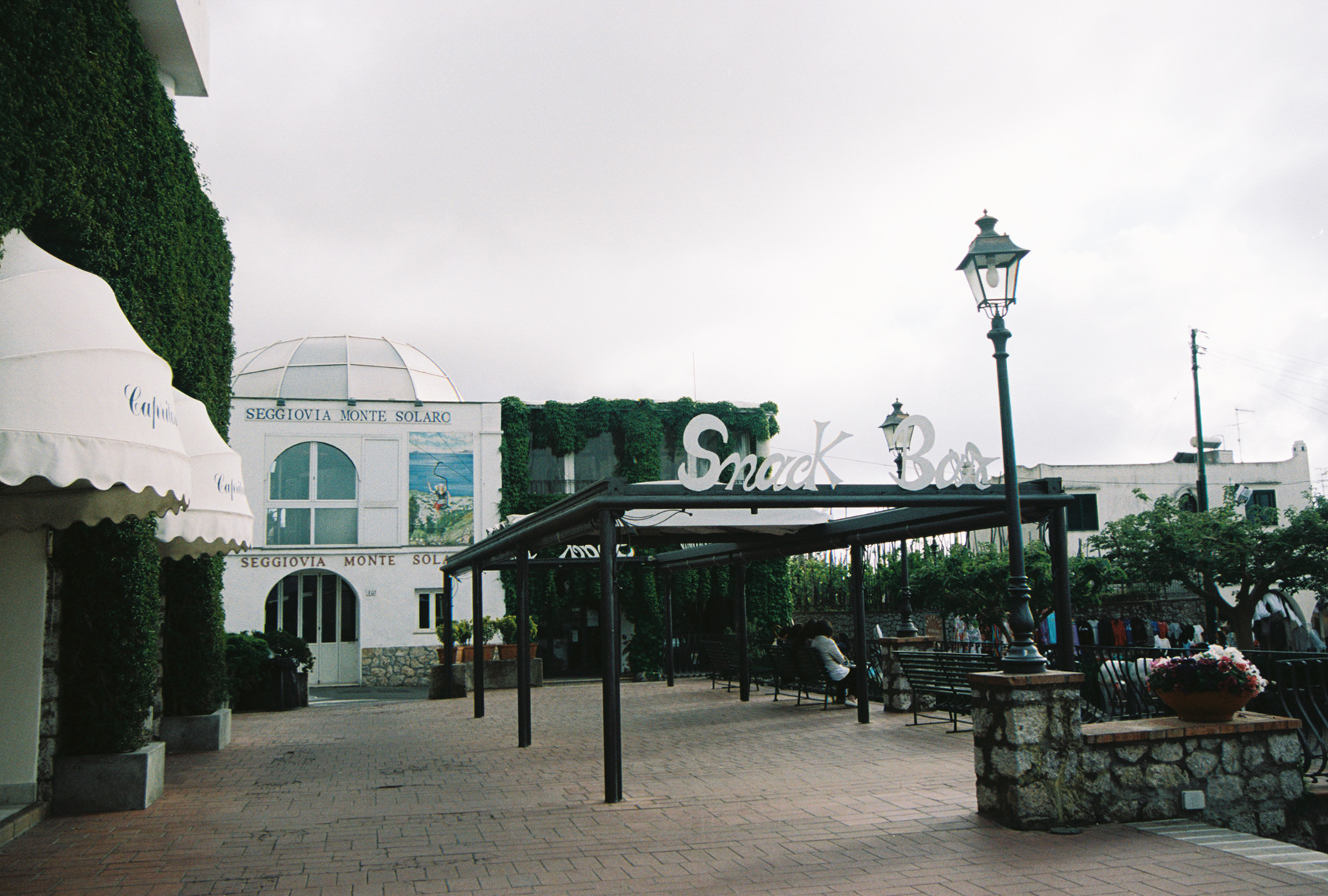
The small piazza or center of Anacapri. Take a left at the Piazza and follow the path and signs to the Villa San Michele. There are little shops along the way selling great lemoncello and meloncello and other gifts.
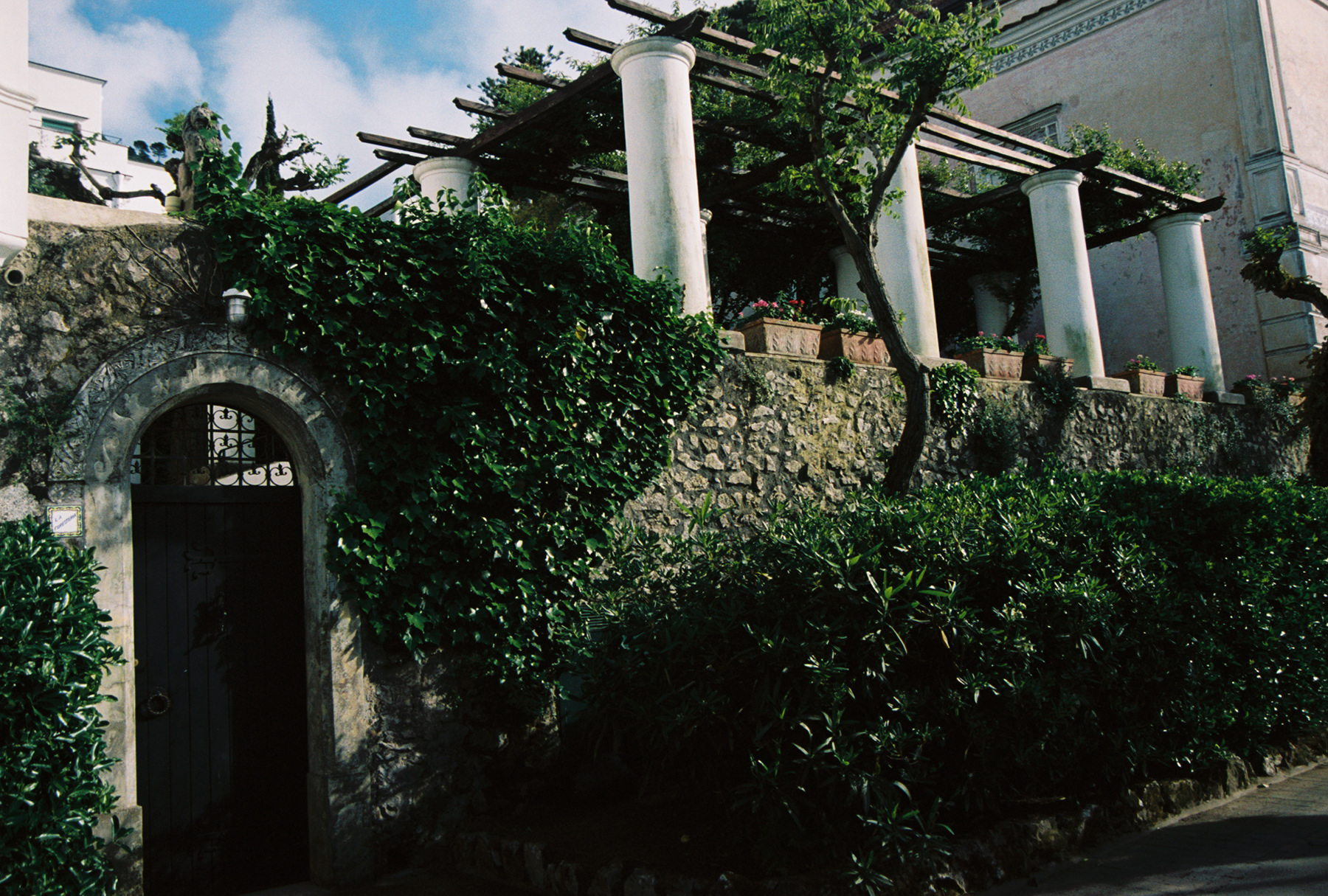
A side wall of the Villa San Michele, a charming ivy covered garden wall and rounded top door. When you walk by you can peek through the top of the doors and see into the beautiful gardens.
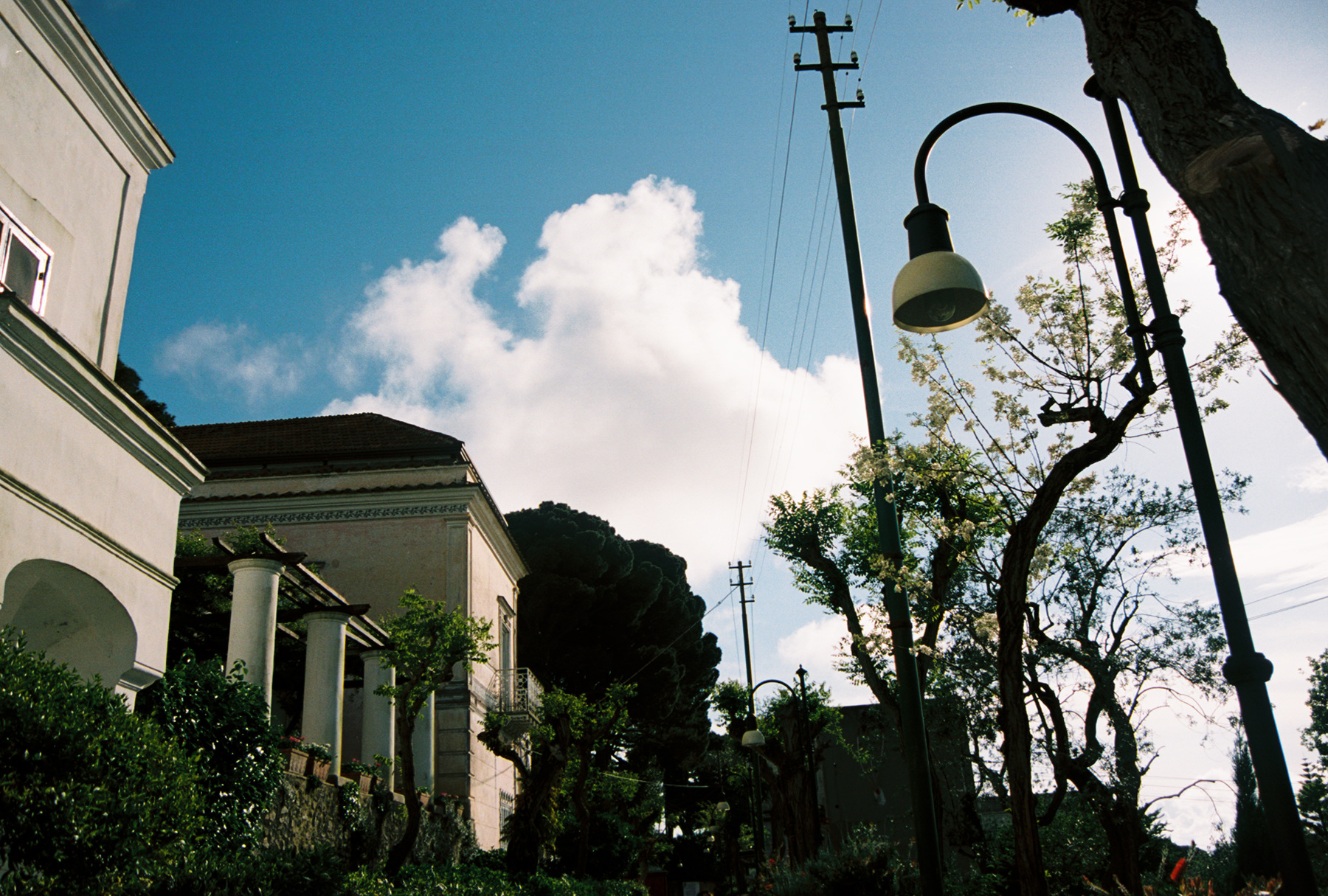
The columns, lampposts and trees outside the villa.
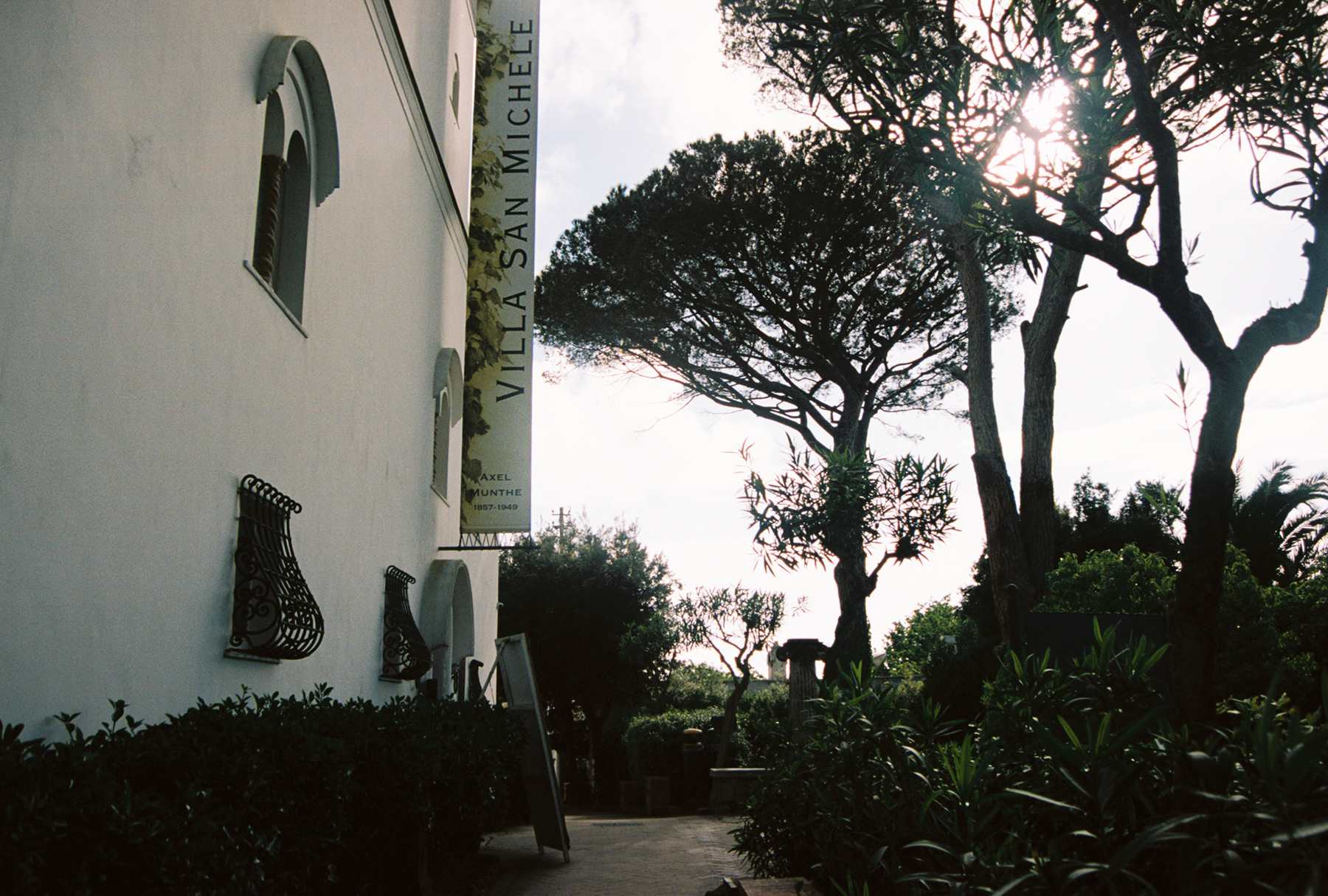
You’ll know it when you see it. And you’ll hear the birds.
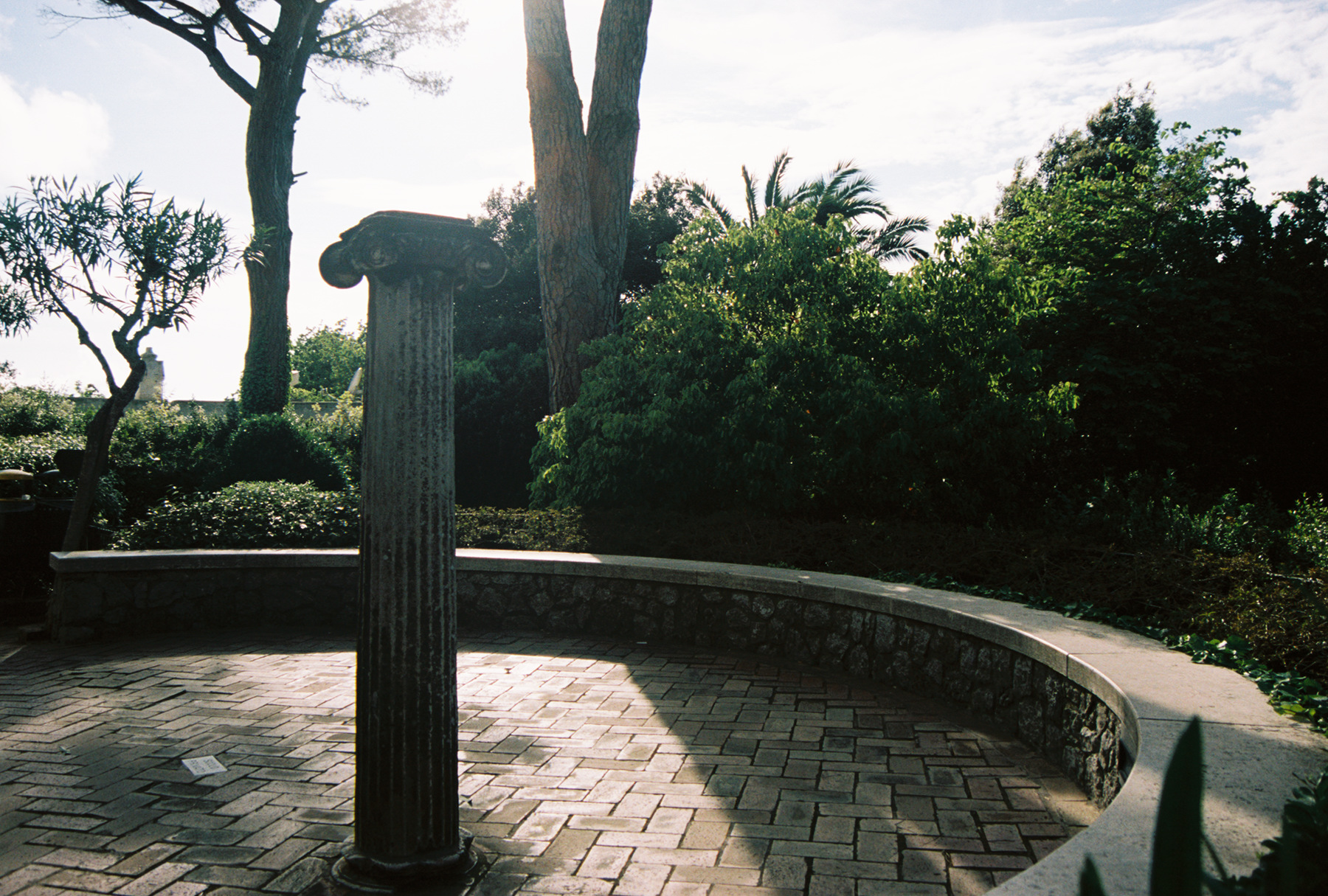
The Villa San Michele was built on the ruins of a church by the same name and before that, on the ruins of one of Emperor Tiberius’ villas.
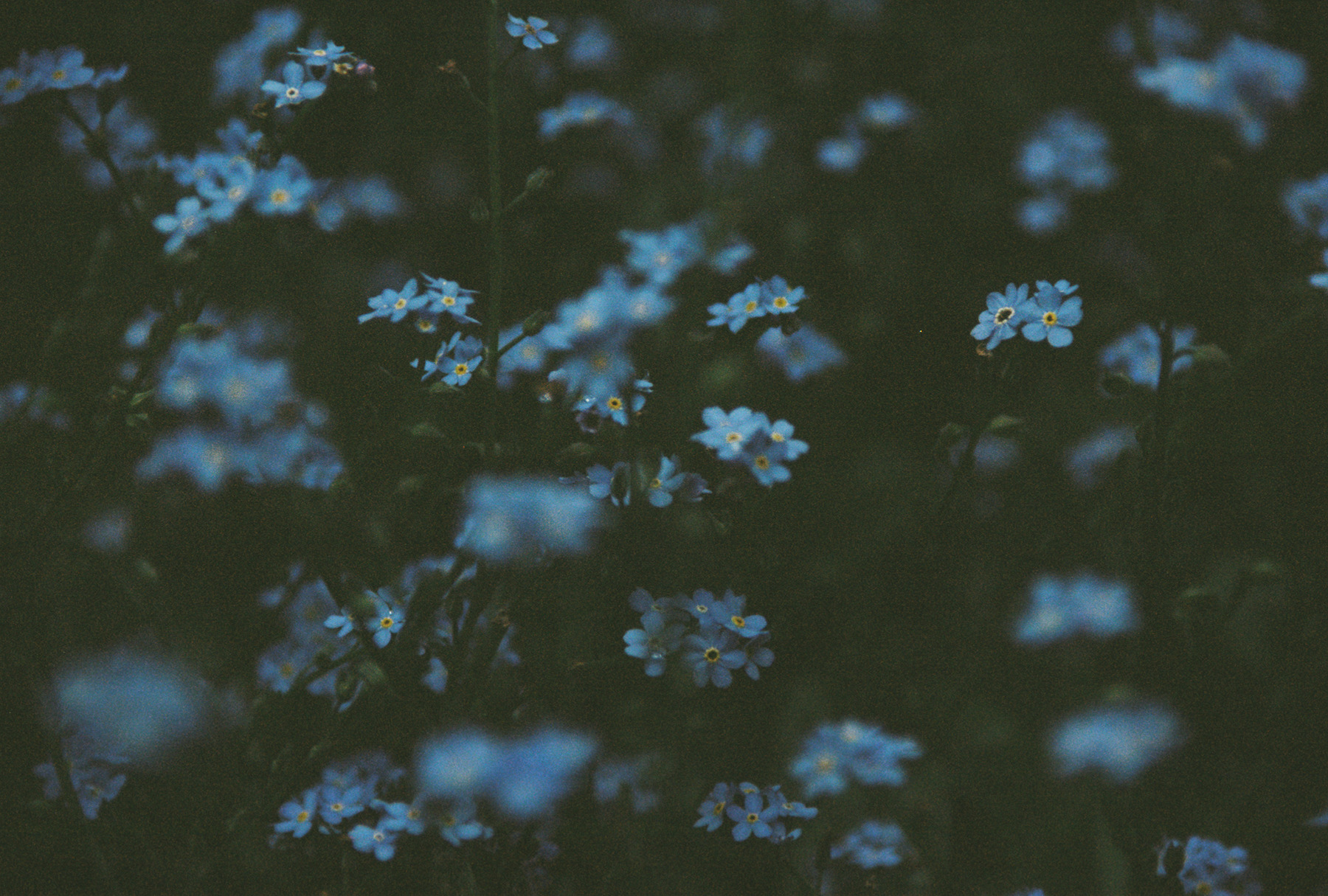
When I see a field of beautiful blue flowers I think about that scene in Bright Star where John Keats and Fanny Brawne are sitting in a meadow of blue, so soft and lovely it made me want to return to England just to walk and lie around in one just like it. I dream about endless rows of bluebells and cornflowers and the kind of lush greenery you see in period British films.
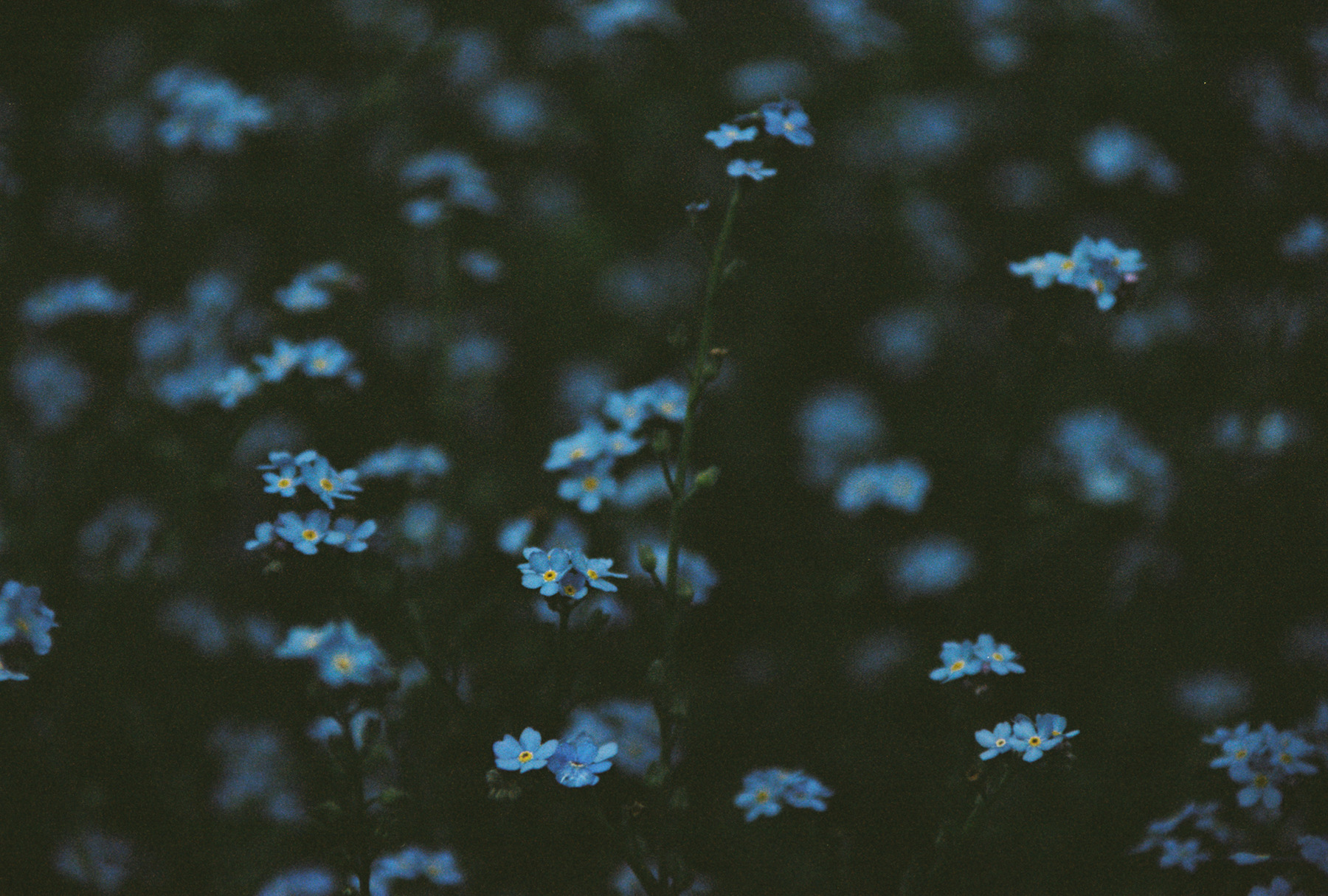
One of the first things that struck me about Capri was all the beautiful flowers (scenting the air) and all the birds.
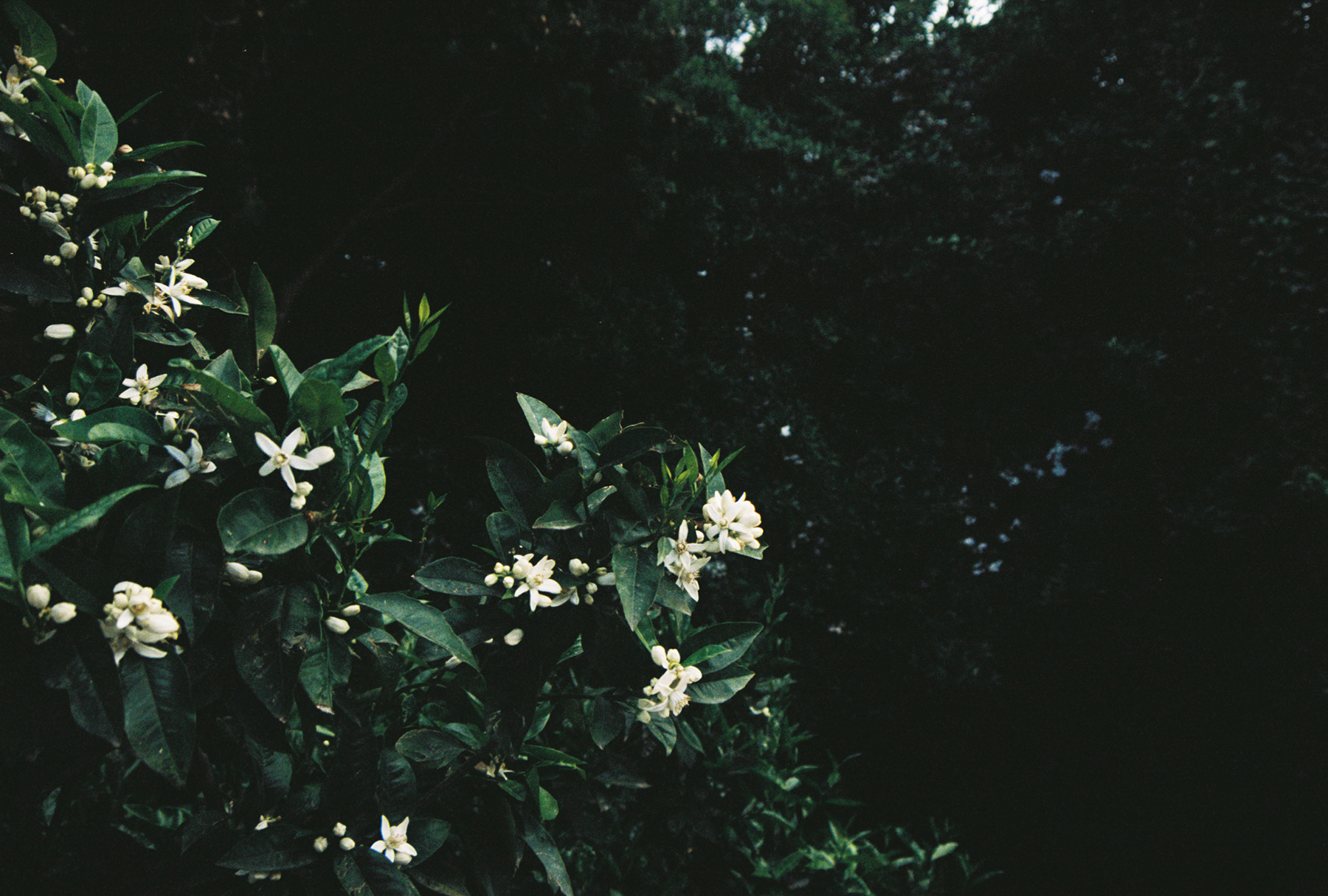
Dark verdant green and creamy white buds.
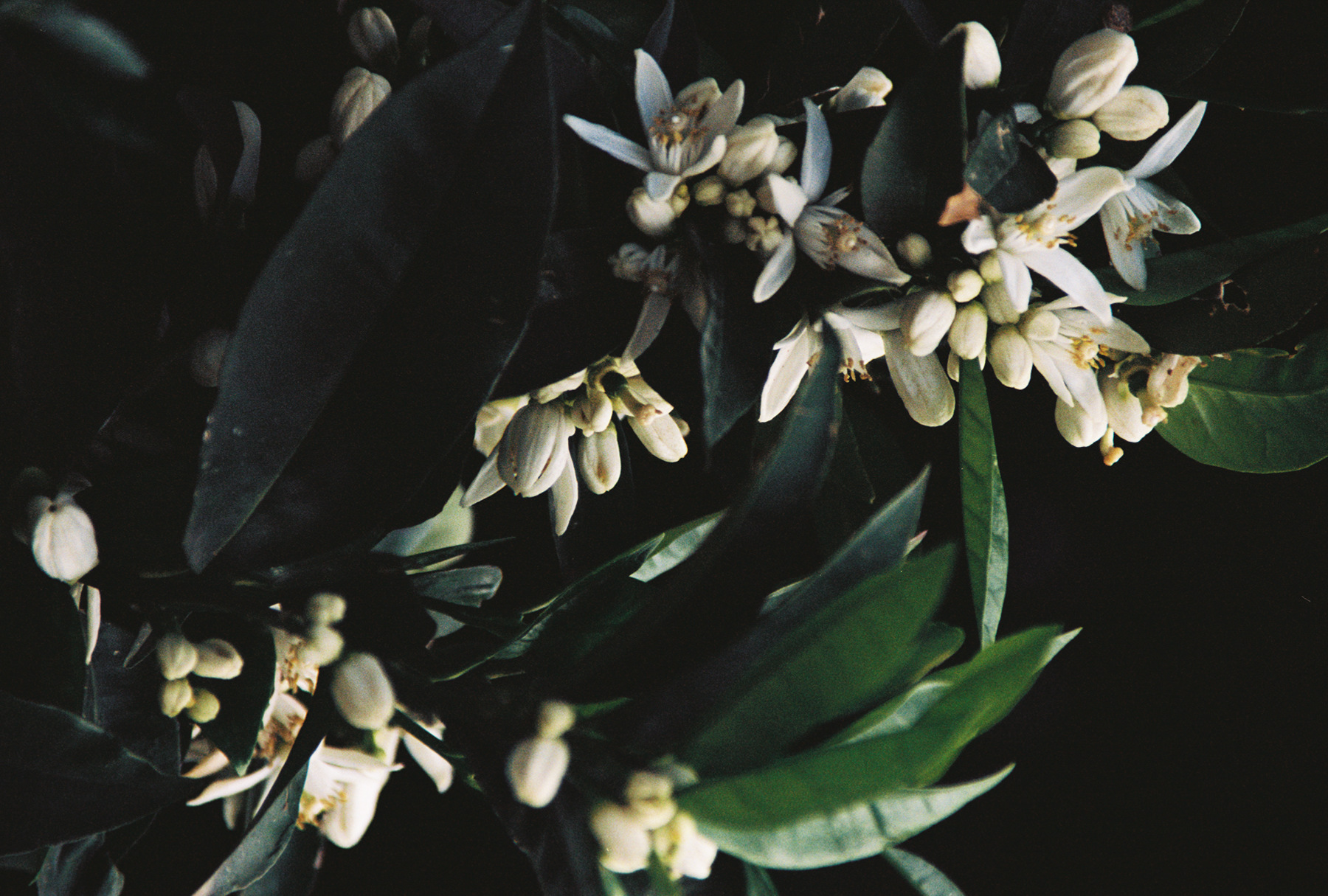
I wanted to reach out and touch them.
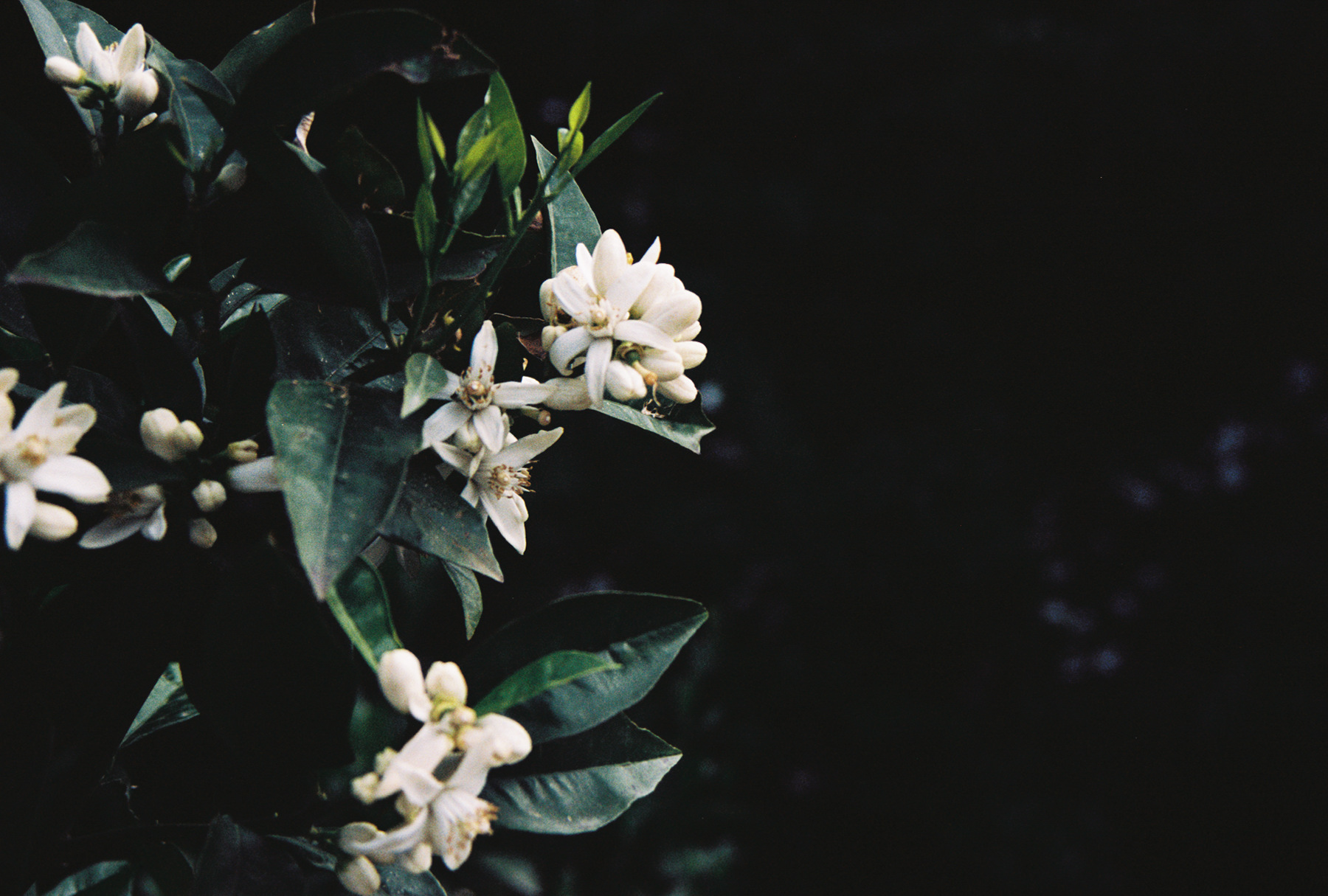
The leaves were dark and lovely.

Blue and white flowers in a sea of green in the gardens lining the loggias, adding to the mystery of the place.
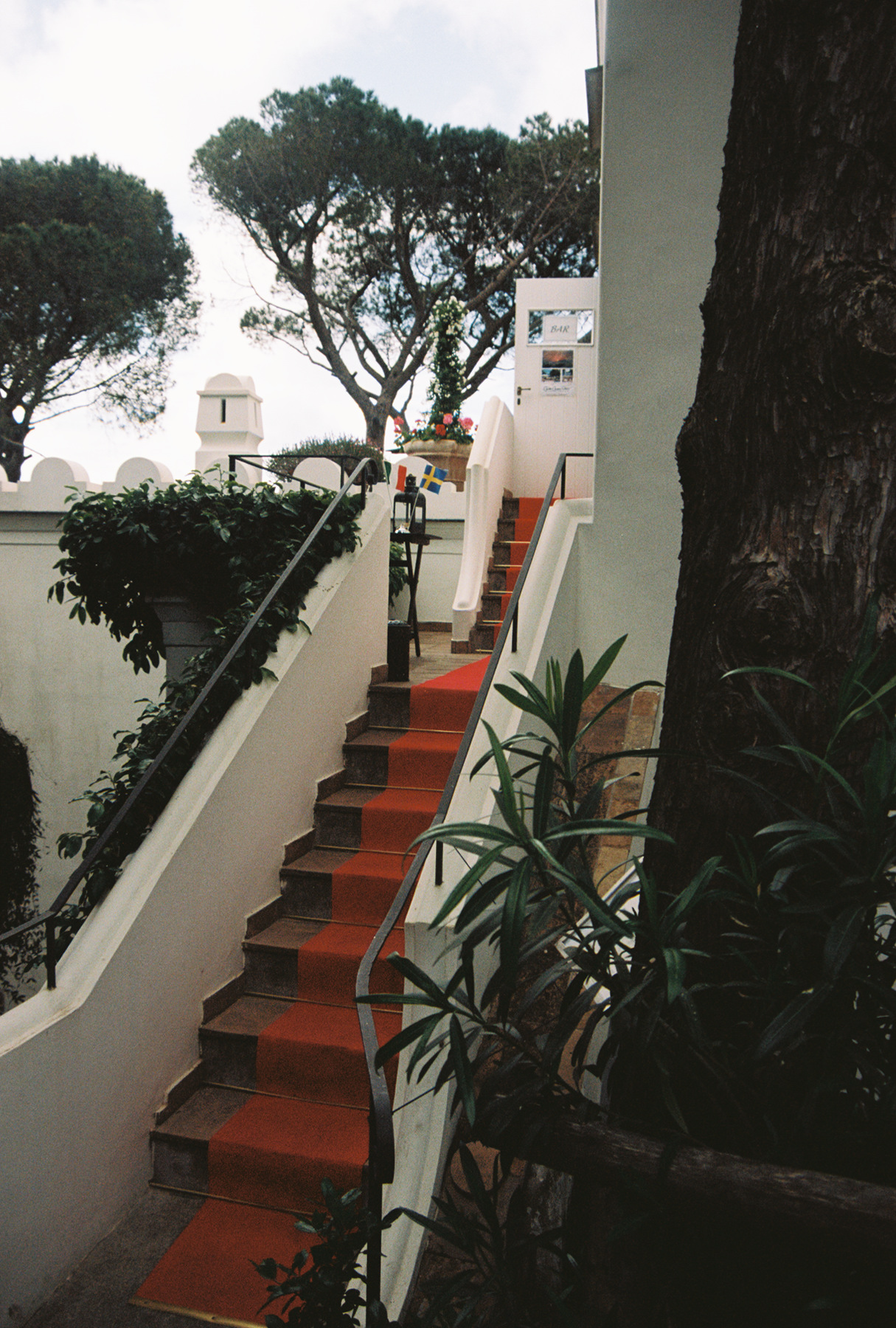
Stairs leading up to the rooftop café. A red carpet experience in terms of views. One can order coffee, mineral water, fresh orange juice, cappuccinos, prosecco and gelato.
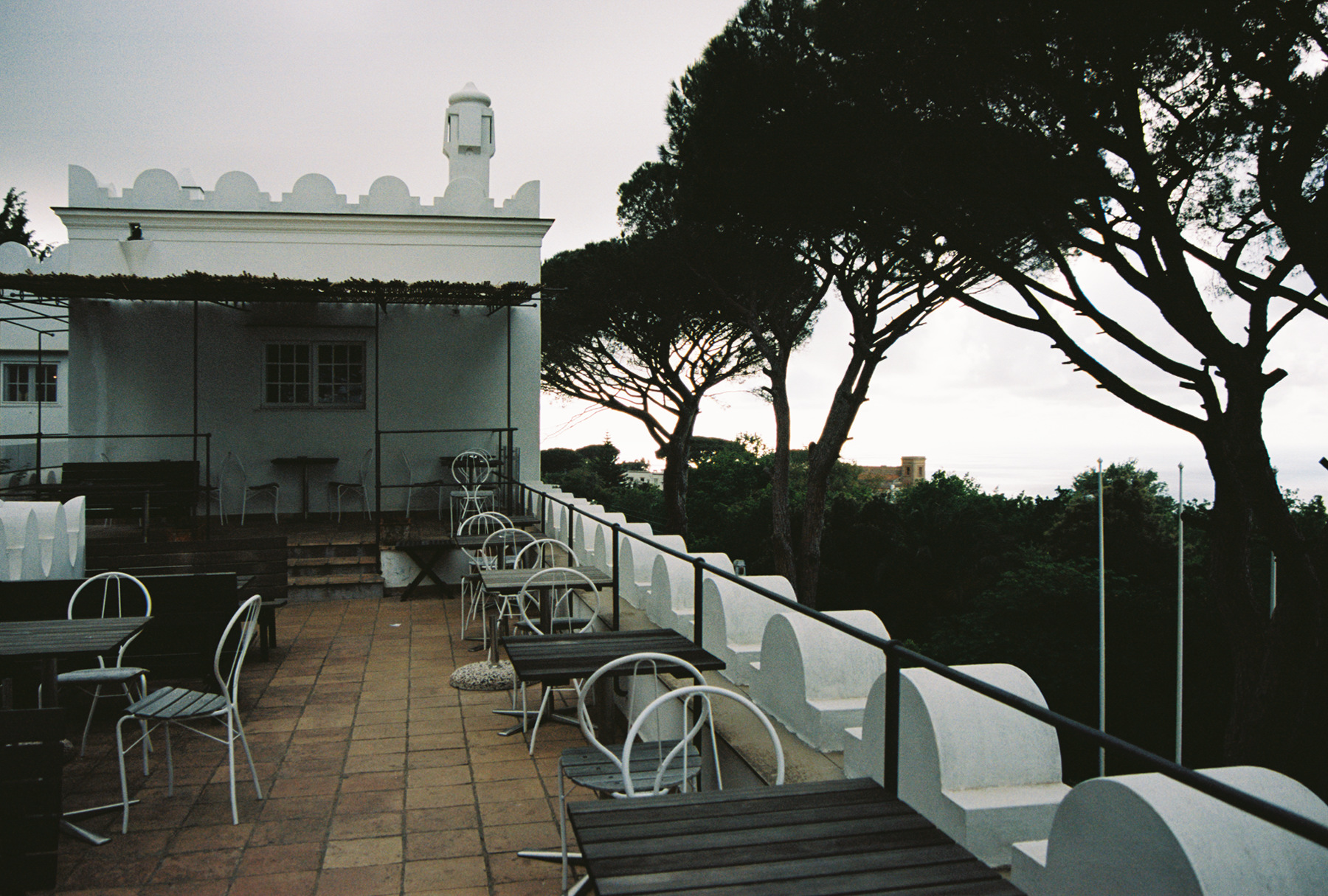
We had the café to ourselves. The day was nearing dusk, the clouds were dramatic after intermittent rain.
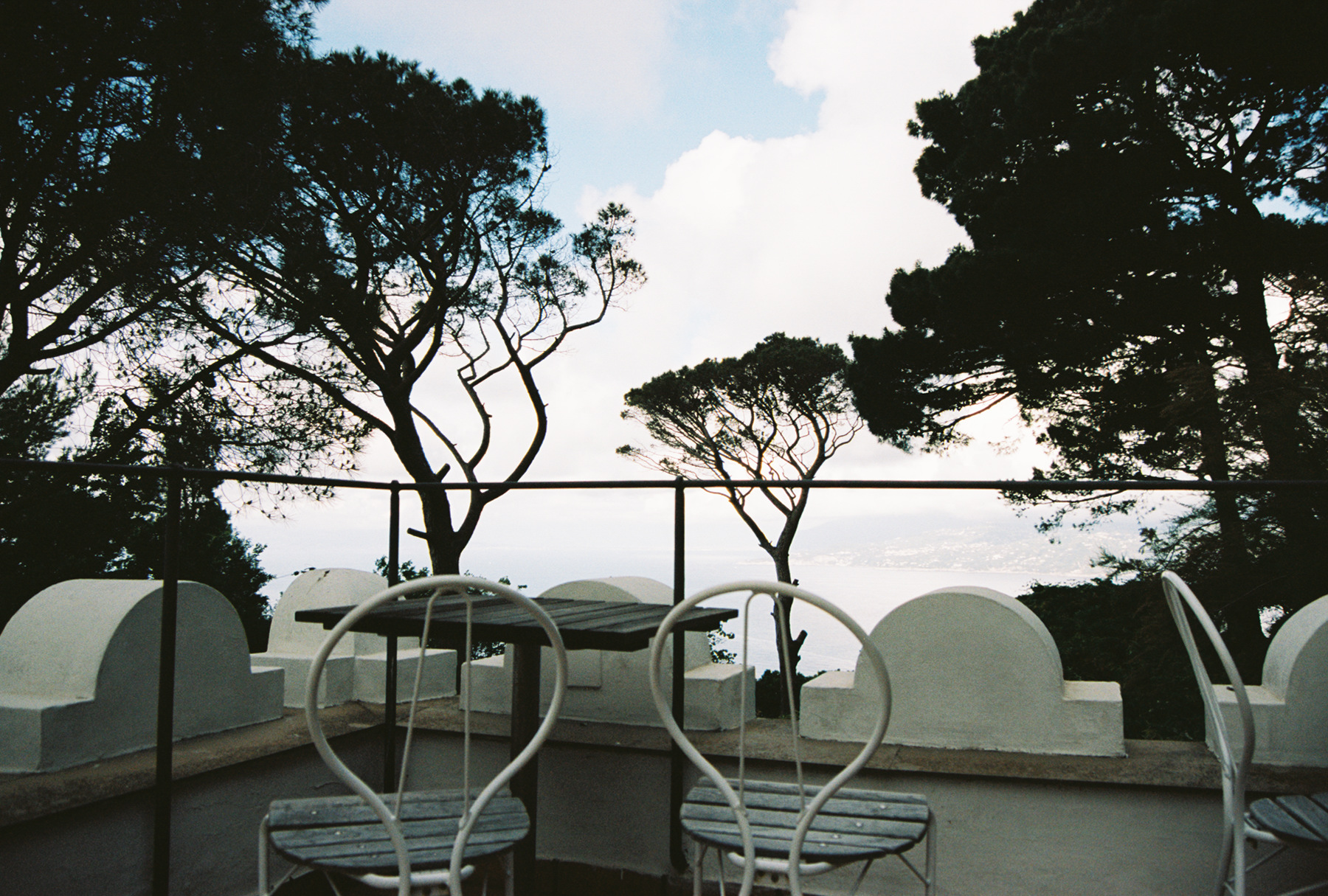
Umbrella pines always make me think of Rome.
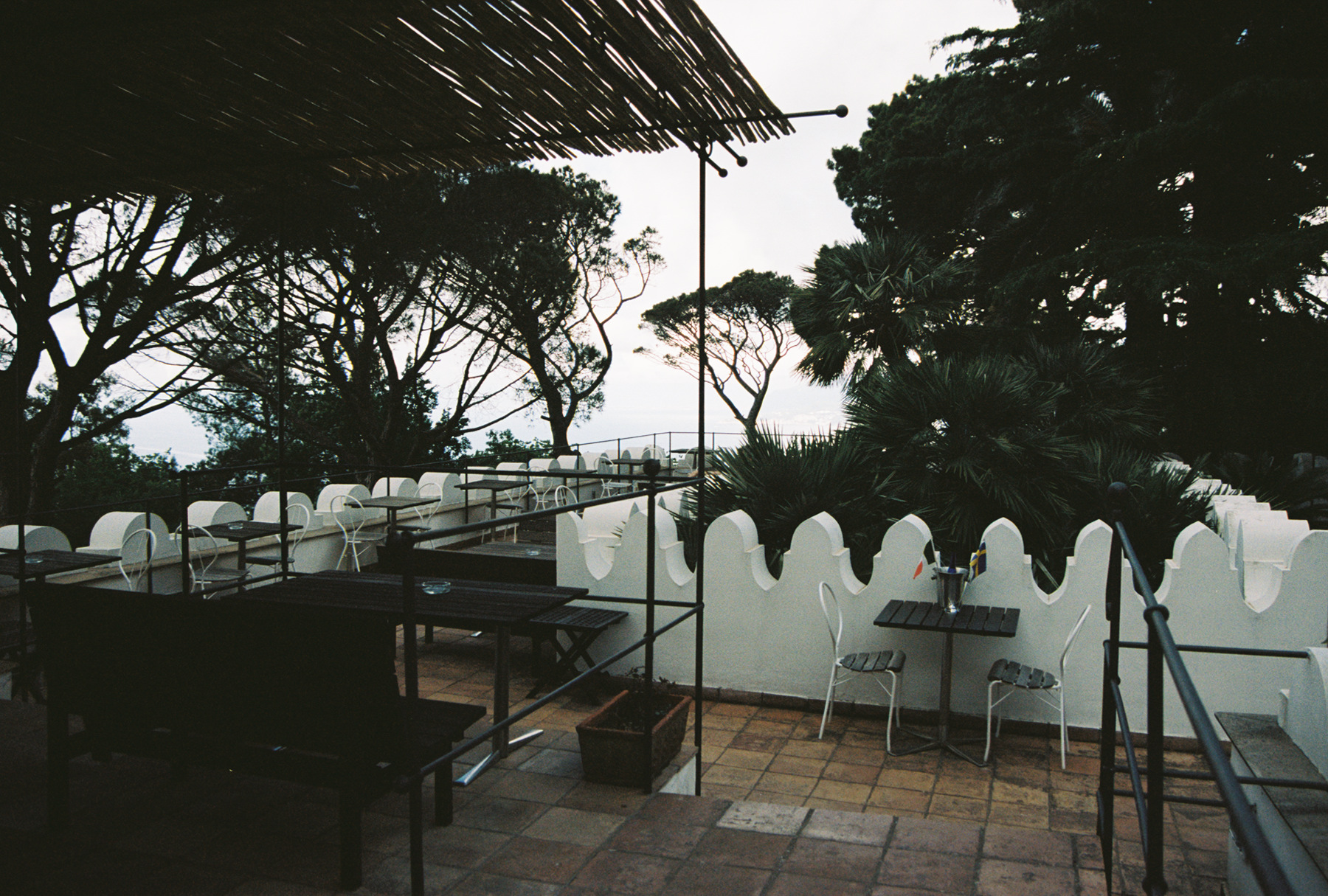
There is a light aroma of espresso and white lilacs in the air, plenty of shade and cool breezes and spots of sun. One can smell a hint of the sea, too.
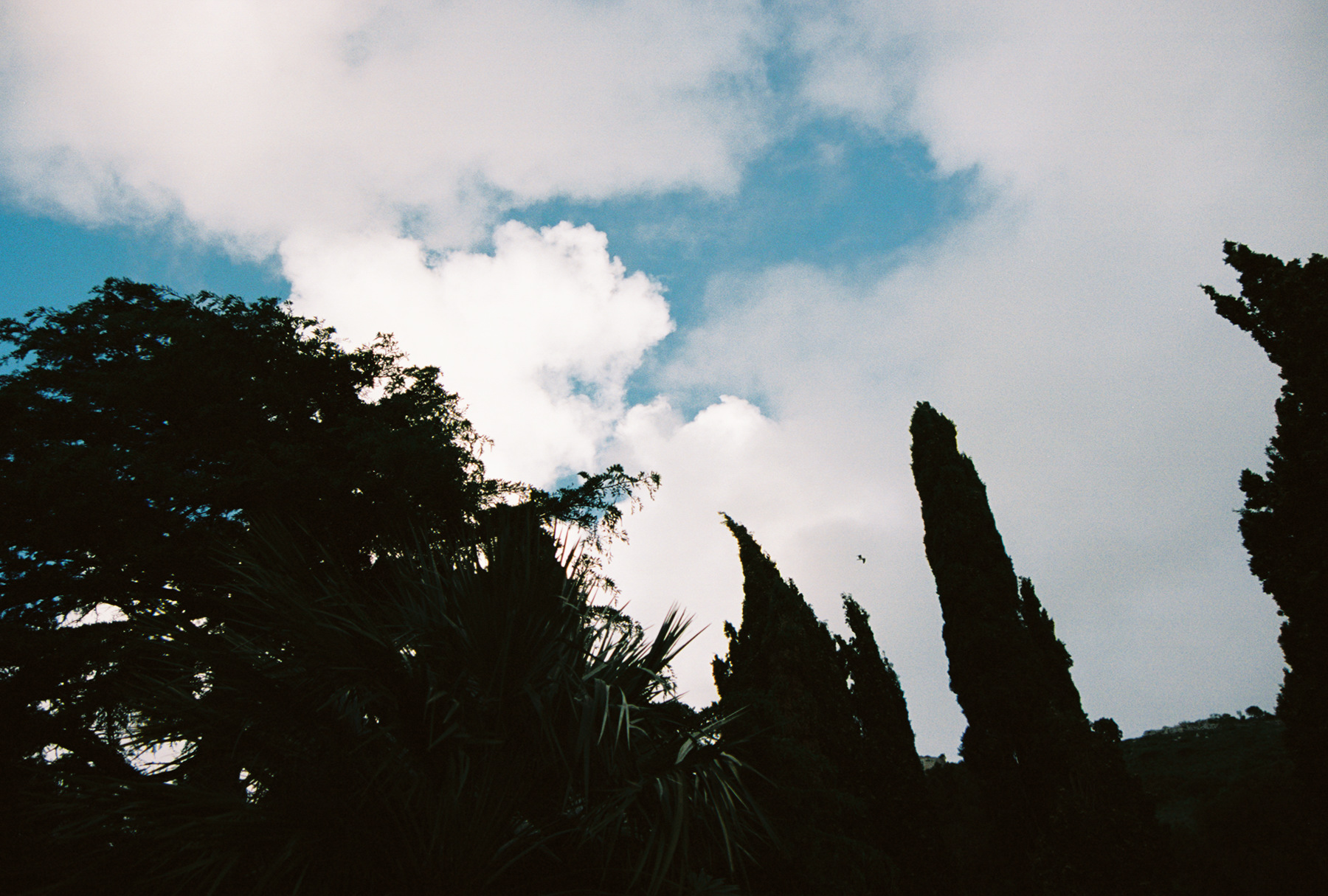
Views from the roof top of the garden and the sea. The bluest blues, the darkest greens, the whitest whites.
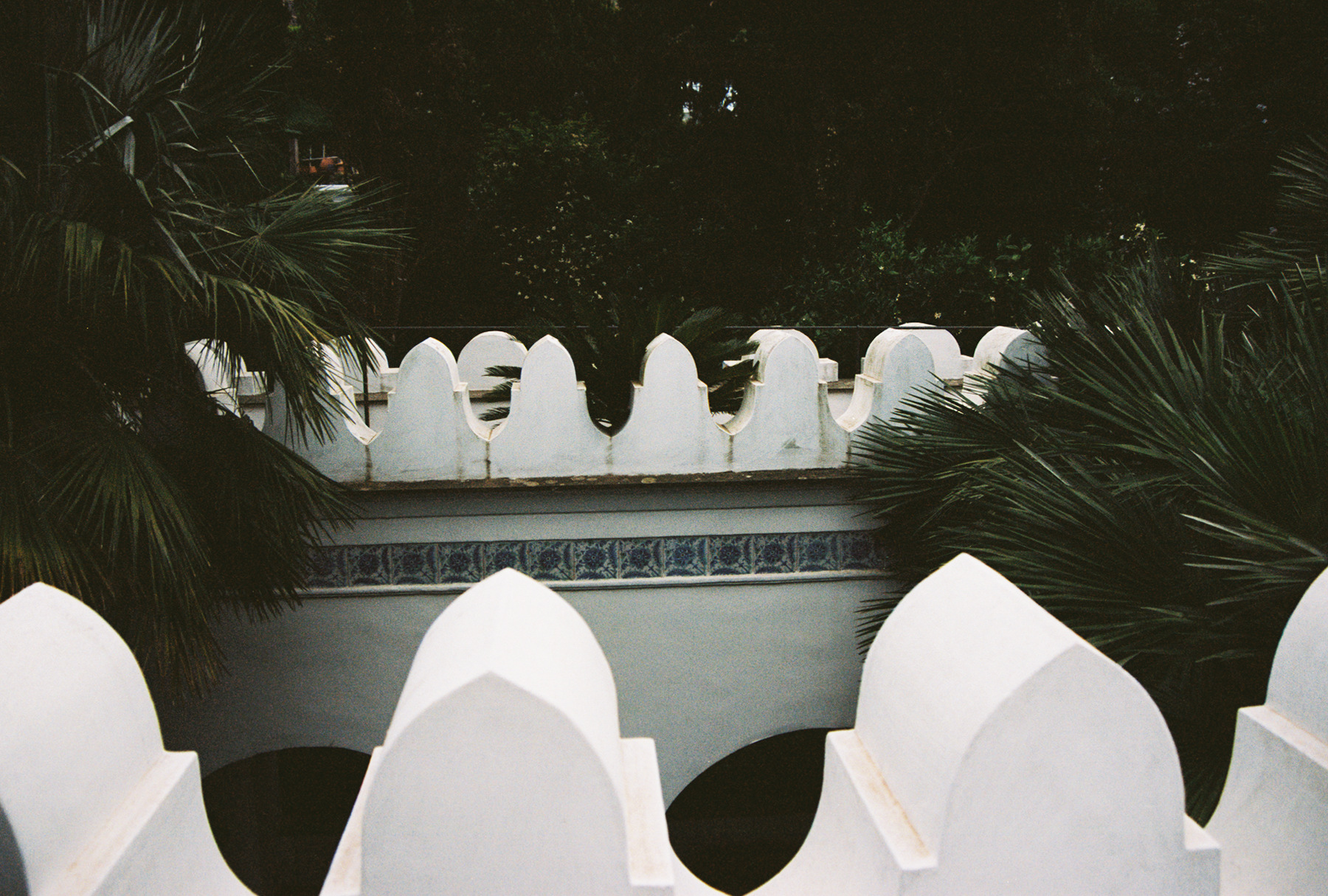
The unique architecture of the villa.
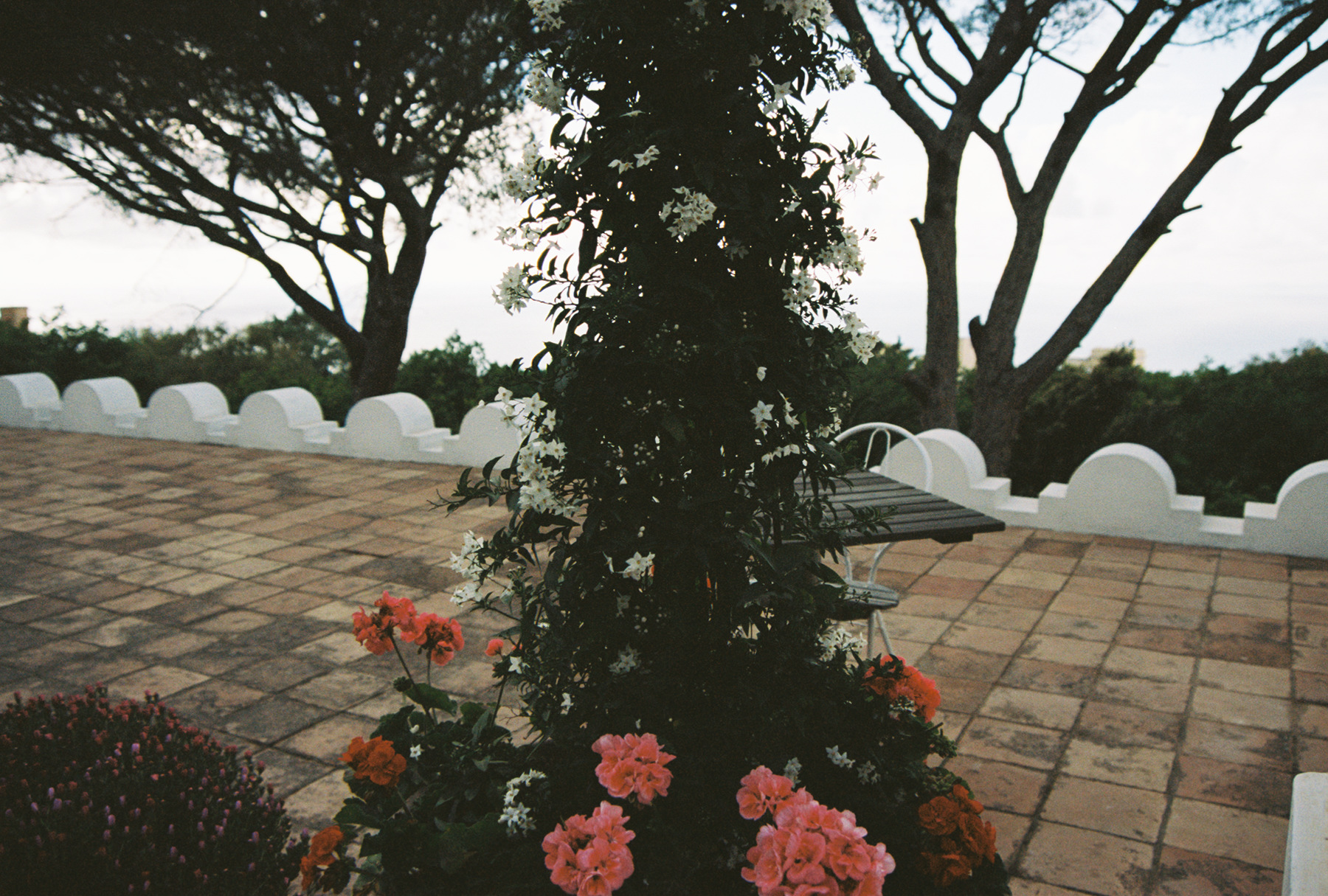
Flowers of every hue can be found throughout the grounds. The bright pink and red are like kisses with paint on your mouth left on a linen handkerchief.
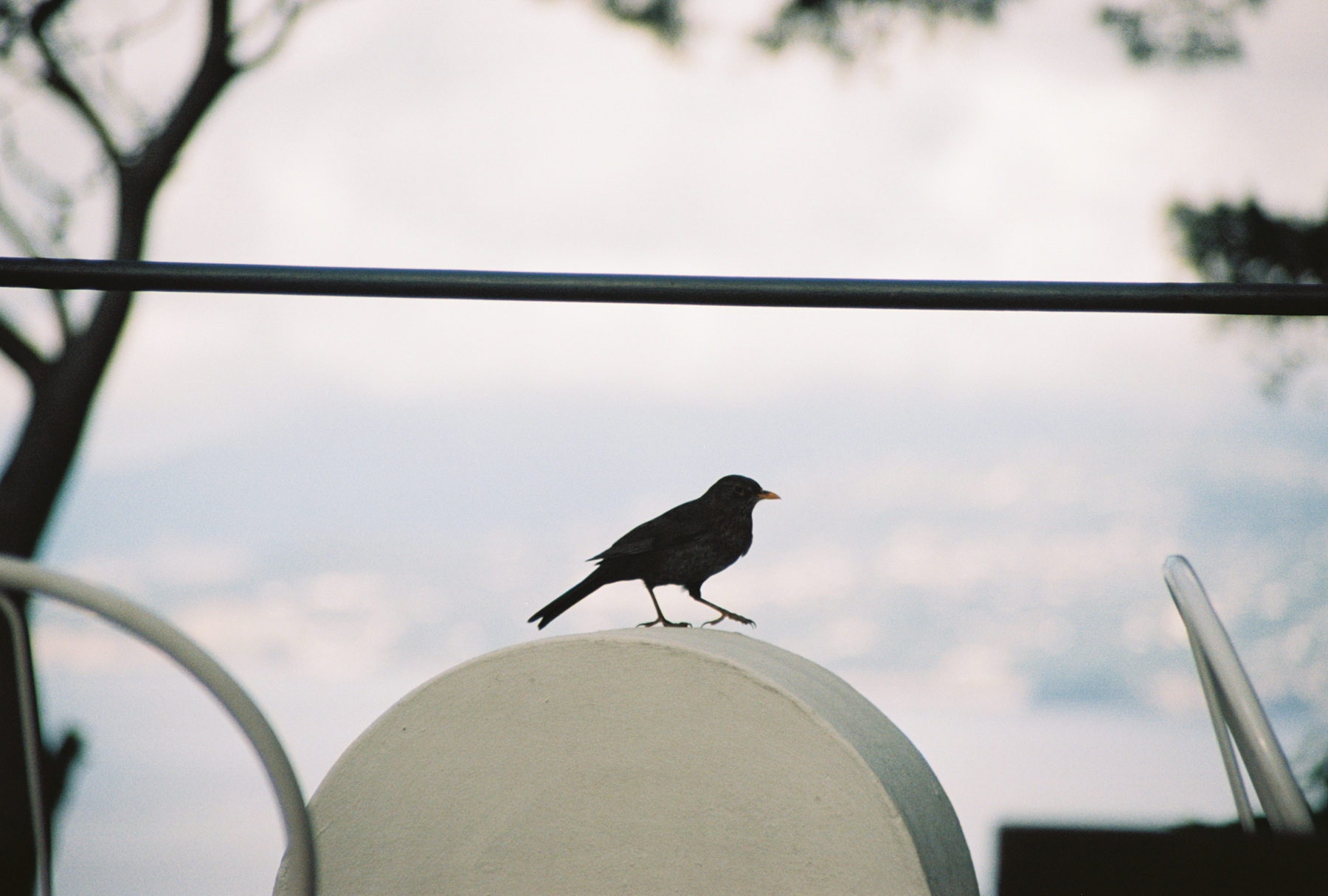
One of the many birds of Capri at the café.
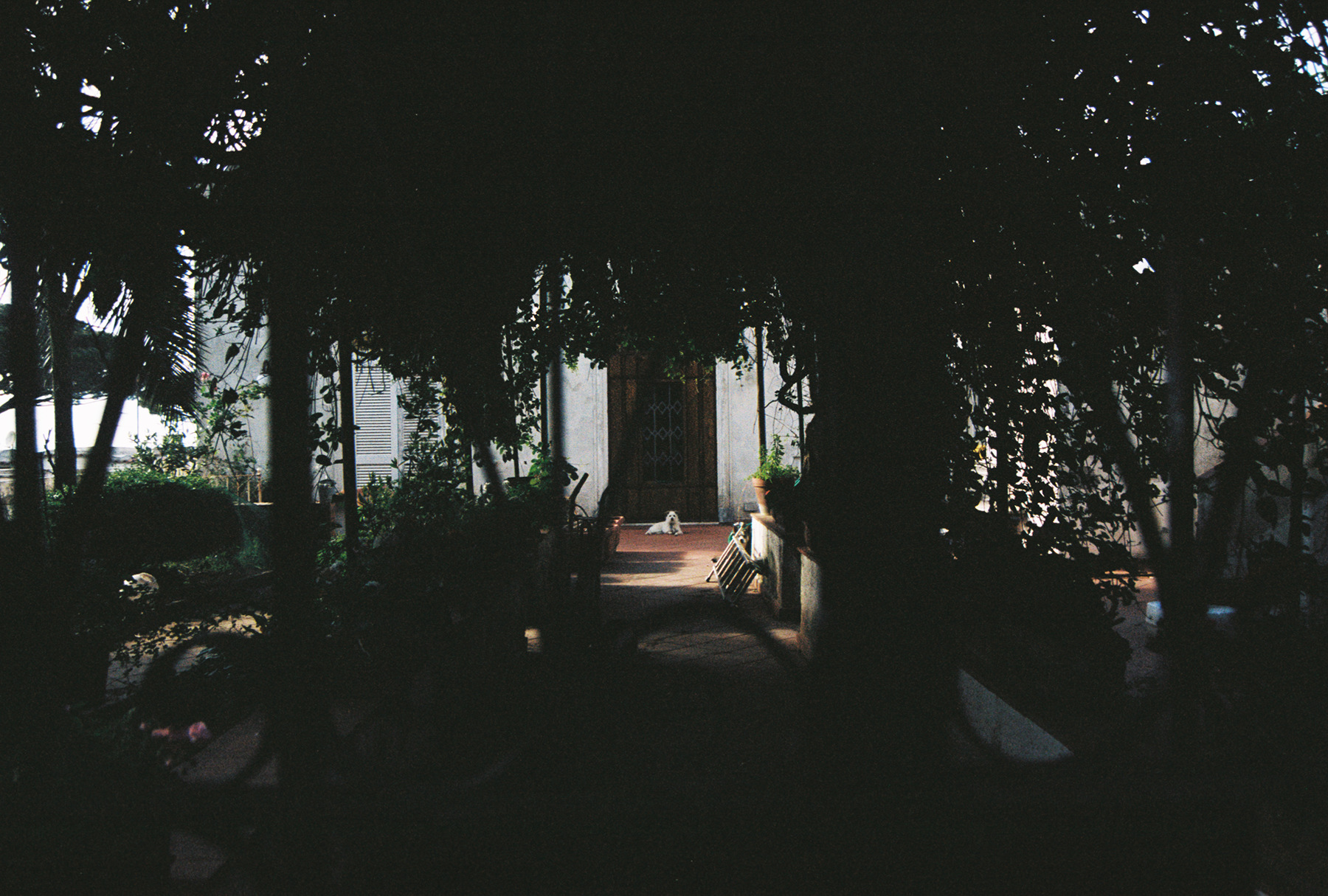
One of the dogs through a keyhole in a fence on the way back from the Villa San Michele.
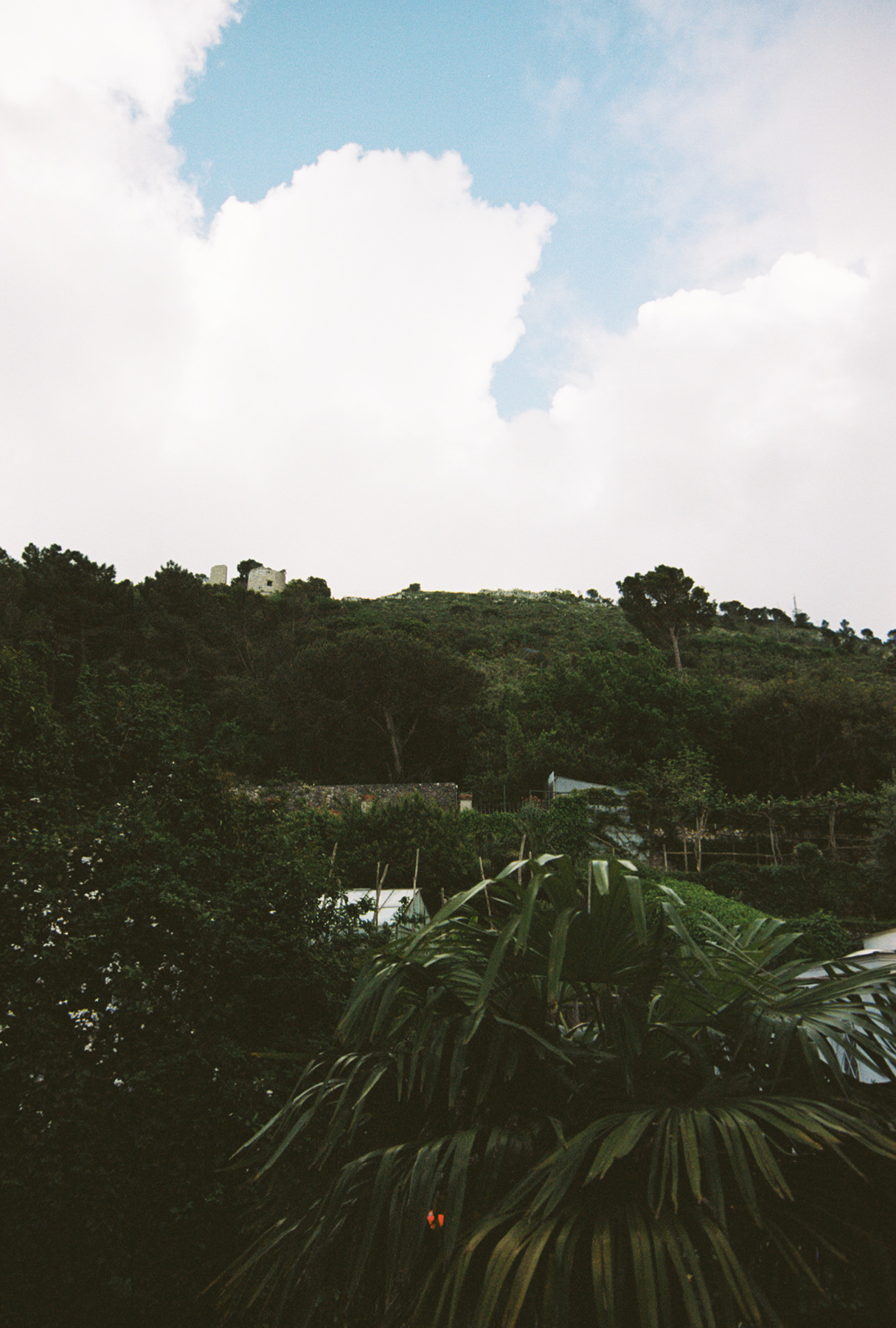
Redbeard’s fort high up on the hill.
This is the second article in a series of film photographs and writings on the Villa San Michele on Capri in Italy. More to follow!
All photographs copyright Rebecca Price Butler, at alovelettertorome.com
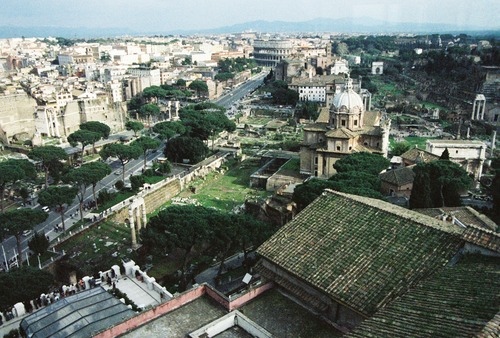
A few years ago I stood on the roof of the “wedding cake”, aka “Altare della Patria” (Altar of the Motherland) or “Il Vittoriano“, to spy, for the first time, a bird’s eye view of Rome, a city I had only seen from the vantage point of a mere mortal.
There is something about the view from the top of the layers of ruins, buildings, trees, cars, vespas and people one can’t capture quite like standing where the gods would have been watching in Caesar’s time.
It is really a beautiful experience. And down the elevator, rife with enviable views of the ruins from a closer perspective, is a cafe, selling delicious sandwiches and antipasti, wine and espressos. If you ever find yourself in Rome, it’s an experience you cannot miss.
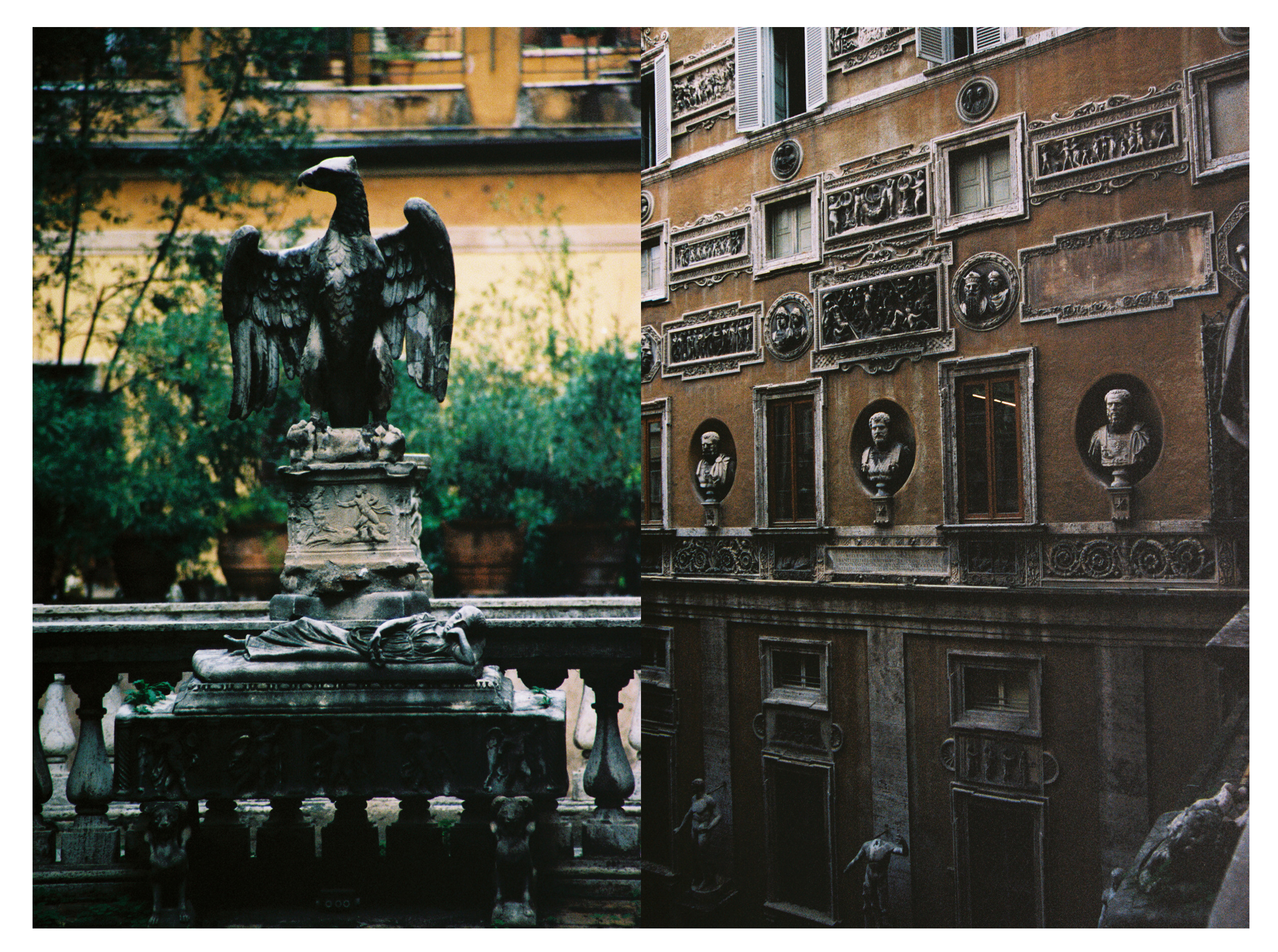
The Palazzo Mattei di Giove ,Via Michelangelo Caetani 32, other entrance in Via dei Funari, Ghetto, Rome, 00186
Last year I decided on our two visits to Rome I wanted my husband and I to spend some time hunting for off the beaten path spots we’ve not yet visited. I picked up some new books on the subject, City Secrets of Rome by Robert Kahn and Quiet Corners of Rome by David Downie. Upon seeing photographs of this amazing place I had to see it for myself. We started out having a splendid lunch at the Campo di Fiori after picking up gifts and alla’arrabbiata and carciofi alla romana spices at the charming outdoor market. We stopped, as is our custom, under the Bruno statue to pay respect and read the inscription,
A BRUNO – IL SECOLO DA LUI DIVINATO – QUI DOVE IL ROGO ARSE
(English: To Bruno – the century predicted by him – here where the fire burned).
We walked to the Jewish Ghetto section of Rome (an ancient and fascinating section of the city with a complicated history). We had to ask directions several times and still walked by the spot a few times. But, we found the Palazzo Mattei di Giove and it was worth the effort.
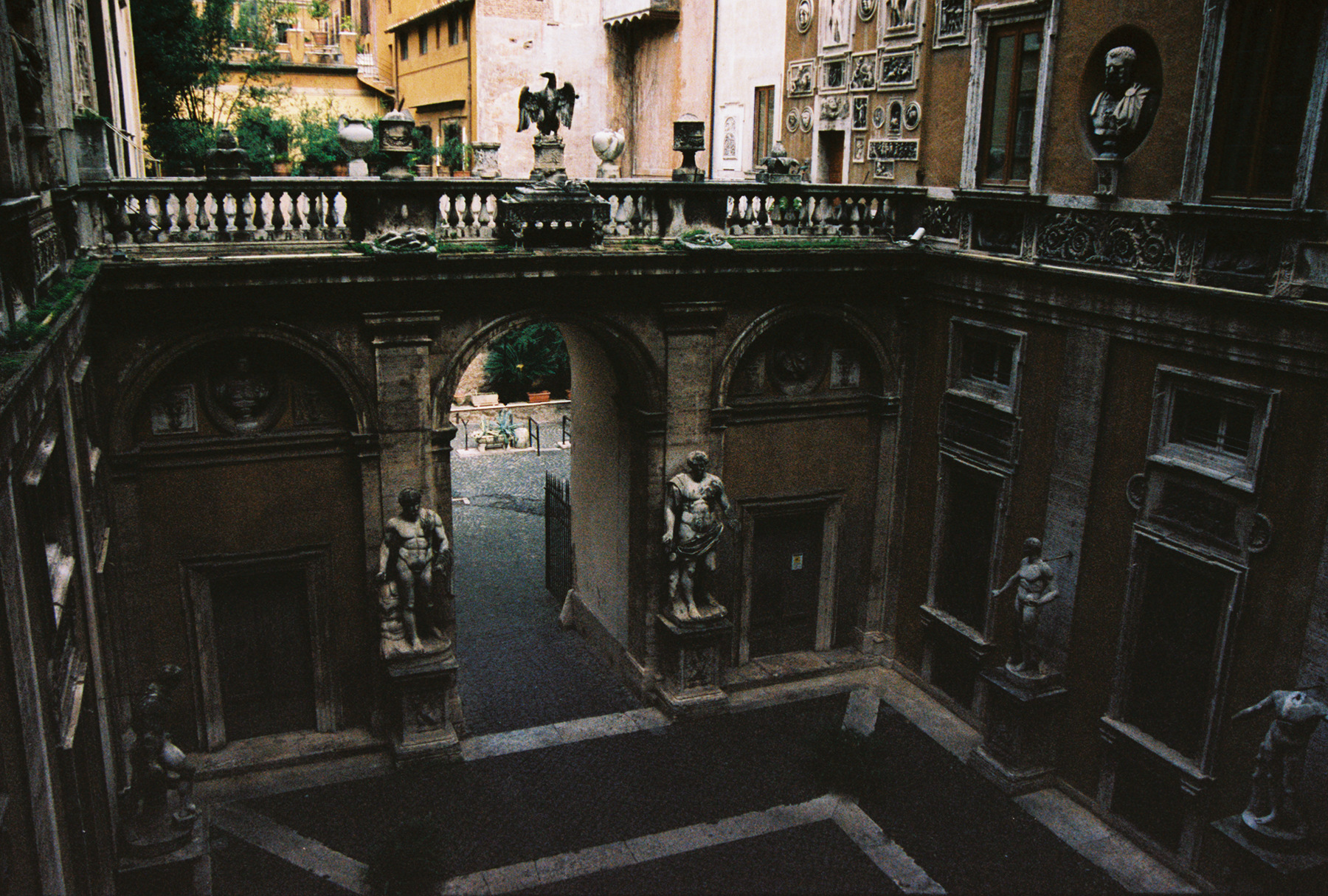
Mattei di Giove, designed by noted baroque architect Carlo Maderno—who also designed the facade of St. Peter’s Basilica—teems with busts, bas-reliefs, and sarcophagi collected by the palazzo’s namesake owner, Marchese Asdrubale Mattei. (Info source: National Geographic Traveler)
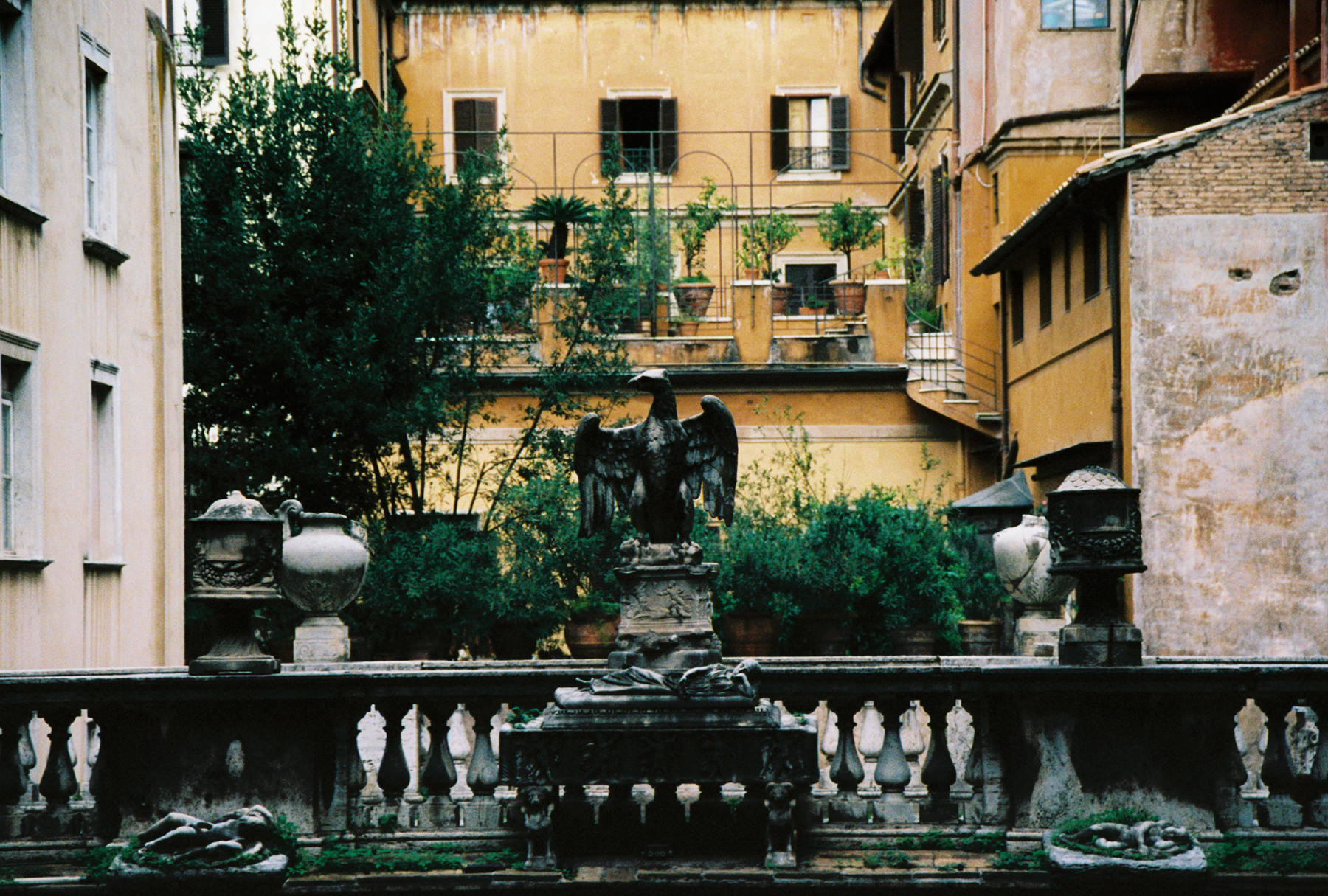
The House of Mattei was one of the most powerful noble families of Rome during the Middle Ages and early modern era, holding high positions in the papal curia and government office.
The Palazzo Mattei di Giove is the most prominent among a group of Mattei houses that forms the insula Mattei in Rome, Italy, a block of buildings of many epochs.
To distinguish this section from the others it carries the name of a Mattei fief, Giove. The Mattei owned a number of other palazzi that carried the family name including Palazzo Mattei di Trastevere across the Tiber as well as properties in Umbria, the Palazzo Mattei Paganica.
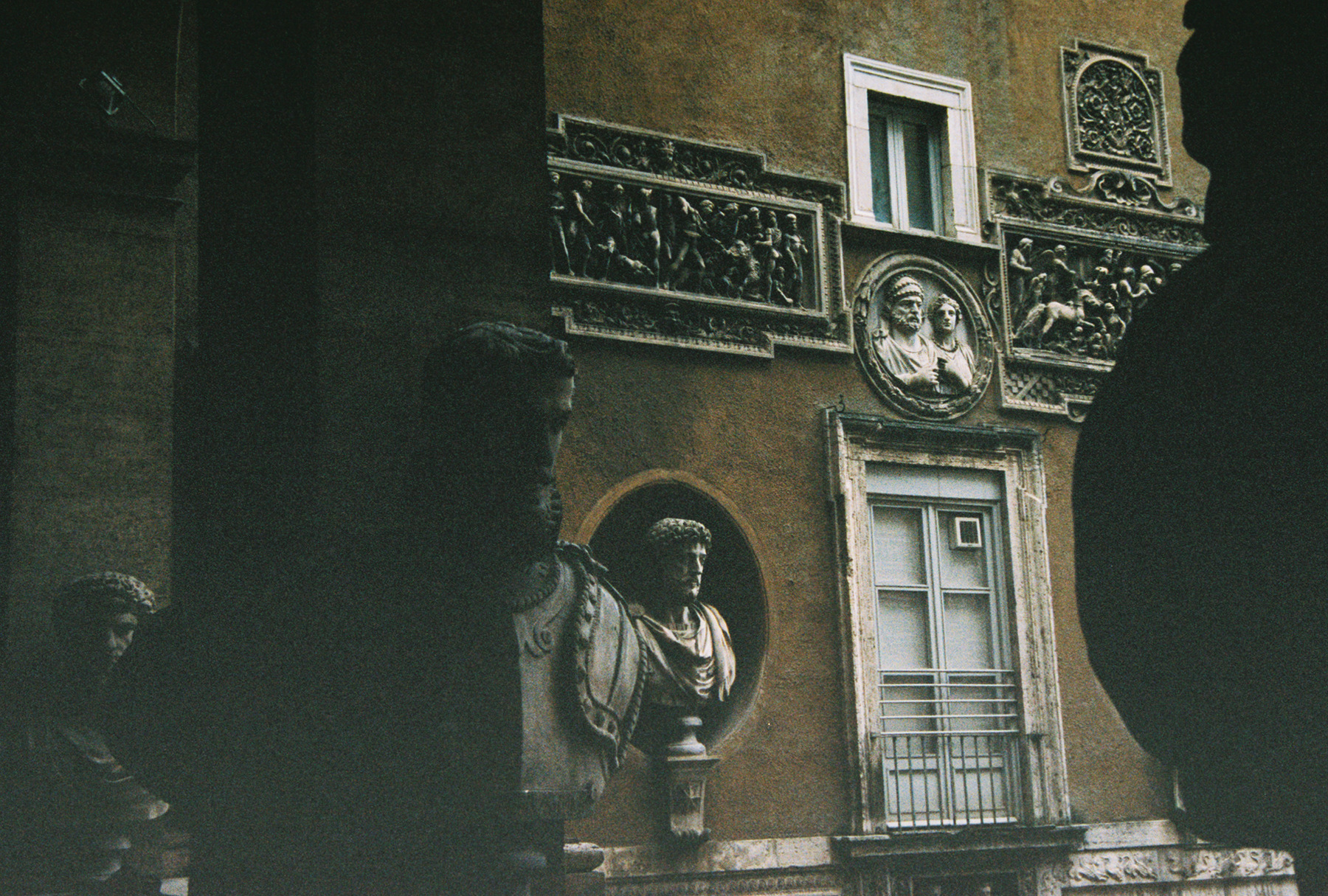
Carlo Maderno designed the palace at the beginning of the 17th century for Asdrubale Mattei, Marquis di Giove and father of Girolamo Mattei and Luigi Mattei. He was also the brother of Ciriaco Mattei and Cardinal Girolamo Mattei. It was Maderno who was responsible for the extravagantly enriched cornice on the otherwise rather plain stuccoed public façade, the piano nobile loggia in the courtyard and the rooftop loggia or altana.
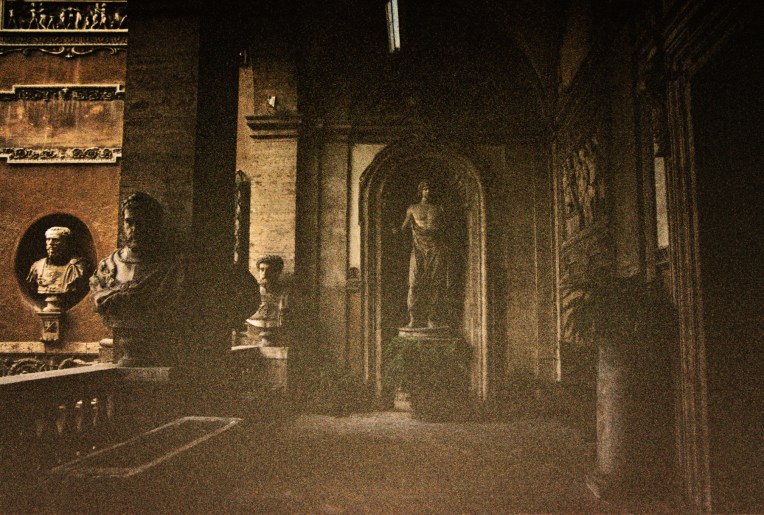 For the interior of the palazzo, Pietro da Cortona was commissioned to execute the pair of compositions on the ceiling of the gallery, dating before 1626. In the early 19th century, a group of paintings from the collection at the palazzo was purchased by William Hamilton Nisbet and removed to Scotland.
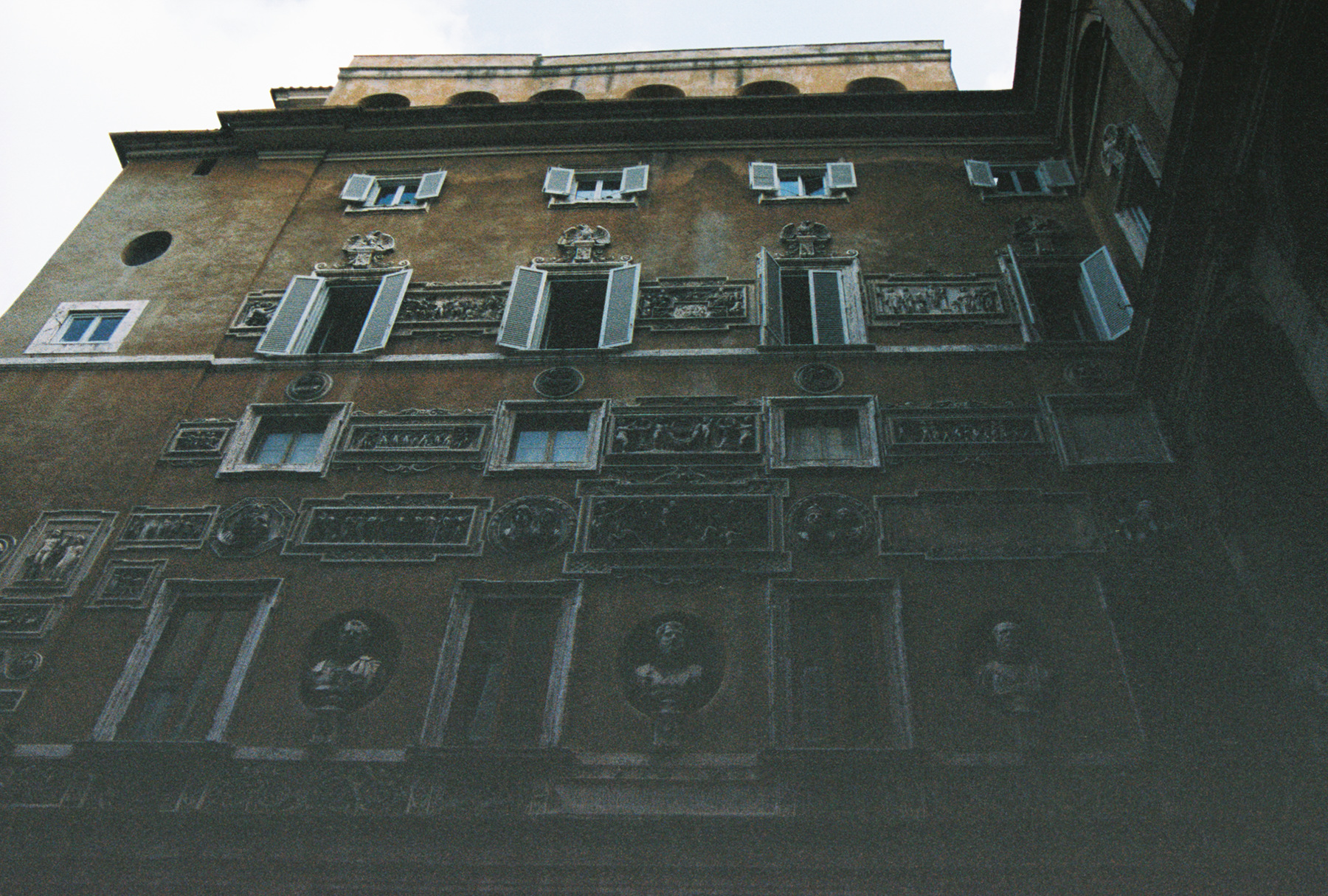
Like others of the Mattei family, Asdrubale Mattei was an enthusiastic patron of the arts. Michelangelo Merisi da Caravaggio (better known simply as Caravaggio) is recorded as living at the palazzo in 1601. (source: Wikipedia)
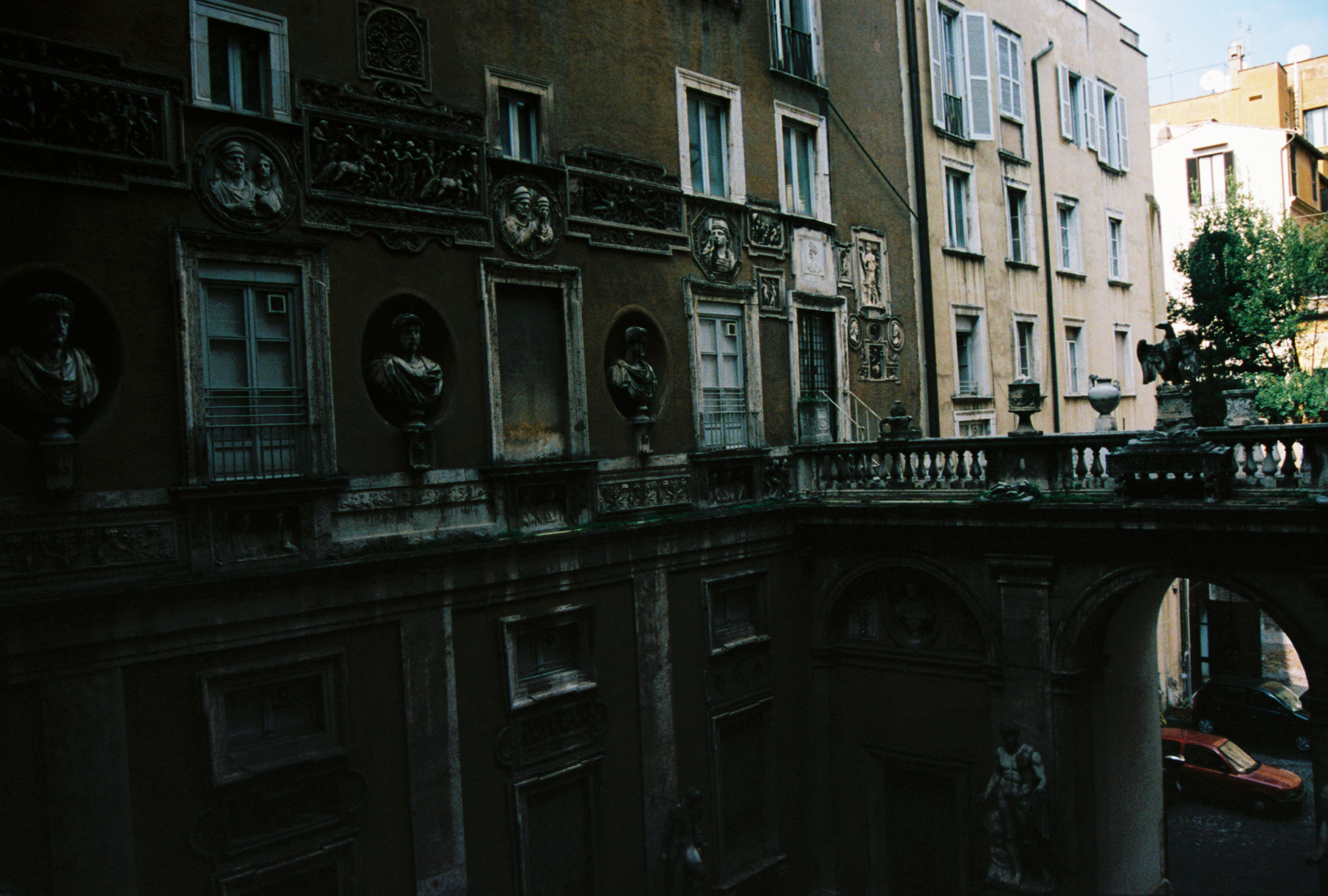
The loggia and architectural details are exquisite. This is the kind of place you see in sweeping vintage films set in Rome, the kind of place you read about in the Grand Old Tour by classically educated travelers from the 18th and 19th century. The students who spend time here are so lucky.
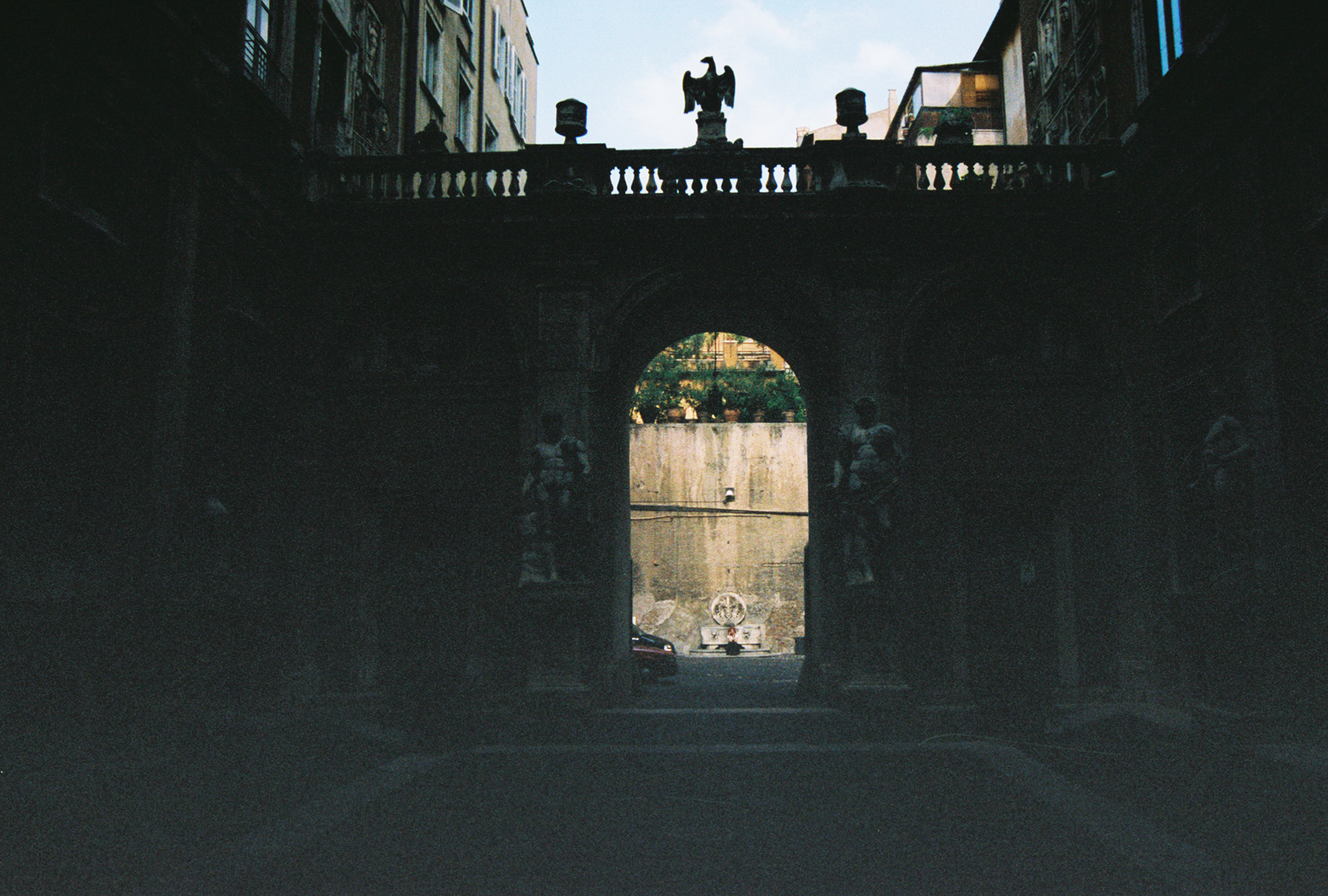
There’s not a corner or ledge that is not interesting. If you visit make sure to view the whole courtyard and go upstairs to the top terrace.

Go through the arched “doorway” in between the large statues, underneath the carved lamp.
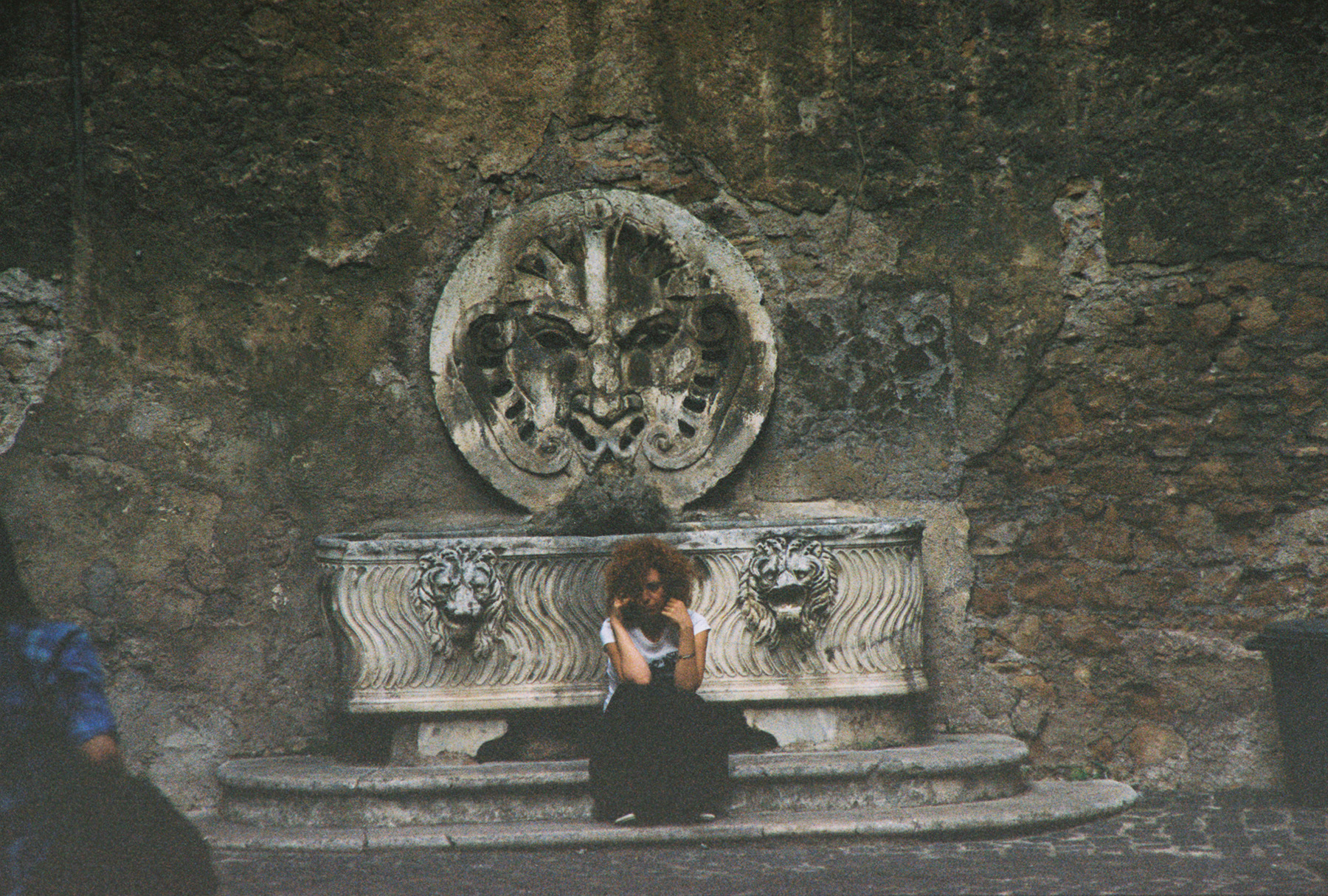
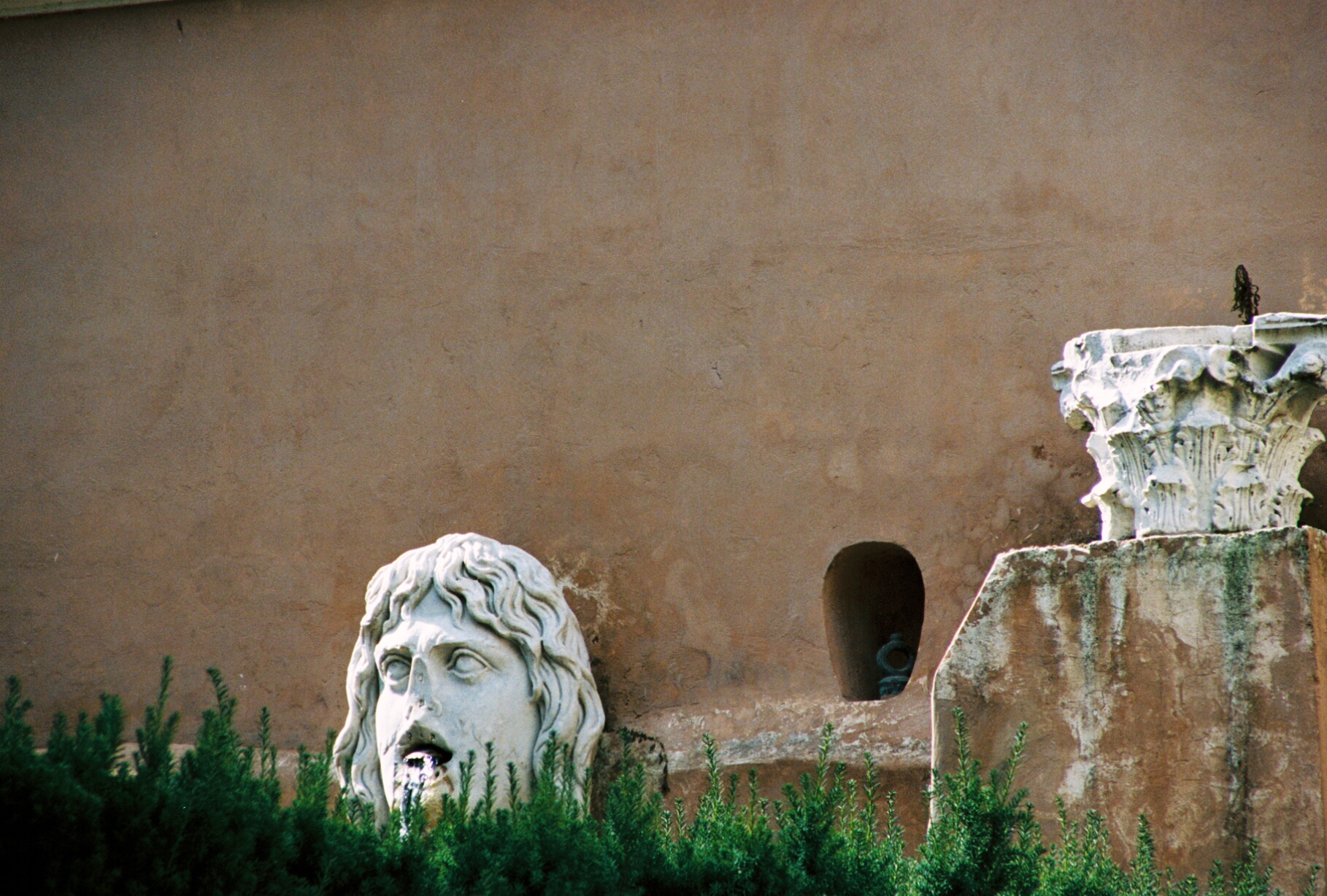
Across the small cobblestone road is an ancient fountain and face sun dial with beautifully carved in stone.
//photographs copyright rebecca price butler …
find my work on tumblr & pinterest … please link & credit me.

The Villa Farnesina is an early 16th century Renaissance suburban villa in the Via della Lungara, in the district of Trastevere in Rome, central Italy. It has incredible frescoes by Raphäel, Sebastiano del Piombo, Giulio Romano, and Il Sodoma. The villa was built for Agostino Chigi, a rich Sienese banker and the treasurer of Pope Julius II. It was later purchased by Cardinale Farnese (future pope and brother to the Borgia mistress, Giulia Farnese).
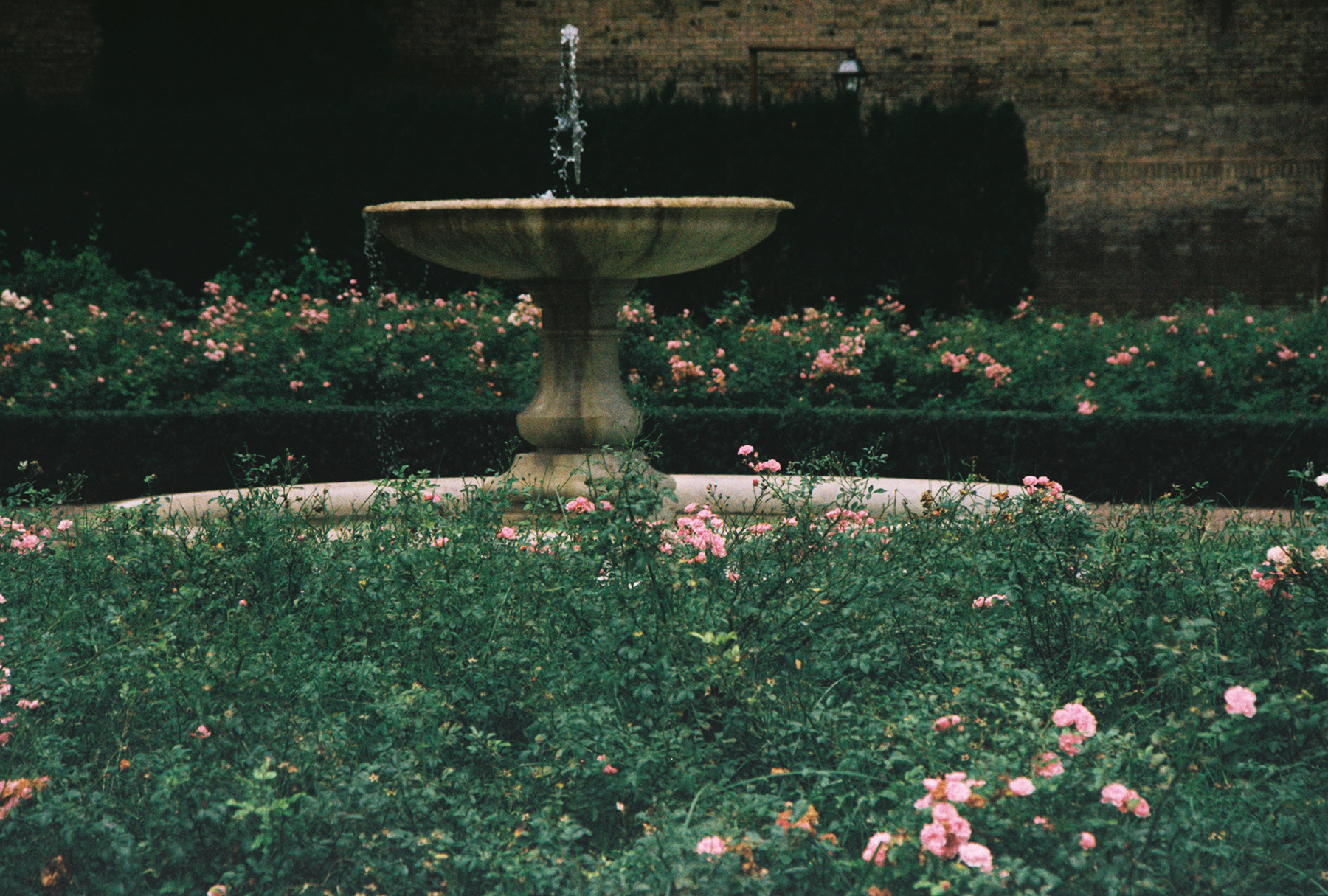
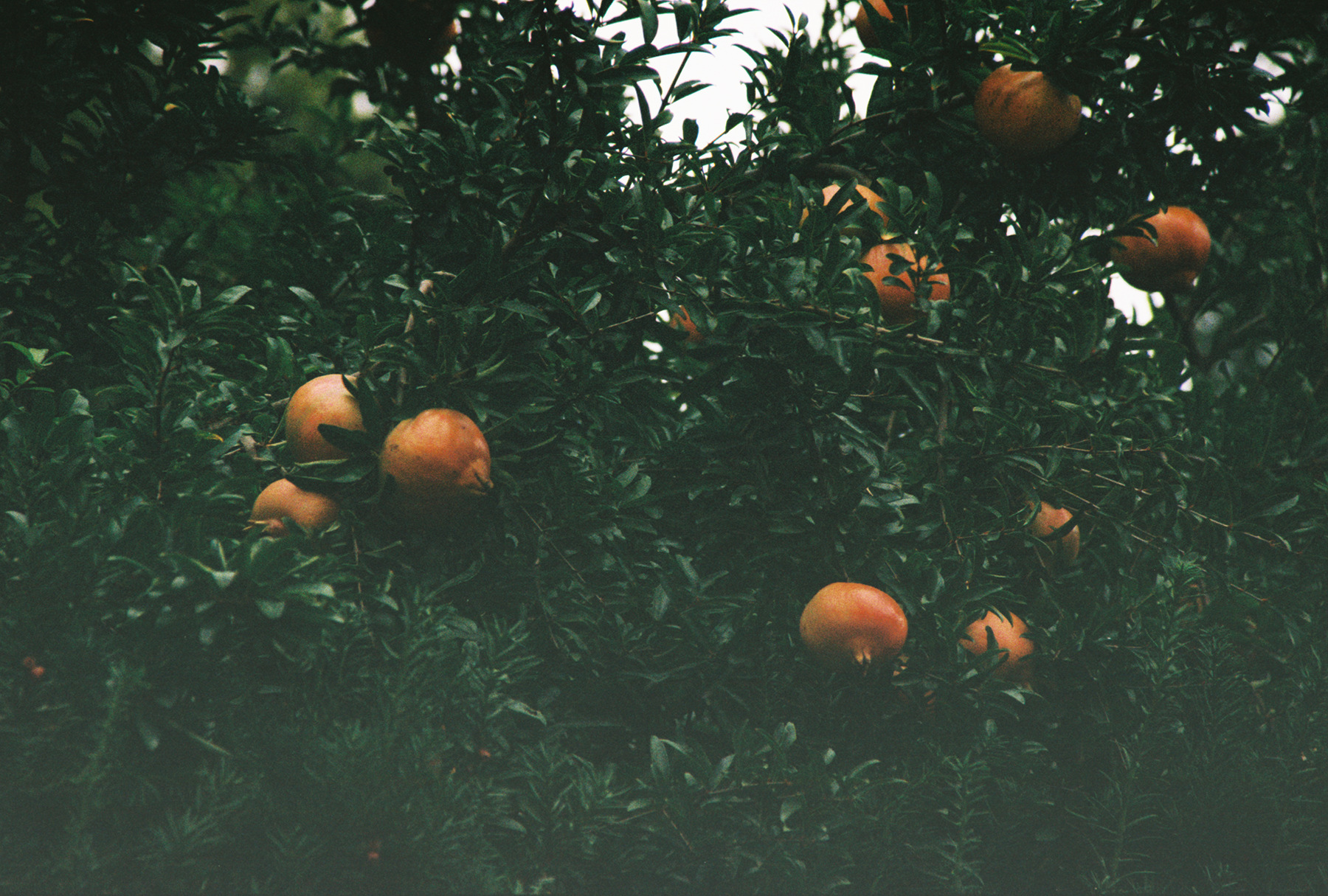
I had always missed visiting the lovely Villa Farnesina on earlier trips to Rome so I was delighted to finally see it in person in October 2012. The villa has a pretty little garden in the courtyard and larger gardens (fenced off) on one side. There is an understated elegance to the grounds and exterior architecture for a Renaissance palazzo. There are pink roses and pomegranate trees in clay pots.
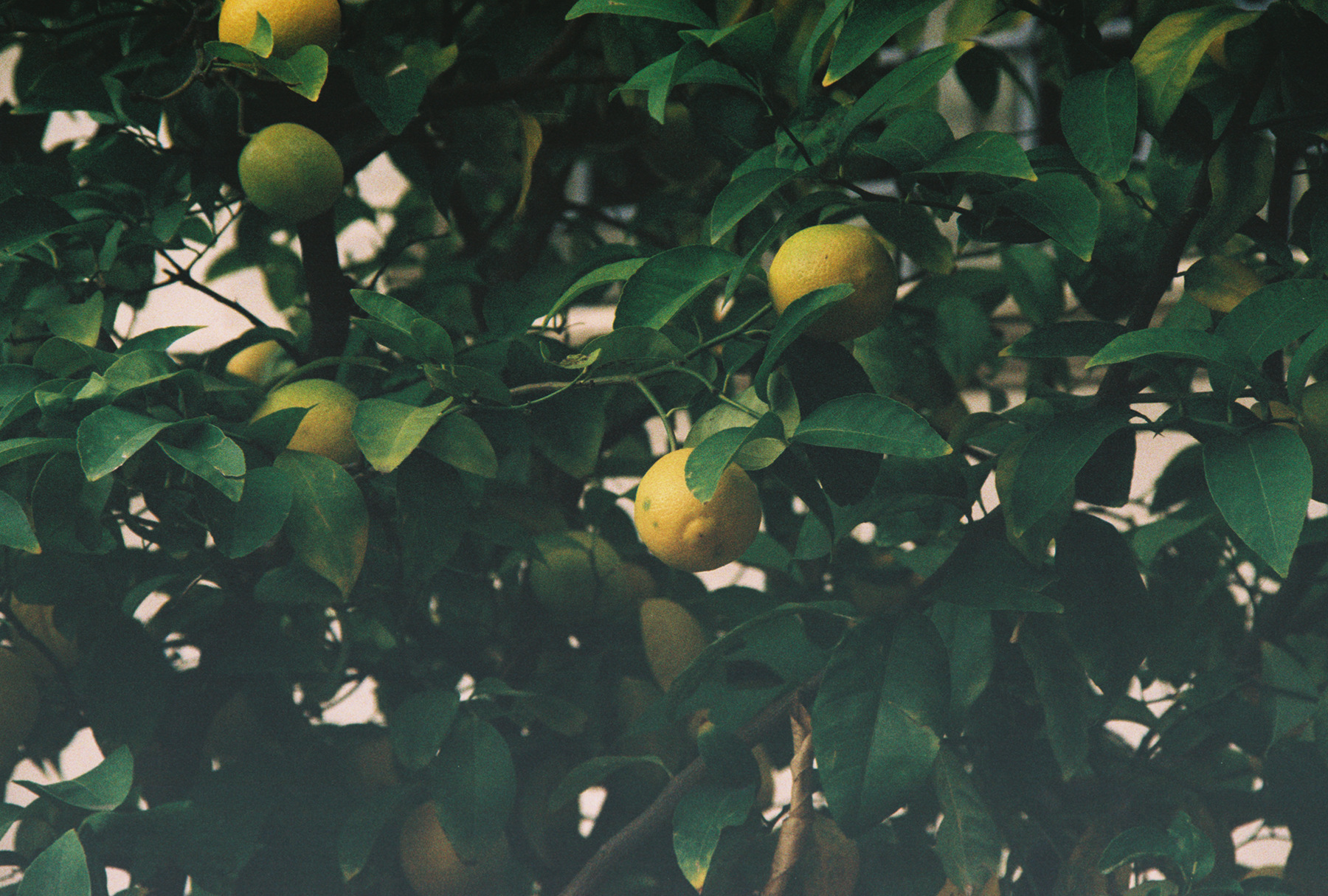
 And little lemon trees and stone lined pathways. Trastevere is a great neighborhood to visit when in Rome and this villa is even more off the beaten path if you are looking for an alternative to the usual Roman Holiday Tour.
After the initial two or three visits to Rome I’ve tried to visit more of the quiet corners of the city and get to know my favorite spots better. It’s a “slow food” approach to travel and it’s worked pretty well for us. 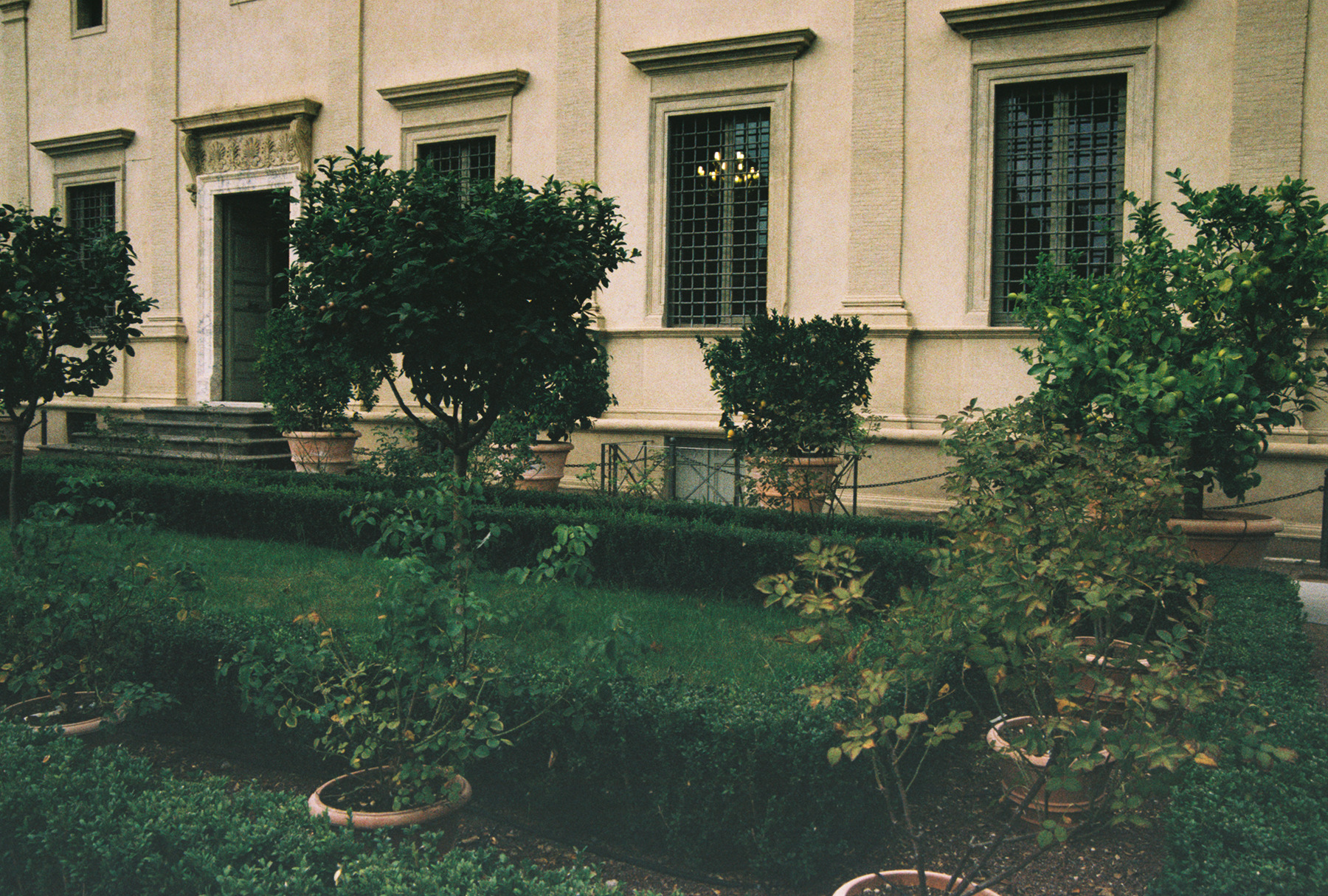 The large grande dame museums of Rome are wonderful to visit, especially if you have limited time in the city. But if you have an extra day or the off the beaten path vacation is more your speed, I suggest visiting one, two or three small villa or palazzo art museums. Farnesina, Doria Pamphlij, Spada, Borghese (the Queen) and a few others.
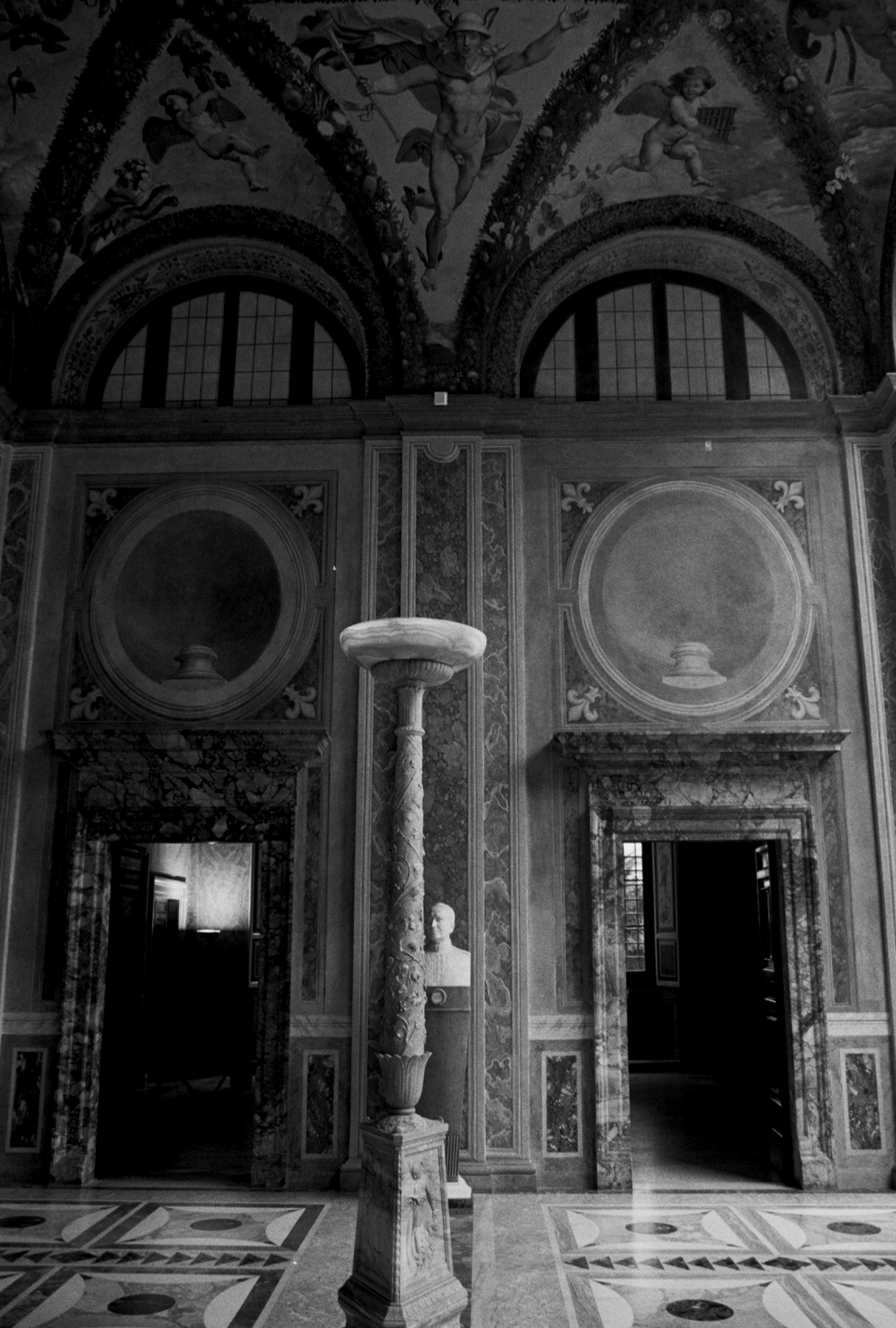
The Loggia of Psyche by Raphaël and his workshop
It’s difficult to convey how astounding it is just standing on the marble floors, looking up at all the beautiful frescoes. Walking the same halls so many infamous and interesting figures had crossed centuries before.
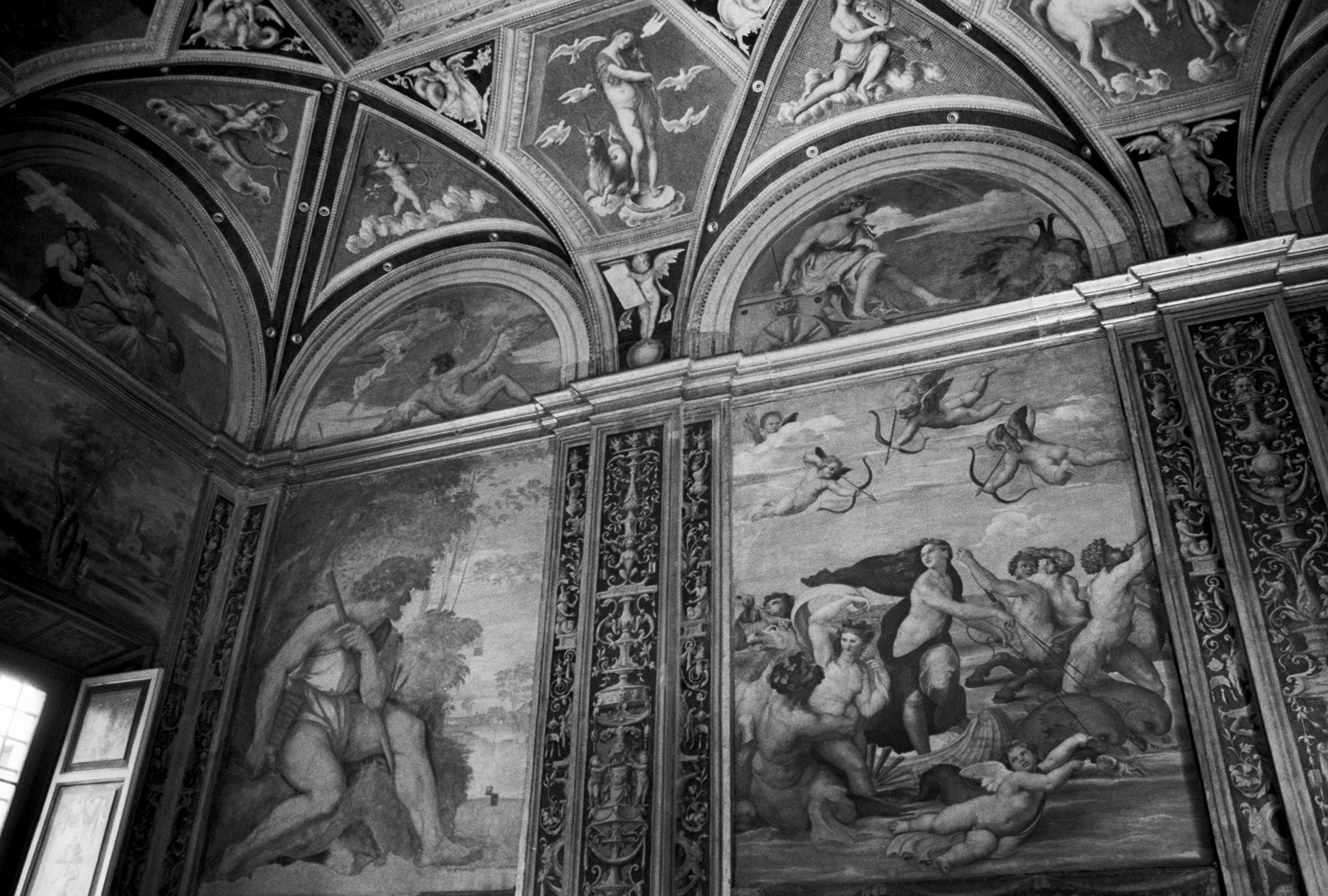
The museum was quiet and there were a few small groups moving in and out of the rooms. I had time to view the work in complete silence and solitude which rarely happens in a larger, more popular museum.
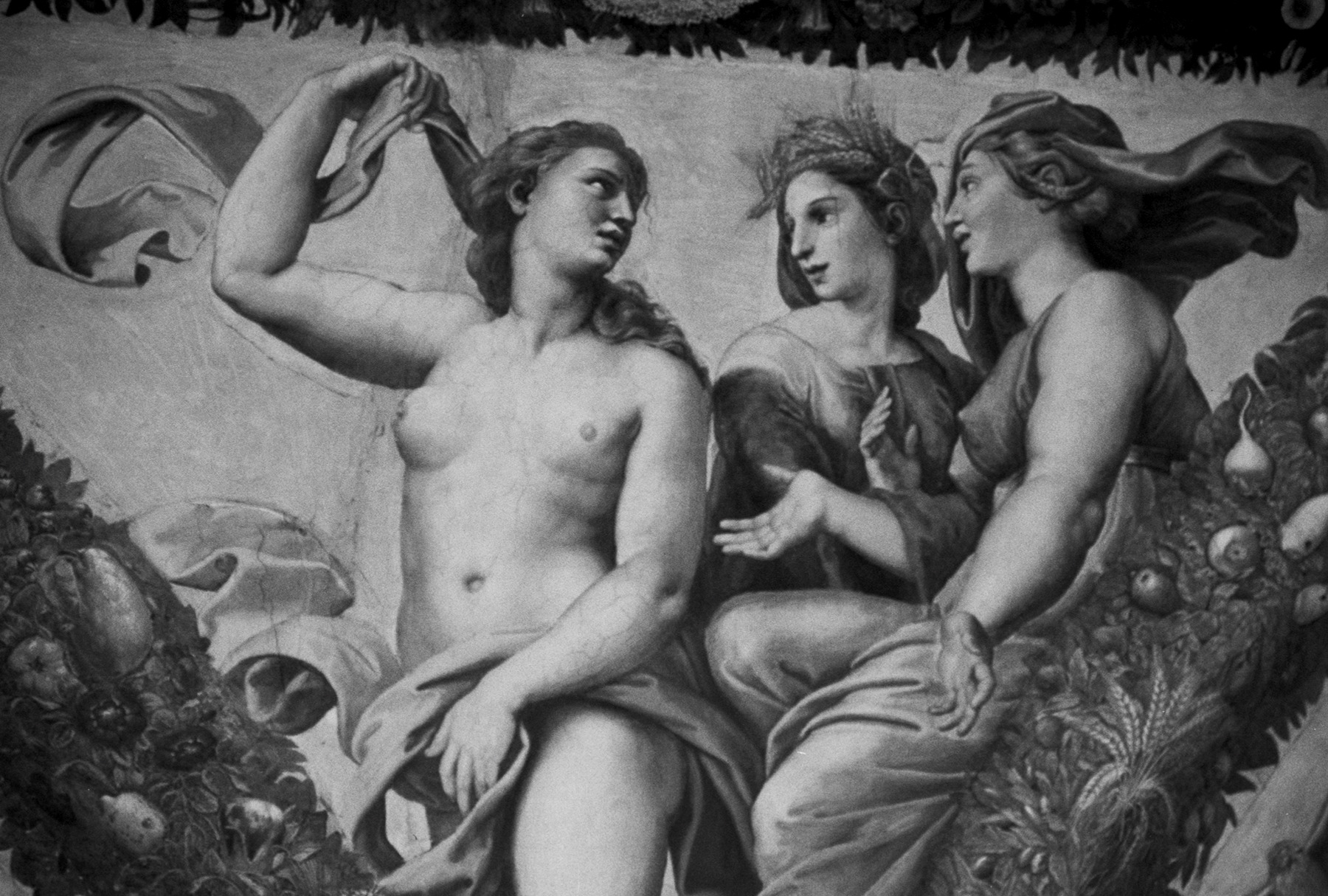
Venus, Ceres and Juno
I had run out of color film so I shot these magnificent frescoes in black and white. I think they at least capture the richness of the dark colors and the creaminess of the “skin”. The color in person was vibrant for such old masterpieces.
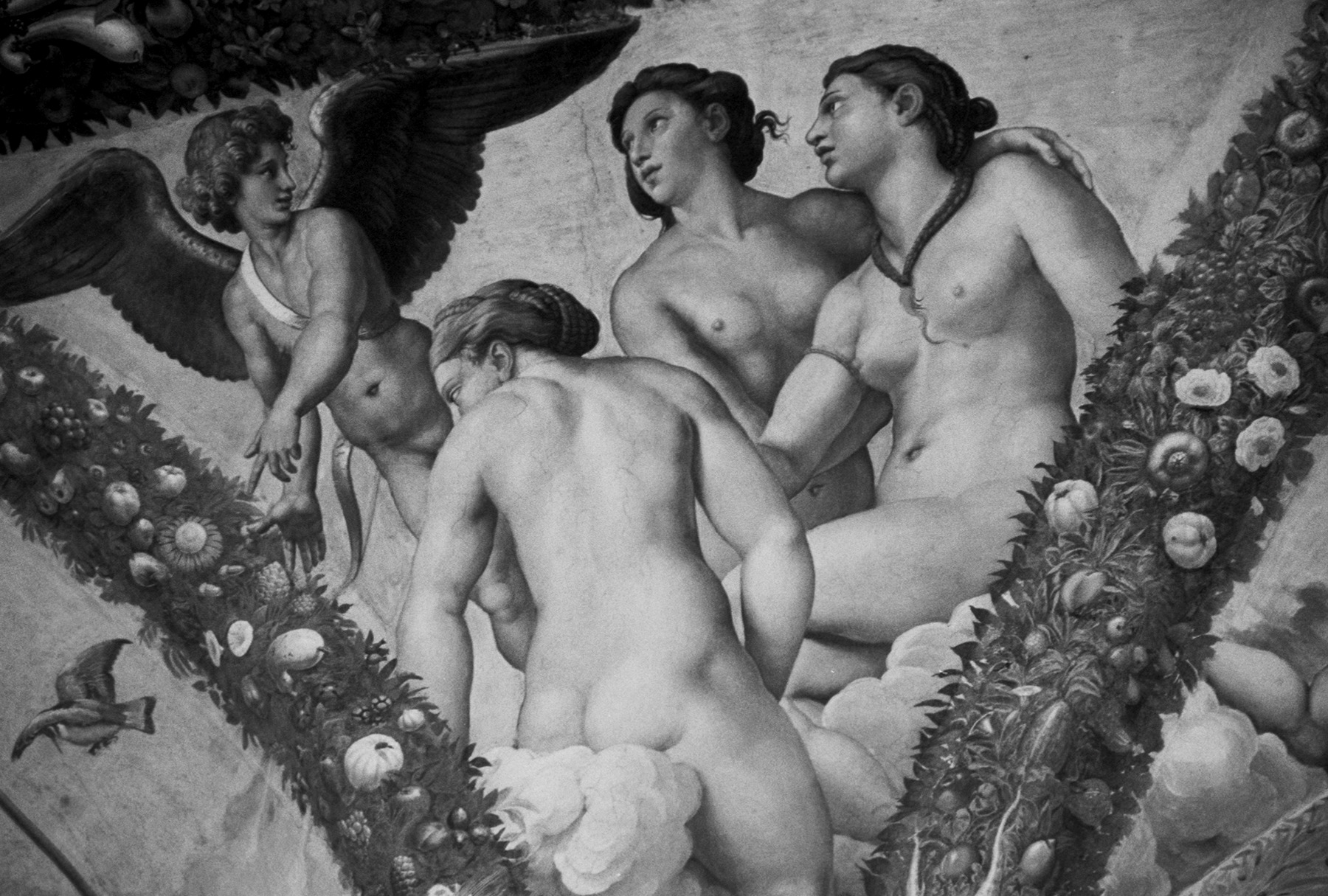
Cupid and The Three Graces, 1517-1518
A part of the great appeal Renaissance art has for me is it’s allusions to classical literature and mythology. In order to understand the works beyond my emotional response to them or my aesthetic pleasure in them, the allegorical works force me to learn the meaning behind them and catch a glimpse of the artist’s intention behind the work. What does the piece mean philosophically? Politically? What does it say about love? Man? And God? About life? And death? What historical event are they re-imagining? Beyond the beauty I am hungry for the history.
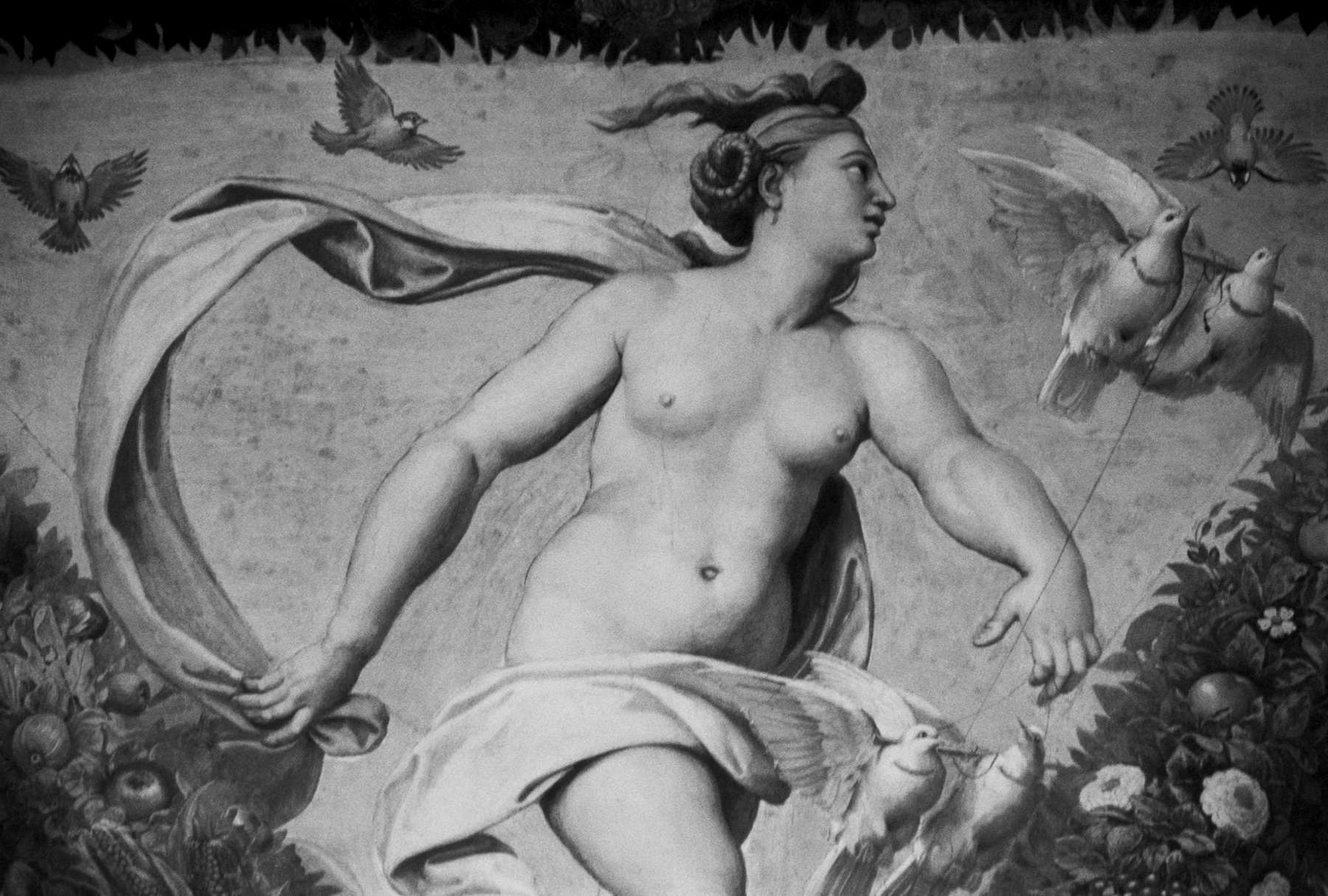
Venus on the Chariot Pulled by Doves, 1517-1518

The Council of the Gods, 1517-1518
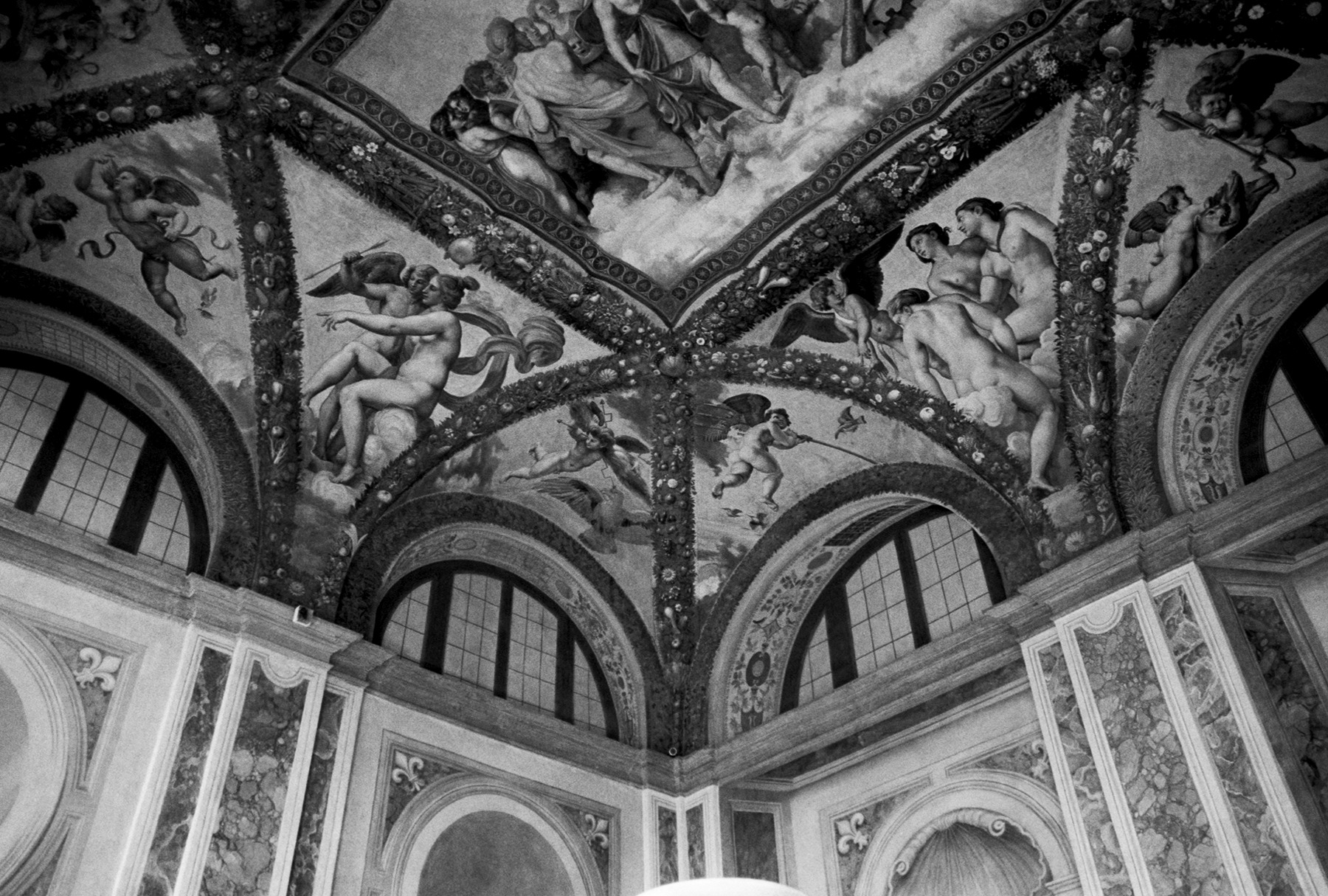 Venus and Cupid, 1517-1518
When I was there I was amused to find graffiti carved into one of the walls in German! Well, normally I’d be less amused but it’s from a later Barbarian Invasion of Rome in the 16th century! At the time I couldn’t find anyone to translate it for me.
During recent restorations, an ancient “graffiti”, in German gothic, came to light between the columns. It marks the passage of the Lansquenets and states: “1528 – why shouldn’t I laugh: the Lansquenets have put the Pope to flight.”
From the windows on the first floor there is a beautiful view of the gardens. A pleasant stroll under the laurel bower leads to a marble plaque which bears the inscription:
Quisquis huc accedis: quod tibi horridum videtur mihi amoenum est; si placet, maneas, si taedet abeas, utrumque gratum.
[Trad.: Whoever enters here: what seems horrid to you is pleasant to me. If you like it, stay, if it bores you, go away; both are equally pleasing to me. ] – Academia Nazionale die Lincei
The Villa Farnesina in Rome, Italy is open from
Monday to Saturday from 9 a.m. to 2 p.m.,
Closed on Sundays and holidays
Guided tours on Monday, Friday and Saturday at 12.30
//photographs copyright rebecca price butler …
find my work on tumblr & pinterest … please link & credit me.
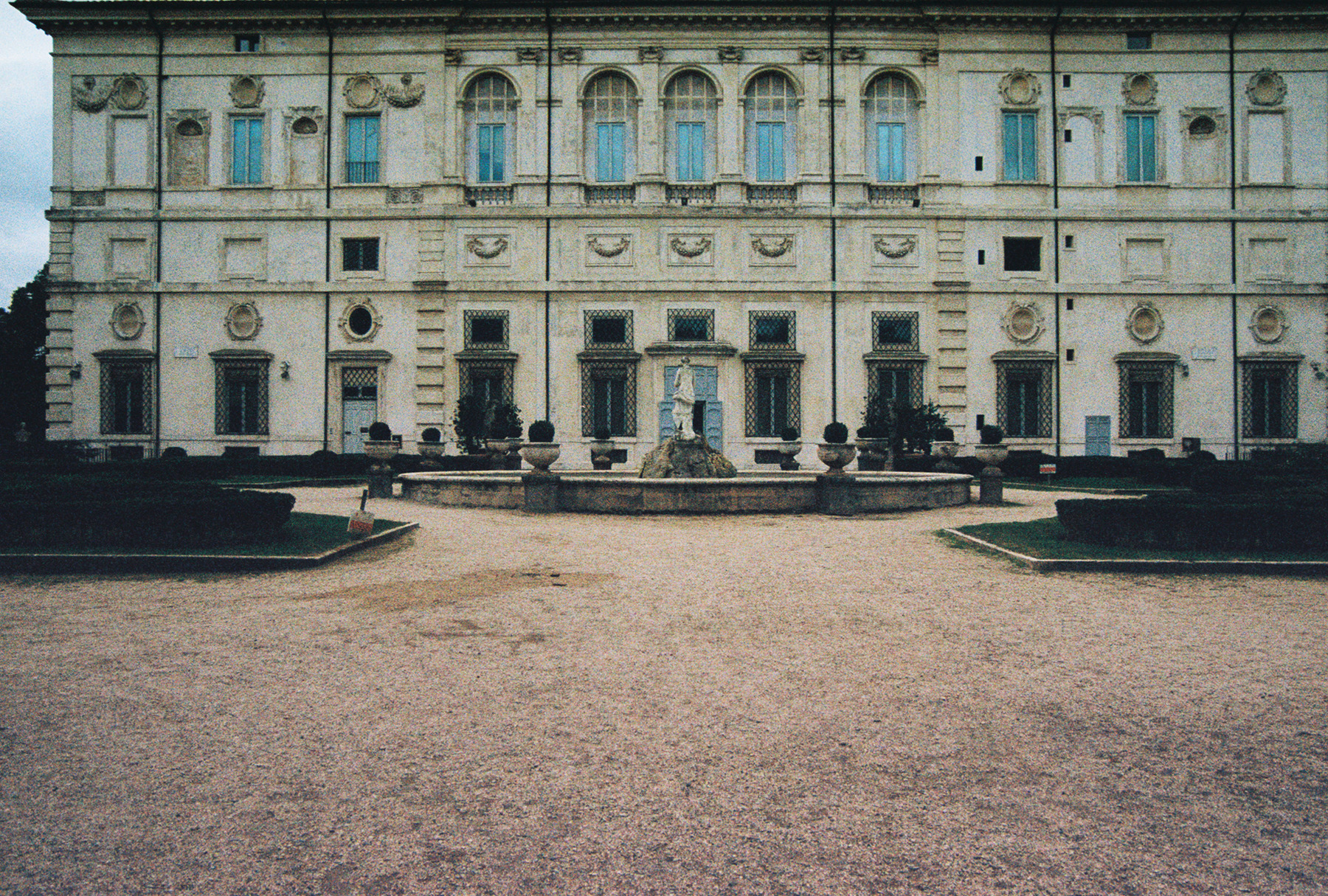
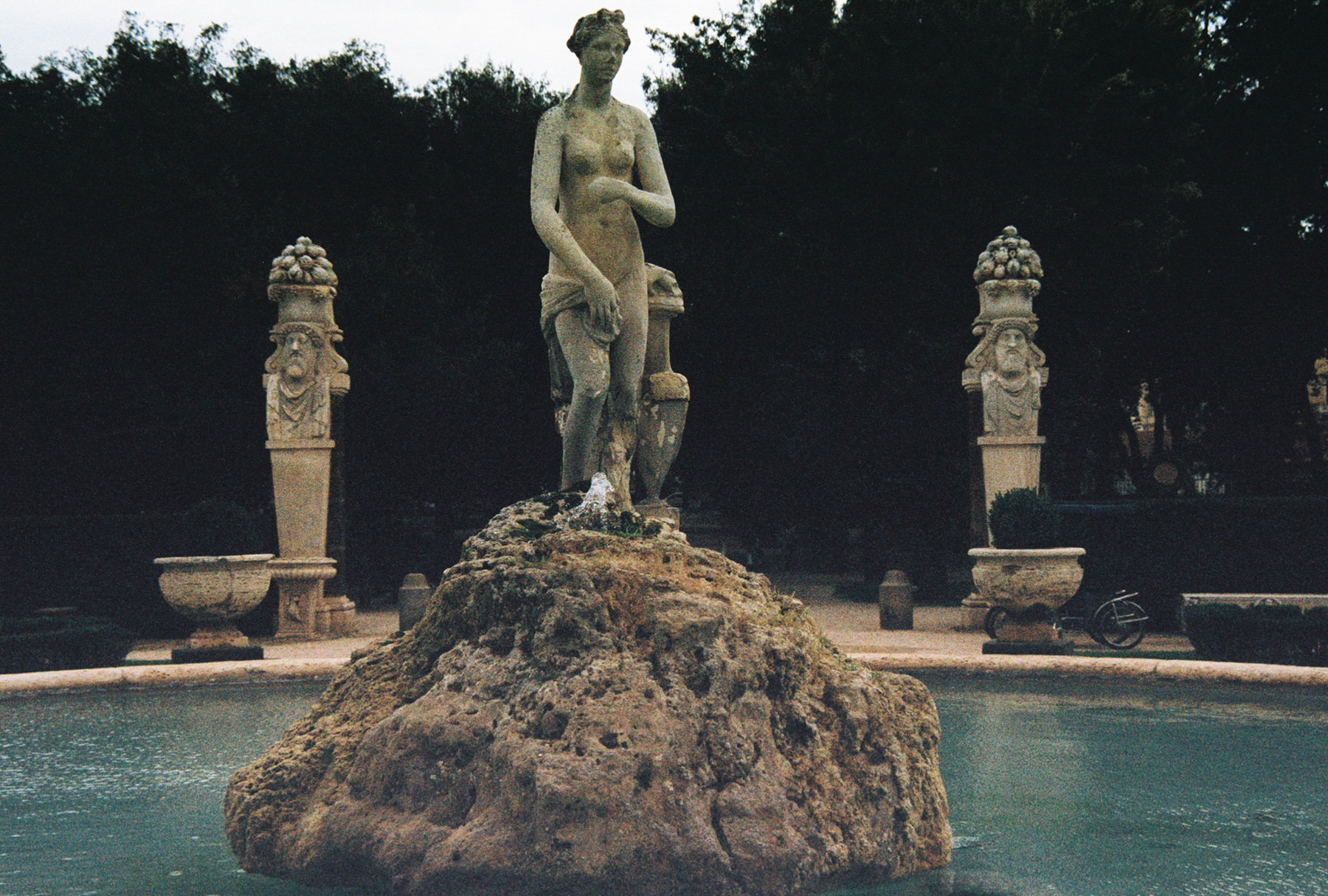

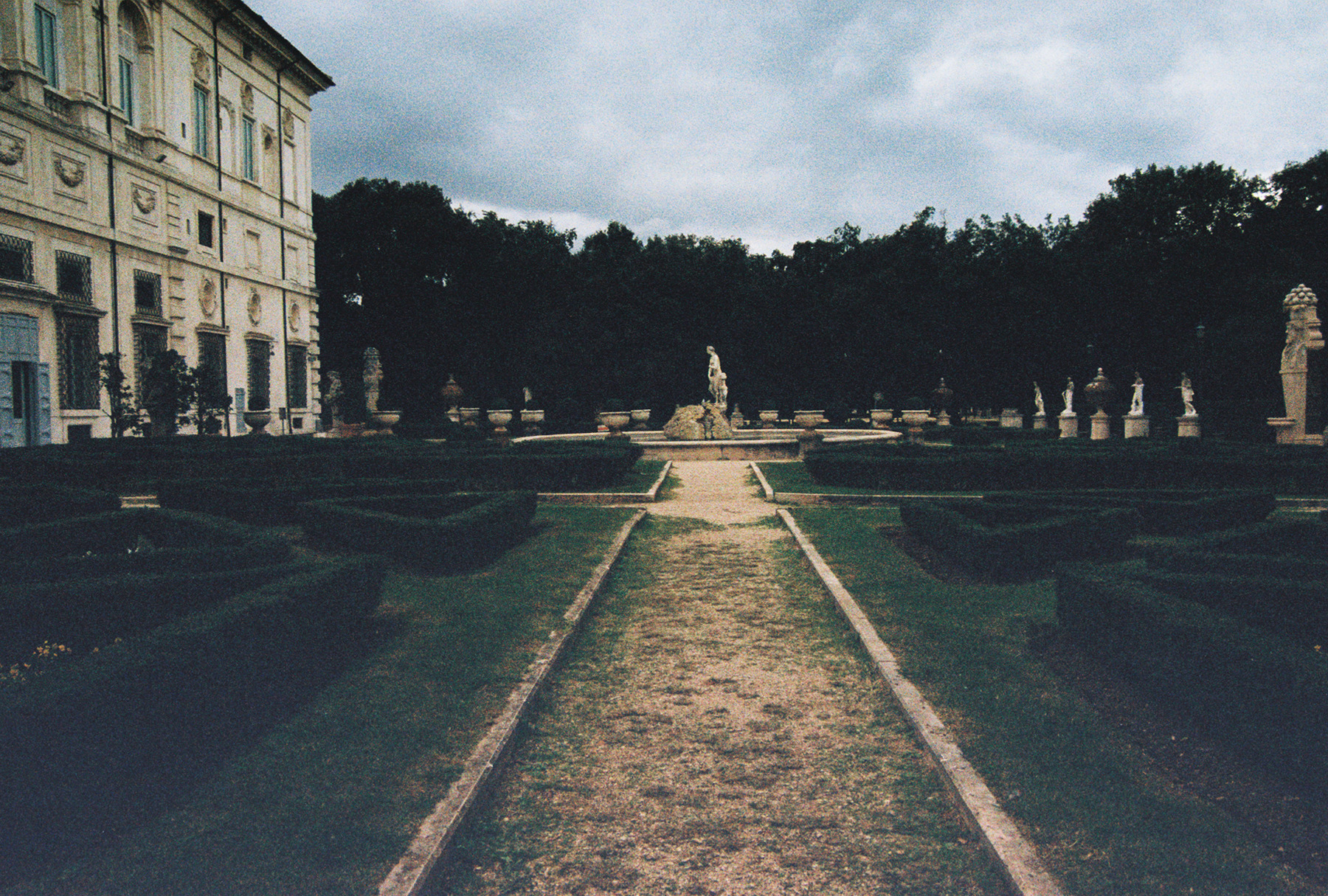

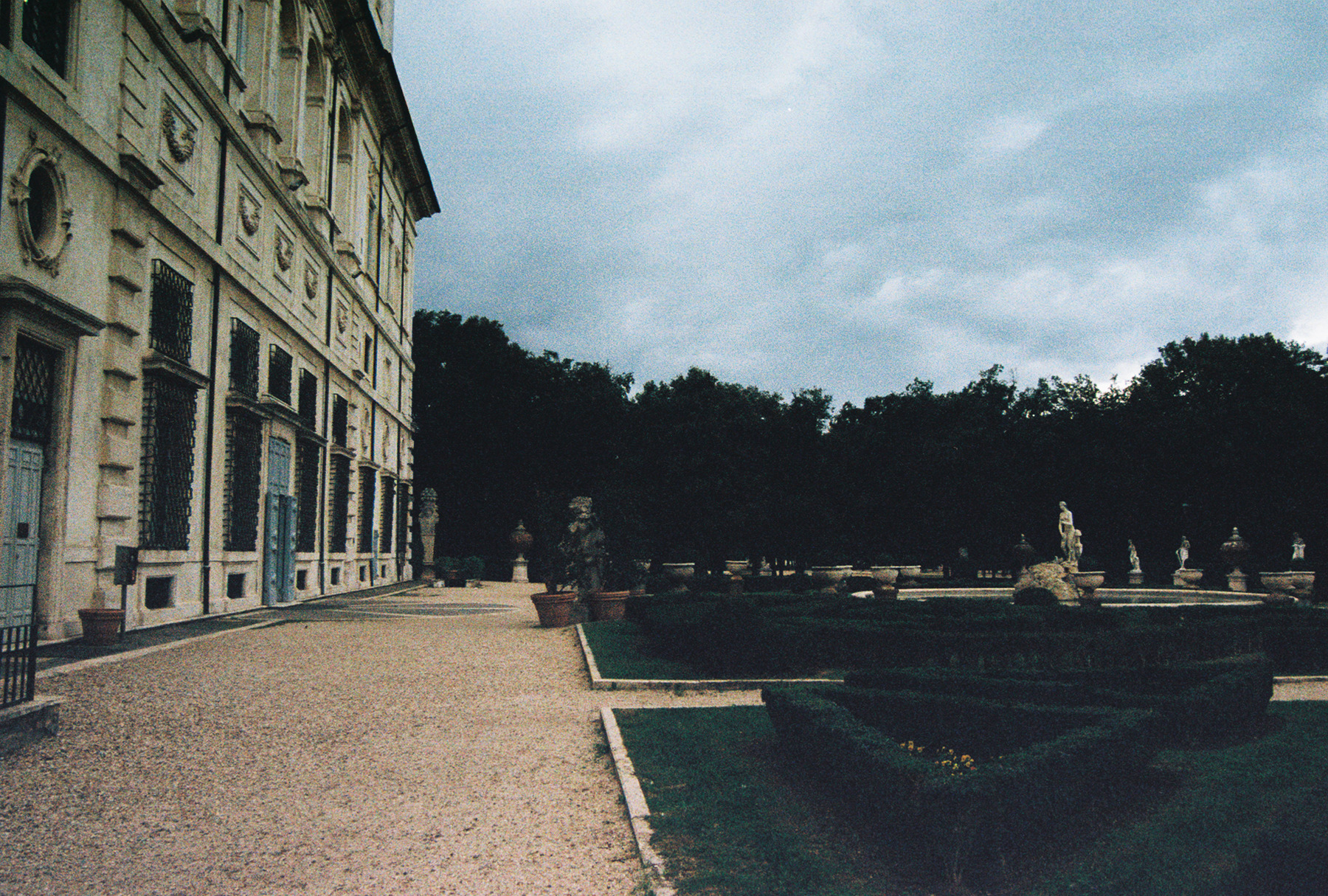 Fortunately now the “country” lanes of tidy gardens and statuary are open to everyone.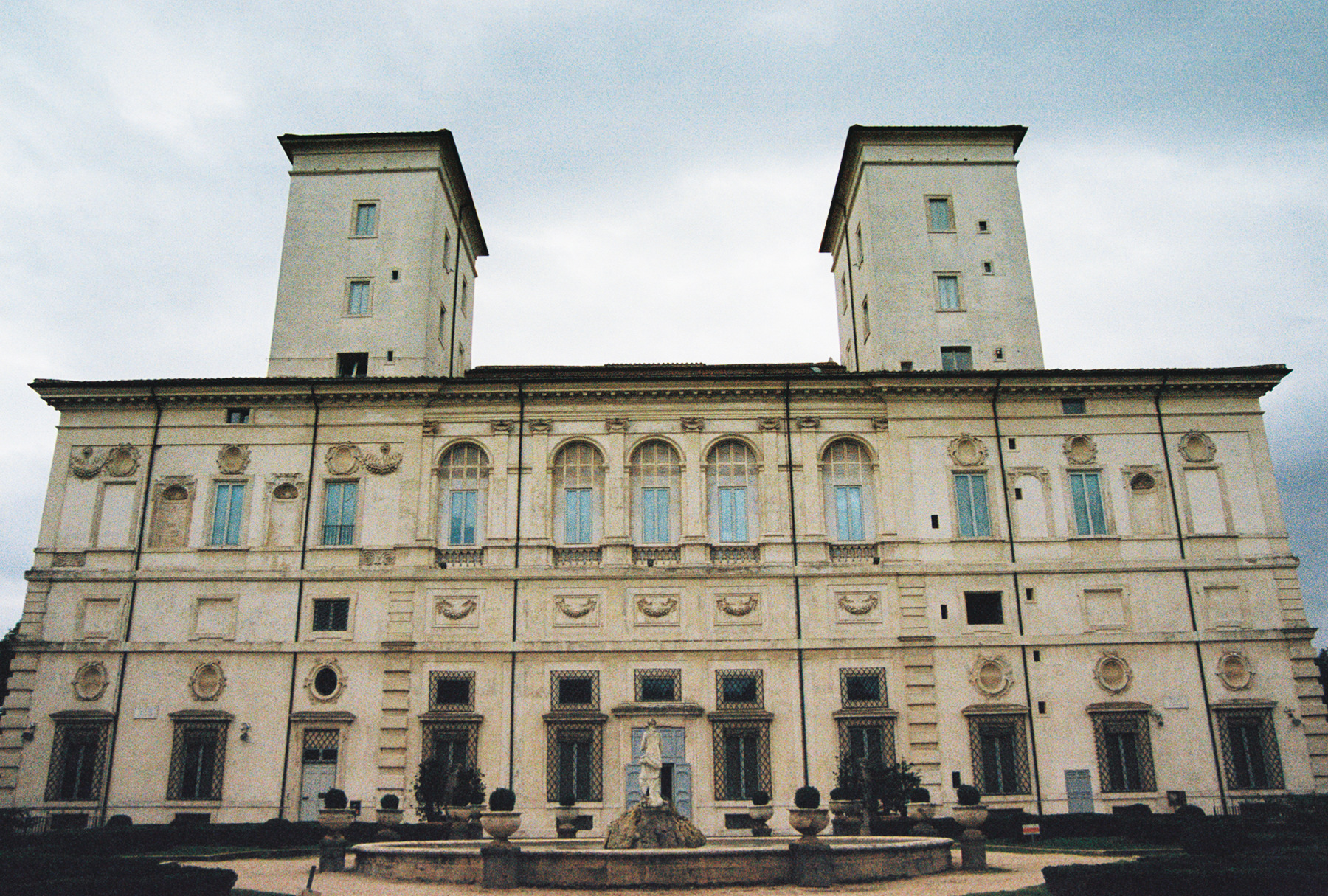
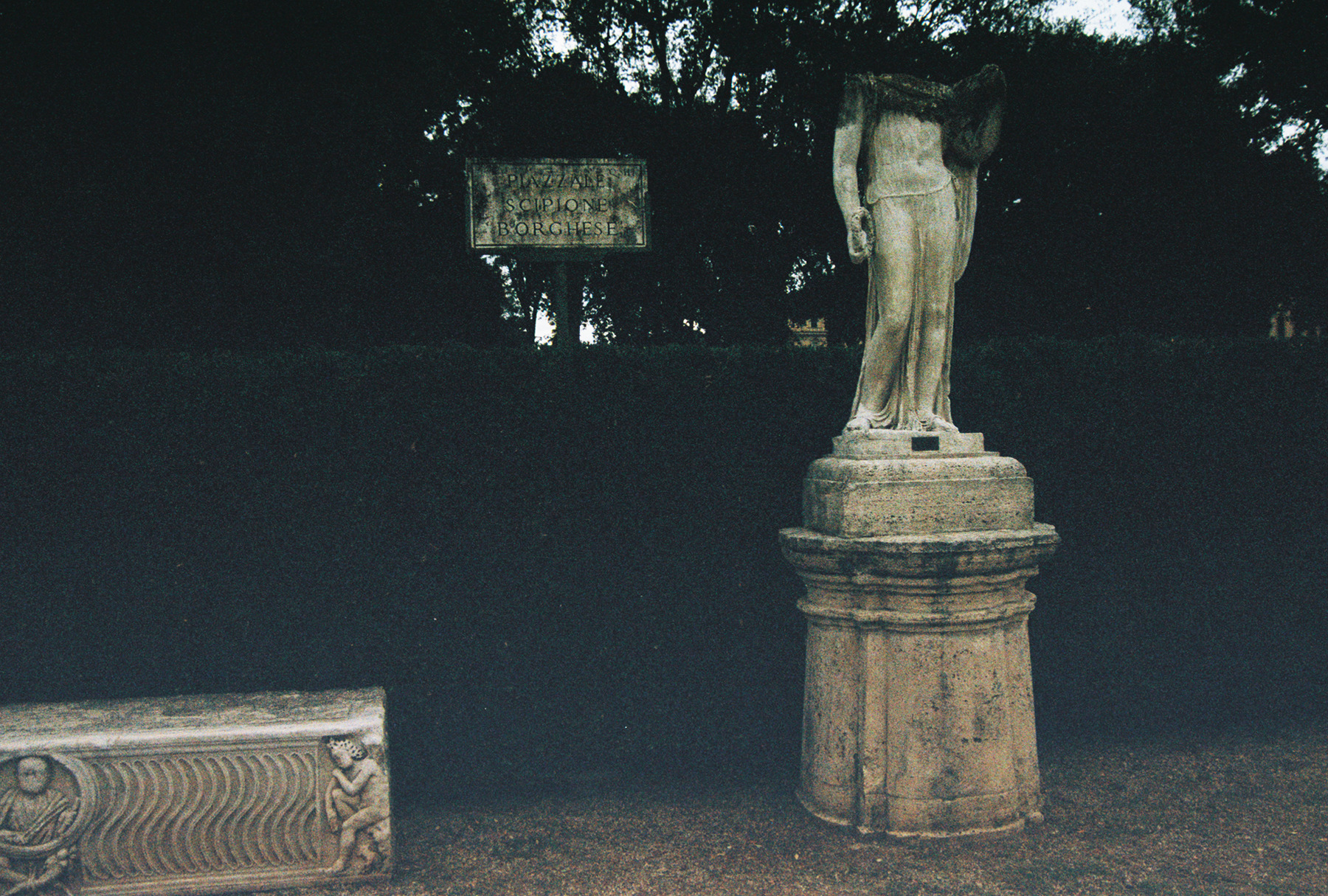
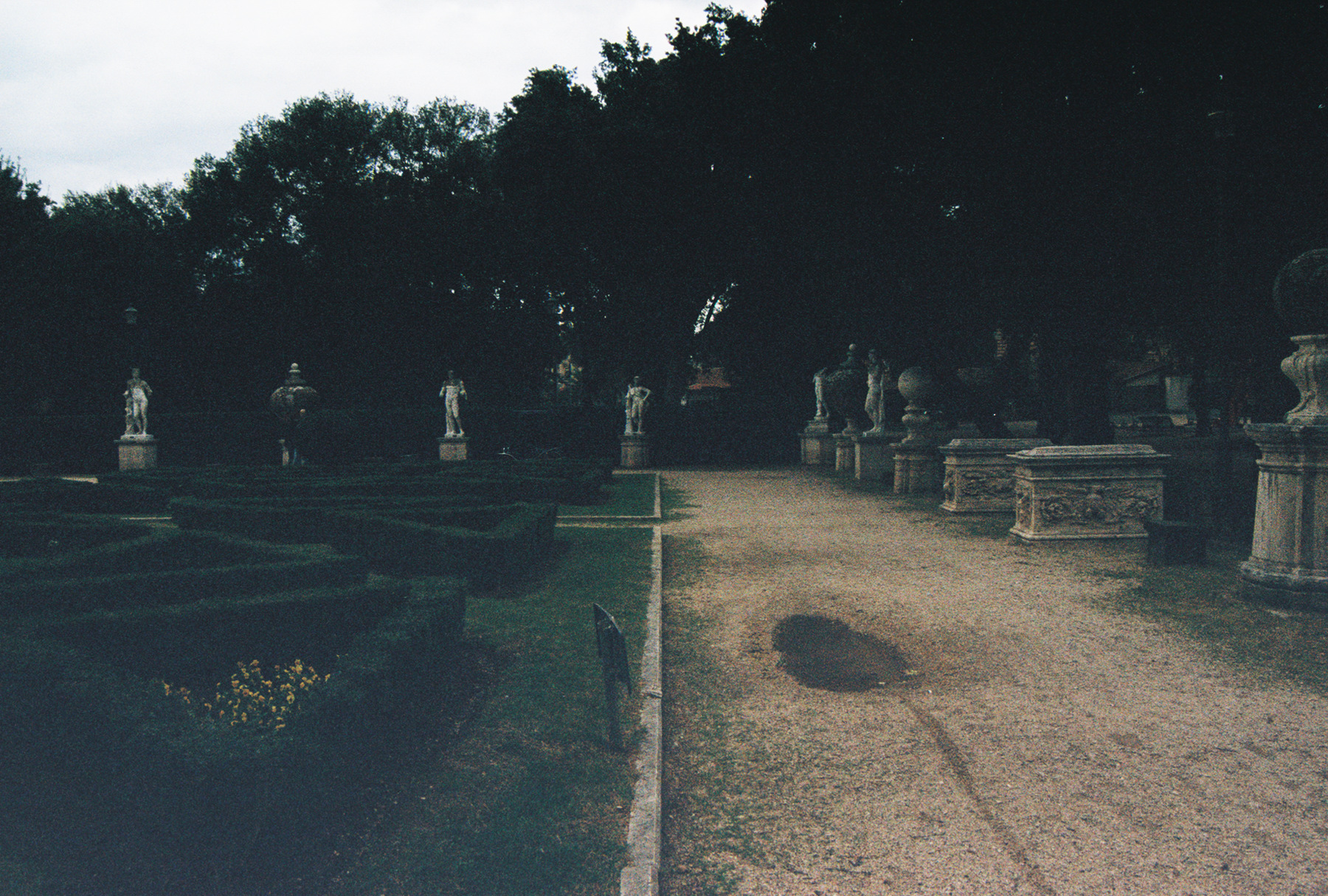


I have a wanderlust for all the beautiful and fascinating places in the world, especially art filled cities full of history and literary haunts.

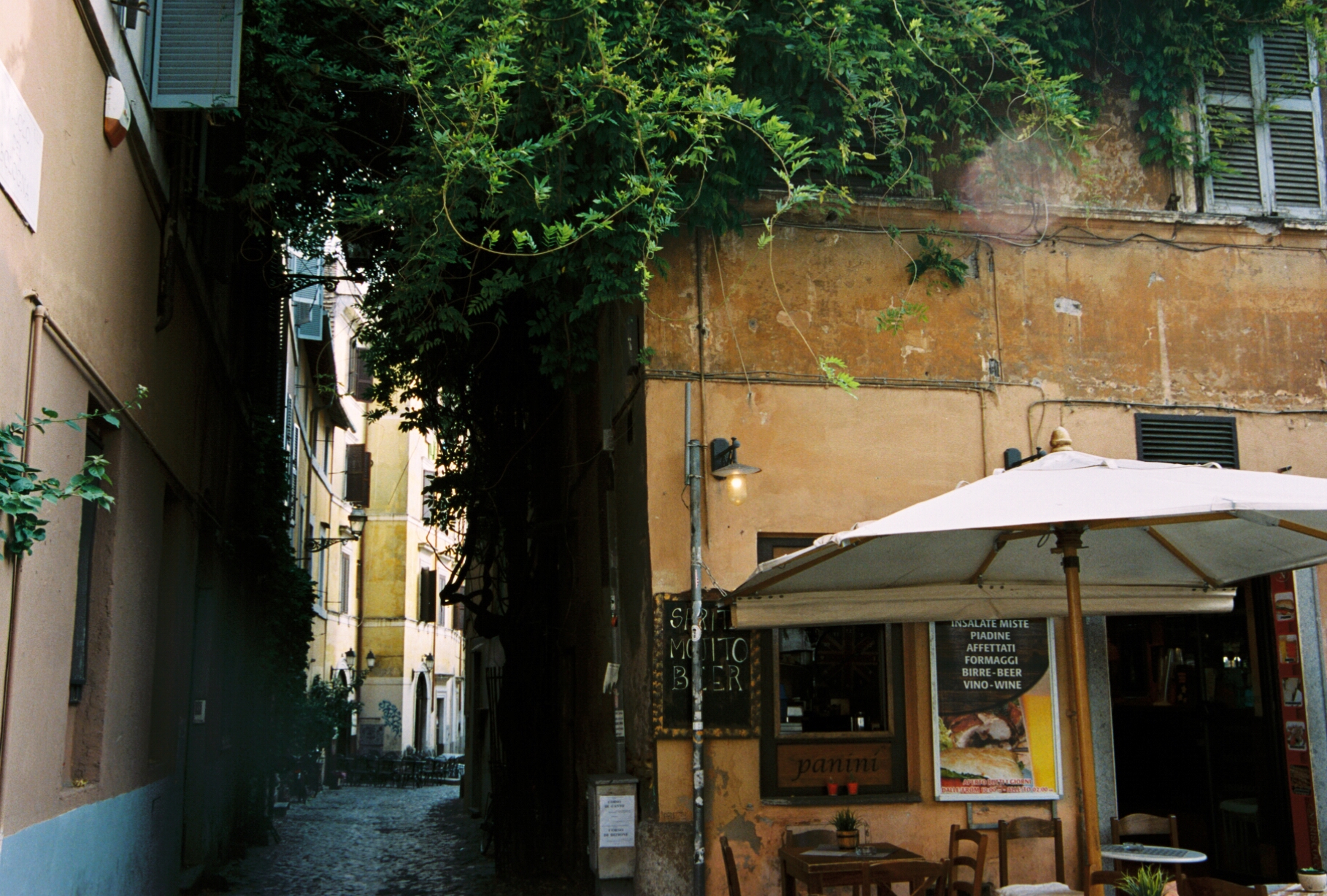
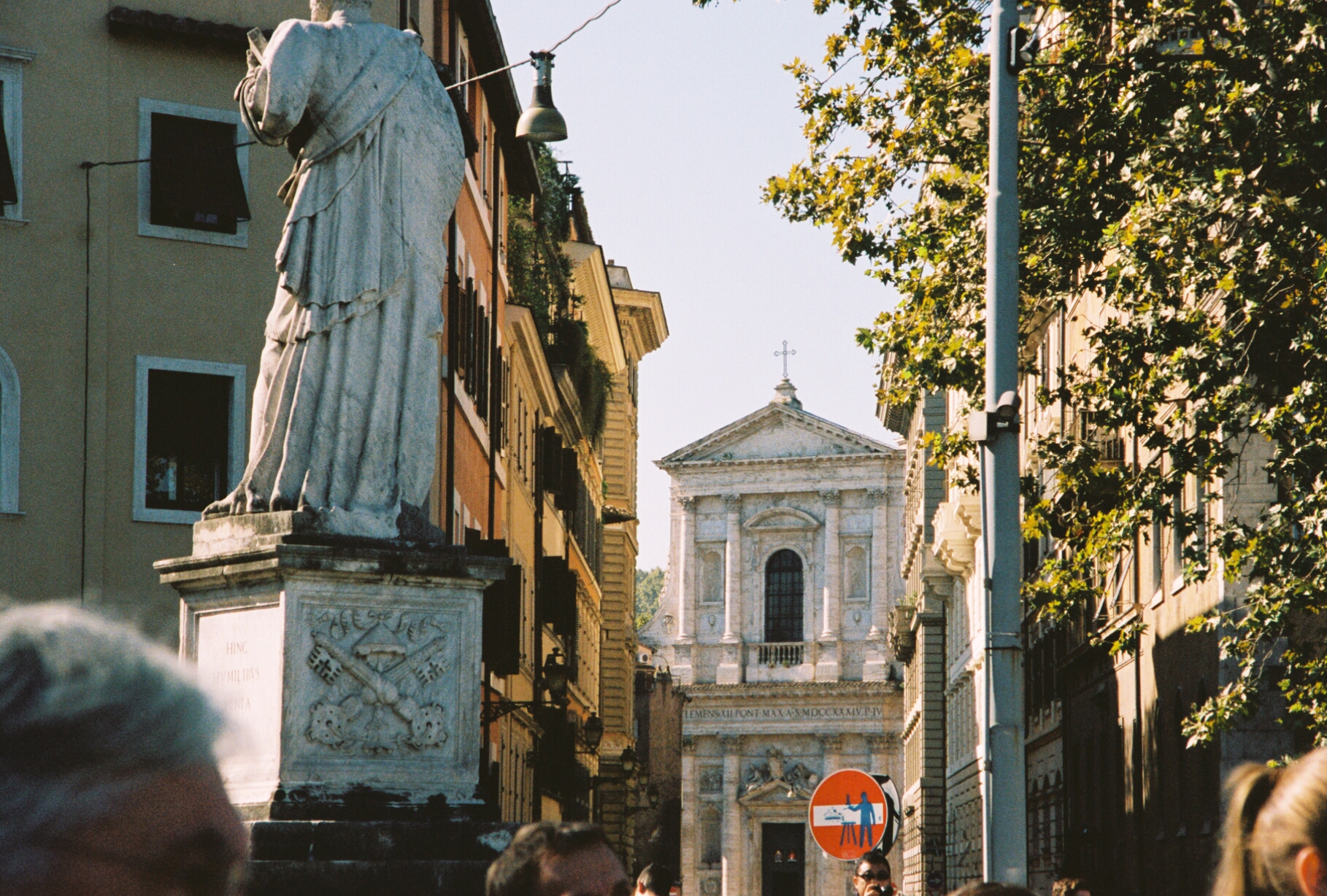
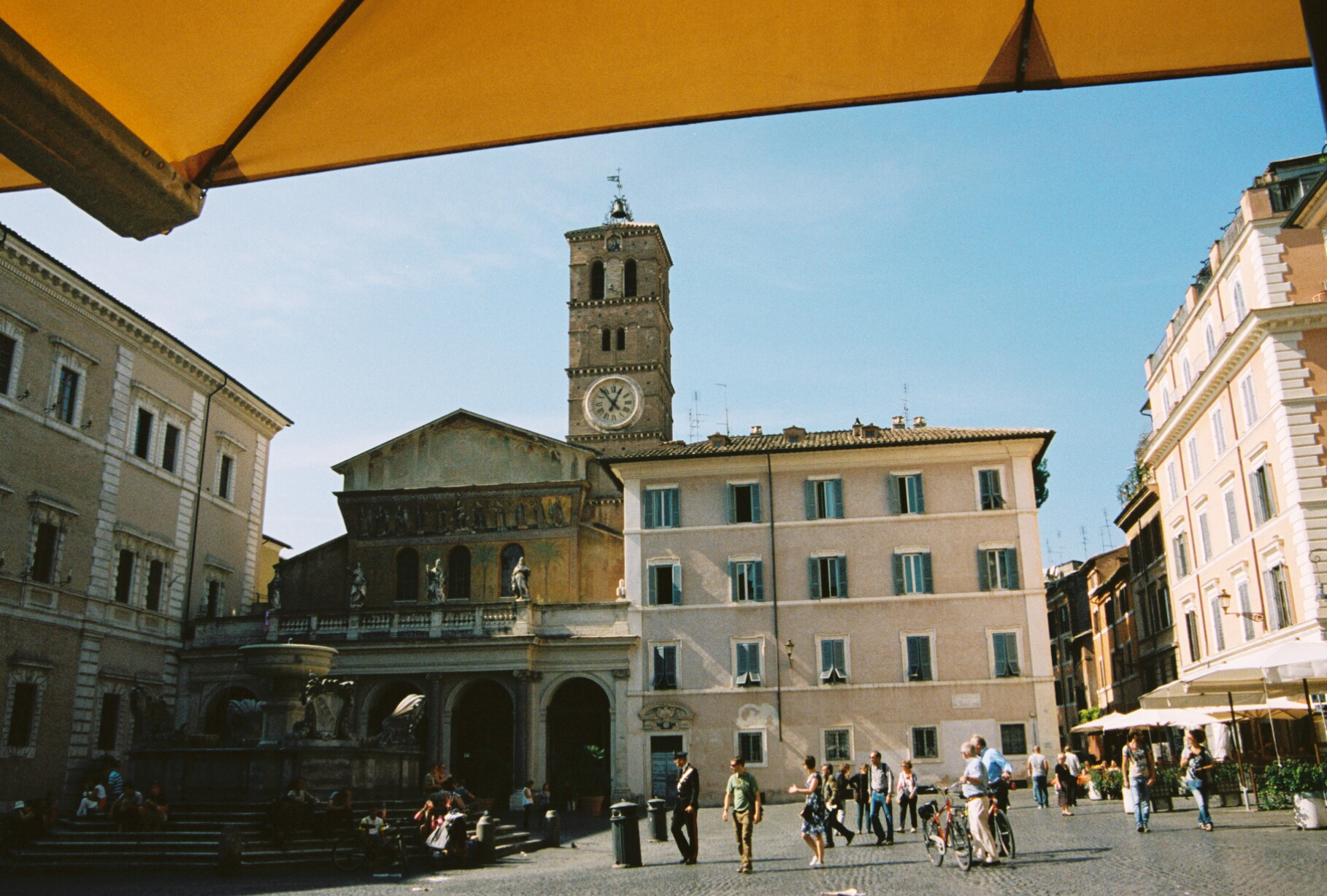
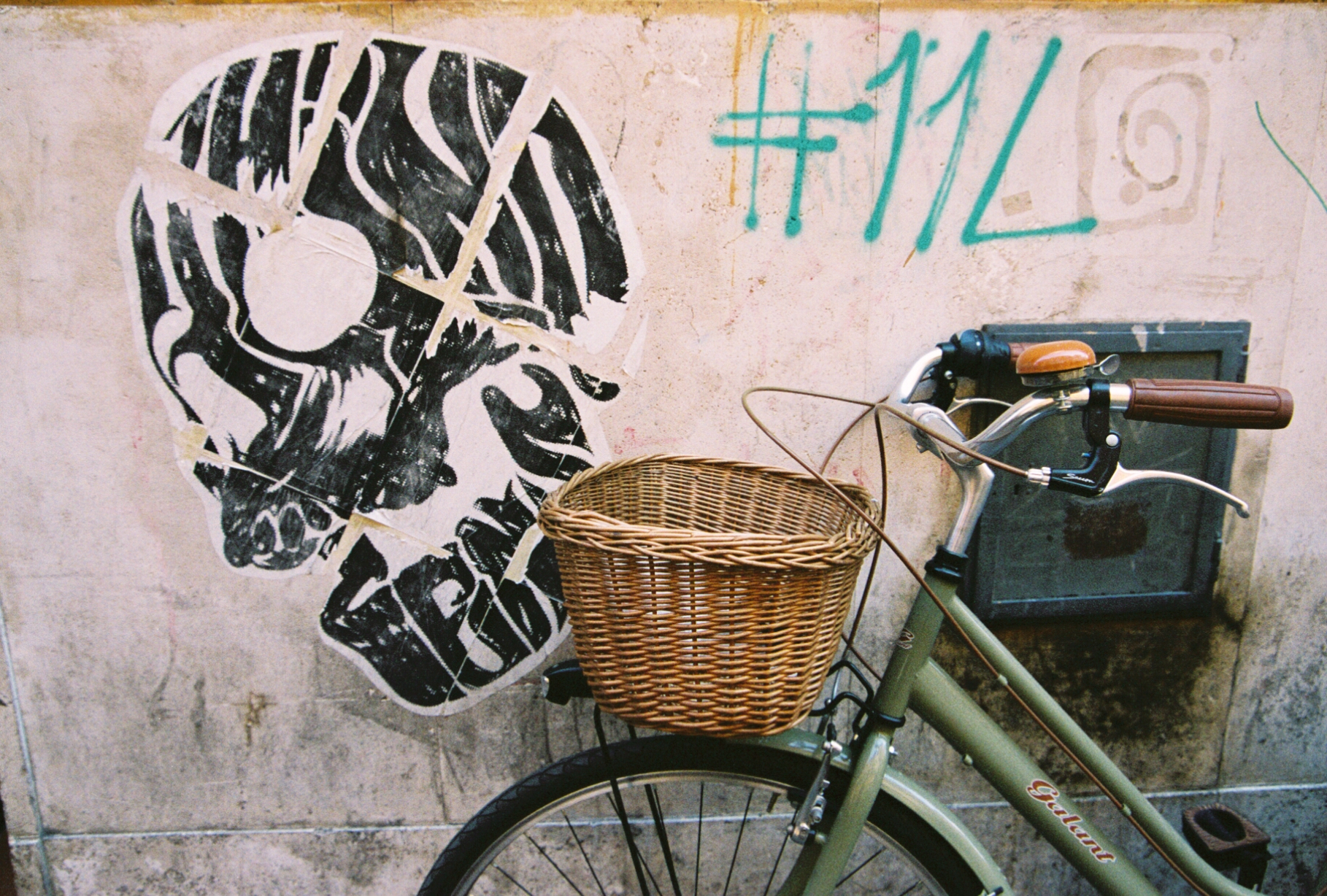
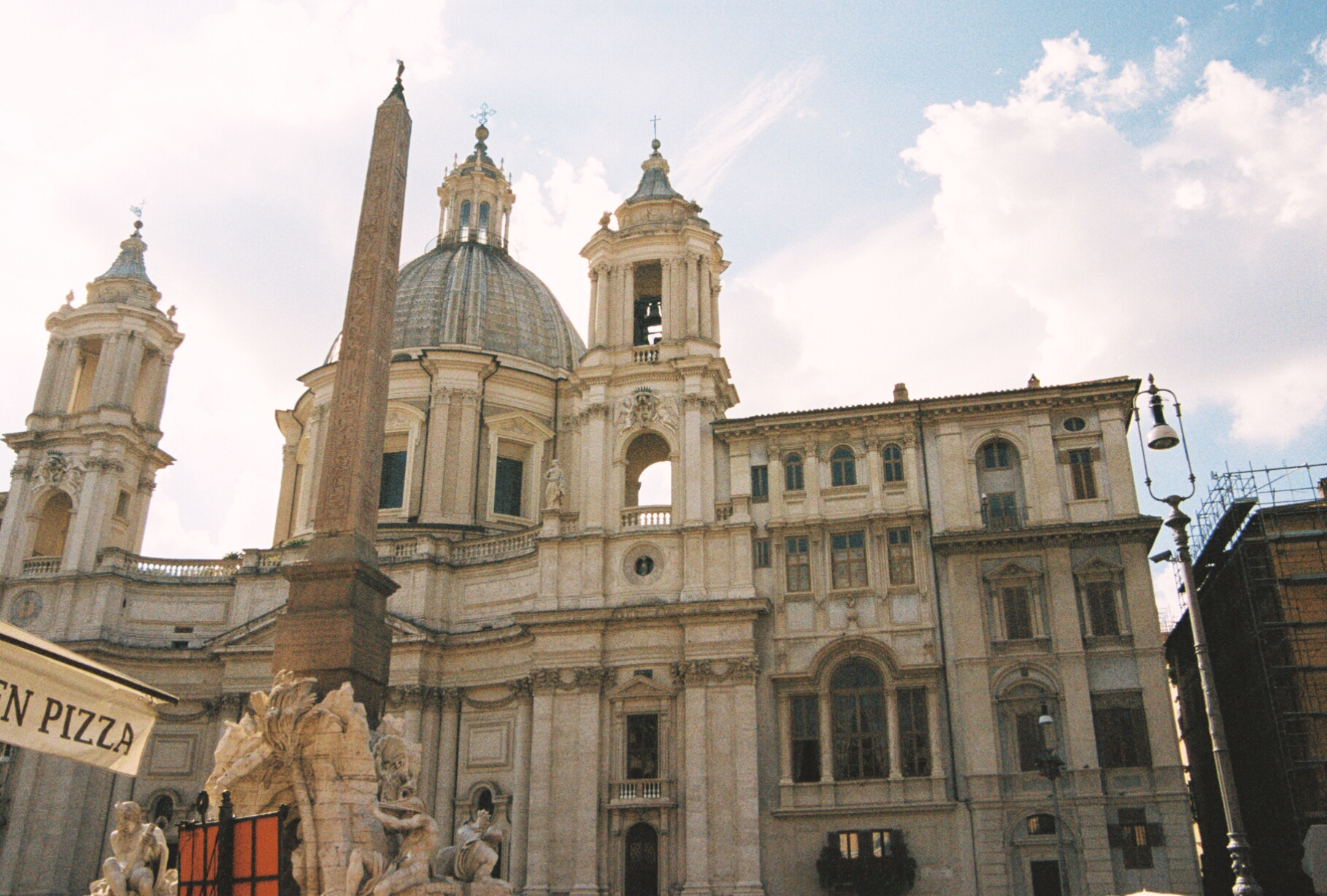
In 1998, when I was 22 I first traveled to Italy. From the moment we stepped out of our tiny Hotel Genio and around the corner to the Piazza Navona, we knew Rome was going to answer our wildest dreams with an even greater beauty. I tell people who have not been there or who have been there and have somehow not appreciated the treasures of Rome: Rome is a feast of all senses, an open air museum, a celebration.
Rome is the place I love and crave and long for because nowhere else in the world can I wander into a church and see several Caravaggio’s against the backdrop of somber hymns and sit in a pew and admire his work in silence.
There’s the wild strawberries to eat on cobblestones from a market.
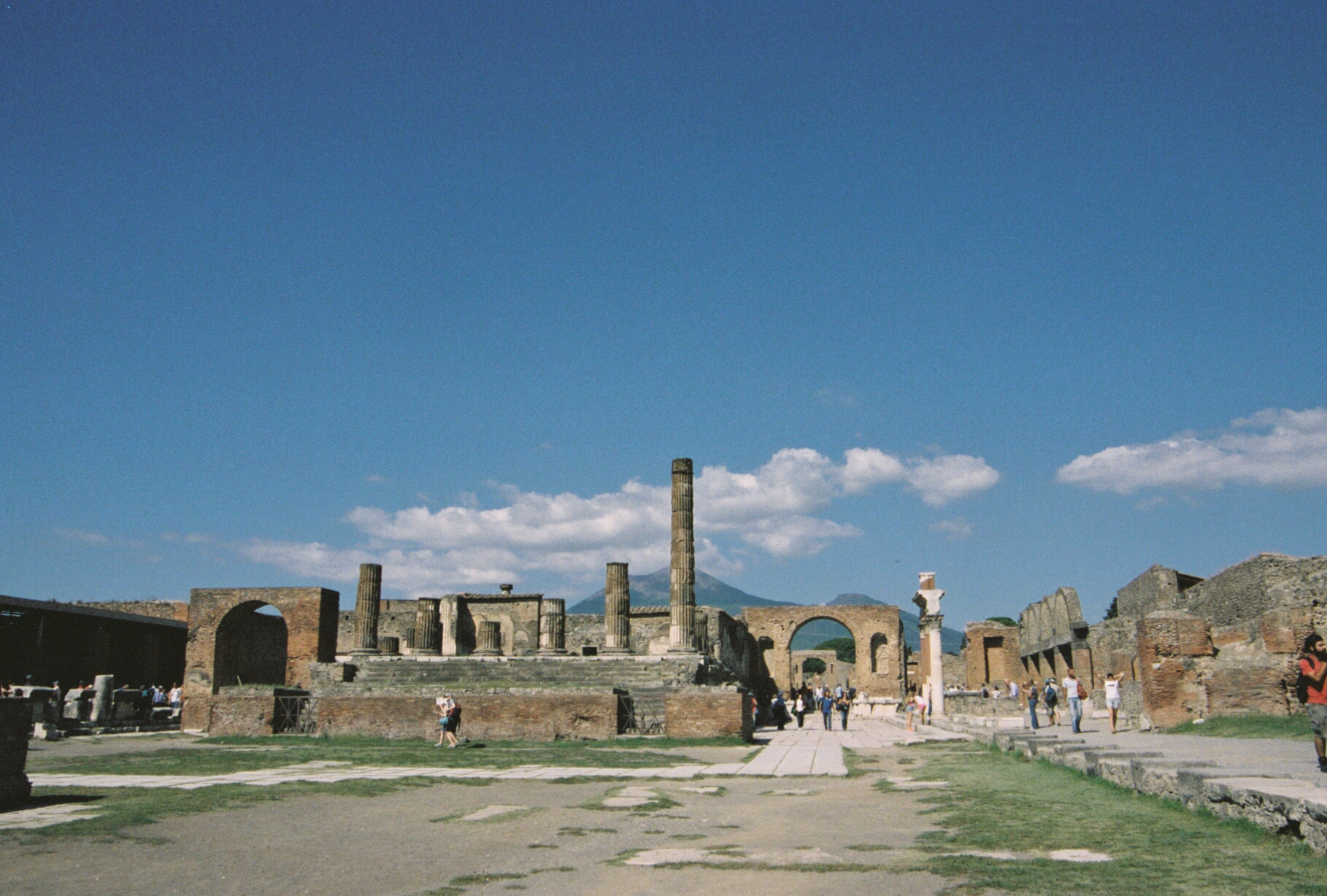
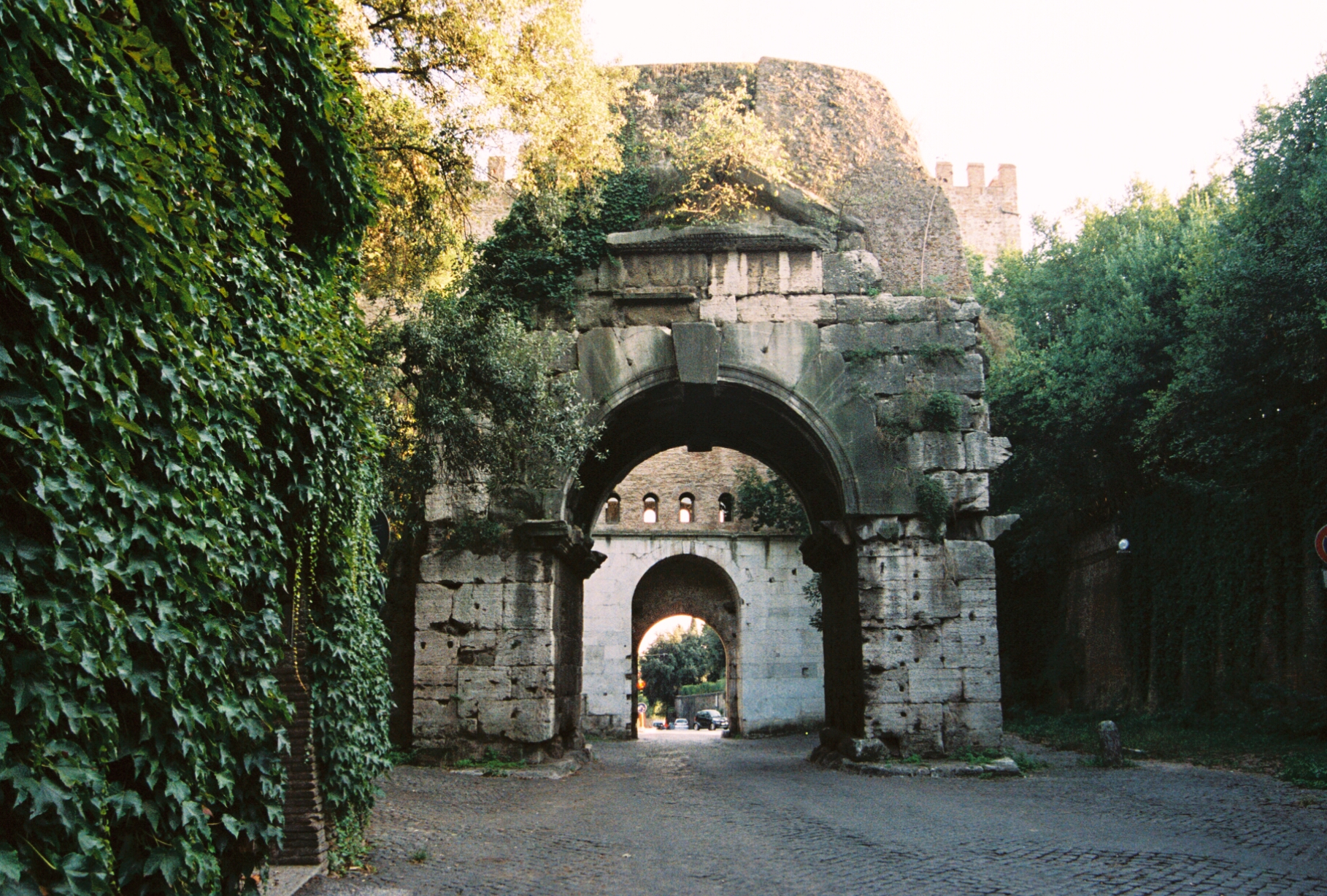
There’s the ruins at night, to stand above them and linger there for an hour, to feel transported back in time, very far back in time.
There’s wandering in the footsteps of Oscar Wilde wandering in the footsteps of Keats and Shelley. There’s Babingtons (there’s my anglo side which needs to be satisfied).
There’s Artemisia Gentileschi paintings scattered across Rome (and Florence and Naples) awaiting my worshipful gaze.
There’s Sundays in Rome, the greatest day, the only place you feel you should be in the world on a Sunday when you are there. Away from the awful pollution of the cars (my one pet peeve of Rome)… to roam on the Appian Way, to stop and eat somewhere or pick red poppies along the road.
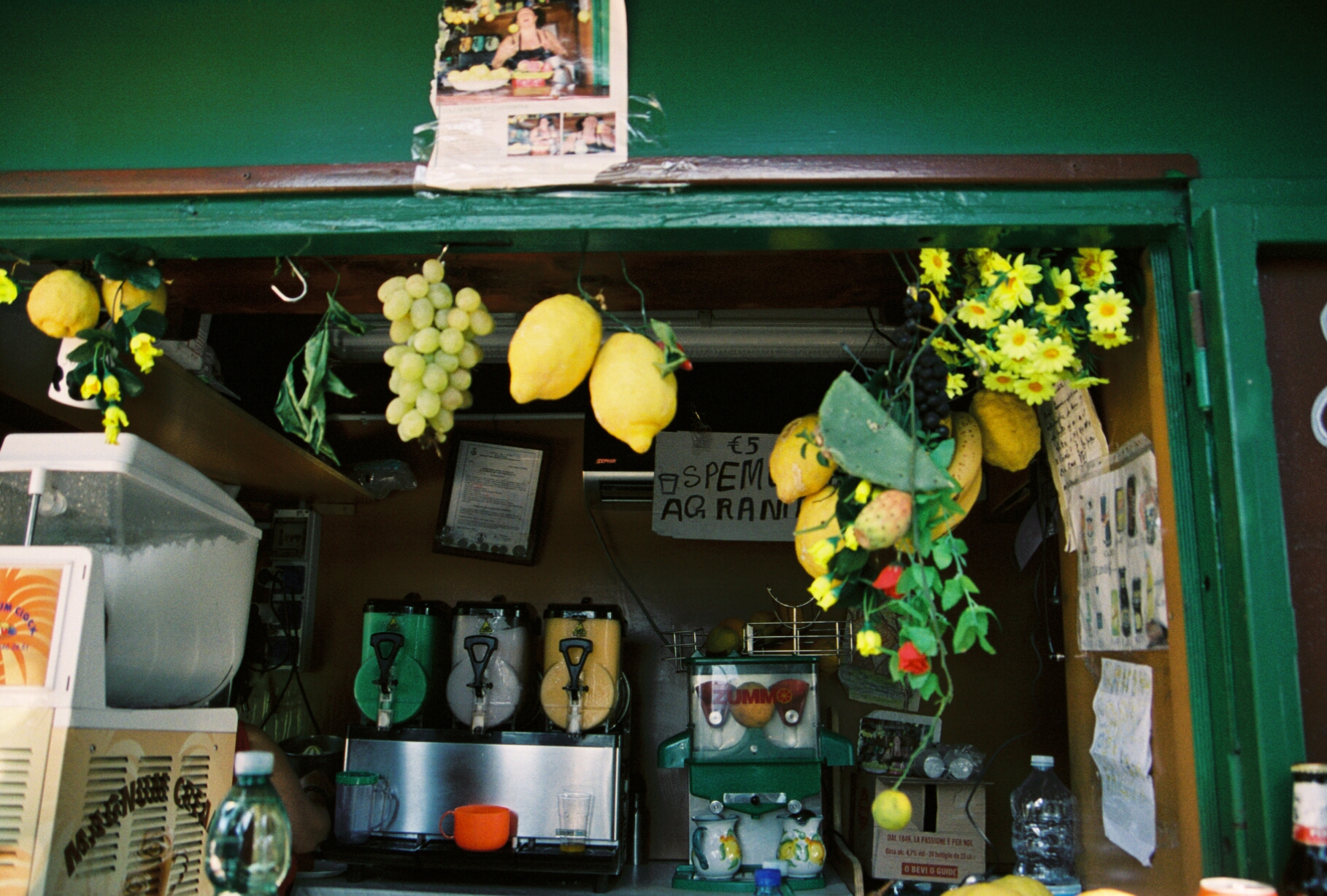
Pizza at Bafetto. Pinot nero. Frascati. Tears of Christ. The view of Rome atop the Wedding cake. The Borgia rooms. Artichoke season. Hazelnuts. Pine nuts. Capreses. Prosecco. Oranges. Lemons. Olives. Trastevere apple bread and long lunches there and hours photographing the grafitti. Nuns walking through the city. Red domes turned gold. Unexpected art exhibitions. Villa Borghese. Penne alla’arrabiata. Porcini. Truffles. White fish. Fisherman’s stew. Capotoline Hill.
There are a thousand other moments I love in Rome. These are just a few.
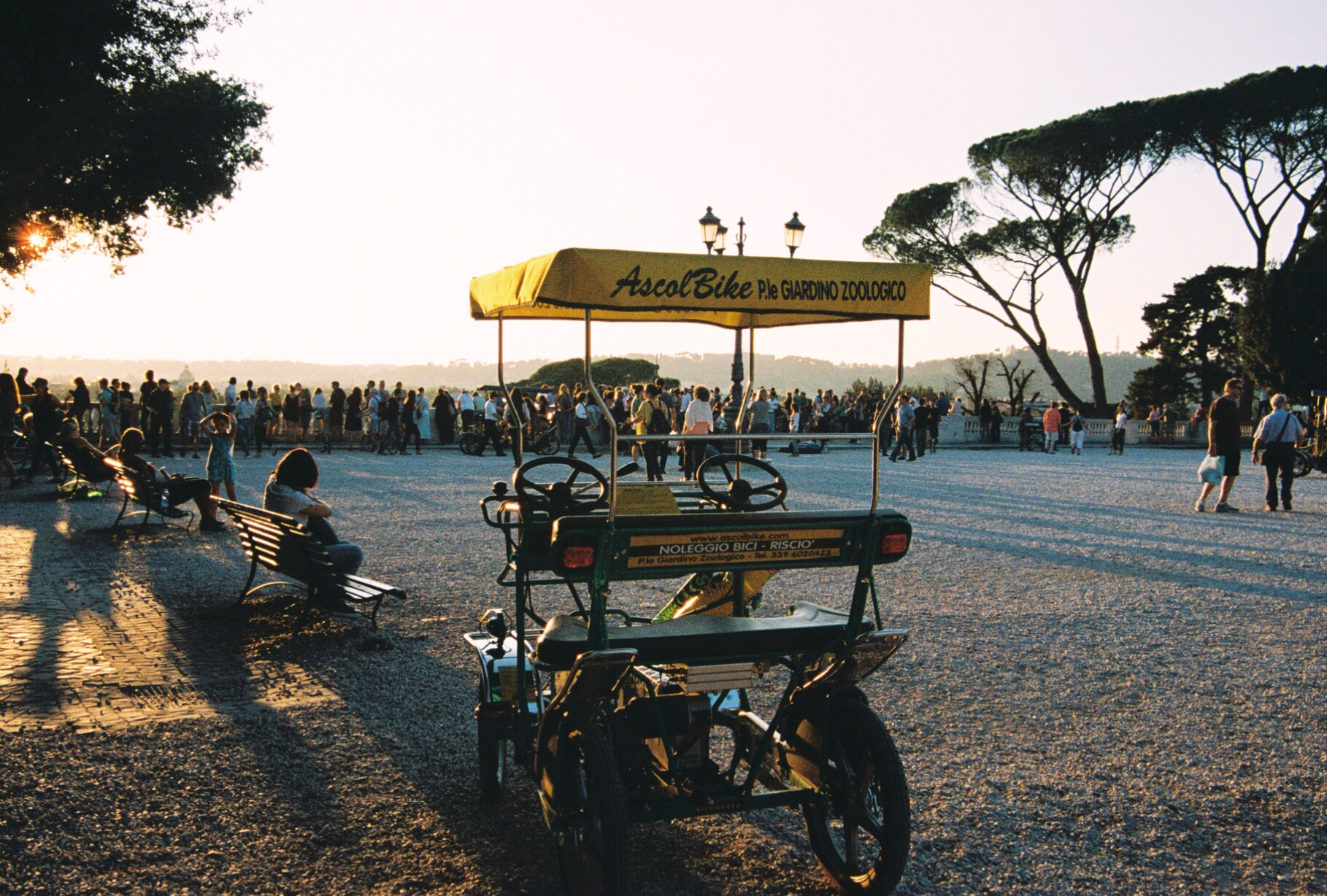
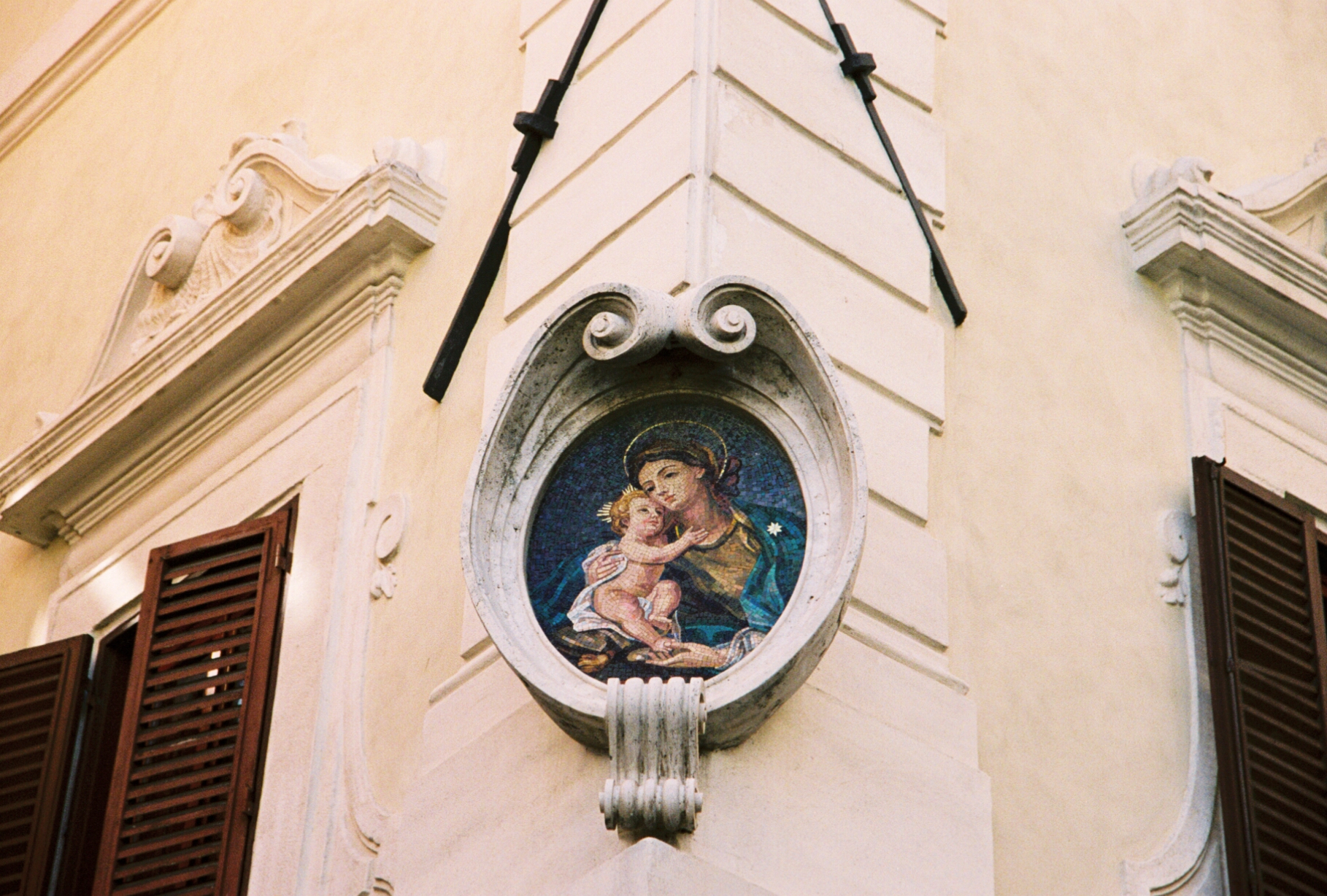
I love the cemeteries of Rome. I live for all the architectural details. And the marble. And a thousand saints and angels and statues. And all the Renaissance art and intricate Pompeiian mosaics. And the ruins. Not to mention I have an almost inexpressible feeling of happiness in certain slants of Italian sunlight and shadow, with the scent of lemon and orange trees accompanying me on a ramble, content with a glimpse of a white dove on Palatine hill or brushing past an olive branch. Just fountain hopping at night makes me happy. I cannot tire of the umbrella pines and cypress trees. Or taking afternoon tea at Babington’s or daydreaming in 18th century splendor at Caffe Greco, where the English Romantics mused and drank at the same tiny marble tables.
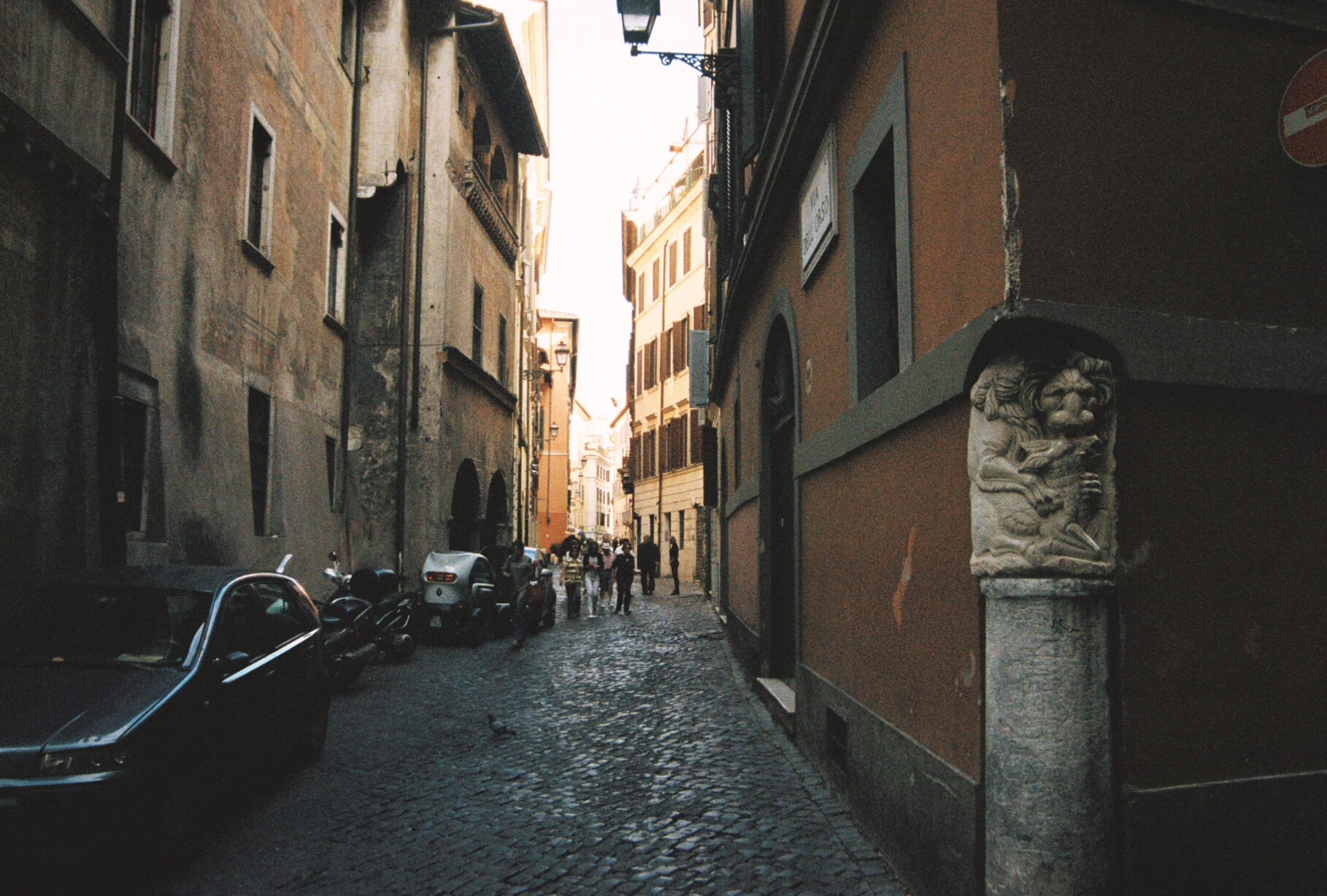
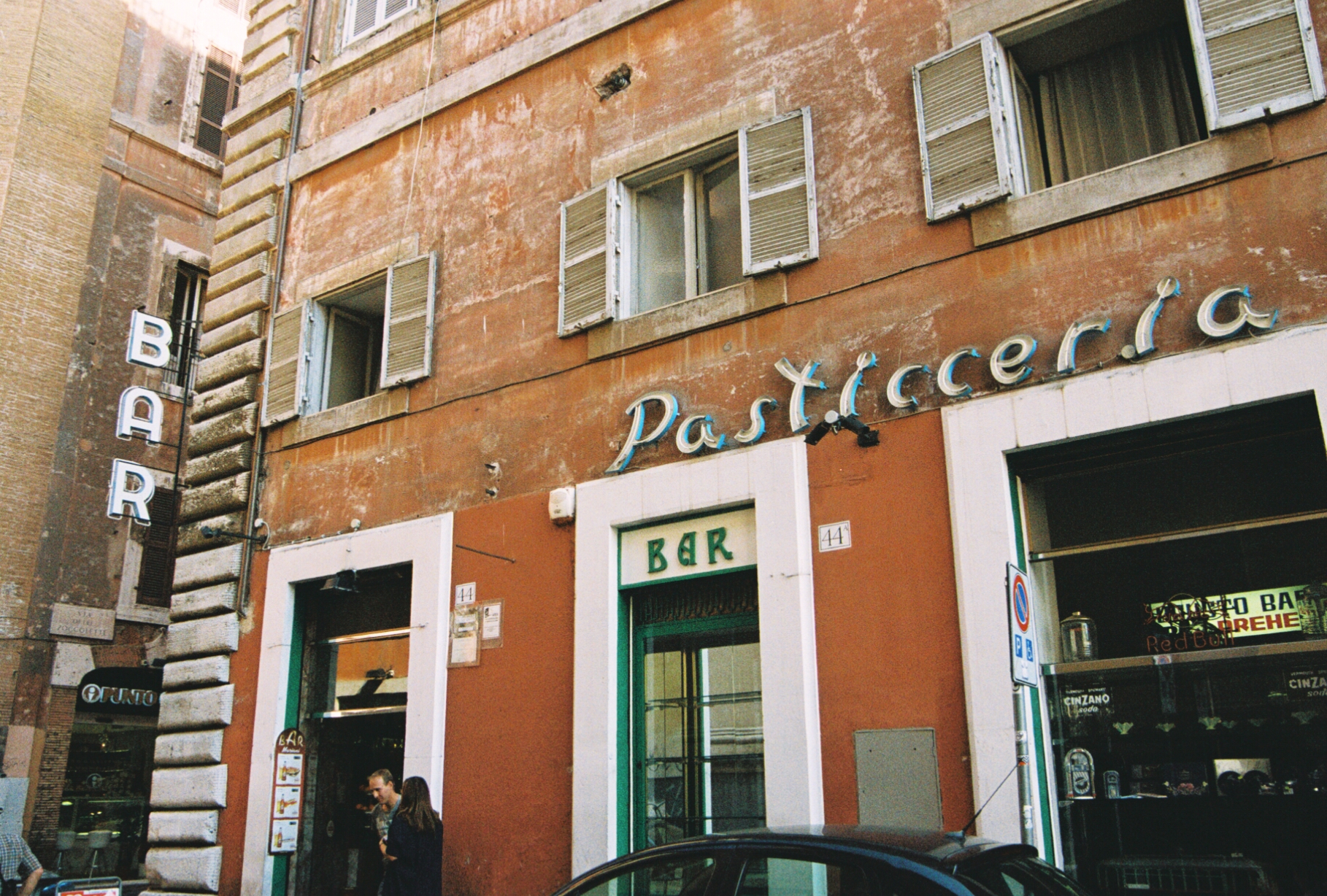
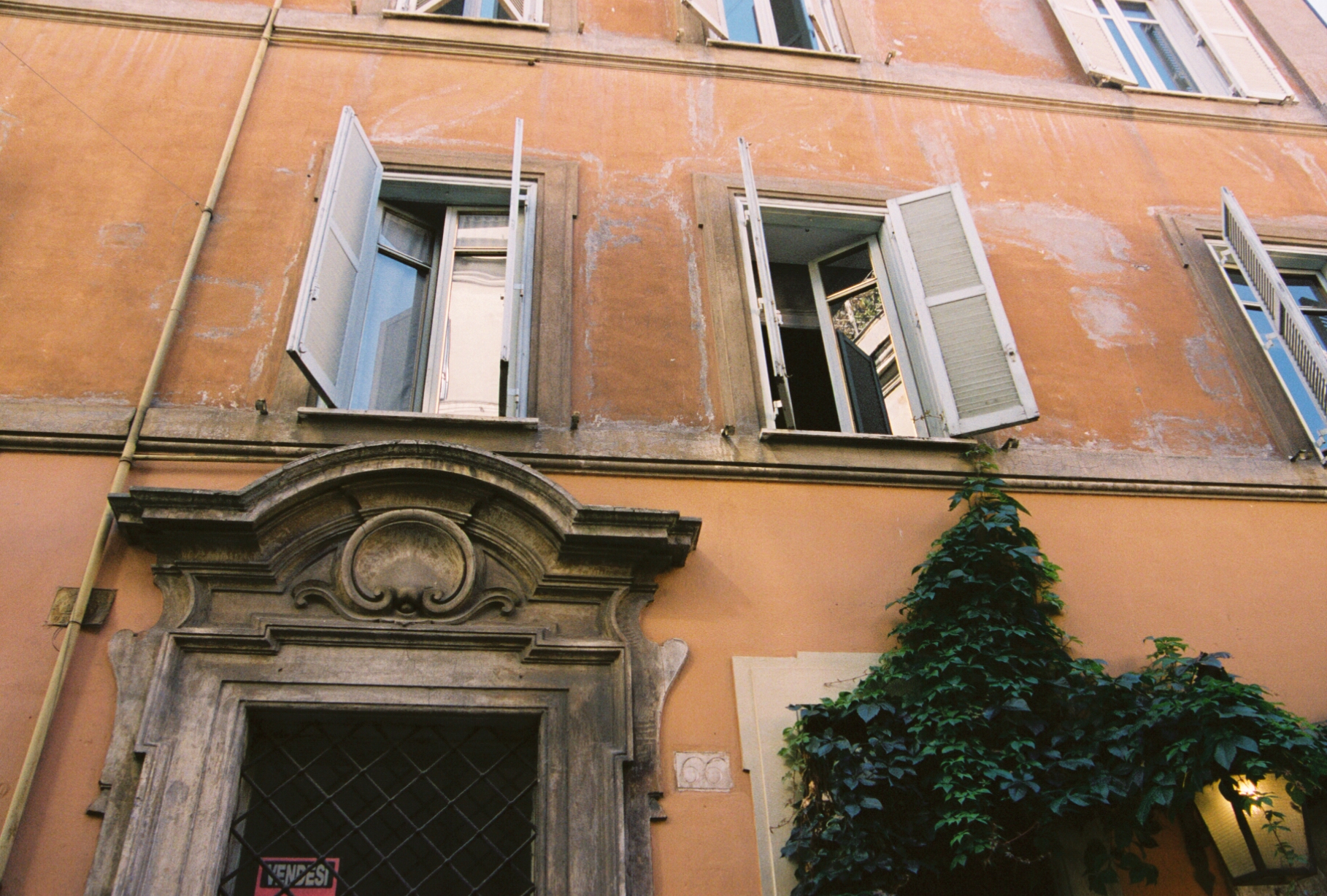
Finding a room with a view. And following the Roman cats through the ruins! And trying to visit all nine hundred beautiful old churches. (Impossible). And the Borghese gardens and palazzo museums and the sound of water fountains and sculptures and Italian gardens and vespas and red roof tiles. And a hundred thousand other things I will try to capture on this blog. (And I love Naples & Florence & all of Italy, which will be featured some times, as well as related art exhibits, books, music & films)!
 a love letter to rome