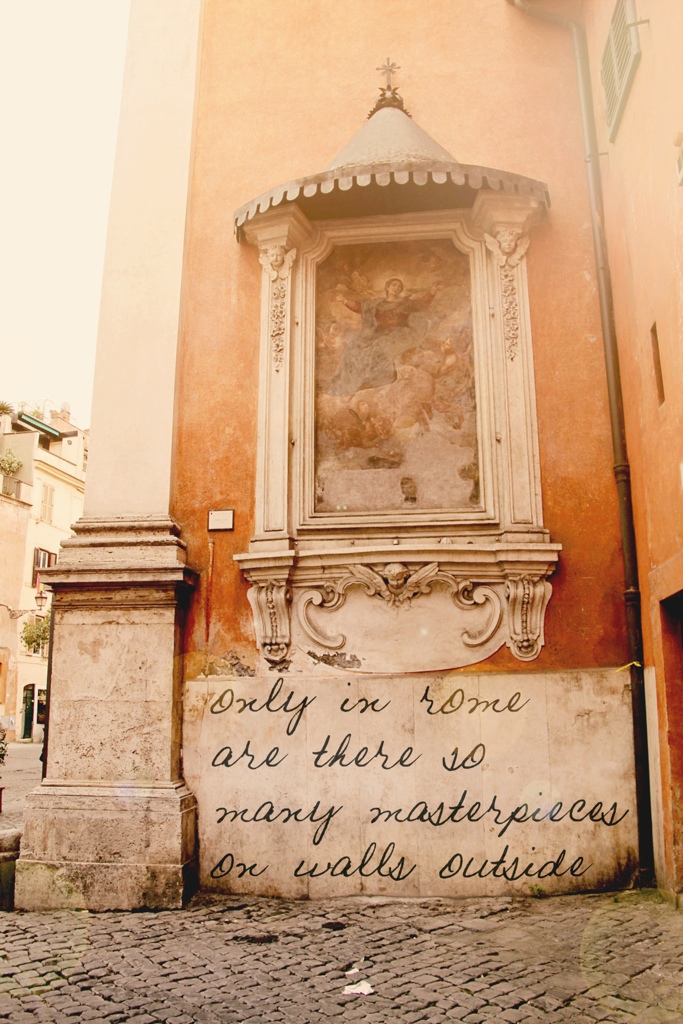
Only in Rome are there so many masterpieces outside on walls, tucked away in some private, unexpected corner of a quiet neighborhood.
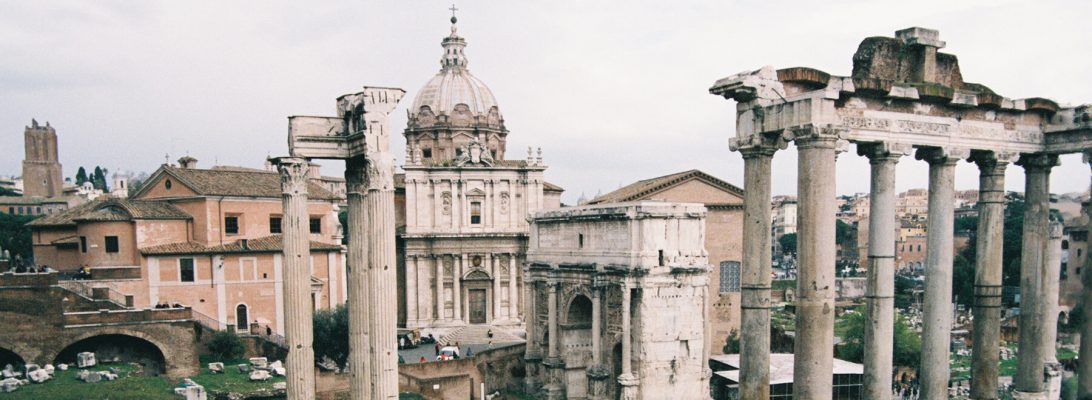
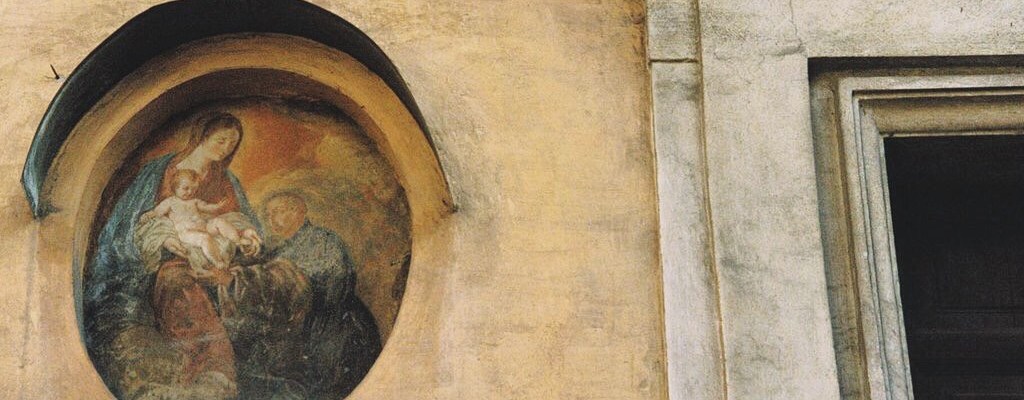
Only in Rome are there so many masterpieces outside on walls, tucked away in some private, unexpected corner of a quiet neighborhood.

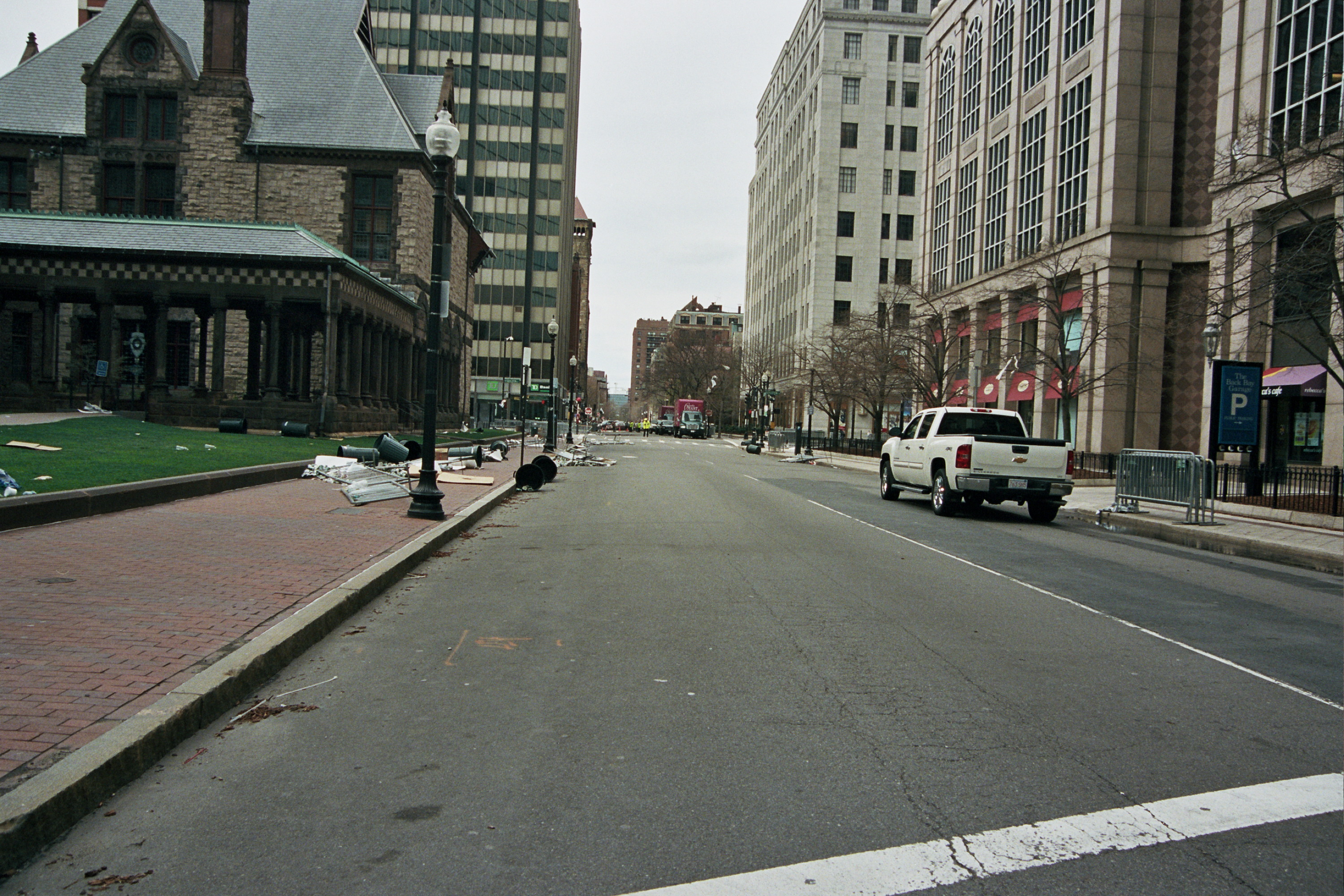
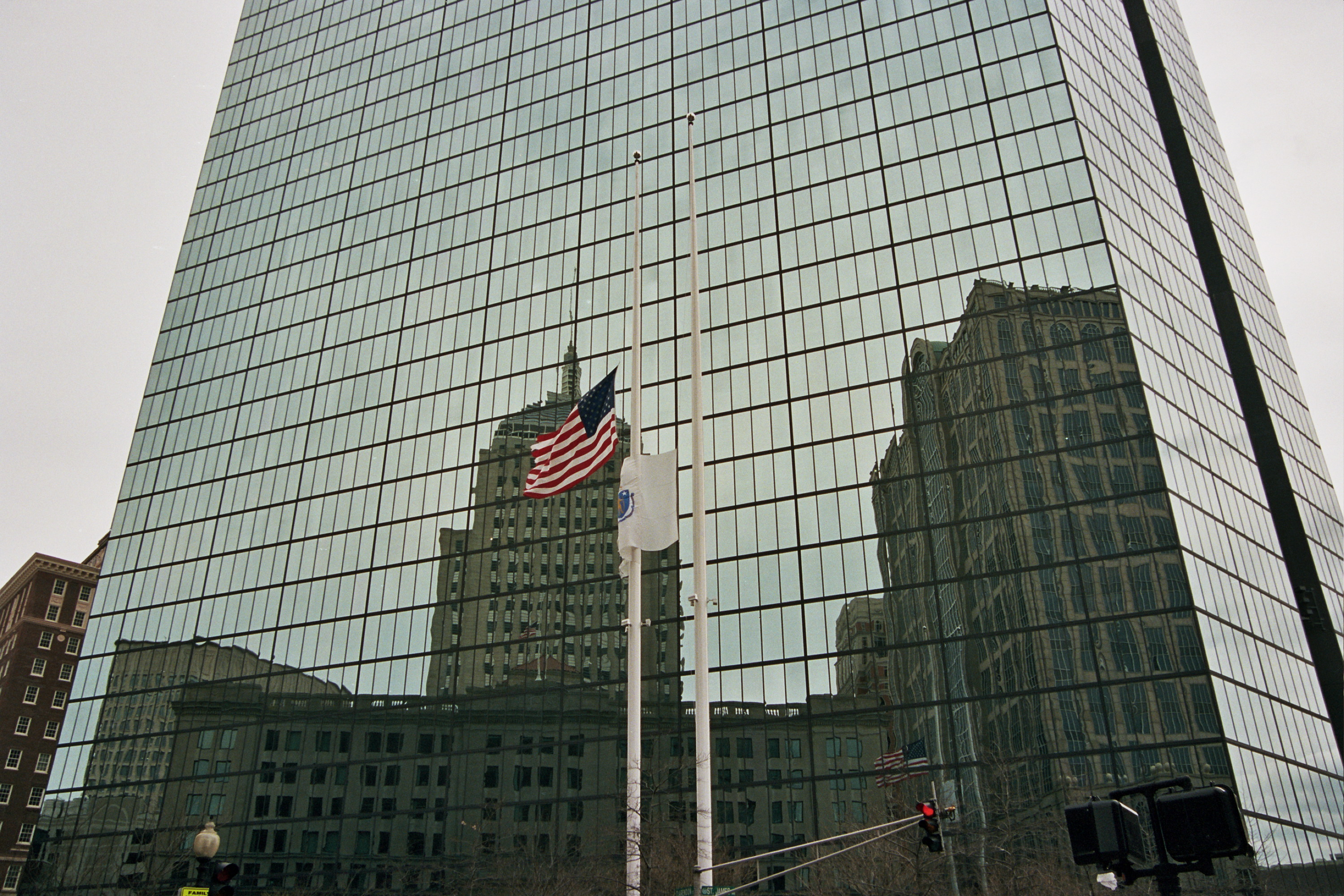
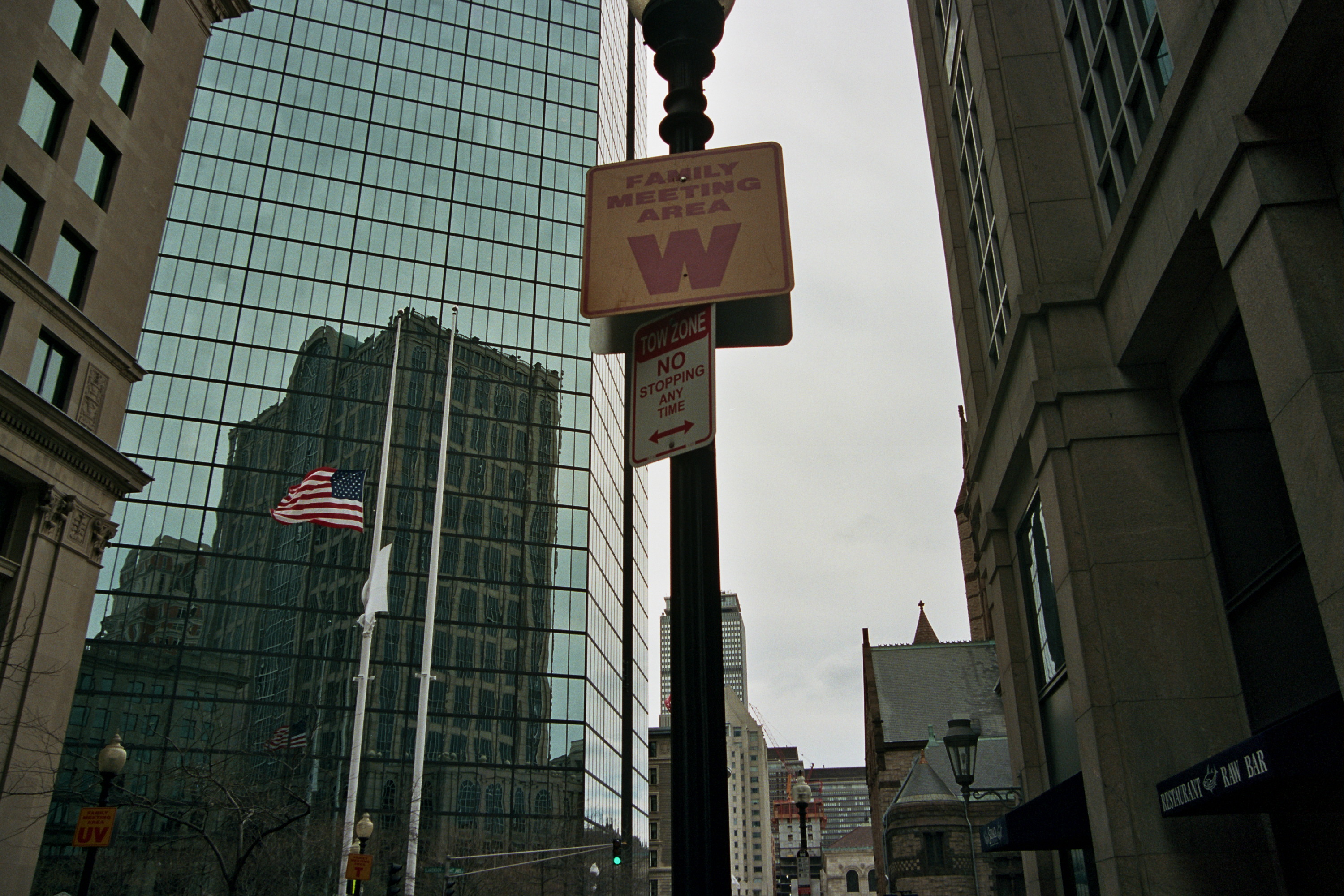
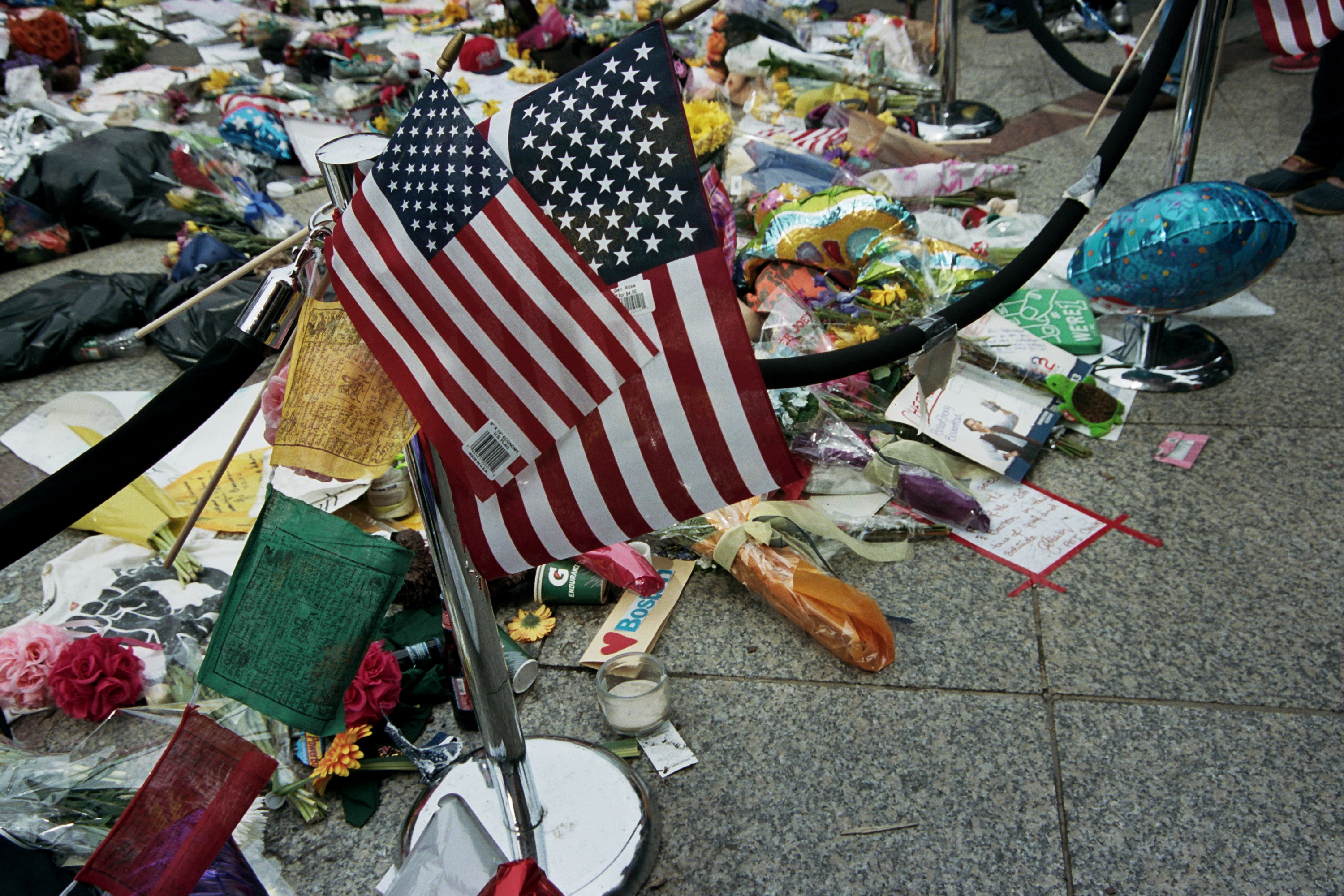
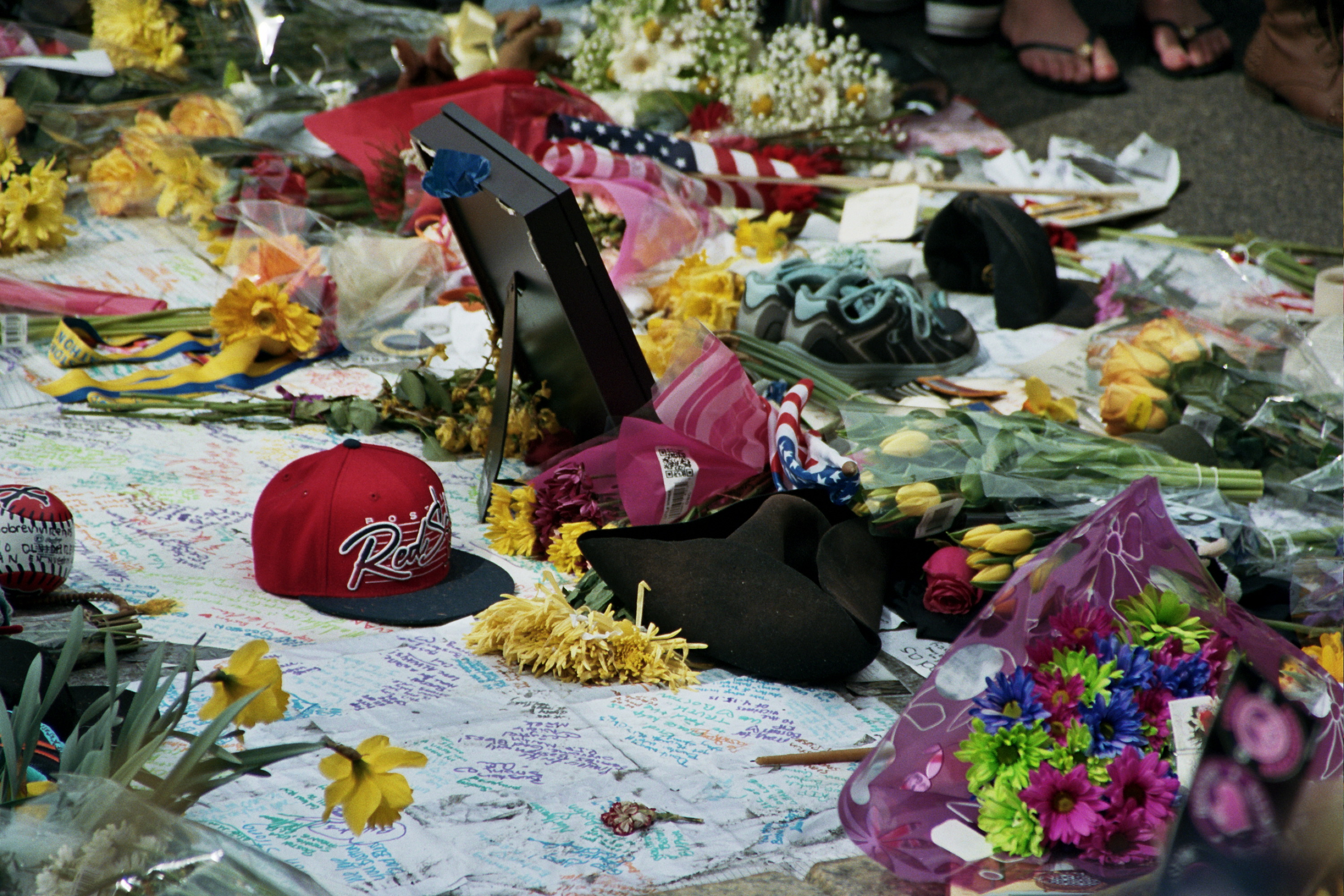
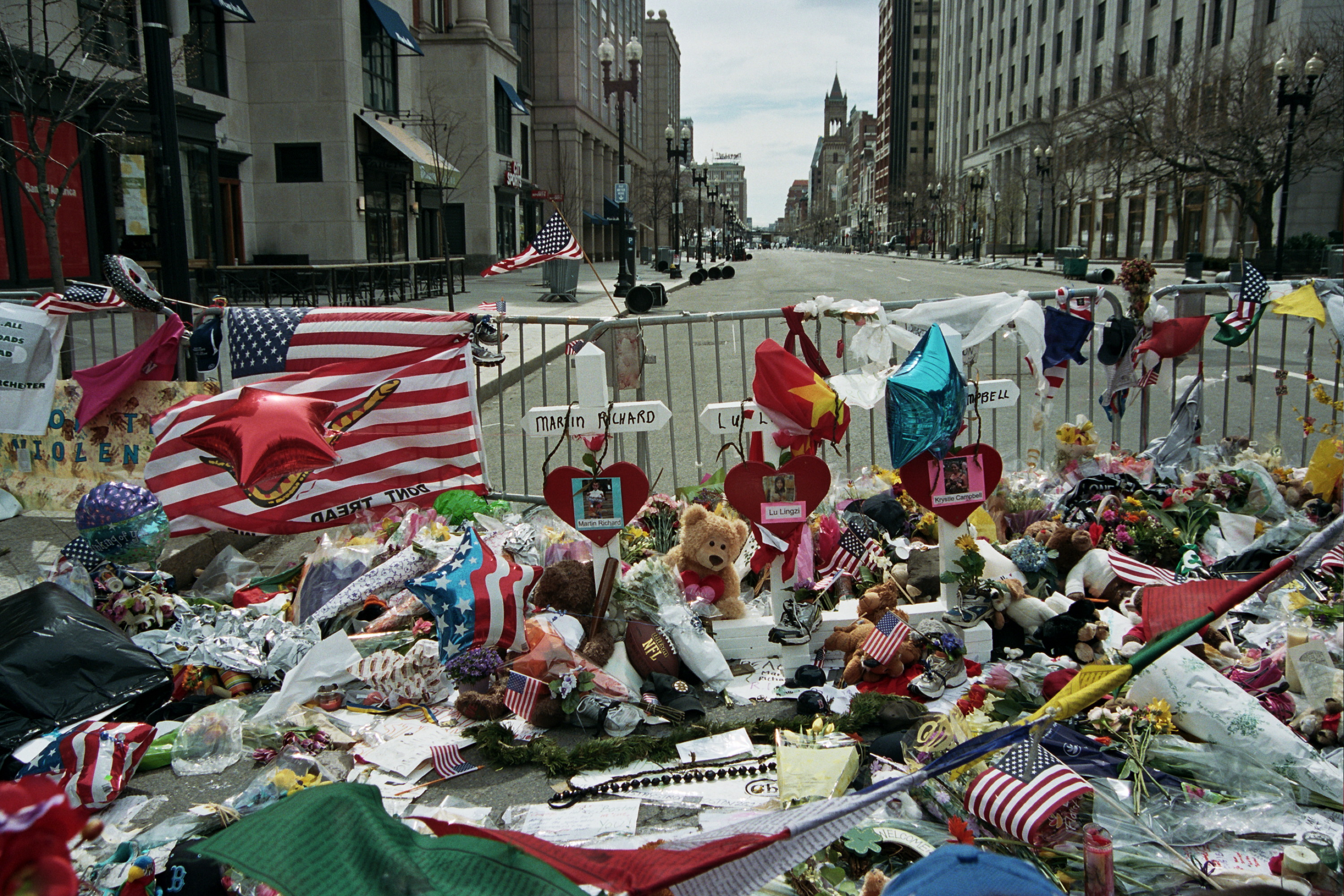
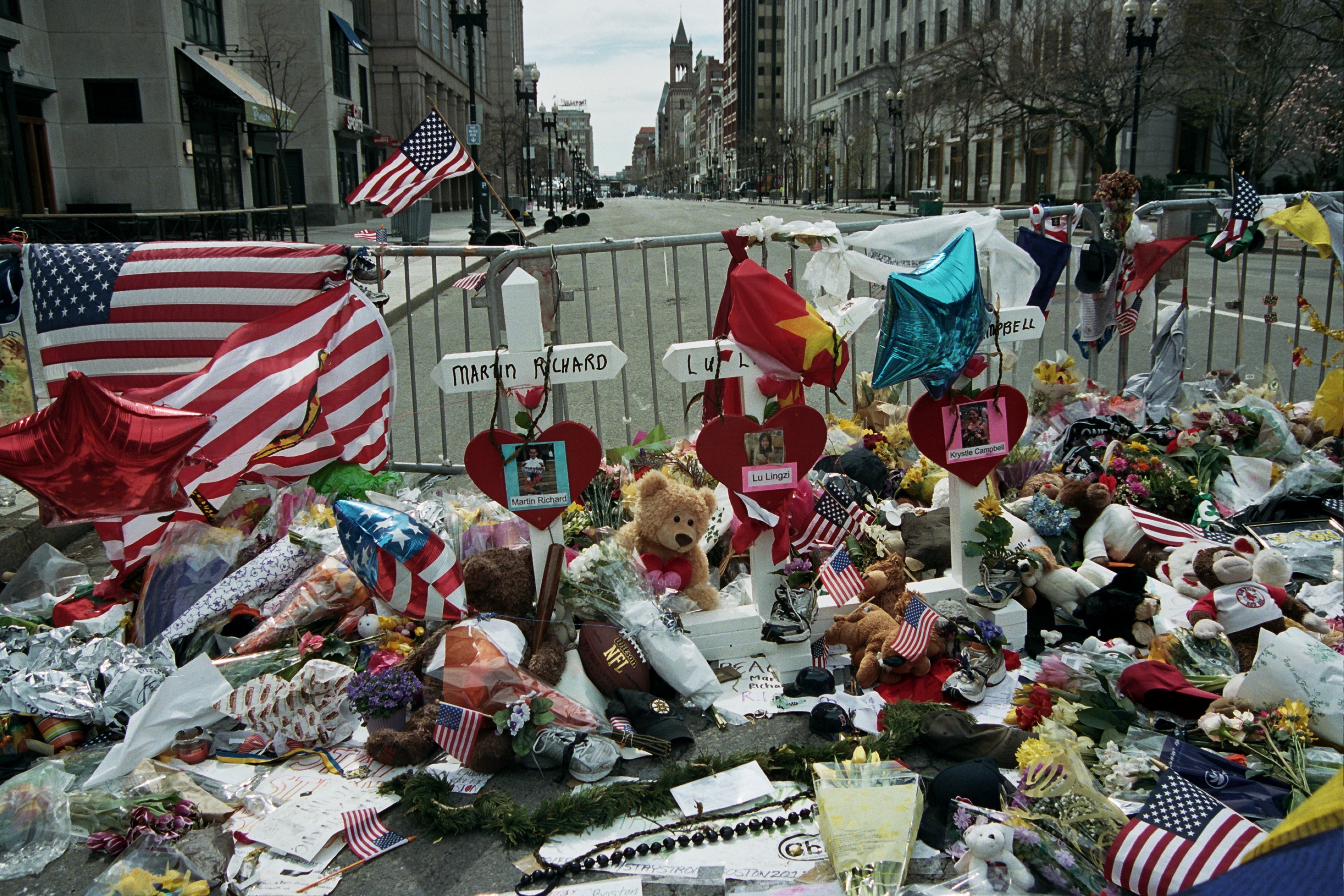
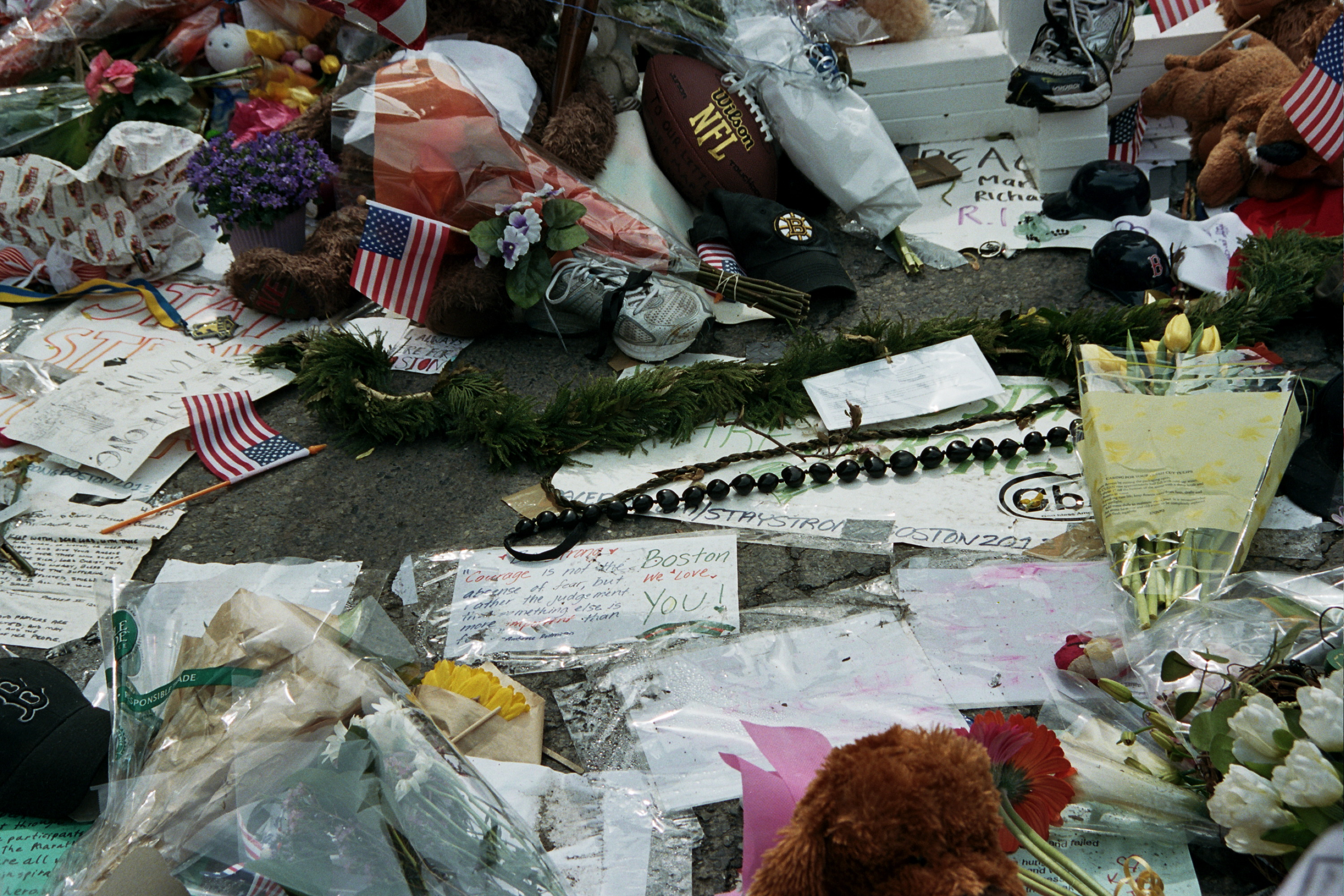
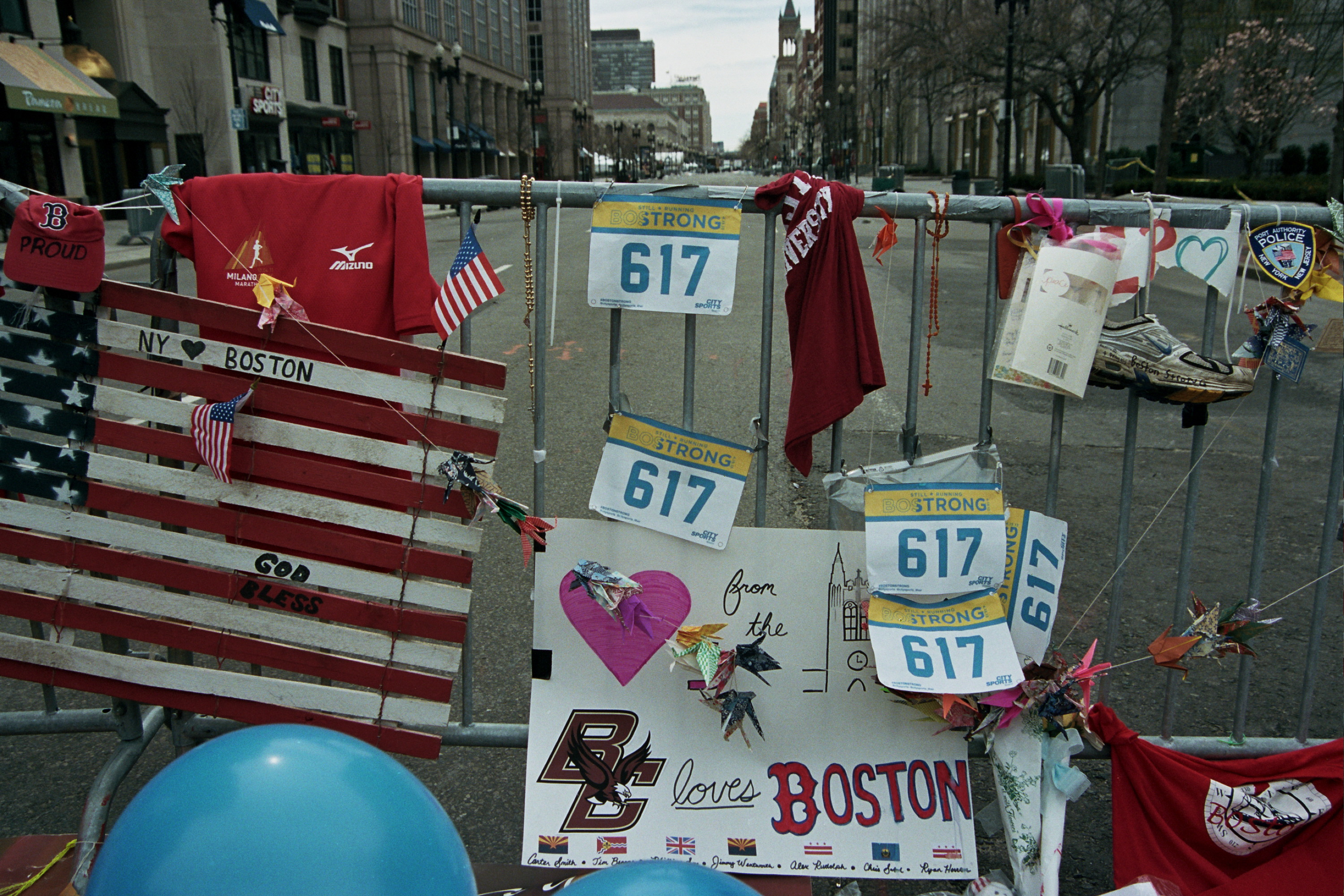
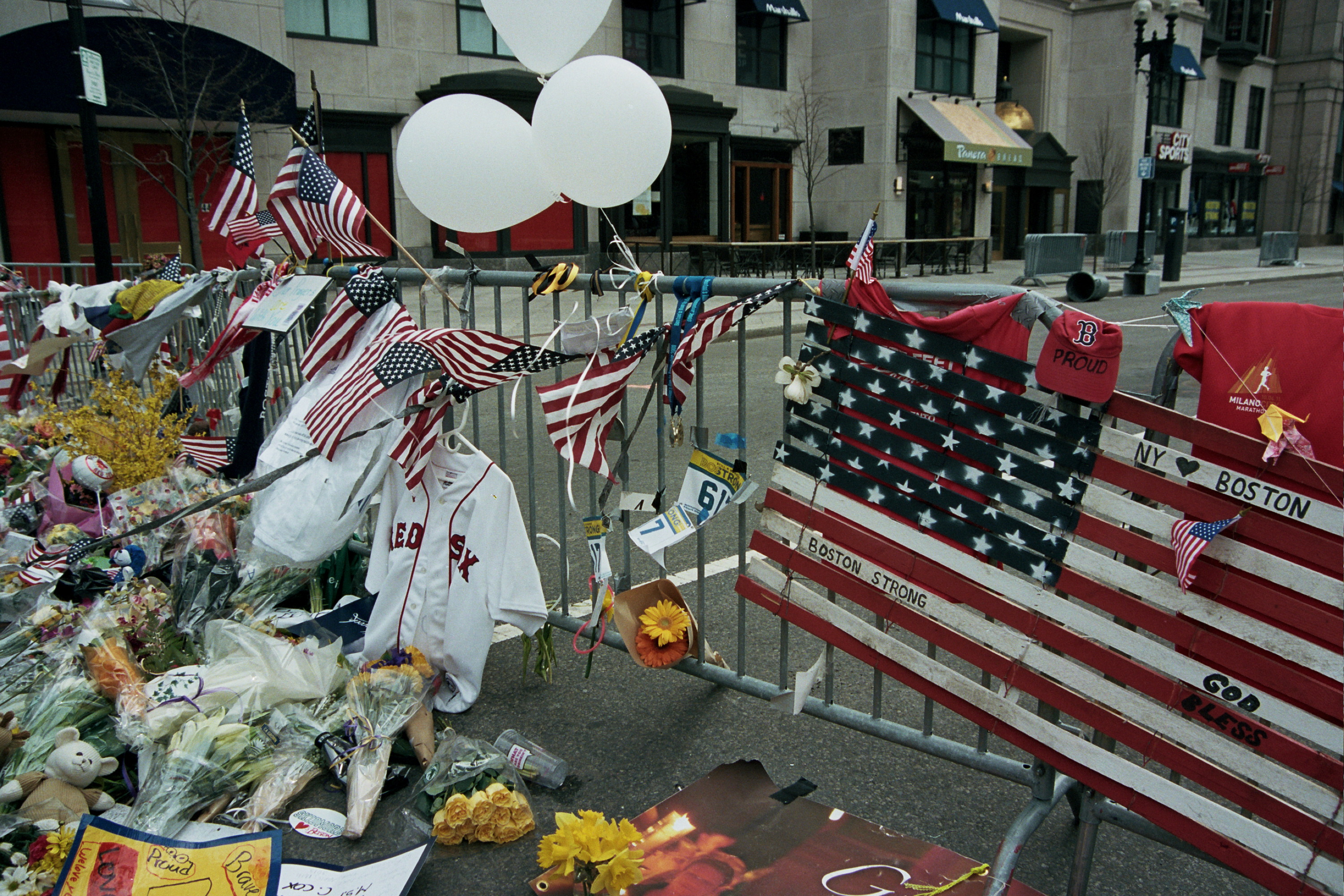
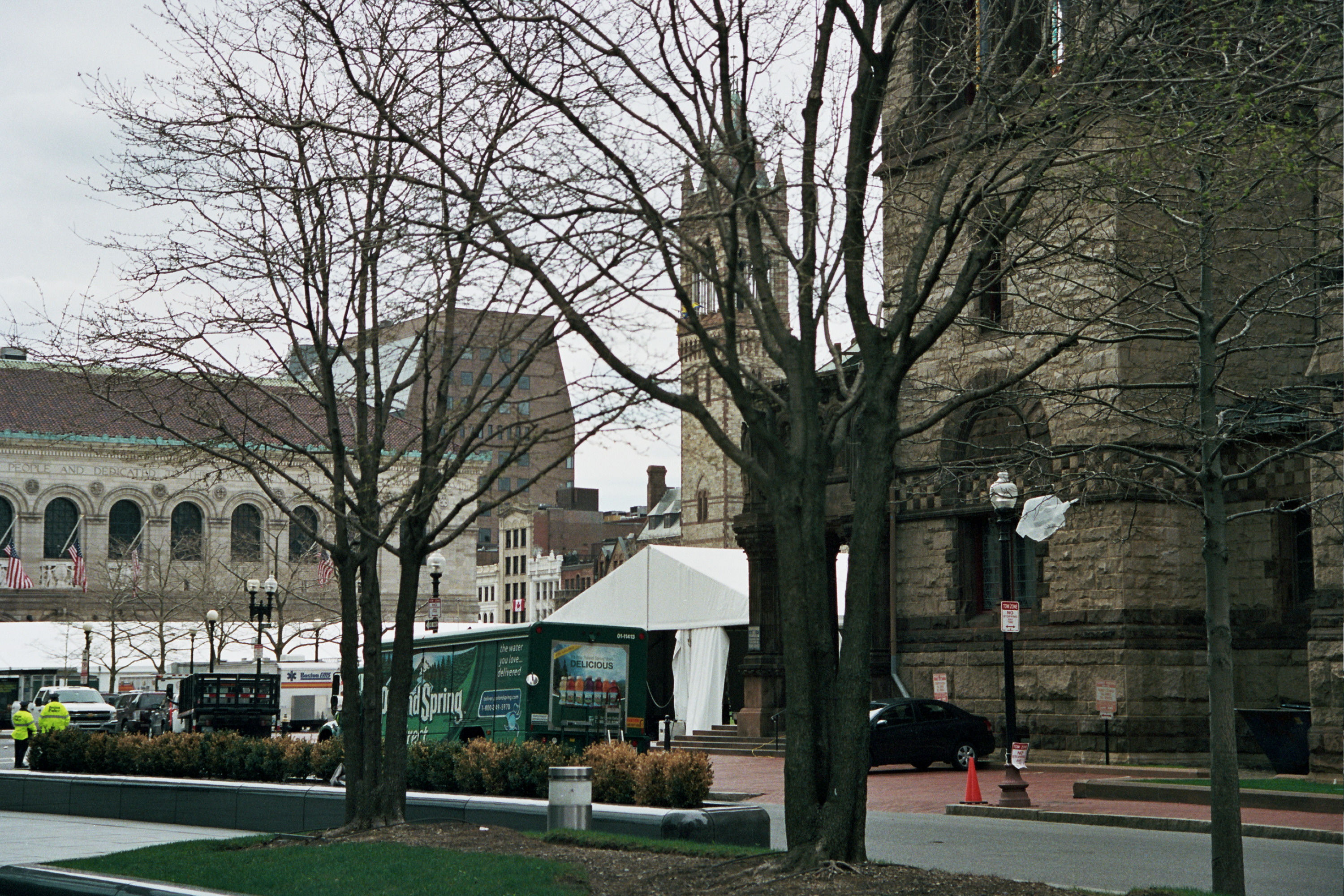
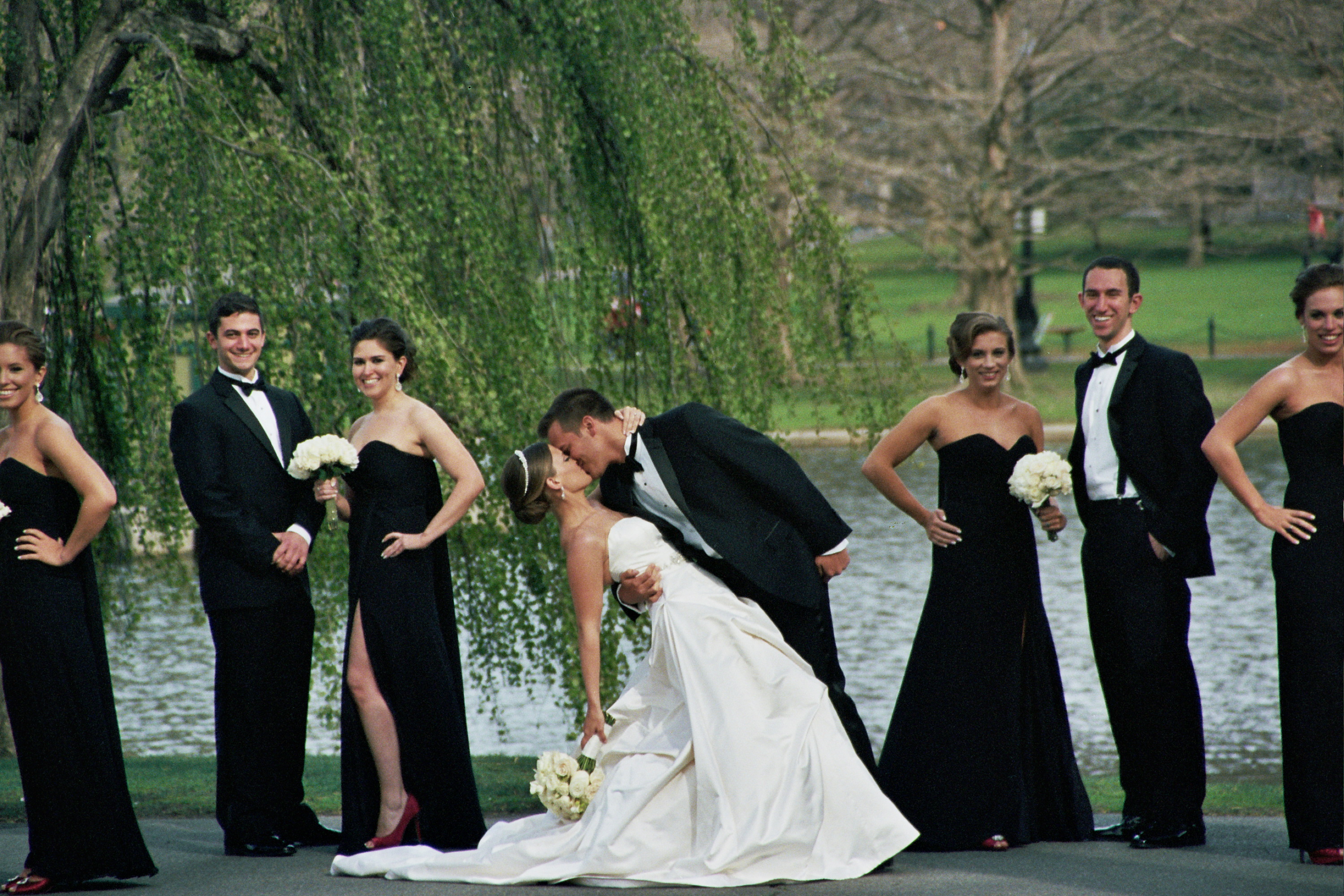
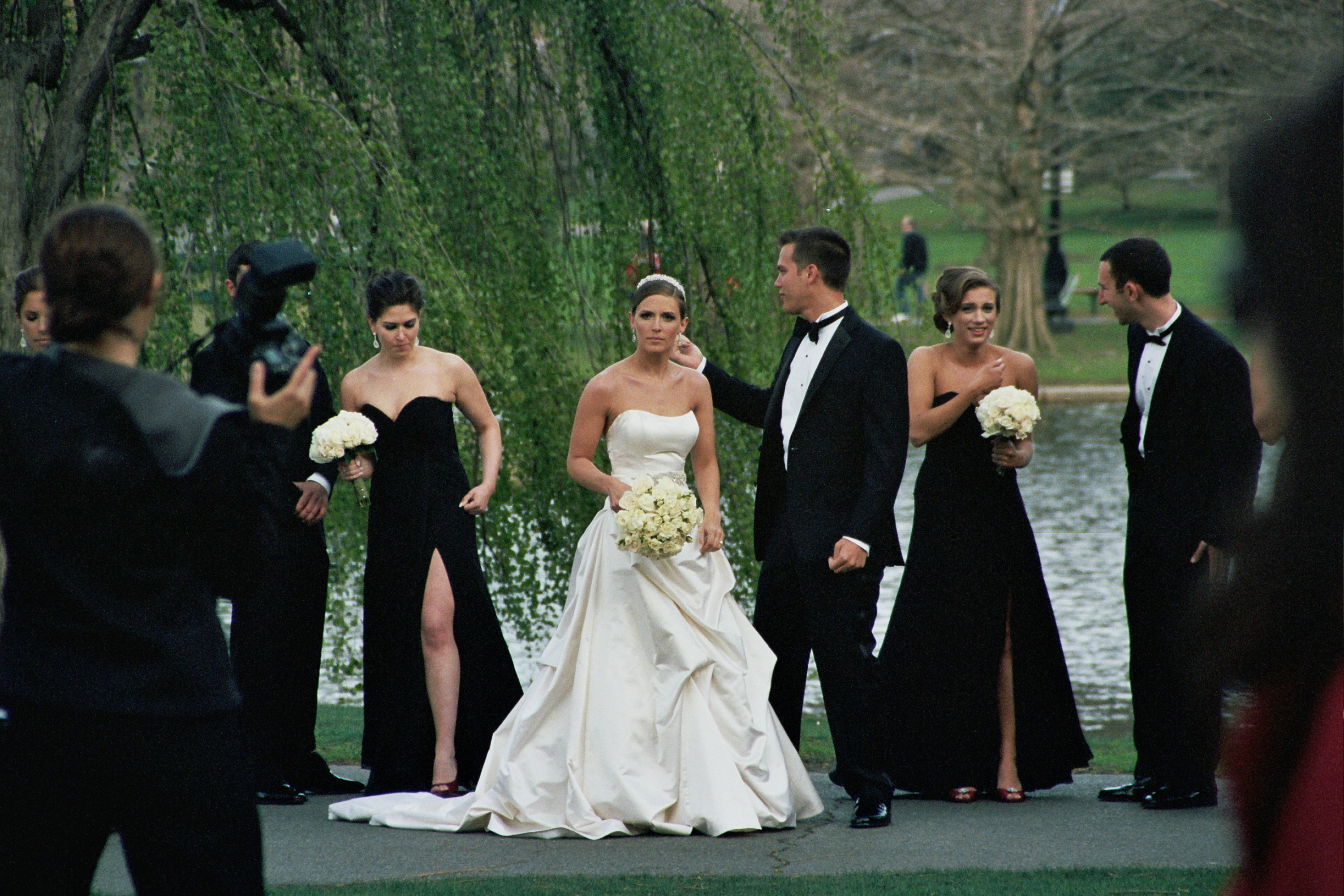
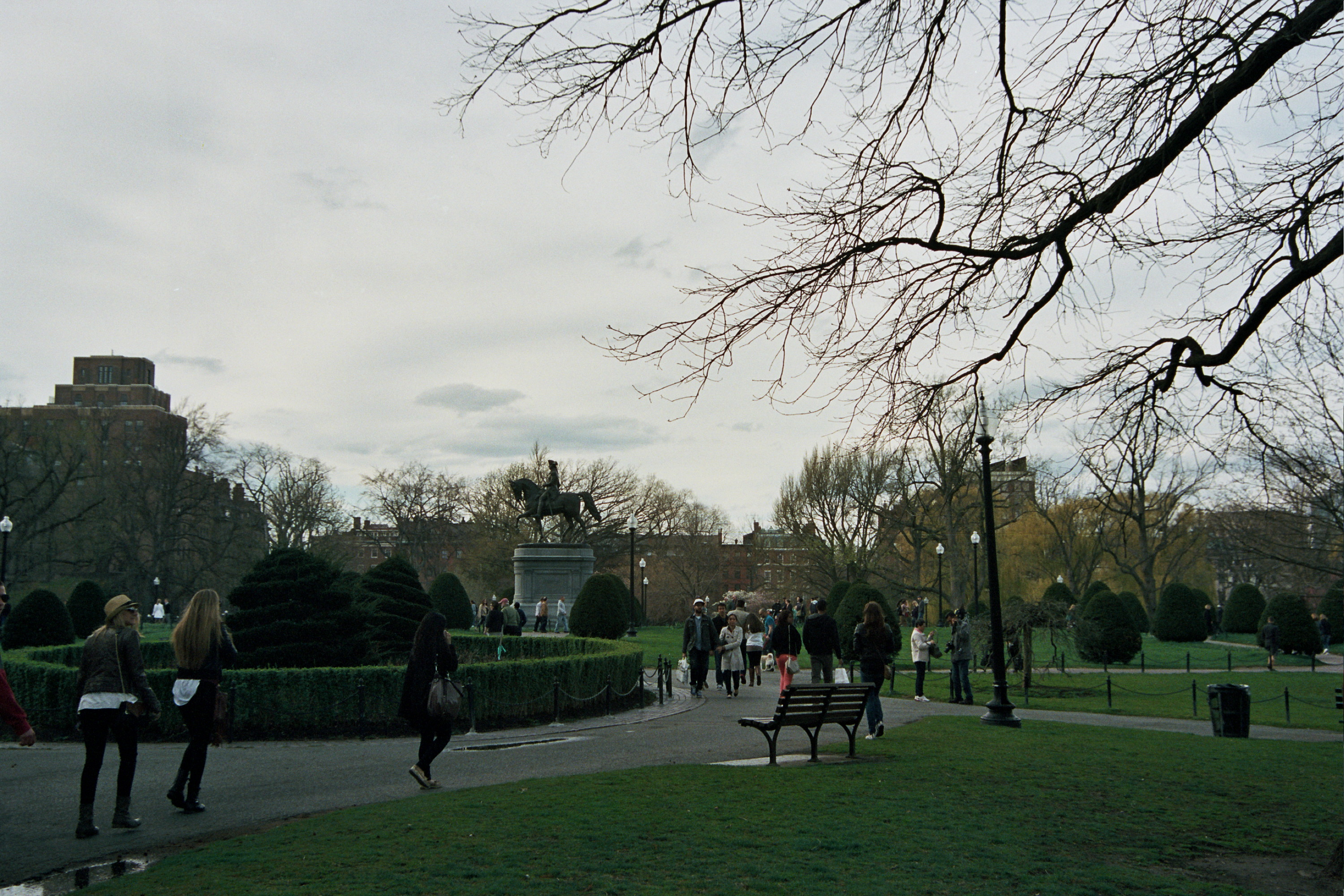
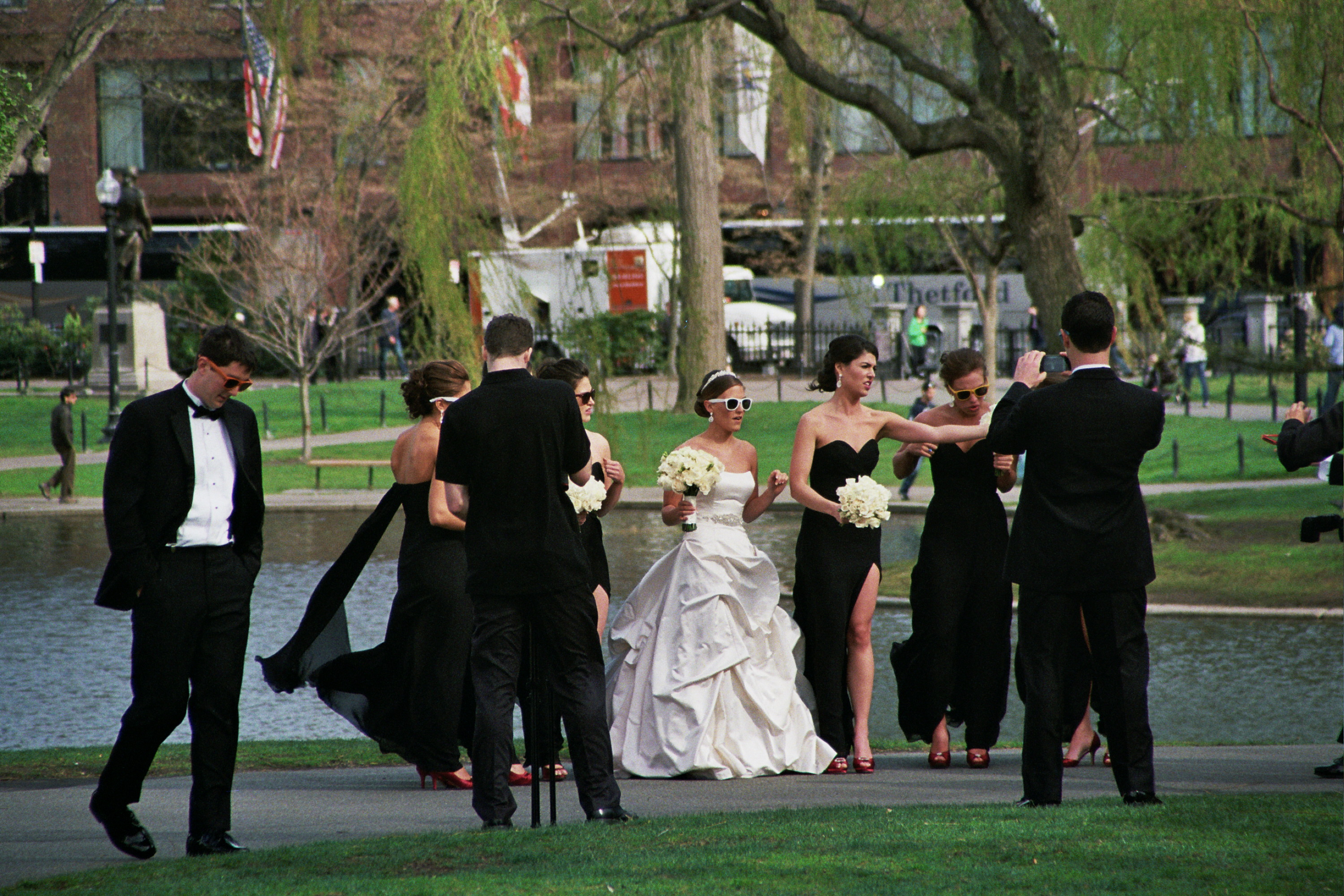
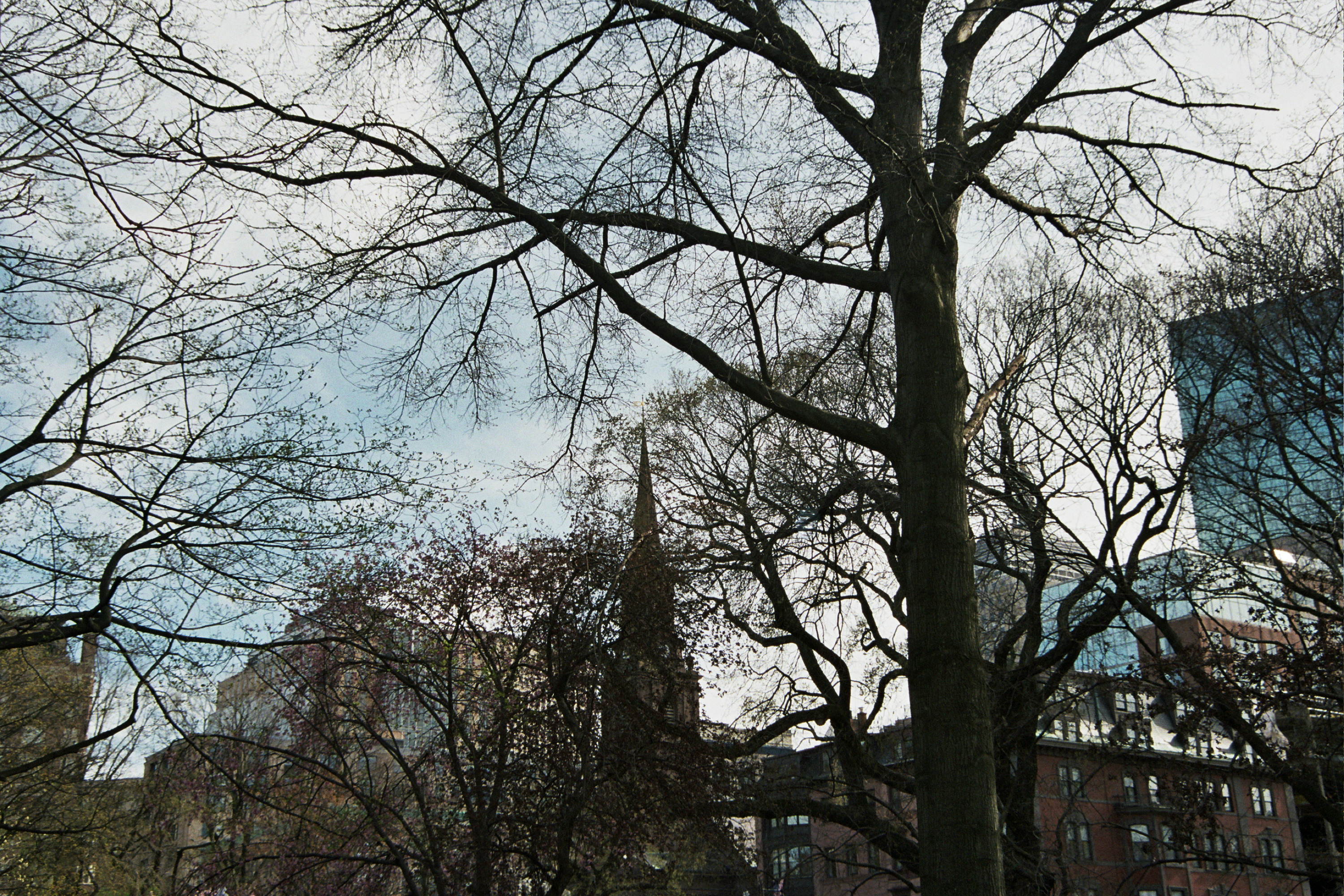
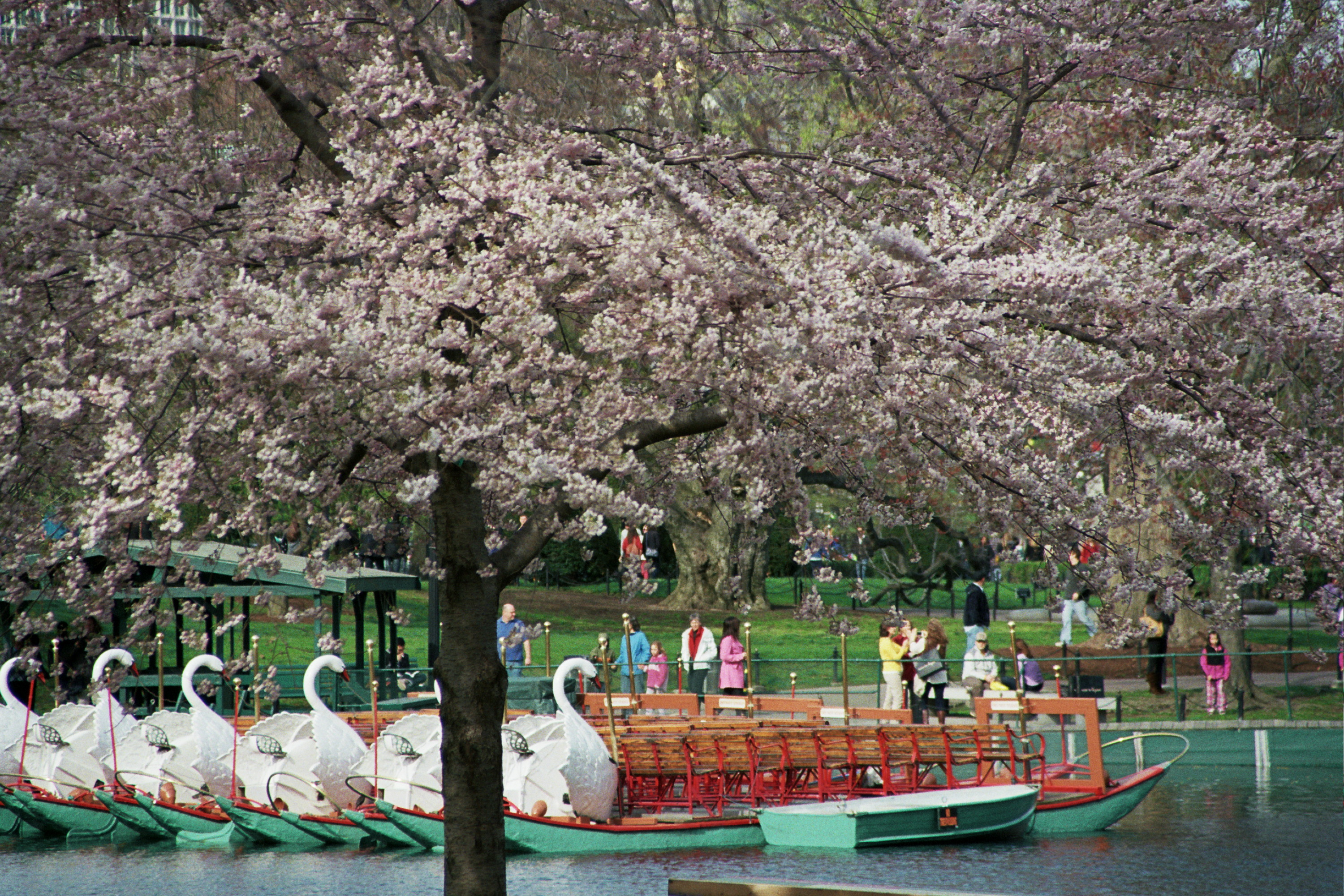
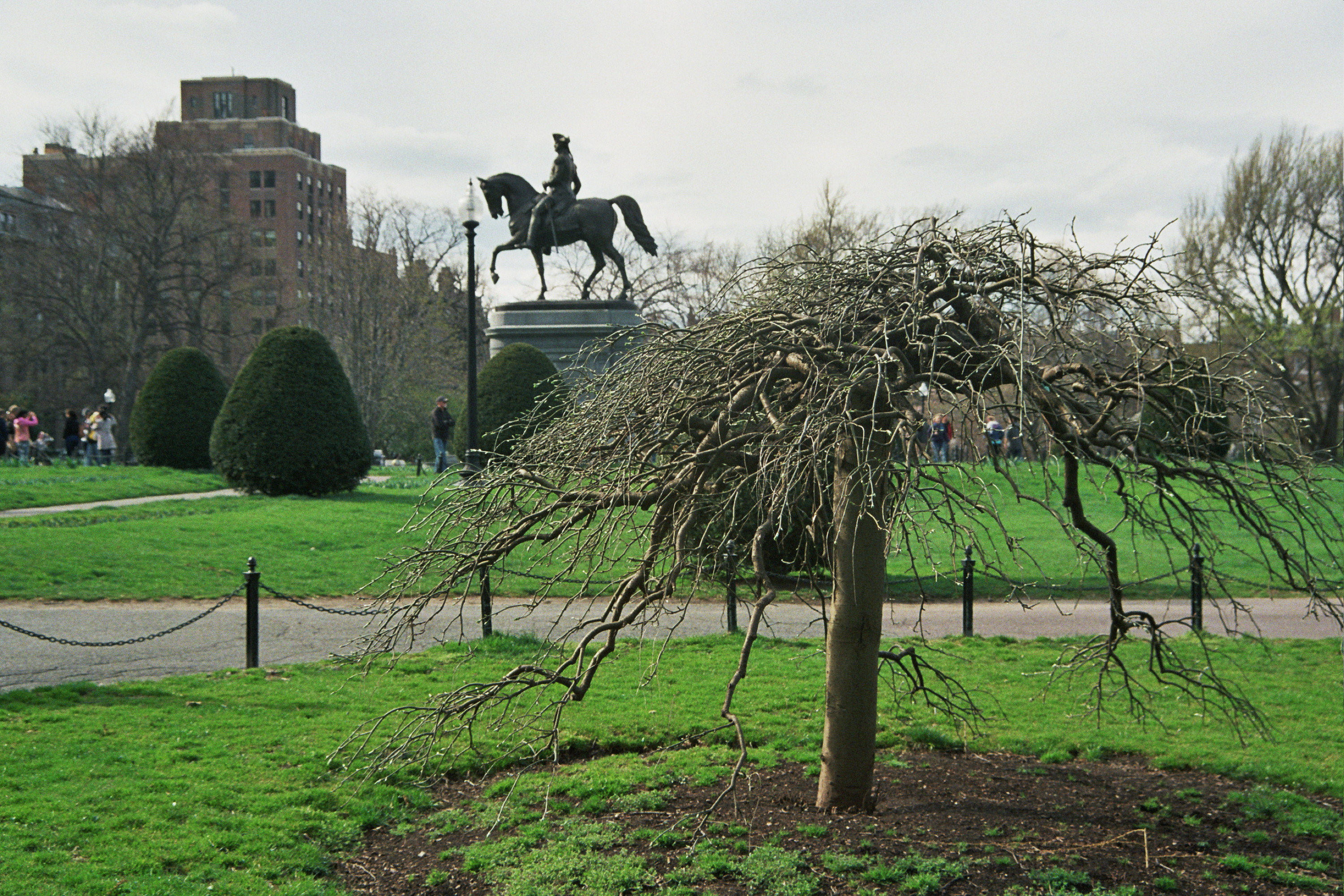
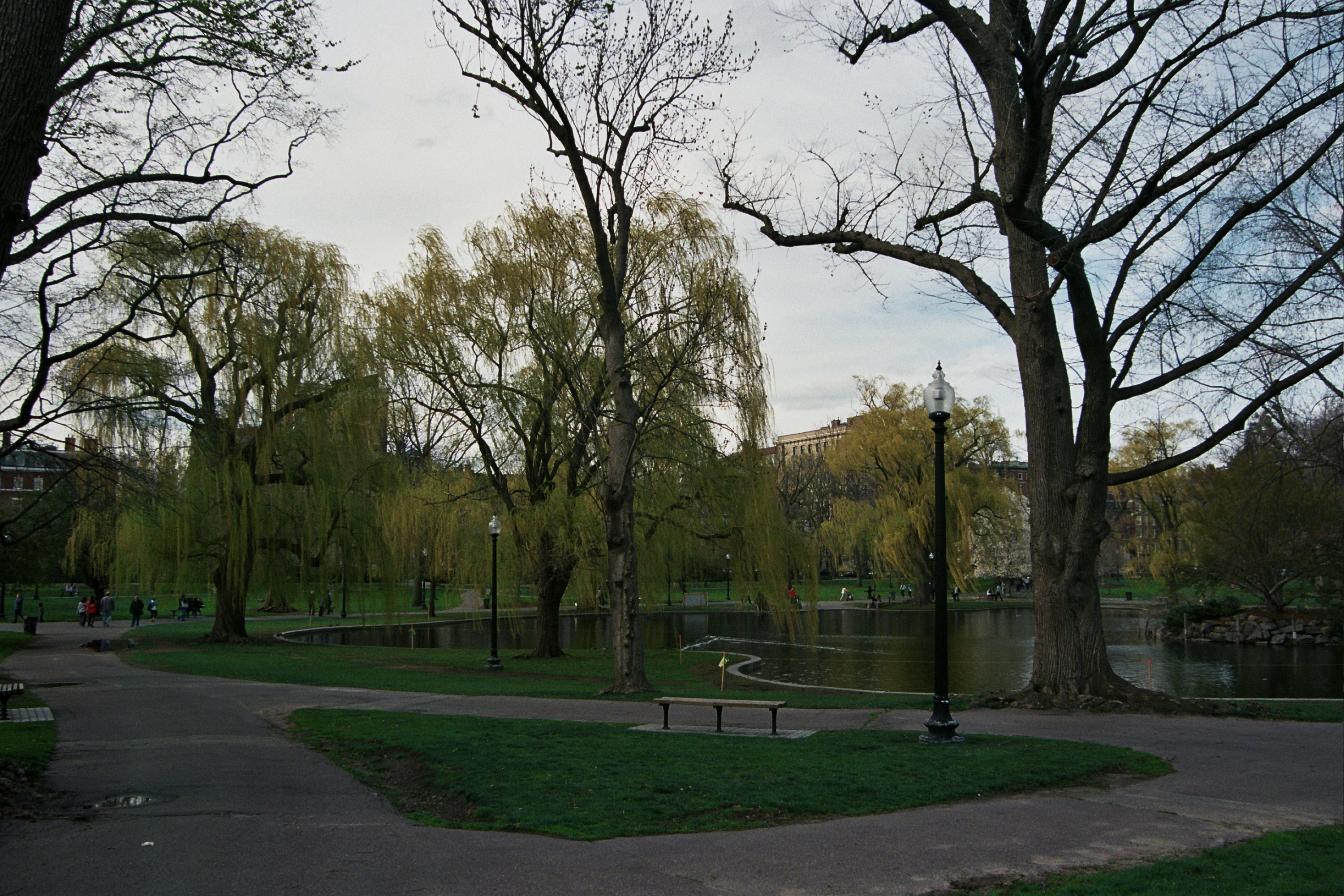
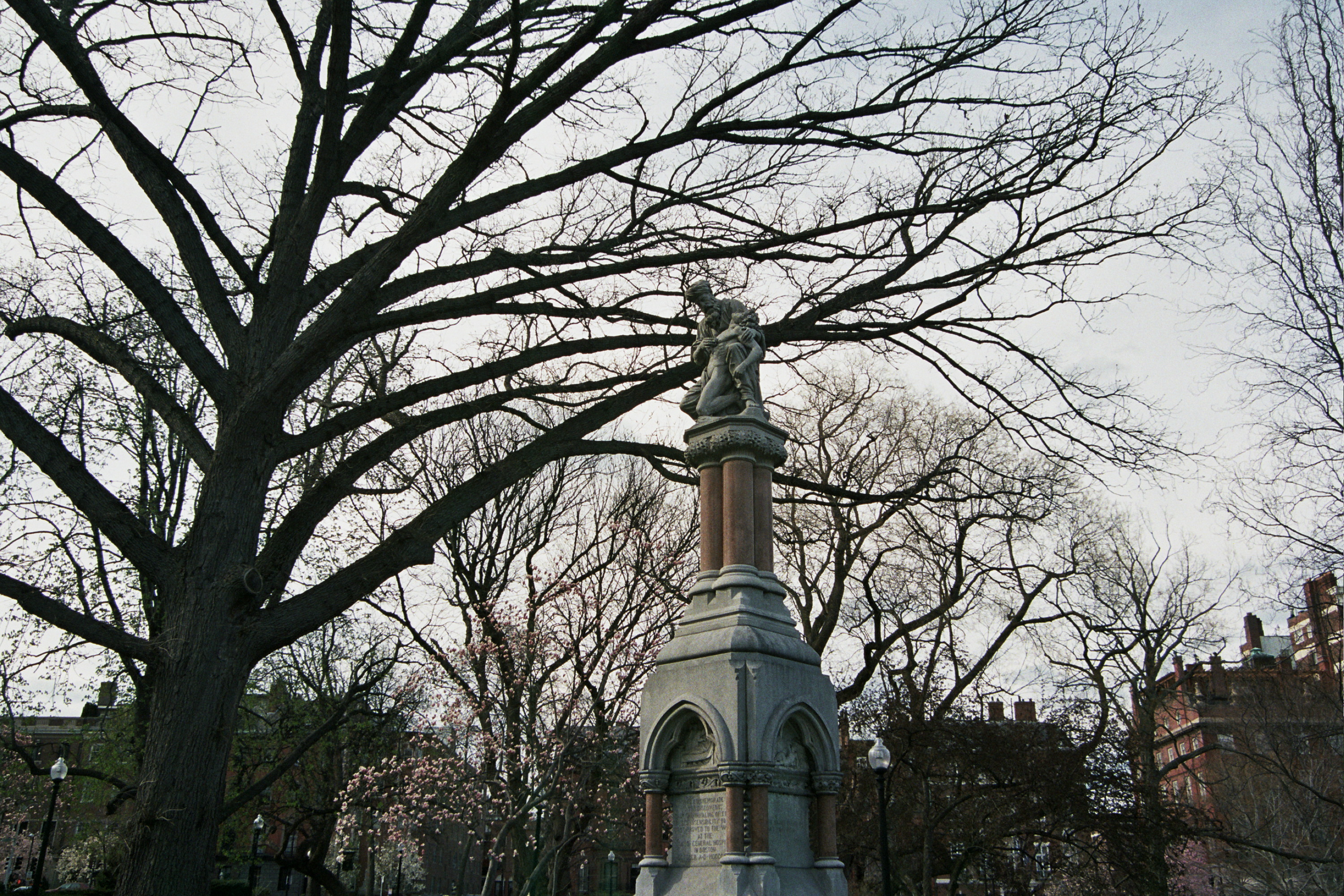
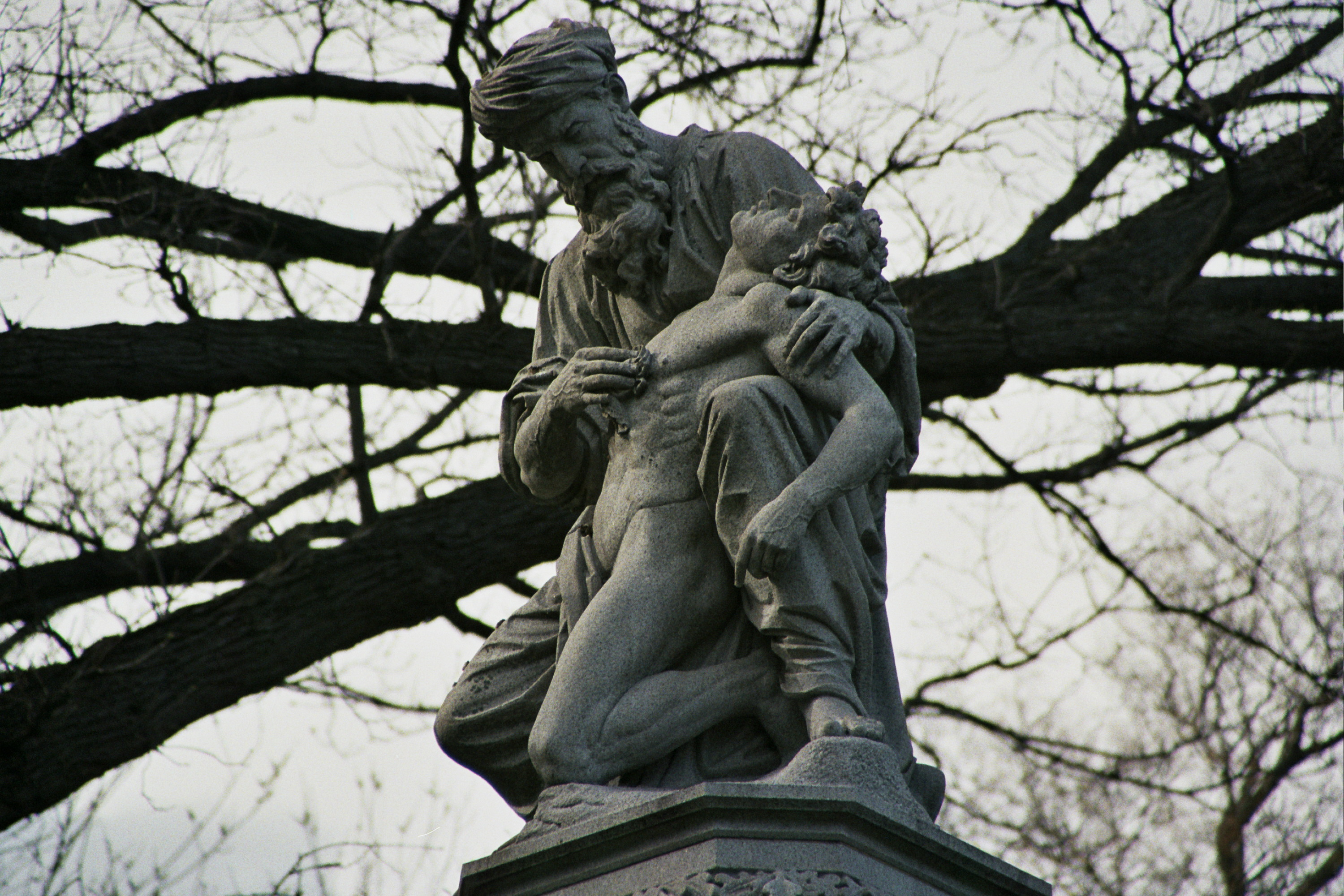
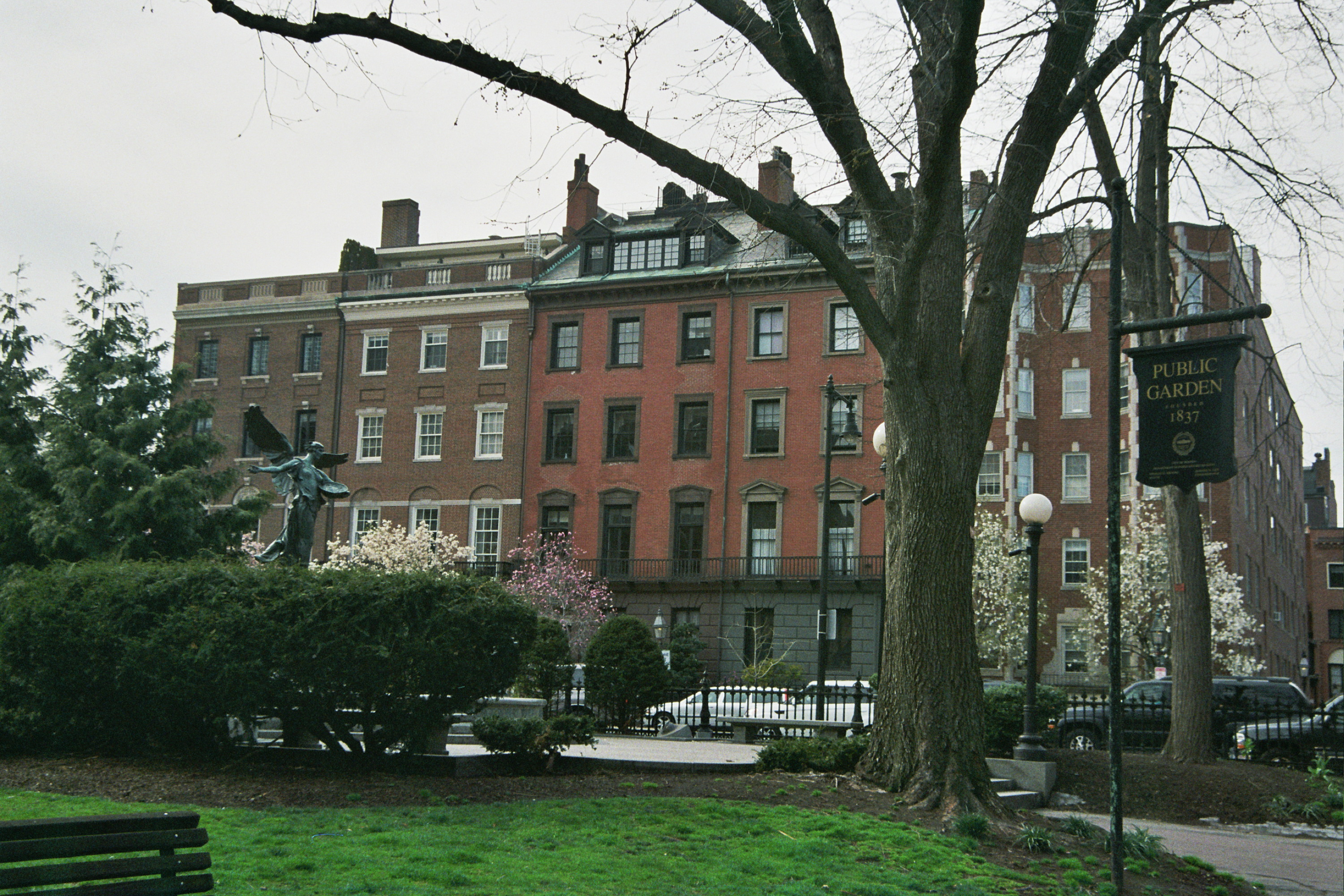
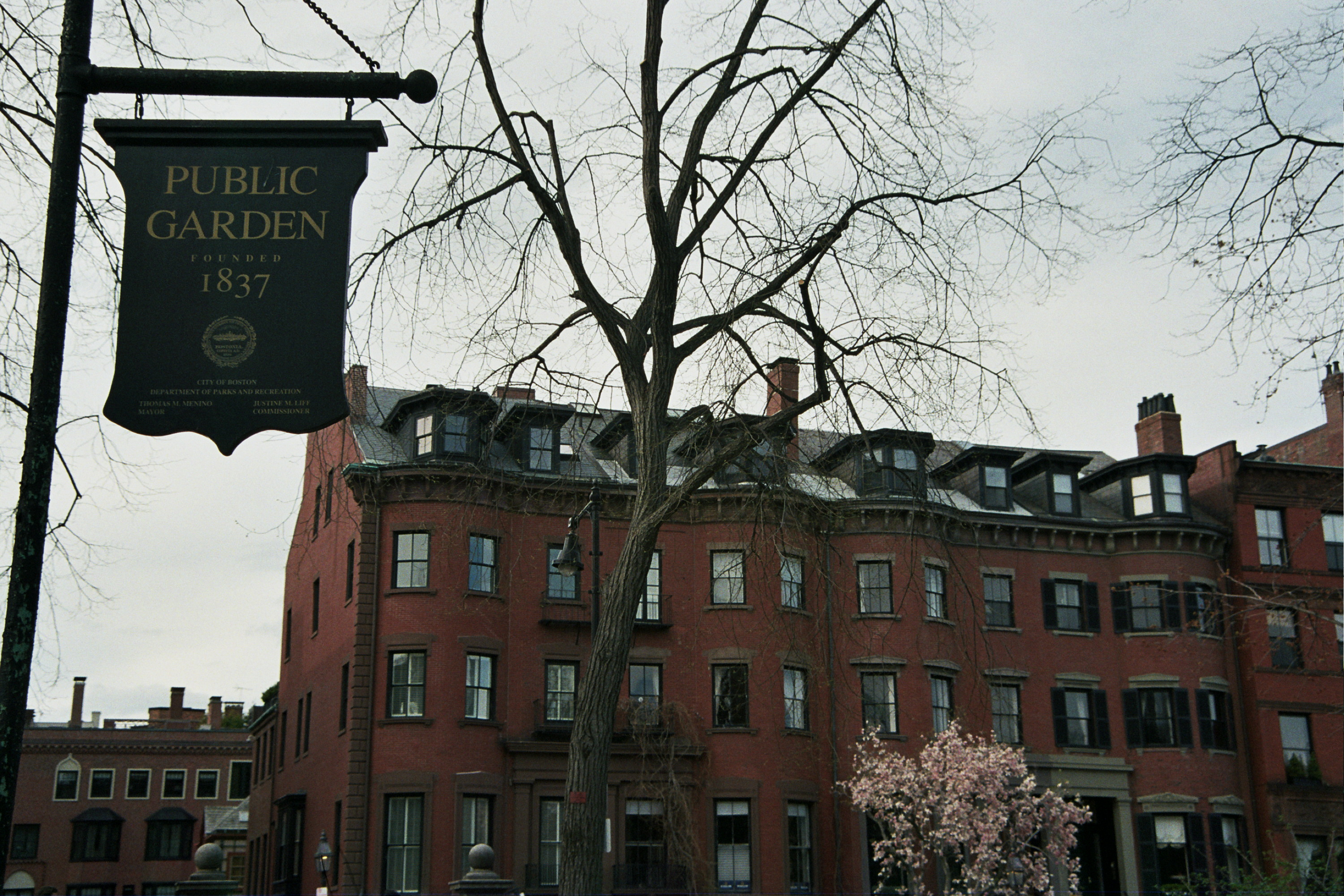
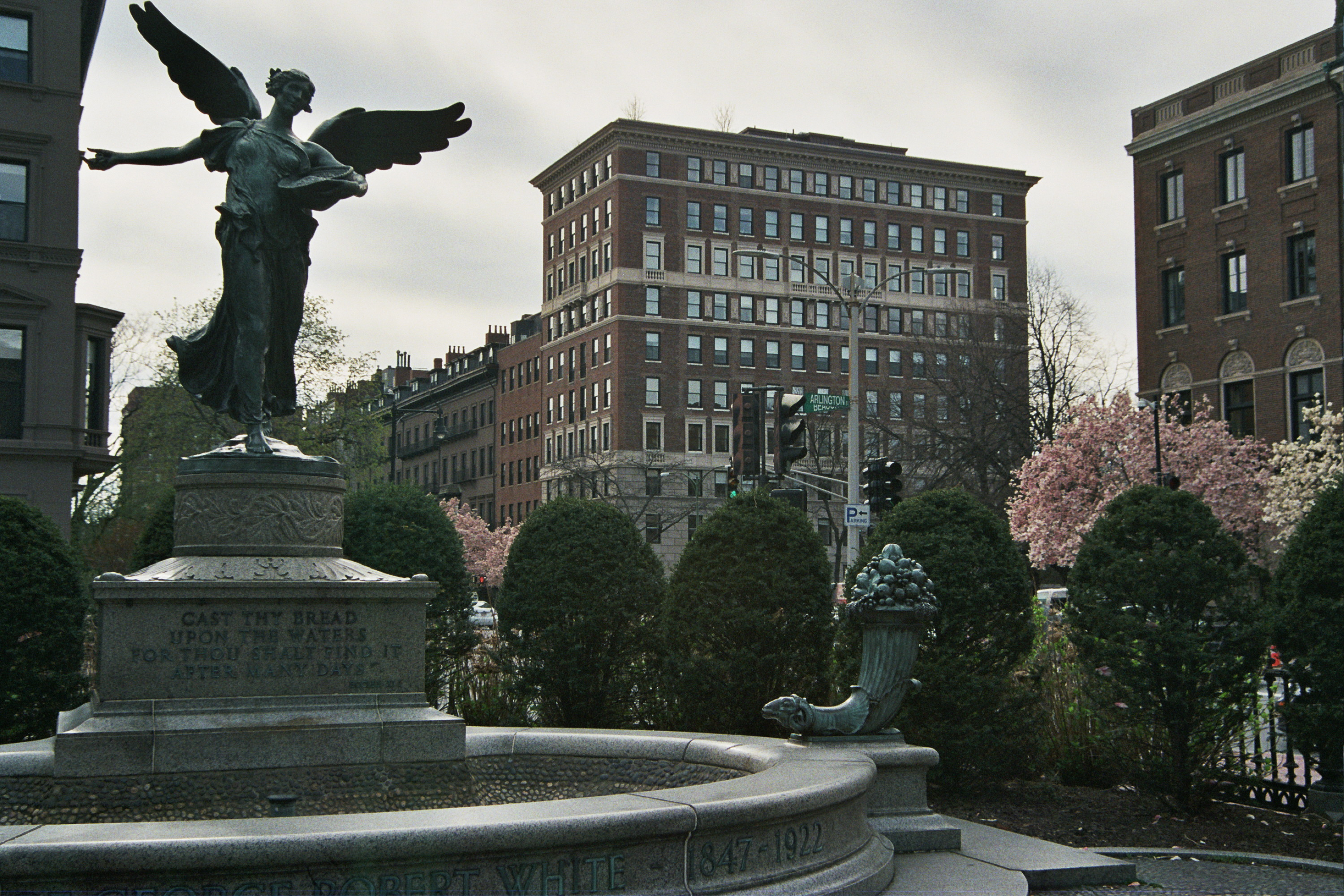
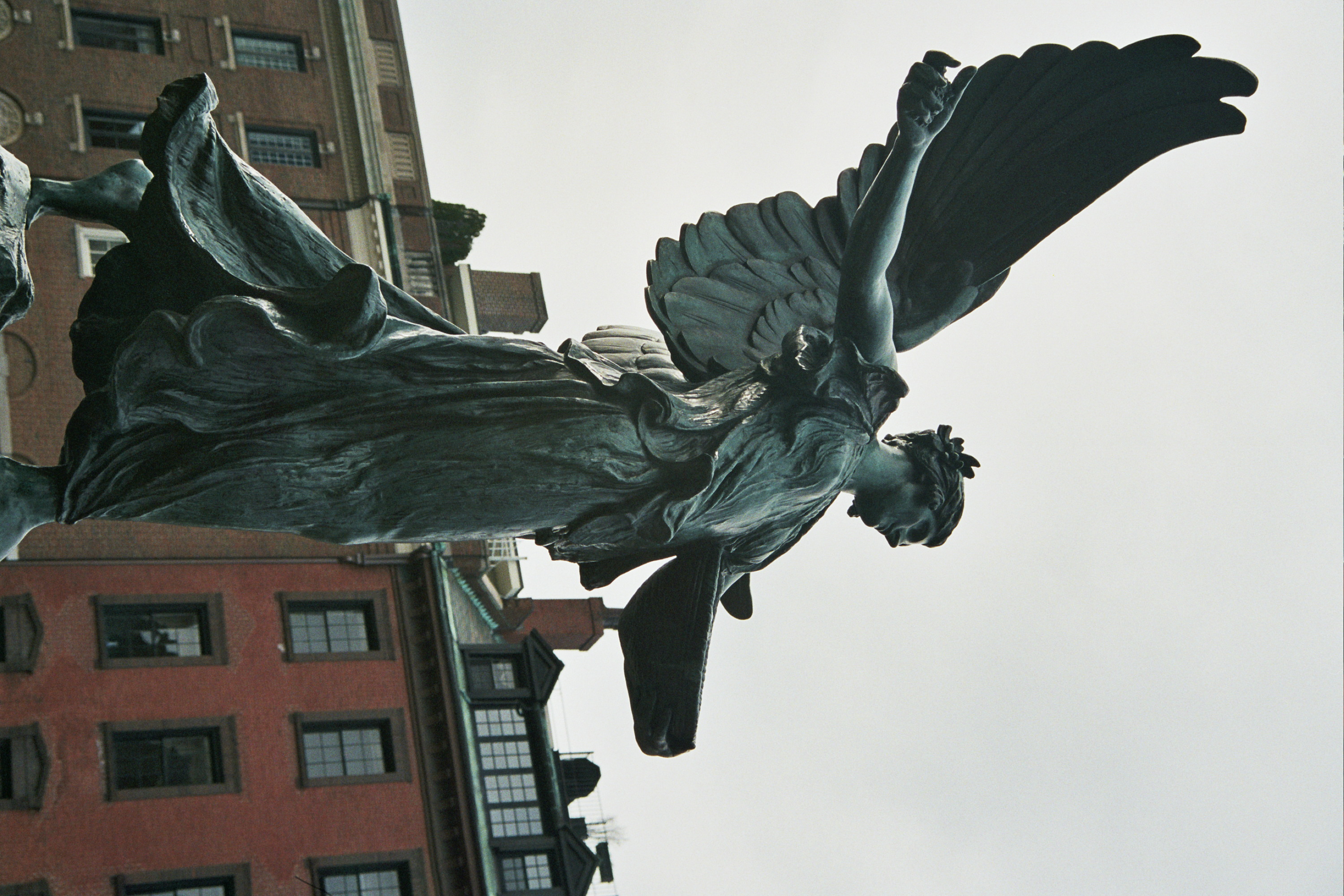
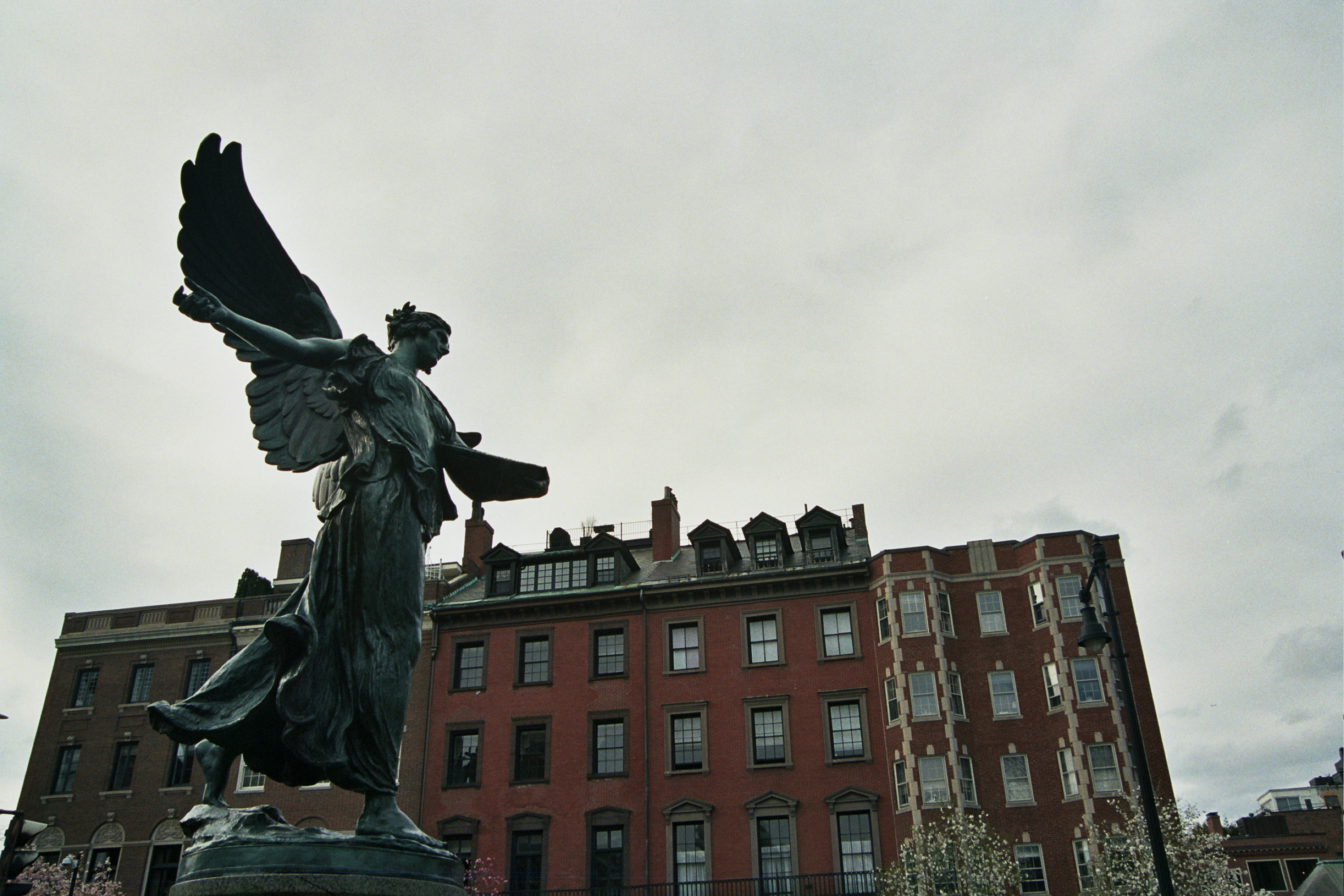
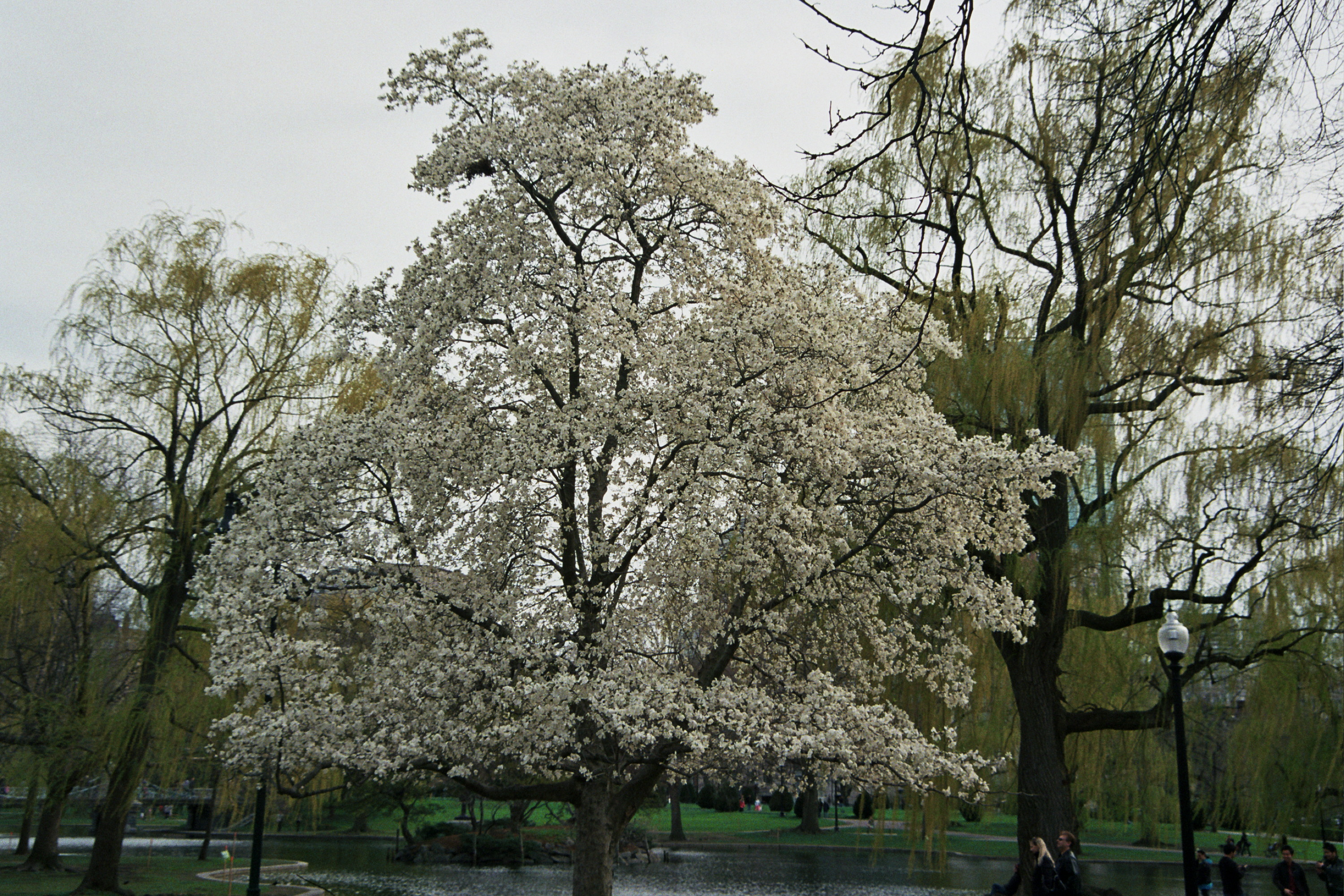
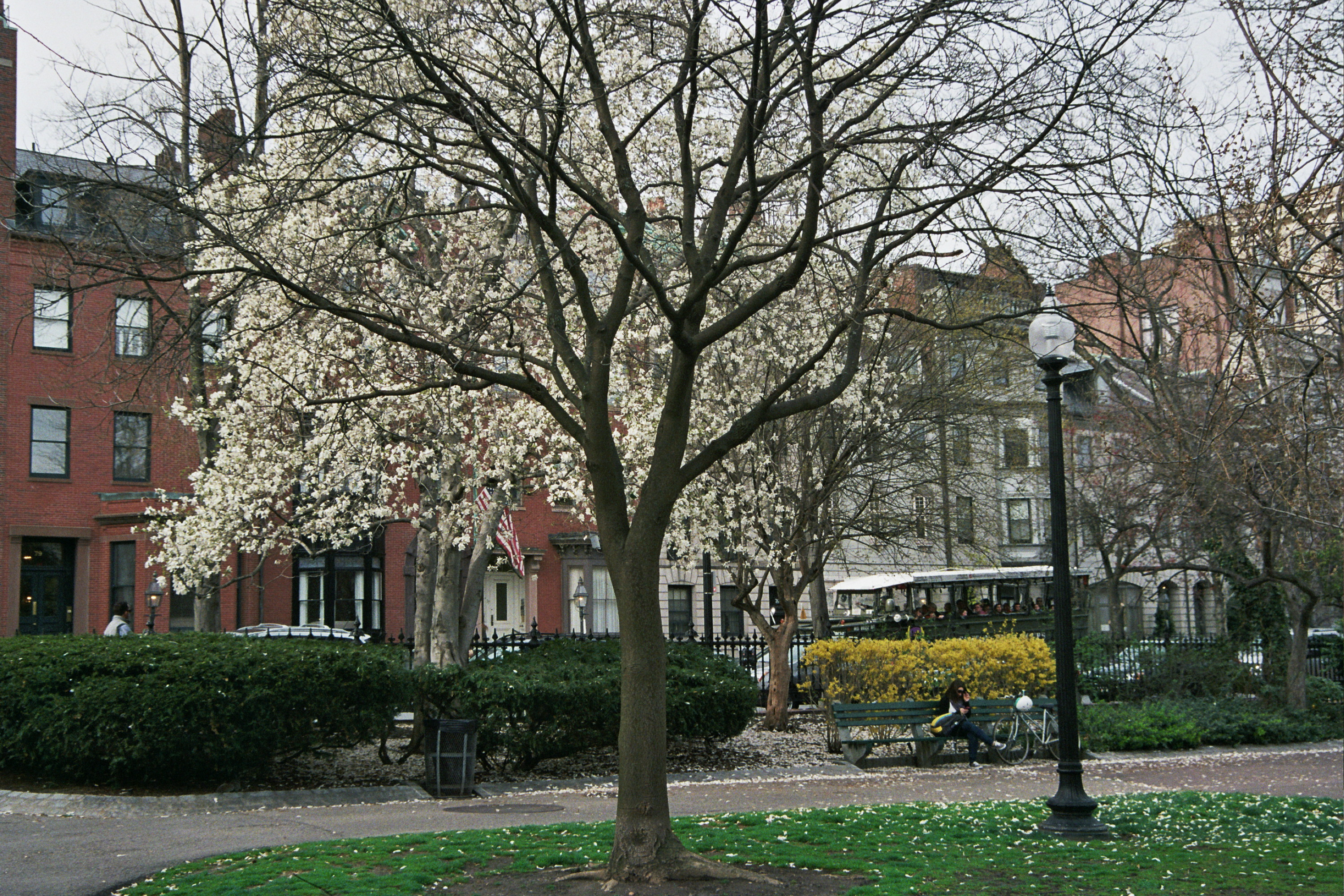
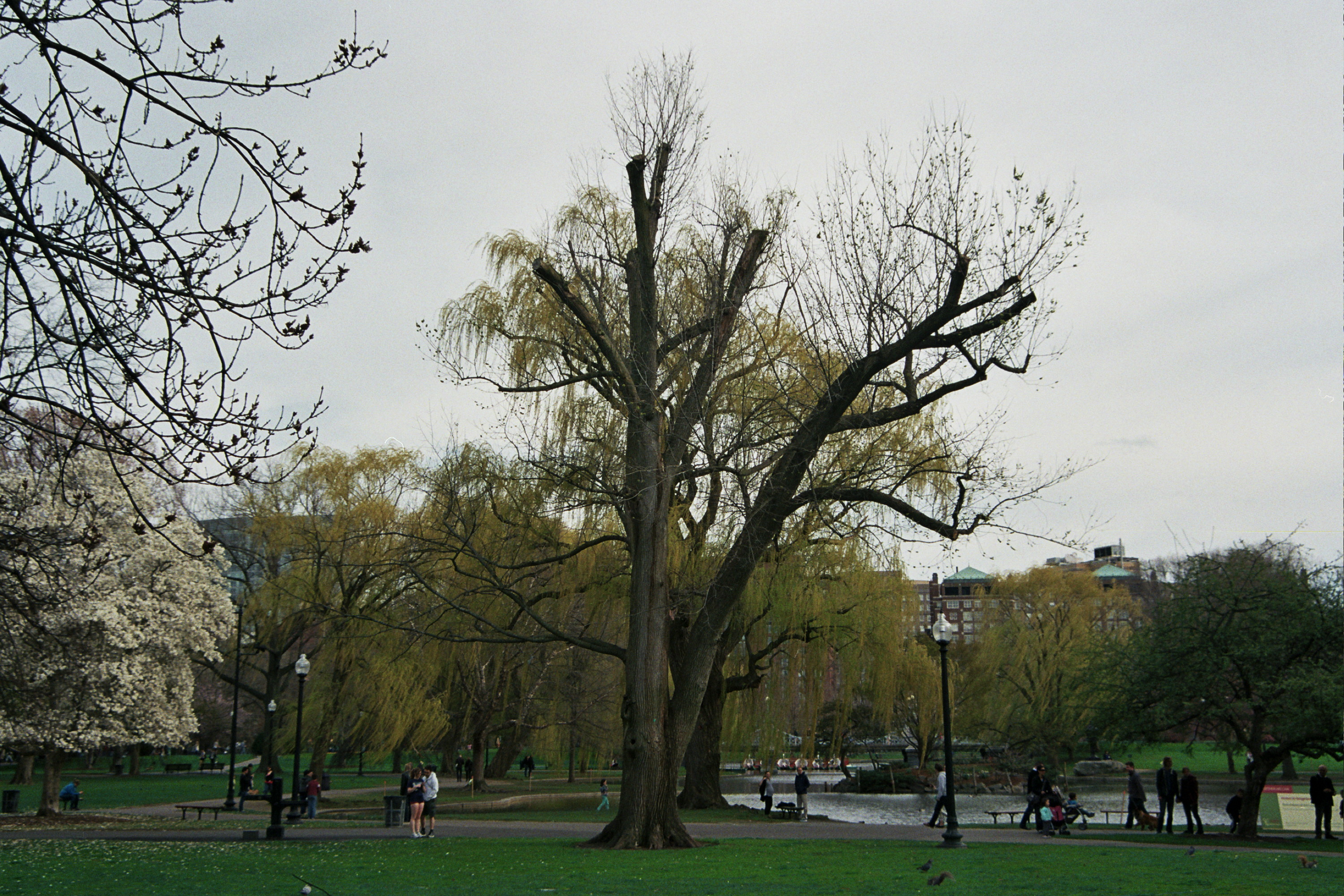
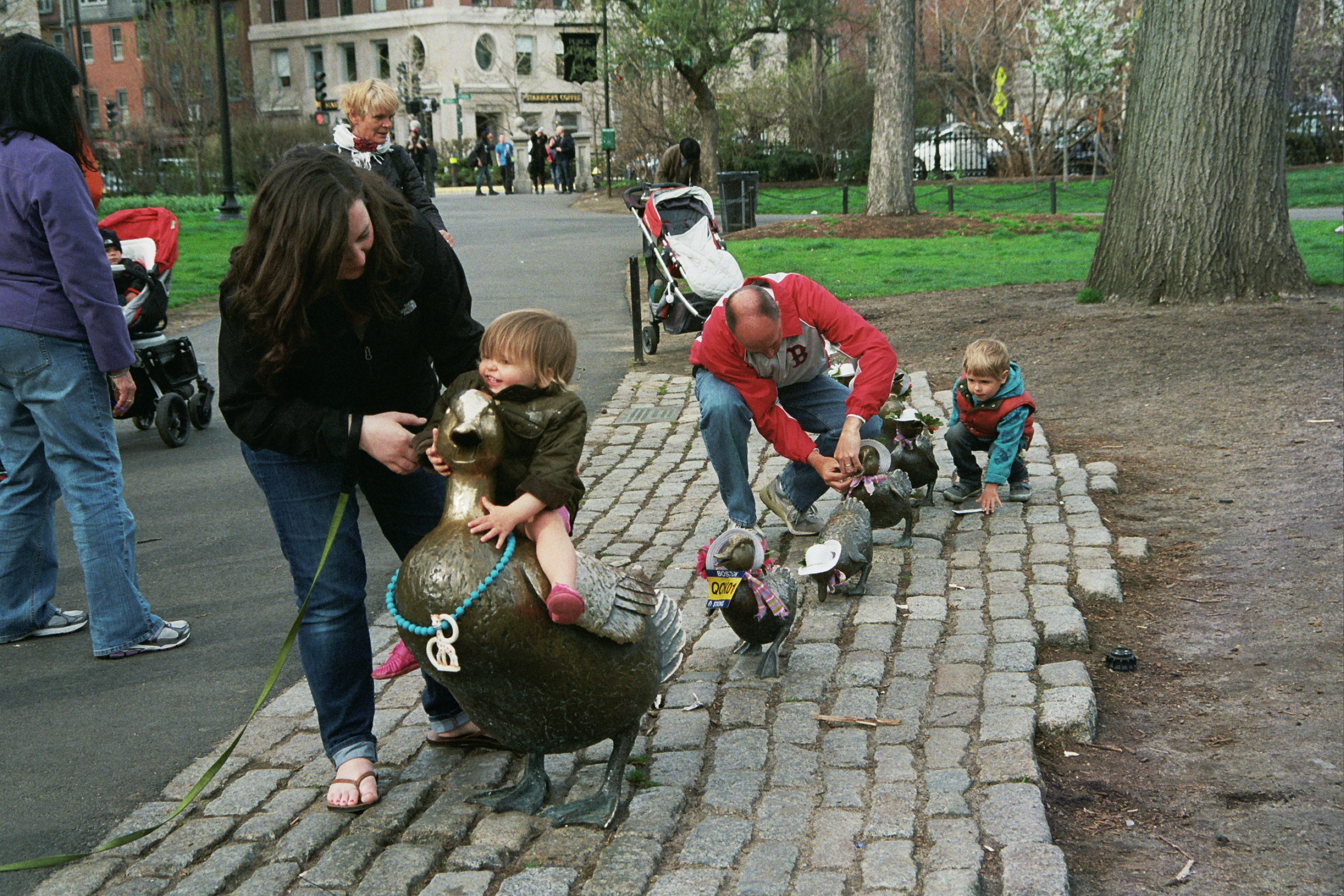
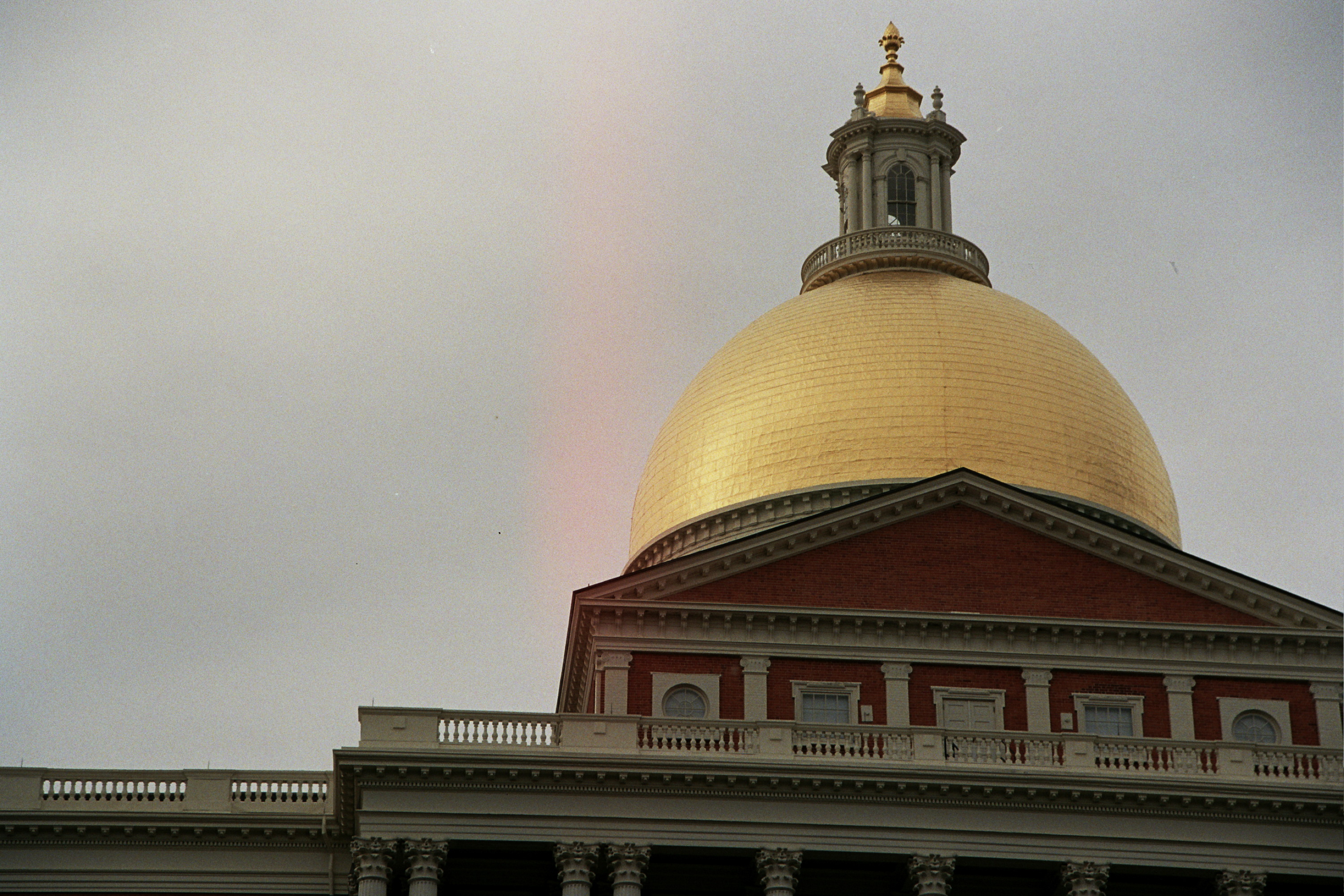
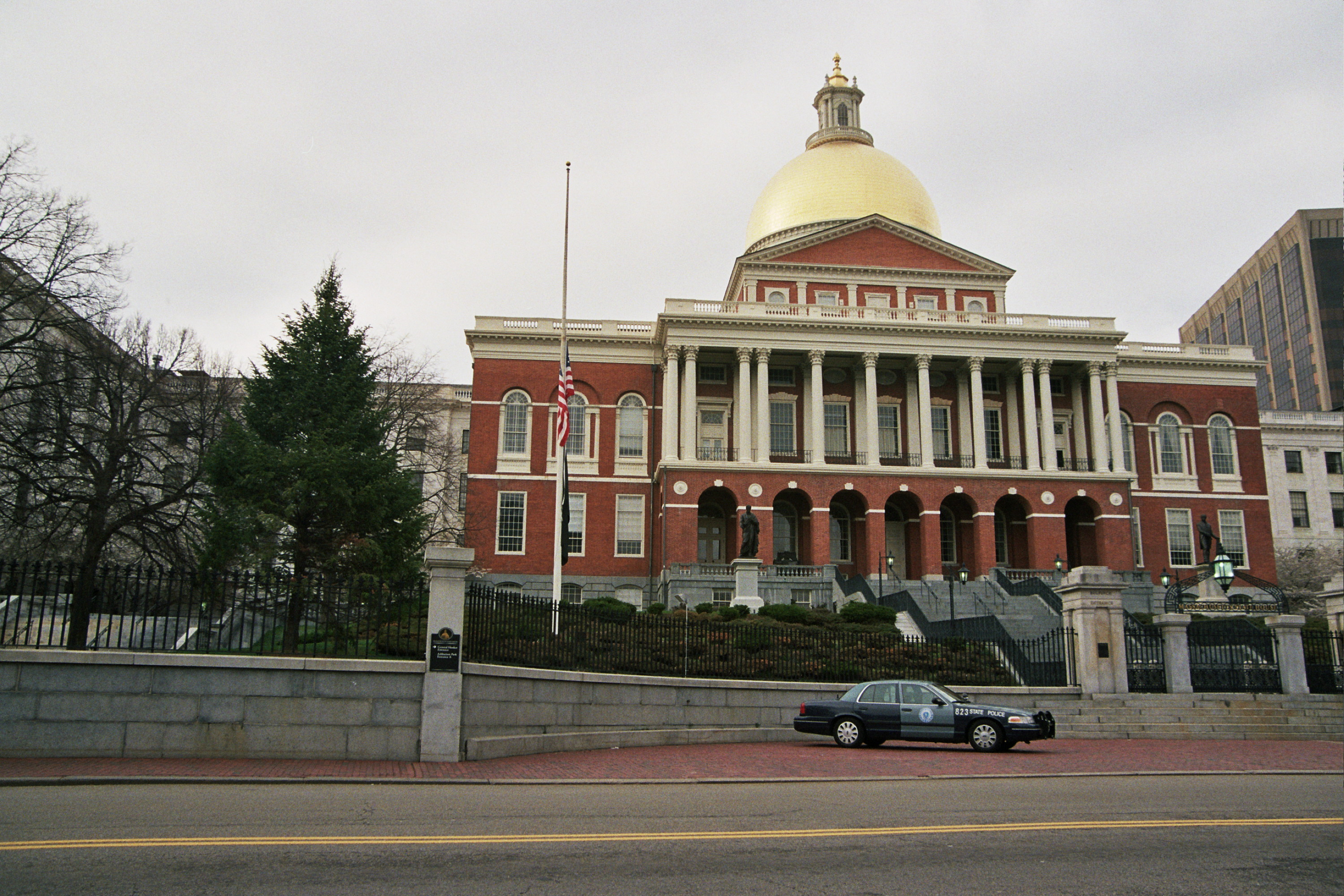
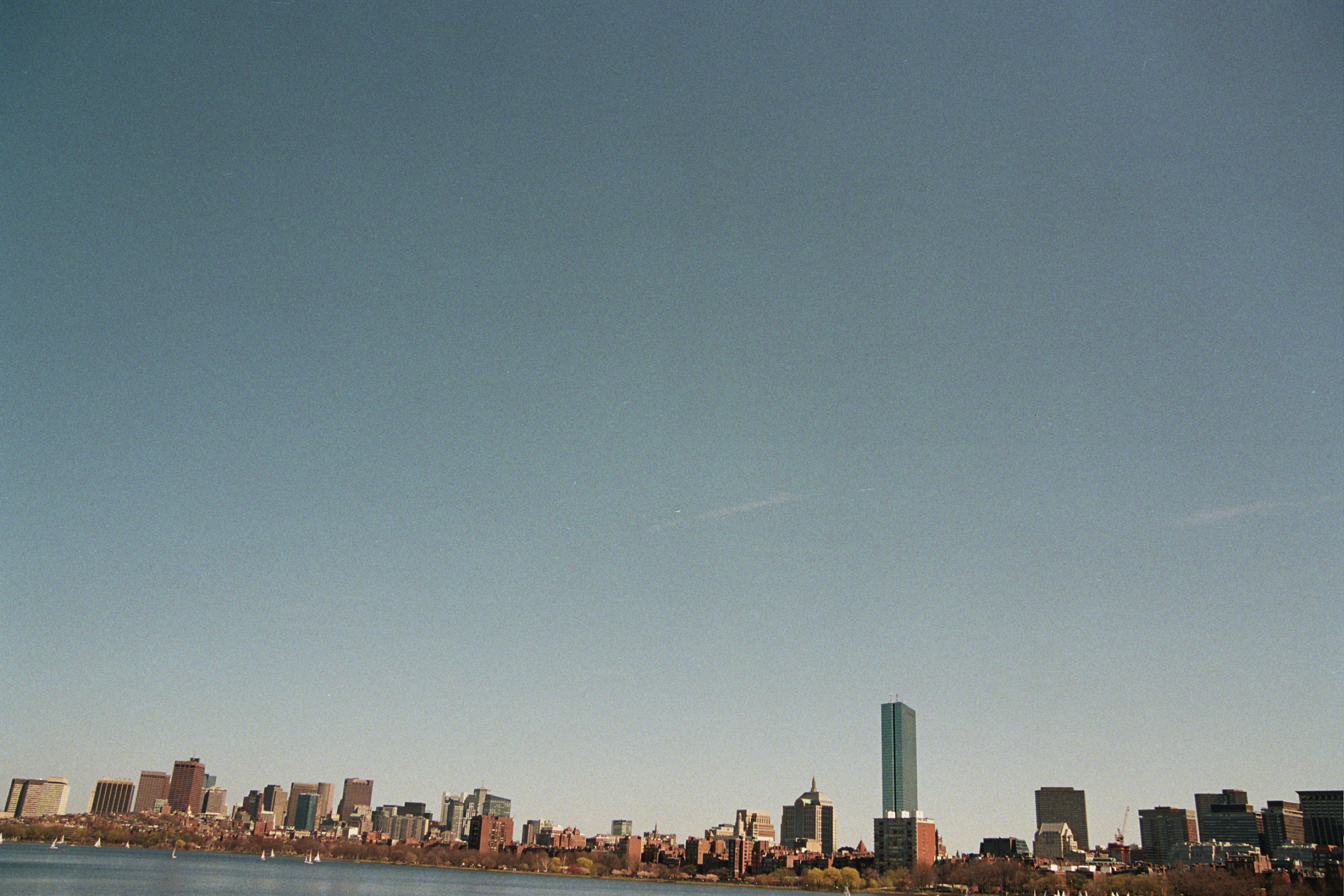
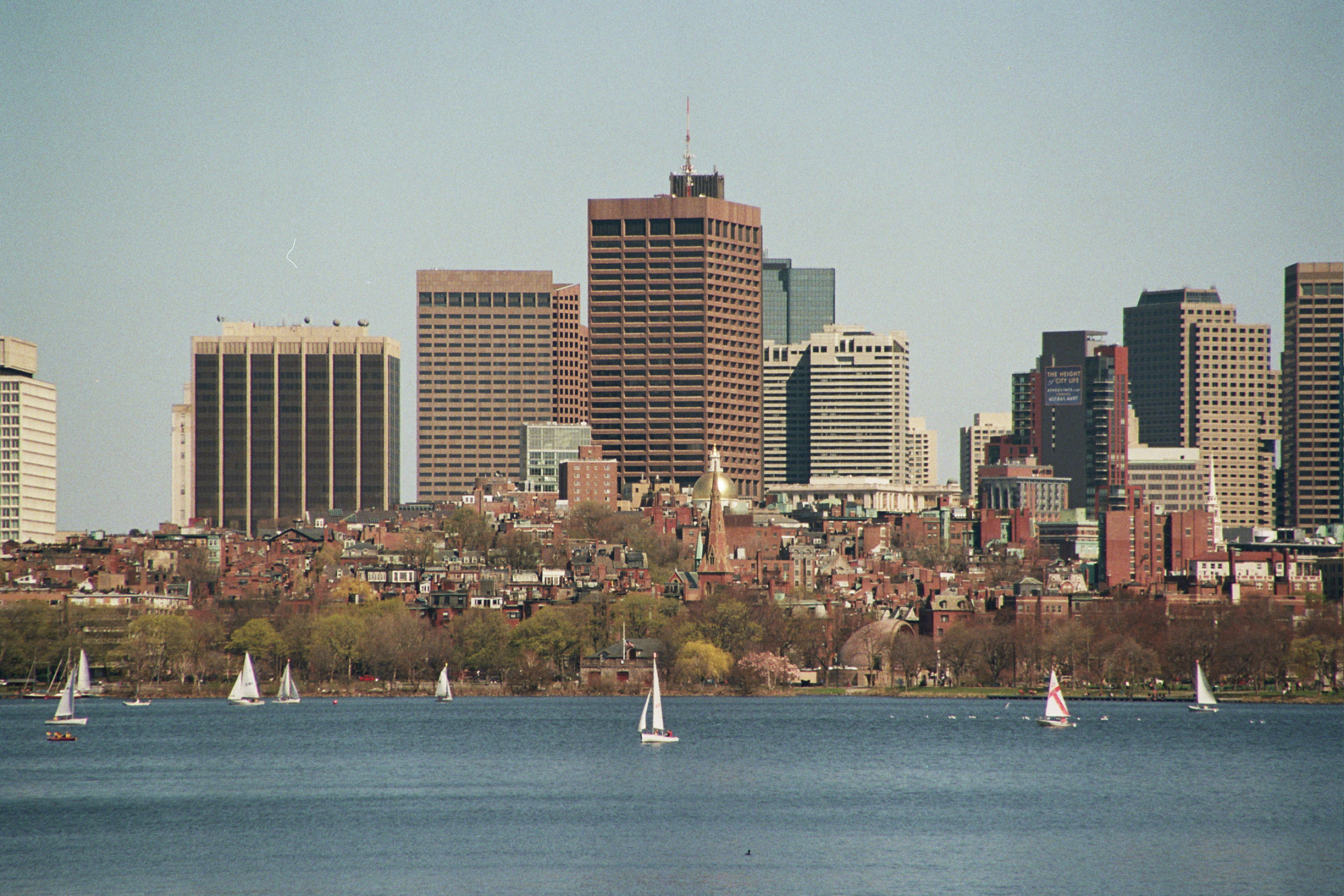
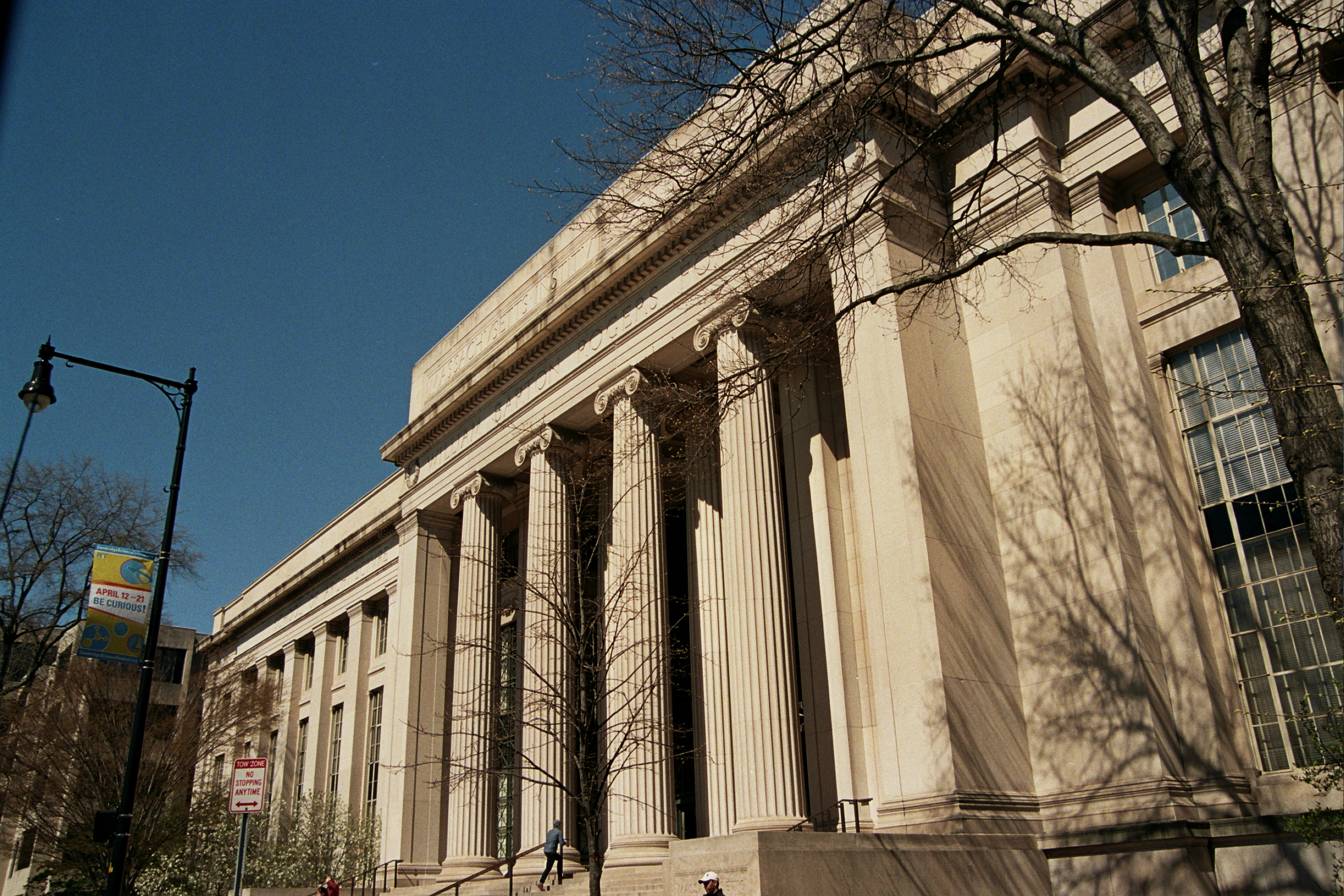
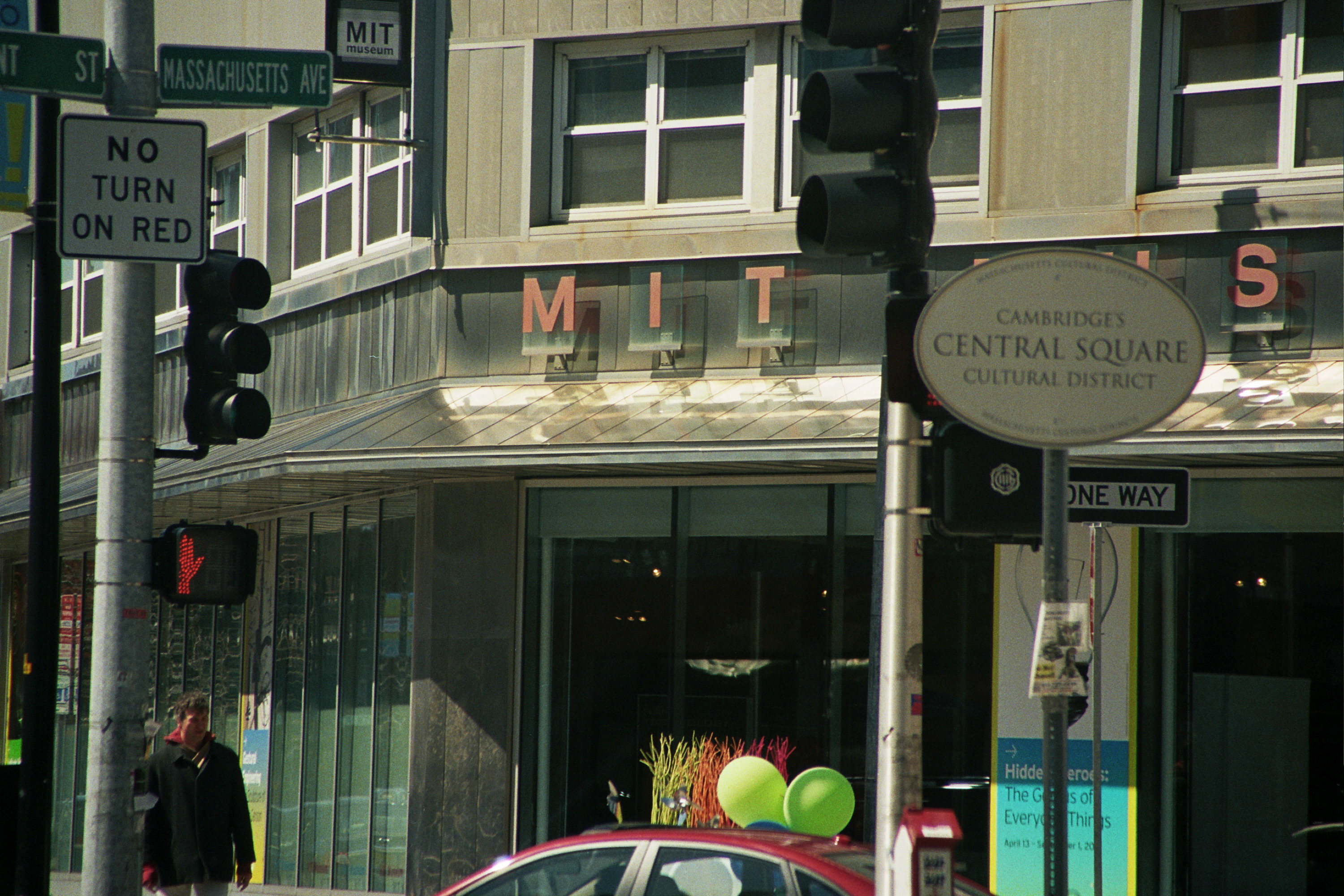
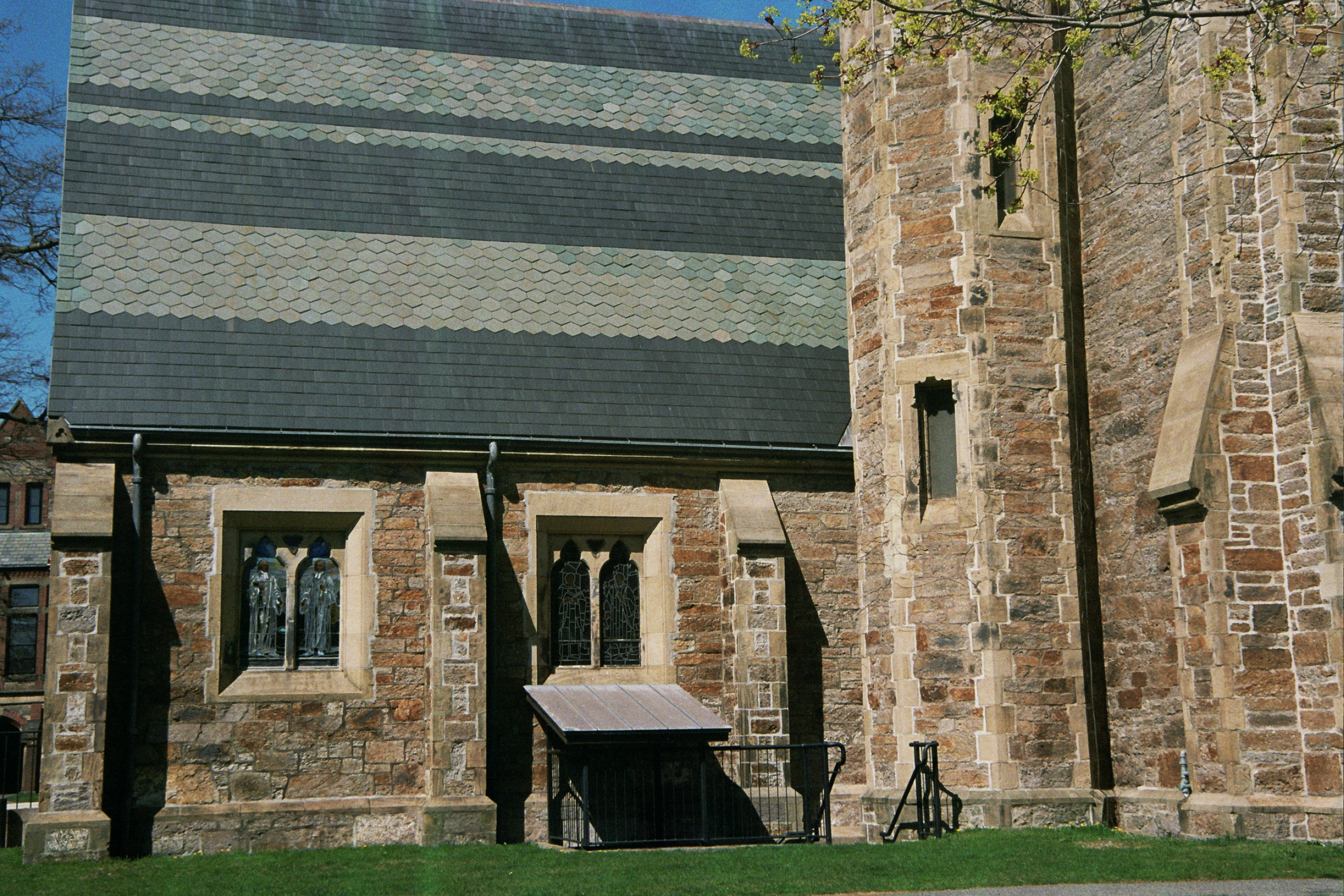
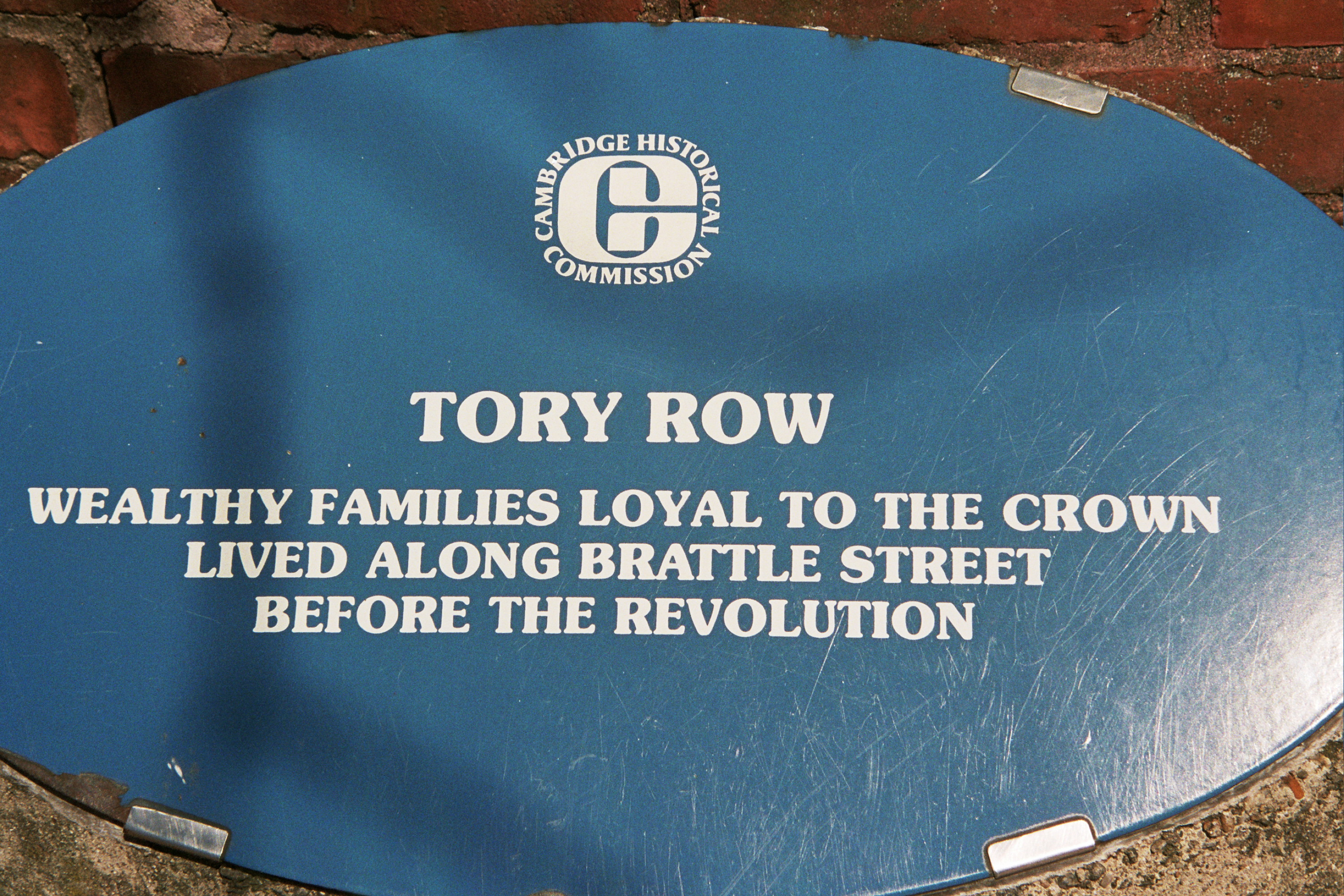
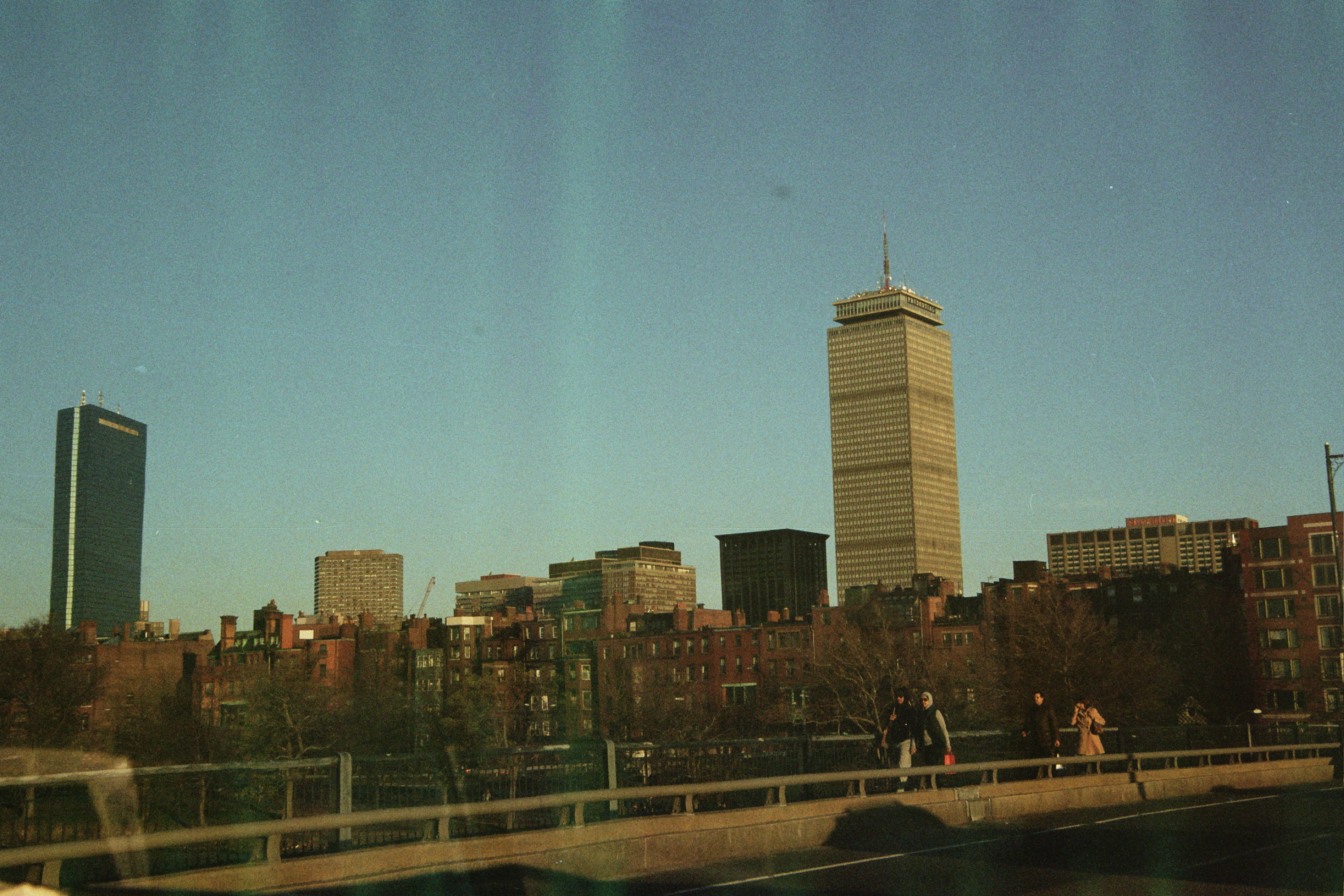
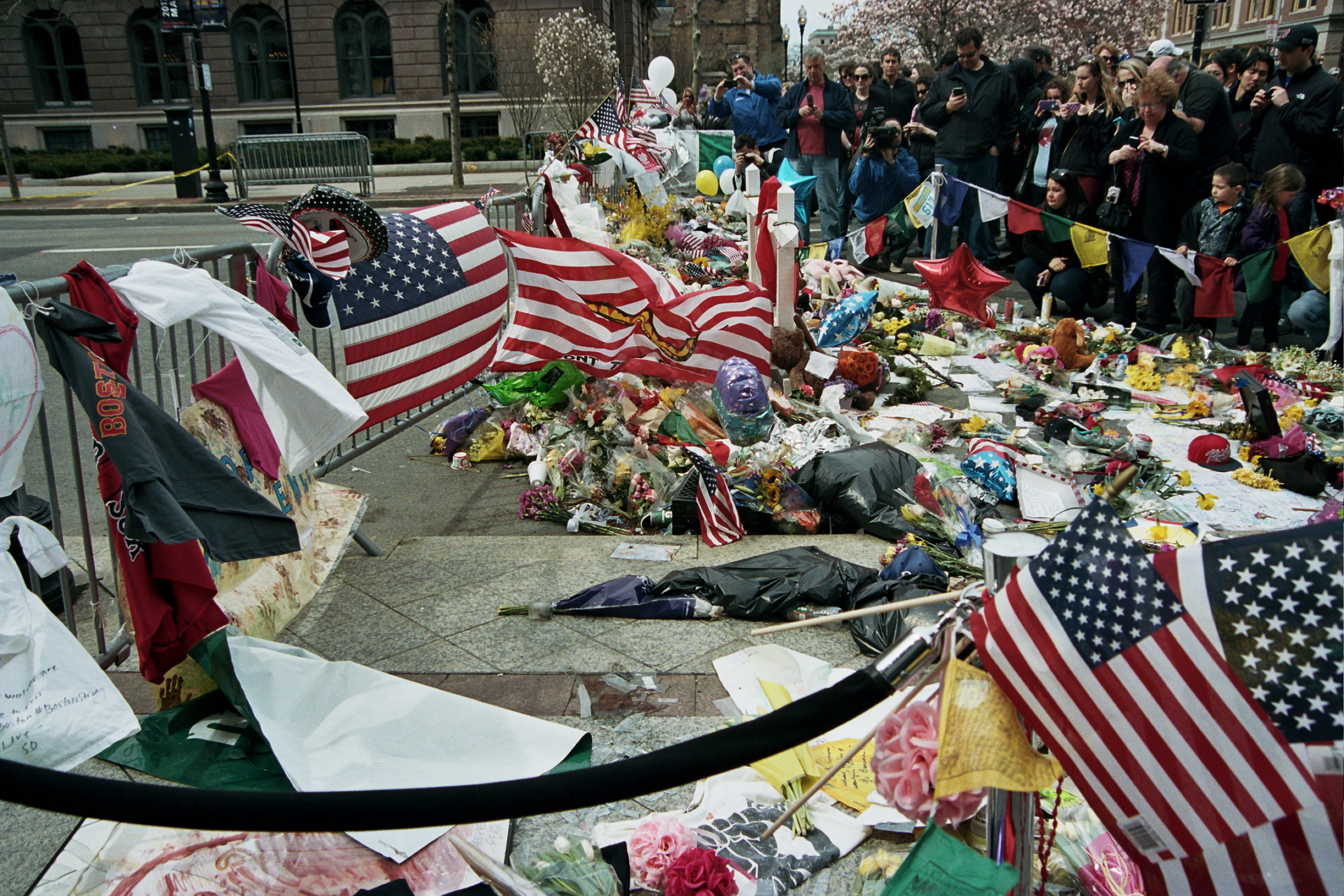 I was born in Boston and lived there until I was six. We moved a lot, sometimes every six months and I lived in a series of small coastal towns on the south shore of Massachusetts, lining the seascape and woodsy old New England towns from the edge of the city to Cape Cod. I spent a lot of time in the city and its influence never really left me even when I was shuffled about the little beach communities. I moved back to Boston for high school and college and I’ve lived and worked there or nearby ever since, barring travel and living for a little bit in Los Angeles, Seattle and New Orleans. I have loved my city my whole life. It’s a different city for different Bostonians and it certainly has changed for me over the years. In the most compelling ways its been a city of art and books and learning (and difficult weather) and funny accents. It’s a college town, it’s a historical city, it’s mixture of working class and tony neighborhoods and has great hospitals and art museums and concert halls. It has a rich literary past. It’s full of Irish pubs, seafood restaurants and is home to one of my favorite Italian neighborhoods in the US. It’s a tough city at times and it’s a pretty one too. It has its own troubles but ultimately I found opportunity and inspiration here. I rode its trains and wrote about Boston life in the aughties. I photographed it in the last few years. And like most other Bostonians I was hit hard by the terrorist attacks at the 2013 Boston Marathon. About a week after the attacks I took my film camera and some art film and shot the makeshift street tributes and some of the scenes of the attacks. I also shot some of Cambridge (MIT – another scene of the attacks and Harvard Square and Tory Row/Brattle area) and other spots of Boston. I wasn’t surprised by strength of the city and its people in the face of the manhunt and the aftershock of violence which was palpably felt in every square mile. What struck me most was how much Bostonians were trying to be normal and live their lives and pick up the pieces on a beautiful spring day. The killers had not yet been caught. The aftermath was laid out in the closed off city blocks and there was an air of somberness in the heart of the city; at famous Copley Square, on posh Newbury Street, on beautiful, brownstone-lined Comm Ave, at the Public Garden and on Boston Common, in Back Bay and the South End. But it was also a sumptuously lit afternoon, the birds were finally out, the blossoms were opening on the cherry trees, the swan boats emerged, children ran about in the park, tourists walked with their maps and Colonial attired guides and there was a wedding in the gardens. We were still alive. We had to be. We were Bostonians. Life goes on on a lovely spring day despite ourselves. In spite of it all. Because we want to live. We have to.


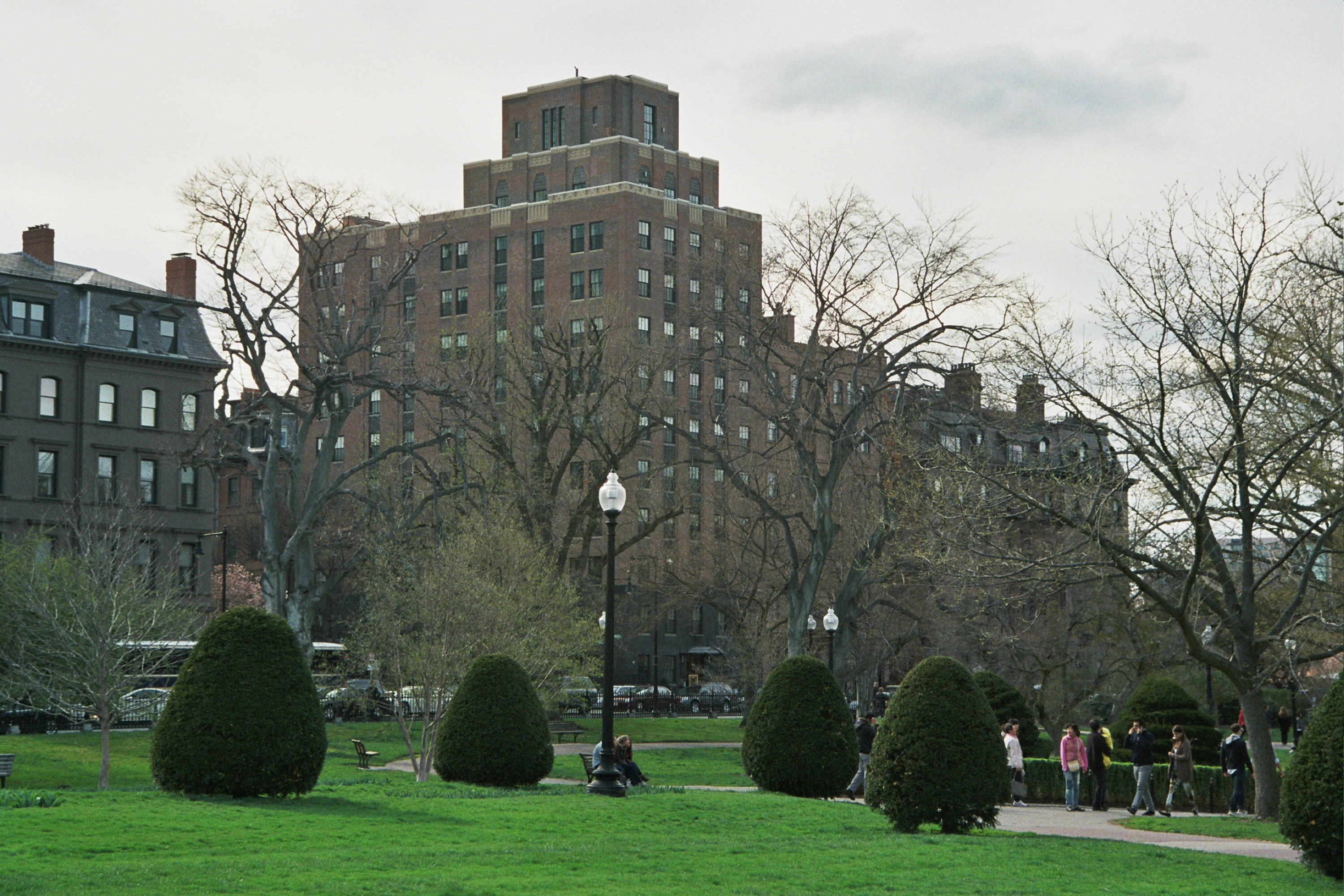
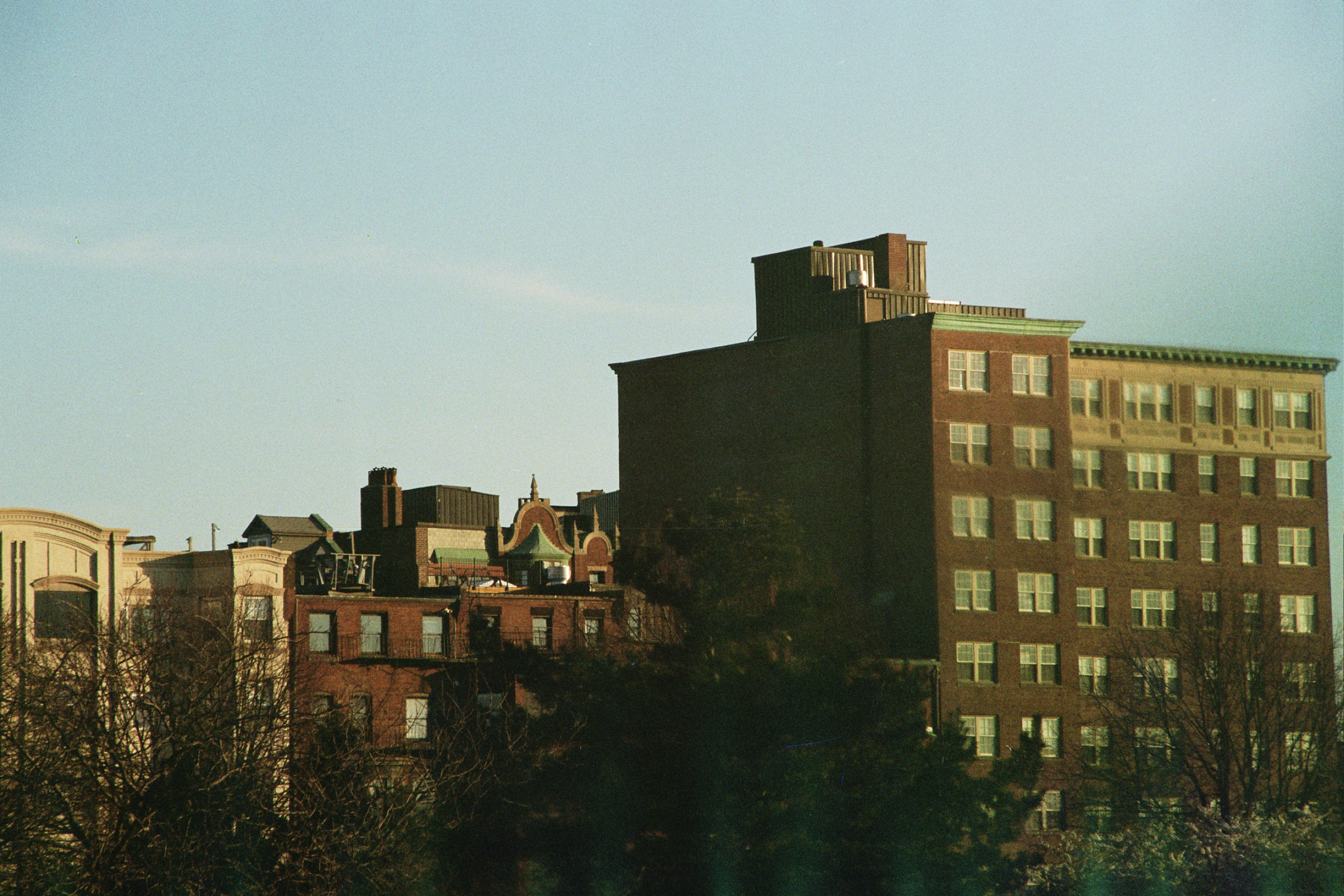
My art deco building – I lived here in the dormitory for Emerson College. The location was incredible. Now they are luxury apartments.


When you go to Naples, go to the top of a beautiful hill and enter the serene parco Capidimonte and stroll through large hedgerow pathways. You’ll find a glorious fountain covered in thick hanging moss and mariner figures. There is a lovely view of the hills of Naples nearby. The fountain is decaying, partly buried under the thick growth of moss and greenery. I couldn’t possibly love it more. After you wander around and linger on the grounds, go into the museum. See wonderful pantings and sculpture. Go to the second floor for the three Artemisia Gentileschis currently available for public viewing. Dream of returning before you’ve even left. Fall in love with beauty all over again.
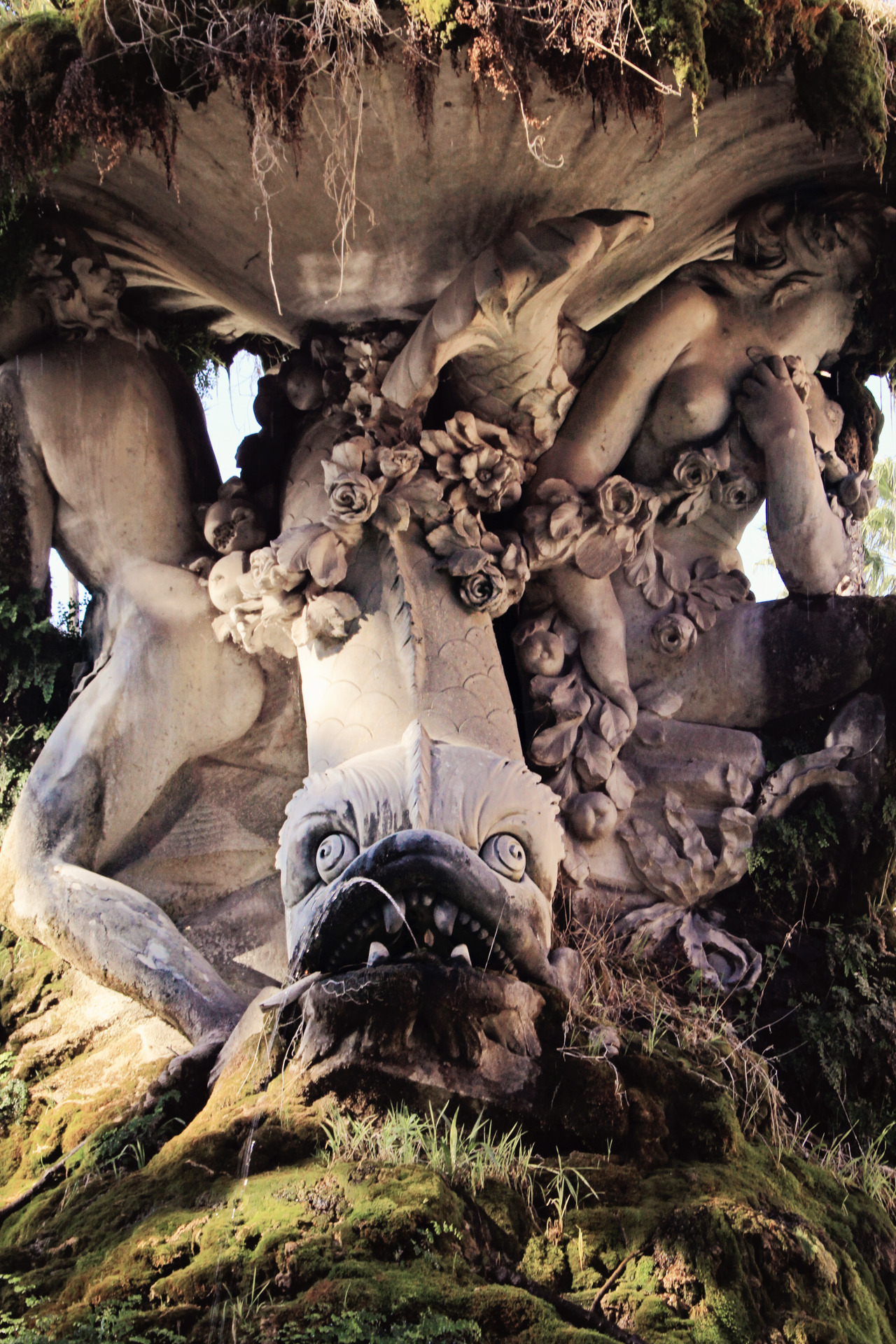
Charles III of Bourbon era fountain detail, Capidimonte Park, Napoli, Italy, autumn 2012 (digital)
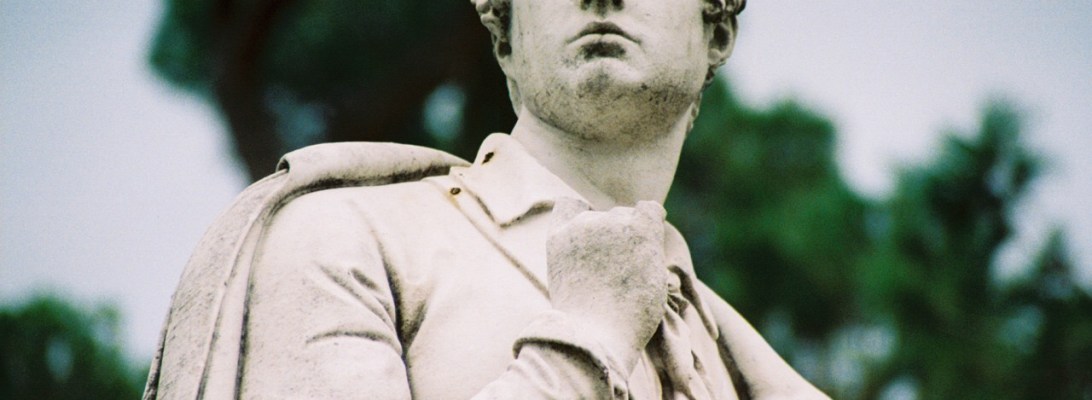
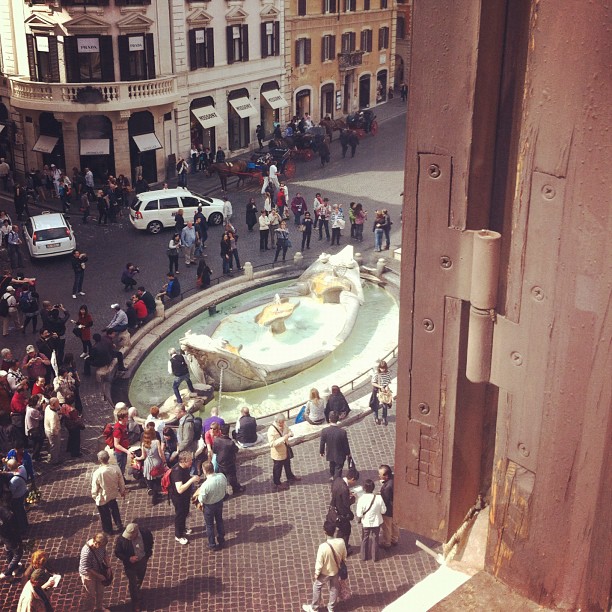
This is the view John Keats had of the world for the last months of his life. Once he was too sick to climb the Spanish Steps to the Pincian Hill view of the sunset over the piazza delle popolo and take in the sweeping view of the renaissance rooftops of cupolas, churches, houses and hotels of Rome – he had one final view, the Bernini fountain outside his room, at the end of his deathbed. He could hear the passersby and the fruit sellers. He could hear the horses hooves and the coaches. He could hear the rushing water of the fountain and smell the scent of the sweetest water in Rome. Sometimes he could drink it, a few shallow sips in a brief moment of respite.
I stood and looked out his window and took this shot with my phone. I stood there for ages alone and stared out the window and looked for John Keat’s ghost or a shadow of his memory, an imprint of him somewhere. I think I found him in the golden glow of dusk which touched everything in Rome for the last hour before sunset and made everything so pretty it hurt to lose it each night.
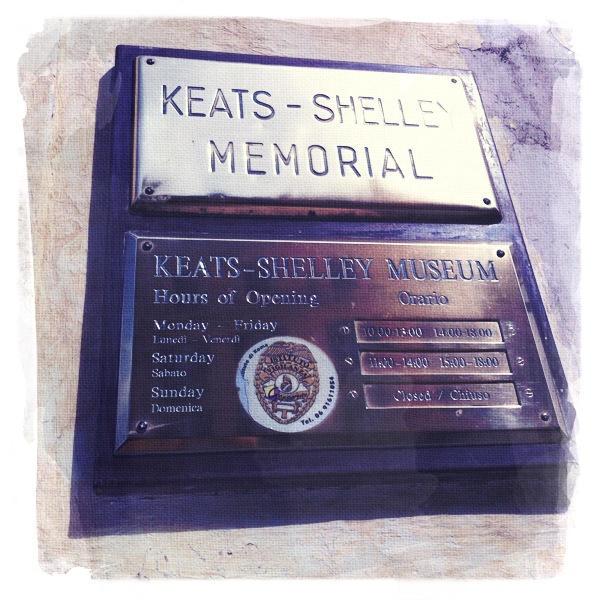
Keats’ Rome house is located at the Spanish Steps by the Bernini fountain.

A white rose I brought for John Keats’ Plaque near his grave on the wall to the left of the garden in the Testaccio neighborhood of Rome in the Non-Catholic Cemetery near the Pyramid of Cestius.

The annual/ bi-annual pilgrimage to the Protestant Cemetery never fails to give me chills when I read the epithet Keats intended for himself; Here lies One Whose Name Was Writ In Water.

“Forlorn! the very word is like a bell. To toll me back from thee to my sole self! Adieu!”
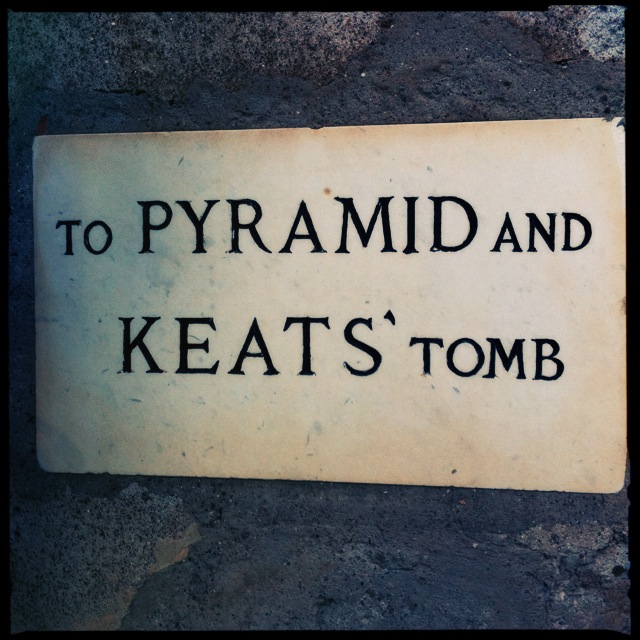
Each time I follow that sign it still feels like a mystery unfolding. No matter how many times I retrace my steps to the back garden, to the memory of him, it feels new again.

Really delicious prosecco at Caffe Greco, Rome, Italy, Oct 2012 (iPhone).
From the bar napkin I penned this:
Tonight I looked for Keats’ ghost.
Spotted Byron in the Borghese and heard Shelley was somewhere around the Villa Medici. Caught a glimmer of him.
Goethe kept a respectful distance when I passed him on the pincio.
Keats silently joined me somewhere on Via delle Magnolie. He slipped out from the shadows and fell into step with me. I felt him quietly by my side for the rest of the night.
Recently I’ve begun listening to podcasts while I drive to work or take a long walk. Snippets of English Romantic poets or classic novels in audio book or the latest episode of This American Life on NPR. Then there are the hilarious British podcasts I’m addicted to now.
Despite my great public love affair with Italy I am a serious anglophile. Most of the television I watch is from Great Britain or Ireland and I listen to various BBC Radio stations throughout my day and on my long commutes. My smart phone has come in handy on these accounts and through a random “UK” podcast shuffle I found two disparate shows which really stuck on me. One was Helen and Olly at http://answermethispodcast.com/ It’s a witty, funny, silly podcast where Helen and Olly answer odd questions in clever ways. They are very big and popular.
The other podcast is by renegade podcaster Daniel Ruiz Tizon, whose audio journey down and out in London is funny, intense and strangely addictive. I can’t stop listening.
The Daniel Ruiz Tizon Is Available podcast is what I want to discuss tonight. I think it’s criminally underrated. There’s a heavy realism to his work, very timely in the face of the economic downturn. He faces temp jobs, public transport, high rents and the high cost of living with his own kind of panache mixed with grit. I wrote this little review after listening to several podcasts of his about one week after the first one of his I stumbled on.
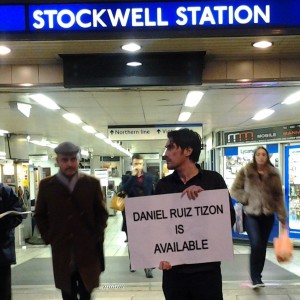

I cannot help but think of this Khalil Gibran quote whilst listening to Daniel Ruiz Tizon Is Available; “Knowledge of the self is the mother of all knowledge. So it is incumbent on me to know my self, to know it completely, to know its minutiae, its characteristics, its subtleties, and its very atoms.”
He engages the listener in a rolling monologue about a perceived flaw or an awkward exchange at a queue or the umpteenth failure of gripping the bus railing properly when ascending the stairs with the finely tuned detail of an obsessive… who can spin a good yarn. Even when he returns to recurring themes he’s entertaining; the career follies, lamenting hight rents, fetishizing chin fissures – (I don’t know either), rhinoplasty, worrying about dirty looks from the cashiers, cafe workers, and other strangers he has to face in his every day life in London. The guy even makes nectar points sound interesting and just the tiniest bit glamourous. But maybe that last part is because I am an American and everything sounds just a little bit better with a British accent?
The English voice and the self deprecating, dry, deadpan humor is what drew me in but the rawness, the edge and the honesty are what kept me returning for archives of the podcast. I shouldn’t even relate to him. I don’t think I’m his target audience. I don’t even understand all the references and I was bred on BBC and have a degree in British Literature but his musings are oddly universal. They reflect a commonality between everyone (at least the misfits and the socially awkward folks) even as they sparkle with his own vision of his terminal uniqueness.
And he has a passing resemblance to a young Massimo Troisi which adds to the warm eccentricity.
He’s like an International Man of Mystery without the mystery – he’s stripped it all away and wants to lay bare to the world his every fear, real (and especially imagined), his motivations for wearing a particular shirt or his stubble a certain way so as to manipulate his image in relation to the eyes of the world. He wants to disguise himself so he is not judged by outsiders but with his audience nothing is sacred, no stone is left unturned, he will dissect his every tick and quirk. He will eviscerate his very being for the audience. He’s in on the joke even if he’s not laughing. His self-satire is subtle, his send up of every one else is never a deep cut, more like a thousand pin pricks of mild disapproval and astute observations on the ridiculousness of people, places and things.
He makes an art form out of agonizing over choices of wearing a t-shirt in the summer because of his hairy arms or what topic of conversation will make him seem the most unaffectedly cool person in the room or at least not stand out uncomfortably.
In one archived podcast I particularly liked he described his anti-adventures in night school where he sums up the member of each class and assigns them each a classic role. He laments he always seems to buddy up with the one or two students who leave halfway through the term. And then he’s left hanging for the rest of the semester, ostracized from the others he initially shunned in favor of the friends who once again left him to manage on his own.
He uses experiences from his own son of Spanish émigrés identity and his working-class childhood to search for the meaning of himself and where he “fits” into the world in the minutiae. He’s not afraid to look at the mundanity of the common life most of us all have to plod through but he manages to be authentic and funny at the same time. Because, don’t get me wrong, he is funny. Laugh out loud funny some times.
It’s refreshing to not have yet another tidy, pasteurized, tony sounding, middle class Englishman trying to discuss the Spanish Civil War or the irony of wanting to live forever but not having enough nectar points to last long enough. I mean I just don’t think I would buy them at it, you know?
But with Daniel I believe every damned thing he says because he speaks with authority, the authority of forty one years of uninterrupted navel gazing with a purpose. To bring laughter to a bunch of repressed anglo saxons and three or so yanks and counting.
My favorite parts of the podcasts are the non-sequitars of overheard public conversations, his random musings on the secret inner lives of acquaintances, the memories of his parents (and of the 90s), the frequent references to his age like a death knell, his fragments of conversation with a young colleague and the unfiltered brilliance that pours forth from his young, dumb and full of… mentality.
Lastly, his interviews with a friend who is maybe a cockney or is a Charles Dickens character sprung to life in a London bedsit who runs the gamut of Vulgarian to Thoughtful Lover to Speaker of Romantic Languages to Answer Man for The Ages. He’s definitely a keeper. And so is Daniel Ruiz Tizon and his funny, amazing, crazy, addictive podcast. And he’s very available.
You can listen to the very funny podcast of South London’s Most Disappointed Man here: http://1607westegg.wordpress.com/
his fb fan page https://www.facebook.com/DanielRuizTizon
the podcast twitter https://twitter.com/1607WestEgg
Catch his latest podcasts or peruse his archives. I always give a show a few chances (a few shows) before I make my mind up about them.
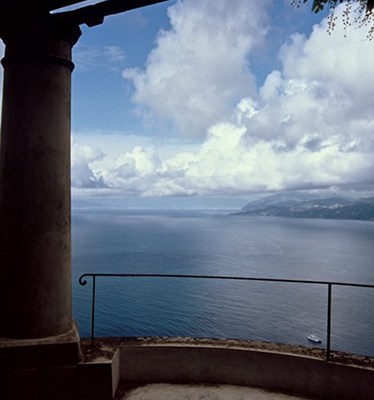
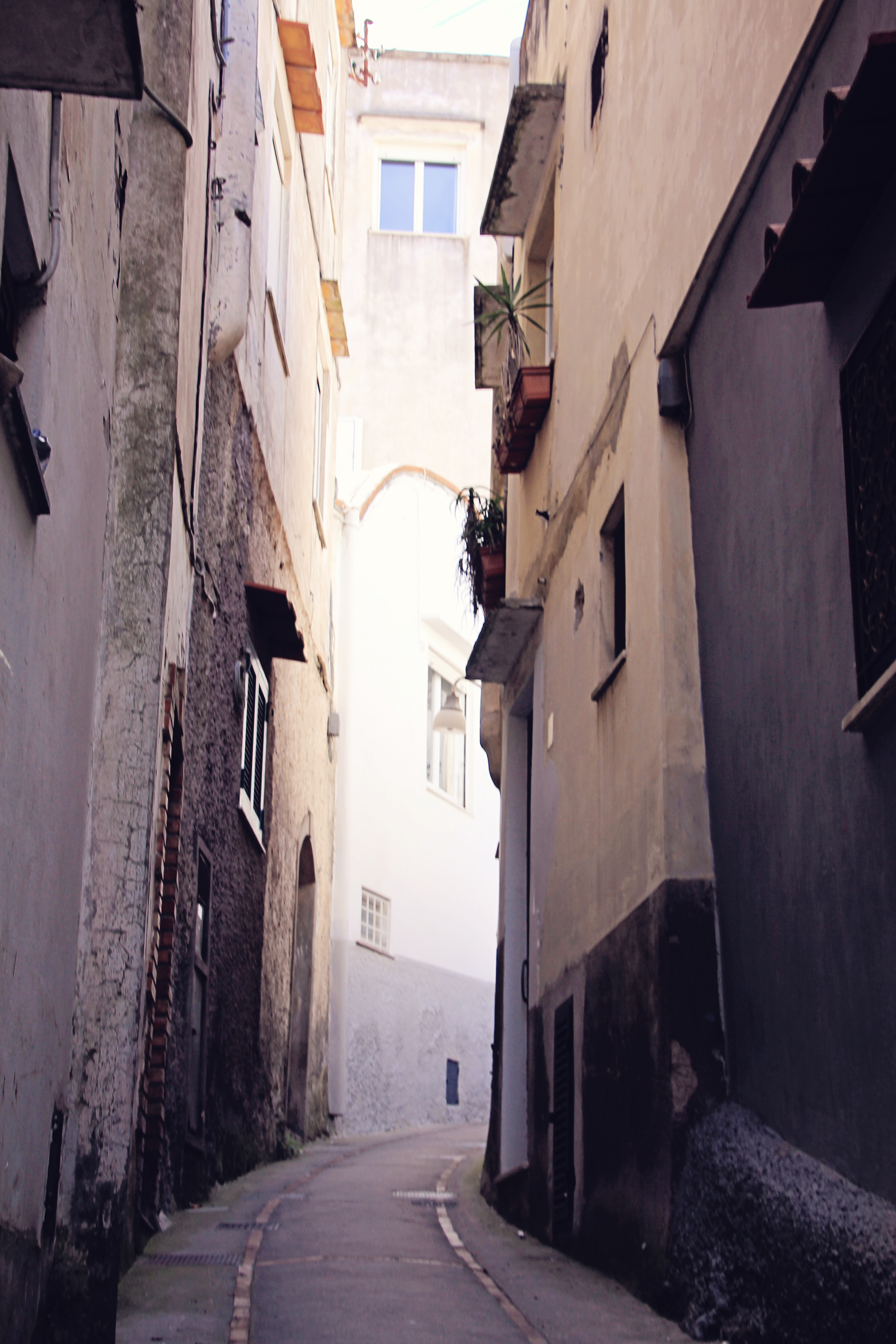
The most quiet places on the island are the pedestrian back roads along the sea and in the heart of the woods. Climbing up the island’s vast hills and weaving in and out beautiful homes and churches and shops and into nature brings you a contemplative ramble among the ruins of emperors.
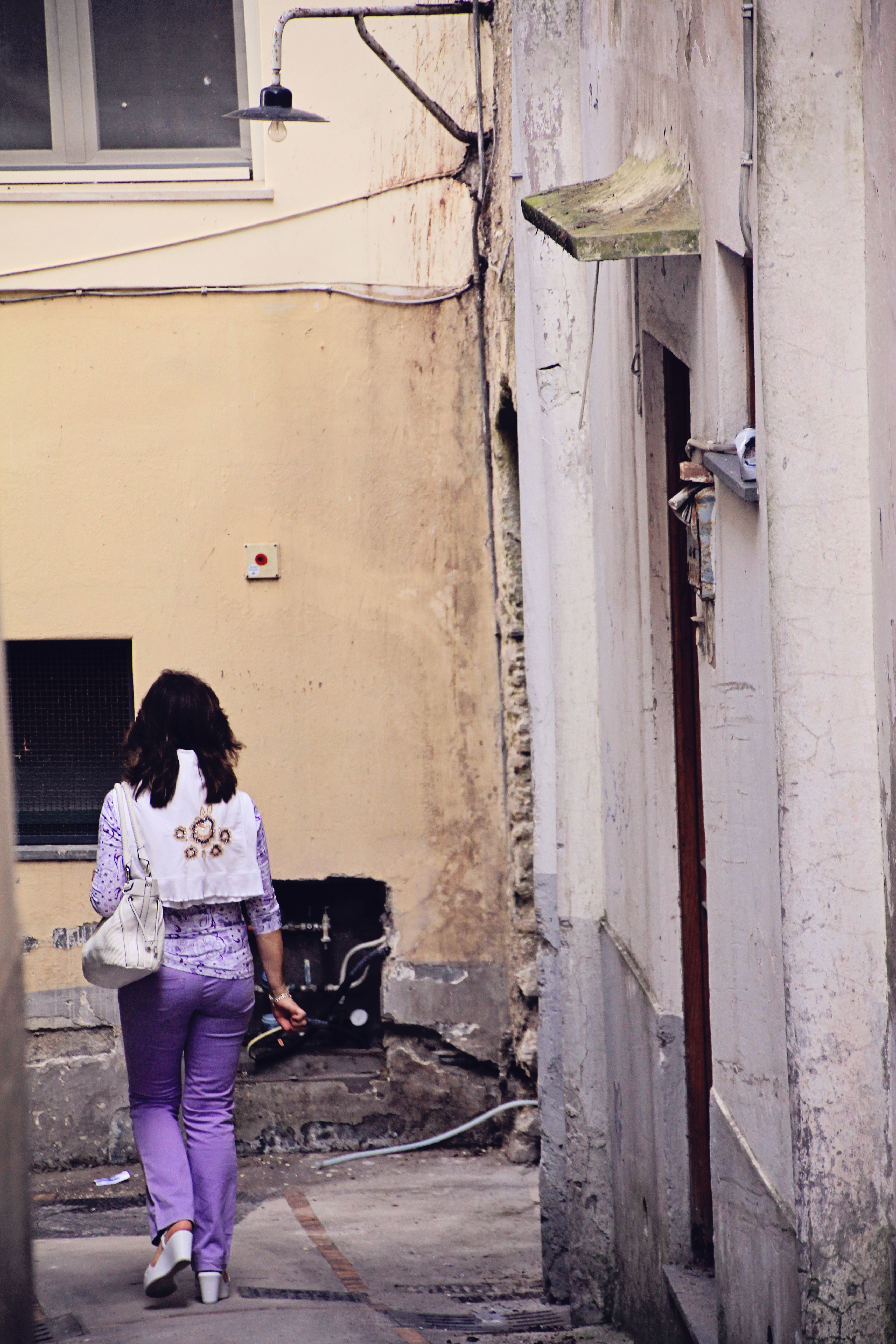
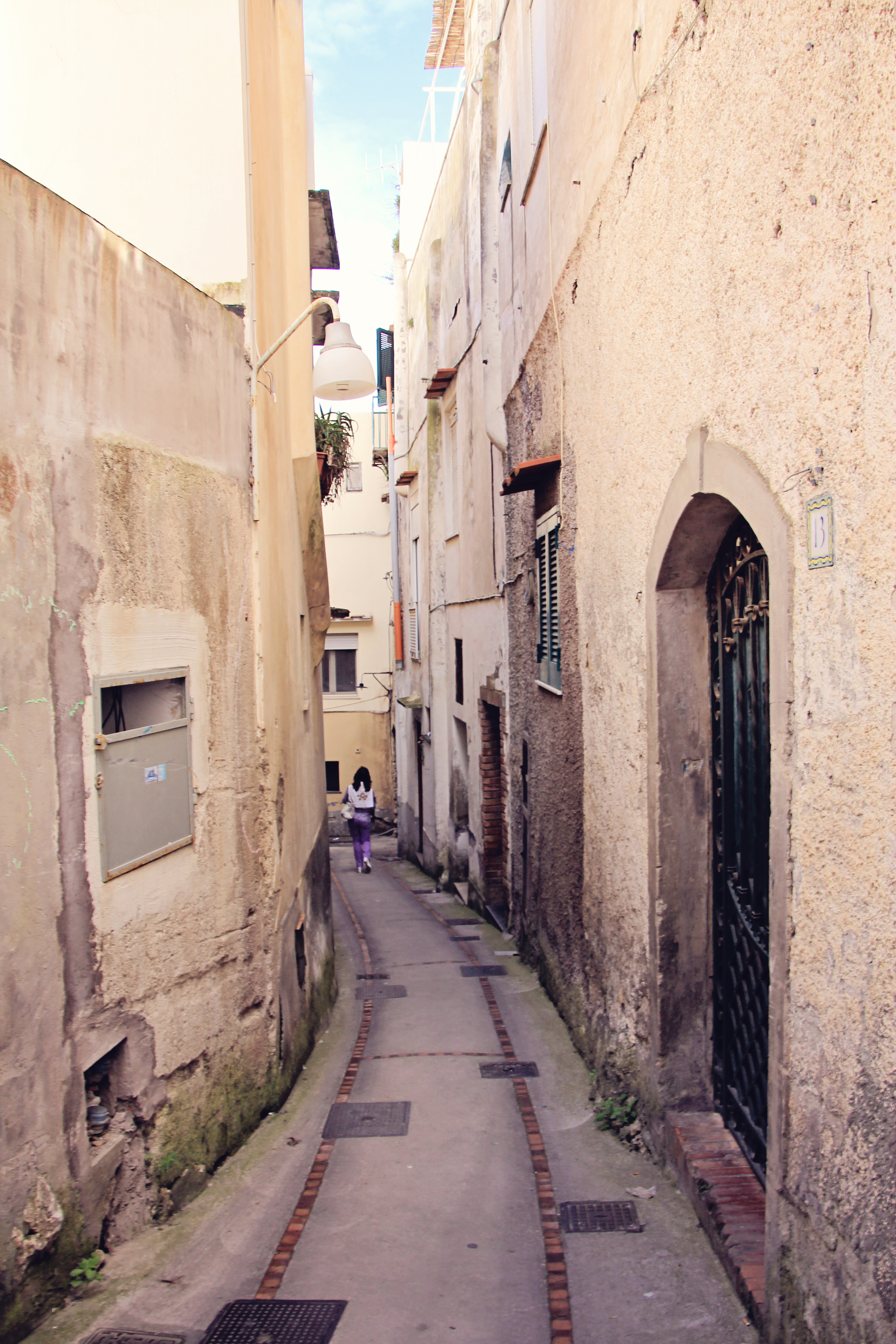
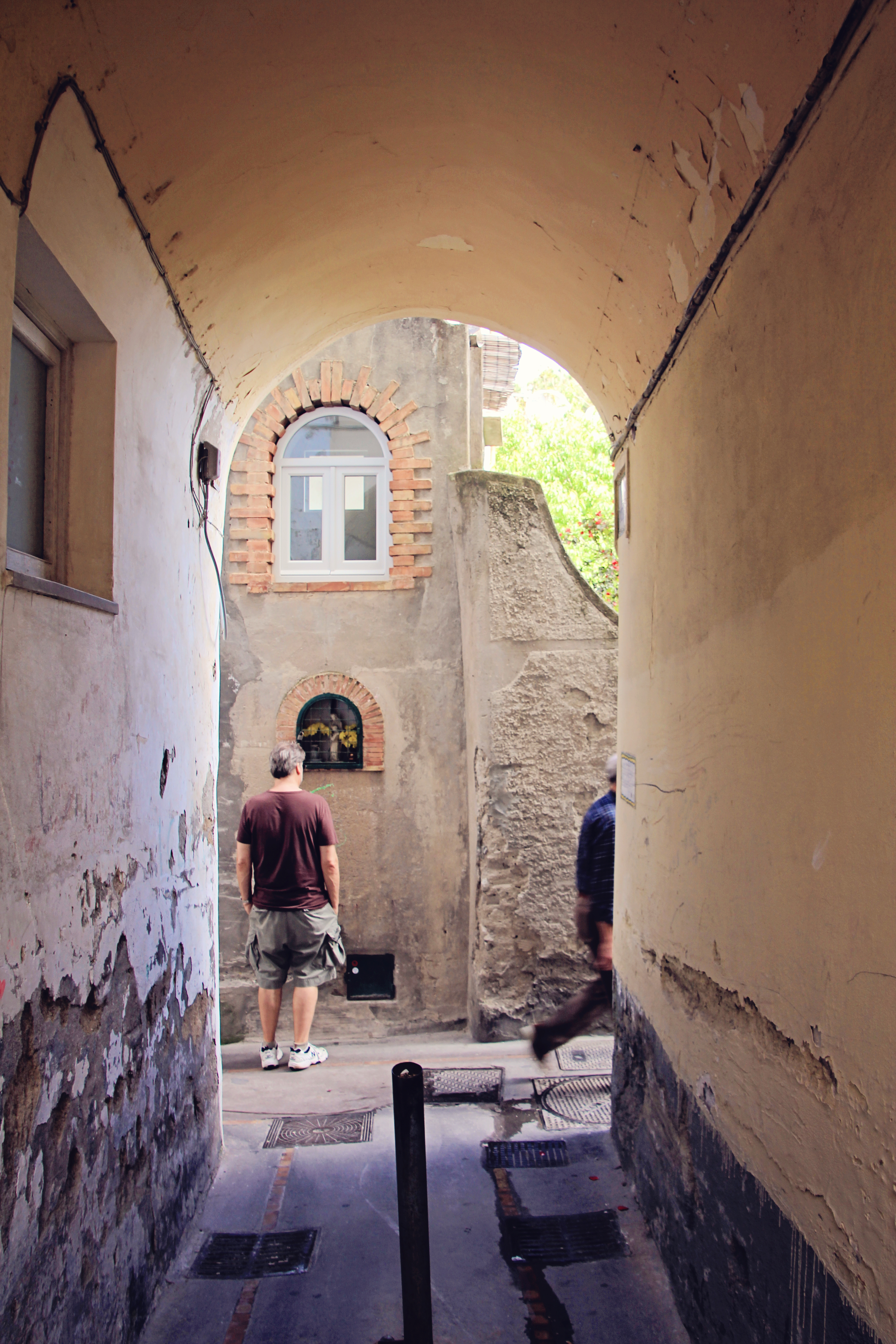
Walking along more pedestrian streets of antico Capri.
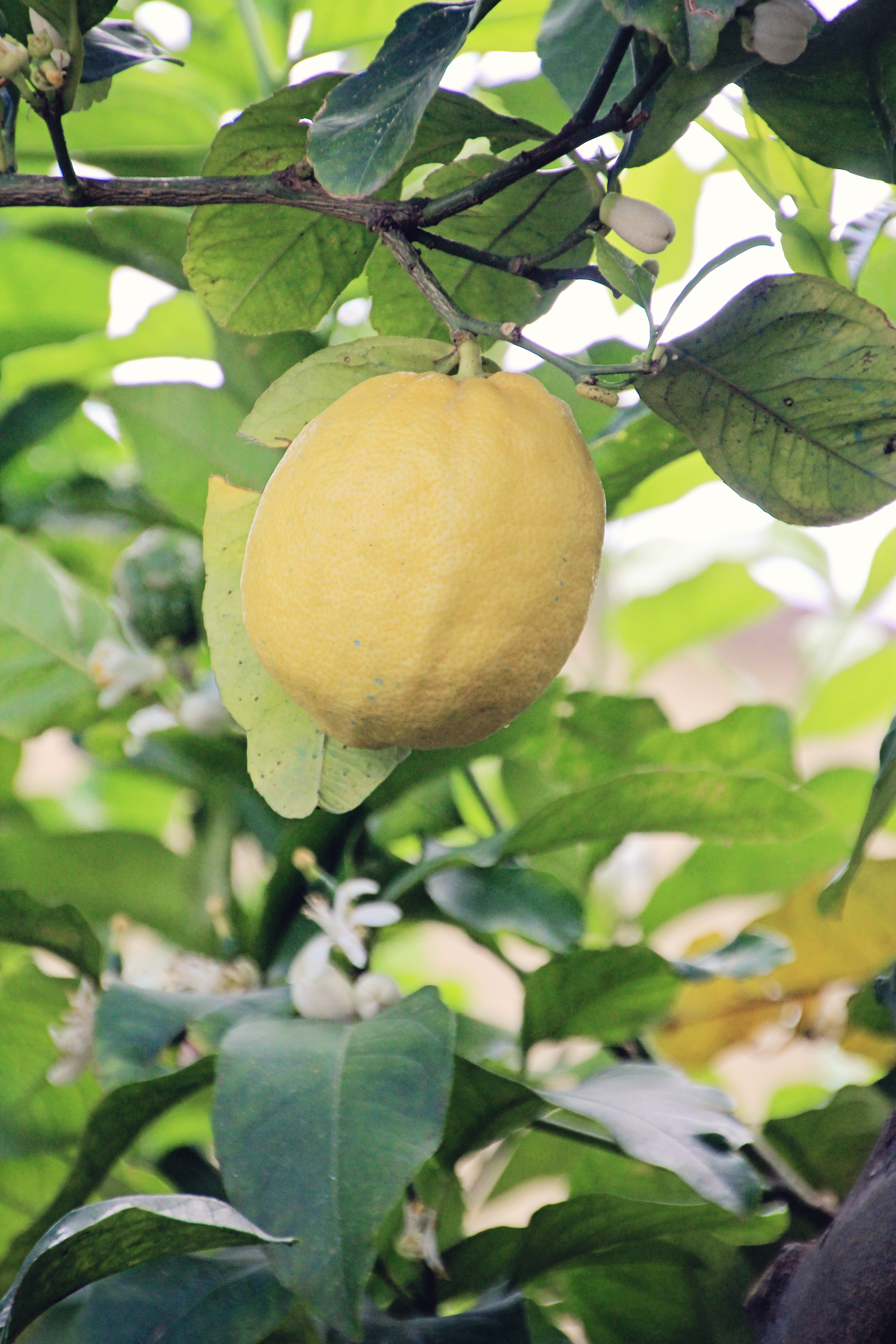
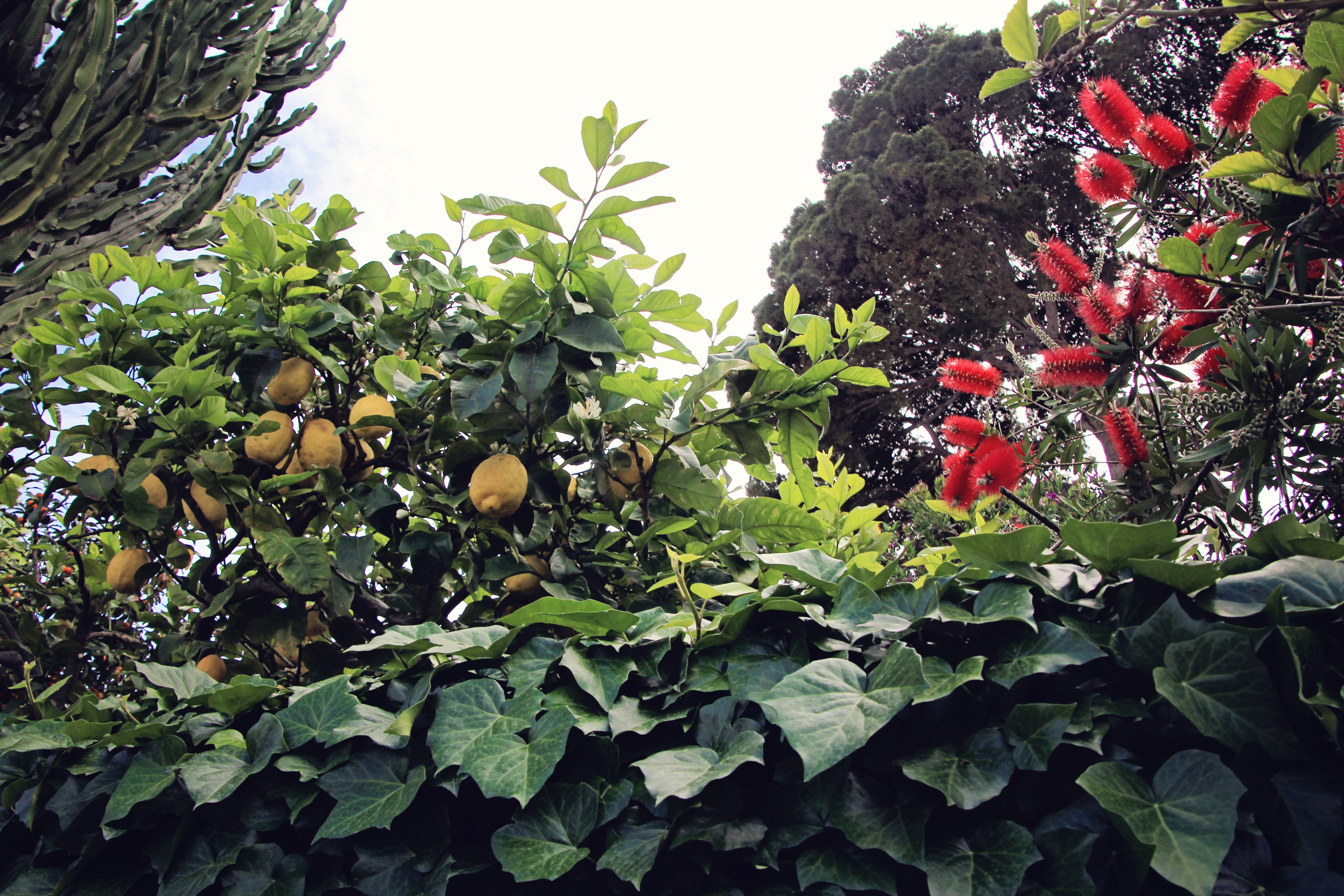
Lush lemon trees, a sight and scent that always makes me happy instantly.

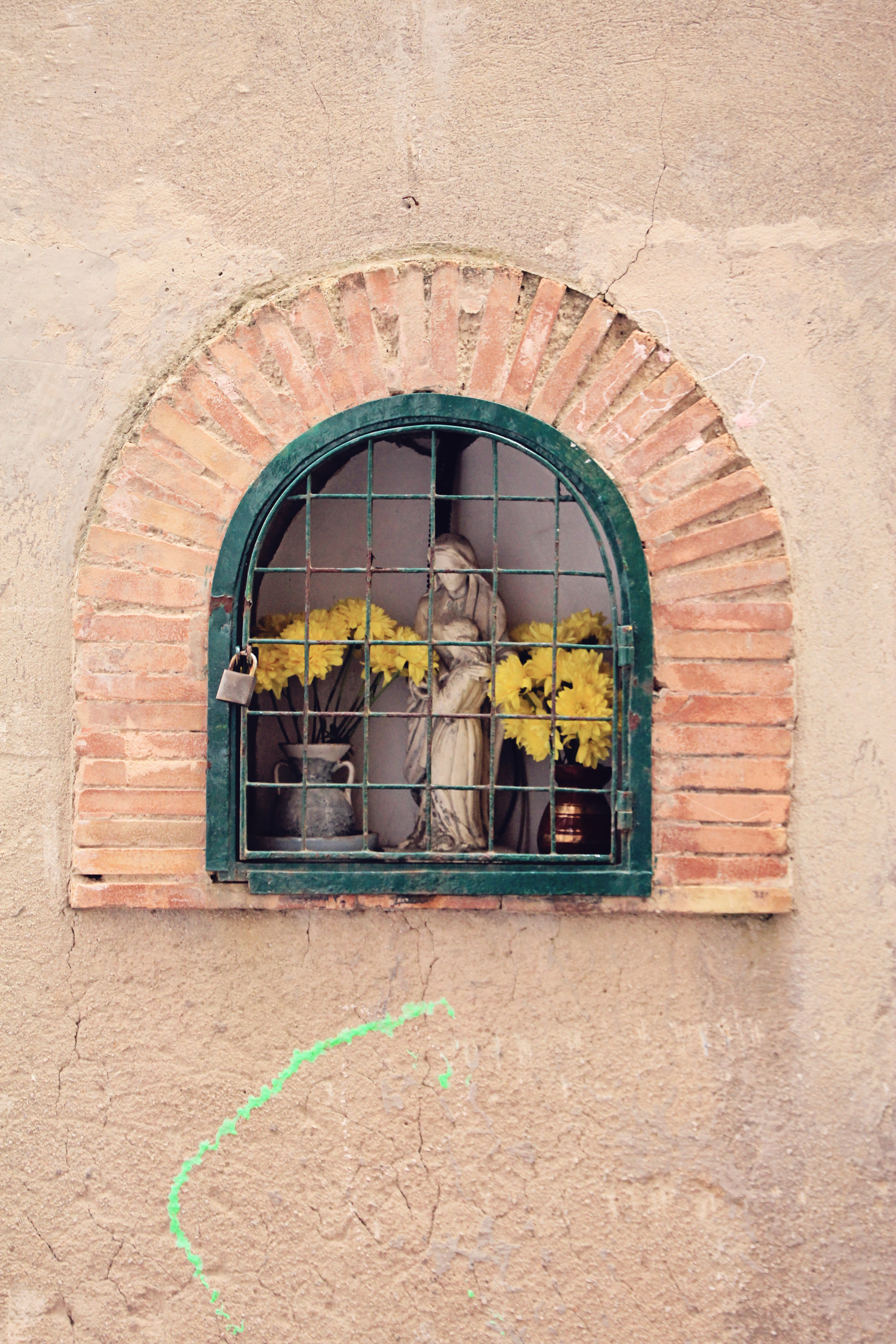
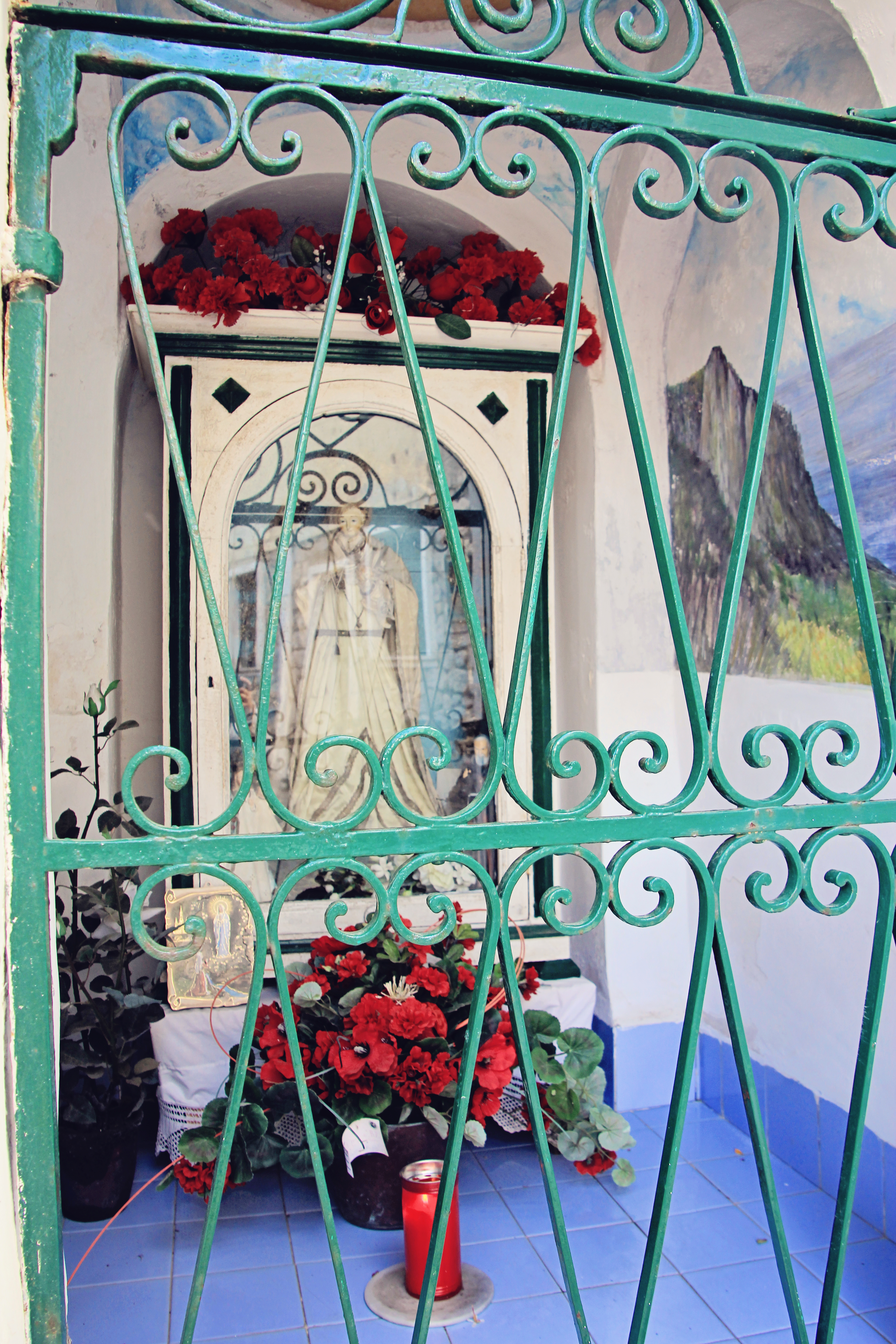
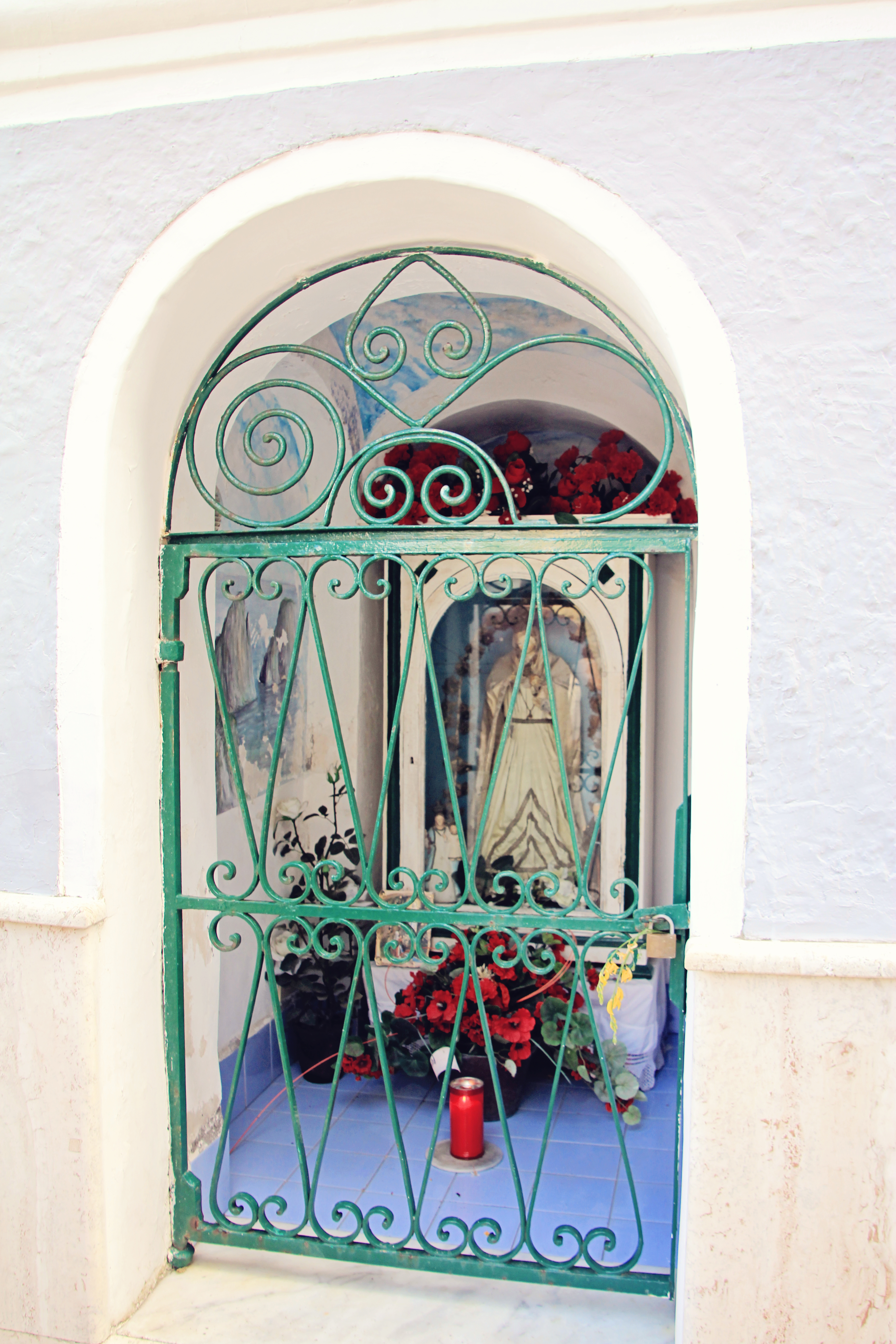
Another beautiful niche.

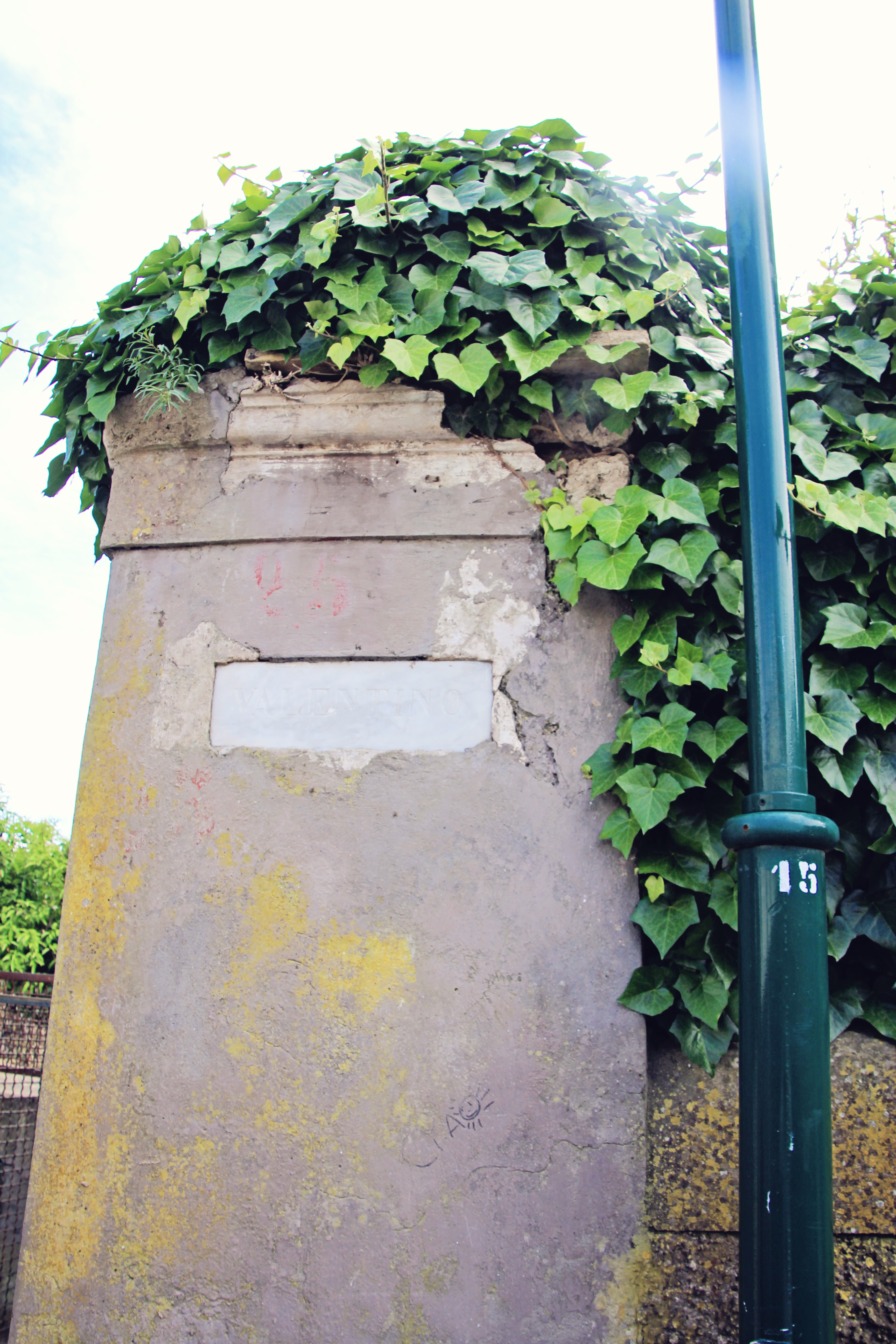
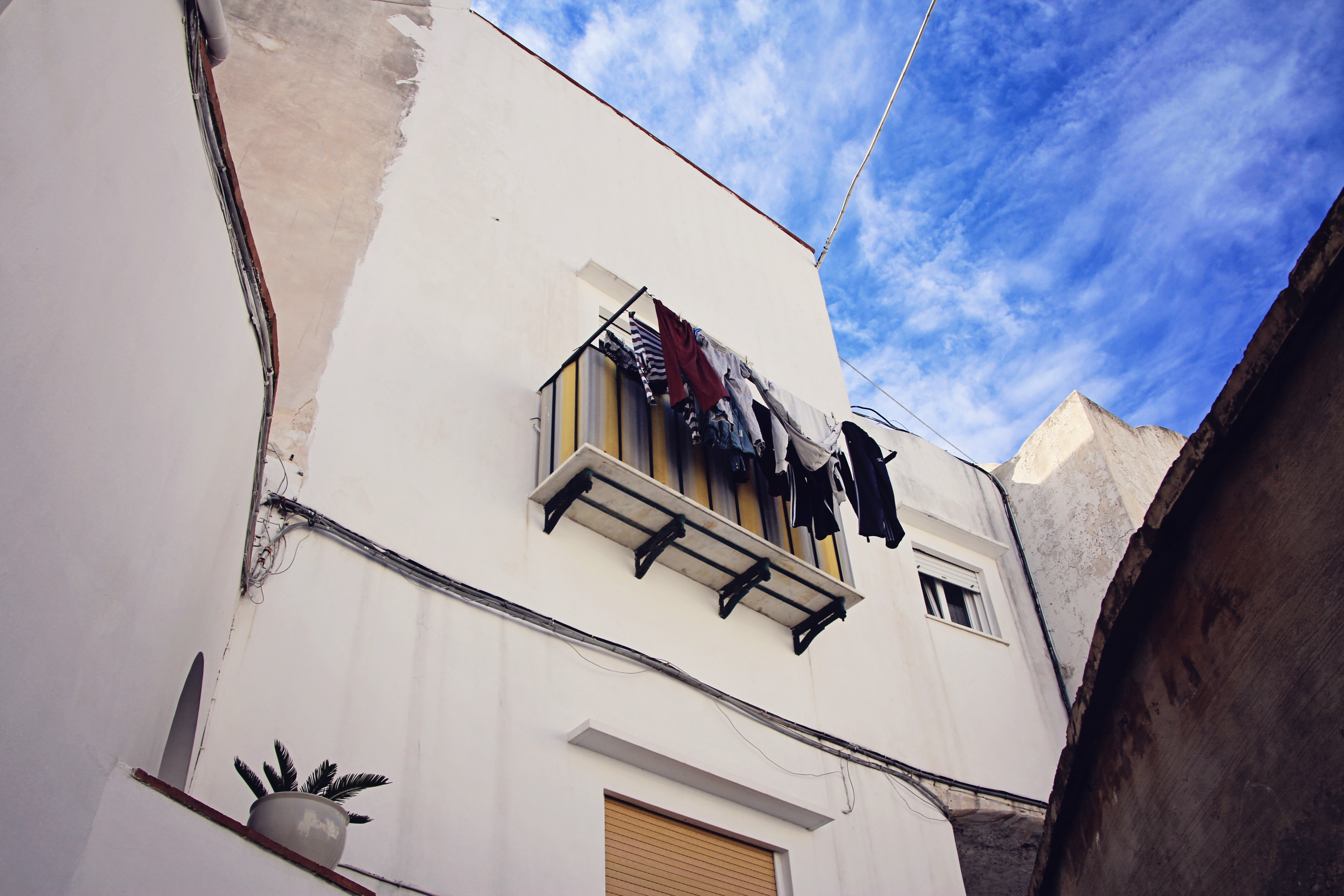
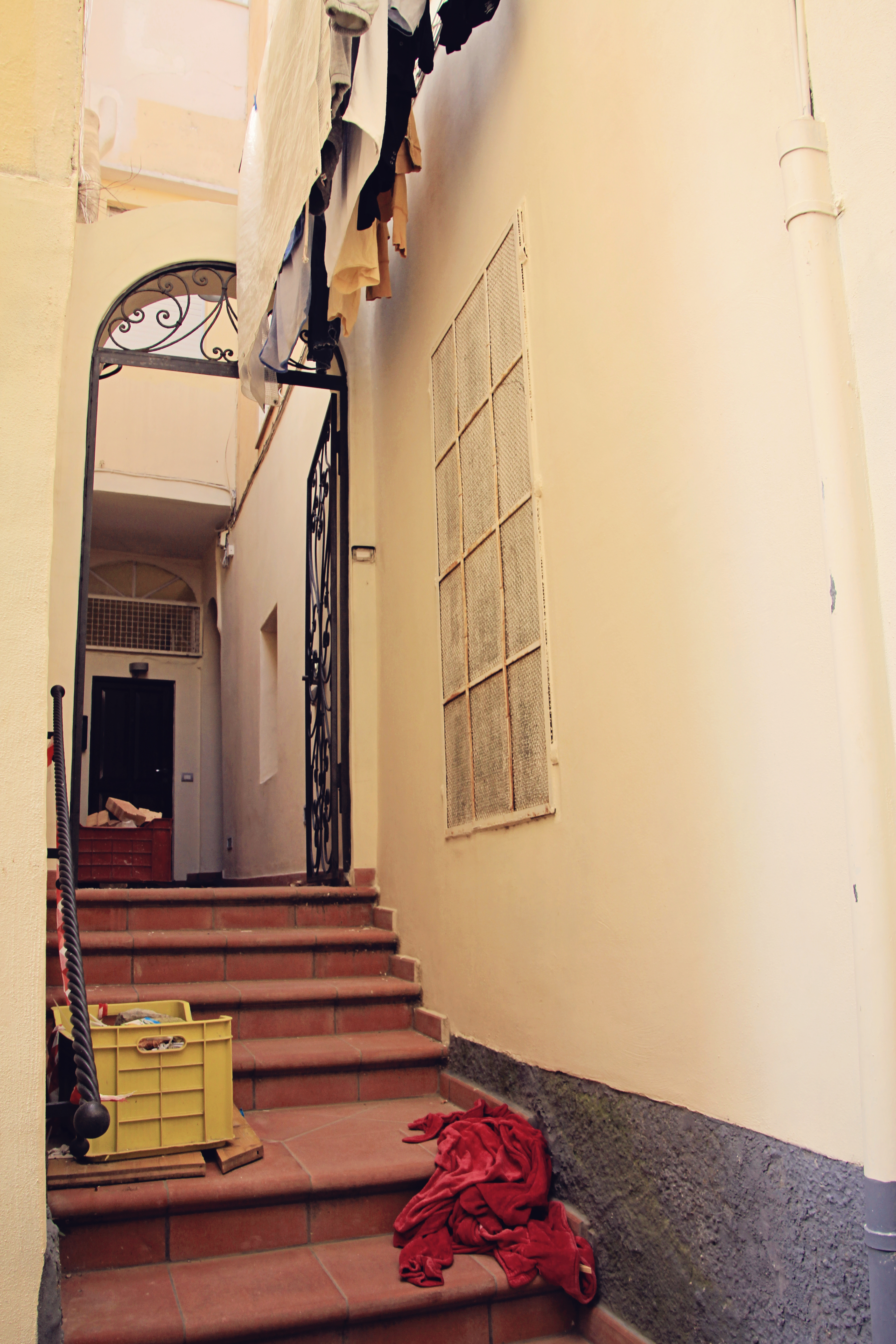
A still life of modern life.
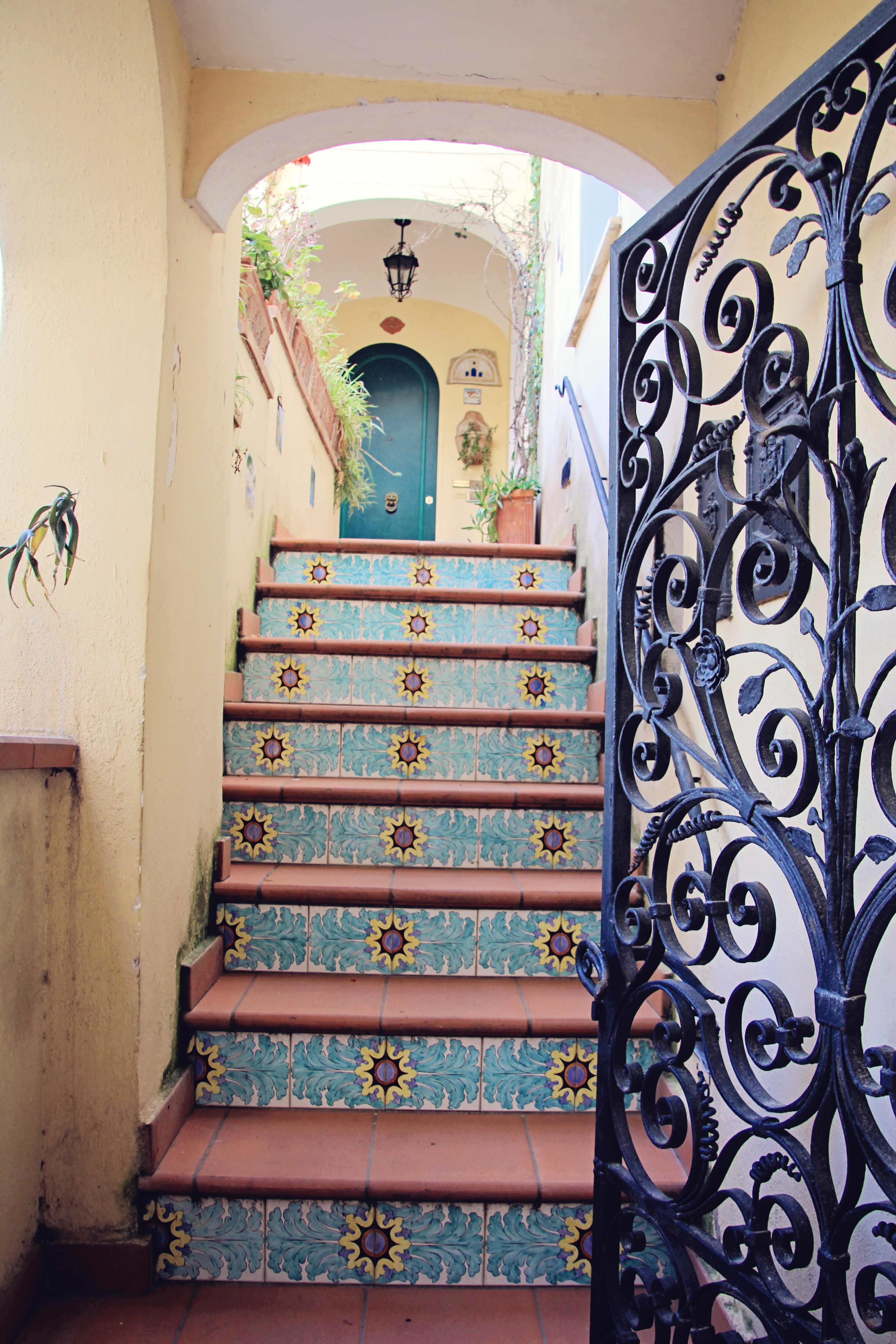
The hand painted tiles and stairs are stunning on Capri.
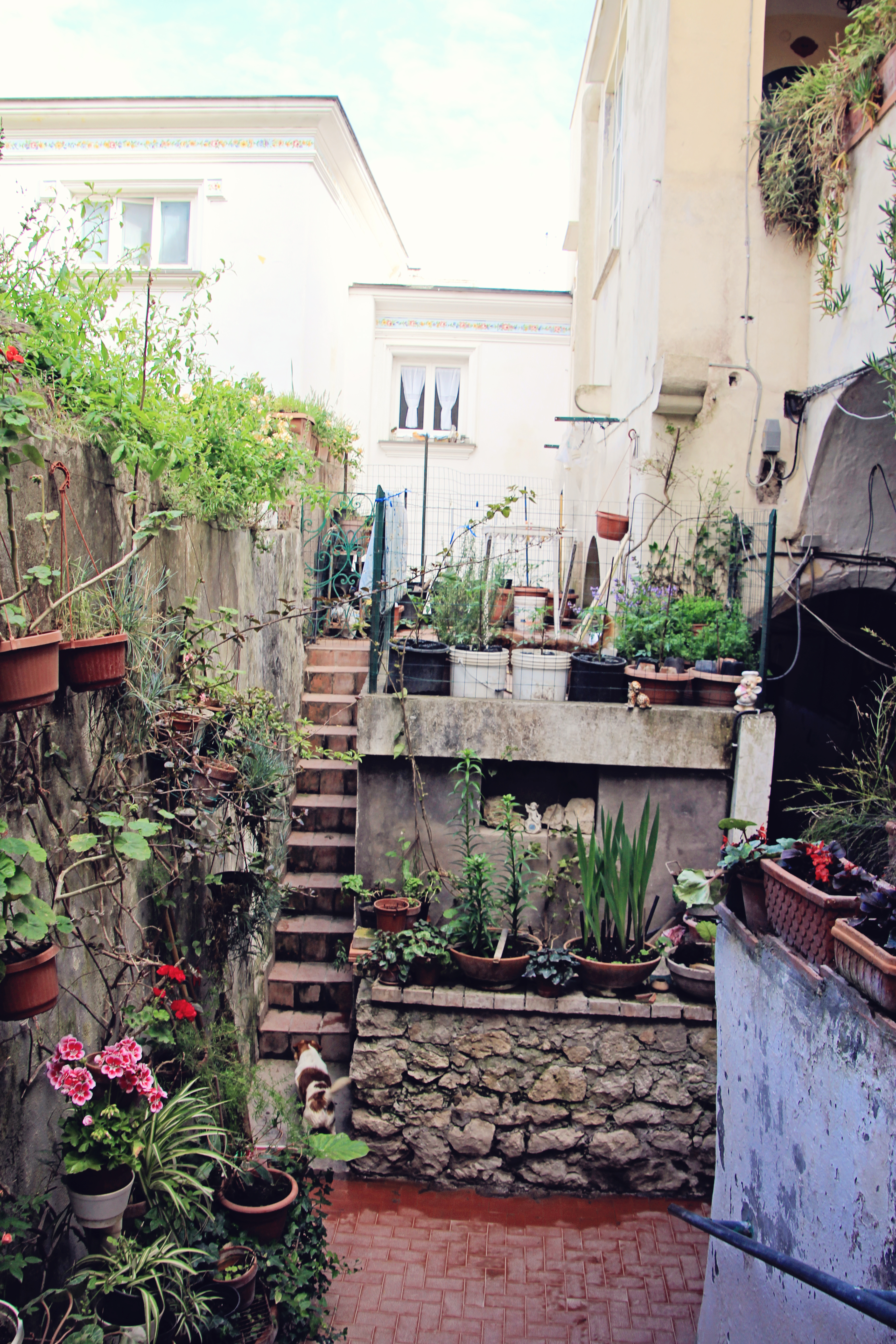
A gorgeous private garden glimpsed past an open gate.
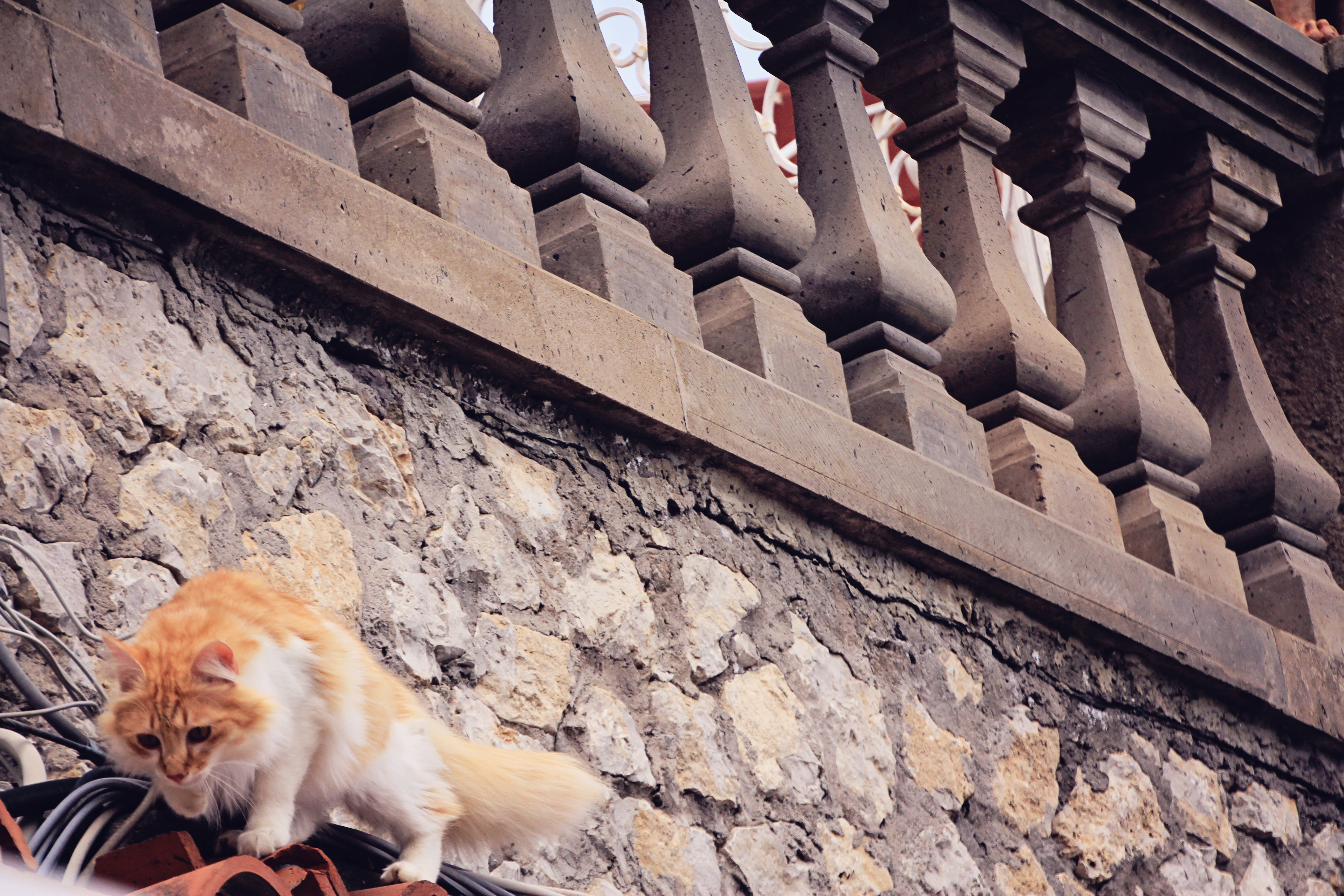
A Capri cat, a local who probably descend from the cats of ancient Rome who lived on the island with the emperors.
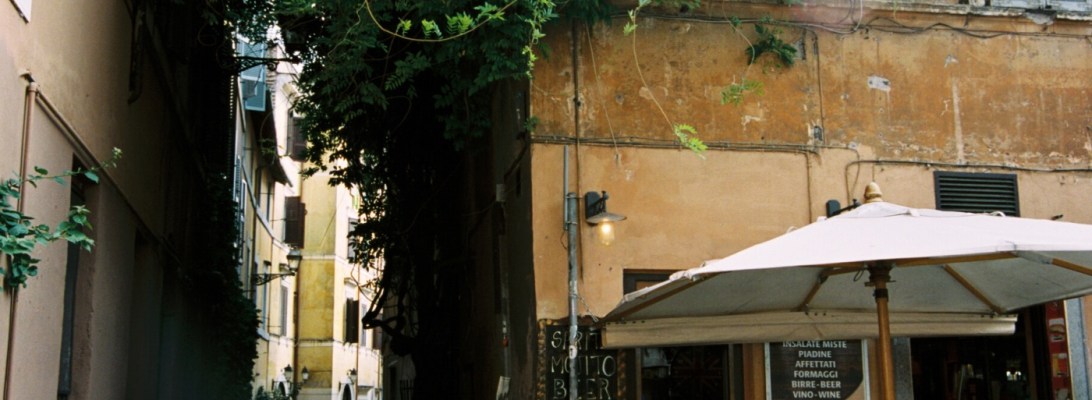
 The Antico Caffè Delle Pace / Bar Delle Pace in Rome, Italy. I took this shot in March 2012.
I am posting a photograph of one of my most favorite 19th century cafe-bars in the world because it is in danger of being lost along with many other beautiful old cafes and shops in the historical center of Rome! Romans are protesting these closures.
I have palpable memories of sitting outside people watching with a prosecco or an espresso, soaking up the beautiful patio, cafe tables, the renaissance church and museum to one side, the hanging greenery.
One evening we were caught in the rain and had the sumptuous, historical, cozy, beautiful cafe interior to ourselves as I sipped pinot nero and nero d’avola and he had endless pots of smoky tea. I remember the 19th century cash register and the bust of Augustus and the antique mirrors and the waitresses and waiters who looked like fashion models.
It’s the kind of place that’s built for the “beautiful people” and can be a magnet for the rich and famous (and more interesting the Roman Who’s Who of writers, artists, intellectuals) but I never felt like an outsider there.
It is a low key, lovely cafe. I enjoy the walk to it on sunny afternoons or on cloudless, starry nights anytime I am in Rome. It is one of the highlights of my trips.
And if we lose another historical, old world cafe or shop – Rome will love it’s very heart of the centro storico.
the impossibly cool caffe & bar della pace, rome, italy, 2012.
http://www.wantedinrome.com/news/2002440/rome-s-bar-della-pace-faces-closure.html
I’m not sure what I can do to help but I would like to do something. Any Italians or people living in Rome have a site or petition or anything? I would love to spread the word. alovelettertorome@gmail.com
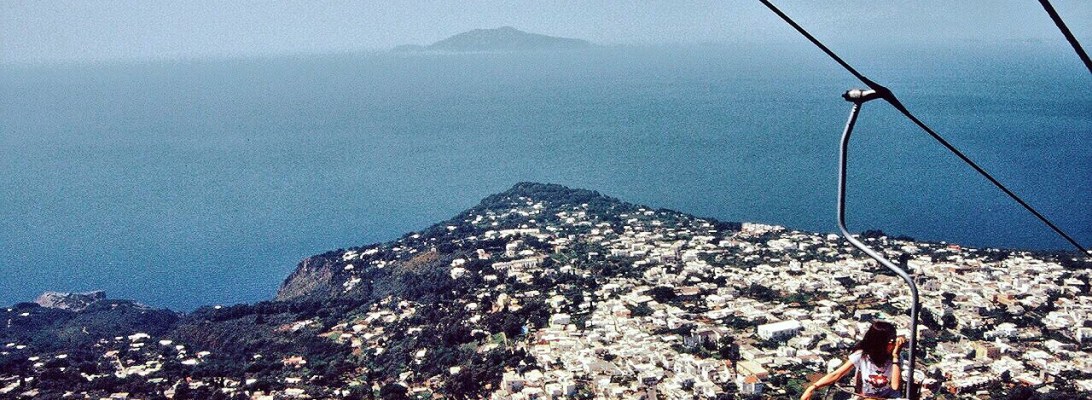
I’ve gotten to know the ancient island of Capri and ana Capri fairly well over the last ten or so years and love still getting a bit lost when I go off the beaten path.
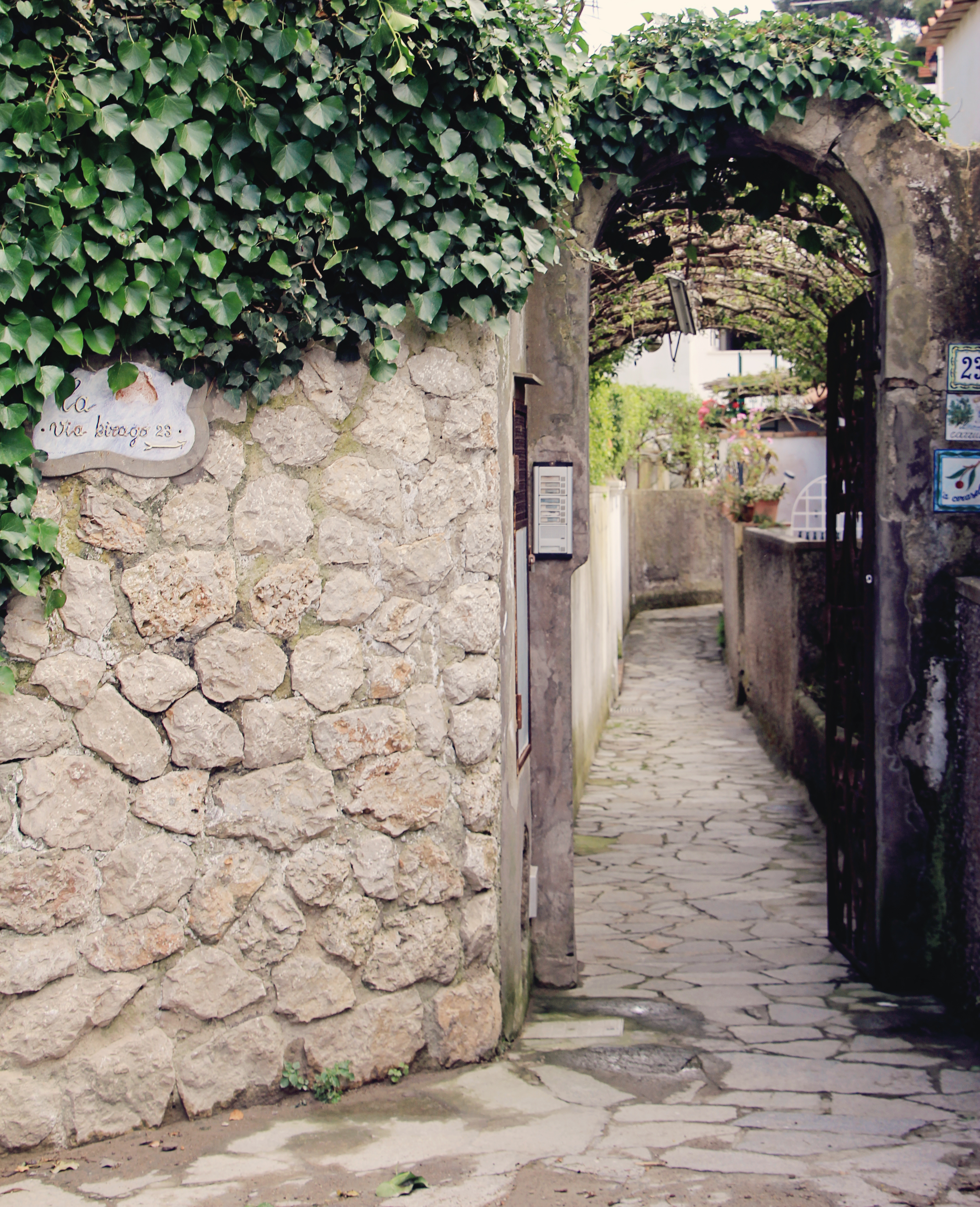
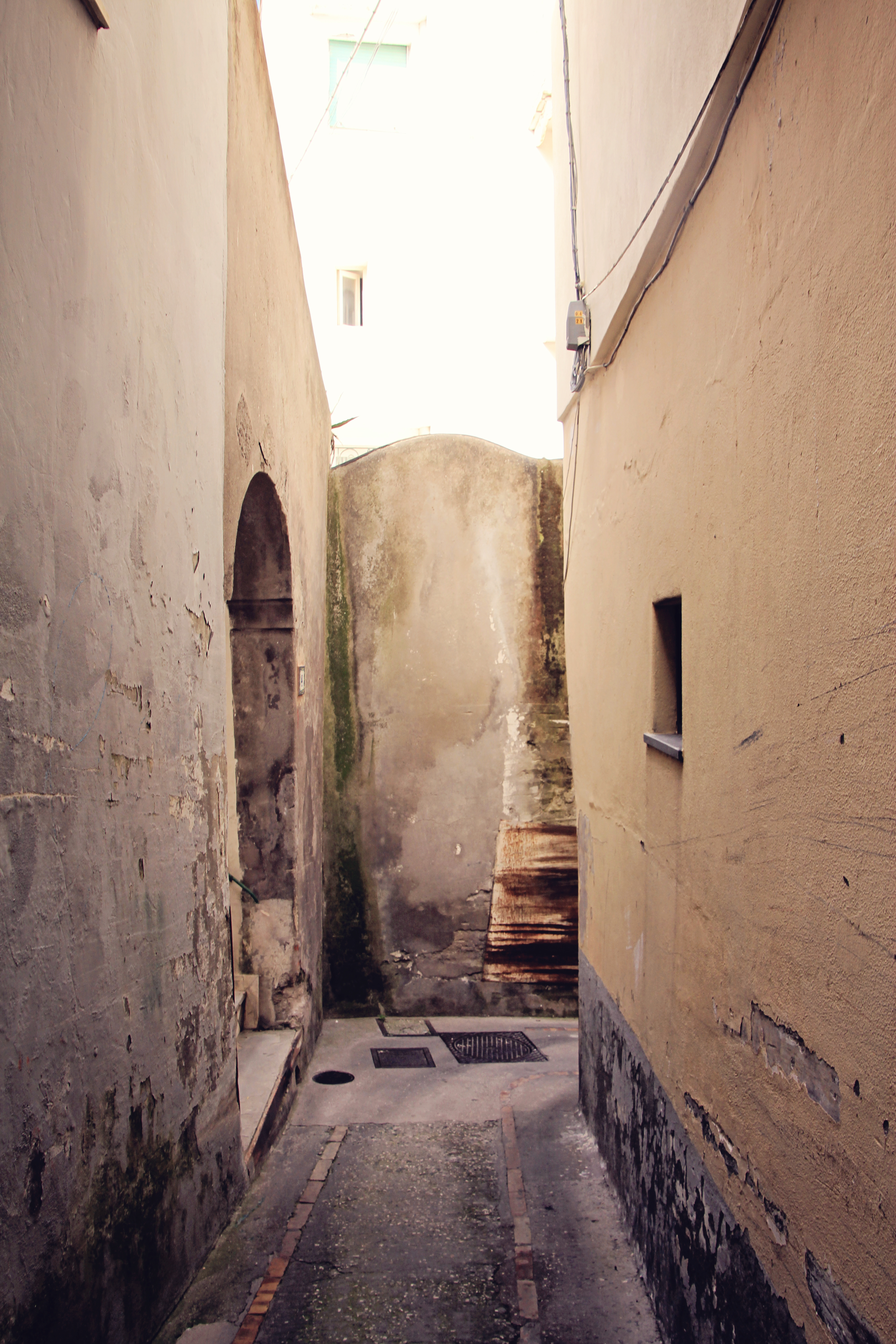
A quiet, labyrinthine neighborhood, Via li Campi, away from the crowds of Capri Town.
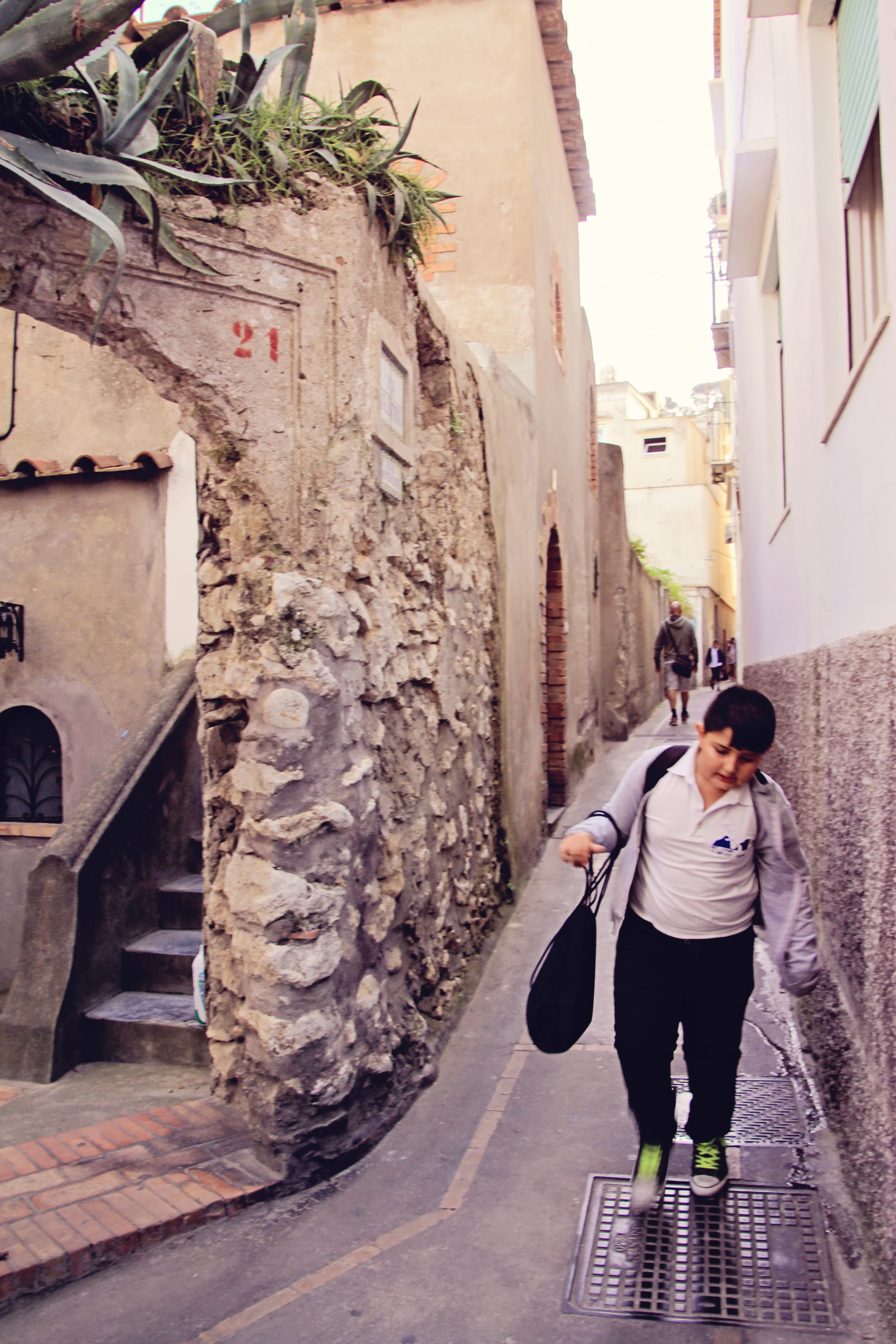
I wandered without a map past schoolchildren as they walked home from school. I wanted to find a local place not marked by tourists.
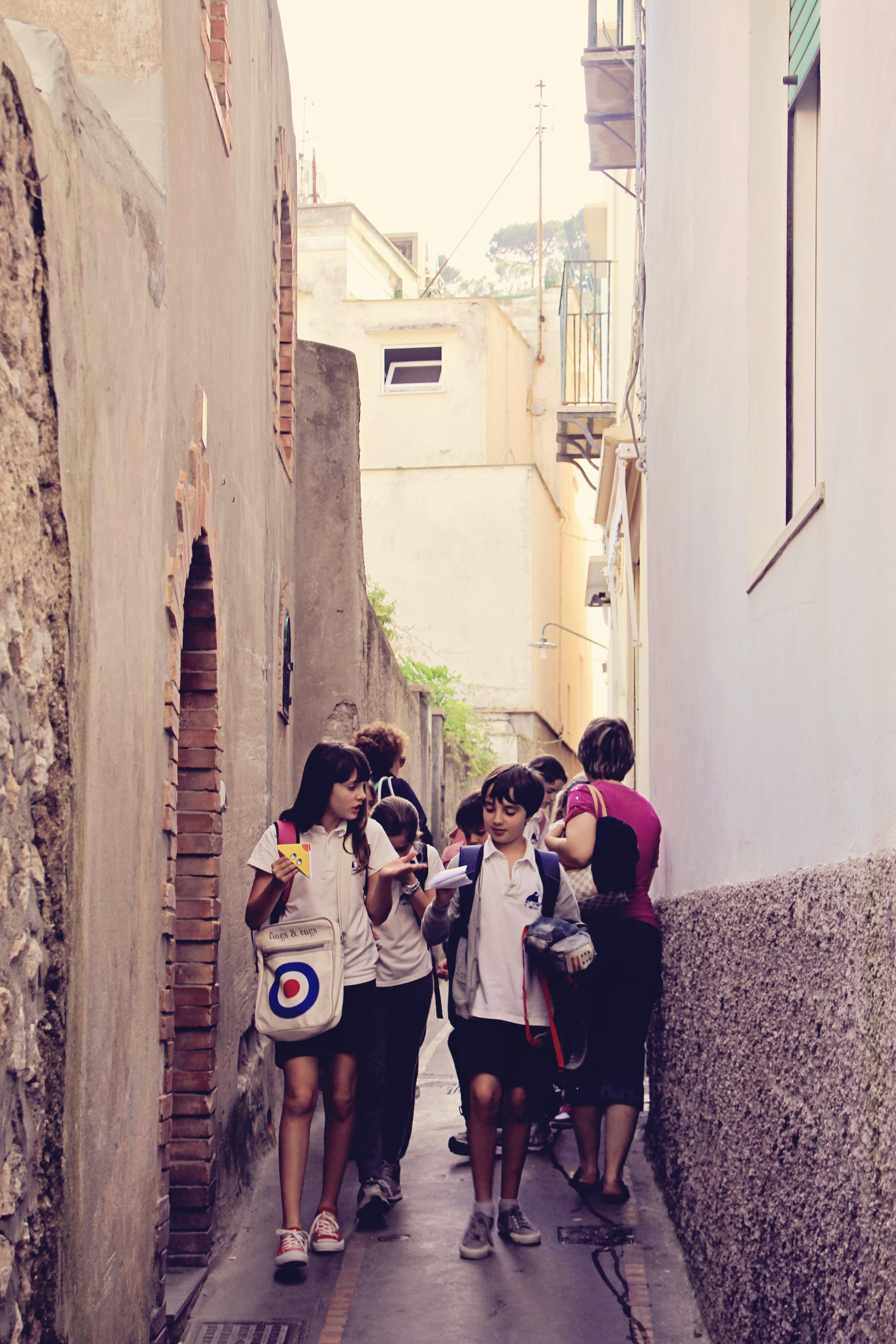
This was probably one of my favorite afternoons. I like to get a little bit lost in old neighborhoods.
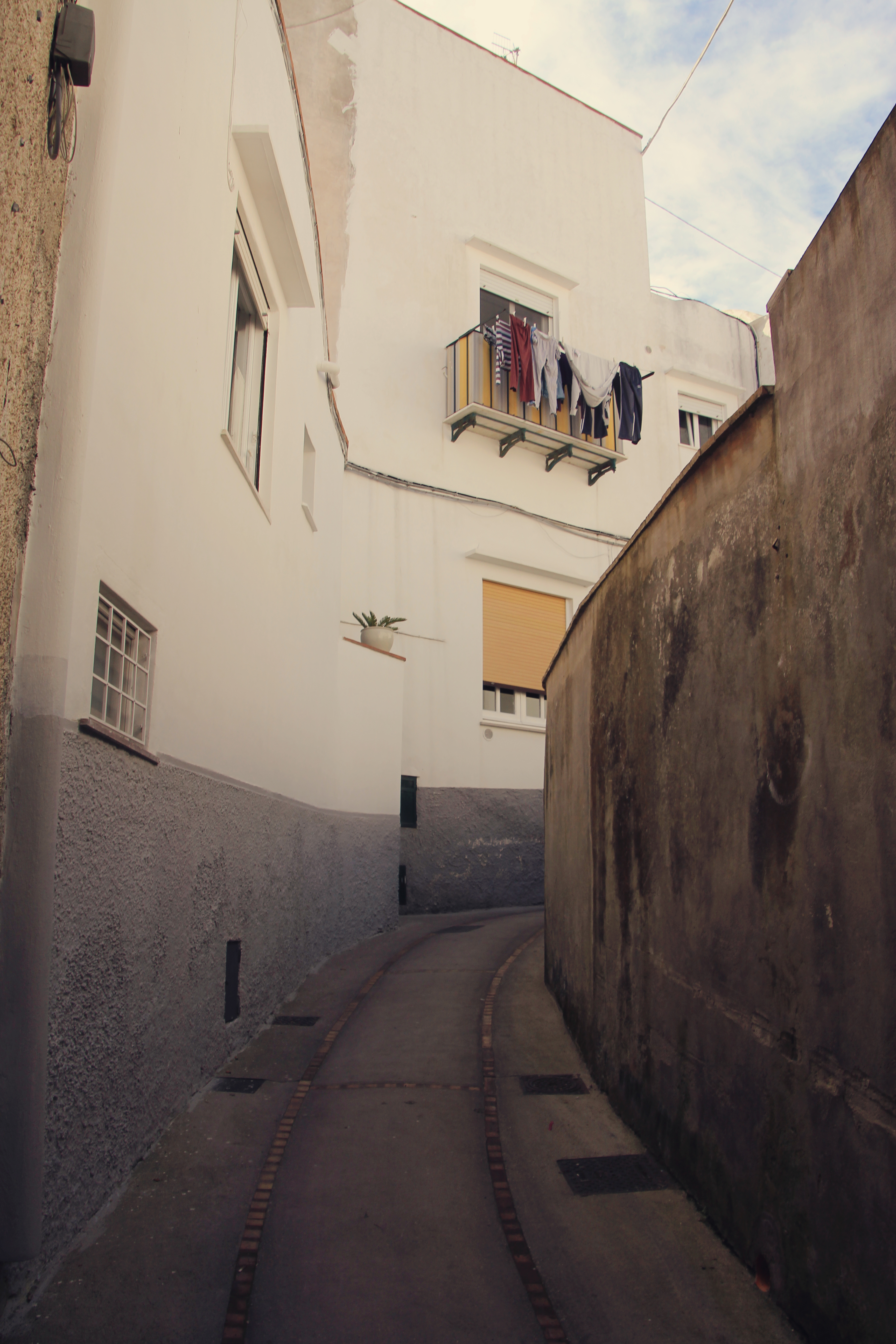
Every corner held a new surprise… usually just another curvy turn but still, it was a surprise.
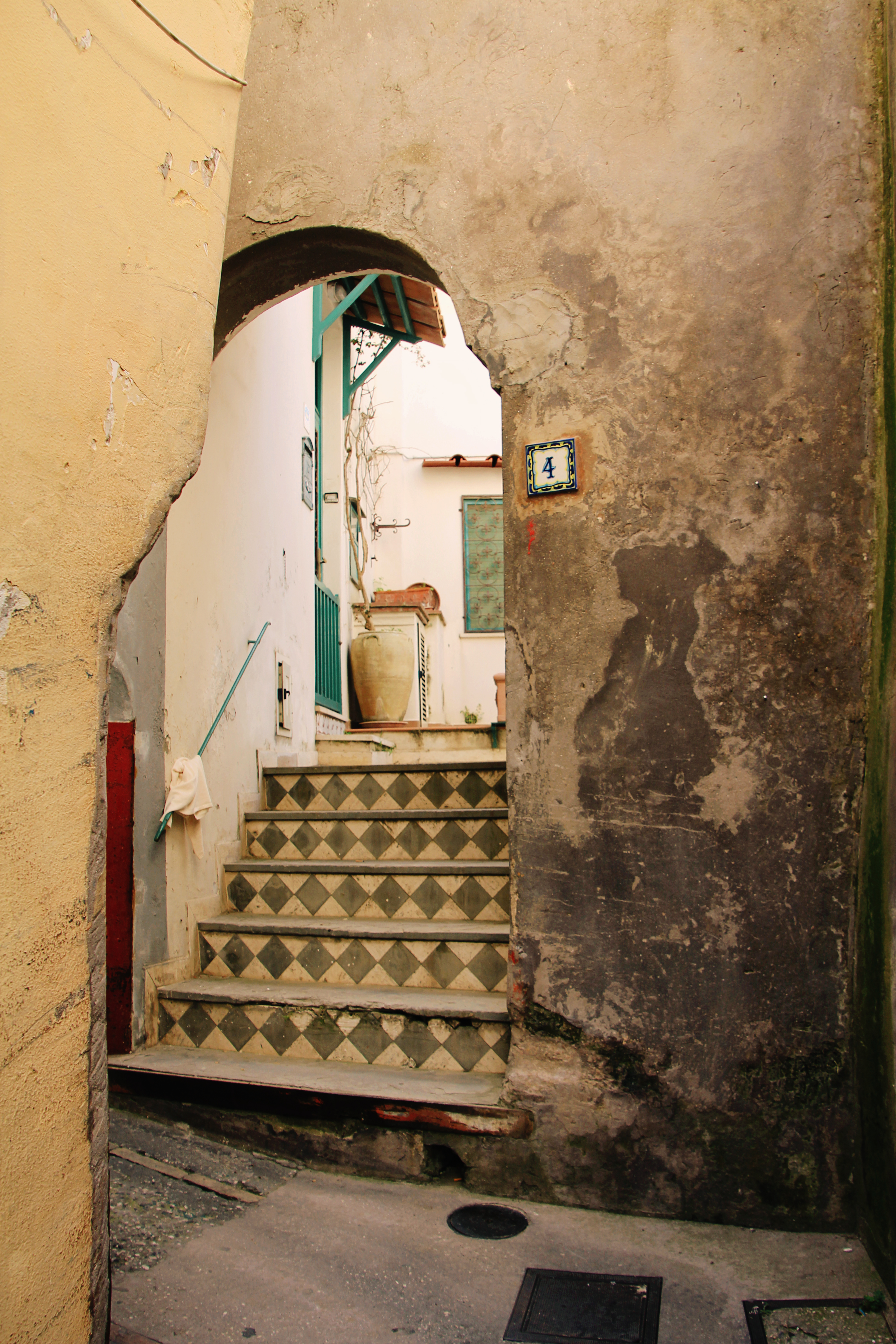
This was a tiny apartment courtyard . I would love to know the history of these walls and stairs.
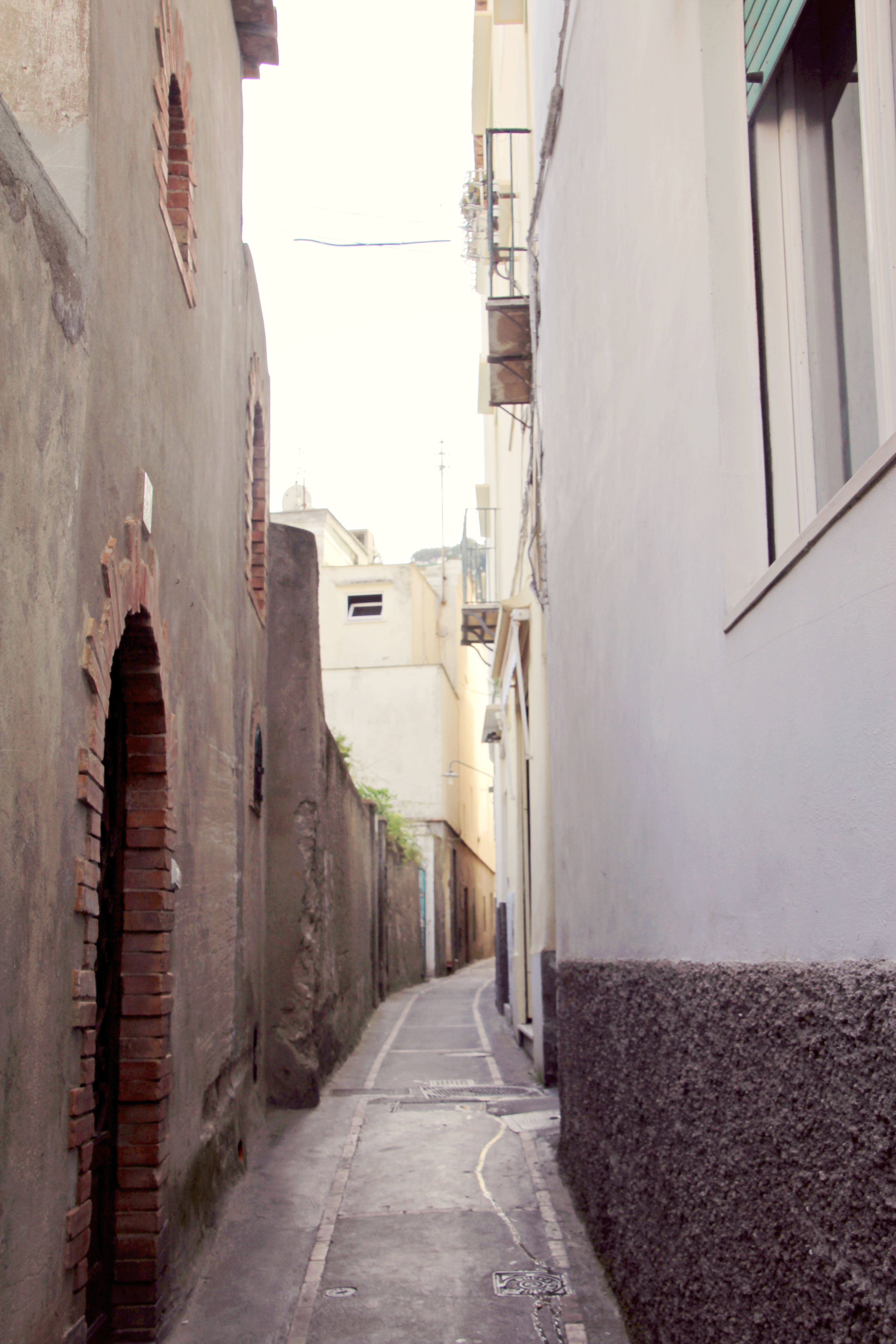
I could walk this path all day. There’s a quiet in the shadows I long for.
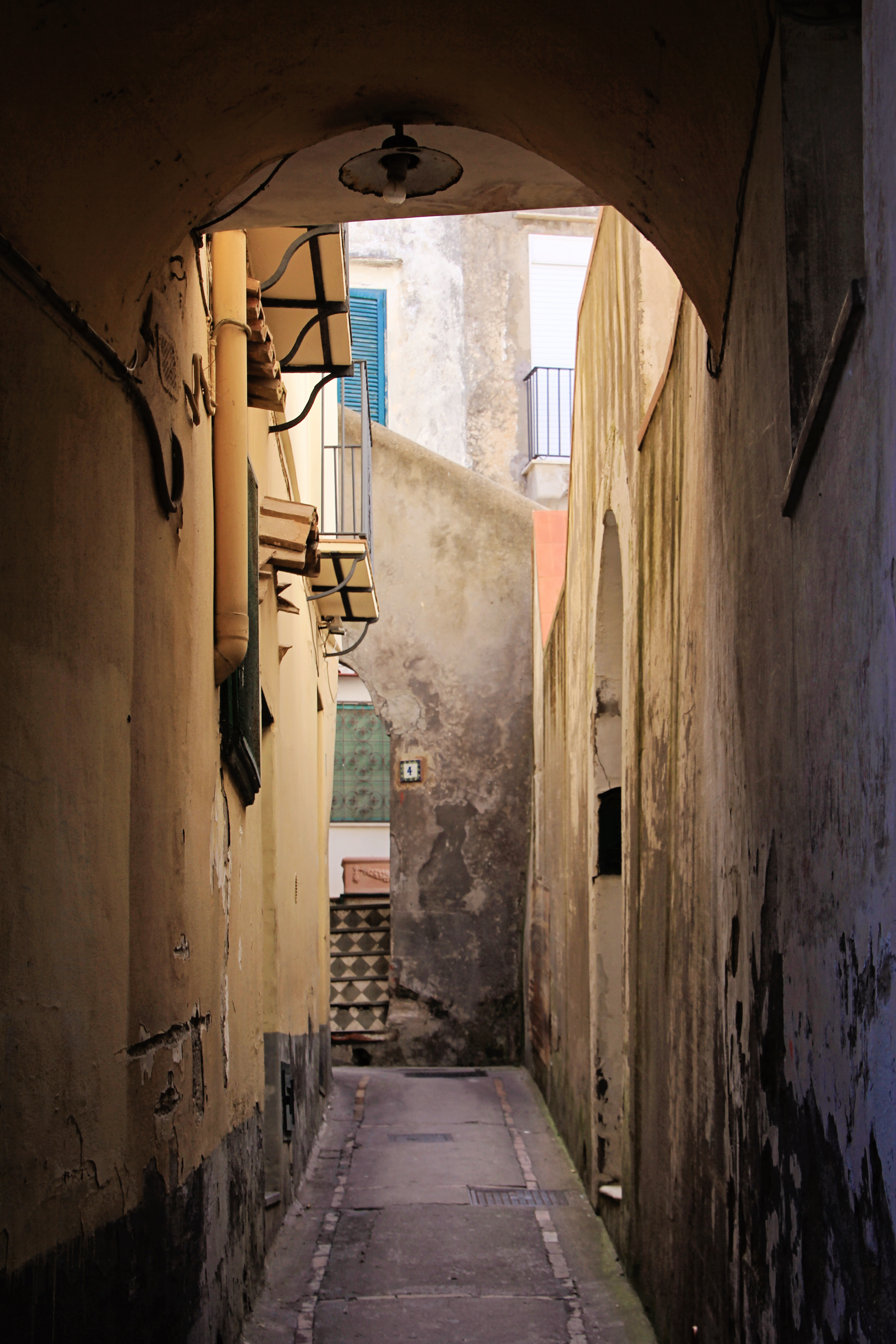
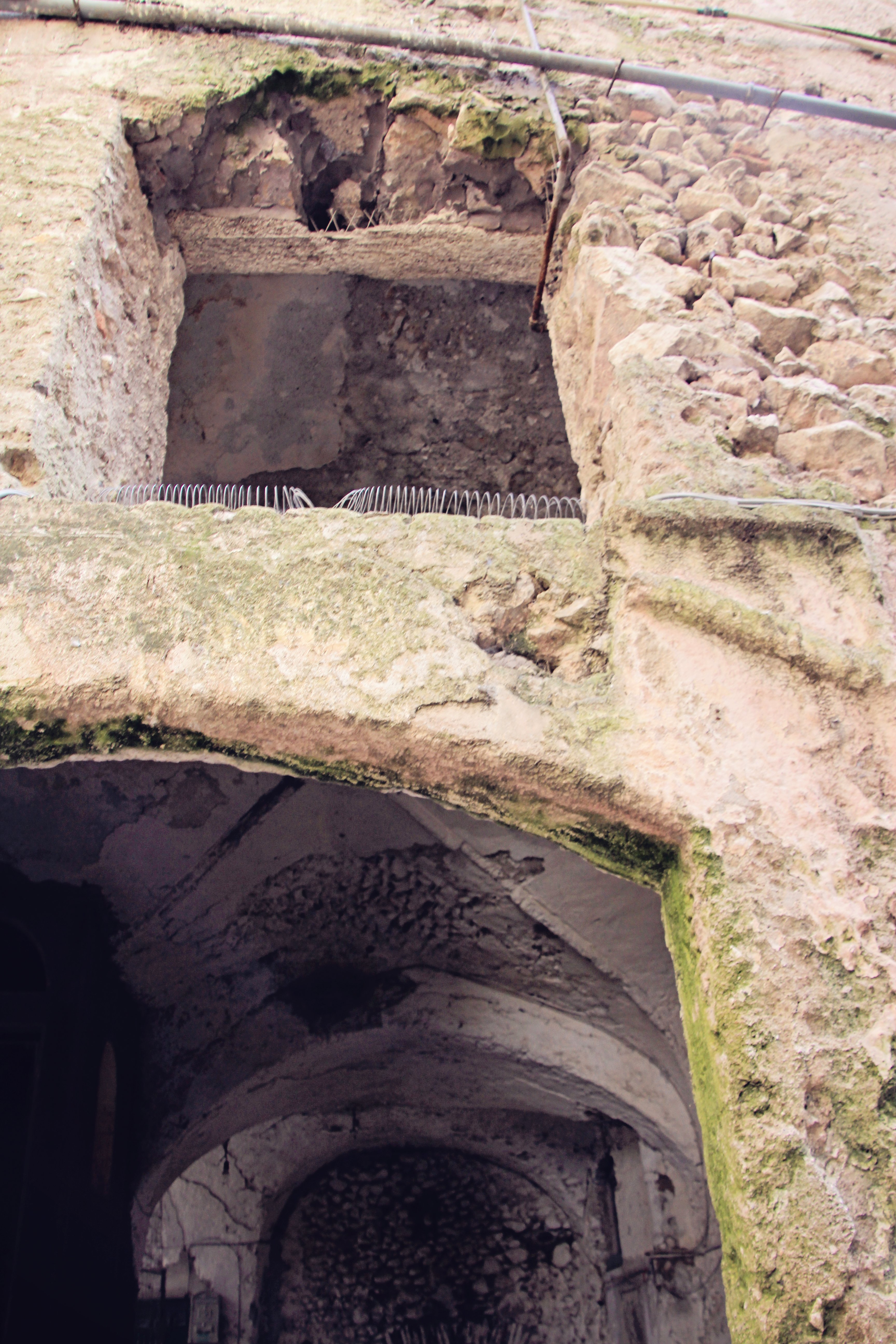
So many colors and hues over decades.
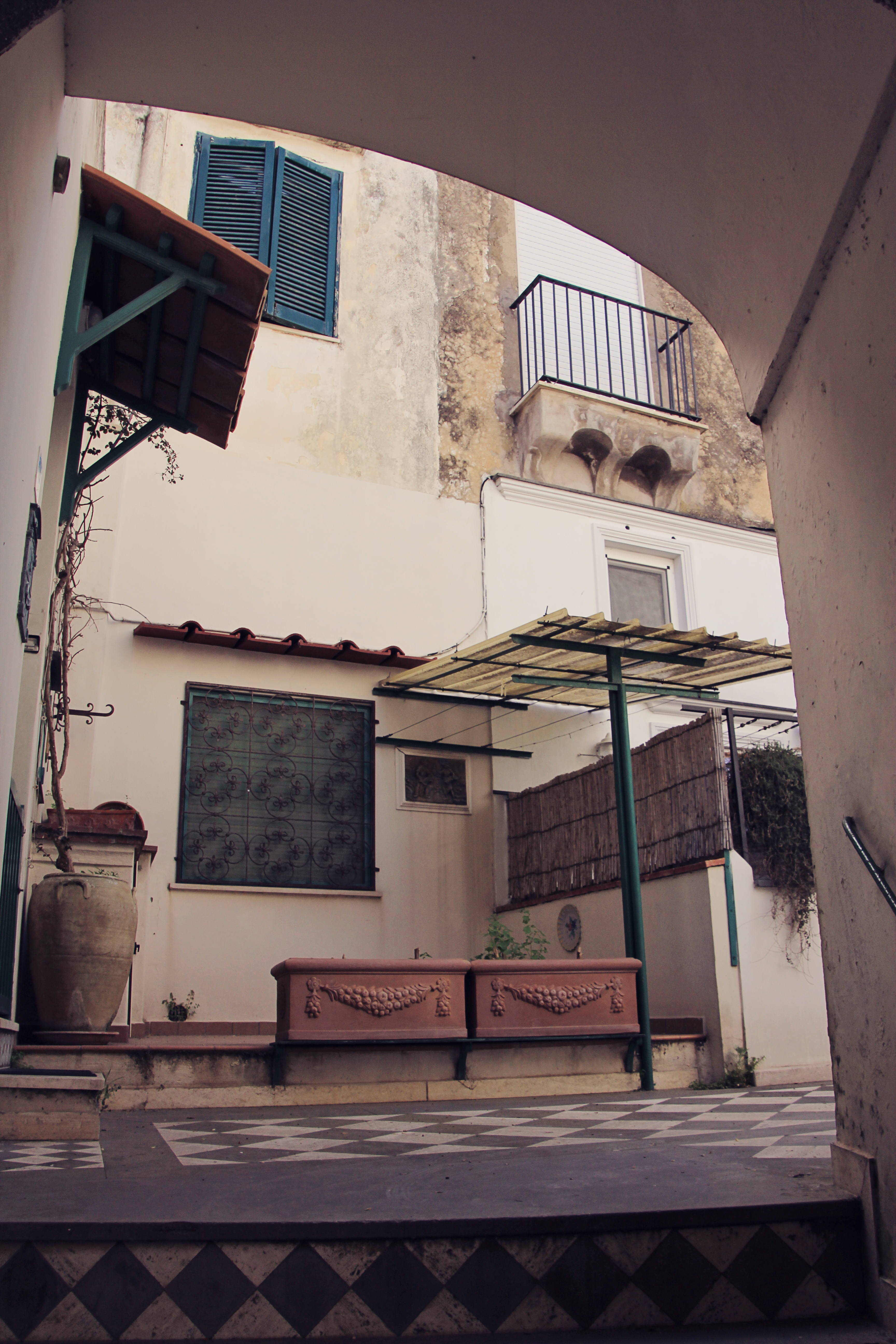
Via Posterula
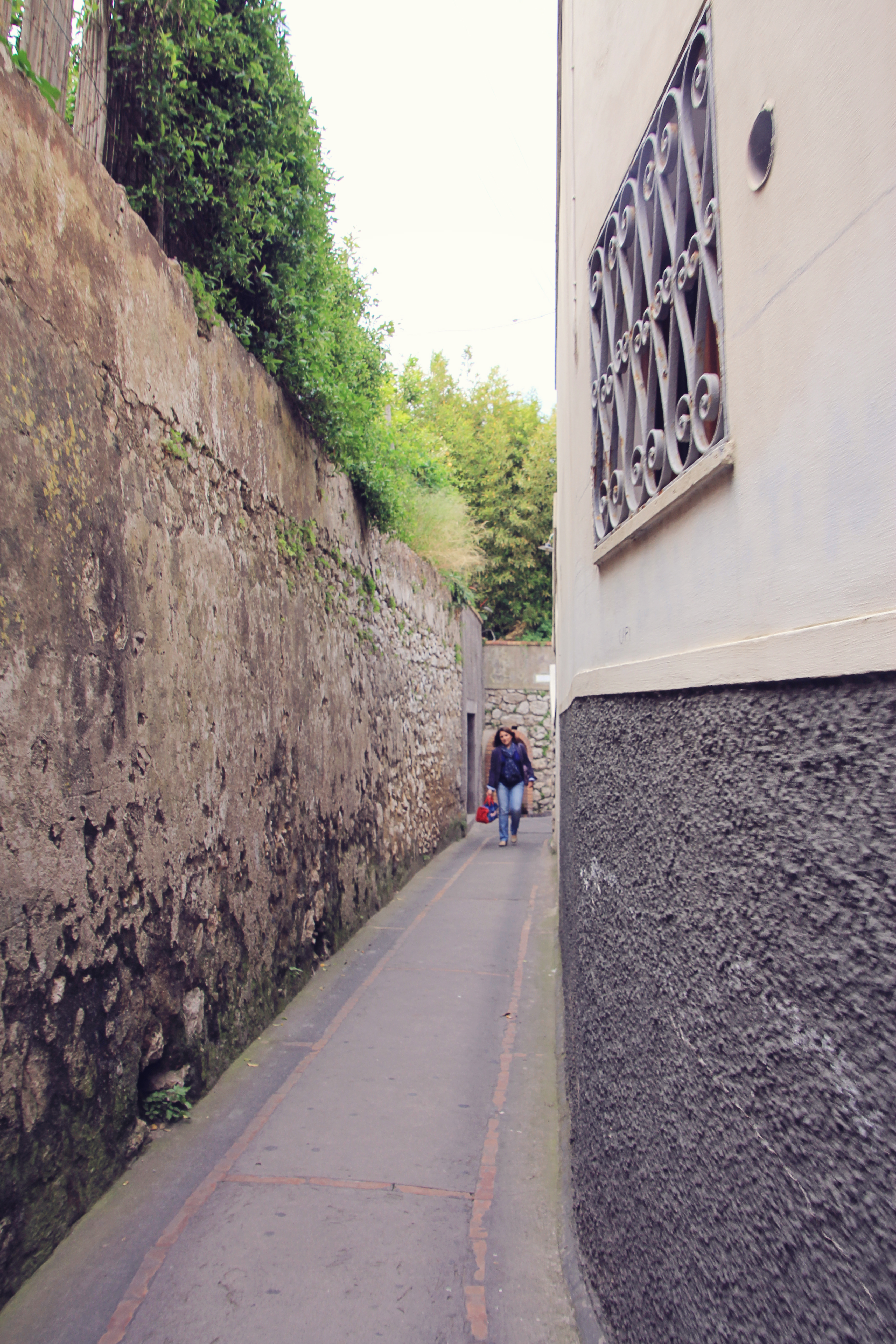
Further into the maze of private pedestrian streets.
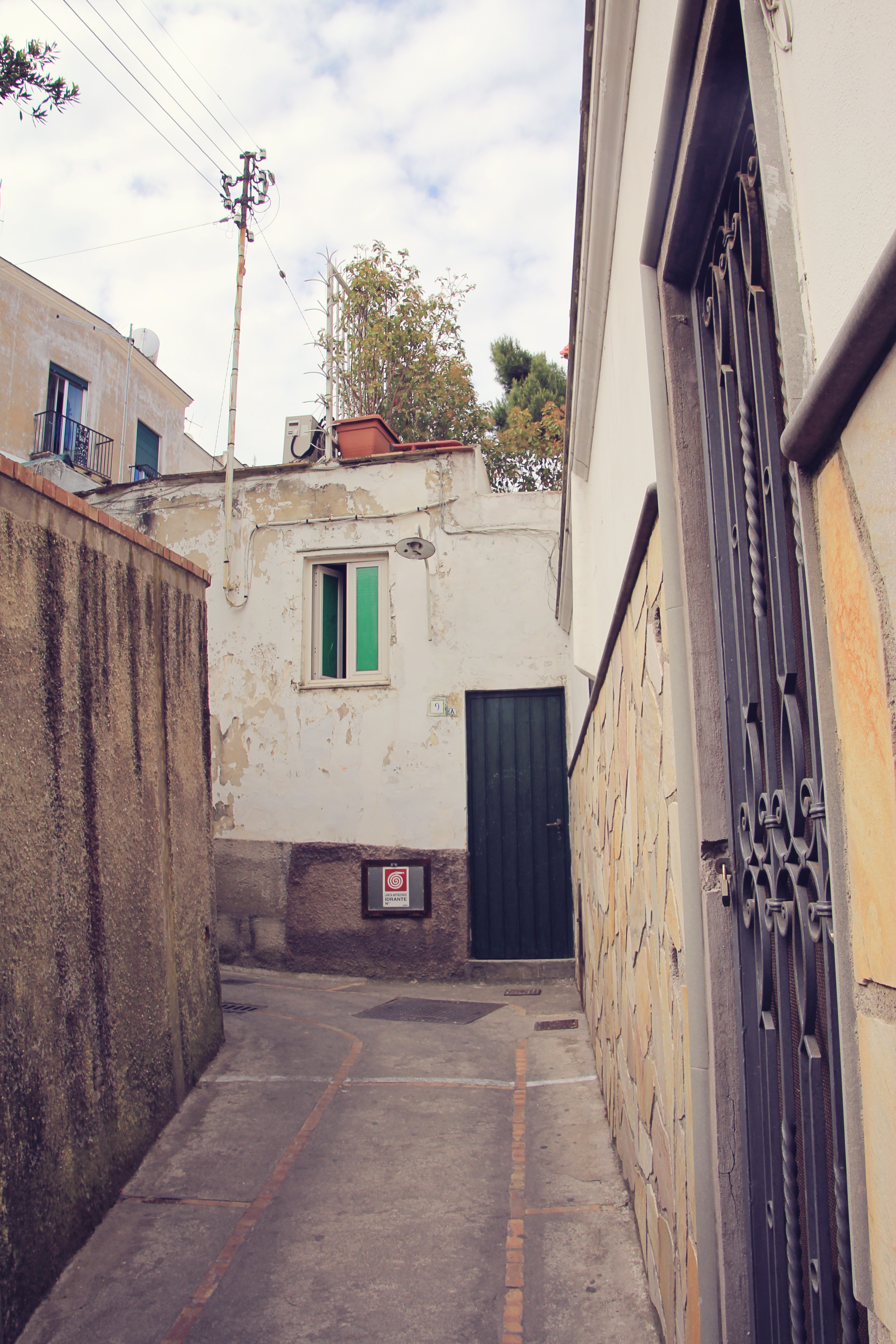
One can hear the call of birds and the echo of footsteps on the rock.
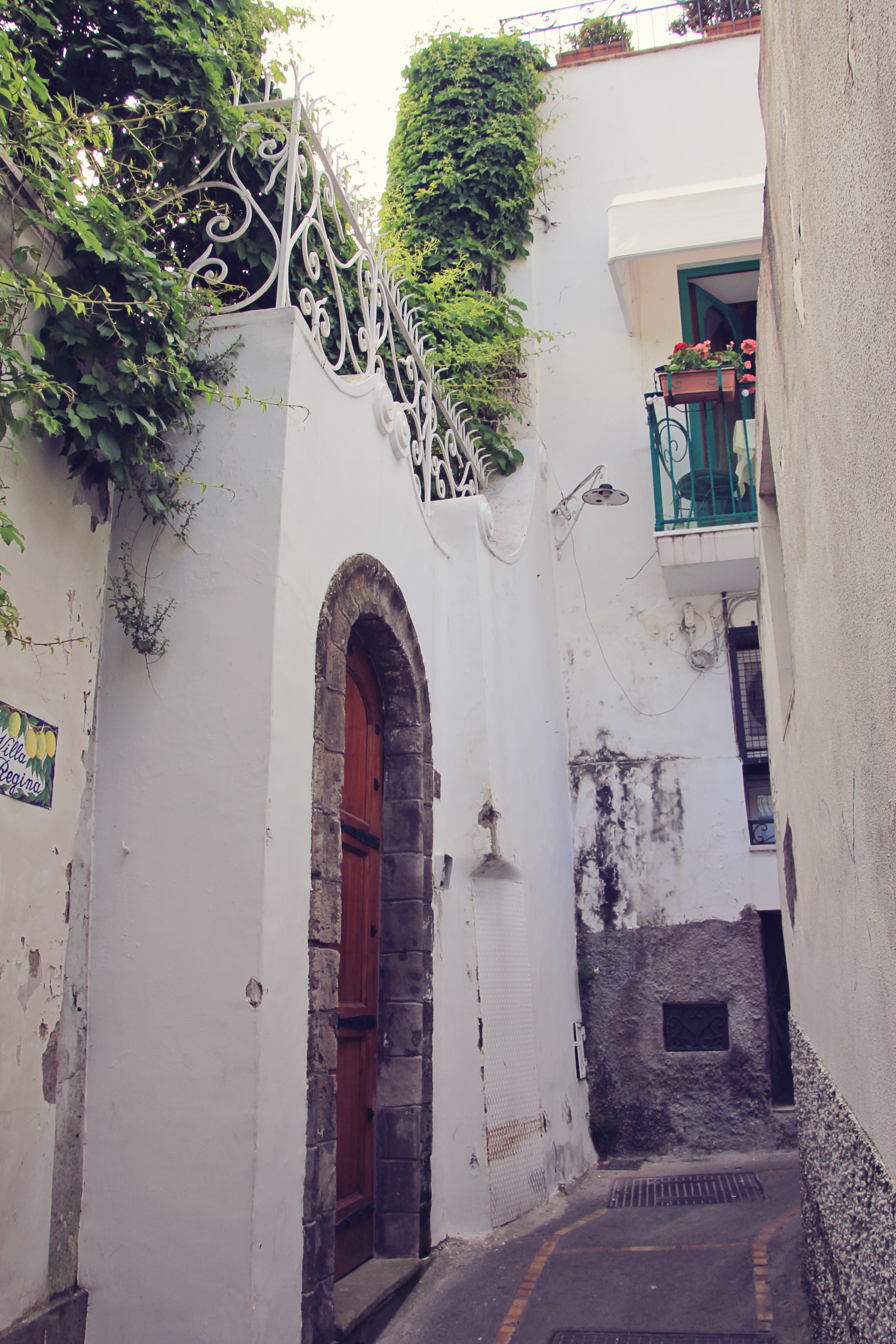
Here the gardens are on the rooftops or behind high walls in private courtyards.
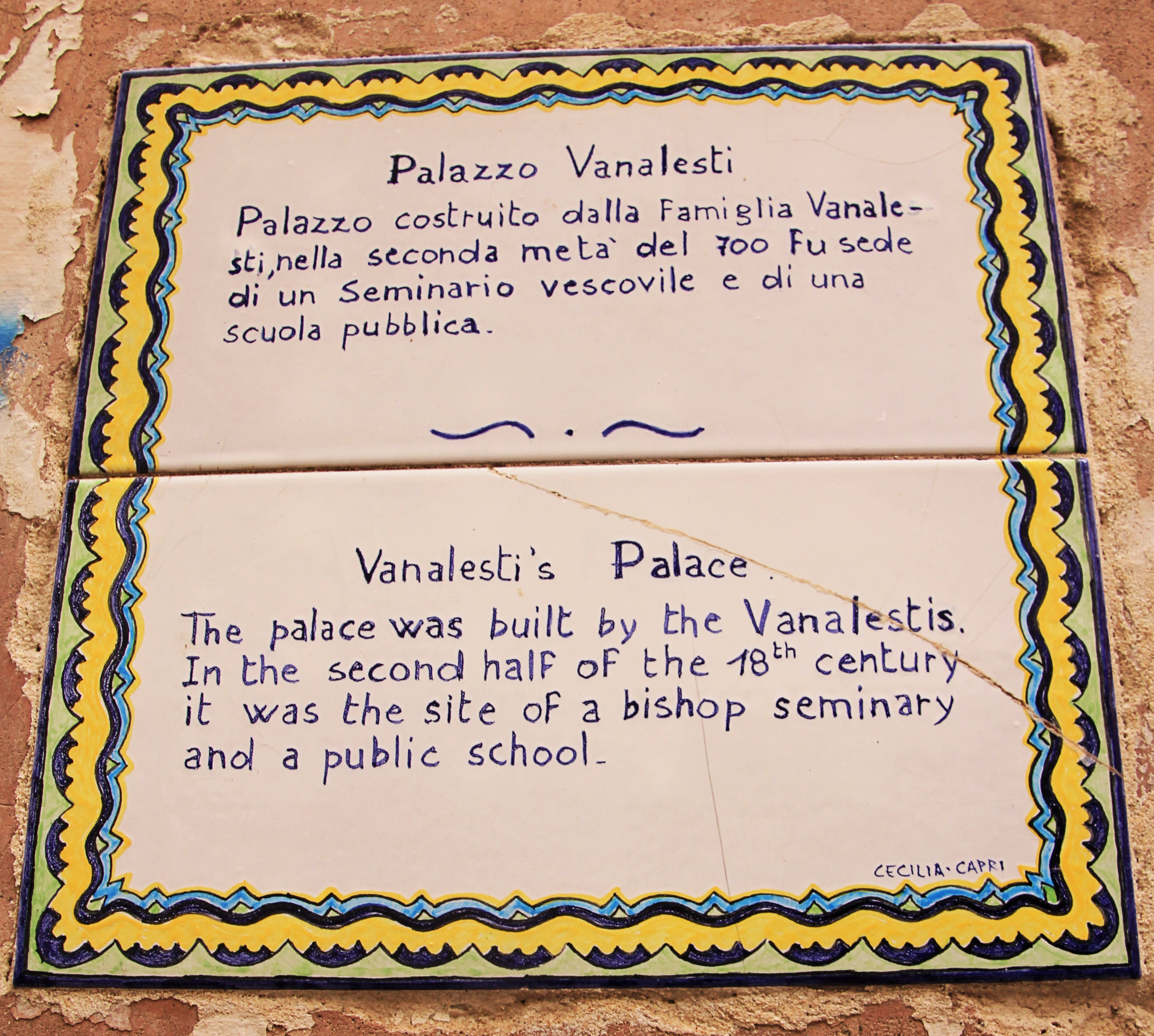
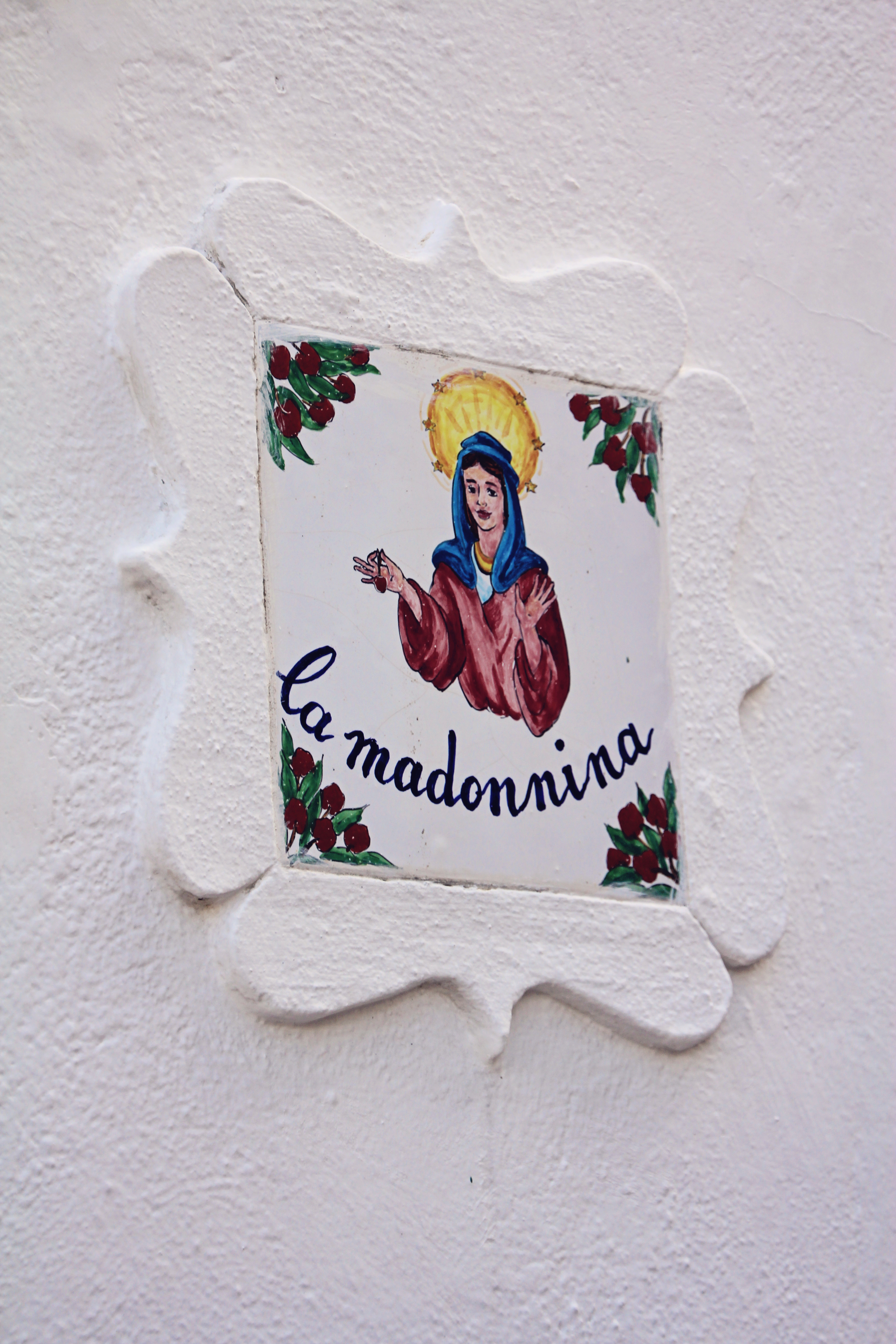
There are Capri hand painted tiles were all over the small neighborhoods.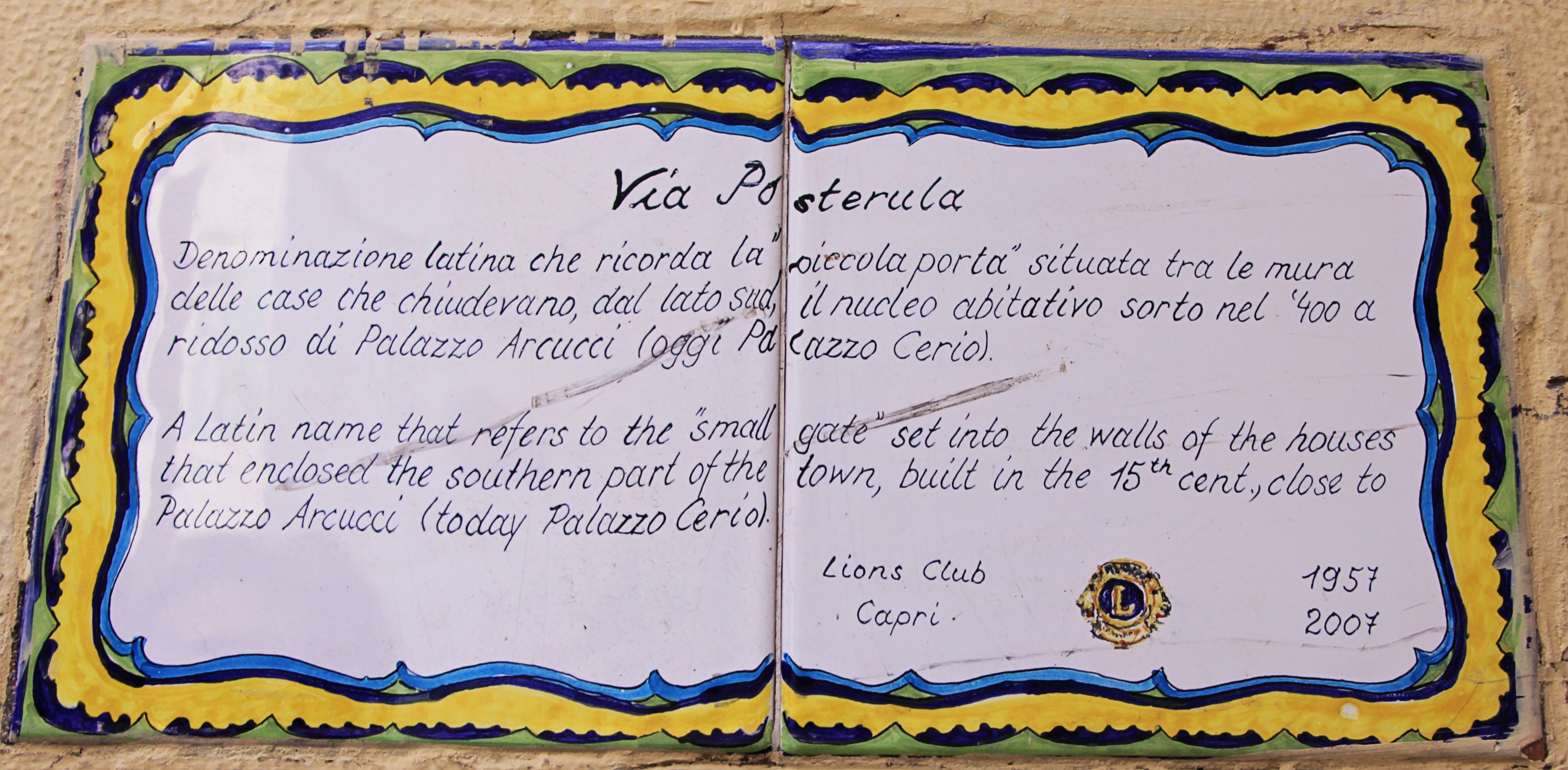
Ana Capri is a great place to buy the artisan handmade tiles. I brought a few back home myself.
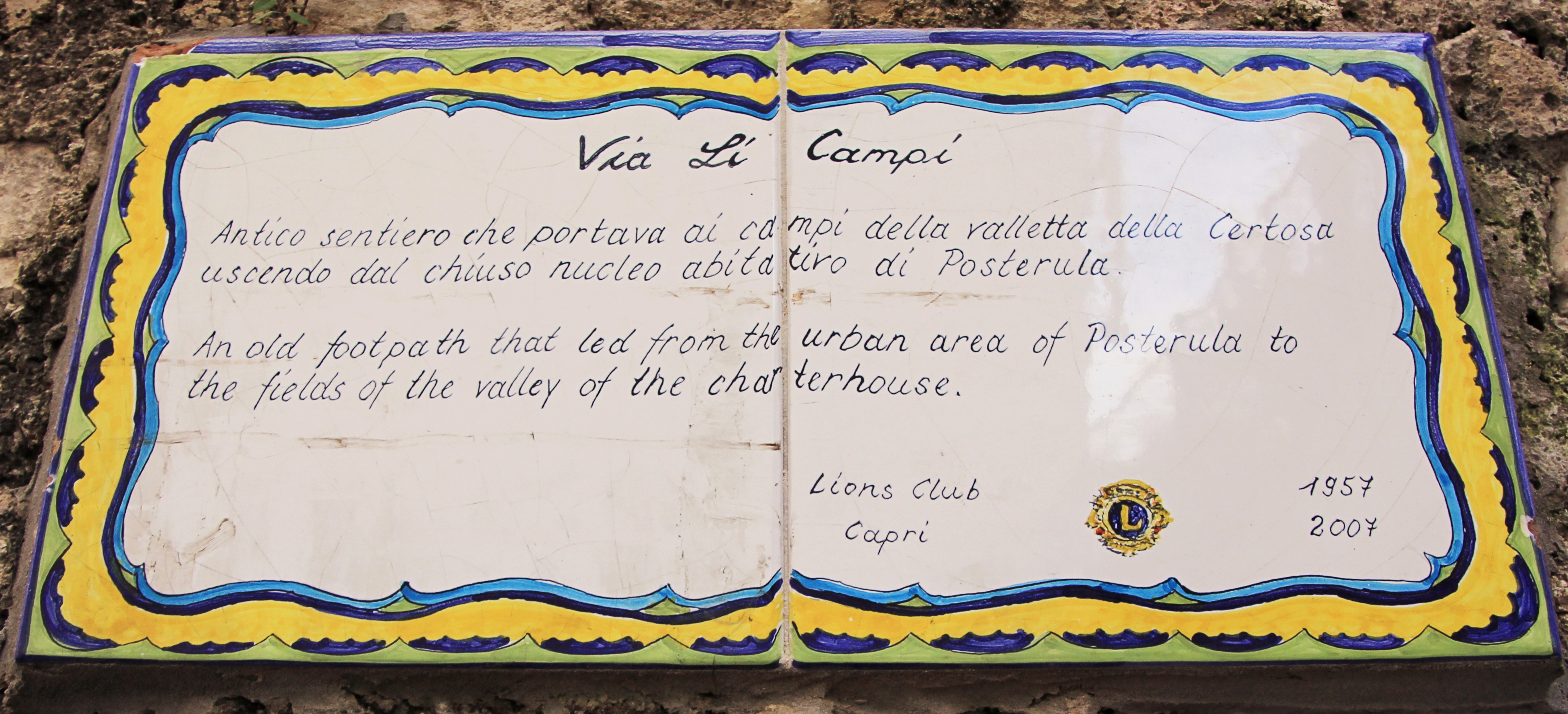
I’m working on a piece I did on my favorite tile shop, an interview with the owners and a photographic tour of the shop. I should be publishing it in the next few days.
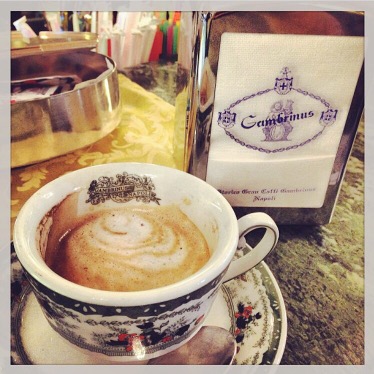
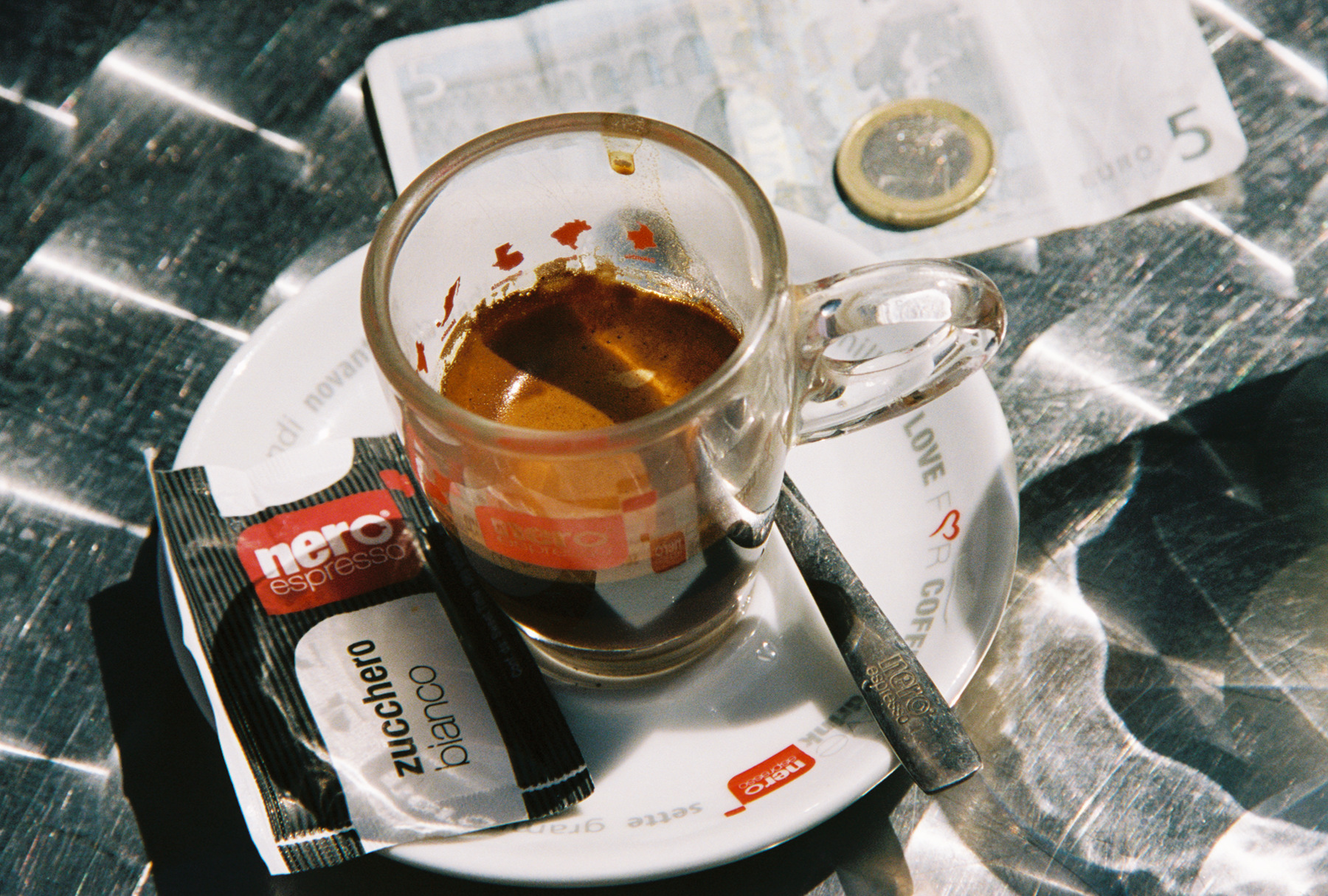
Espresso served hot, rich, never bitter and with a creamy head, like a caffeinated, non-alcoholic guinness. No-one will ever convince me that coffee is better anywhere other than Napoli, Italia. They have their own sweet and savory versions of coffee drinks, their quality roasts are never acidic or dull, they would never dream of serving up a cappuccino Roma-style – lukewarm with 20 minute old foam – but are hot, foamy and always fresh. They have this divine beverage: nocciola, espresso with ground roasted hazelnuts and a little sugar made into a hazelnut cream.
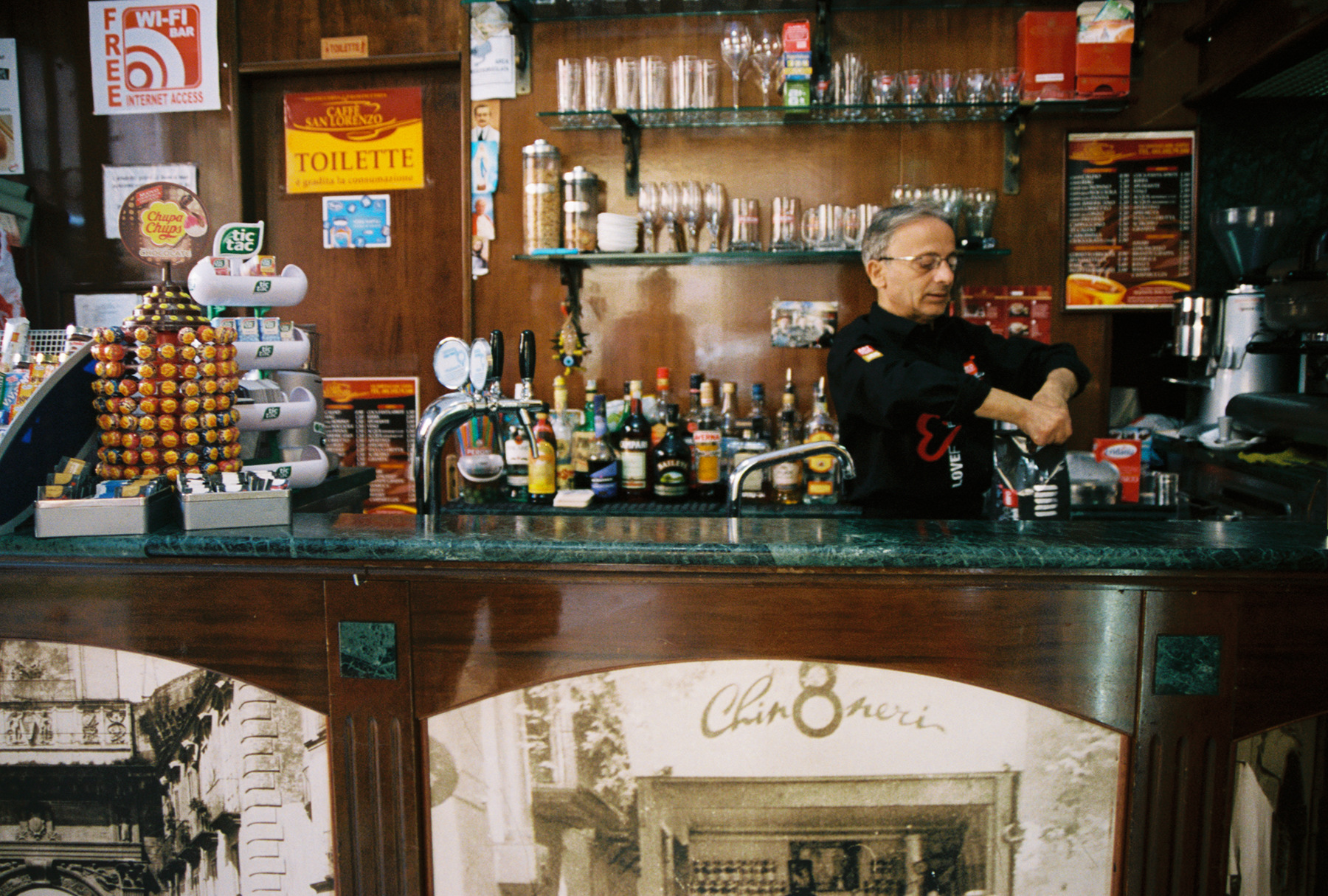
I have to restrain myself in Naples cafés otherwise I would stalk the café barkeeps and photograph and video their coffee making and ask them a hundred questions on their process in really bad Italian.
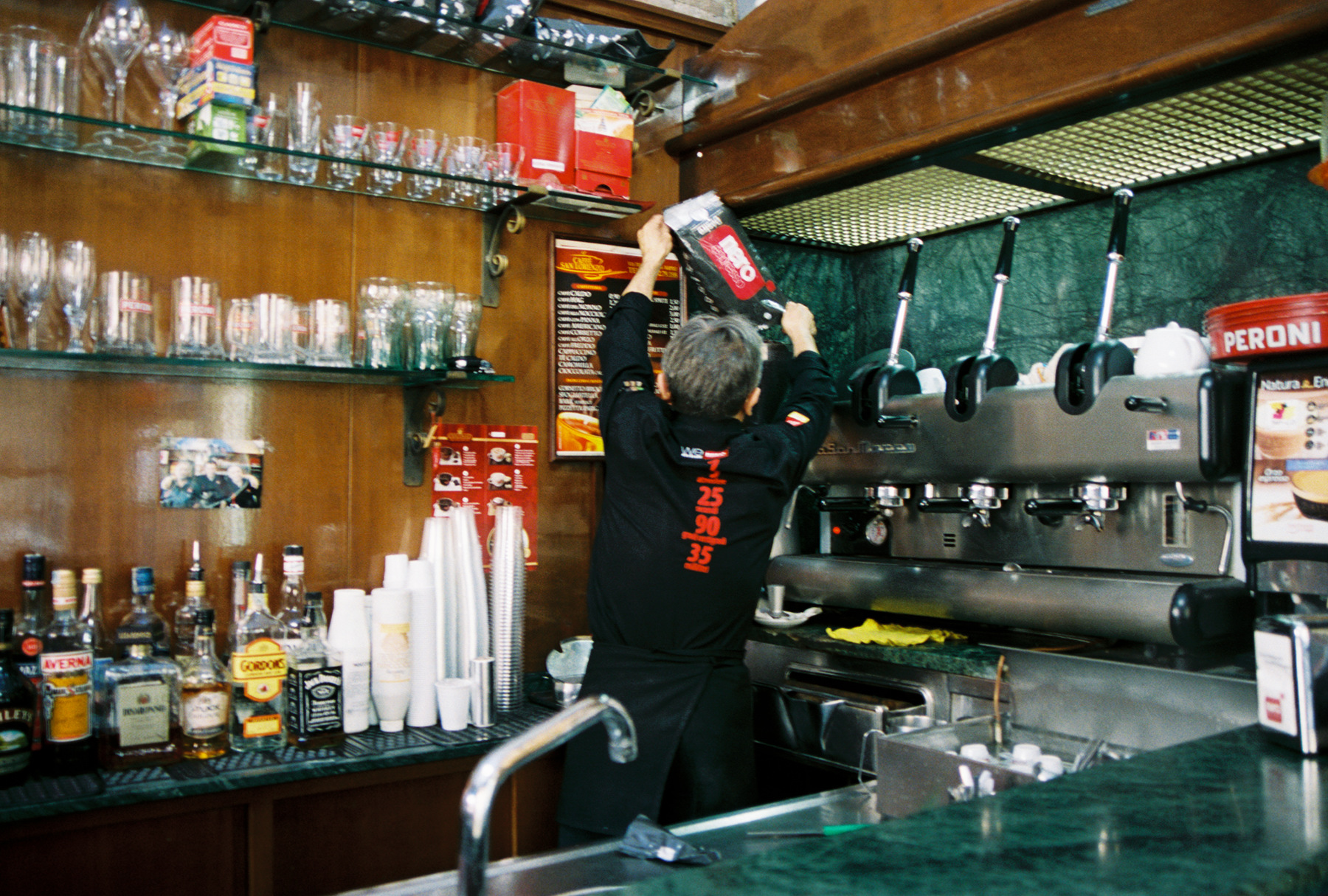
A wonderful thing about Naples cafés are their wonderfully low key, around the corner neighborhood places to imbibe espresso and the most luxurious, art nouveau paradise, extra fancy grand caffes to choose from. REMEMBER IF YOU WANT THE CAFE SOCIETY EXPERIENCE AND YOU WANT TO SIT AROUND AND LUXURIATE YOU WILL PAY FOR THE PRIVILEGE. IT IS WORTH IT DAMN IT – AFTER A LONG HOT DAY OF WALKING EVERYWHERE OR IF YOU ARE FEELING LIKE A SPENDTHRIFT OR HAVING A ROMANTIC ASSIGNATION OR HOPING TO HAVE ONE OR MEETING FRIENDS. OTHERWISE, AND READ THIS CLOSELY, STAND… STAND… STAND… S T A N D… AT THE BAR AND PAY HALF – H A L F – THE PRICE (WHICH MEANS YOU CAN DRINK TWICE AS MUCH). ALSO: NAPLES IS WAY WAY WAY WAY CHEAPER THAN MOST OTHER PLACES IN ITALY BUT THE FOOD IS INSANELY AMAZING.
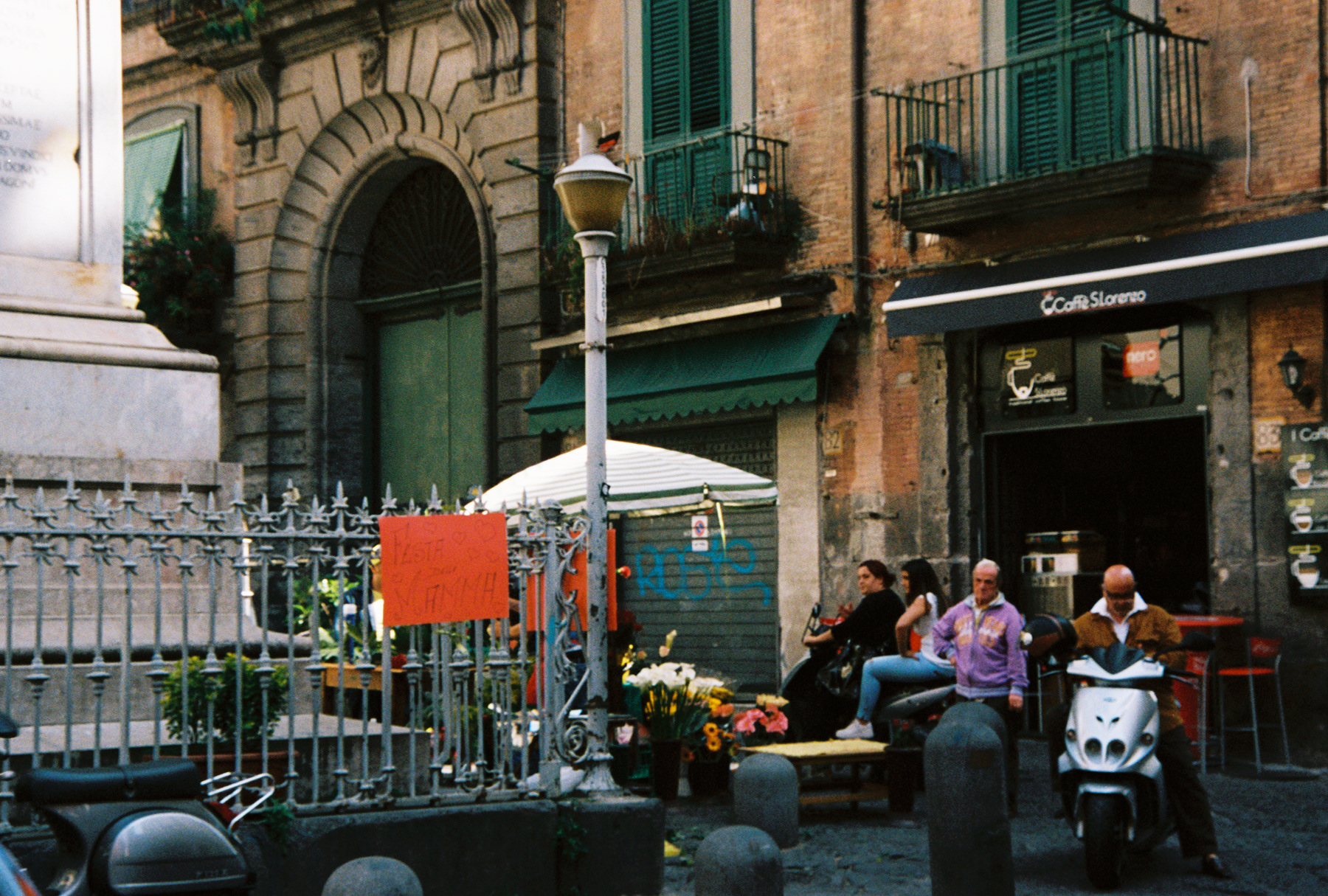
DON’T BE SO AFRAID OF NAPLES PEOPLE! I AM JUST SOME AMERICAN BROAD WHO USUALLY DOESN’T PASS FOR ITALIAN AND I AM NOT SCARED.
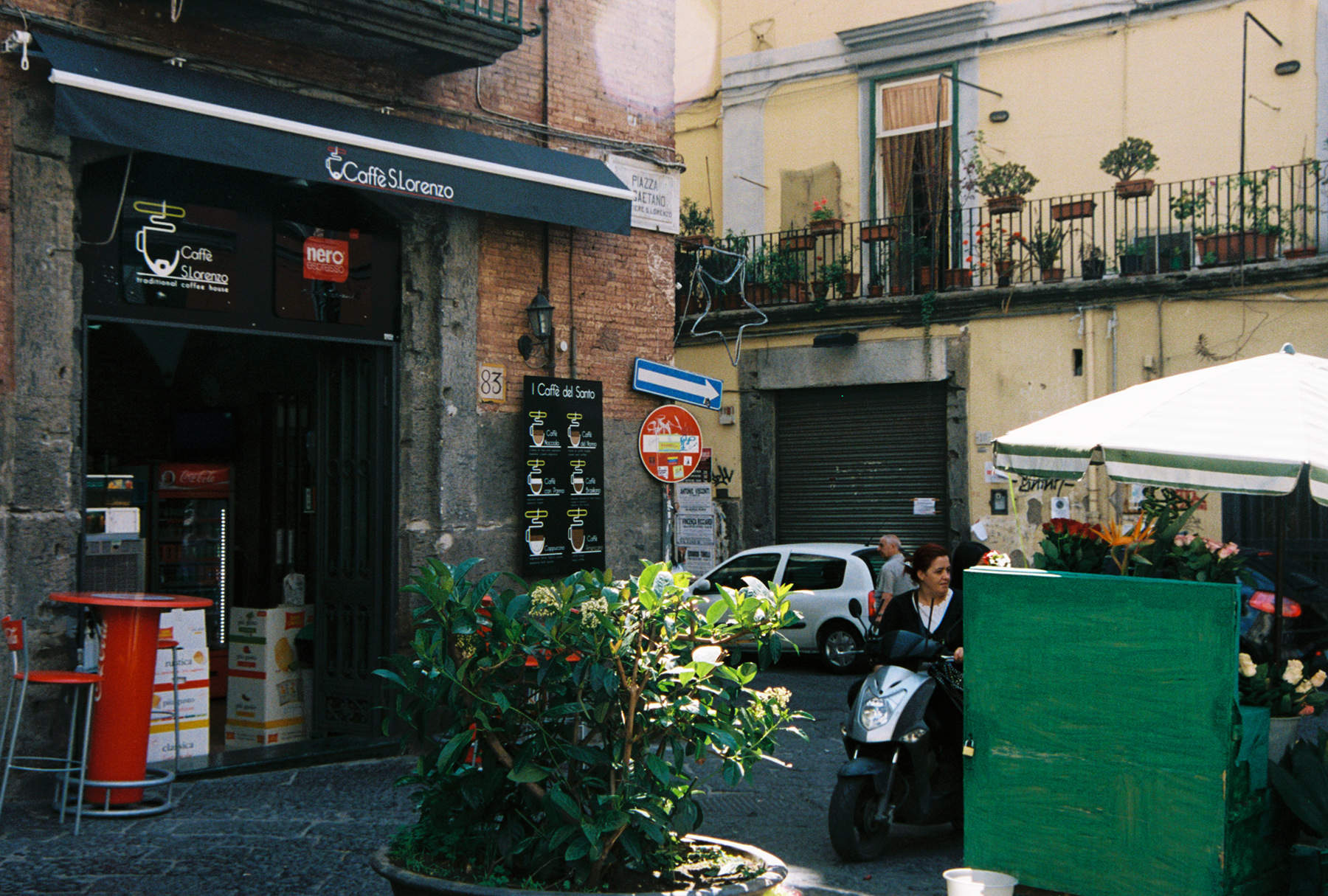
Granted the city has it’s grotty grubby moments like any ancient city or city with an employment and crime issue but if you have your wits about you, stick in touristy areas at night, stay out of ghettos, see the old Greek neighborhood Spaccanapoli, hang at Piazza Plebiscito day or night, hit Caffe Gambrinus, get chocolates at Gay Odin on (noisy, dusty, busy but family filled Via Toledo) and see some goddamned art and sculptures at Archeologico and Capidimonte. By the way, all this is only the tip of the iceberg.

There are so many funny, hilarious, crazy, cool moments in Naples, just go already. And drink the coffee for god sakes. Do I have to keep convincing you?
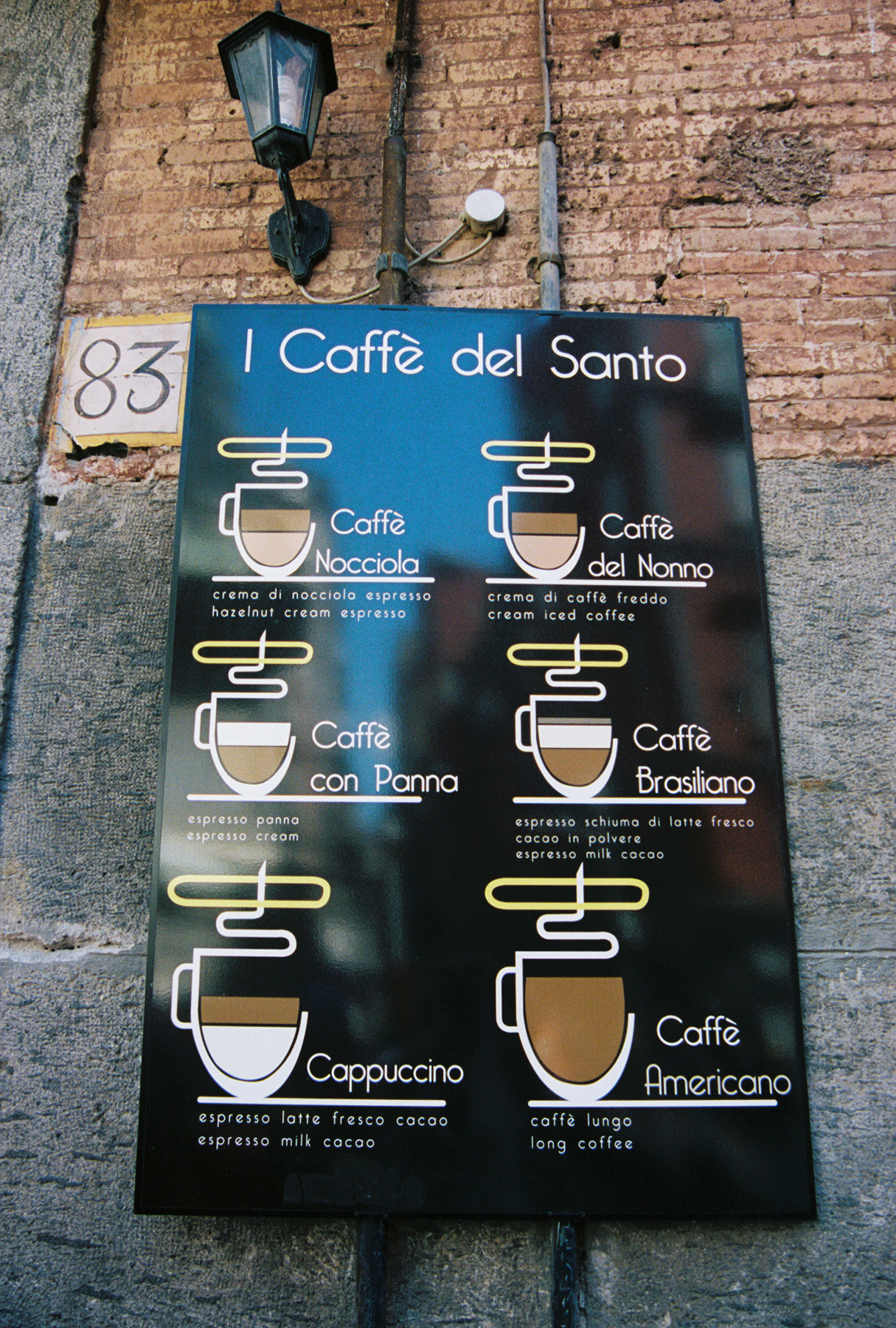
Seriously, all of these drinks are so good all other coffee should bow down to the coffee in Naples.
 a love letter to rome