Italy and England







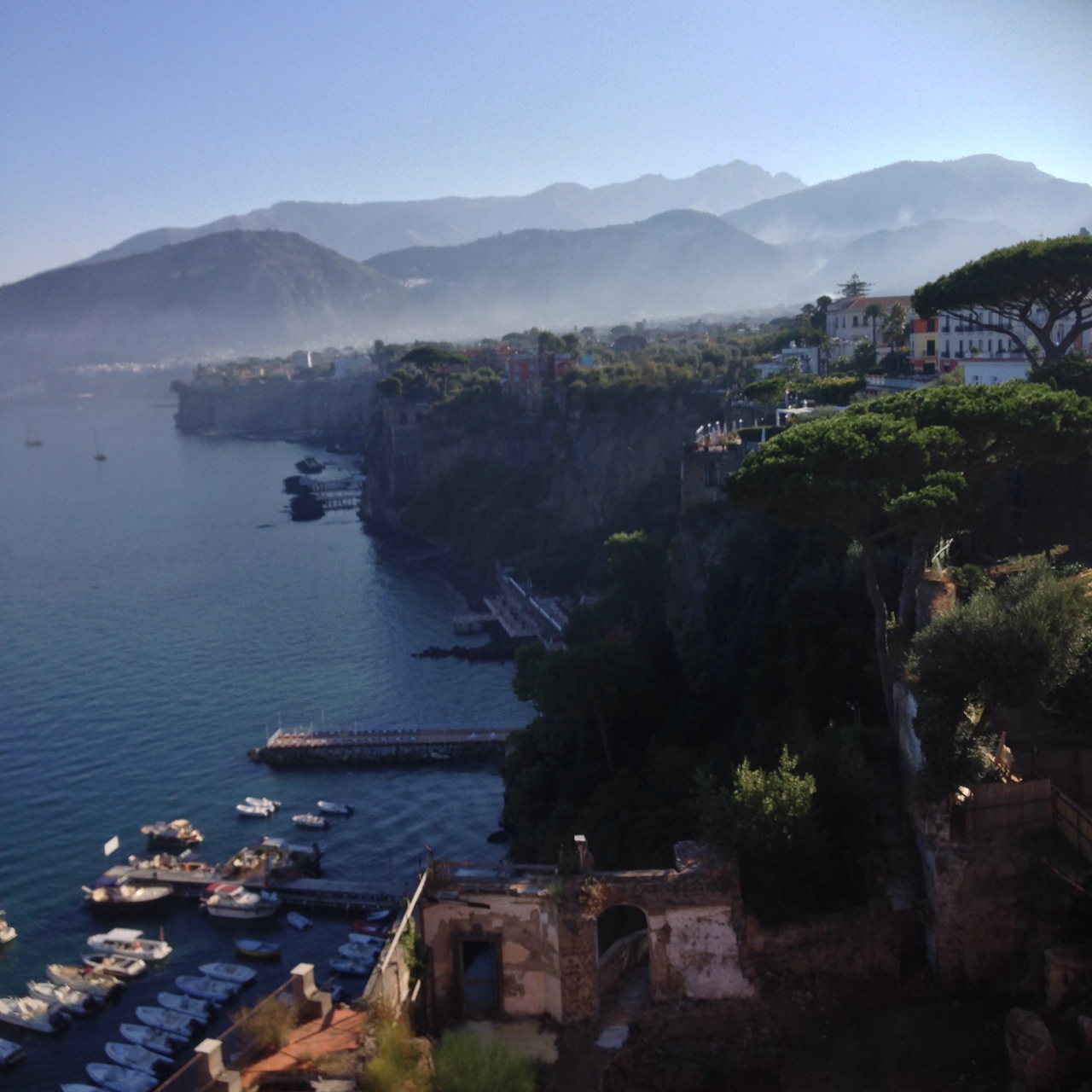

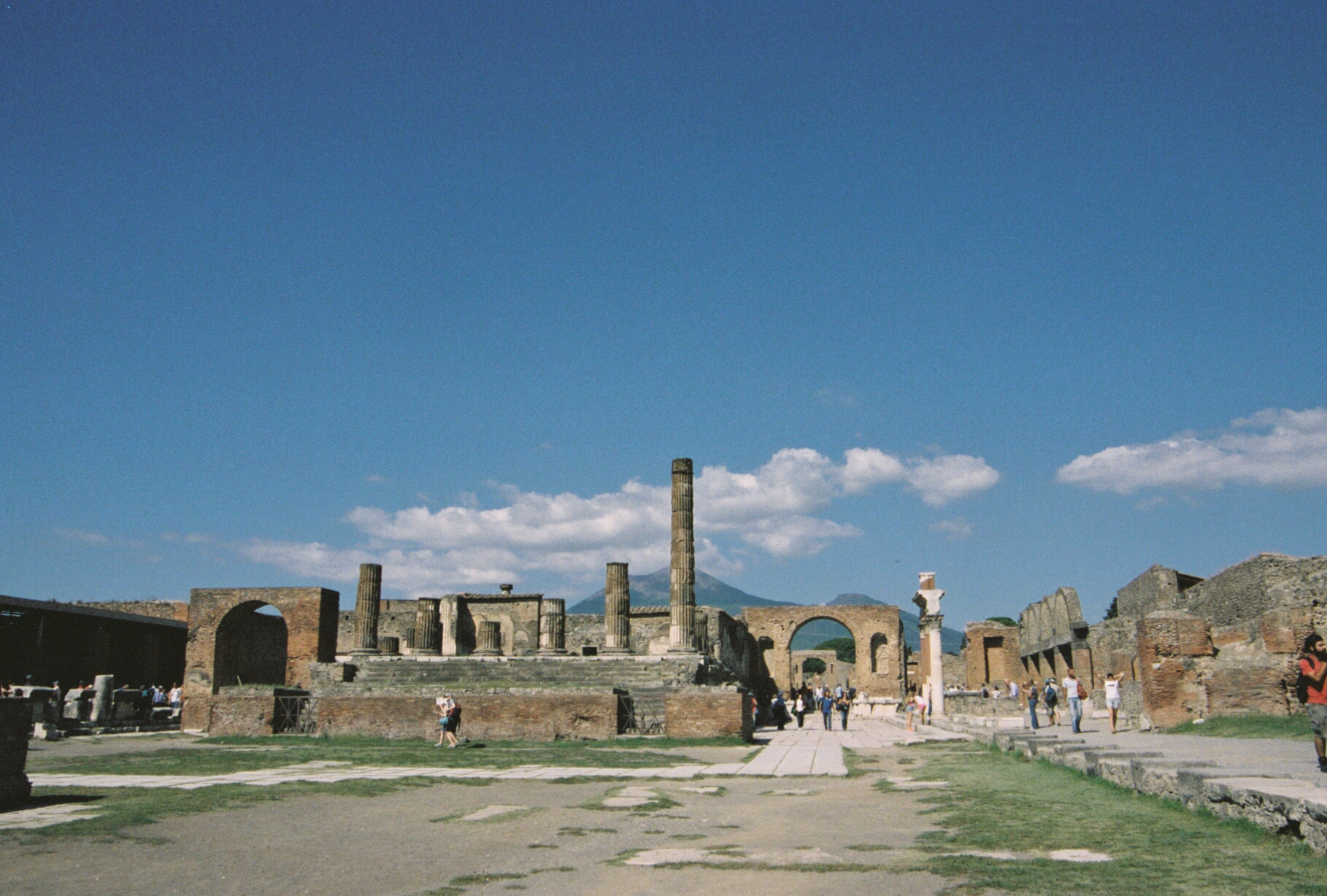

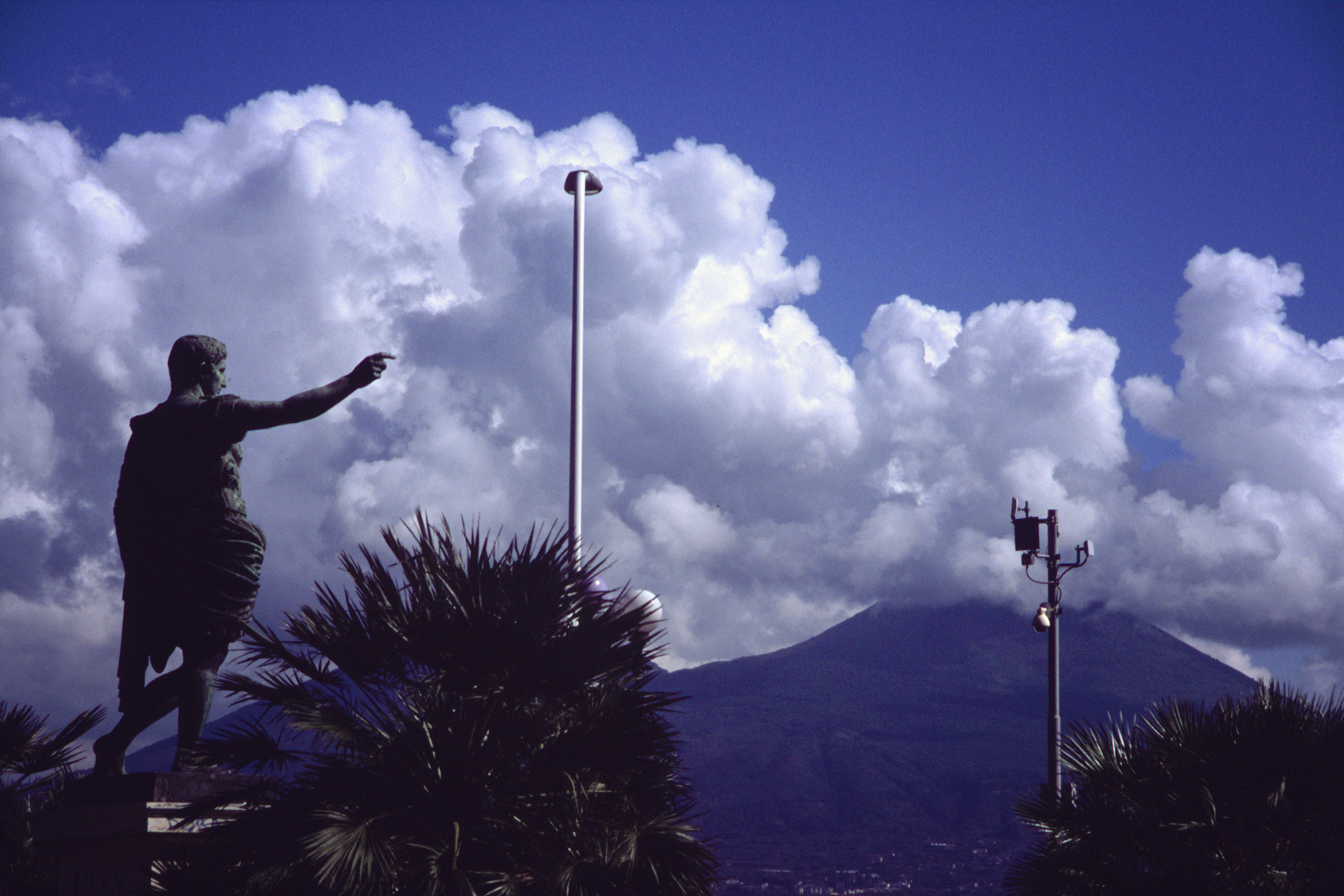
Augustus, in Naples, looks out at Vesuvius, the volcano that covered Pompeii and Herculaneum in lava and ash thousands of years ago. Clouds puff out around Vesuvio like plumes of smoke. Virgil, a great Roman poet of the Augustan era, is entombed not far away. His Aeneid, inspired by Homer‘s Odyssey and Iliad. Tuscan poet Dante Alighieri, in 14th century Italy, wrote Virgil into his Divine Comedy as a sage pagan guide through hell and purgatory.
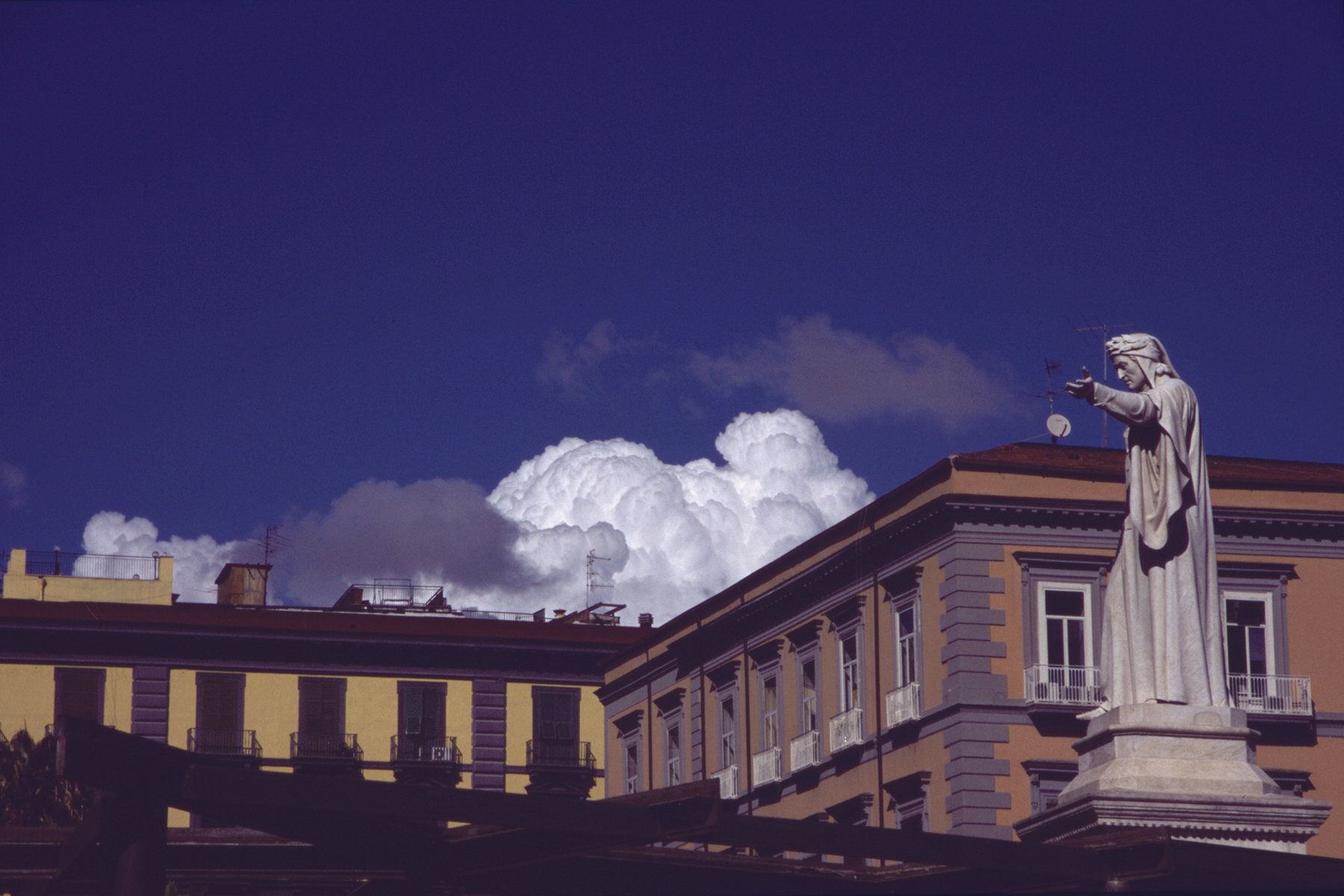
Dante Alighieri commands the clouds, overlooking the passersby in the Piazza Dante off Via Toledo. The day before it had stormed on nearby Capri and the clouds were thick and dramatic against the bright blue sky of central Napoli.
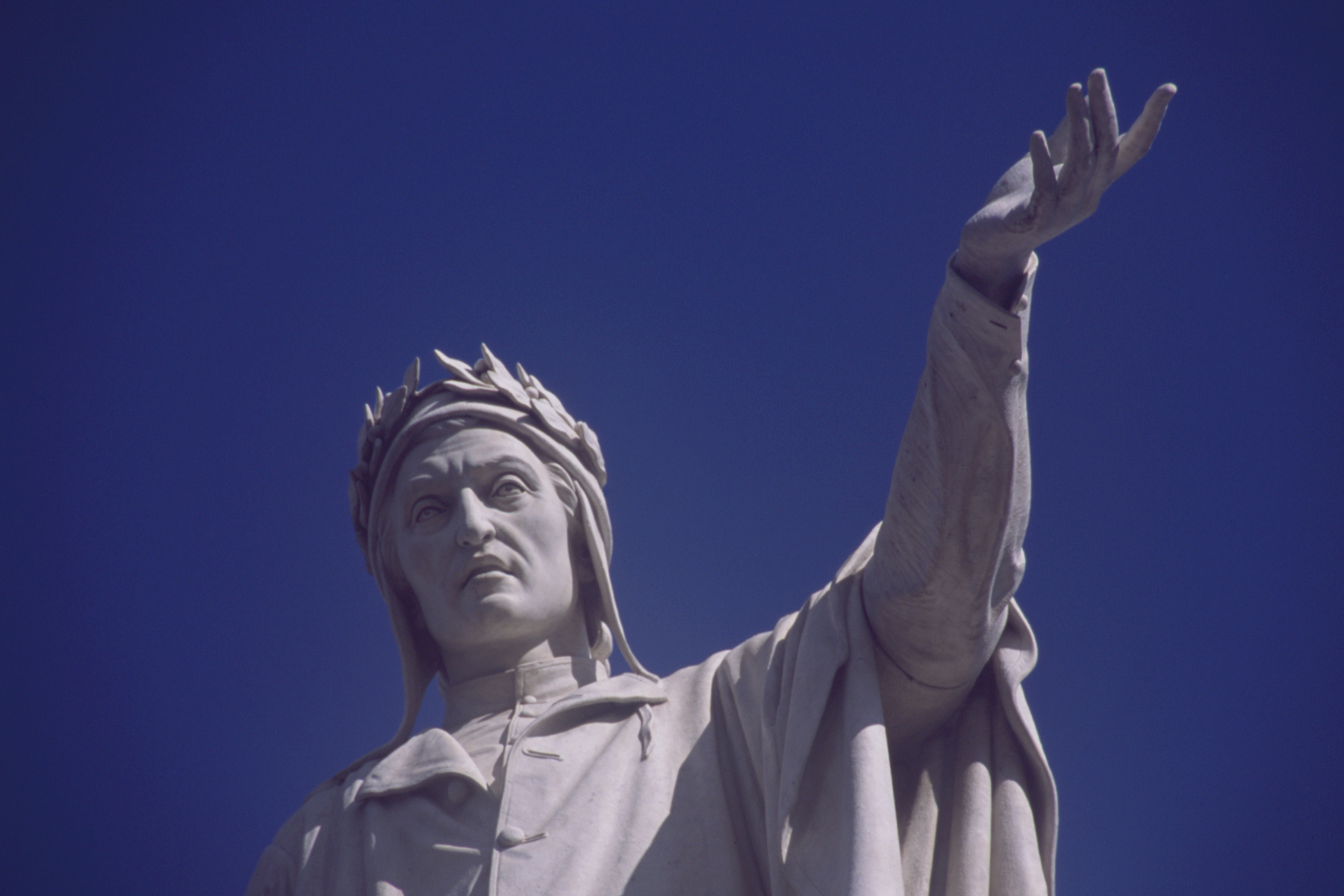
I wept not, so to stone within I grew. – Dante
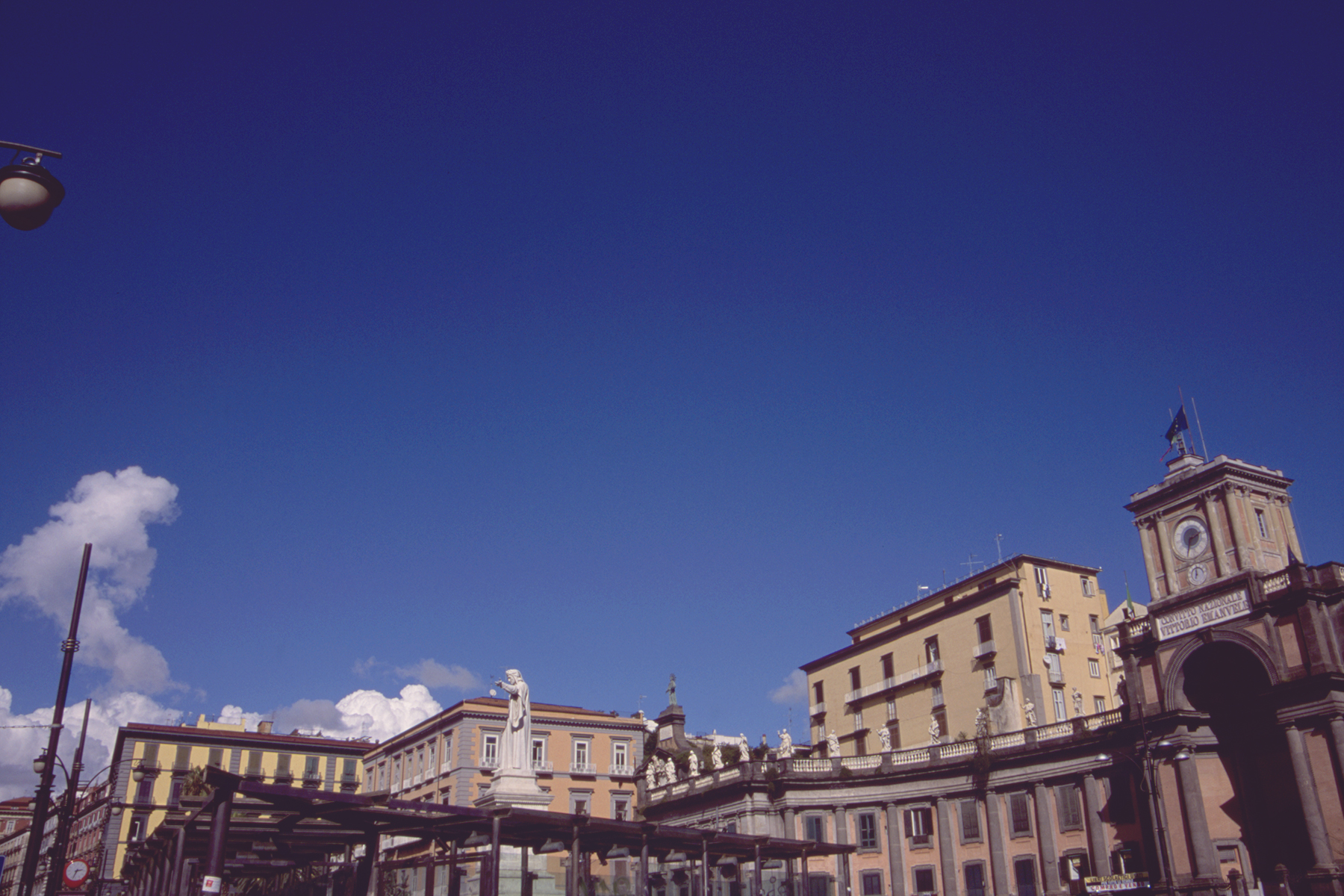 Dante is host to one of Naple’s most popular “outdoor living rooms” where Neapolitans meet in the evenings for conversation, snacks, flirting and delicious coffee.
“With the color that paints the morning and evening clouds that face the sun I saw then the whole heaven suffused.” – Dante
All photographs shot on velvia film slides by Rebecca Price Butler, alovelettertorome.com
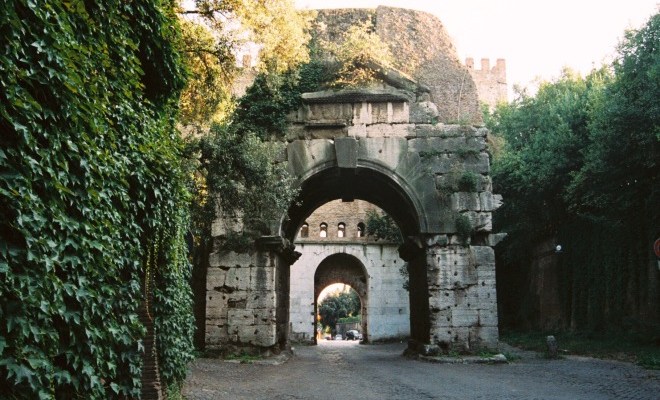
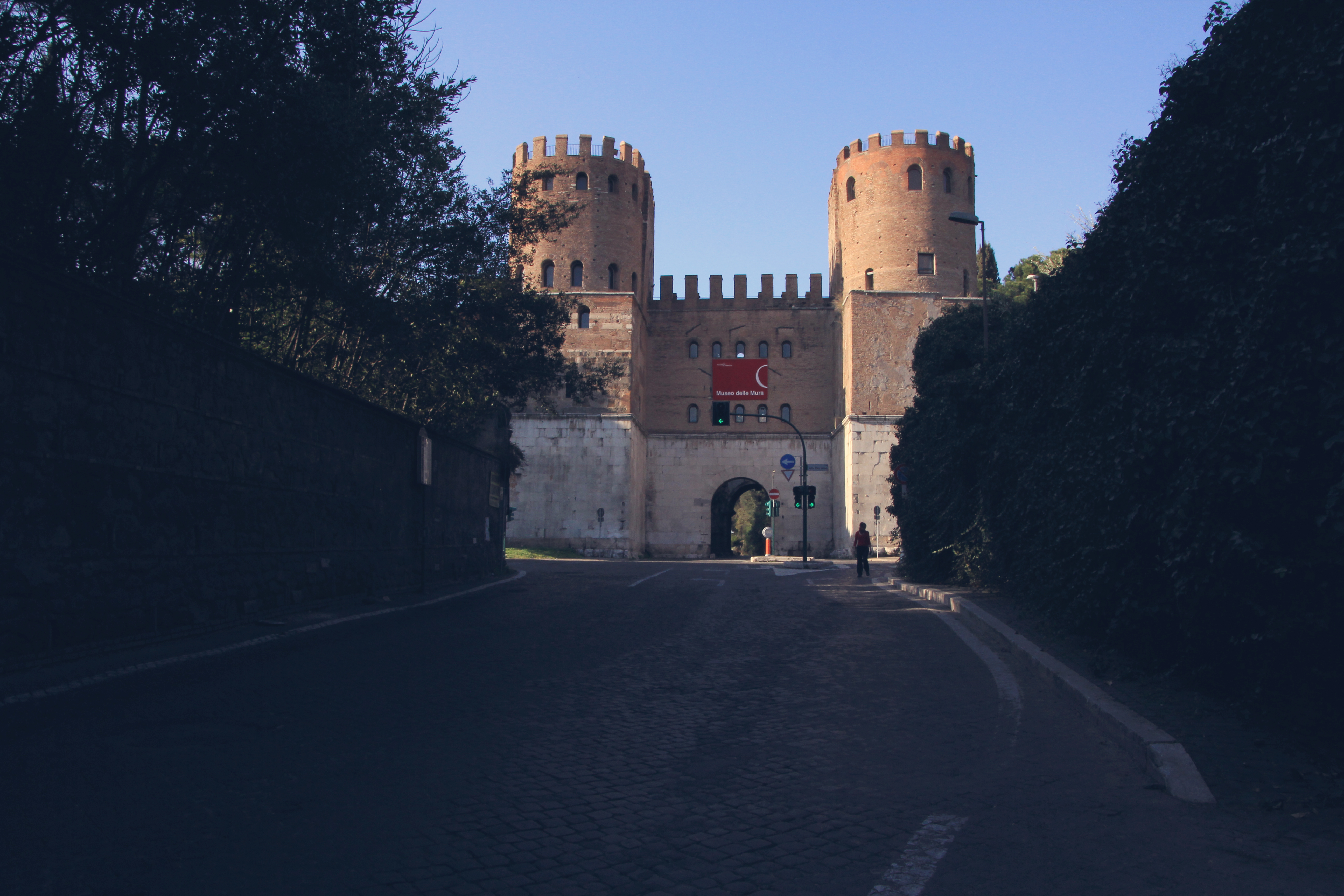
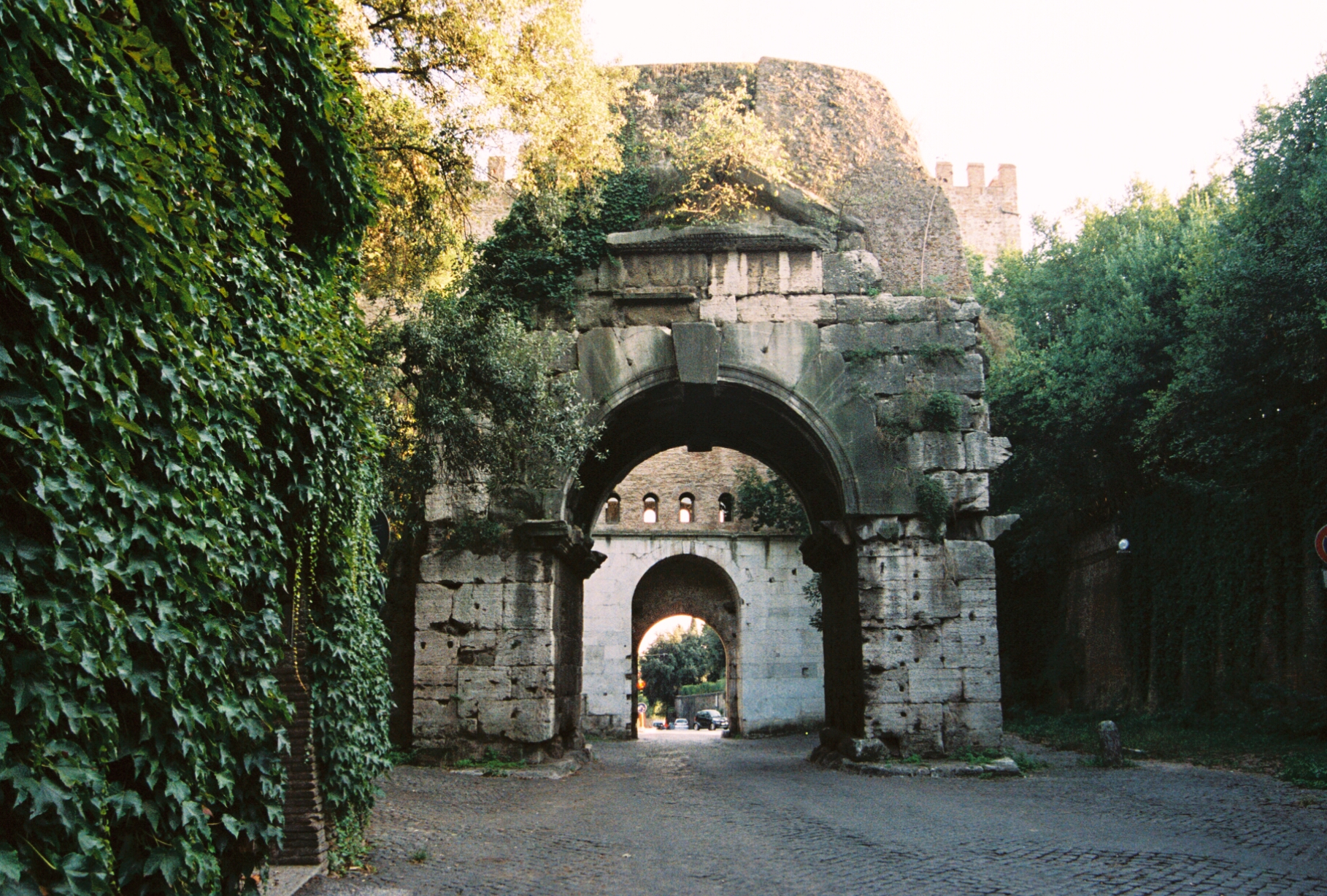
The entrance to the Porta San Sebastiano is the modern name for the ancient Porta Appia, a gate in the Aurelian Wall of Rome, through which the Via Appia, now the Via di Porta San Sebastiano at that location, left the city in a southeasterly direction. It was refortified at the end of the 4th century and was again renovated in the sixth century by Belisarius and Narses. The gate, a brick structure with turrets, still stands and has been restored to good condition. Modern traffic flows under it. Inside and upstairs is a museum dedicated to the construction of the walls and their recent restoration.
The gate is next to the Arch of Drusus. – wikipedia

After walking for hours on the ancient Appian Way (an experience in itself of the historic pastoral Rome) we found our selves heading toward the porta san sebastiano and the celio district. It was one of the best walks I’ve ever had in Rome, practically isolated and beautifully quiet. There was even a local’s park without a tourist in sight (except us but we were trying to be incognito)!
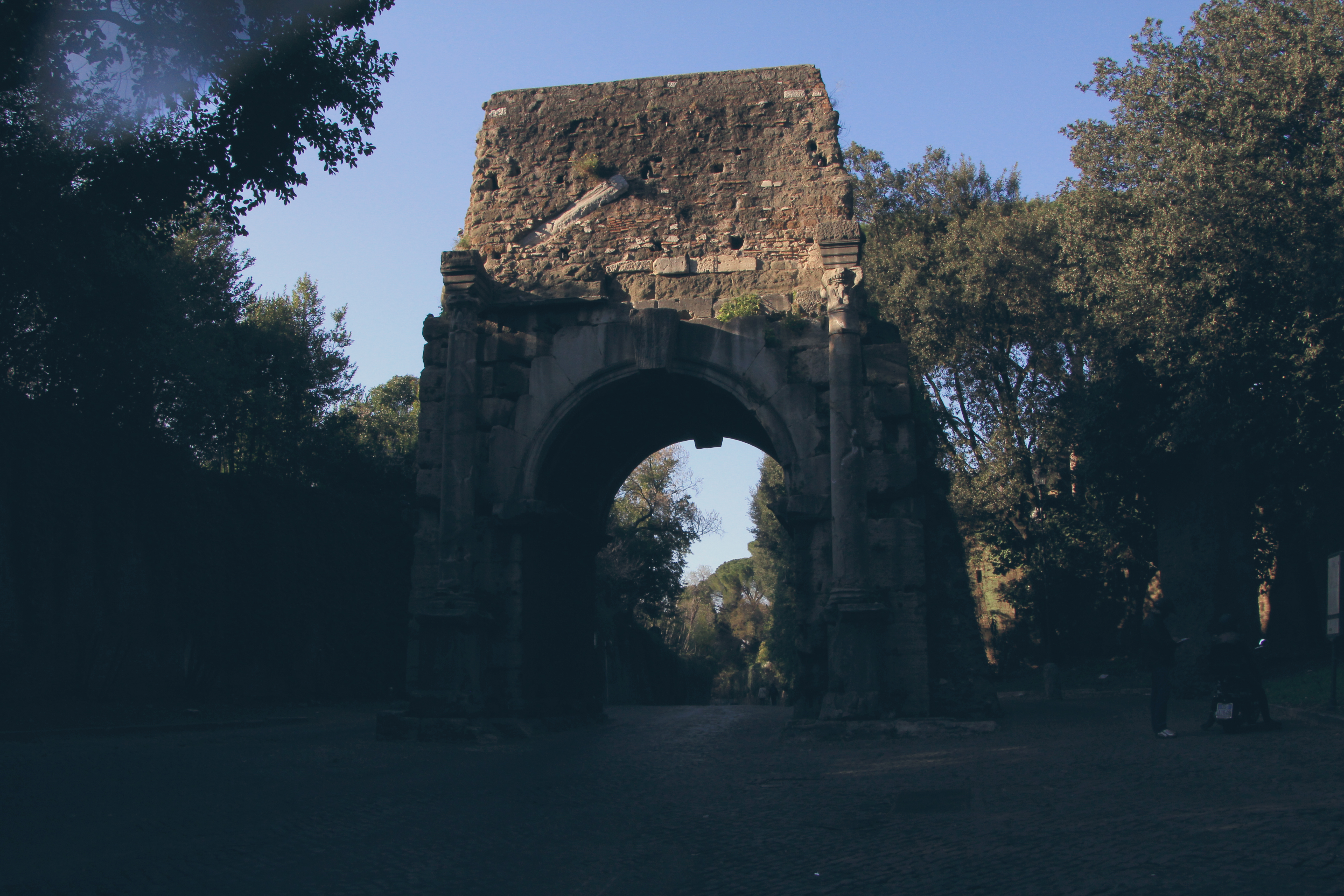
I felt like I was truly transported back in time, even with the odd car or vespa popping through the arch. Millions of ancient pilgrimages have passed this same way into Rome. I followed the steps of Keats and Goethe and Shelley and Byron and countless other Romantics and writers who went on the Grand Old Tour of Italy between the 17th and 19th centuries.
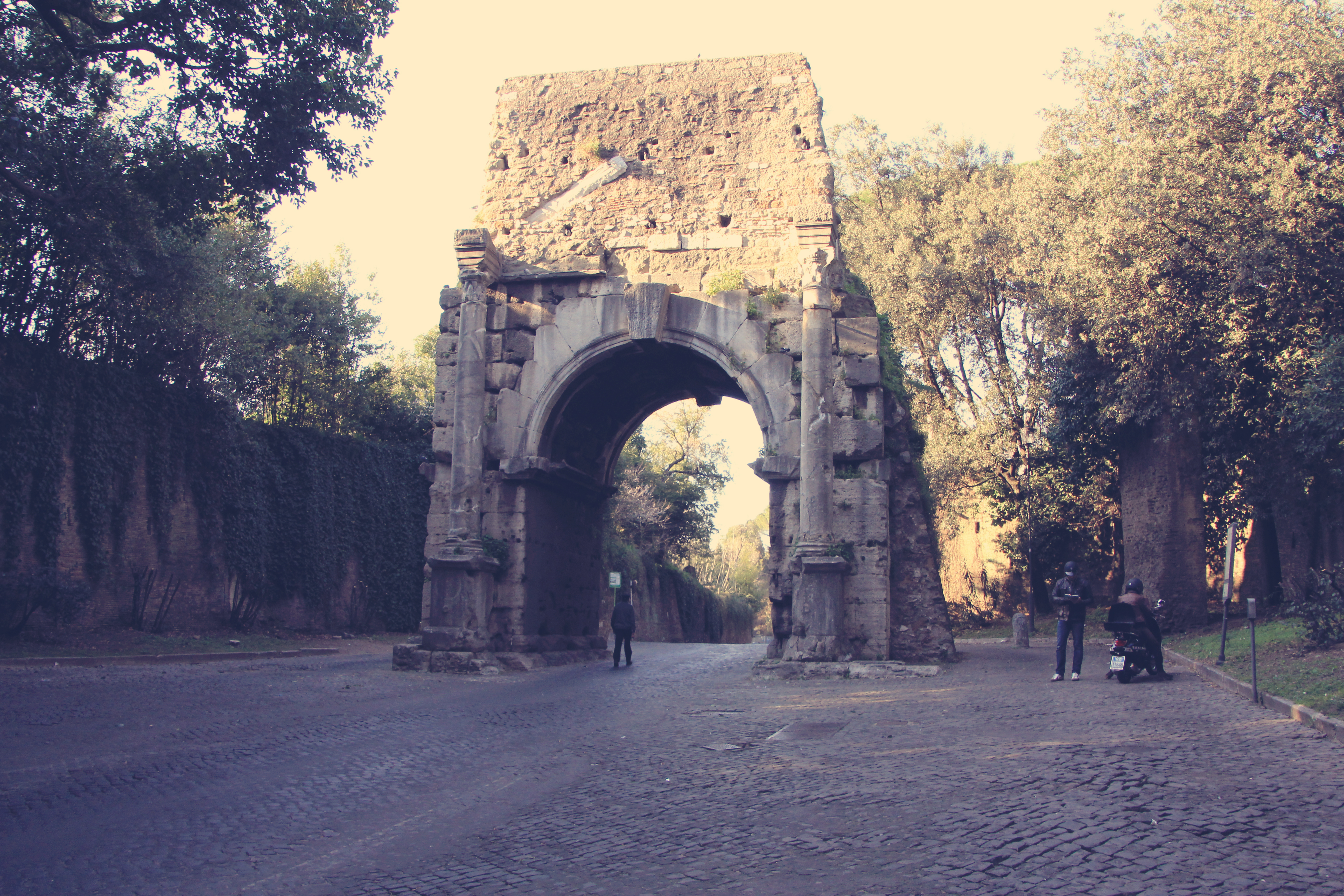
Rome is modern sprawl springing itself forward from scenes of eternity.
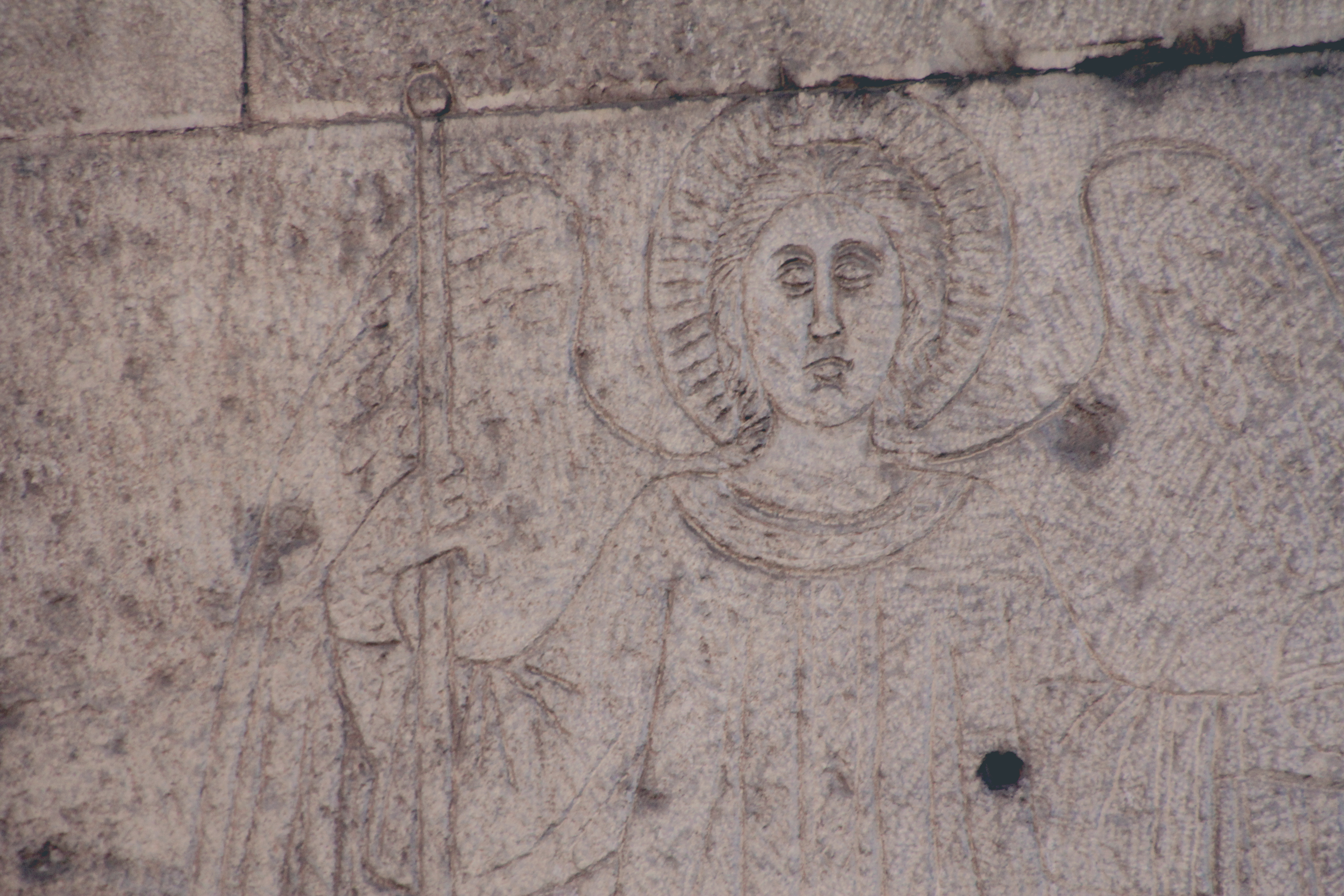
An ancient or centuries old pilgrim’s grafitti of an angel.
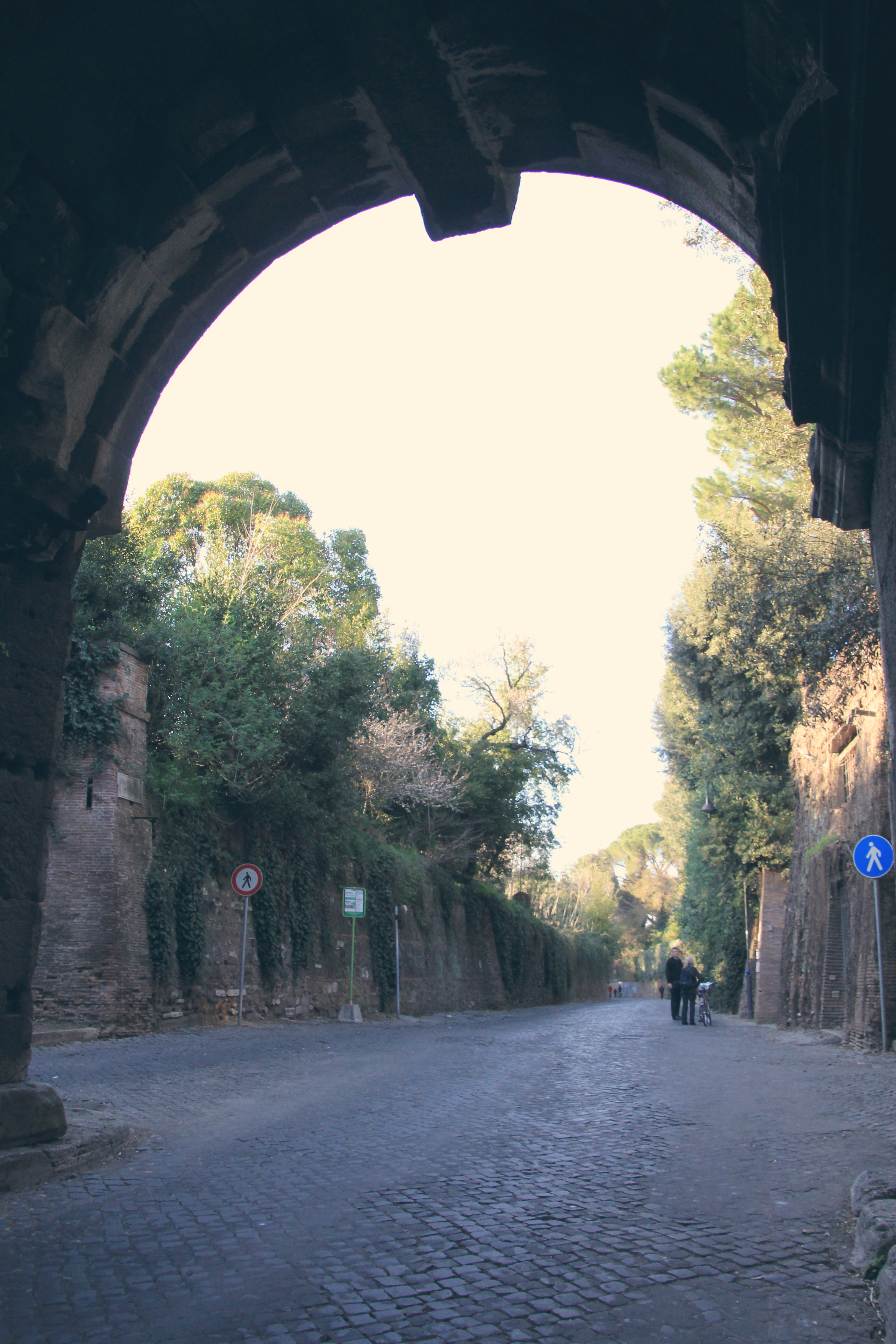
The old cobblestone and bricks, filled with ancient marble and stone broken pillars for mending holes along the centuries.

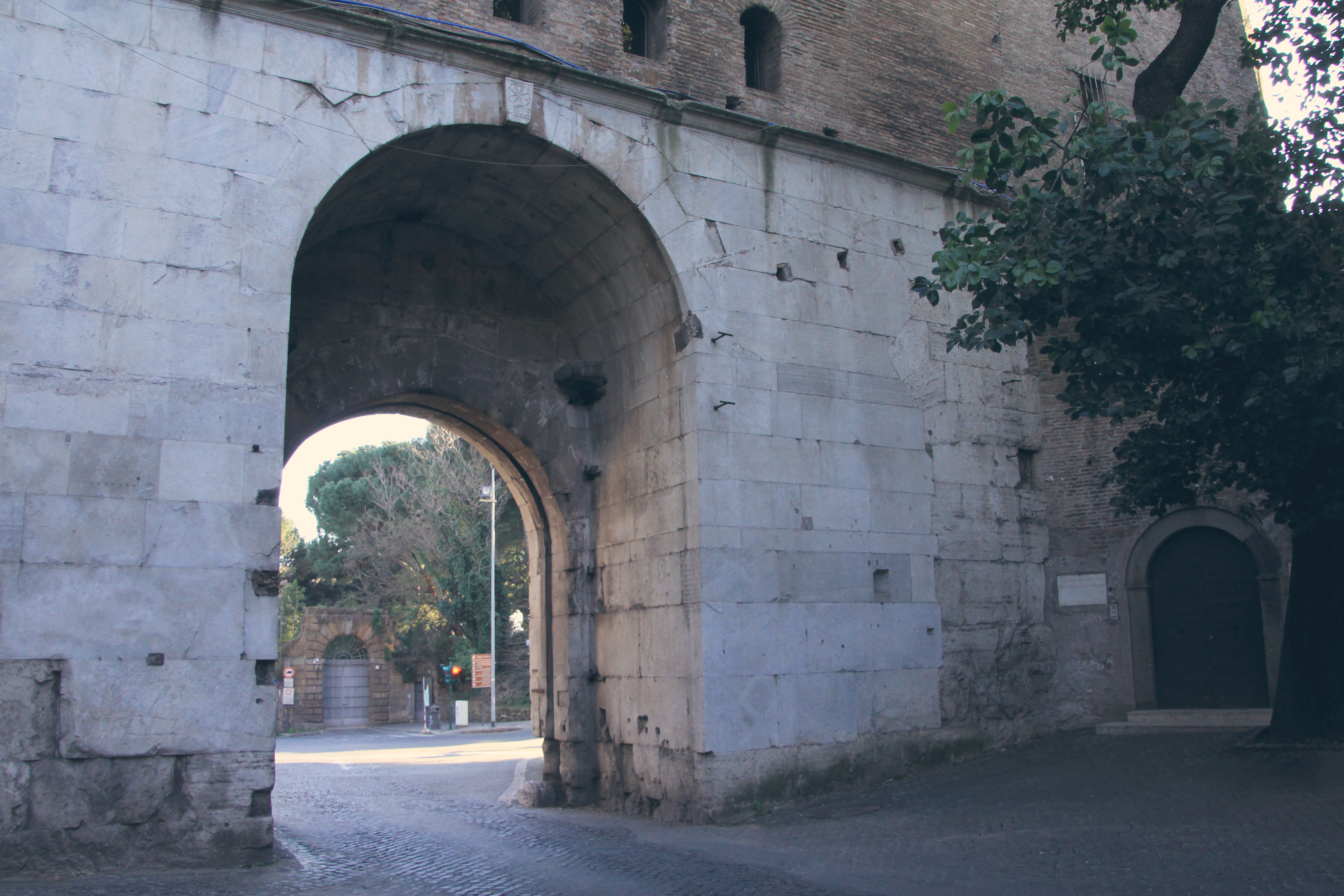
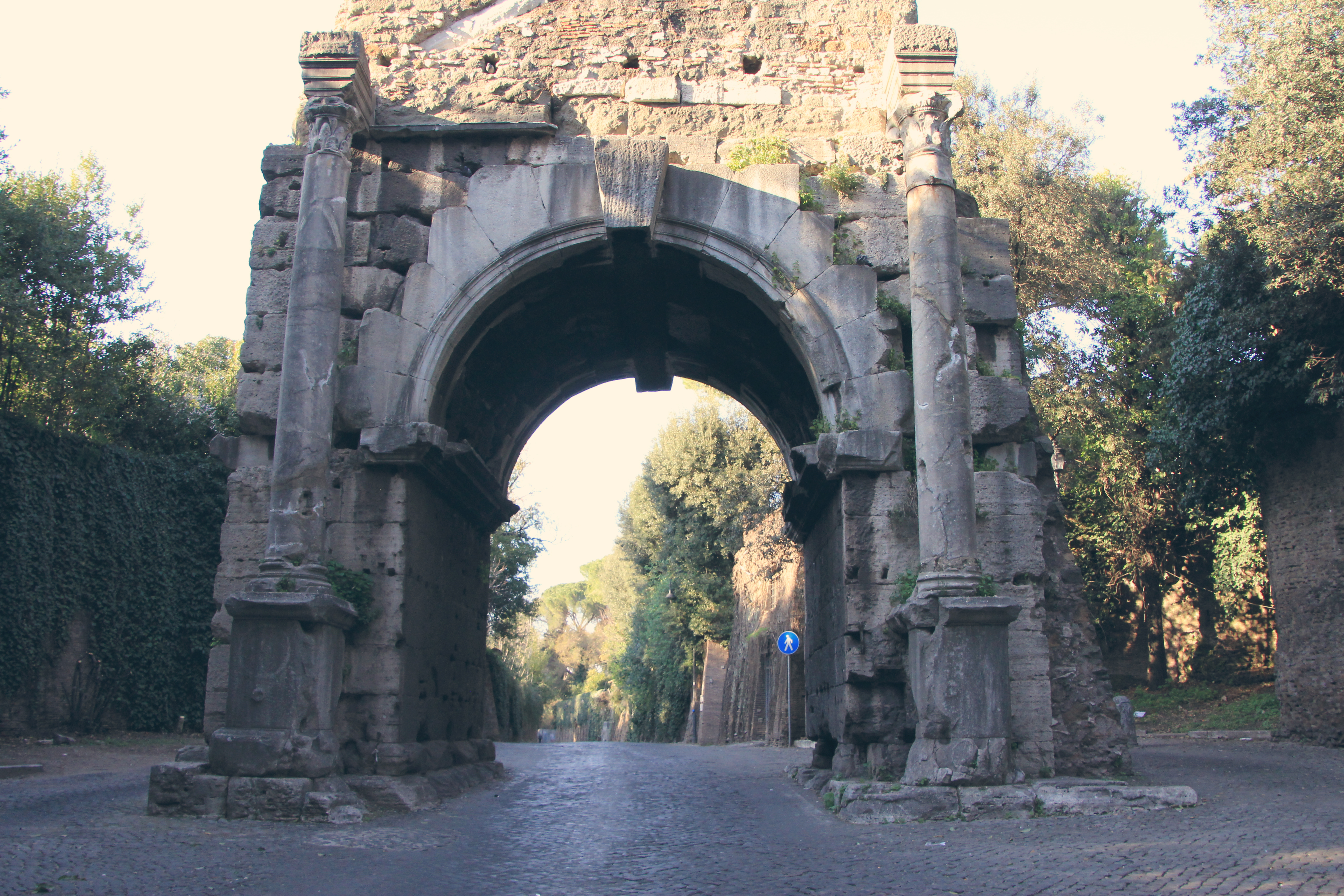
It is so enchanting.
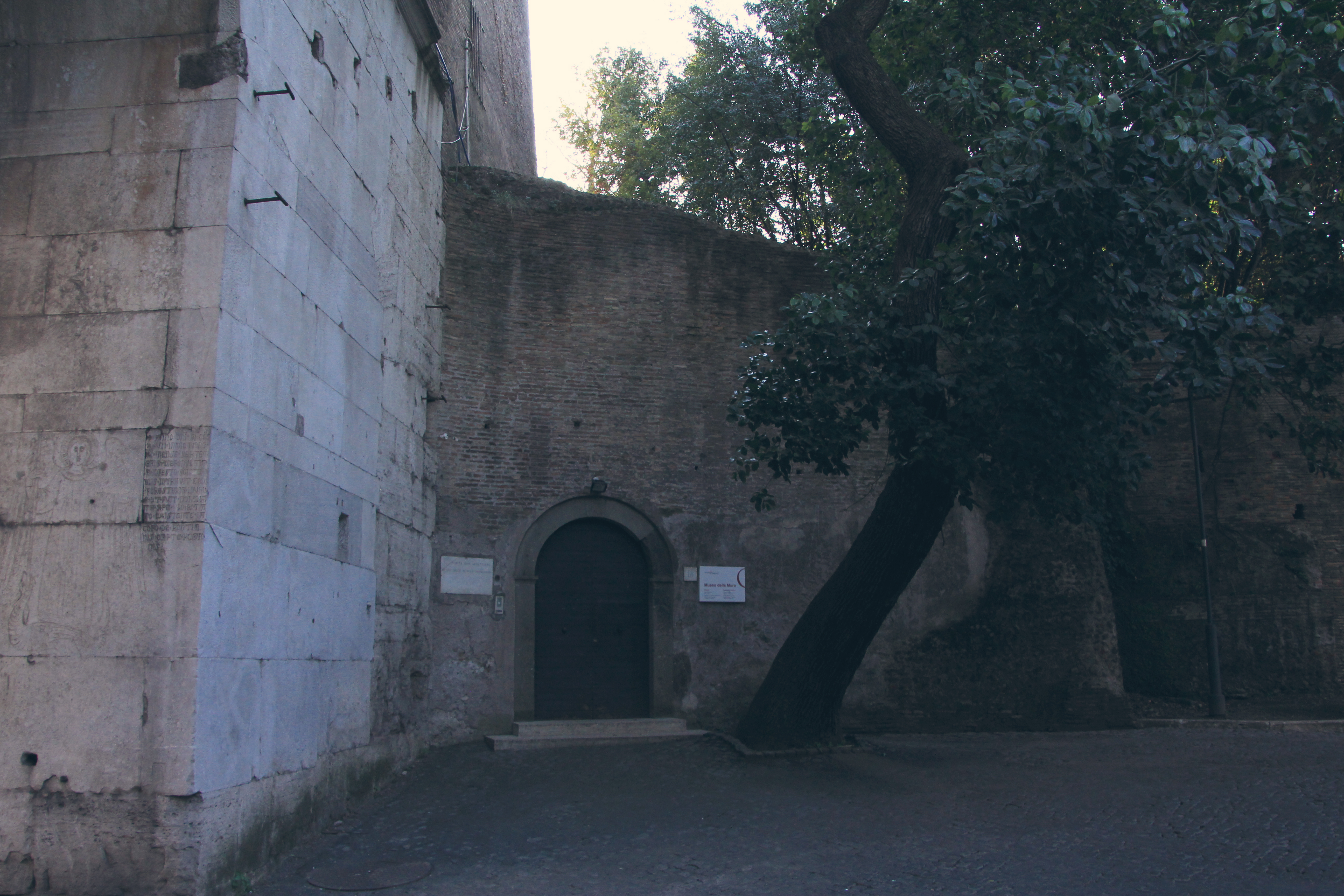
The side of the ancient gate.
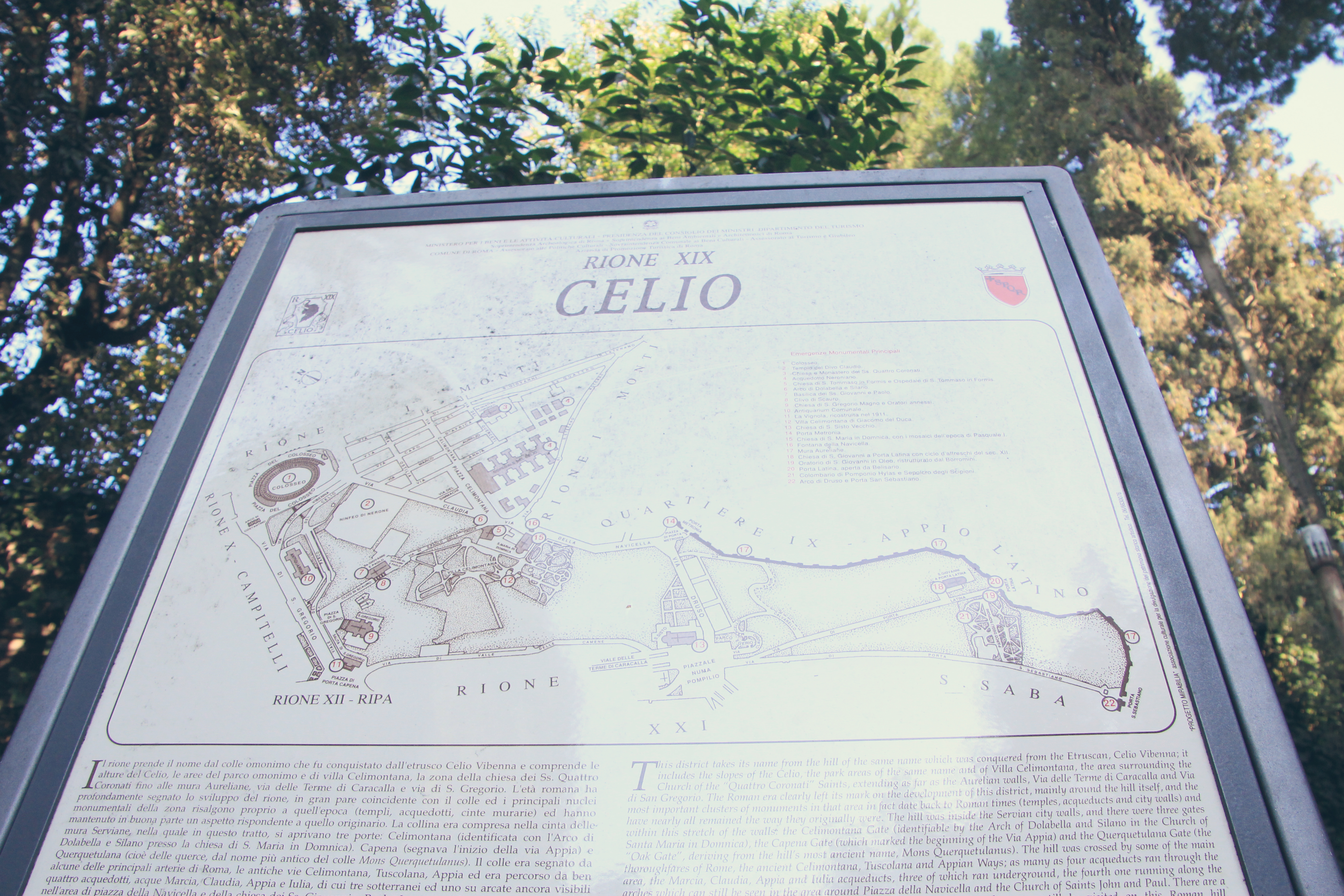
The Celio district is strictly off the beaten path and wonderful!!
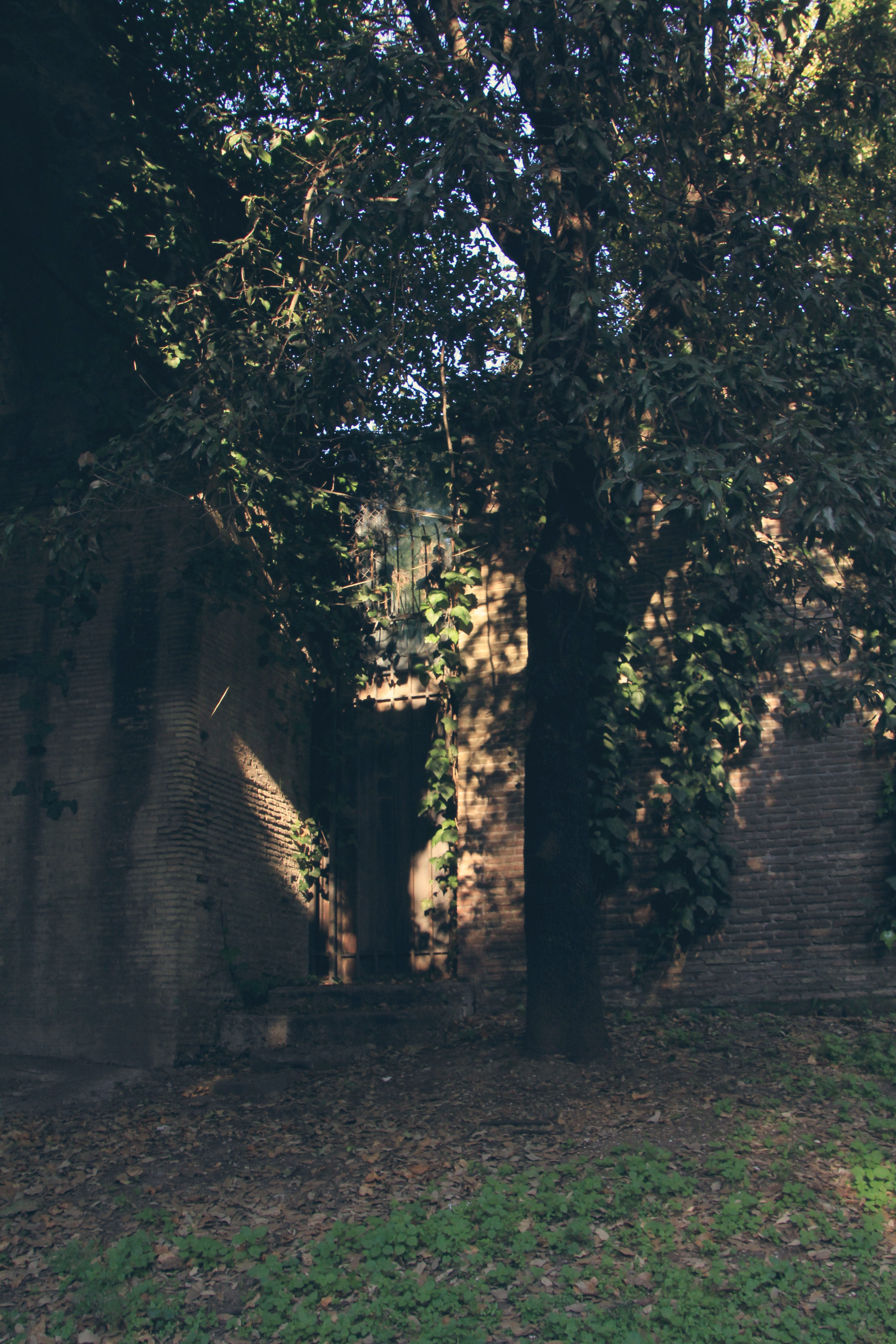
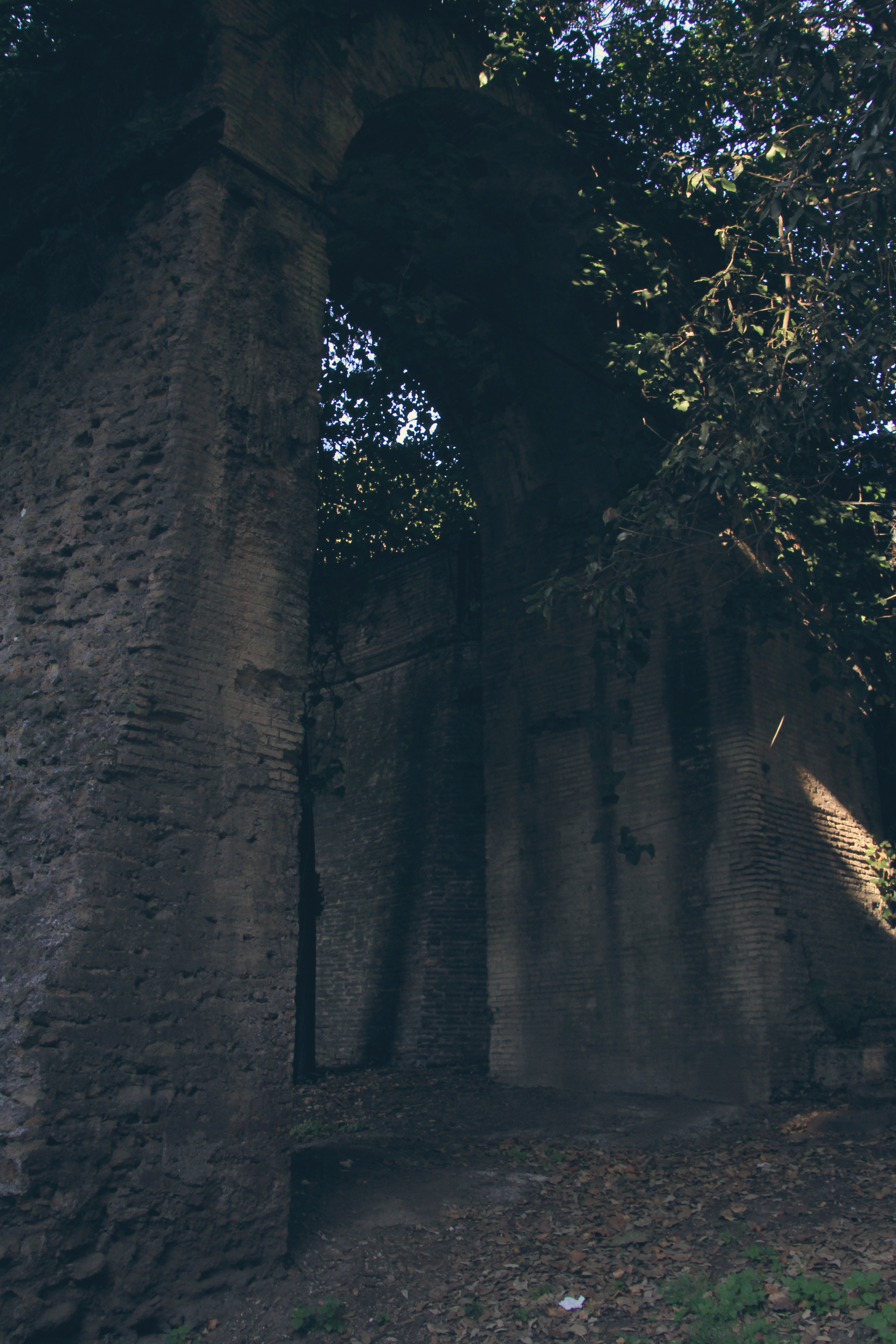
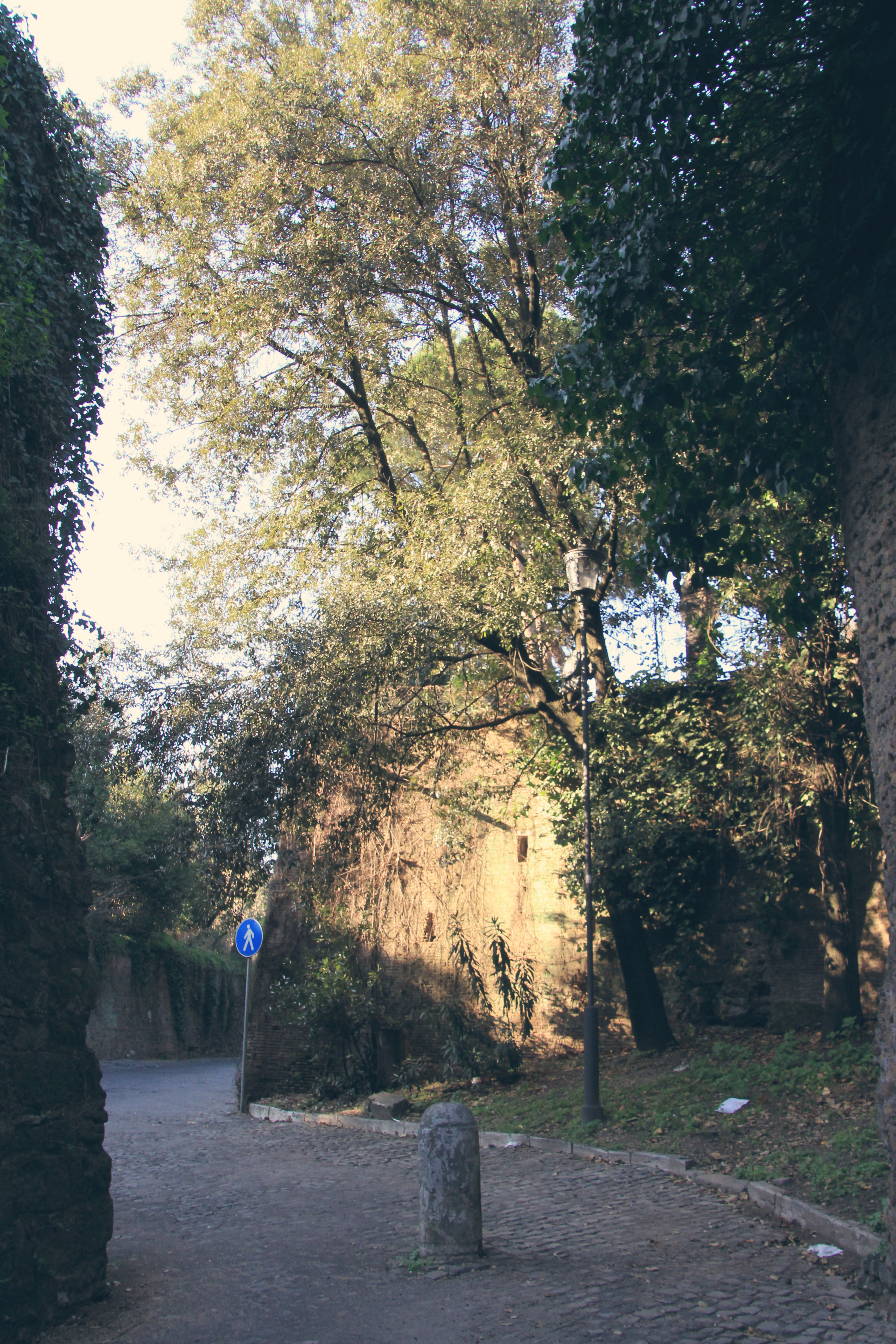
There are signs of an old way of life all along the way.


Greenery hangs everywhere.
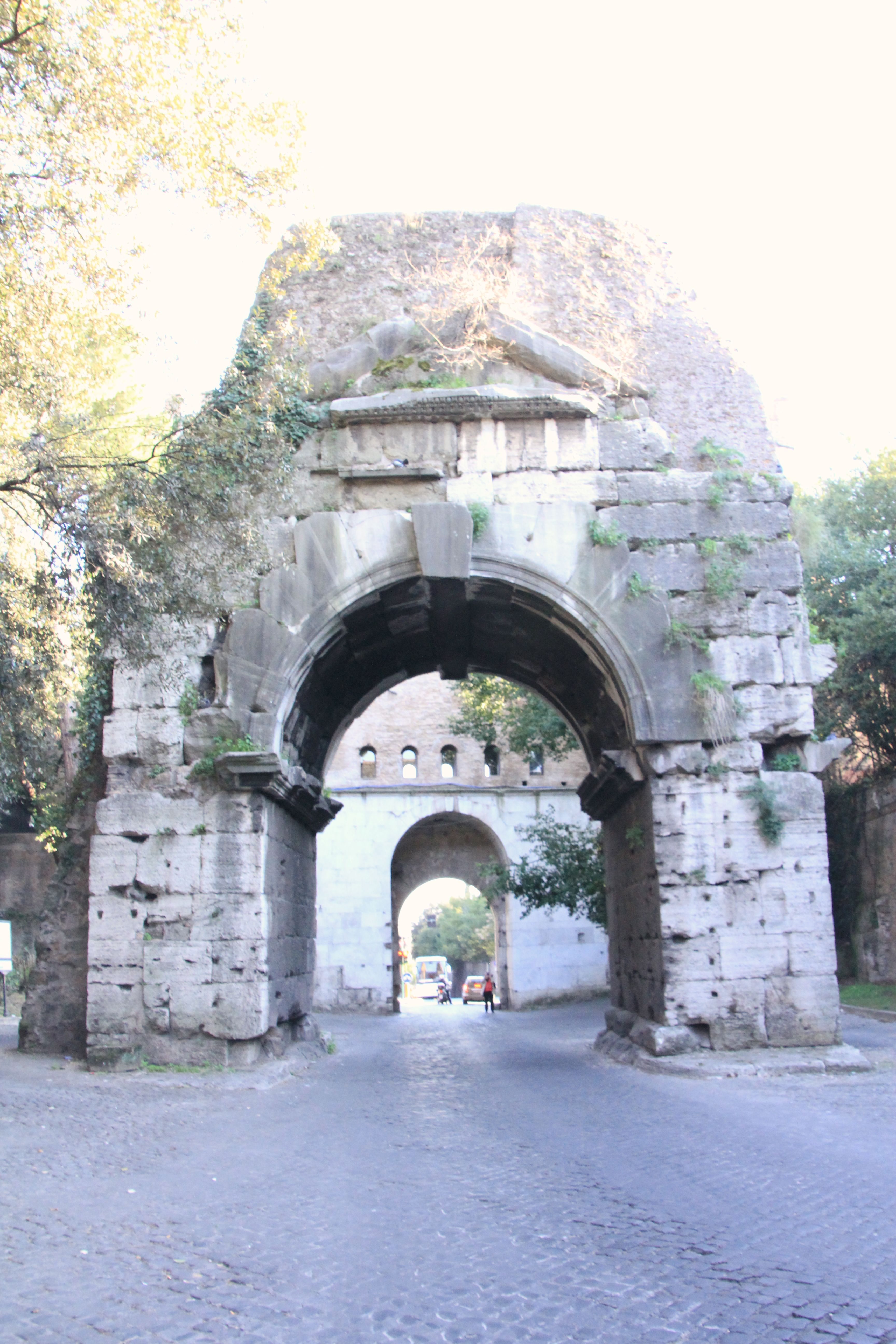
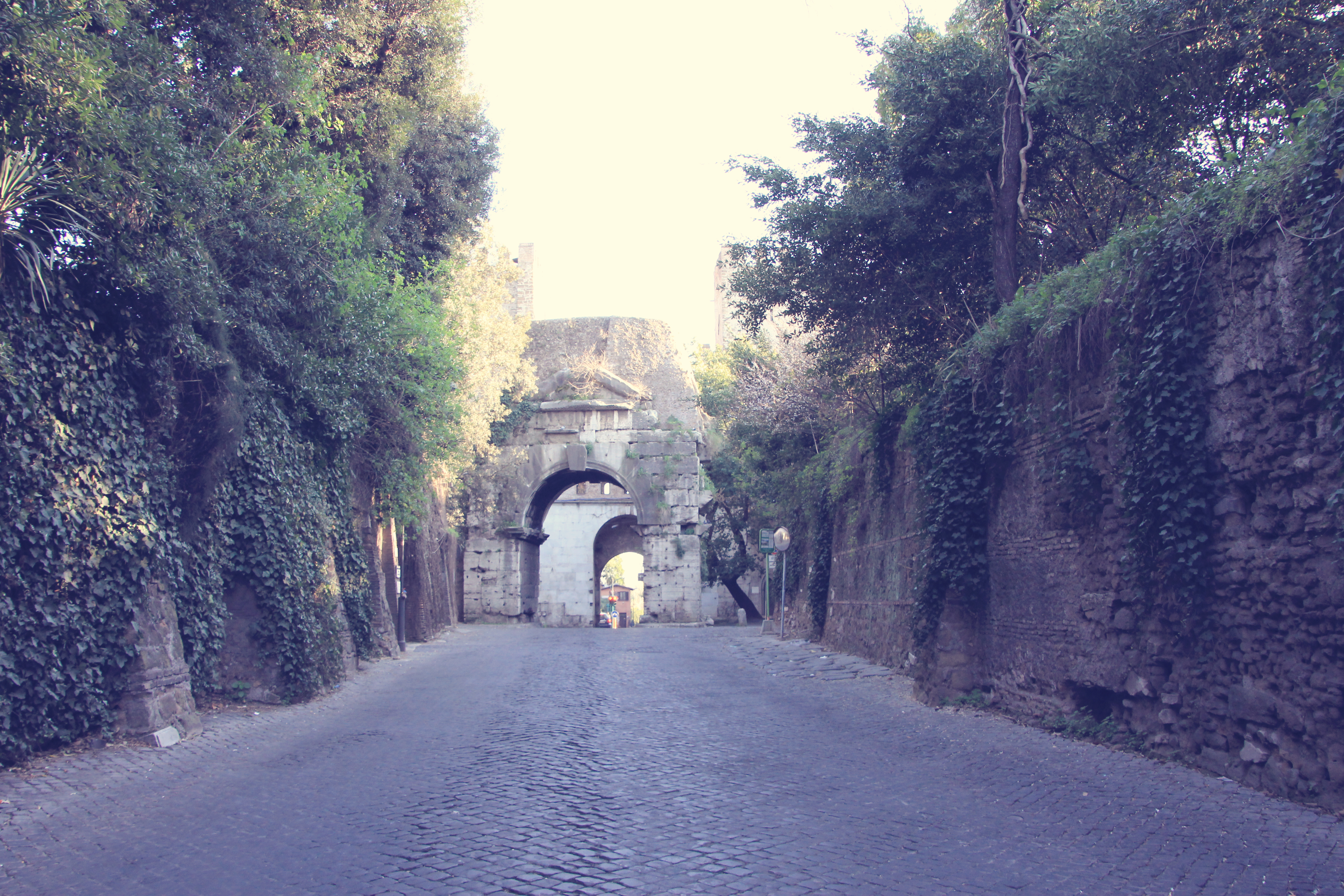
So inviting.
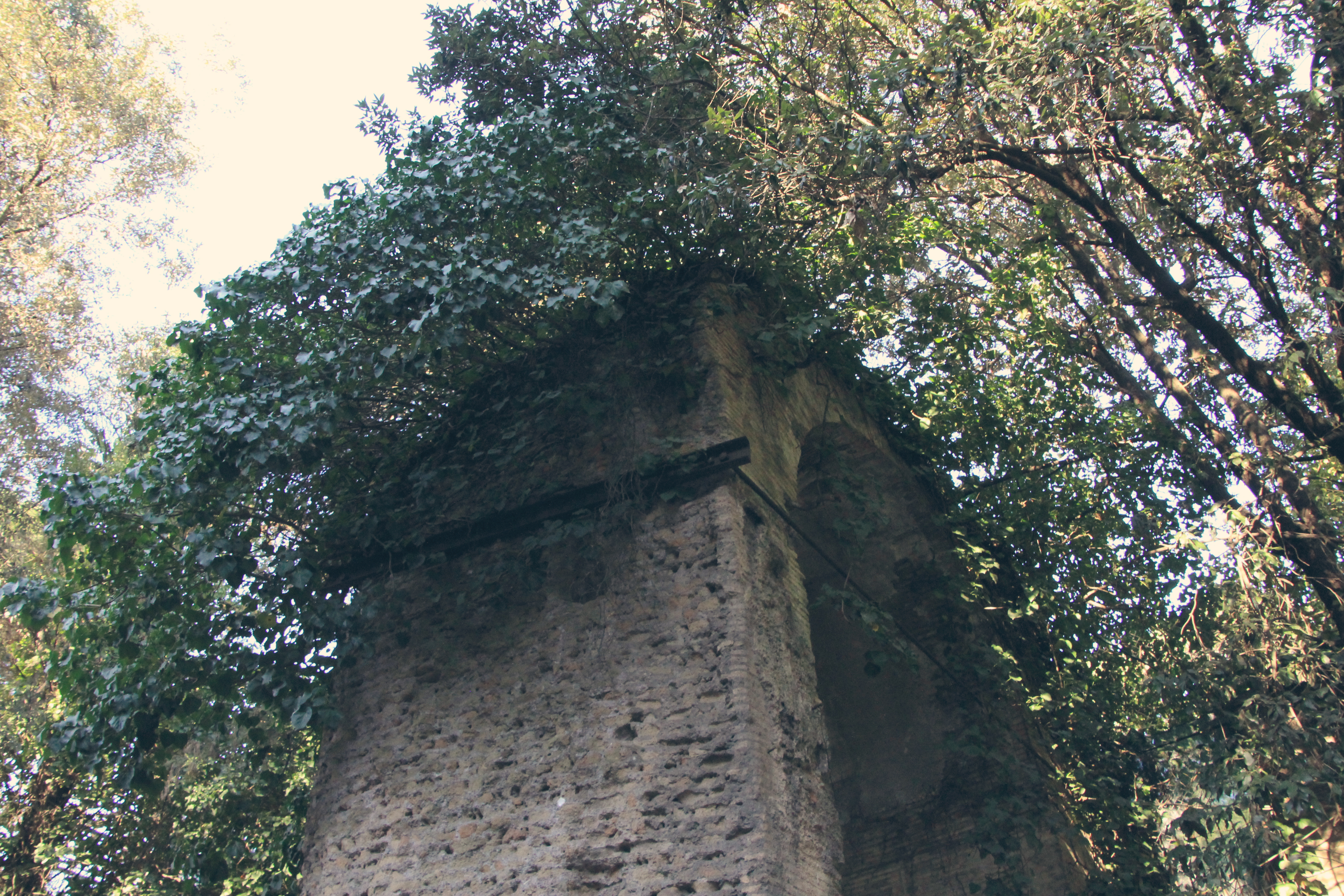

And we stumbled onto this magical place!
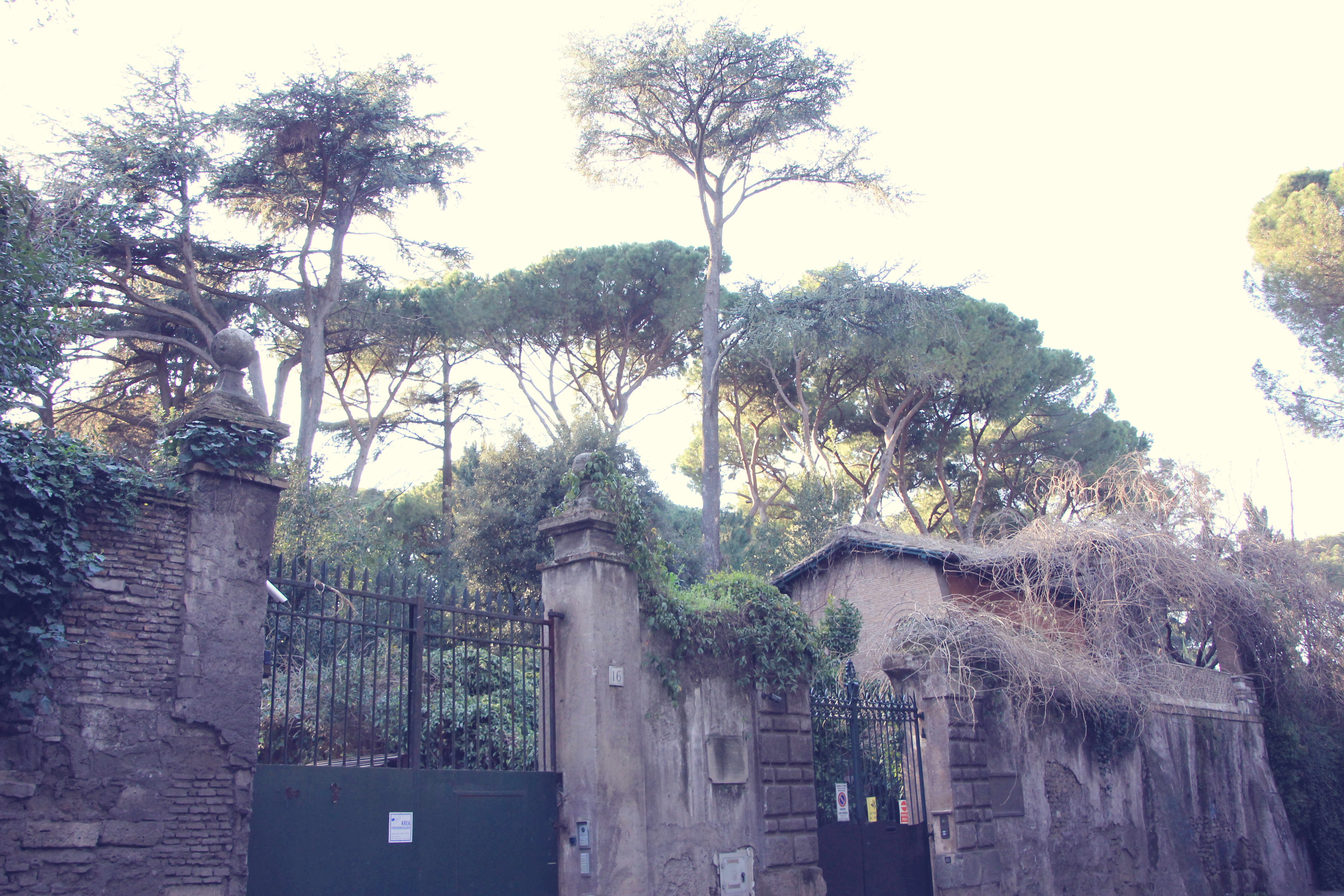

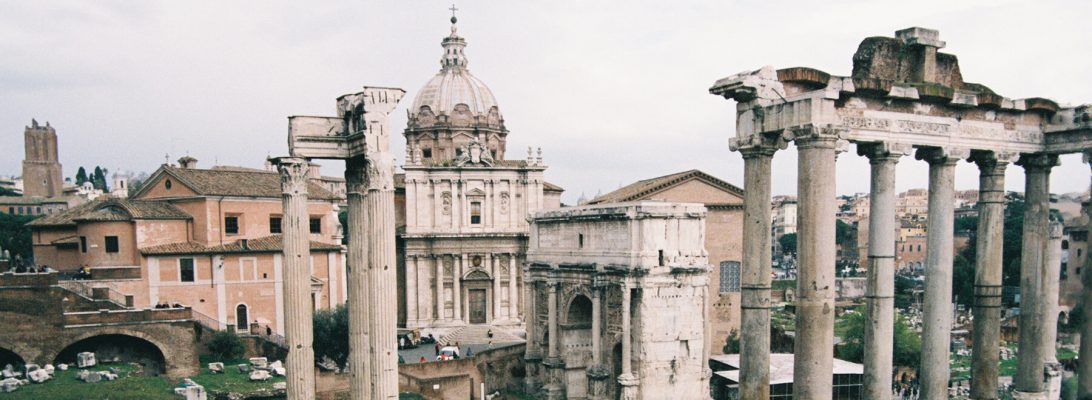
By the forum far away but somehow fitting for this post I think.
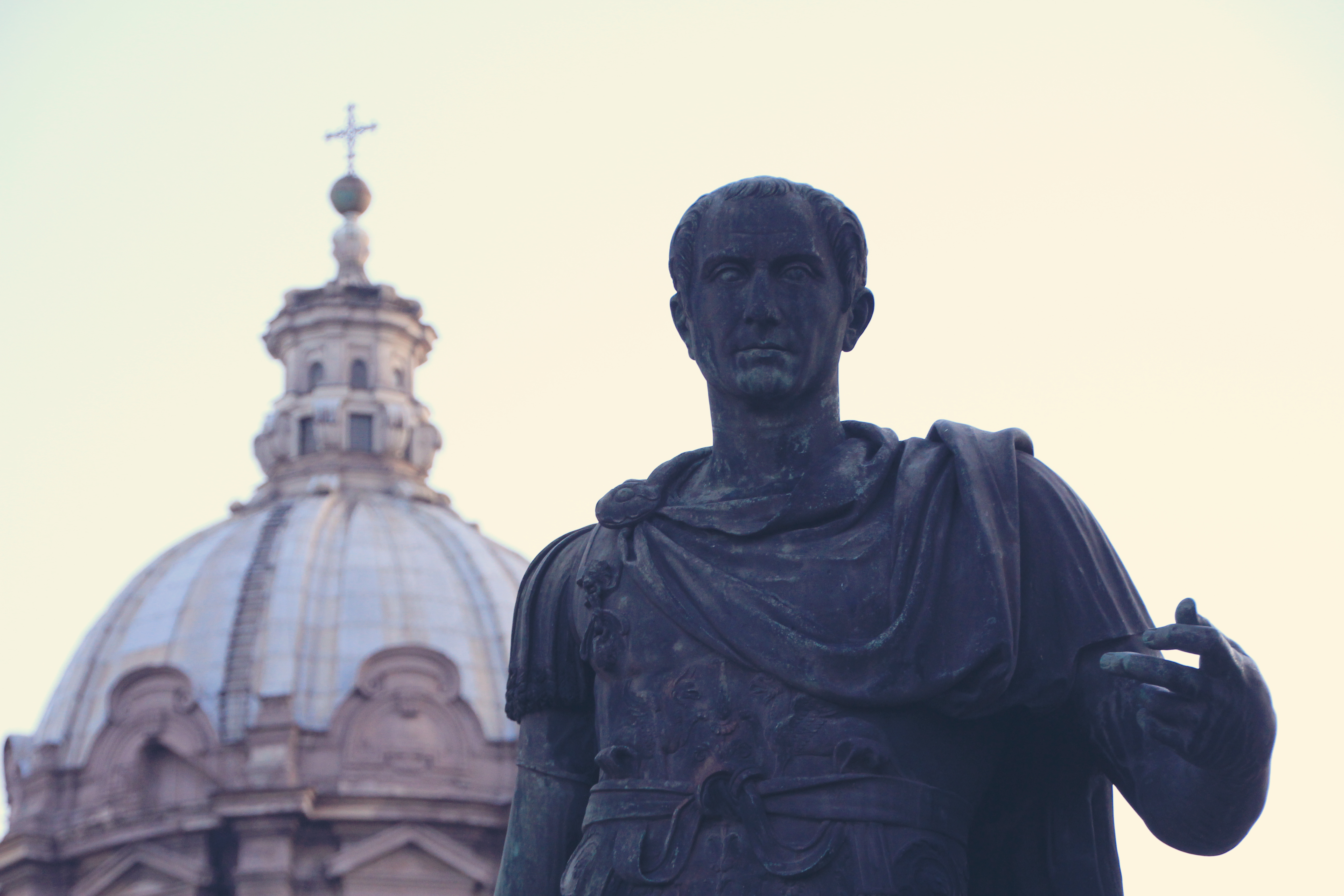
Caesar and cupolas; my idea of Rome, the ancient and the Renaissance.
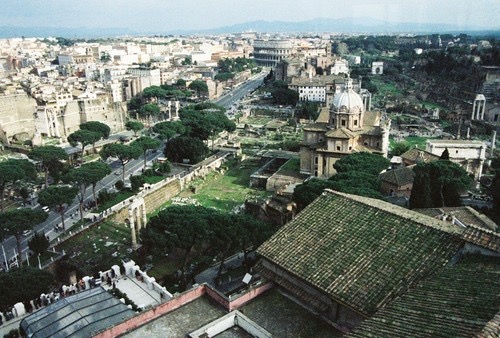
“You may have the universe if I may have Italy.” – Giuseppe Verdi
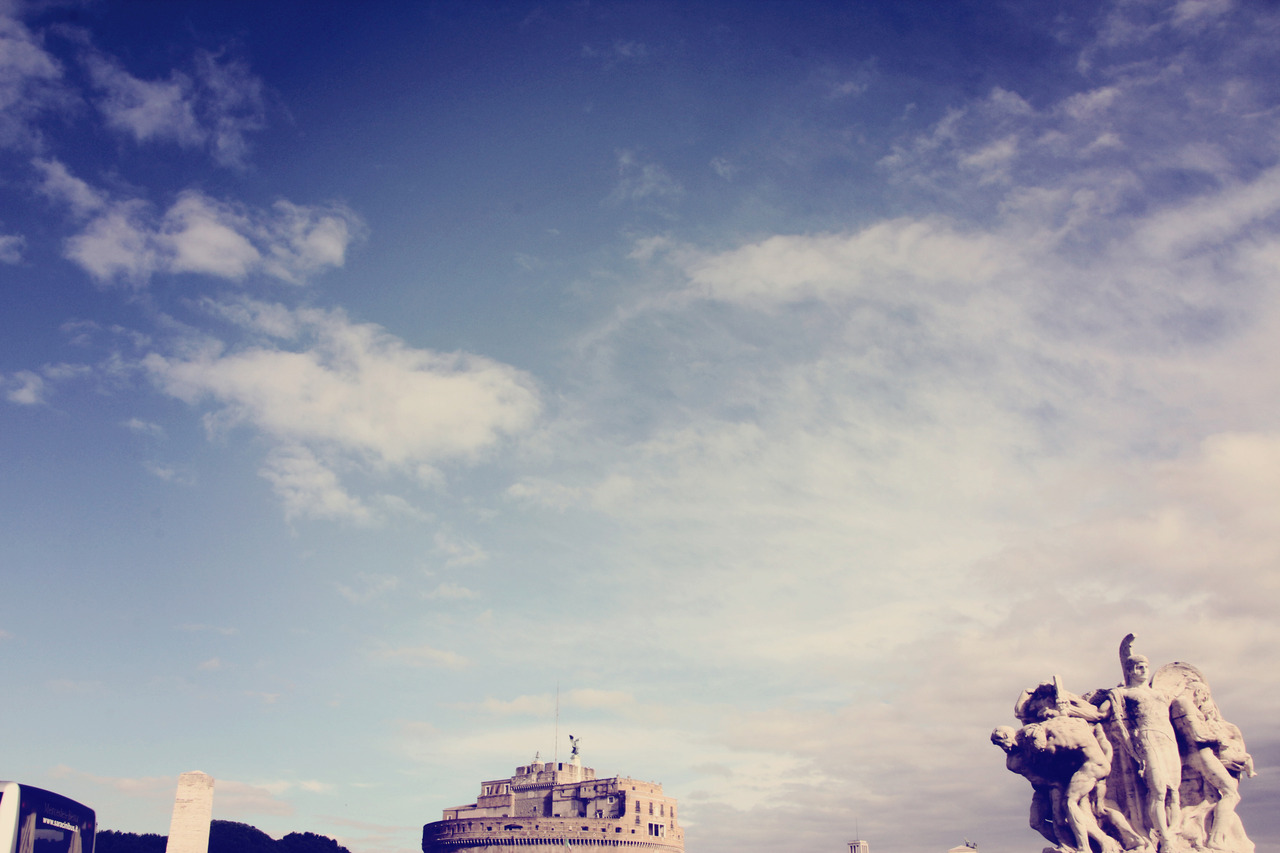
The top of the Castel Sant’Angelo from the Ponte Sant’Angelo.
Rome is the city of echoes, the city of illusions, and the city of yearning. – Giotto di Bondone
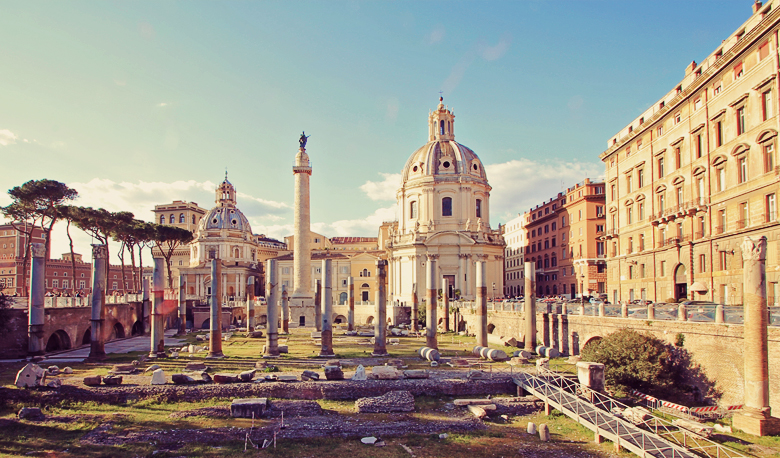
The golden hour of sunset on the ruins in the heart of the city.
A man who has not been in Italy, is always conscious of an inferiority. – Samuel Johnson
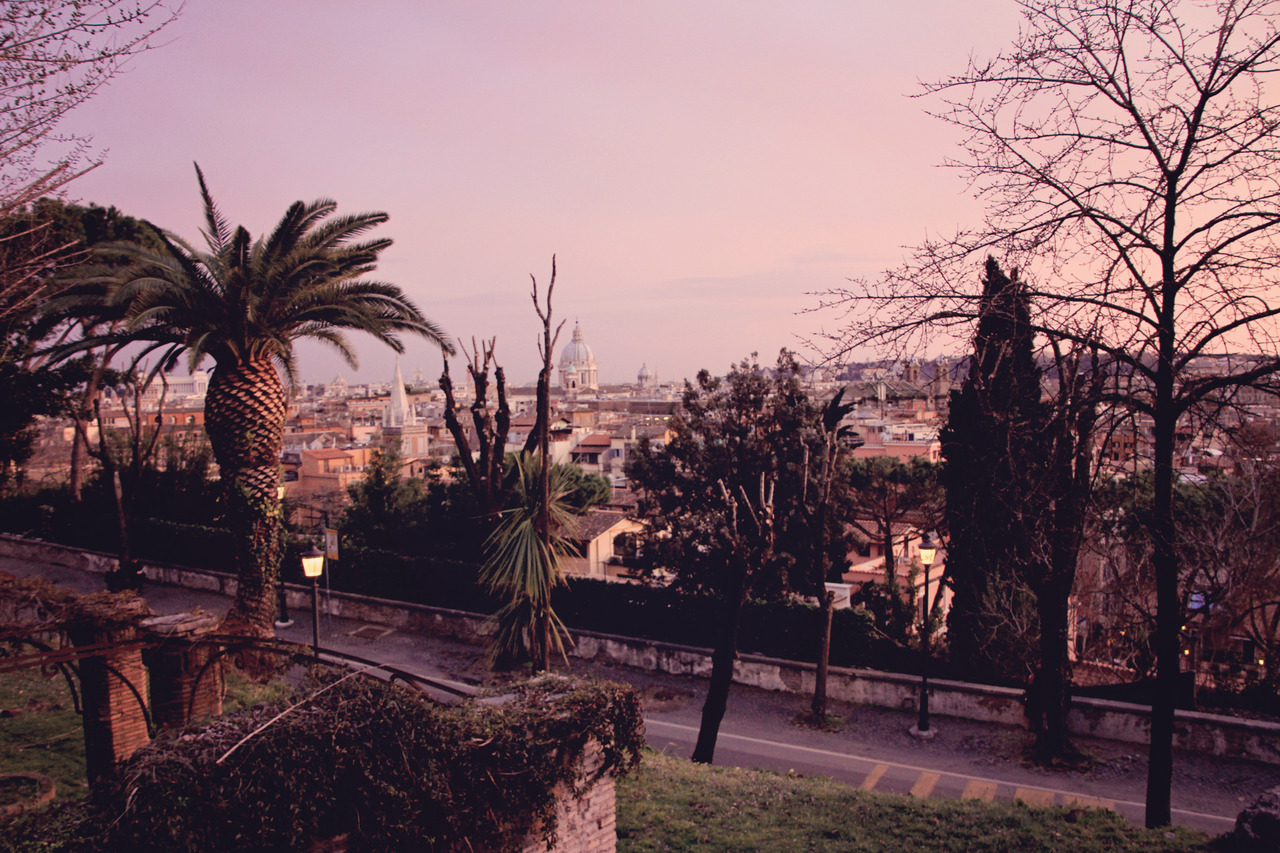
Looking over the city at dusk from the Villa Medici where the Pincian hill and the Spagna area meet.
“I sometimes fancy,” said Hilda, on whose susceptibility the scene always made a strong impression, “that Rome–mere Rome–will crowd everything else out of my heart.” ― Nathaniel Hawthorne

The casina view on the tip of the Pincio (Pincian hill) overlooking the Piazza dell Popolo. It is my favorite spot in Rome to watch the sun set. Get to it by the Popolo, Piazza di Spagna or the Villa Borghese park.
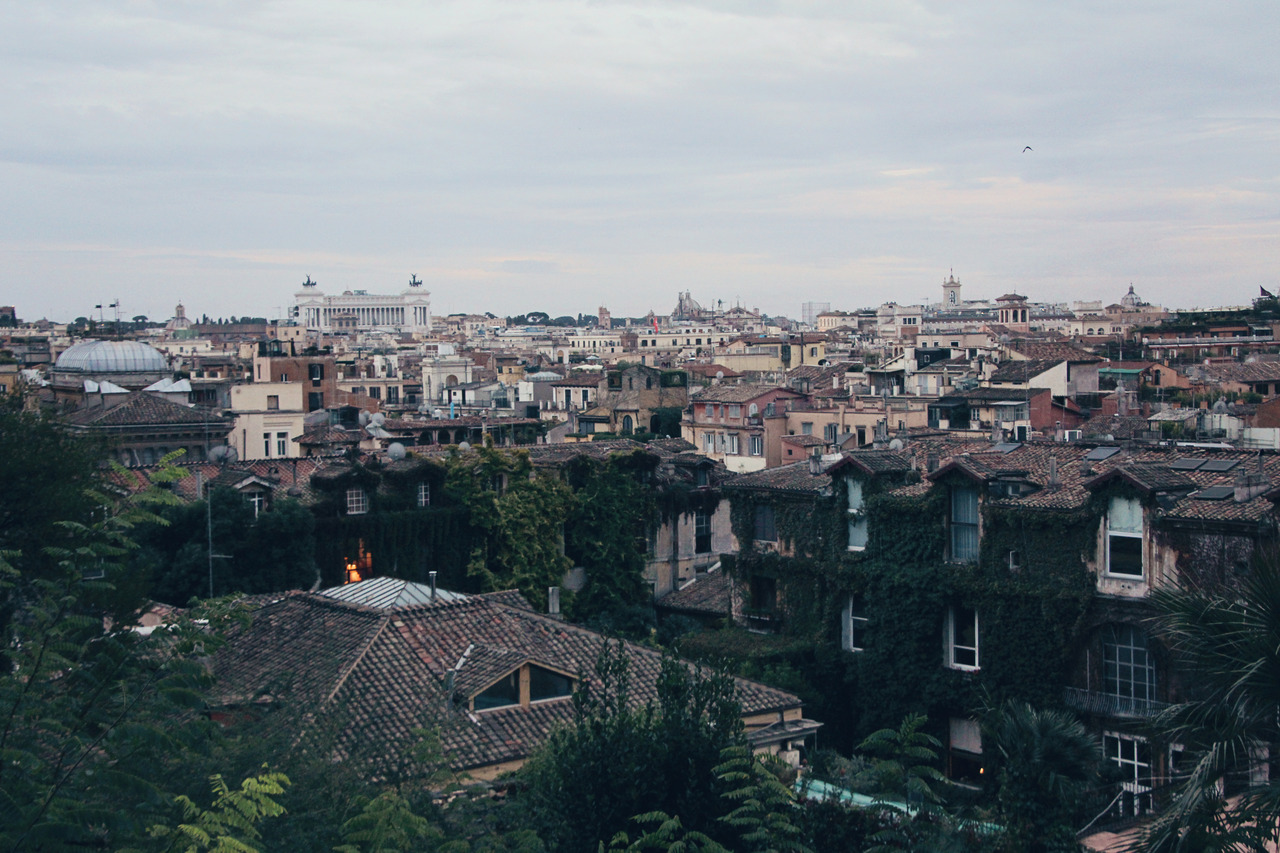
More views from the majestic Pincian Hill. There’s a particular happiness I experience whenever I am on the Pincio. I have so many beautiful memories there. It represents everything I love about Rome; the history, the beauty of the landscape and architecture, the art, the people watching. I love the ivy covered apartments and Renaissance architecture.
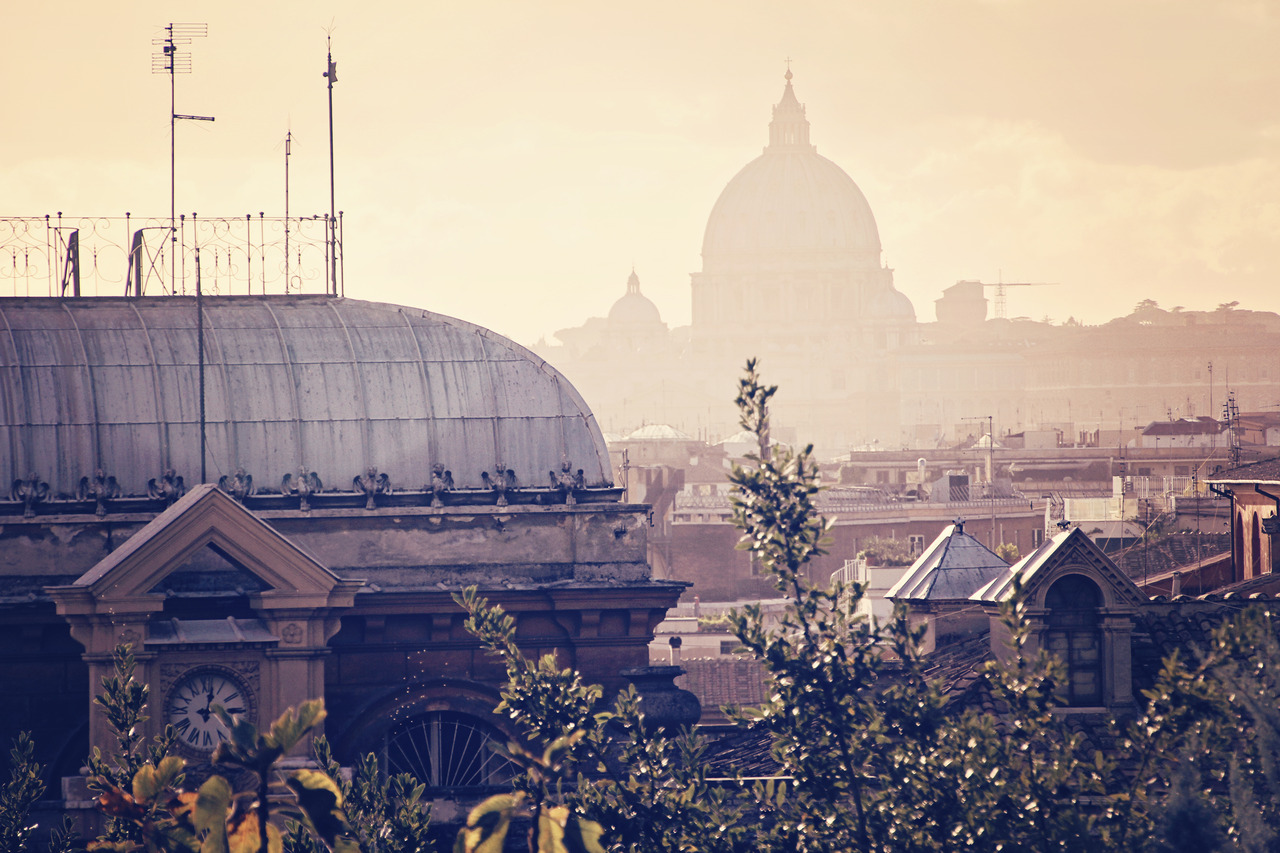
Another one from the Villa Medici with the silouhette of Saint Peters in the distance.
In the world Rome is probably the place where most in beauty has been accumulated and subsists in span of twenty centuries. It has created nothing, only a spirit of greatness and order of beautiful things; but the most magnificent monuments on the earth have extended and were fixed in it with such energy to leave the most numerous and indelible tracks in it, more than in anywhere else on the globe. – Maurice Maeterlinck

From my hotel balcony overlooking the Aurelian wall, the Villa Borghese metro stop, apartments and the Villa Borghese park. A sign of Rome is the countless antennas on rooftops.
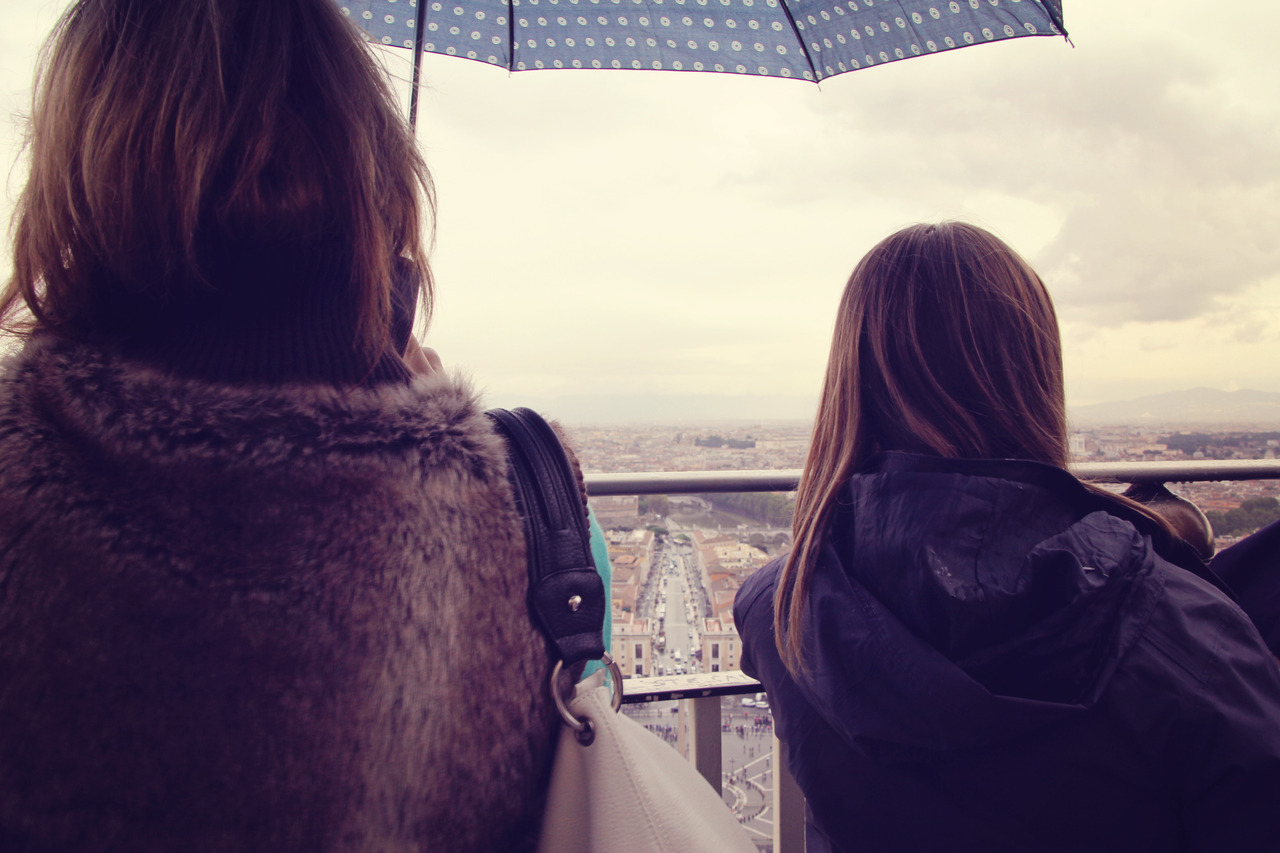
On top of Saint Peter’s Cupola, Vatican City is laid out.
From the dome of St. Peter’s one can see every notable object in Rome… He can see a panorama that is varied, extensive, beautiful to the eye, and more illustrious in history than any other in Europe. – Mark Twain
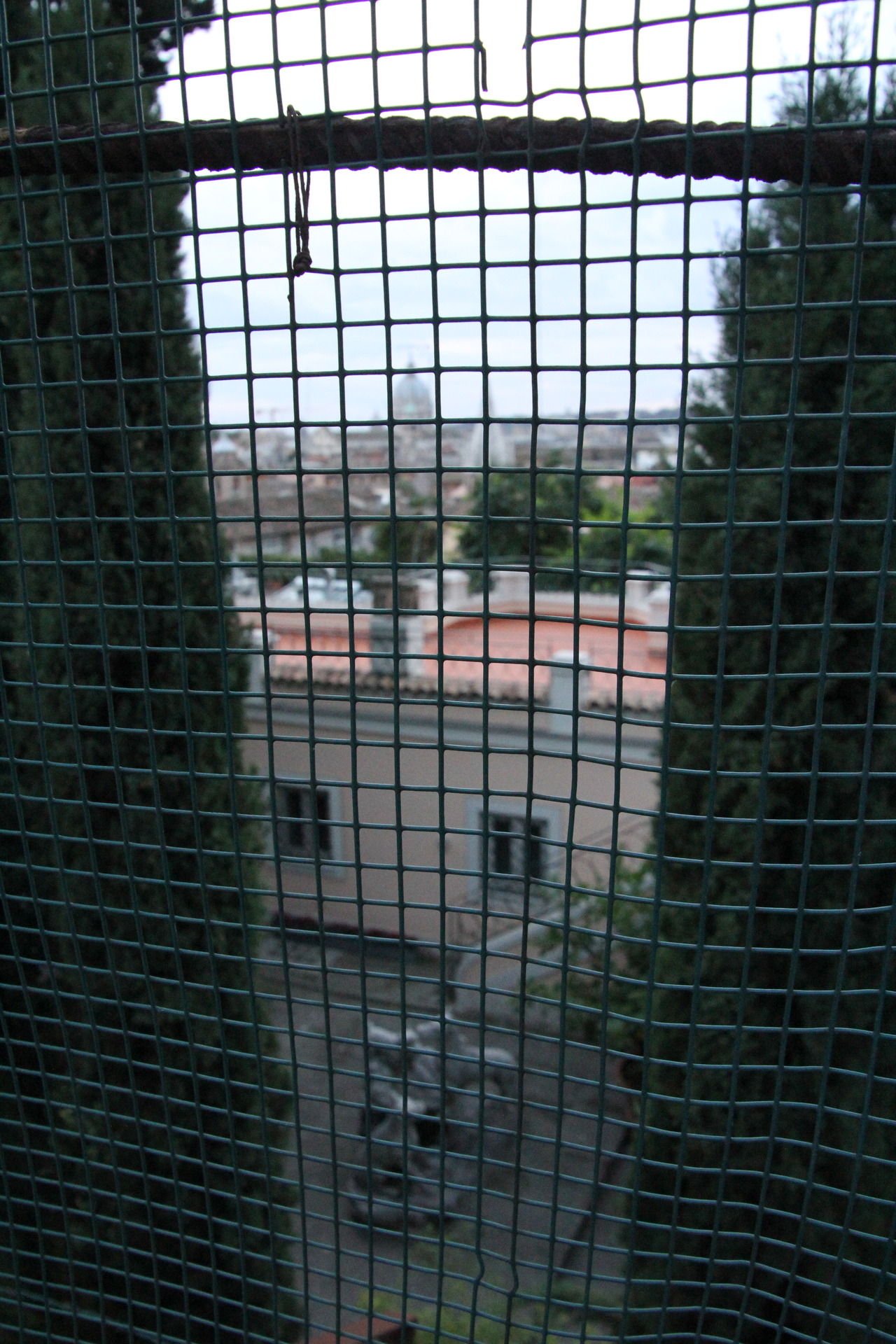
Peeking through a gated fence and cypresses to a private garden.
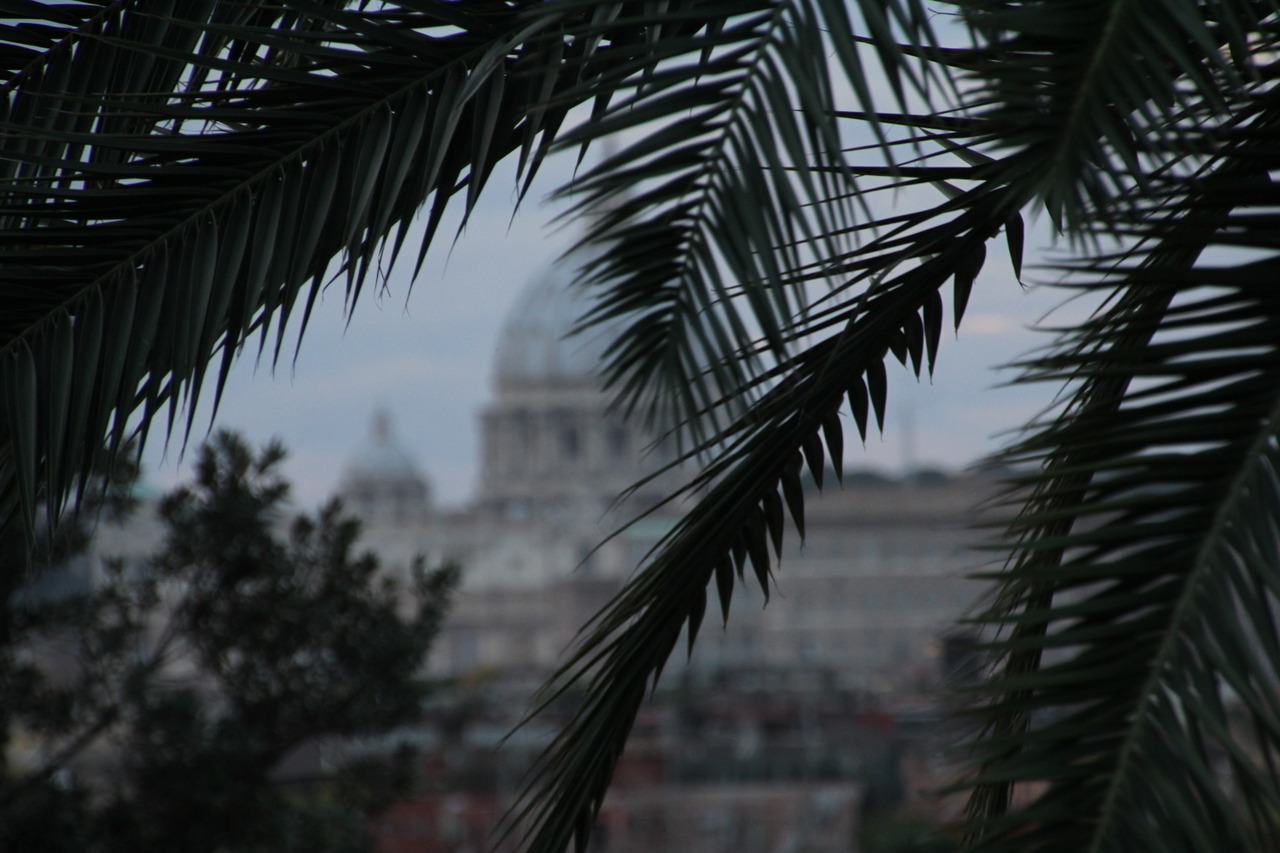
There are a thousand little views of the Vatican from different corners of Rome.
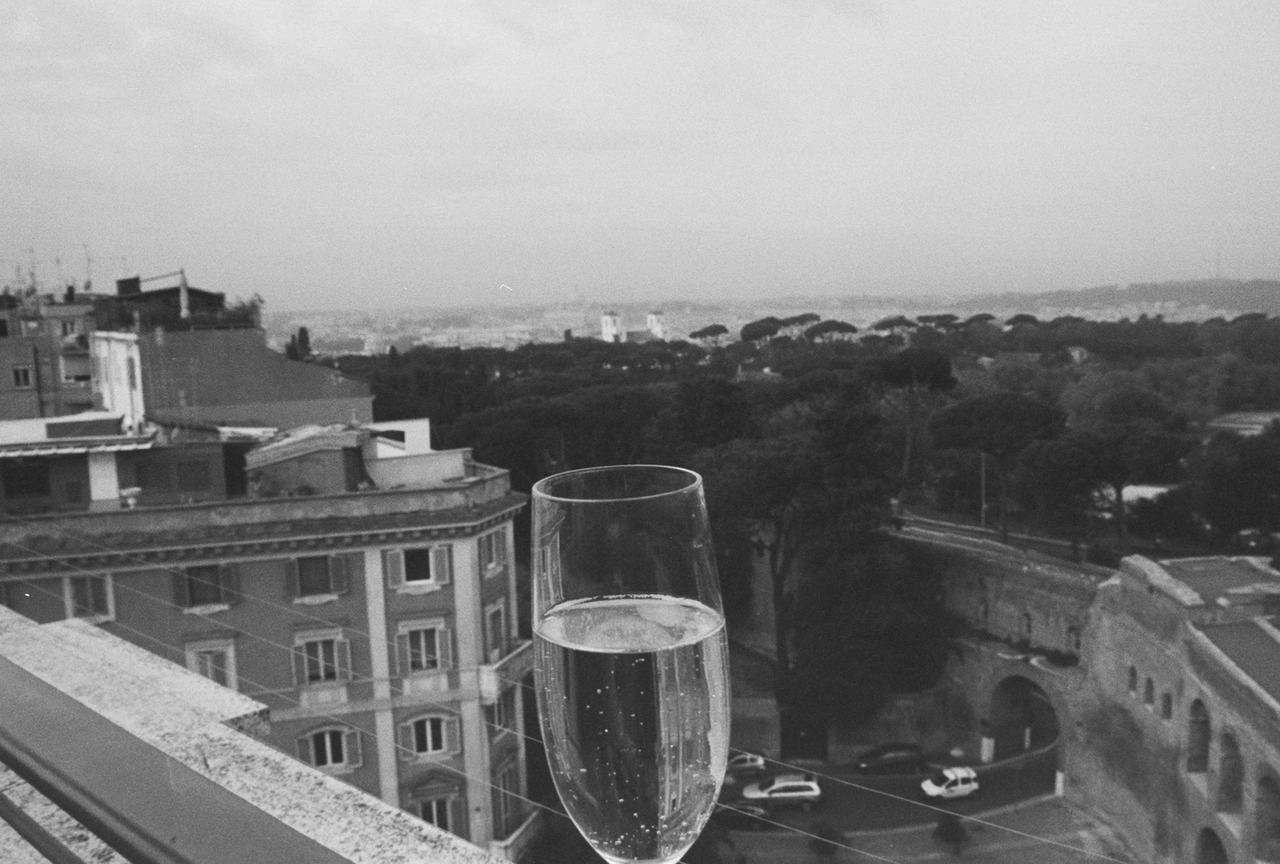
A glass of prosecco and a view from my hotel balcony on the Via Veneto at the Grande Albergho Flora.

From a Vatican Museum garden, another breathtaking cupola and manicured, statue studded garden.
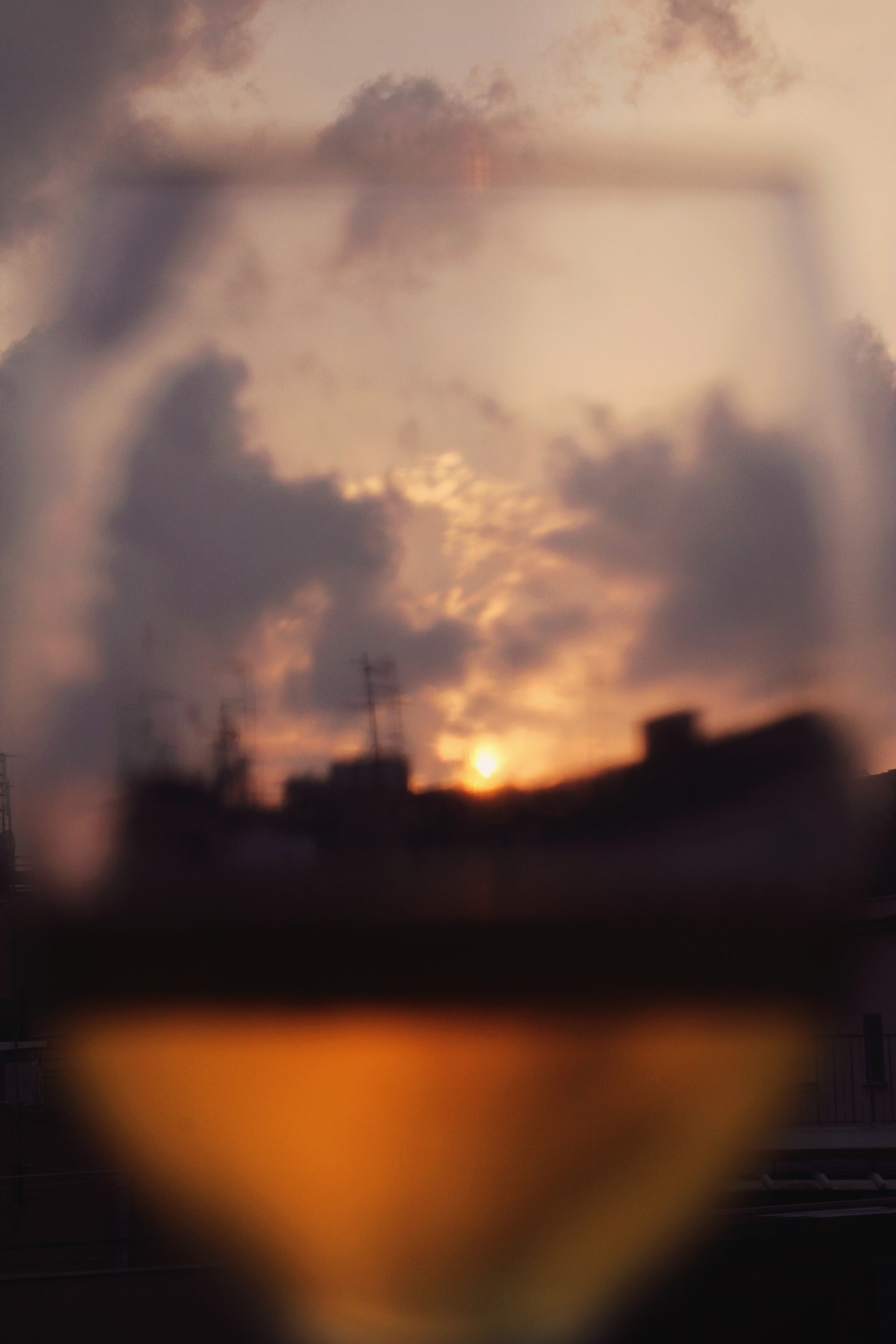
Rome through a glass of Sicilian wine at sunset.
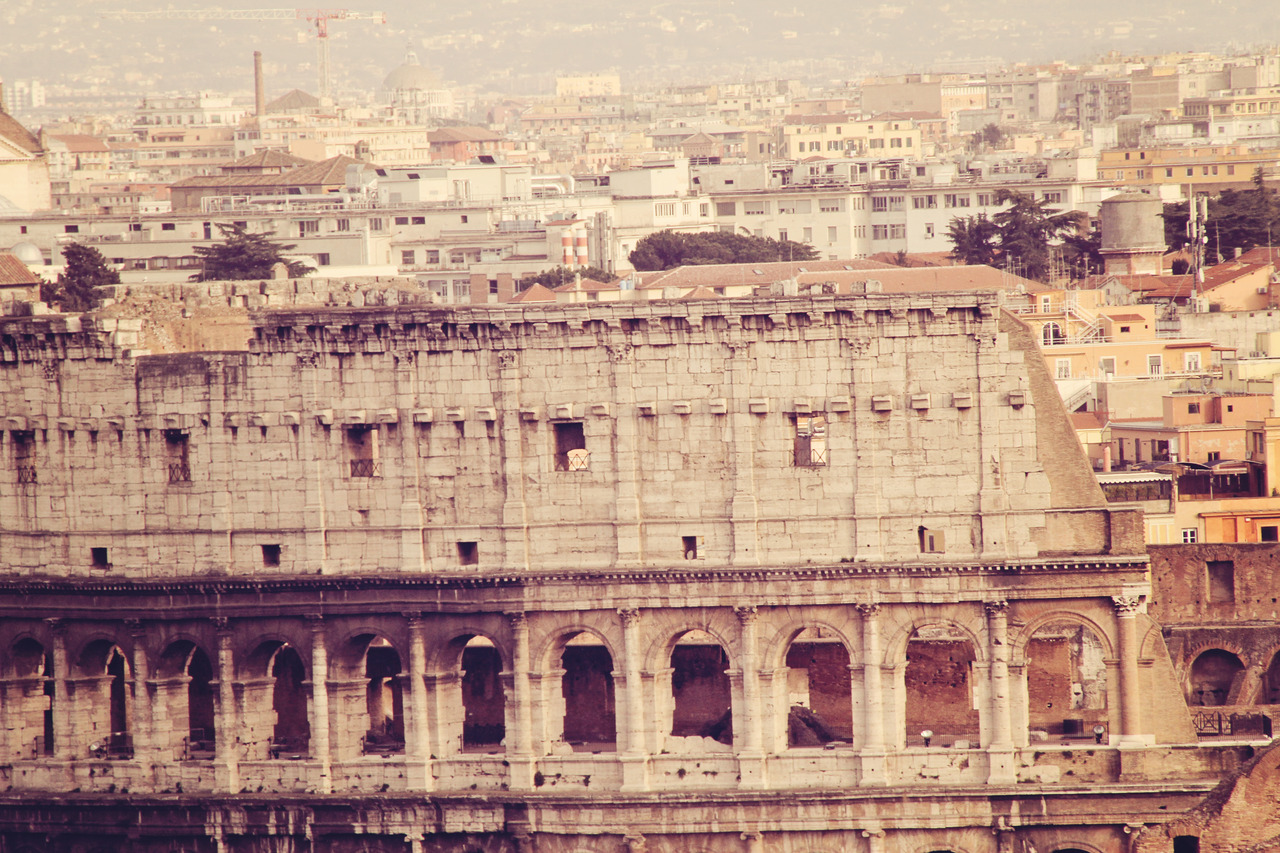
The Coliseum from a distance on a tele photo lens.
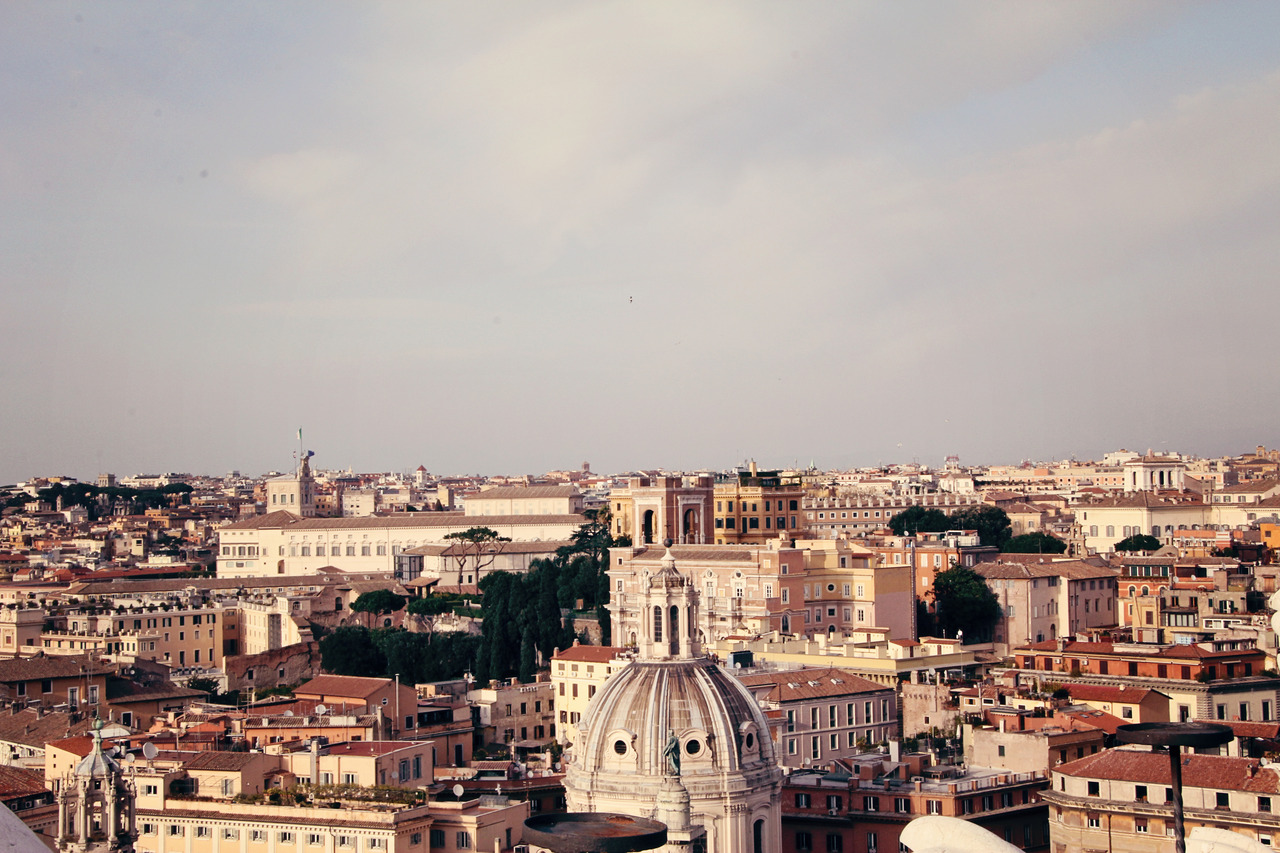
Rome from the top of the observation deck on the Vittoria Emanuale Monument.
Yes, I have finally arrived to this Capital of the World! I now see all the dreams of my youth coming to life… Only in Rome is it possible to understand Rome. – Goethe
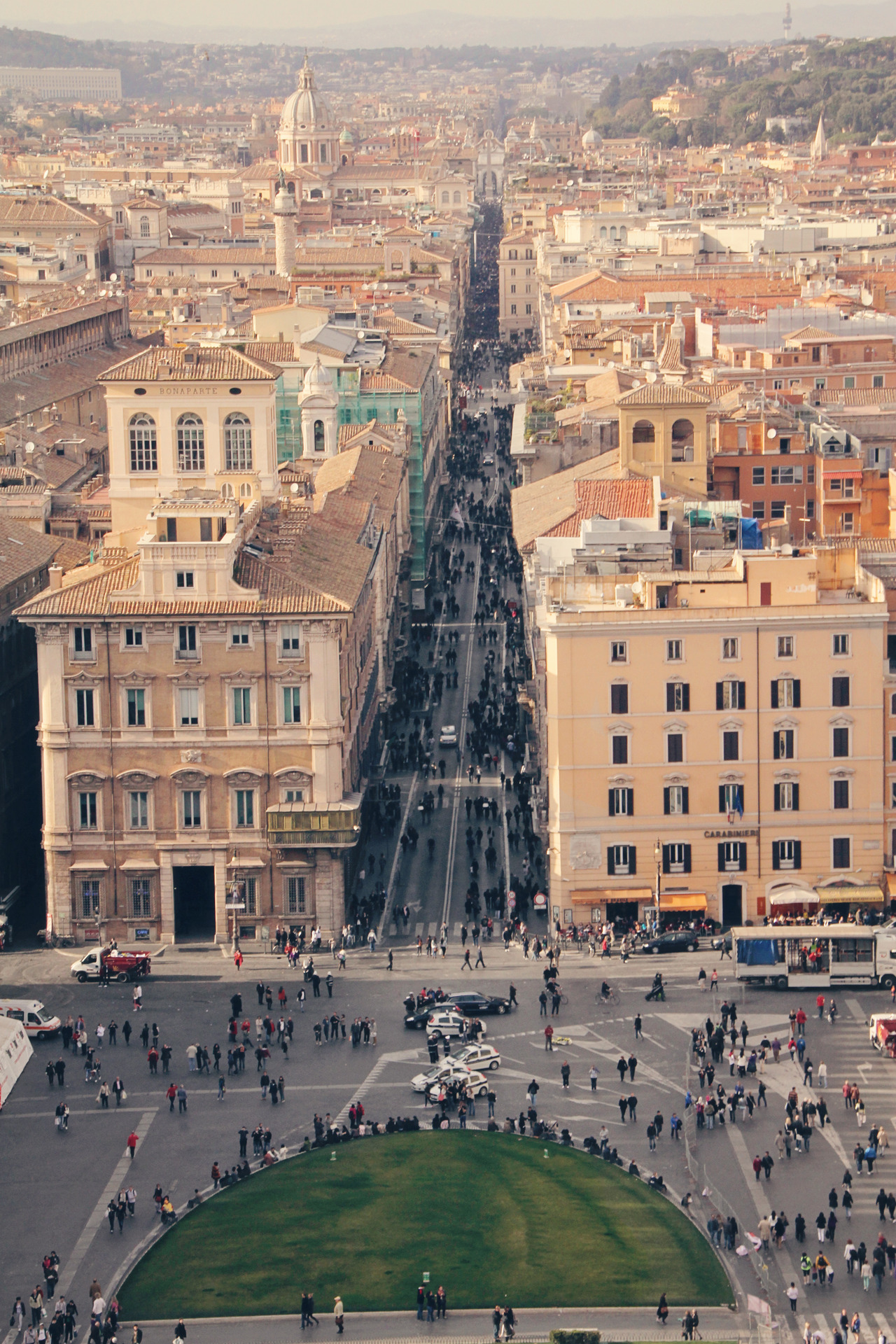
The Via del Corso from the Vittorio Emanuale (aka the Wedding Cake).
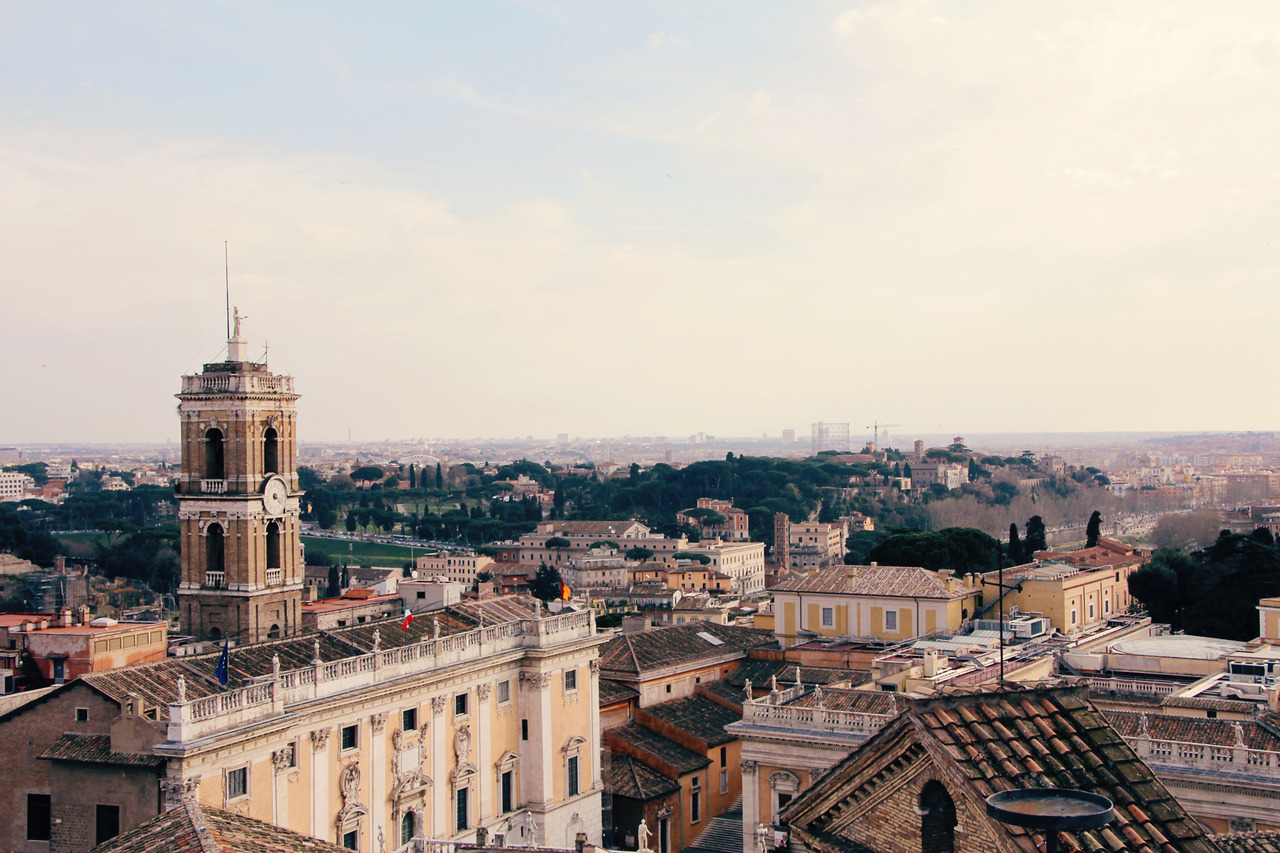
The rooftops of the historic center of Rome.
“Everything is blooming most recklessly; if it were voices instead of colors, there would be an unbelievable shrieking into the heart of the night.” – Rainer Maria Rilke
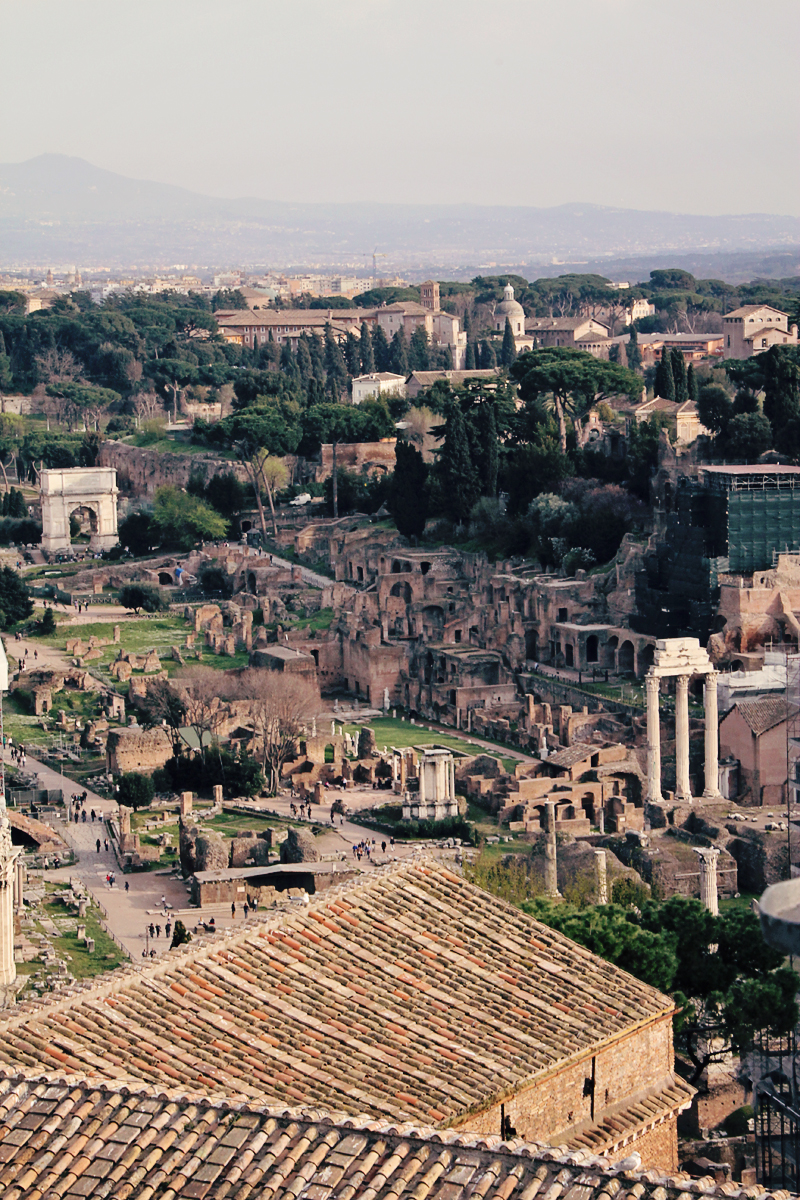
The Roman Forum and the Alban hills.
“She had always been fond of history, and here [in Rome] was history in the stones of the street and the atoms of the sunshine.” ― Henry James
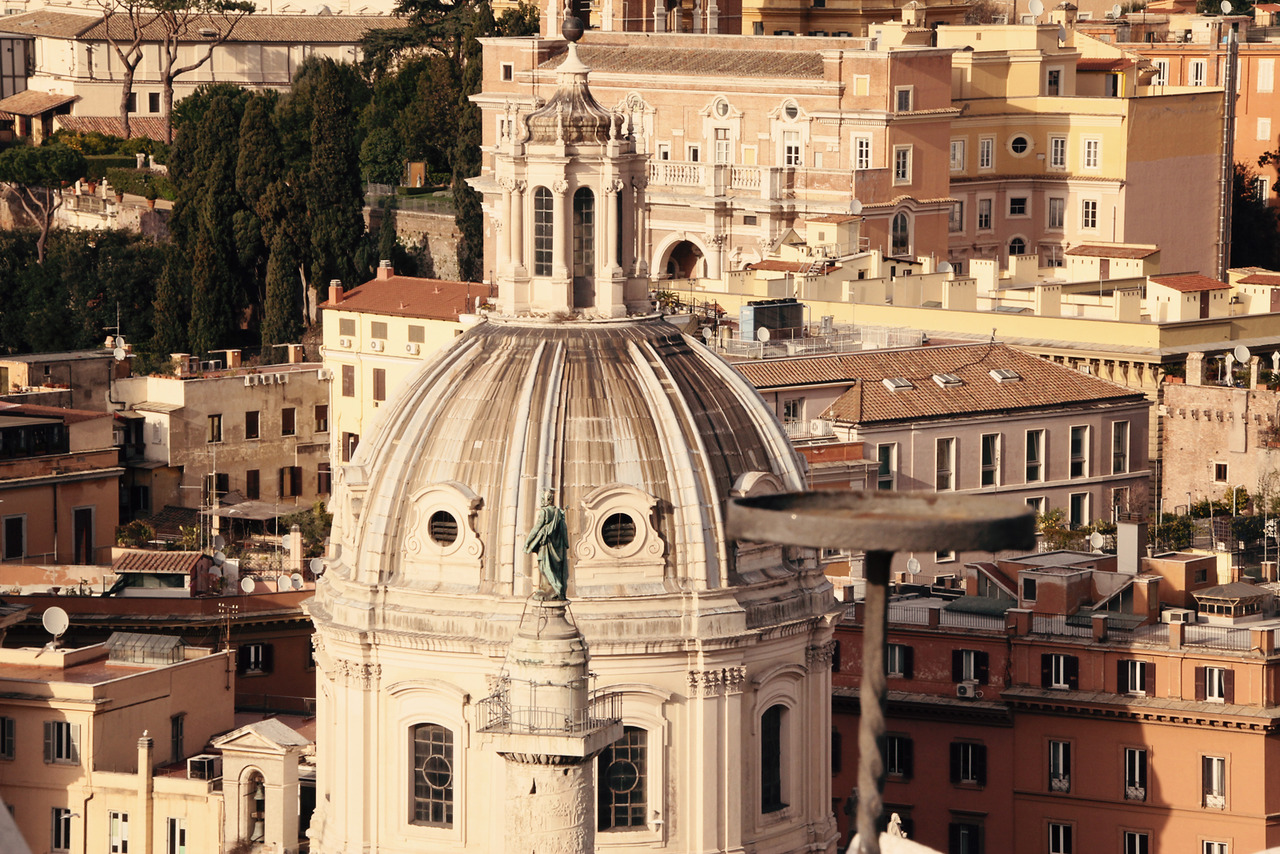
Cupolas and sky high statues.

Churches over the Forum; layers of history, people and ruins.
“Rome was mud and smoky skies; the rank smell of the Tiber and the exotically spiced cooking fires of a hundred different nationalities. Rome was white marble and gilding and heady perfumes; the blare of trumpets and the shrieking of market-women and the eternal, sub-aural hum of more people, speaking more languages than Gaius had ever imagined existed, crammed together on seven hills whose contours had long ago disappeared beneath this encrustation if humanity. Rome was the pulsing heart of the world.” ― Marion Zimmer Bradley, The Forest House

A beautiful frontpiece to an old church and an arch.
Rome is beautiful, so beautiful, I swear, all the other things seem nothing in front of it. – Charles de Brosses
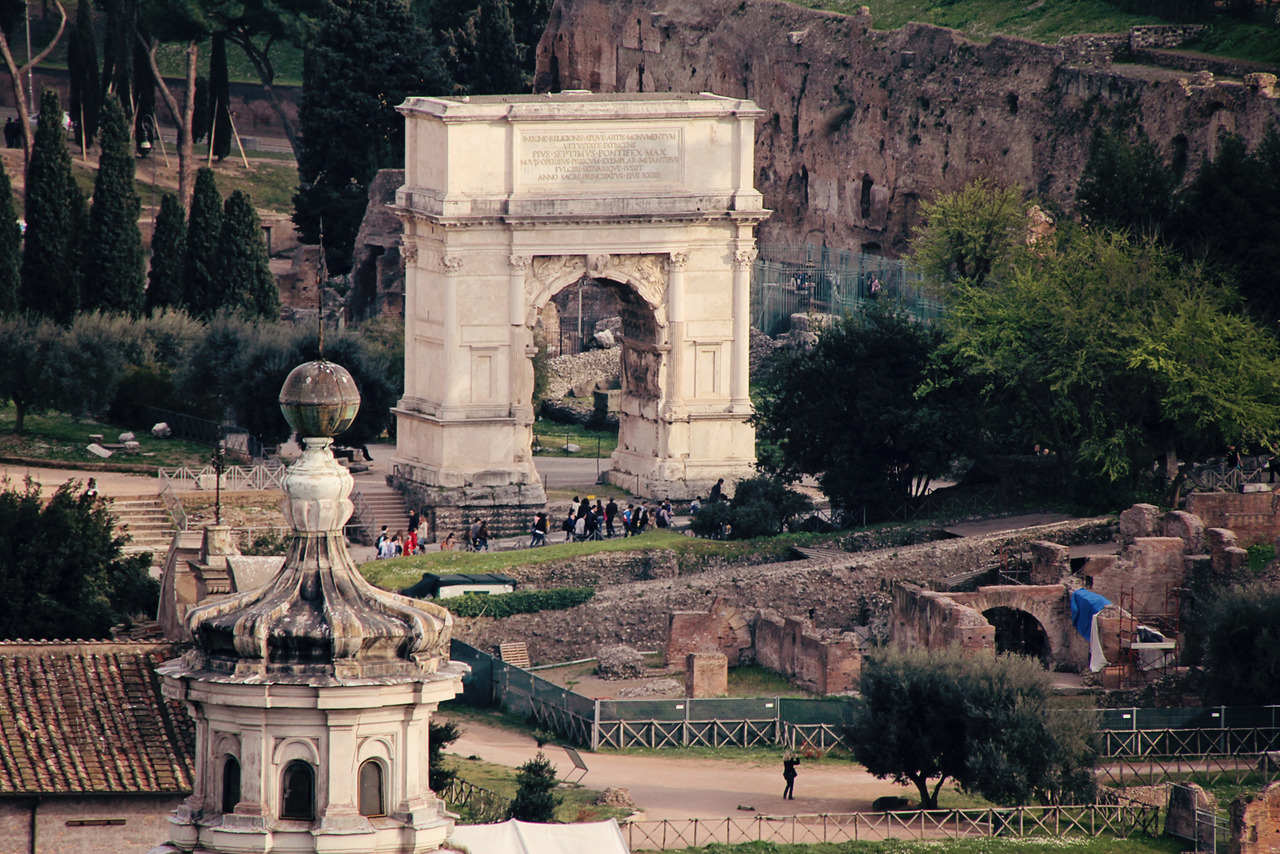
Cypresses and stone.
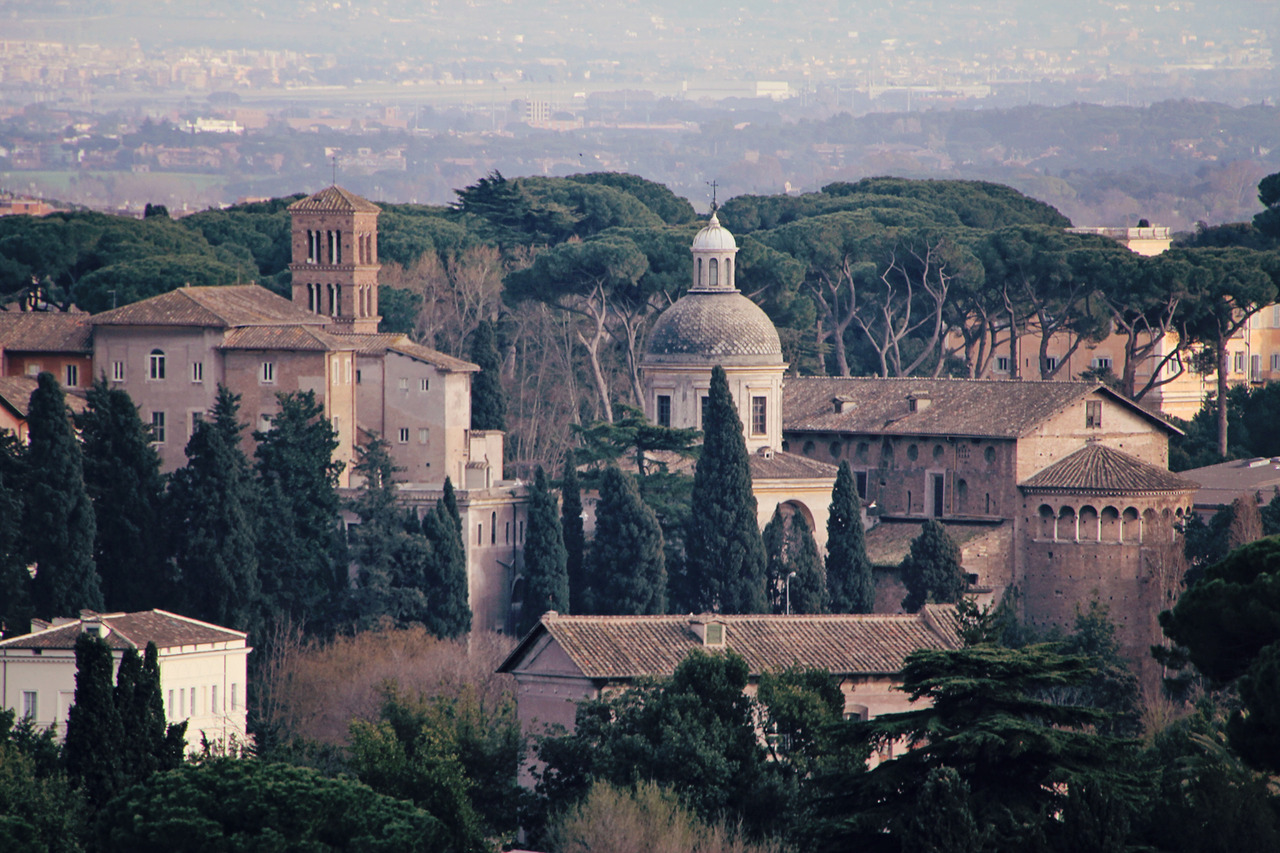
The cypresses, umbrella pines and verdant green against red stone and brick and roof tiles are gorgeous.
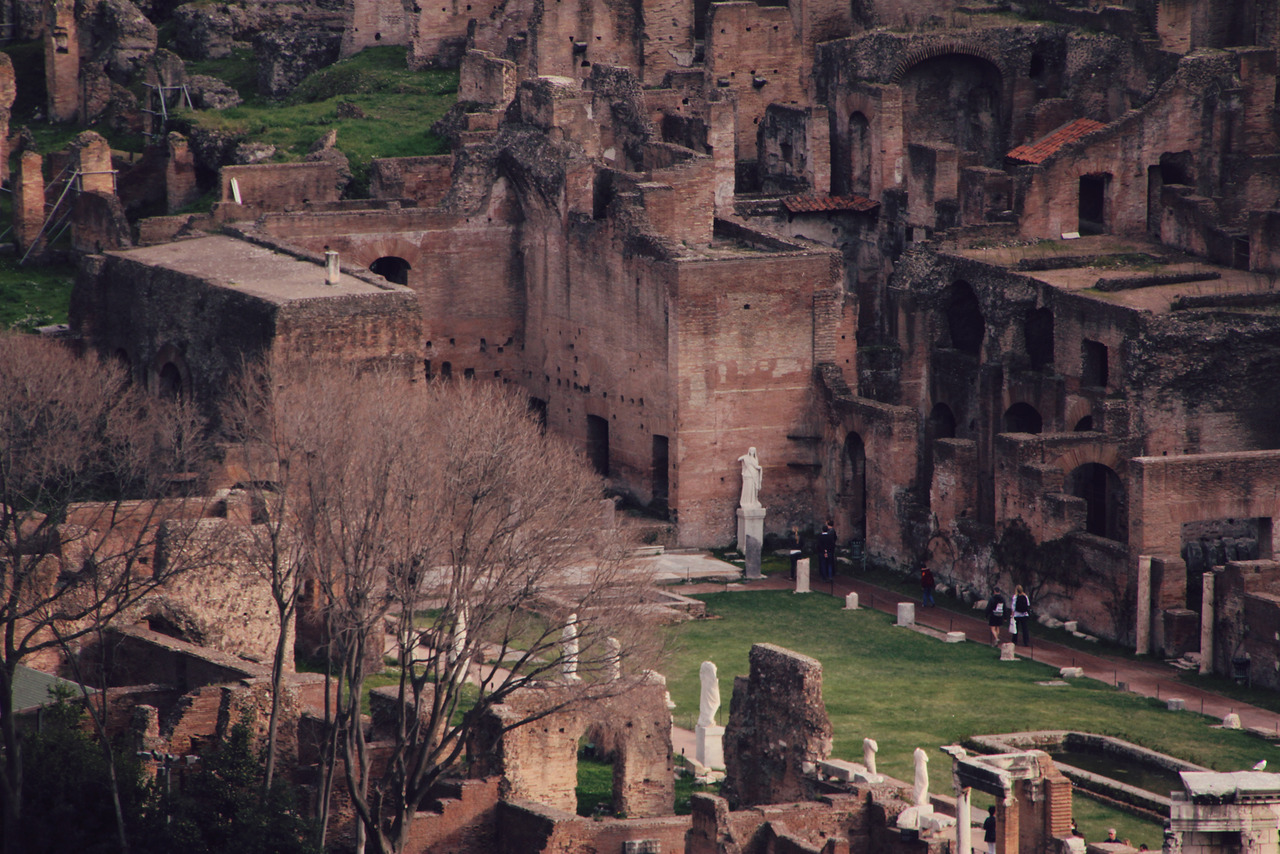
A lone goddess in a corner.
See the wild Waste of all-devouring years!
How Rome her own sad Sepulchre appears,
With nodding arches, broken temples spread!
The very Tombs now vanish’d like their dead!
Alexander Pope
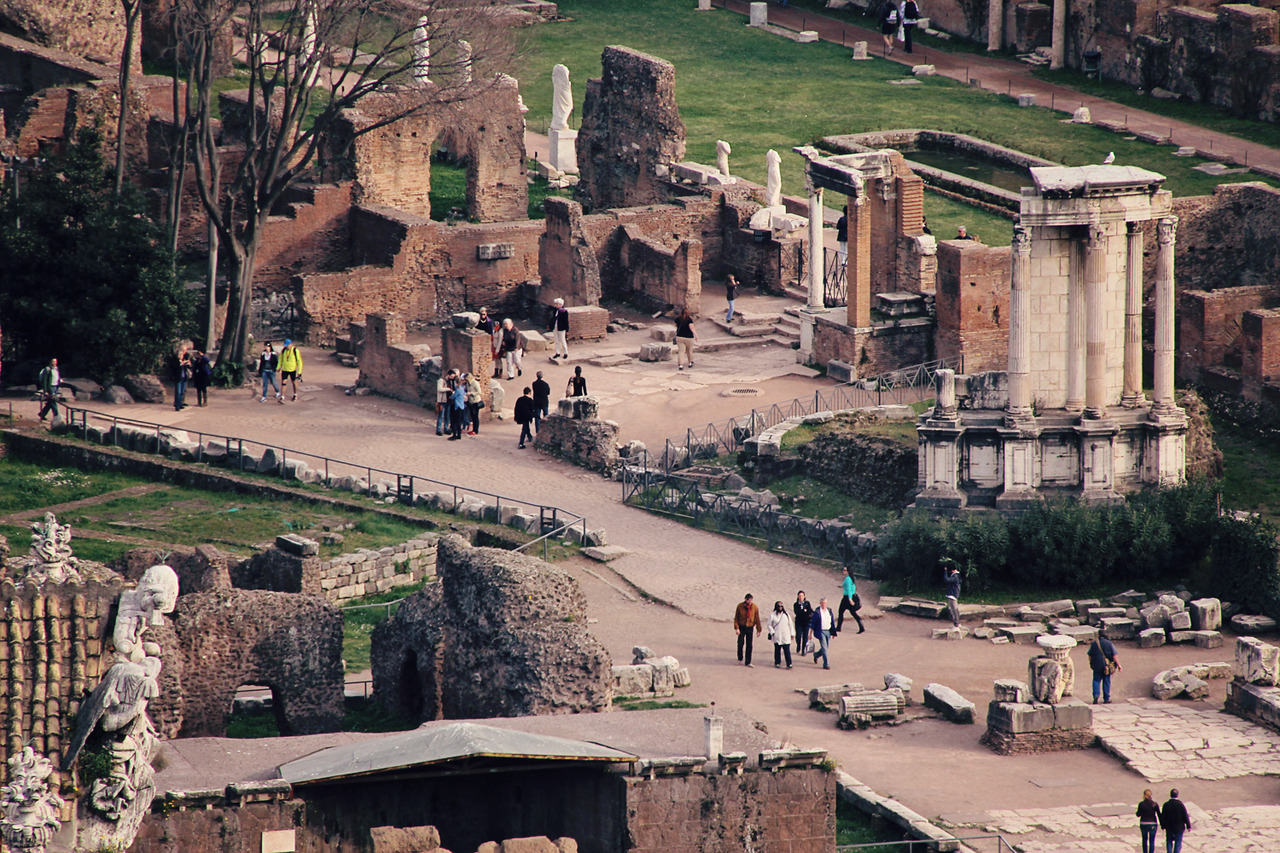
Borken temples and pillars.
Rome – the city of visible history, where the past of a whole hemisphere seems moving in funeral procession with strange ancestral images and trophies gathered from afar.
George Eliot

Ancient Rome, Baroque, fascist architecture and the 21st century in one sweeping glance.
You cheer my heart, who build as if Rome would be eternal. – Augustus Cæsar
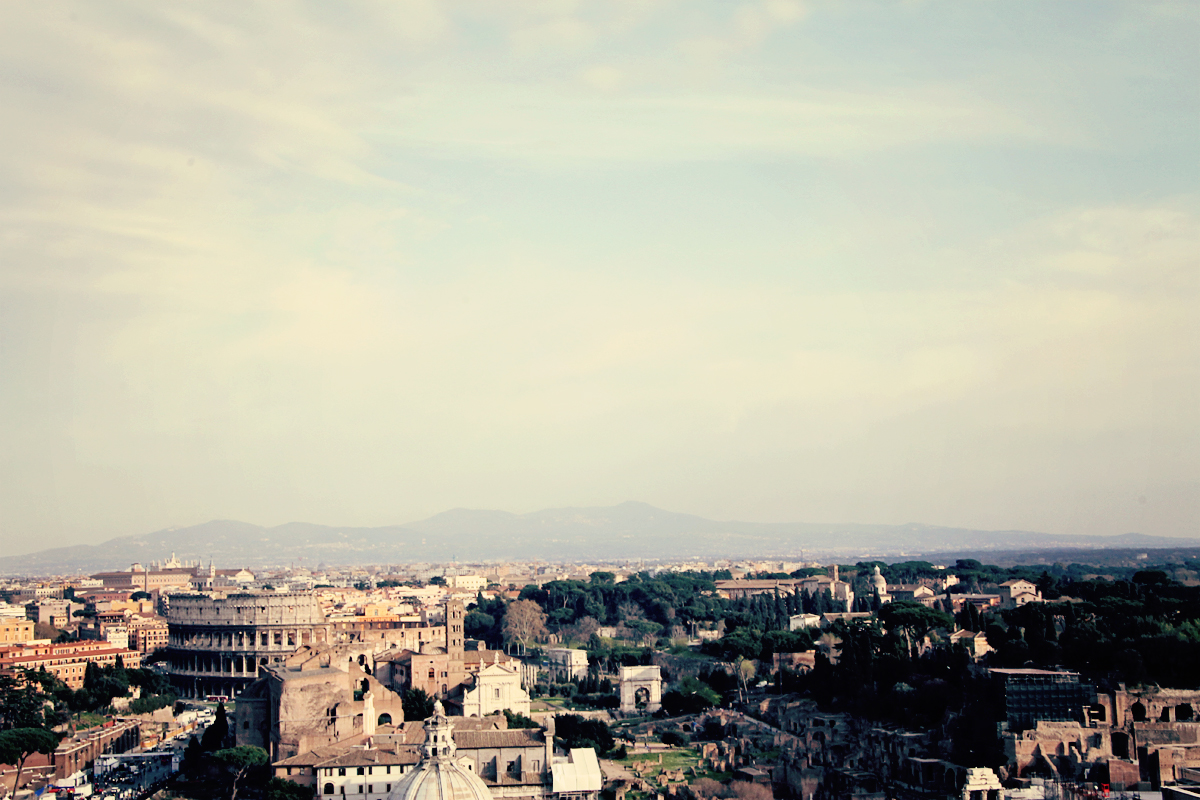
The Alban Hills appear blue against the sky no matter the weather or season. They once hid Julius Caesar from his enemies in his earlier youth.
For me, Rome is the old center, with her narrow streets, in warm colours, orange,red and even gold. Here is Rome like a house. The alleys are passages, and in three minutes you are in the most beatiful squares of the City, Piazza della Rotonda with the monument, the Pantheon, and the Piazza Navona. These are my reading rooms, my refreshment rooms, my salons where I meet my guests. – Rosita Steenbeek
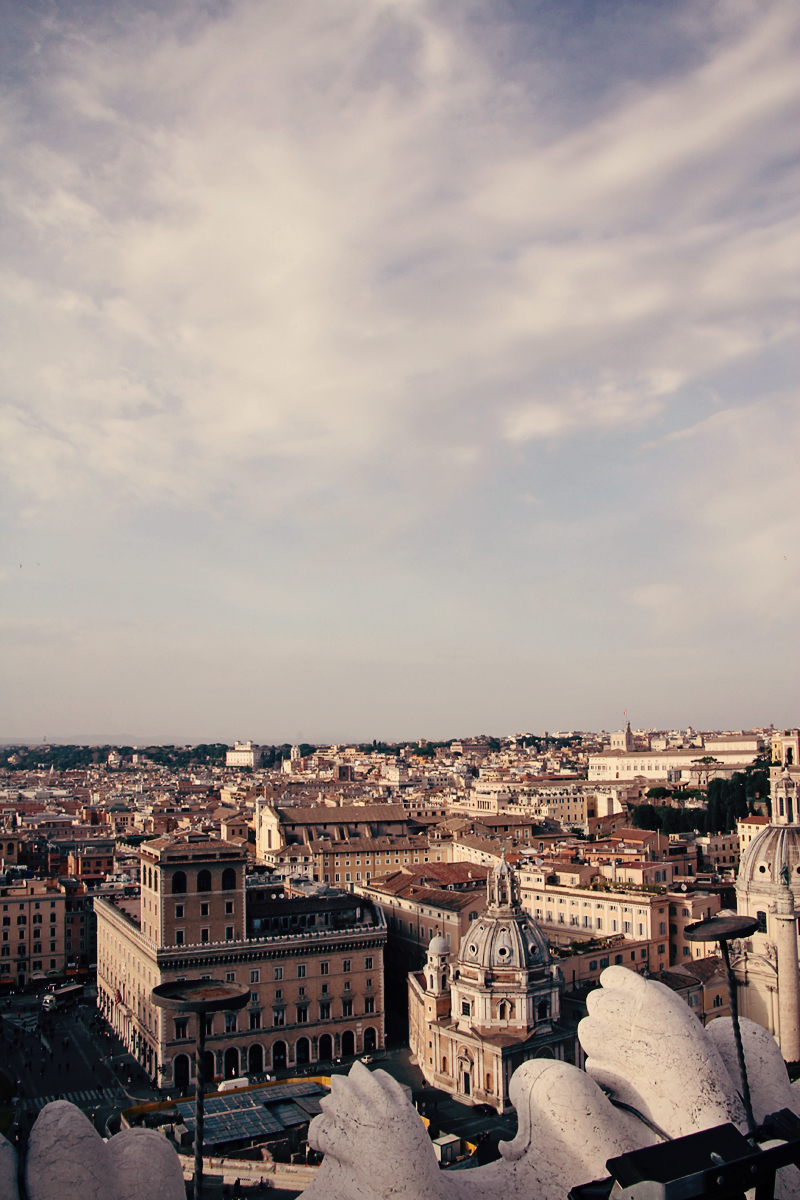
The Wedding Cake view of Rome is the view of the gods.
The light that reveals Rome’s monuments is not that to which we are accustomed; it produces numerous optical effect plus a certain atmosphere, all impossible to put into words. The light strikes Rome in ways that I’ve never seen. – Stendhal
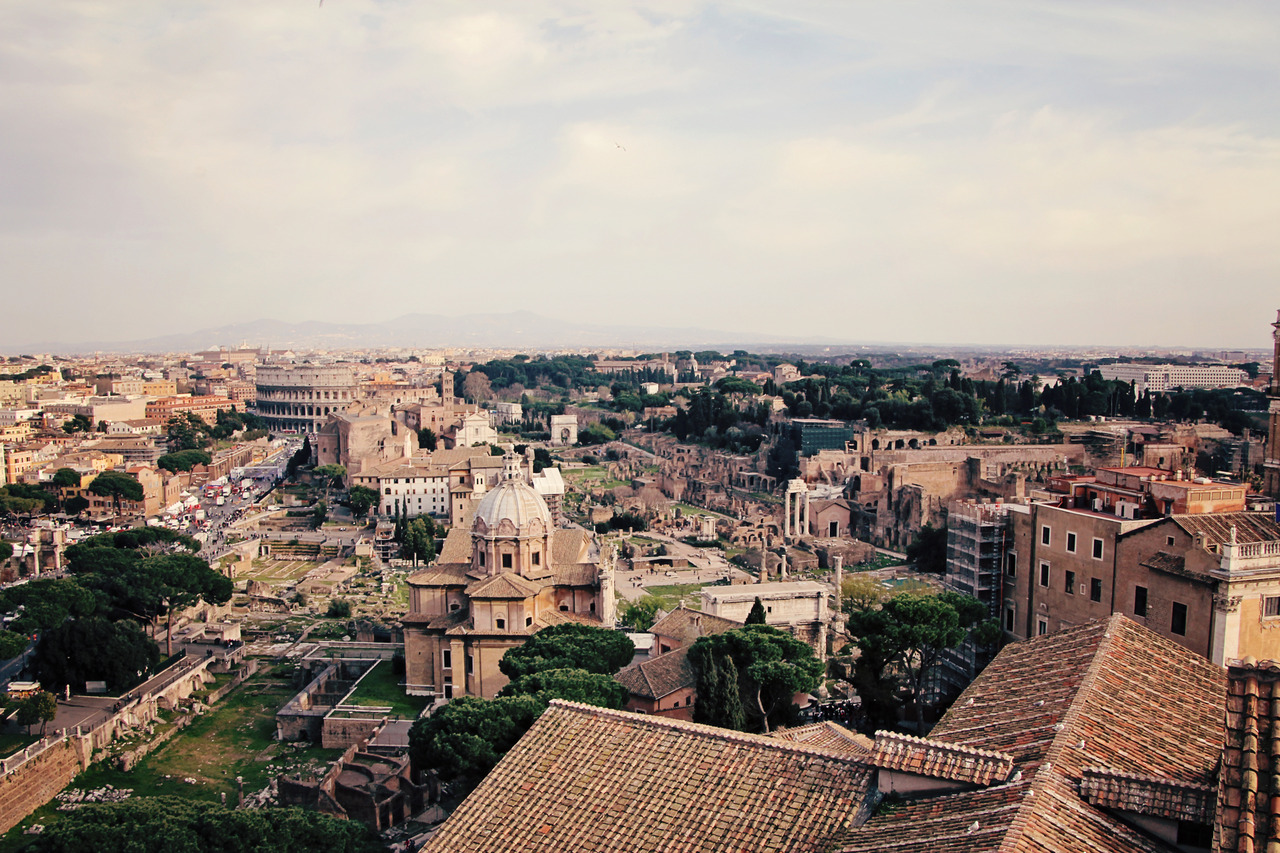
The back view of the Wedding Cake of the Forum, the Coliseum and Palatine Hill, where the Emperors and the Patricians lived in Ancient Rome.
The traveler who has contemplated the ruins of ancient Rome may conceive some imperfect idea of the sentiments which they must have inspired when they reared their heads in the splendor of unsullied beauty. – Edward Gibbon
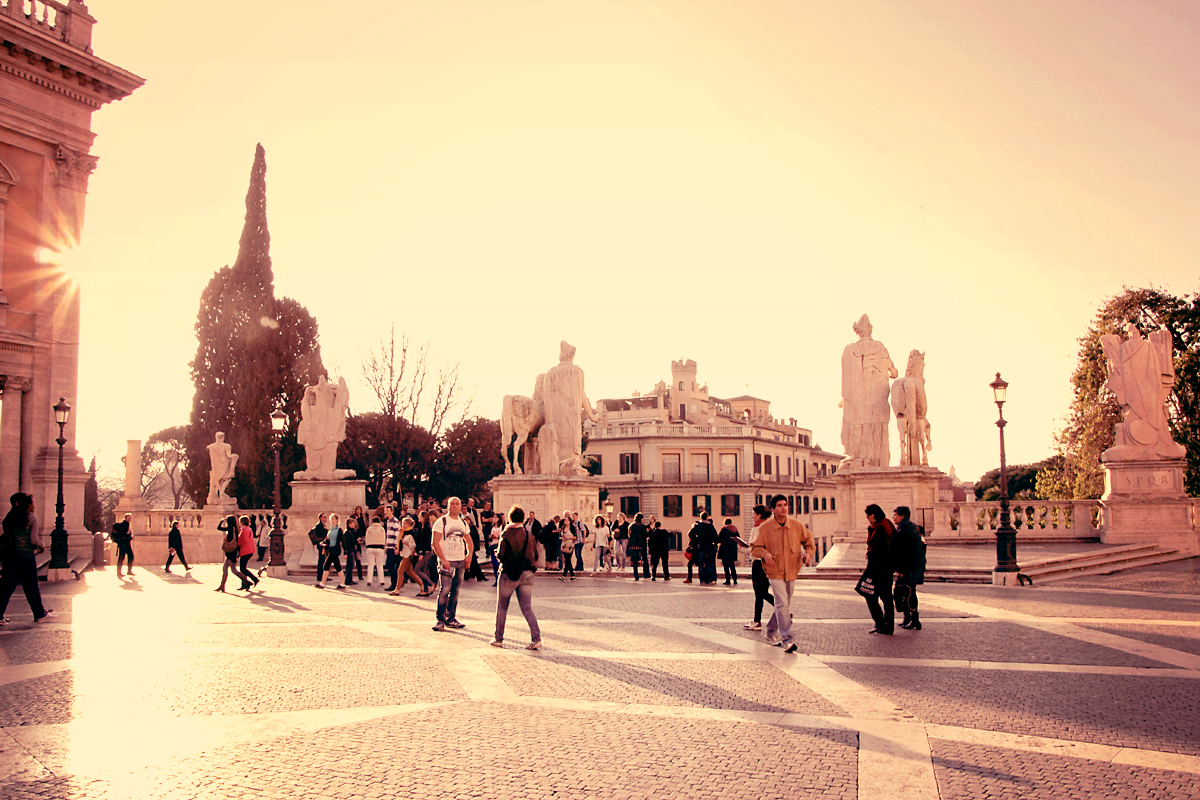
The Piazza del Campidoglio designed by Michelangelo Buonarroti in 1536–1546 at one of my favorite museums and spots in Rome on Capitoline Hill.
O Rome! my country! city of the soul! Lord Byron
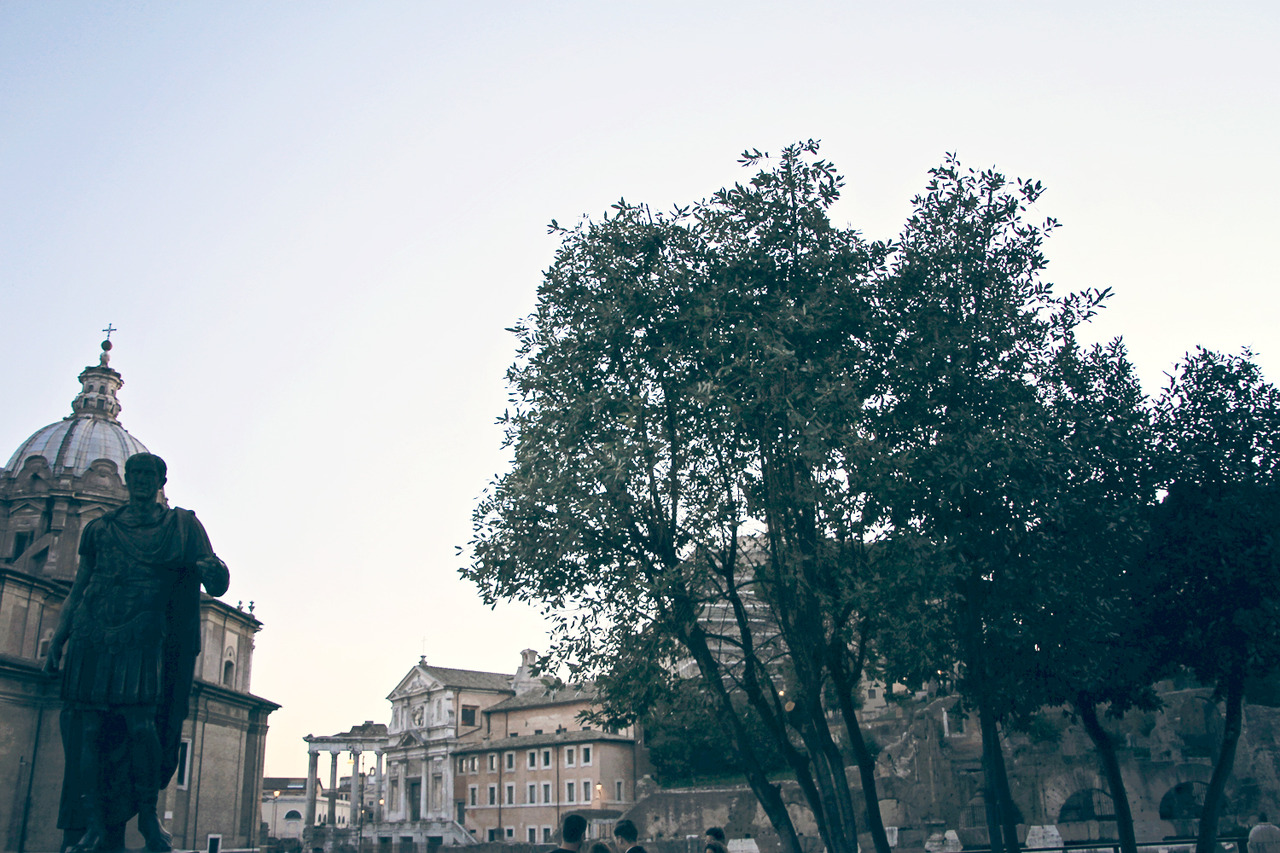
Julius Caesar and the ruins.
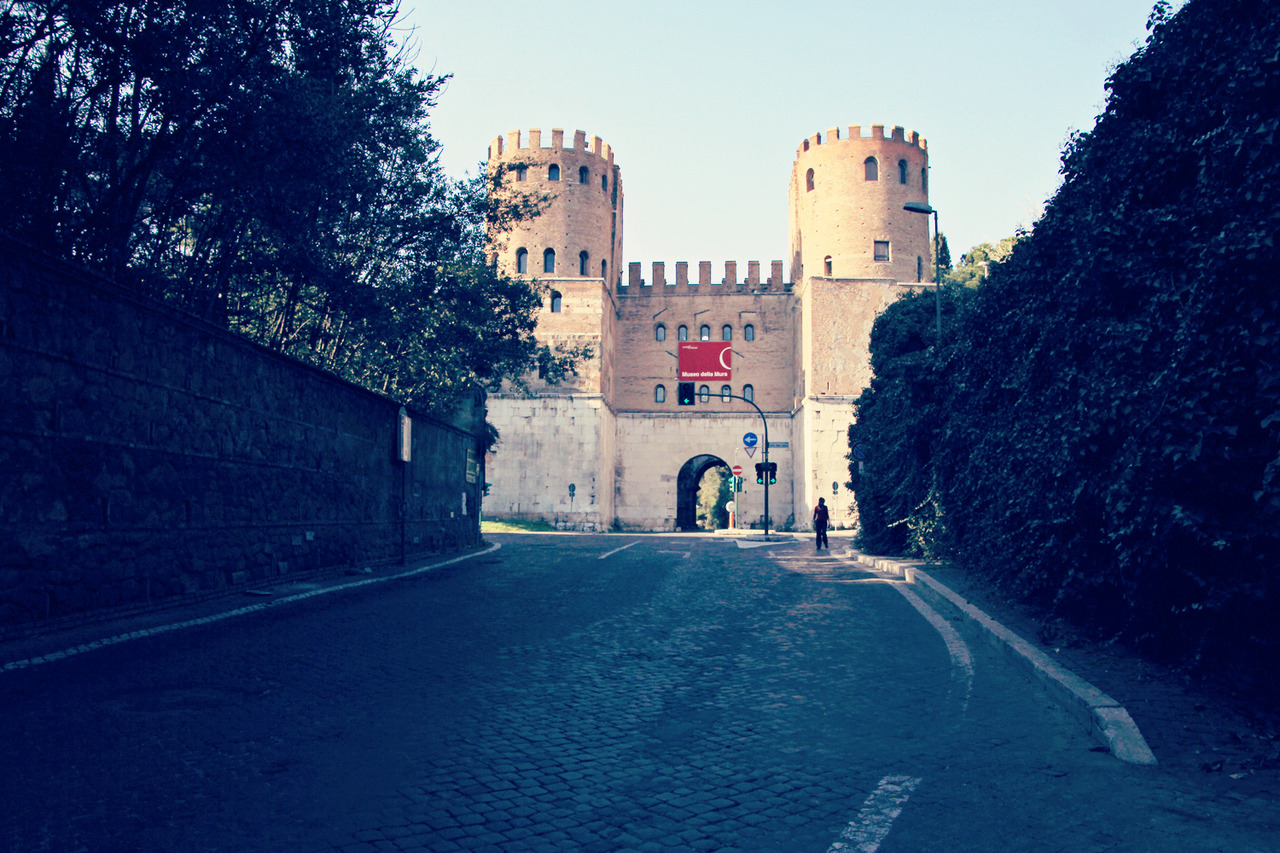
Porta San Sebastiano is the modern name for the ancient Porta Appia, a gate in the Aurelian Wall of Rome, connected to the Via Appia, the old entrance to the city for ancient pilgrims, wanderers and the 17th, 18th and 19th century Grand Tour.
A thousand roads lead men forever to Rome. – Alaine de Lille
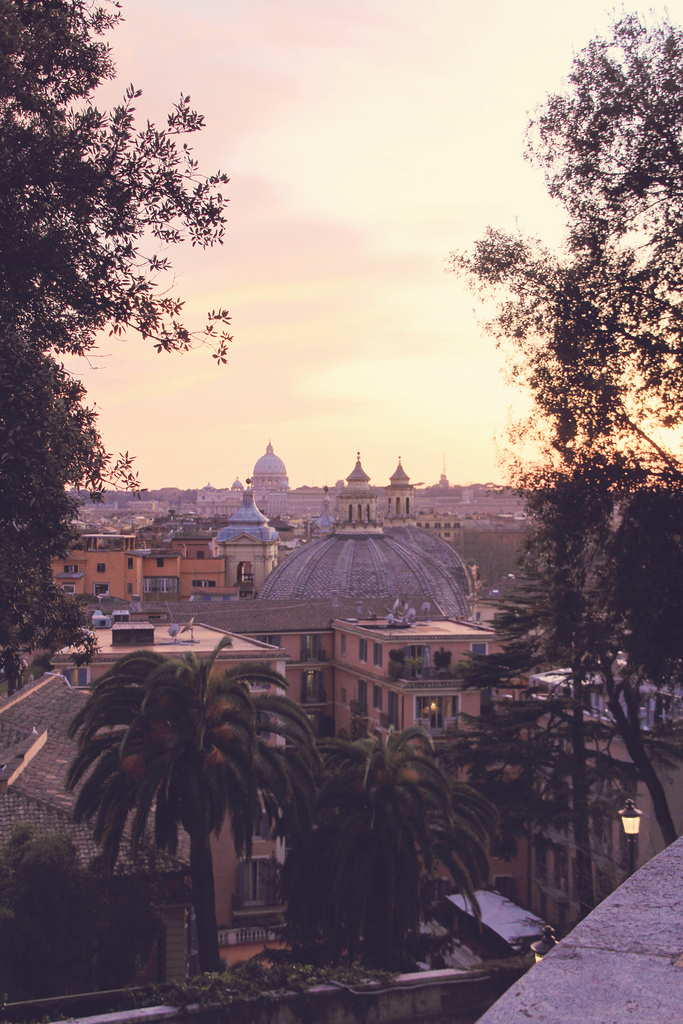
Another peek from the Pincio.
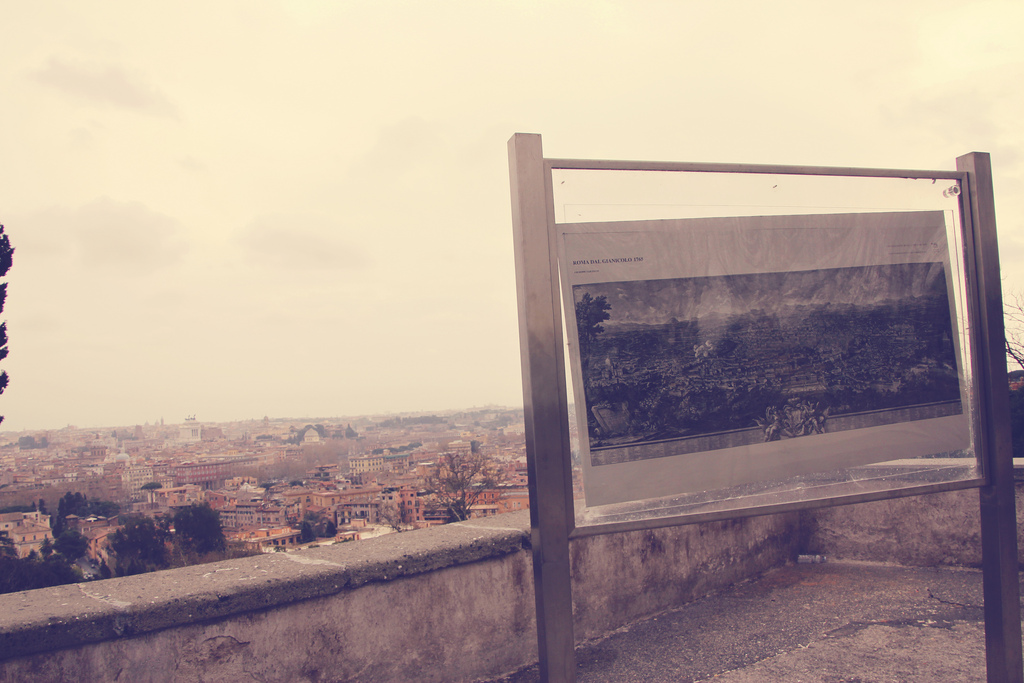
The alternate view of Rome from the Janiculum Hill, the Giancolo.
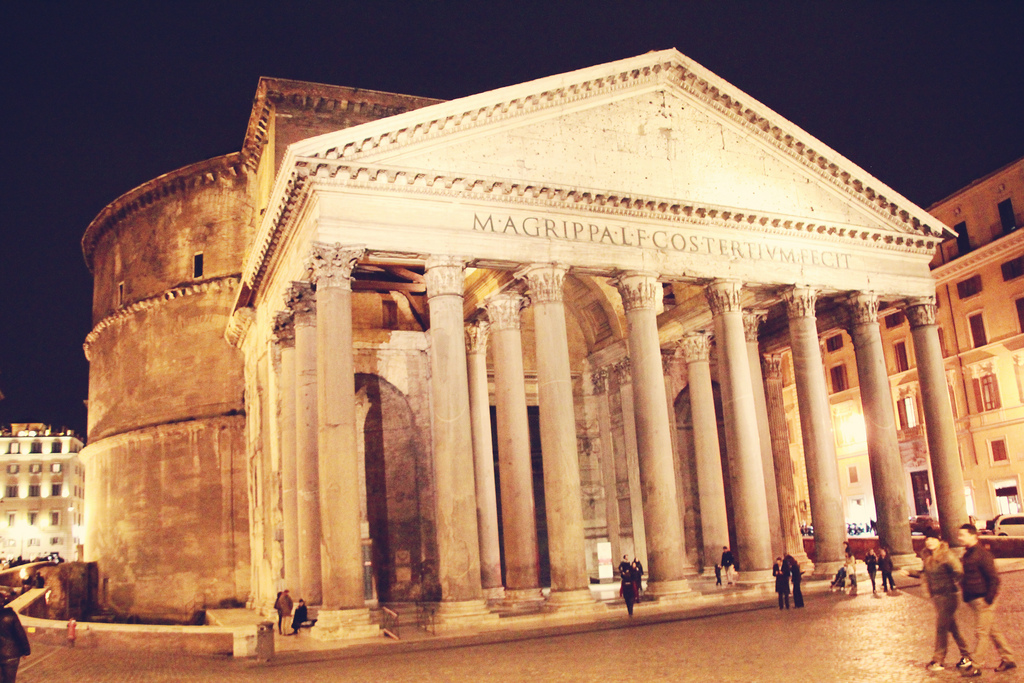
The Pantheon, which draws me to it at night to admire it’s immortality against a navy sky.
The Roman evening either keeps still or it sings. No one can behold it without growing dizzy, and time has filled it with eternity. – Jorge Luis Borges

Did I mention how amazing dusk is on the Pincio?
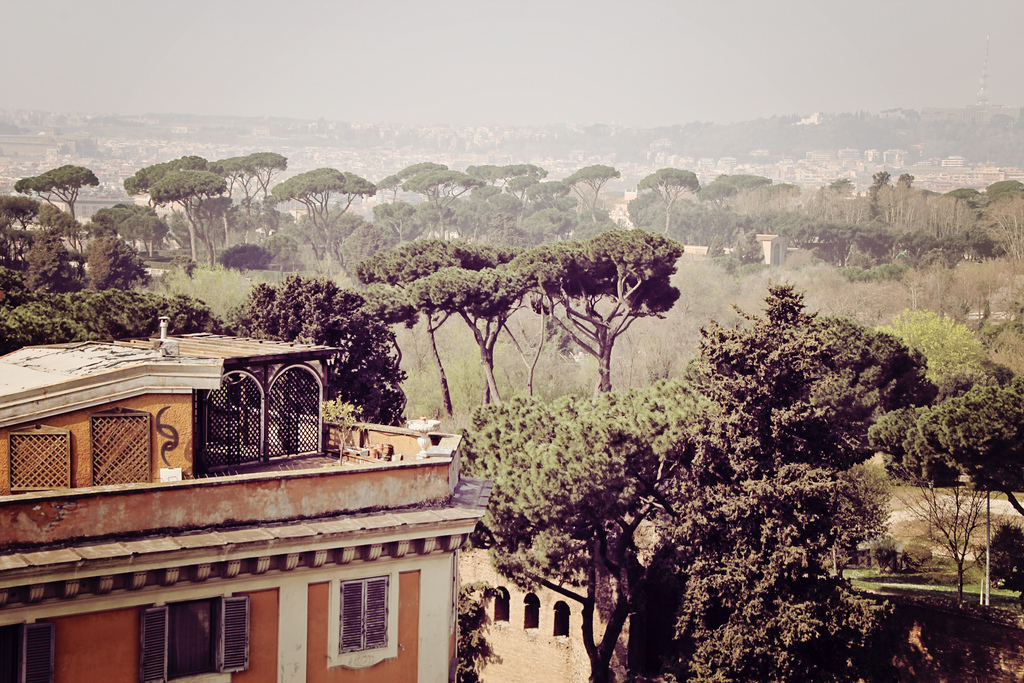
A private rooftop garden, the Auerlian Wall on the original “1950s & 1960s La Dolce Vita” street of the Via Veneto, not too far from the Lord Byron statue.
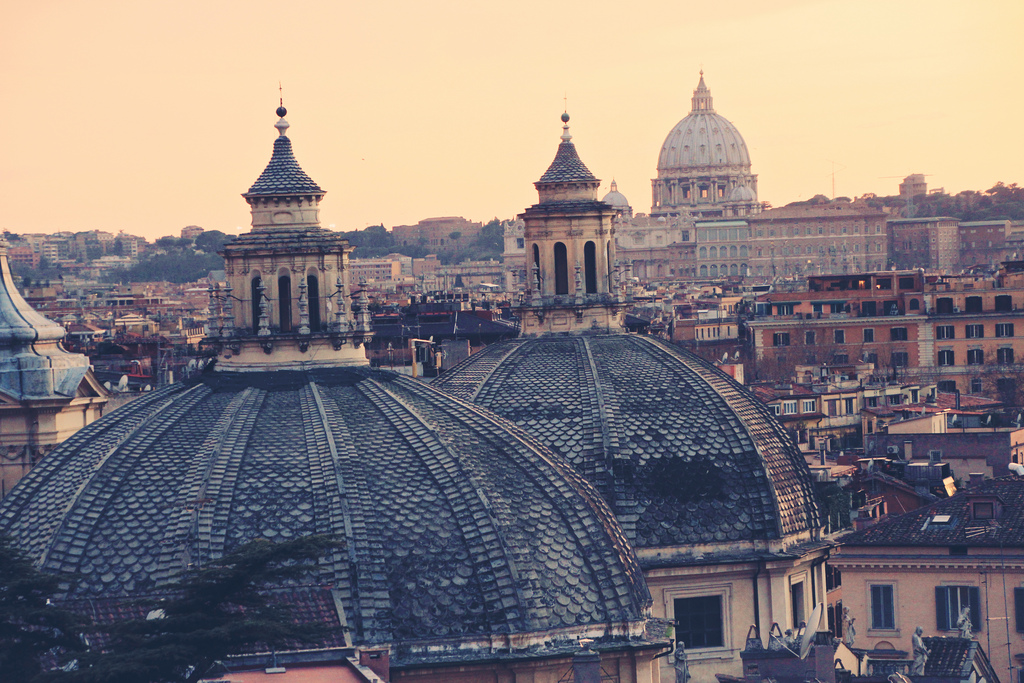
The Twin Churches of the Piazza del Popolo and the Vatican.
“The Creator made Italy from designs by Michaelangelo.” —Mark Twain

A palm tree (or descendent of) left over from ancient Egypt, planted a millenia or two ago perhaps.
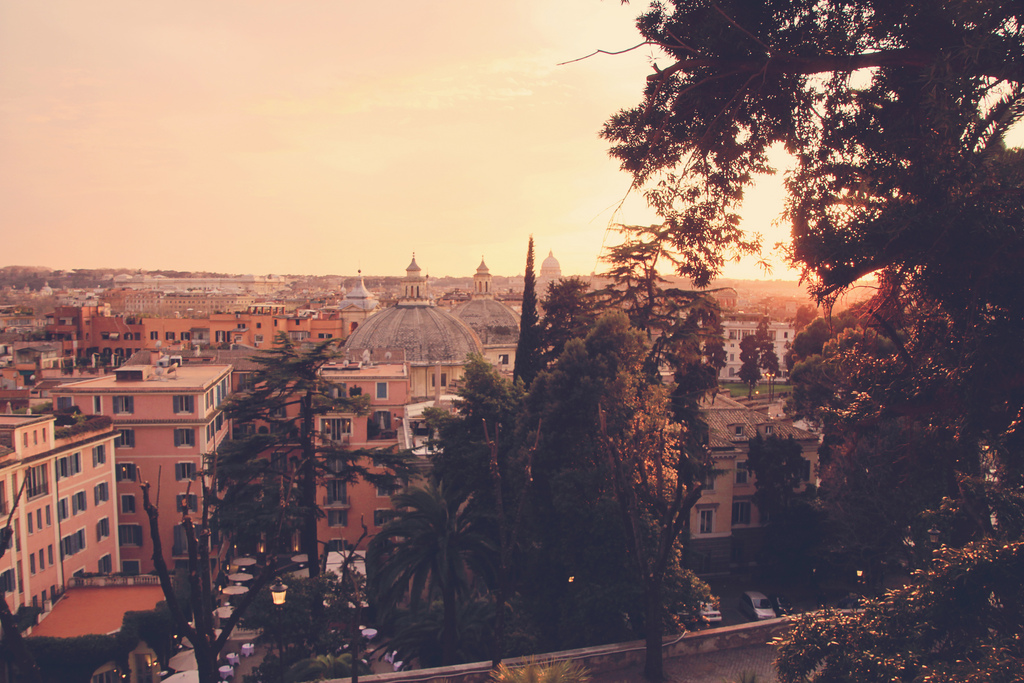
This spot is disarmingly charming. Below to the left is the luxe 19th century Hotel de Russie with an enormous garden terrace and marble stairs with cafe tables, coffee and cocktails from an outdoor bar.
“Traveling is the ruin of all happiness! There’s no looking at a building after seeing Italy.” — Fanny Burney
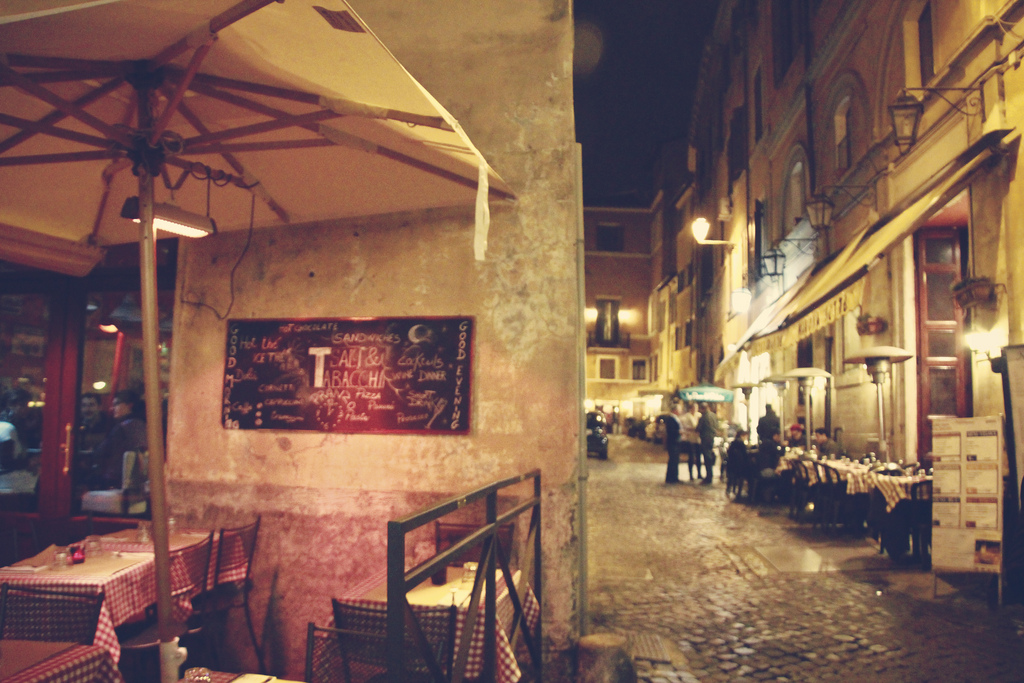
Wandering around the city at night, the cobblestones lit up by cafe lights.
“What is the fatal charm of Italy? What do we find there that can be found nowhere else? I believe it is a certain permission to be human, which other places, other countries, lost long ago.” —Erica Jong

The Villa Borghese gardens leading out to the Pincio.
For us to go to Italy and to penetrate into Italy is like a most fascinating act of self-discovery… back, back down the old ways of time. Strange and wonderful chords awake in us, and vibrate again after many hundreds of years of complete forgetfulness.” —D.H. Lawrence
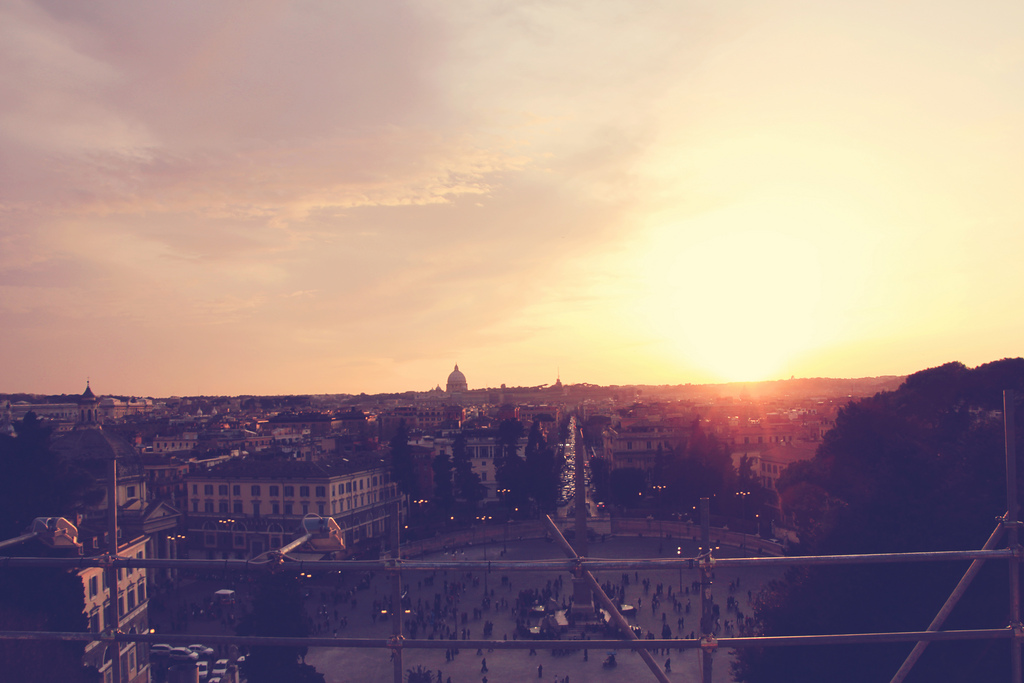
The sun falls over the Piazza del Popolo through construction fencing. At the center of the square is an Egyptian obelisk — it was brought to Rome in 10 BC by order of Augustus.
I found Rome a city of bricks and left it a city of marble. Augustus; quoted in Twelve Caesars by Suetonius
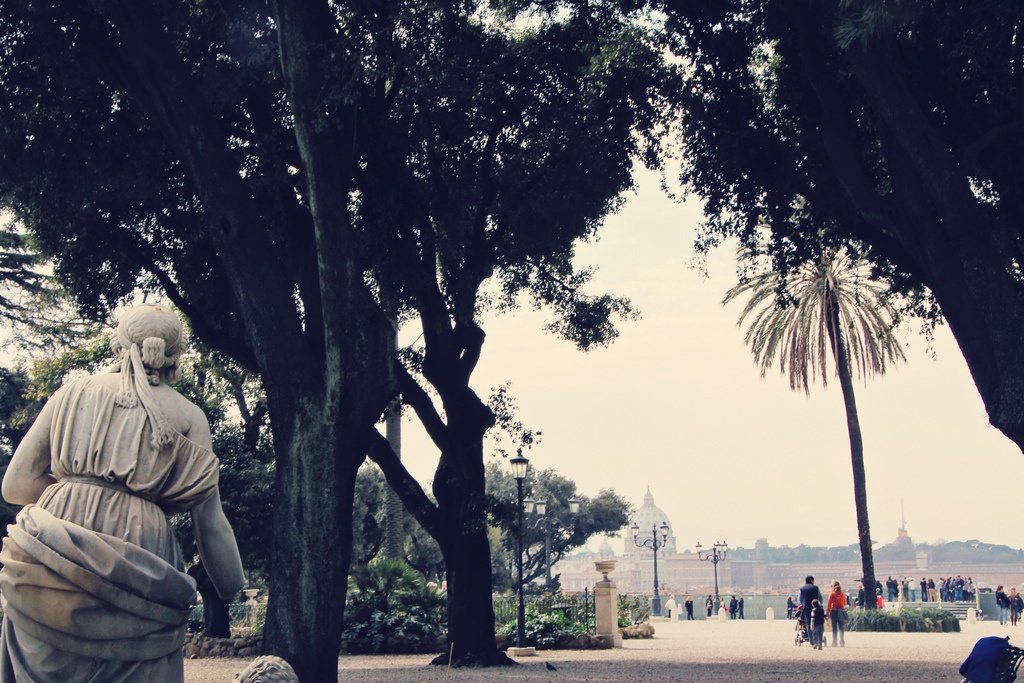
The Fontana del Mosé Salvato view of the Pincio.
Rome was a poem pressed into service as a city. – Anatole Broyard
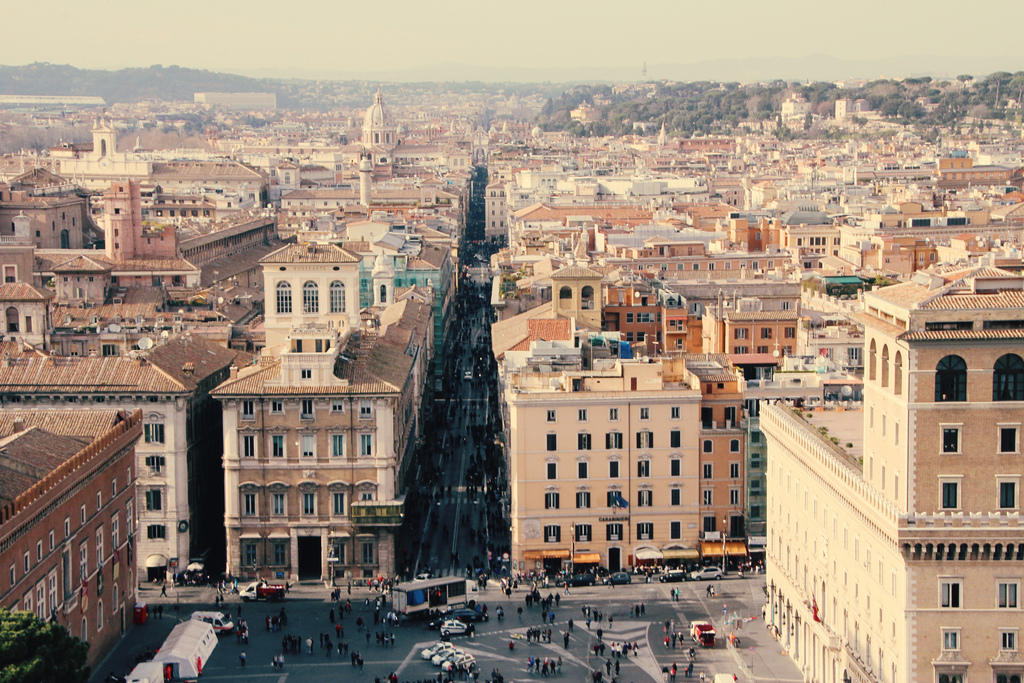
The wide view of Via del Corso always reminds me of the film Roman Holiday and Audrey Hepburn and Gregory Peck’s vespa ride.
“Thou Paradise of exiles, Italy!” — Percy Bysshe Shelley

Near the Piazza di Spagna, at the top of the Spanish Steps. Young lovers are all over the park snatching amorous moments out in public.
Italy, and the spring and first love all together should suffice to make the gloomiest person happy. – Bertrand Russell
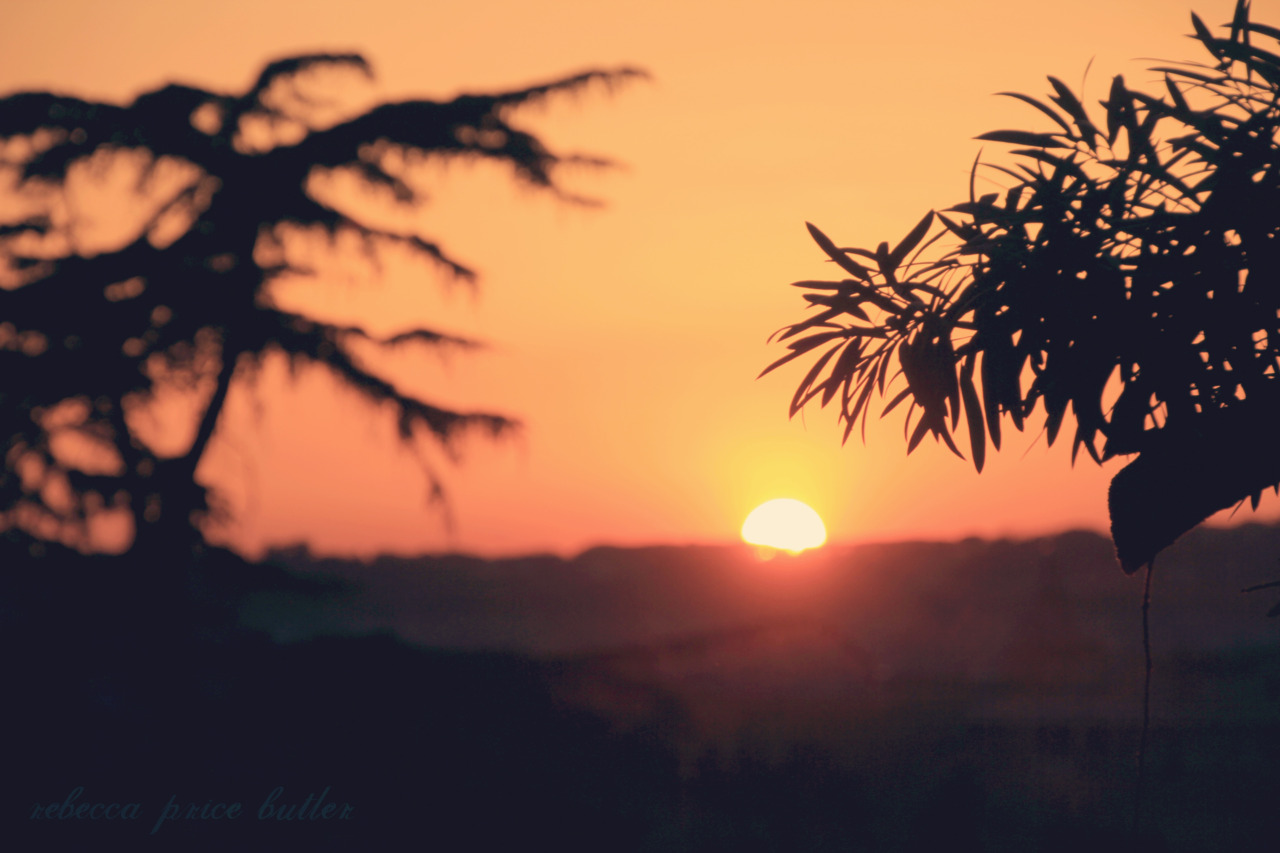
The sun rises and sets in Rome and each golden hour the view becomes more and more beautiful. It’s what brought the Romantics and the artists for centuries. The landscape, the ruins, the fountains, the art, the cupolas and the stone and marble bathed in the Italian sun. It’s why I keep returning to the Eternal City. It’s what I live for.
“Italy is a dream that keeps returning for the rest of your life.” – Anna Akhmatova
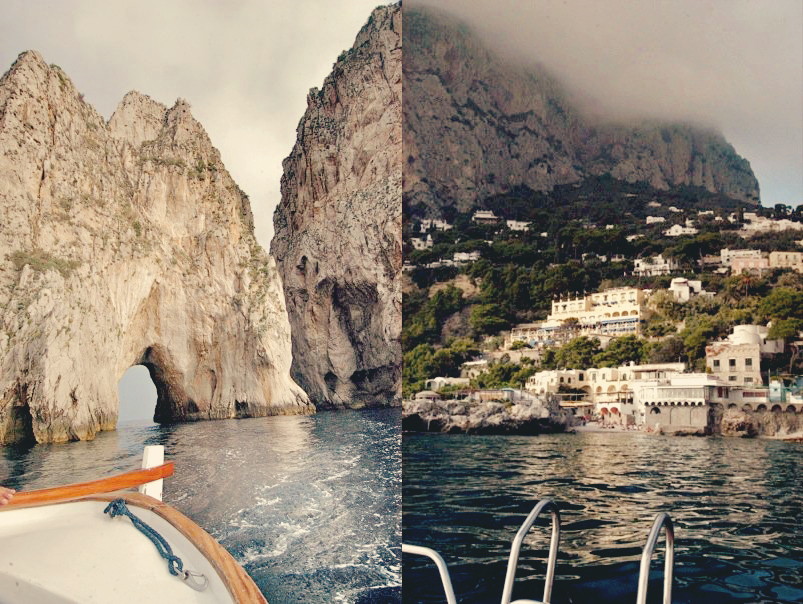 More memories of Capri as I look over photographs I took of the picaresque island in 2006. We spent eight days on the island in October and November and probably only explored half of the isle! I would like to balance this upcoming visit with the same relaxed lifestyle we adapted then whilst also exploring the island more. I love the Villa San Michele (home of Swedish psychiatrist and author of The Story of San Michele … Axel Munthe) – it’s a beautiful old villa that houses an enchanting bird sanctuary and boasts some of the best views of Capri on the island. I have a soft spot for birds, and I especially adore bird sanctuaries, ever since my mum sent me off to Mass Audobon as a child and I fell in love with bird watching and listening.
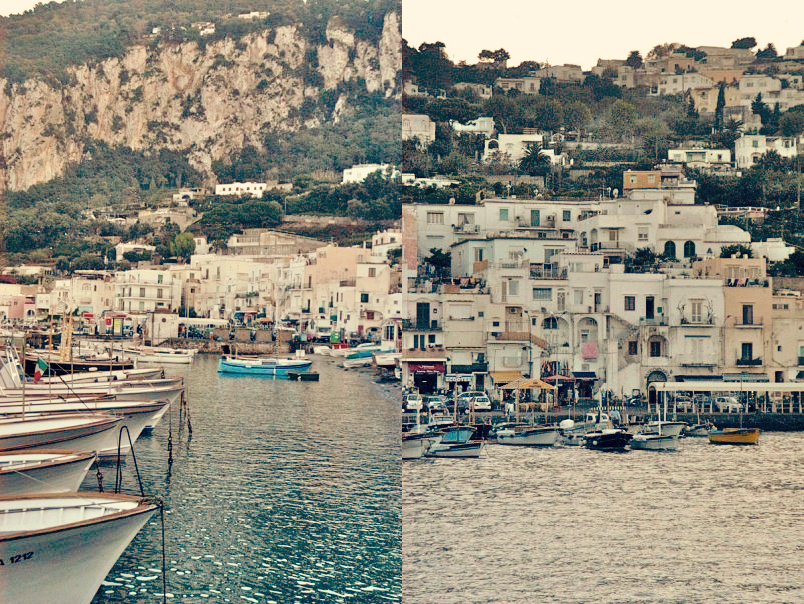
I remember loving Capri the first couple of day trips we took there from Naples and Sorrento in the late 1990s and early 2000s. For me, I get into such a city mode with my love affair of Rome it is sometimes not until later that I feel I can tear myself away from the eternal city for a different Italian experience. I love the nature and the beauty of Southern Italy but the architecture, art, history and pulse of Rome calls to me an urban Siren’s call. Capri and Sorrento may be the mythical home of the Sirens (and it is no surprise given it’s soaring cliffs and sparkling waters) but I always found the pleasures of Rome to be far more tempting.
After two visits last year to Rome and a few days in Naples and after a long winter (and my husband’s very bad car accident right before christmas) we both decided we wanted to relax adrift the mediterranean. We wanted a quiet spot filled with the Italian riches of nature, a little architecture, some ruins (Villa Jovis), some views (Capri and Ana Capri!), a central location (day trip to Ravello and Paestum, ferries to the Amalfi Coast) and a whole island where you can walk, swim, trek or take a white convertible taxi or a ski lift to wander around.
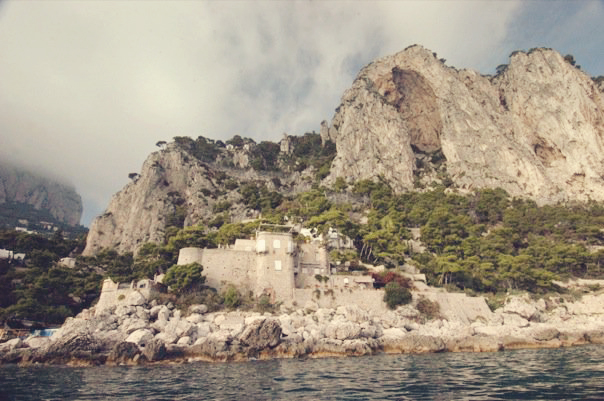
We aren’t making too many plans and I’ve promised not to bring my camera everywhere. I am planning on taking my film camera with rolls of portra 35mm film and marking special days and times to go around the island myself and go on several shoots whilst he is swimming or lying by the pool. There’s something about not planning much and seeing where the day takes you that is infinitely more like a holiday than a list filled grand tour. Let’s see where in the moment living can take us I suppose!
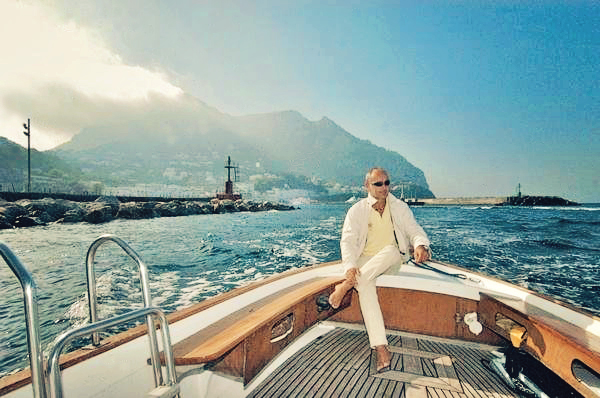
And we must take another little boat around the island, that’s for sure. This time we’ll remember the sun block.
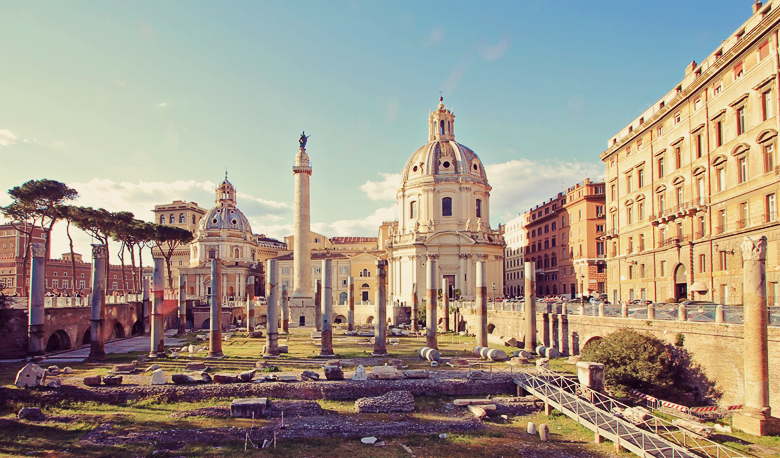
I have thousands of photographs (digital images and film shots on digital files) I am pouring over for this blog and the strictly photo tumblr connected to A Love Letter To Rome. I found this shot of the ruins and cupolas bathed in pink and gold to be a temporary antidote to living in a snow-covered, rainy, icy, slushy, terminally grey winter which is stretching itself past the first rite of spring tomorrow. Since I have so many shots on multiple hard drives, it’s taking me a while to sort them and organize them for posts. My main vision for this blog is moments in Italy, a walk, drinks at a cafe, a neighborhood, a painting, a quote, a sunset – some long and detailed, some short and simple.
For my upcoming return to Napoli in May I am compiling arts and culture listings for museum exhibitions in Italy for day trips.
Here are some links from great Rome blogs on current art exhibitions:
In Rome Now good info
Revealed Rome good reviews! great articles!
The Pines of Rome “Exhibits on Now” – great blog!!
The Titian exhibit at the Quirinale looks great. I’ve seen nearly all those works at one time or another, but not housed together under one roof.
PART ONE: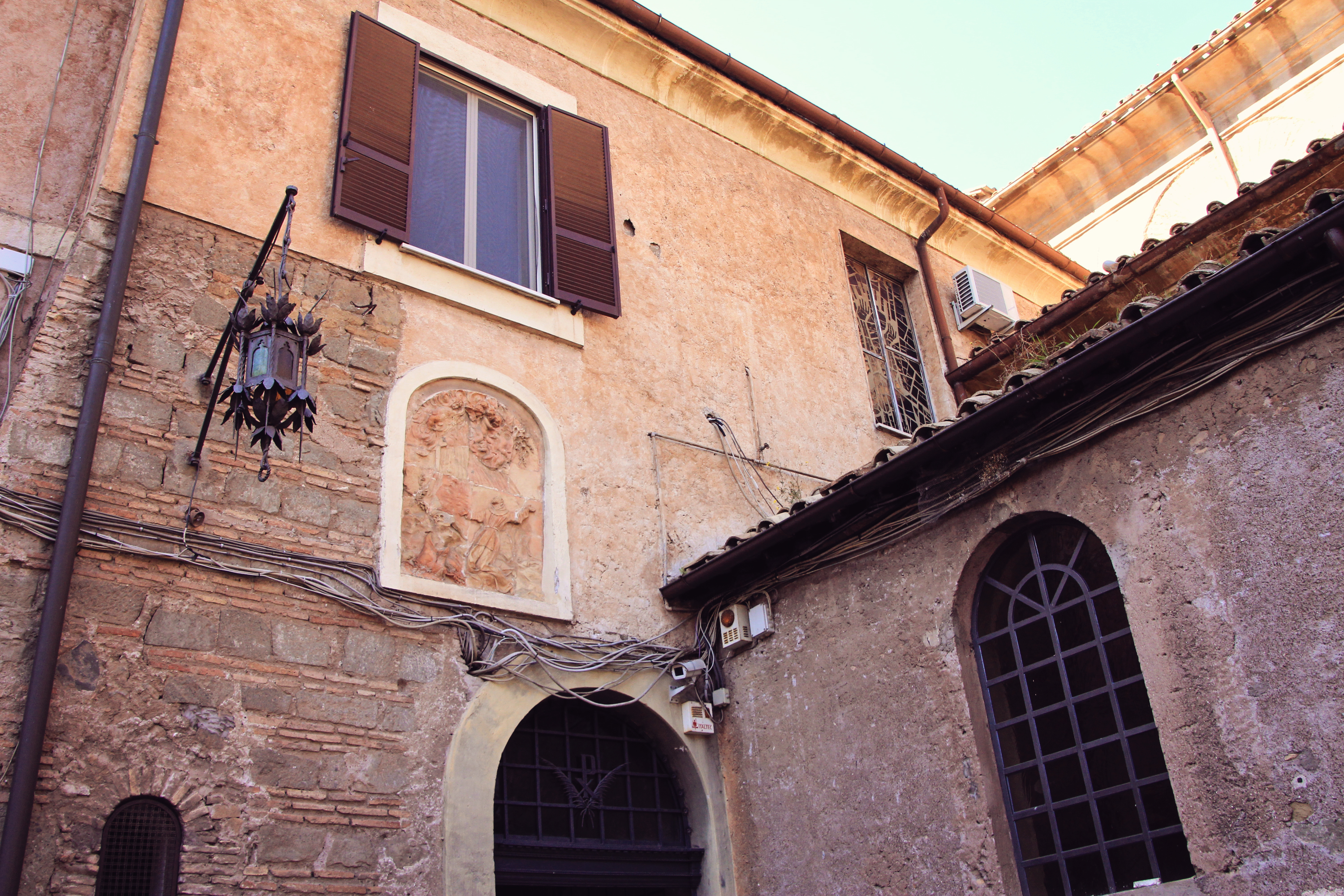
Church next door to Catacombe di San Sebastiano
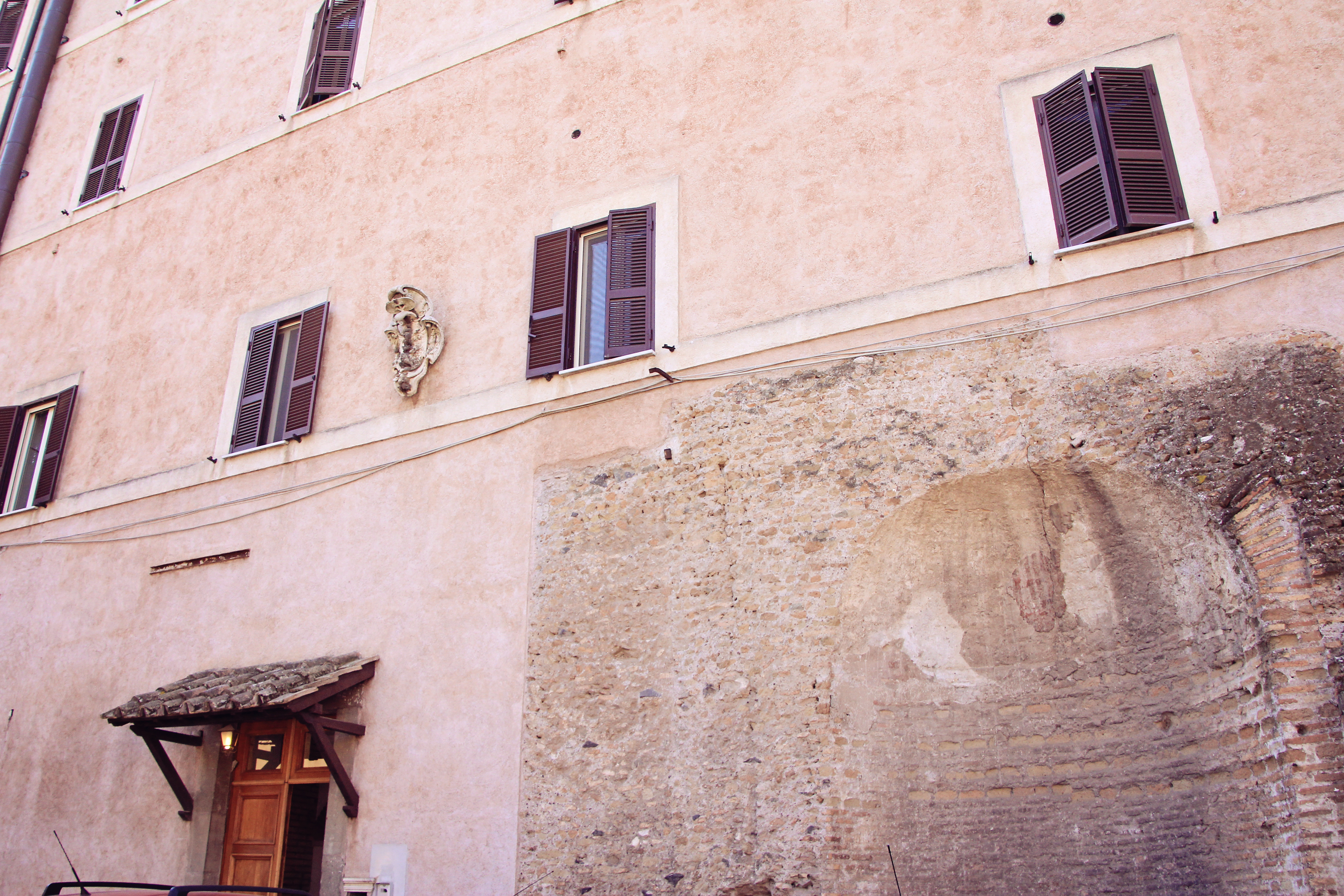 Interesting church interior and only public bathroom for miles.
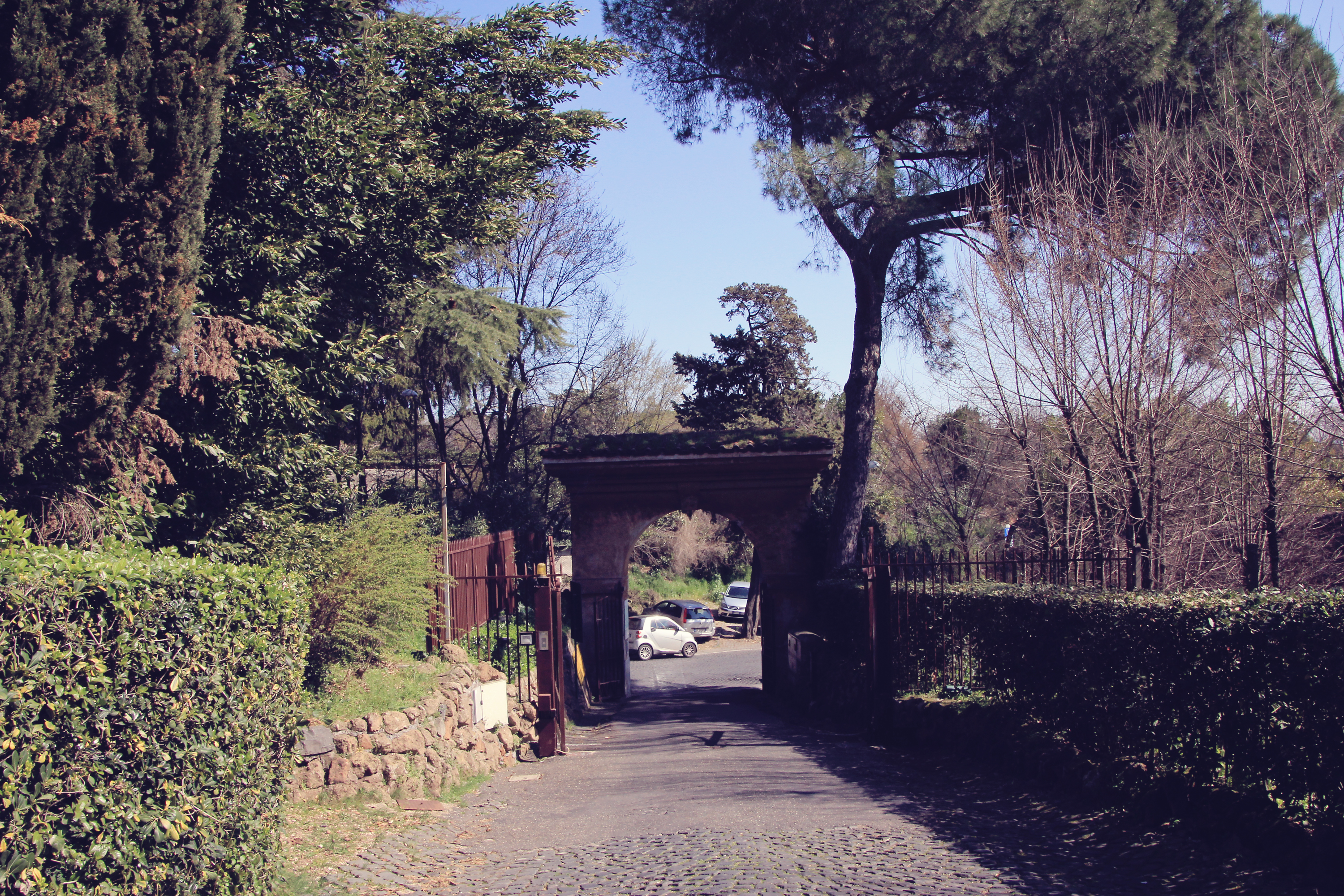 Looking down at the entrance of the San Sebastian Catacombs from within it’s garden.
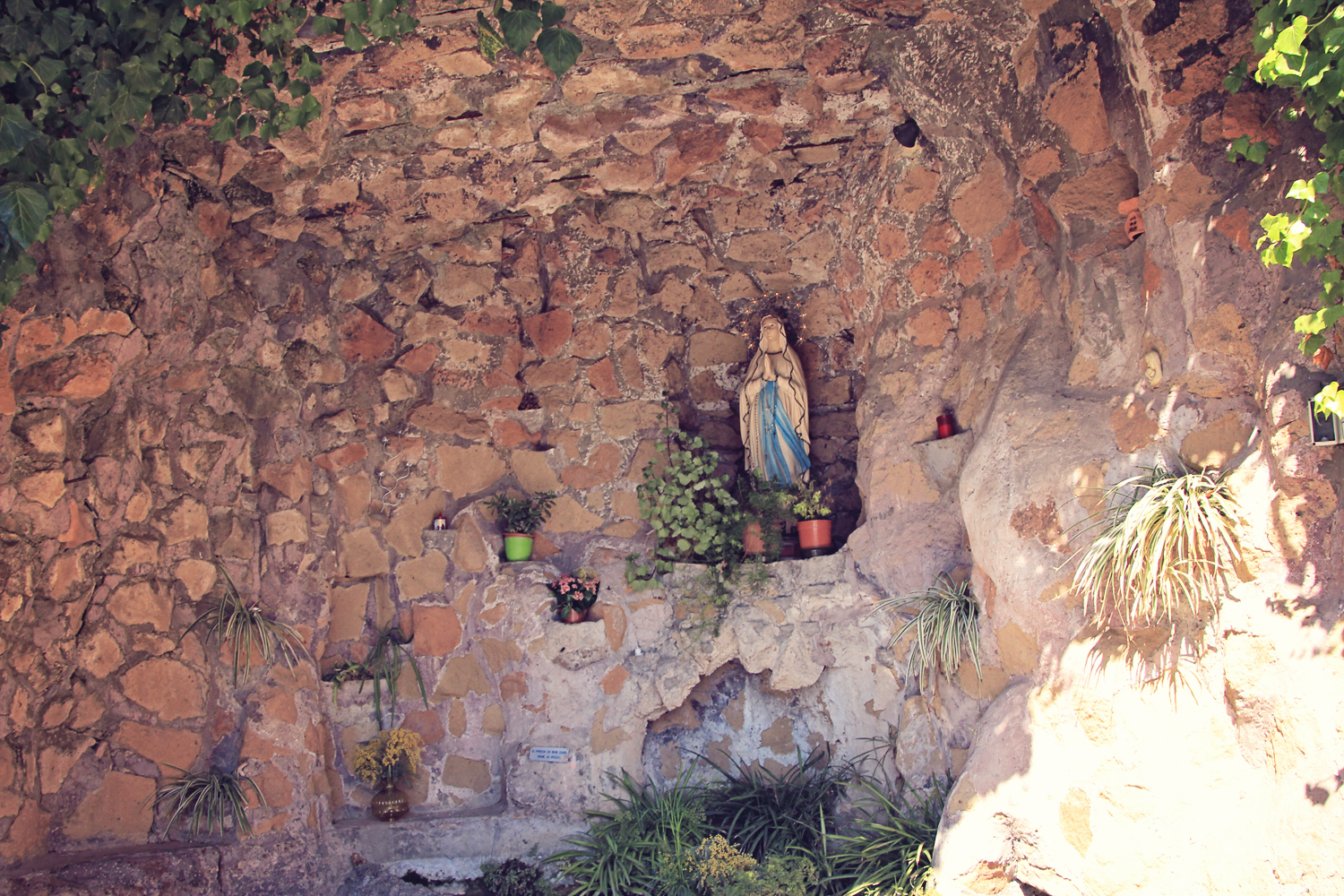 A garden prayer niche at the catacombs.
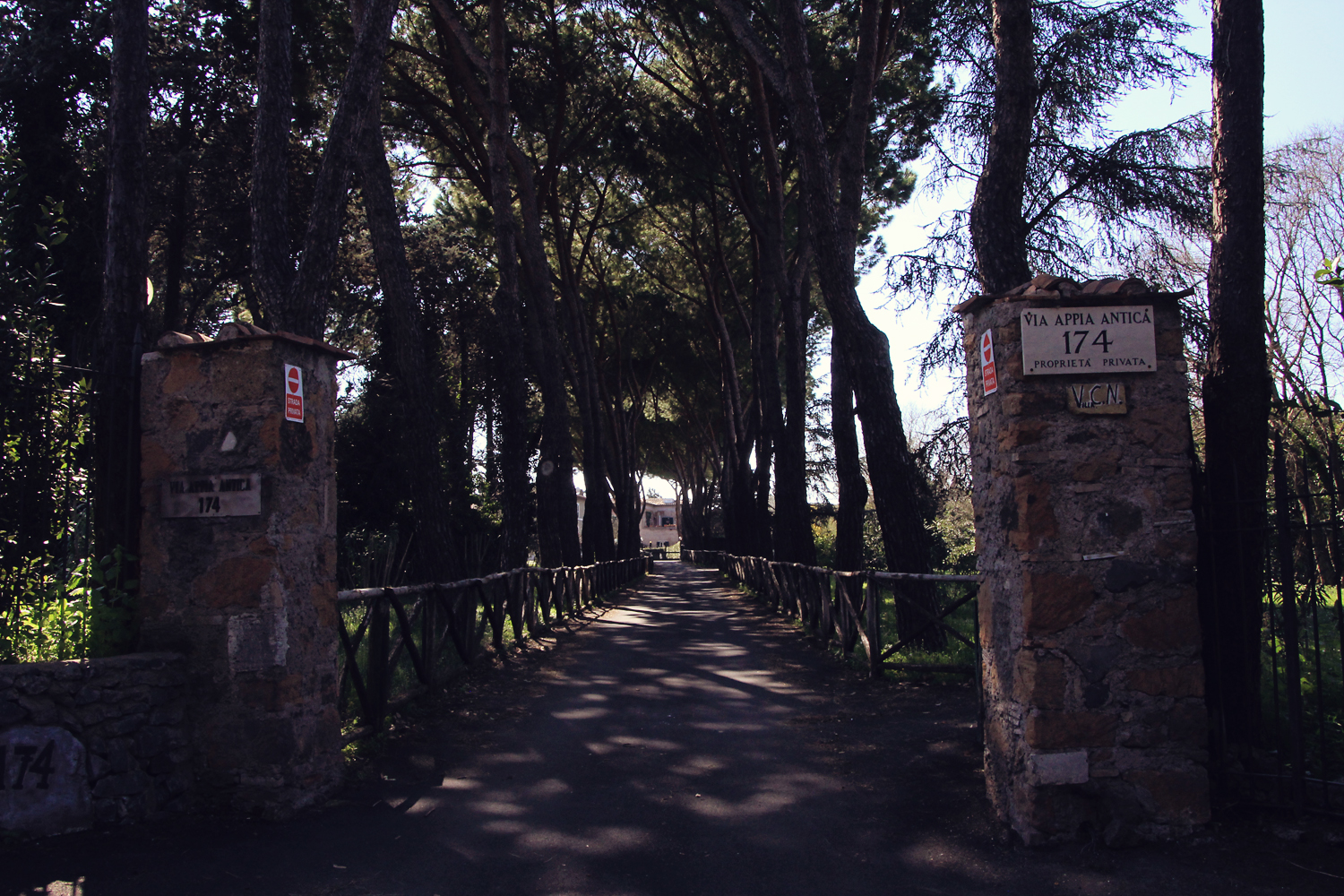 One of the many enchanting gates leading to the Appian Way (Antica – ancient part).
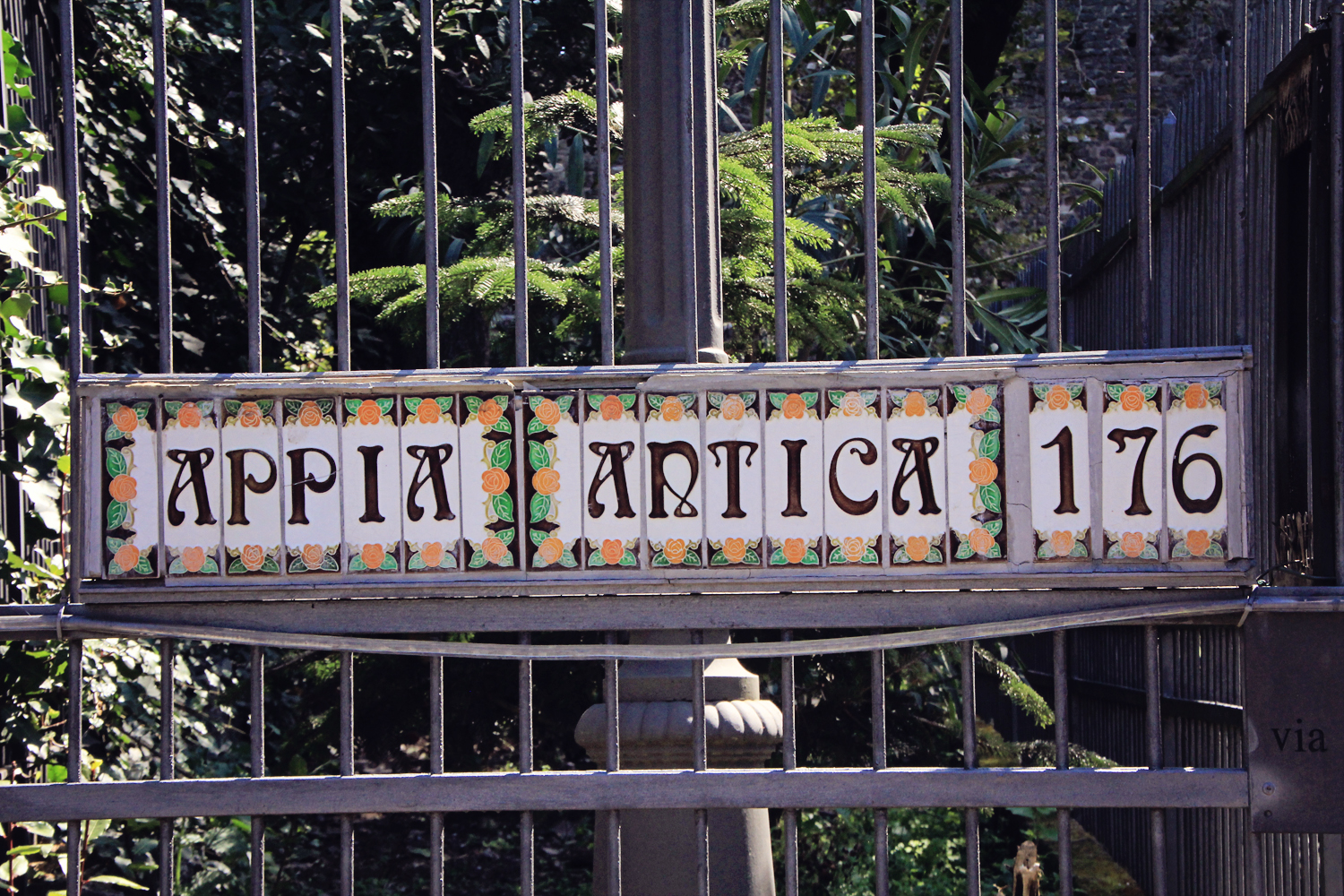
It’s amazing to see how people live among the ruins and the ancient villas and gardens of the most ancient of roads in Italy.
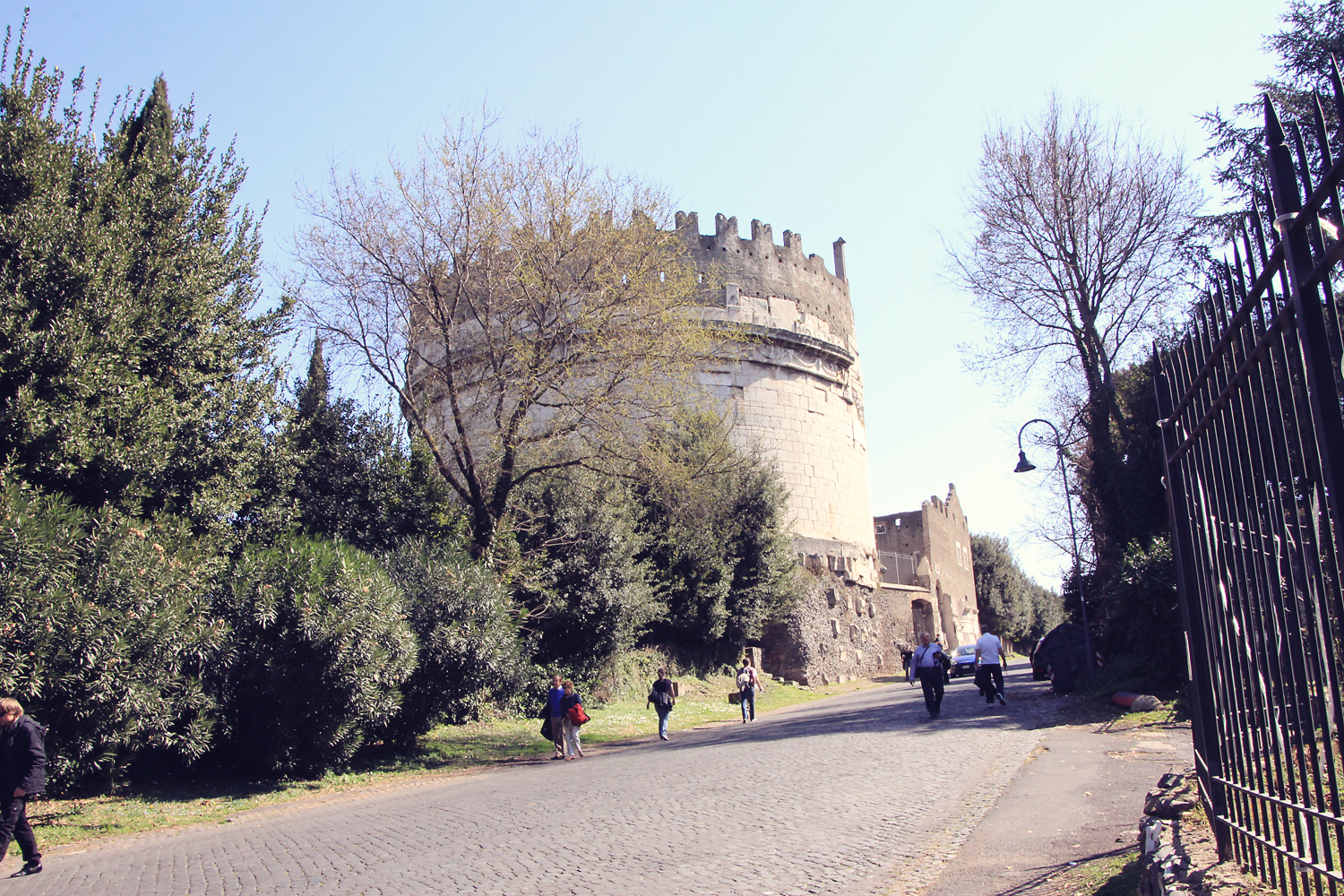
“The Mausoleum of Cecilia Metella (not a castle), and is said to have been built in the second half of the 1st century CE”, some steps away from the Catacombs. (Thank you, Misera e stipend città! That was lazy recall on my part! That’s one of the things with photographing so much and not taking notes – I forget the specifics! I need to start taking a tiny pocket notebook and a pencil with me like I did in the 1990s/early 2000s. And this is particularly sloppy writing as I made a big deal out of finally seeing Cecilia Metella last March, too)! Here is an excellent site on Cecilia Metella’s Tomb and the San Sebastiano area of the unchanged Appian Way!
The walk is well worth the effort, very pleasurable on a sunny, warm day.
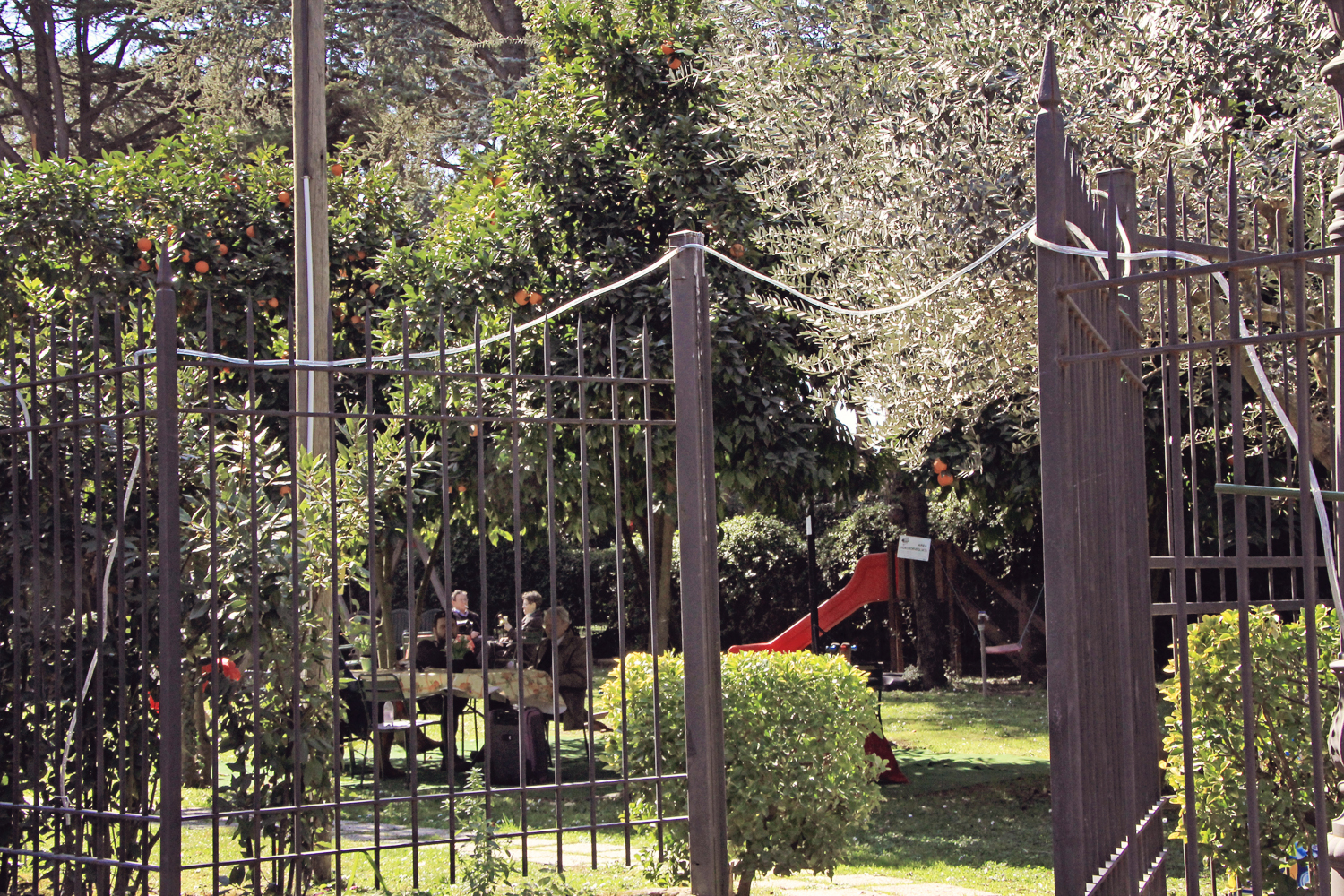 There are a few scattered cafe restaurants and a playground amid an orange grove.
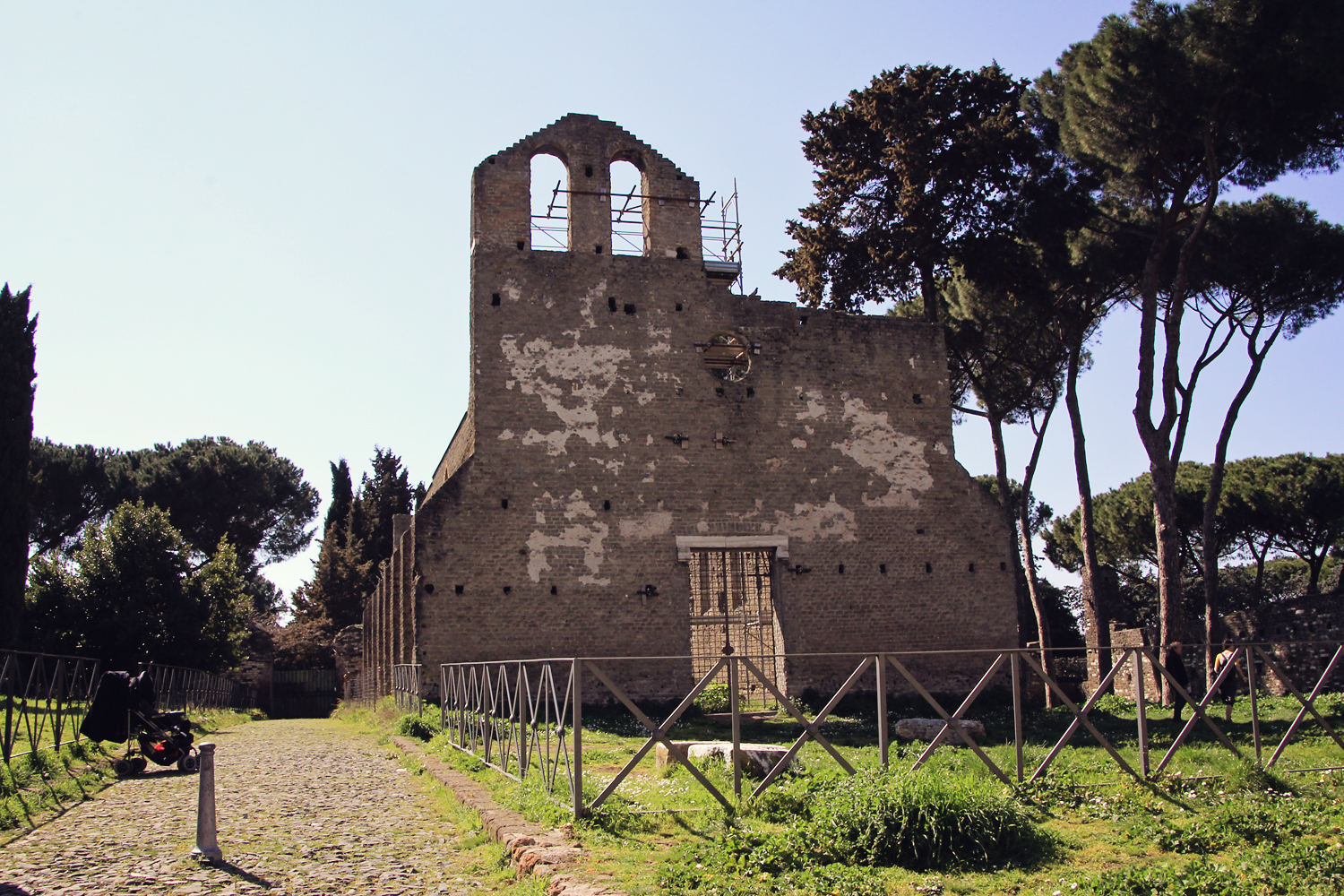 More palazzo ruins and curiosities among the cypresses.
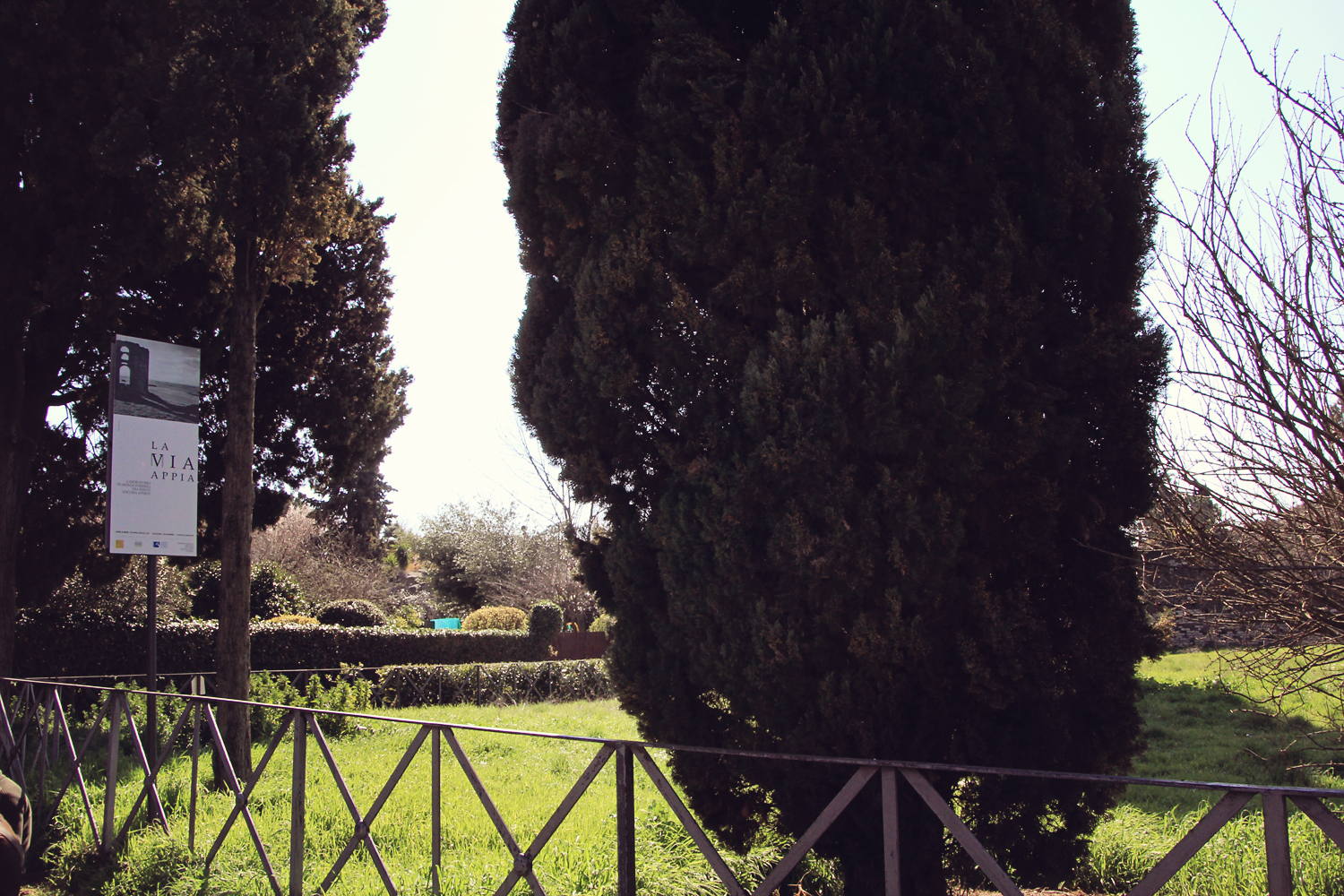 There are even some museums and art exhibitions featuring the the changing and not so changing face of the Appian Way. There are villas and open gardens to wander in from ancient Roman times.
 Shadows of overhanging greenery on ancient and medieval walls.
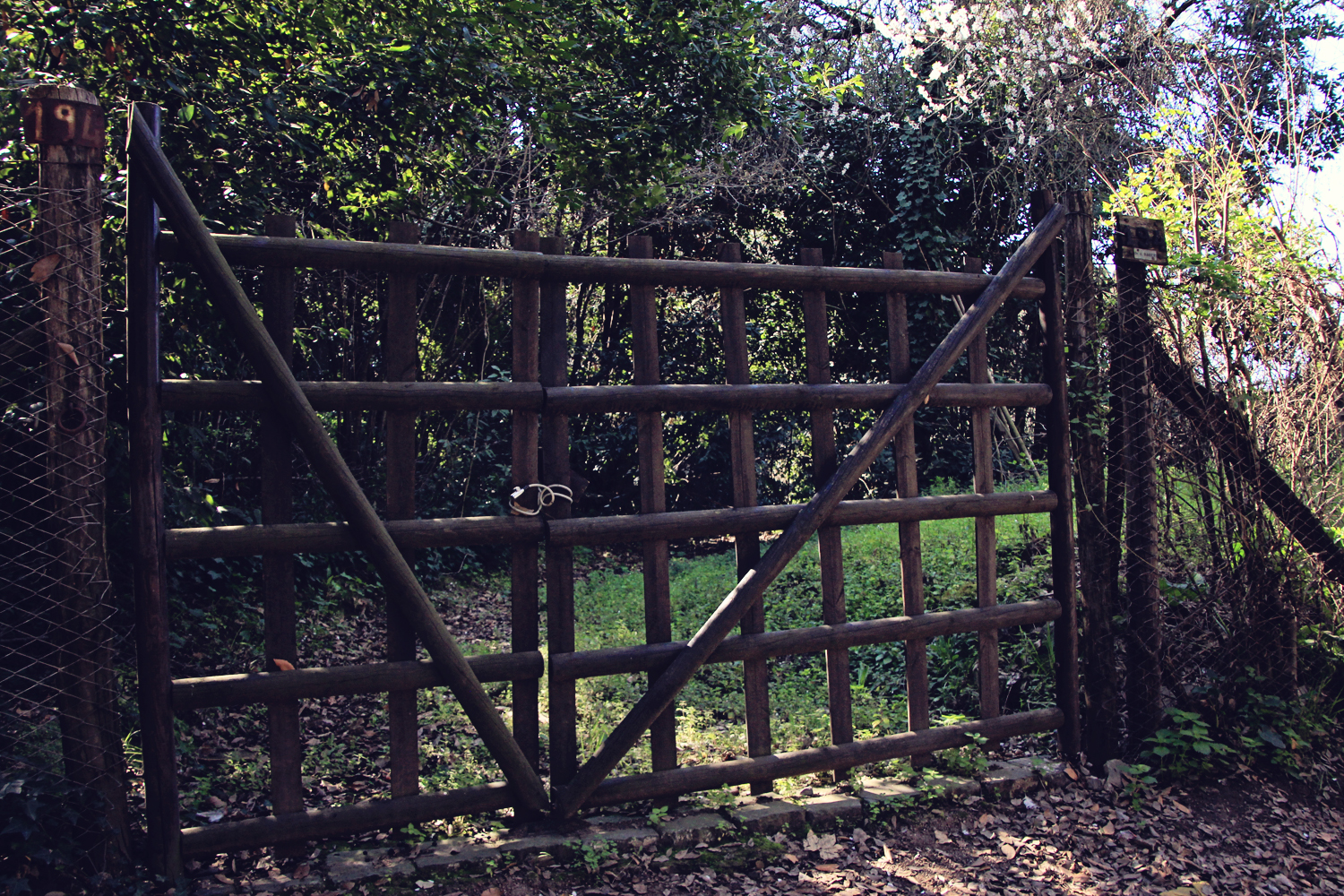 Behind the gates are private gardens and residences one can only envisage in imagination.
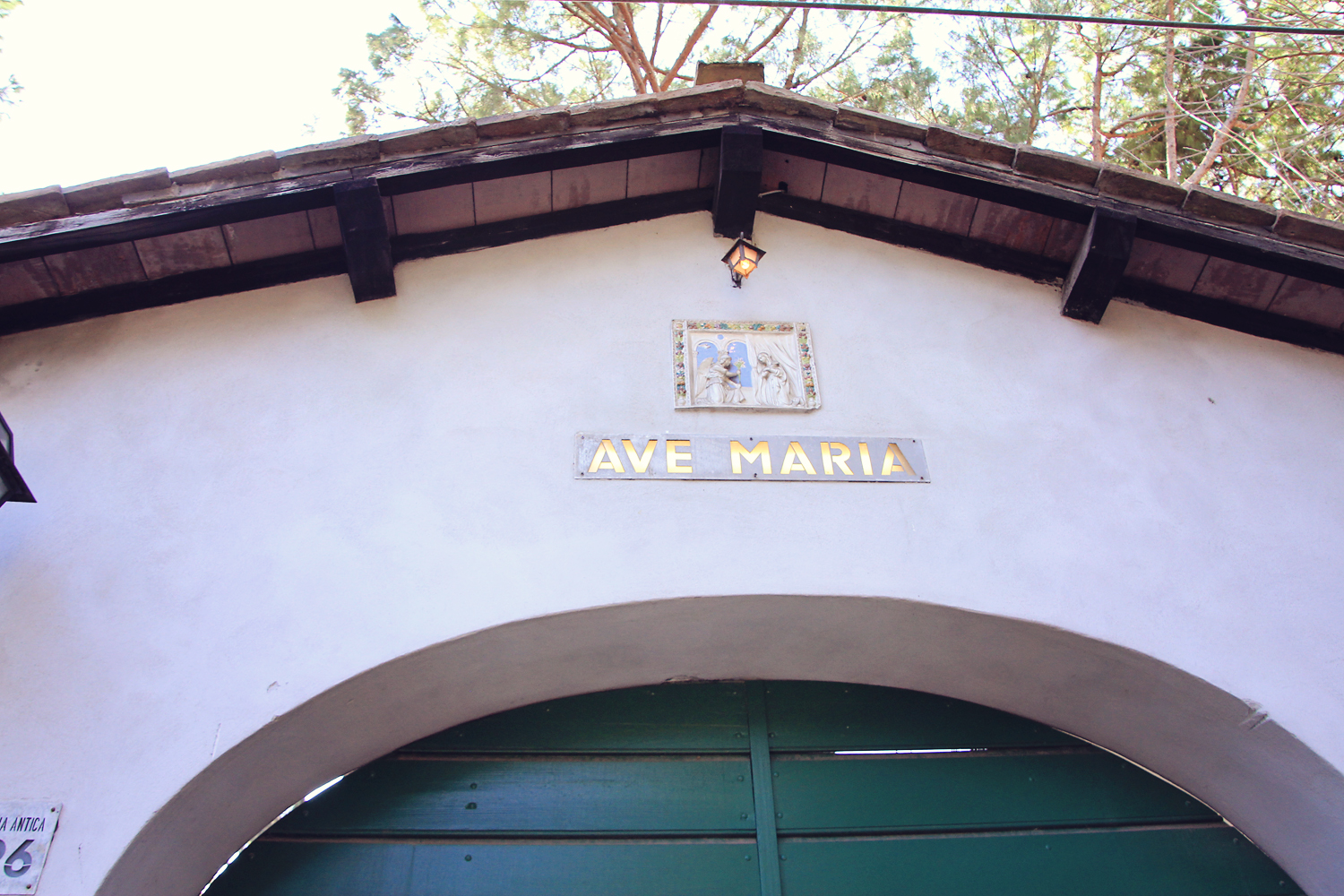 A building on the walk with Ave Maria.
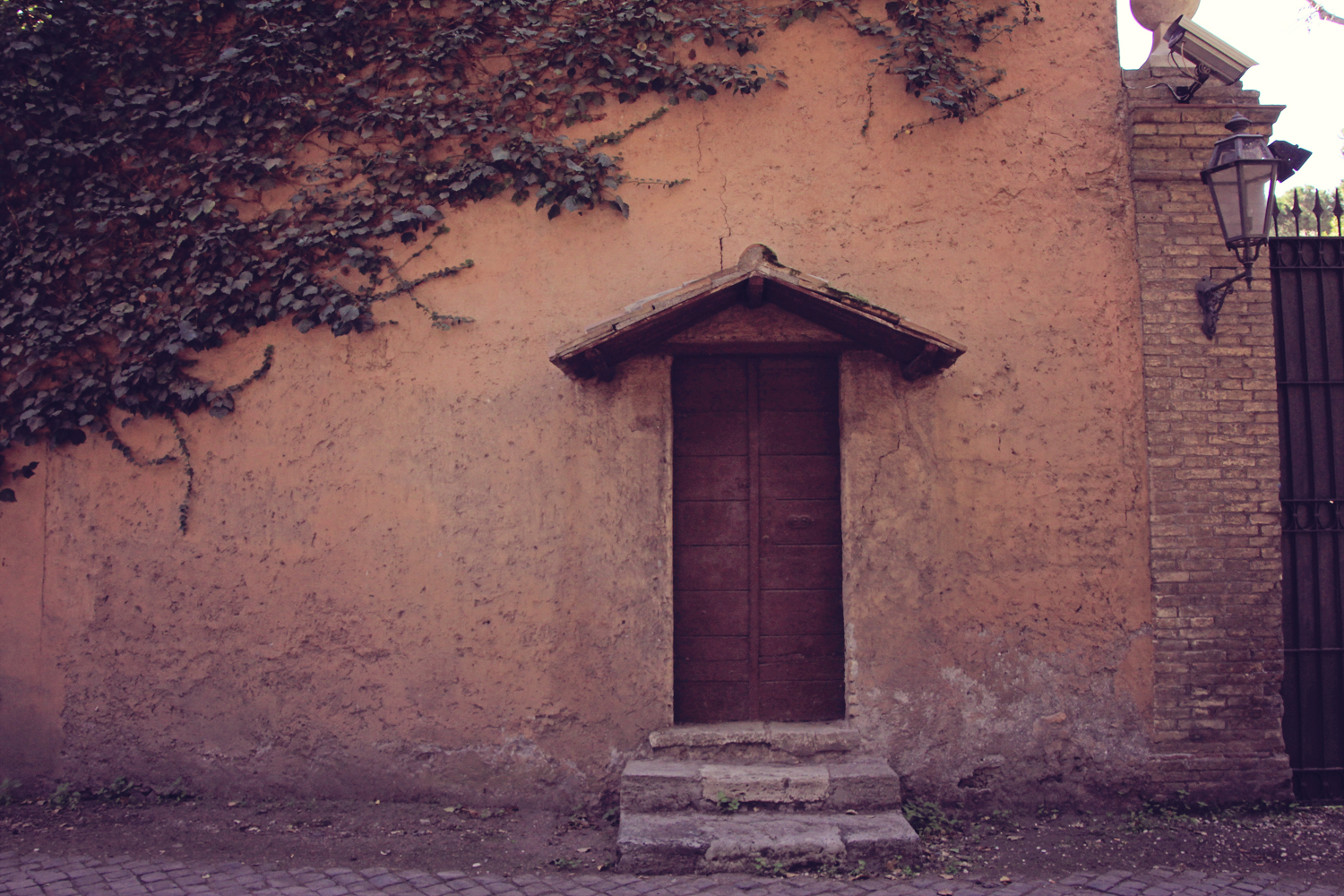 One of the many beautiful old houses blending the ancient, medieval, Renaissance and modern world. How many families have lived here in all these centuries??
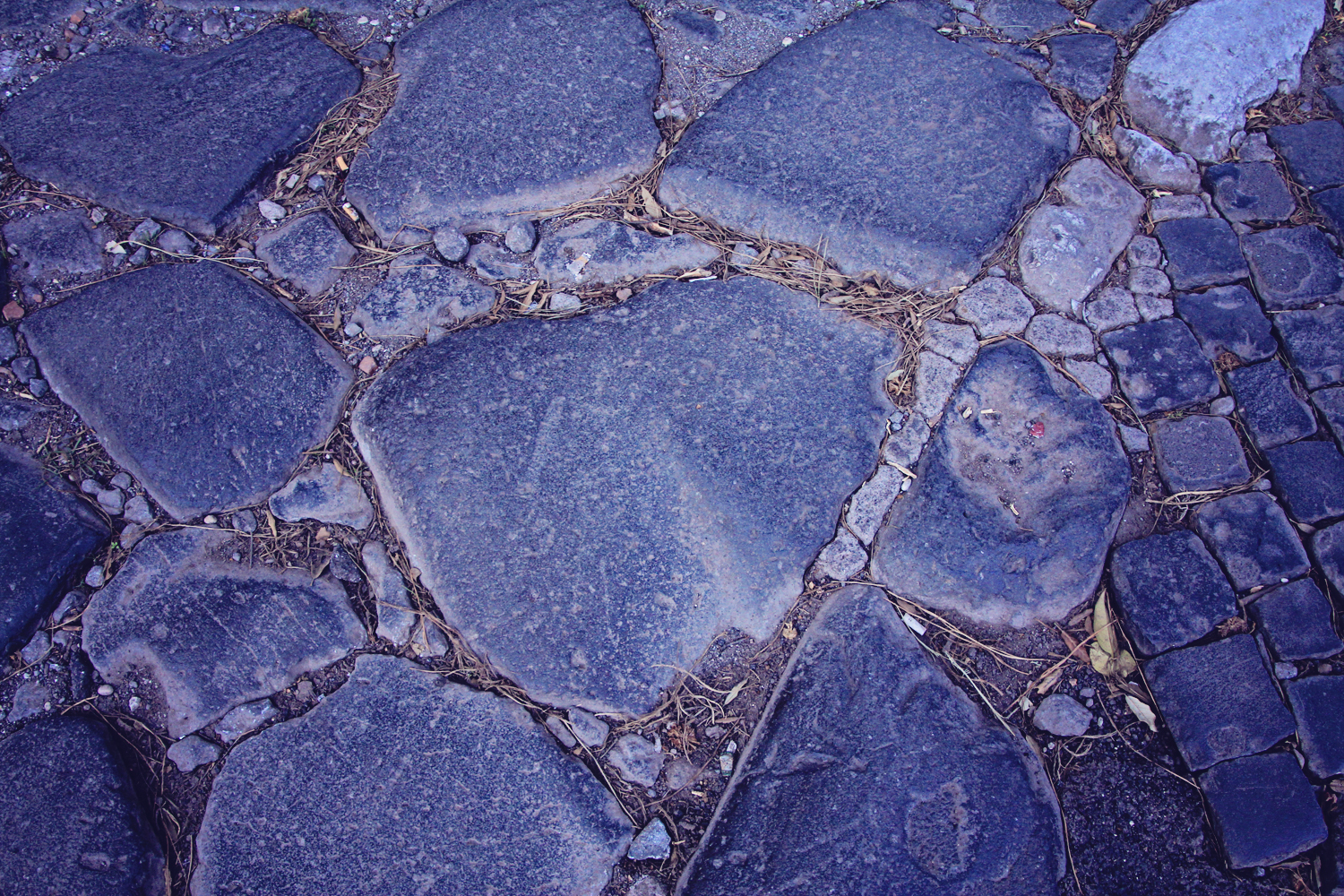
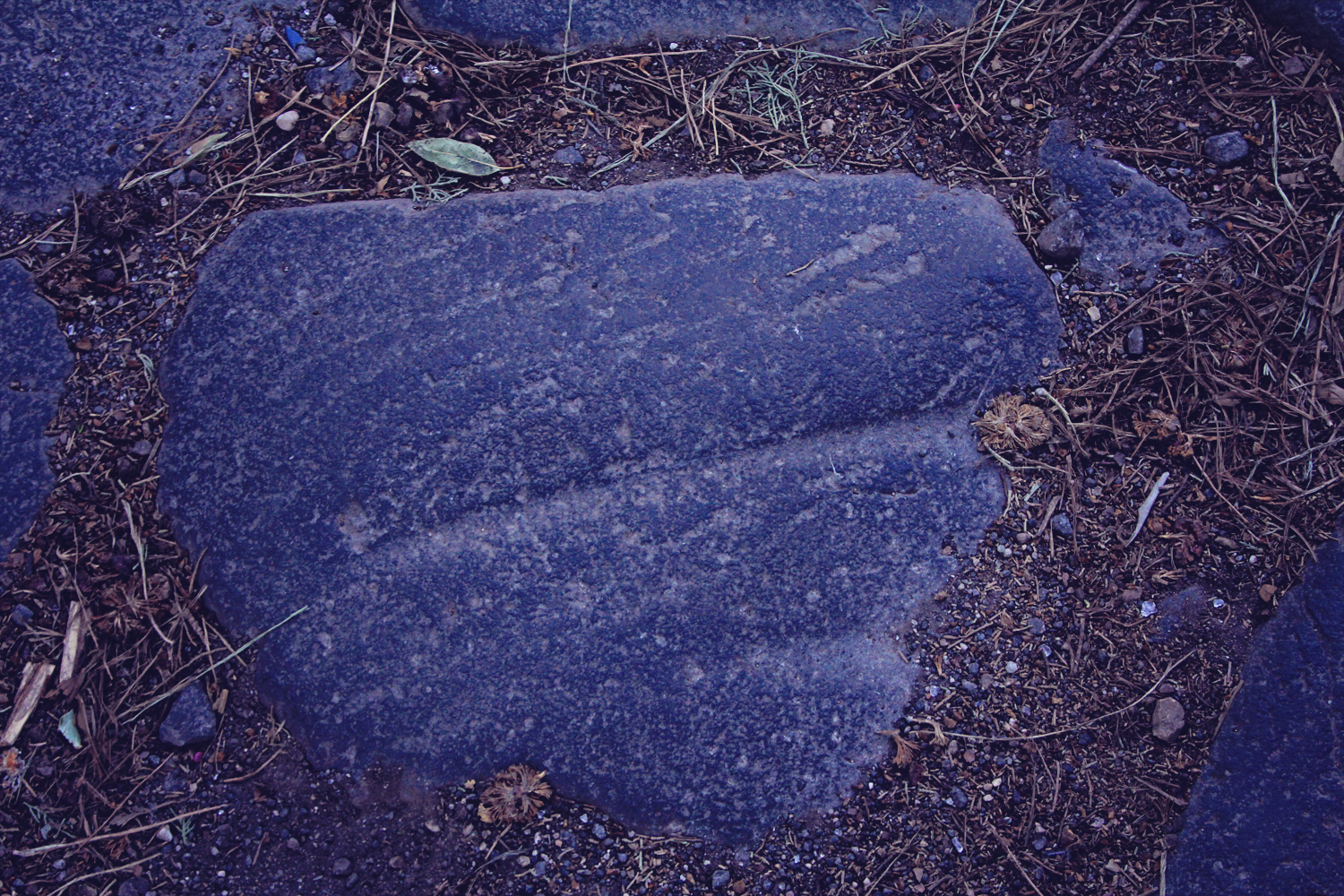 Chariot wheels and horse drawn carriages formed grooves over the ancient road leading to Rome for thousands of years.
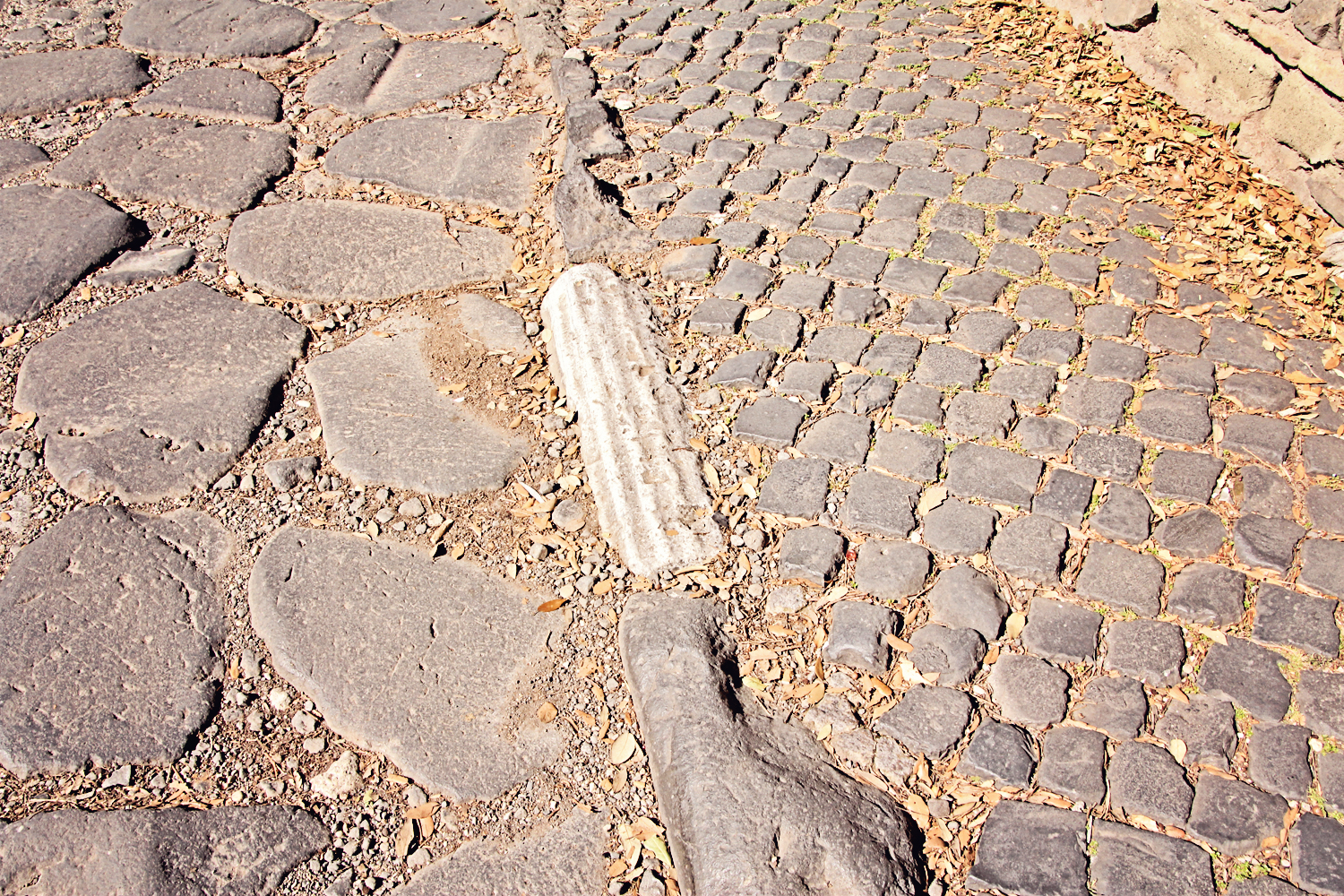
Fallen and broken pieces of ruins and columns and cobblestones worked over centuries into restorations on the Appian Way.
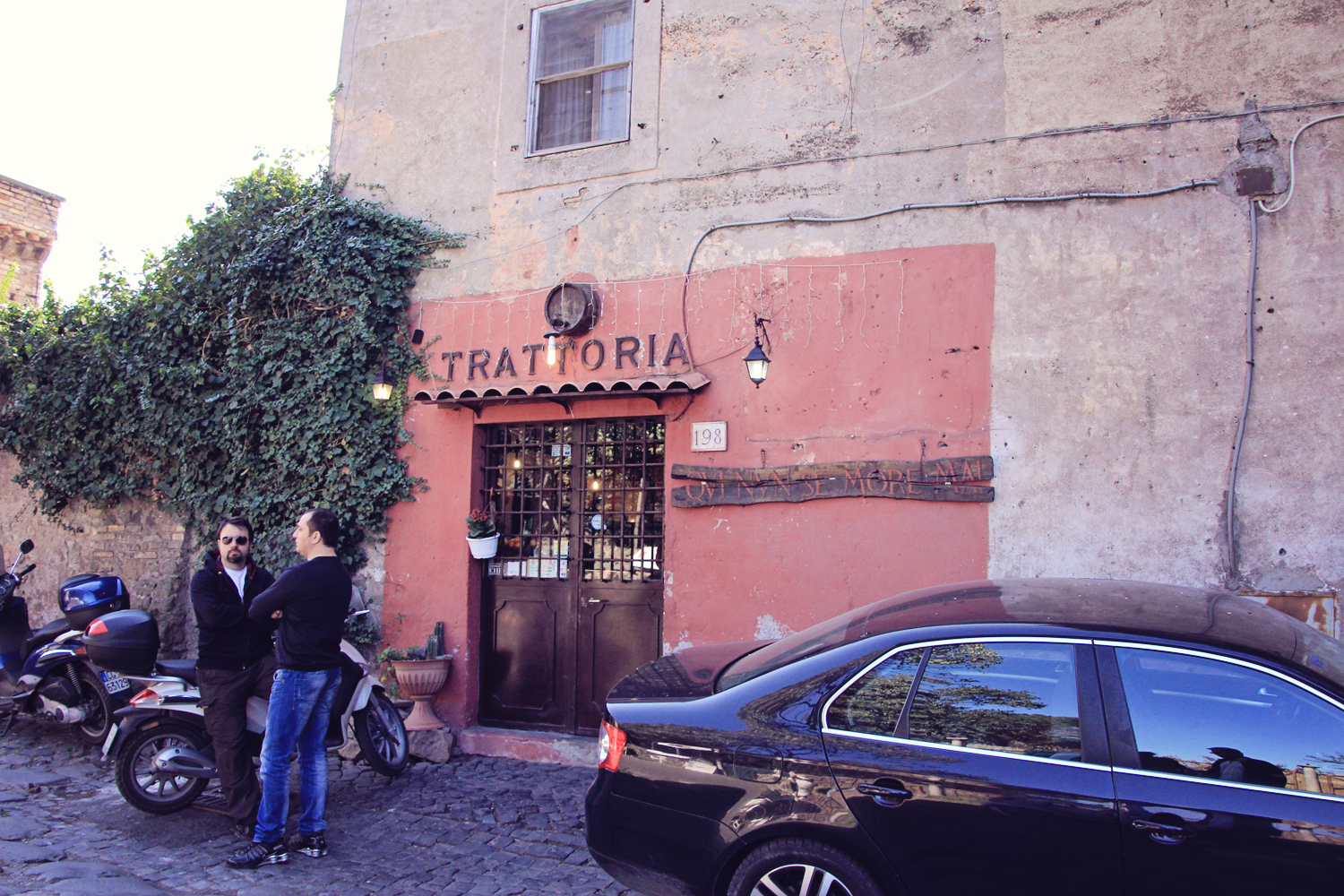
A trattoria along the way. The sign reads Here No-One Ever Dies (thank you Misera e stipend città) – read a poem set on the Appian Way and refers to this very “tavern” by Marie Luise Kaschnitz, translated by Alexander Booth. I love learning thats what the sign says. Next time I must go in there for a drink and a bite! Maybe some ancient luck will rub off on me.
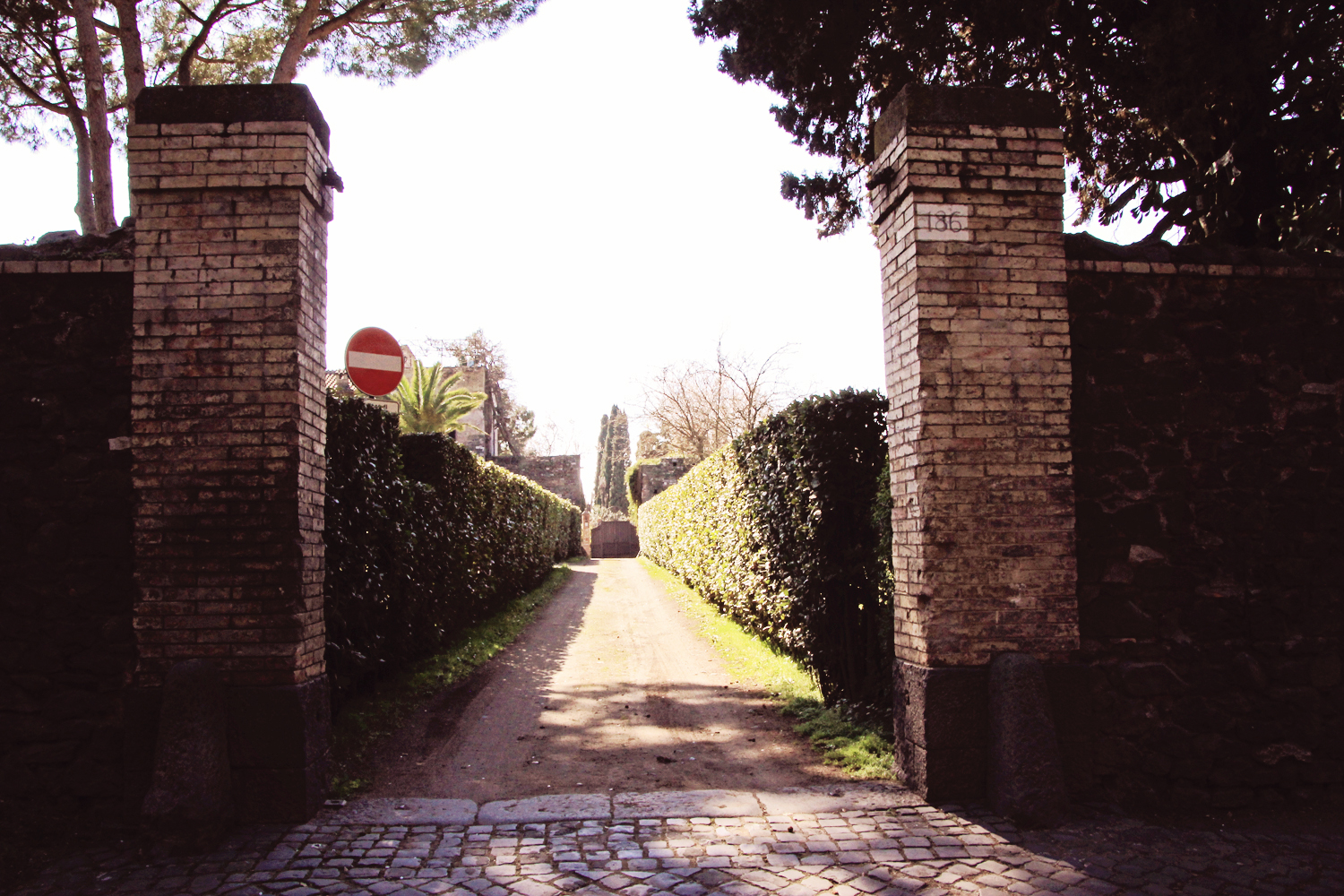
There are so many roads left to travel, so many places to wander. If you find yourself in Rome on a Sunday when the cars are off the road and the weather is pleasant and mild, I cannot stress to you how wonderful a long half-afternoon or afternoon stroll on the Appian Way. Take a bus or taxi to the Catacombs and get out and walk around the grounds and walk along the Appica Antica, taking in the sights and beauty. It’s truly a time machine back to the ancient world and along the pathway of the Grand Old Tour. Many have walked and ridden over these stones and passed under its gates.
Second Part of the Photo Tour of the Appian Way to follow.
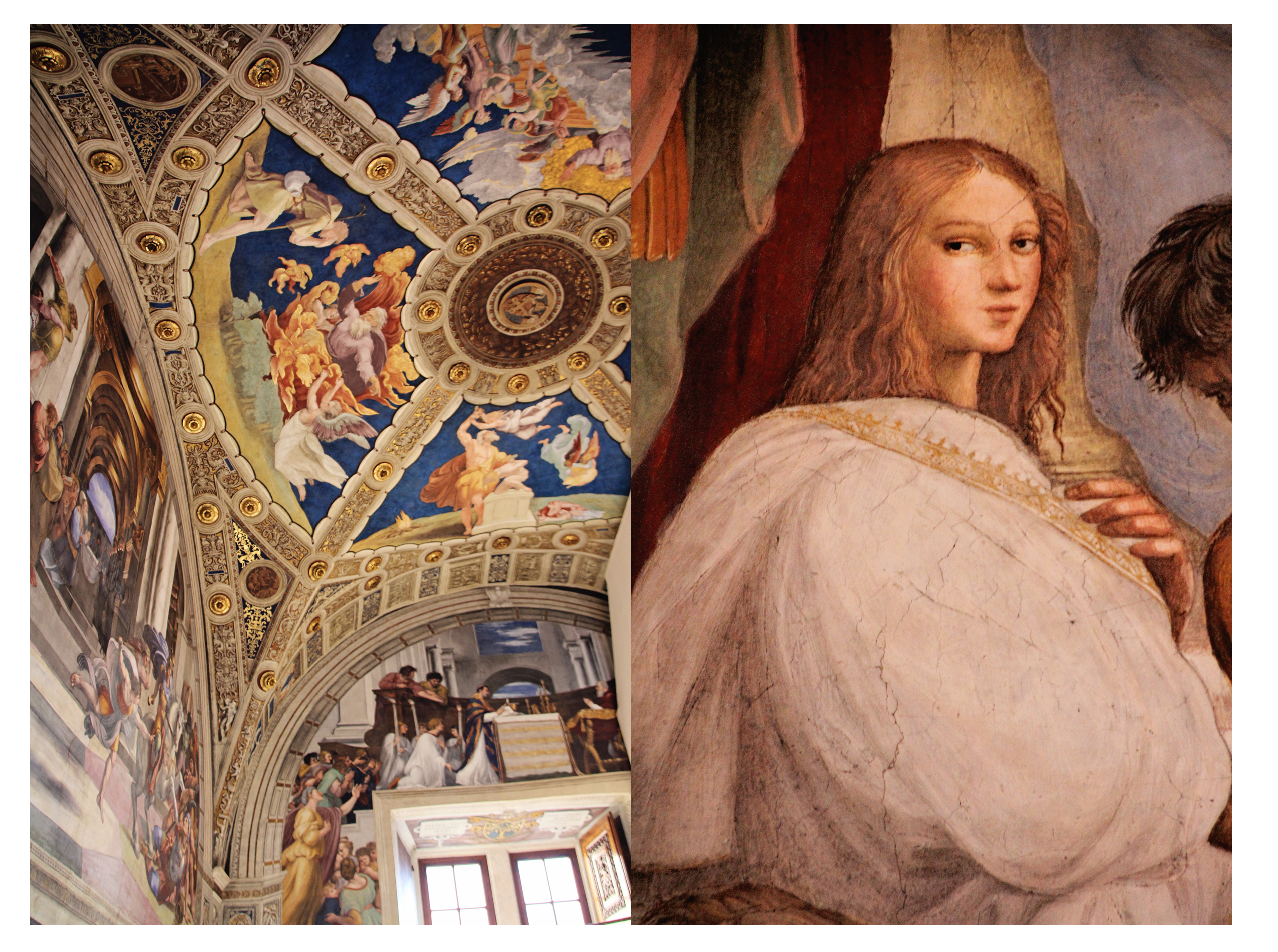
Raphäel rooms and frescoes.
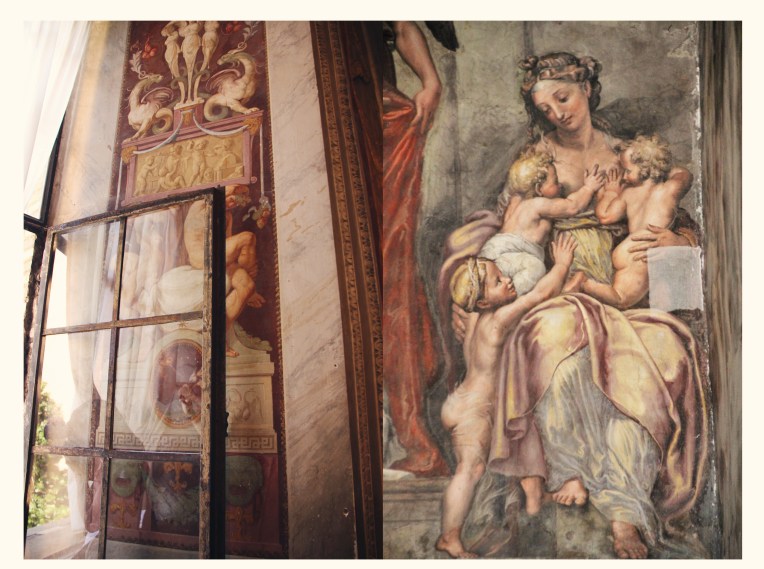
The sumptuous Borgia Apartments.
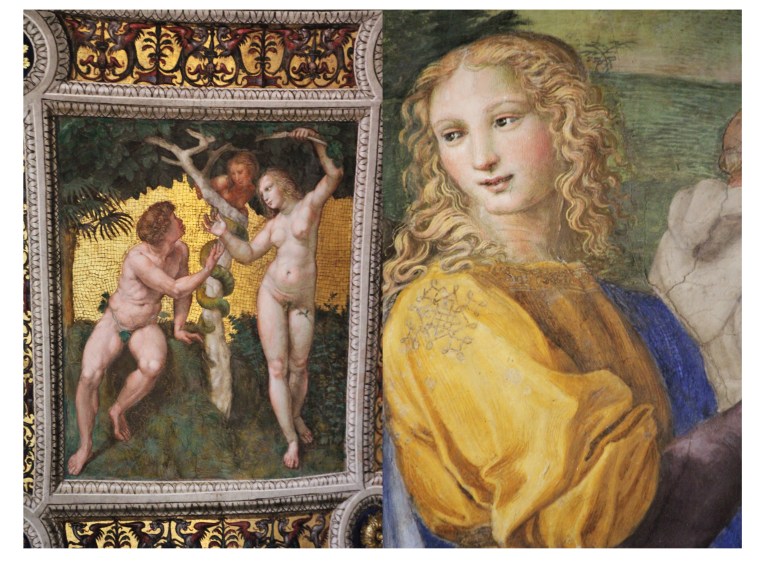
The Vatican museum has room after breathtaking room of gorgeous golds, greens, purples, blues, reds and every soft and lush color and tone the eye can see. Everywhere you turn is the famed likeness of Lucrezia Borgia.
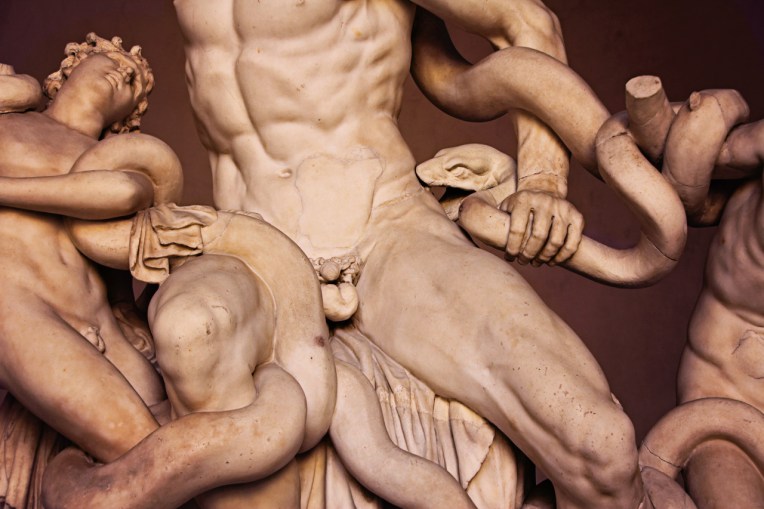
The Vatican Museums trace their origin to one marble sculpture, purchased 500 years ago: The sculpture of Laocoön and his Sons was discovered 14 January 1506, in a vineyard near the basilica of Santa Maria Maggiore in Rome. Pope Julius II sent Giuliano da Sangallo and Michelangelo Buonarroti, who were working at the Vatican, to examine the discovery. On their recommendation, the pope immediately purchased the sculpture from the vineyard owner. The pope put the sculpture of Laocoön and his sons on public display at the Vatican exactly one month after its discovery. (Wikipedia)
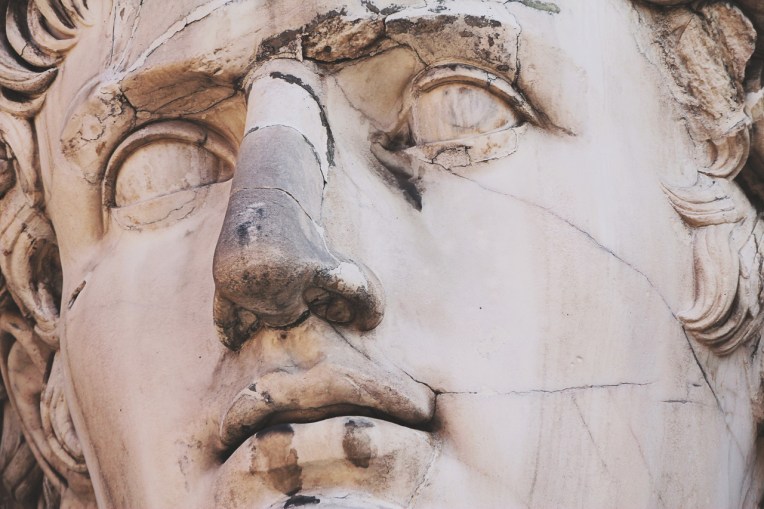
The minor Colossus reminds me a little of a fallen David.
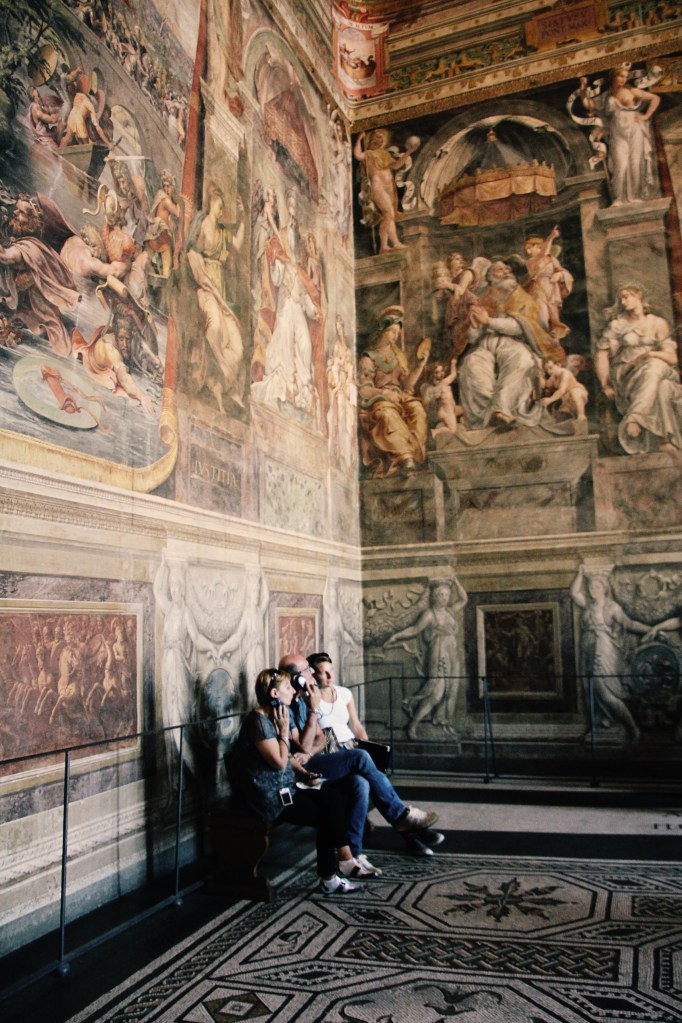
One can wander room to room in renaissance splendor.

Minerva or Diana?
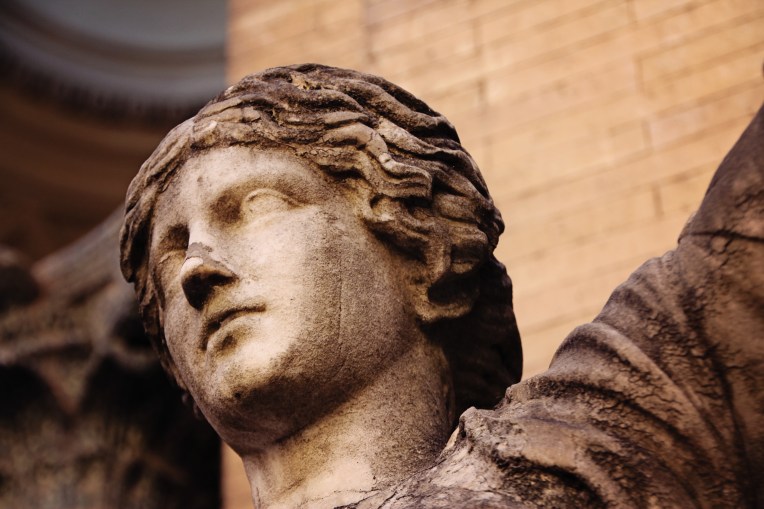
A Roman woman as goddess.
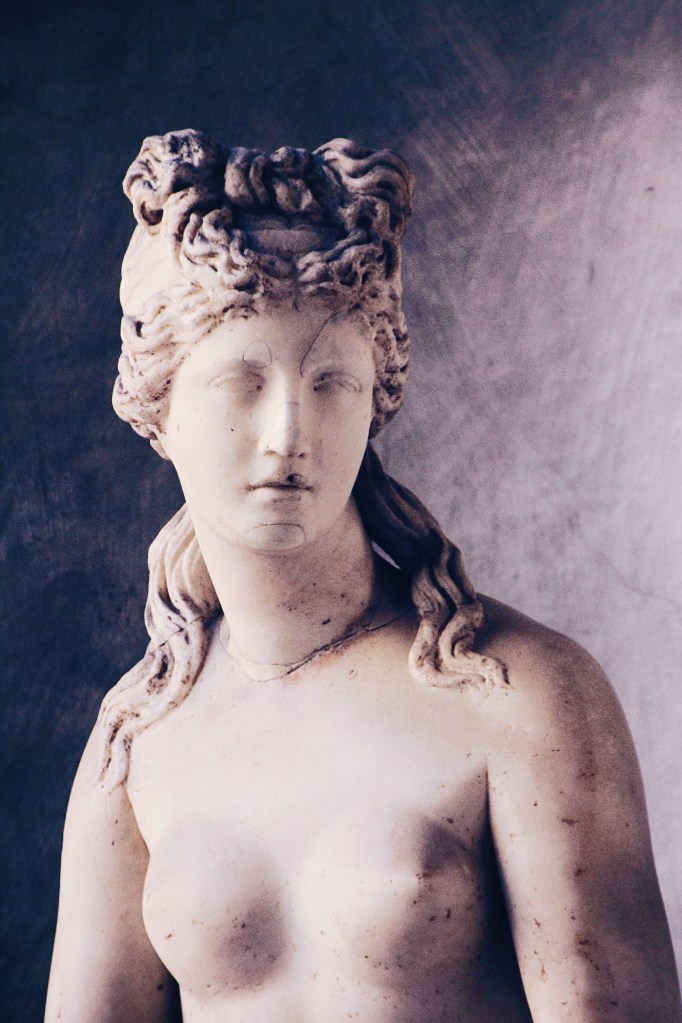
Venus or Aphrodite?
If you find yourself at the Vatican museum – don’t visit in August, get there early or off season to miss waiting in an interminable line – and before you see the Sistine Chapel make sure you don’t skip the sculpture gardens and statuary courtyards and the Borgia Apartments and the Raphäel Rooms!
//photographs copyright rebecca price butler …
find my work on tumblr & pinterest … please link & credit me.
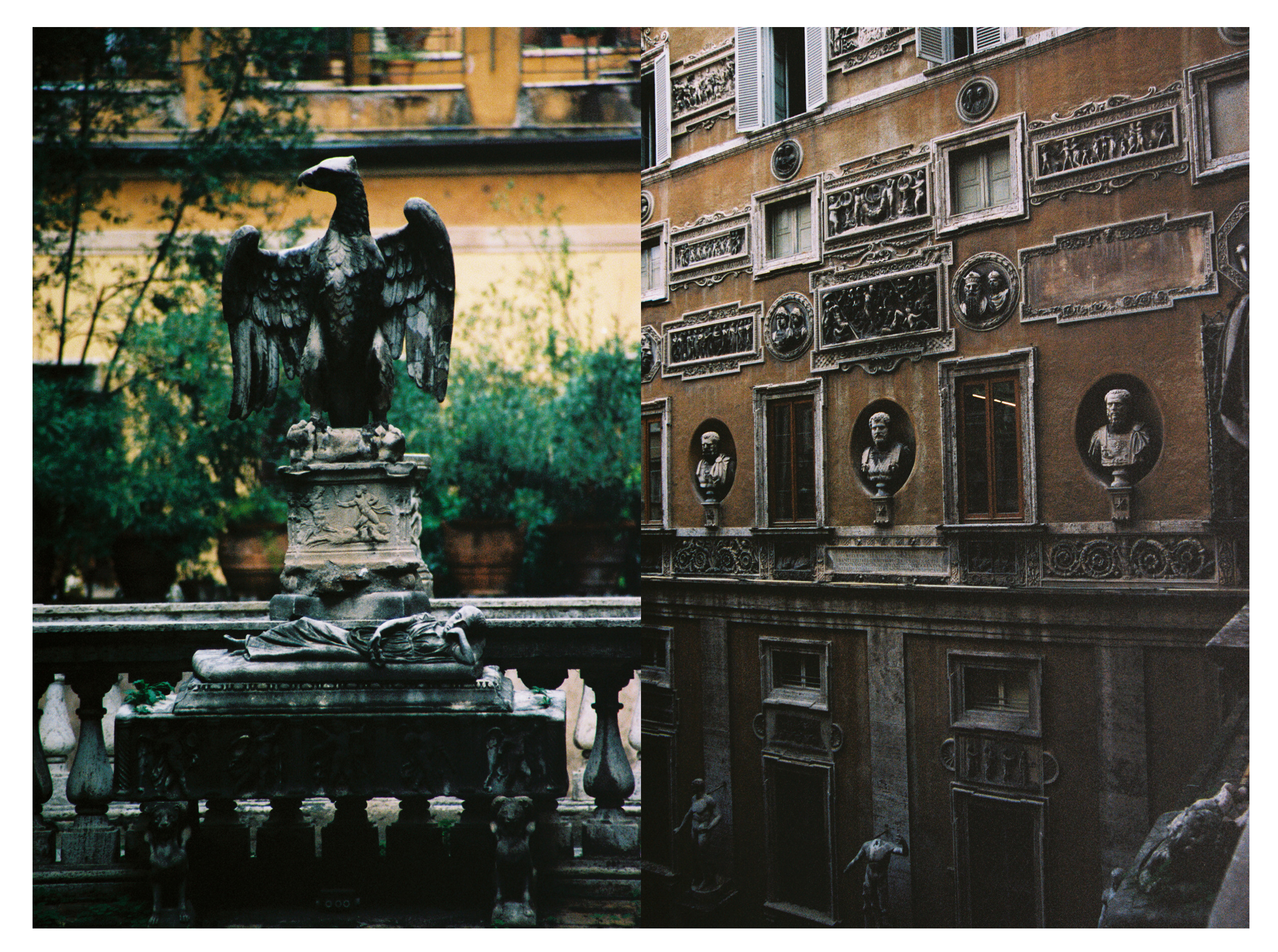
The Palazzo Mattei di Giove ,Via Michelangelo Caetani 32, other entrance in Via dei Funari, Ghetto, Rome, 00186
Last year I decided on our two visits to Rome I wanted my husband and I to spend some time hunting for off the beaten path spots we’ve not yet visited. I picked up some new books on the subject, City Secrets of Rome by Robert Kahn and Quiet Corners of Rome by David Downie. Upon seeing photographs of this amazing place I had to see it for myself. We started out having a splendid lunch at the Campo di Fiori after picking up gifts and alla’arrabbiata and carciofi alla romana spices at the charming outdoor market. We stopped, as is our custom, under the Bruno statue to pay respect and read the inscription,
A BRUNO – IL SECOLO DA LUI DIVINATO – QUI DOVE IL ROGO ARSE
(English: To Bruno – the century predicted by him – here where the fire burned).
We walked to the Jewish Ghetto section of Rome (an ancient and fascinating section of the city with a complicated history). We had to ask directions several times and still walked by the spot a few times. But, we found the Palazzo Mattei di Giove and it was worth the effort.
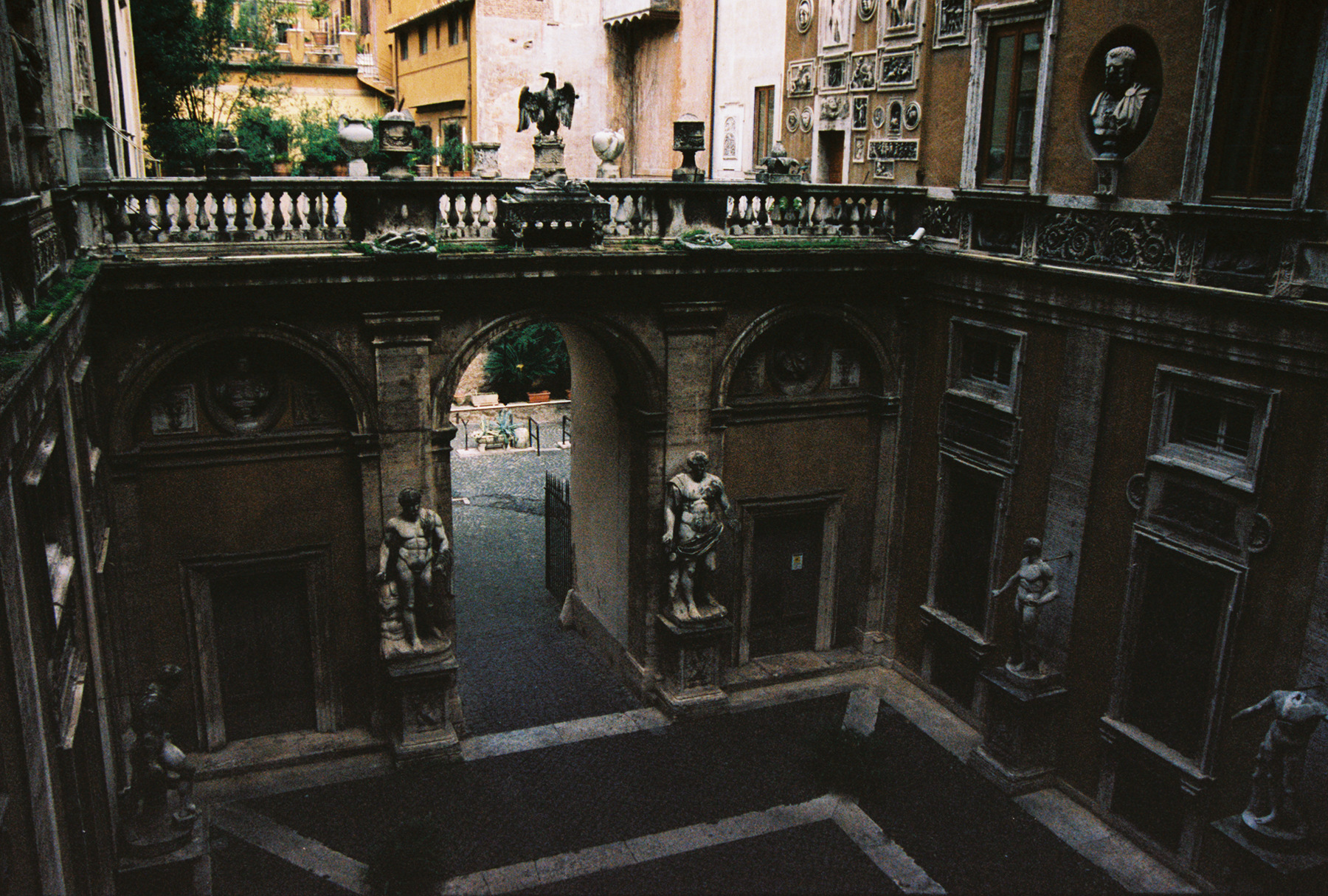
Mattei di Giove, designed by noted baroque architect Carlo Maderno—who also designed the facade of St. Peter’s Basilica—teems with busts, bas-reliefs, and sarcophagi collected by the palazzo’s namesake owner, Marchese Asdrubale Mattei. (Info source: National Geographic Traveler)
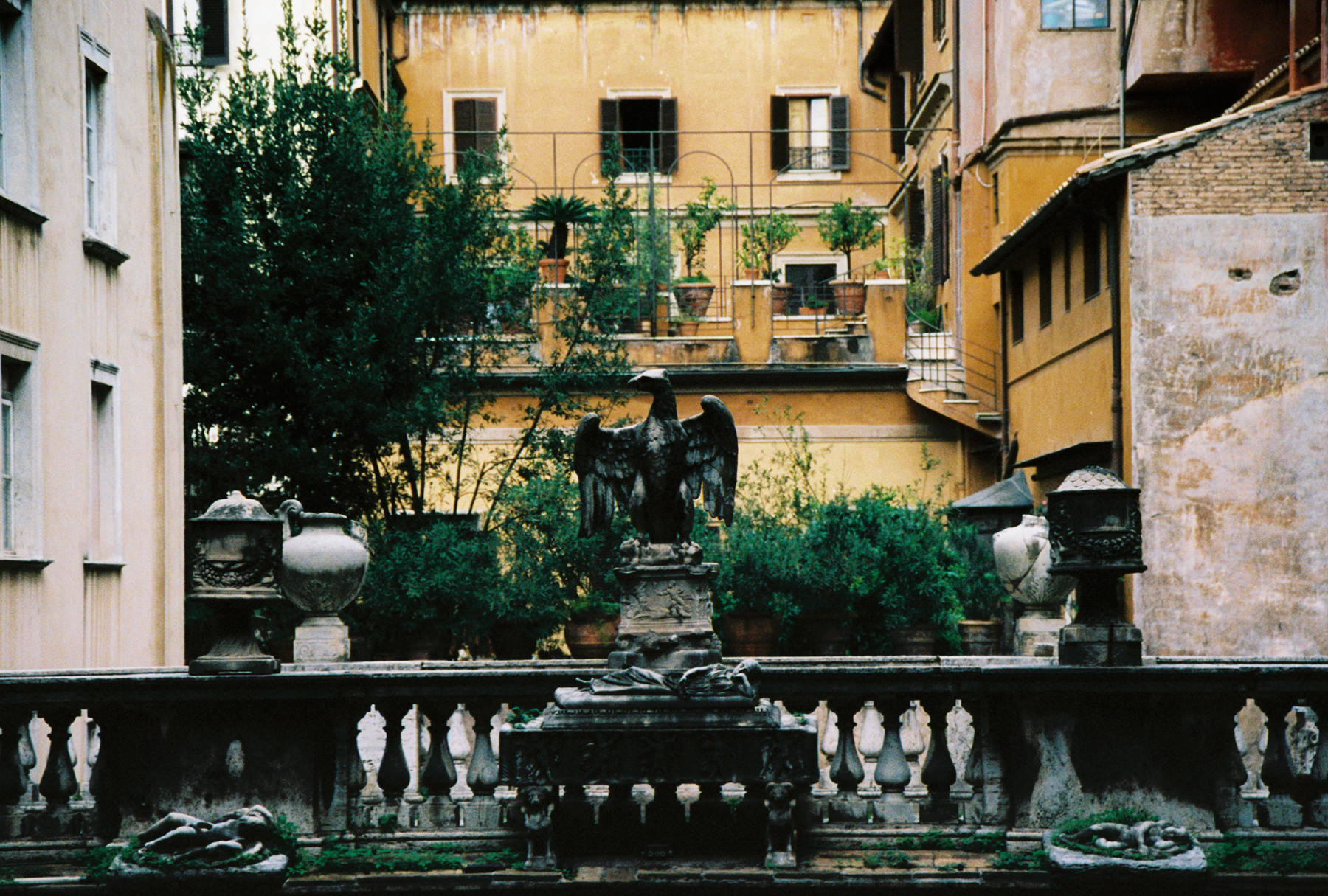
The House of Mattei was one of the most powerful noble families of Rome during the Middle Ages and early modern era, holding high positions in the papal curia and government office.
The Palazzo Mattei di Giove is the most prominent among a group of Mattei houses that forms the insula Mattei in Rome, Italy, a block of buildings of many epochs.
To distinguish this section from the others it carries the name of a Mattei fief, Giove. The Mattei owned a number of other palazzi that carried the family name including Palazzo Mattei di Trastevere across the Tiber as well as properties in Umbria, the Palazzo Mattei Paganica.
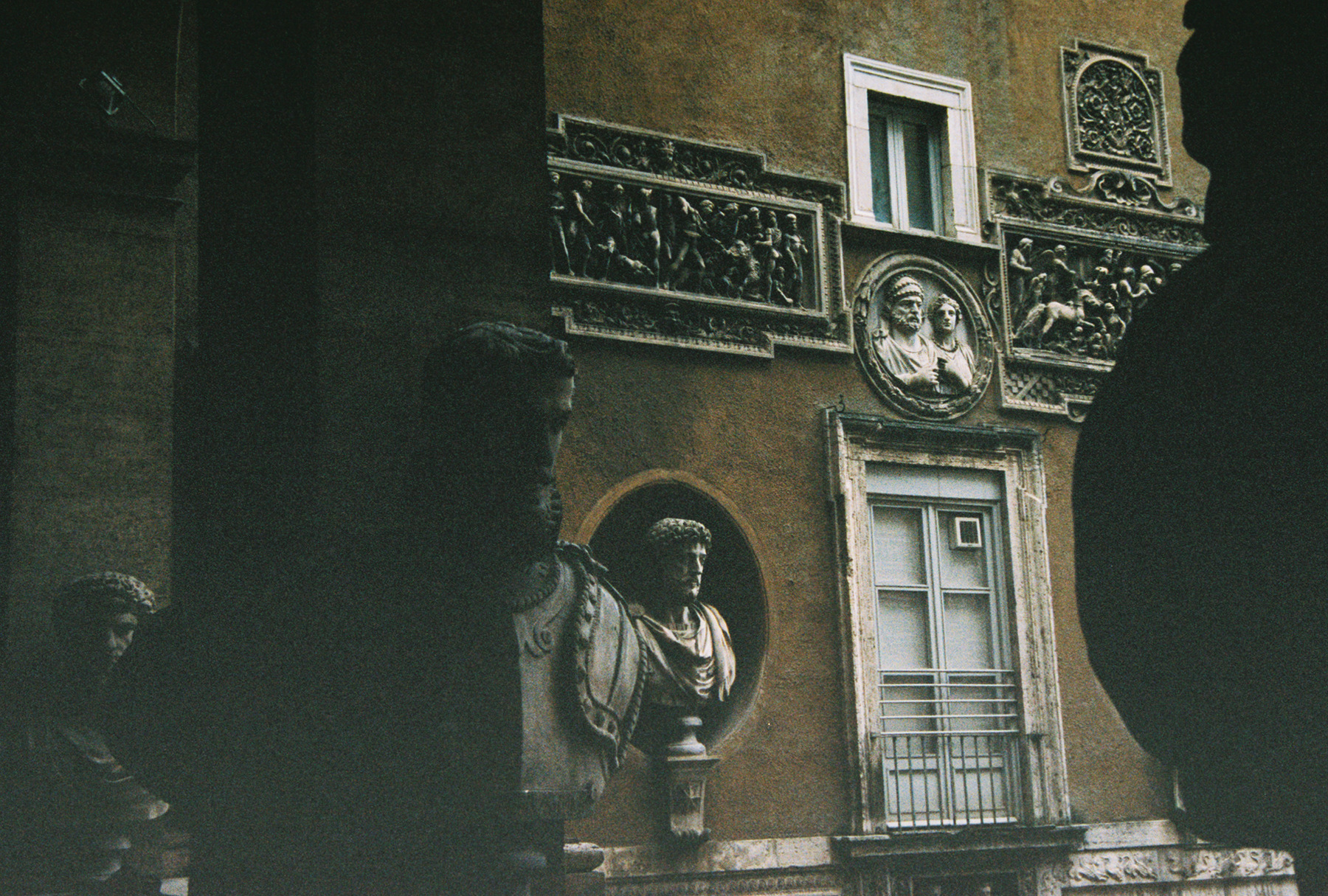
Carlo Maderno designed the palace at the beginning of the 17th century for Asdrubale Mattei, Marquis di Giove and father of Girolamo Mattei and Luigi Mattei. He was also the brother of Ciriaco Mattei and Cardinal Girolamo Mattei. It was Maderno who was responsible for the extravagantly enriched cornice on the otherwise rather plain stuccoed public façade, the piano nobile loggia in the courtyard and the rooftop loggia or altana.
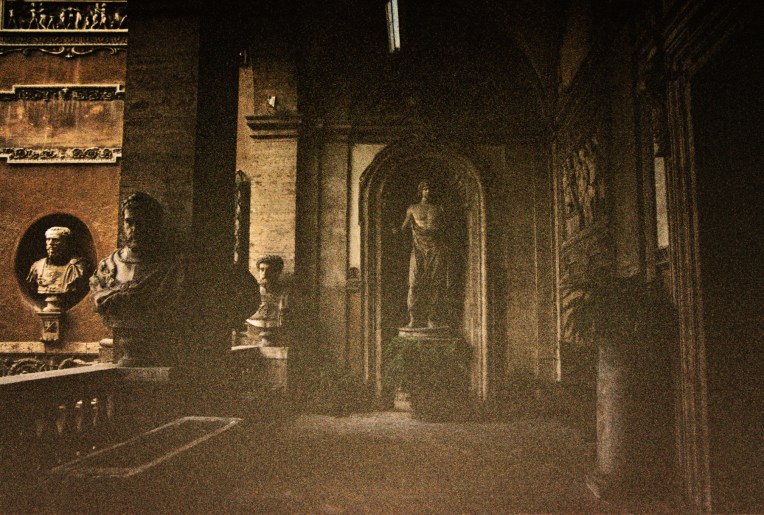 For the interior of the palazzo, Pietro da Cortona was commissioned to execute the pair of compositions on the ceiling of the gallery, dating before 1626. In the early 19th century, a group of paintings from the collection at the palazzo was purchased by William Hamilton Nisbet and removed to Scotland.
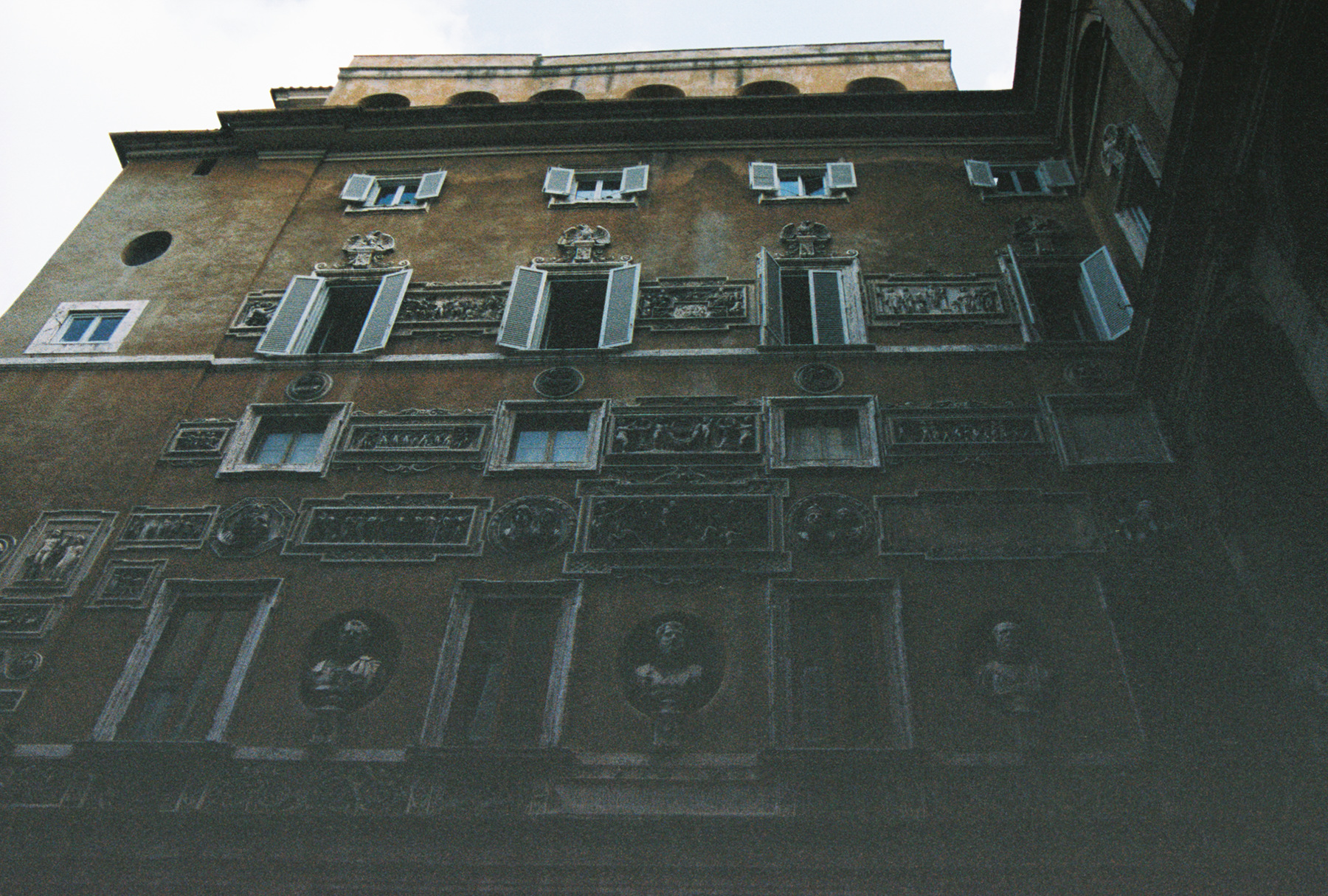
Like others of the Mattei family, Asdrubale Mattei was an enthusiastic patron of the arts. Michelangelo Merisi da Caravaggio (better known simply as Caravaggio) is recorded as living at the palazzo in 1601. (source: Wikipedia)
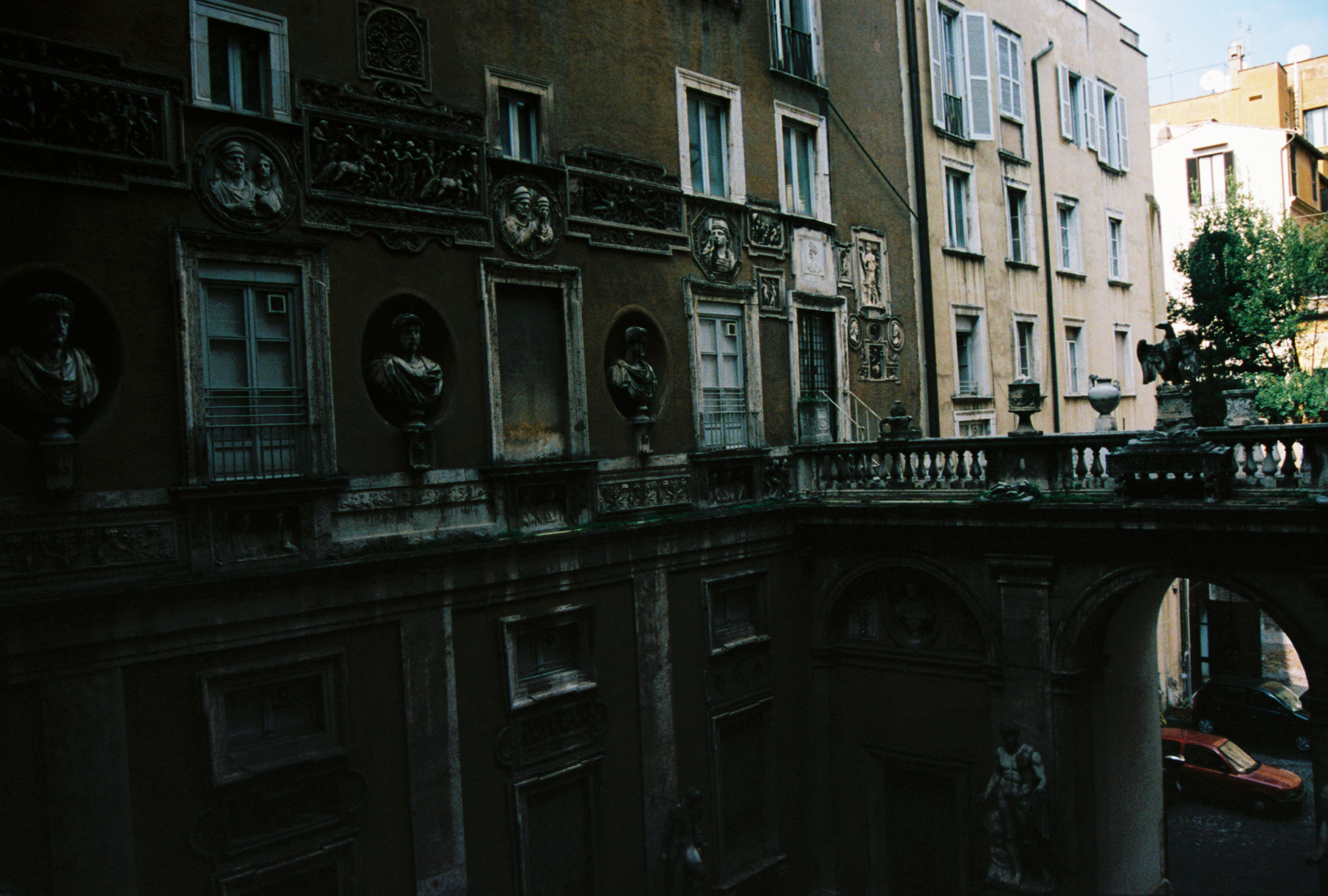
The loggia and architectural details are exquisite. This is the kind of place you see in sweeping vintage films set in Rome, the kind of place you read about in the Grand Old Tour by classically educated travelers from the 18th and 19th century. The students who spend time here are so lucky.
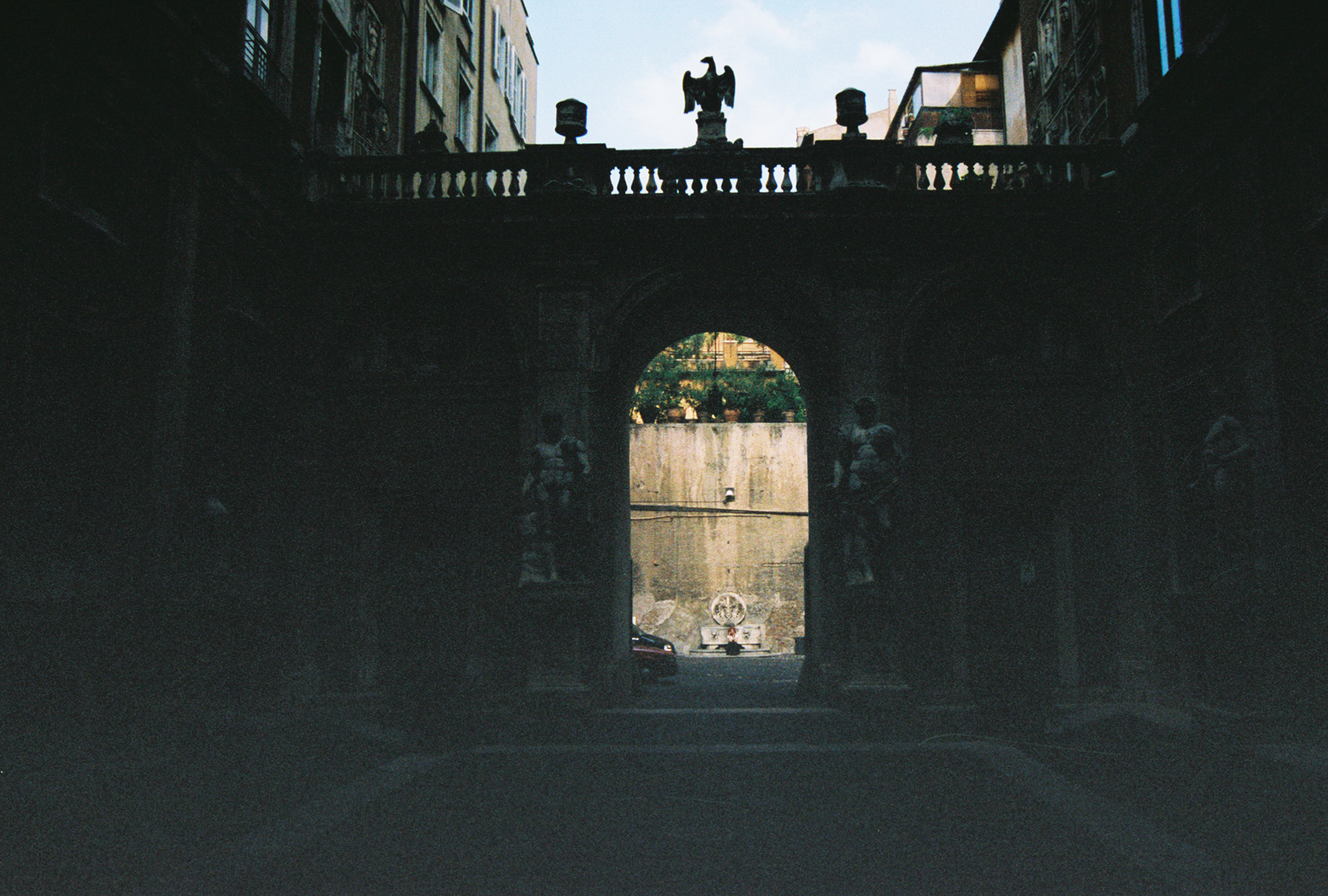
There’s not a corner or ledge that is not interesting. If you visit make sure to view the whole courtyard and go upstairs to the top terrace.

Go through the arched “doorway” in between the large statues, underneath the carved lamp.
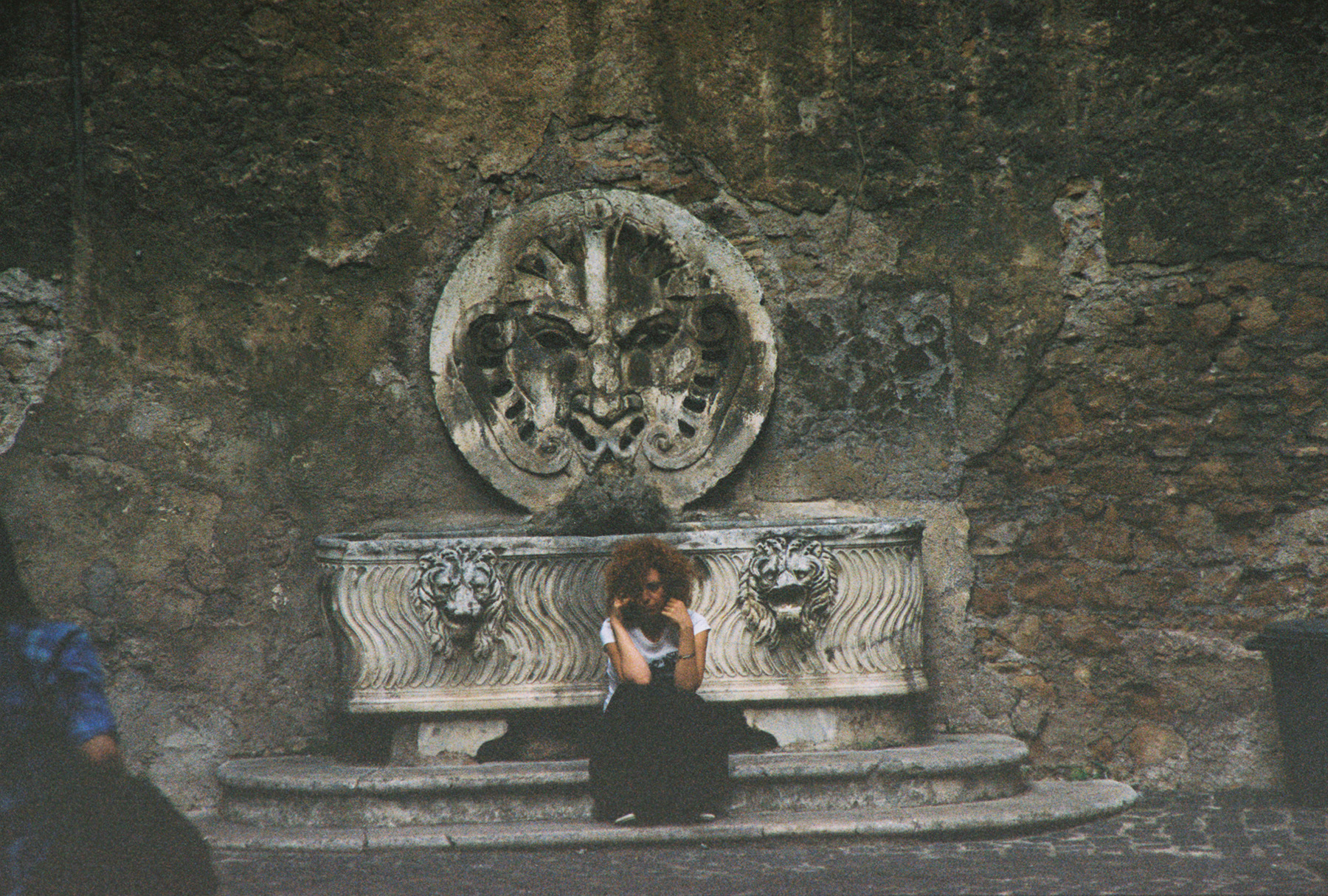
Across the small cobblestone road is an ancient fountain and face sun dial with beautifully carved in stone.
//photographs copyright rebecca price butler …
find my work on tumblr & pinterest … please link & credit me.
 a love letter to rome