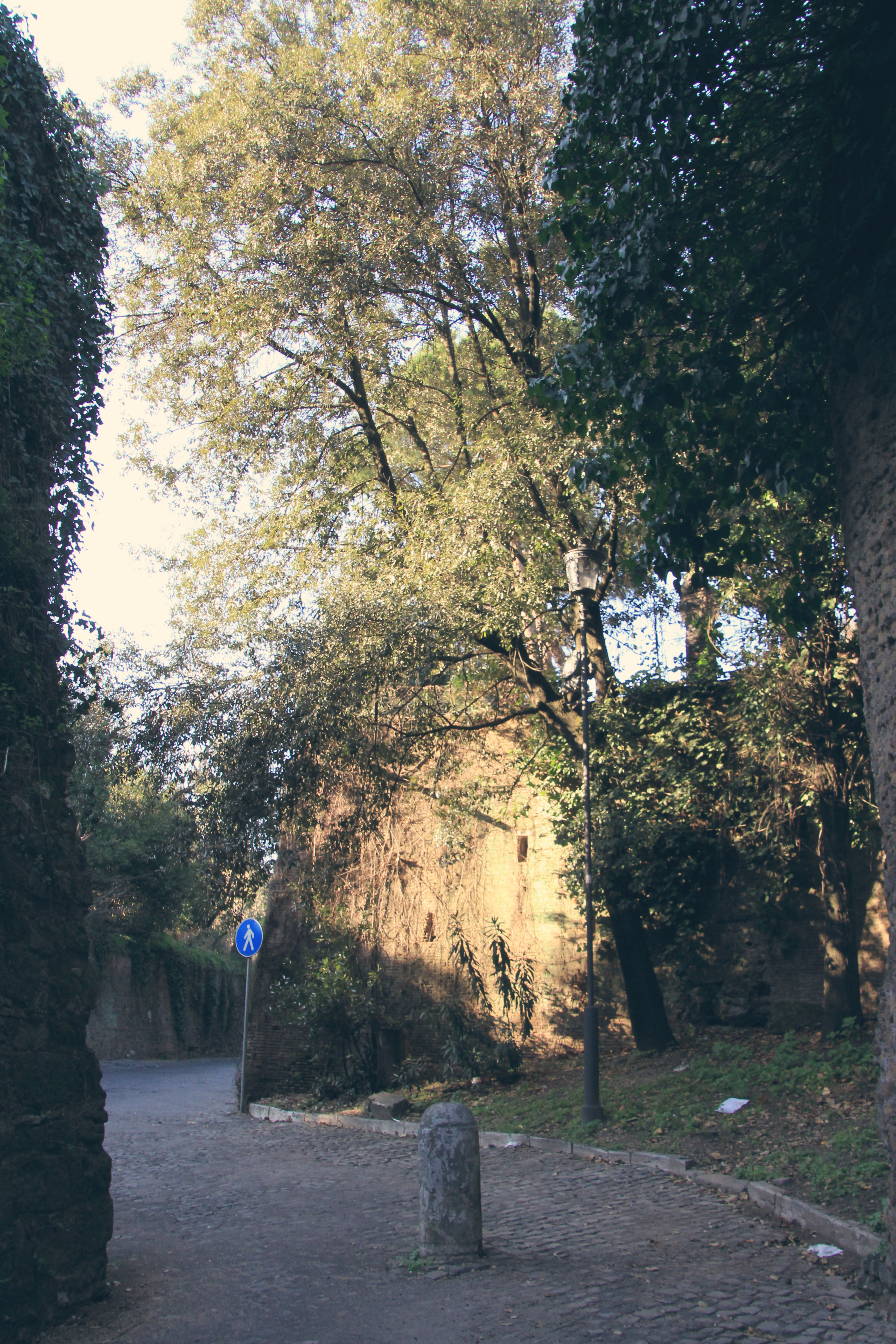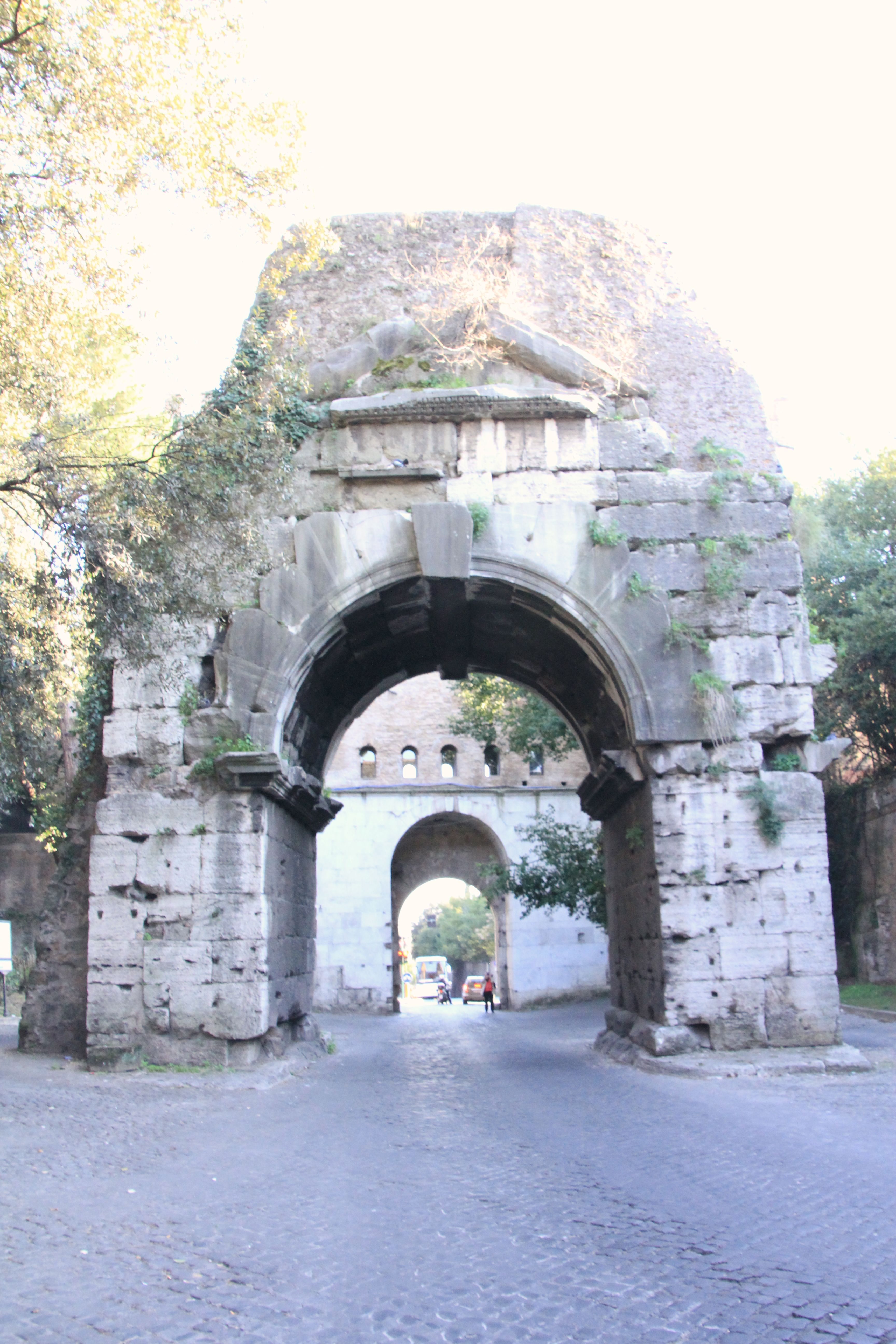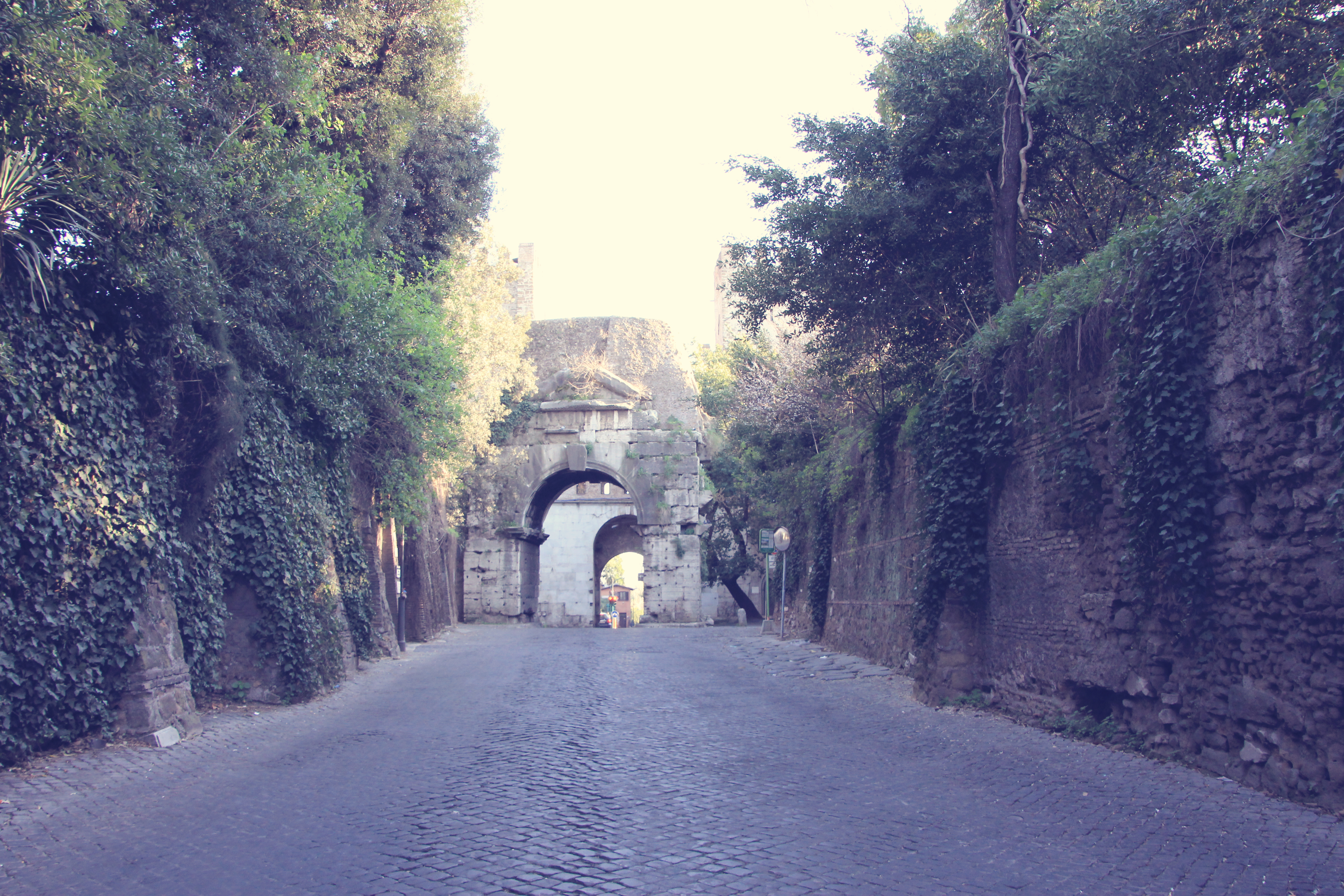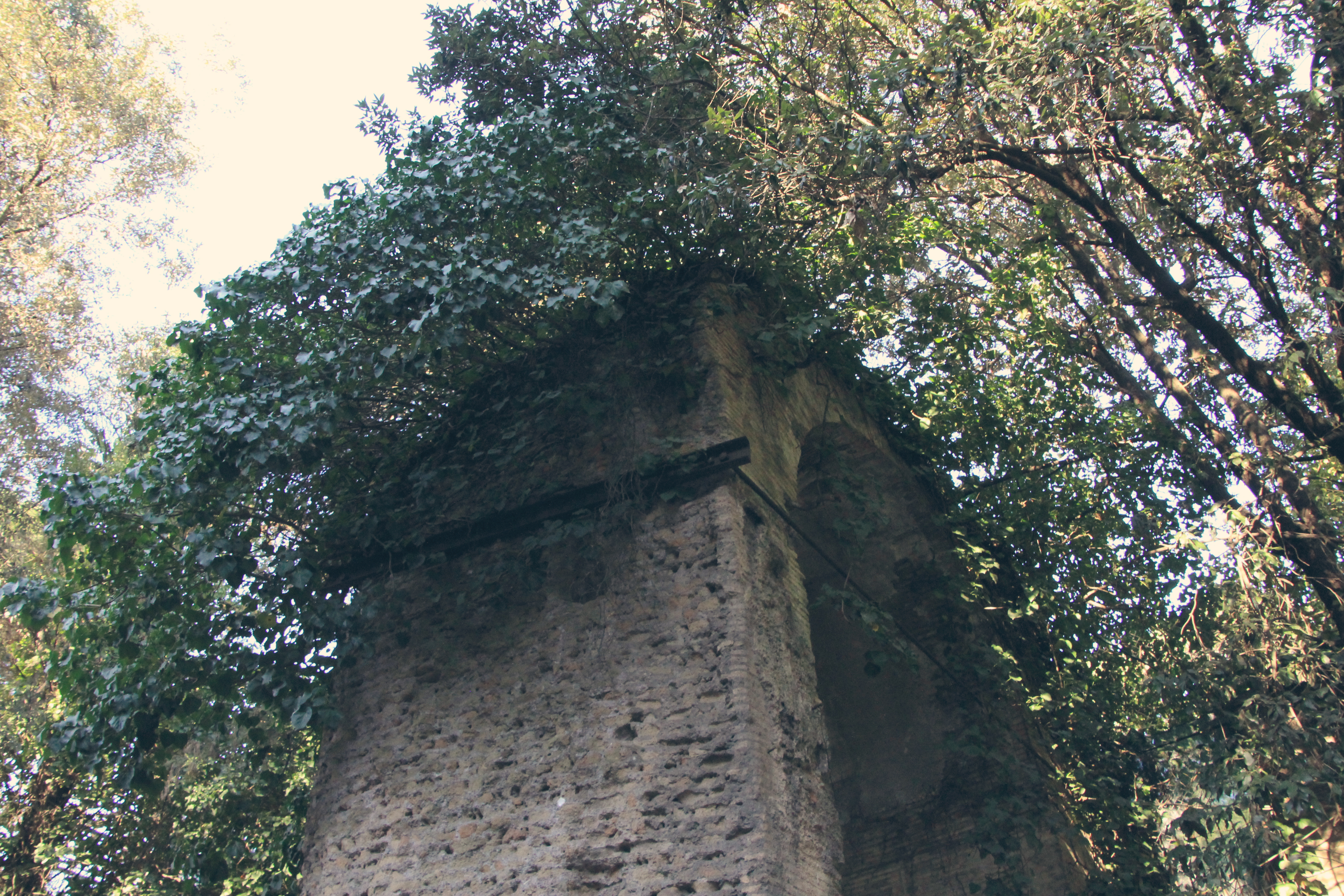
a walk through the ancient porta san sebastiano on the grand old tour

1firstseb

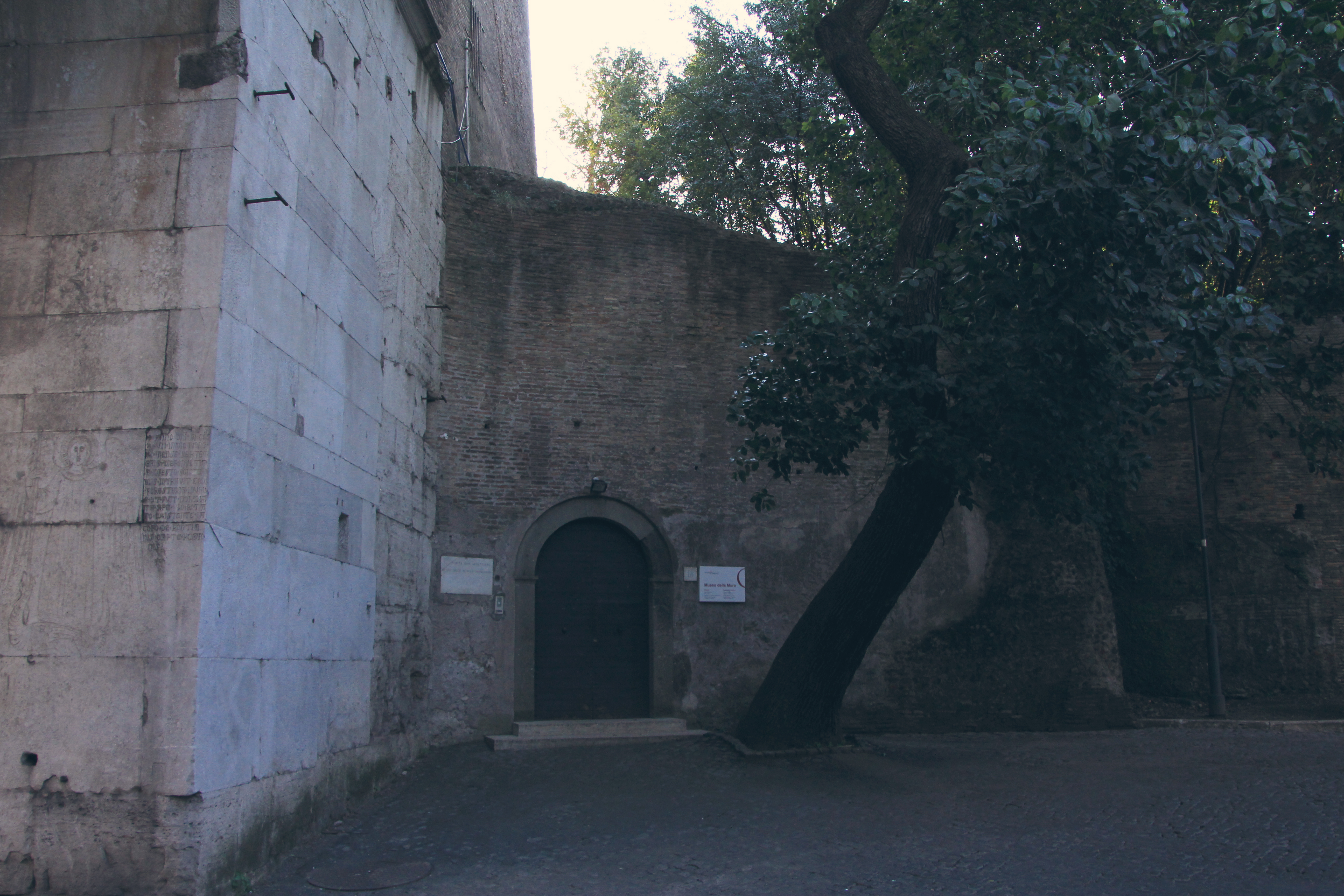
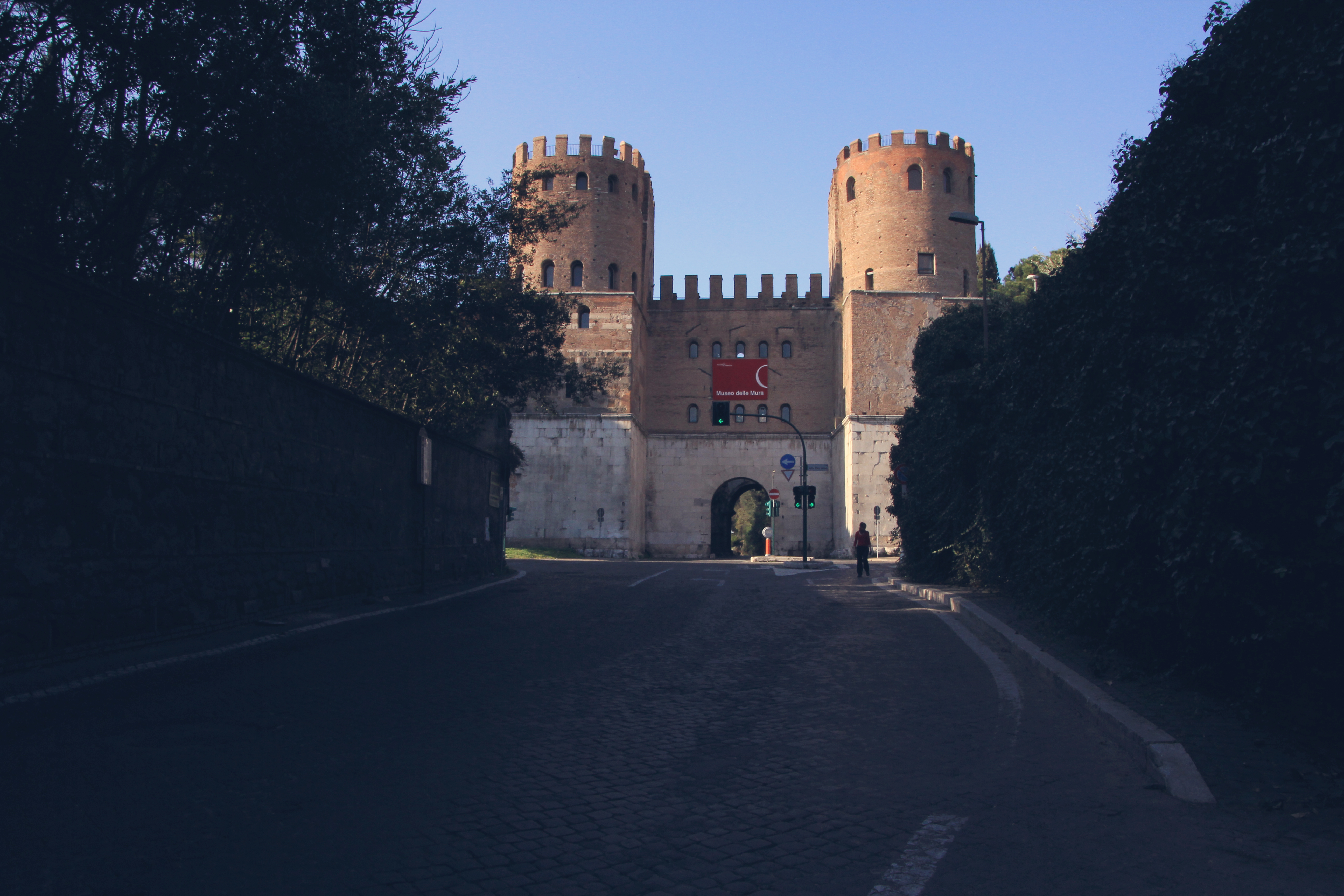
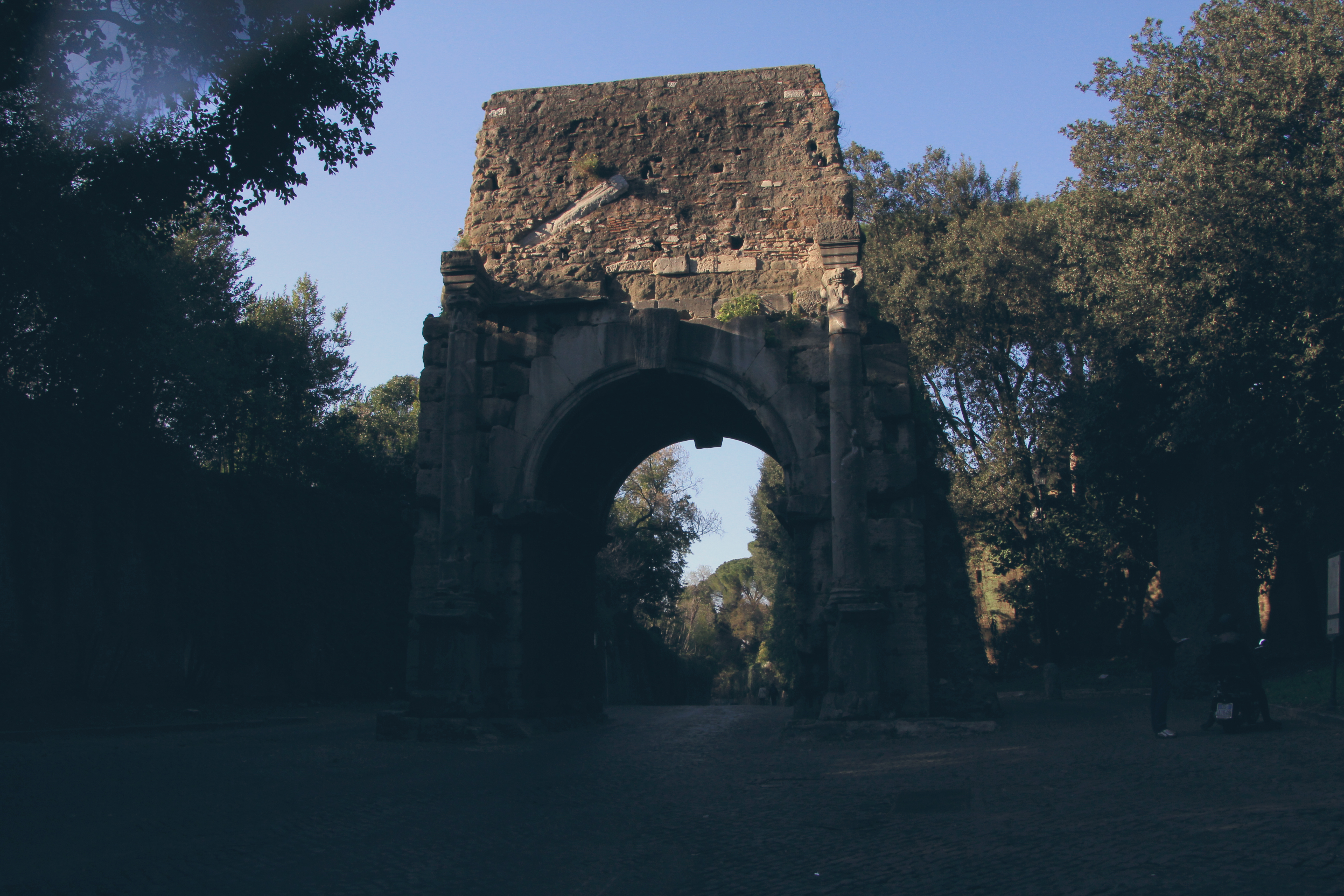
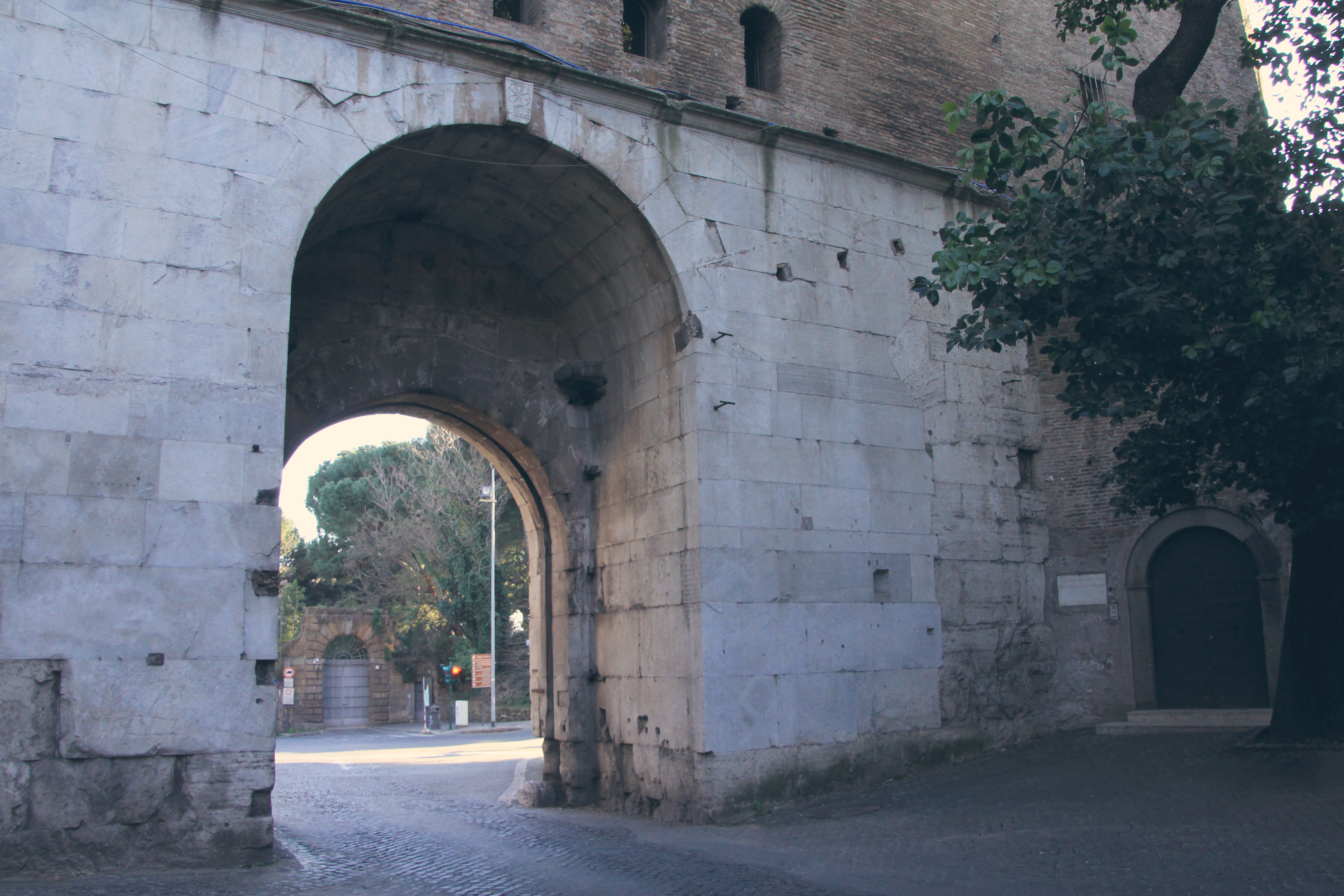
The entrance to the Porta San Sebastiano is the modern name for the ancient Porta Appia, a gate in the Aurelian Wall of Rome, through which the Via Appia, now the Via di Porta San Sebastiano at that location, left the city in a southeasterly direction. It was refortified at the end of the 4th century and was again renovated in the sixth century by Belisarius and Narses. The gate, a brick structure with turrets, still stands and has been restored to good condition. Modern traffic flows under it. Inside and upstairs is a museum dedicated to the construction of the walls and their recent restoration.

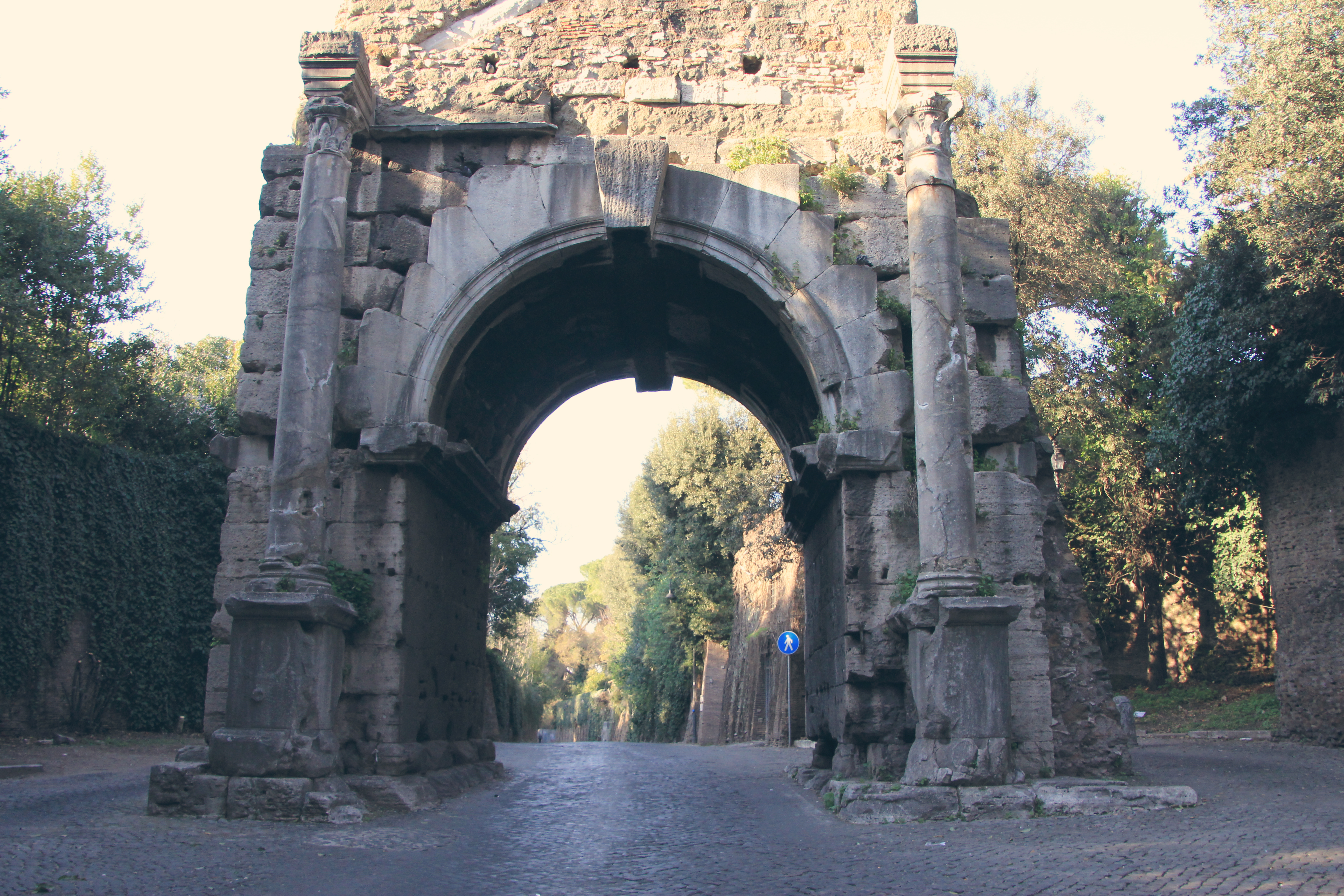
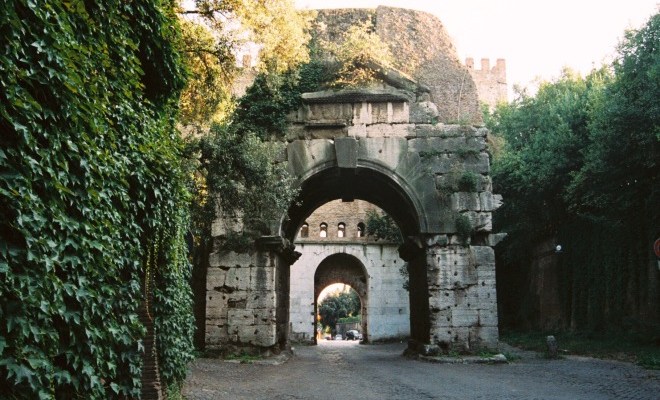
The gate is next to the Arch of Drusus. – wikipedia

1seb

After walking for hours on the ancient Appian Way (an experience in itself of the historic pastoral Rome) we found our selves heading toward the porta san sebastiano and the celio district. It was one of the best walks I’ve ever had in Rome, practically isolated and beautifully quiet. There was even a local’s park without a tourist in sight (except us but we were trying to be incognito)!
seb2

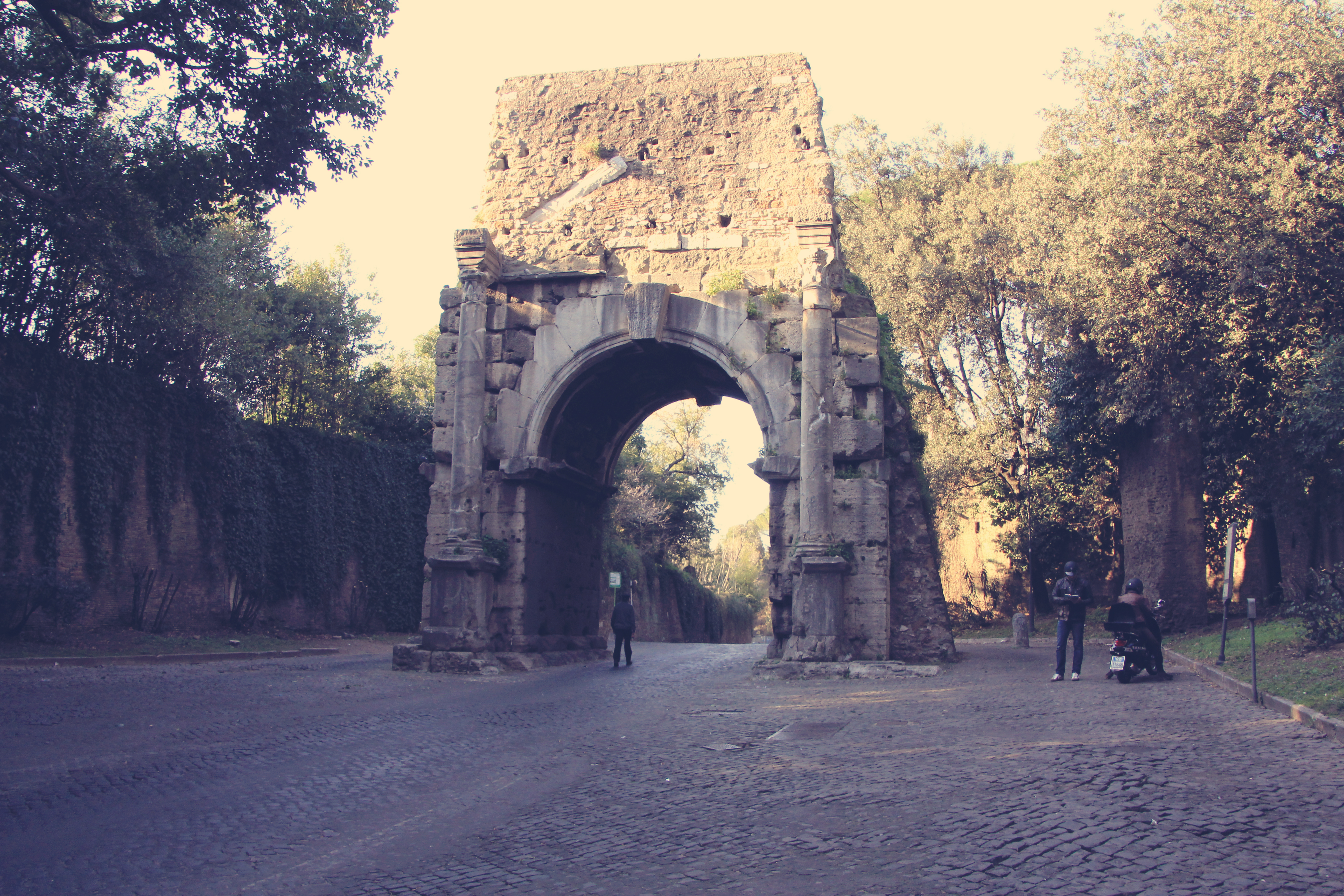
I felt like I was truly transported back in time, even with the odd car or vespa popping through the arch. Millions of ancient pilgrimages have passed this same way into Rome. I followed the steps of Keats and Goethe and Shelley and Byron and countless other Romantics and writers who went on the Grand Old Tour of Italy between the 17th and 19th centuries.
seb3

Rome is modern sprawl springing itself forward from scenes of eternity.
seb4

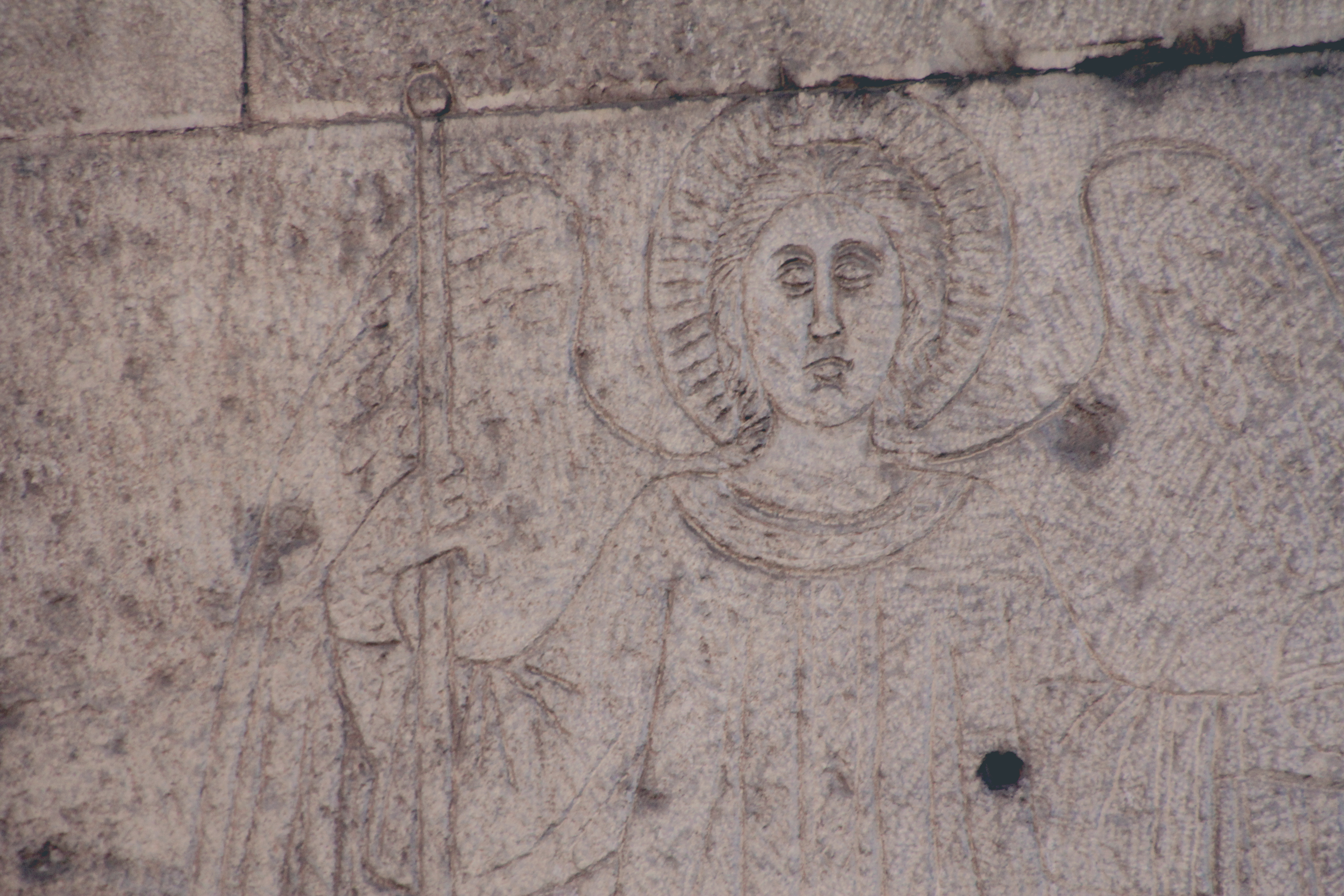
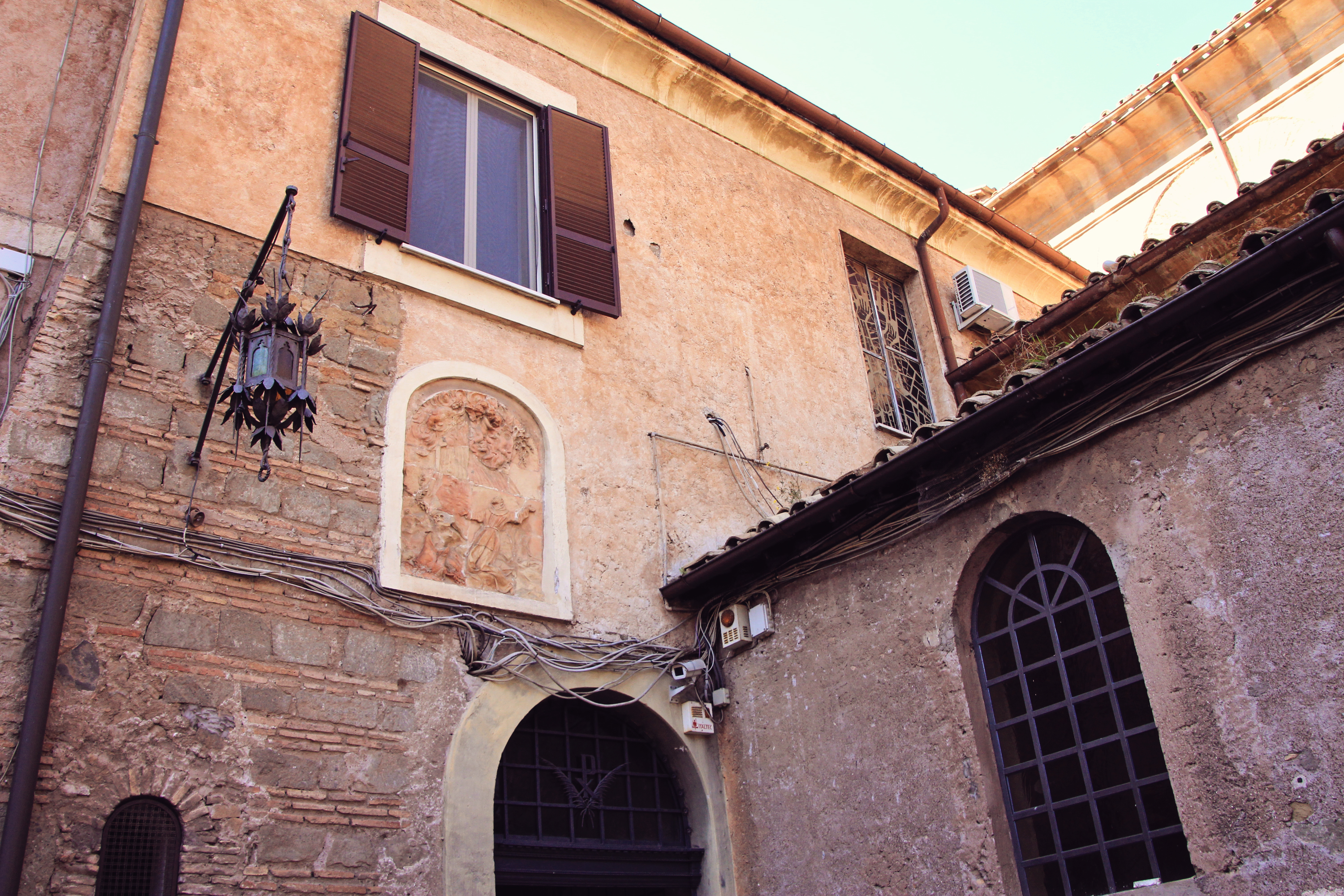
An ancient or centuries old pilgrim’s grafitti of an angel.
seb5

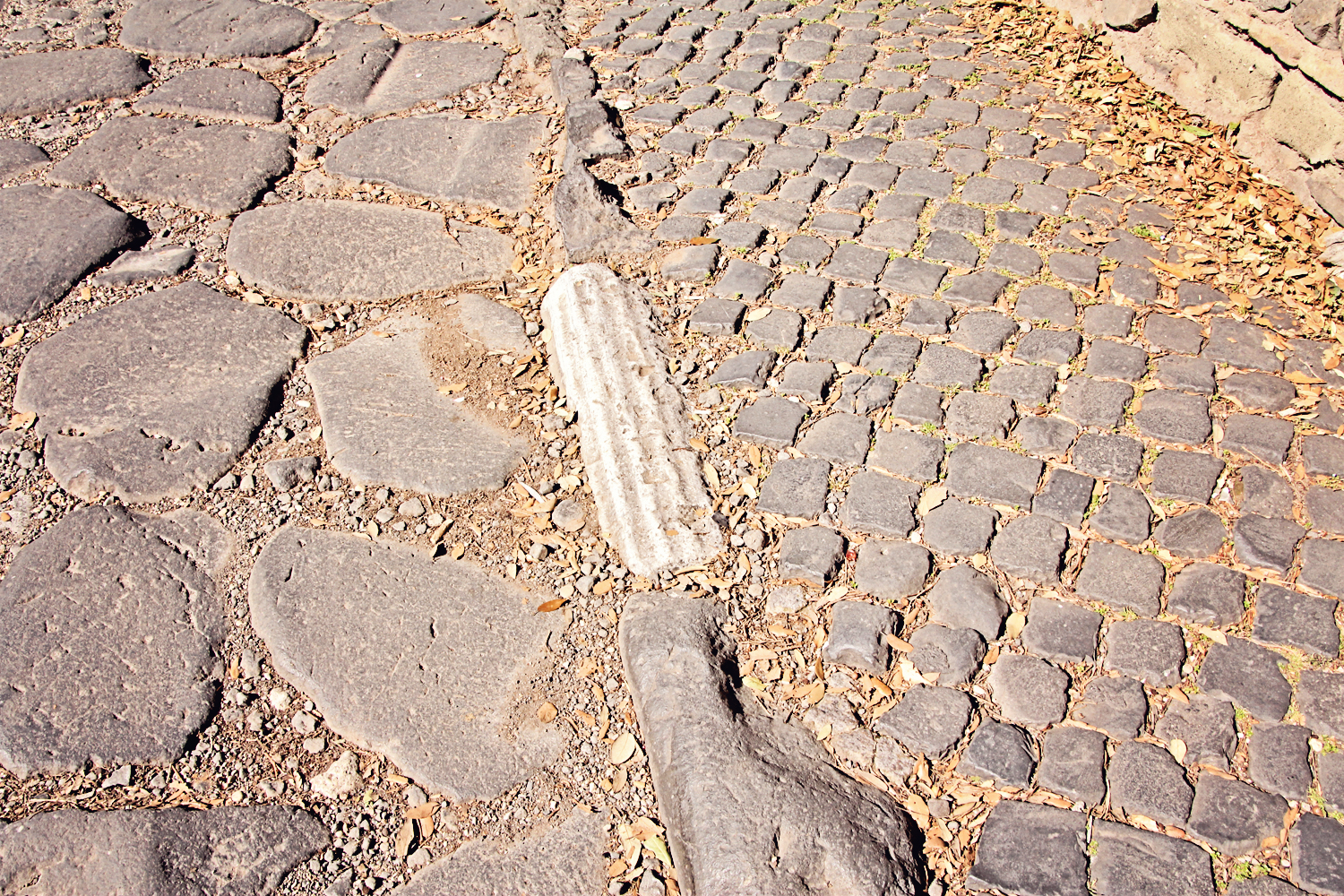
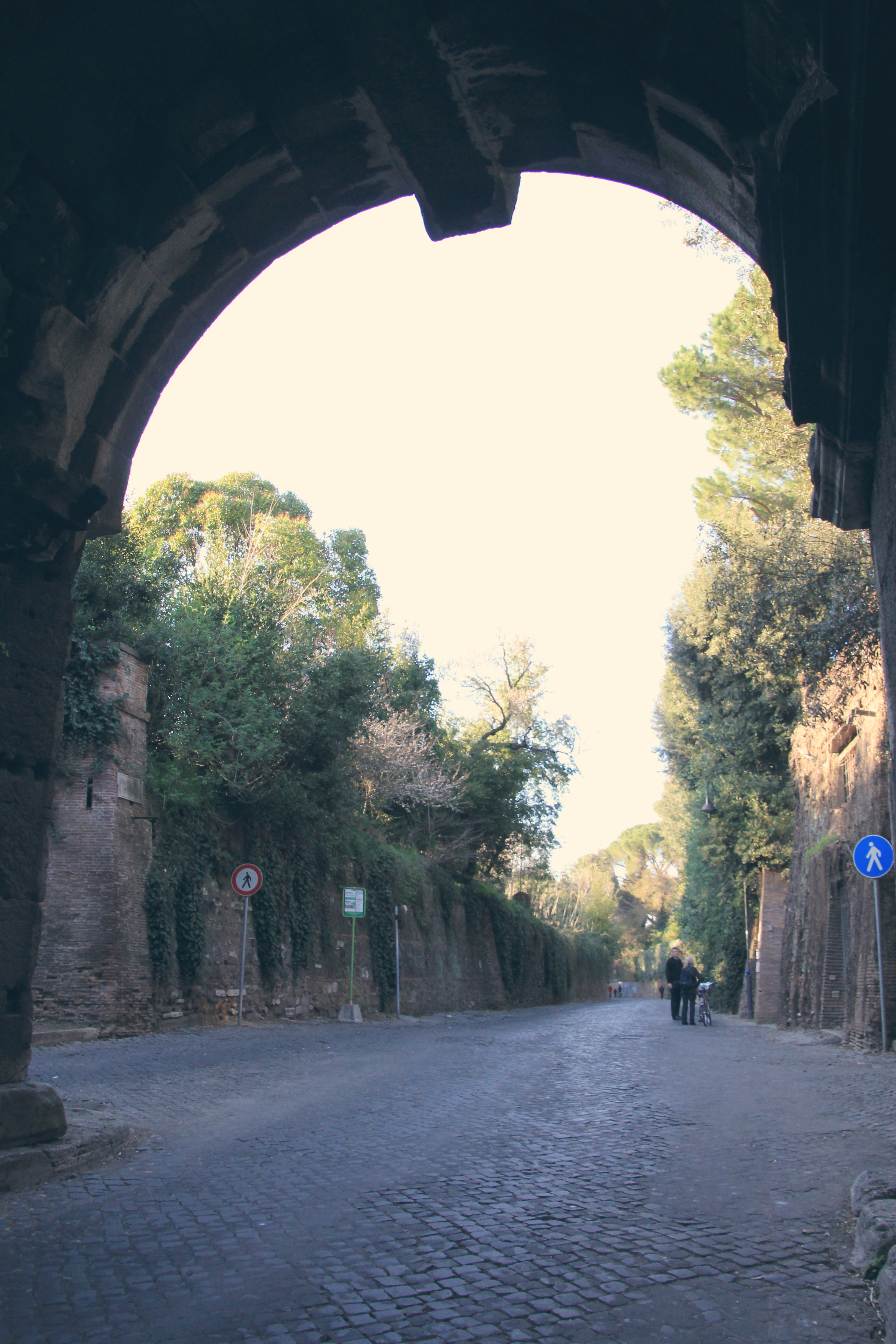
The old cobblestone and bricks, filled with ancient marble and stone broken pillars for mending holes along the centuries.

seb6

seb8

seb9


It is so enchanting.

seb10

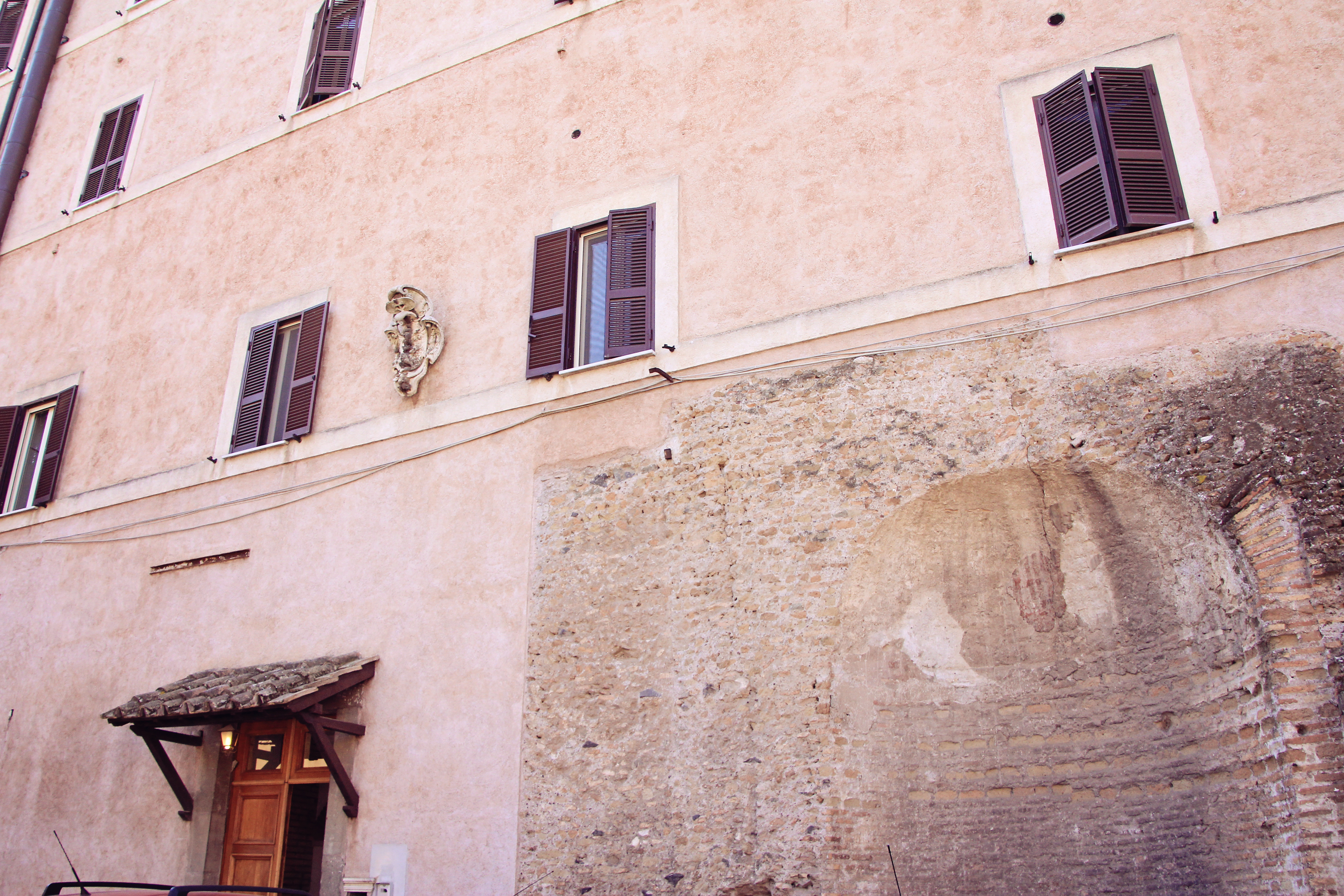
The side of the ancient gate.

seb11

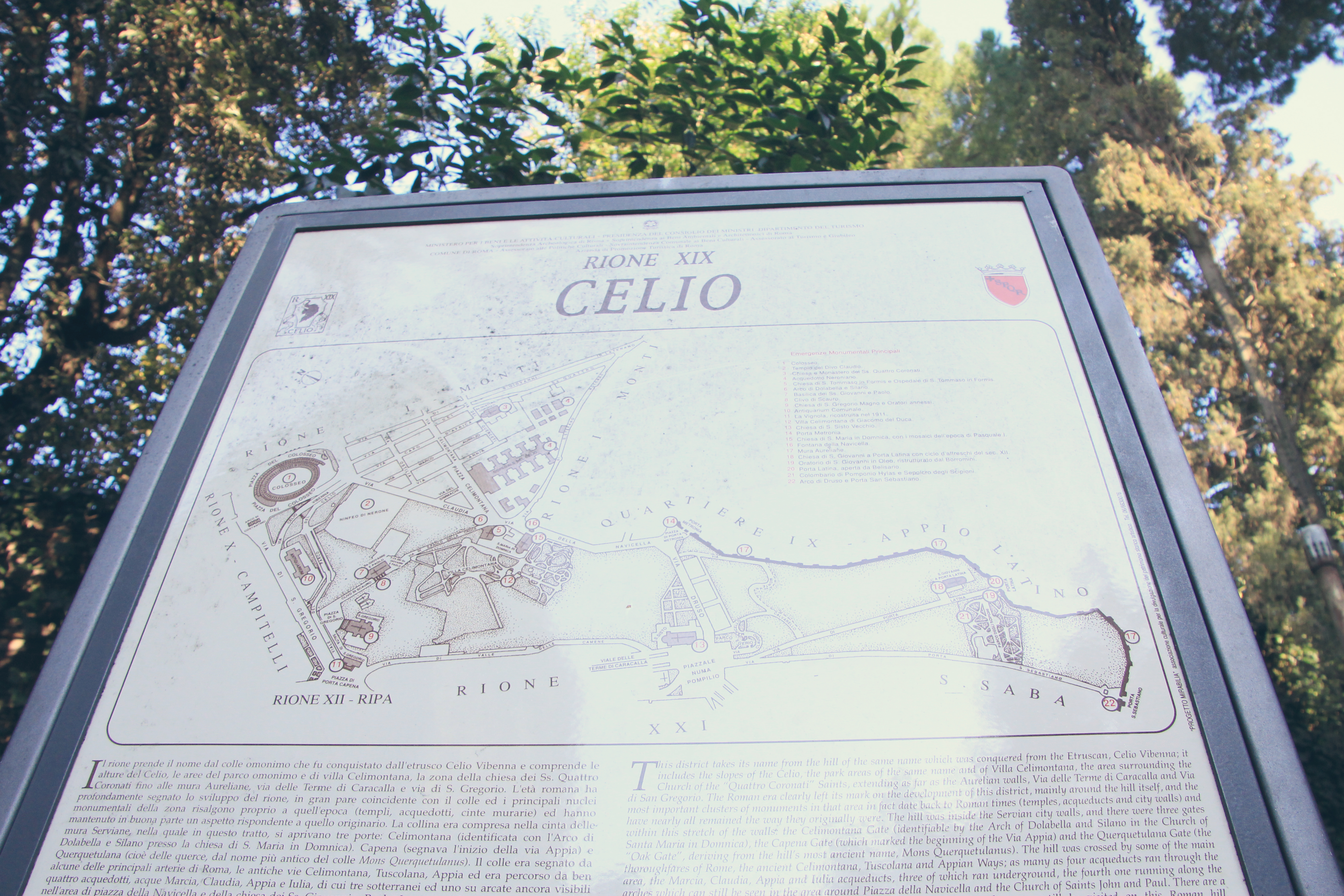
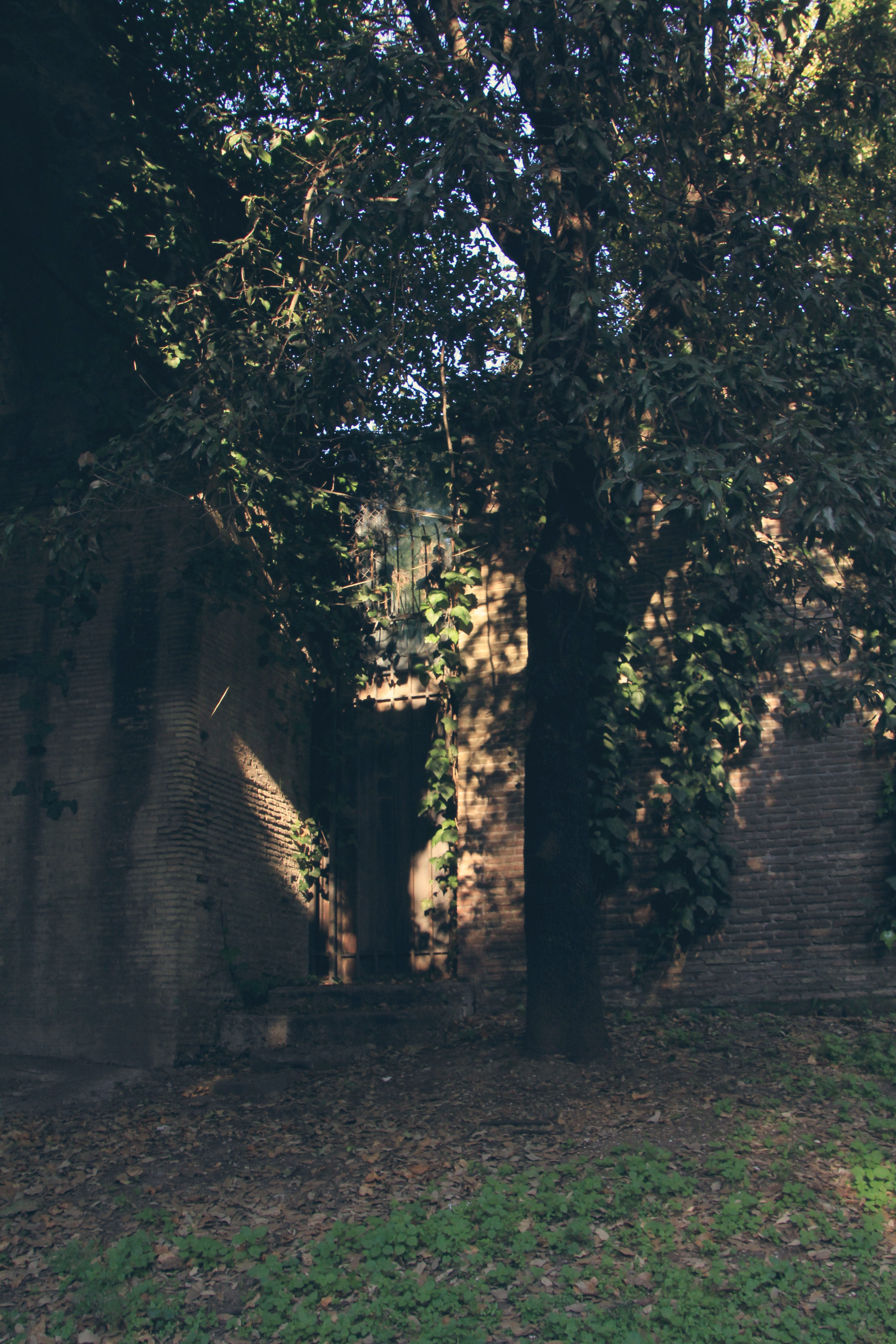
The Celio district is strictly off the beaten path and wonderful!!
seb13

seb14

seb15


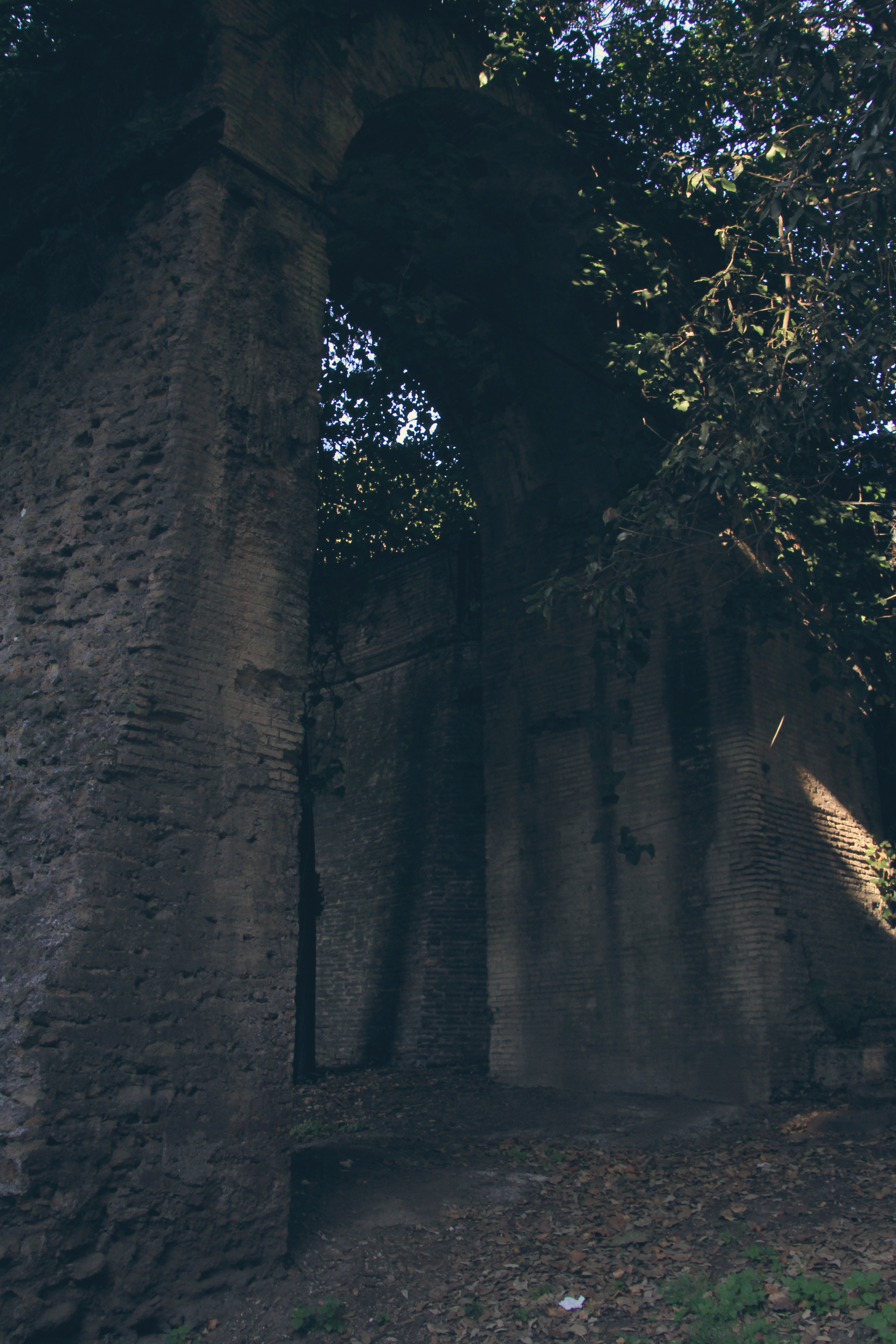
There are signs of an old way of life all along the way.

seb16

seb17


Greenery hangs everywhere.

seb18

seb19


So inviting.

seb20

seb22


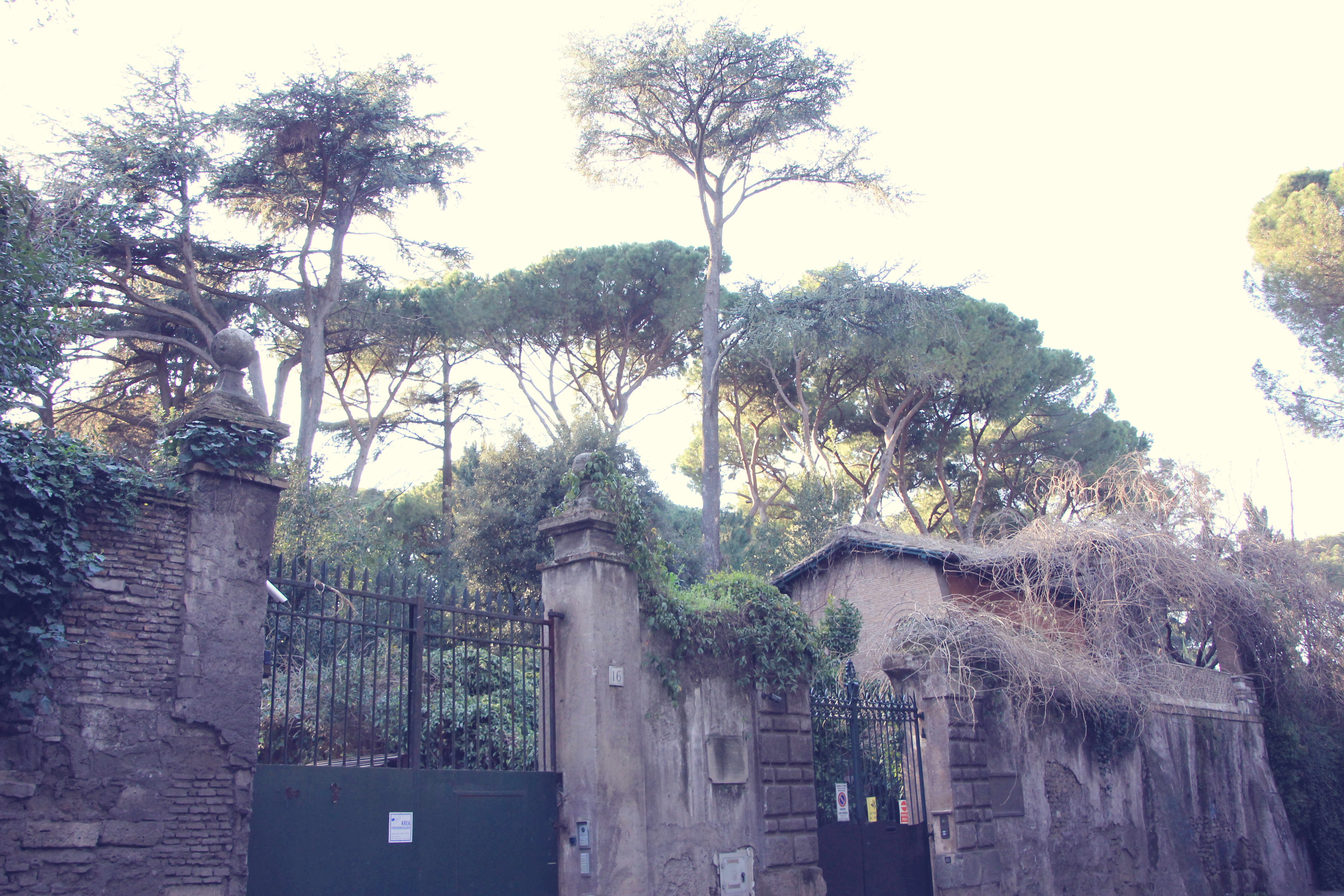
And we stumbled onto this magical place!
seb23

sebcasar


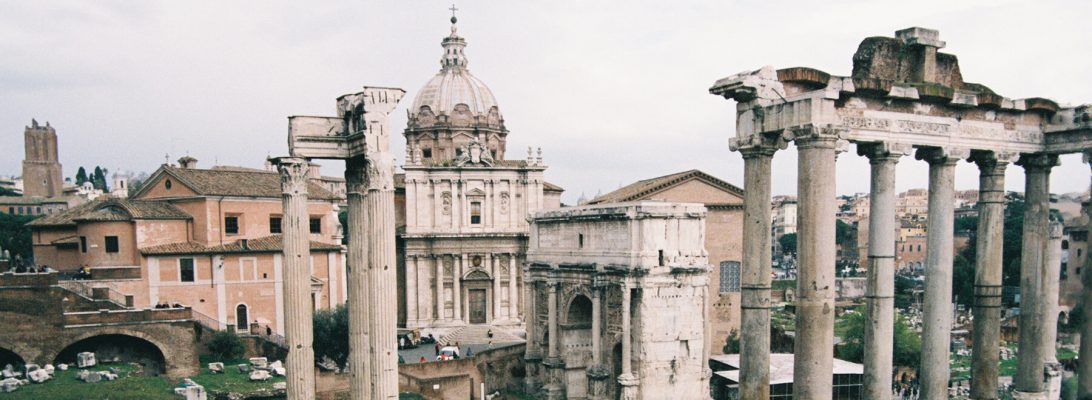
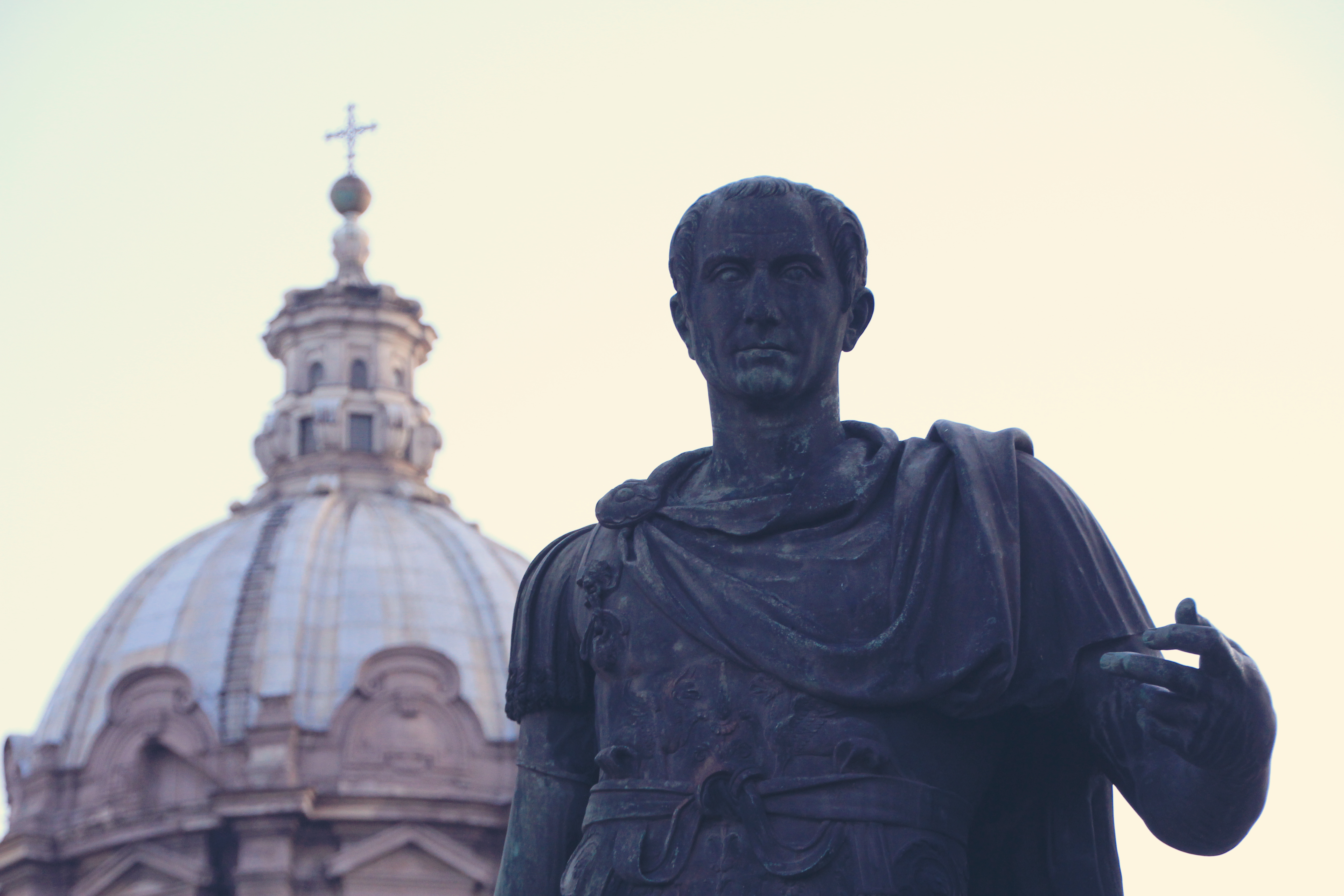
By the forum far away but somehow fitting for this post I think.
sebcasar2

Caesar and cupolas; my idea of Rome, the ancient and the Renaissance.
a photo walk on the appian way

PART ONE:appian1

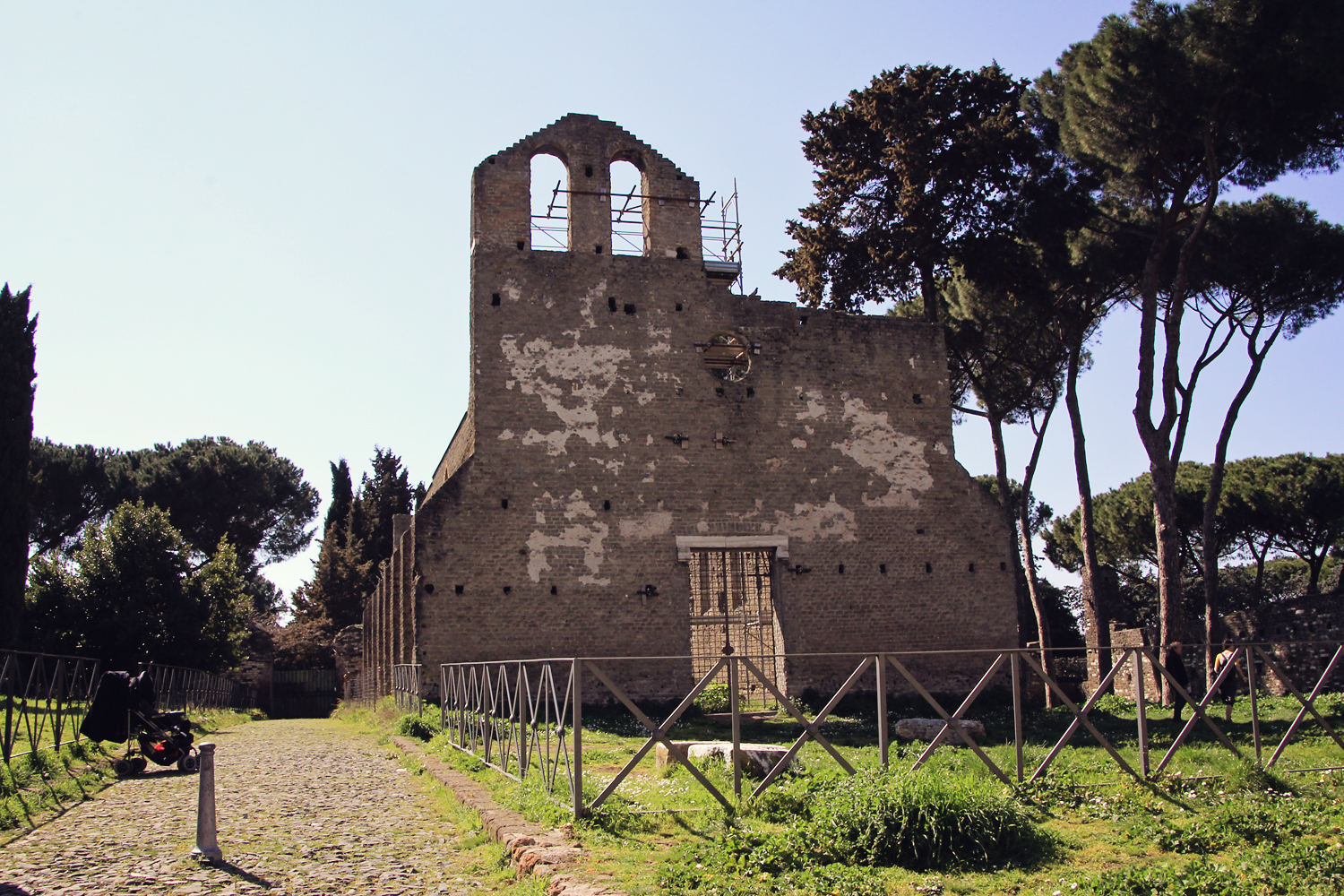
Church next door to Catacombe di San Sebastiano

appian2Interesting church interior and only public bathroom for miles.

appian3Looking down at the entrance of the San Sebastian Catacombs from within it’s garden.

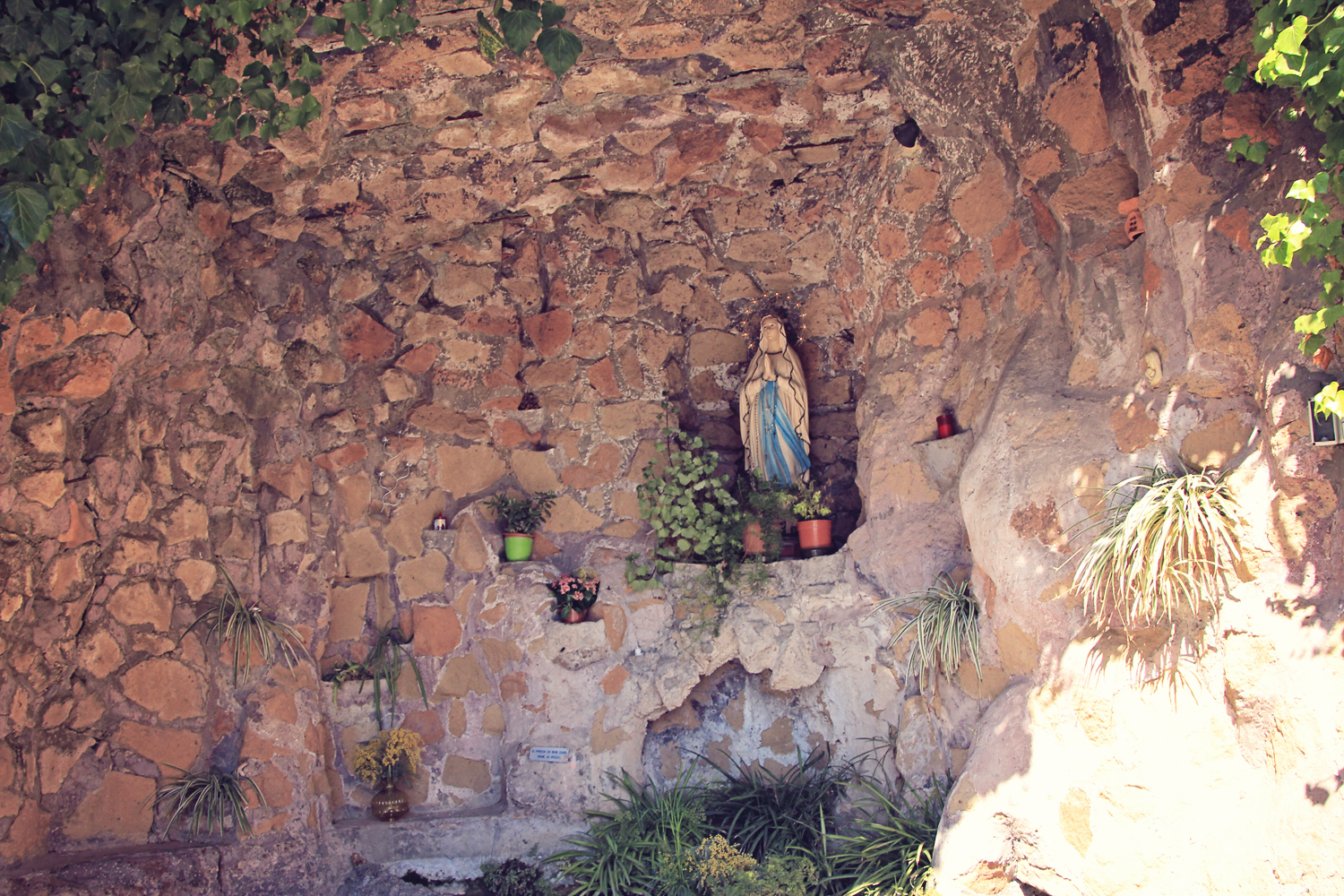
appian5A garden prayer niche at the catacombs.

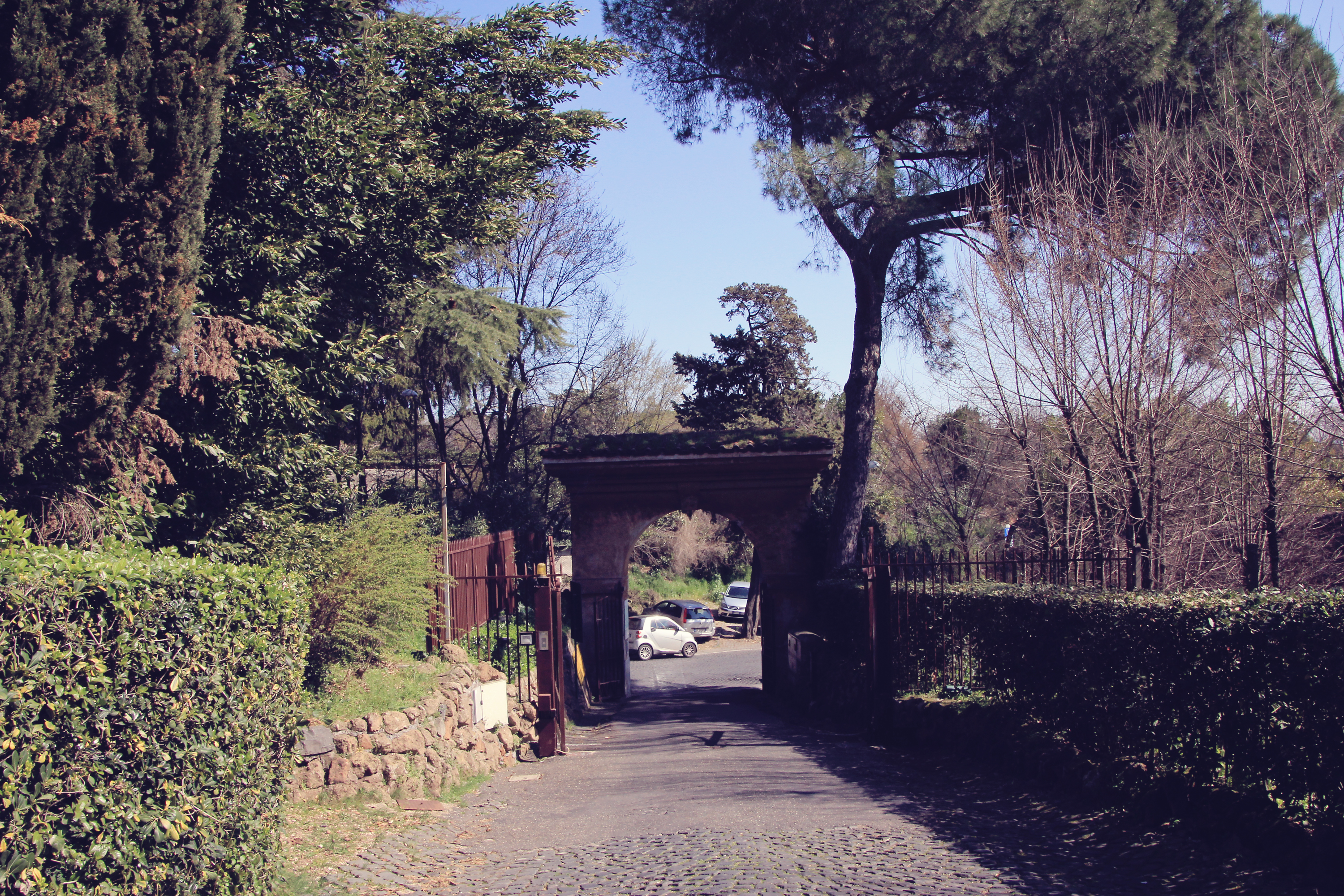
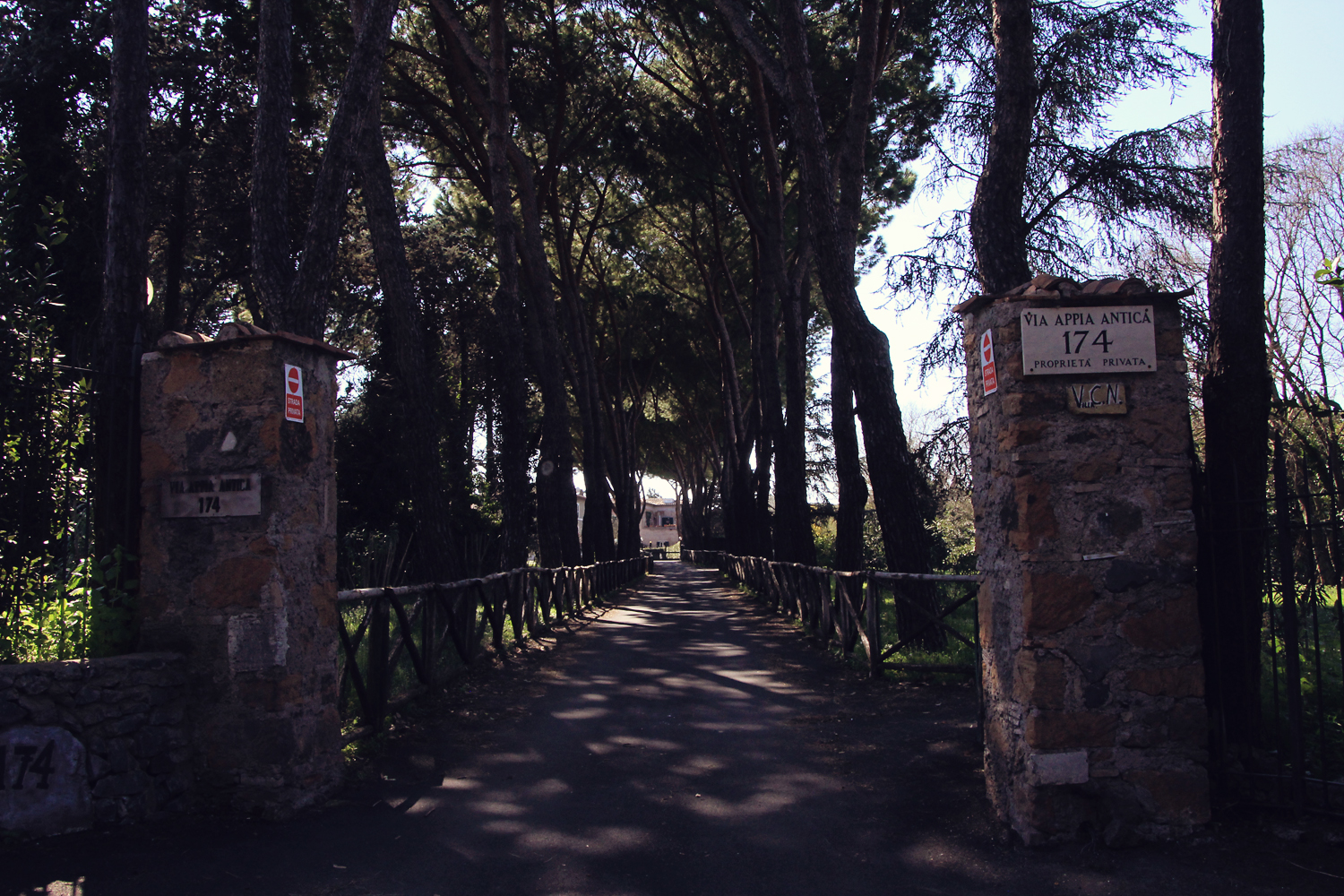
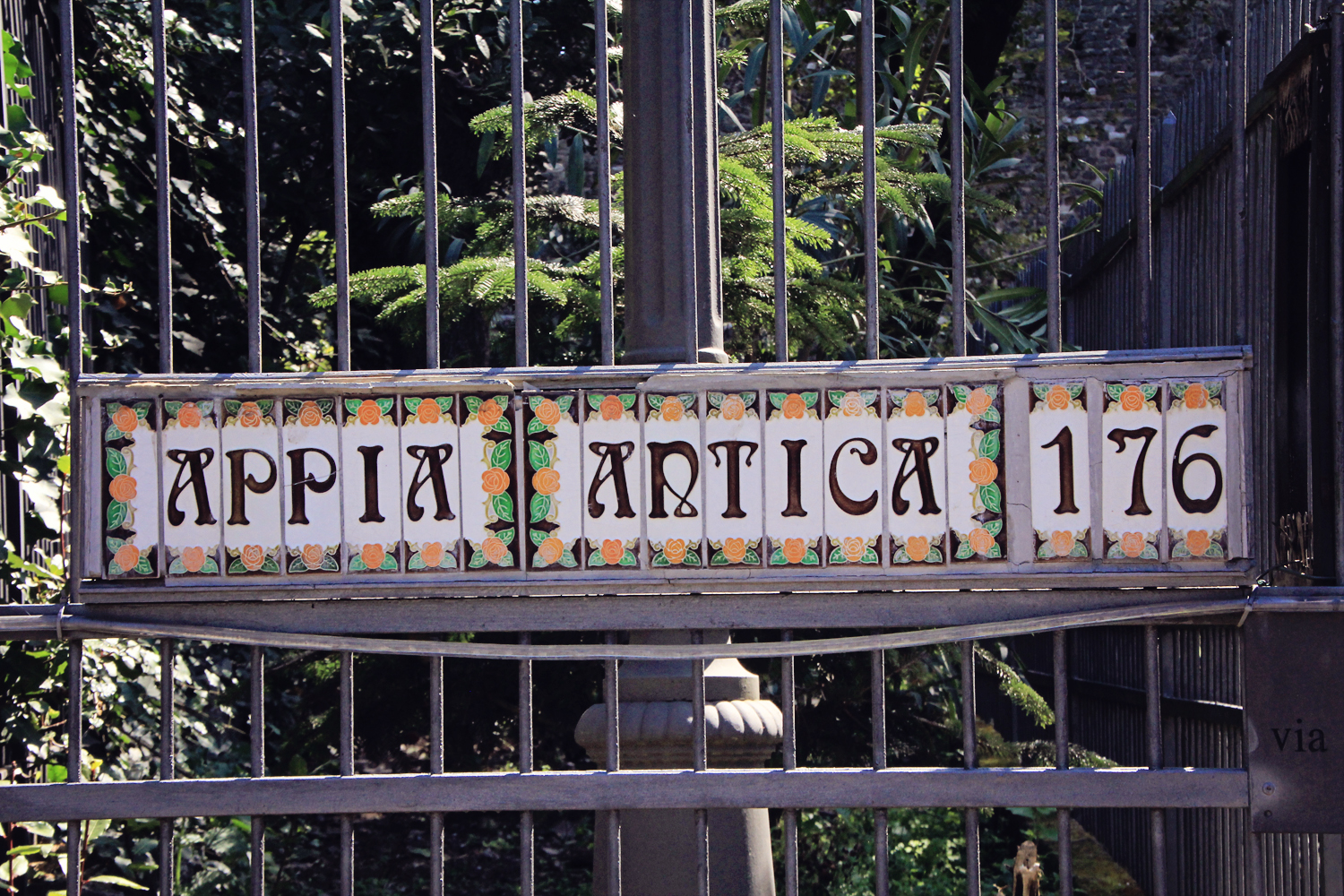
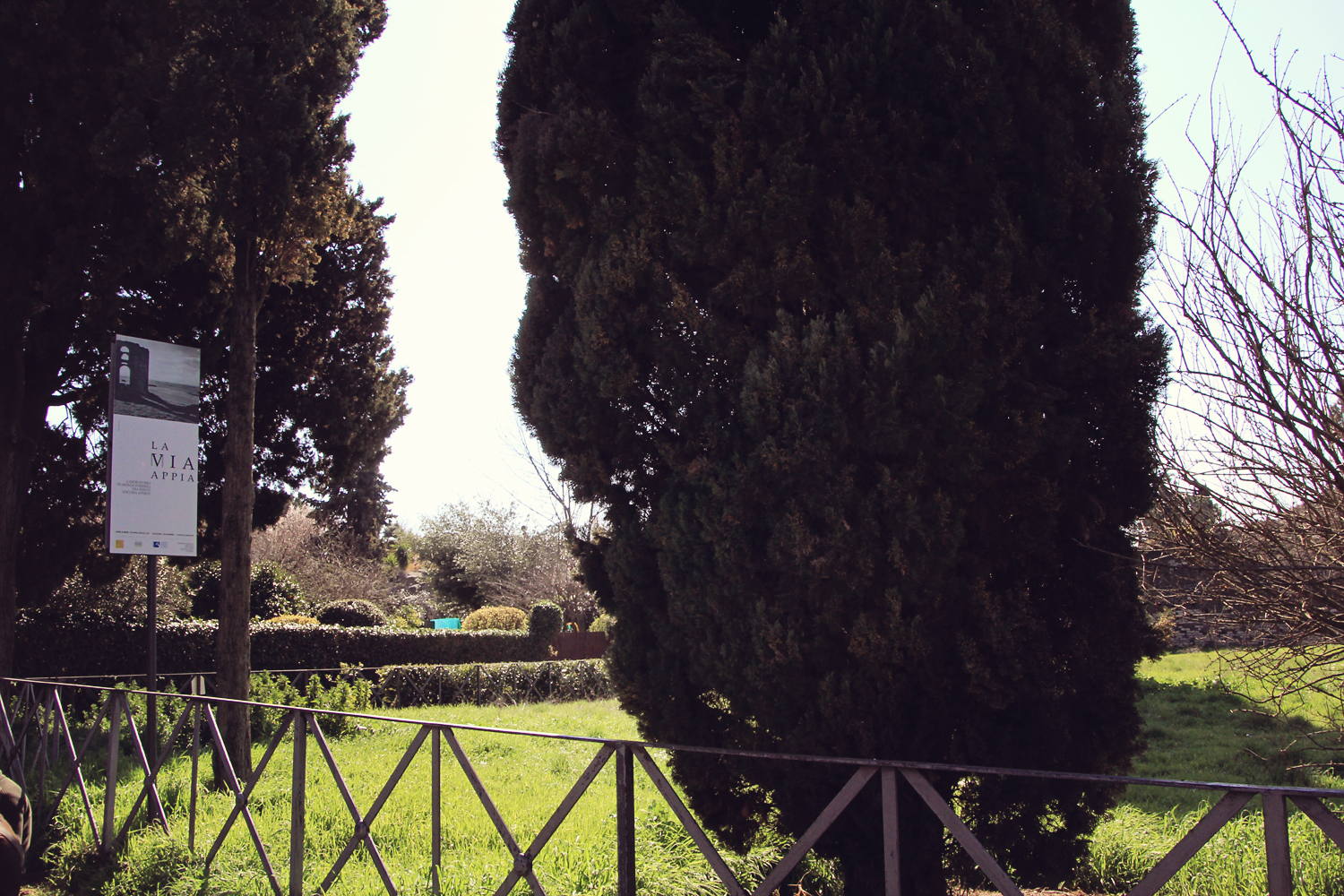
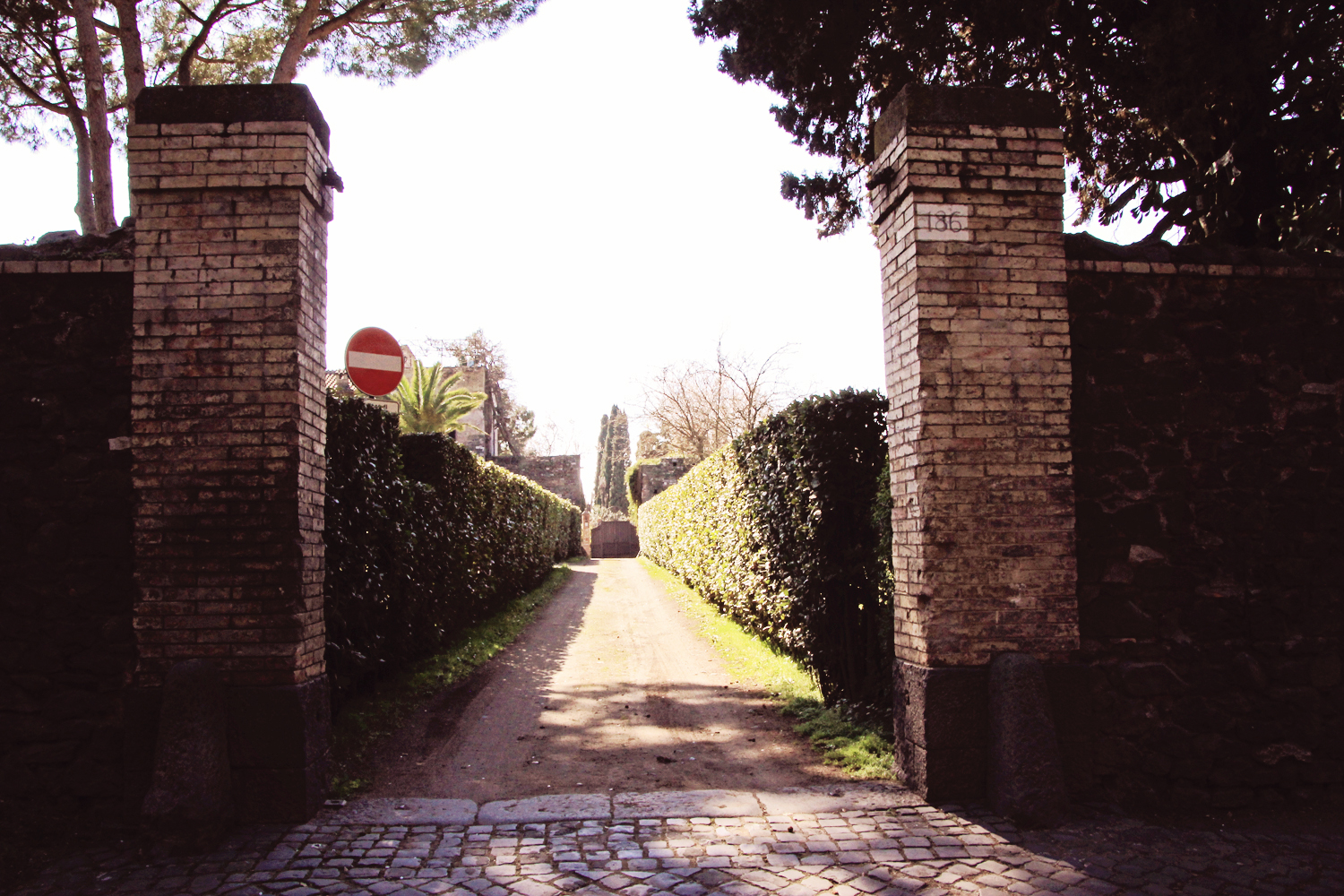
appian6One of the many enchanting gates leading to the Appian Way (Antica – ancient part).

appian8

It’s amazing to see how people live among the ruins and the ancient villas and gardens of the most ancient of roads in Italy.

appian7

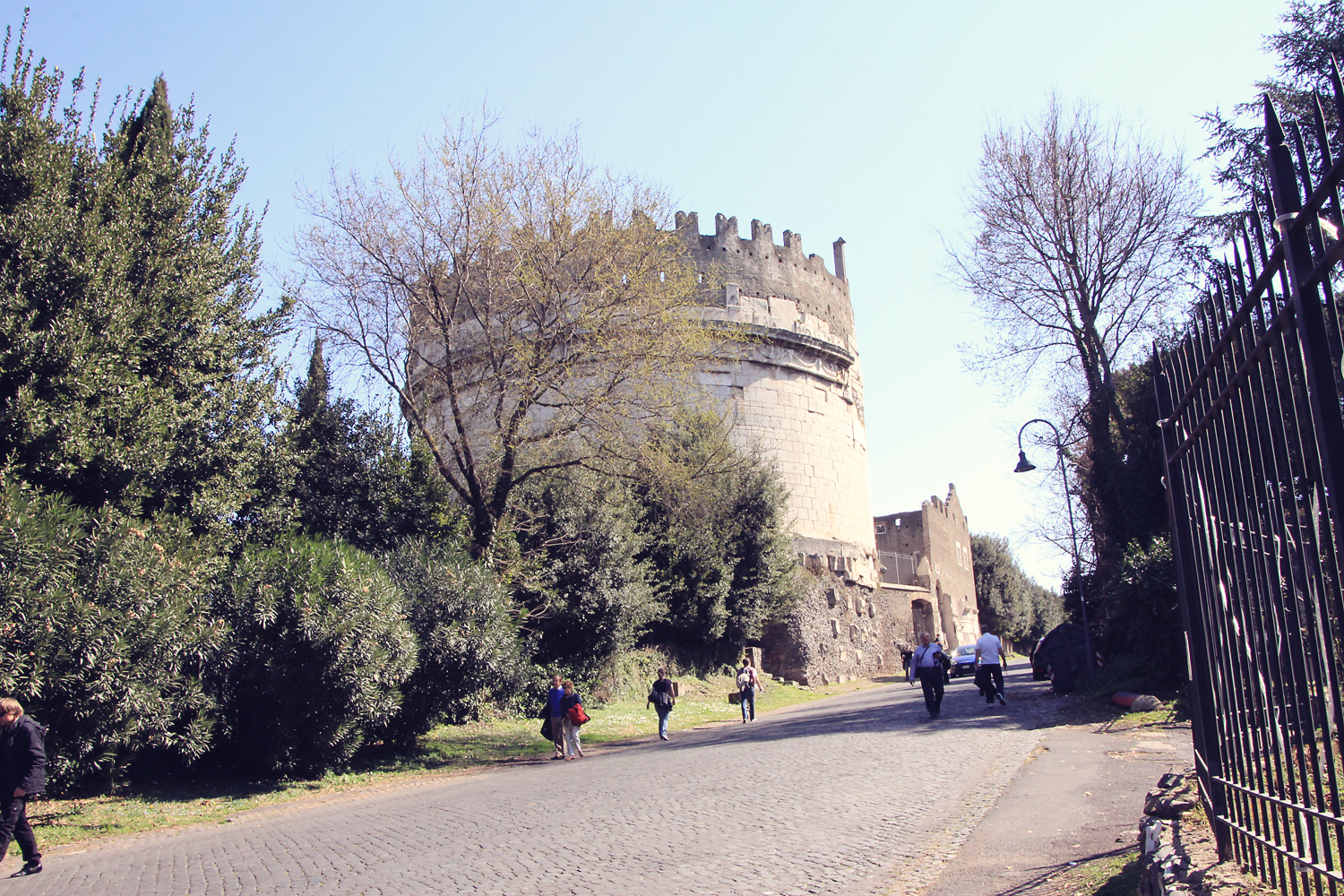
“The Mausoleum of Cecilia Metella (not a castle), and is said to have been built in the second half of the 1st century CE”, some steps away from the Catacombs. (Thank you, Misera e stipend città! That was lazy recall on my part! That’s one of the things with photographing so much and not taking notes – I forget the specifics! I need to start taking a tiny pocket notebook and a pencil with me like I did in the 1990s/early 2000s. And this is particularly sloppy writing as I made a big deal out of finally seeing Cecilia Metella last March, too)! Here is an excellent site on Cecilia Metella’s Tomb and the San Sebastiano area of the unchanged Appian Way!

The walk is well worth the effort, very pleasurable on a sunny, warm day.

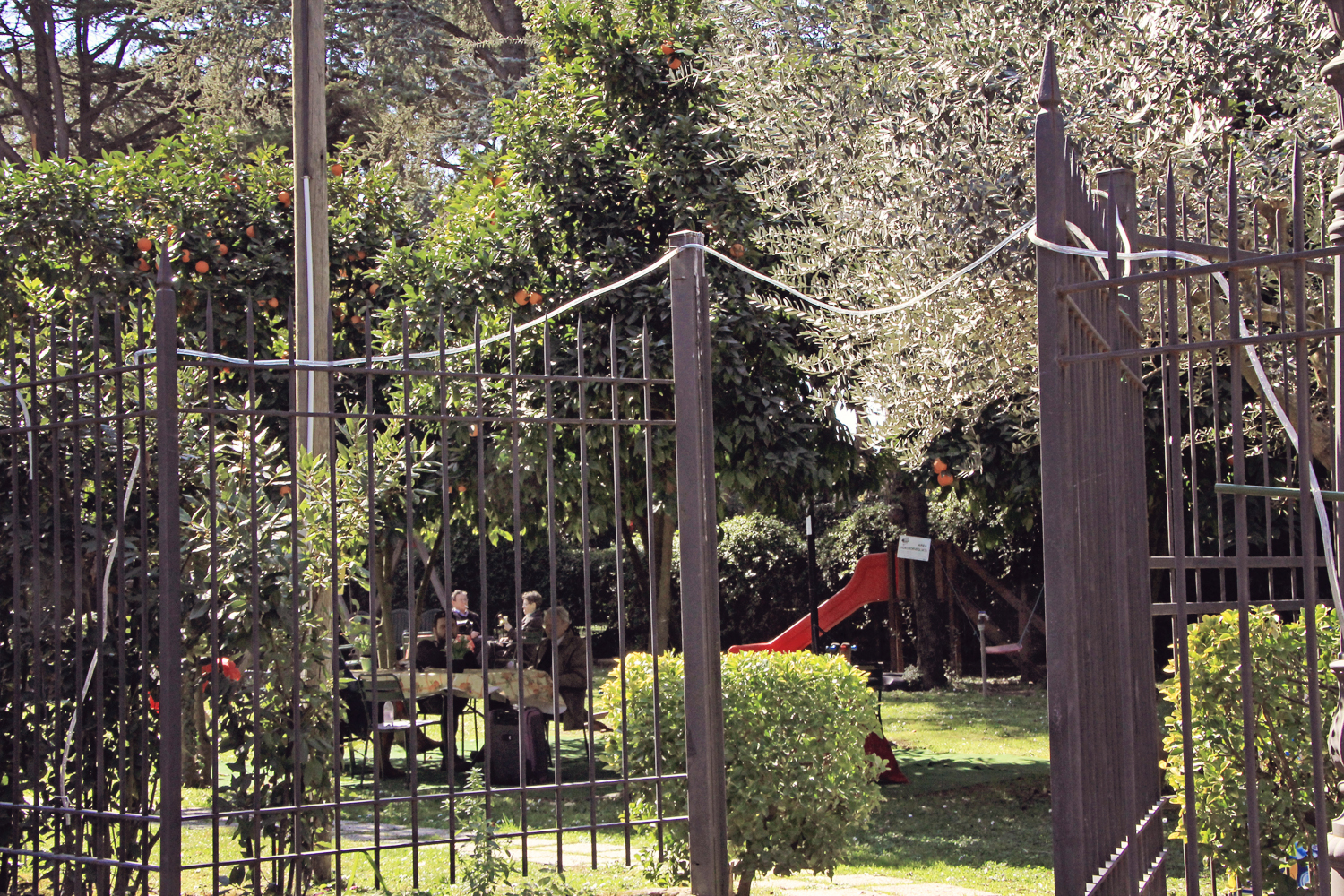
appian9There are a few scattered cafe restaurants and a playground amid an orange grove.

appian10More palazzo ruins and curiosities among the cypresses.

appian11There are even some museums and art exhibitions featuring the the changing and not so changing face of the Appian Way. There are villas and open gardens to wander in from ancient Roman times.

appian12Shadows of overhanging greenery on ancient and medieval walls.

appian13Behind the gates are private gardens and residences one can only envisage in imagination.

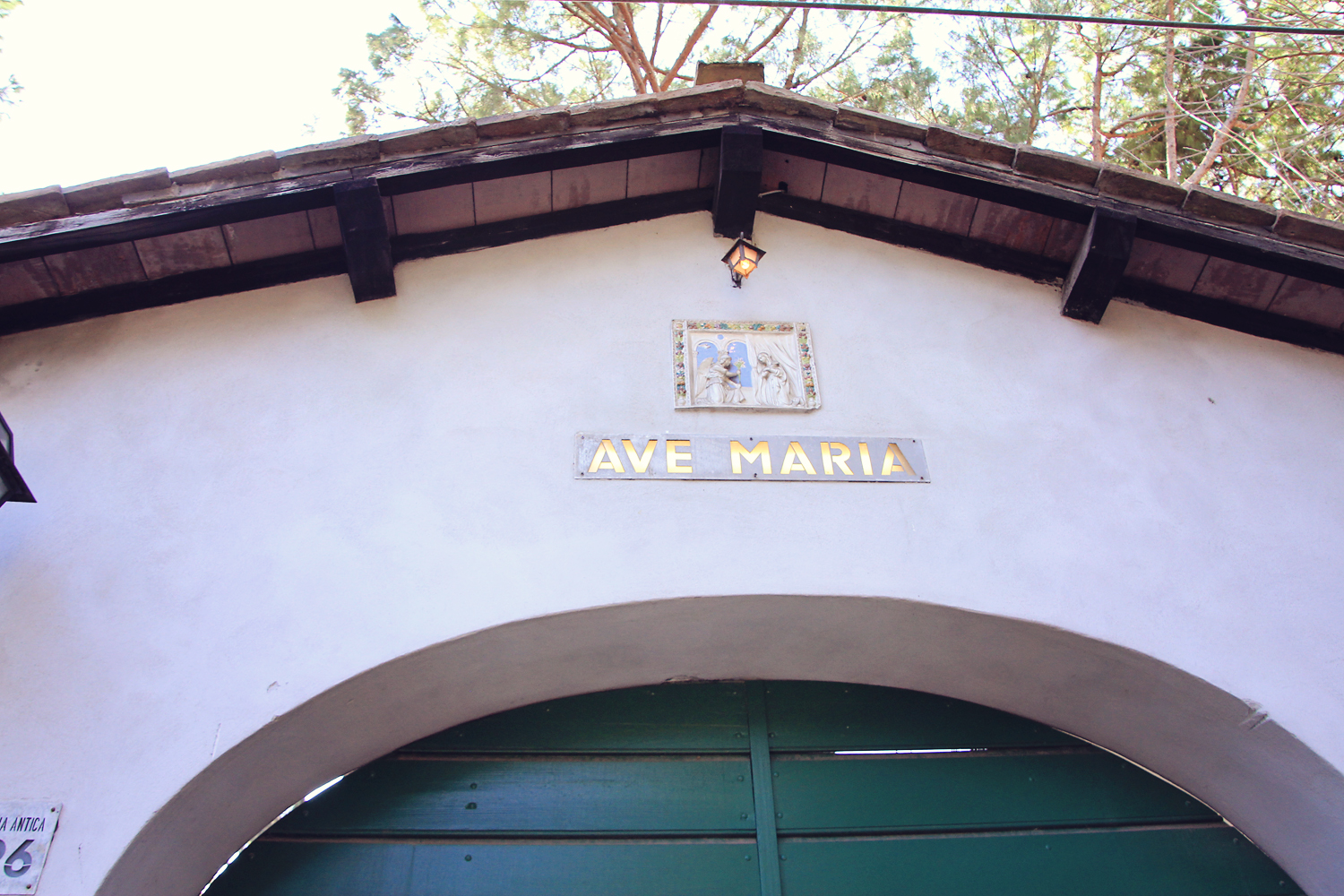
appian14A building on the walk with Ave Maria.

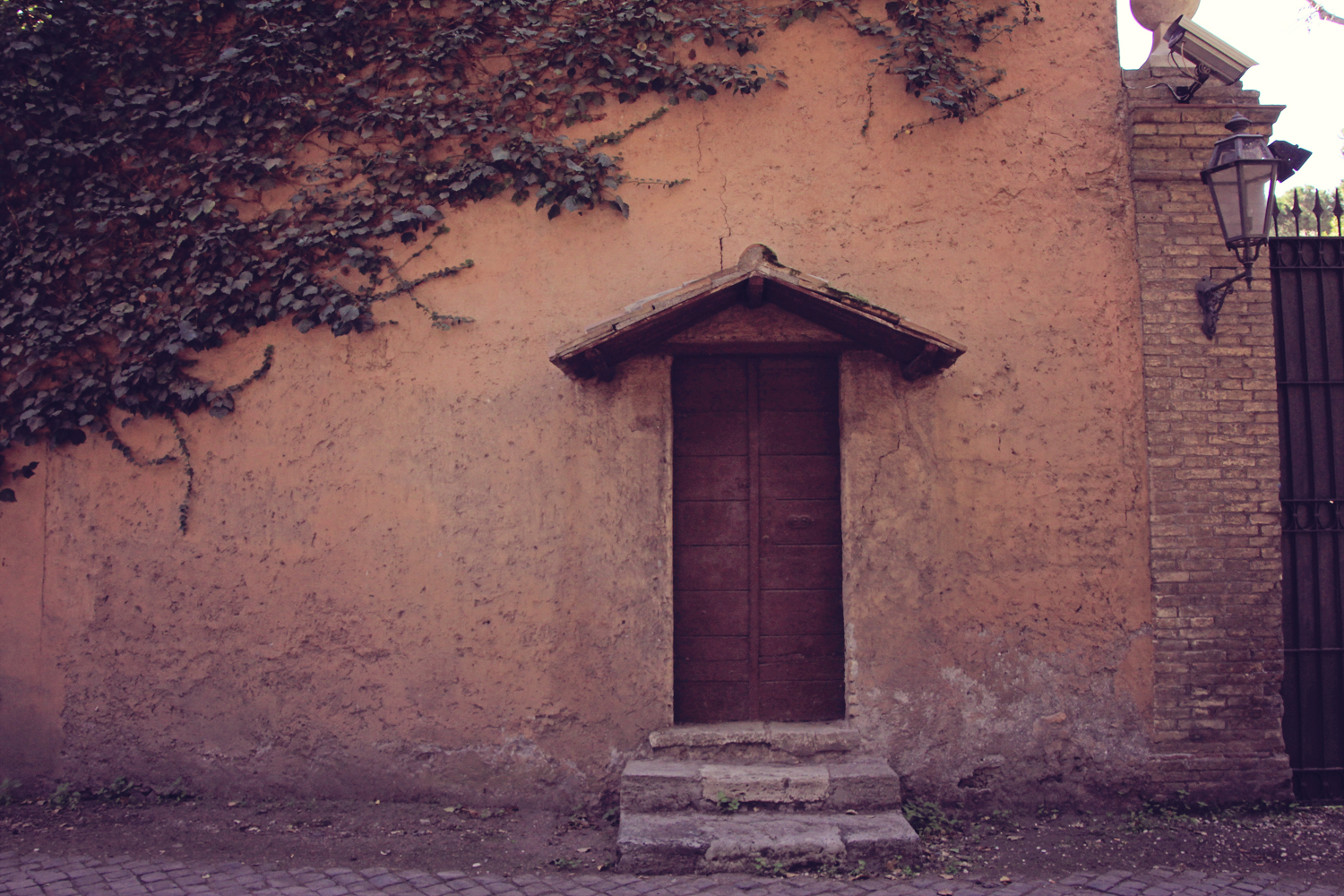
appian15One of the  many beautiful old houses blending the ancient, medieval, Renaissance and modern world. How many families have lived here in all these centuries??

appian16

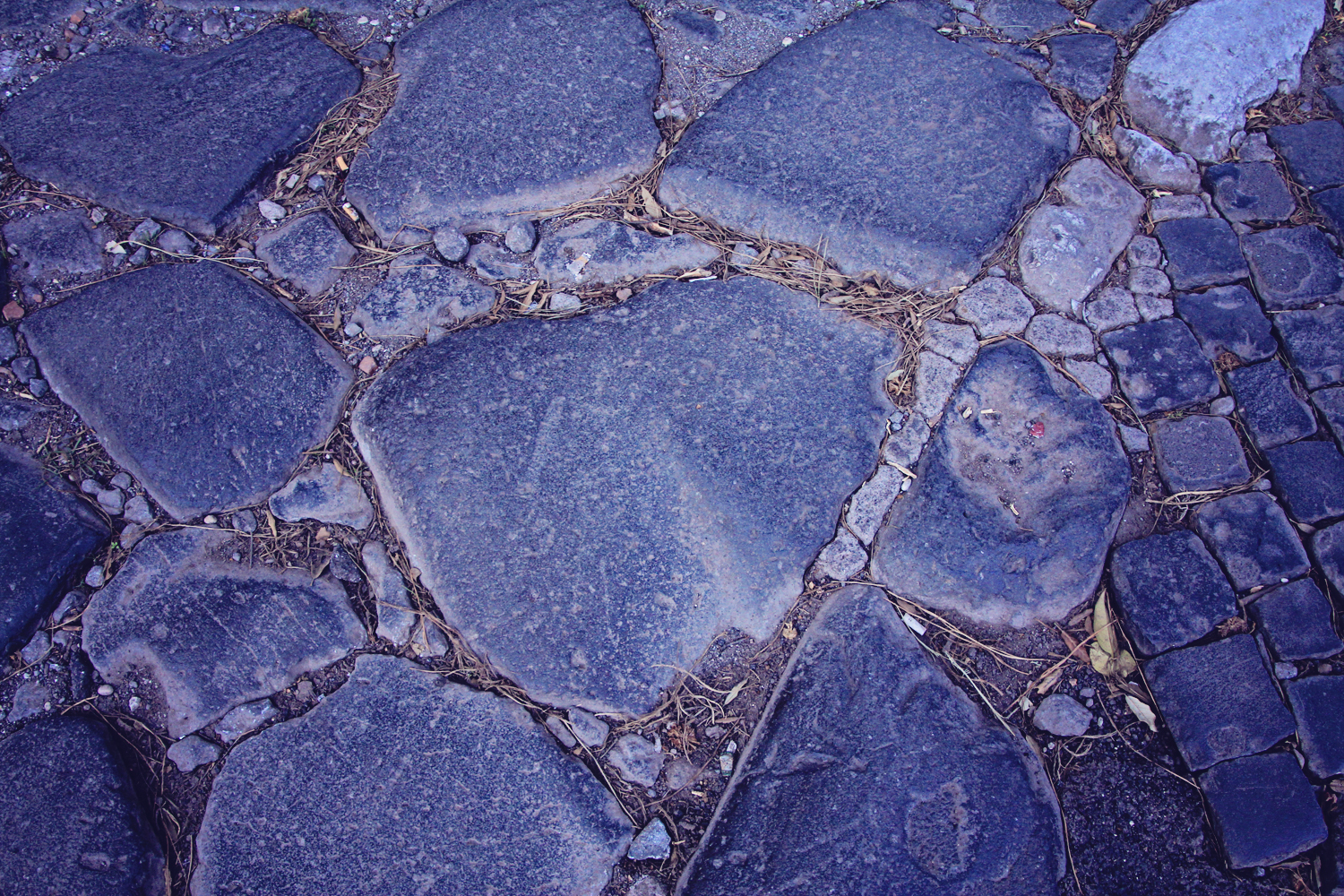
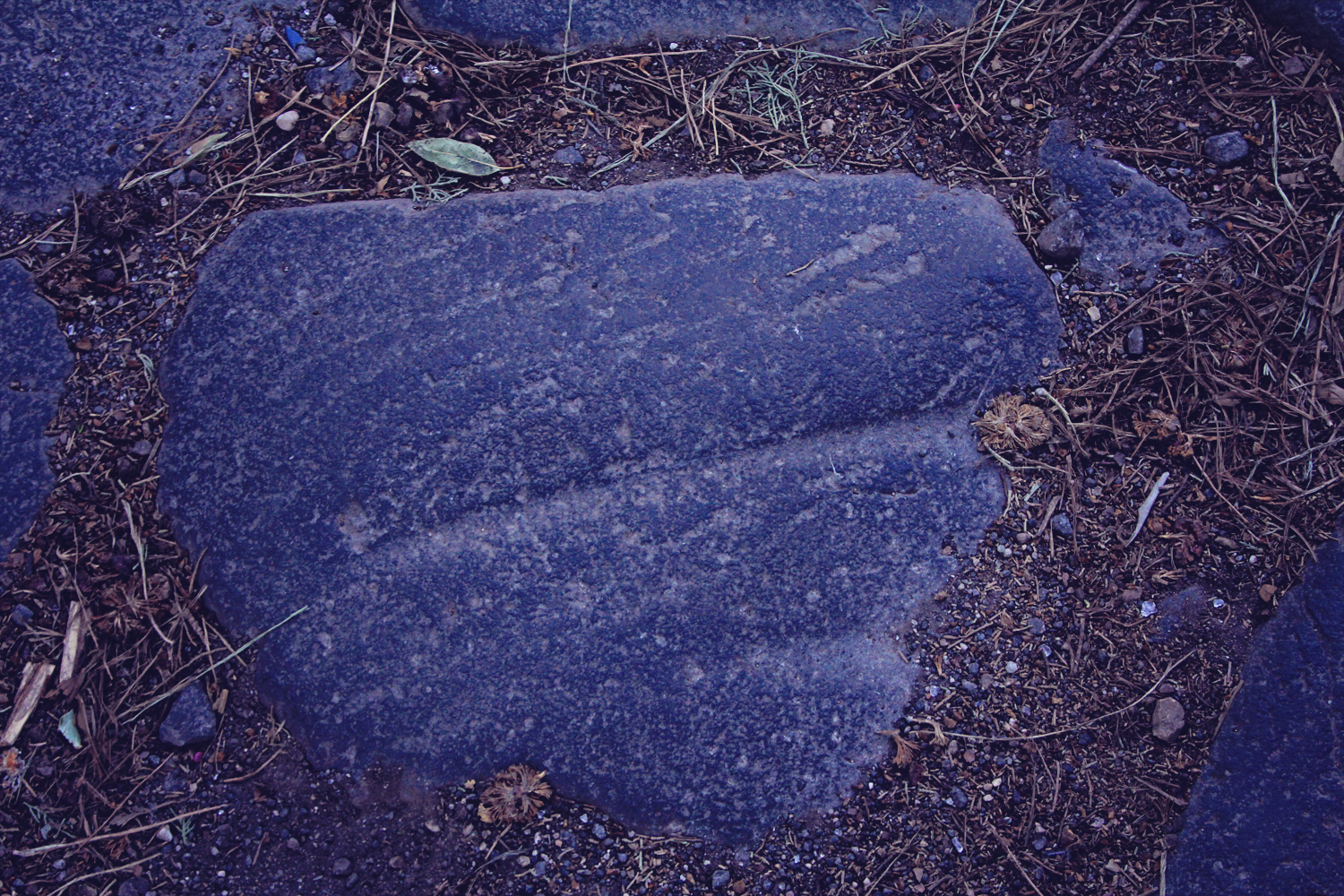
appian17Chariot wheels and horse drawn carriages formed grooves over the ancient road leading to Rome for thousands of years.

appian20

Fallen and broken pieces of ruins and columns and cobblestones worked over centuries into restorations on the Appian Way.

appian18

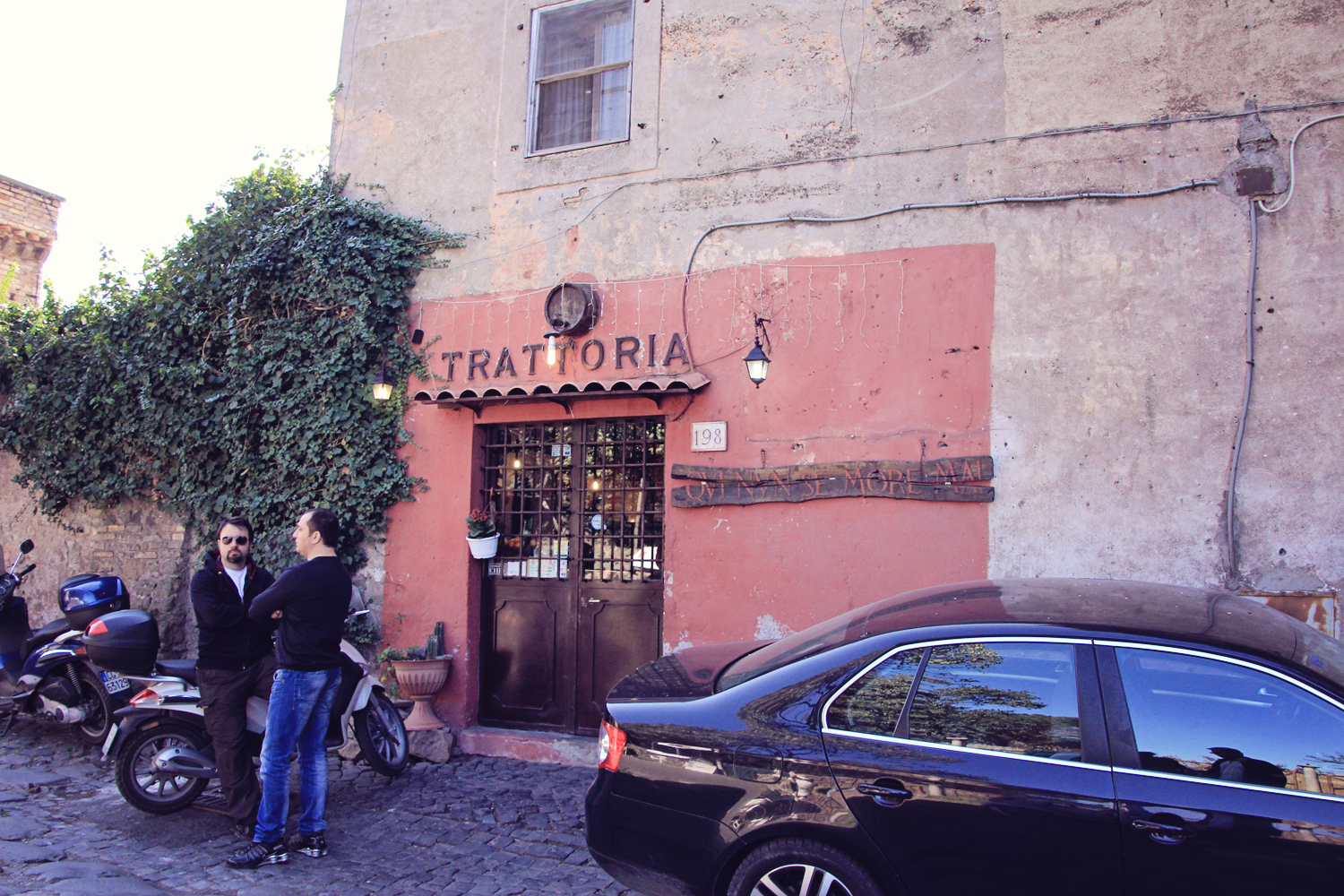
A trattoria along the way. The sign reads Here No-One Ever Dies (thank you Misera e stipend città) – read a poem set on the Appian Way and refers to this very “tavern” by Marie Luise Kaschnitz, translated by Alexander Booth. I love learning thats what the sign says. Next time I must go in there for a drink and a bite! Maybe some ancient luck will rub off on me.

appian21

There are so many roads left to travel, so many places to wander. If you find yourself in Rome on a Sunday when the cars are off the road and the weather is pleasant and mild, I cannot stress to you how wonderful a long half-afternoon or afternoon stroll on the Appian Way. Take a bus or taxi to the Catacombs and get out and walk around the grounds and walk along the Appica Antica, taking in the sights and beauty. It’s truly a time machine back to the ancient world and along the pathway of the Grand Old Tour. Many have walked and ridden over these stones and passed under its gates.

Second Part of the Photo Tour of the Appian Way to follow.