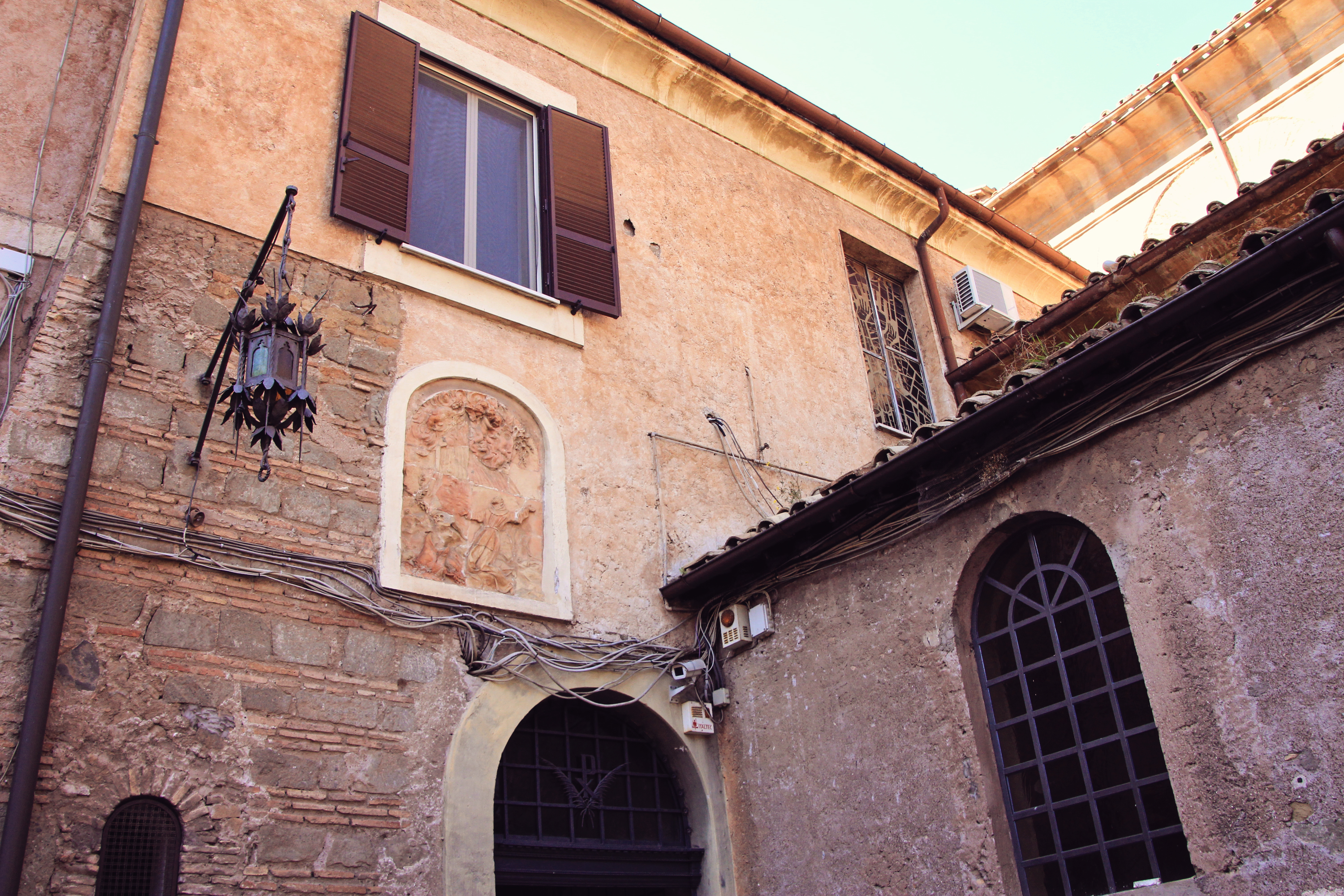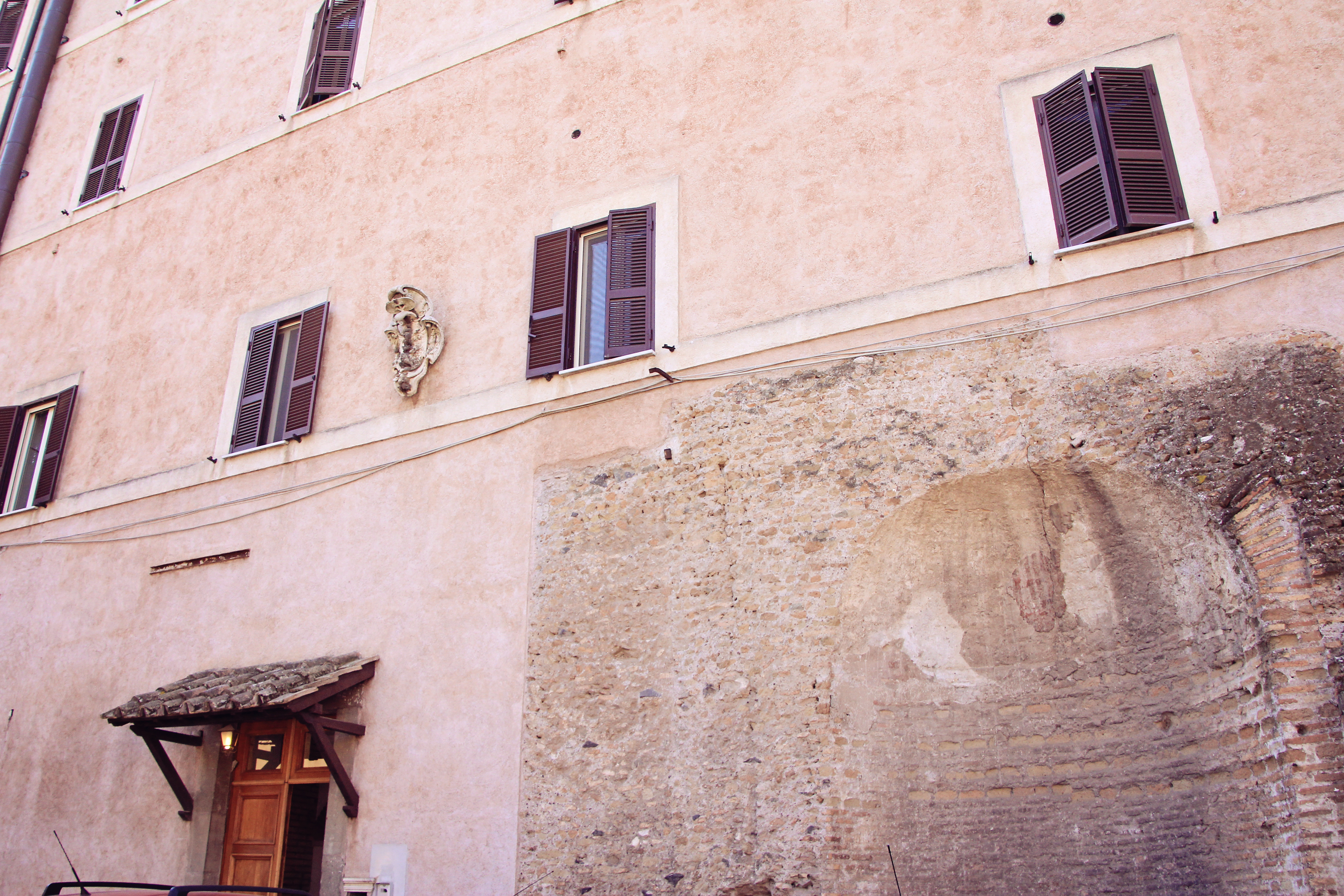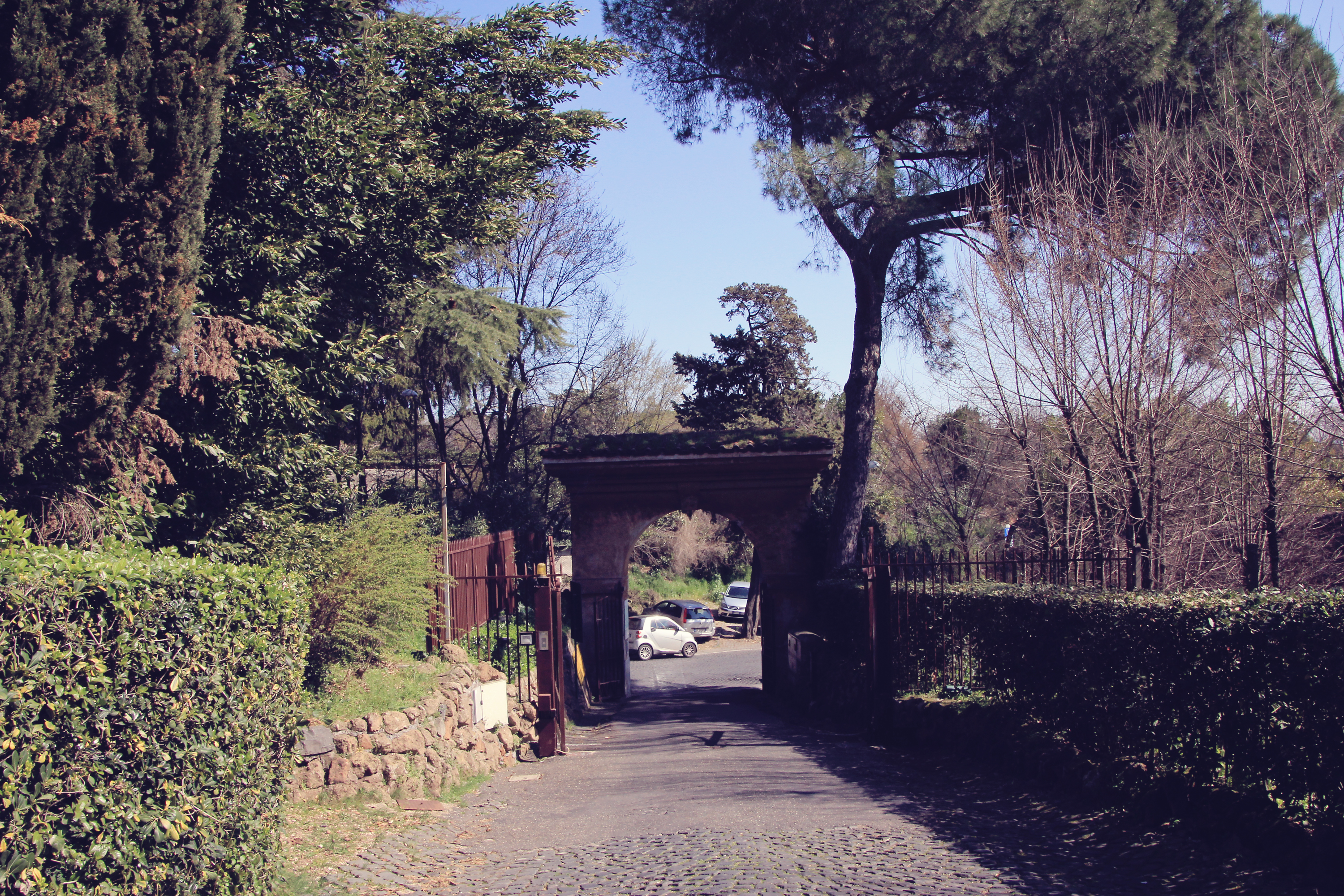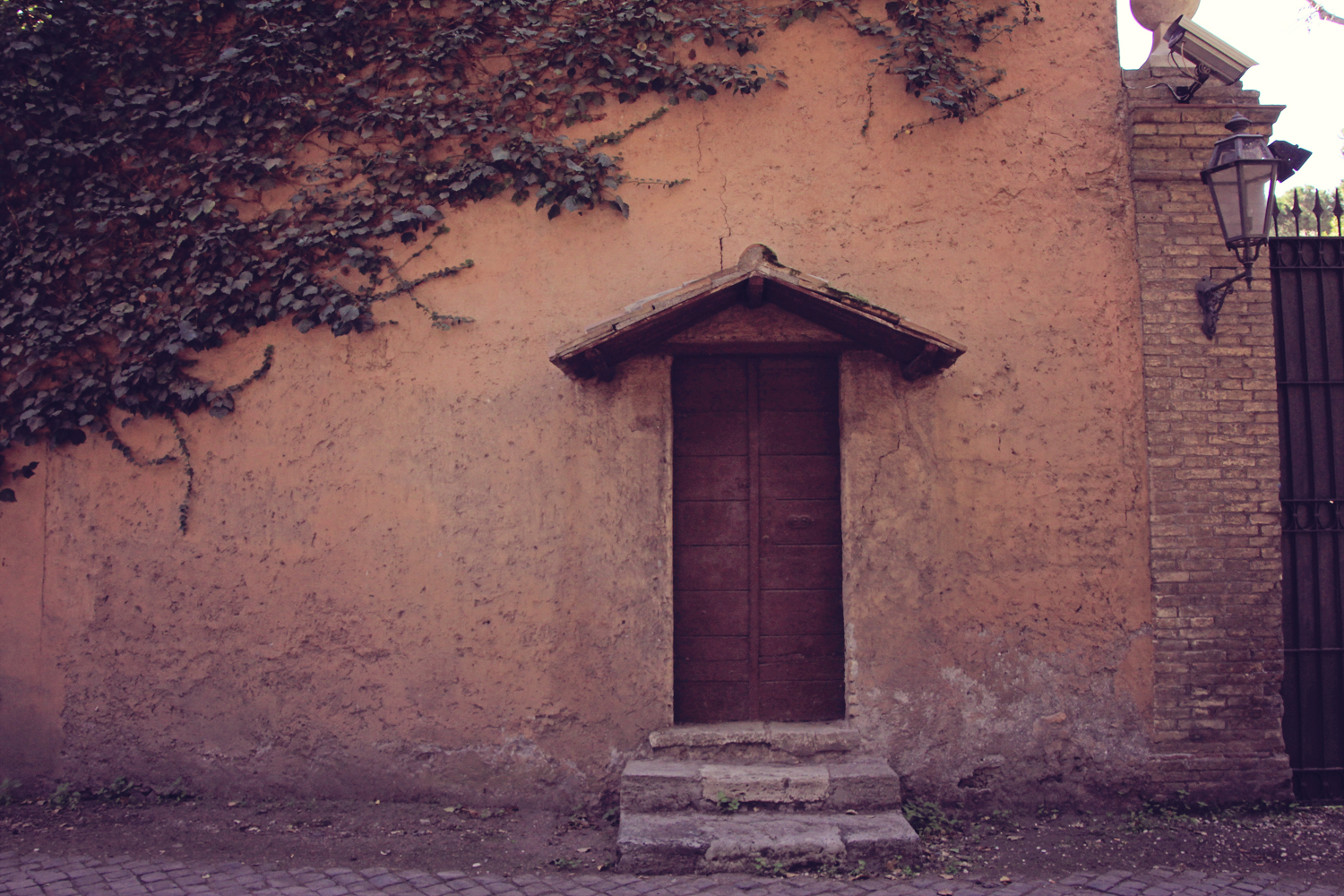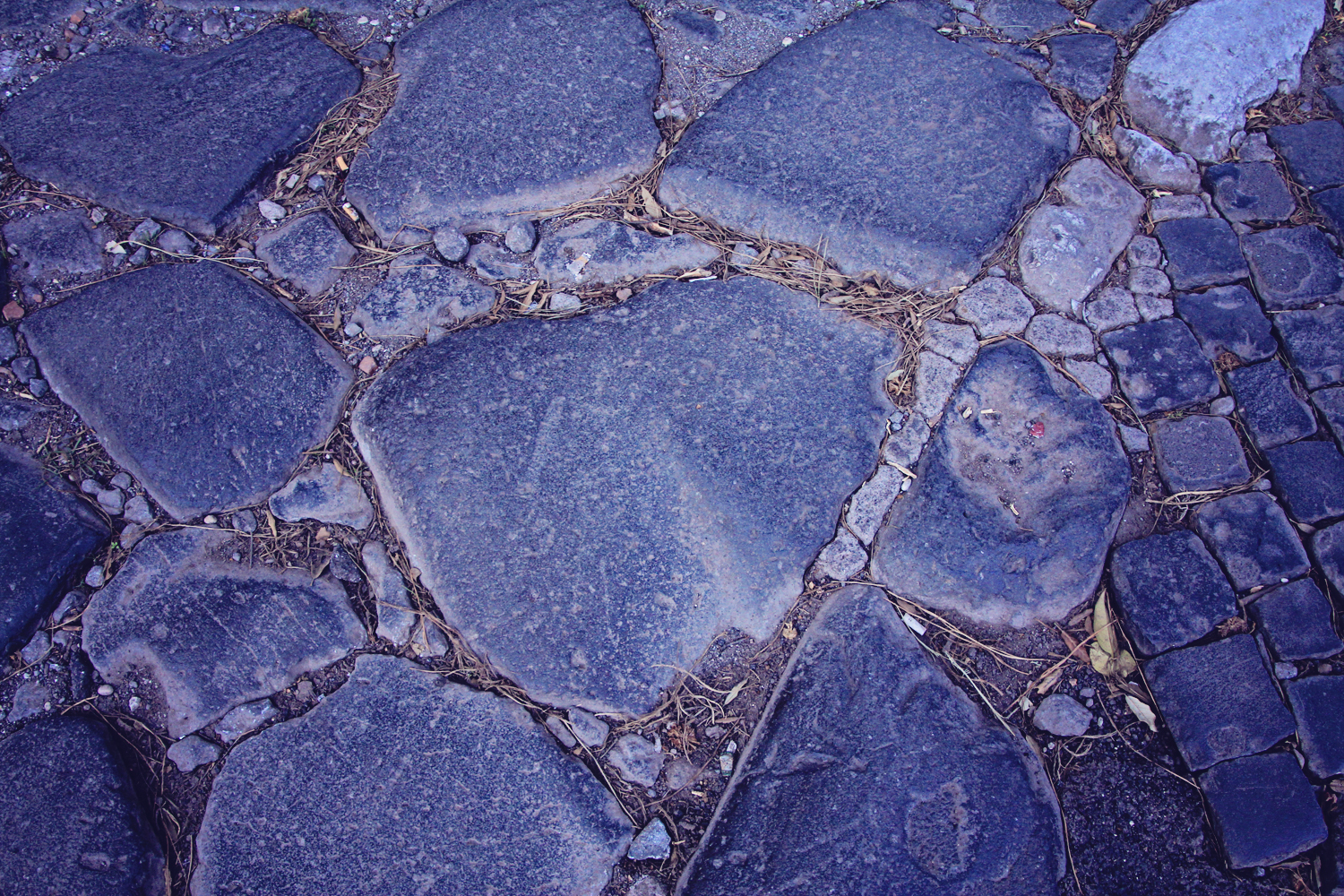
at the enchanting villa san michele’s gardens on anacapri

FH060032

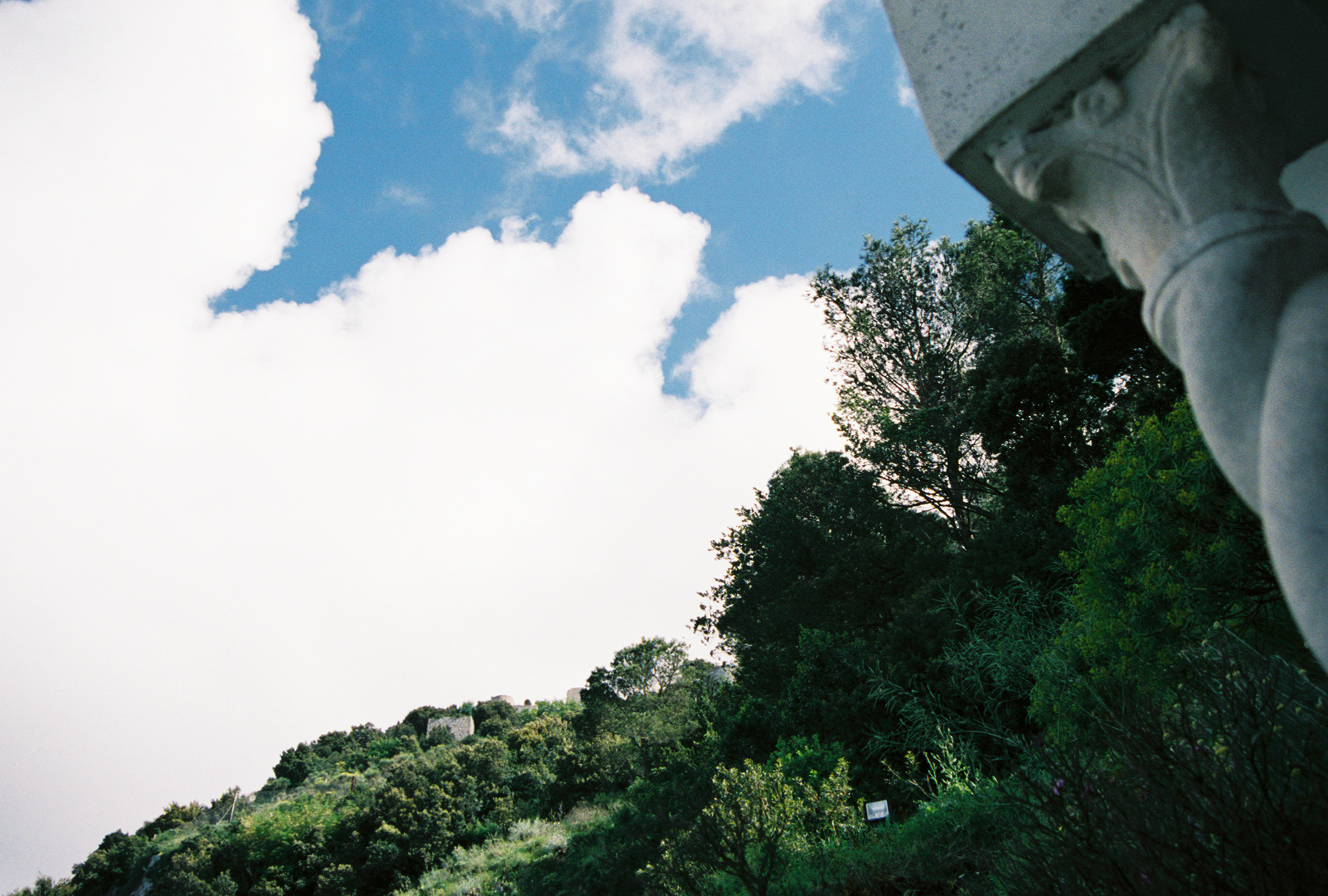
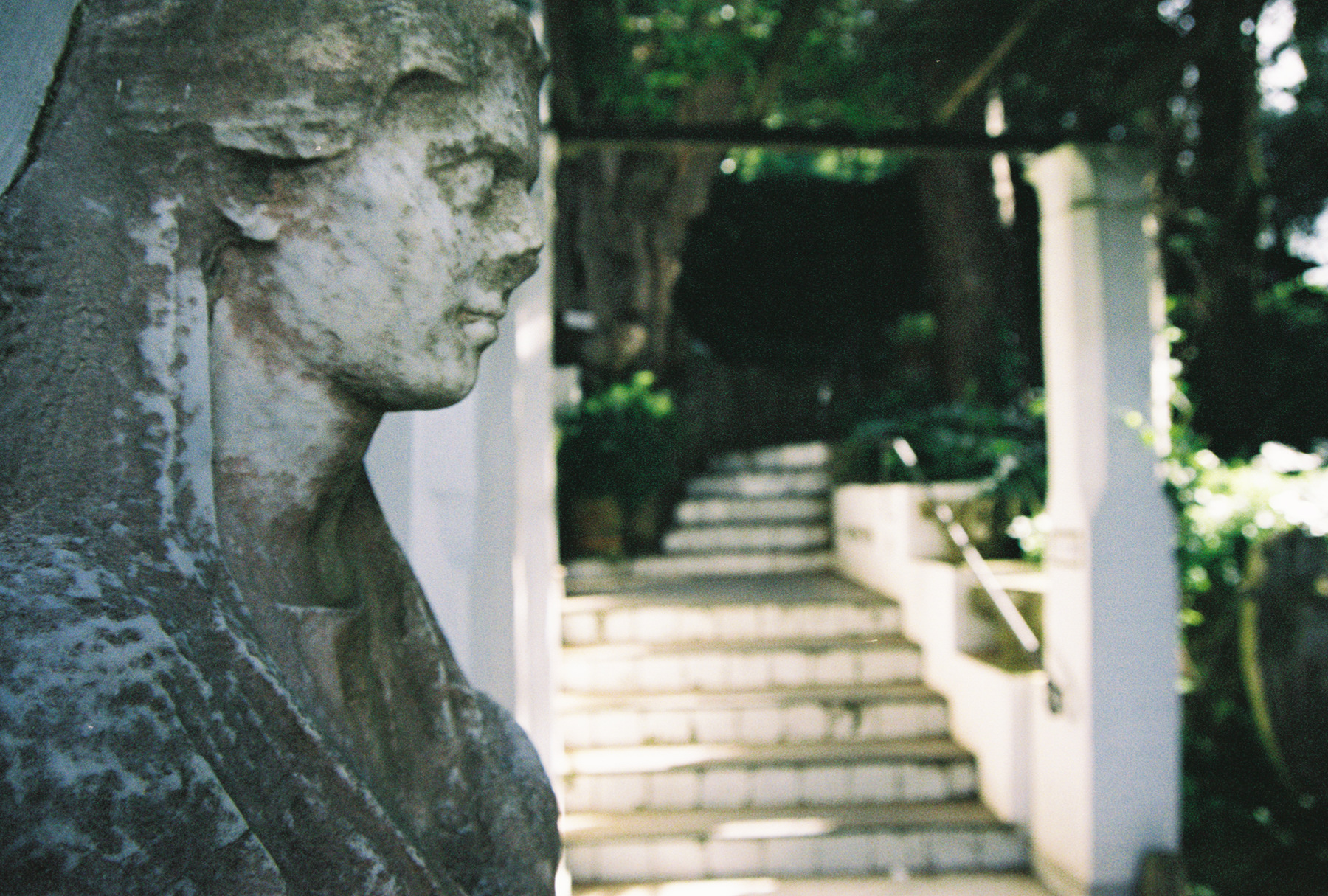
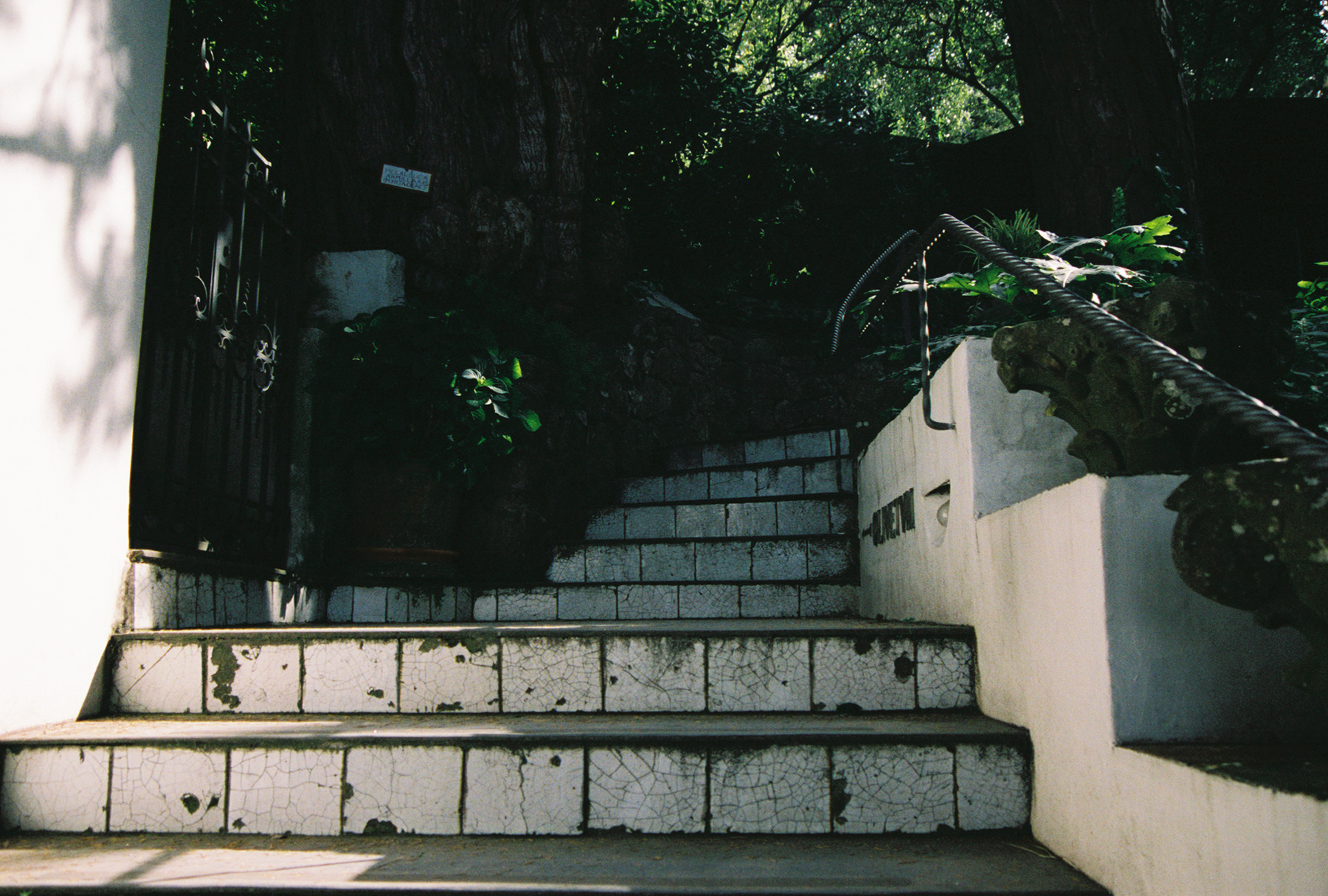
A Greco Roman bust outside the chapel in the Italiani Giardini. The white tile stairs lead up to the former bird conservatory.
FH060010

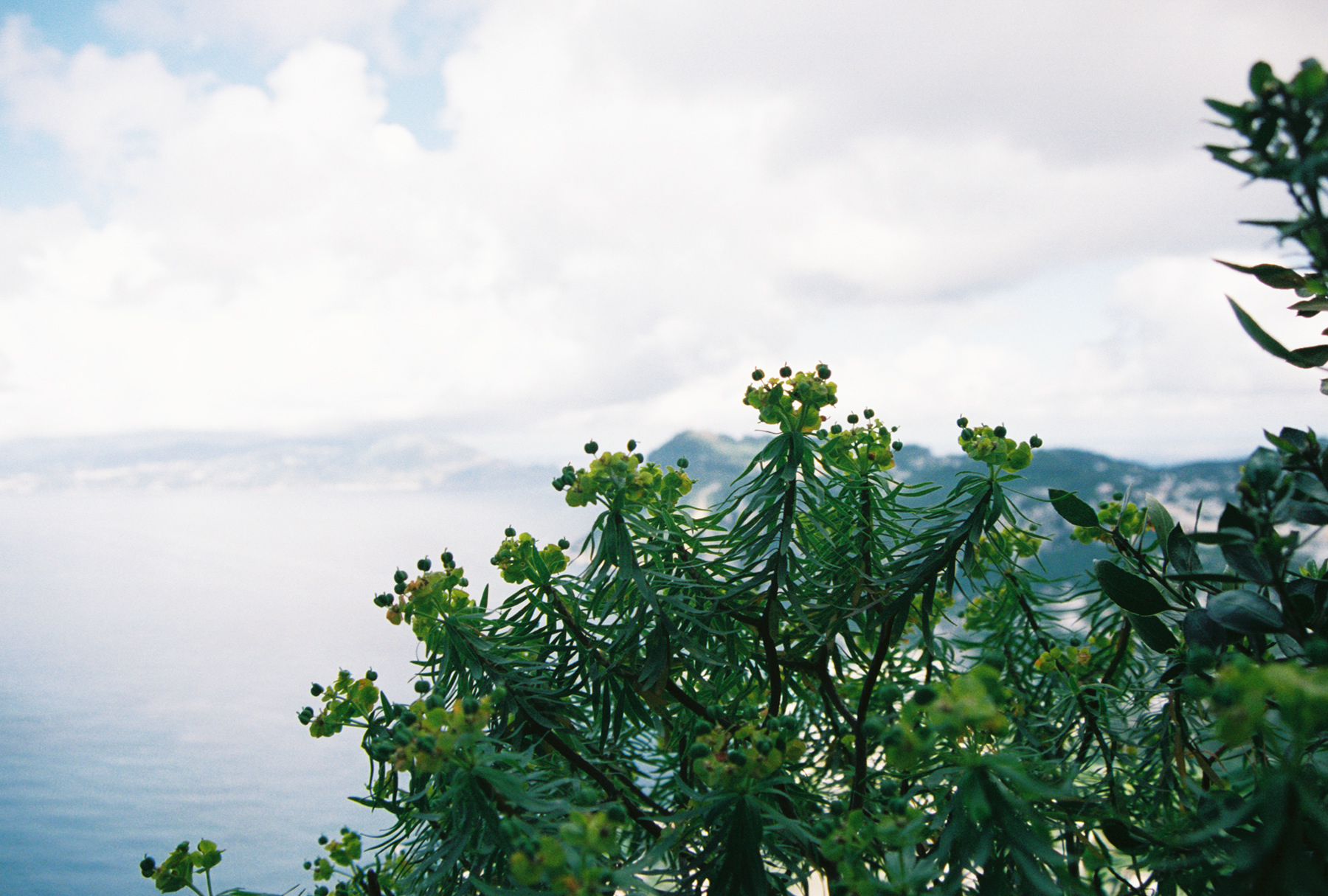
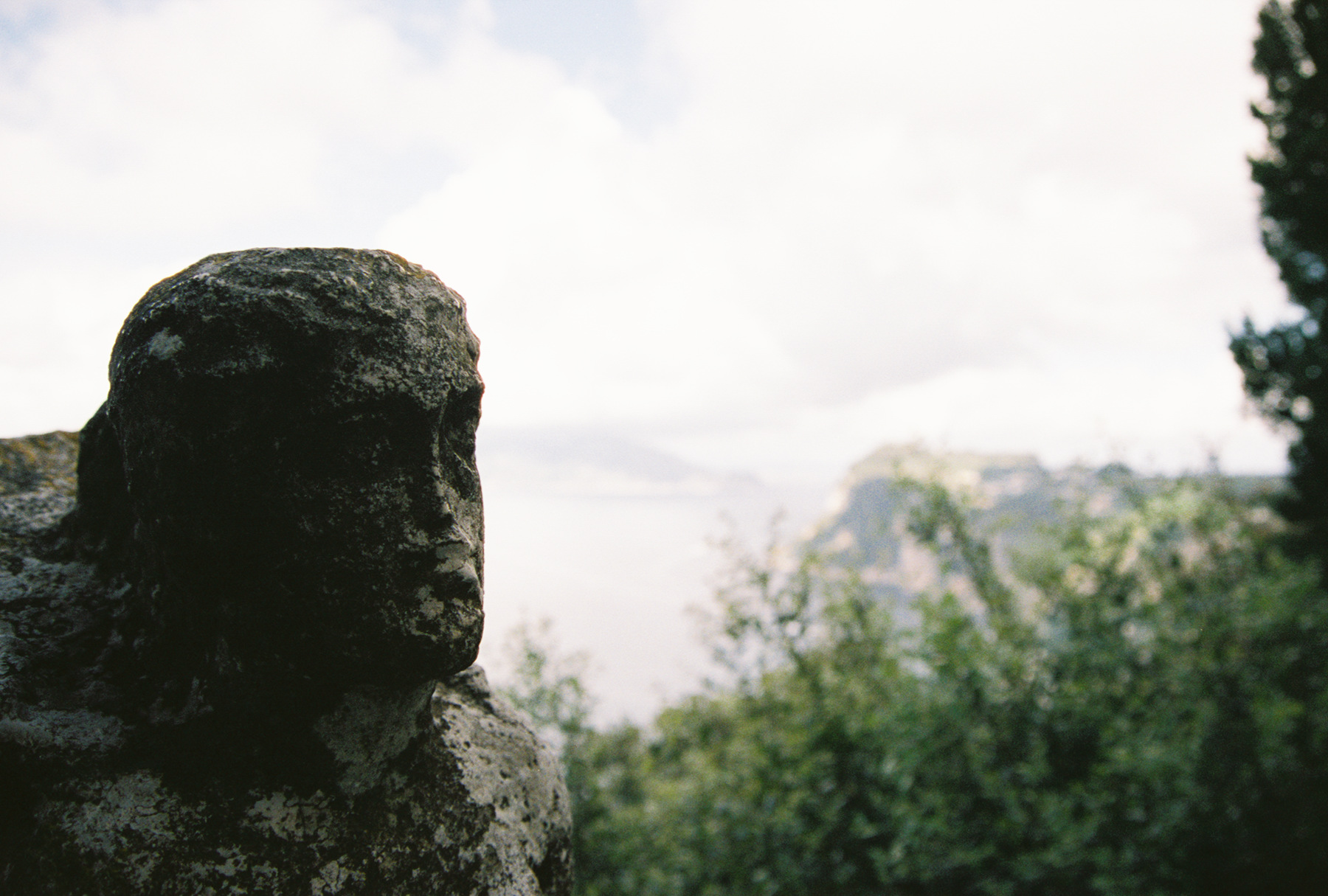
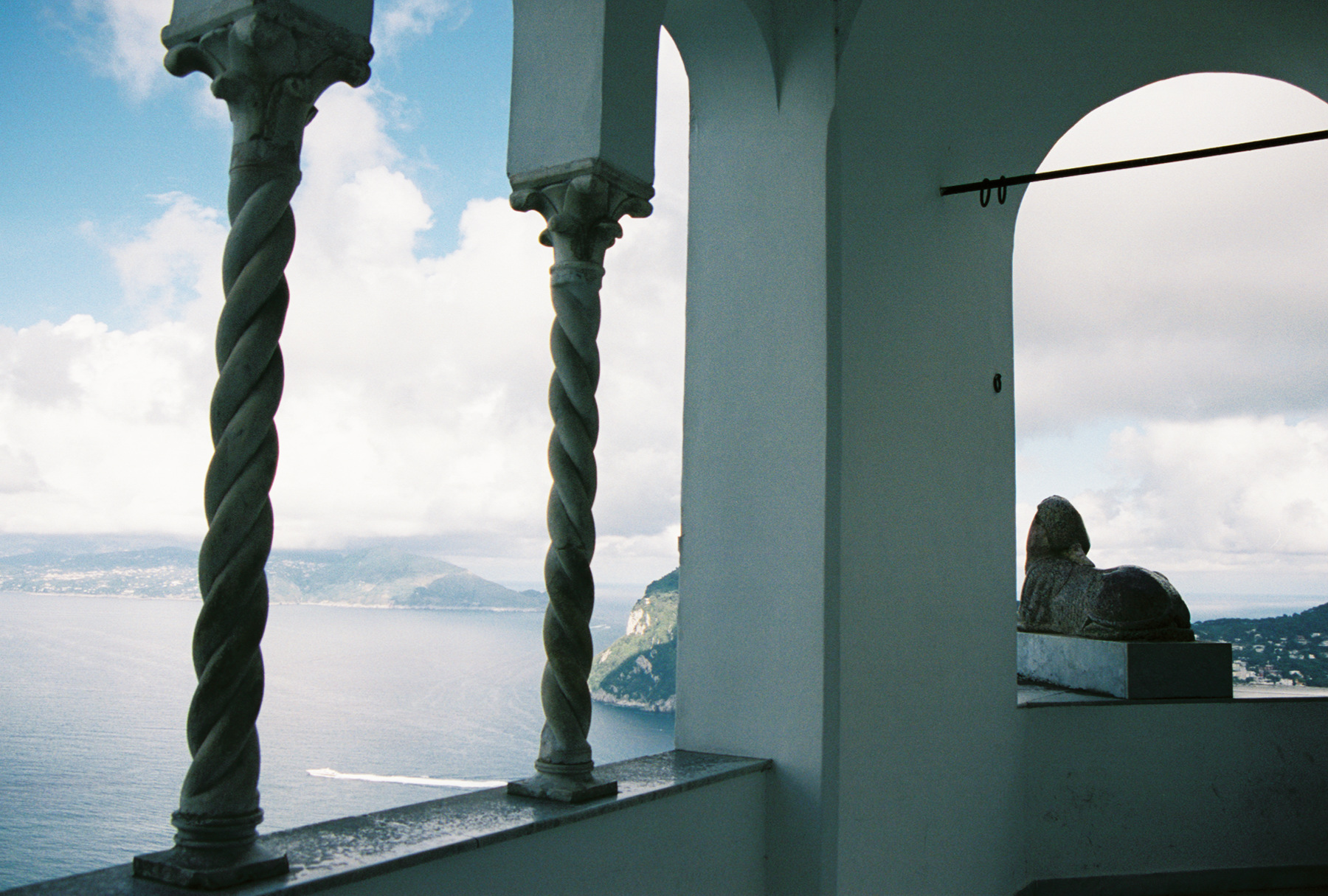
The winged Egyptian bust overlooking the Marina Grande with Ischia faintly shimmering in the background through the low clouds.
FH060028

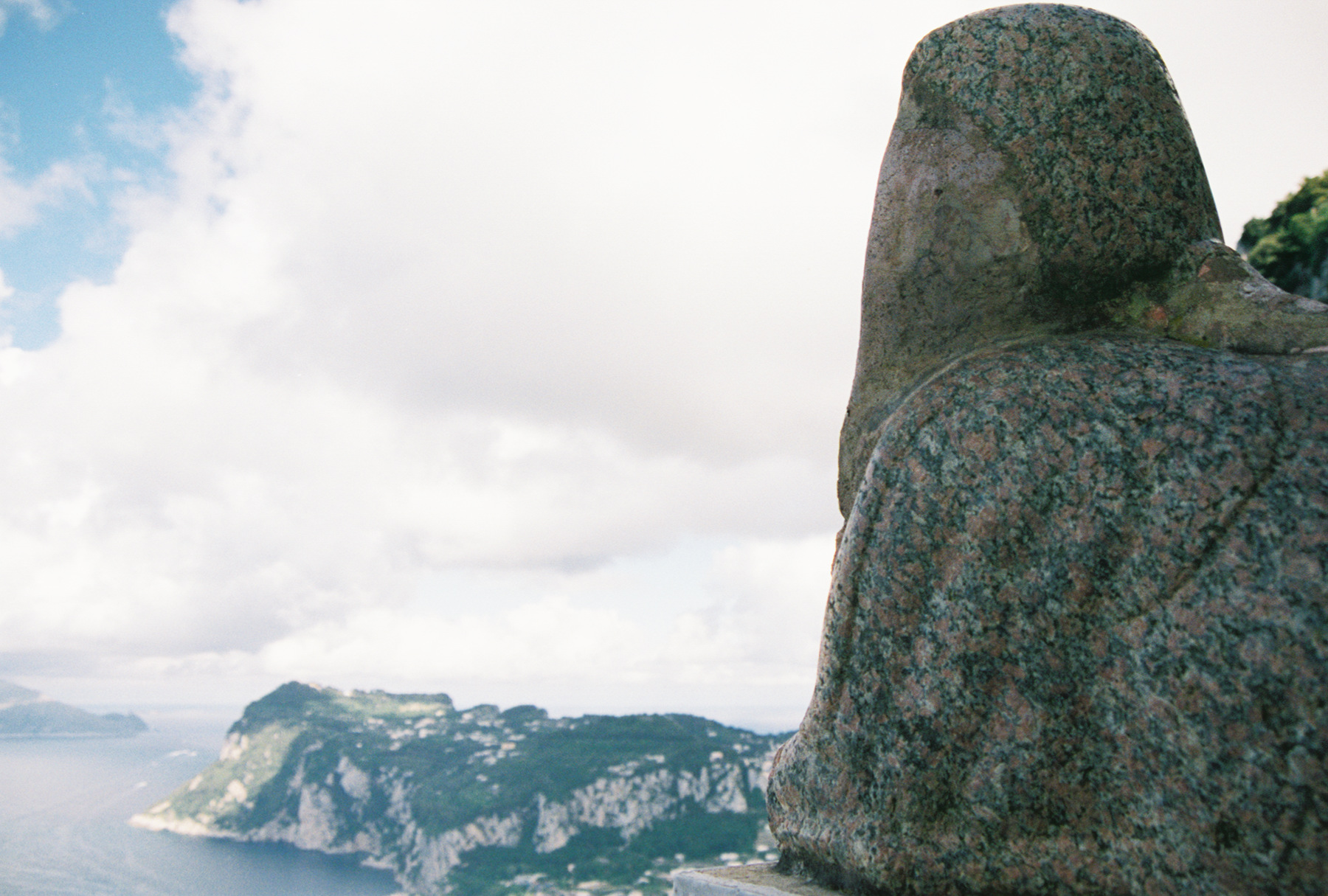
The sphinx watching over the sea, an ancient siren calling wanderlust to travelers.
FH060027

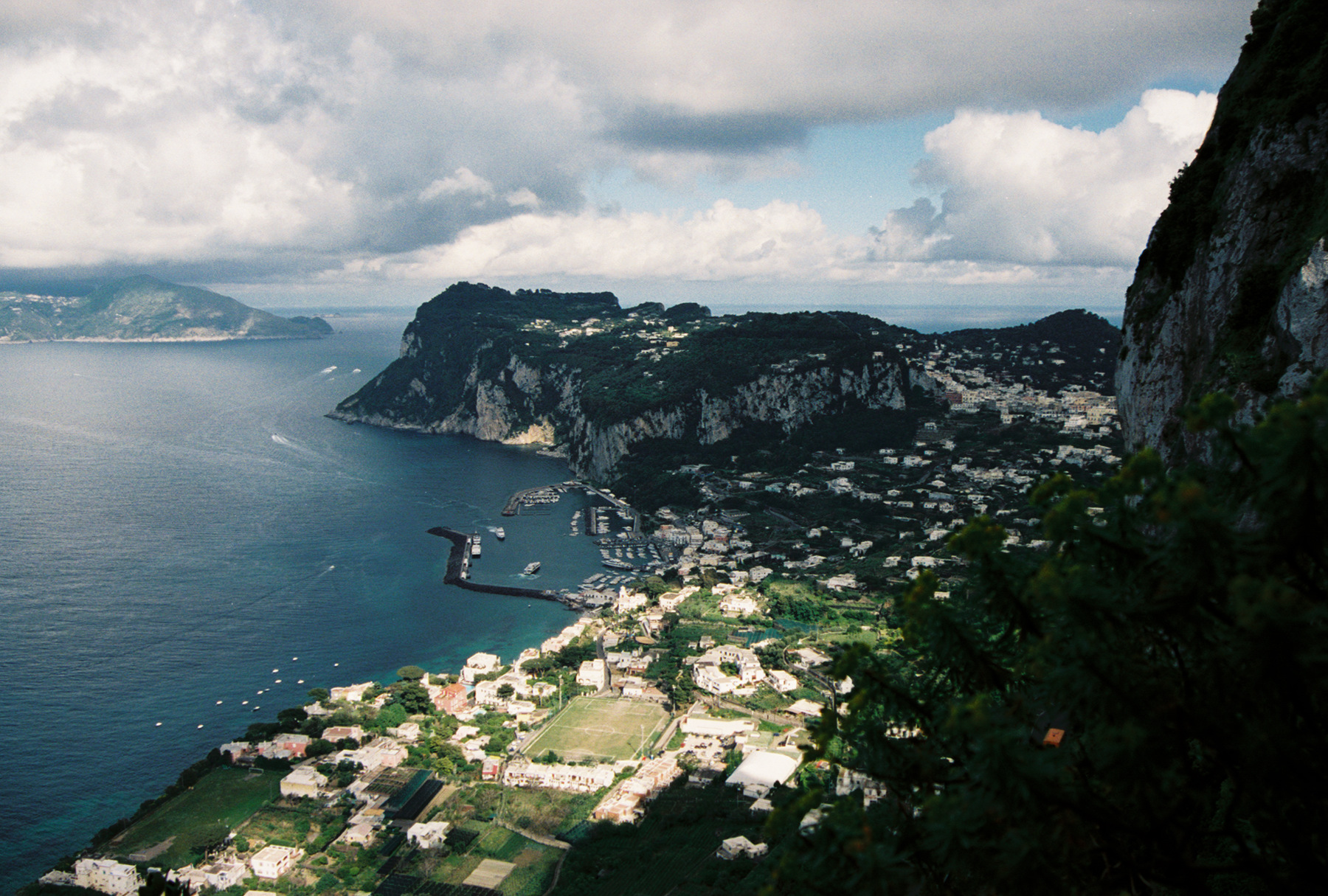
The bird’s eye view.

FH060017

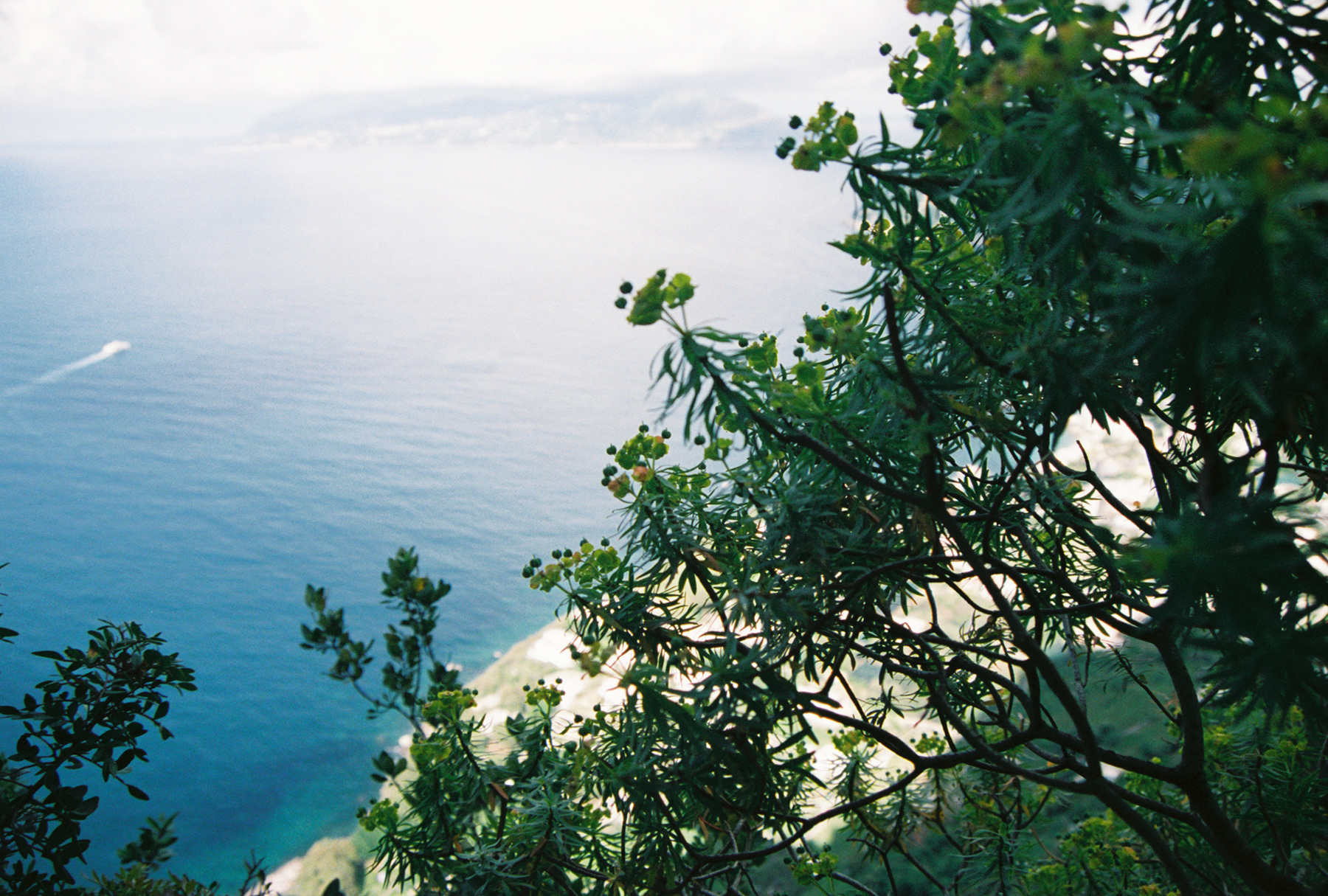
The beautiful sweeping coastline of Capri.
FH060005

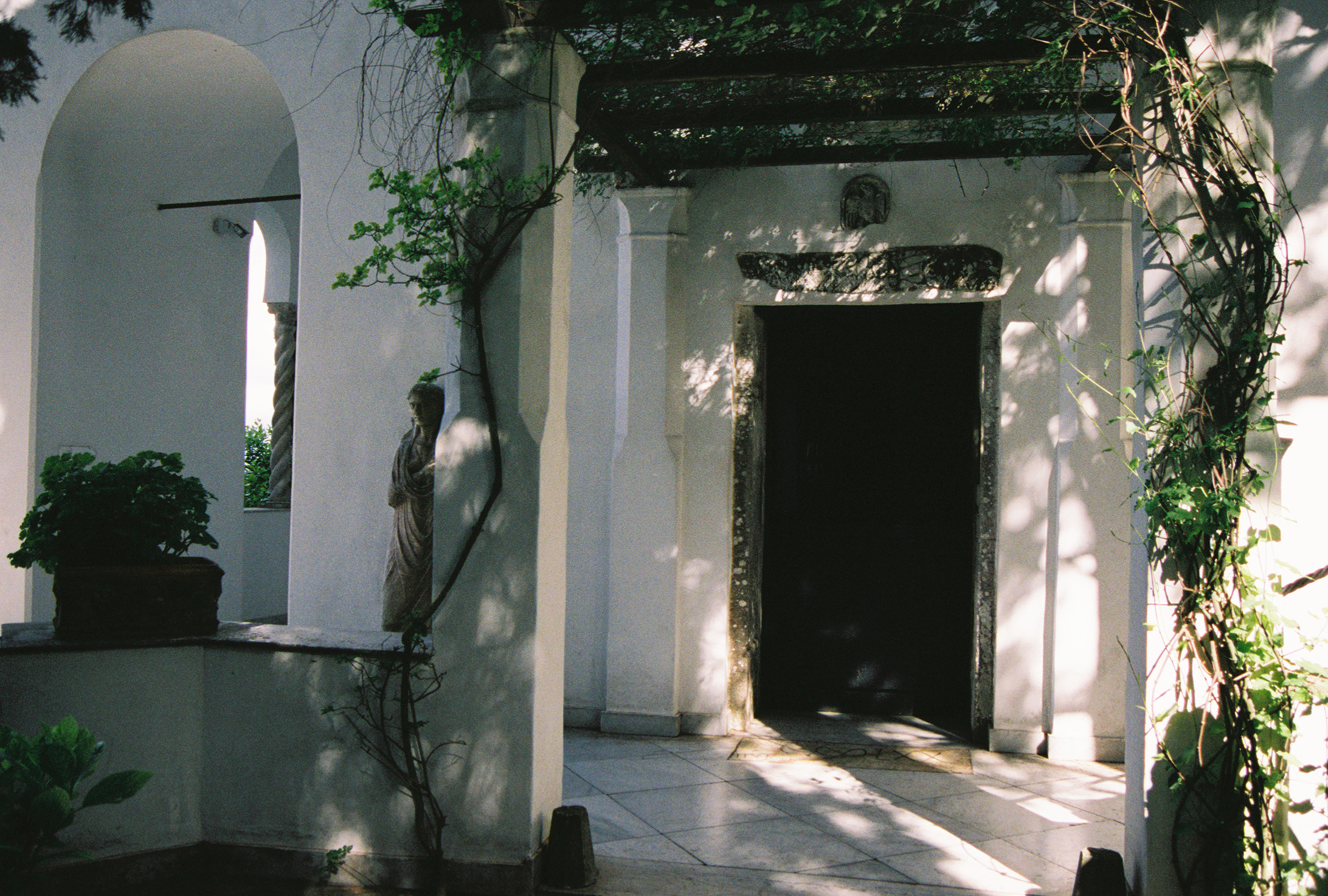
The tiny chapel in the garden.

FH060029

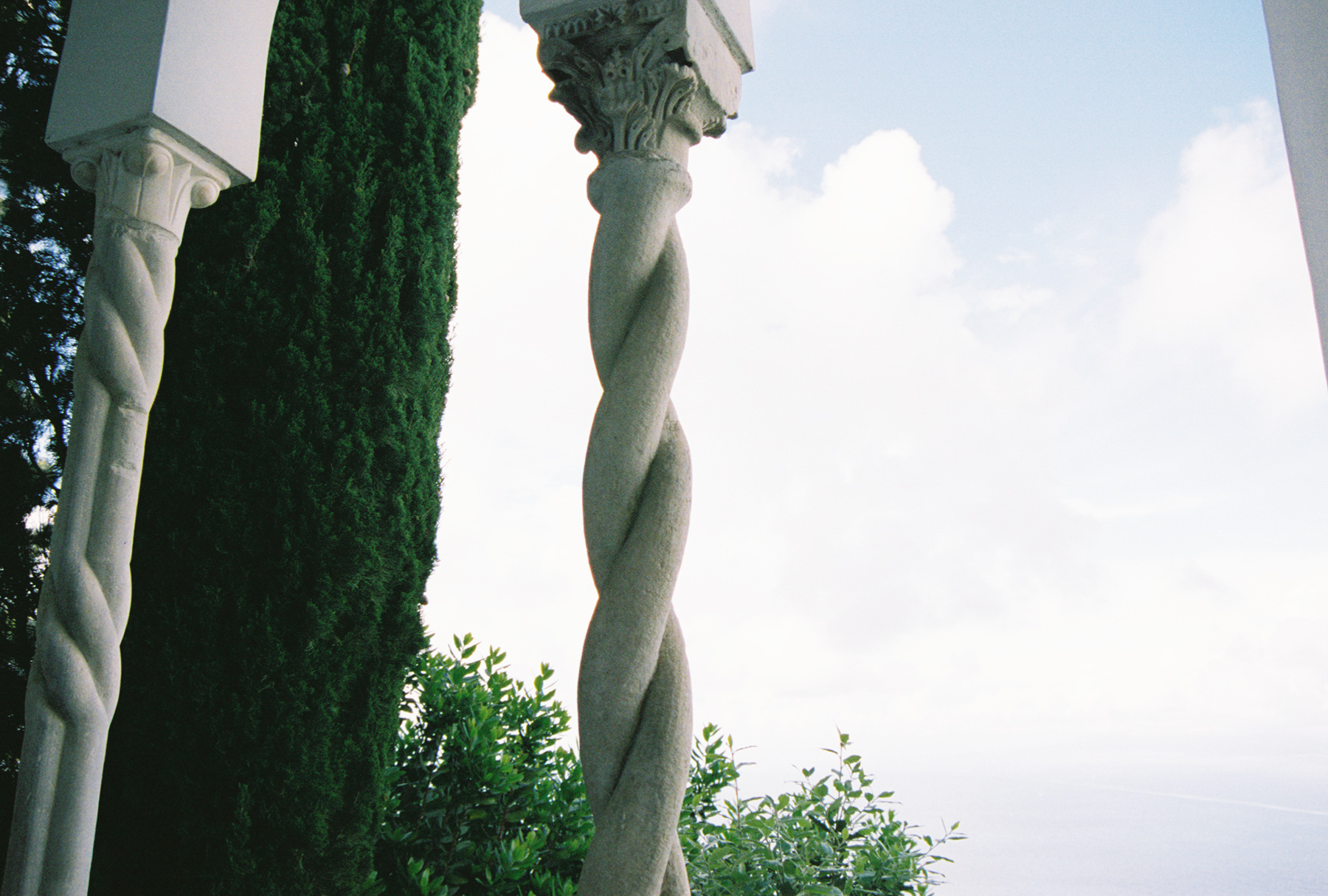
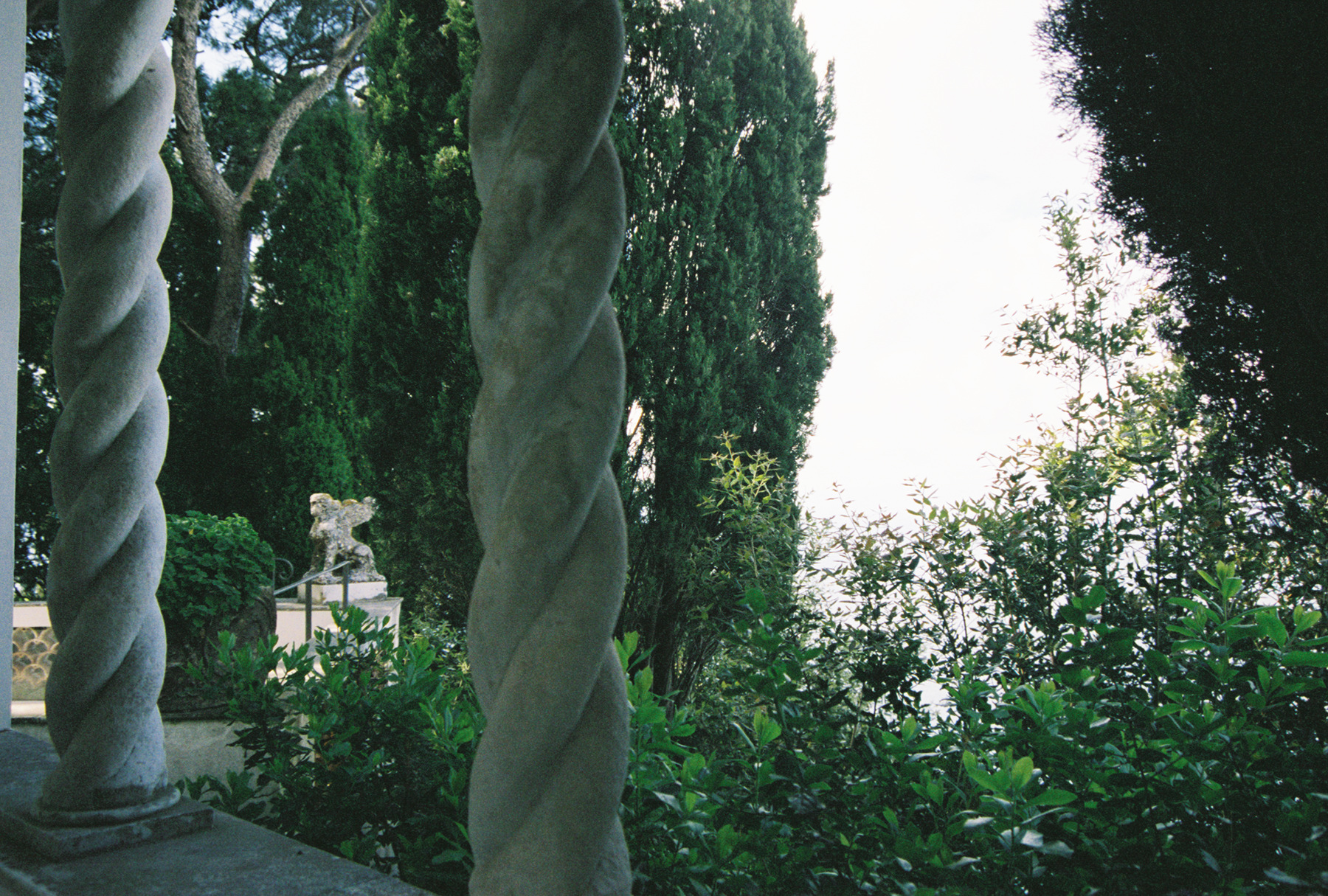
Cypress trees and gorgeous pillars on the terrace overlooking the sea.
FH060007

There are a series of stairs leading to sumptuous turns of the garden and pathways further up the hill.
FH060020

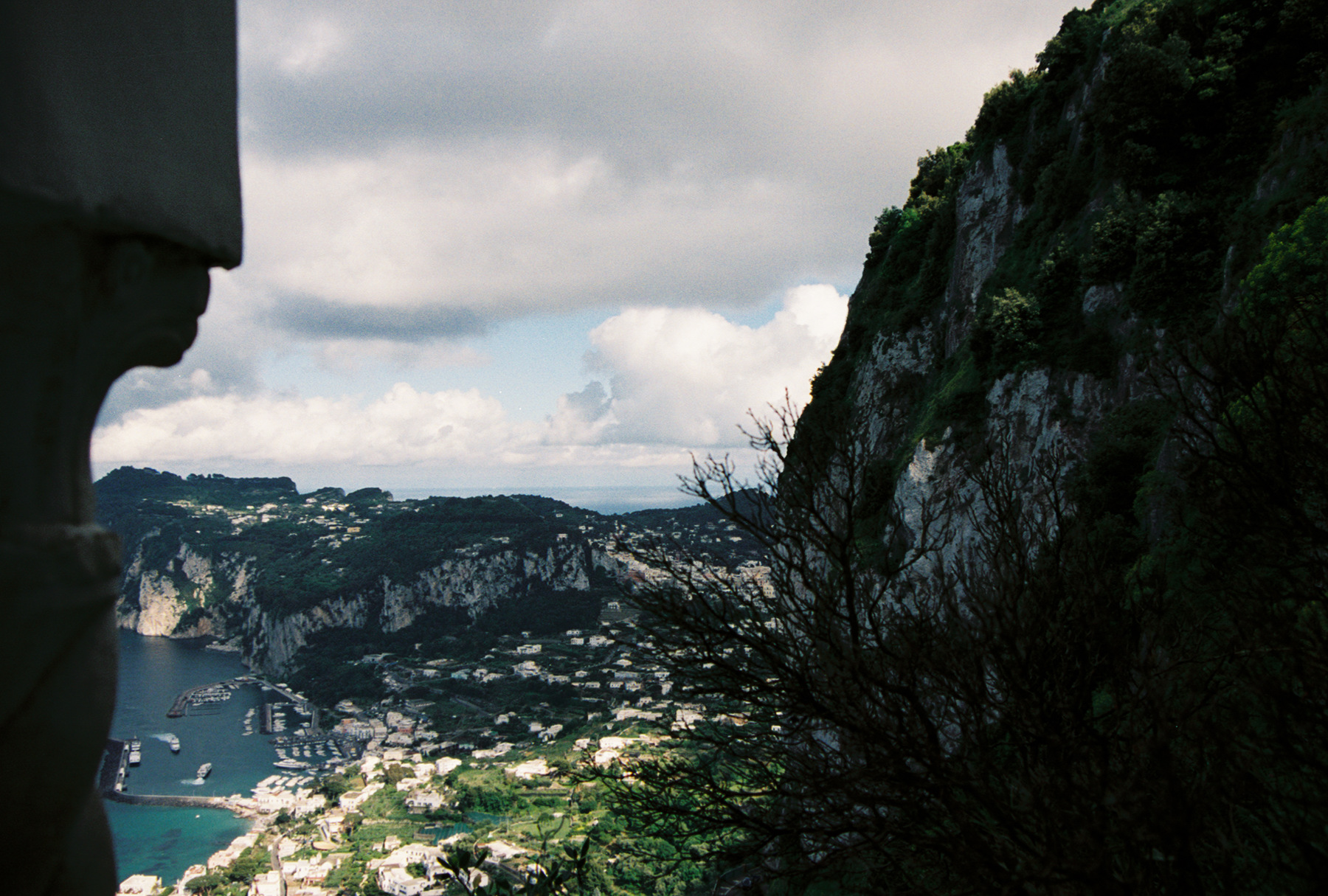
Although the villa is high up on Anacapri, there are soaring rocky cliffs surrounding the grounds. One rock was the the fort overtaken by the pirate Redbeard, which was later owned by Axel Munthe and donated back to the island (but owned by) his Swedish foundation.
FH060031

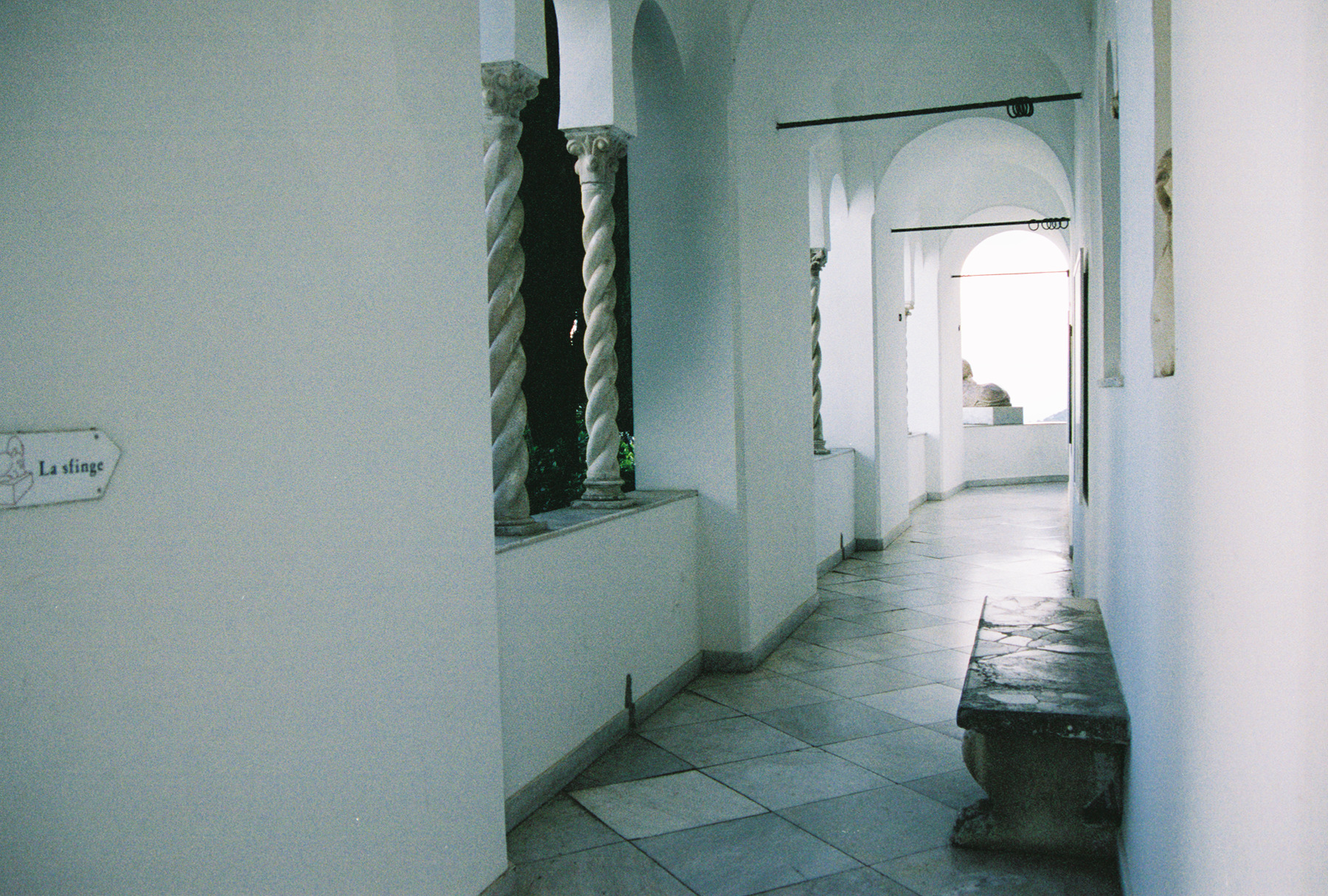
The veranda, home to the sphinx, is inviting in white tile and stone, with benches to rest on and views everywhere you look.
FH060008

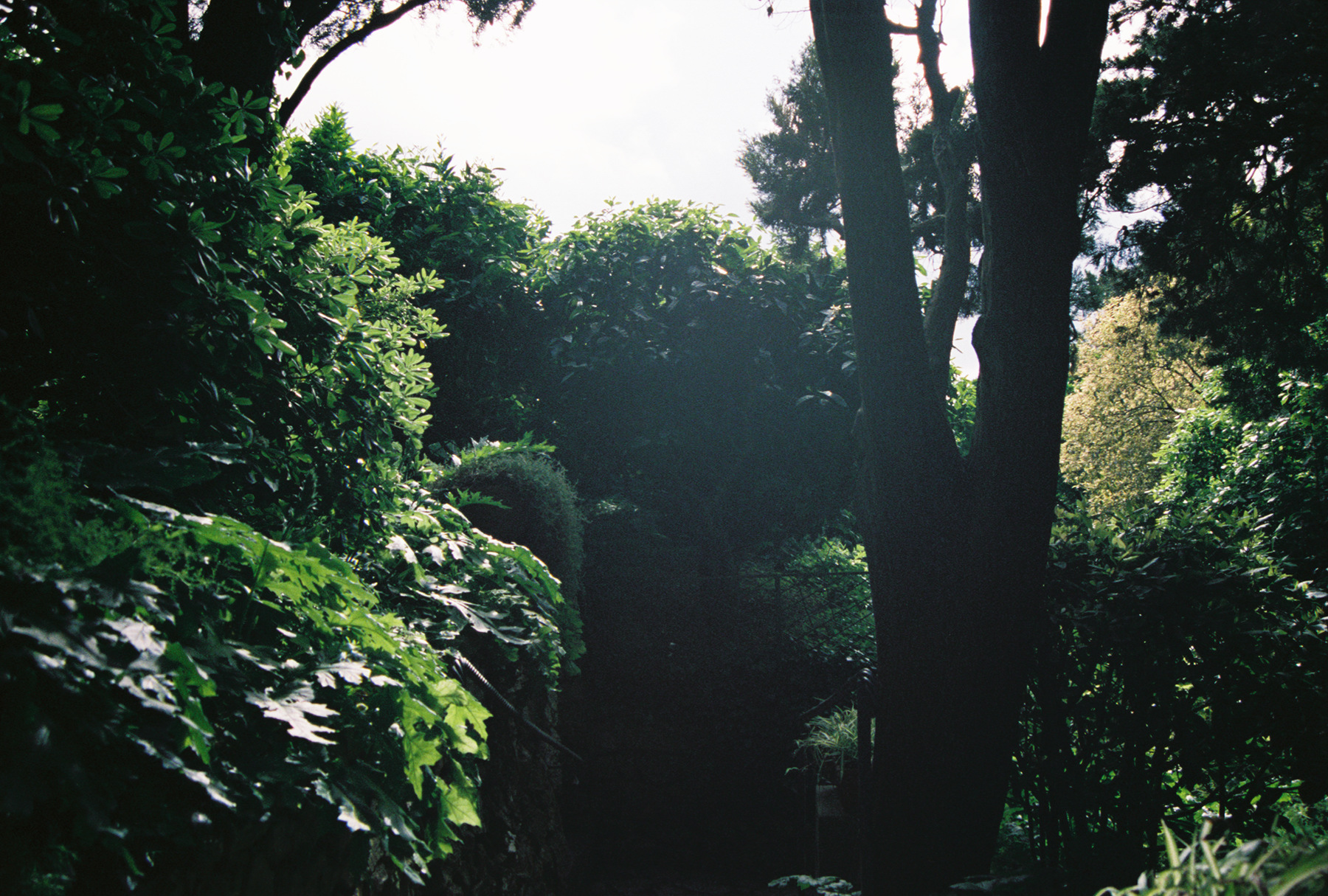
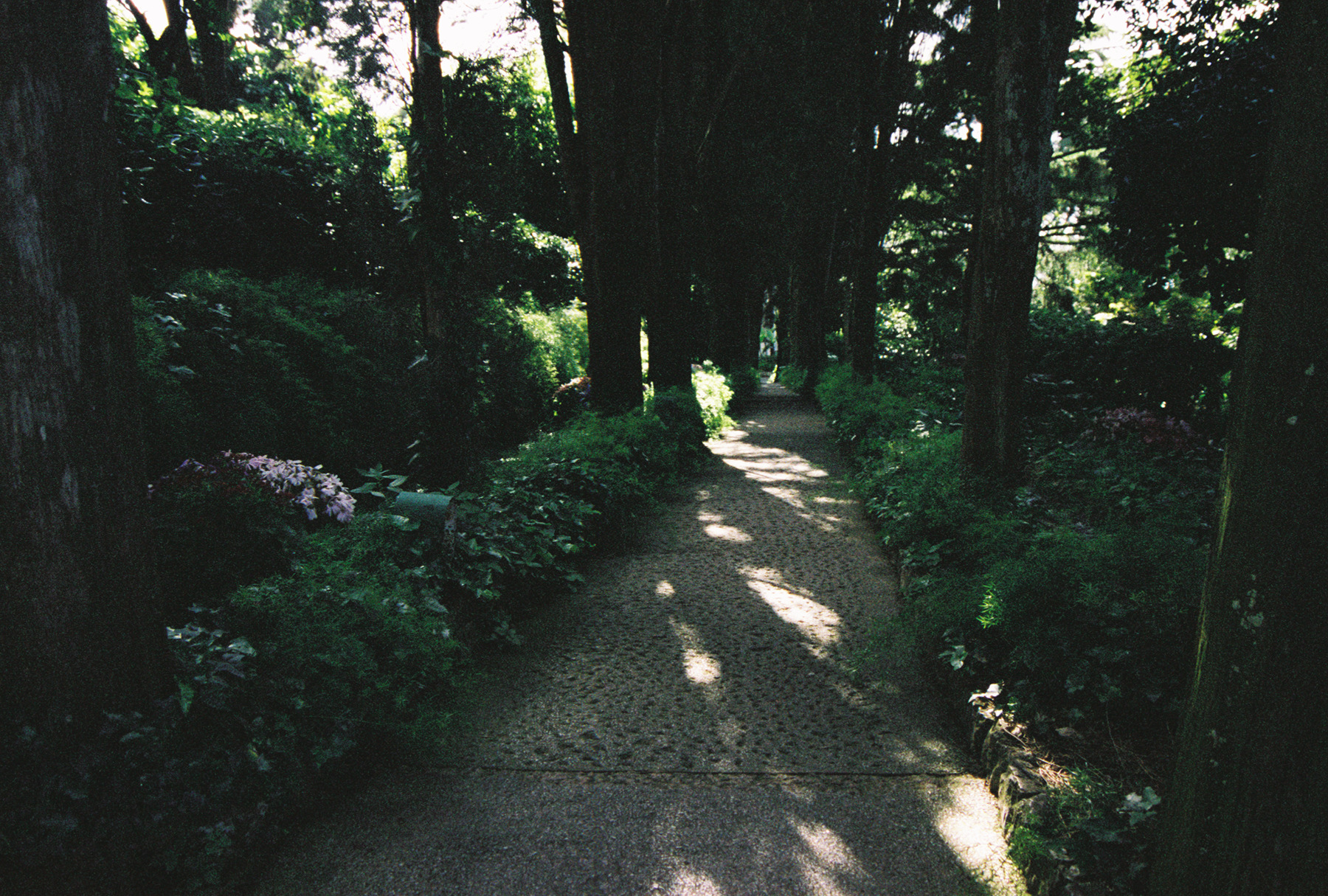
The charming path way walks are lined with greenery, flowers and fountains.
FH060002

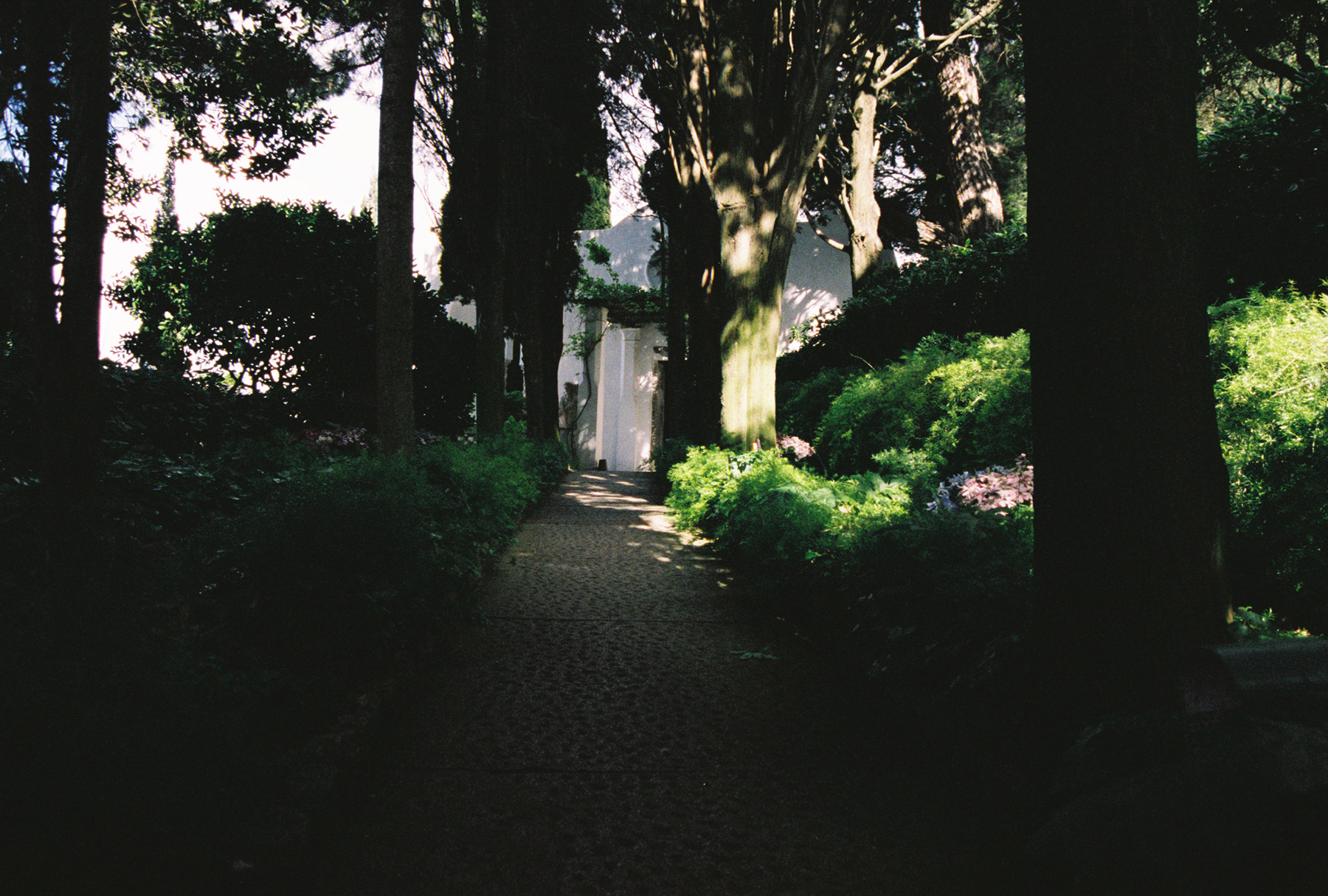
Every turn on the grounds is more and more enchanting. I cannot recommend enough an hour’s visit to the Villa for it’s peacefulness and beauty. On hot days it’s a cool and shady refuge.

FH060004

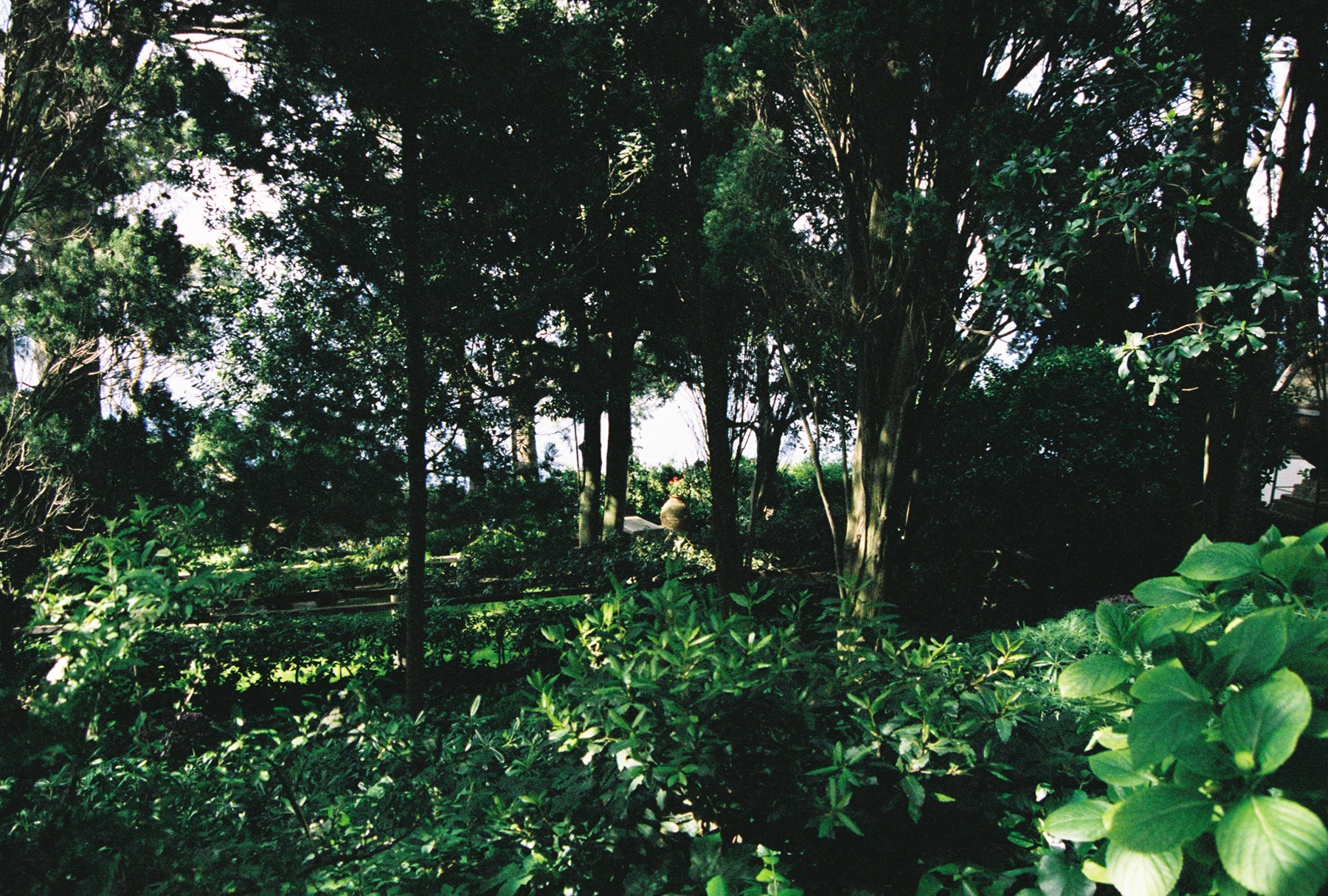
Olive jars, more cypresses and Roman Umbrella pines!
FH060030

A side view of the Egyptian winged pegasus-like female sphinx.
FH060011

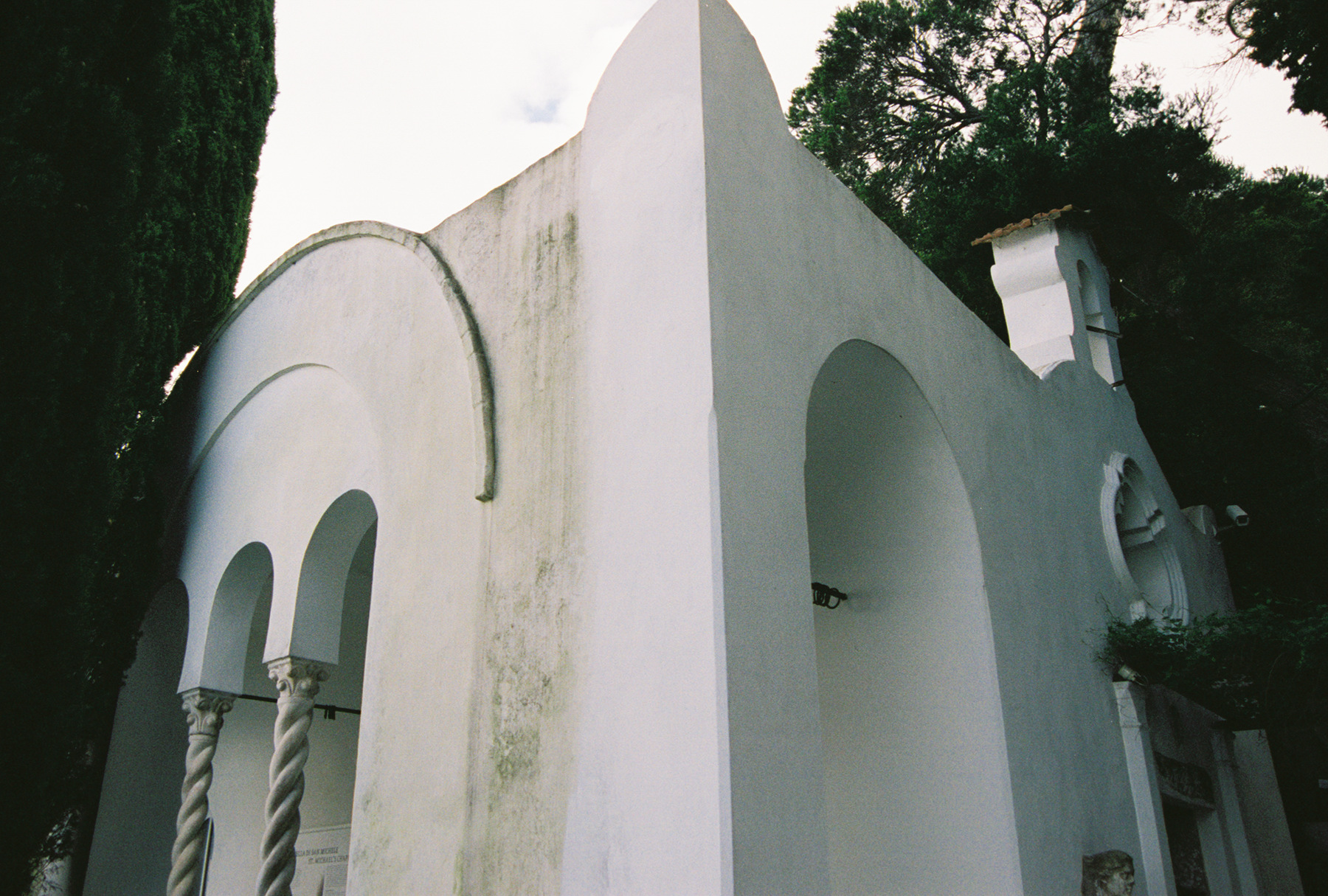
The exterior of Axel Munthe’s chapel.
FH060034

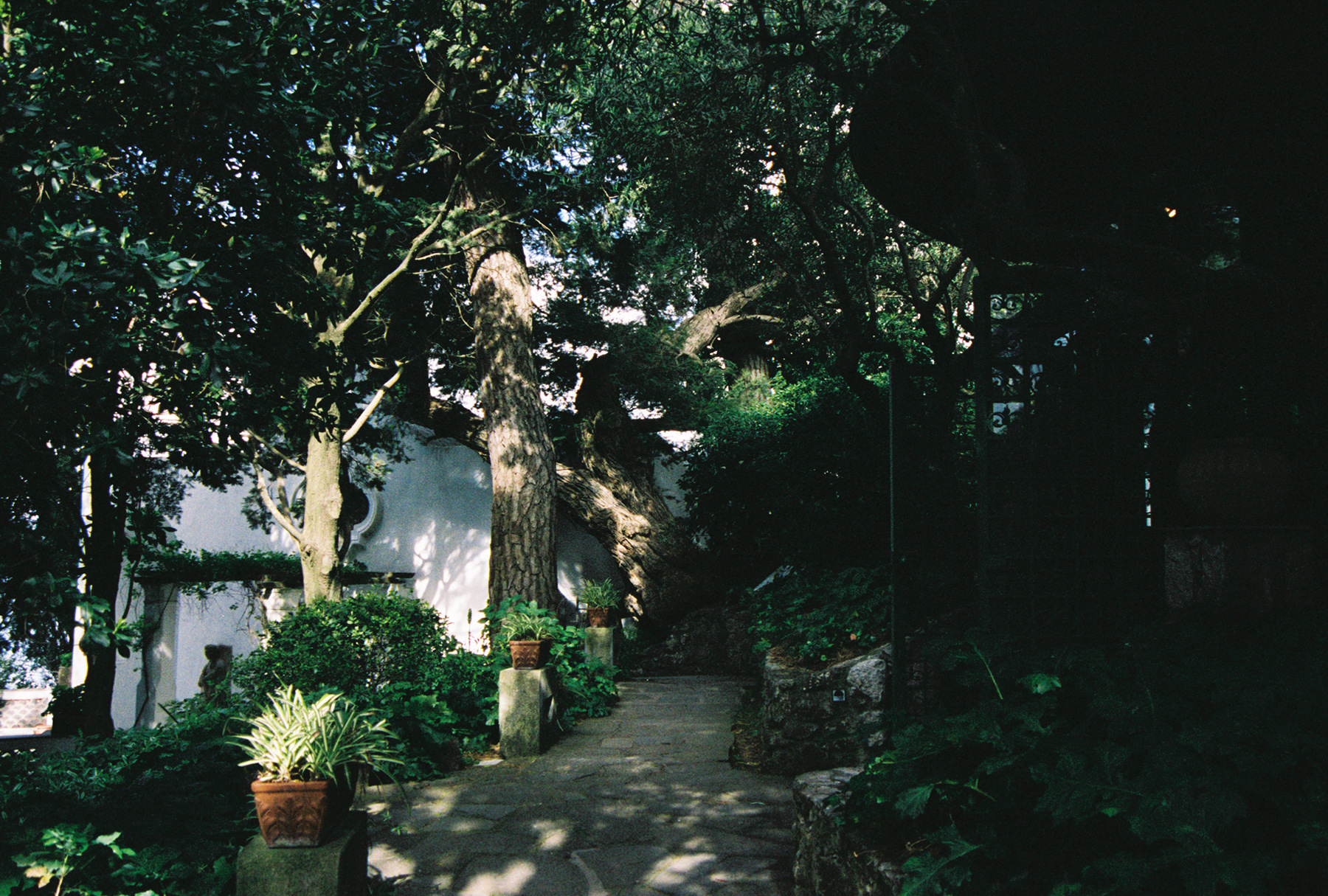
Potted urns along the walk.

FH060035

Herbal garden, leaves and trees.

FH060033

Hedges and shrubbery grown over decades forming fences.
FH060022

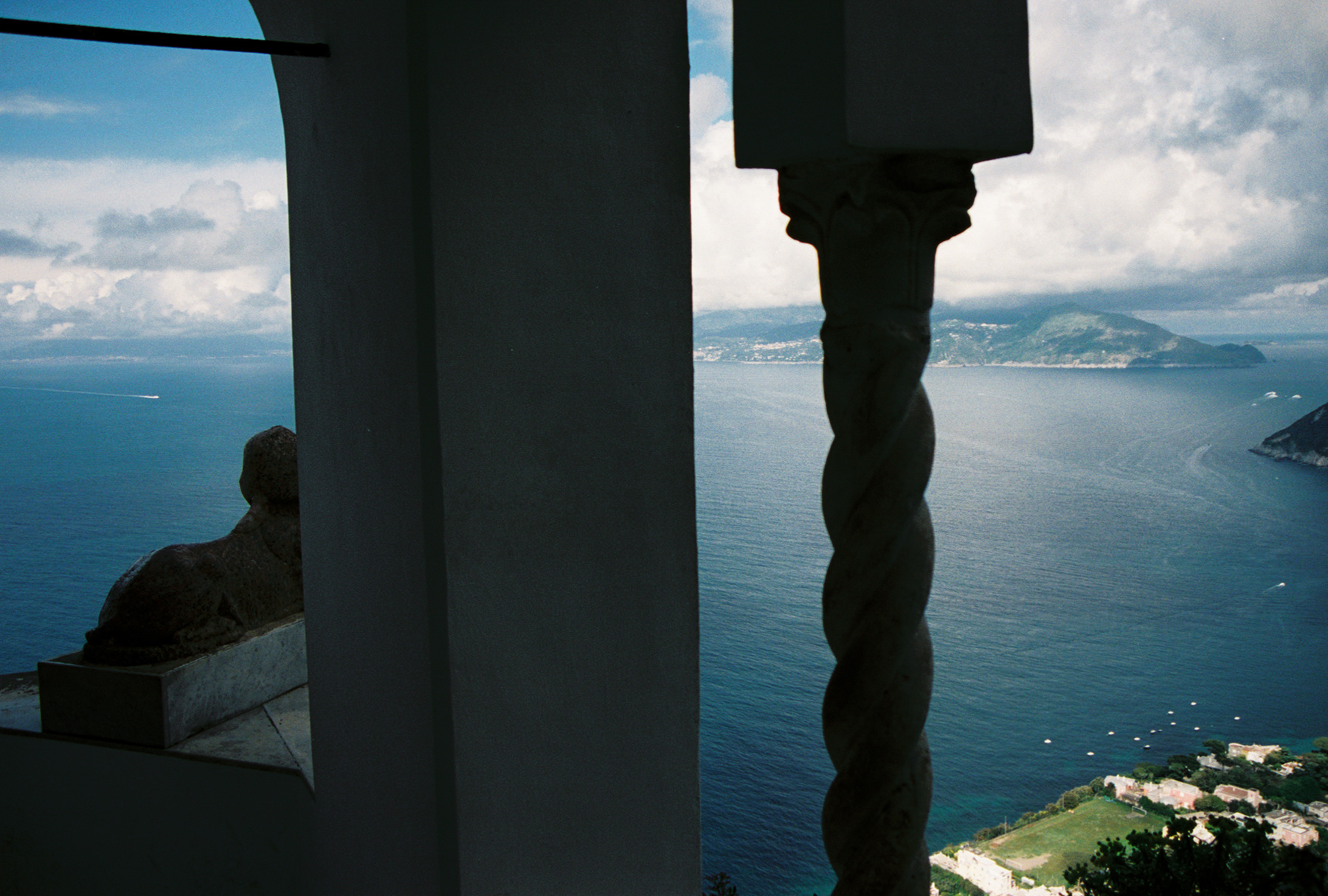
Another angle of the sphinx’s view.

FH060026

A tiny boat leaving the shore.

FH060025

The clouds and mist find each other.

FH060024

Because of Axel Munthe’s tireless advocation for the exotic array of birds who migrate to the island each year, Capri is now one giant bird sanctuary. Bird hunting is outlawed. The beautiful song of many different birds can be heard from morning to night, when the nightingales come out. It is then when I can feel Keats poem, Ode To A Nightingale, alive in the air.FH060023
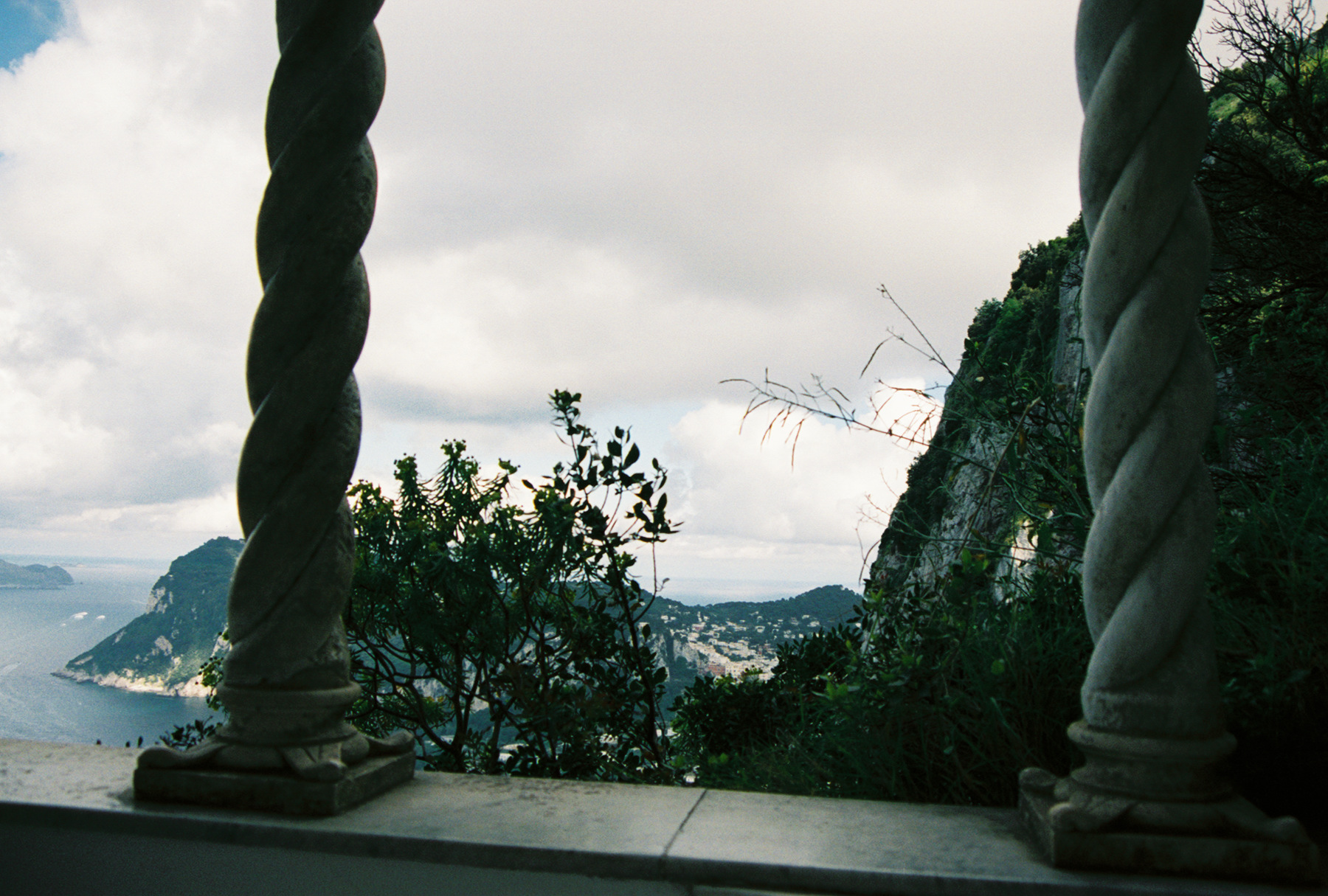
I worry some of the pictures are a bit repetitious but they were all beautiful reminders of being there. Even a subtle angle change is reminiscent of walking through the grounds and seeing the beauty unfold a step at a time. And believe it or not I am actually restraining myself.
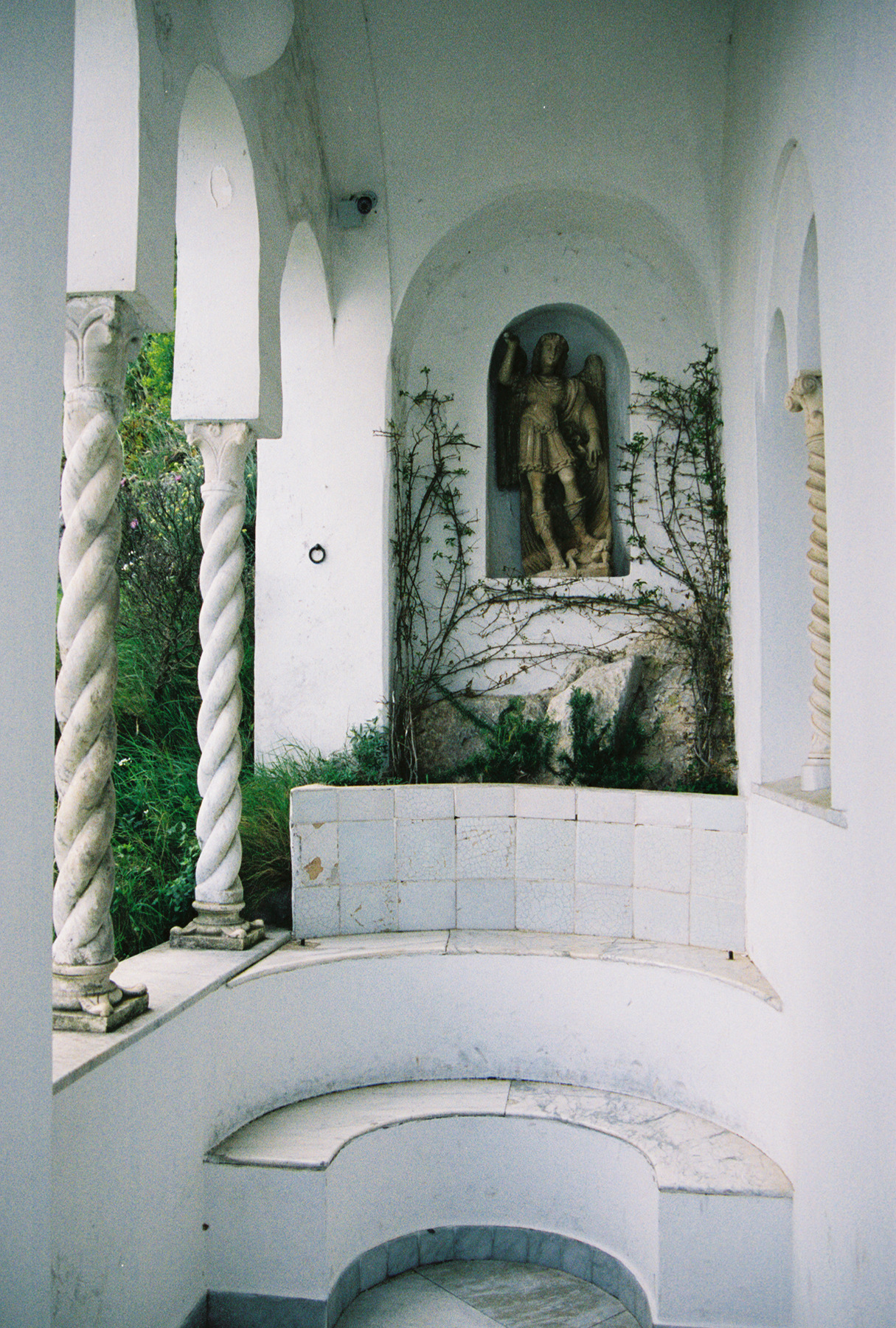
FH060016

A semi hidden niche at the end of Villa San Michele’s labyrinthine gardens and loggias.

This was part one of the Villa San Michele series shot on portra 35mm film, velvia film slides and vintage kodak. The history of San Michele, more garden rambles, the cafe and interior of the villa, the flora and fauna of the grounds and excerpts from Axel Munthe’s book on his Villa to come in following posts. For visitor information visit: villasanmichele.eu . If you find yourself on Capri, even for a day, you must take a convertible taxi or the bus up to Anacapri (because it’s less crowded, lovely and full of hand painted tile, jewelry and sandal artisans) and it is the home of the Villa San Michele! You won’t regret it!

More to follow! These photographs and travel essays are copyright Rebecca Price Butler, alovelettertorome.com

That thou, light-winged Dryad of the trees
In some melodious plot
Of beechen green, and shadows numberless,
Singest of summer in full-throated ease.
You live like this, sheltered, in a delicate world, and you believe you are living.

“You live like this, sheltered, in a delicate world, and you believe you are living. Then you read a book… or you take a trip… and you discover that you are not living, that you are hibernating. The symptoms of hibernating are easily detectable: first, restlessness. The second symptom (when hibernating becomes dangerous and might degenerate into death): absence of pleasure. That is all. It appears like an innocuous illness. Monotony, boredom, death. Millions live like this (or die like this) without knowing it. They work in offices. They drive a car. They picnic with their families. They raise children. And then some shock treatment takes place, a person, a book, a song, and it awakens them and saves them from death. Some never awaken.”
— Anaïs Nin, The Diary of Anaïs Nin, Vol. 1: 1931-1934

anaisquote

Chandeliers in Roman Churches; on being and nothingness

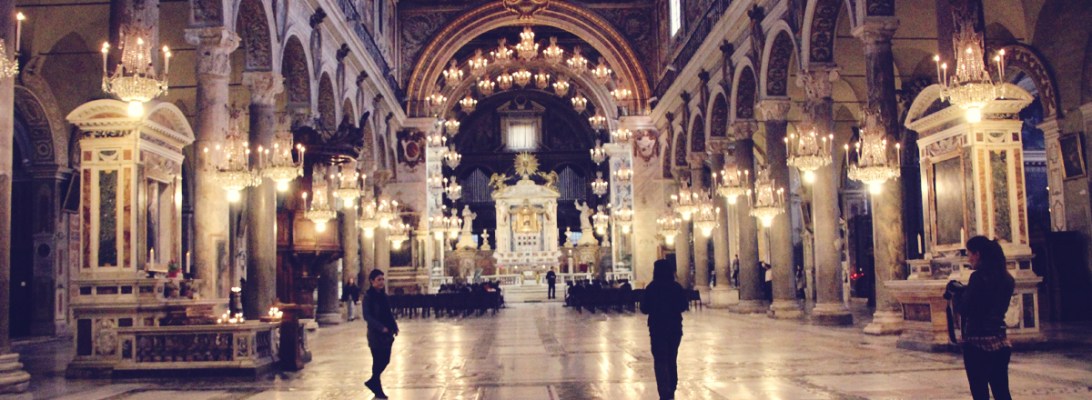
When I was last in Rome, in October, I spied the most beautiful chandeliers hanging from very old church ceilings throughout the city. The churches were built upon layers of history, starting from the ruins of pagan temples thousands of years ago, with places of worship erected piece by piece like a mosaic throughout the first whispers of a Christian Rome through the middle ages to the Renaissance. The  Santa Maria in Ara coeli is on the capitoline hill in a foreboding, plain edifice hiding treasures of lights, stonework, faded marble, pillars from various eras, countless sarcophagi and dazzling chandeliers. The Santi Giovanni e Paolo is built on the ruins of the Roman saints John and Paul’s houses… and their remains, martyred in the 4th century. It boasts Byzantine flourishes, a coffered ceiling, gorgeous frescoes and a hushed, ancient stillness that hangs in the air. It was the first church to be built in Rome and has seen many facelifts and stylistic touches over a millennia.

Pillars from different centuries in Santa Maria in Ara coeli

Coffered ceiling and ornate interior in Santi Giovanni e Paolo

The imposing, numerous chandeliers of the Basilica of St. Mary of the Altar of HeavenBasilica di Santa Maria in Ara coeli al Campidoglio.

Bright frescoes and peeling paint over faded stone and wood in Santi Giovanni e Paolo. The chandeliers appear even more elegant against a faded backdrop. 

The churches are particularly breathtaking in person. They remind me of the somber prayers and cries heard in these walls over centuries of visiting pilgrims and faithful Romans alike. The splendor of the chandeliers and the art work only add to the sense of contemplation I feel wash over me whenever I enter their doors. I am an outsider on the one hand and a product of Judeo-Christian thought on the other by my very life in the western world. In America. Because of my Catholic and Protestant émigré forbears.

As the daughter of lapsed catholics, I was not raised with church but with the talk of God and conversely, the discussion of “no god” growing up. There were stories of gods and theories of prime movers or nature or the impersonal universe as the sources of mankind. There was the appeal of  ens causa sui, being one’s own cause. There was also the fear of that idea. So many ideas whirled around me in the conversations of adults. Nothing was ever formed, nothing was concrete. Life was fluid. Beliefs were temporary lapses of judgement. The mystery of the unknown barred an anchor, yet my openness to all possibilities was also a kind of freedom.
What a delicate balance in life we all lead.    

I still don’t know the answer to any of these big questions, or the Big Question, but I feel a subtle change, a quiet shift take over within me, in the quiet corners of Rome. In the buildings made of stone and marble, under the statues and paintings. When I enter into the symbolism of the stories, when I breathe in the heavy air of history, something fills my imagination whilst I am there and it’s hard to move away from it. It never really leaves me. Old chapel or cathedral, broken temple, an all but vanished sacra, an altar of astronomy and science or art – they are all my churches.

art in rome in may

fbrome


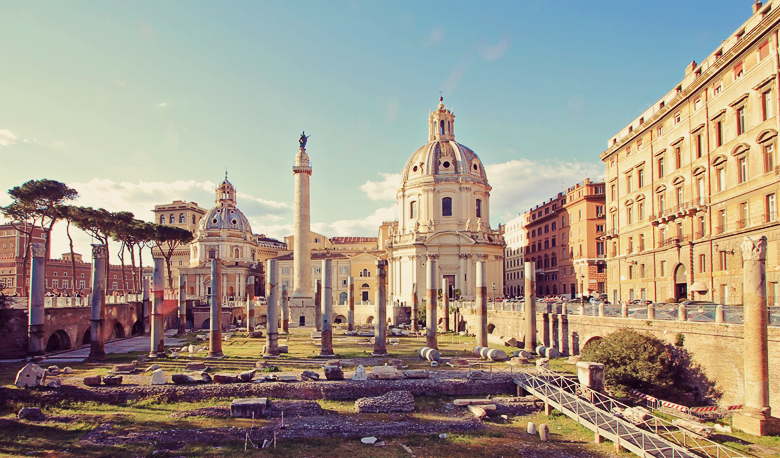
I have thousands of photographs (digital images and film shots on digital files) I am pouring over for this blog and the strictly photo tumblr connected to A Love Letter To Rome. I found this shot of the ruins and cupolas bathed in pink and gold to be a temporary antidote to living in a snow-covered, rainy, icy, slushy, terminally grey winter which is stretching itself past the first rite of spring tomorrow.  Since I have so many shots on multiple hard drives, it’s taking me a while to sort them and organize them for posts. My main vision for this blog is moments in Italy, a walk, drinks at a cafe, a neighborhood, a painting, a quote, a sunset – some long and detailed, some short and simple.


For my upcoming return to Napoli in May I am compiling arts and culture listings for museum exhibitions in Italy for day trips.


Here are some links from great Rome blogs on current art exhibitions:

In Rome Now good info

Revealed Rome good reviews! great articles!

The Pines of Rome “Exhibits on Now” – great blog!!

The Titian exhibit at the Quirinale looks great. I’ve seen nearly all those works at one time or another, but not housed together under one roof.


a photo walk on the appian way

PART ONE:appian1

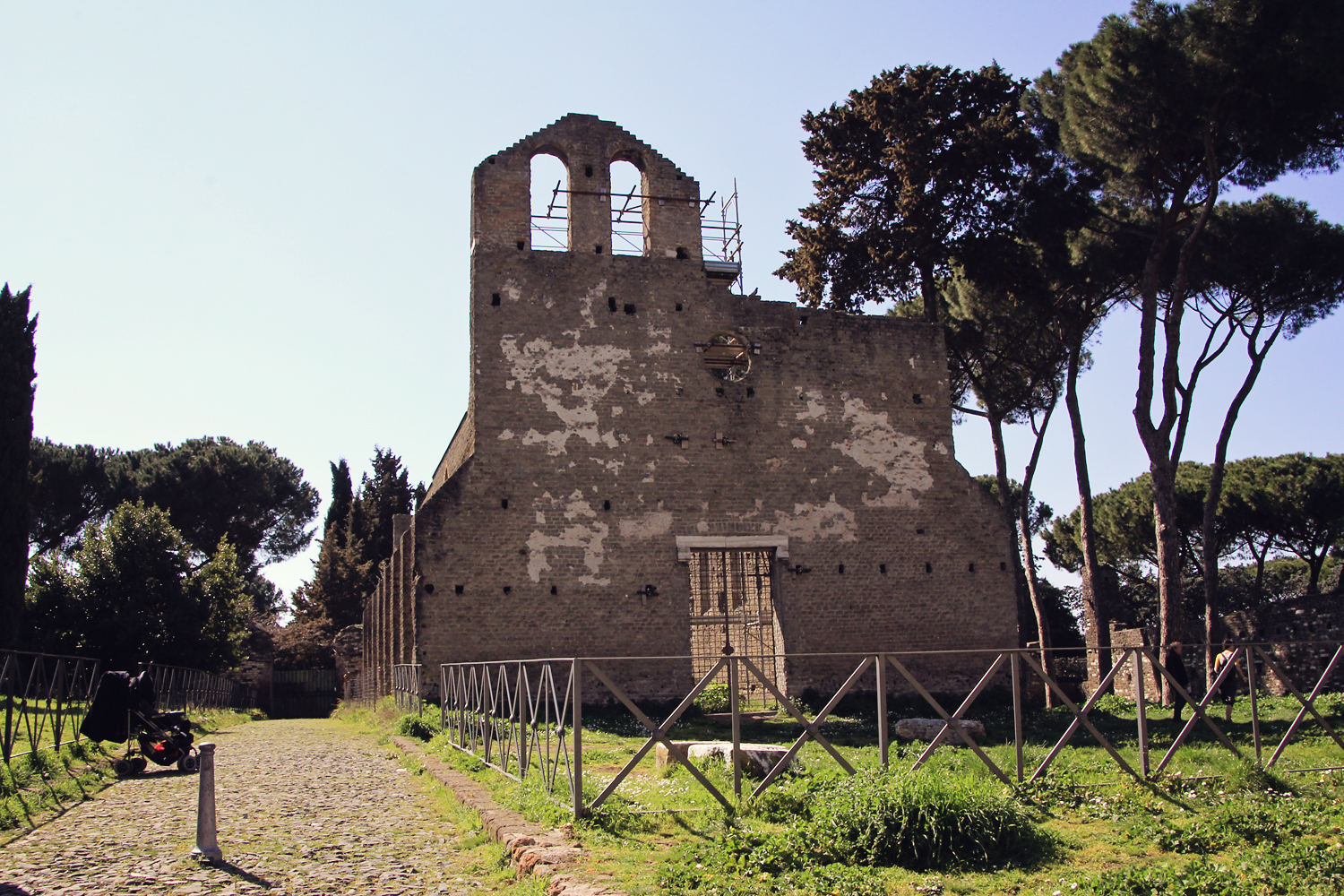
Church next door to Catacombe di San Sebastiano

appian2Interesting church interior and only public bathroom for miles.

appian3Looking down at the entrance of the San Sebastian Catacombs from within it’s garden.

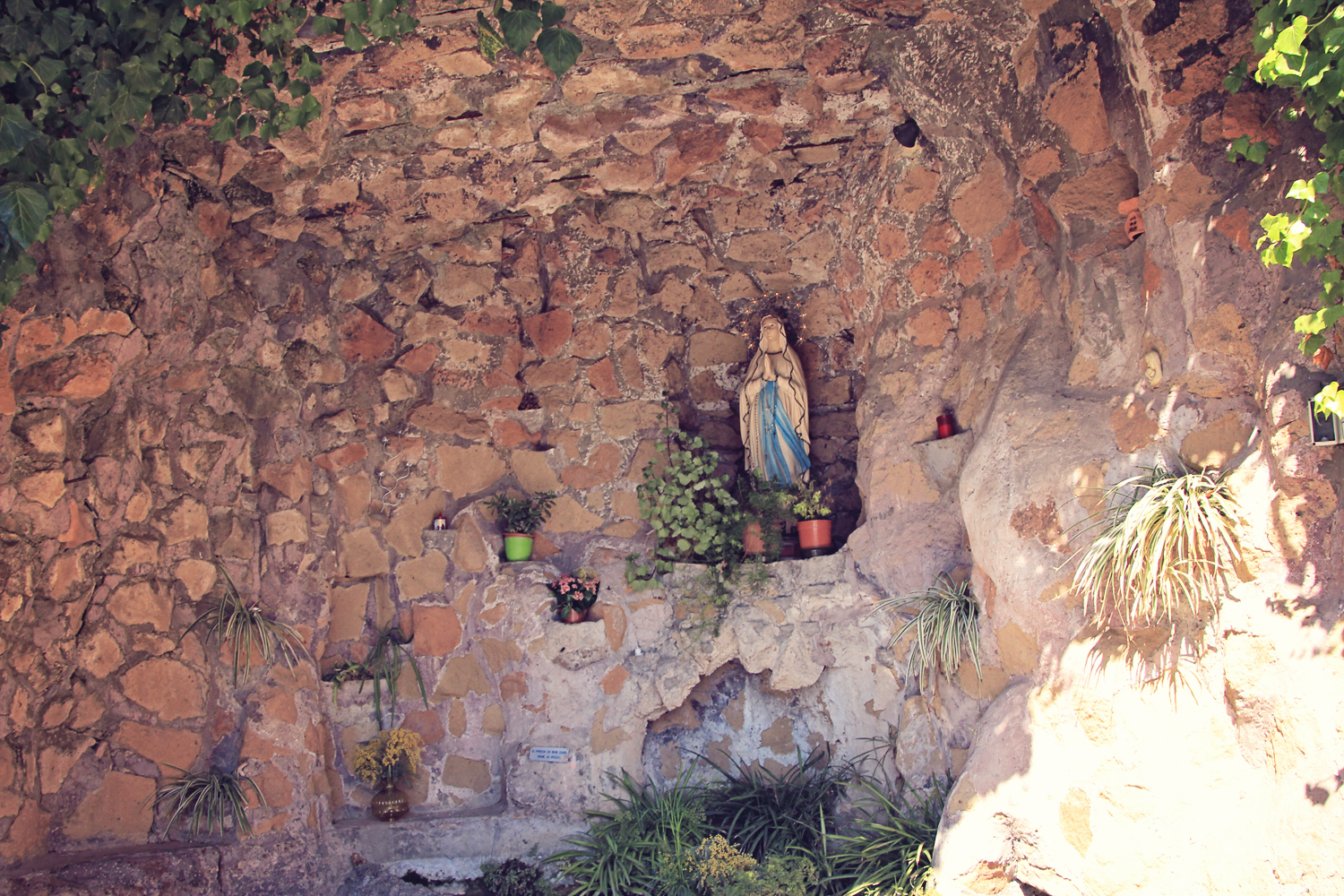
appian5A garden prayer niche at the catacombs.

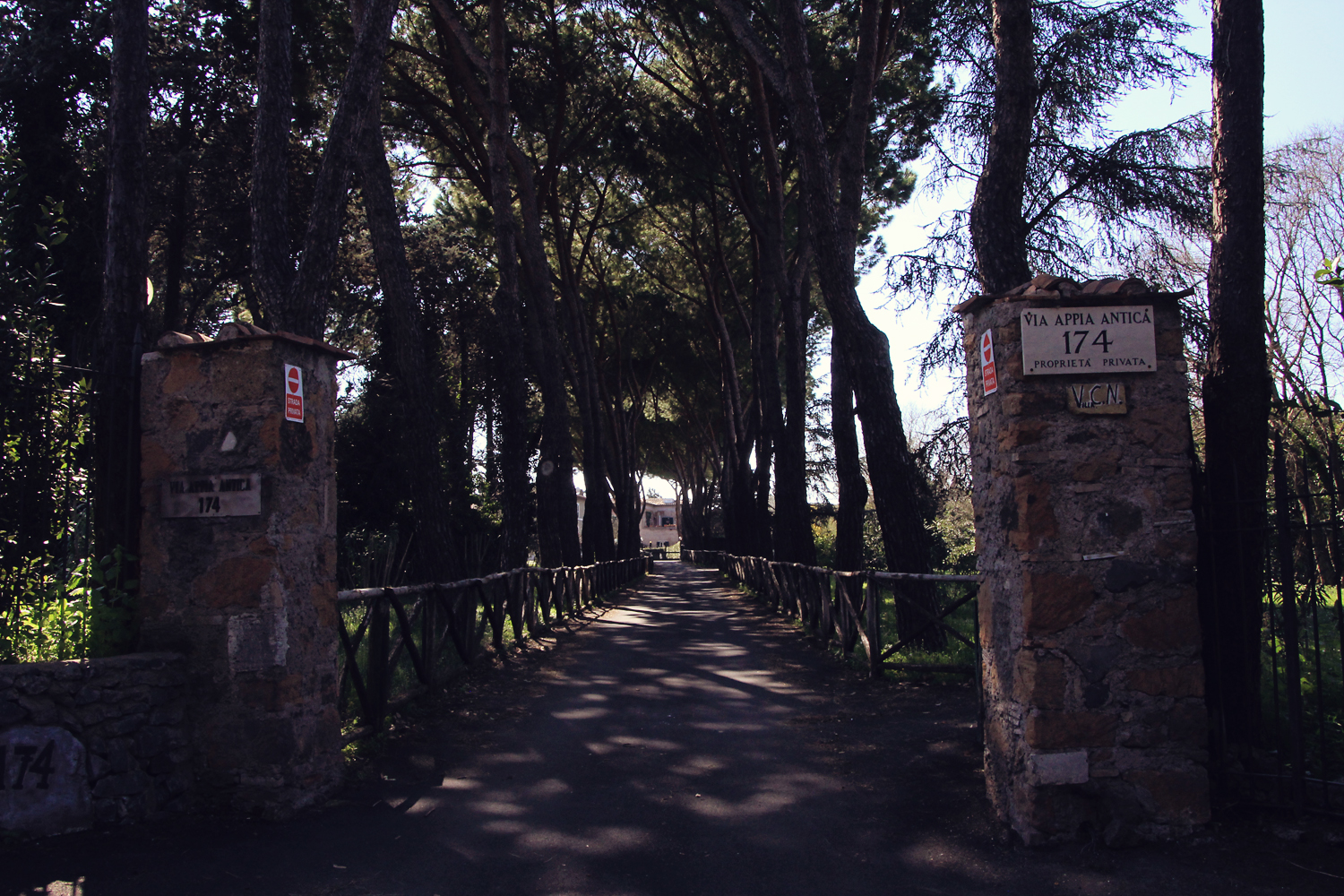
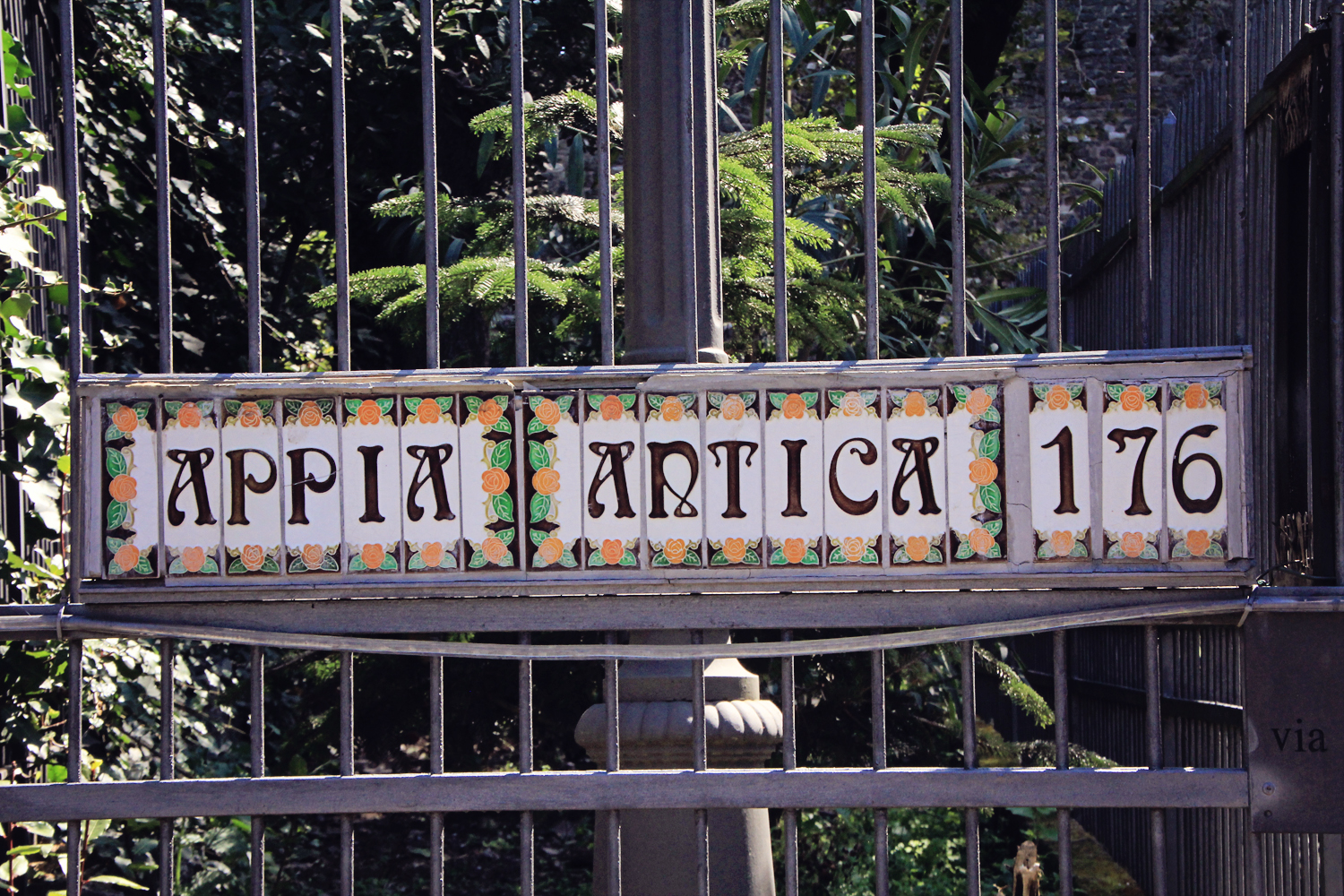
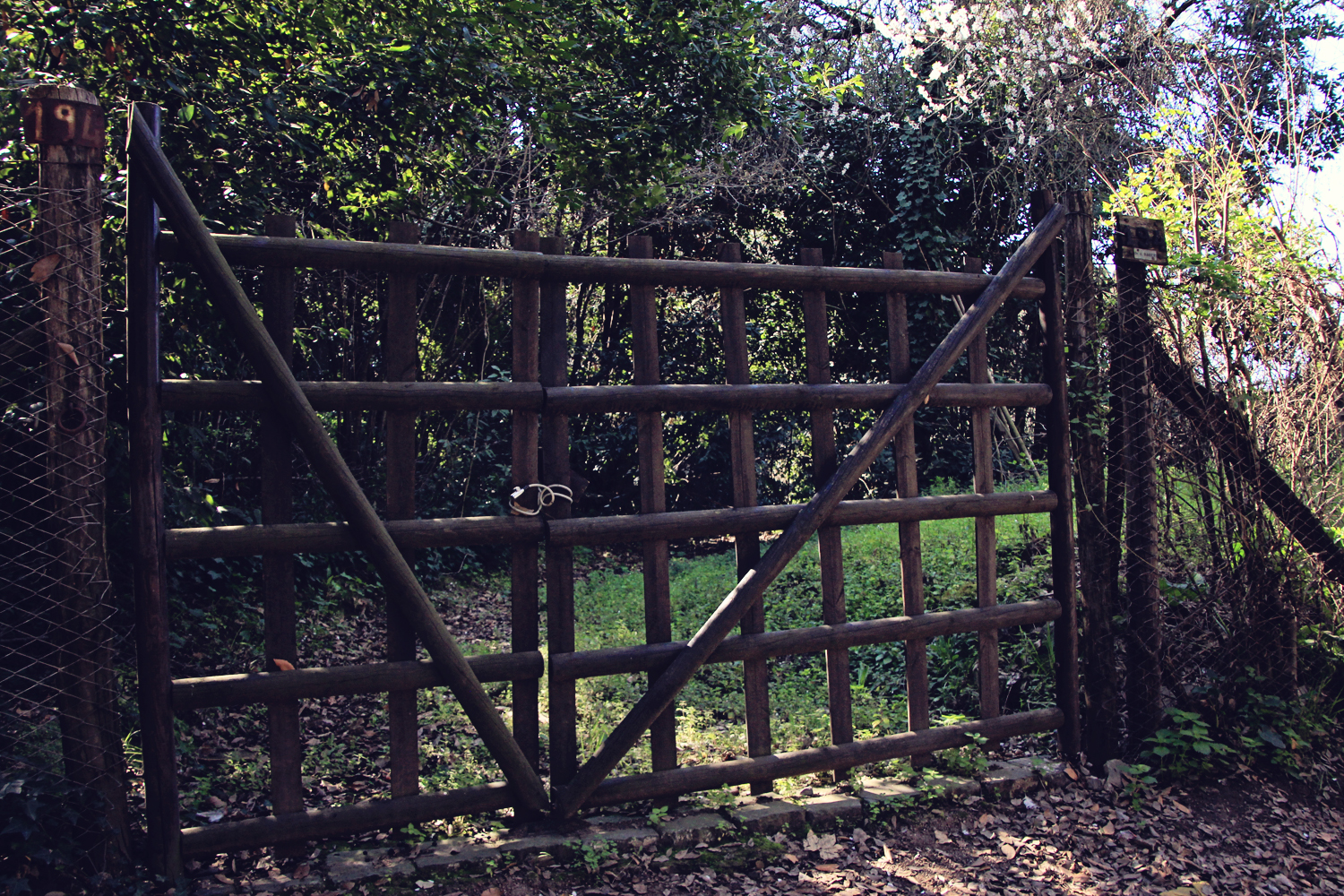
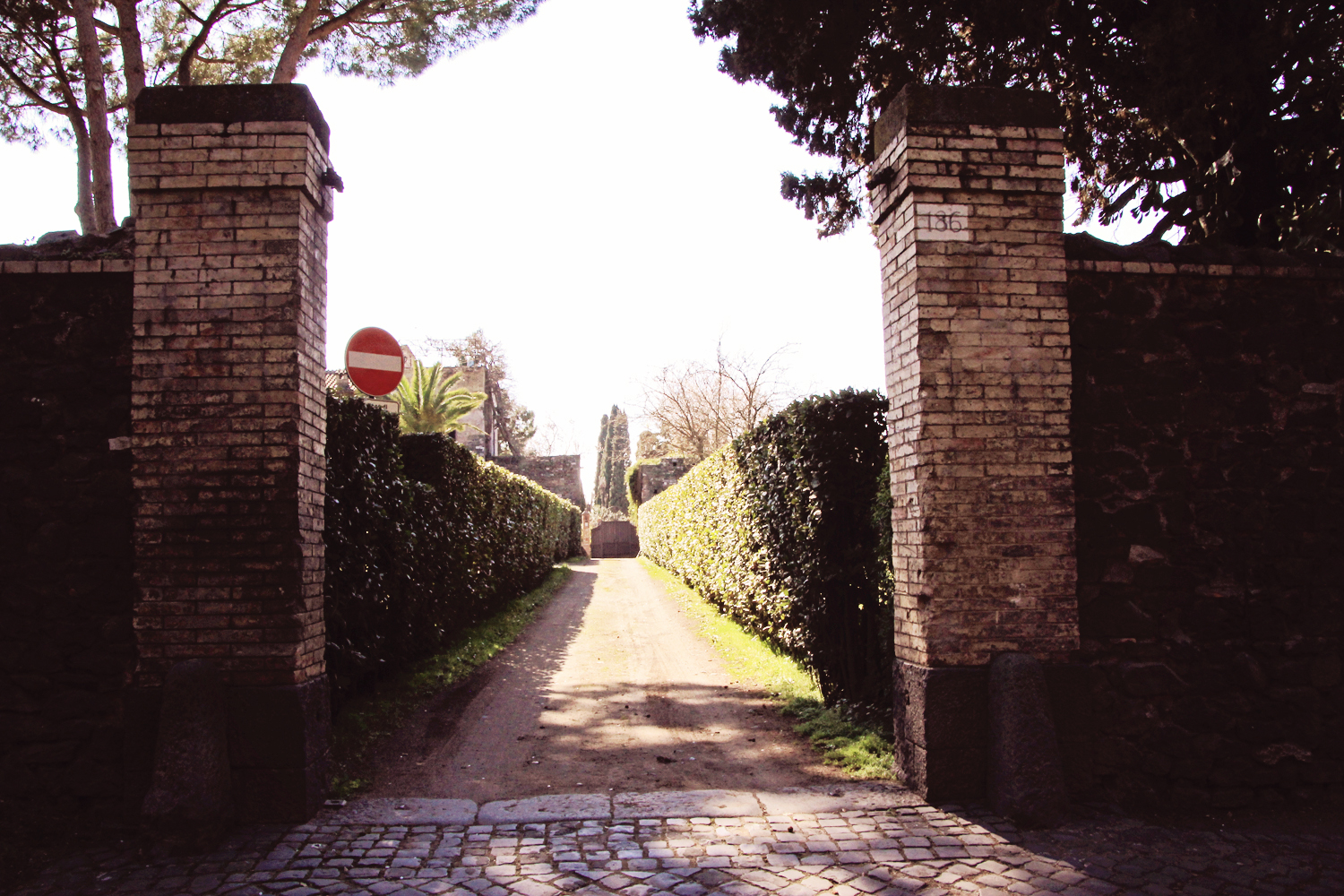
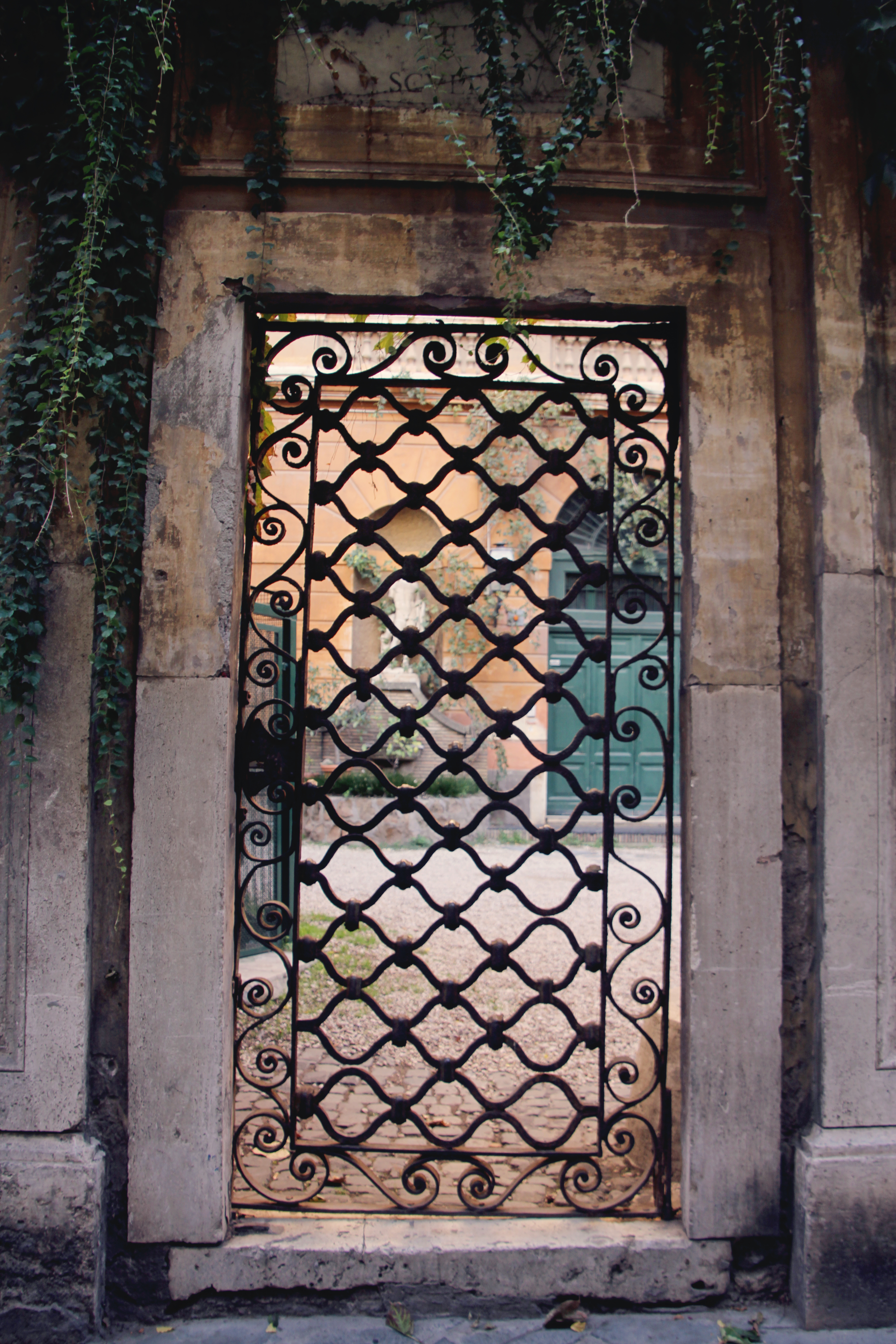
appian6One of the many enchanting gates leading to the Appian Way (Antica – ancient part).

appian8

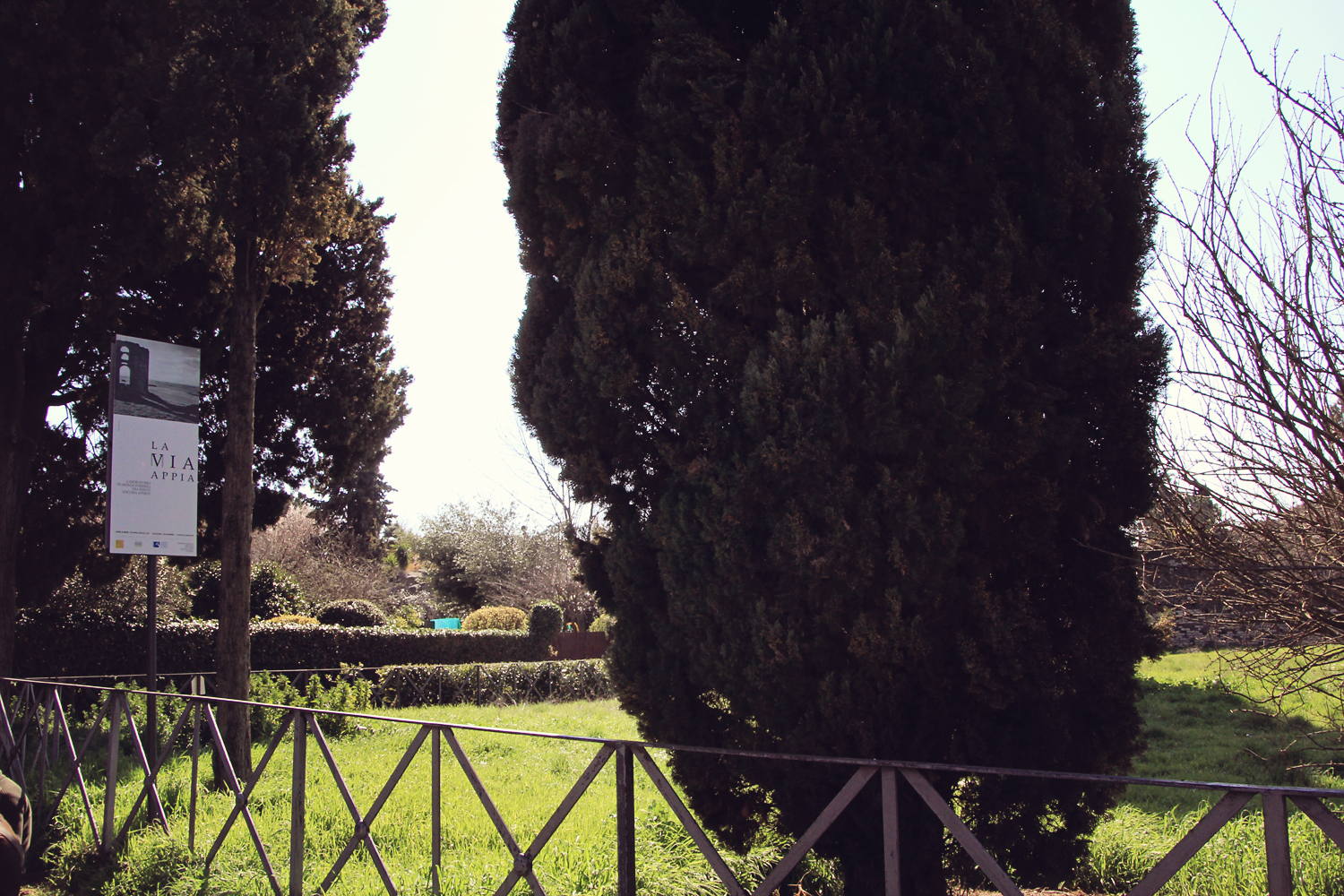
It’s amazing to see how people live among the ruins and the ancient villas and gardens of the most ancient of roads in Italy.

appian7

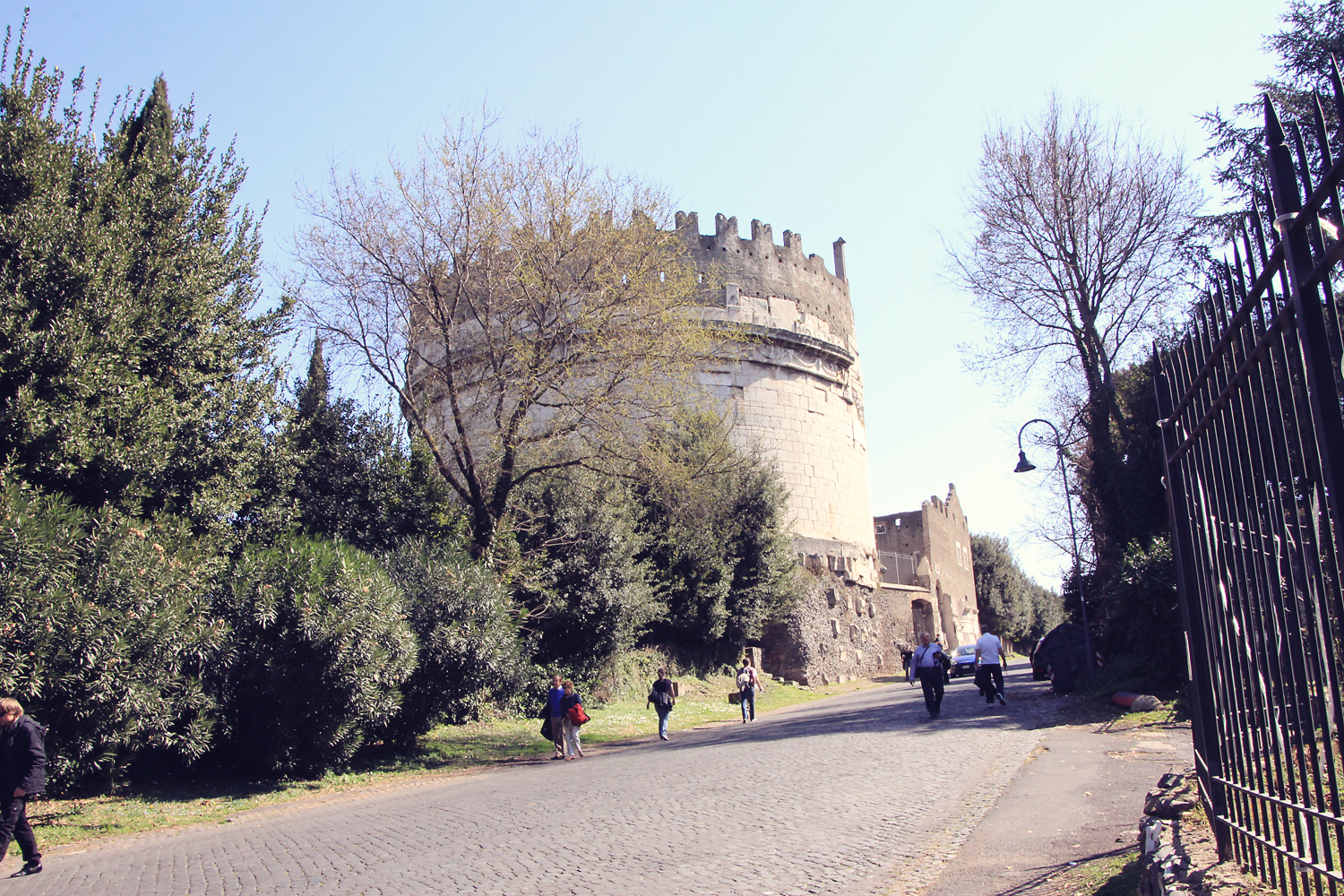
“The Mausoleum of Cecilia Metella (not a castle), and is said to have been built in the second half of the 1st century CE”, some steps away from the Catacombs. (Thank you, Misera e stipend città! That was lazy recall on my part! That’s one of the things with photographing so much and not taking notes – I forget the specifics! I need to start taking a tiny pocket notebook and a pencil with me like I did in the 1990s/early 2000s. And this is particularly sloppy writing as I made a big deal out of finally seeing Cecilia Metella last March, too)! Here is an excellent site on Cecilia Metella’s Tomb and the San Sebastiano area of the unchanged Appian Way!

The walk is well worth the effort, very pleasurable on a sunny, warm day.

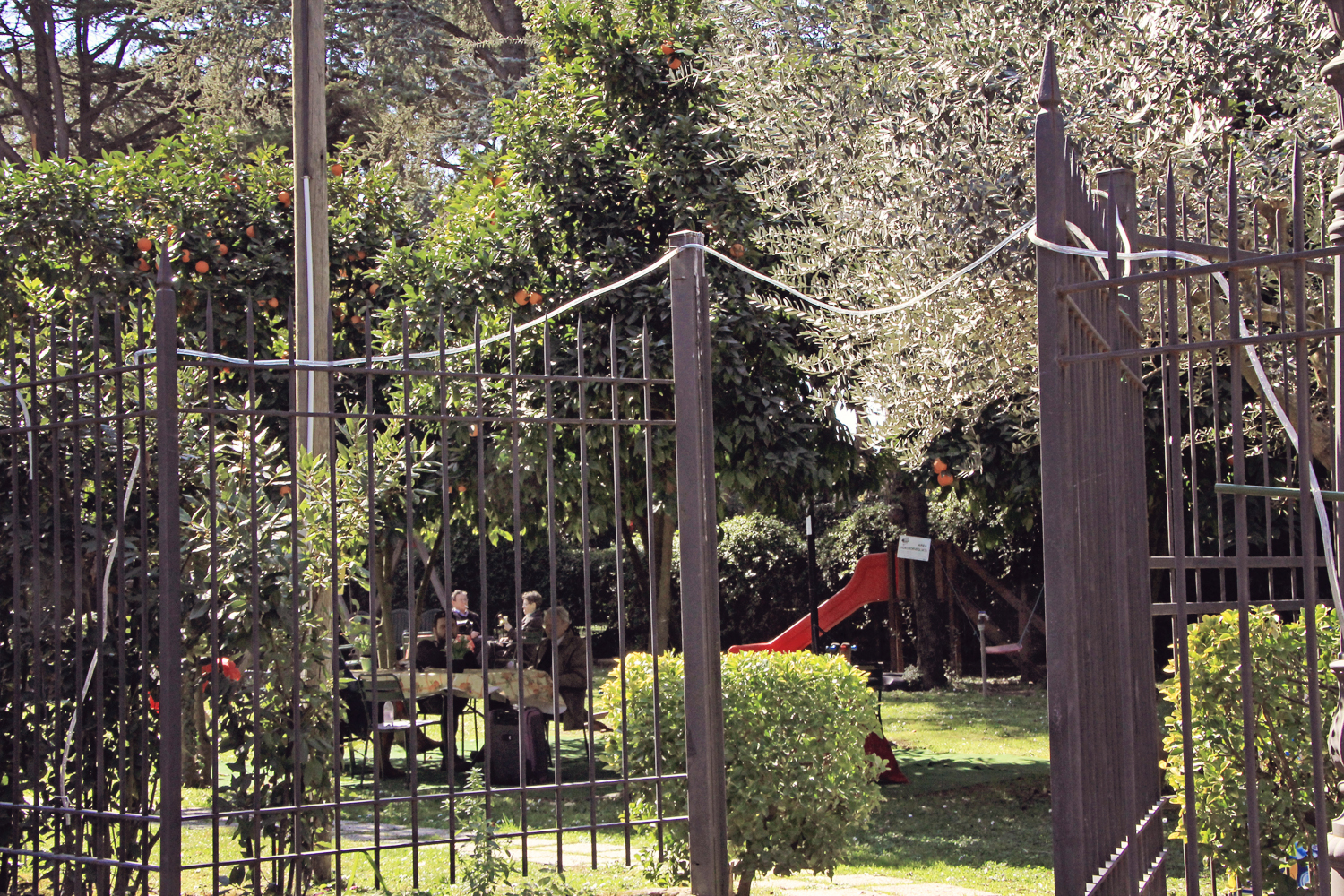
appian9There are a few scattered cafe restaurants and a playground amid an orange grove.

appian10More palazzo ruins and curiosities among the cypresses.

appian11There are even some museums and art exhibitions featuring the the changing and not so changing face of the Appian Way. There are villas and open gardens to wander in from ancient Roman times.

appian12Shadows of overhanging greenery on ancient and medieval walls.

appian13Behind the gates are private gardens and residences one can only envisage in imagination.

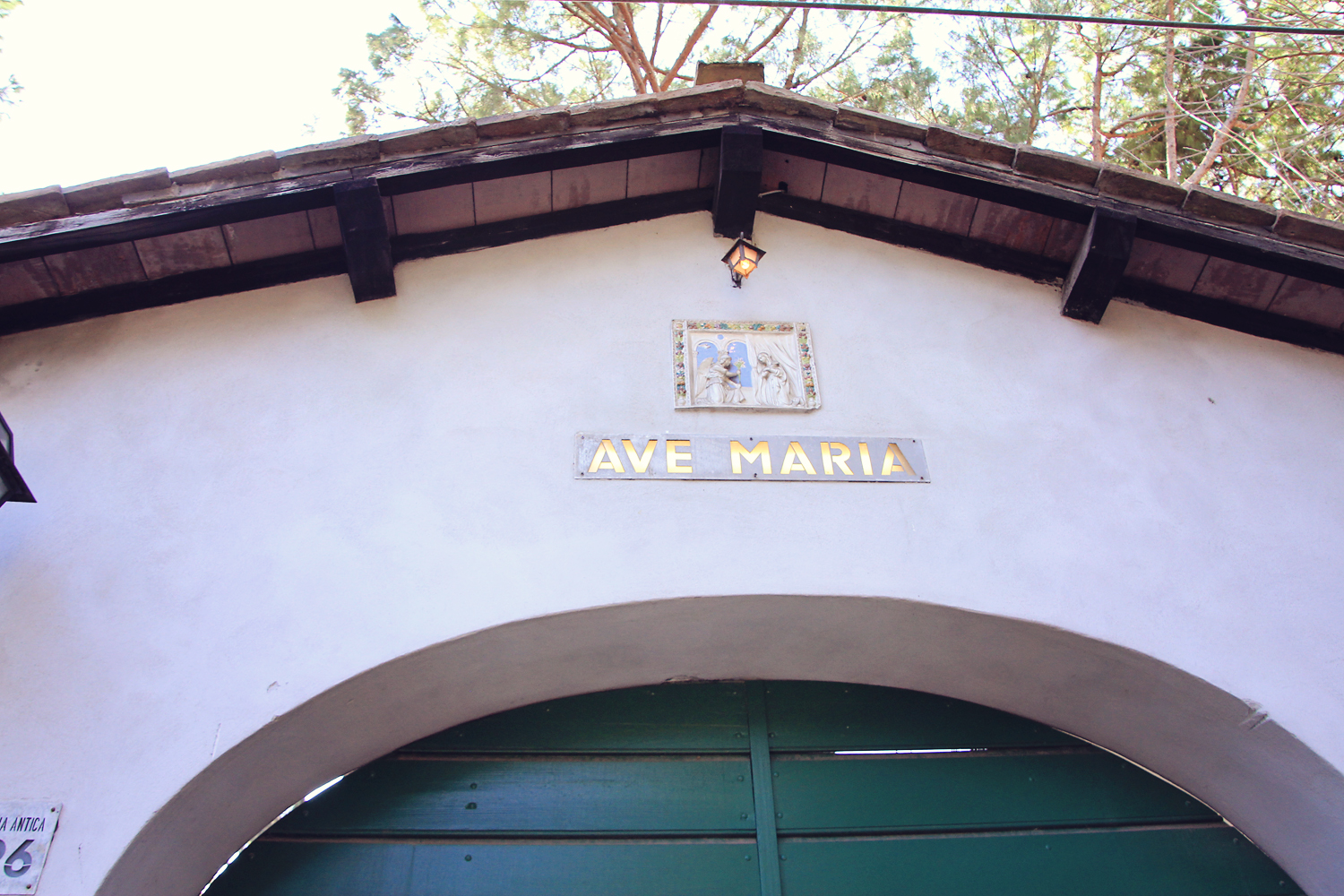
appian14A building on the walk with Ave Maria.

appian15One of the  many beautiful old houses blending the ancient, medieval, Renaissance and modern world. How many families have lived here in all these centuries??

appian16

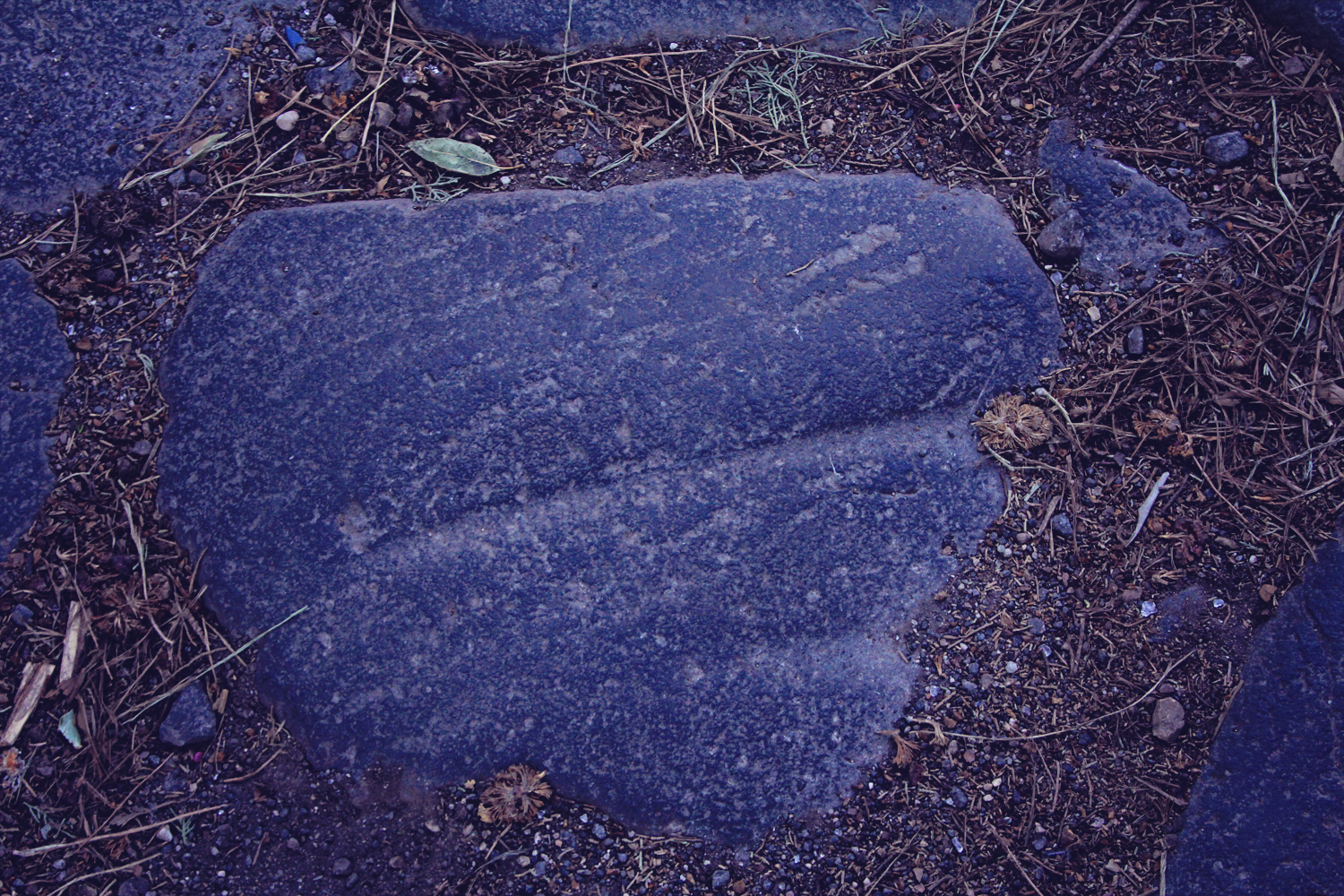
appian17Chariot wheels and horse drawn carriages formed grooves over the ancient road leading to Rome for thousands of years.

appian20

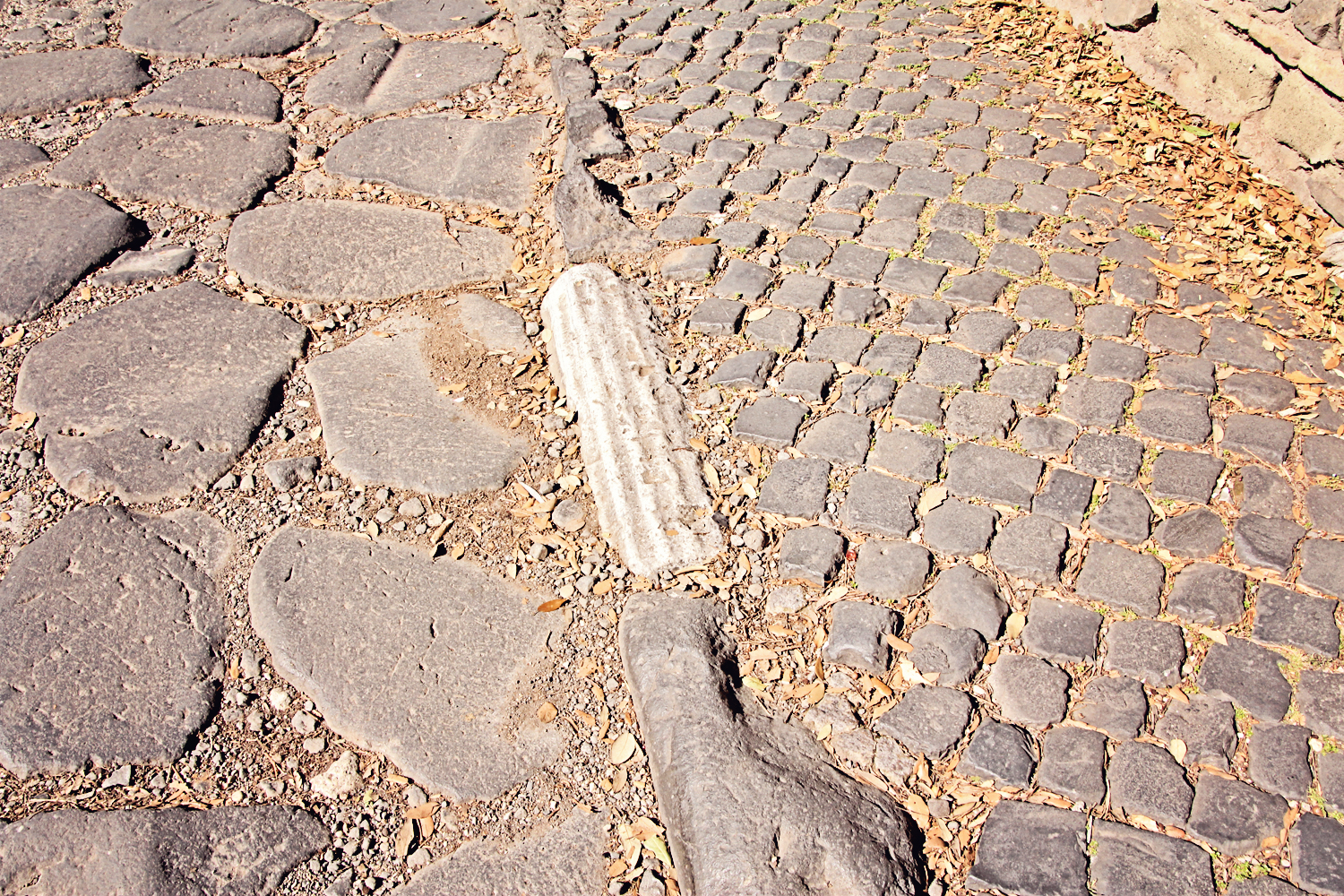
Fallen and broken pieces of ruins and columns and cobblestones worked over centuries into restorations on the Appian Way.

appian18

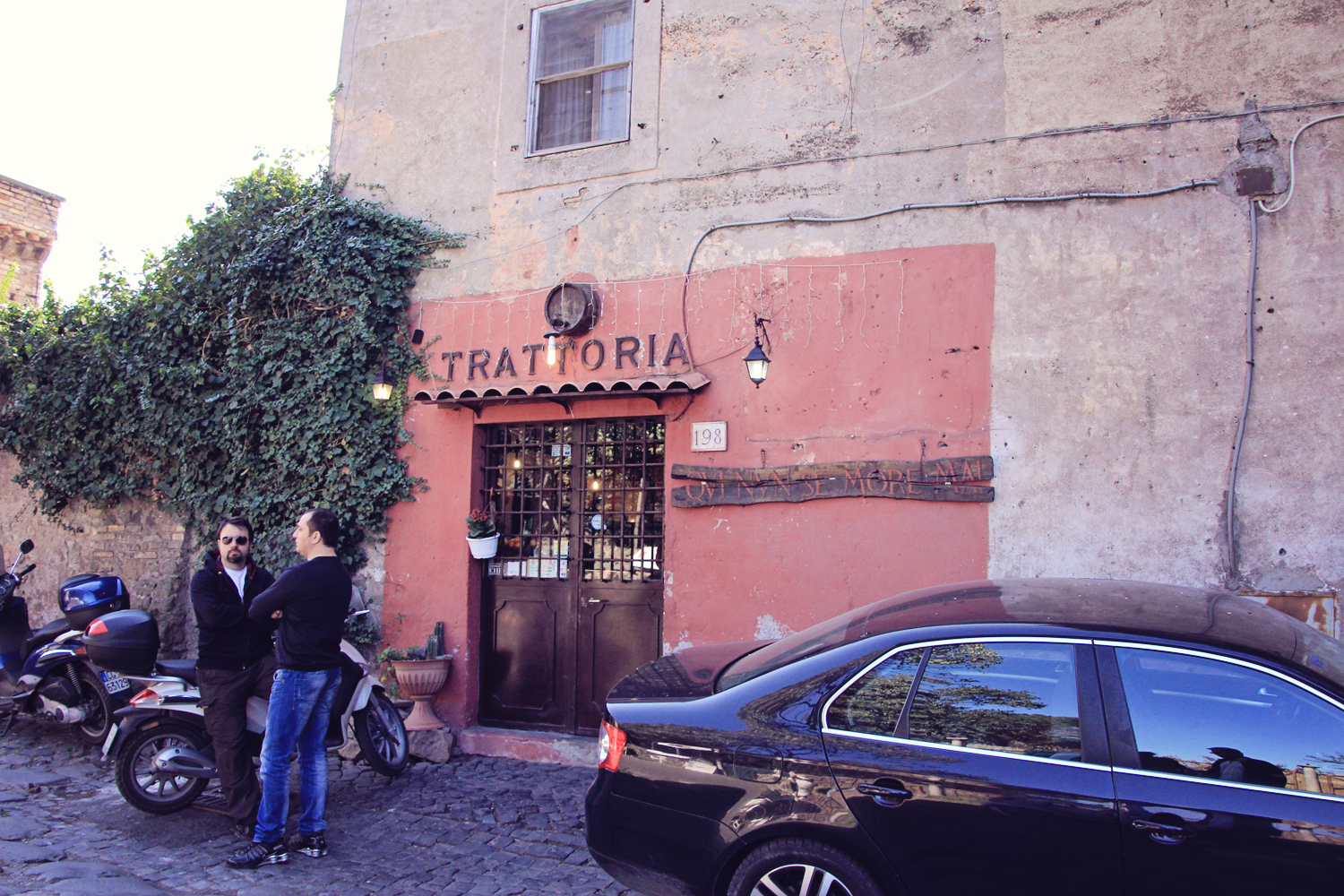
A trattoria along the way. The sign reads Here No-One Ever Dies (thank you Misera e stipend città) – read a poem set on the Appian Way and refers to this very “tavern” by Marie Luise Kaschnitz, translated by Alexander Booth. I love learning thats what the sign says. Next time I must go in there for a drink and a bite! Maybe some ancient luck will rub off on me.

appian21

There are so many roads left to travel, so many places to wander. If you find yourself in Rome on a Sunday when the cars are off the road and the weather is pleasant and mild, I cannot stress to you how wonderful a long half-afternoon or afternoon stroll on the Appian Way. Take a bus or taxi to the Catacombs and get out and walk around the grounds and walk along the Appica Antica, taking in the sights and beauty. It’s truly a time machine back to the ancient world and along the pathway of the Grand Old Tour. Many have walked and ridden over these stones and passed under its gates.

Second Part of the Photo Tour of the Appian Way to follow.

a walk in trastevere

FH030028

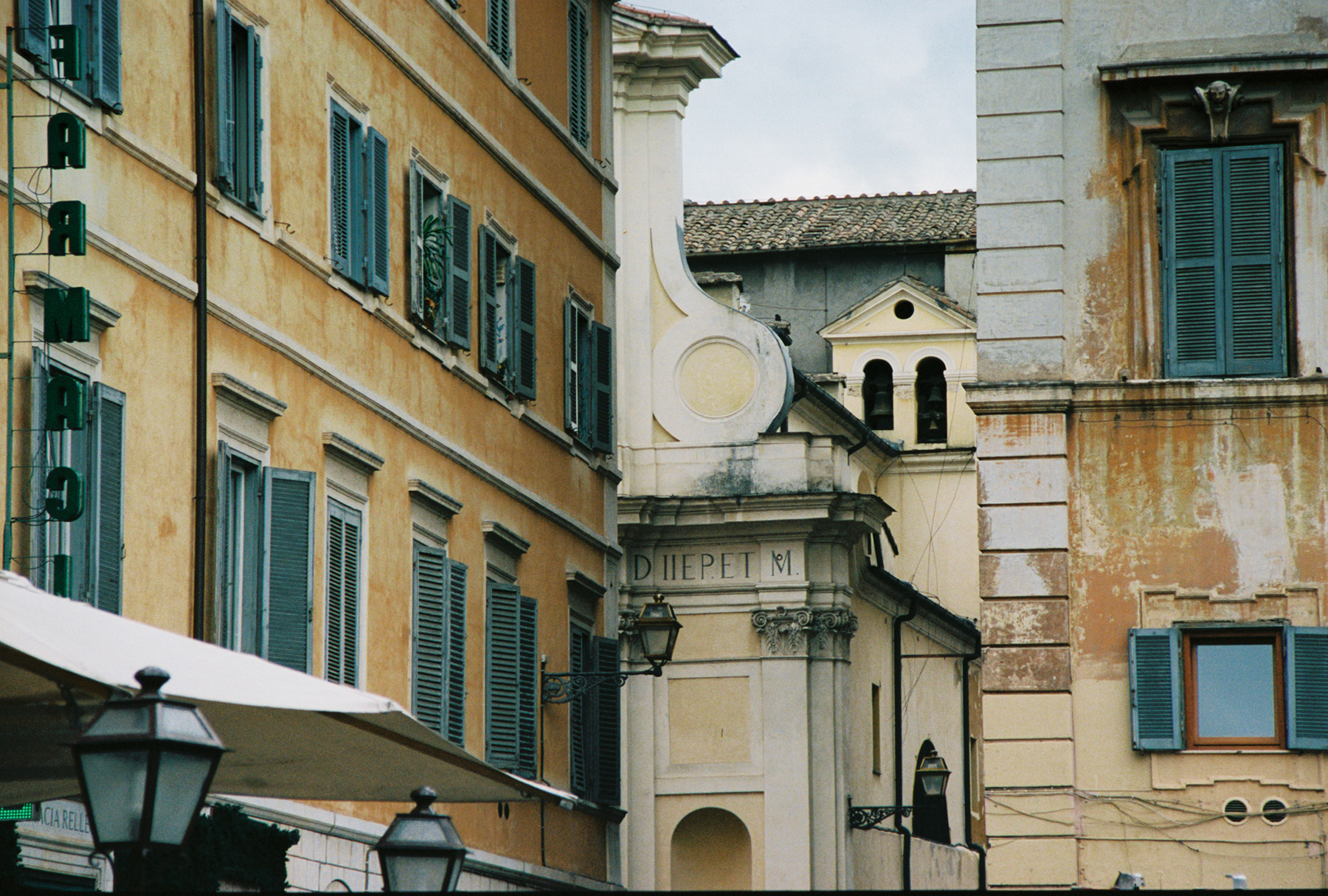
Trastevere is a charming neighborhood across the Tiber from the historic center of Rome. It’s a great spot to have lunch and spend an afternoon walking around, admiring the warm, faded colors of the buildings. They bake wonderful breads and cookies at La Renella and sell handmade chocolates at Valzoni to locals and tourists. My favorite book shop in Rome is The Almost Corner Bookshop, an all English language store filled with fiction and non-fiction dedicated to Rome and Italy, lots of great classic literature and the latest publications in English. I always pick up something perfect to set the tone of my visit to Rome – in March it was Geothe’s near perfect Italian Journey, which colored my walk on the Appian Way and walking through the Porta San Sebastiano. In October it was my favorite Odes of John Keats in a neat little volume, with a little Shelley and Byron, who all accompanied me on my visits to The Keats Shelley (Byron) House and for a prosecco at Caffe Greco and even to Keats tombstone in Testaccio.

FH030020

Trastevere is not usually overrun with tourists and has a little bit of an off the beaten path feel to it. One can walk to Tiber Island for curious sights or the Giancolo (Janiculum Hill) for an alternate view of Rome or even to the residential neighborhood of Monteverde which boasts the lovely Villa Sciarra parks and is truly off the beaten path.  I love the beautiful curves and colors of the architecture.

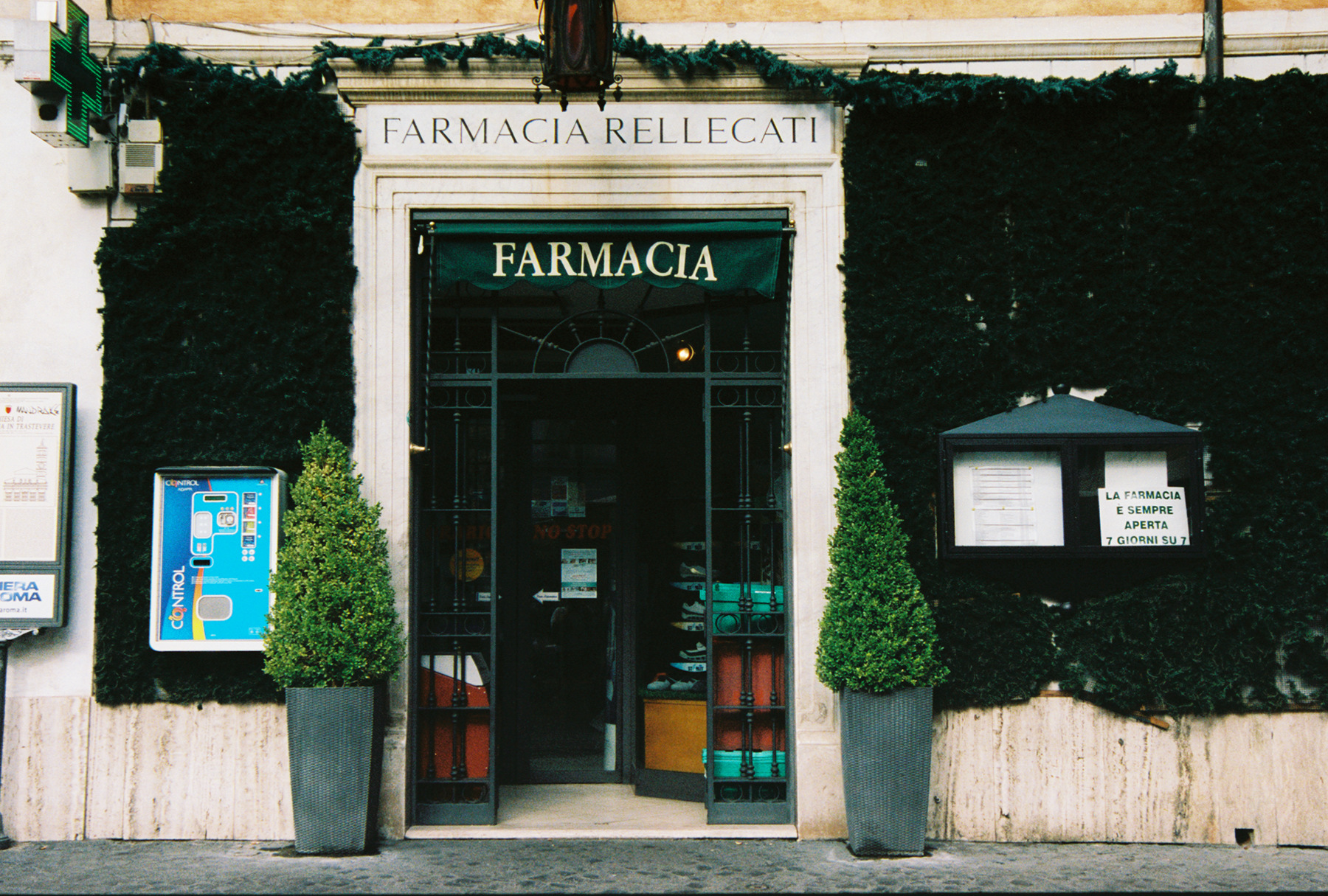
FH030025

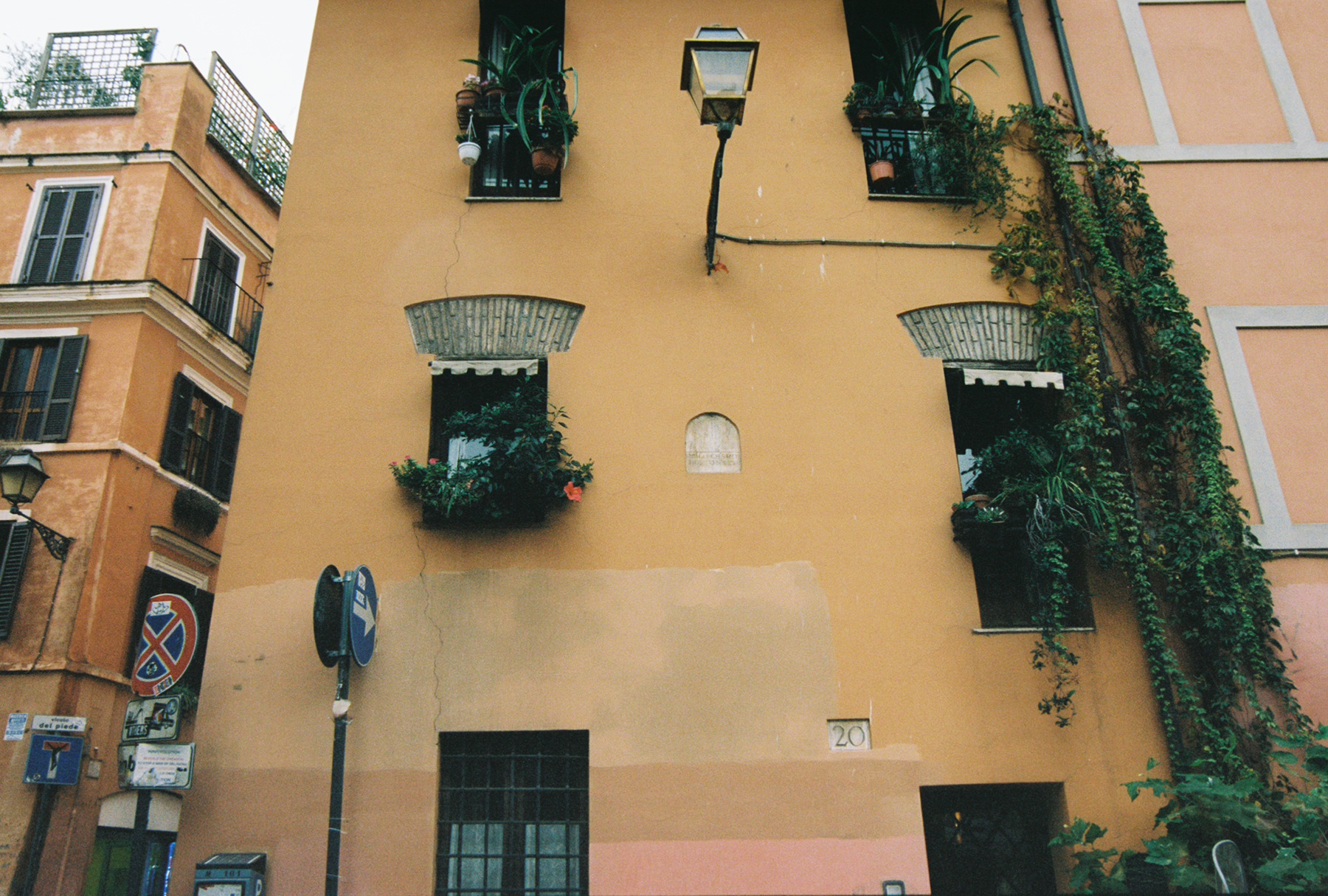
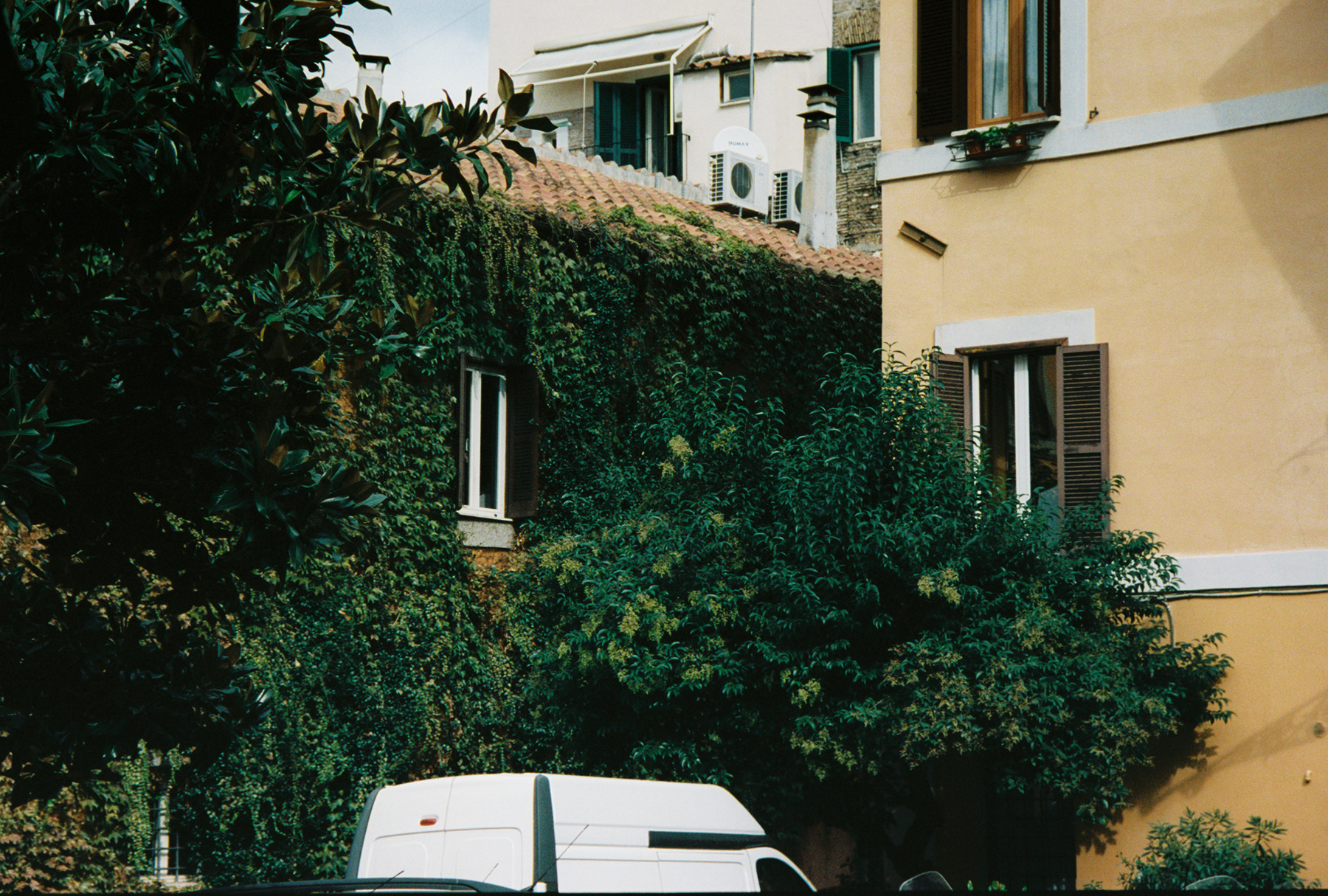
Trastevere has the chicest farmacia I’ve ever seen. Each little shop and boutique is delightful and covered with crawling greenery. The curb appeal and doorstep gardens of Italy are an obsession of mine.

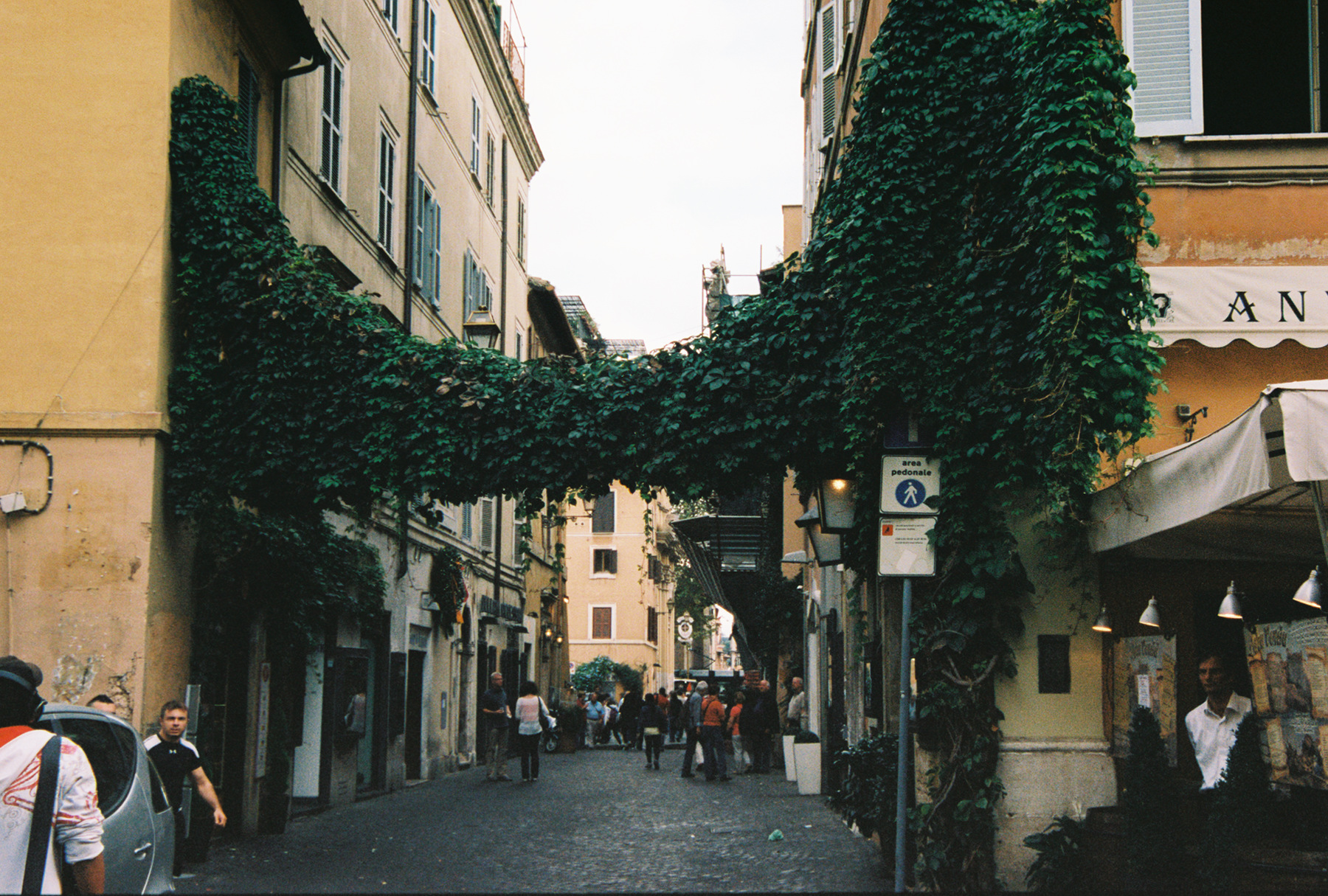
FH030029

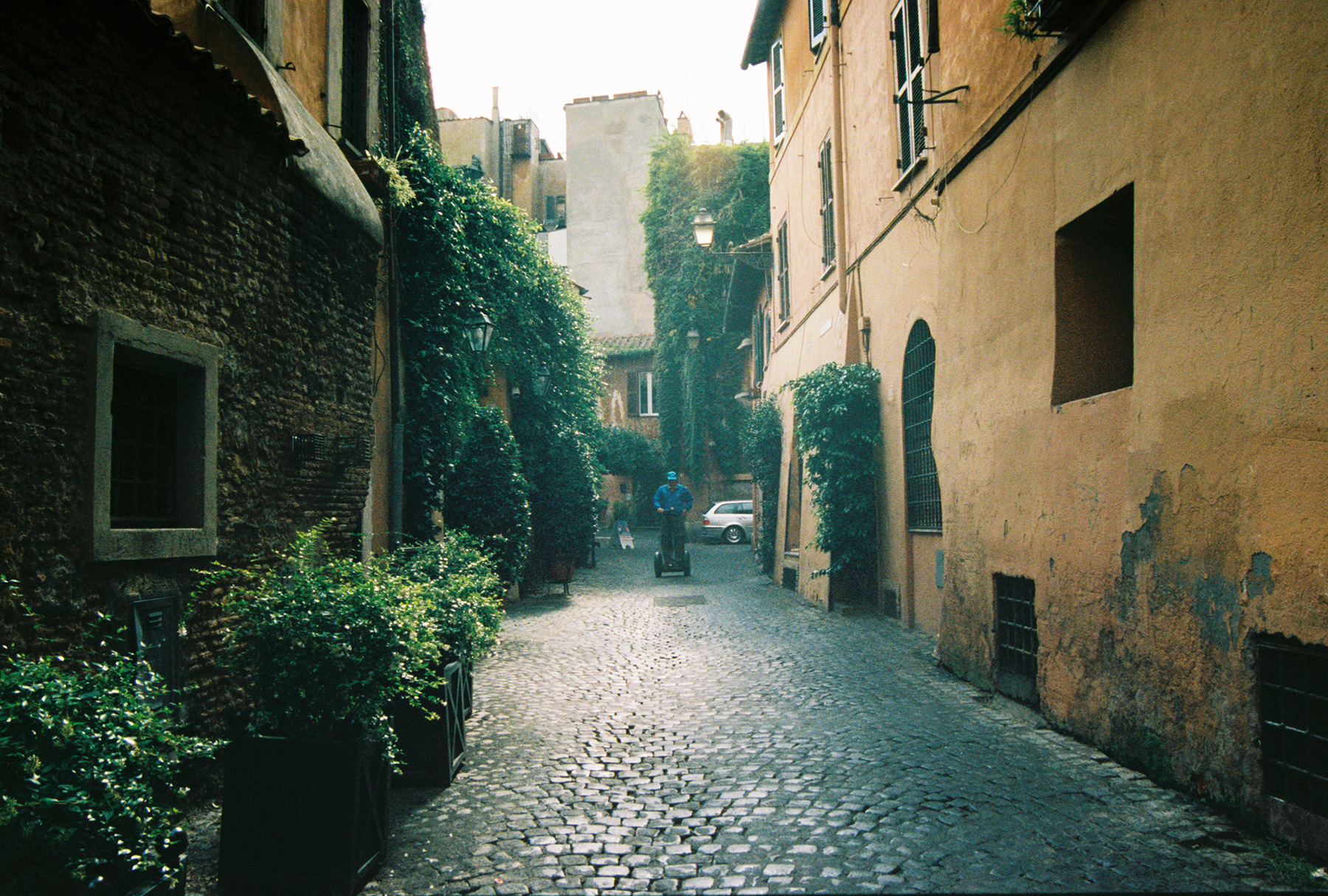
The gorgeous overhanging vines and ivy of your typical Trastevere pedestrian street next to little cafes and restaurants.

FH030027

The layers of stone and paint and greenery are lush all year long. I adore this section so much.

FH030024

A charming respite to duck in when caught in the rain (as I was that afternoon)!

FH030021

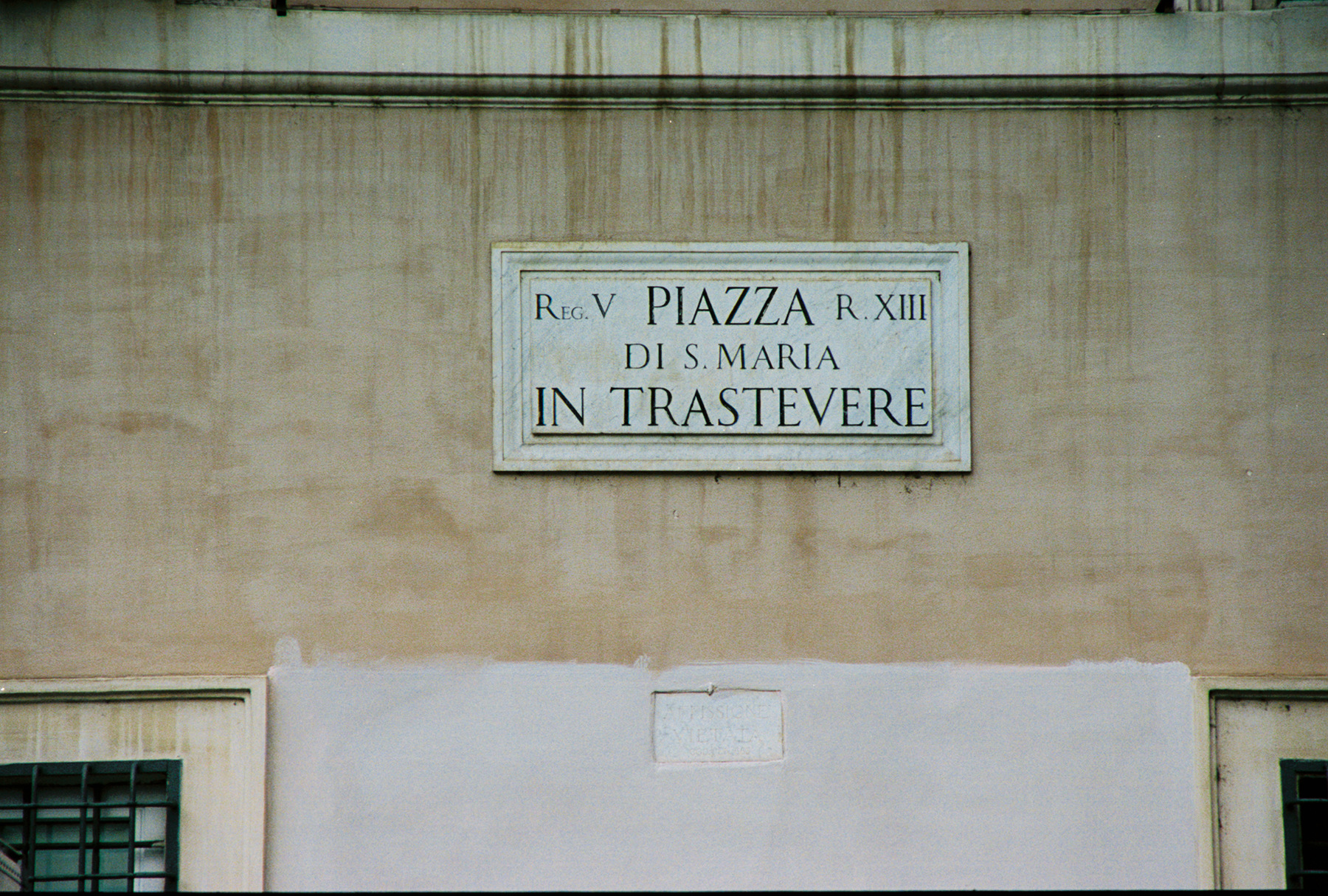
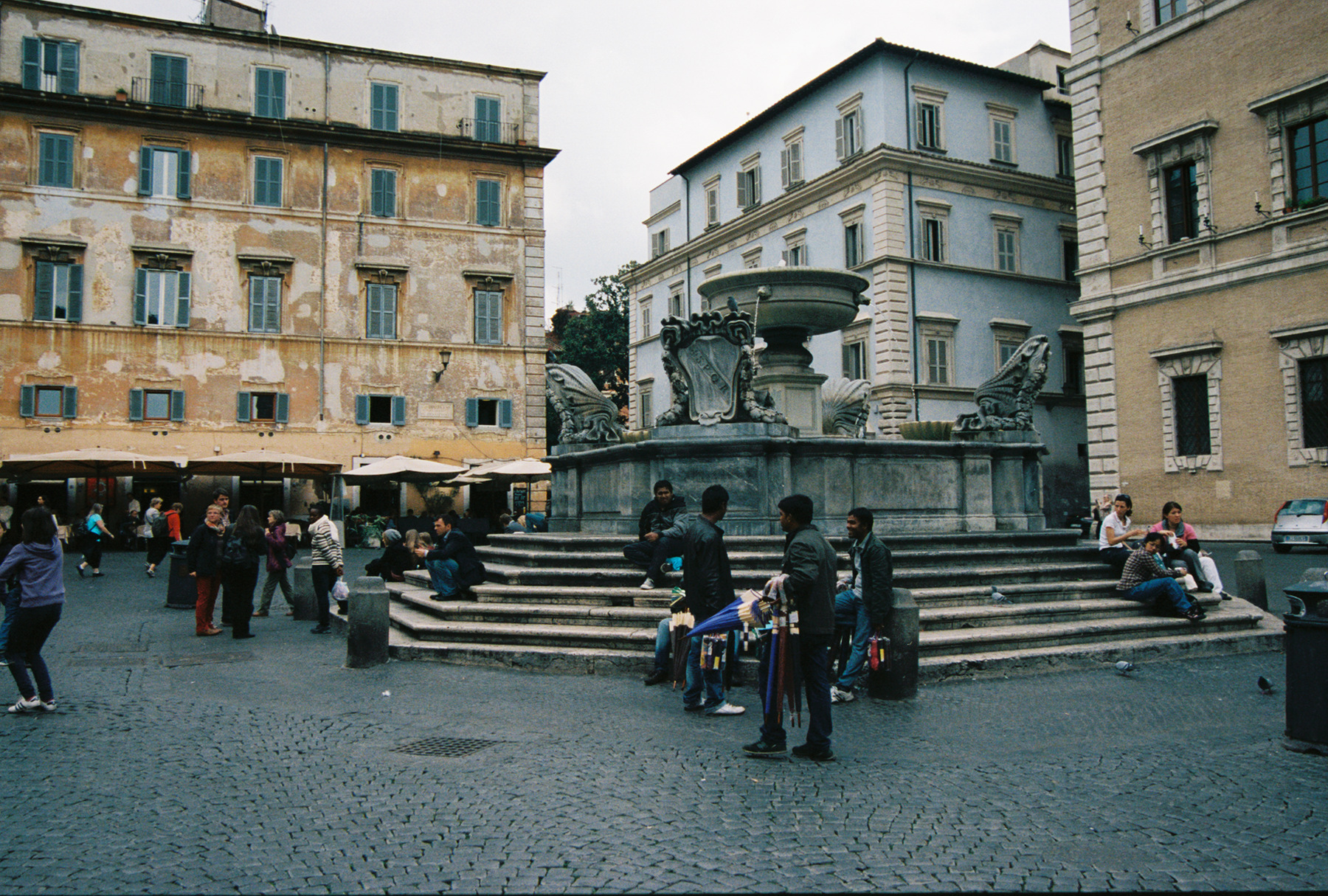
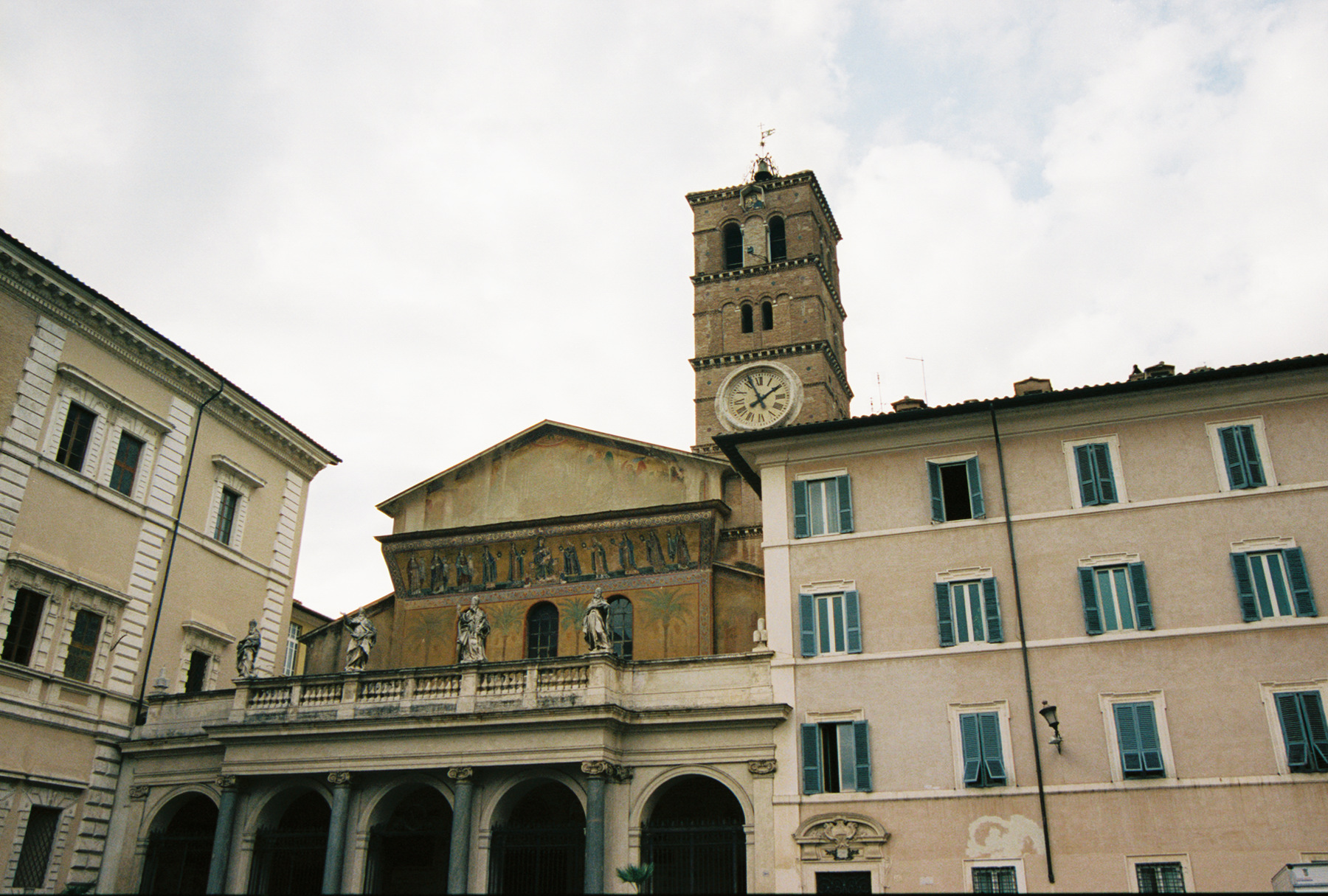
The main piazza of Trastevere with the cannot be missed church. A great people watching locale.

FH030007

They even have the ambulatories in Rome to bounce one over cobblestoned paths. The green grows thick and spreads over garden walls.

FH030008

Miniature terraces with majestic potted plants which grow as long as Rapunzel’s hair!

FH030018

The place to see and be seen.

FH030022

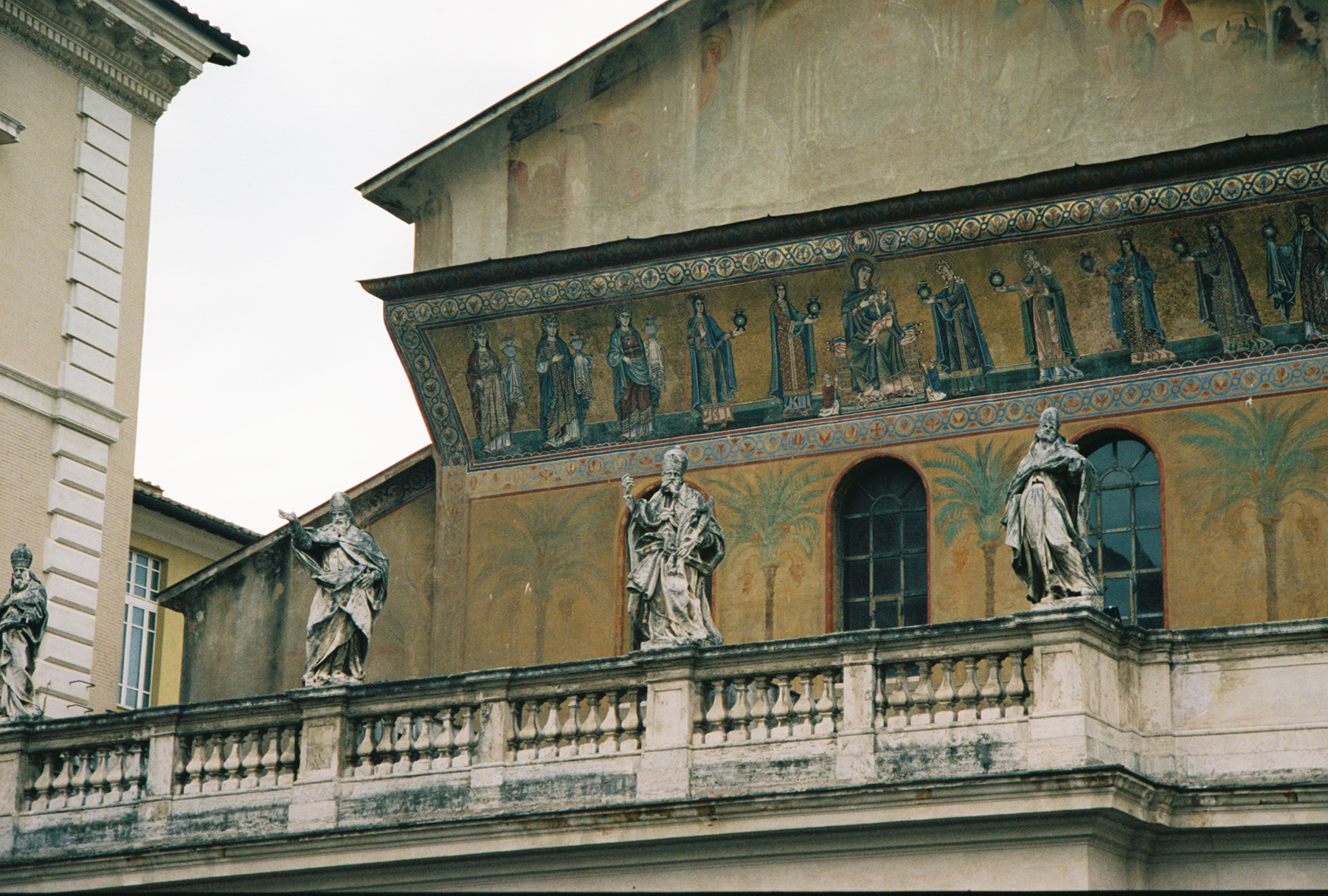
The exceptionally old exterior. “The Basilica of Our Lady in Trastevere (Italian: Basilica di Santa Maria in Trastevere) is a titular minor basilica, one of the oldest Churches of Rome, perhaps the first in which Mass was openly celebrated. The basic floor plan and wall structure of the church date back to the 340s, The first sanctuary was built in 221 and 227 by Pope Calixtus I and later completed by Pope Julius. -Wikipedia 

FH030023

A close up of the pretty detail, with Occidental features like Egyptian palm trees and the gold leafed saints mosaics.

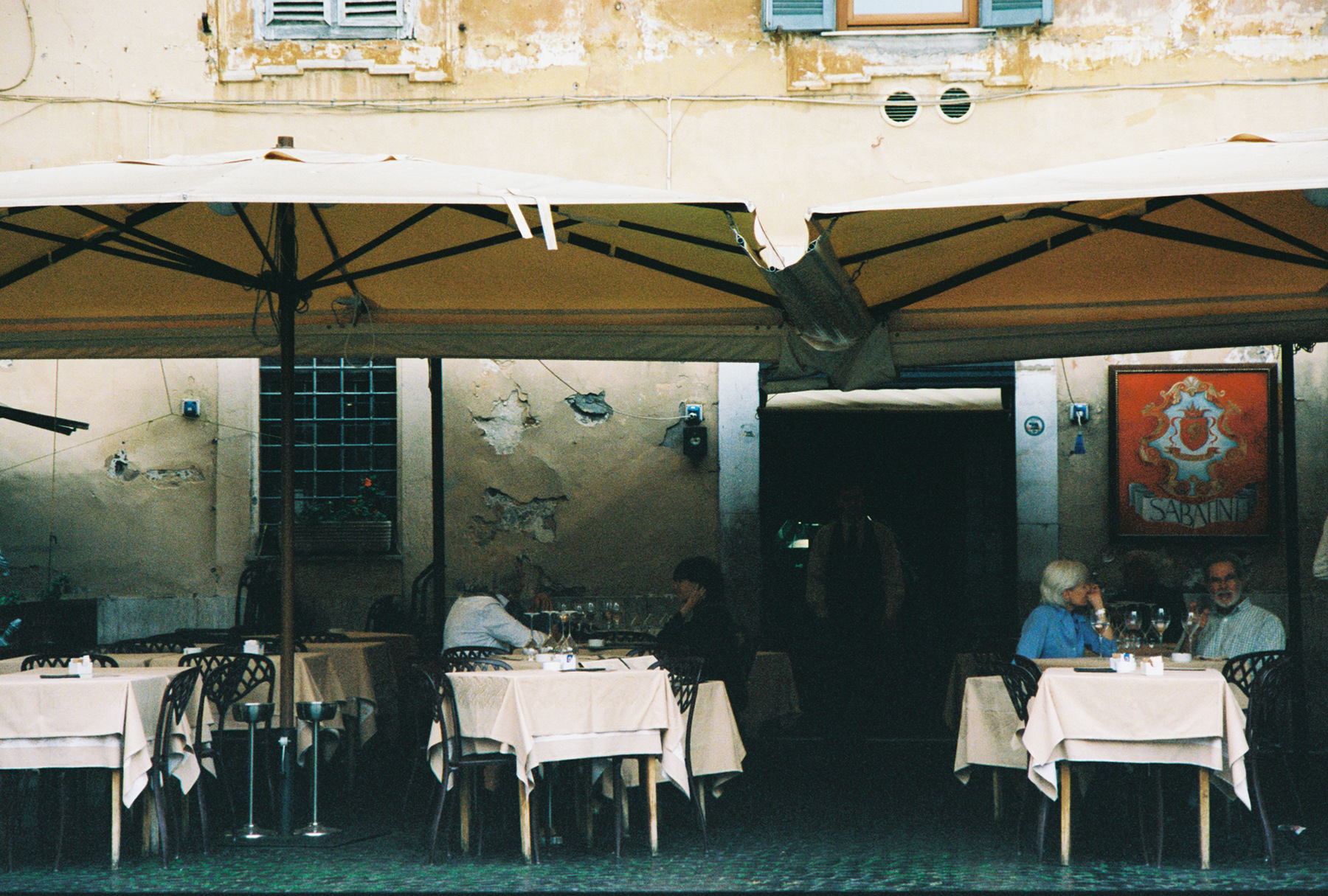
FH030017

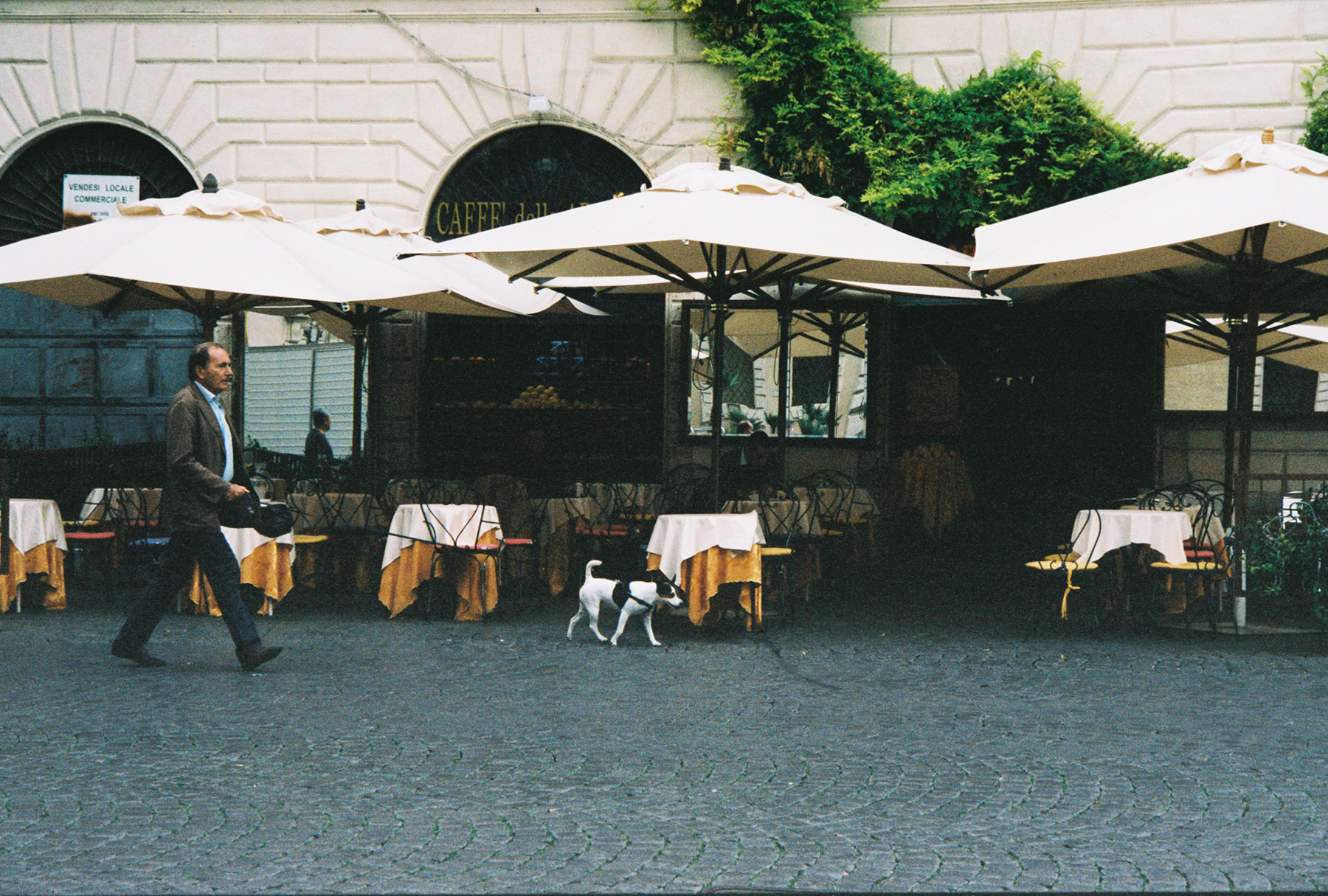
Man walking dog past a cafe – “Isn’t it a lovely scene?” 

FH030014

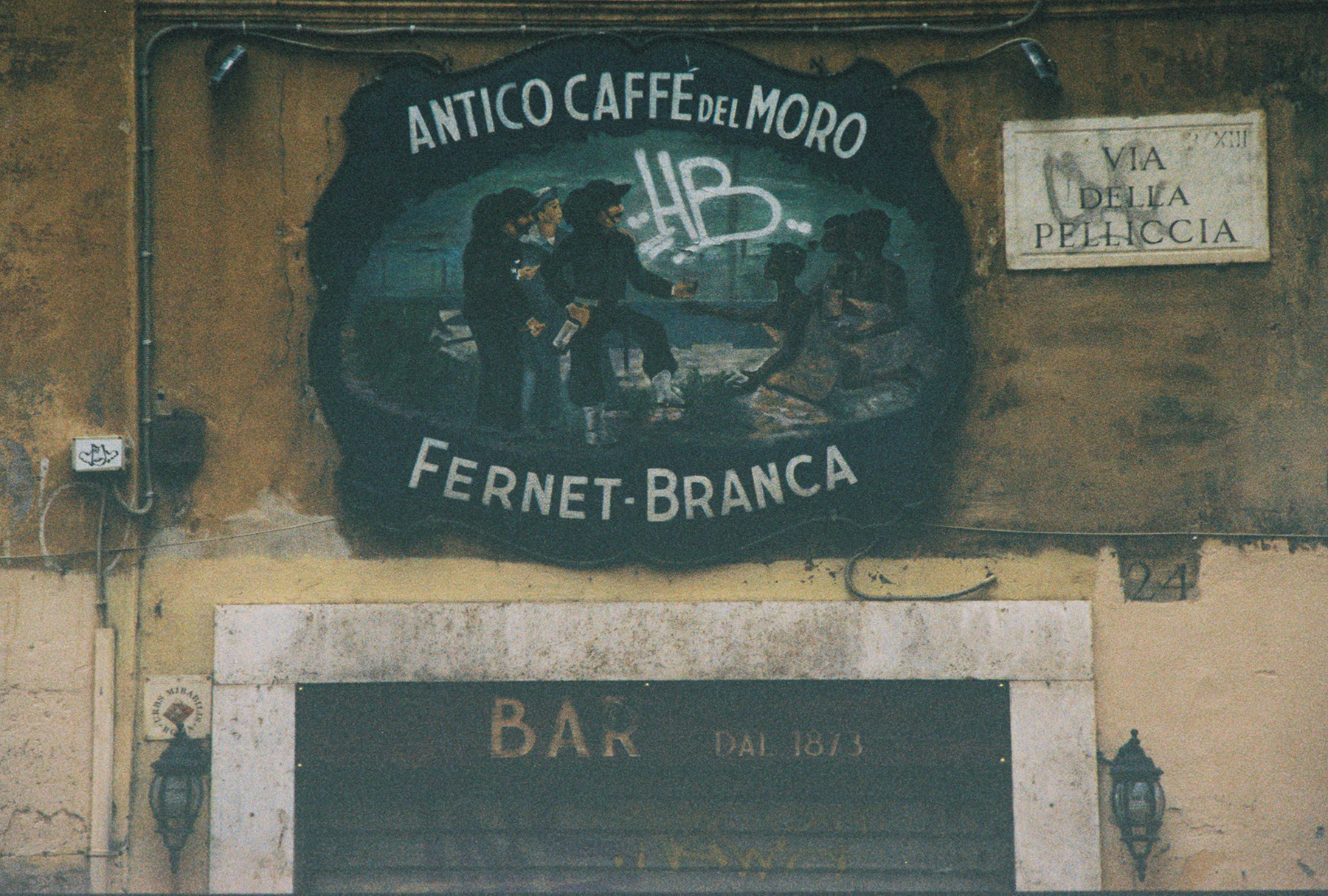
Coolest cafe sign ever. It’s always closed when I find myself in Trastevere unfortunately!

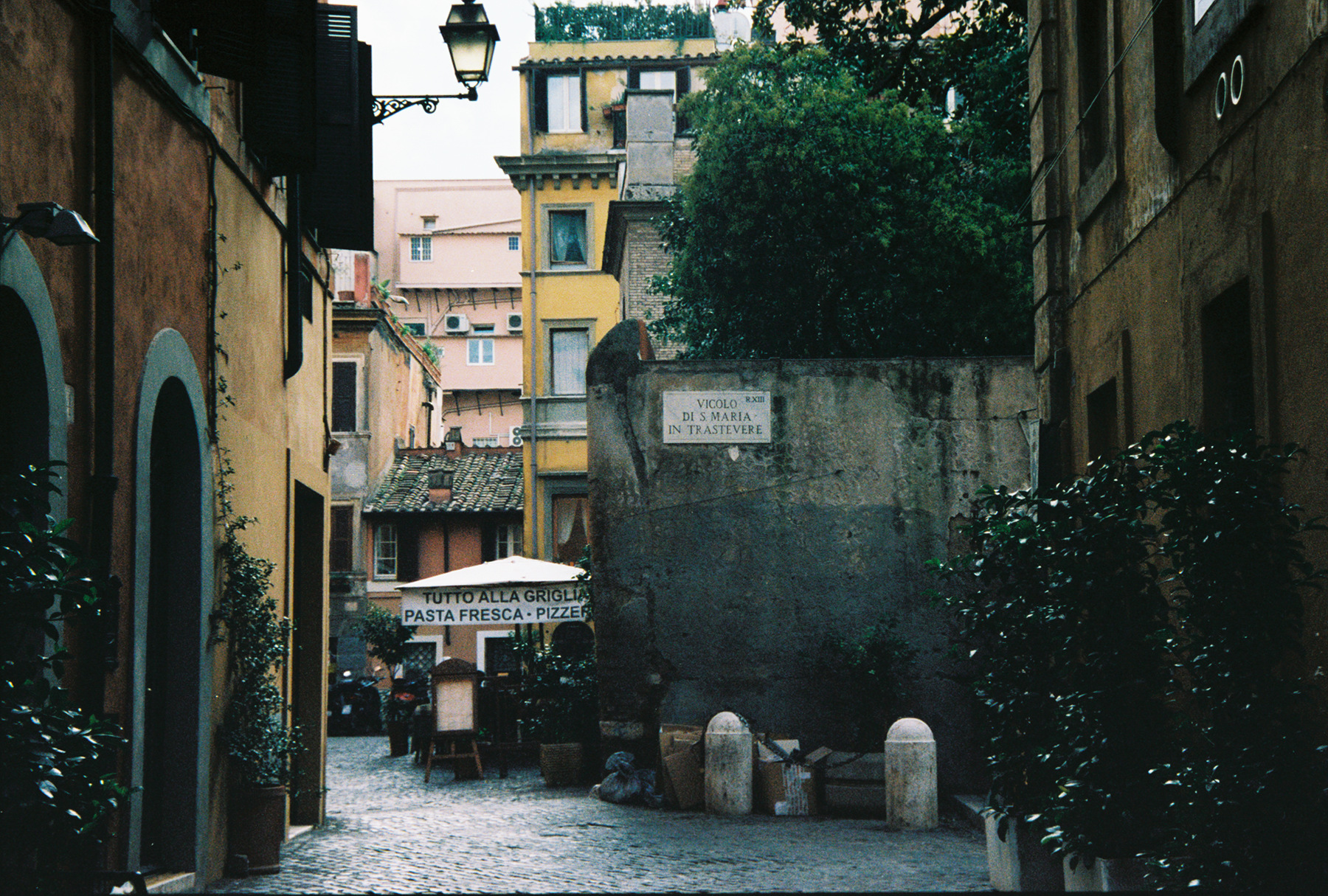
FH030011

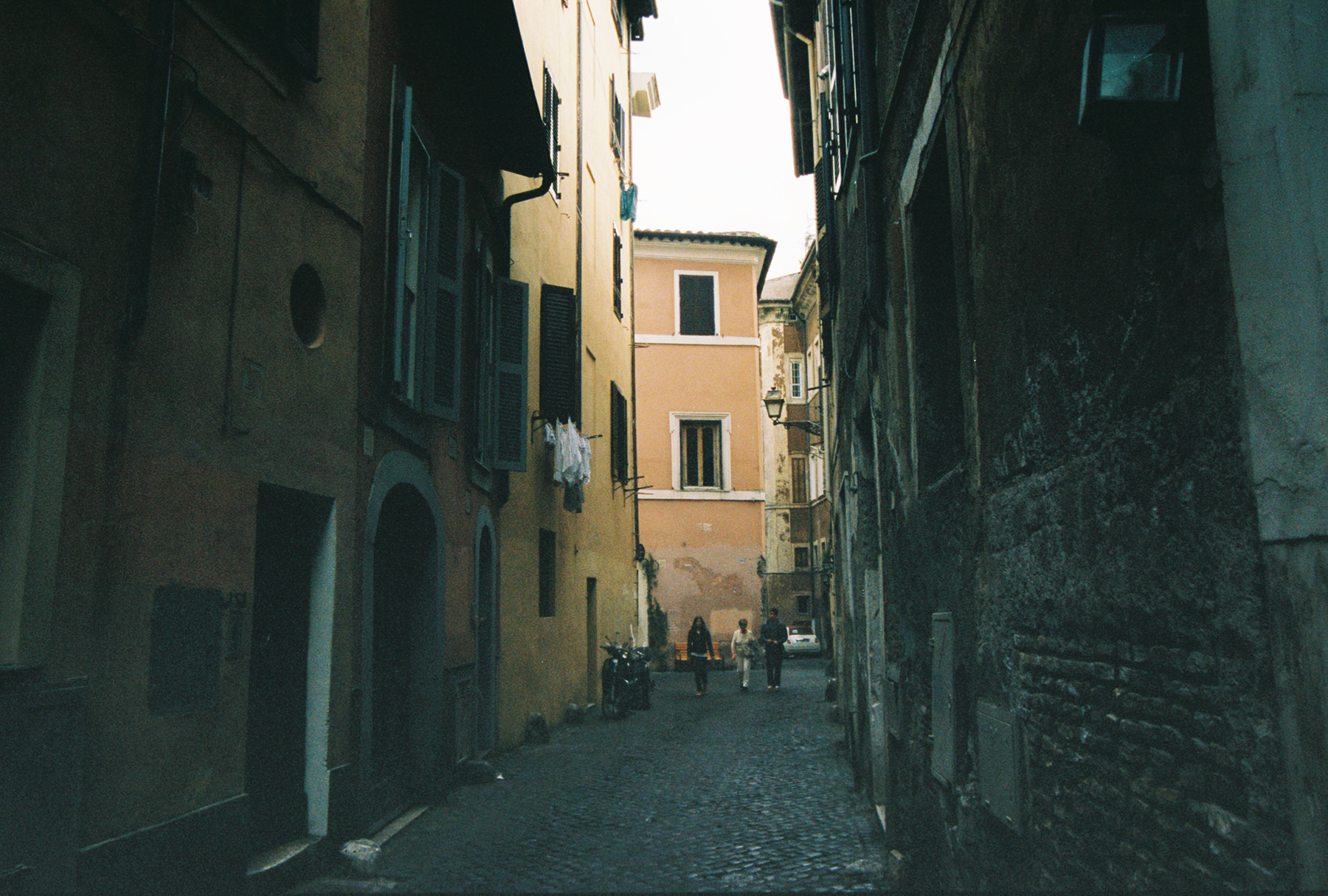
Yes, it IS a terribly romantic place to get lost in. 

FH030012

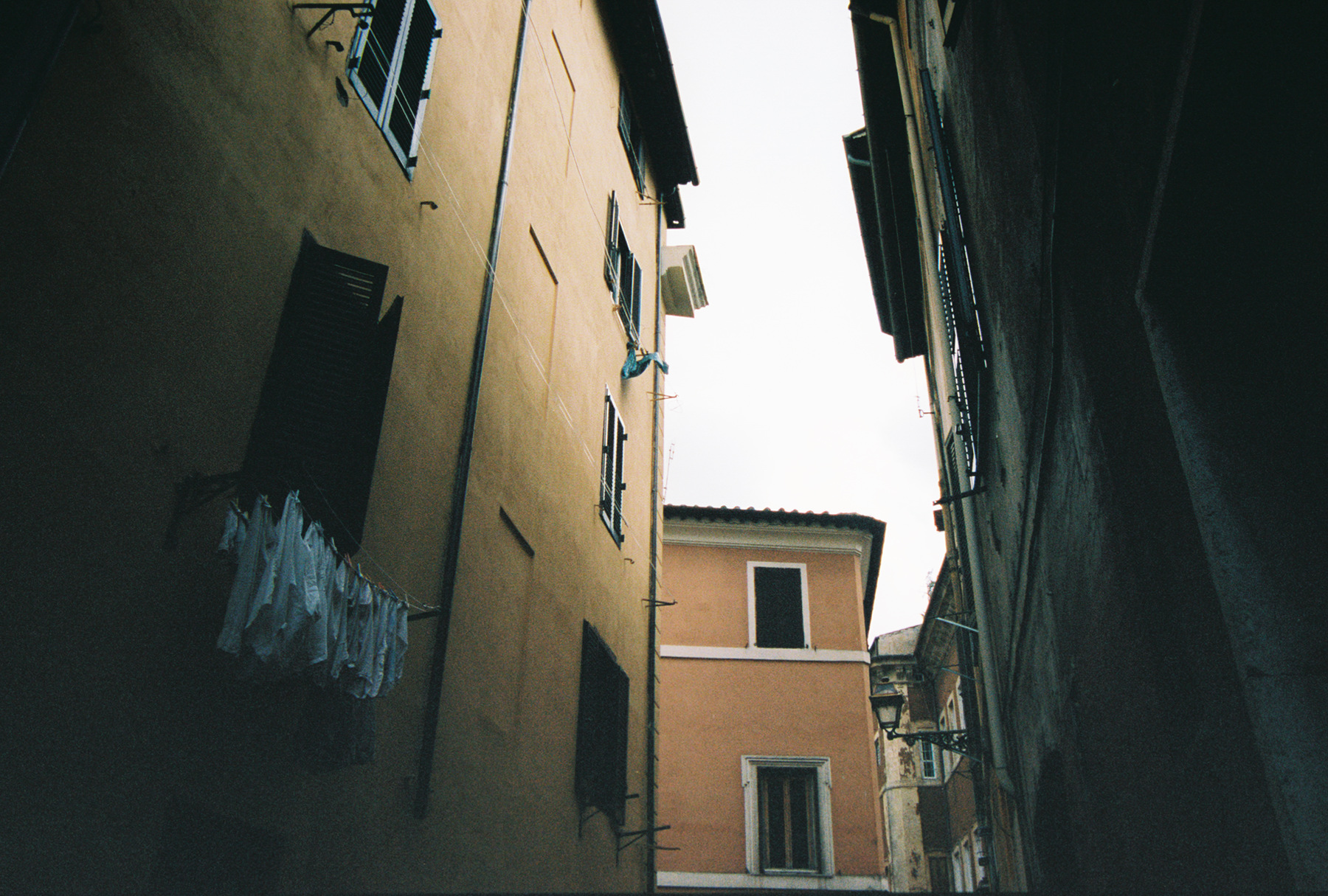
The requisite laundry shot because I never, ever, ever tire of those. 

FH030001

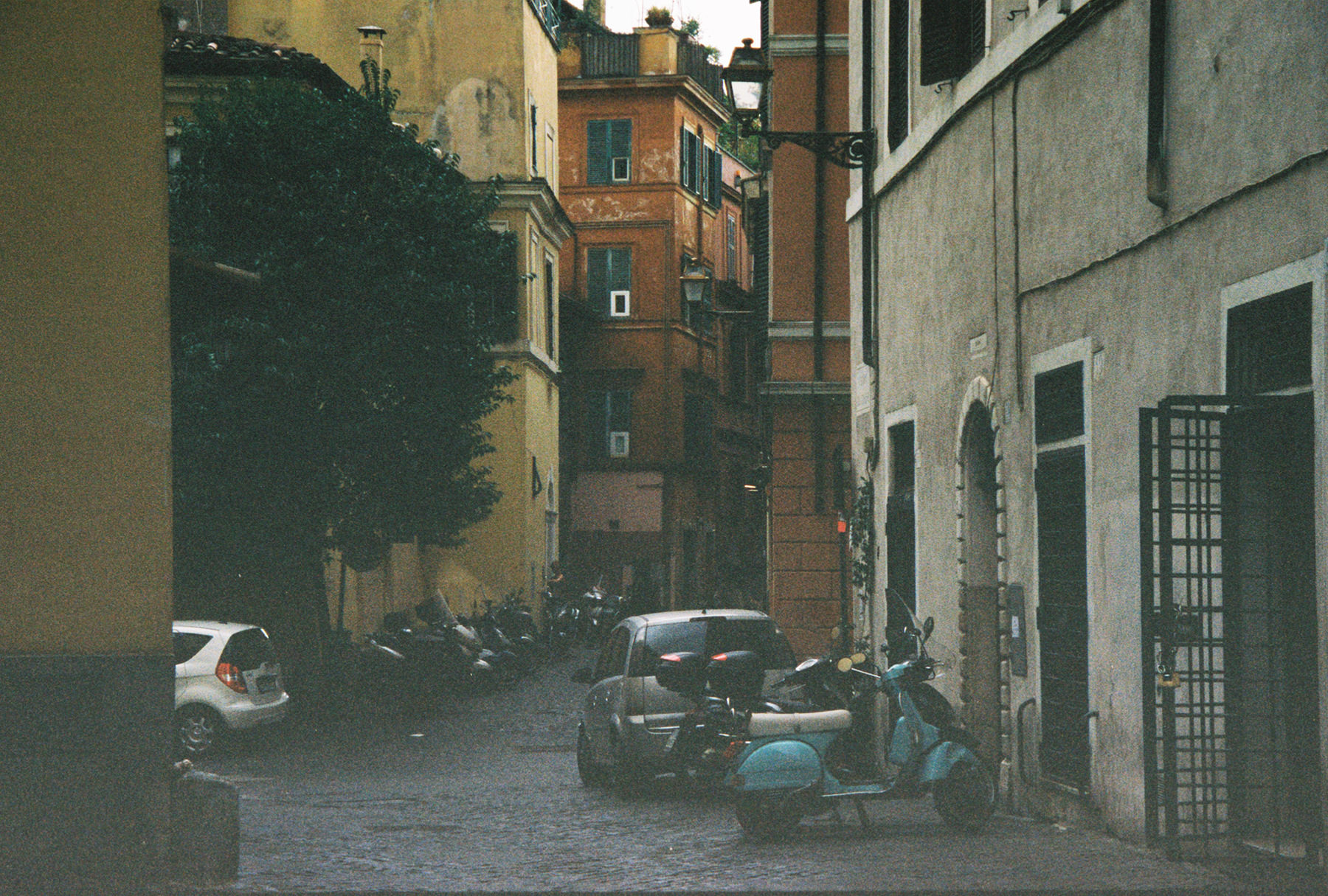
And a light blue vespa! It is Italy after all! It’s a requirement for any tour.

FH030004

Rome – where the masterpieces are both outdoors and indoors for your viewing pleasure and contemplation. This is why I love the eternal city. It is made up of a thousand moments of aesthetic joy.

FH030019

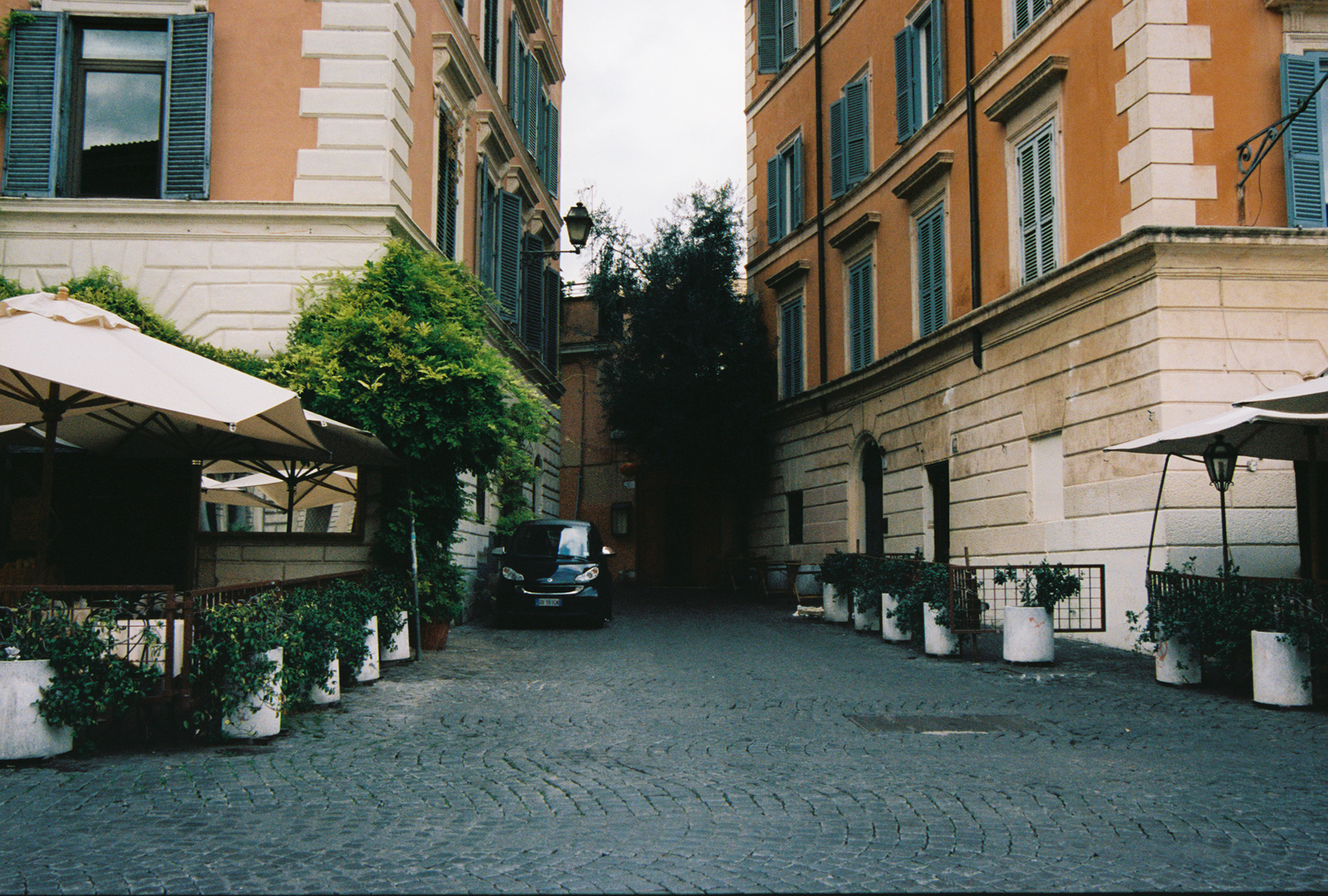
These were all shot on my 35 mm film camera on a dull, grey, rainy afternoon and still the color and hues shine through the haze! 

FH030010

Just sequester me here to this flat with the garden-y window for a season or two… I will be happy. I’ll walk the streets in the morning, pop into churches and museums in the afternoon and sit Juliet style by this window at night. 

I miss the village green,
And all the simple people.
I miss the village green,
The church, the clock, the steeple.
I miss the morning dew, fresh air and Sunday school.

And now all the houses
Are rare antiquities.
American tourists flock to see the village green.
They snap their photographs and say “Gawd darn it,
Isn’t it a pretty scene?”

-The Kinks

//photographs copyright rebecca price butler …find my work on tumblr & pinterest … please link & credit me.

In relation to my choosing the very British provincial music quotes is a 10 year old video featuring the song and the very amazing Lord Whimsy. 


Artemisa Gentileschi (en français)

An excellent little art history discussion on Artemisia Gentileschi (in french) with high quality sound and photographs. By Anne STEINBERG-VIEVILLE.

Worth a look and a listen even if you don’t speak french – the image comparisons and baroque music still make it compelling.

In honor of International Womans Day! (Which no-one seems to celebrate in America, but I always enjoy in Europe)!

And whilst I am stuck at home in another snowstorm (the house, trees, street are literally blanketed with white) I am going to light a fire, make some tea and work on more posts about Artemisia and the intense stories behind her paintings and on sunny spring time afternoons I’ve spent in Rome chasing art and architecture and the ghost of John Keats. We’ve had some very interesting conversations on the Viale delle Magnolie.

artemisia in rome & naples

One of my favorite artists is the Italian Renaissance painter Artemisia Gentileschi. Over the years her work has been difficult to view – some times because her work was mislabeled or away for restoration or on loan to another museum. Some of her work is in private collections and is spread throughout Italy, France, England and the US. She has a handful of important works in Florence, Naples and Rome. I’ve been obsessed with seeing all her work in person and studying her brilliant work.

I’ll be posting how to mini guides on seeing her work in person at museums (and latest news – a rare, previously unnamed fresco in the Vatican) and retracing her footsteps throughout Italy. A journalist acquaintance (the amazing Mozarella Mamma, American journalist in Rome) was inspired by my fixation on Artemisia to write a series of great articles on “An Italian Heroine.”

tumblr_md3d1fHCl71qznevxo1_1280

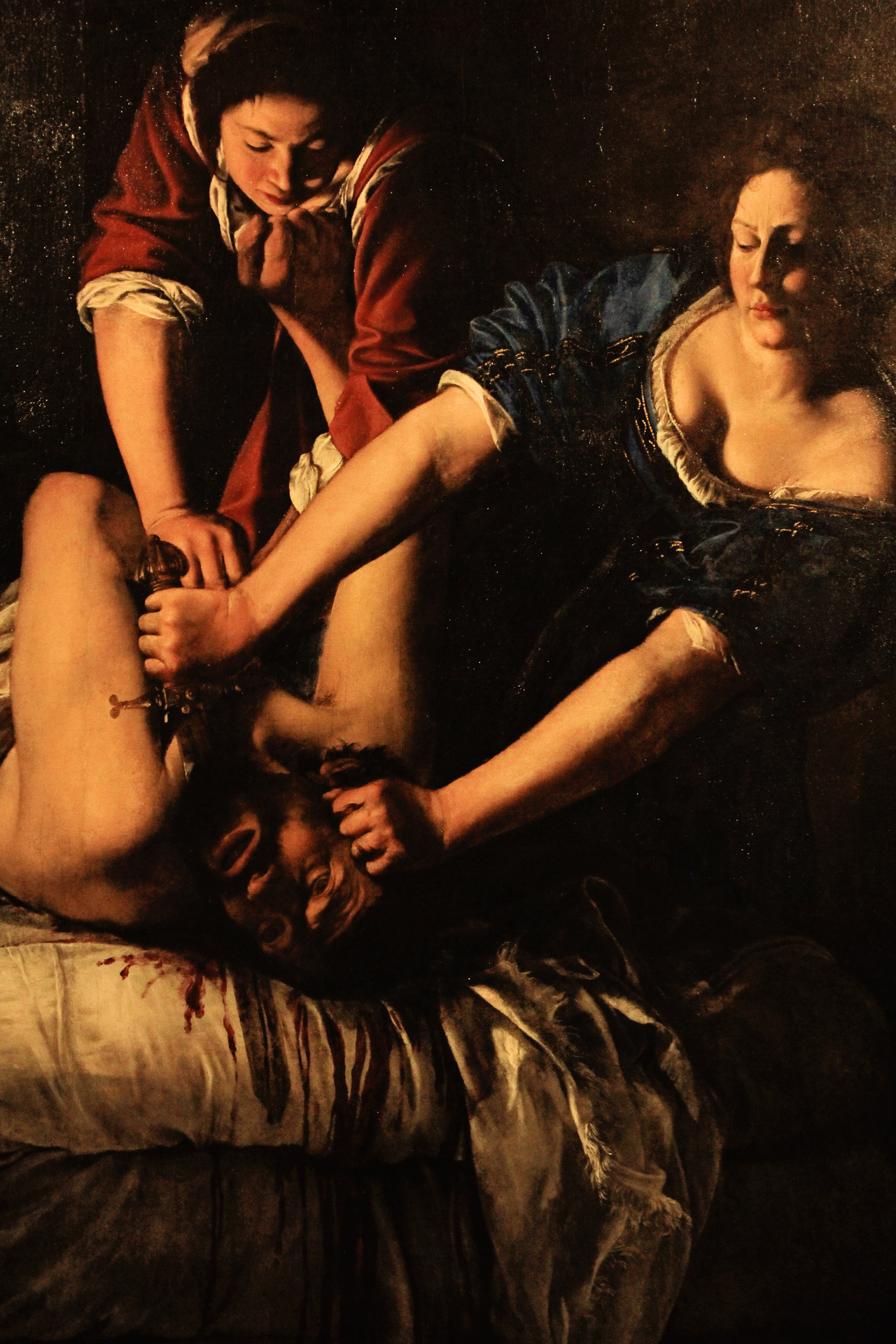
My digital portrait of my favorite artist, Artemesia Gentileschi’s painting Judith Slaying Holofornes in Naples, Italy, October 2012.

Artemisia Gentileschi (1593-1653), Judith Beheading Holofernes , oil on canvas, 158,8 x 125,5 cm, Museo Nazionale di Capodimonte, Naples

Giuditta e Oloferne di Artemisia Gentileschi è un quadro (olio su tela, cm 159 x 126) che si trova a Napoli nel Museo di Capodimonte (inv. Q 378), nella Galleria Napoletana.

READ MORE ON ARTEMESIA: Becoming Artemisia: Afterthoughts on the Gentileschi Exhibition* BY KEITH CHRISTIANSEN (Jayne Wrightsman Curator of Italian Paintings, The Metropolitan Museum of Art)

Read the PDF article: http://www.metmuseum.org/pubs/journals/1/pdf/40034603.pdf.bannered.pdf


tumblr_mho0q0IgKW1qznevxo1_1280

Judith Slaying Holofornes by Artemisia Gentileschi in the Capidimonte Museum in Naples, Italy. There are a few more of her paintings in the next room.

tumblr_mhnqjnxyEB1qznevxo1_1280

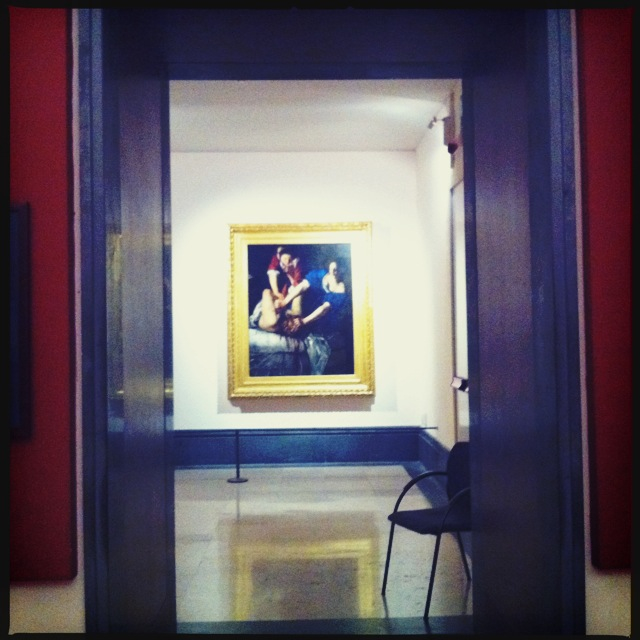
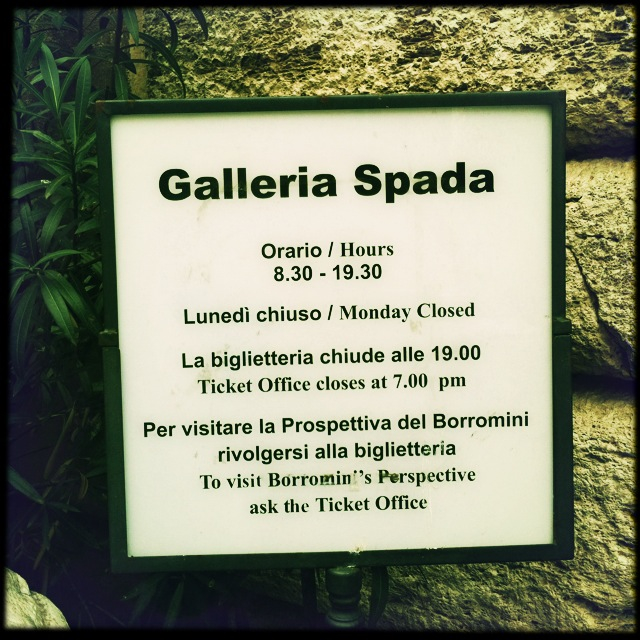
Go see the only Artemisia Gentileschi paintings in Rome at the Spada Museum…

tumblr_mhnqb7roLH1qznevxo1_1280

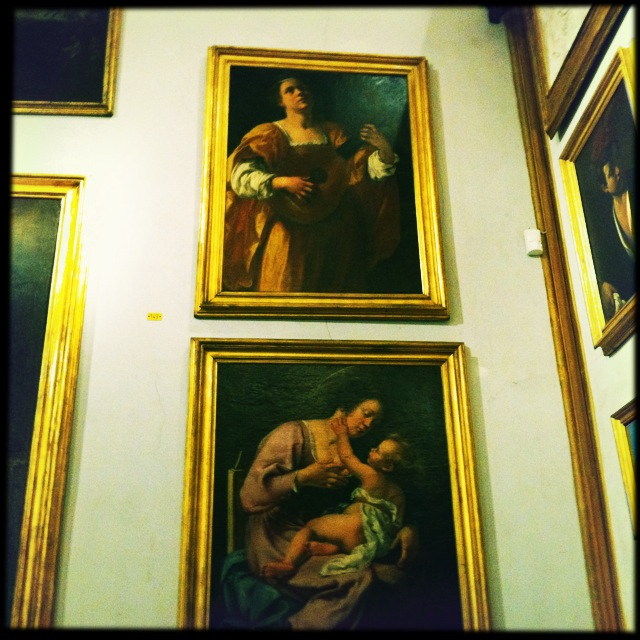
Artemisia Gentileschi’s two paintings at Rome’s Spada Gallery.

tumblr_mcvj5kuzrM1qznevxo1_1280

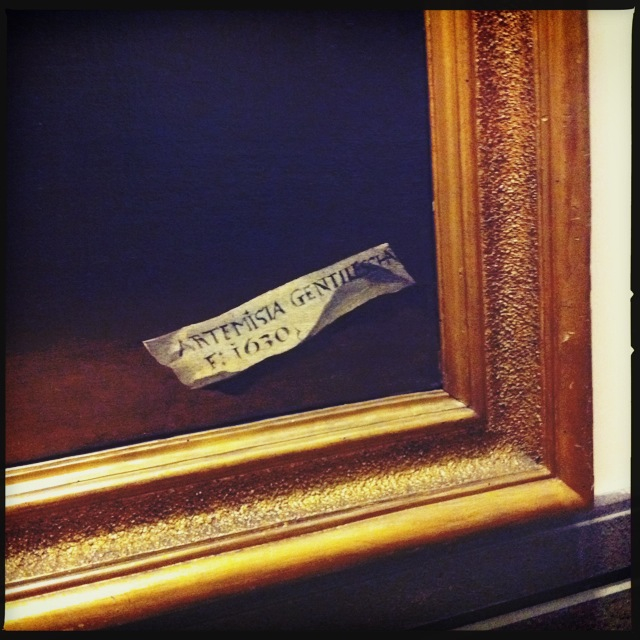
Artemesia Gentileschi, signature, Naples, Italy, Museo Capidimonte

Saint Barbara of the Books

This small church, also known as Santa Barbara alla Regola, after the district in which it is situated, was founded, in the 11th century, in the ruins of the Theatre of Pompey. (It was in an annex in the gardens of the Theatre of Pompey that Julius Caesar was assassinated).

Saint Barbara of the Books, Rome, Italy. 186 Largo dei Librai

The church is just off Via dei Giubbonari between Campo de’Fiori and Piazza Cairoli.

This is a small but absolutely stunning church. It’s definitely an off the beaten path small church. One minute you are walking through a charming neighborhood, the next moment your turn the corner and are stopped in your tracks by this glorious architecture. It looks surreal – a tiny church stuck between houses and a yogurt gelato shop. It’s worth a stop, a snapshot and a walk up past the perfect olive trees into the doorway for a look around the interior. The video below is a literal film walk through the church. Armchair travel at it’s finest.

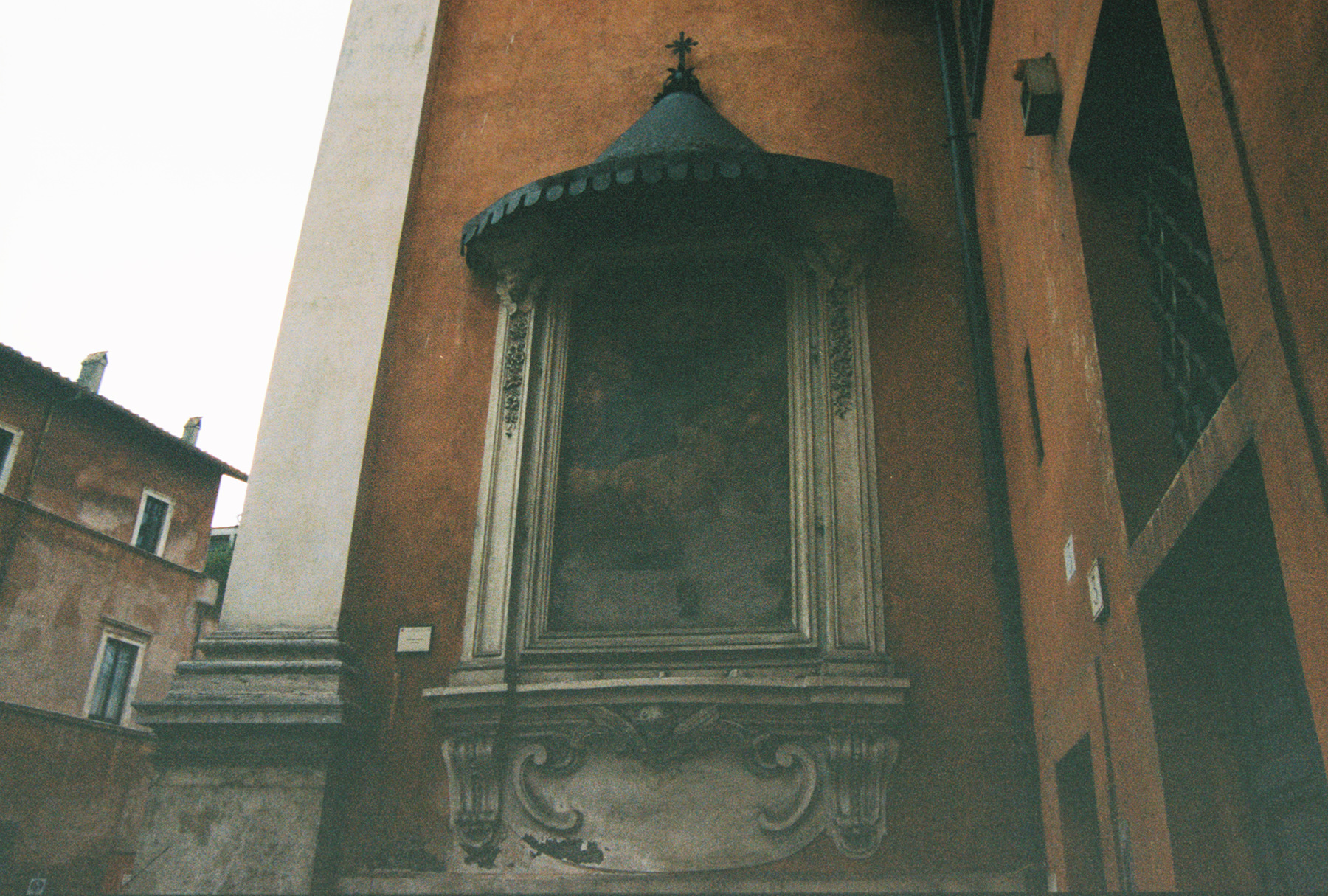
FH010013

//photographs copyright rebecca price butler …

find my work on tumblr & pinterest … please link & credit me. (photographs: portra 400 35mm film)