jet lag from naples & nocciola coffee

I’ve been away in Italy taking lots of lovelyish pictures and collecting interestingish stories for the blog and some travel guides/magazines. Of course after a jet lagged flight from chaotic Napoli to Dublin and nearly missing the connecting flight to Boston I have managed to stumble into the bath, into bed, and into work since I landed on Eastern Standard Time. I dropped off 25 rolls of 35 mm film, mostly varying speeds of posh portra and some fuji and semi-vintage kodaks and the criminally expensive velvia. I have digital files to pour over and edit as per usual after a trip. It takes months, sometimes years to go over everything. The new URL for this blog is alovelettertorome.com)
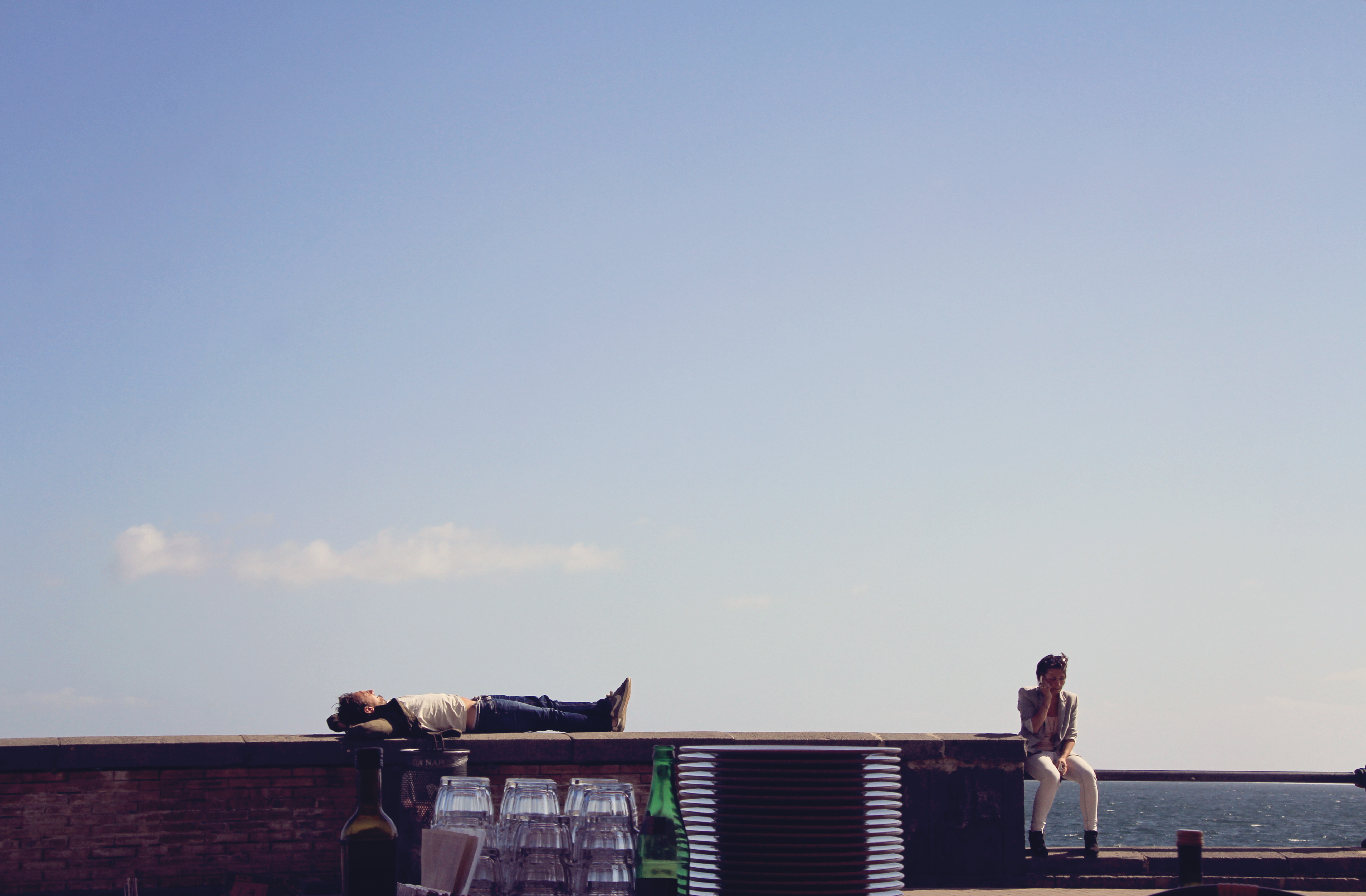
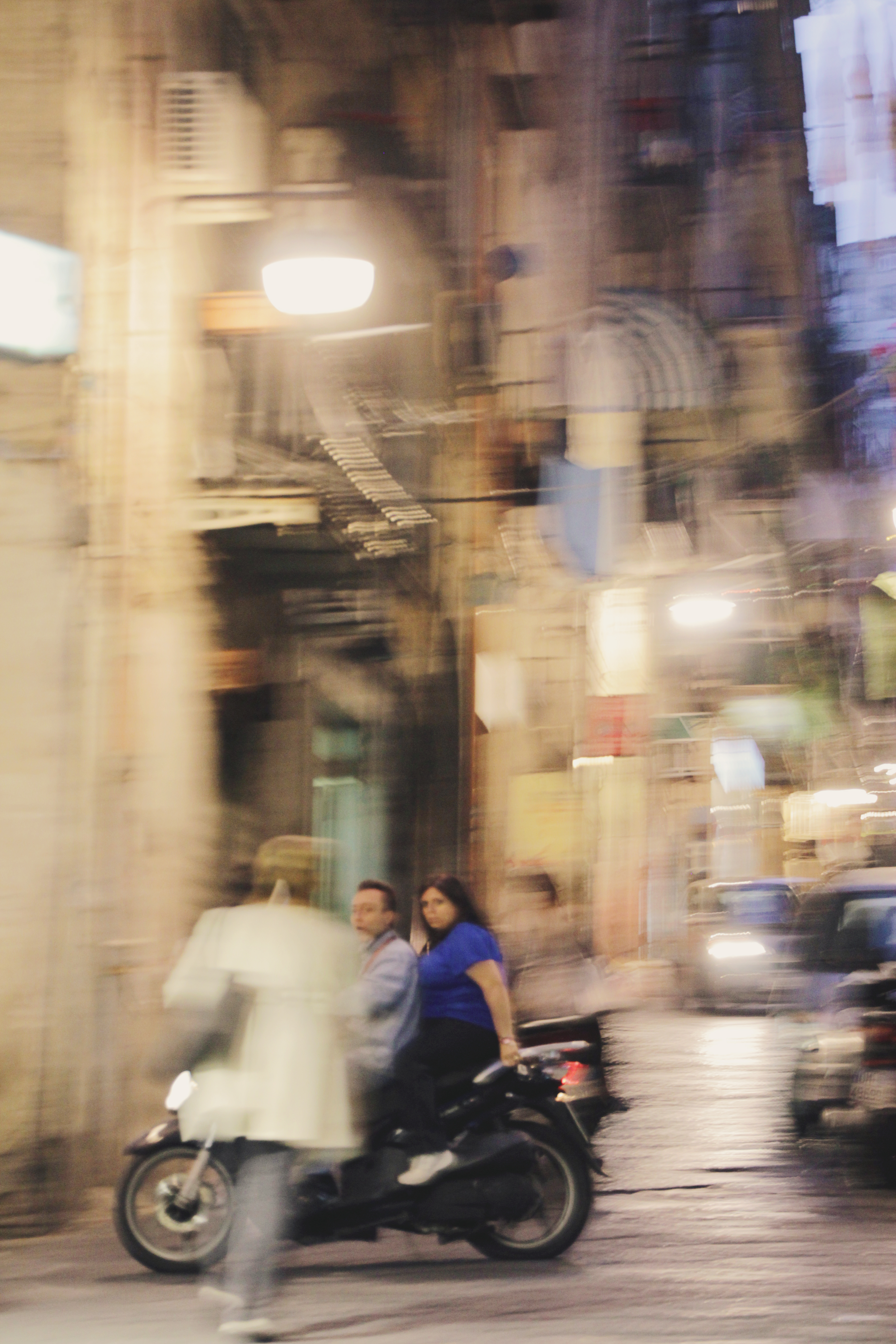
13napoli1The 21st century couple. Napoli, May 2013, while I was devouring something at a cafe. Digital eavesdropping. The Santa Lucia district. An Italian spring afternoon (always superior to a drafty New England one).
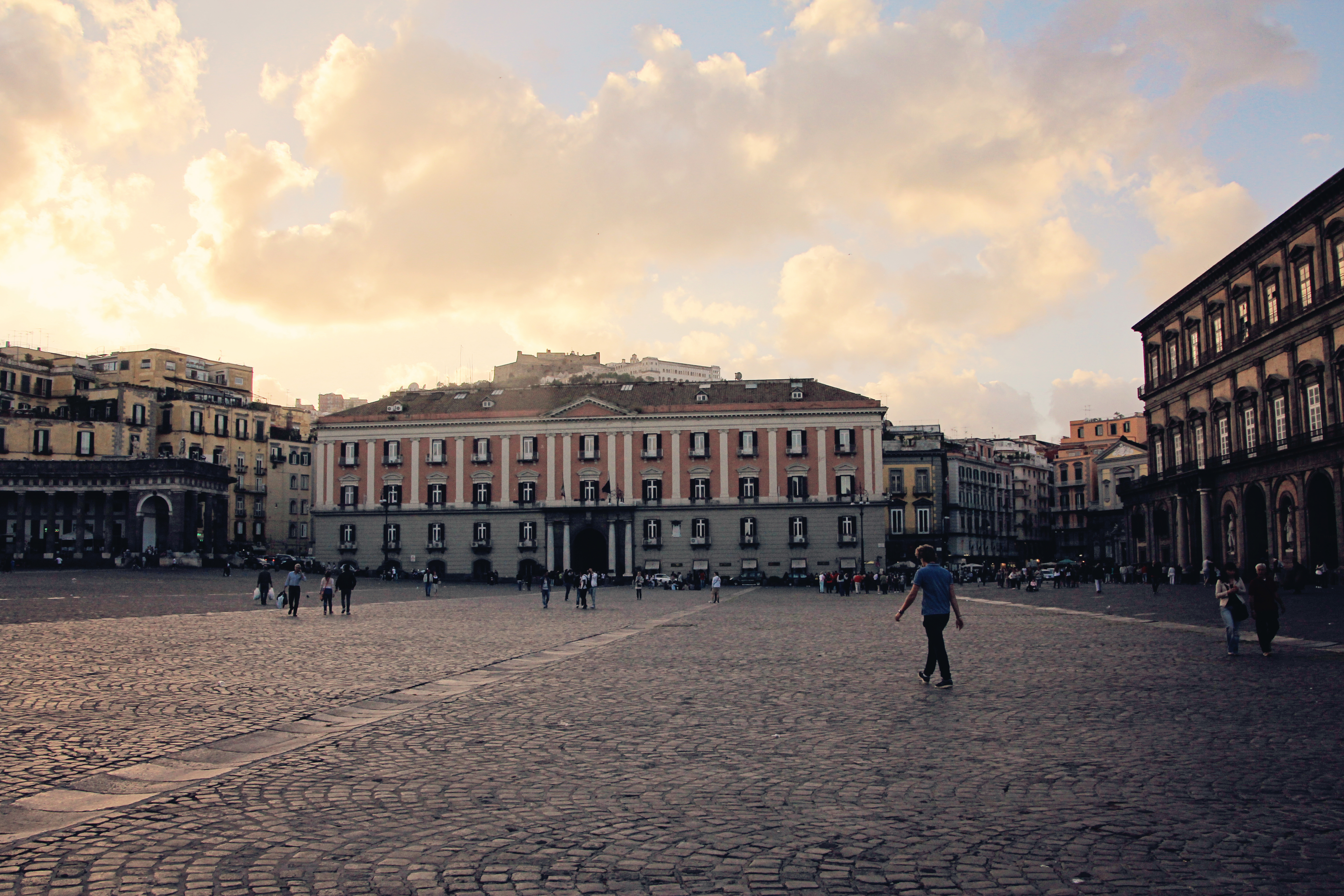
13napoli5

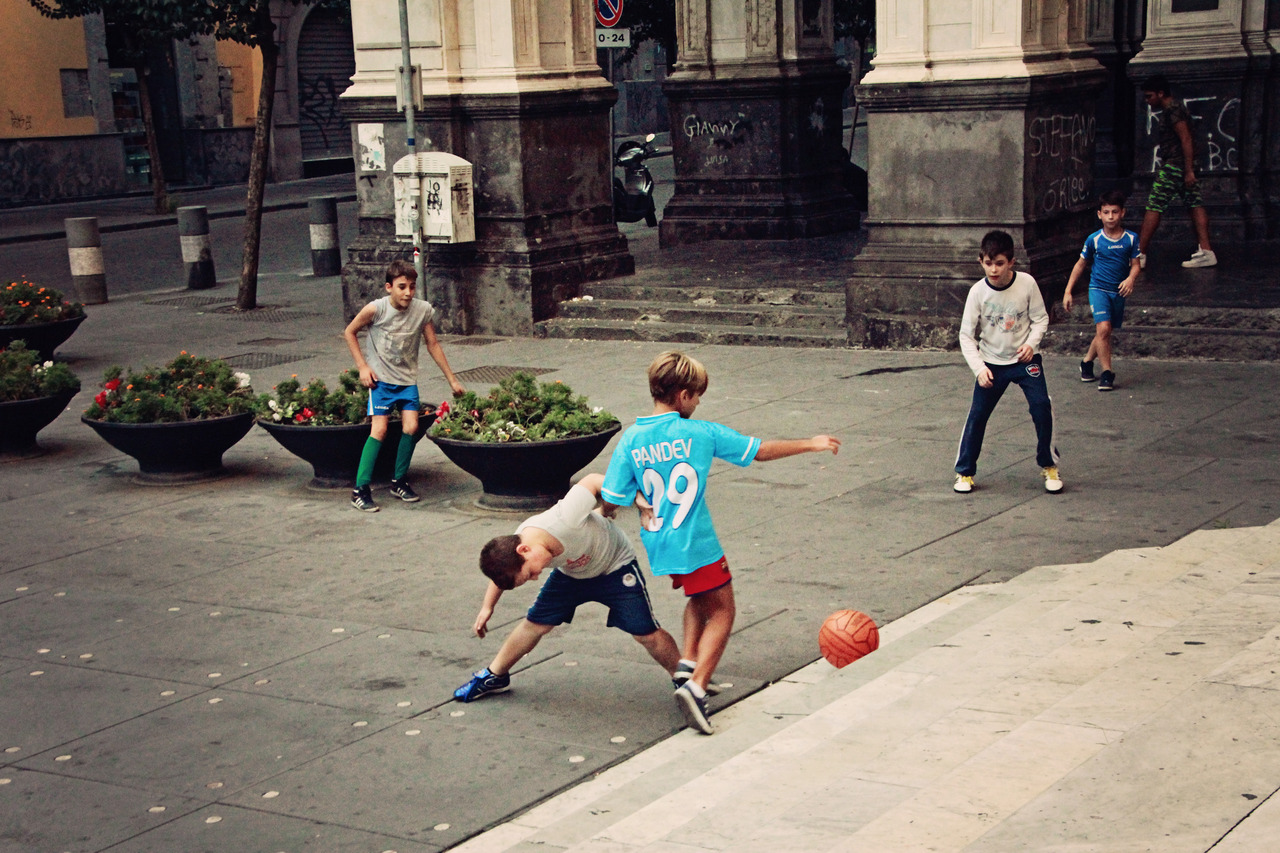
The Piazza Plebiscito. Mostly designed by the French it is quite breathtaking when approaching it from the Santa Lucia district when the sun is setting at the peak of the golden hour on the castle or monastery built on a hill overlooking the Bourban buildings and the city square. The clouds and the stone and the Neapolitans … and the coffee are a marvelous combination. I feel excited when I’m standing there watching and listening. There are always children playing football on the cobblestones and lovers kissing against a light post. Oscar Wilde’s haunt, the art nouveau camp paradise Caffe Gambrinus makes a great sweetened nutty coffee drink – the Nocciola. If you haven’t had a nocciola it’s exceedingly hot espresso with roasted  hazelnuts crushed into a “cream” and a hint of sugar. Served in a girl’s glass and they are absolute heaven. Don’t ever expect to drink them outside of Naples. I’ve had arguments with Romans and Florentines and Milanese and you name it on the veracity of this beverage and on the elusive espresso con panna (espresso with whipped cream). These delicacies do exist and they are unique to decadent Napoli.
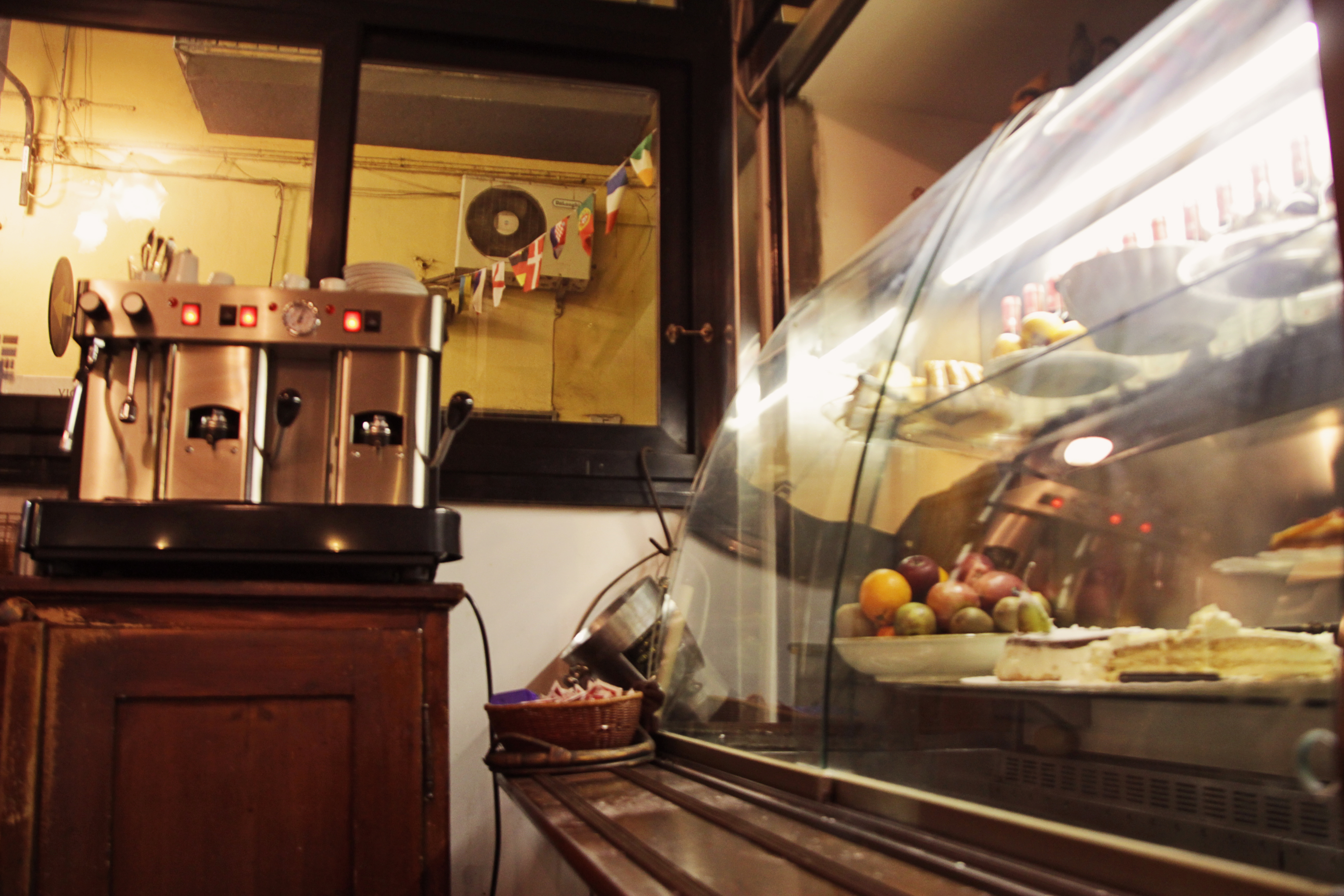
13napoli3You’d think someone who has been drinking coffee since they were six years old (and I’m a youngish 37) would not be excited about good espresso and proper cappuccinos after all this time but when I’m in Naples I am, I am, oh boy, I am.
13napoli2

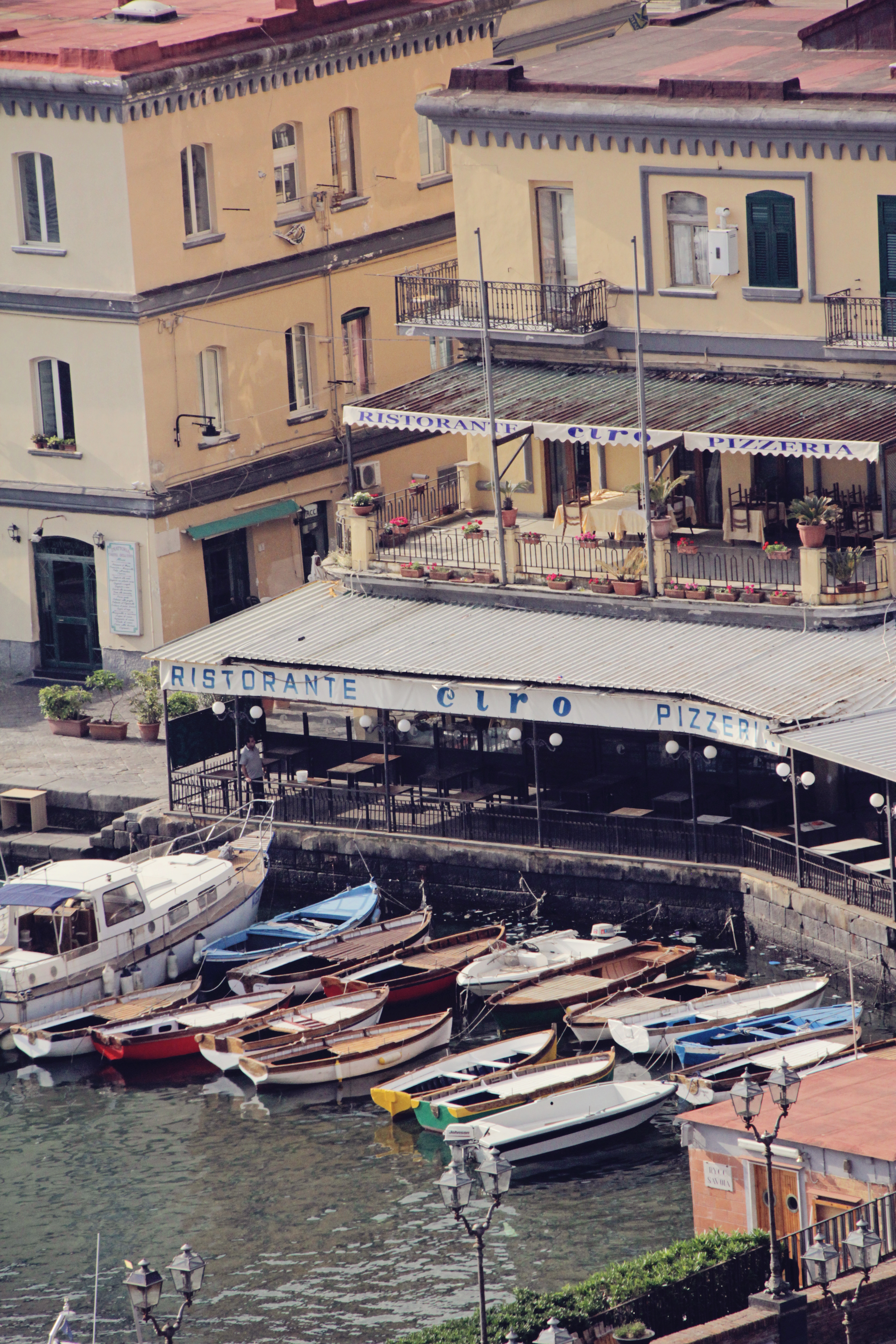
I’m warning you ahead of time, I took an obsessive amount of photographs of fisherman’s boats. And fishermen.
13napoli4

There really is nowhere like Naples.
snapshots of louisiana

noli12

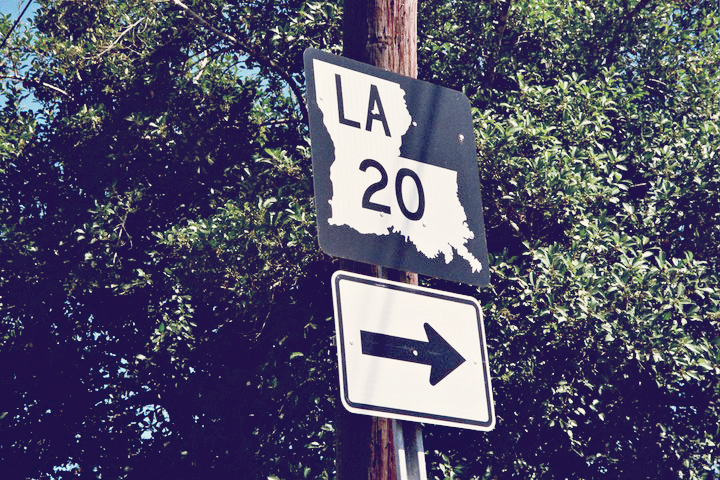
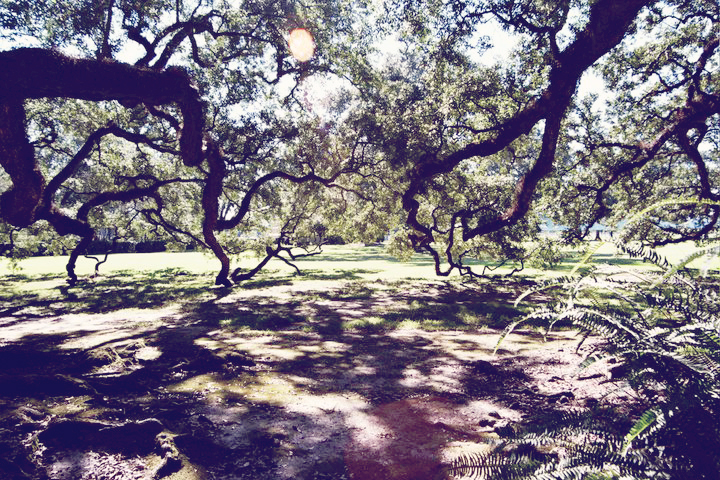
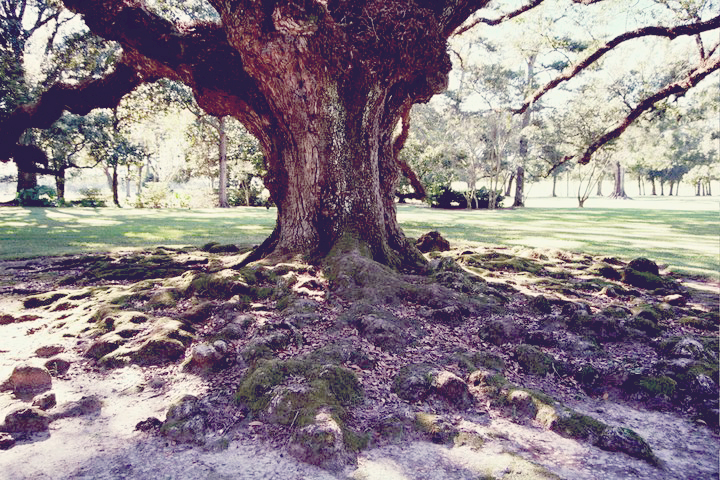
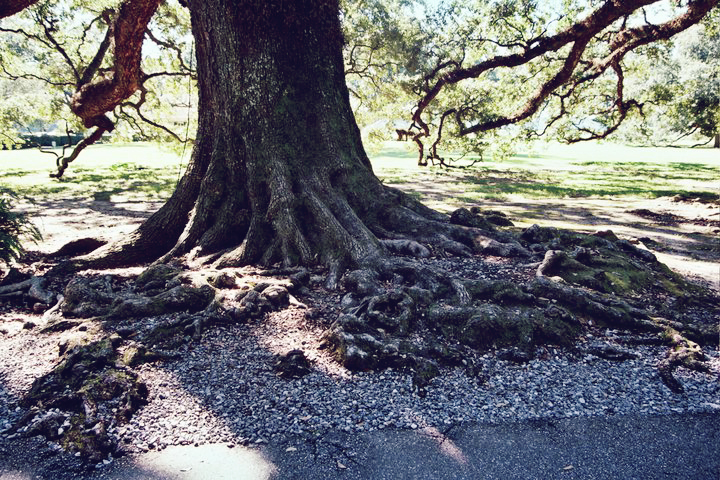
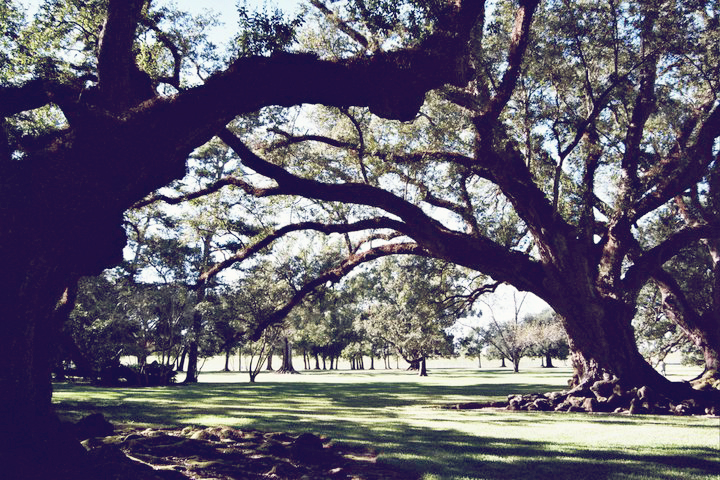
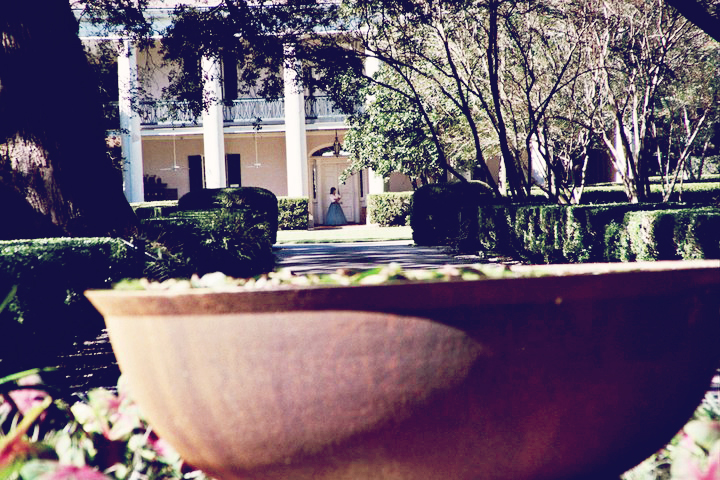
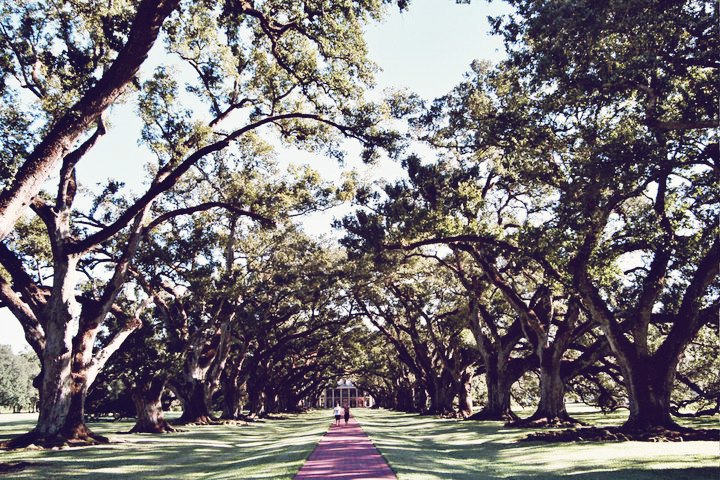
There’s another place I fell in love with on my travels: Louisiana. New Orleans, especially, for it’s architecture, music, food, tropical gardens, iron urns, beautiful cemeteries, for its people and history and passionate embrace of life and death, for its celebrations. I have many shots of the city, these are a few pictures I took in the Louisiana countryside outside of the city in the former “plantation” country. There is not a tree more beautiful or haunting to me than a southern live oak with spanish moss hanging from its branches.

noli13

The iconic shot at Oak Alley (2007 or 2010).

noli14

There’s nothing like the feeling of driving along the backroads of the south listening to delta blues getting lost and feeling the sun on your skin. A true slice of Americana.

noli15

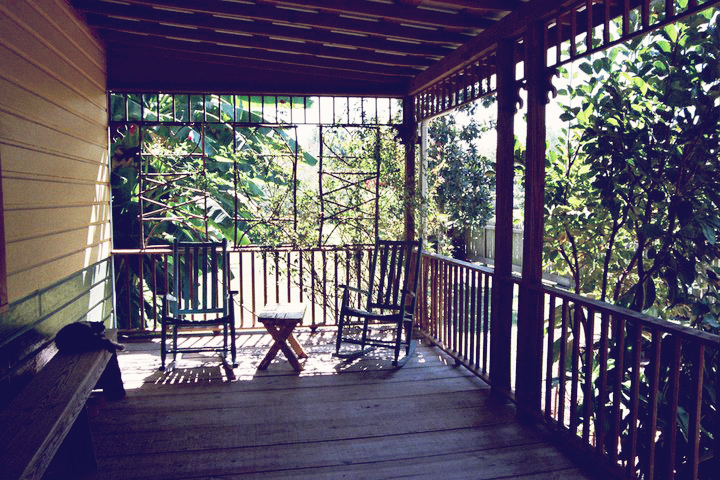
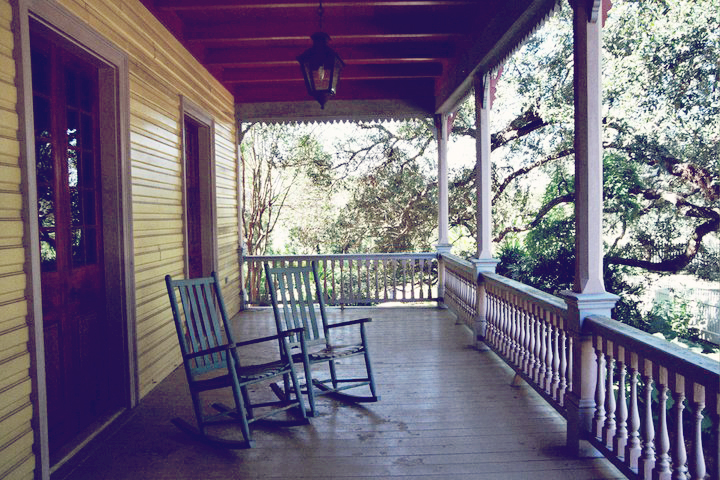
I love country porches.

noli16

Sweet tea and lemonade and a couple of rocking chairs.

noli17

The trees seem to come to life as they reach for the ground like some fairytale ancient creatures.

noli7

The mossy trunks and roots.

noli8

The trees hold centuries of stories and memories.noli9

A beautiful walk: Louisiana is full of perfect, lush, tropical gardens.

noli10

The plantations are picaresque these days but the bitter truth of their origins is something you see when you are on its grounds.  To think civil rights only got started about fifty years ago shows how close we still are to our darker history.

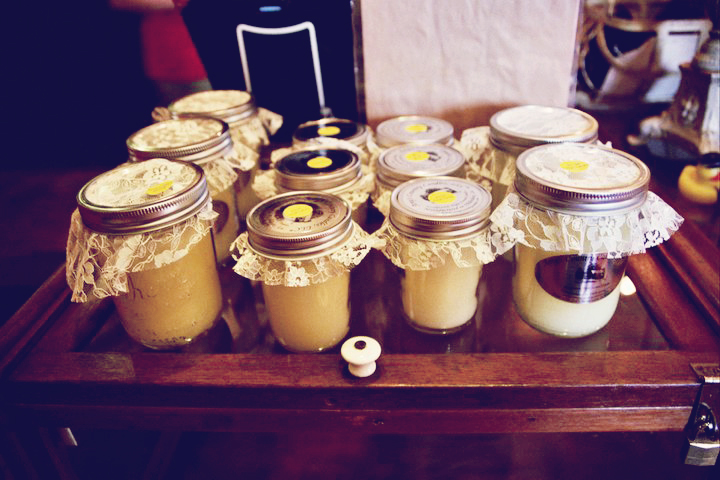
noli11The best smelling country candles, a rich vanilla.

Some time I’ll post my New Orleans photographs of voodoo queens, Saint Louis No. 1, creole cottages, spanish moss, street cars, musicians, cafe au laits, street candids, flora and fauna and more…

naples’ children

tumblr_mc7sf17dQ81qznevxo1_1280

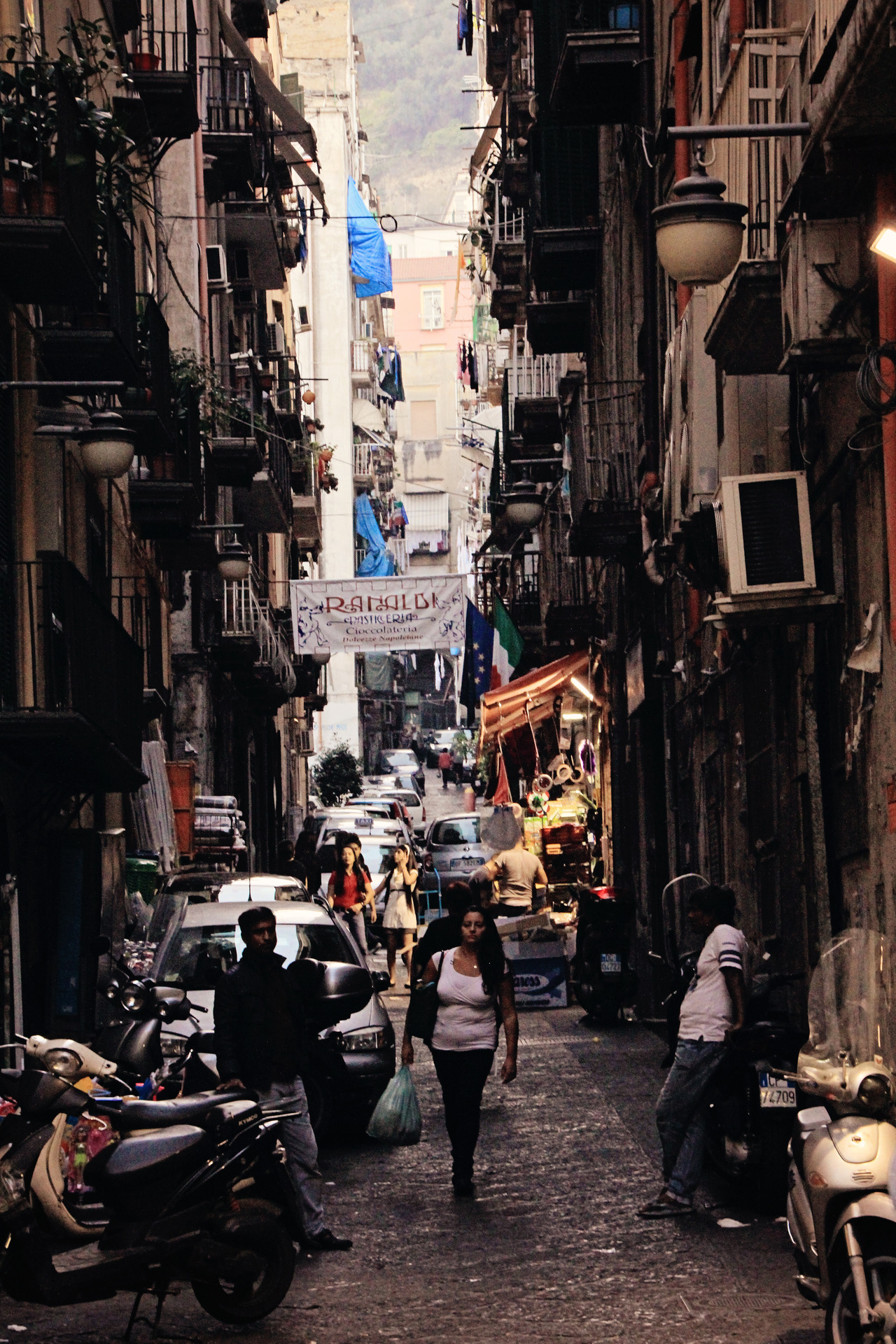
It’s simply impossible for me to tire of the dark, craggy, cramped, decaying alleyways of Napoli. Because I find them so beautiful. What is that expression? Life in the streets. But that’s not subtle enough. That has no emotion. No color. No fragrance. I’m just an American who falls in love with corners of places. Pages in books. The picture I see in everything. What do I know about it? Not much. But I love it all the same.

tumblr_mdgm80uFF61qznevxo1_1280

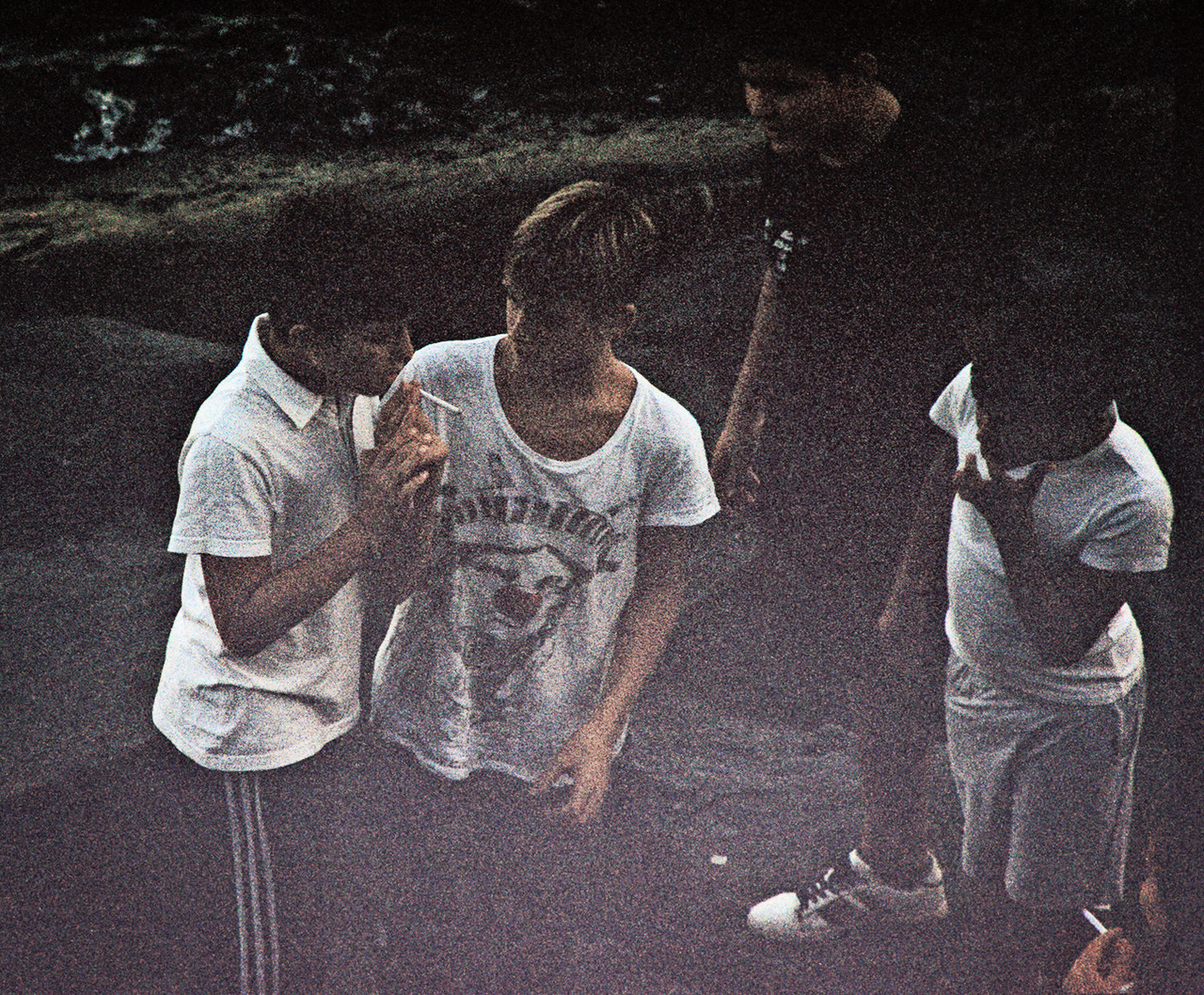
Napoli gang of 11-13 year old boys smoking on the beach for the first time after they robbed a sweets cart.

tumblr_mdgmimMcUp1qznevxo1_1280

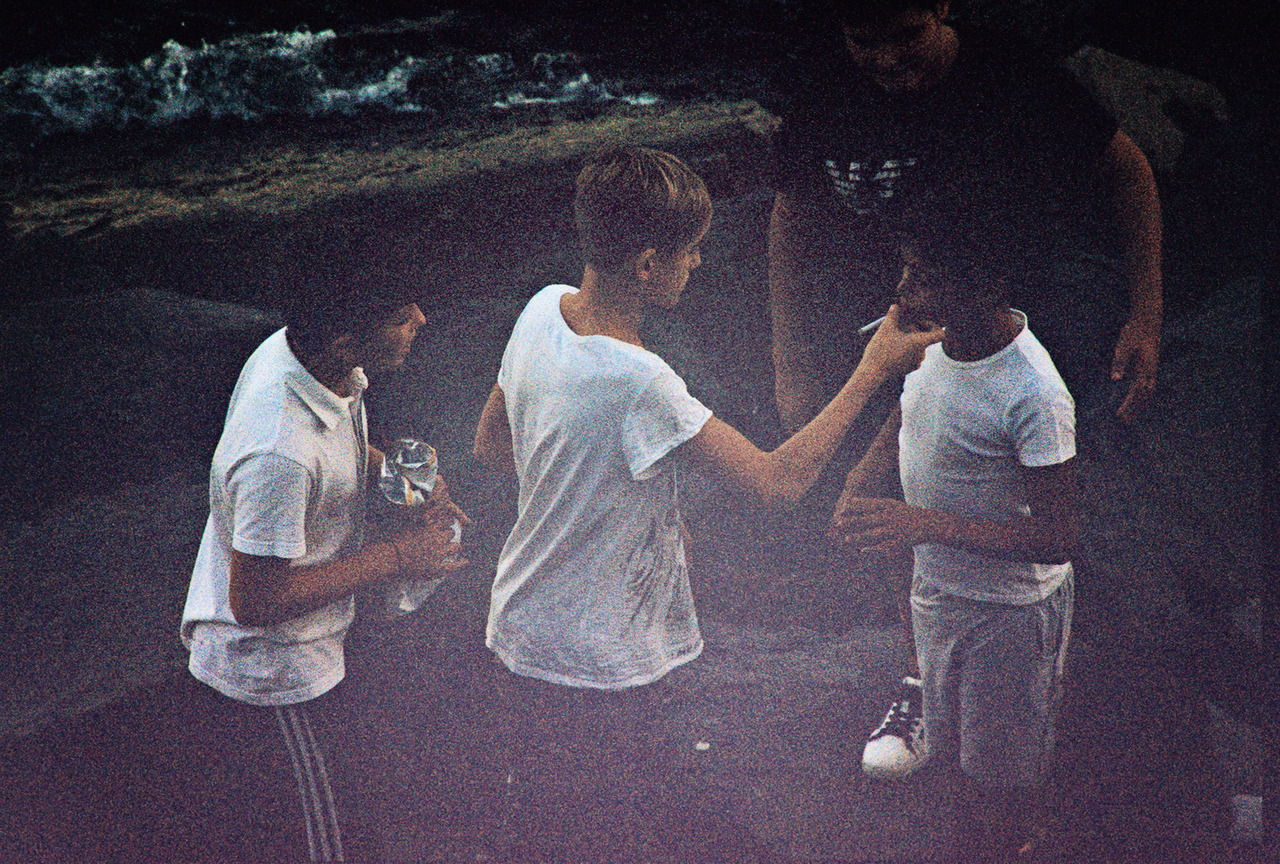
The unofficial leader of the gang, a tall blond boy, teaches the other boys how to smoke after they bummed cigarettes off kissing teenagers and robbed a food cart and cafe of crisps and chocolates.

tumblr_md8jtcWuUM1qznevxo1_1280Boys playing football in the corner of a small piazza.

photographs copyright Rebecca Price Butler

art in rome in may

fbrome


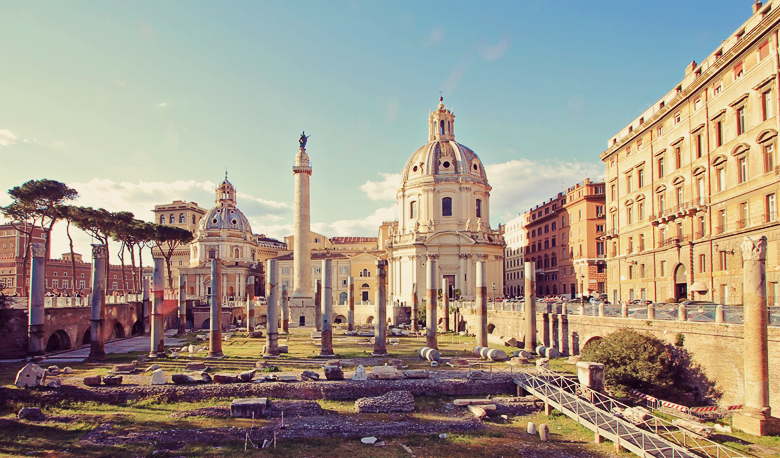
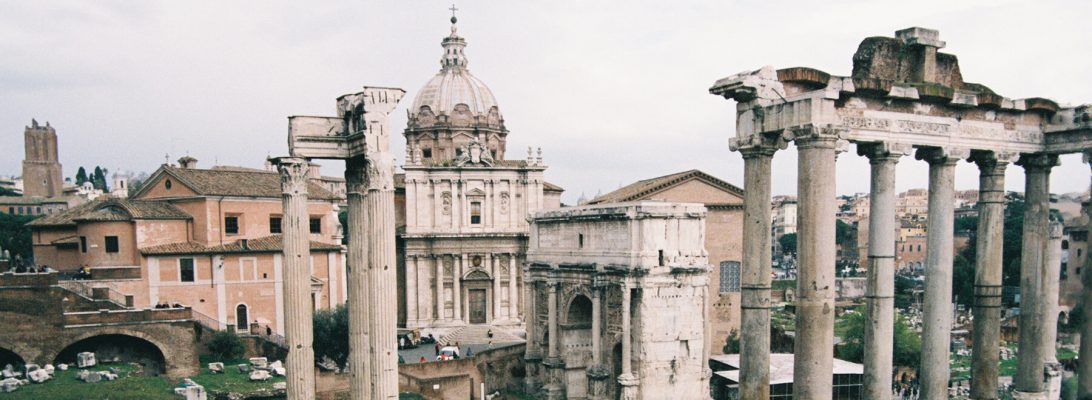
I have thousands of photographs (digital images and film shots on digital files) I am pouring over for this blog and the strictly photo tumblr connected to A Love Letter To Rome. I found this shot of the ruins and cupolas bathed in pink and gold to be a temporary antidote to living in a snow-covered, rainy, icy, slushy, terminally grey winter which is stretching itself past the first rite of spring tomorrow.  Since I have so many shots on multiple hard drives, it’s taking me a while to sort them and organize them for posts. My main vision for this blog is moments in Italy, a walk, drinks at a cafe, a neighborhood, a painting, a quote, a sunset – some long and detailed, some short and simple.


For my upcoming return to Napoli in May I am compiling arts and culture listings for museum exhibitions in Italy for day trips.


Here are some links from great Rome blogs on current art exhibitions:

In Rome Now good info

Revealed Rome good reviews! great articles!

The Pines of Rome “Exhibits on Now” – great blog!!

The Titian exhibit at the Quirinale looks great. I’ve seen nearly all those works at one time or another, but not housed together under one roof.


At the Mattei di Giove

matei1

The Palazzo Mattei di Giove ,Via Michelangelo Caetani 32, other entrance in Via dei Funari, Ghetto, Rome, 00186

Last year I decided on our two visits to Rome I wanted my husband and I to spend some time hunting for off the beaten path spots we’ve not yet visited. I picked up some new books on the subject, City Secrets of Rome by Robert Kahn and Quiet Corners of Rome by David Downie. Upon seeing photographs of this amazing place I had to see it for myself. We started out having a splendid lunch at the Campo di Fiori after picking up gifts and alla’arrabbiata and carciofi alla romana spices at the charming outdoor market. We stopped, as is our custom, under the Bruno statue to pay respect and read the inscription,

A BRUNO – IL SECOLO DA LUI DIVINATO – QUI DOVE IL ROGO ARSE
(English: To Bruno – the century predicted by him – here where the fire burned).

We walked to the Jewish Ghetto section of Rome (an ancient and fascinating section of the city with a complicated history). We had to ask directions several times and still walked by the spot a few times. But, we found the Palazzo Mattei di Giove and it was worth the effort.

FH020012

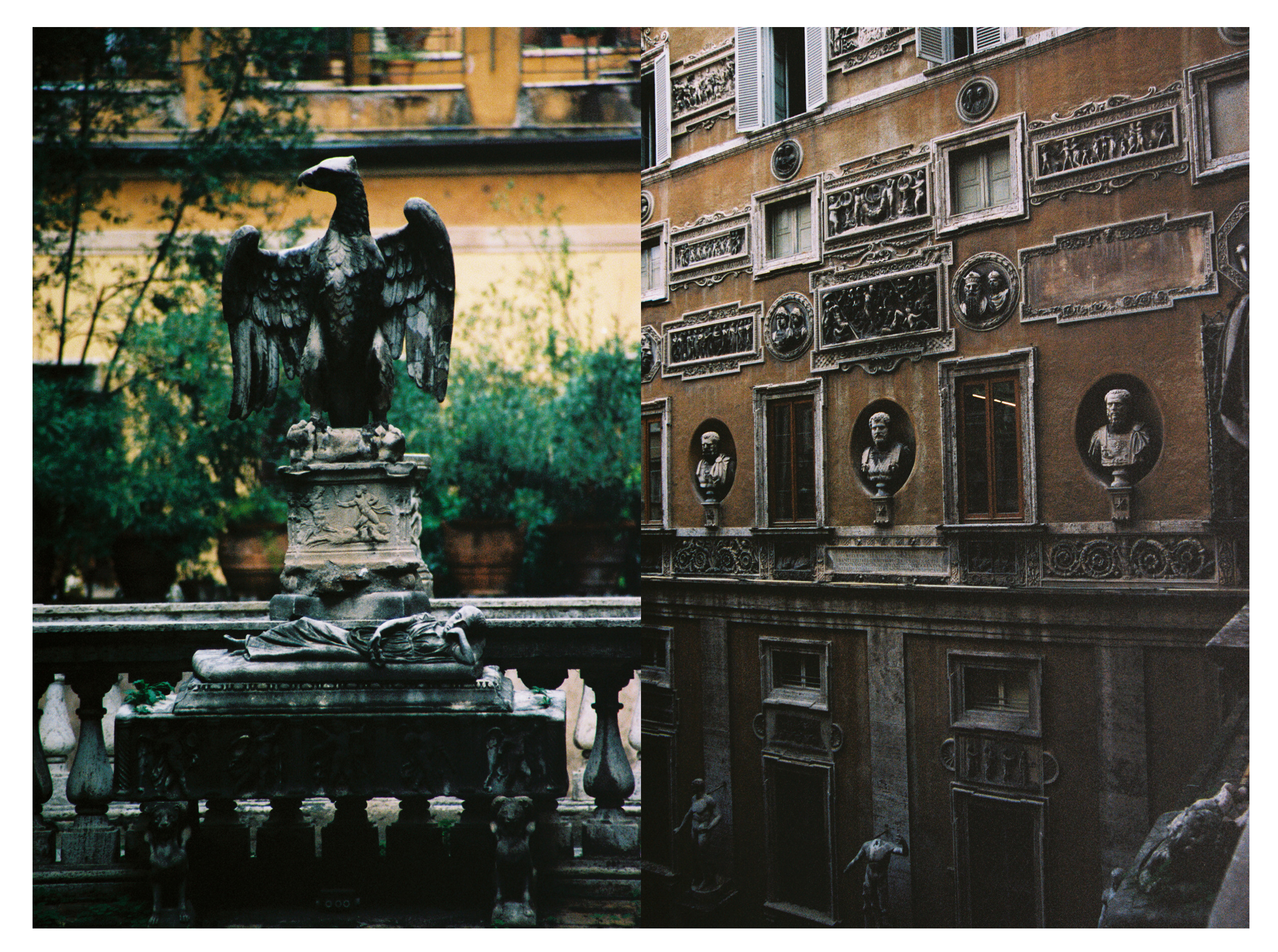
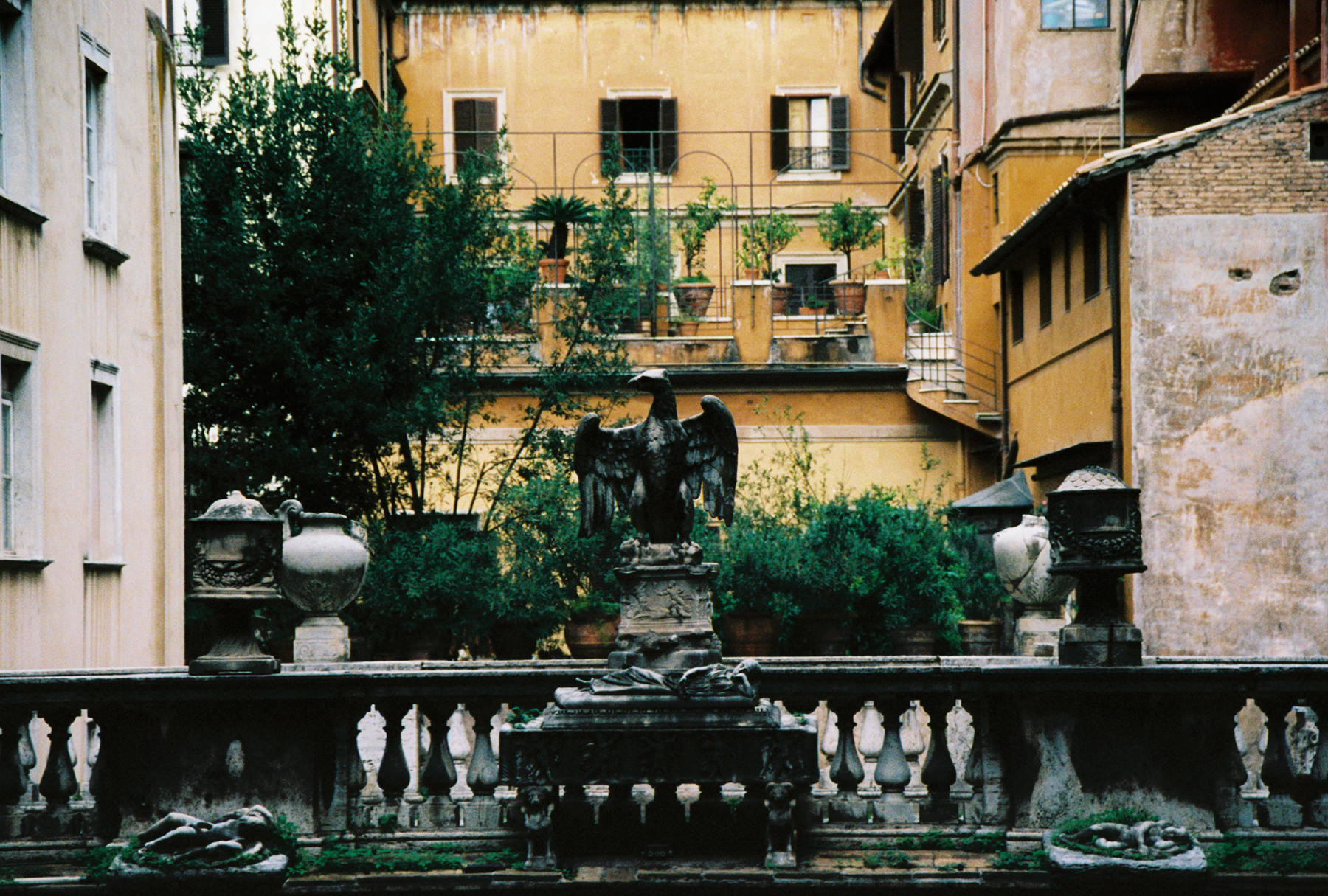
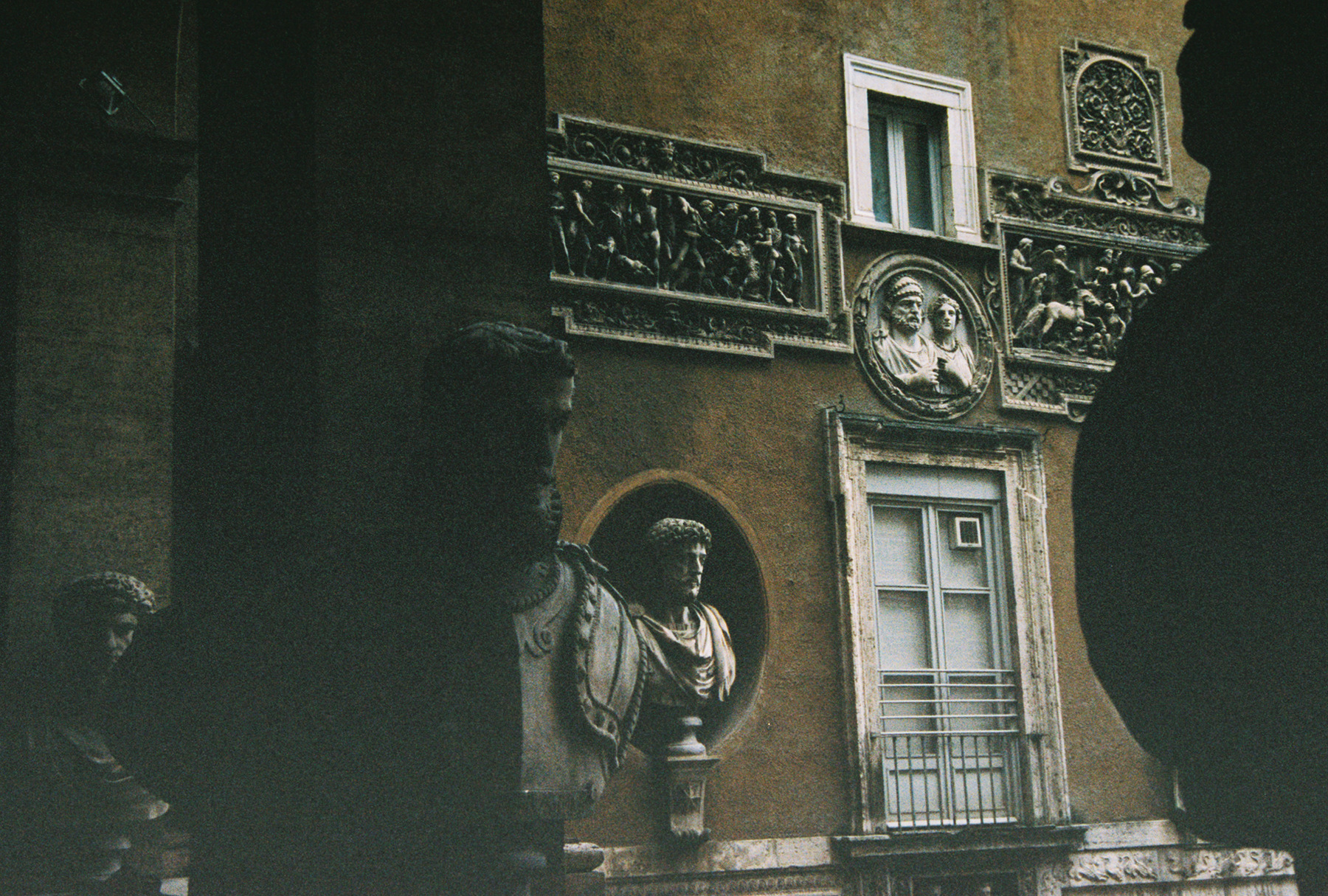
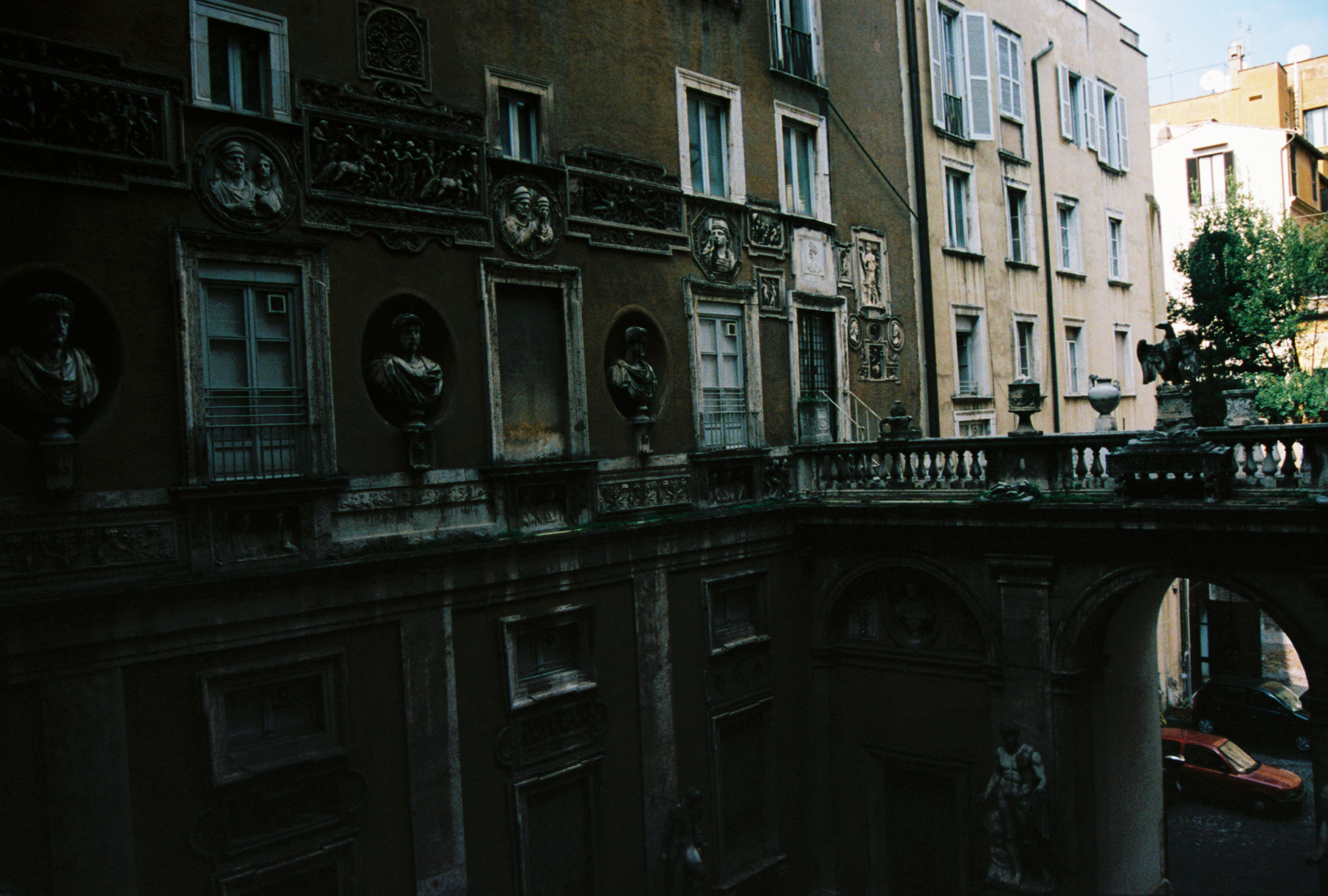
Mattei di Giove, designed by noted baroque architect Carlo Maderno—who also designed the facade of St. Peter’s Basilica—teems with busts, bas-reliefs, and sarcophagi collected by the palazzo’s namesake owner, Marchese Asdrubale Mattei. (Info source: National Geographic Traveler)

FH020015

The House of Mattei was one of the most powerful noble families of Rome during the Middle Ages and early modern era, holding high positions in the papal curia and government office.

The Palazzo Mattei di Giove is the most prominent among a group of Mattei houses that forms the insula Mattei in Rome, Italy, a block of buildings of many epochs.
To distinguish this section from the others it carries the name of a Mattei fief, Giove. The Mattei owned a number of other palazzi that carried the family name including Palazzo Mattei di Trastevere across the Tiber as well as properties in Umbria, the Palazzo Mattei Paganica.

FH020014

Carlo Maderno designed the palace at the beginning of the 17th century for Asdrubale Mattei, Marquis di Giove and father of Girolamo Mattei and Luigi Mattei. He was also the brother of Ciriaco Mattei and Cardinal Girolamo Mattei. It was Maderno who was responsible for the extravagantly enriched cornice on the otherwise rather plain stuccoed public façade, the piano nobile loggia in the courtyard and the rooftop loggia or altana.

nyny1For the interior of the palazzo, Pietro da Cortona was commissioned to execute the pair of compositions on the ceiling of the gallery, dating before 1626. In the early 19th century, a group of paintings from the collection at the palazzo was purchased by William Hamilton Nisbet and removed to Scotland.
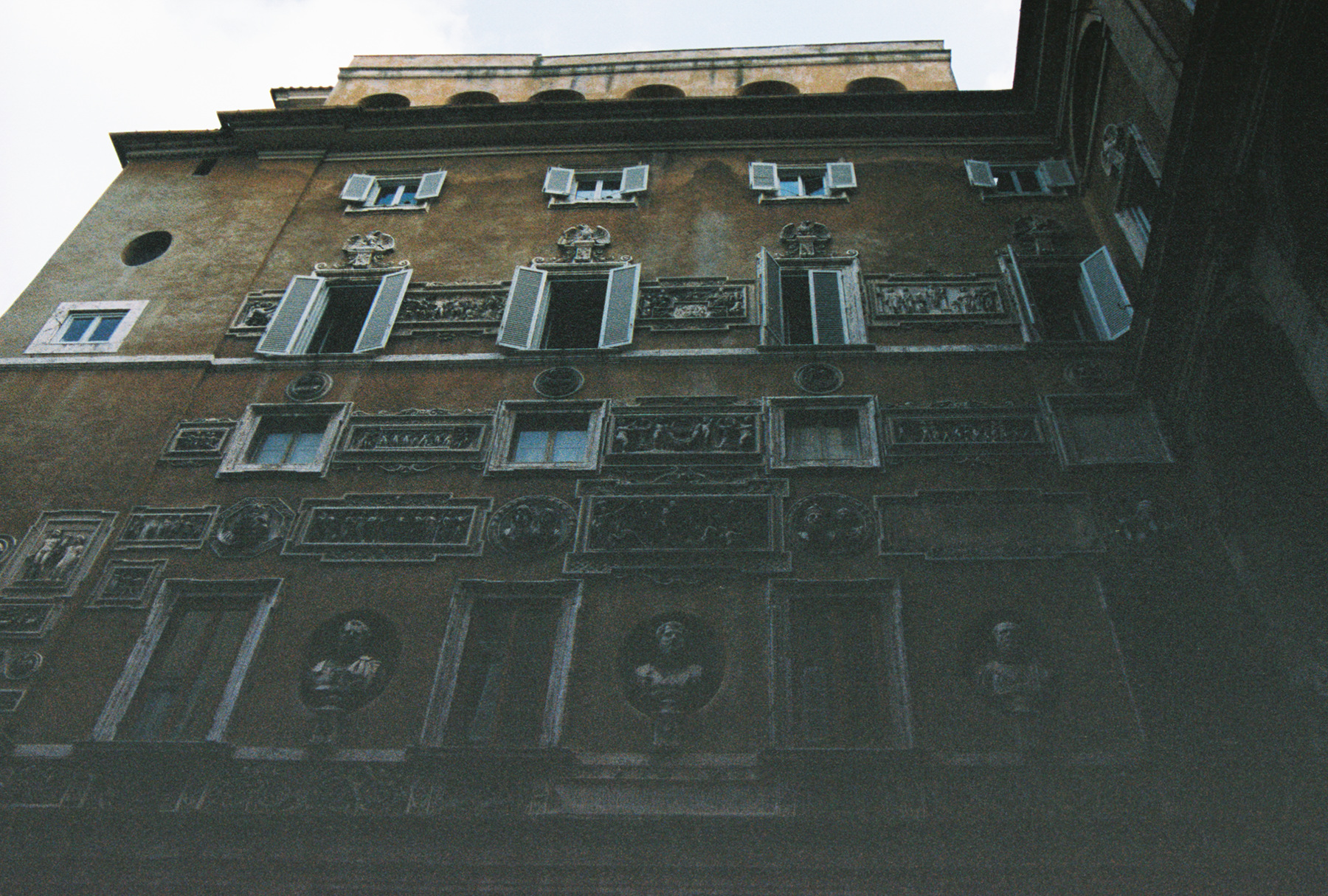
FH020004

Like others of the Mattei family, Asdrubale Mattei was an enthusiastic patron of the arts. Michelangelo Merisi da Caravaggio (better known simply as Caravaggio) is recorded as living at the palazzo in 1601. (source: Wikipedia)

FH020010

The loggia and architectural details are exquisite. This is the kind of place you see in sweeping vintage films set in Rome, the kind of place you read about in the Grand Old Tour by classically educated travelers from the 18th and 19th century. The students who spend time here are so lucky.

FH020003

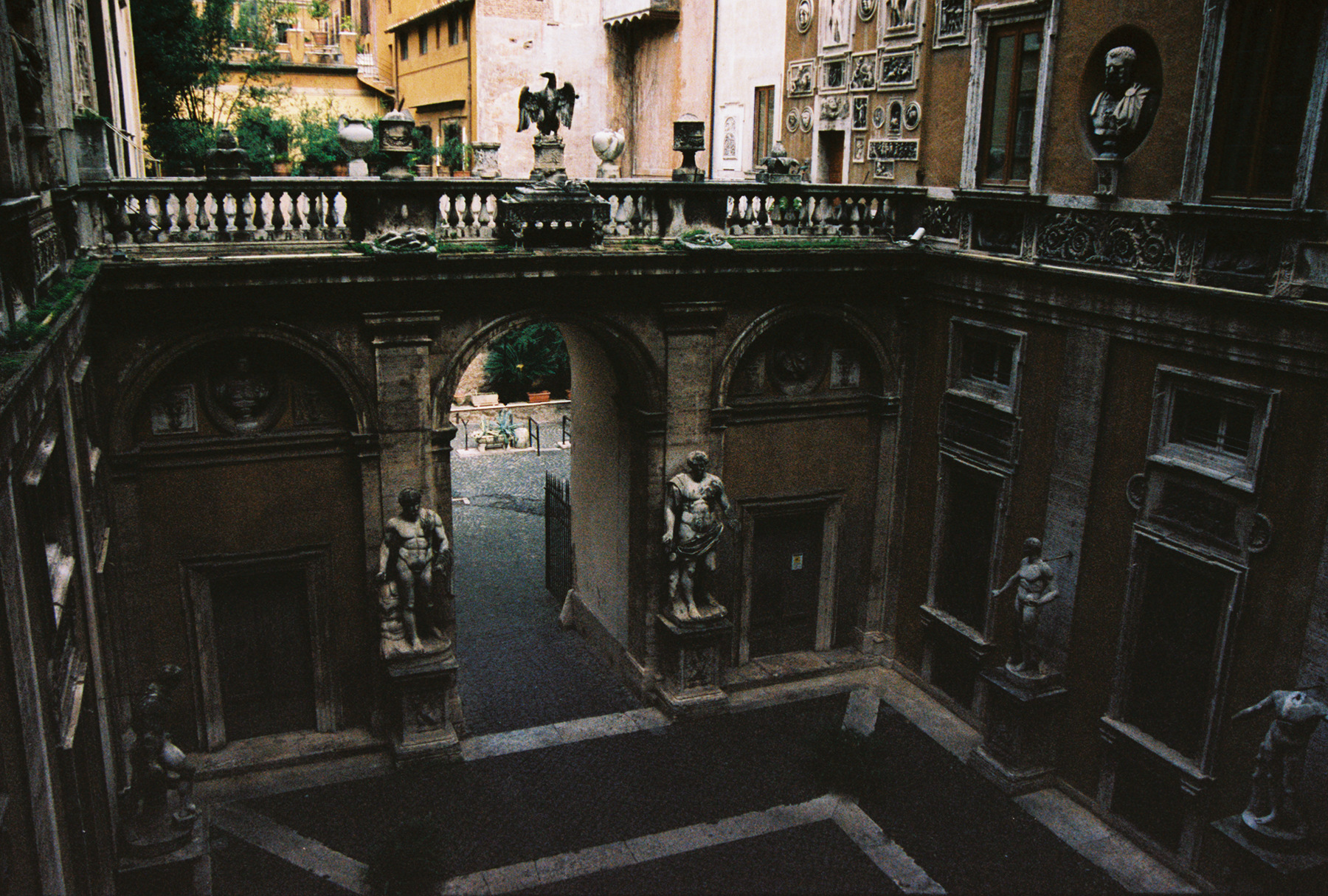
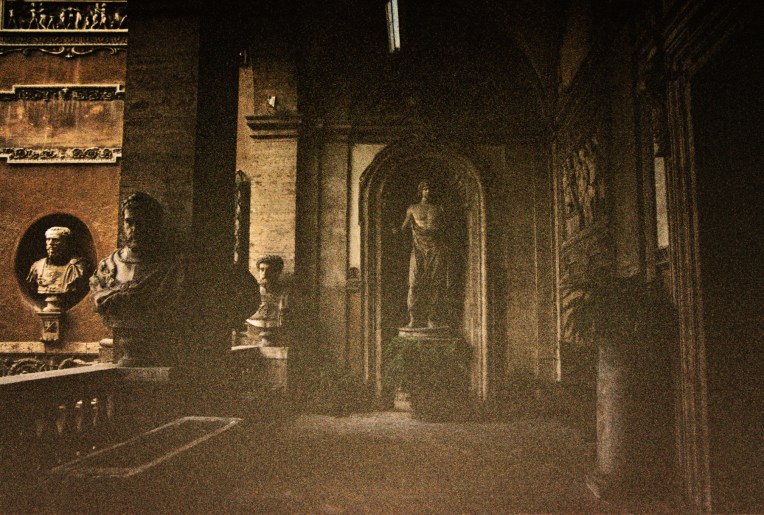
There’s not a corner or ledge that is not interesting. If you visit make sure to view the whole courtyard and go upstairs to the top terrace.

FH020005

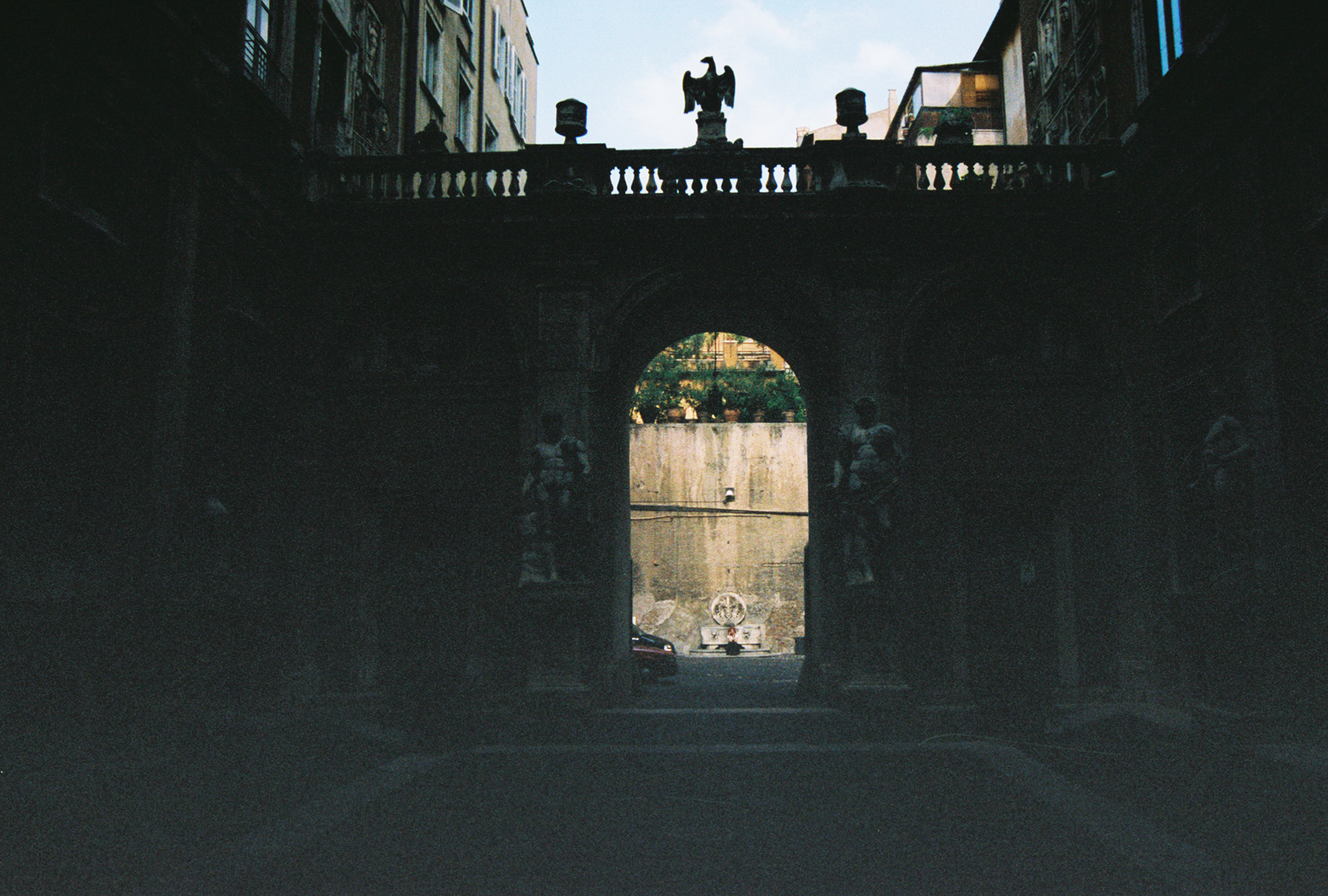
Go through the arched “doorway” in between the large statues, underneath the carved lamp.

FH020006

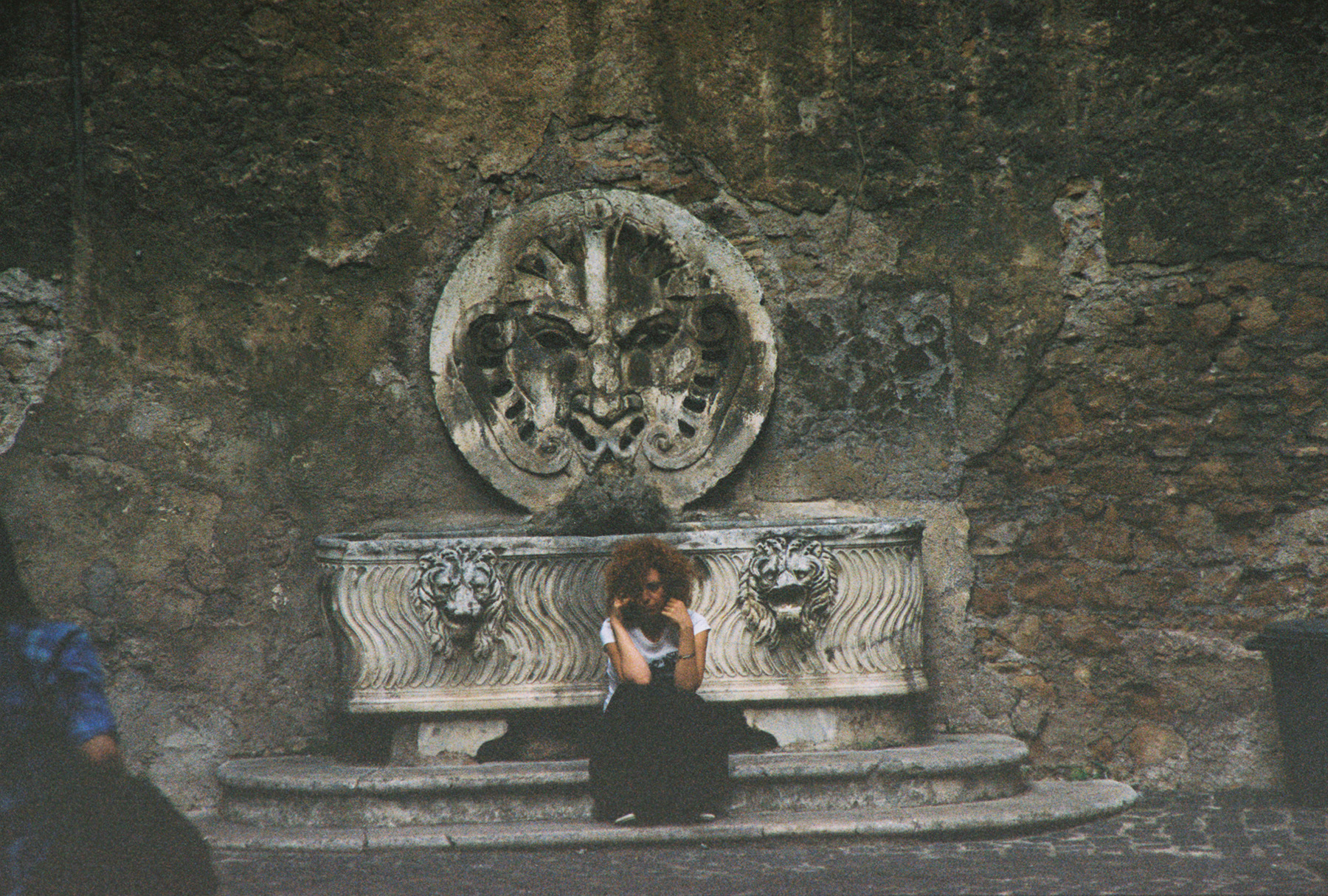
Across the small cobblestone road is an ancient fountain and face sun dial with beautifully carved in stone.

//photographs copyright rebecca price butler …

find my work on tumblr & pinterest … please link & credit me.

villa farnesina

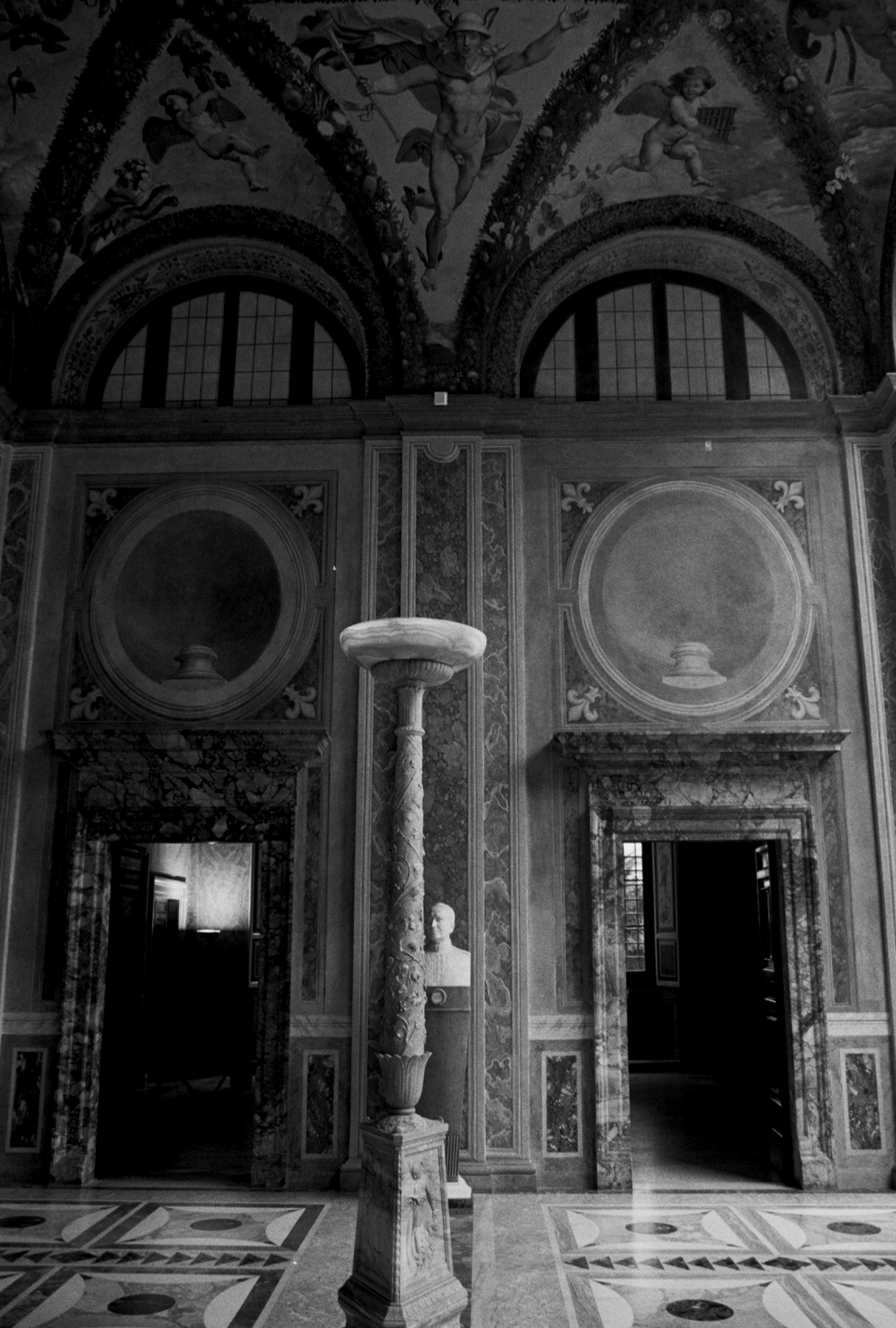
FH050013

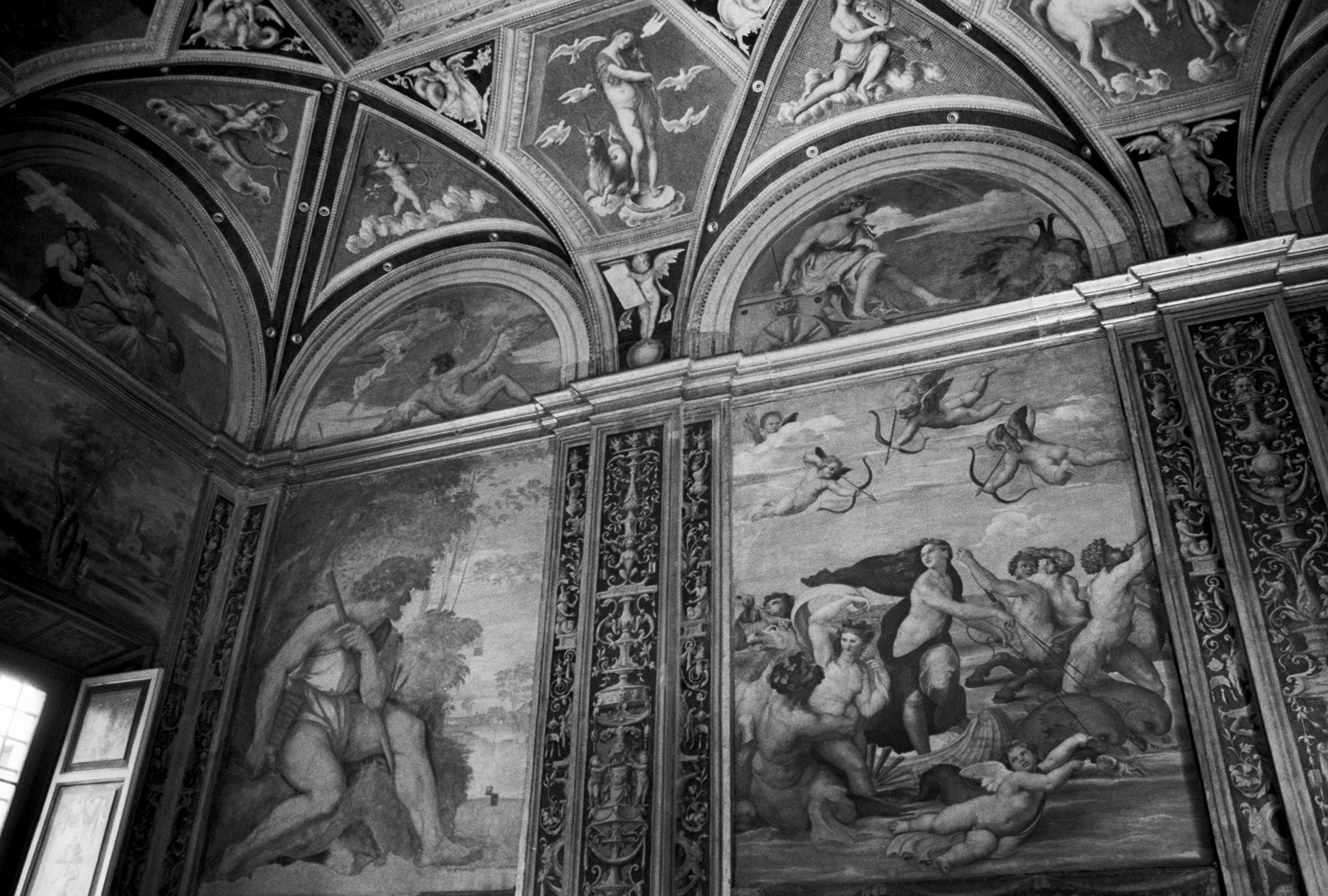
The Villa Farnesina is an early 16th century Renaissance suburban villa in the Via della Lungara, in the district of Trastevere in Rome, central Italy. It has incredible frescoes by Raphäel,  Sebastiano del Piombo, Giulio Romano, and Il Sodoma. The villa was built for Agostino Chigi, a rich Sienese banker and the treasurer of Pope Julius II. It was later purchased by Cardinale Farnese (future pope and brother to the Borgia mistress, Giulia Farnese).

FH050010

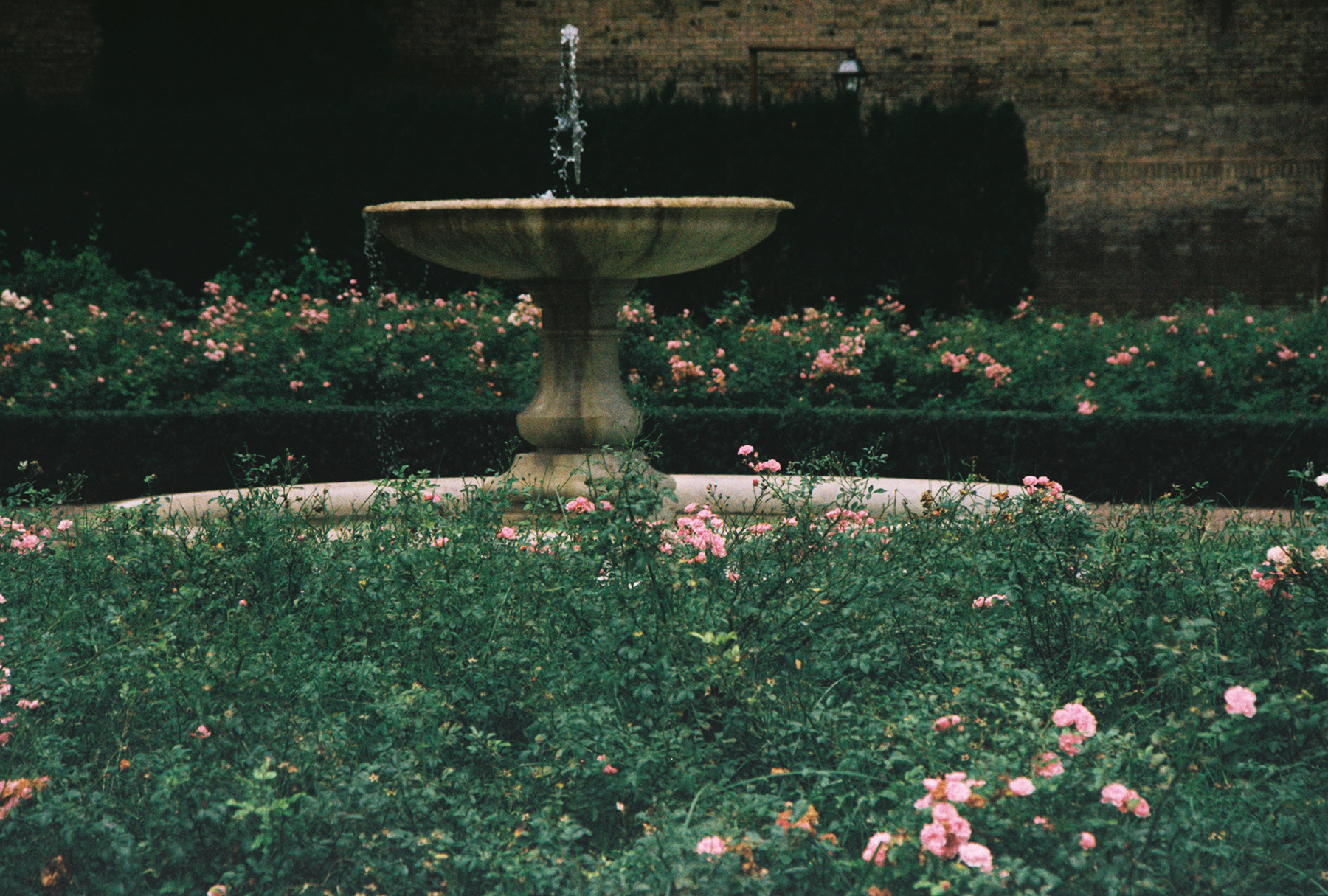
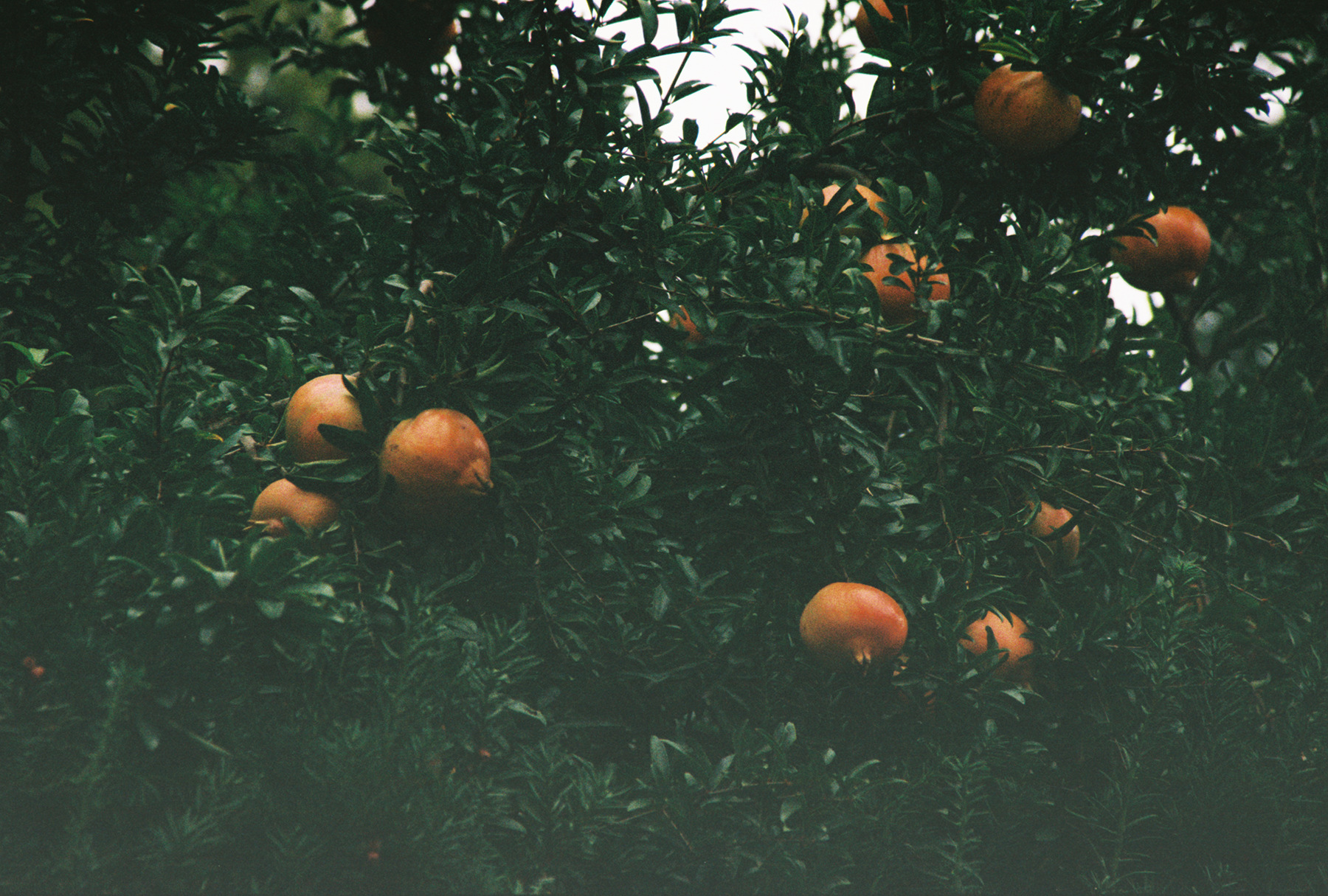
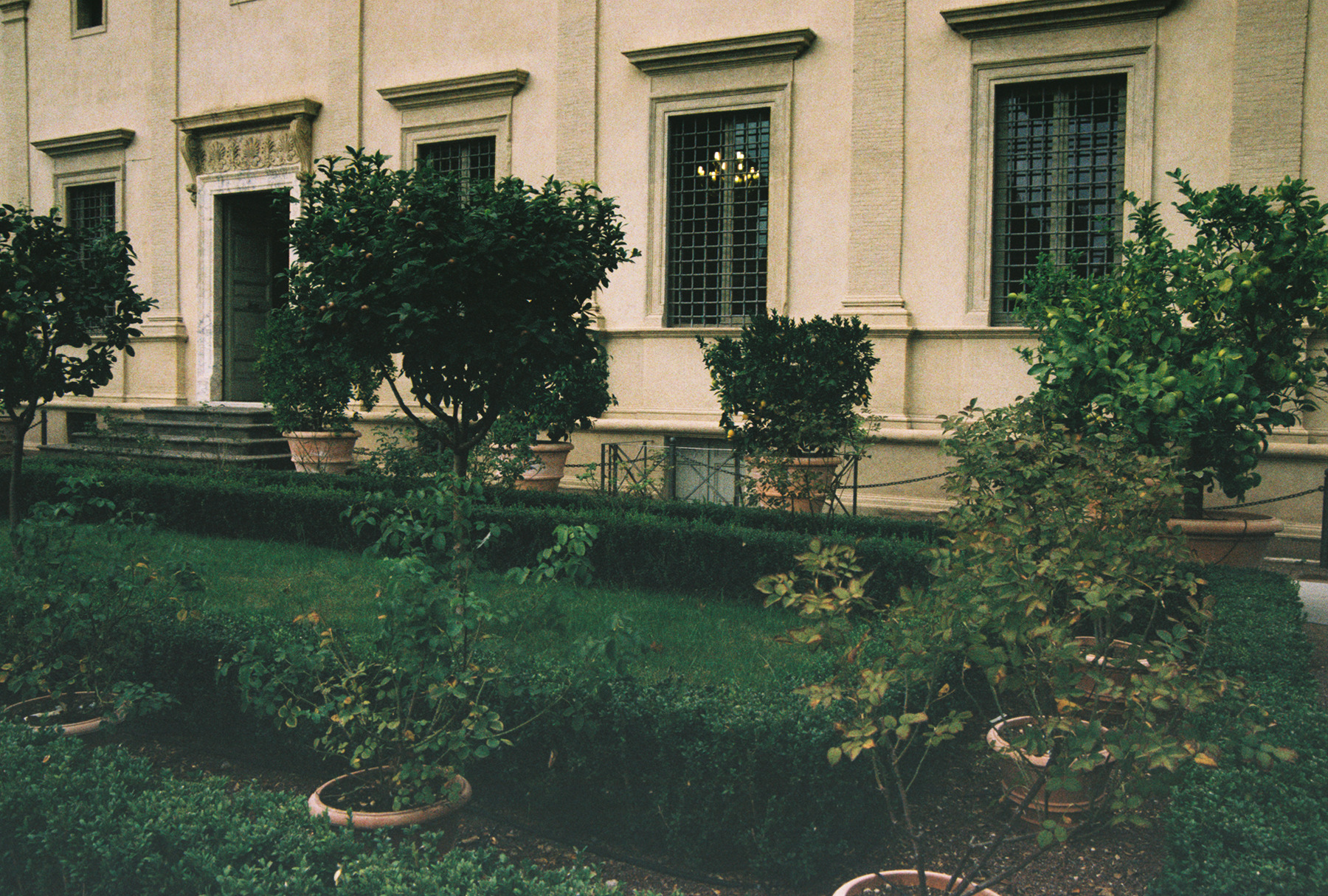
I had always missed visiting the lovely Villa Farnesina on earlier trips to Rome so I was delighted to finally see it in person in October 2012. The villa has a pretty little garden in the courtyard and larger gardens (fenced off) on one side. There is an understated elegance to the grounds and exterior architecture for a Renaissance palazzo. There are pink roses and pomegranate trees in clay pots.

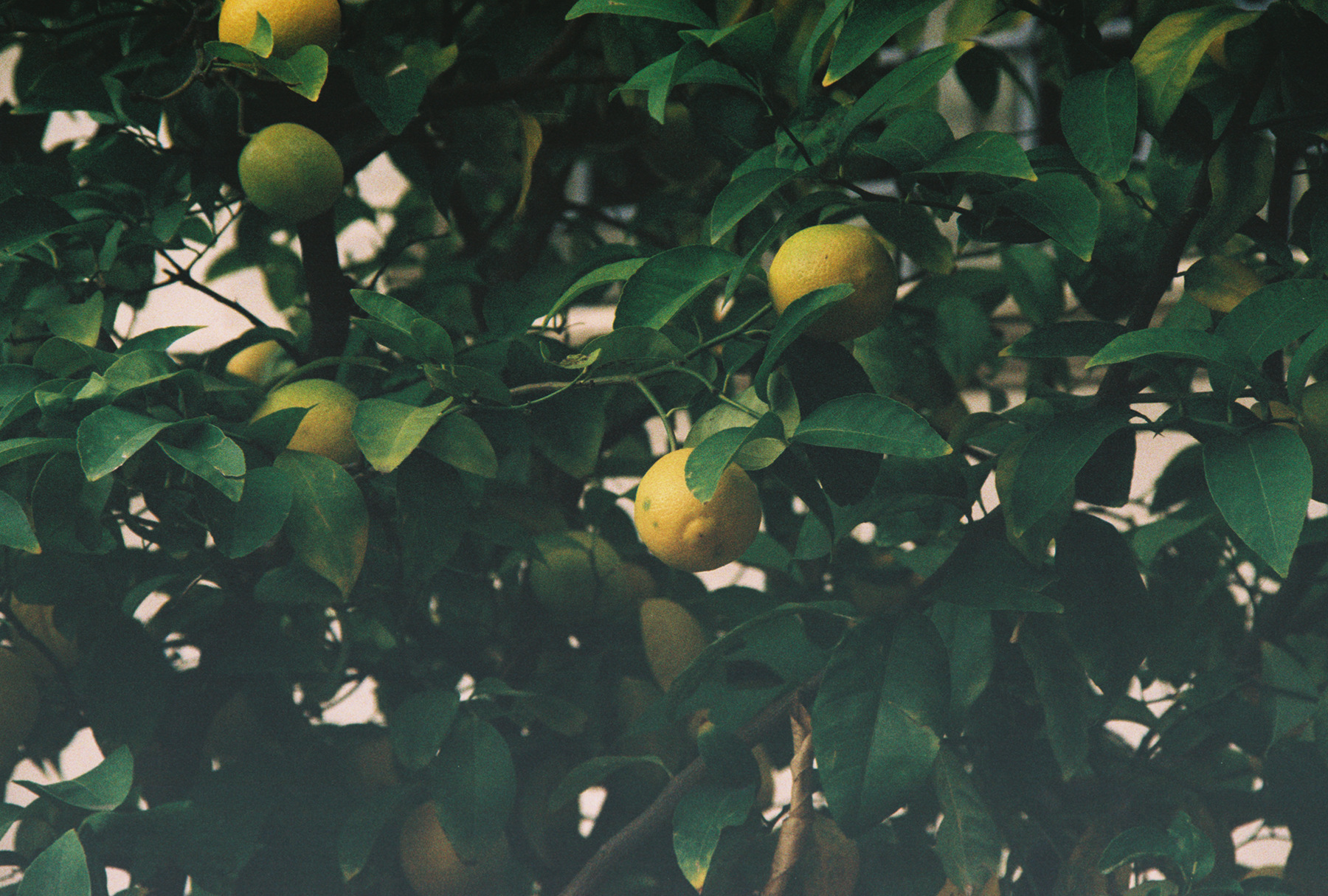
FH050003And little lemon trees and stone lined pathways. Trastevere is a great neighborhood to visit when in Rome and this villa is even more off the beaten path if you are looking for an alternative to the usual Roman Holiday Tour.

FH050007

After the initial two or three visits to Rome I’ve tried to visit more of the quiet corners of the city and get to know my favorite spots better. It’s a “slow food” approach to travel and it’s worked pretty well for us. FH050004The large grande dame museums of Rome are wonderful to visit, especially if you have limited time in the city. But if you have an extra day or the off the beaten path vacation is more your speed, I suggest visiting one, two or three small villa or palazzo art museums. Farnesina, Doria Pamphlij, Spada, Borghese (the Queen) and a few others.

farnesina

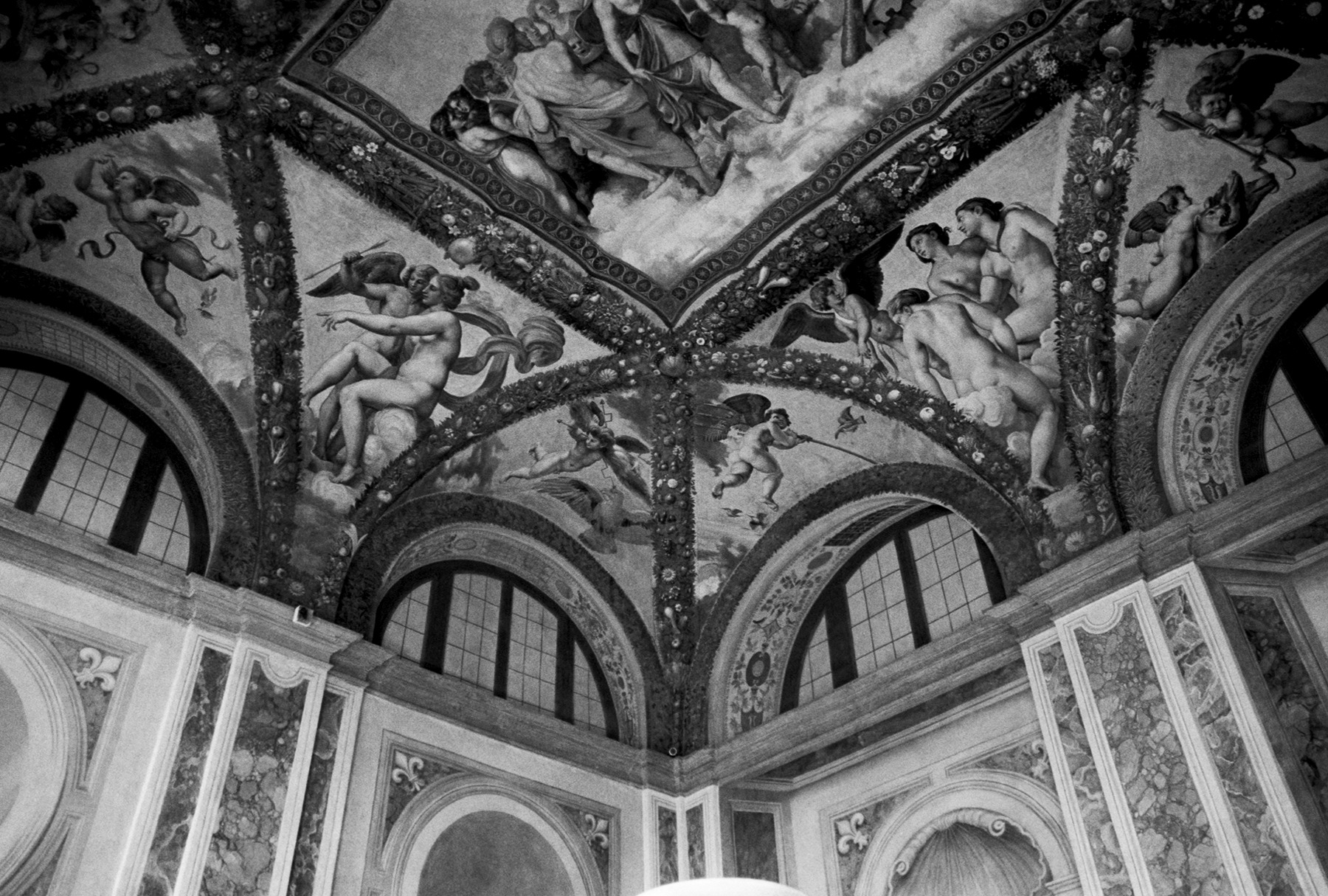
The Loggia of Psyche by Raphaël and his workshop

It’s difficult to convey how astounding it is just standing on the marble floors, looking up at all the beautiful frescoes. Walking the same halls so many infamous and interesting figures had crossed centuries before.

FH010007

The museum was quiet and there were a few small groups moving in and out of the rooms. I had time to view the work in complete silence and solitude which rarely happens in a larger, more popular museum.

FH010008

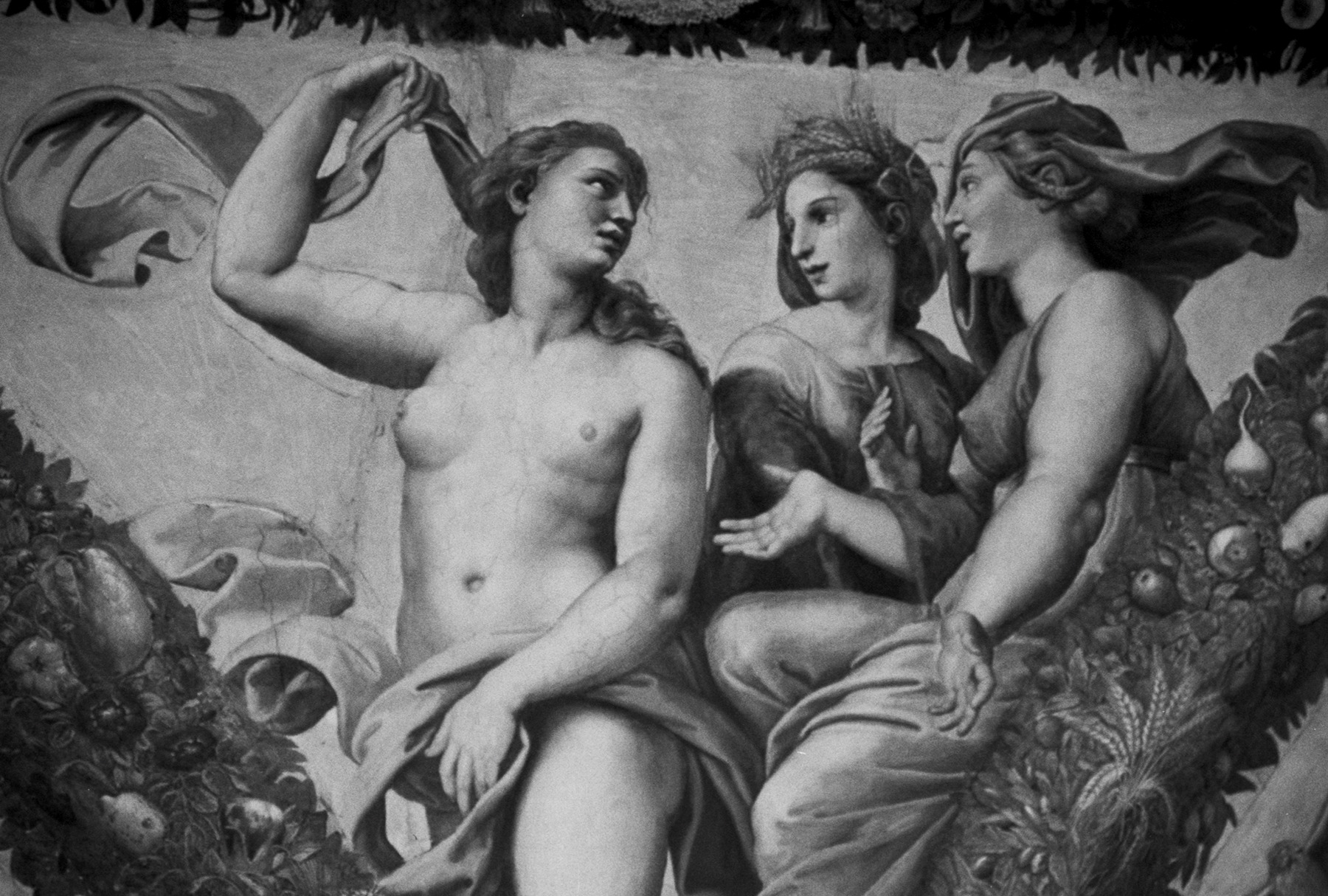
Venus, Ceres and Juno

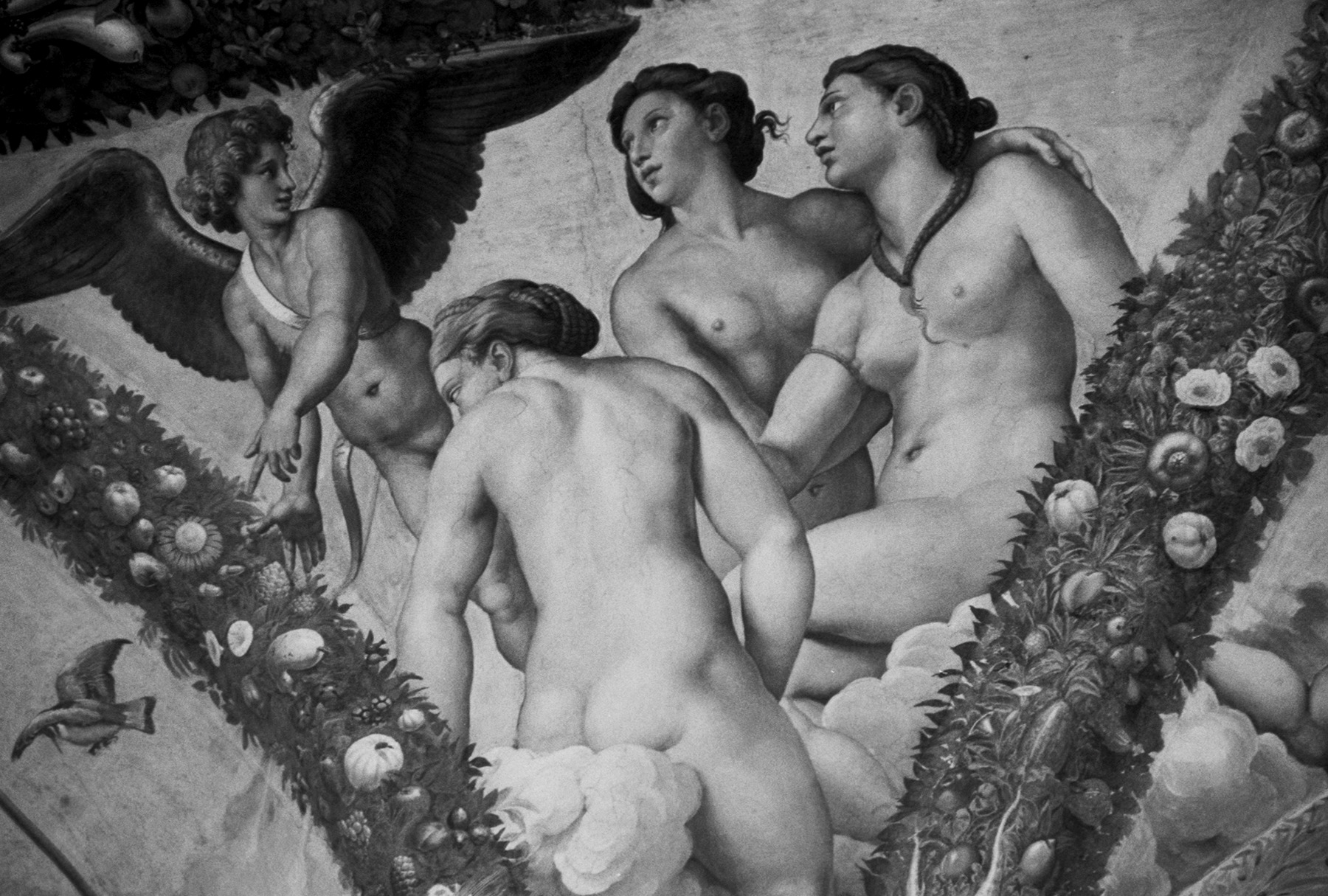
I had run out of color film so I shot these magnificent frescoes in black and white. I think they at least capture the richness of the dark colors and the creaminess of the “skin”. The color in person was vibrant for such old masterpieces.

FH010009

Cupid and The Three Graces, 1517-1518

A part of the great appeal Renaissance art has for me is it’s allusions to classical literature and mythology. In order to understand the works beyond my emotional response to them or my aesthetic pleasure in them, the allegorical works force me to learn the meaning behind them and catch a glimpse of the artist’s intention behind the work. What does the piece mean philosophically? Politically? What does it say about love? Man? And God? About life? And death? What historical event are they re-imagining? Beyond the beauty I am hungry for the history.

FH010013

Venus on the Chariot Pulled by Doves, 1517-1518

FH010012

The Council of the Gods, 1517-1518

FH010011Venus and Cupid, 1517-1518

When I was there I was amused to find graffiti carved into one of the walls in German! Well, normally I’d be less amused but it’s from a later Barbarian Invasion of Rome in the 16th century! At the time I couldn’t find anyone to translate it for me.

During recent restorations, an ancient “graffiti”, in German gothic, came to light between the columns. It marks the passage of the Lansquenets and states: “1528 – why shouldn’t I laugh: the Lansquenets have put the Pope to flight.”

From the windows on the first floor there is a beautiful view of the gardens. A pleasant stroll under the laurel bower leads to a marble plaque which bears the inscription:

Quisquis huc accedis: quod tibi horridum videtur mihi amoenum est; si placet, maneas, si taedet abeas, utrumque gratum.

[Trad.: Whoever enters here: what seems horrid to you is pleasant to me. If you like it, stay, if it bores you, go away; both are equally pleasing to me. ] – Academia Nazionale die Lincei

The Villa Farnesina in Rome, Italy is open from

Monday to Saturday from 9 a.m. to 2 p.m.,

Closed on Sundays and holidays
Guided tours on Monday, Friday and Saturday at 12.30


//photographs copyright rebecca price butler …

find my work on tumblr & pinterest … please link & credit me.