Italy and England
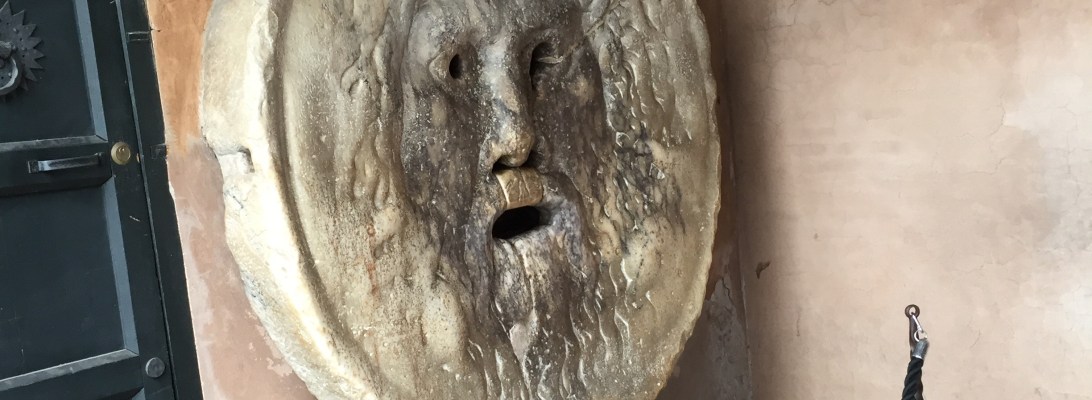
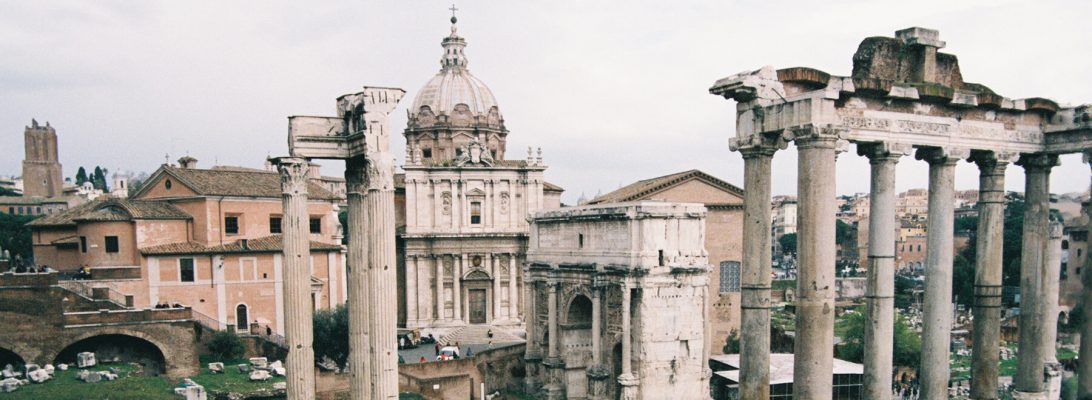
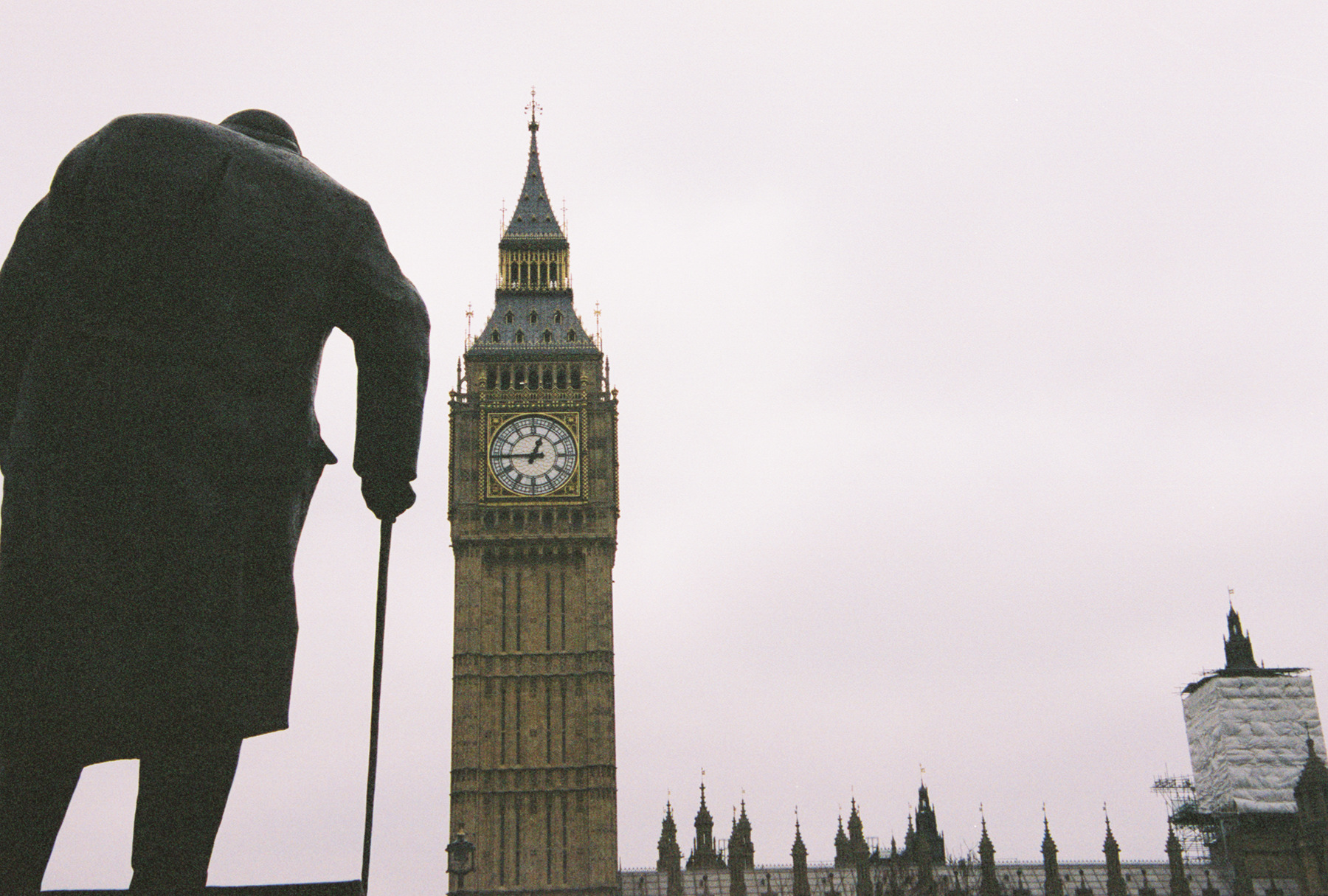
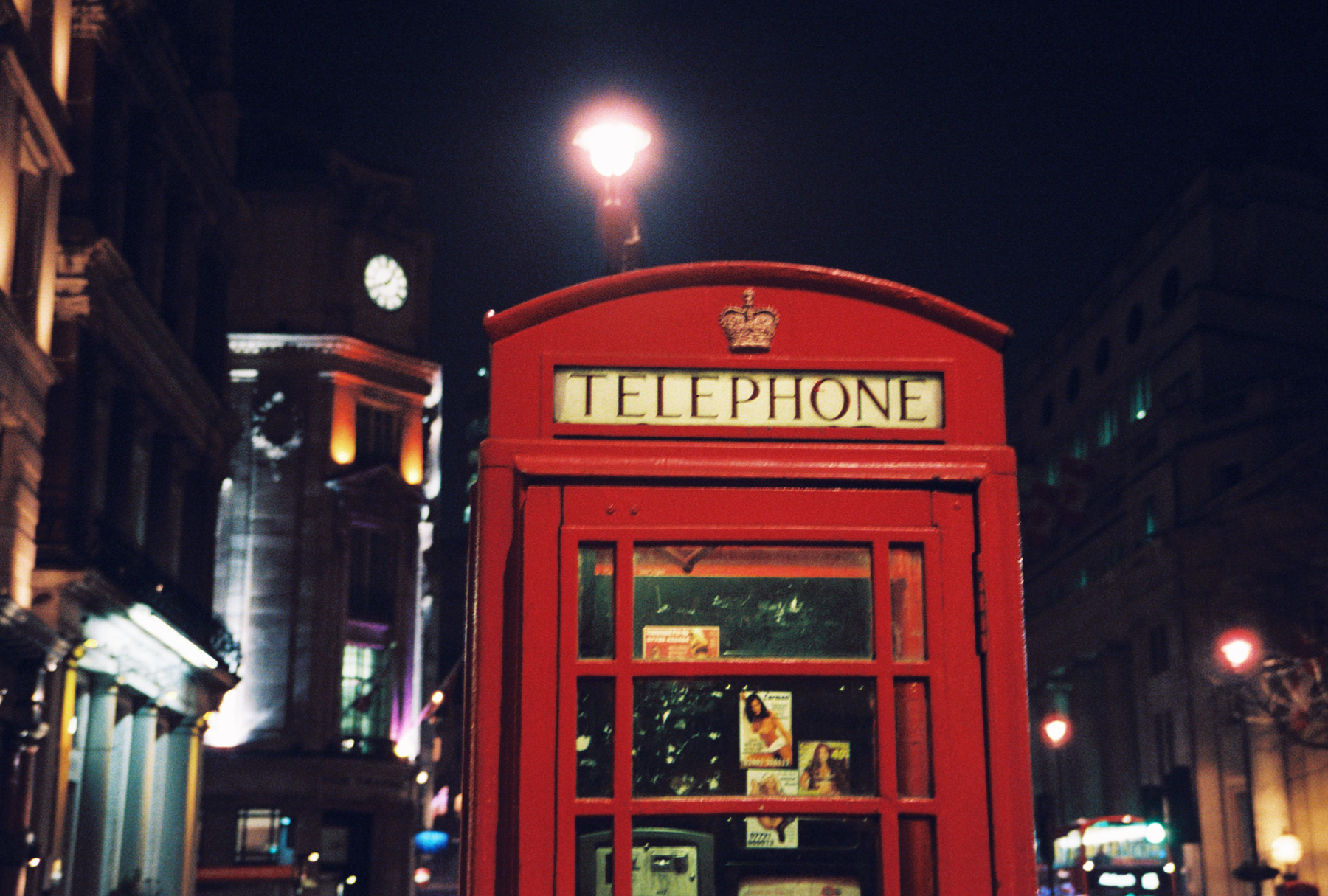
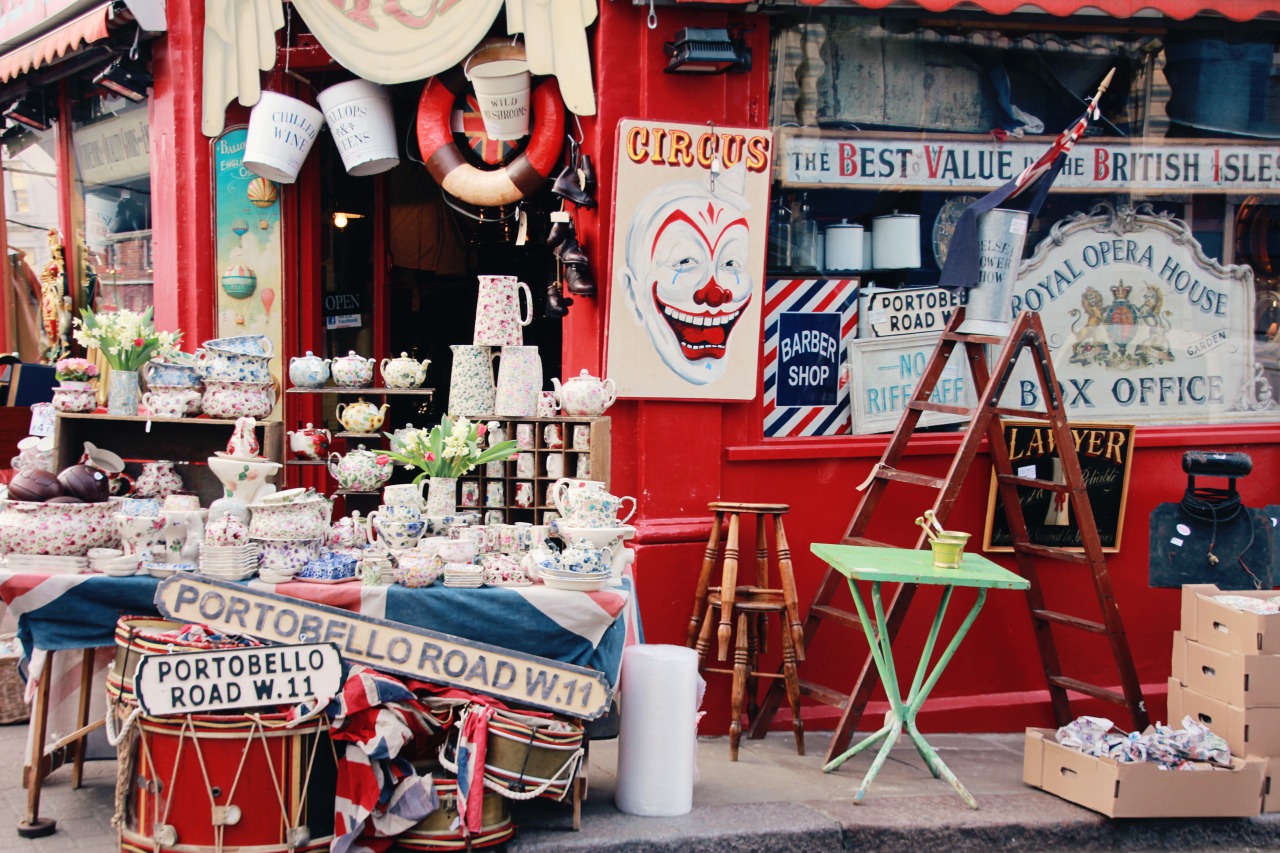

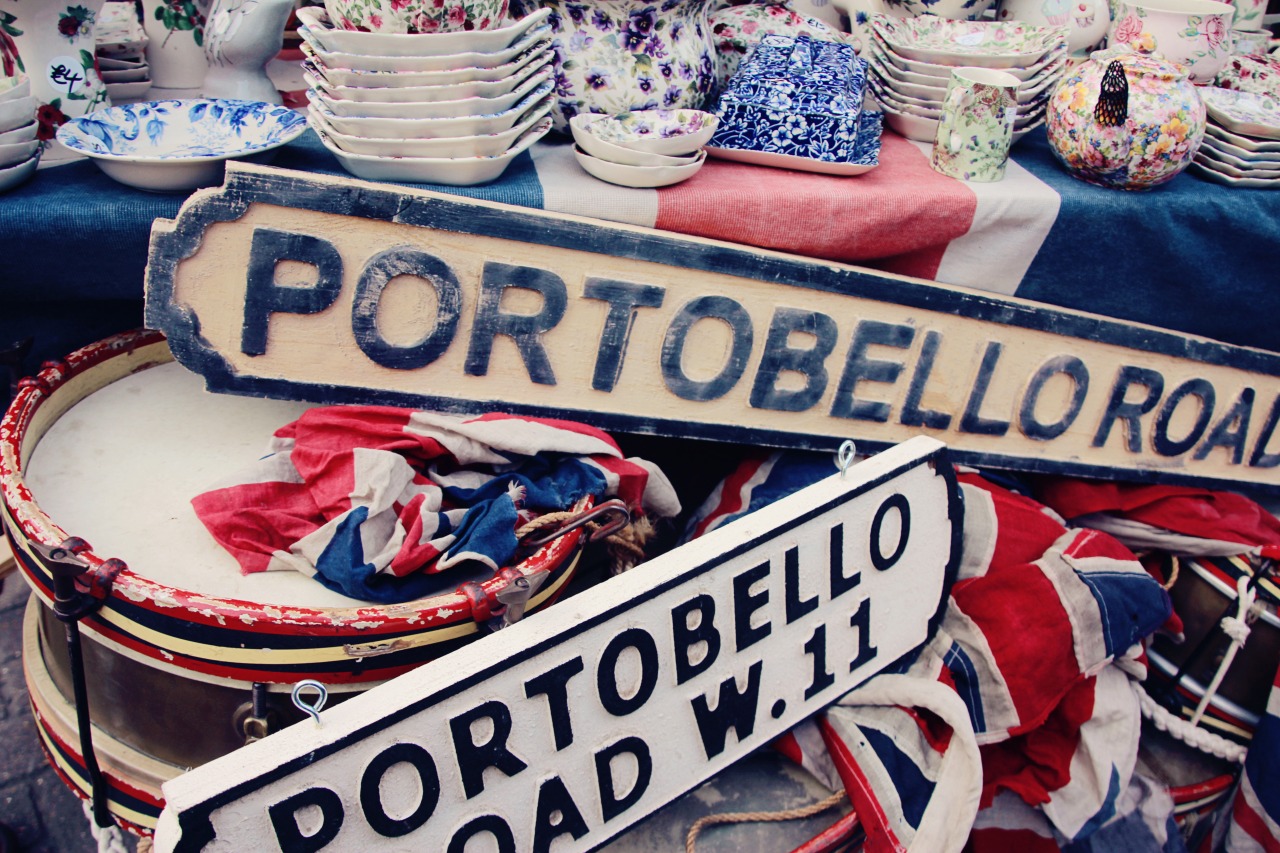


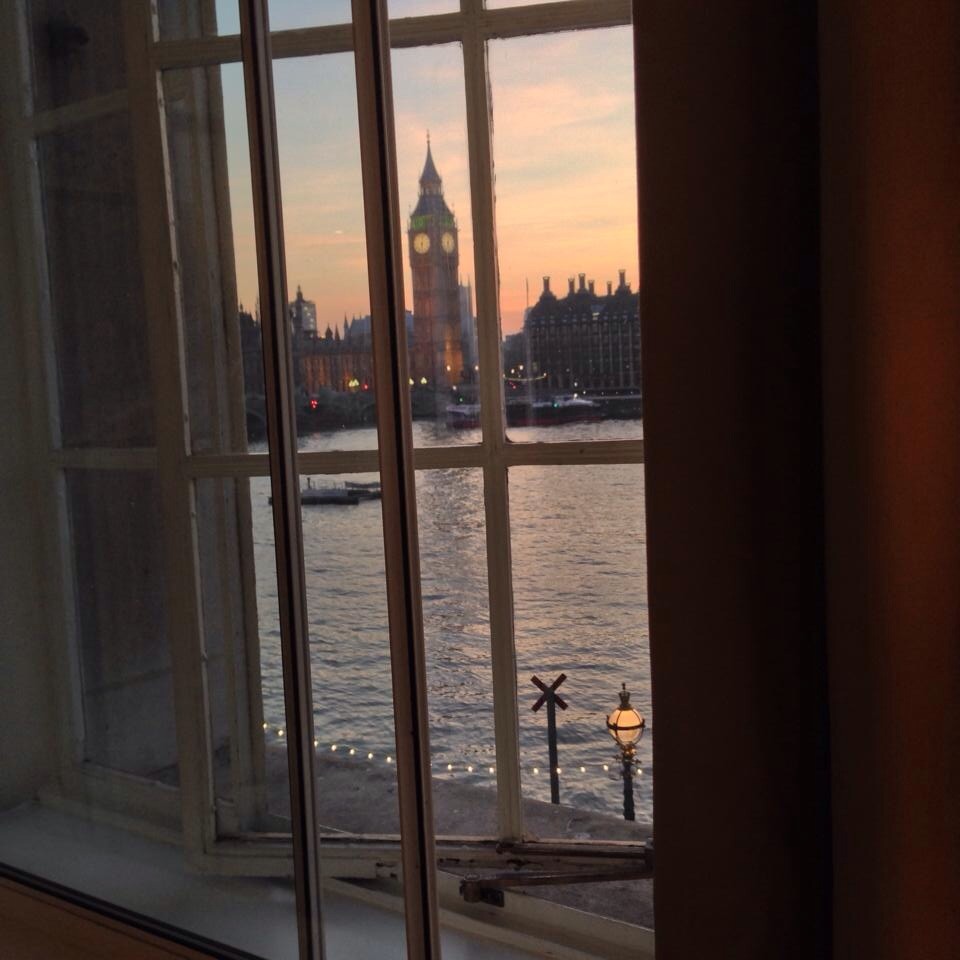


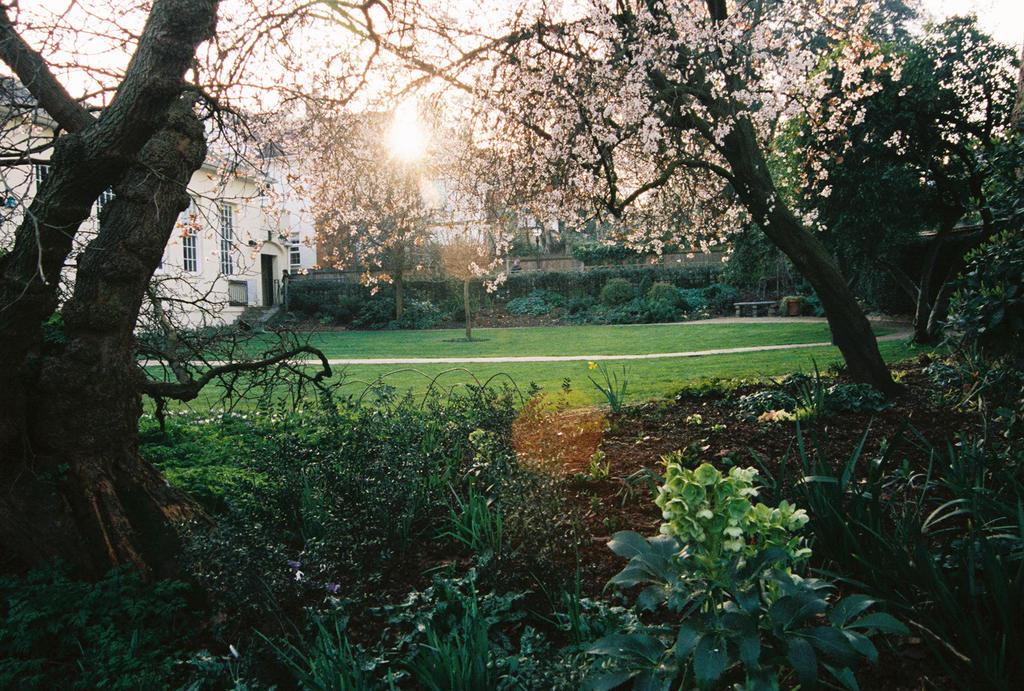
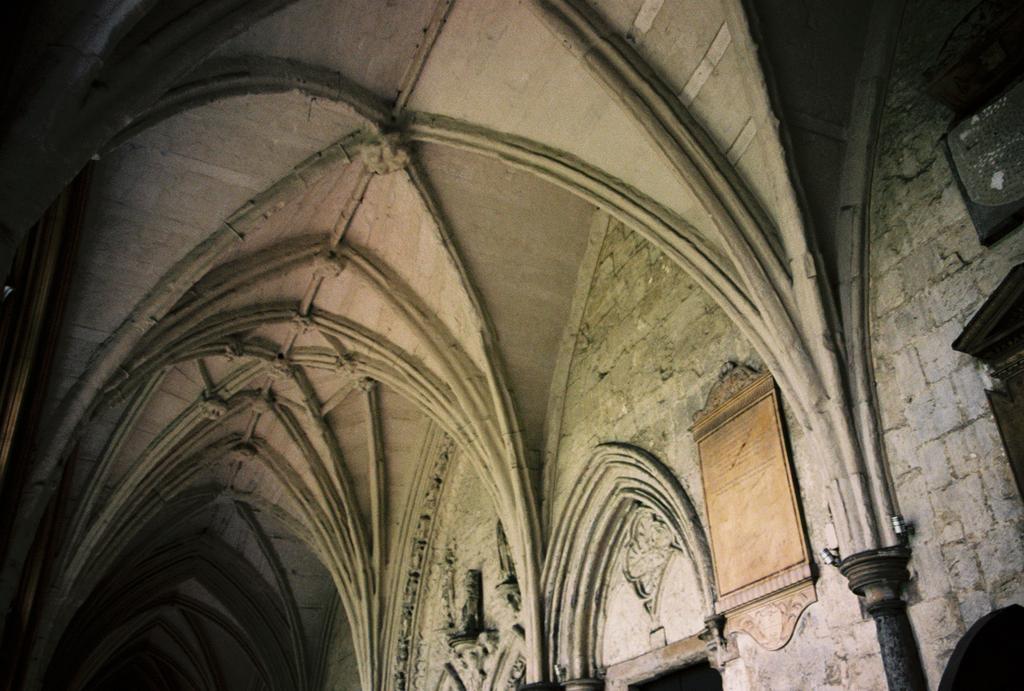
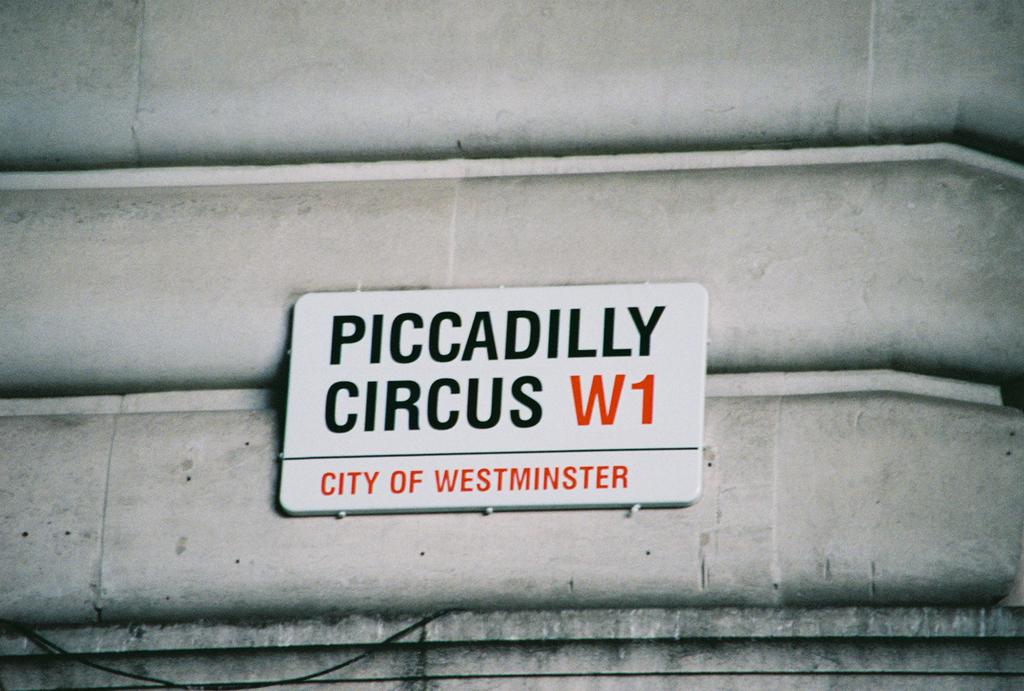

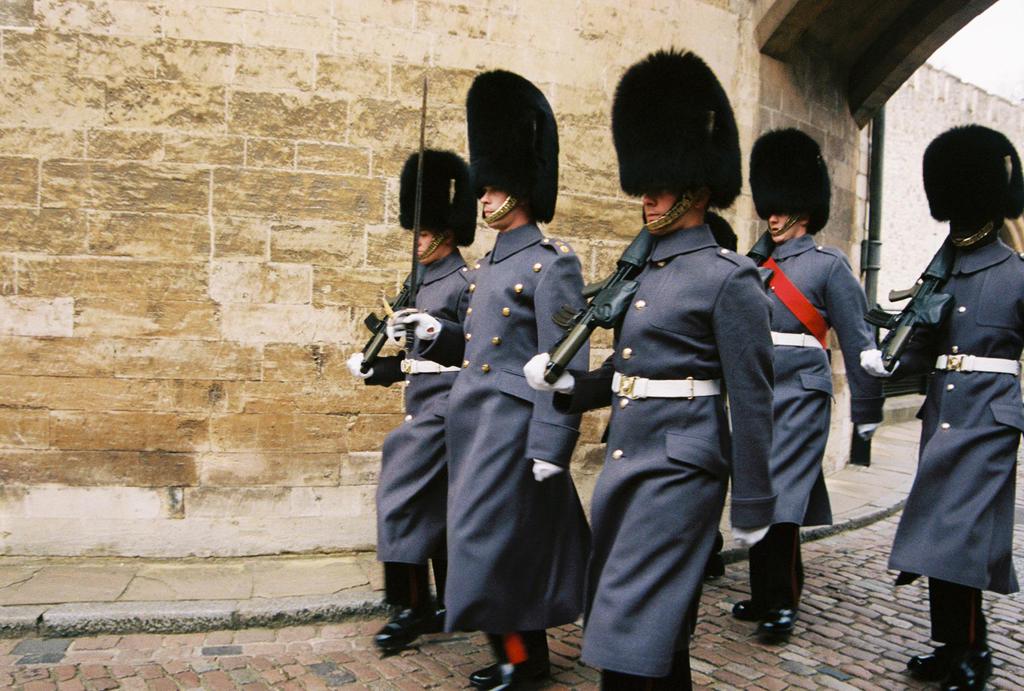

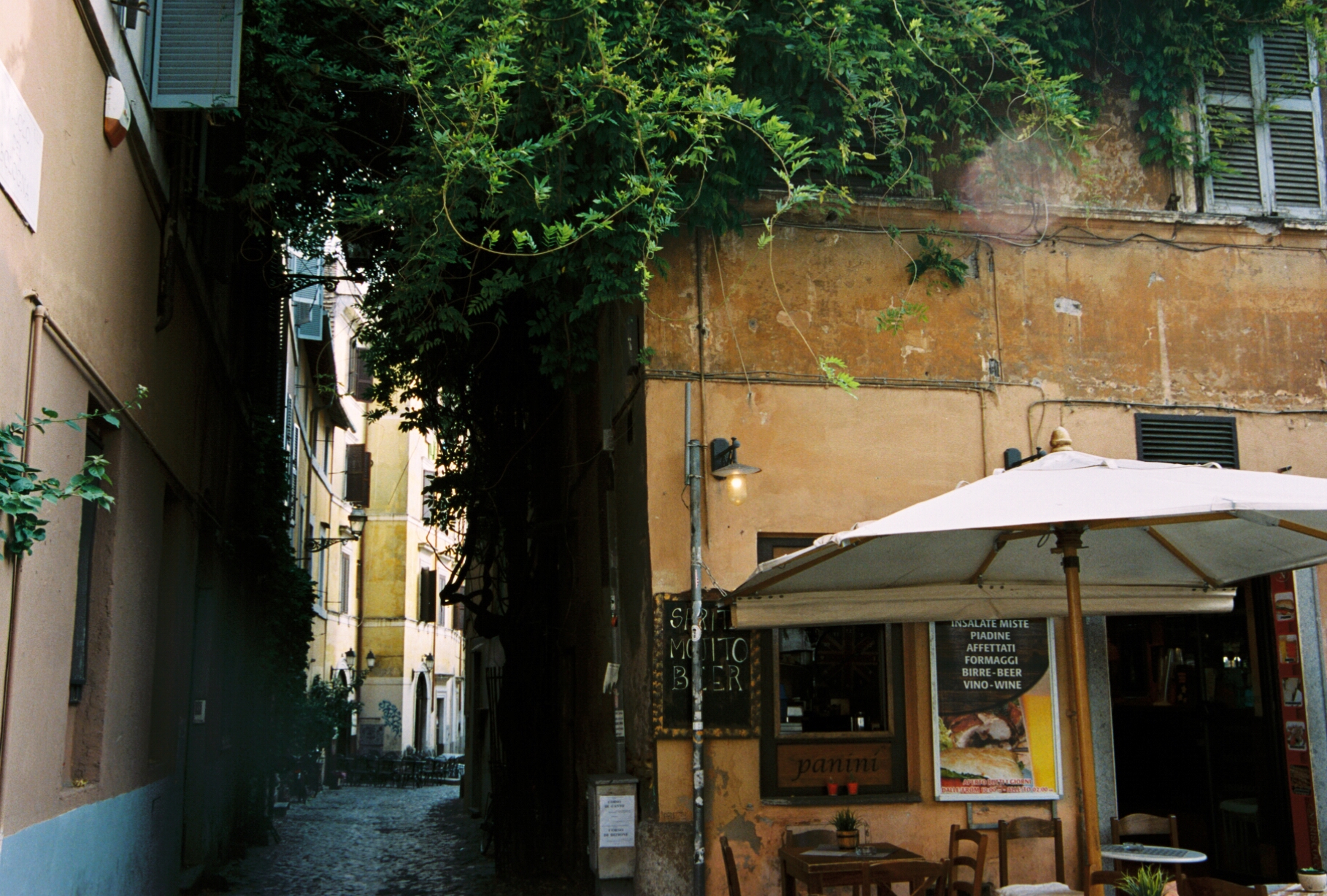
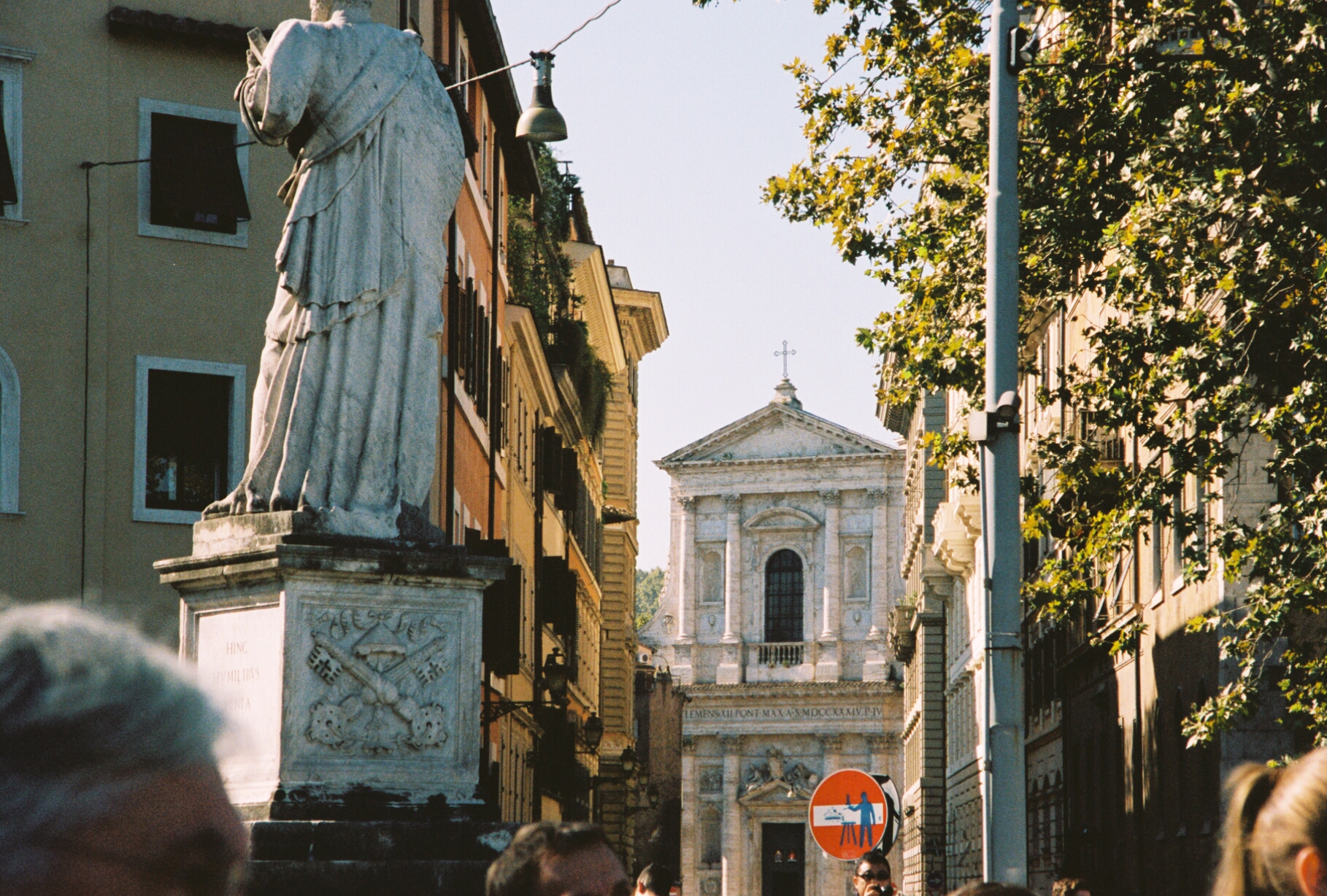

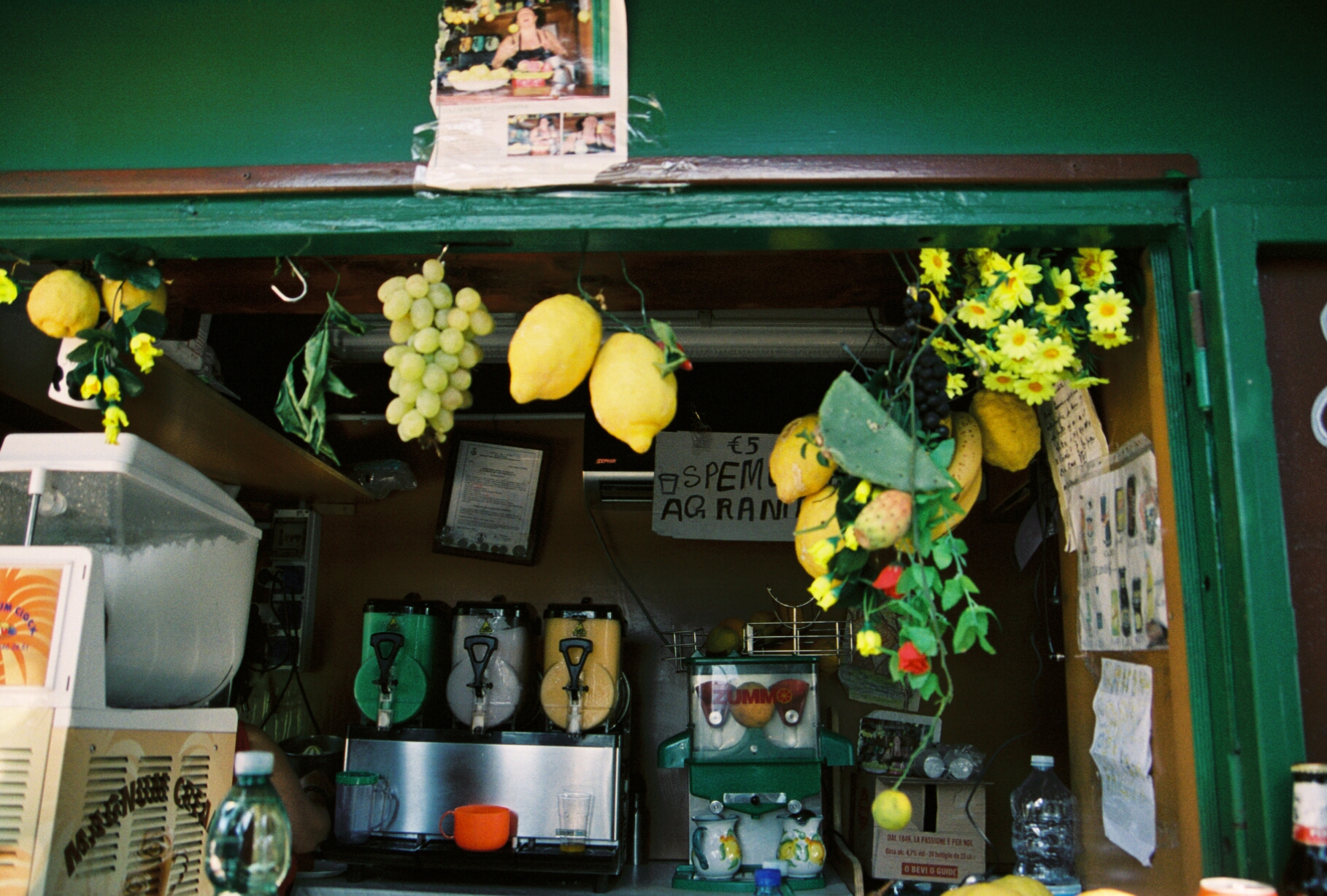
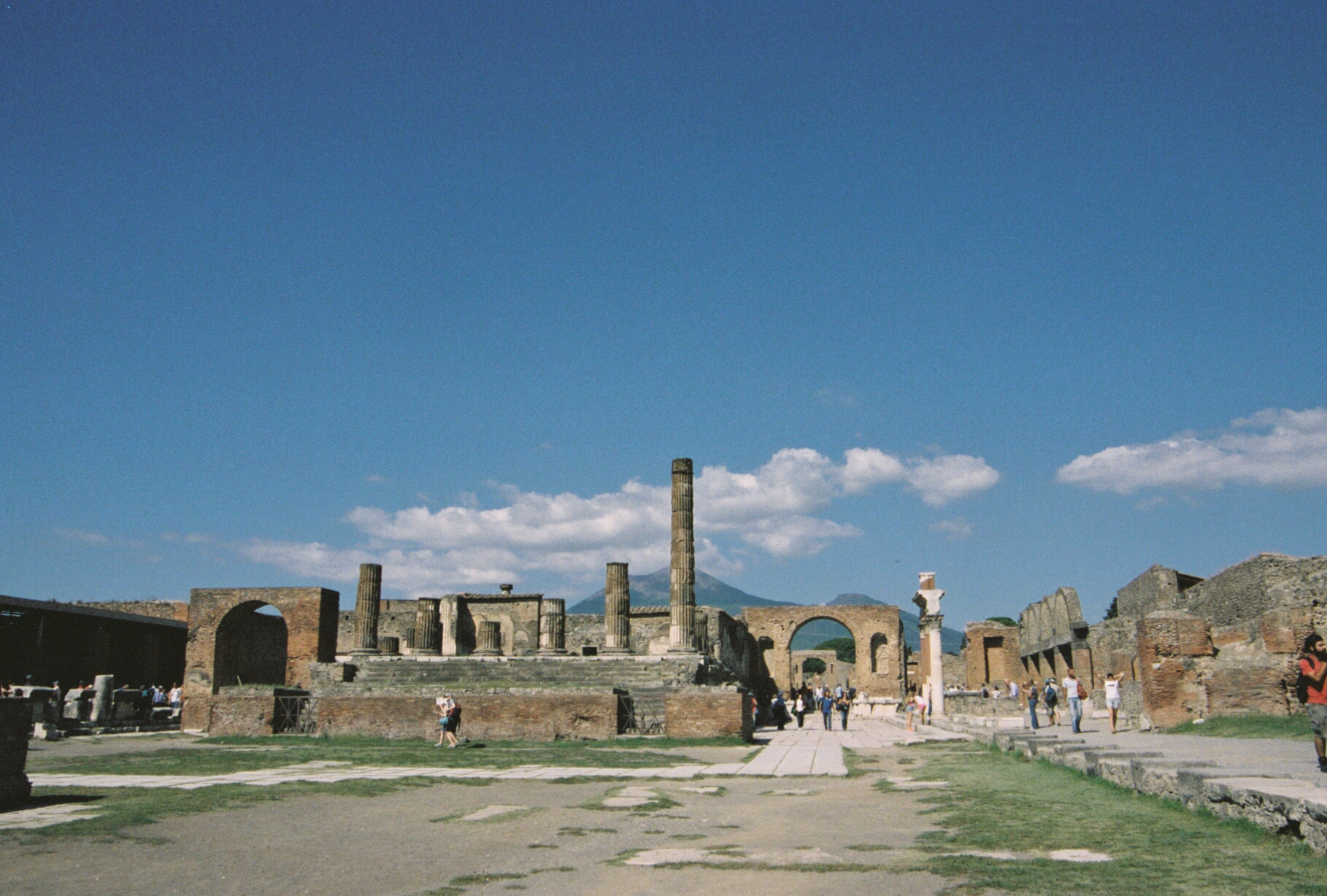
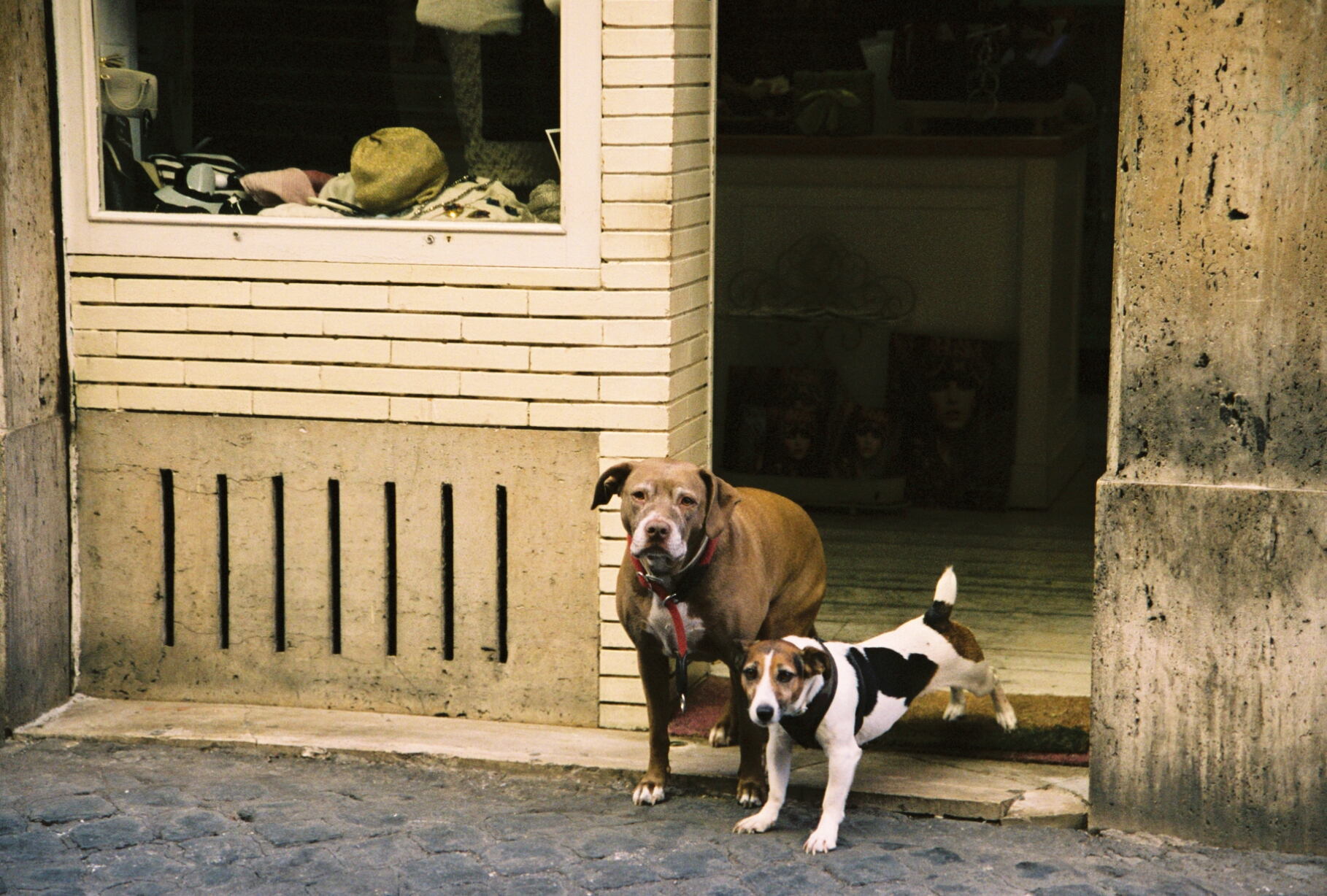
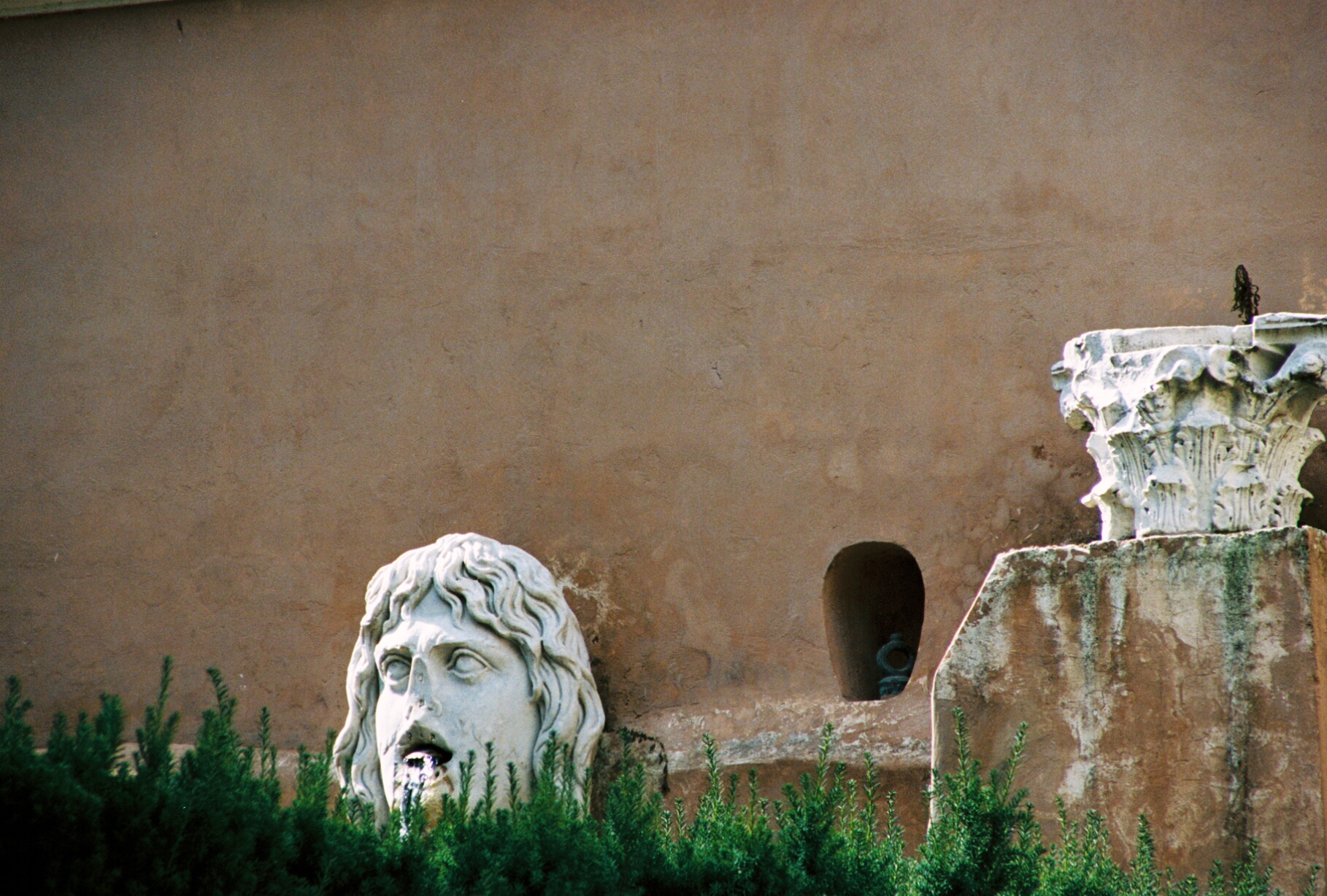
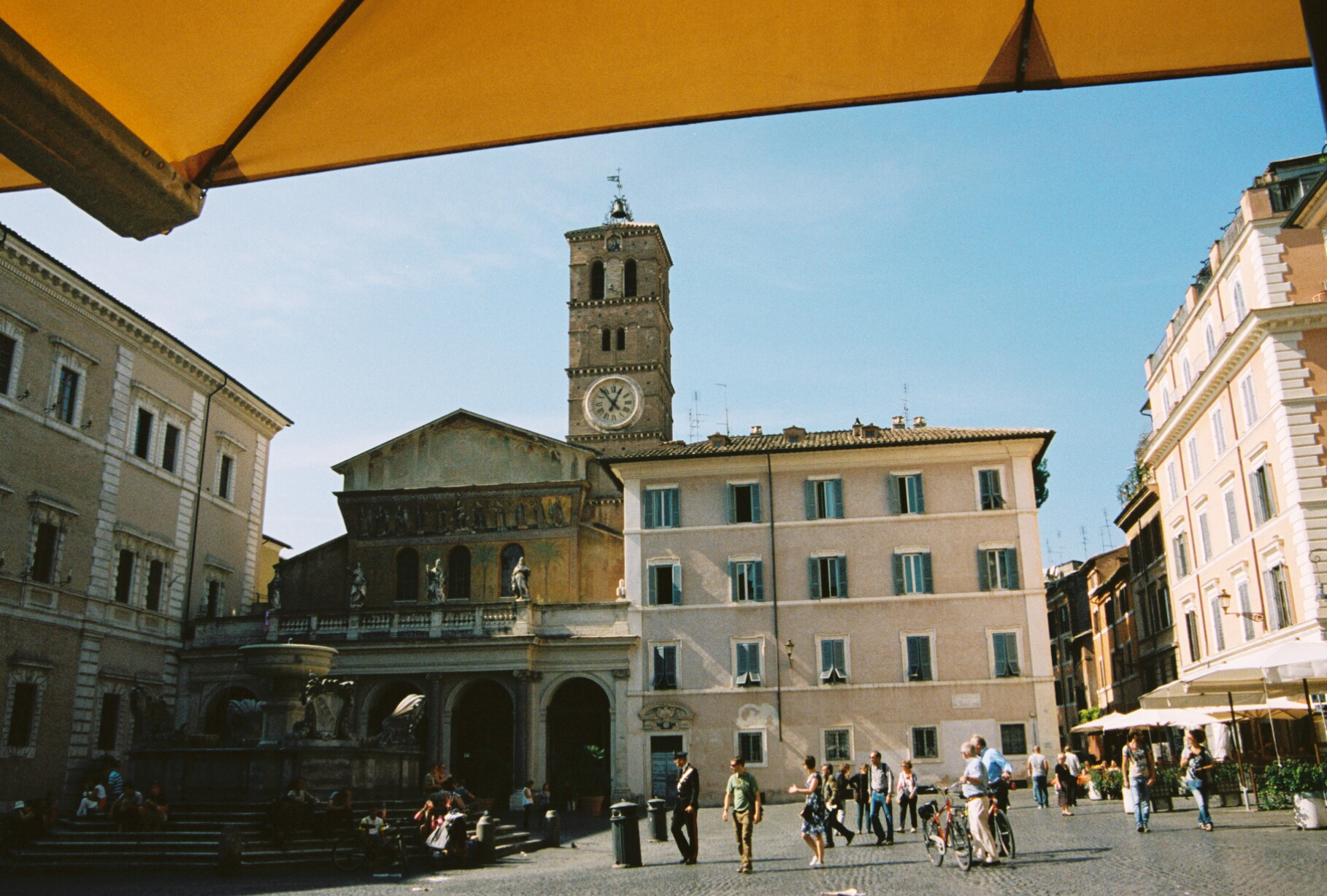
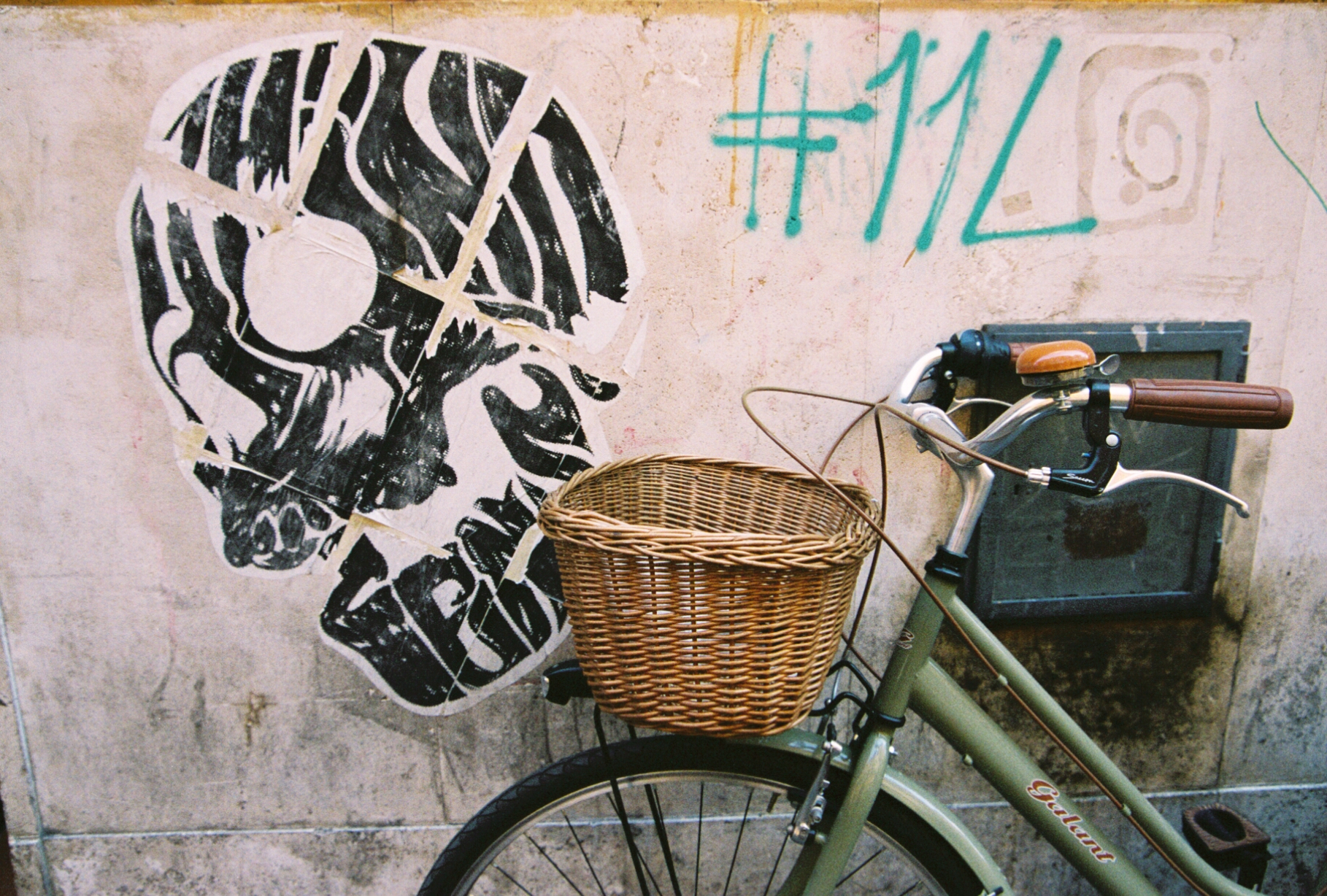
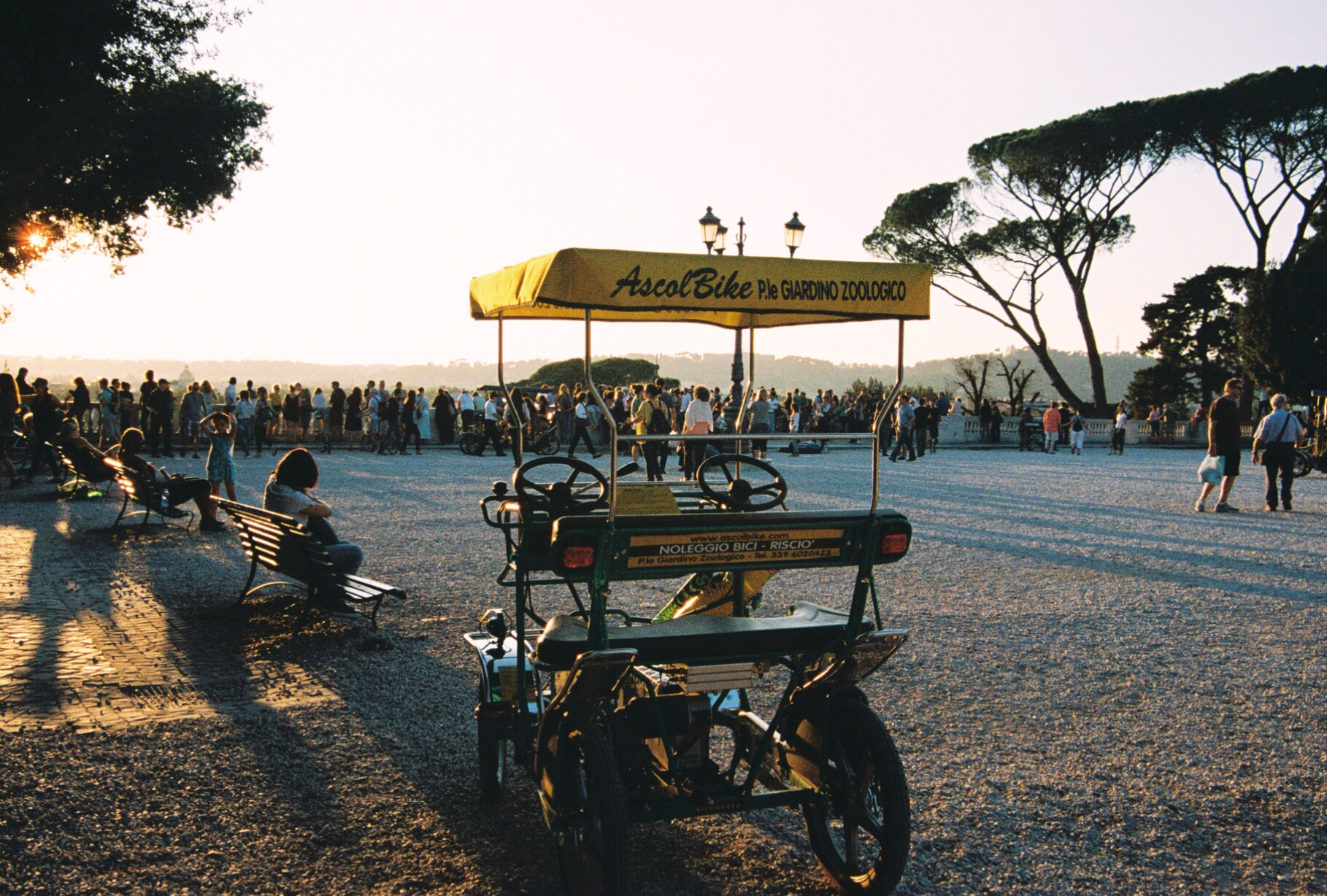
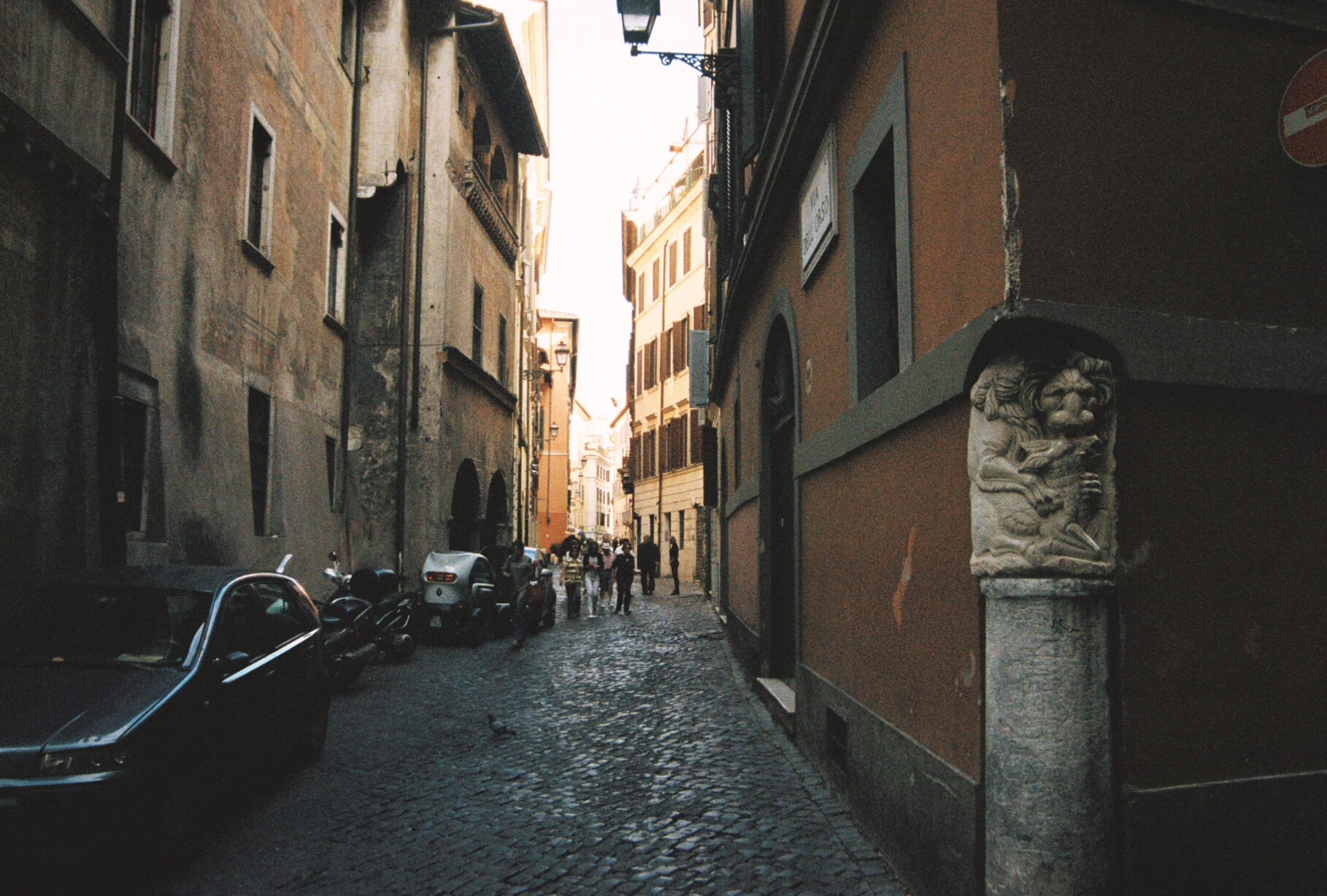
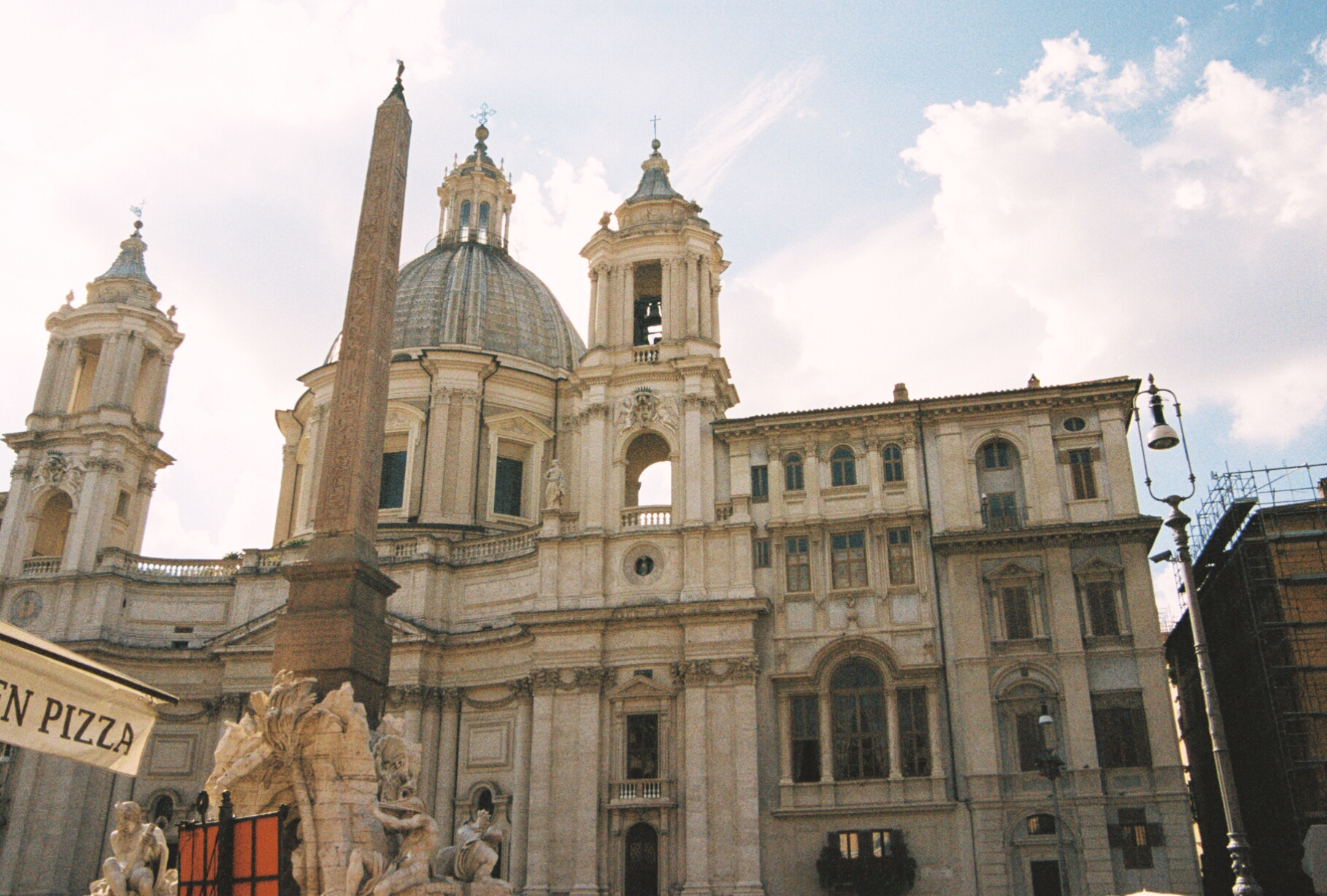
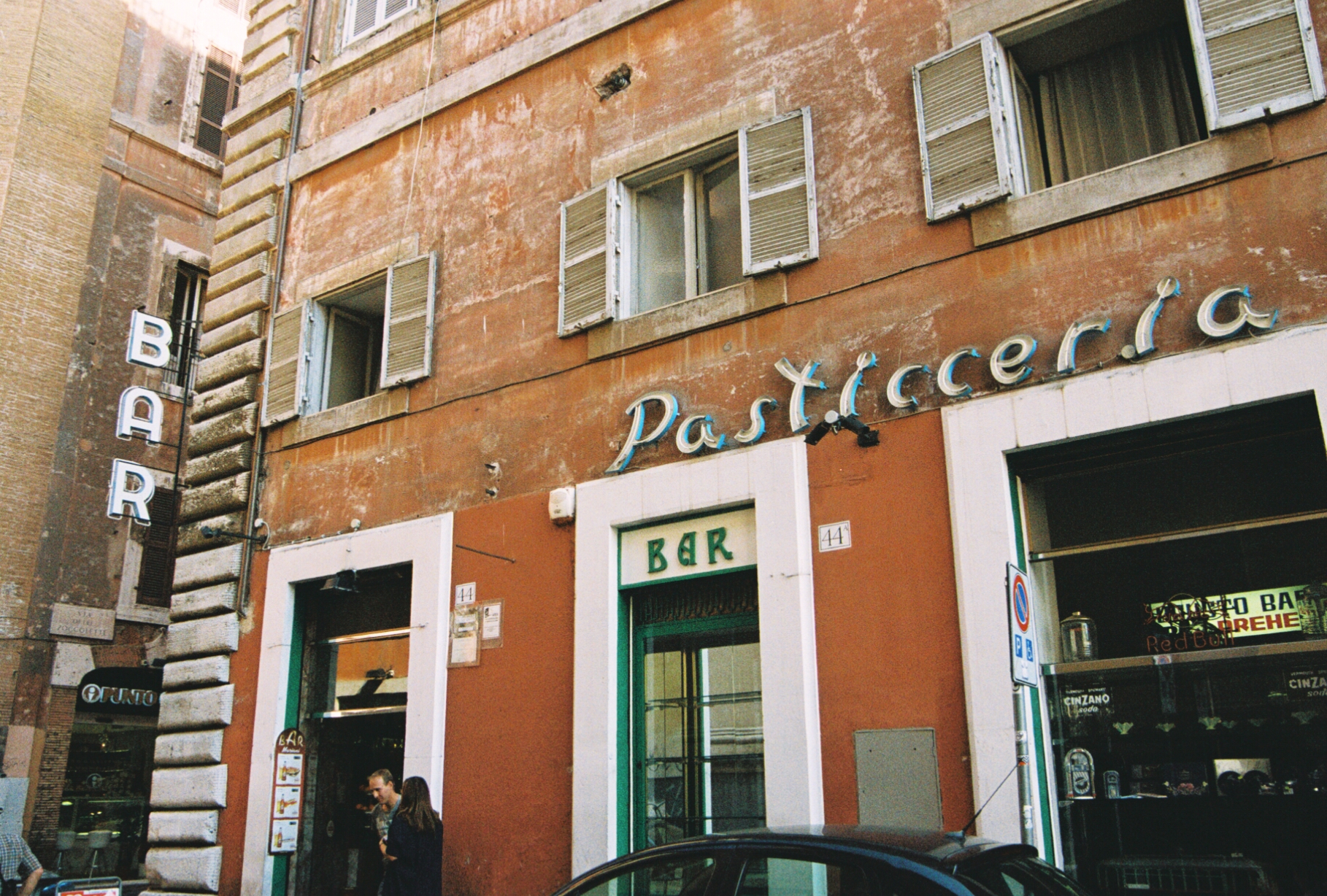
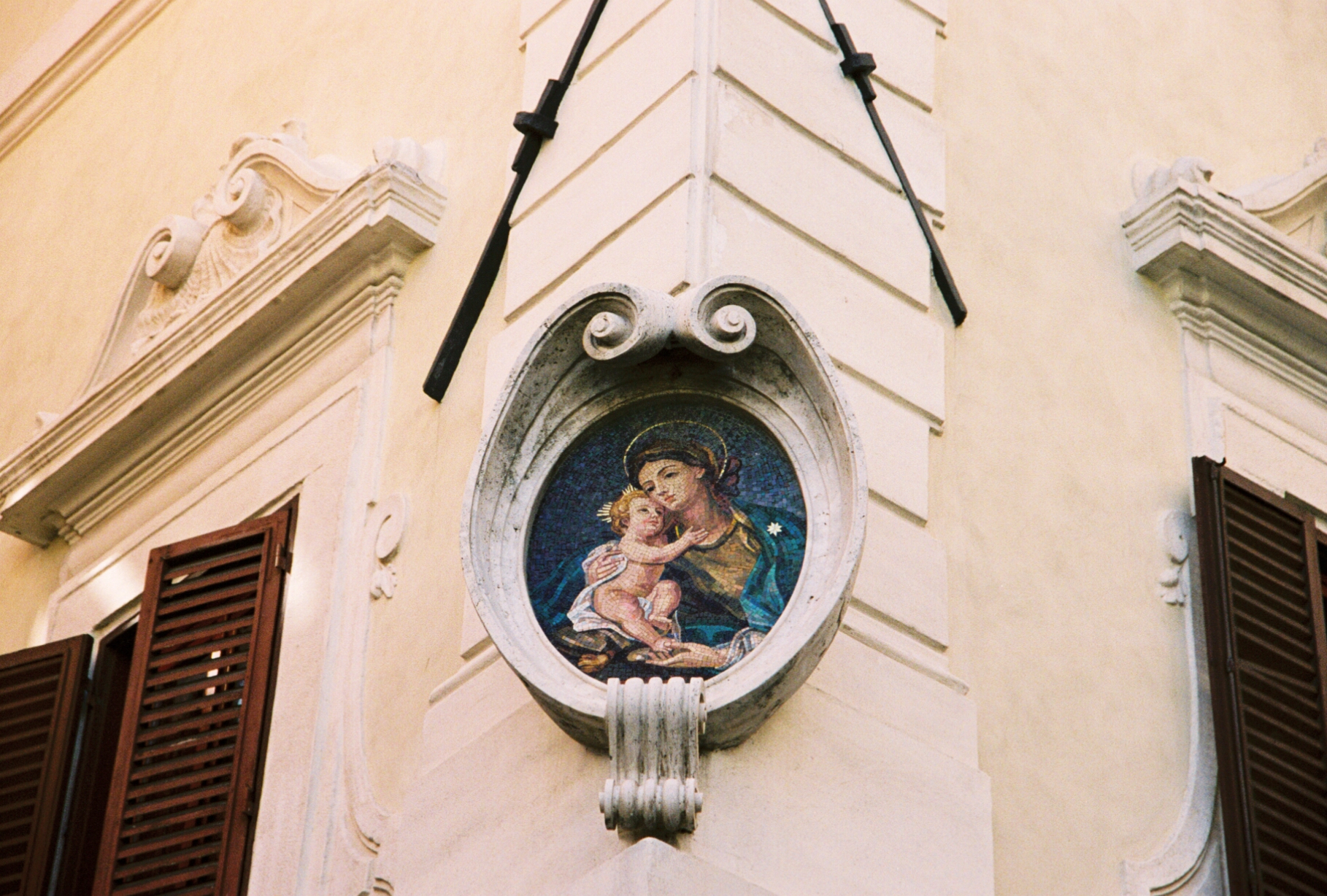
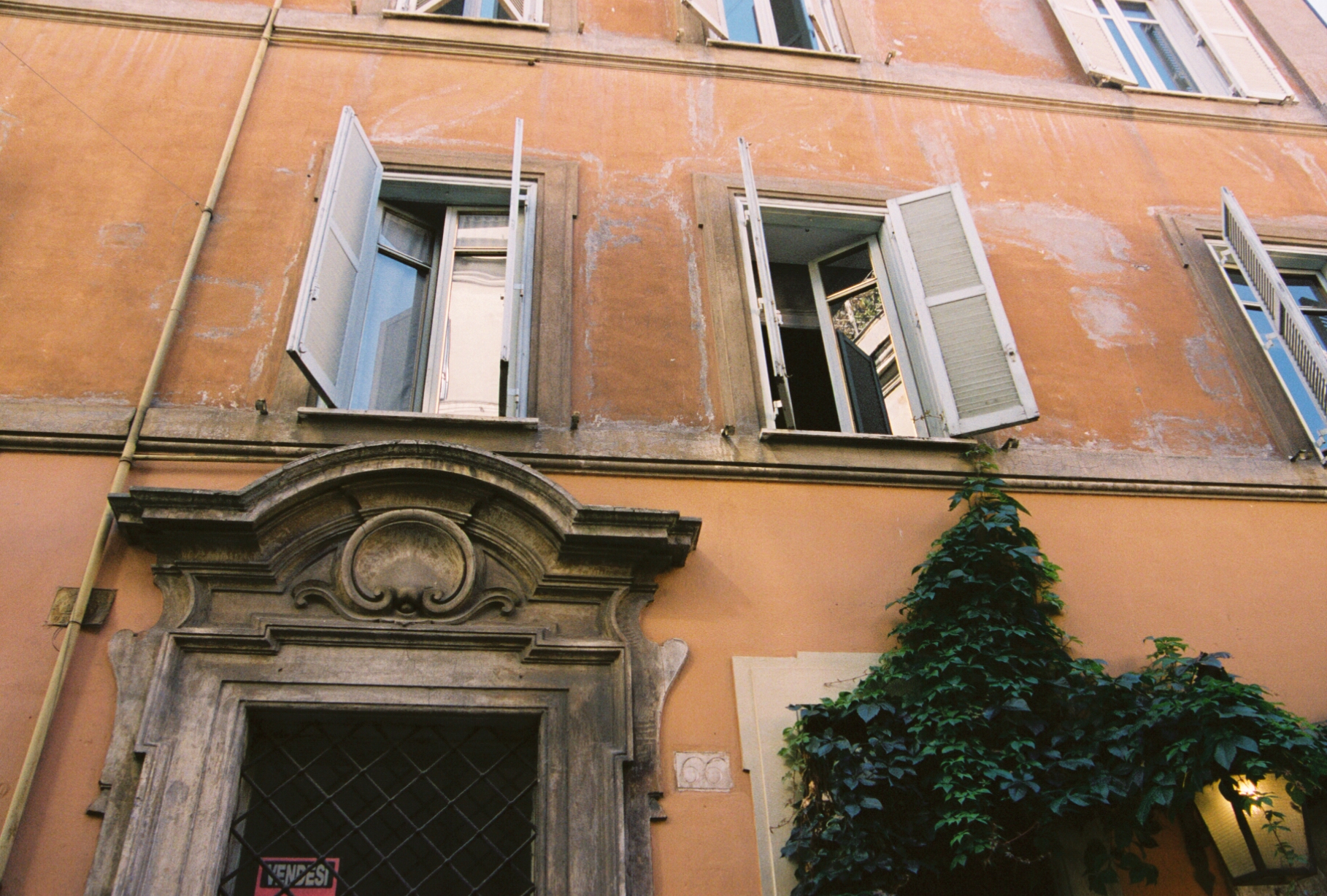
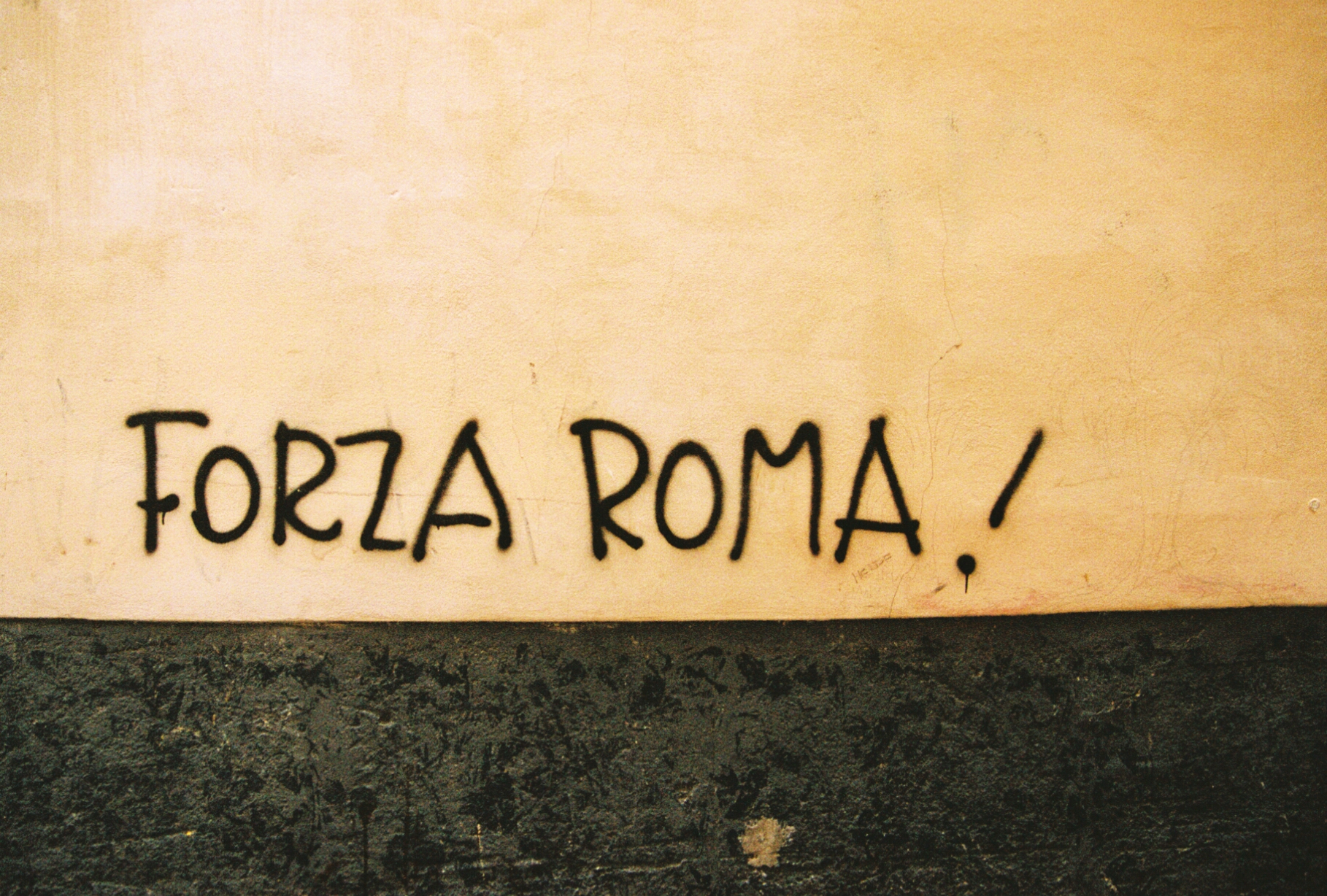
Notes on a little about my photographic process. I’ve been asked about this and it’s mostly the use of fine art films and my analog camera, but it’s also my digital camera and my iPhone too, that I shoot images with.
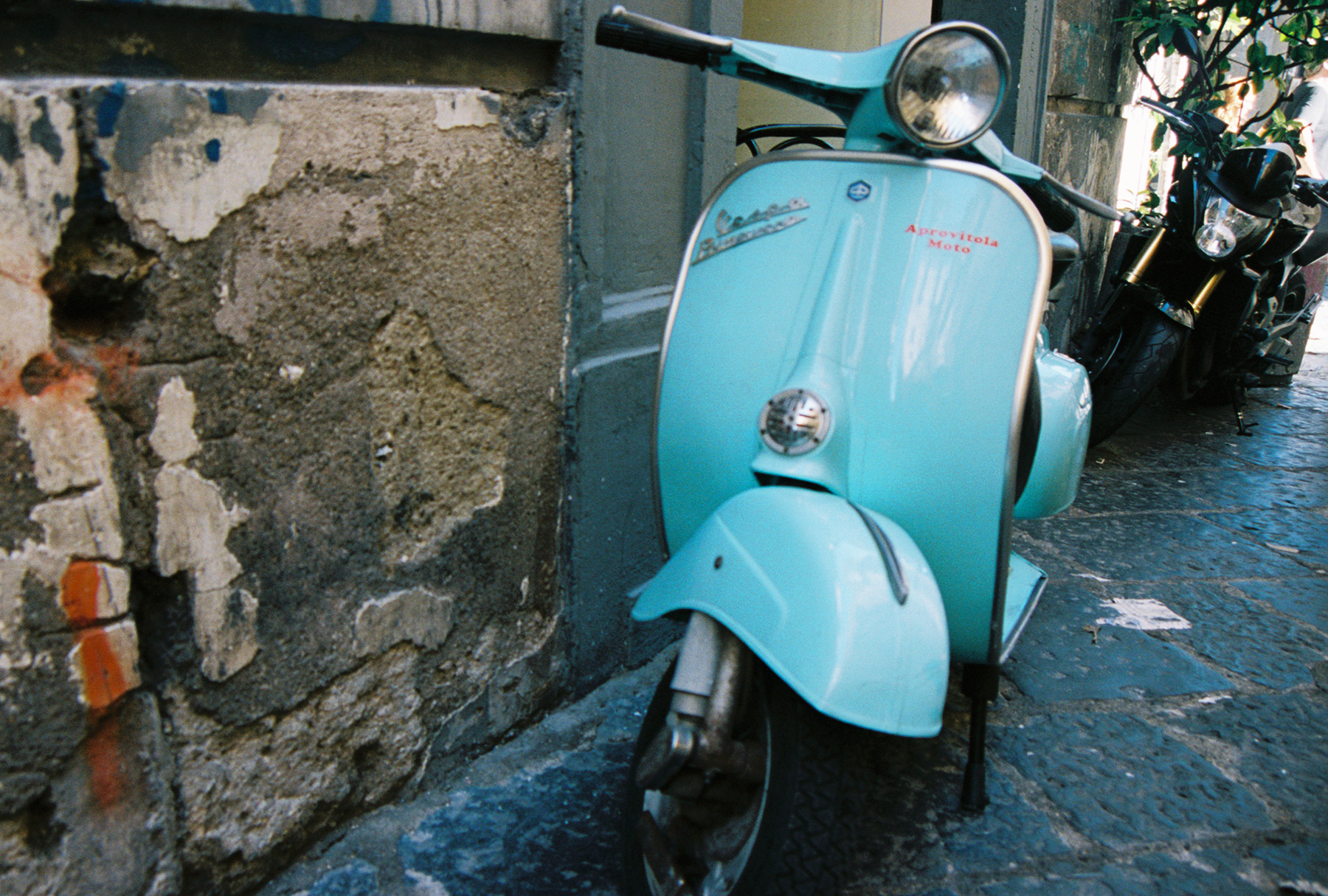
vintage sky blue vespa in napoli, italy, portra 800, october 2013
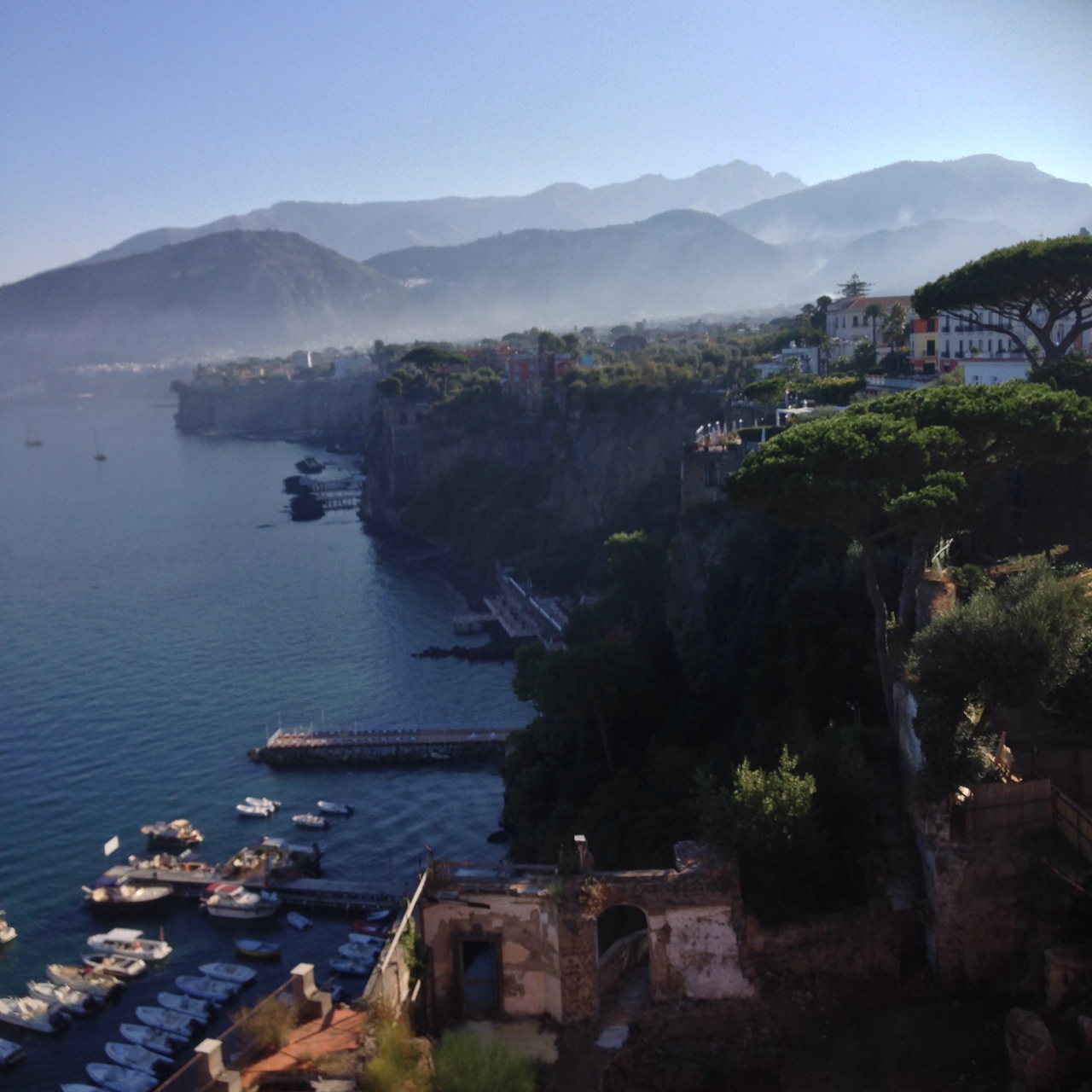
Yesterday I picked up my 35mm film photographs of Capri, Ana Capri, Sorrento and Napoli – shot in portra 160, 400 and 800, kodak pro h, and a few spare vintage-style rolls of color film, the names of which escape me at the moment. I shot some velvia slide film, which was developed into individual slides and I poured through each slide on a light table with a magnifying glass and chose the best ones (and the lab will scan them onto cd so I can post them here and in some articles and guides on Italy for other publications – AND which cost me $5 per slide)!!!
A roll of art film can be $15-$75 just for 35 mm film… 120 film (medium format/ large format) can be even more. Some times one can luck out with a five pack for $55, depending on the film. The film slide film is usally $25+ per roll and there is some incredibly beautiful discontinued slide film is now $75-$125 per roll with an expiration date! My fridge doors are not packed with cheese or juice or butter but with endless rolls of film, the cheap stuff, the mid range and the criminally expensive. It’s vitally important to buy your film from credible sources. That’s why I tend to buy the film in person, from a few credible photography shops in the Boston area, who properly store their unexpired film in a film fridge.
So for this trip, the 11th to Italy (ahh, makes me think of Doctor Who!) – I spent a couple hundred dollars on the film, a couple hundred to develop the rolls and a few hundred more once they scan the velvia film slides onto CD.
I shot about a hundred pictures on digital but focused mainly on analog because I prefer the dreamlike, tonal quality and the color and beauty of these special films. It’s sad how incredibly costly it is to shoot with fine art film; it’s truly a dying art form. But there is still the drugstore deals on fujifilm and kodak (buy one 5 pack, get one free, etc) I collect in bulk because that film is great for every day shots and practice. But for Italy and for shoots where I’m looking to tell a story, I still rely on those rare gems: portra, velvia, etc.
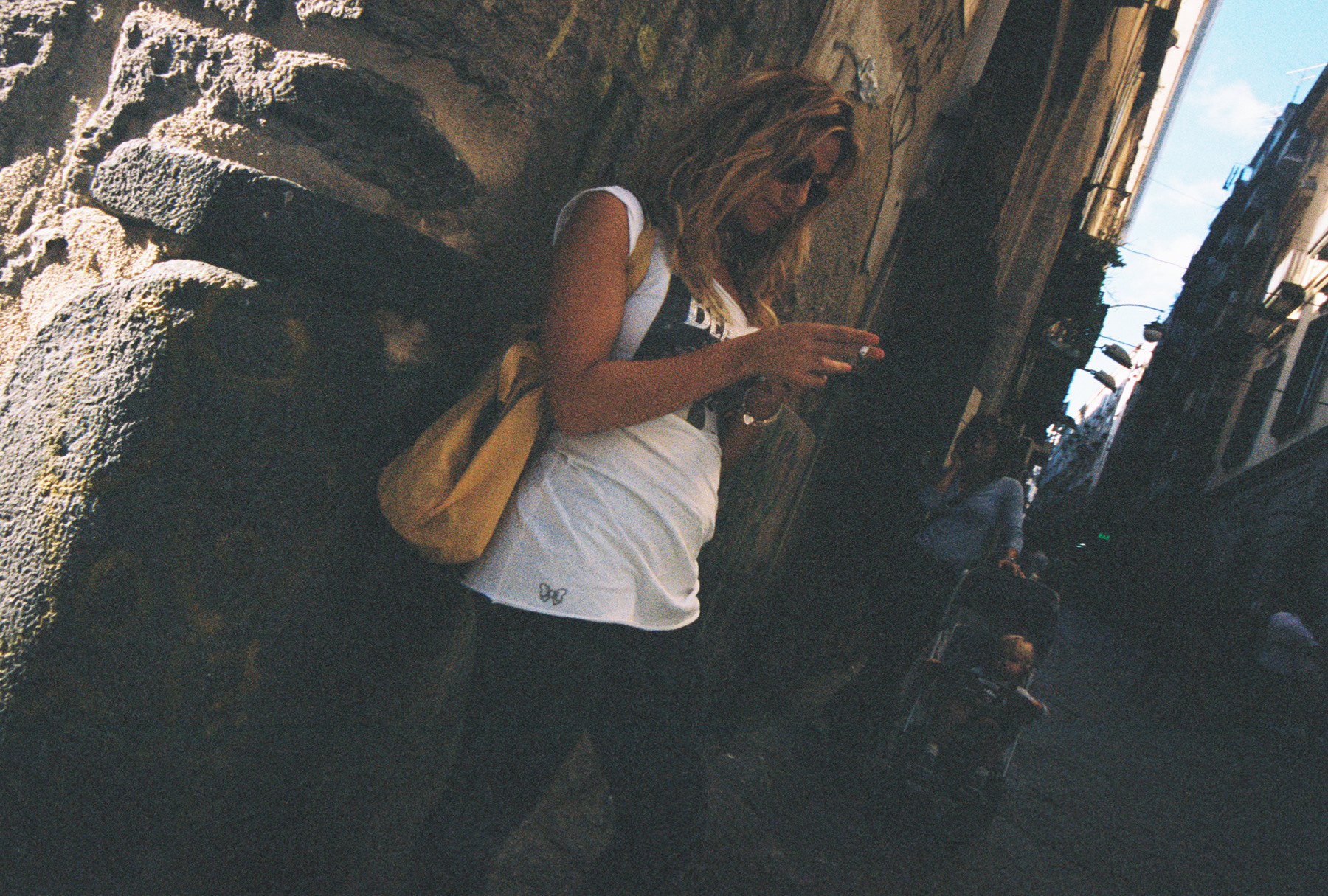
neapolitans in spaccanapoli, portra 800, october 2013
As I return to writing and shooting and editing I’m thinking of arranging this into a book or extended project of my version of Off The Beaten Path Italy so I’m thinking of the tremendous cost as an investment. We’ll see.
I have a busy weekend but I’m going to get some pieces together soon and post some of the photographs here. I do post some of the stand alone shots on tumblr here.
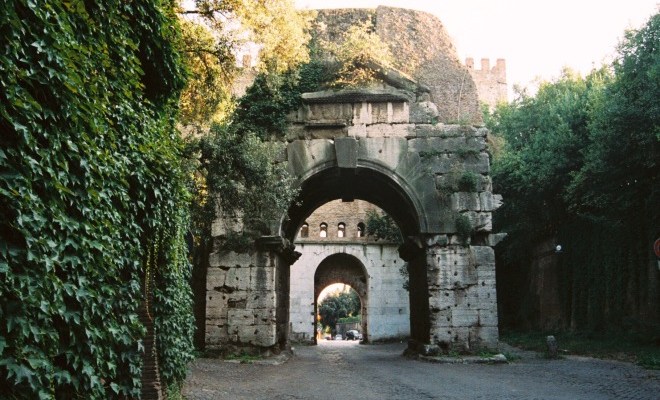
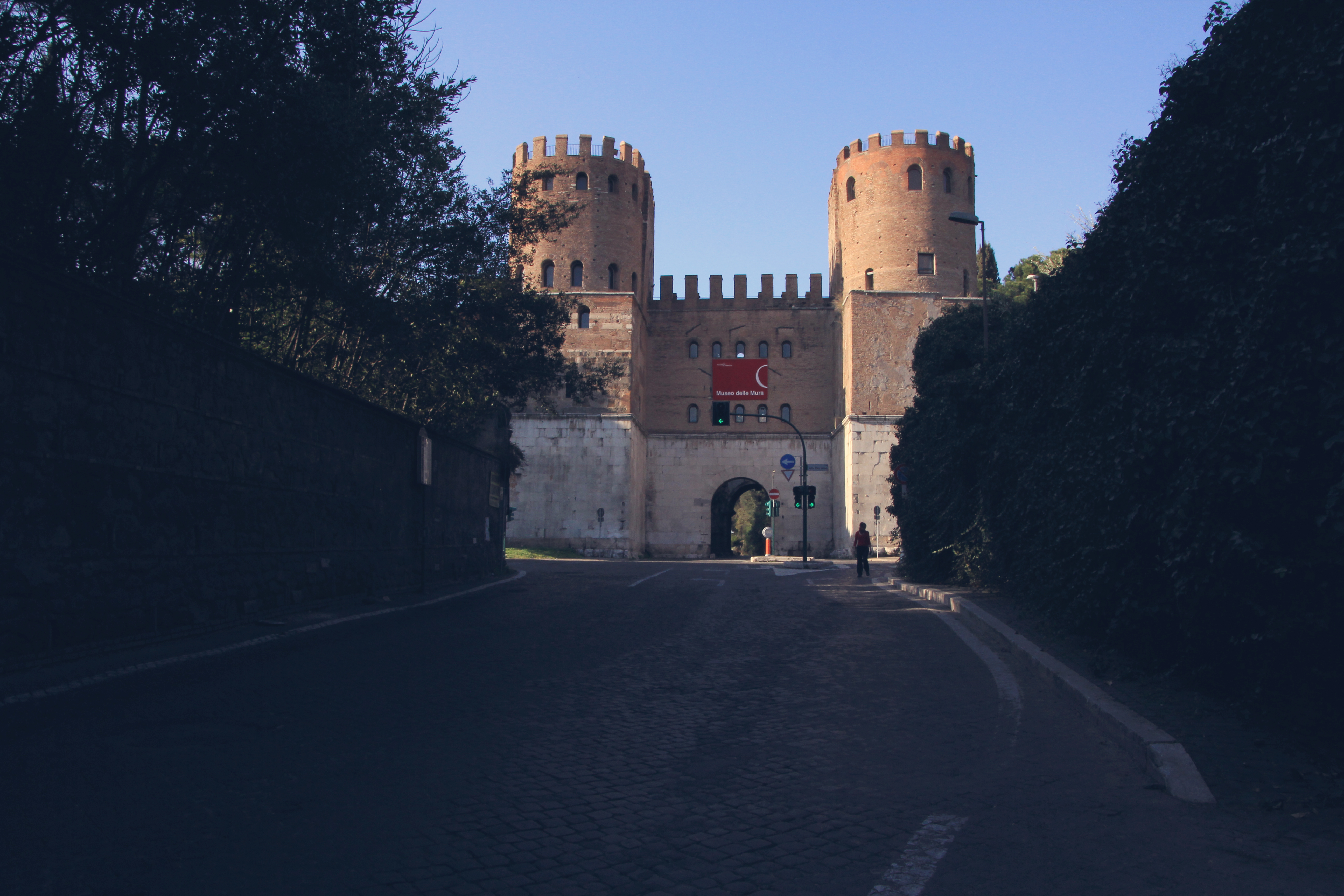
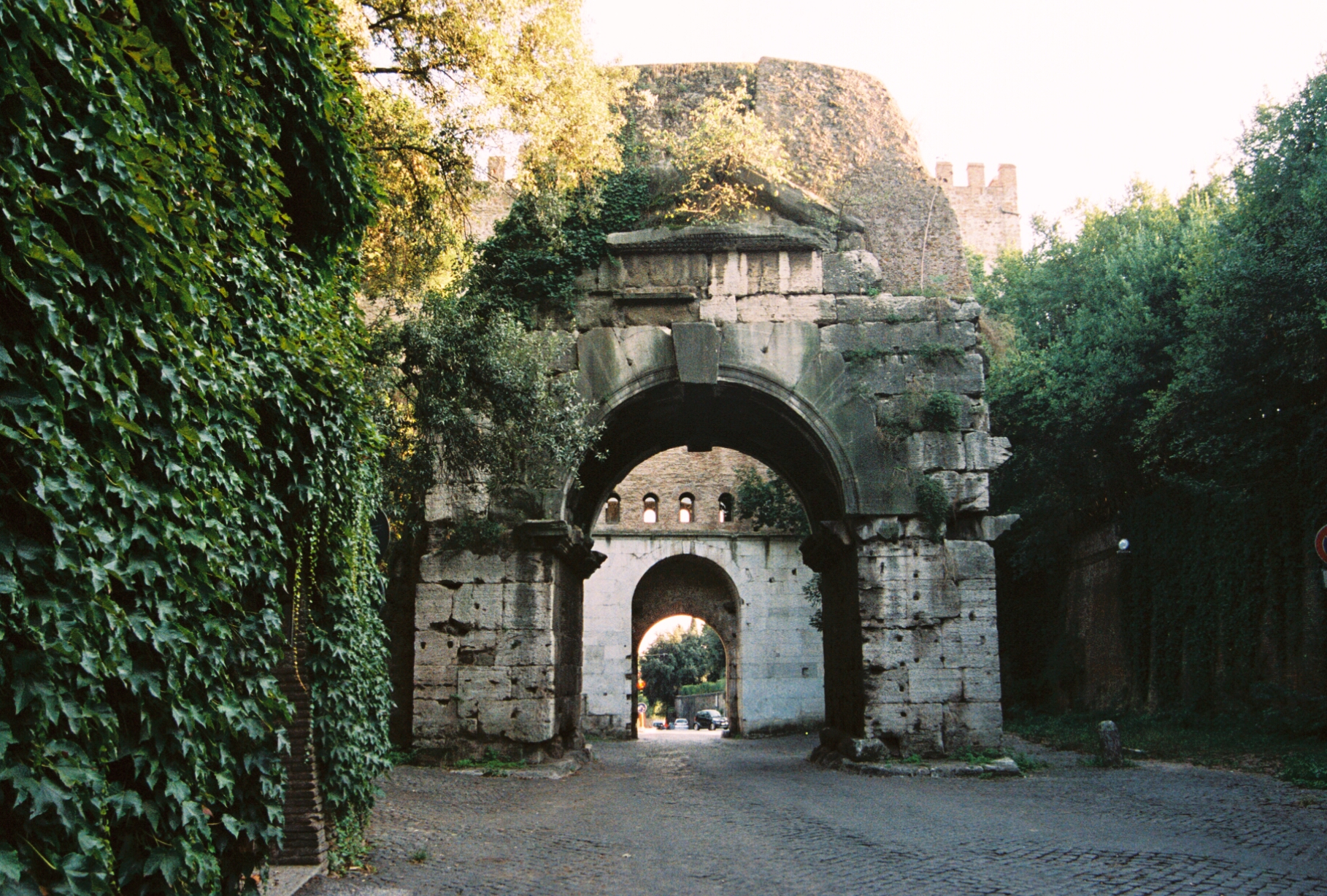
The entrance to the Porta San Sebastiano is the modern name for the ancient Porta Appia, a gate in the Aurelian Wall of Rome, through which the Via Appia, now the Via di Porta San Sebastiano at that location, left the city in a southeasterly direction. It was refortified at the end of the 4th century and was again renovated in the sixth century by Belisarius and Narses. The gate, a brick structure with turrets, still stands and has been restored to good condition. Modern traffic flows under it. Inside and upstairs is a museum dedicated to the construction of the walls and their recent restoration.
The gate is next to the Arch of Drusus. – wikipedia

After walking for hours on the ancient Appian Way (an experience in itself of the historic pastoral Rome) we found our selves heading toward the porta san sebastiano and the celio district. It was one of the best walks I’ve ever had in Rome, practically isolated and beautifully quiet. There was even a local’s park without a tourist in sight (except us but we were trying to be incognito)!
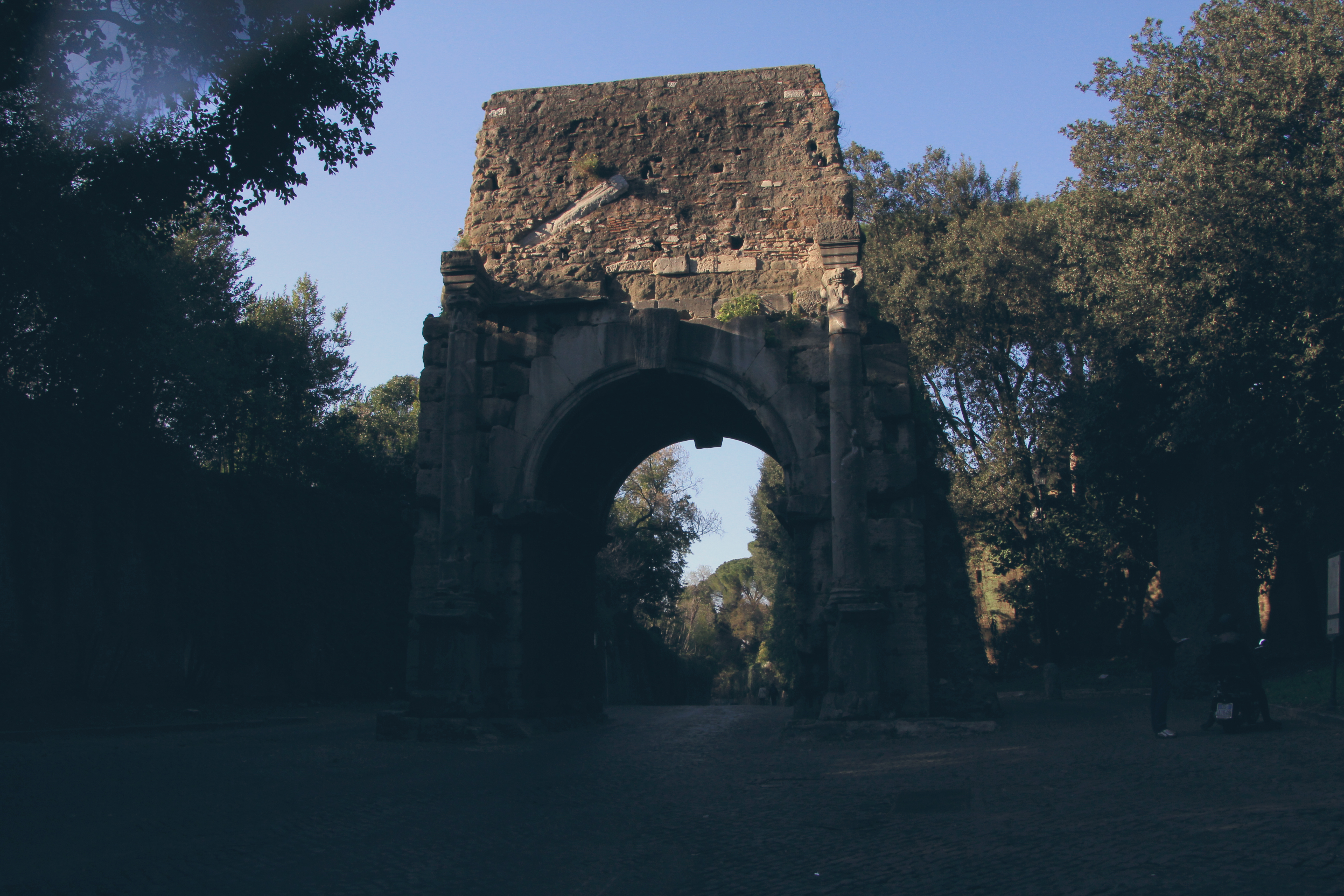
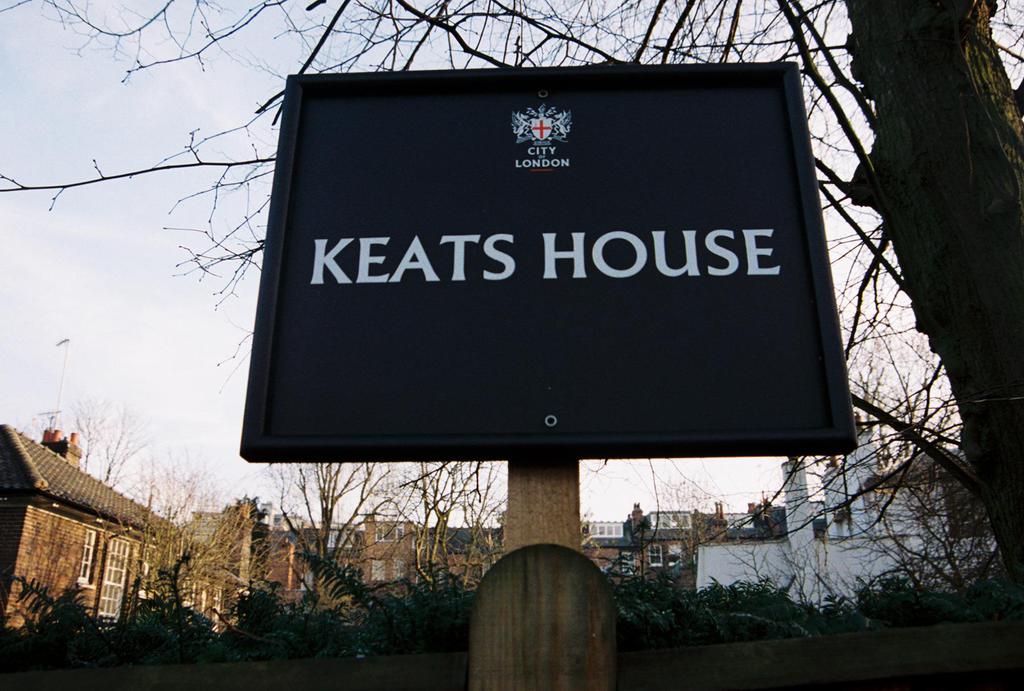
I felt like I was truly transported back in time, even with the odd car or vespa popping through the arch. Millions of ancient pilgrimages have passed this same way into Rome. I followed the steps of Keats and Goethe and Shelley and Byron and countless other Romantics and writers who went on the Grand Old Tour of Italy between the 17th and 19th centuries.
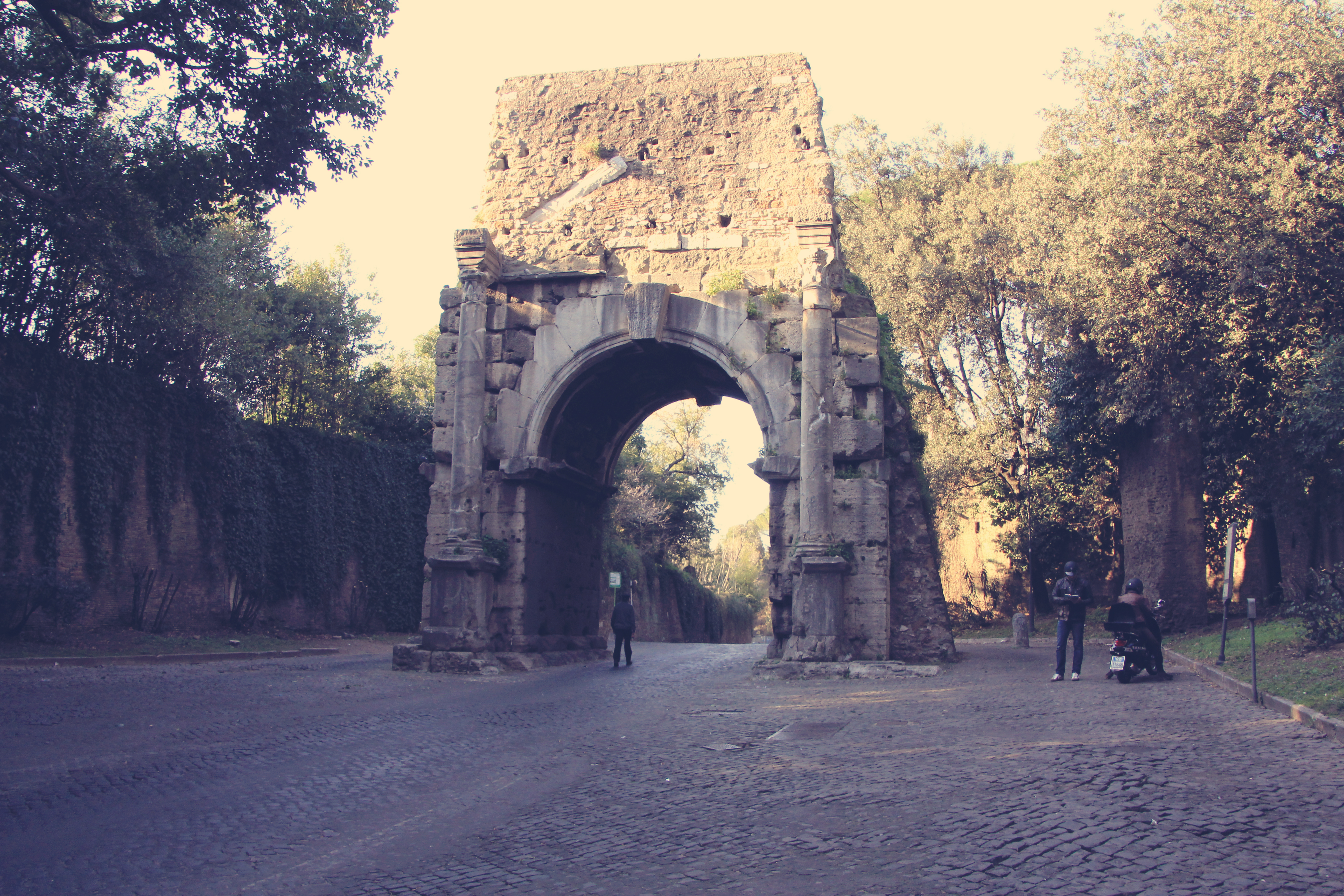
Rome is modern sprawl springing itself forward from scenes of eternity.
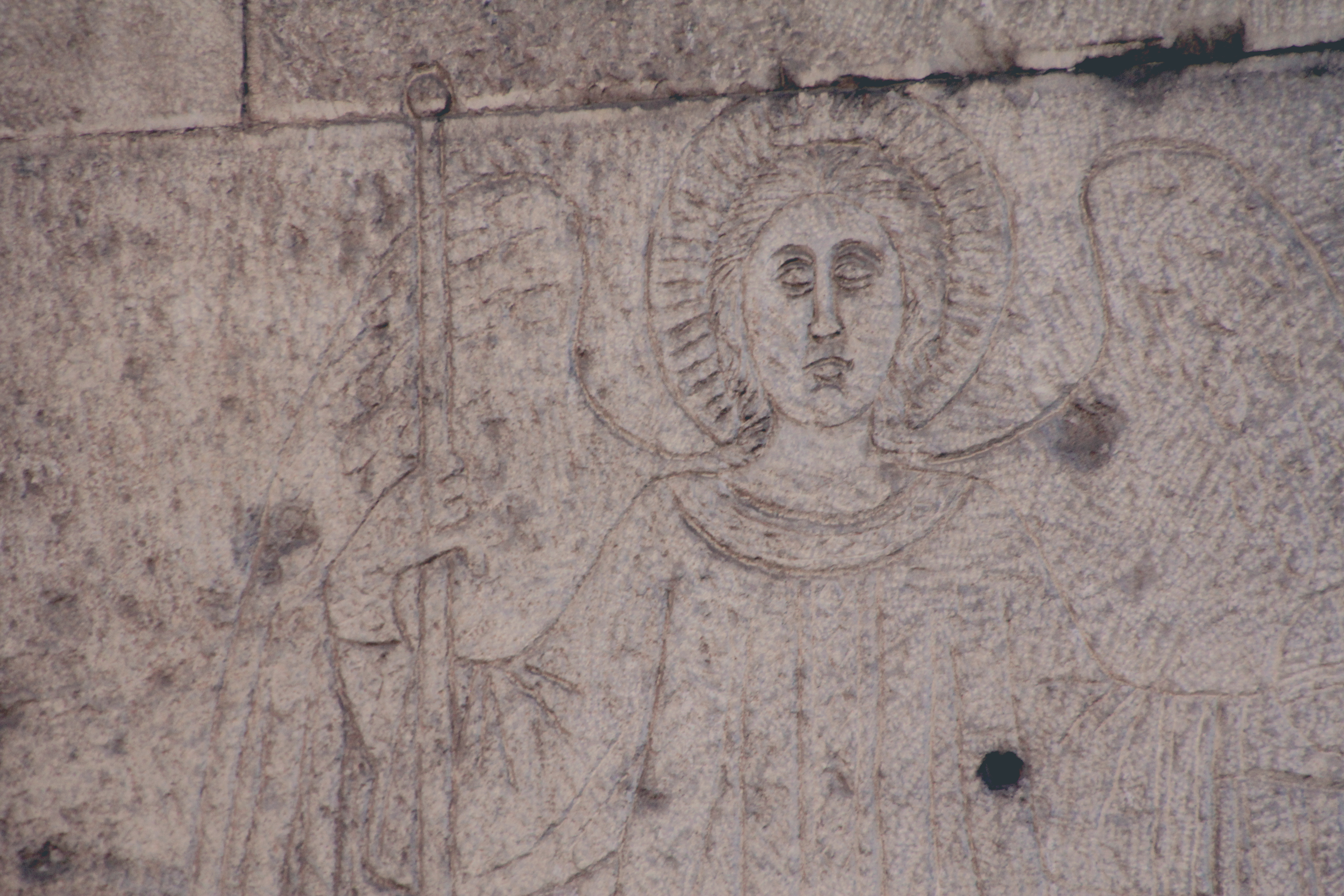
An ancient or centuries old pilgrim’s grafitti of an angel.
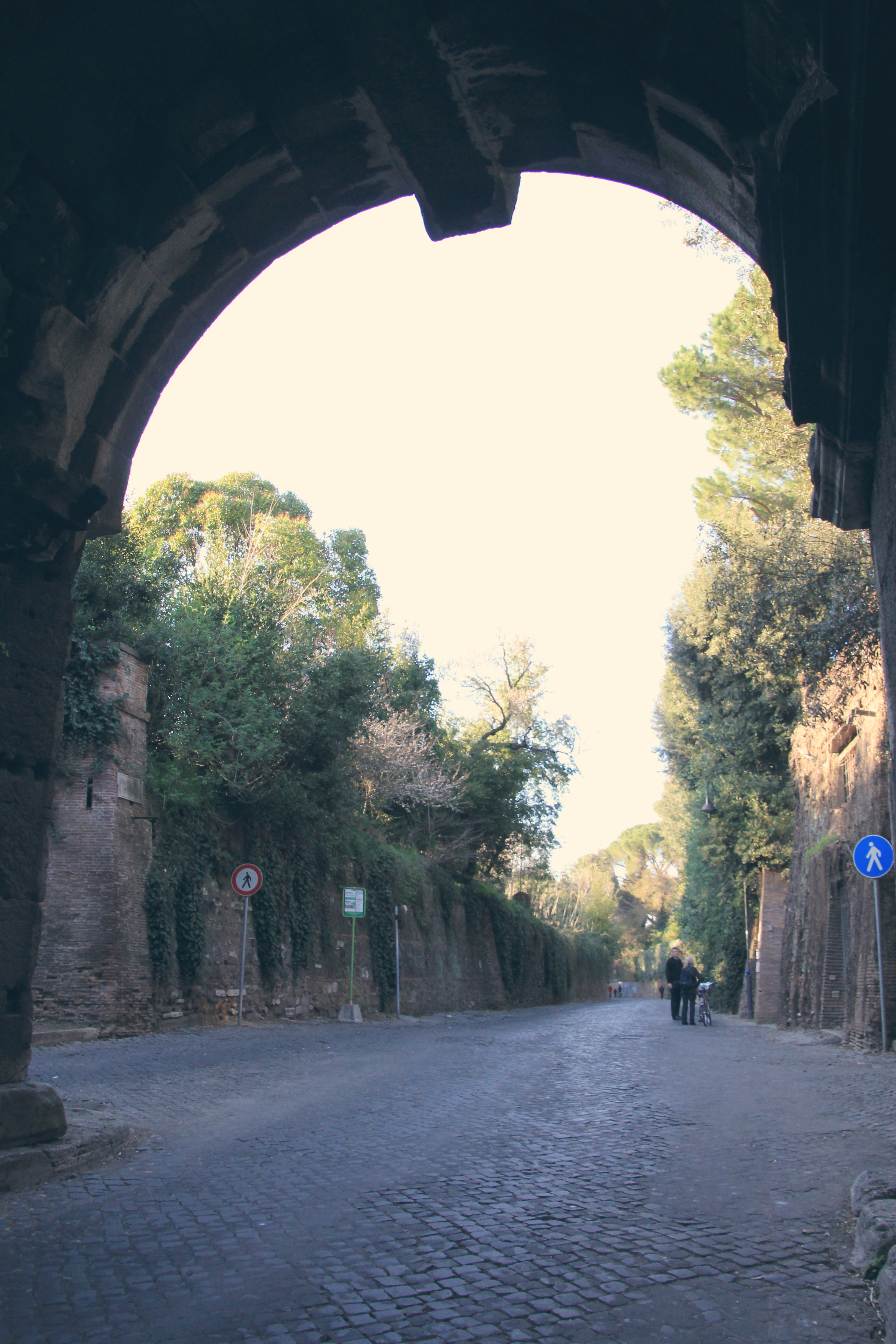
The old cobblestone and bricks, filled with ancient marble and stone broken pillars for mending holes along the centuries.

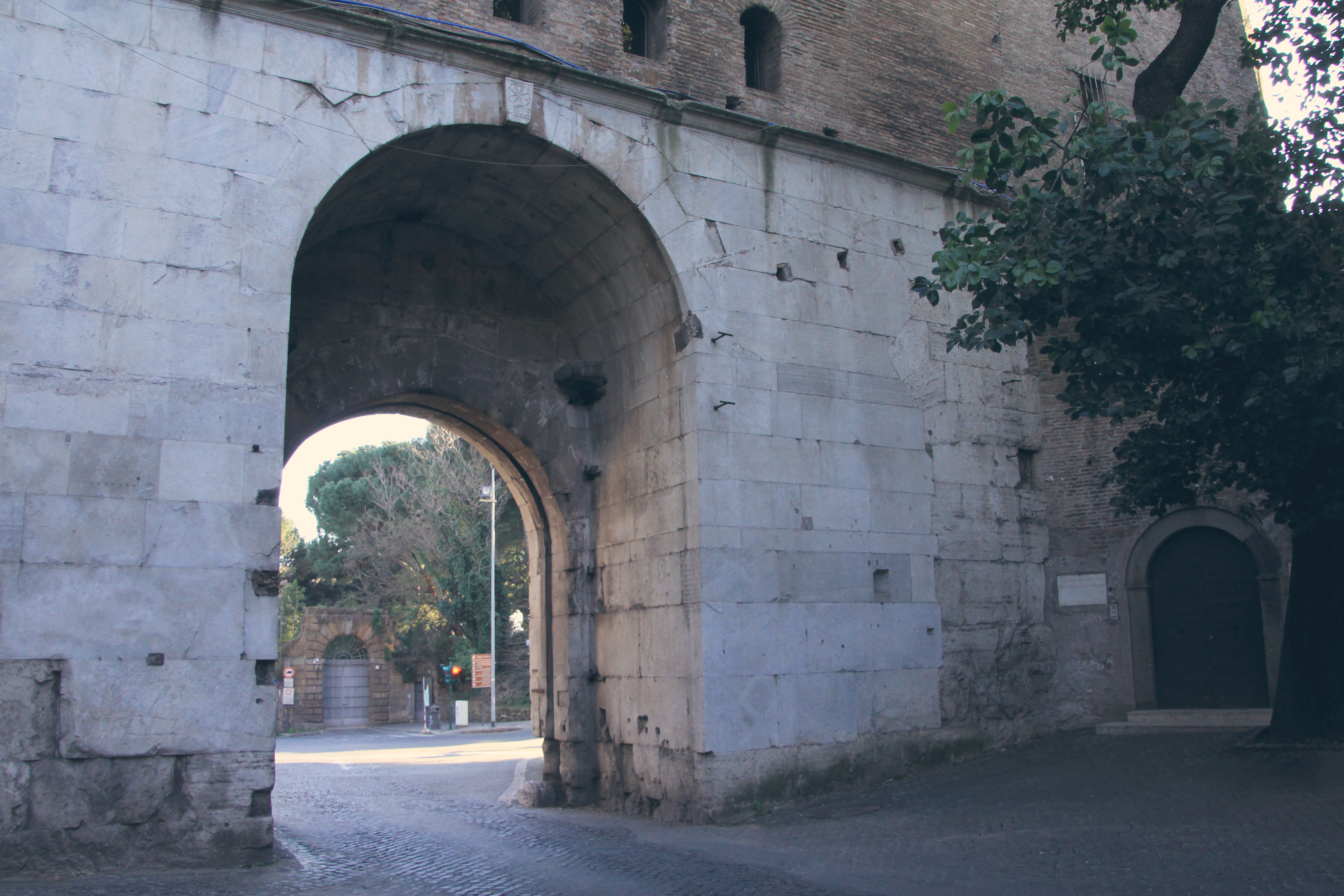
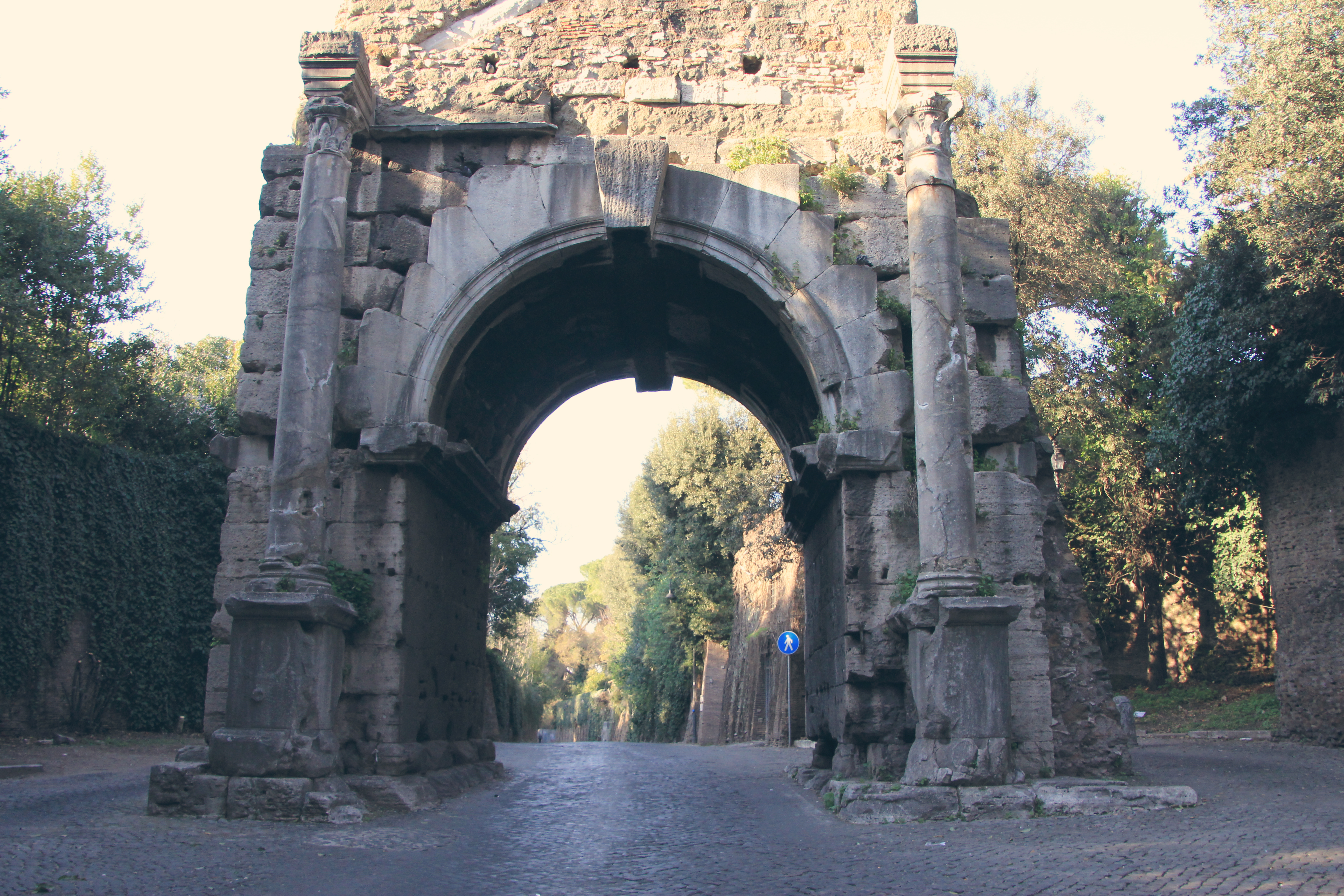
It is so enchanting.
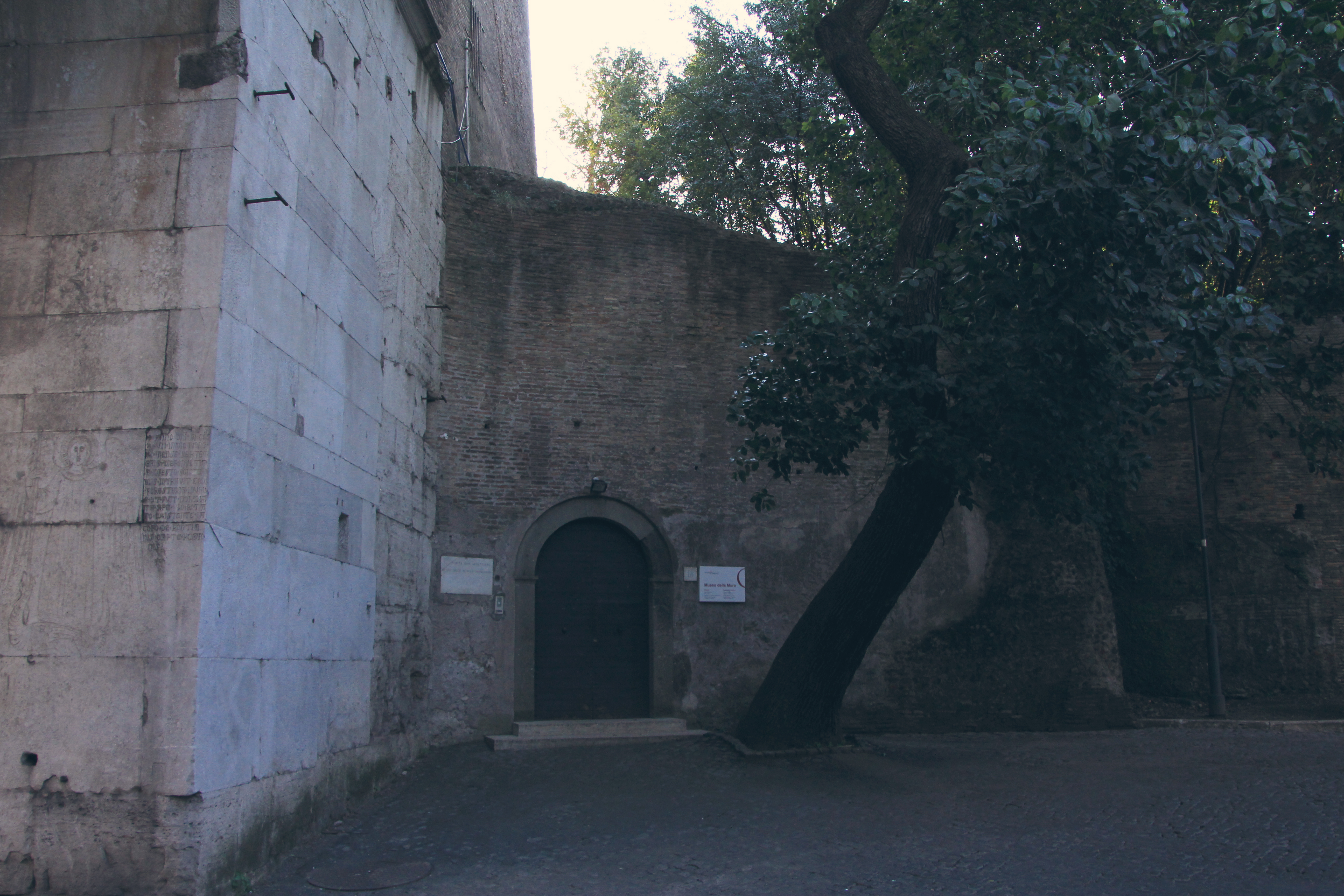
The side of the ancient gate.
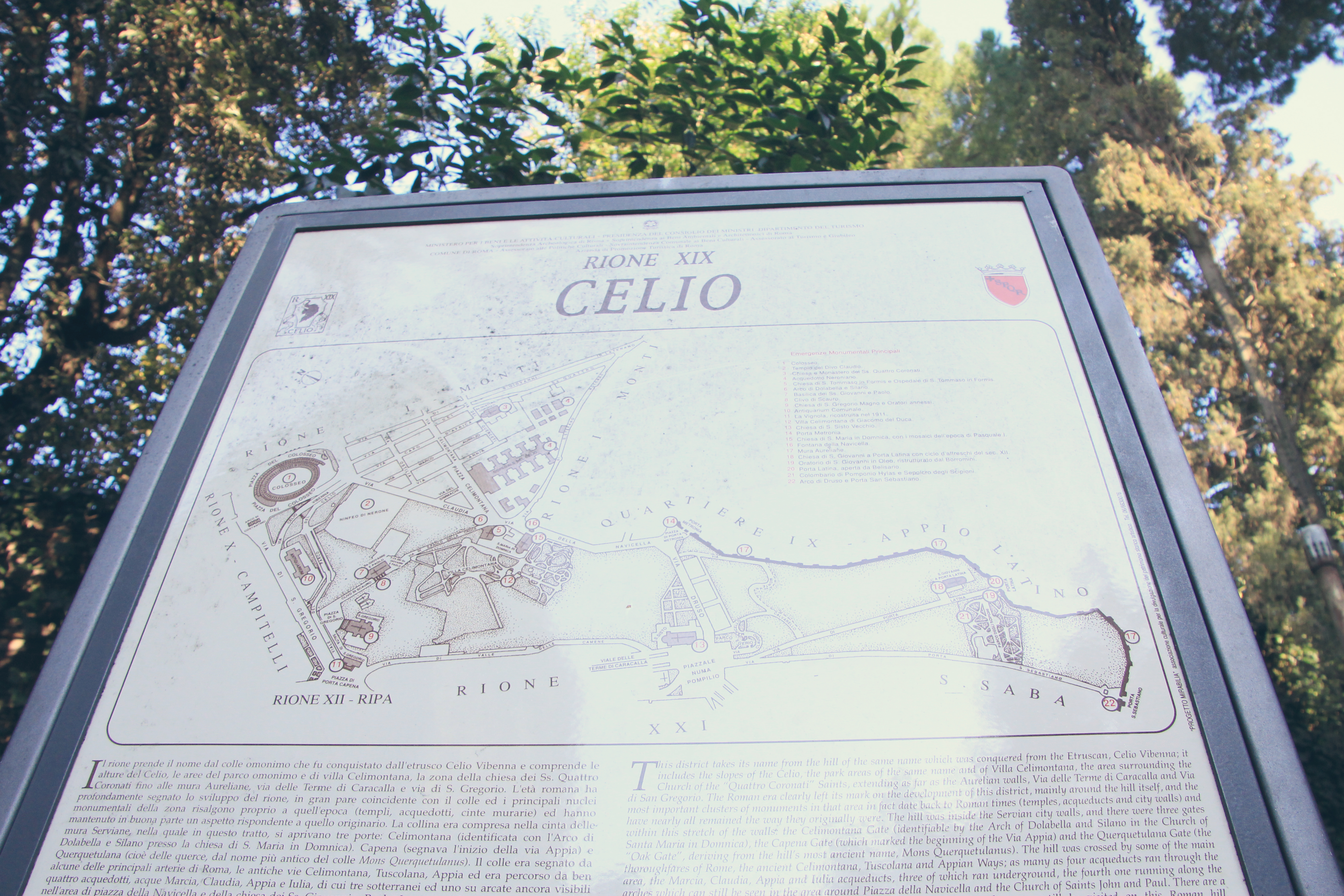
The Celio district is strictly off the beaten path and wonderful!!
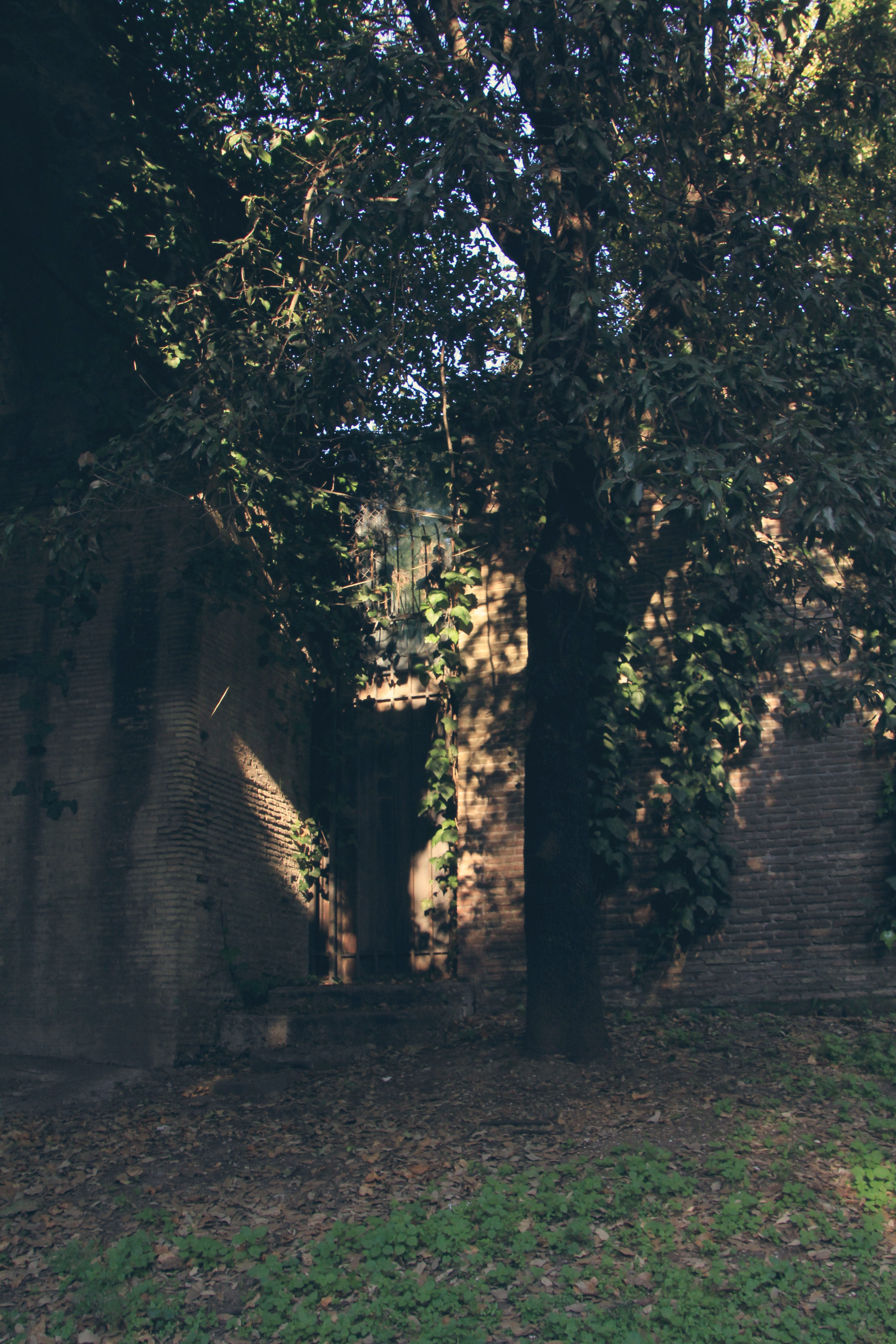
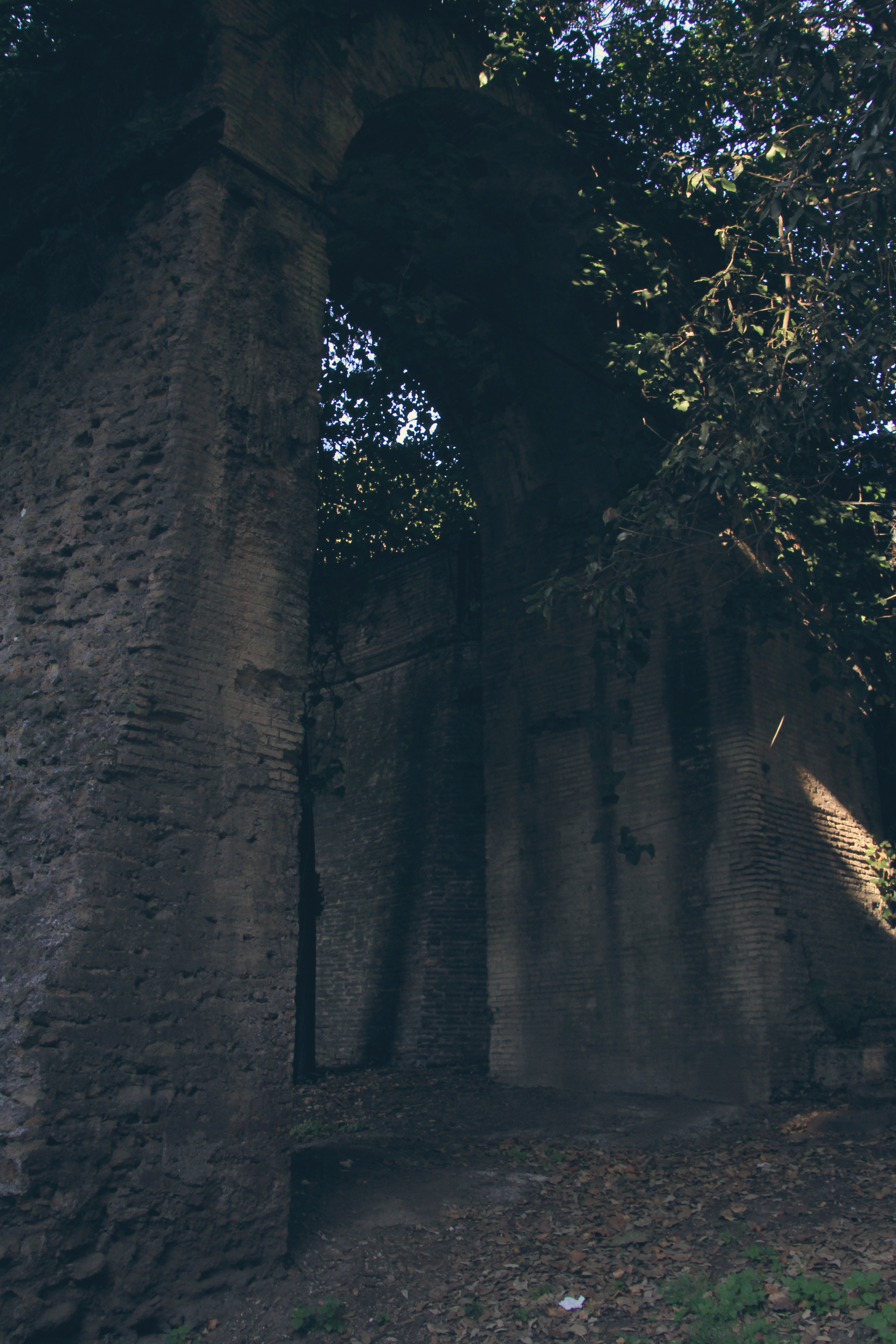
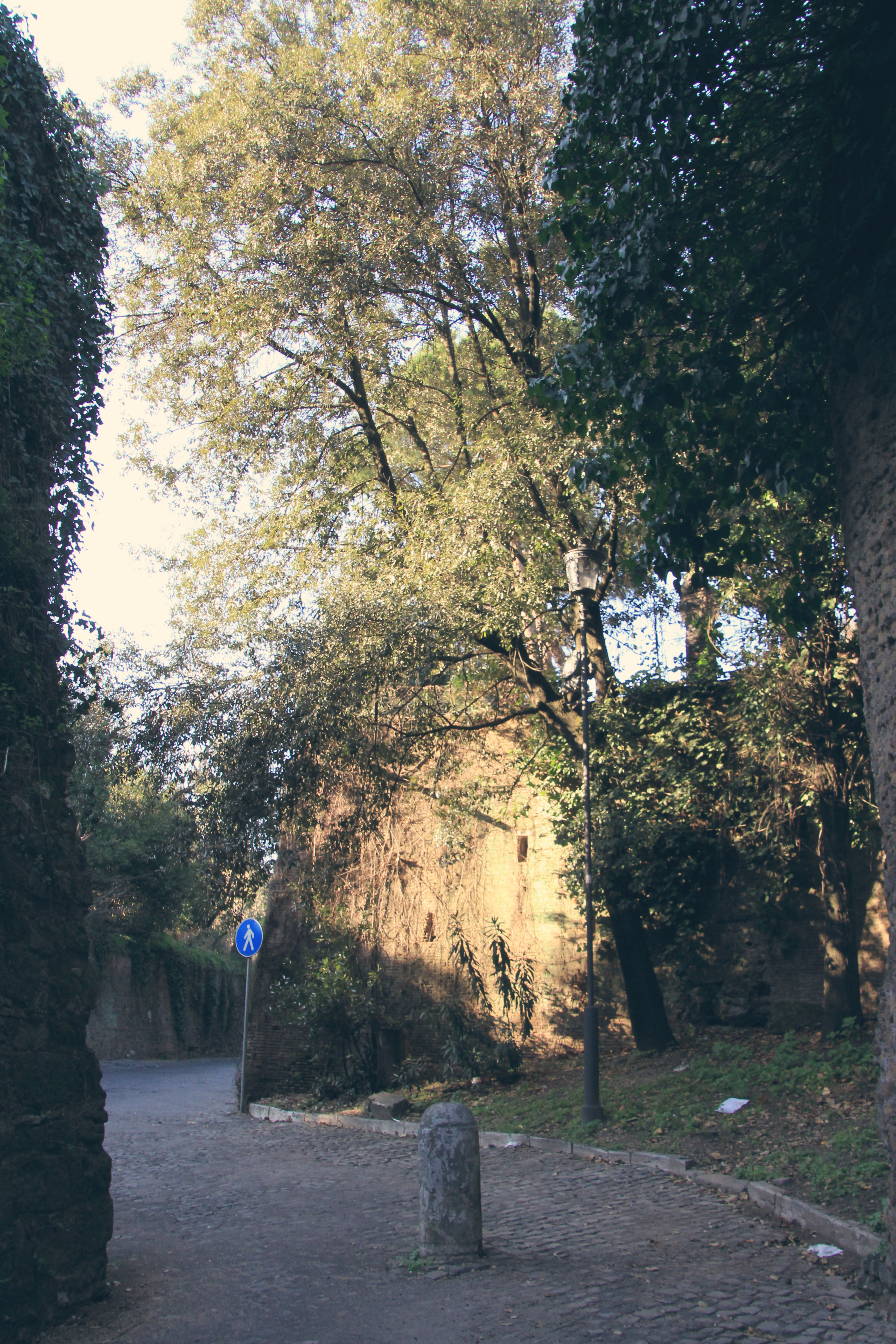
There are signs of an old way of life all along the way.


Greenery hangs everywhere.
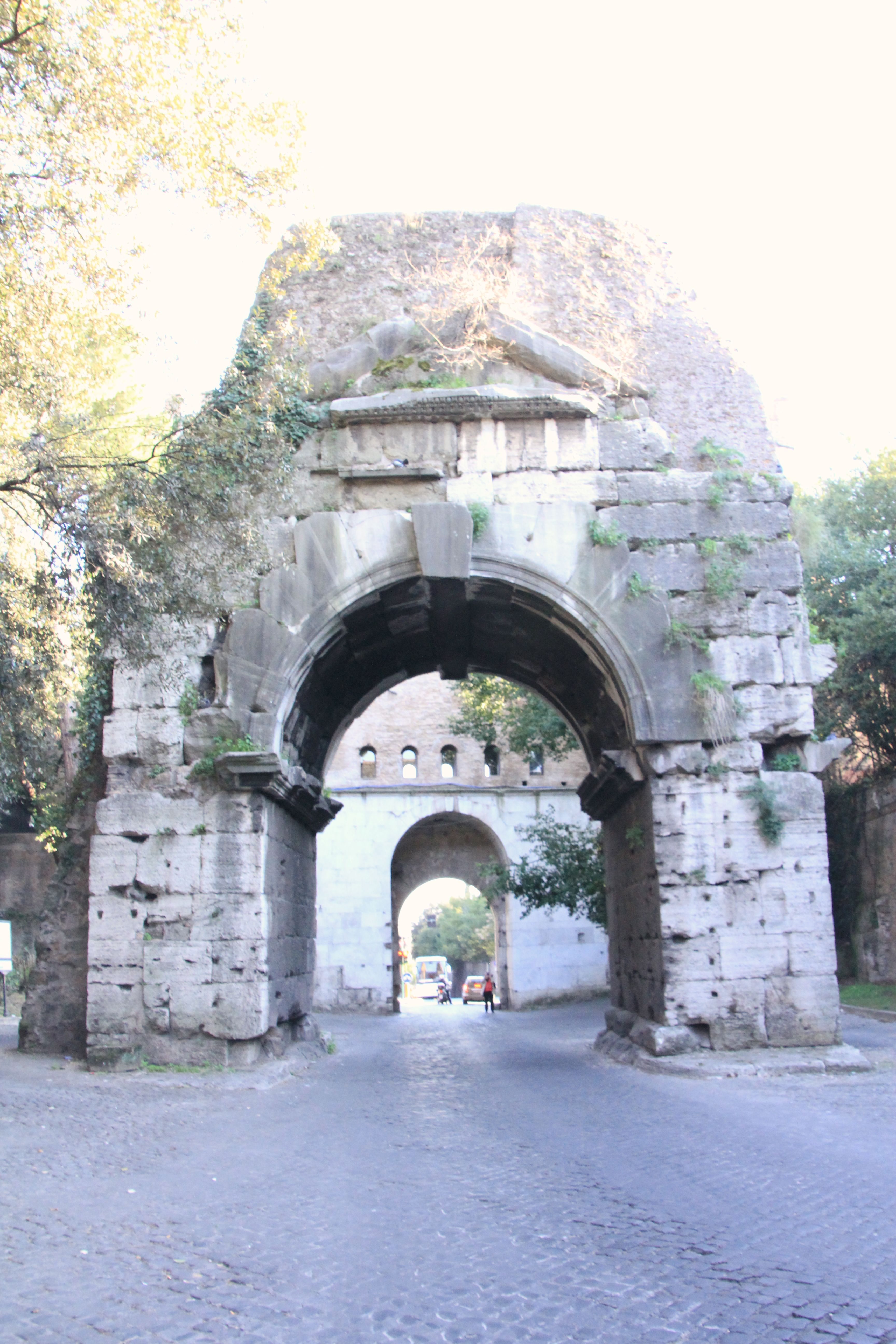
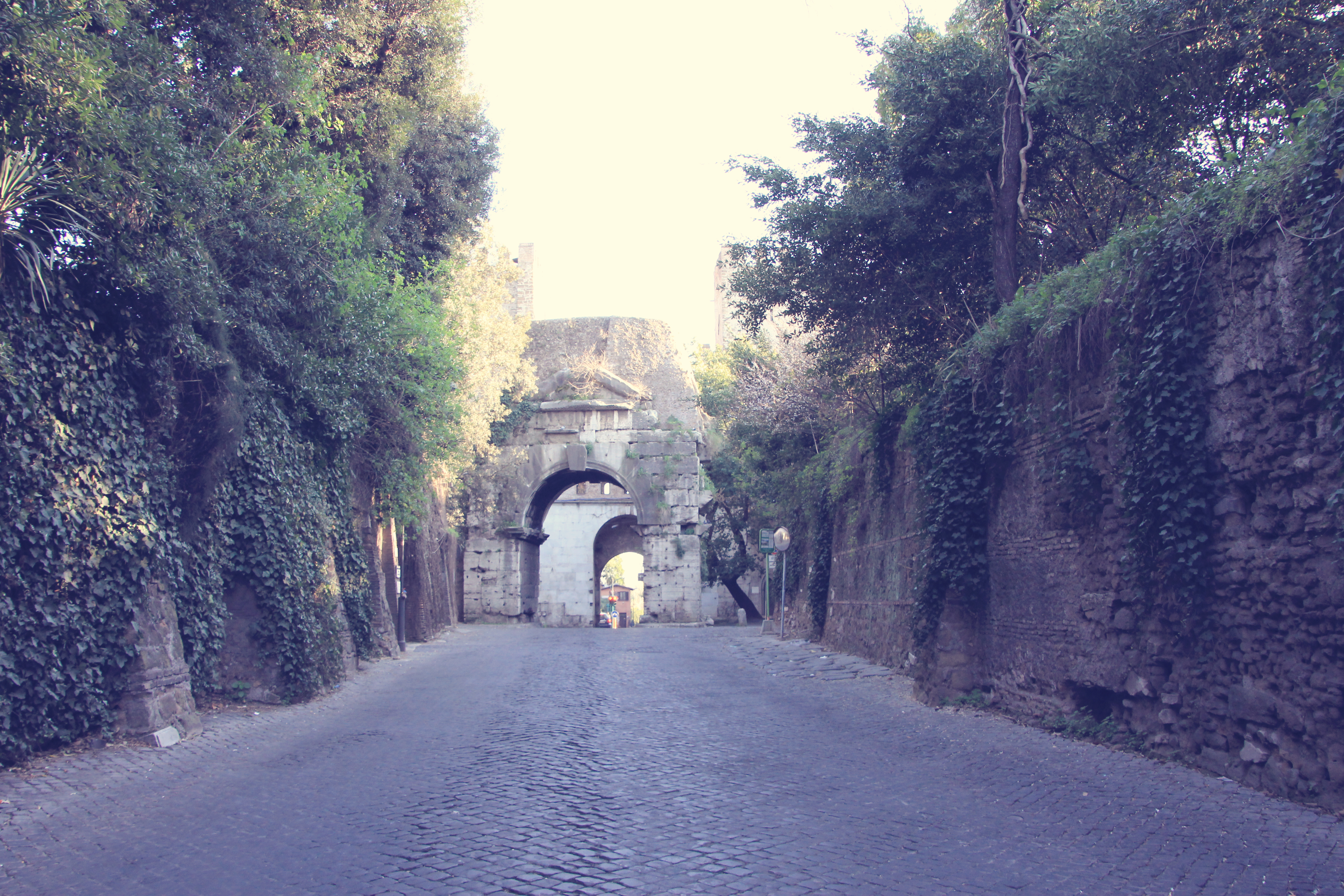
So inviting.
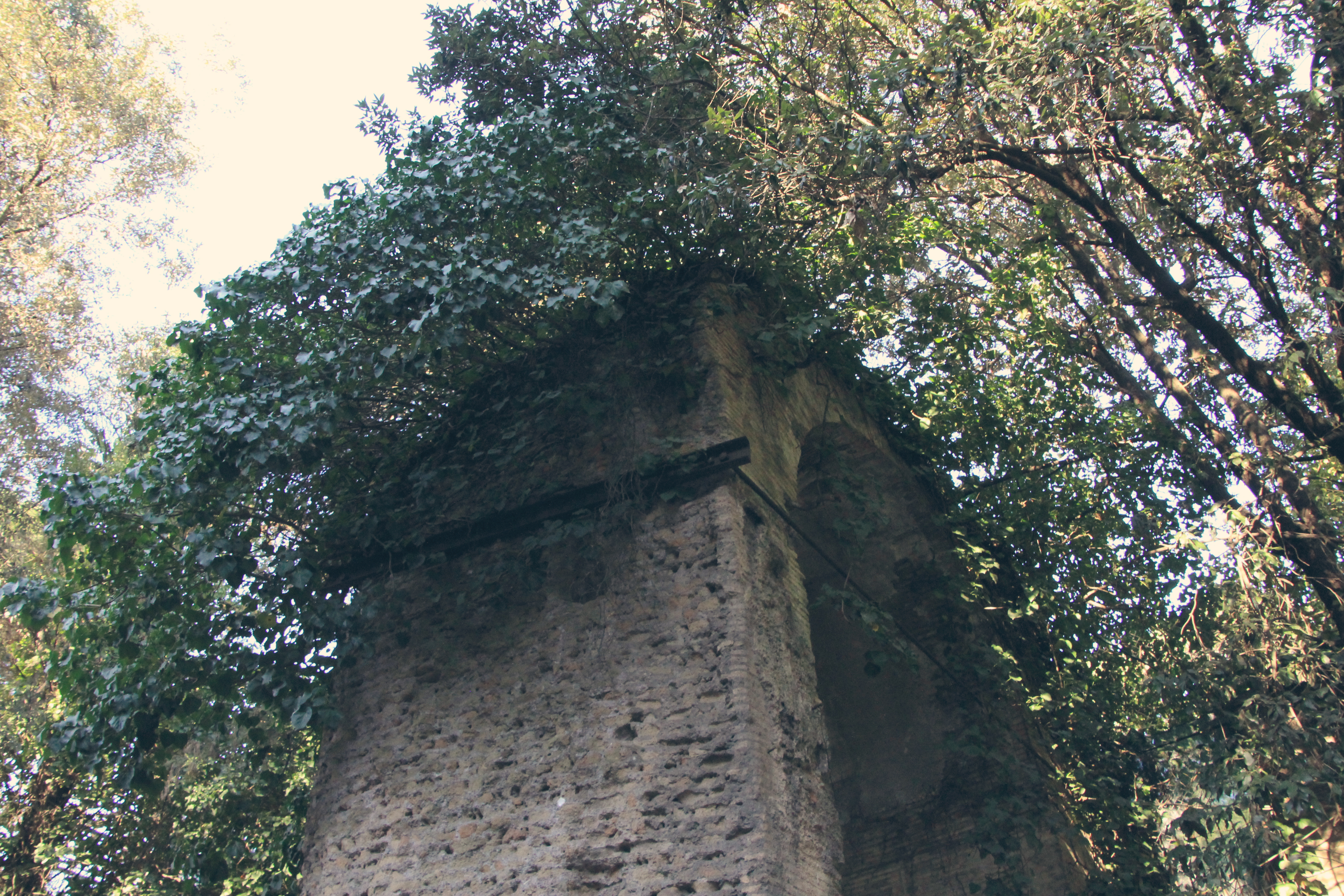

And we stumbled onto this magical place!
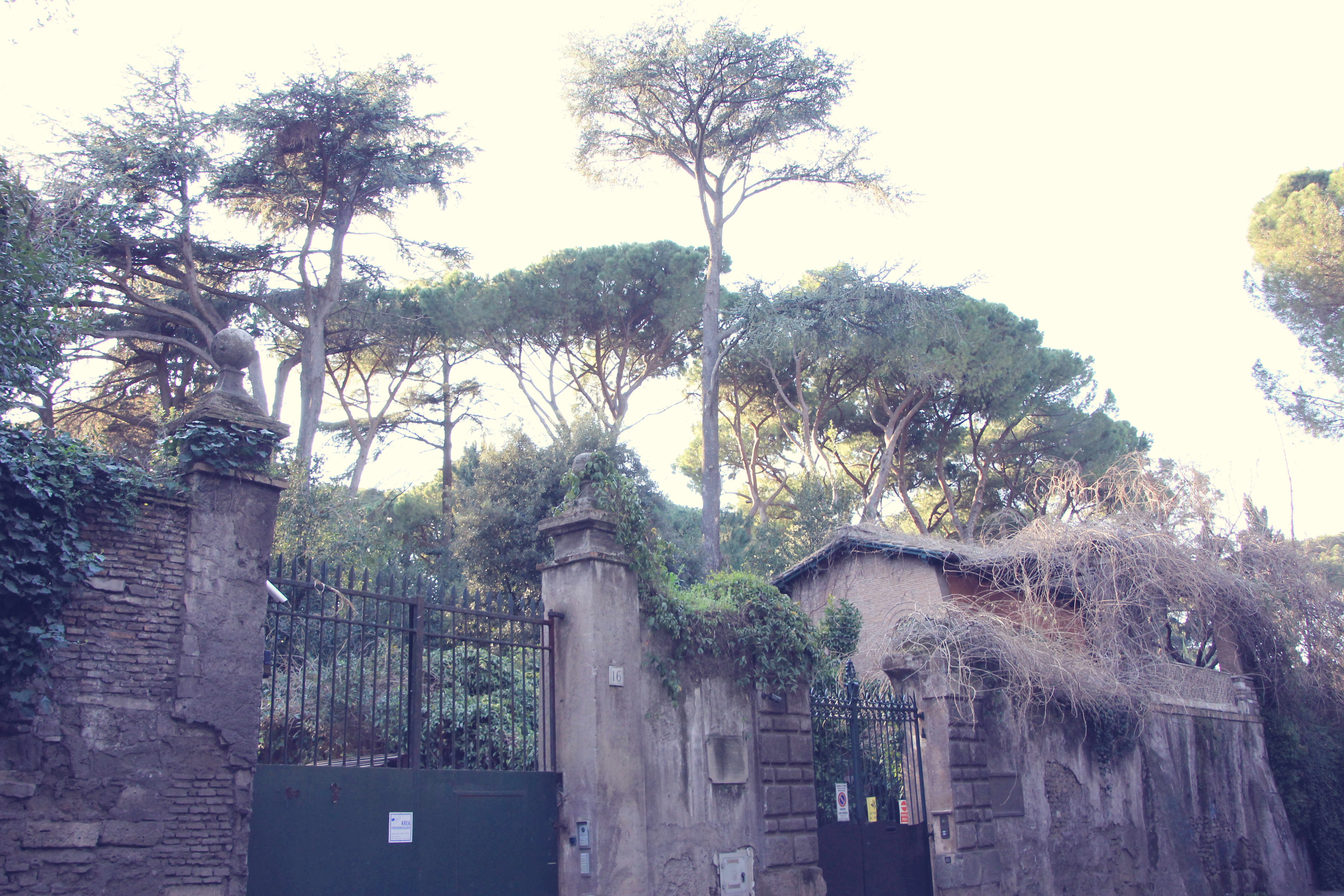

By the forum far away but somehow fitting for this post I think.
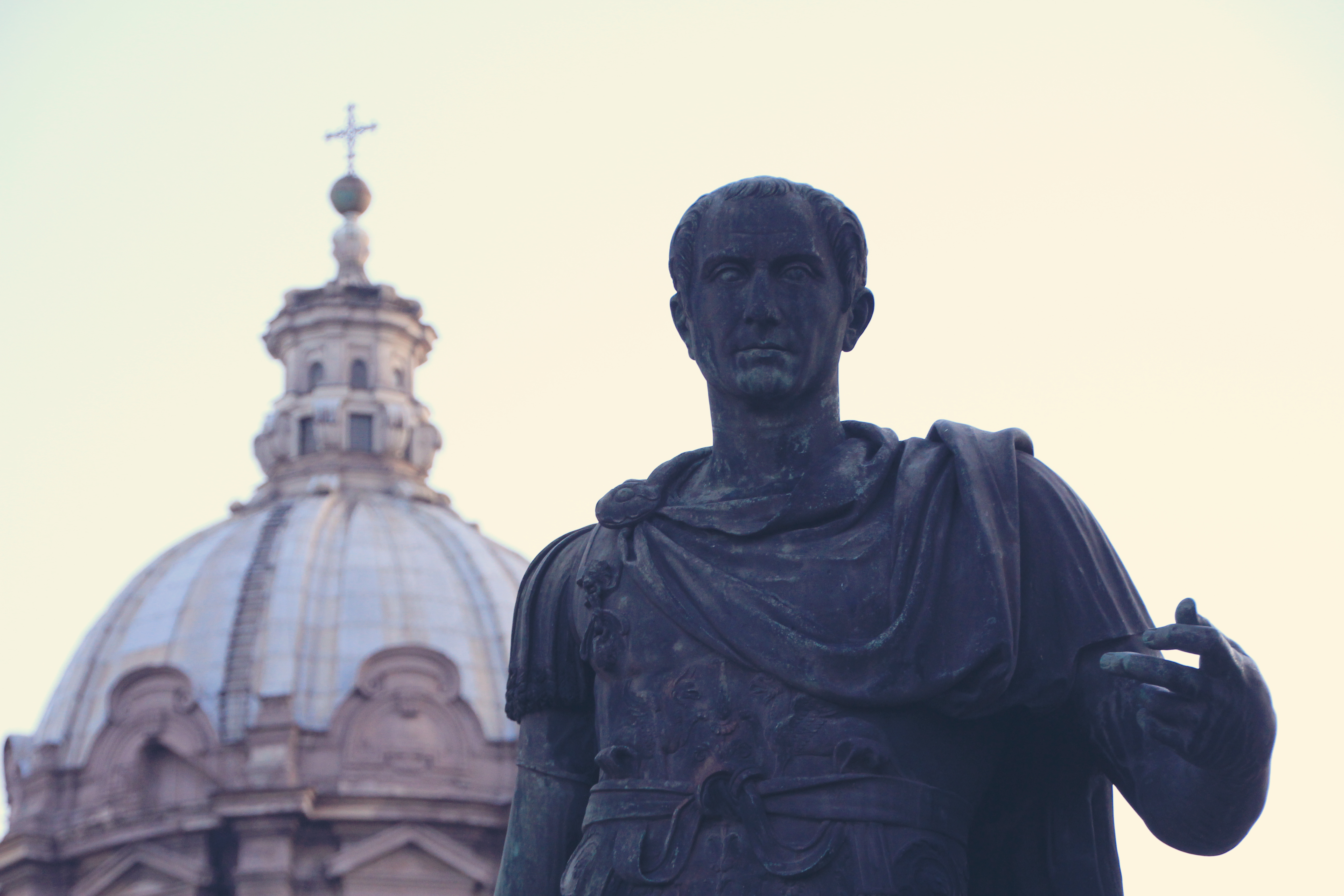
Caesar and cupolas; my idea of Rome, the ancient and the Renaissance.
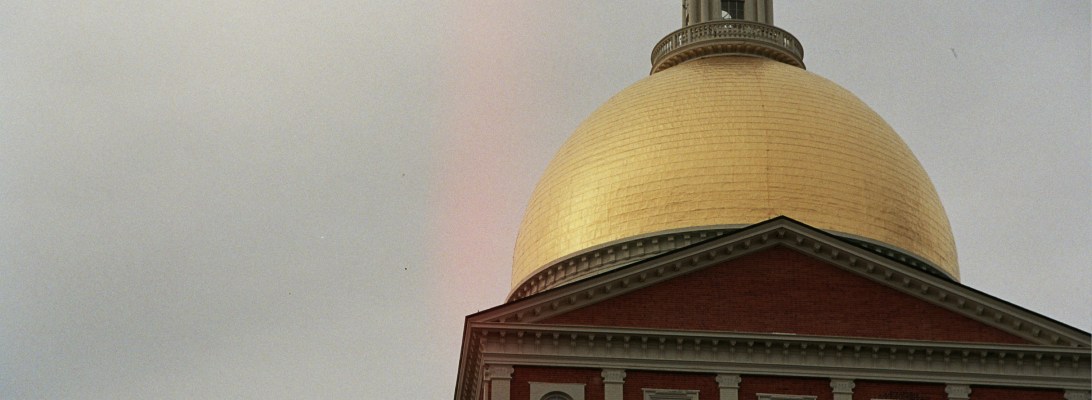
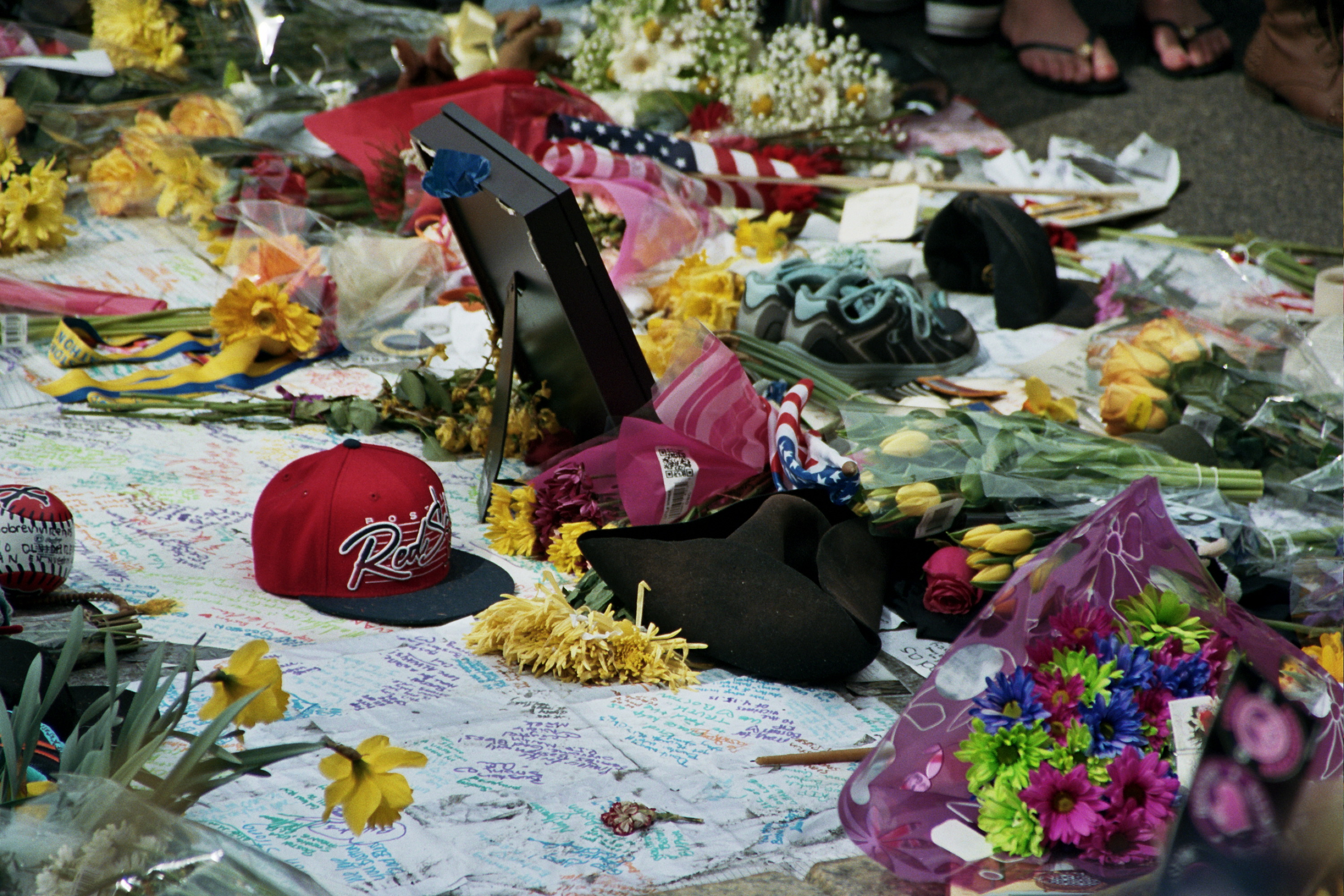
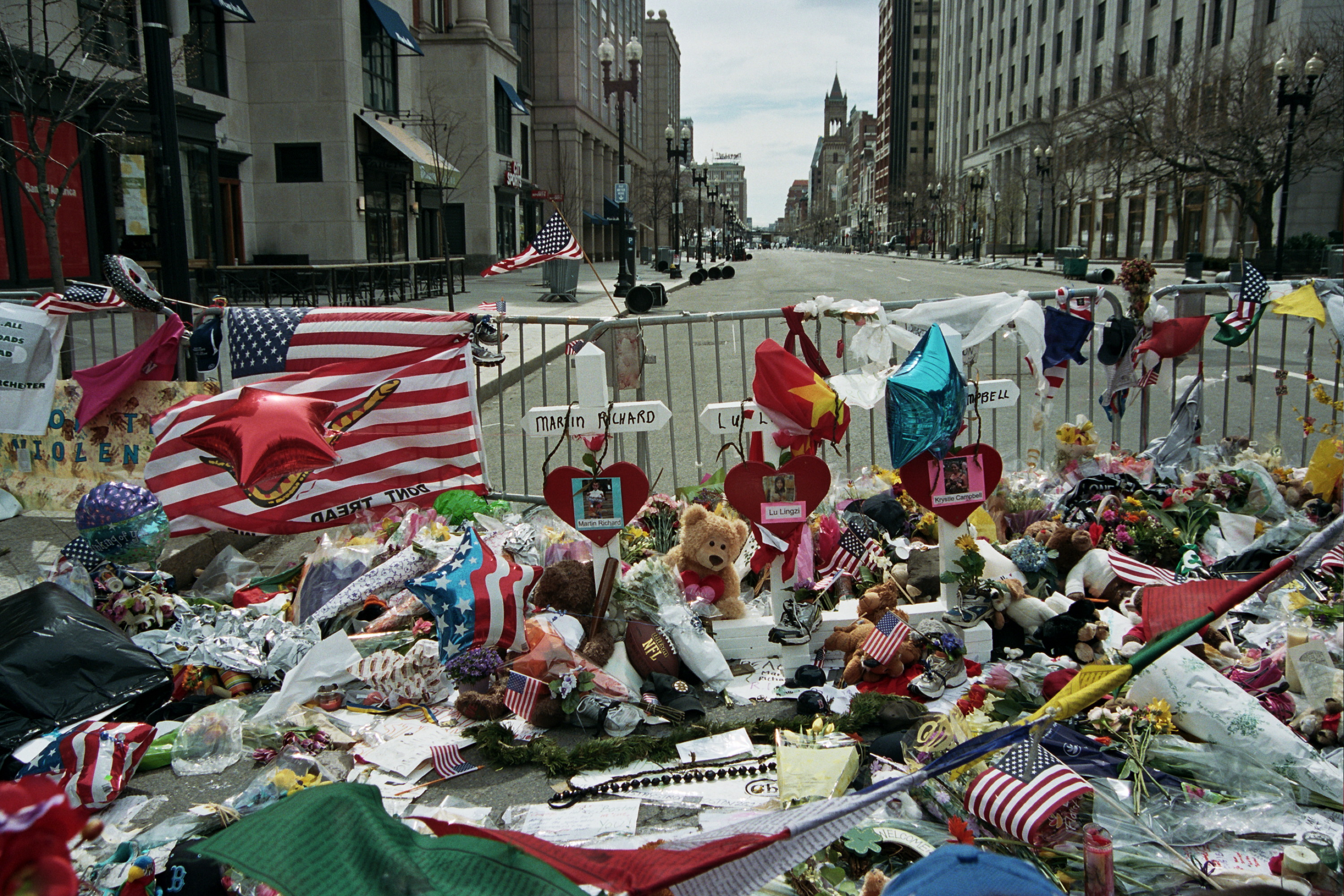
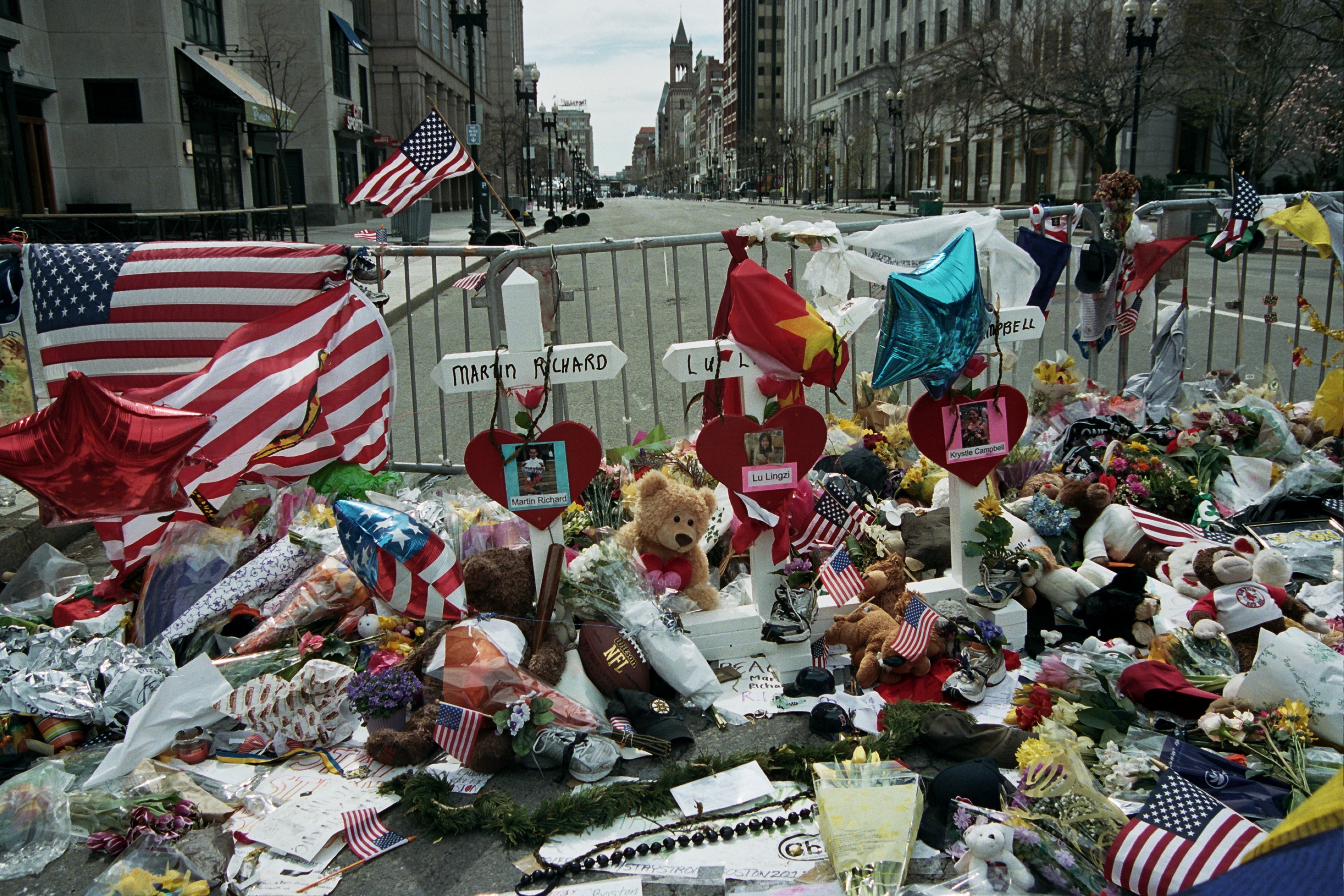
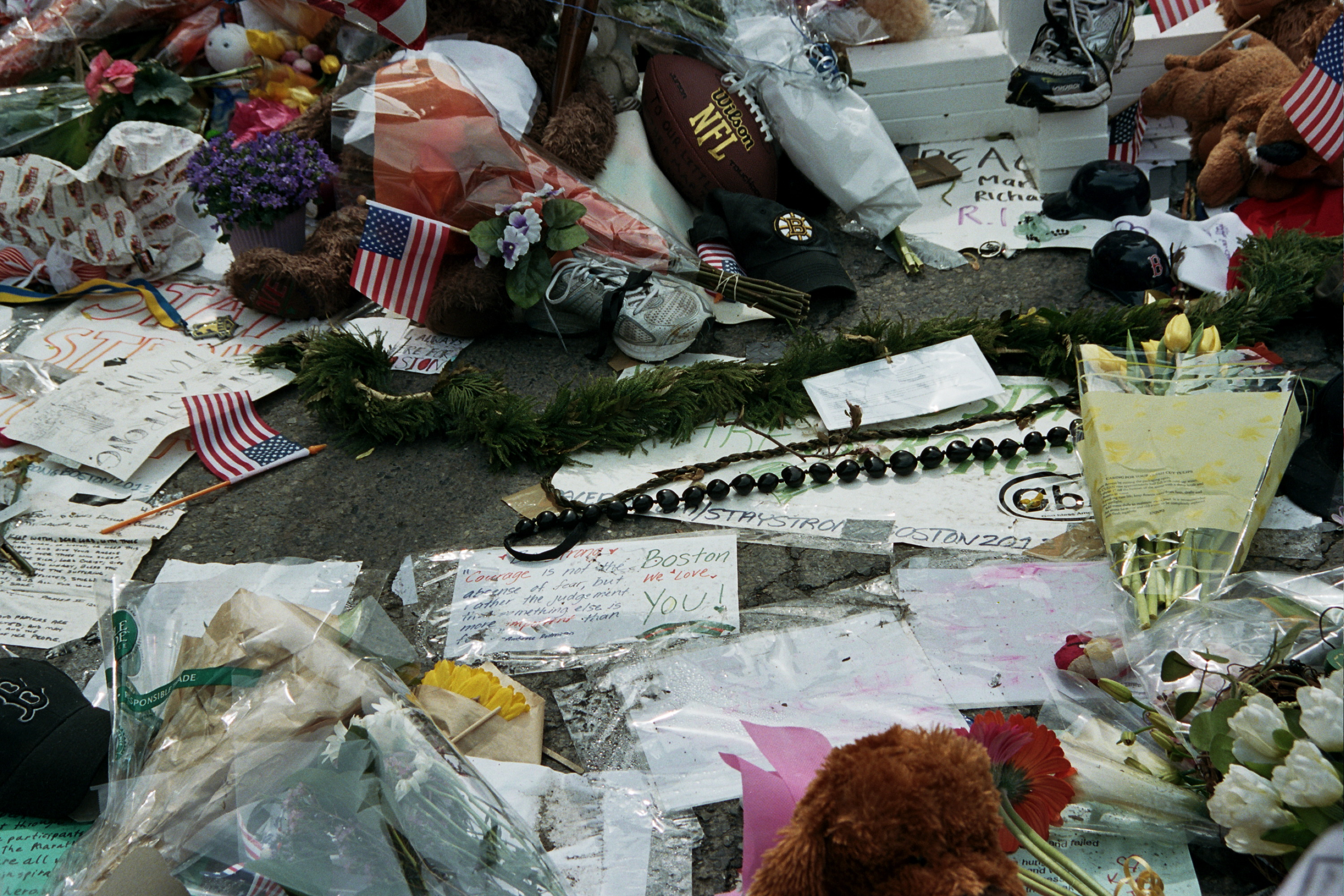
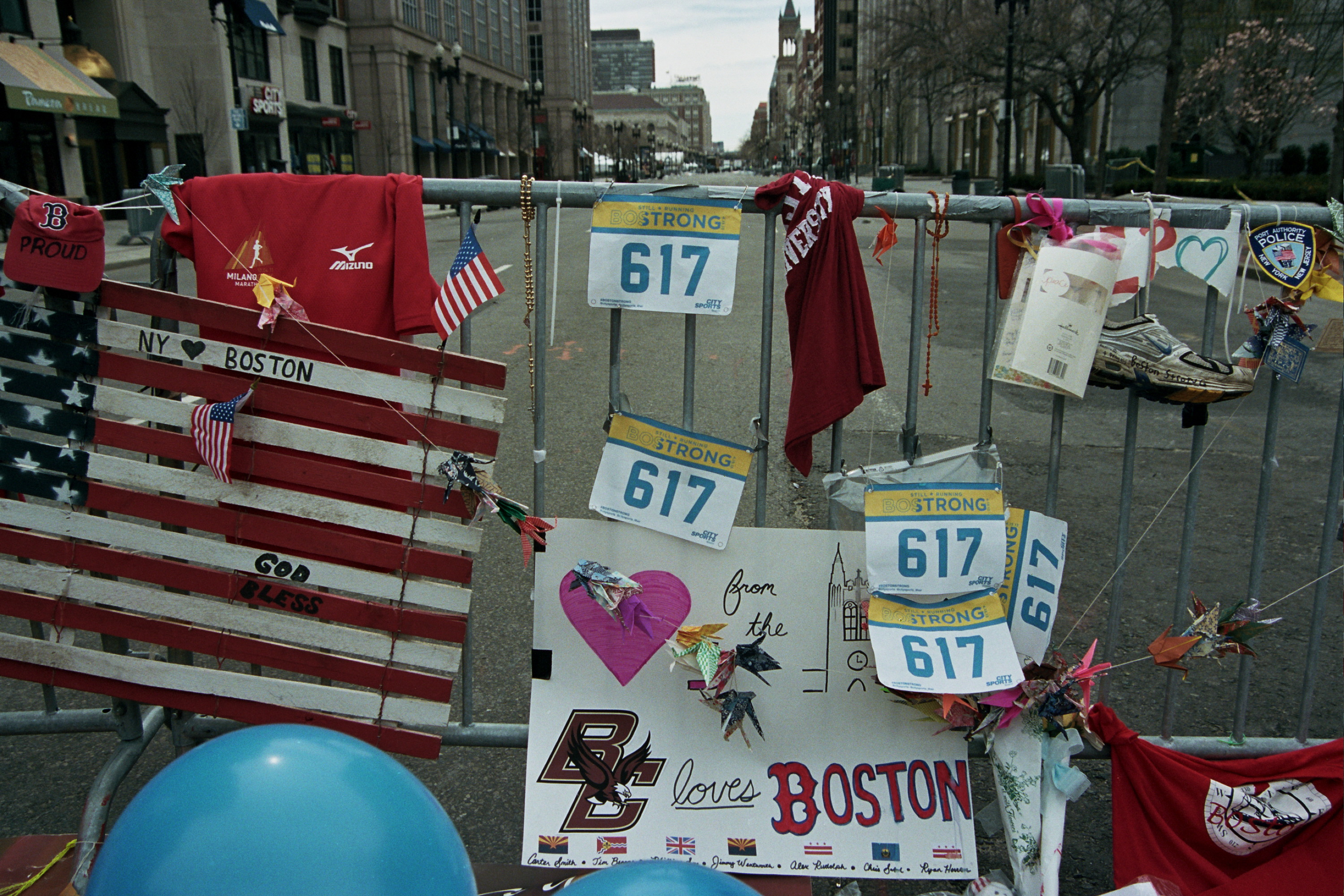
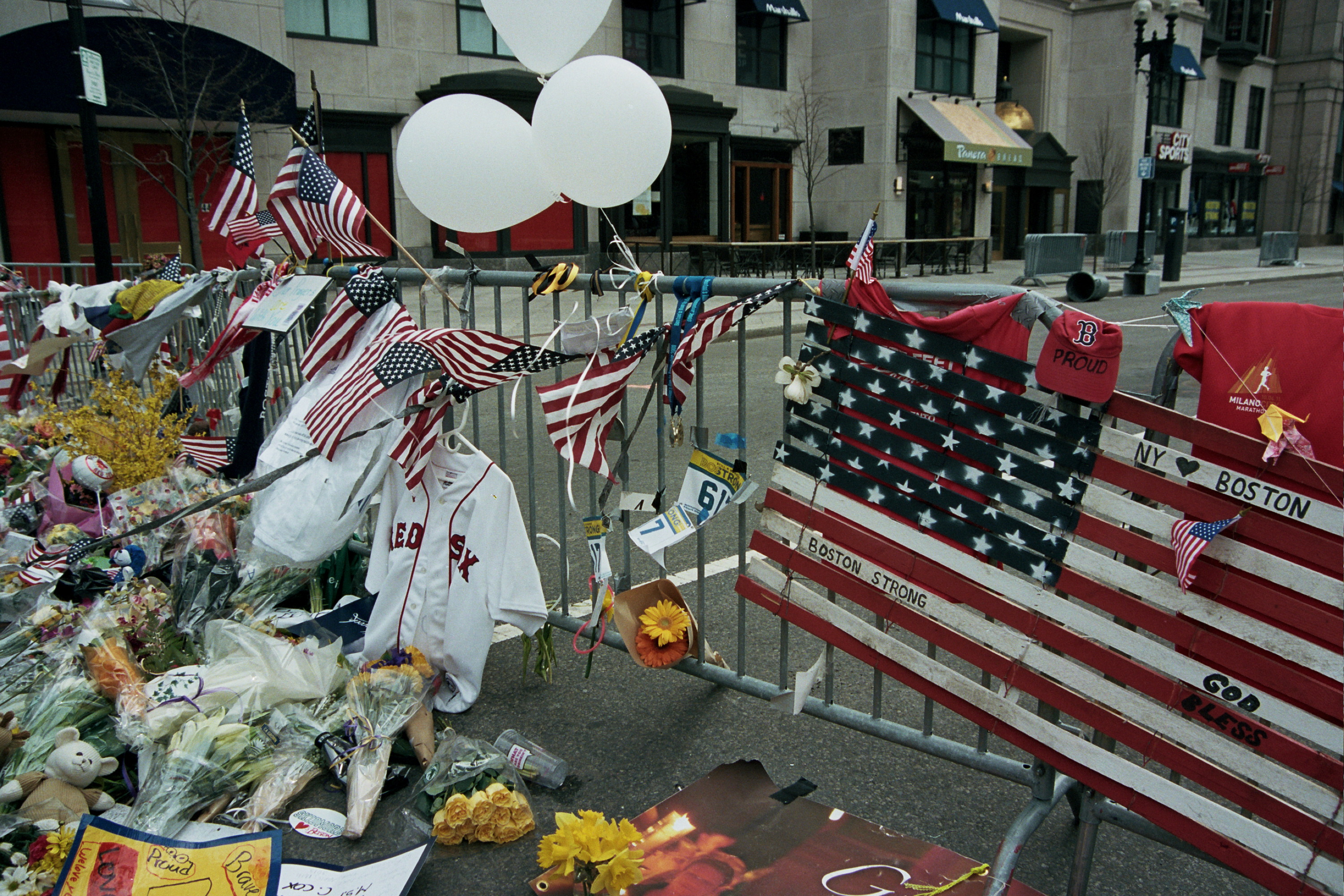
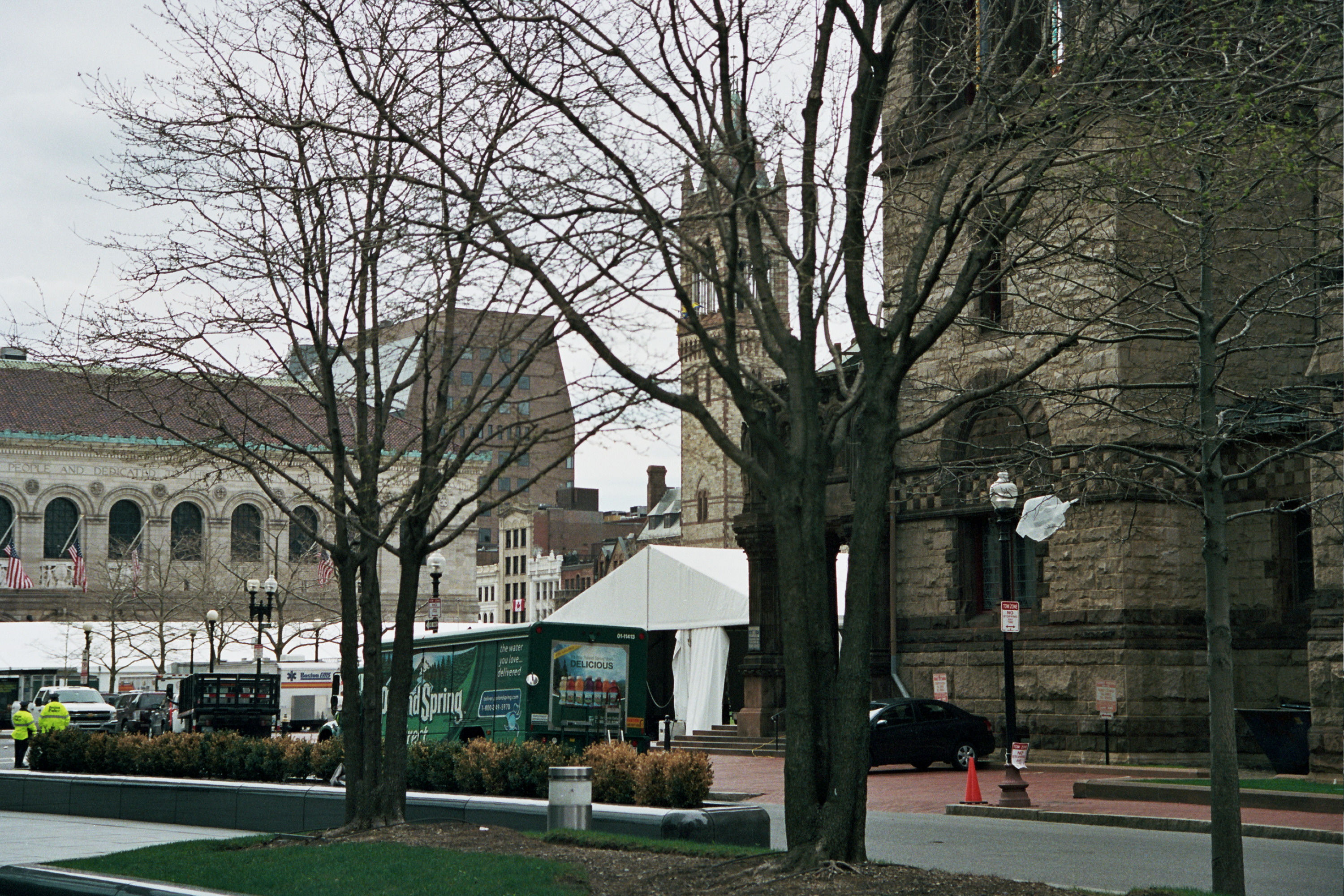
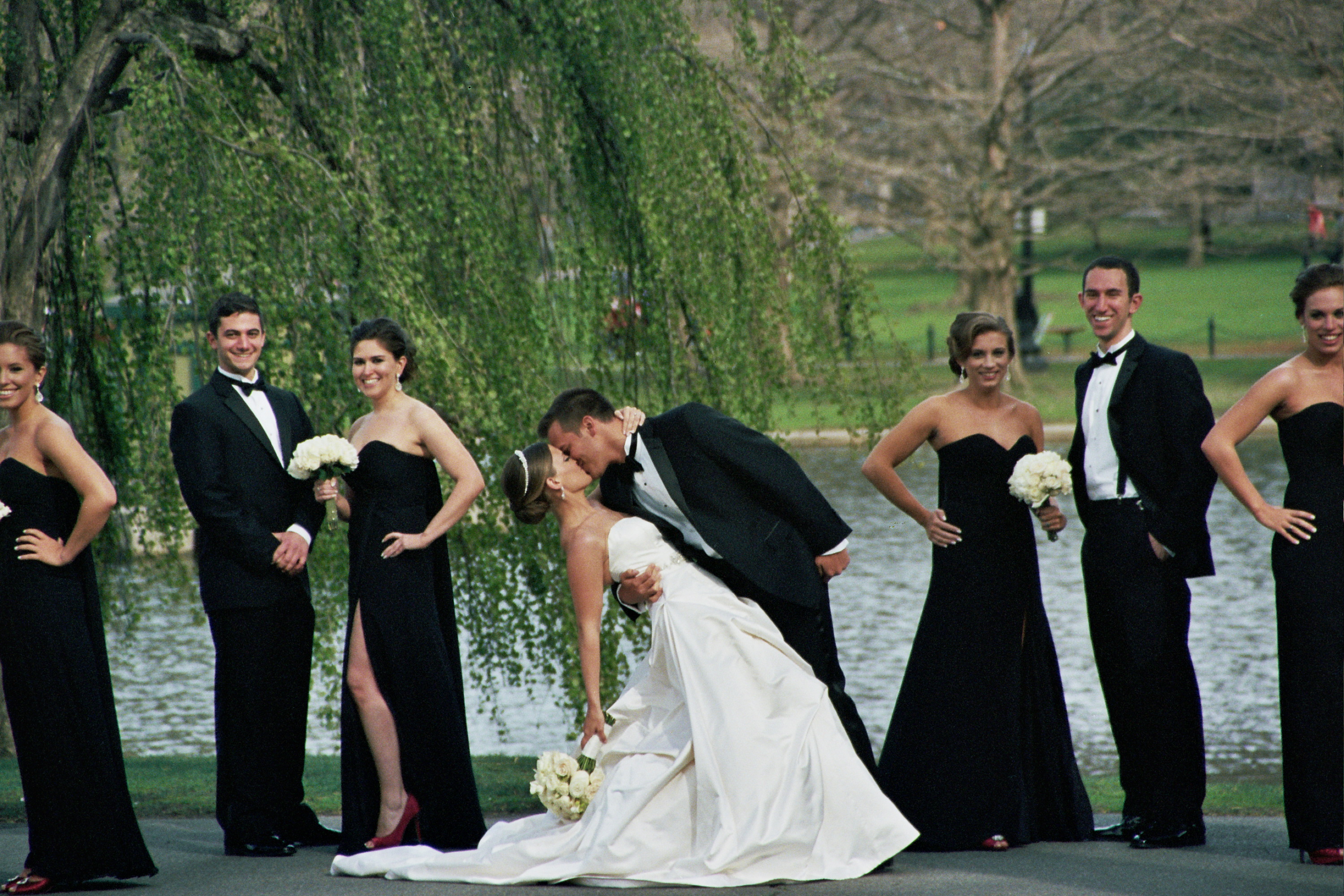
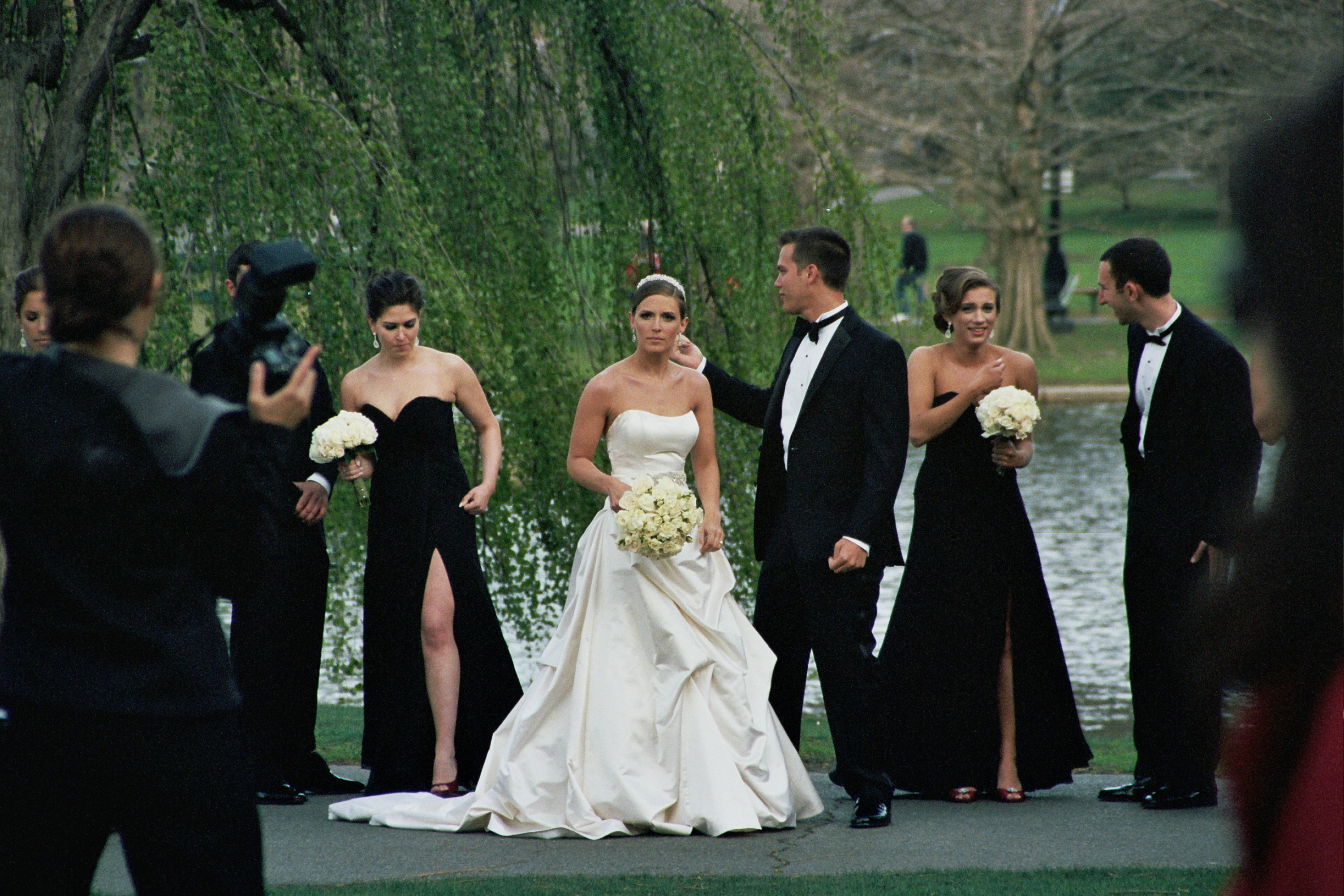
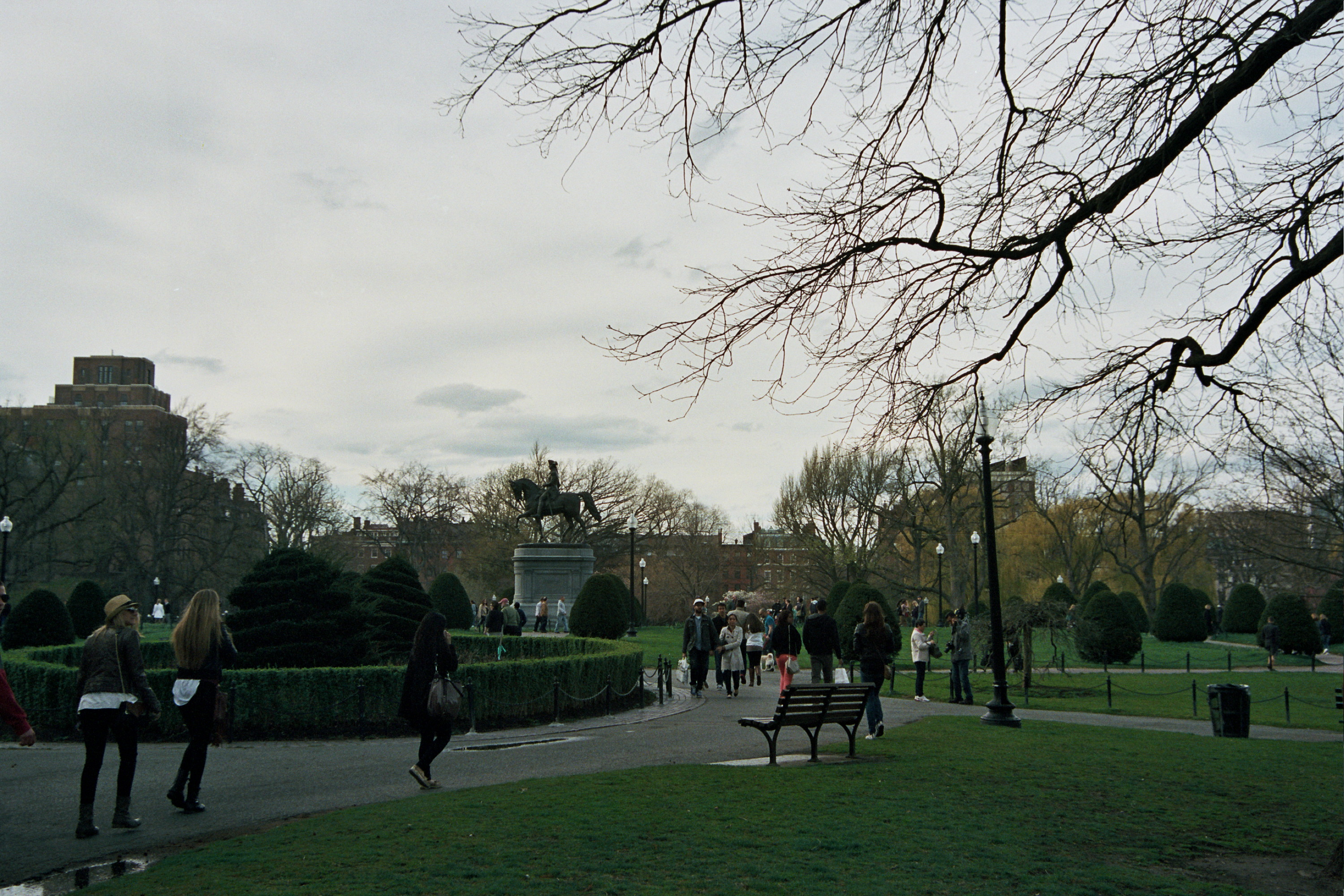
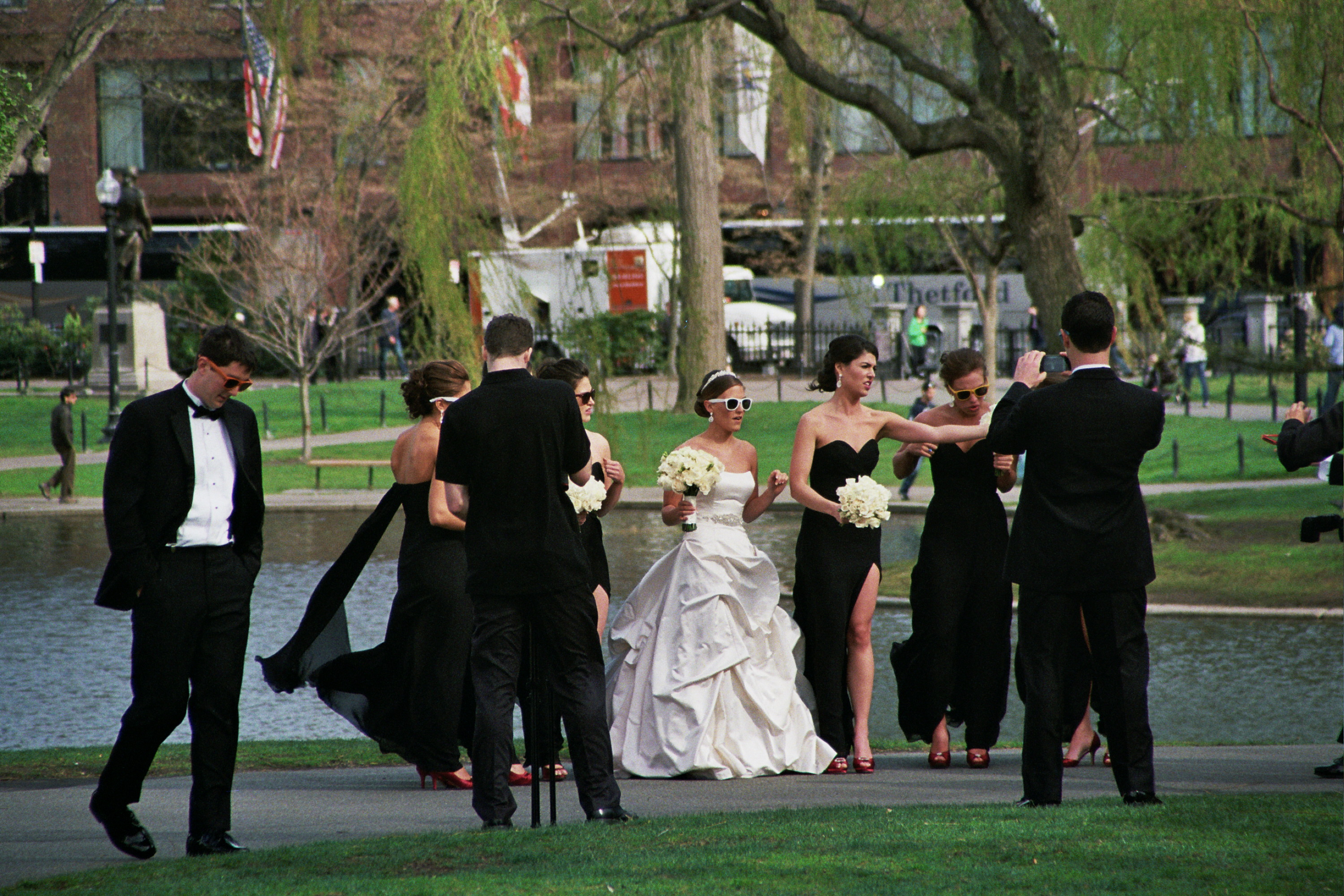
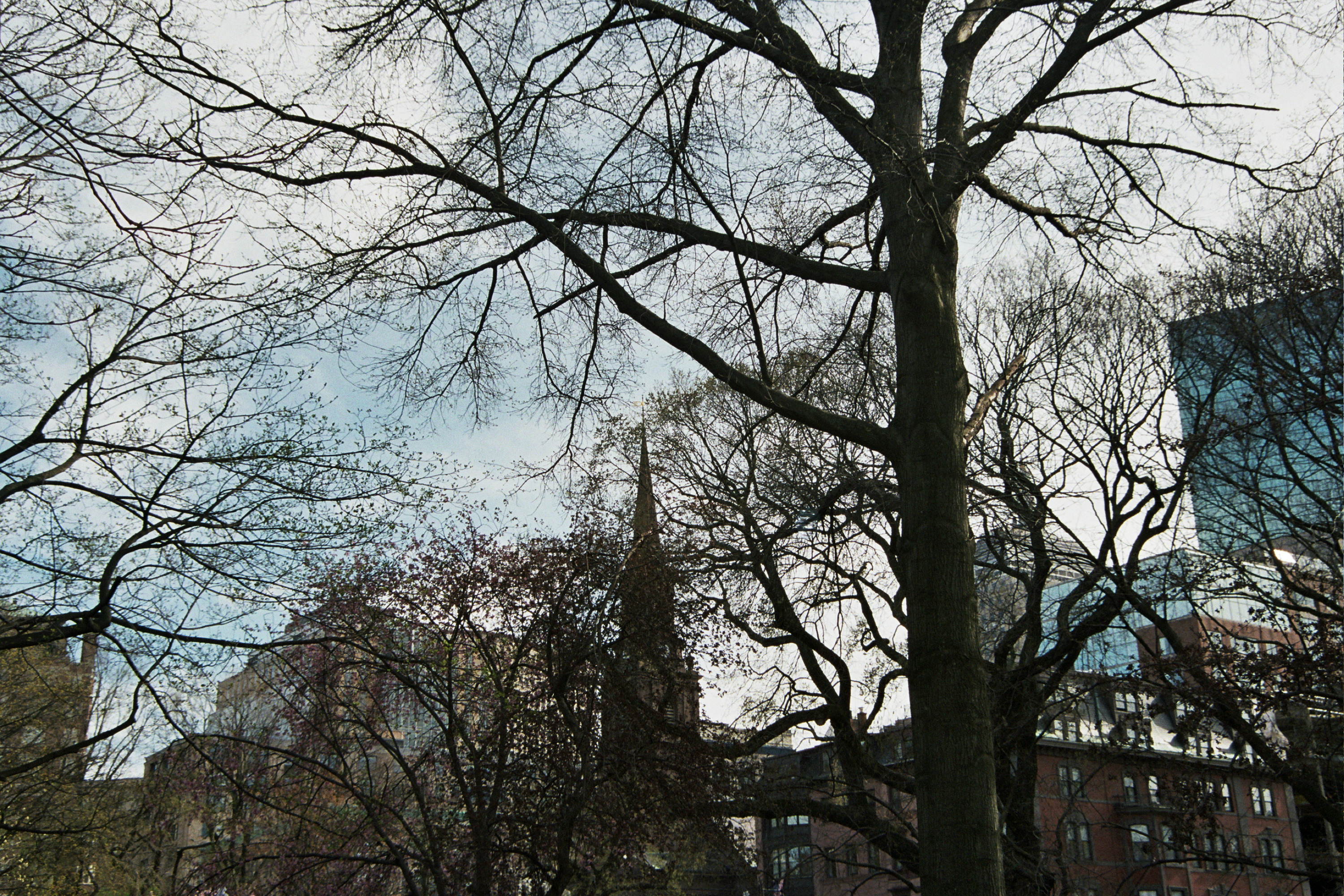
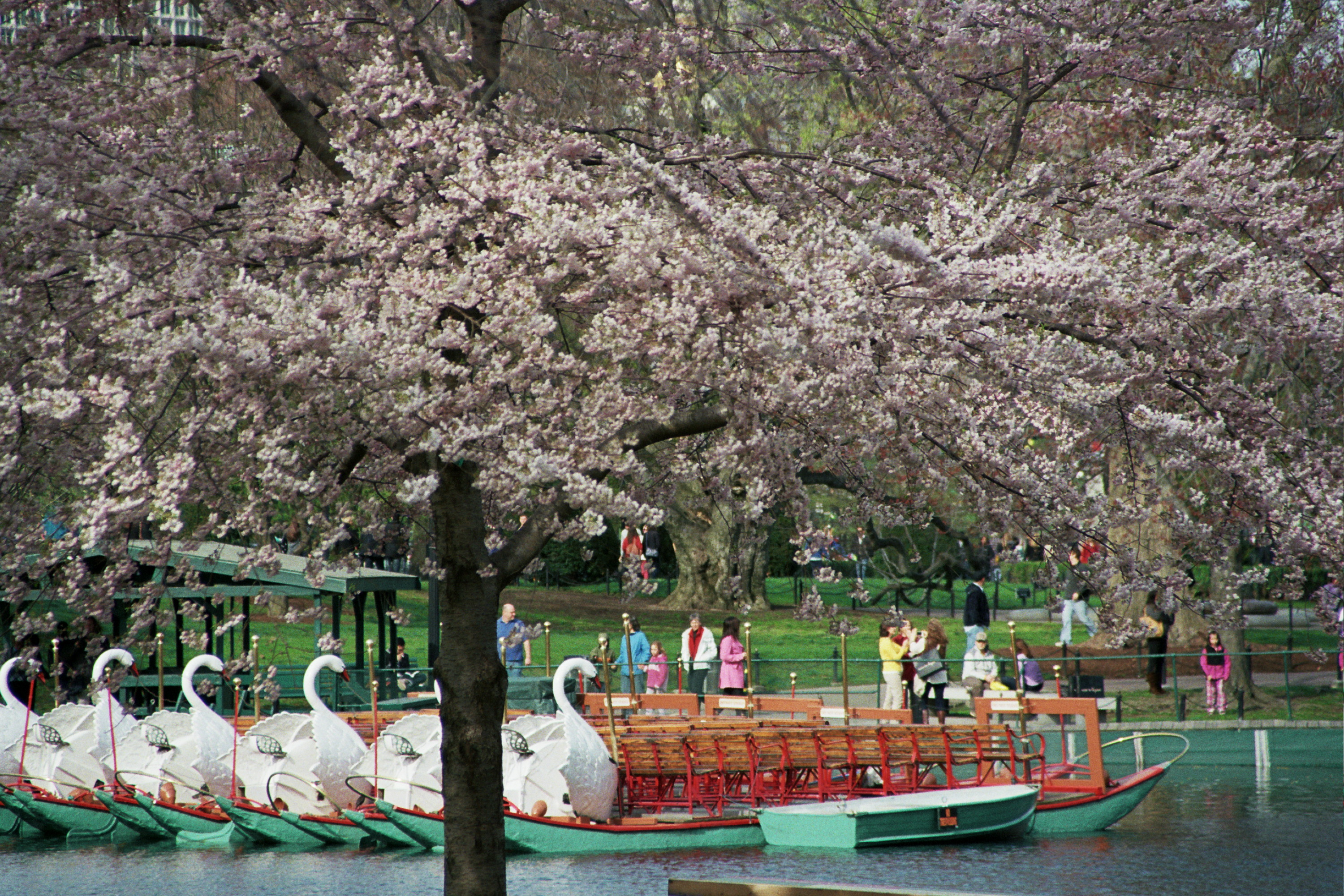
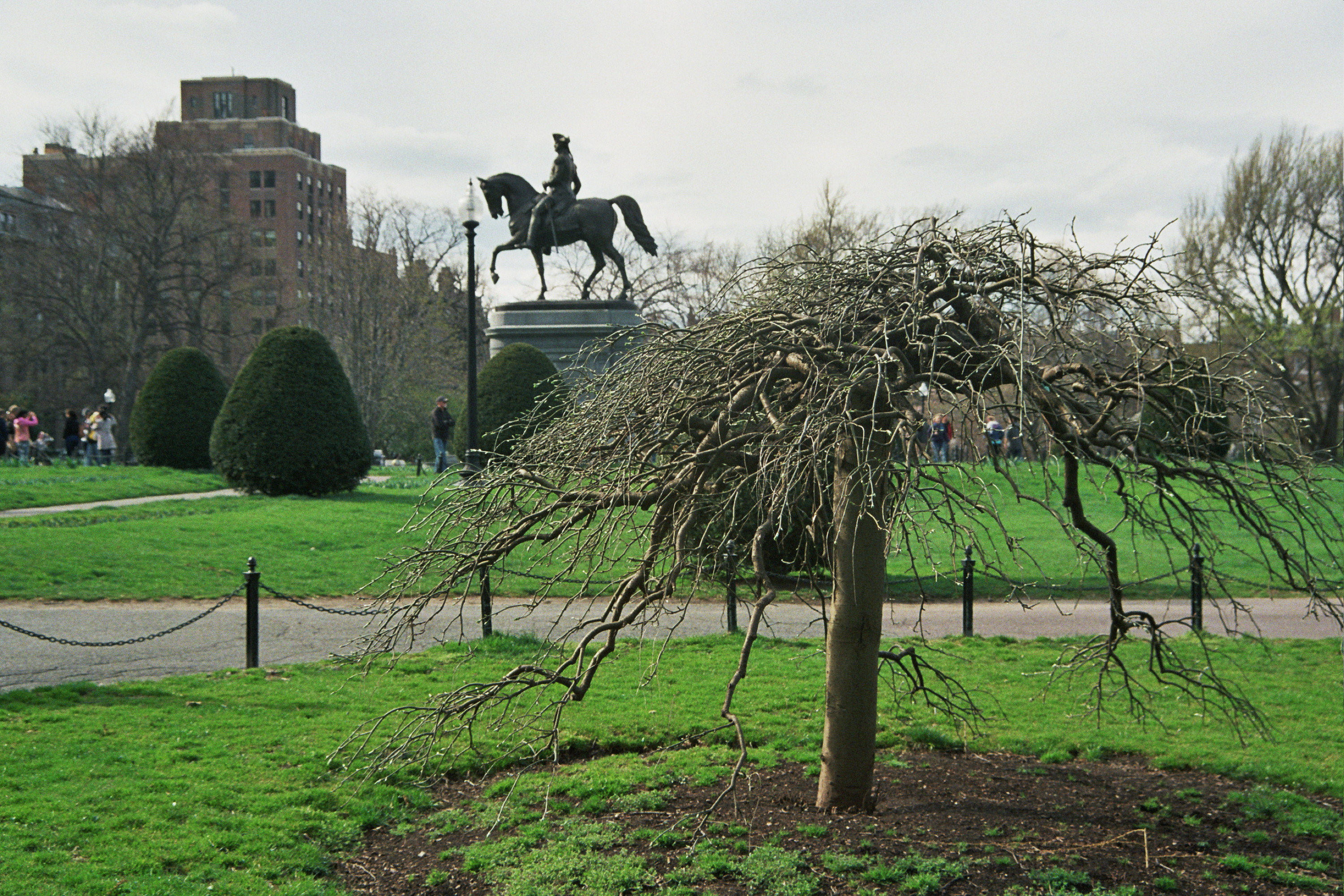
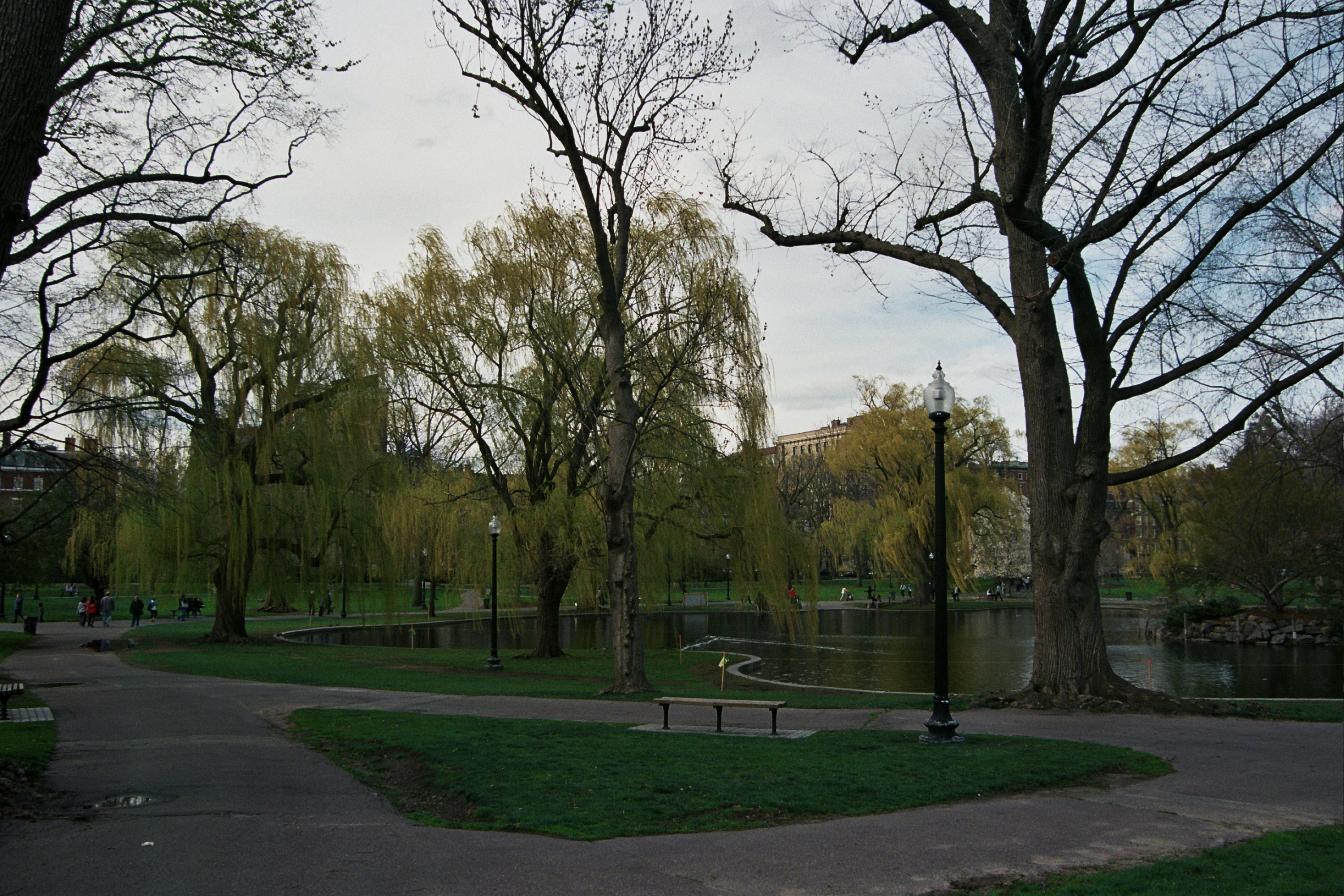
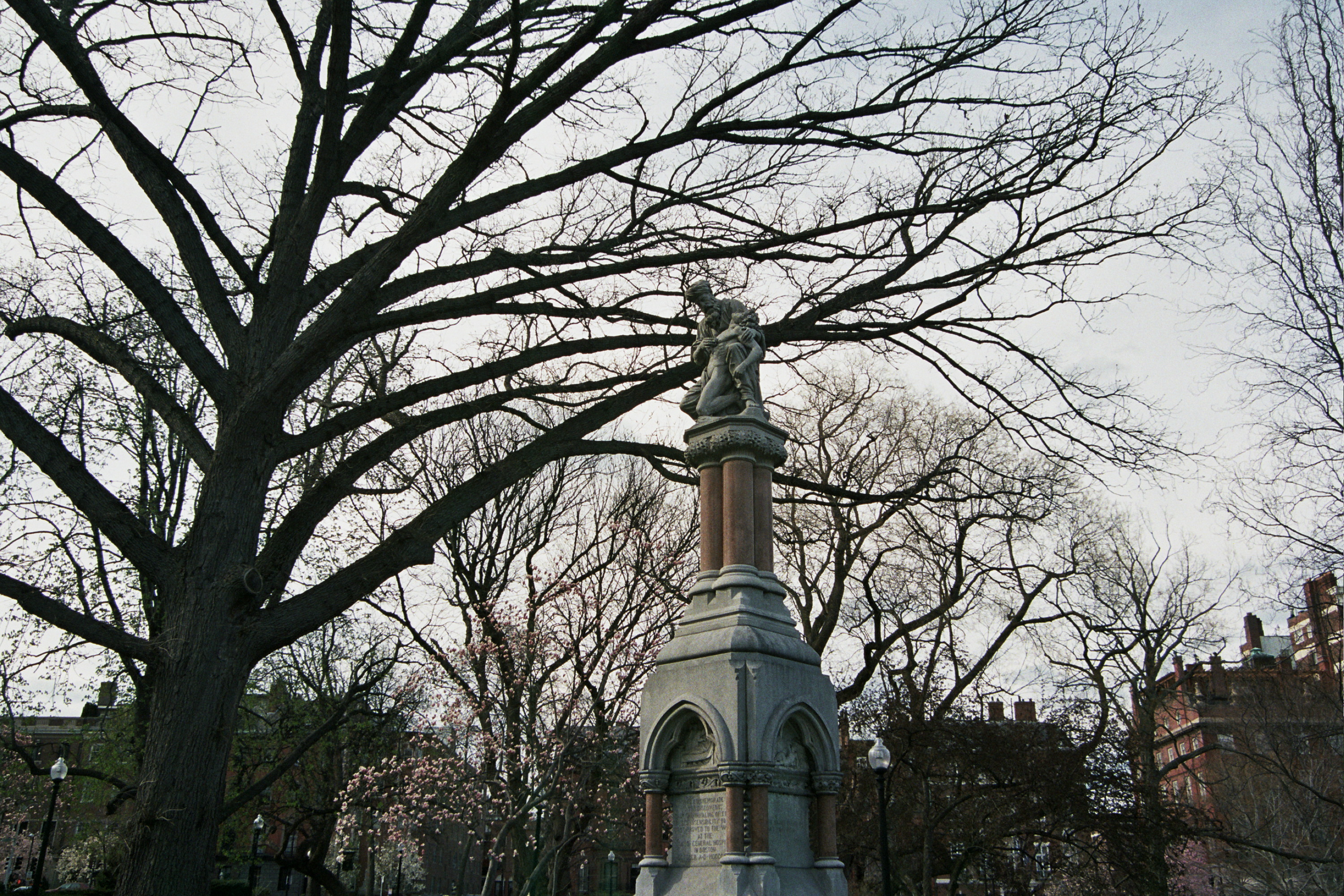
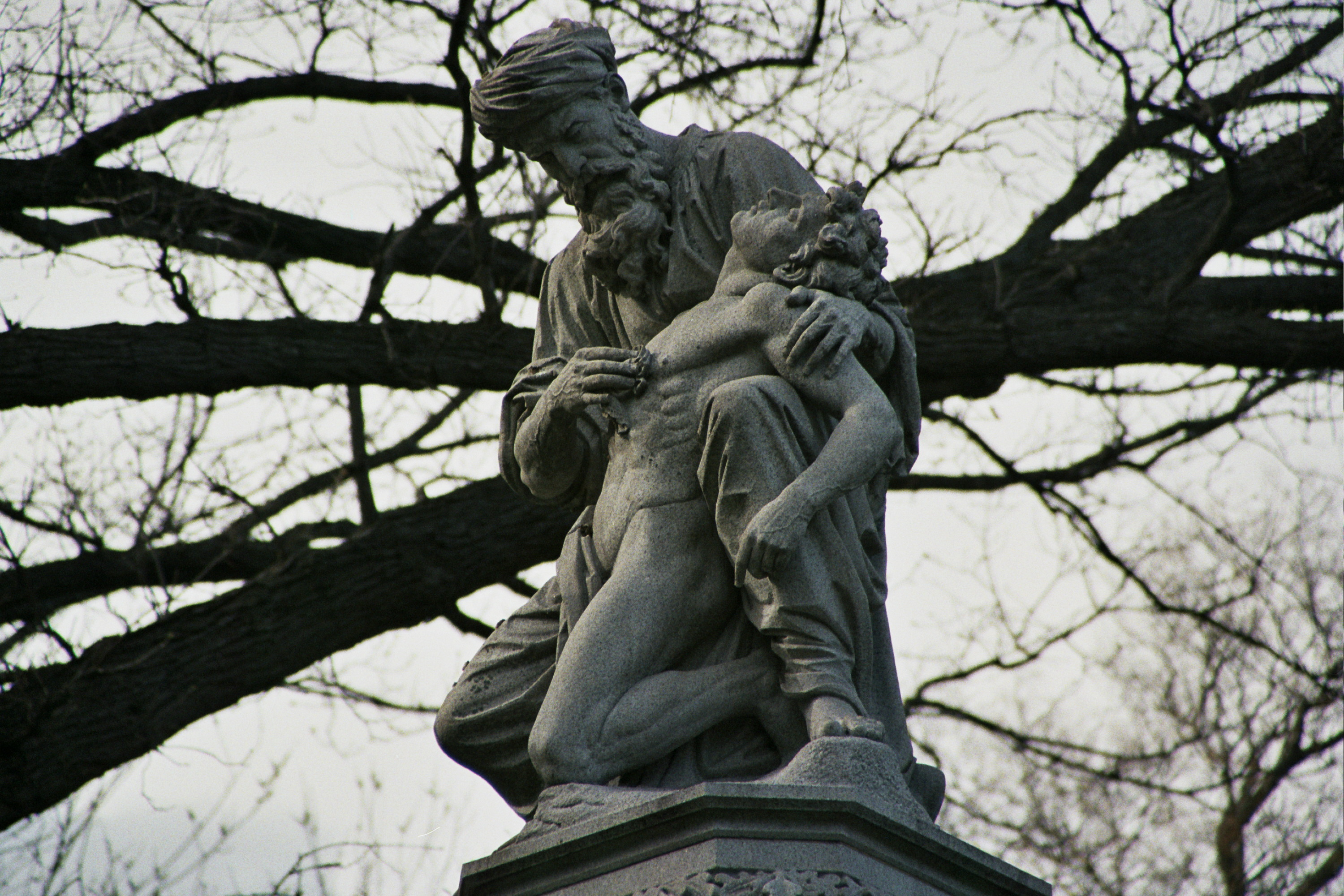
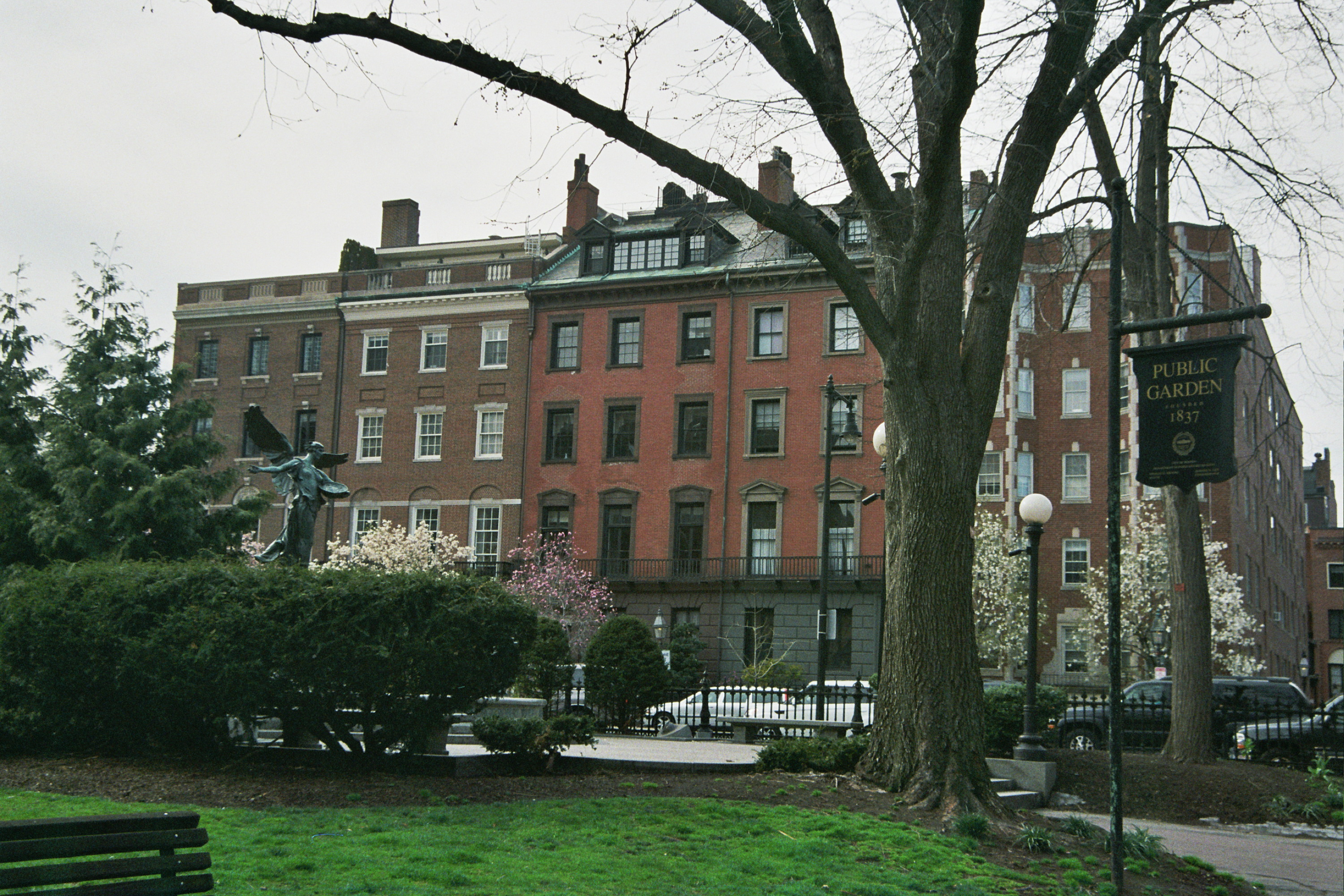
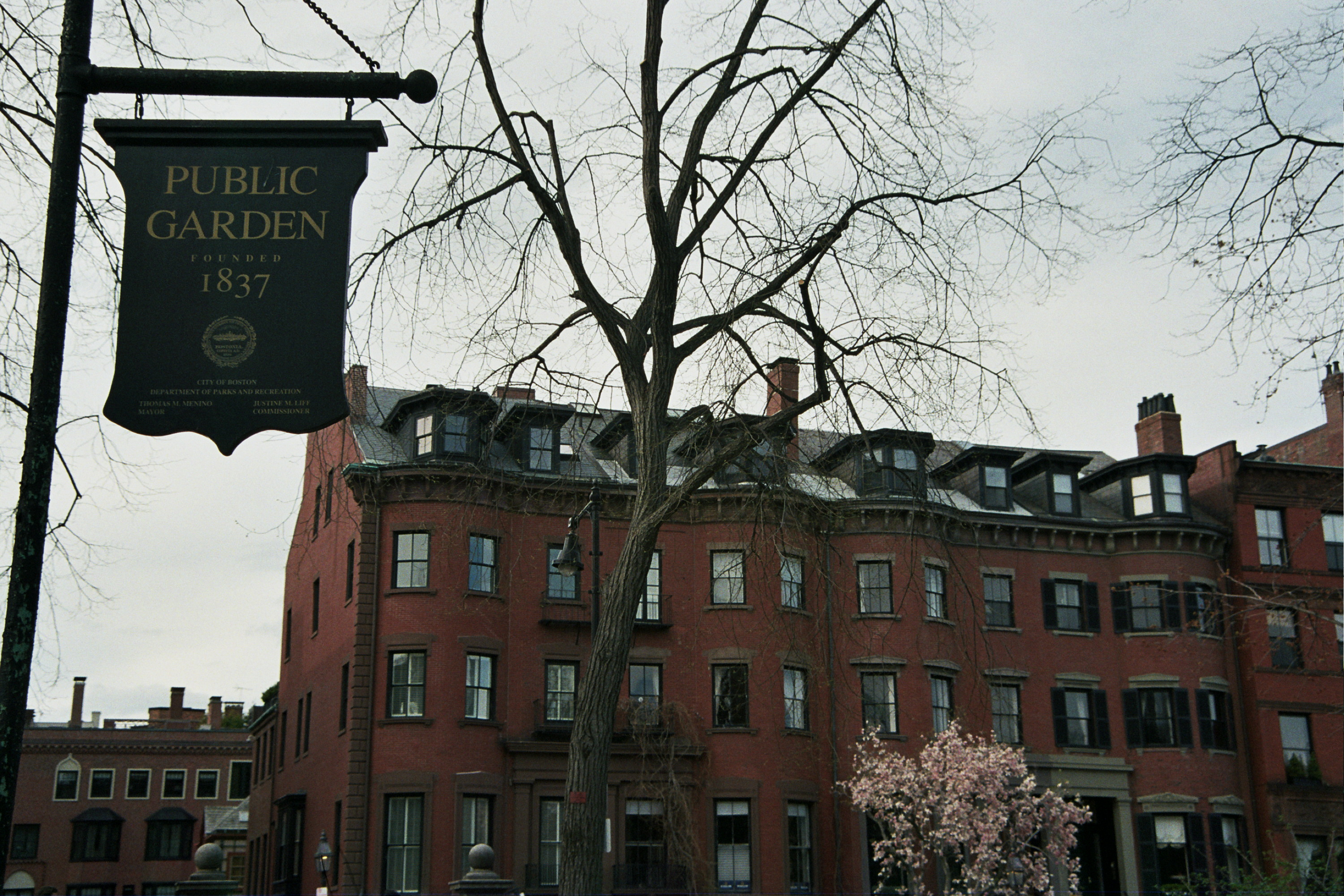
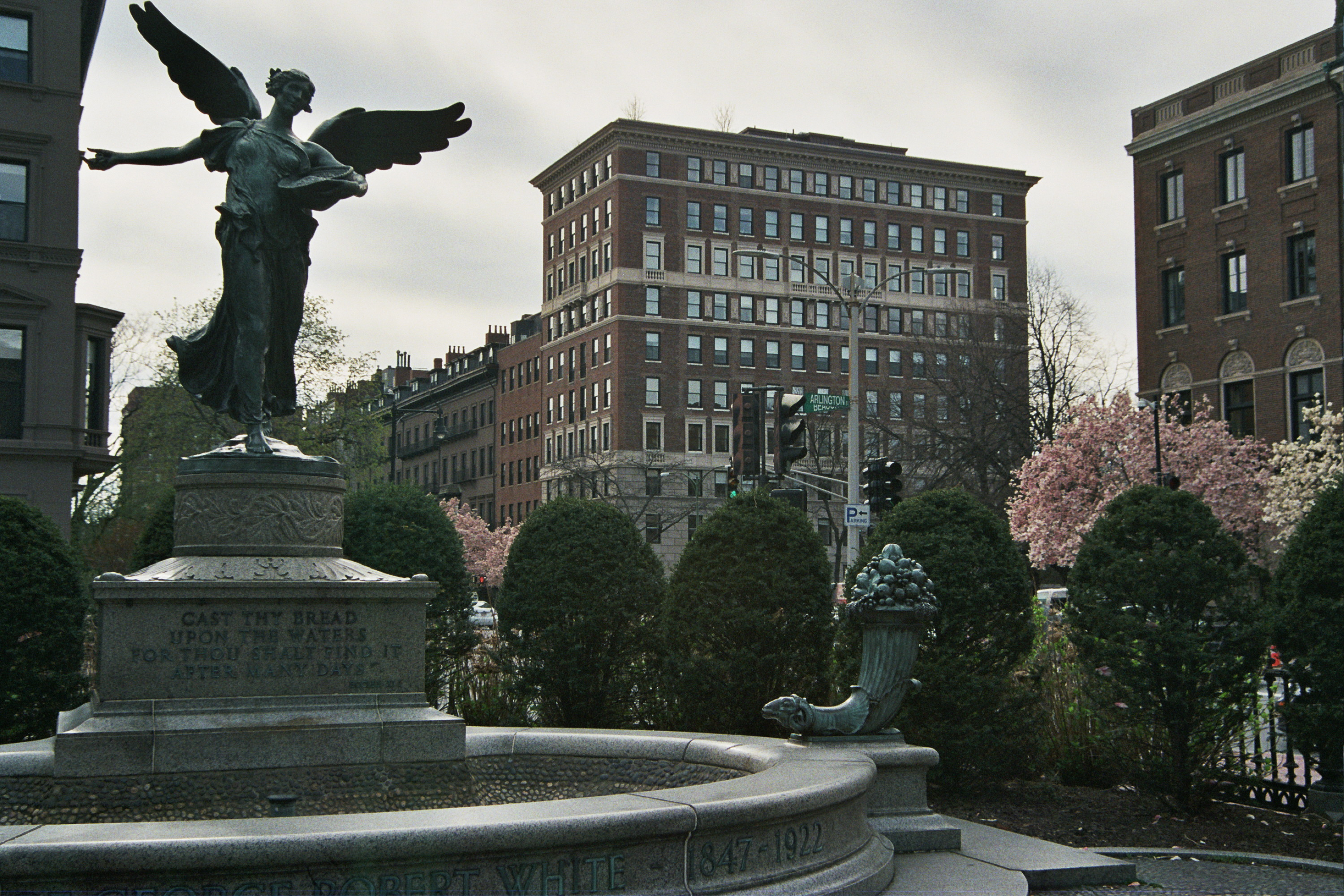
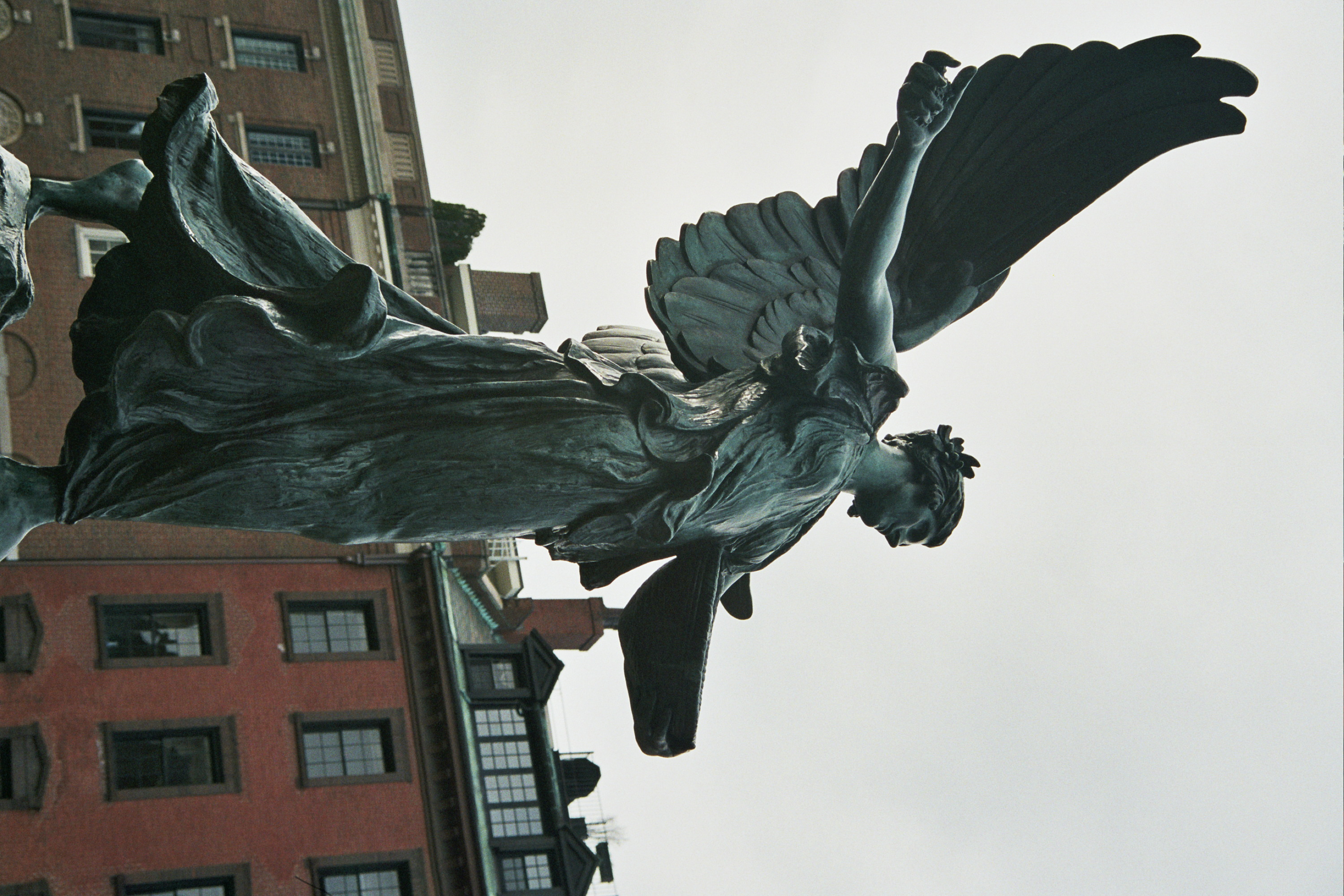
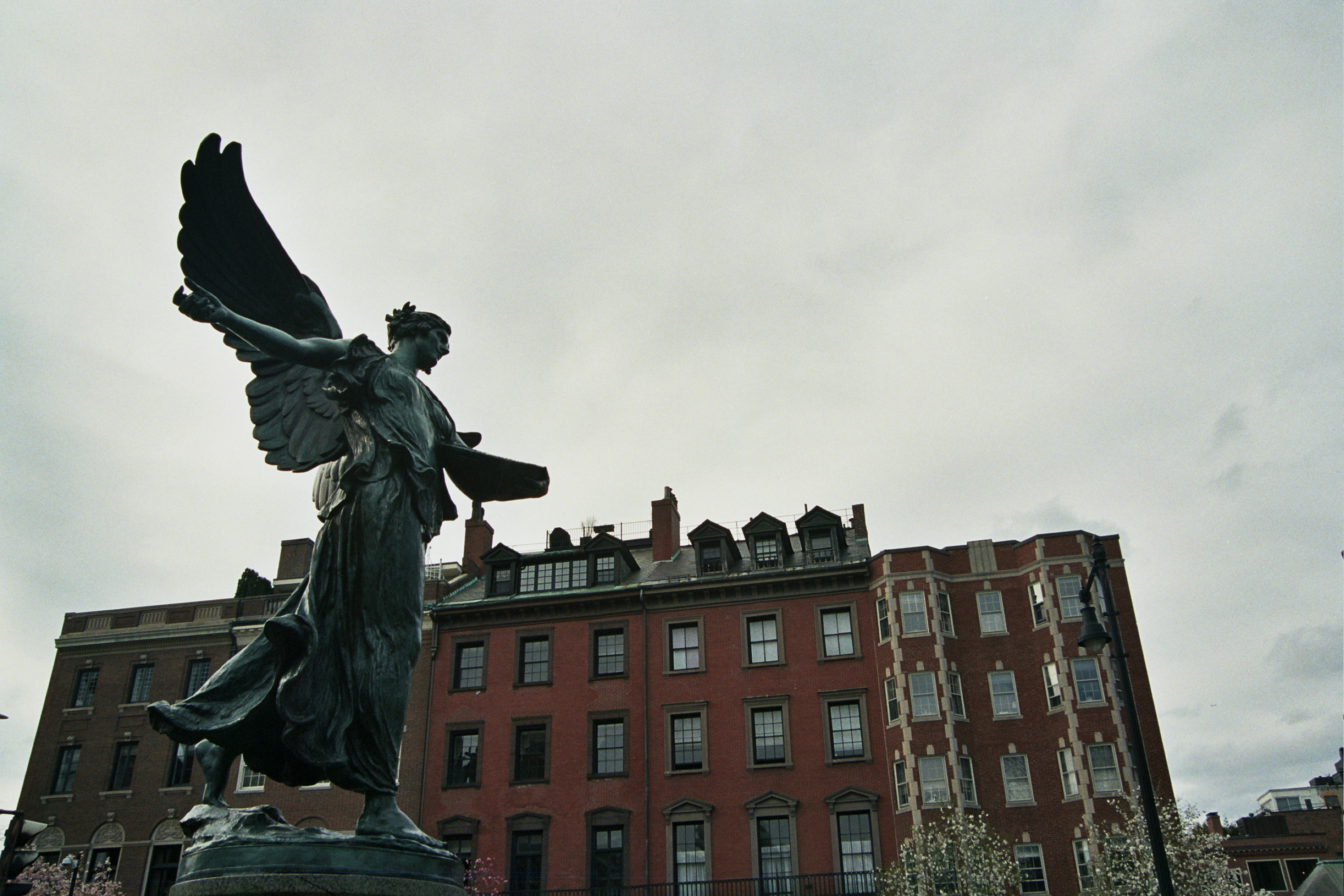
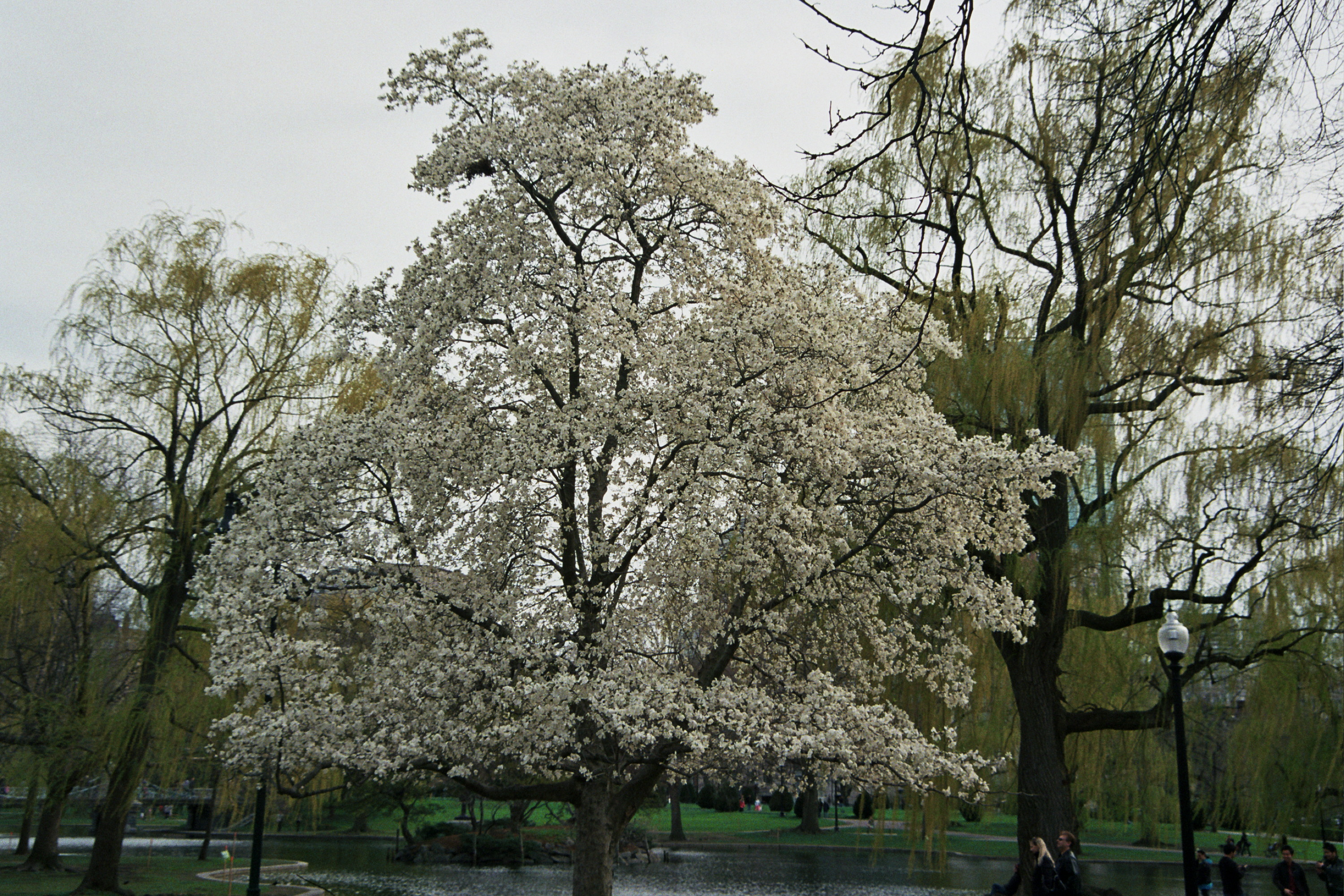
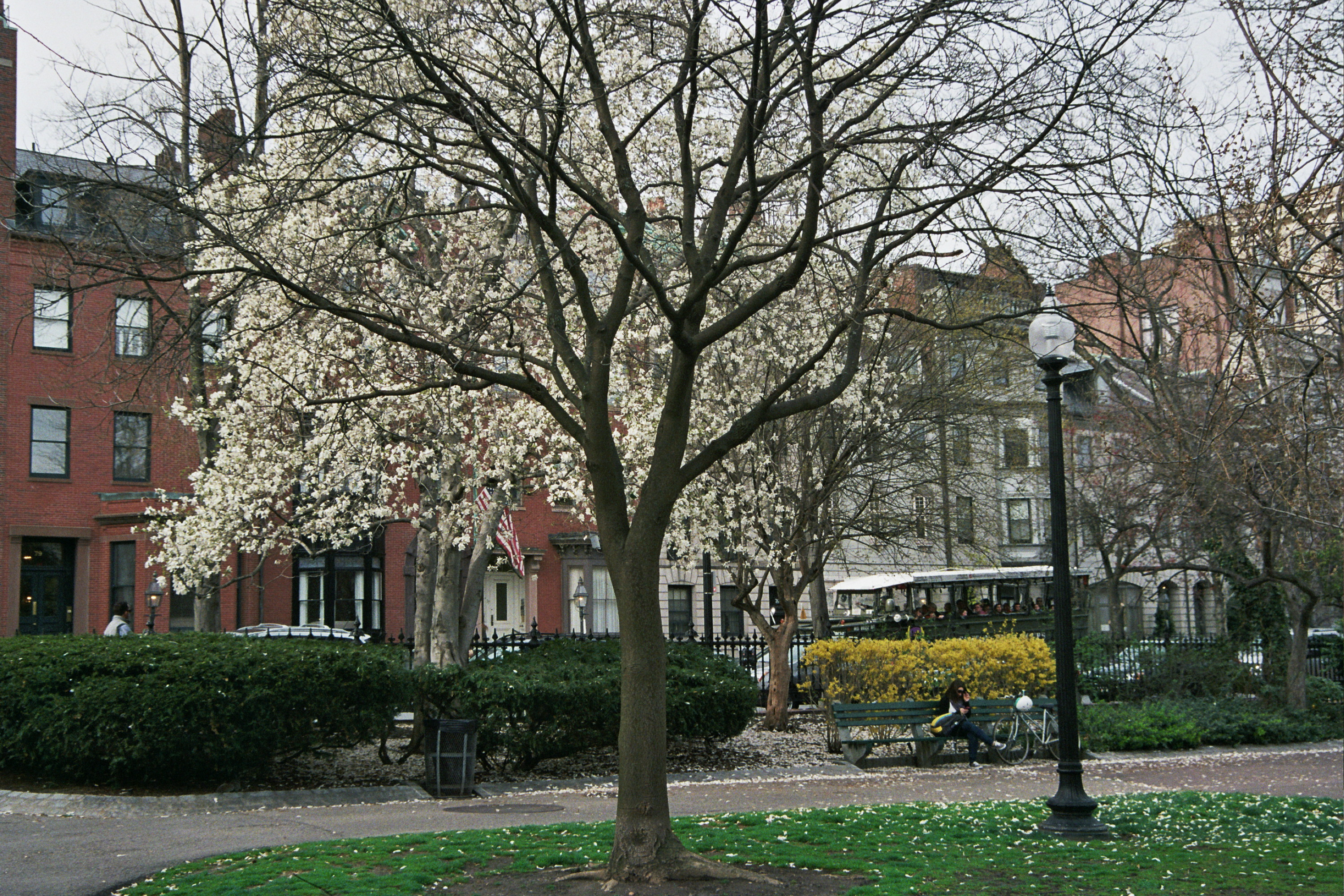
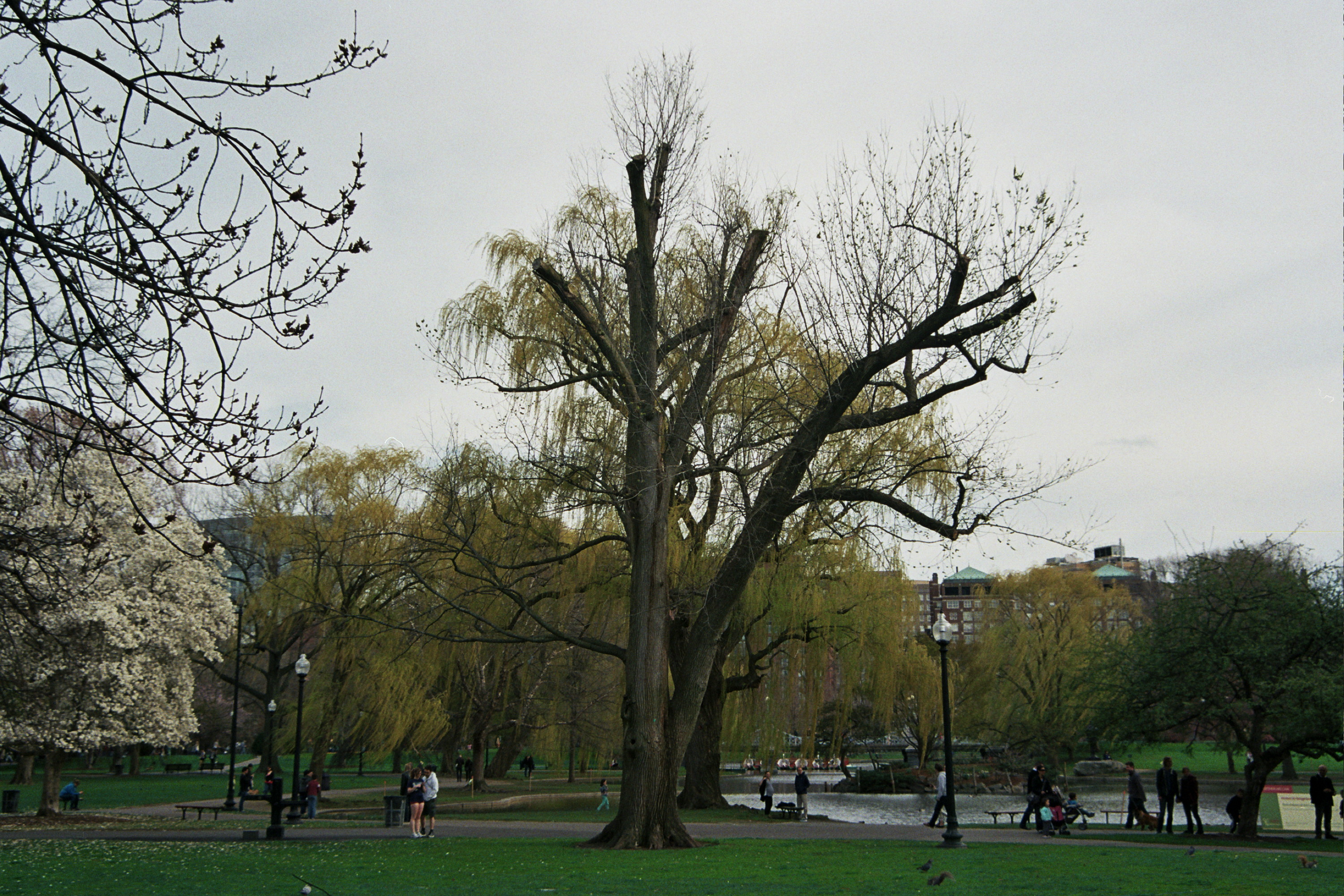
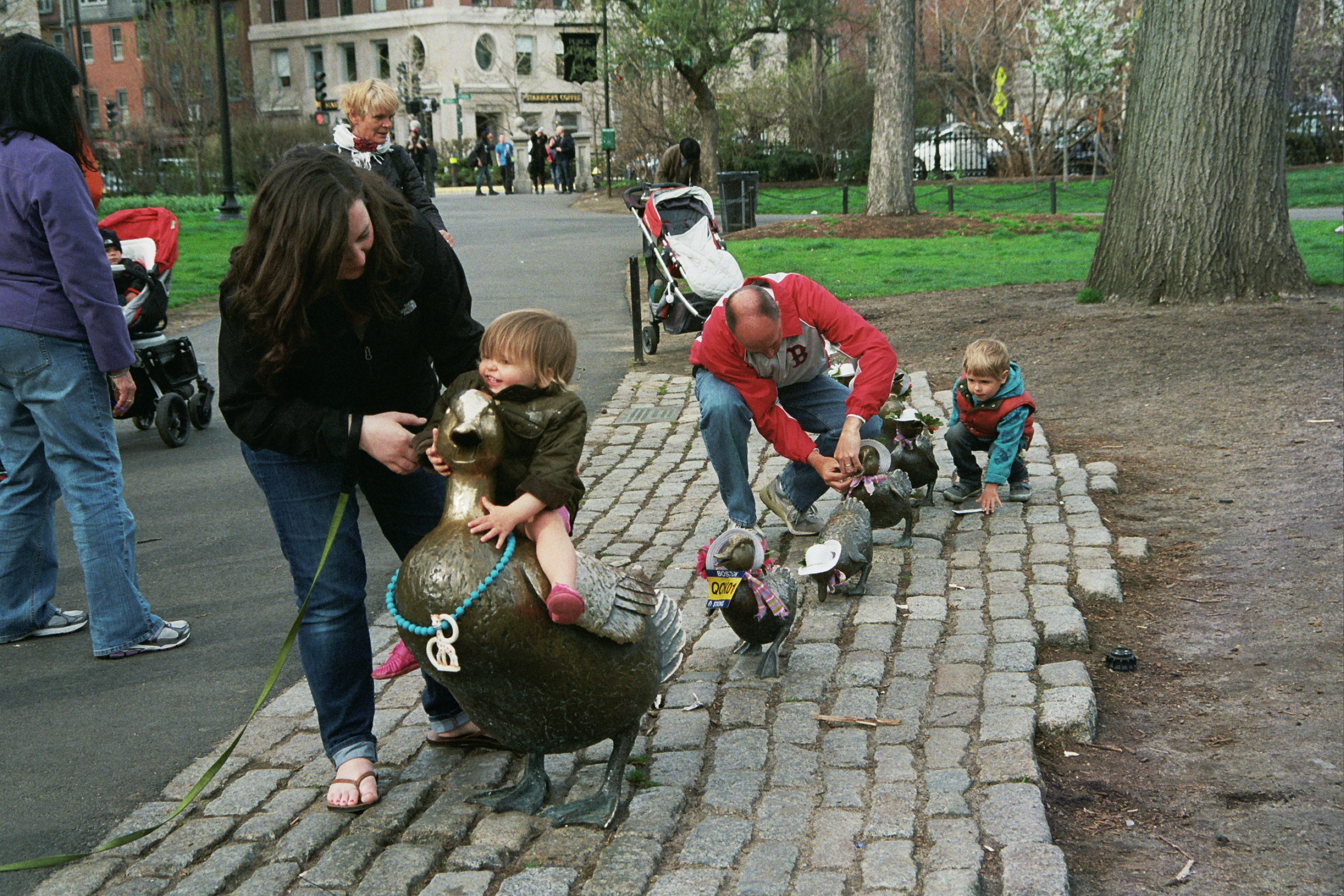
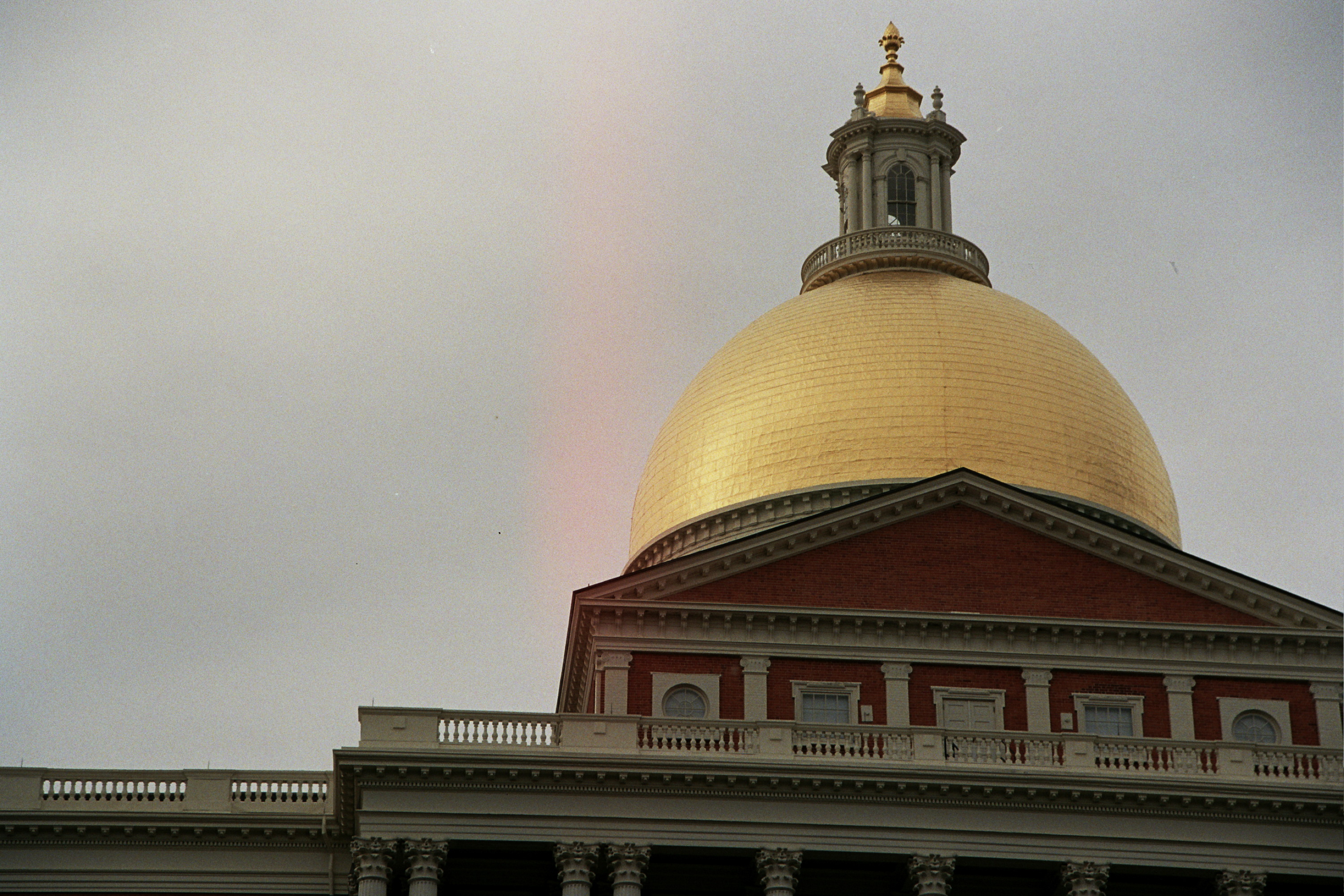
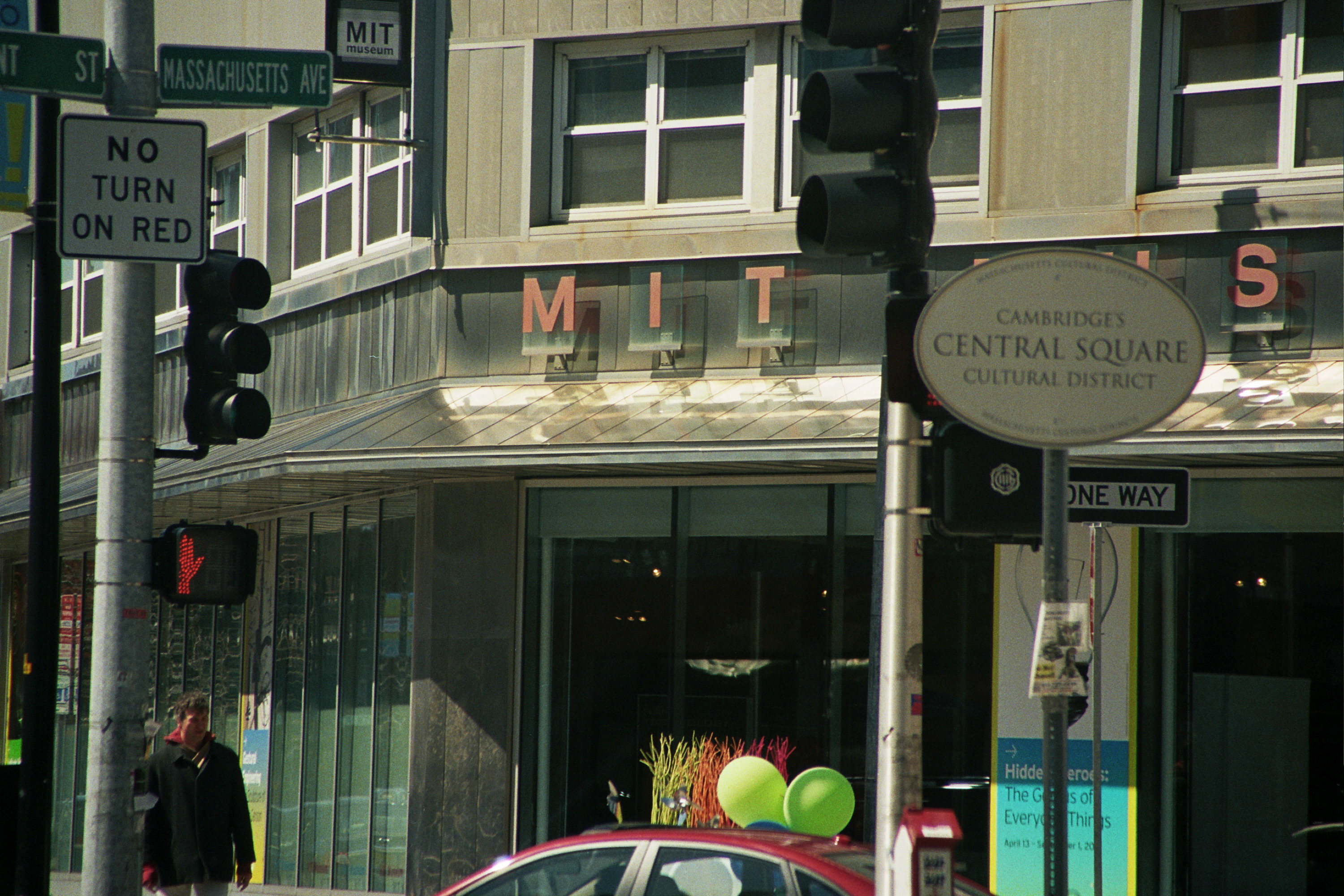
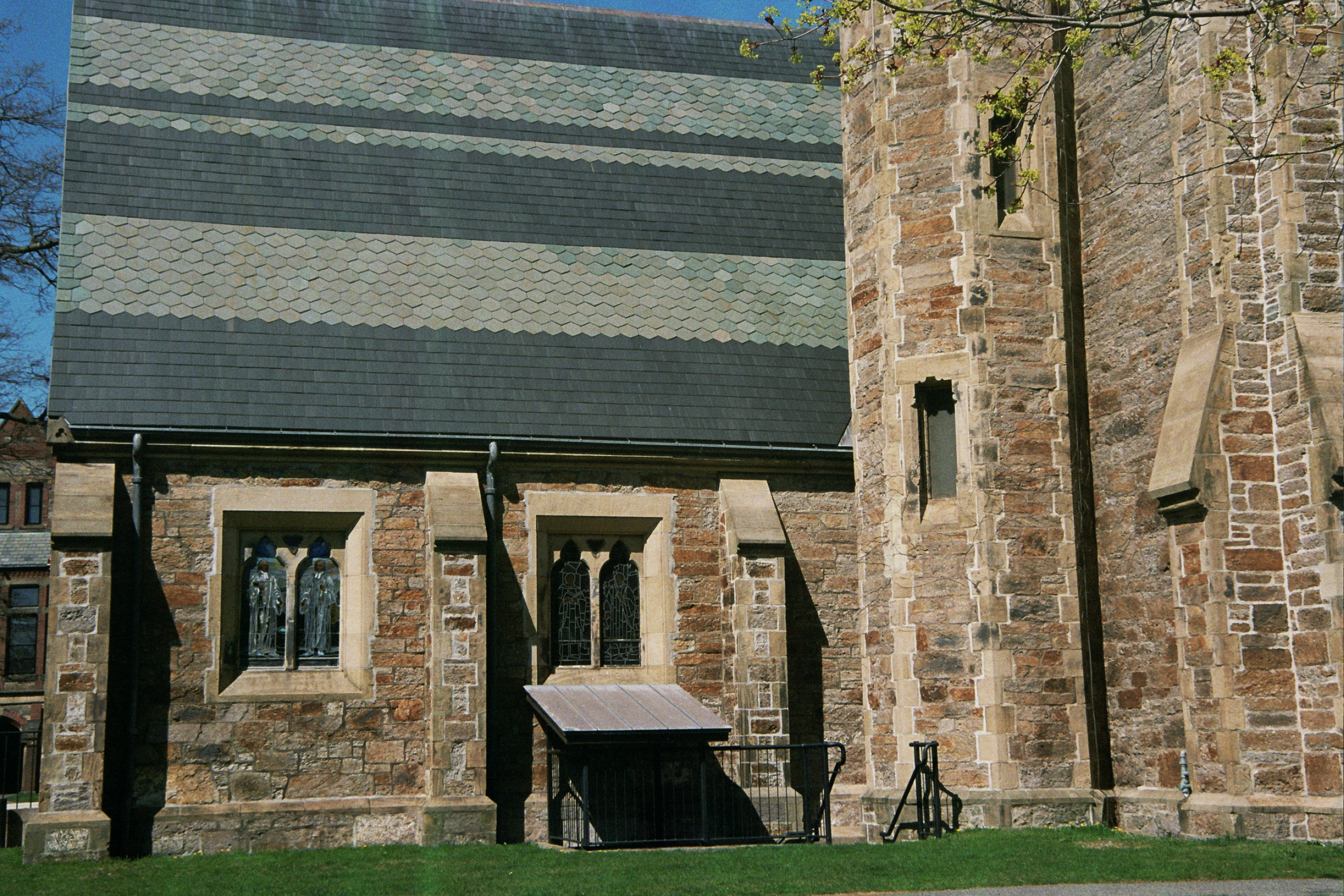
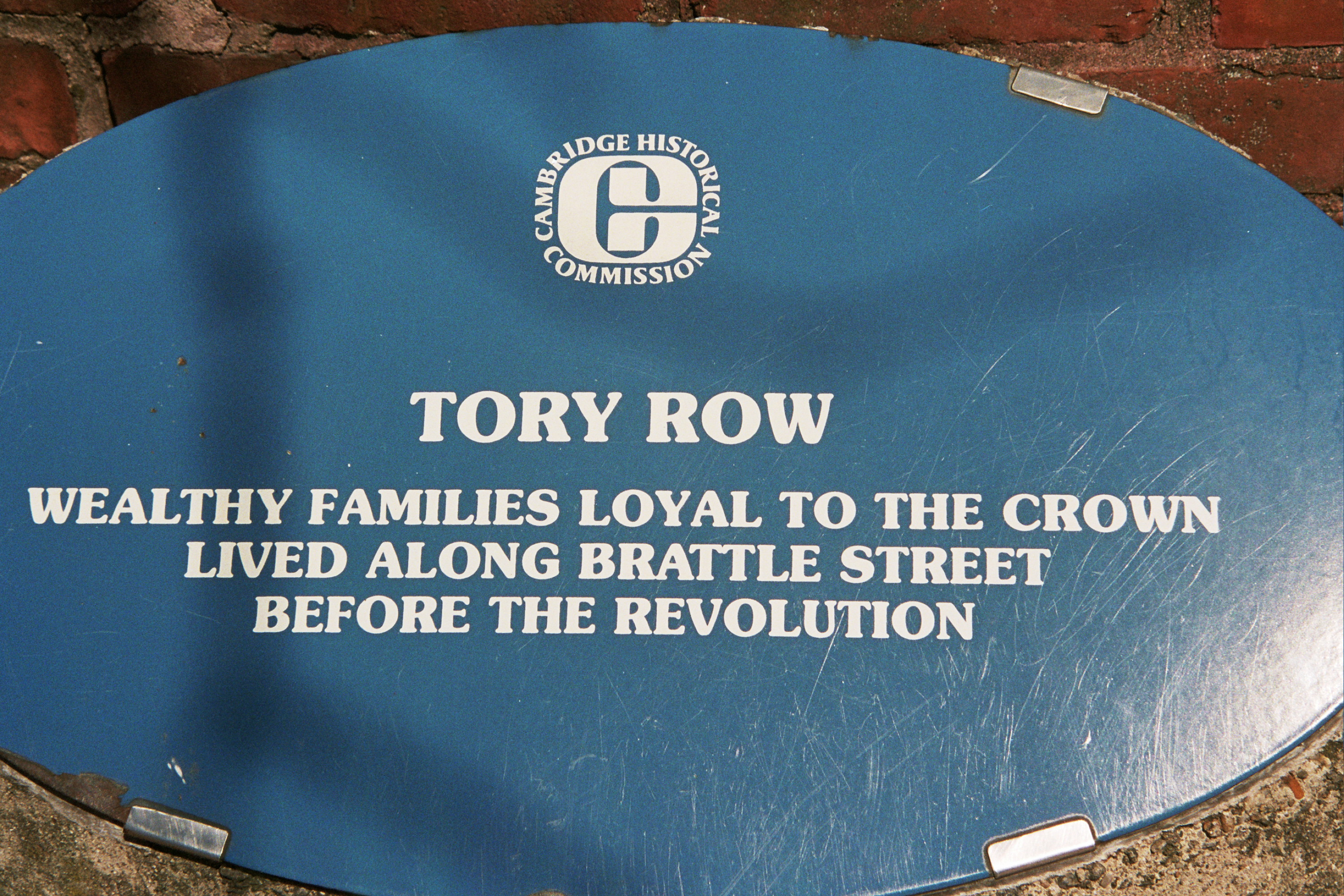
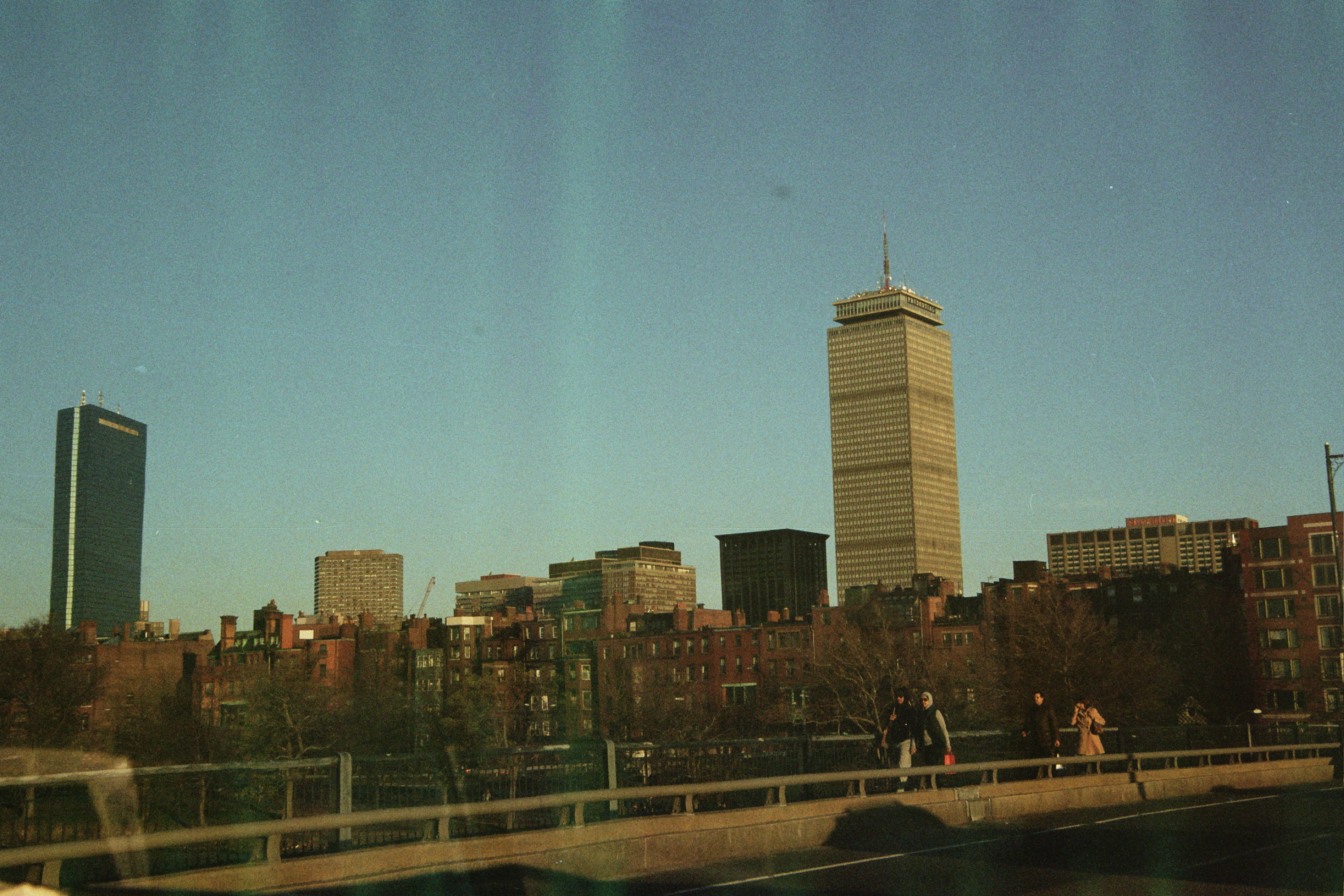
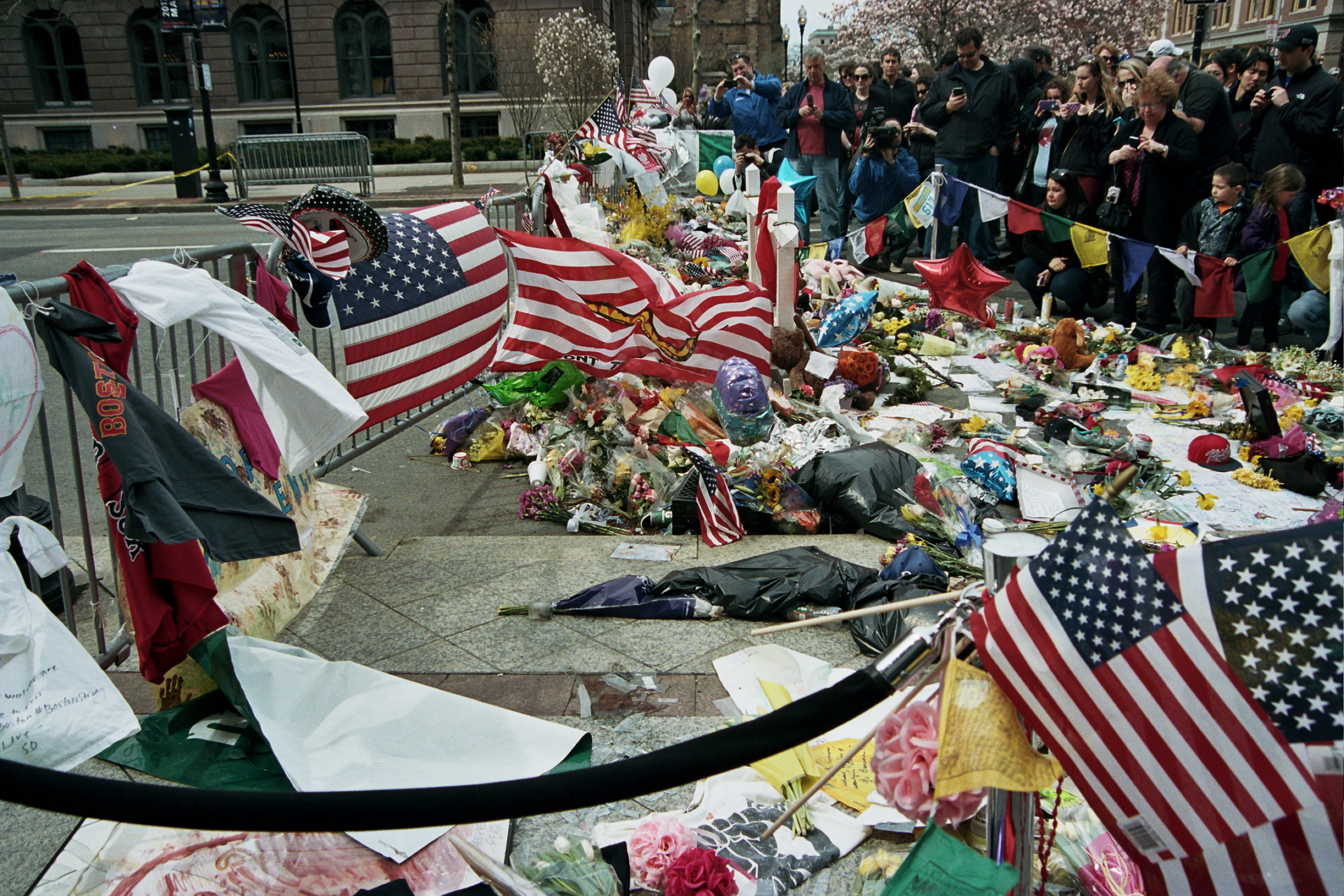 I was born in Boston and lived there until I was six. We moved a lot, sometimes every six months and I lived in a series of small coastal towns on the south shore of Massachusetts, lining the seascape and woodsy old New England towns from the edge of the city to Cape Cod. I spent a lot of time in the city and its influence never really left me even when I was shuffled about the little beach communities. I moved back to Boston for high school and college and I’ve lived and worked there or nearby ever since, barring travel and living for a little bit in Los Angeles, Seattle and New Orleans. I have loved my city my whole life. It’s a different city for different Bostonians and it certainly has changed for me over the years. In the most compelling ways its been a city of art and books and learning (and difficult weather) and funny accents. It’s a college town, it’s a historical city, it’s mixture of working class and tony neighborhoods and has great hospitals and art museums and concert halls. It has a rich literary past. It’s full of Irish pubs, seafood restaurants and is home to one of my favorite Italian neighborhoods in the US. It’s a tough city at times and it’s a pretty one too. It has its own troubles but ultimately I found opportunity and inspiration here. I rode its trains and wrote about Boston life in the aughties. I photographed it in the last few years. And like most other Bostonians I was hit hard by the terrorist attacks at the 2013 Boston Marathon. About a week after the attacks I took my film camera and some art film and shot the makeshift street tributes and some of the scenes of the attacks. I also shot some of Cambridge (MIT – another scene of the attacks and Harvard Square and Tory Row/Brattle area) and other spots of Boston. I wasn’t surprised by strength of the city and its people in the face of the manhunt and the aftershock of violence which was palpably felt in every square mile. What struck me most was how much Bostonians were trying to be normal and live their lives and pick up the pieces on a beautiful spring day. The killers had not yet been caught. The aftermath was laid out in the closed off city blocks and there was an air of somberness in the heart of the city; at famous Copley Square, on posh Newbury Street, on beautiful, brownstone-lined Comm Ave, at the Public Garden and on Boston Common, in Back Bay and the South End. But it was also a sumptuously lit afternoon, the birds were finally out, the blossoms were opening on the cherry trees, the swan boats emerged, children ran about in the park, tourists walked with their maps and Colonial attired guides and there was a wedding in the gardens. We were still alive. We had to be. We were Bostonians. Life goes on on a lovely spring day despite ourselves. In spite of it all. Because we want to live. We have to.
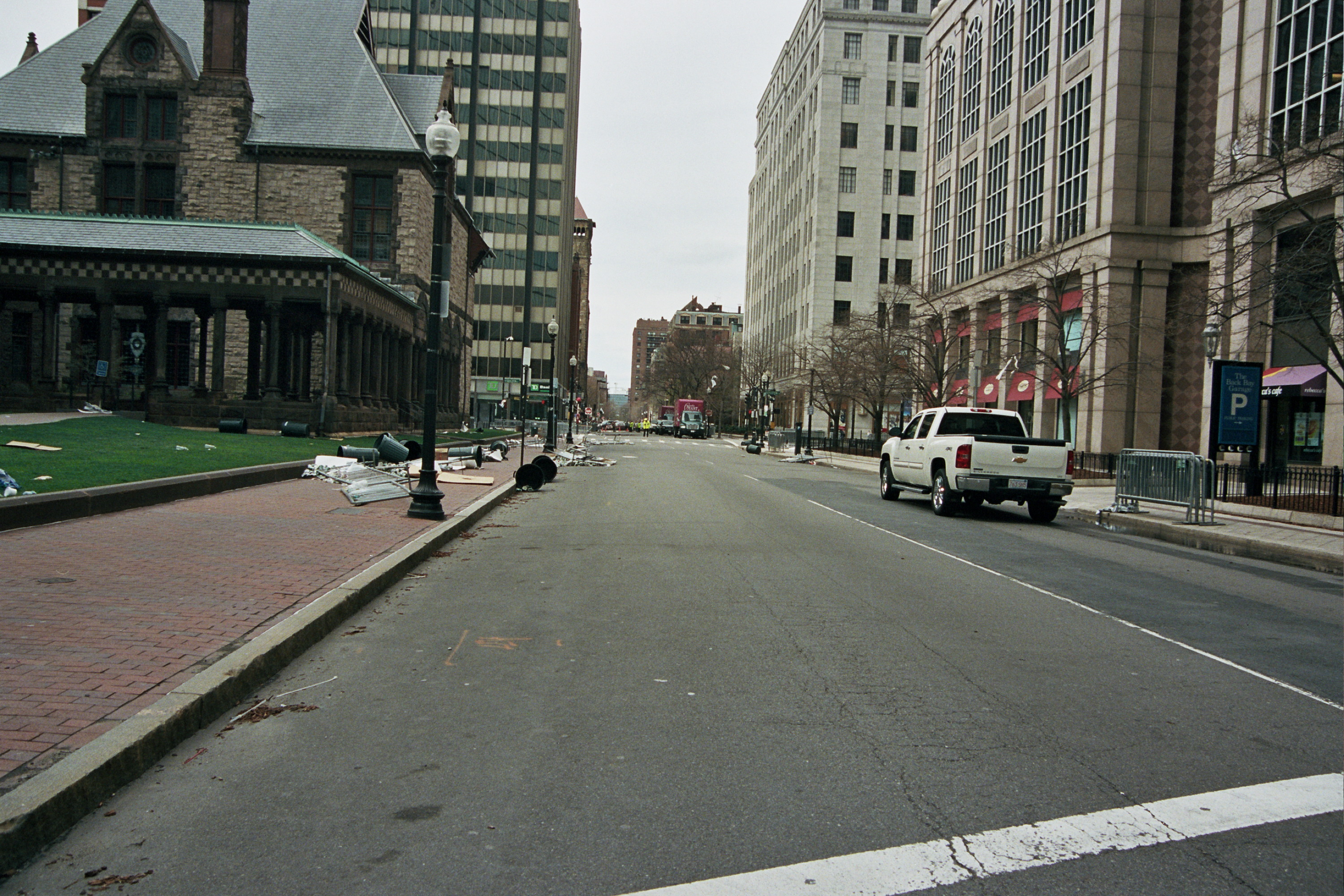
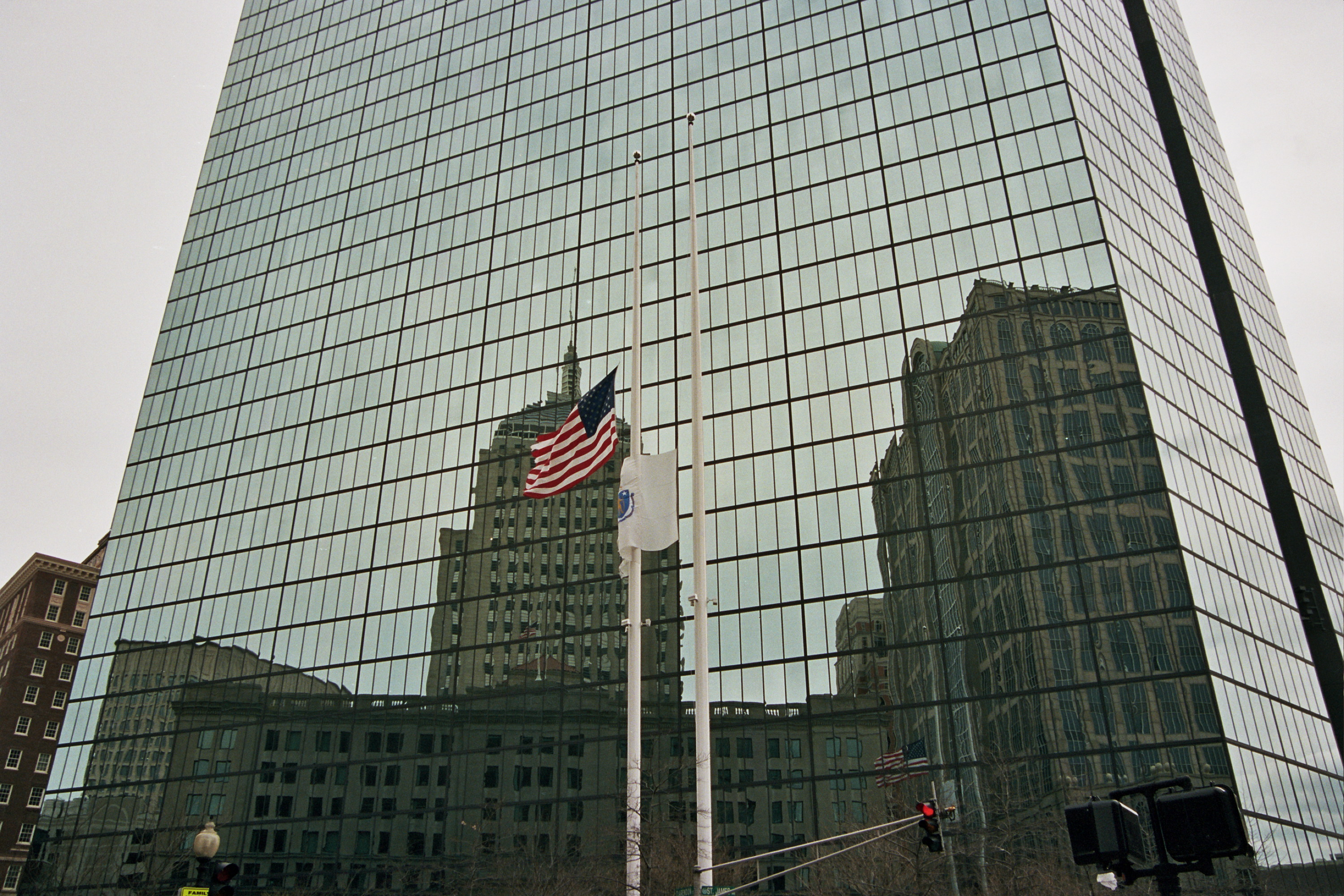
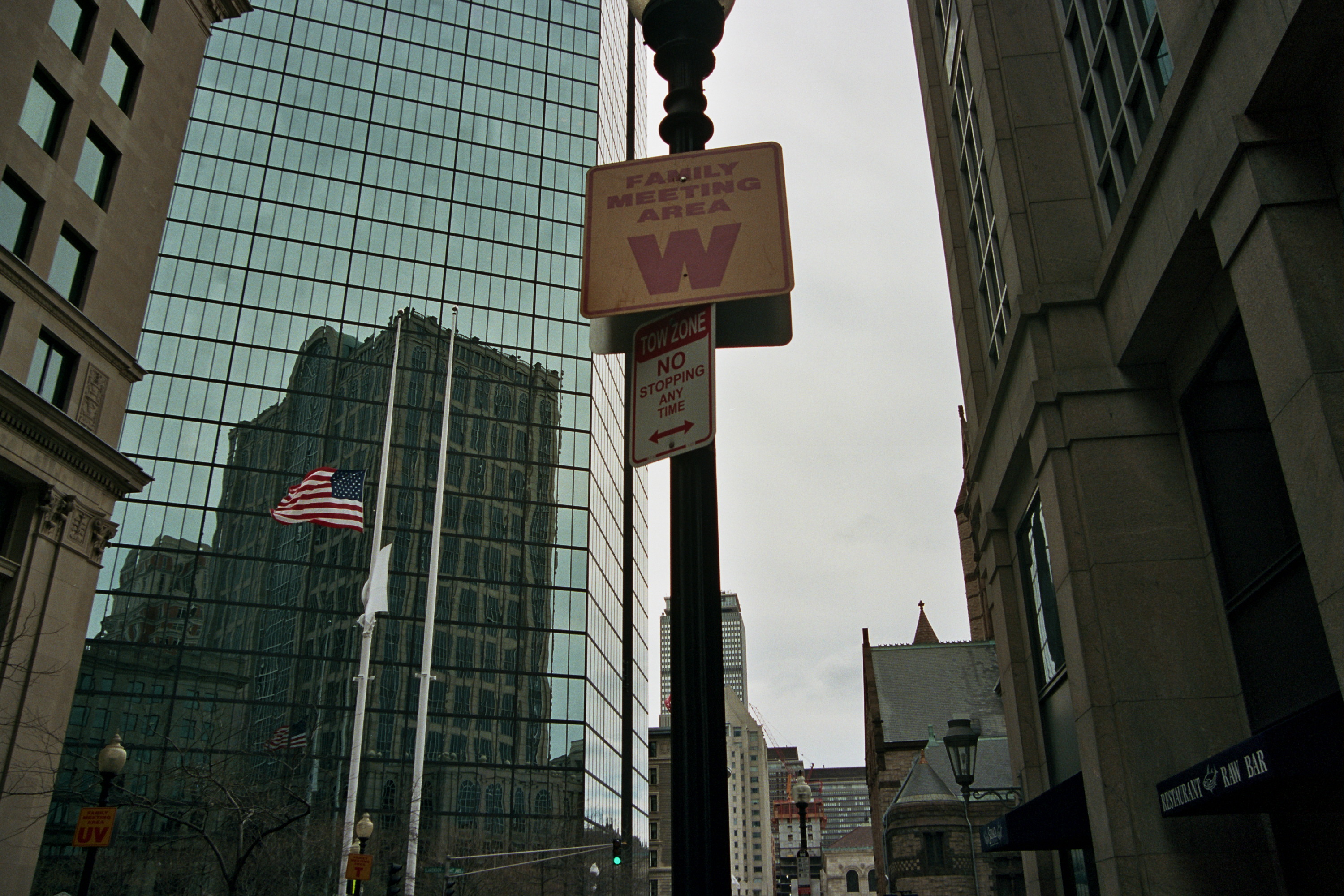
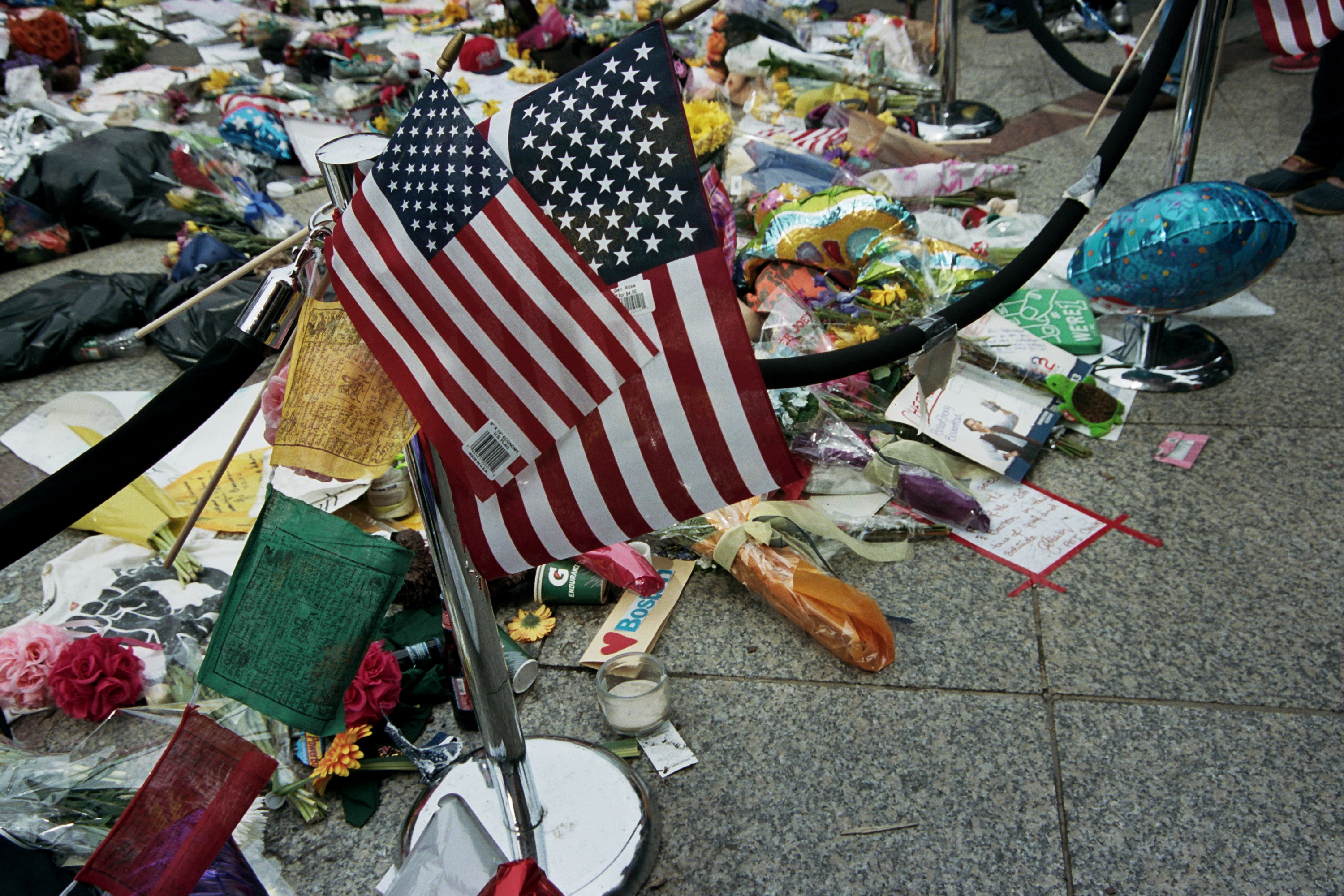


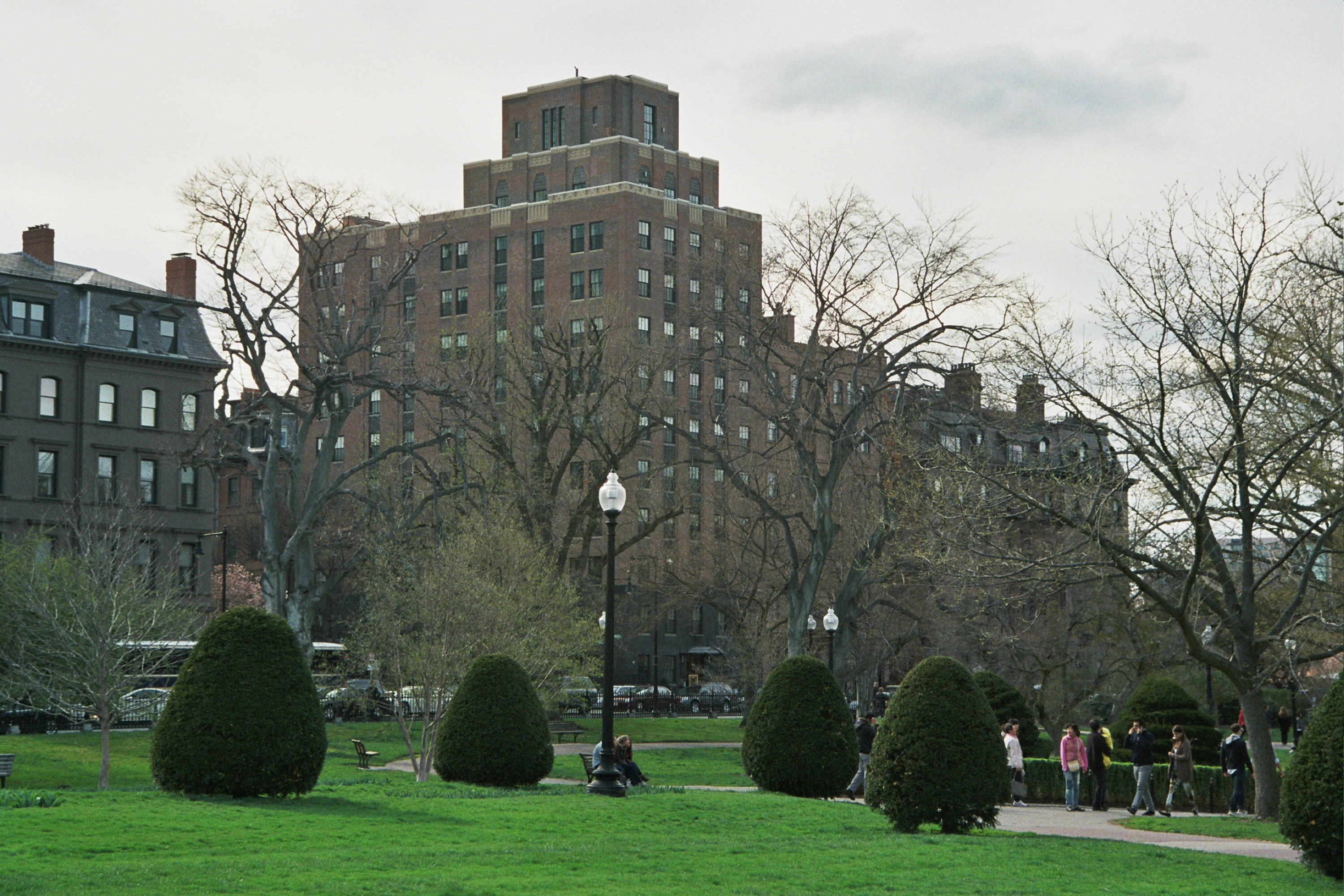
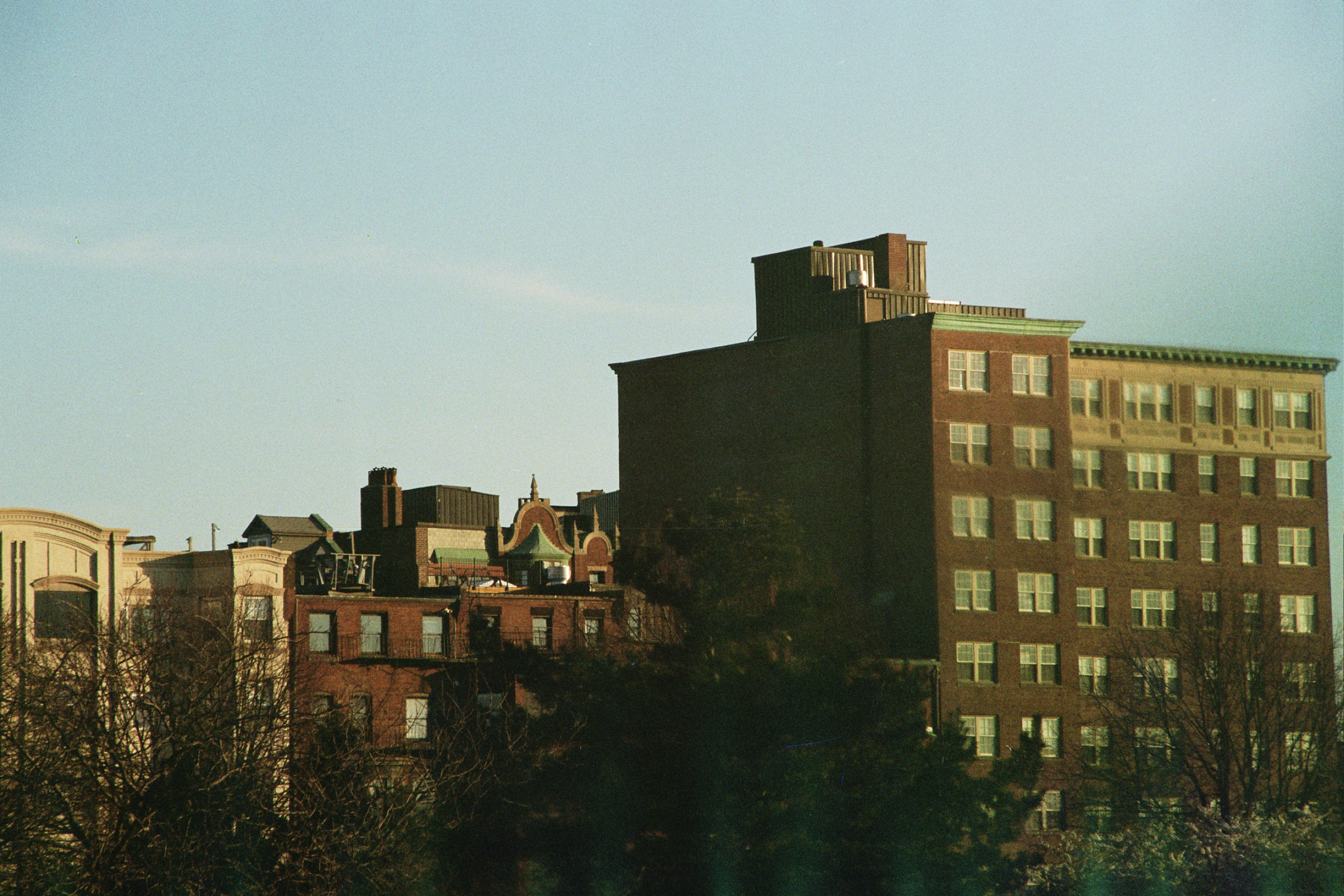
My art deco building – I lived here in the dormitory for Emerson College. The location was incredible. Now they are luxury apartments.
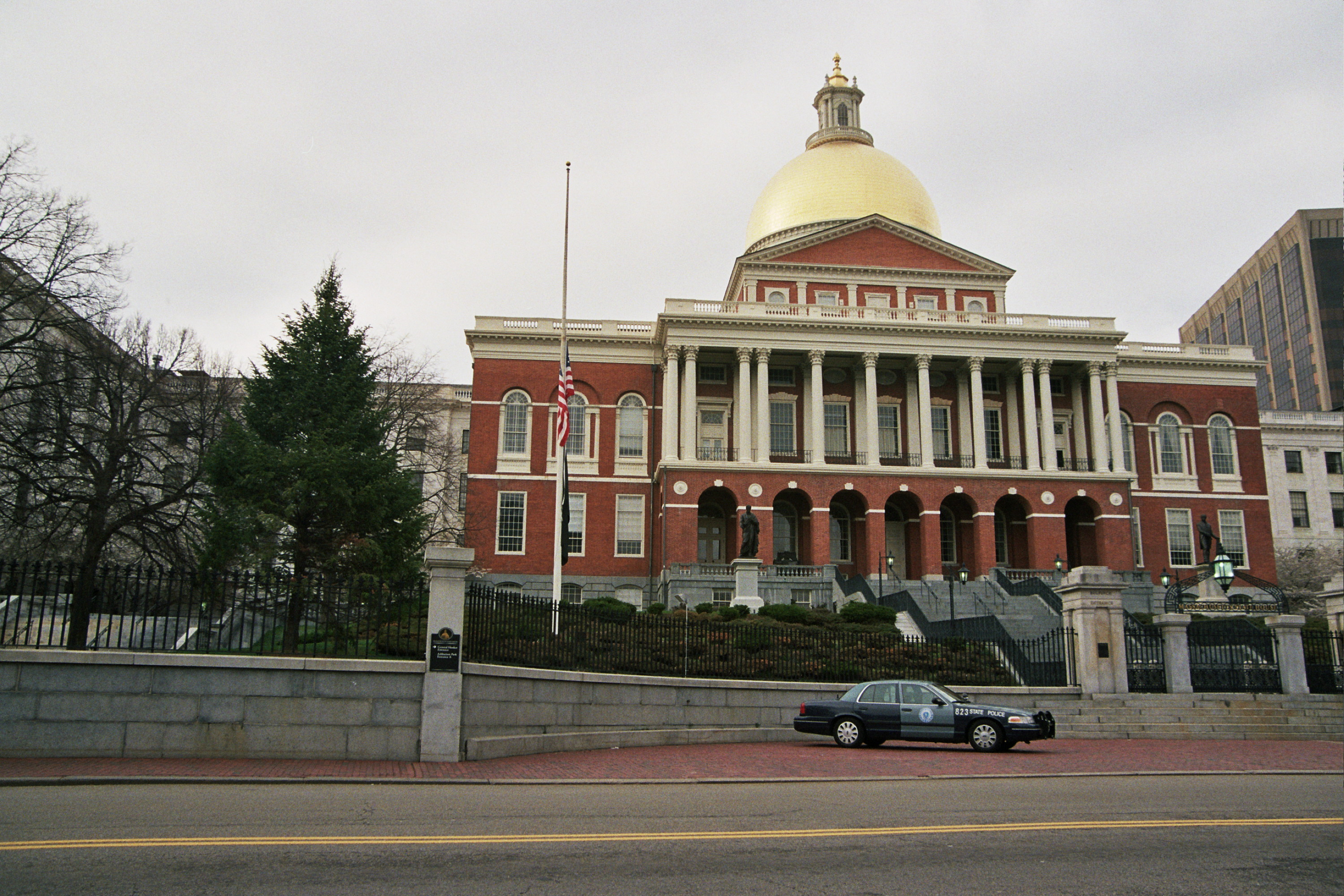
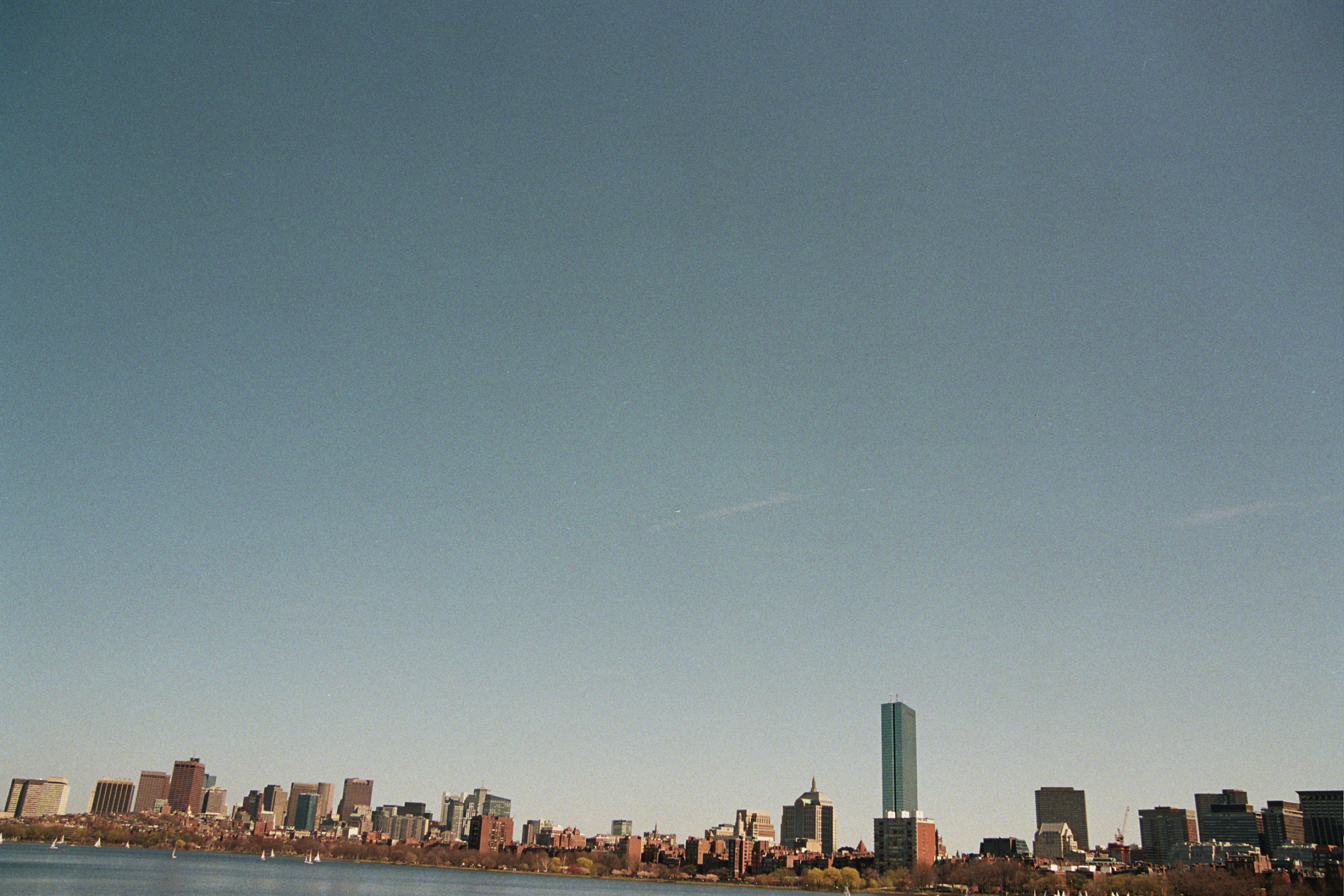
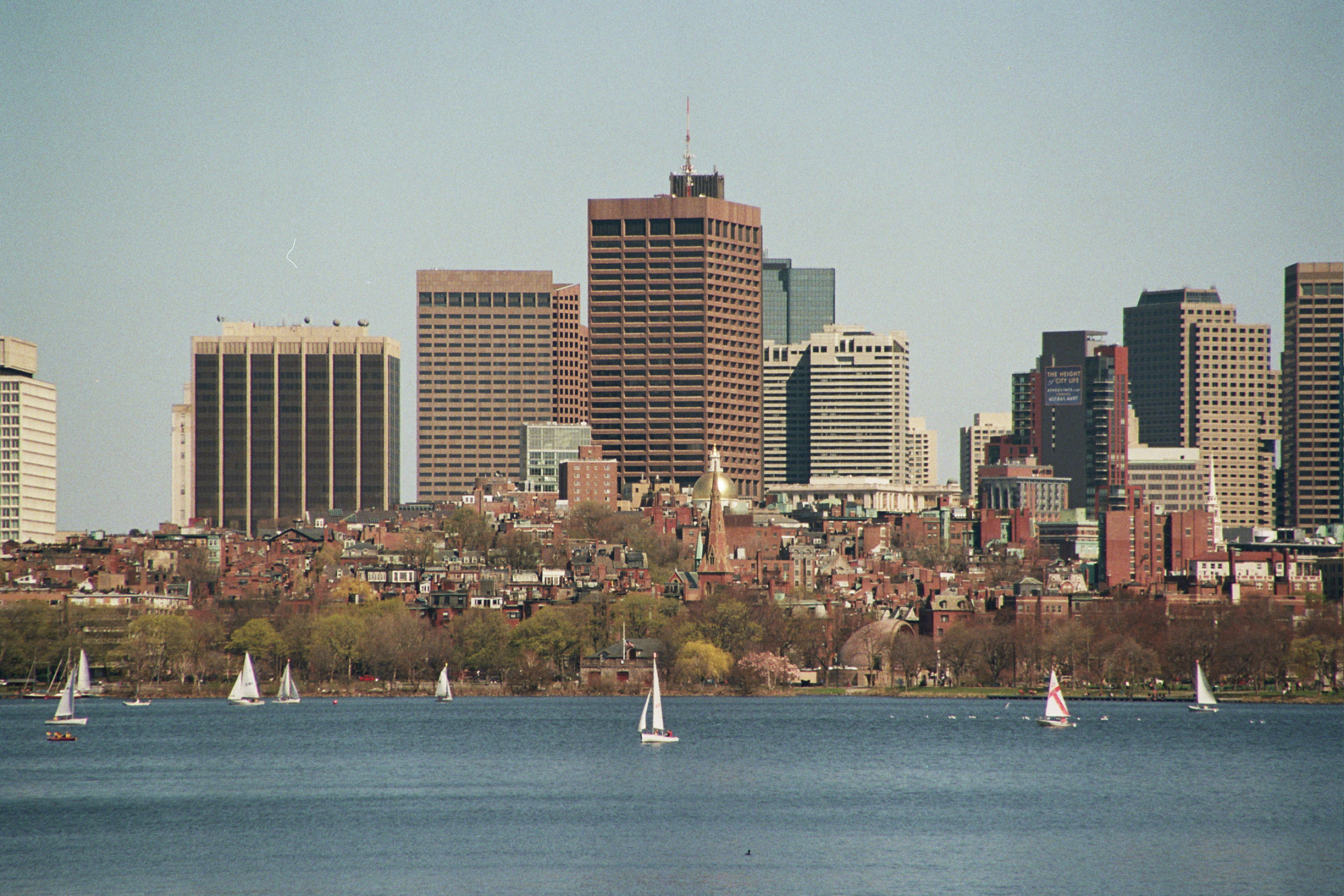
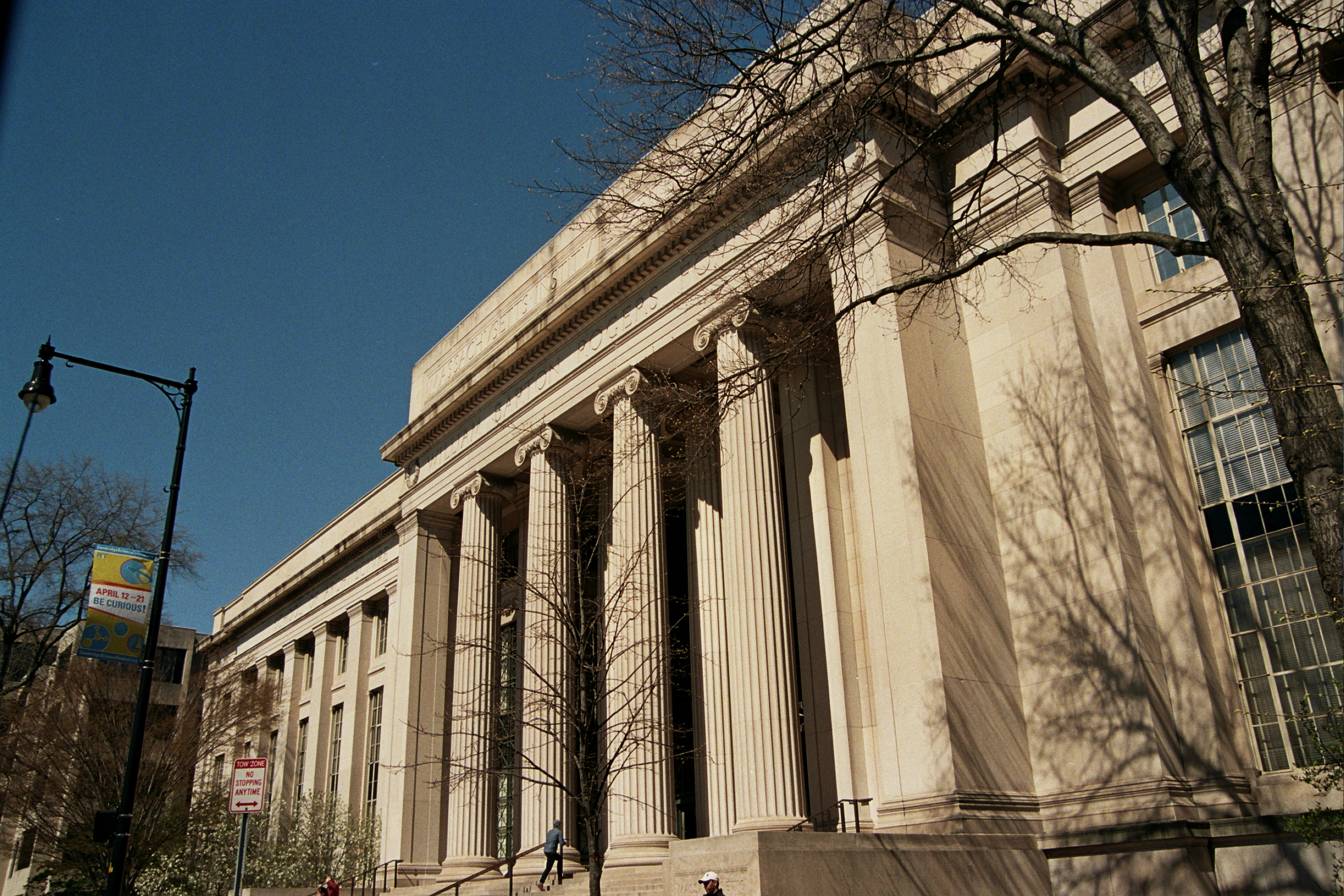

I’ve been away in Italy taking lots of lovelyish pictures and collecting interestingish stories for the blog and some travel guides/magazines. Of course after a jet lagged flight from chaotic Napoli to Dublin and nearly missing the connecting flight to Boston I have managed to stumble into the bath, into bed, and into work since I landed on Eastern Standard Time. I dropped off 25 rolls of 35 mm film, mostly varying speeds of posh portra and some fuji and semi-vintage kodaks and the criminally expensive velvia. I have digital files to pour over and edit as per usual after a trip. It takes months, sometimes years to go over everything. The new URL for this blog is alovelettertorome.com)
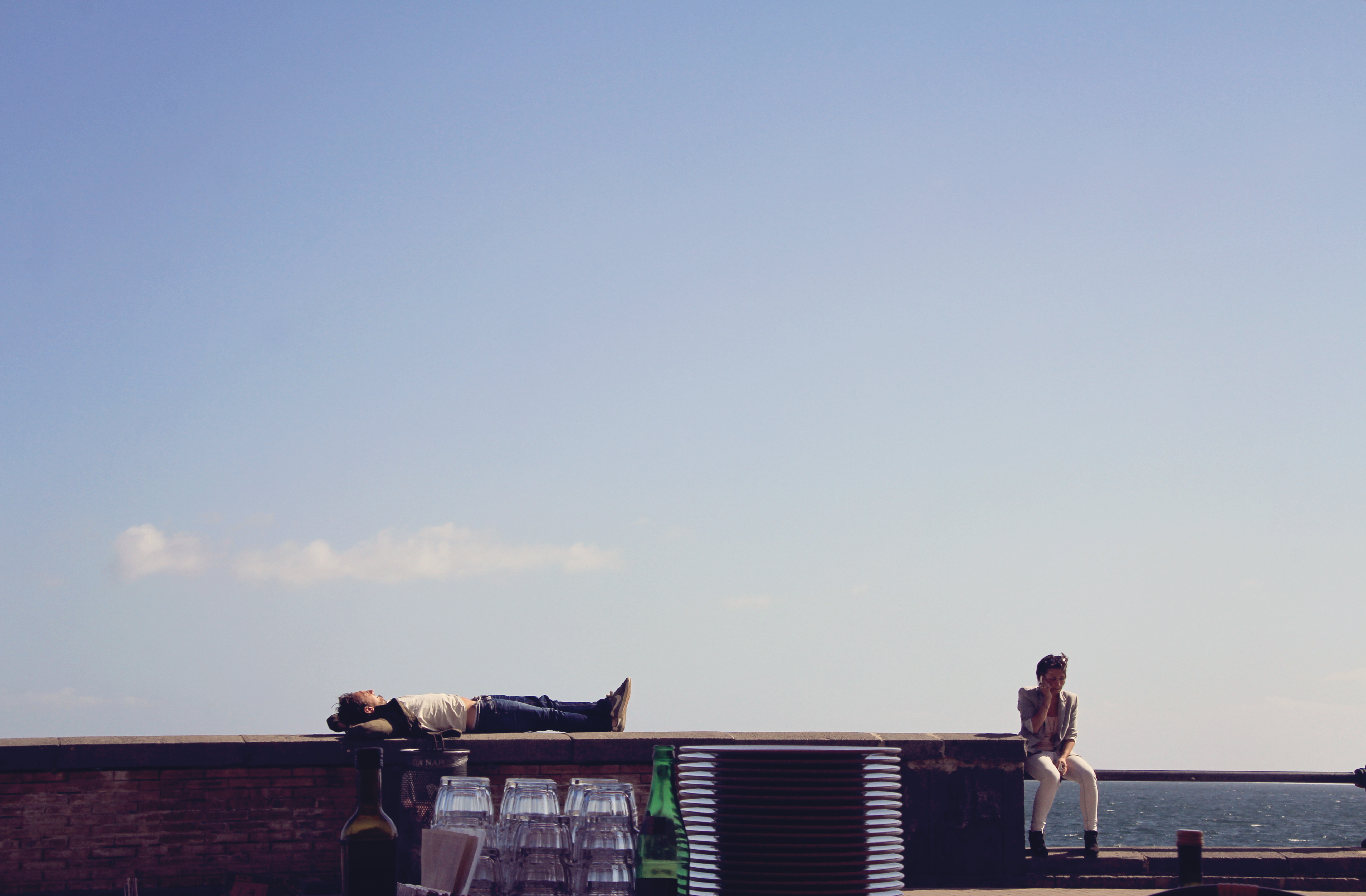 The 21st century couple. Napoli, May 2013, while I was devouring something at a cafe. Digital eavesdropping. The Santa Lucia district. An Italian spring afternoon (always superior to a drafty New England one).
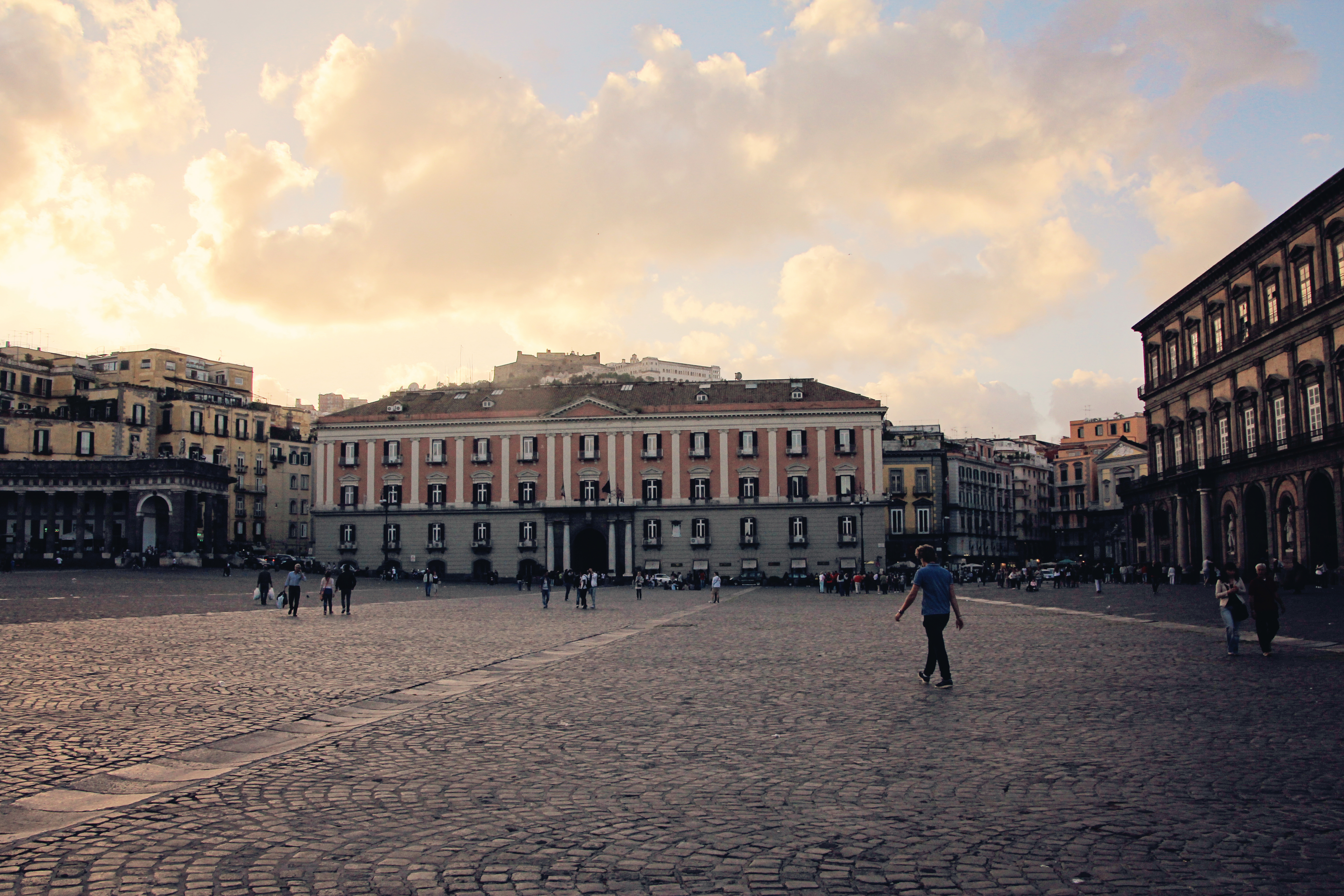
The Piazza Plebiscito. Mostly designed by the French it is quite breathtaking when approaching it from the Santa Lucia district when the sun is setting at the peak of the golden hour on the castle or monastery built on a hill overlooking the Bourban buildings and the city square. The clouds and the stone and the Neapolitans … and the coffee are a marvelous combination. I feel excited when I’m standing there watching and listening. There are always children playing football on the cobblestones and lovers kissing against a light post. Oscar Wilde’s haunt, the art nouveau camp paradise Caffe Gambrinus makes a great sweetened nutty coffee drink – the Nocciola. If you haven’t had a nocciola it’s exceedingly hot espresso with roasted hazelnuts crushed into a “cream” and a hint of sugar. Served in a girl’s glass and they are absolute heaven. Don’t ever expect to drink them outside of Naples. I’ve had arguments with Romans and Florentines and Milanese and you name it on the veracity of this beverage and on the elusive espresso con panna (espresso with whipped cream). These delicacies do exist and they are unique to decadent Napoli.
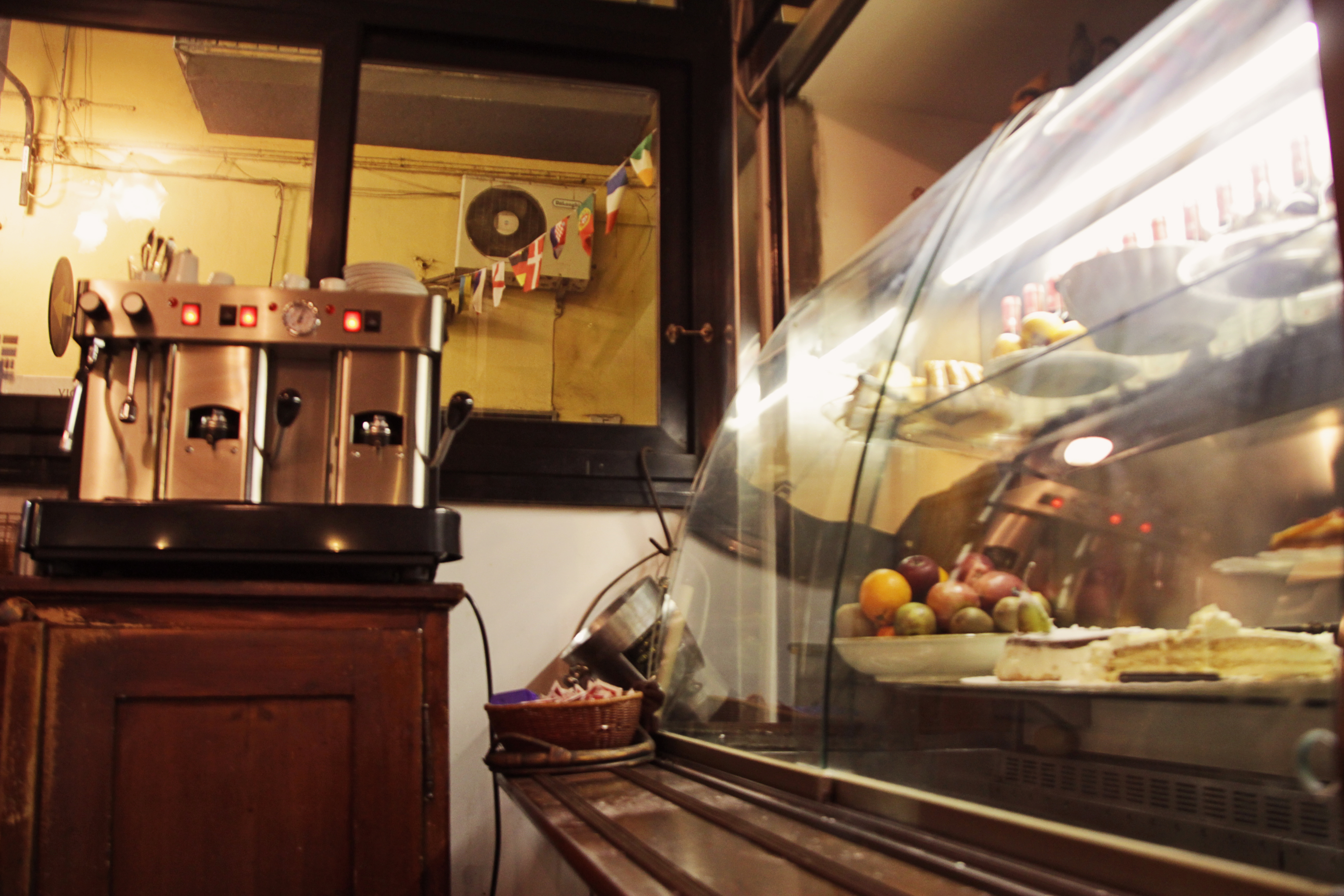 You’d think someone who has been drinking coffee since they were six years old (and I’m a youngish 37) would not be excited about good espresso and proper cappuccinos after all this time but when I’m in Naples I am, I am, oh boy, I am.
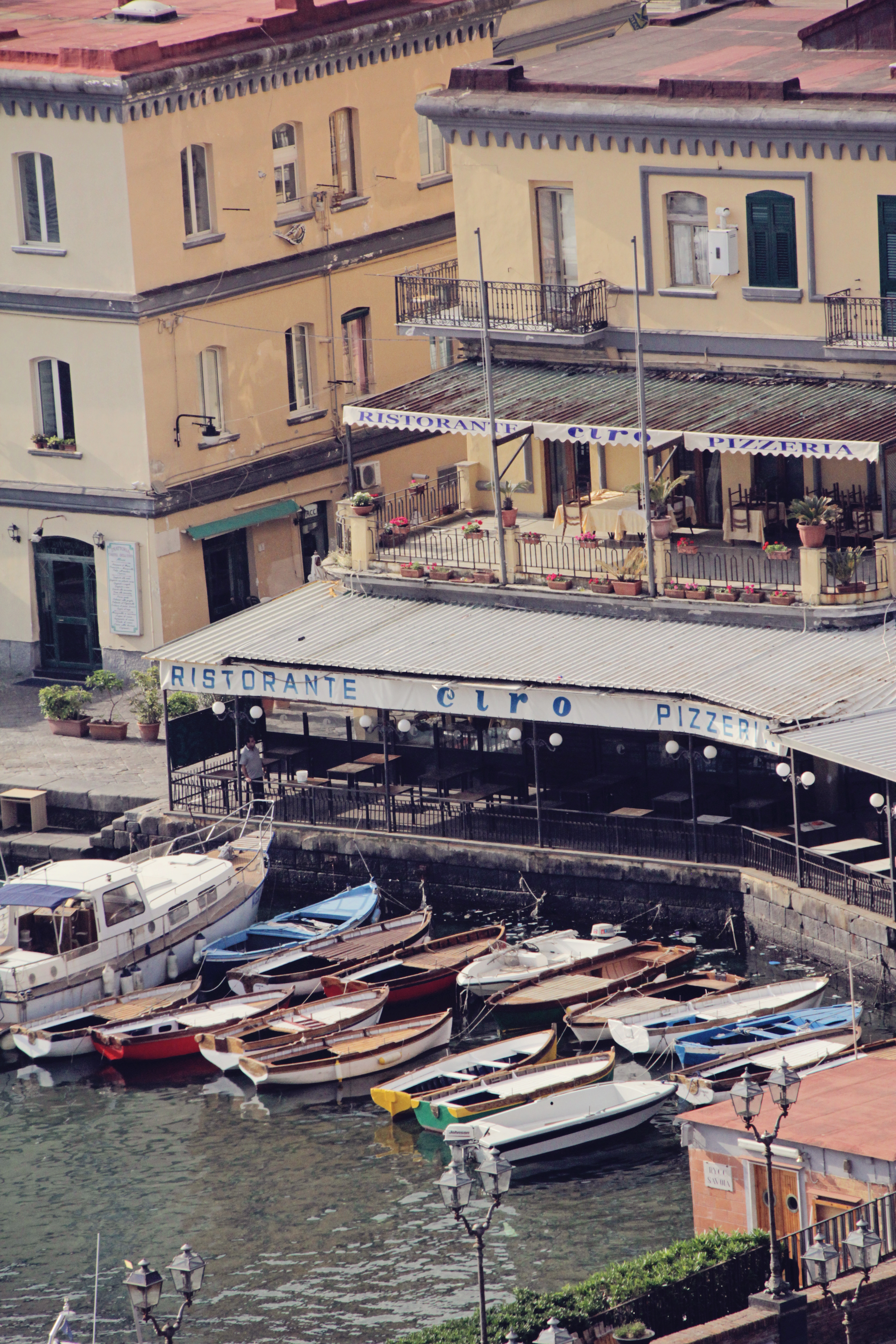
I’m warning you ahead of time, I took an obsessive amount of photographs of fisherman’s boats. And fishermen.
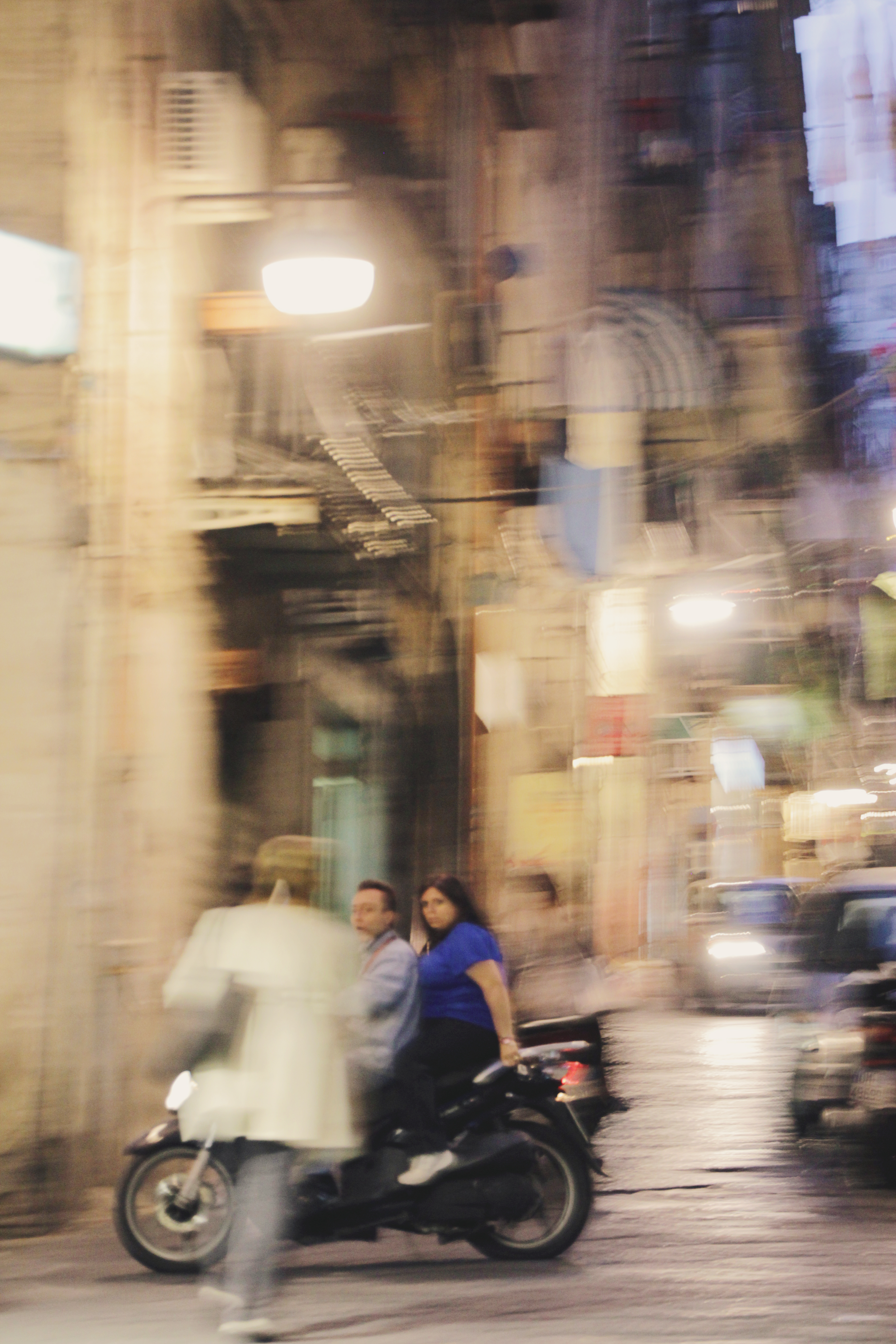
There really is nowhere like Naples.
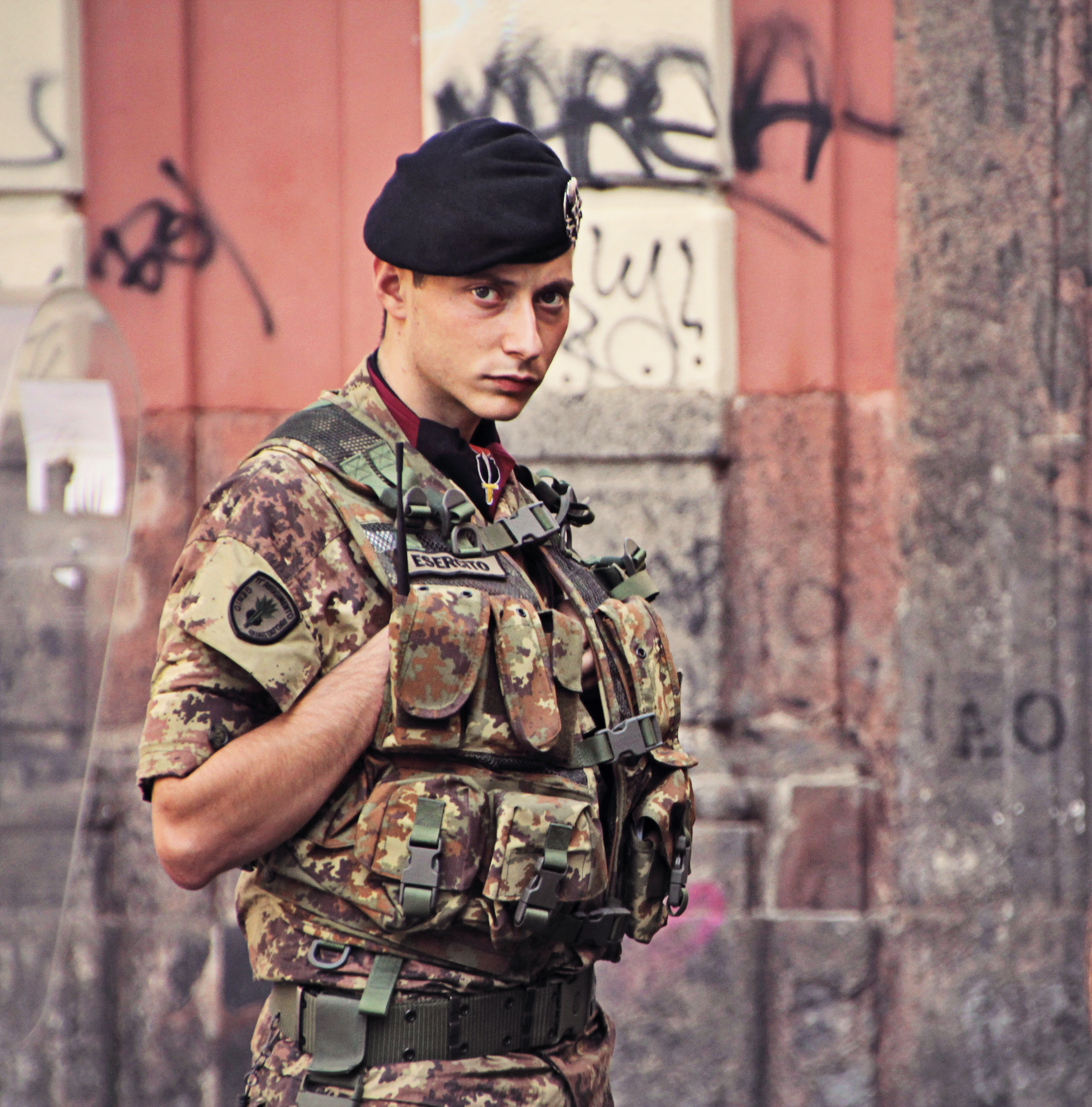
I had one shot. I couldn’t blow it. I wanted to hide and be invisible and take his portrait across the piazza. I had one frame. And then it would be lost, the moment, the intensity of feeling, his direct gaze before self awareness gets the best of him. He gave me more than I could have hoped for, my Neapolitan. My soldier. I cannot hide from his direct gaze.

I have a wanderlust for all the beautiful and fascinating places in the world, especially art filled cities full of history and literary haunts.

In 1998, when I was 22 I first traveled to Italy. From the moment we stepped out of our tiny Hotel Genio and around the corner to the Piazza Navona, we knew Rome was going to answer our wildest dreams with an even greater beauty. I tell people who have not been there or who have been there and have somehow not appreciated the treasures of Rome: Rome is a feast of all senses, an open air museum, a celebration.
Rome is the place I love and crave and long for because nowhere else in the world can I wander into a church and see several Caravaggio’s against the backdrop of somber hymns and sit in a pew and admire his work in silence.
There’s the wild strawberries to eat on cobblestones from a market.
There’s the ruins at night, to stand above them and linger there for an hour, to feel transported back in time, very far back in time.
There’s wandering in the footsteps of Oscar Wilde wandering in the footsteps of Keats and Shelley. There’s Babingtons (there’s my anglo side which needs to be satisfied).
There’s Artemisia Gentileschi paintings scattered across Rome (and Florence and Naples) awaiting my worshipful gaze.
There’s Sundays in Rome, the greatest day, the only place you feel you should be in the world on a Sunday when you are there. Away from the awful pollution of the cars (my one pet peeve of Rome)… to roam on the Appian Way, to stop and eat somewhere or pick red poppies along the road.
Pizza at Bafetto. Pinot nero. Frascati. Tears of Christ. The view of Rome atop the Wedding cake. The Borgia rooms. Artichoke season. Hazelnuts. Pine nuts. Capreses. Prosecco. Oranges. Lemons. Olives. Trastevere apple bread and long lunches there and hours photographing the grafitti. Nuns walking through the city. Red domes turned gold. Unexpected art exhibitions. Villa Borghese. Penne alla’arrabiata. Porcini. Truffles. White fish. Fisherman’s stew. Capotoline Hill.
There are a thousand other moments I love in Rome. These are just a few.
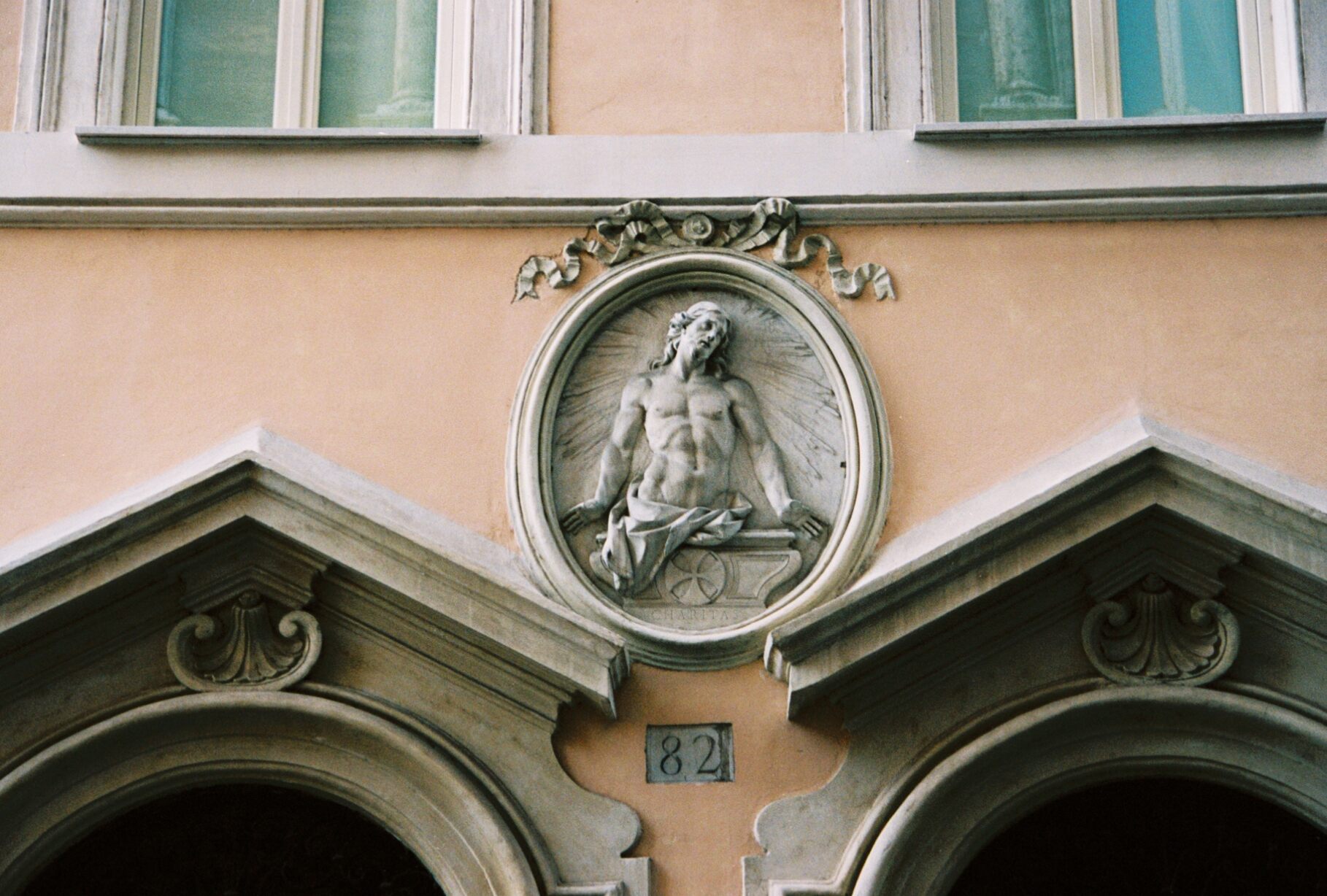
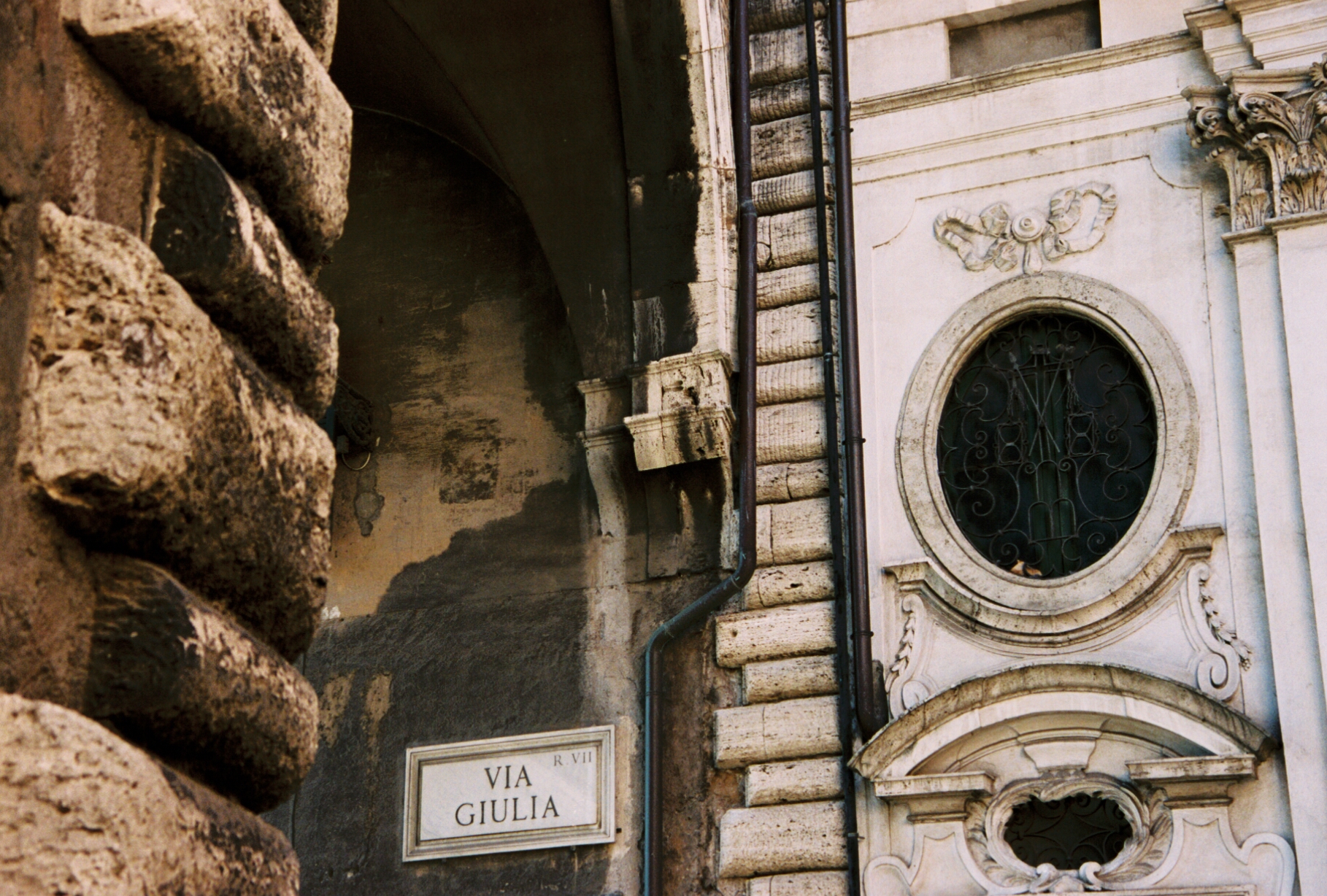
I love the cemeteries of Rome. I live for all the architectural details. And the marble. And a thousand saints and angels and statues. And all the Renaissance art and intricate Pompeiian mosaics. And the ruins. Not to mention I have an almost inexpressible feeling of happiness in certain slants of Italian sunlight and shadow, with the scent of lemon and orange trees accompanying me on a ramble, content with a glimpse of a white dove on Palatine hill or brushing past an olive branch. Just fountain hopping at night makes me happy. I cannot tire of the umbrella pines and cypress trees. Or taking afternoon tea at Babington’s or daydreaming in 18th century splendor at Caffe Greco, where the English Romantics mused and drank at the same tiny marble tables.
Finding a room with a view. And following the Roman cats through the ruins! And trying to visit all nine hundred beautiful old churches. (Impossible). And the Borghese gardens and palazzo museums and the sound of water fountains and sculptures and Italian gardens and vespas and red roof tiles. And a hundred thousand other things I will try to capture on this blog. (And I love Naples & Florence & all of Italy, which will be featured some times, as well as related art exhibits, books, music & films)!
 a love letter to rome